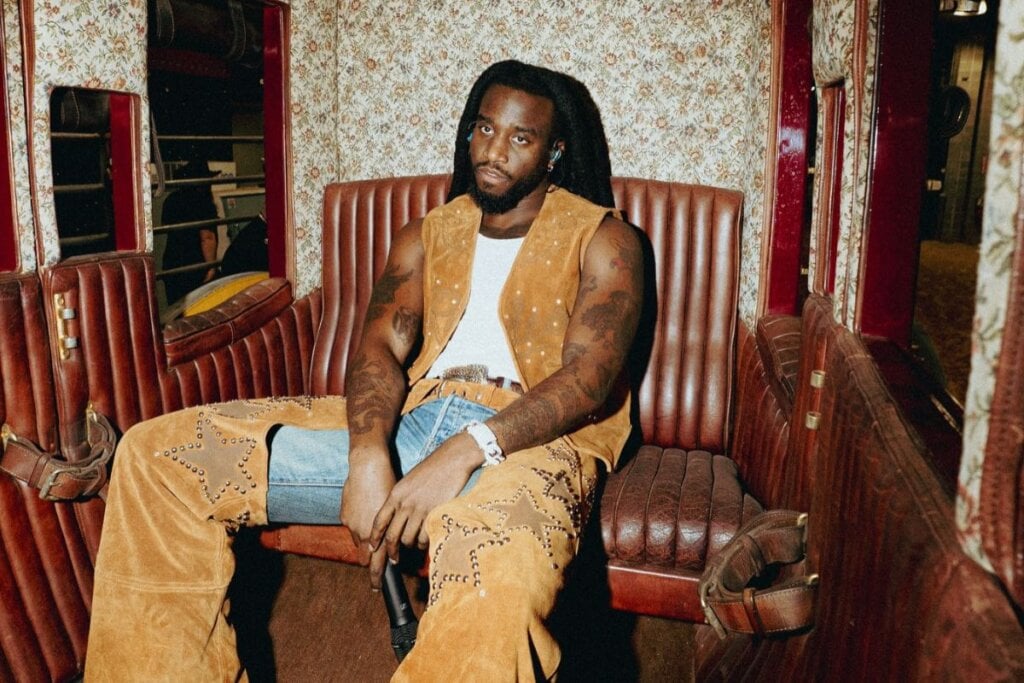
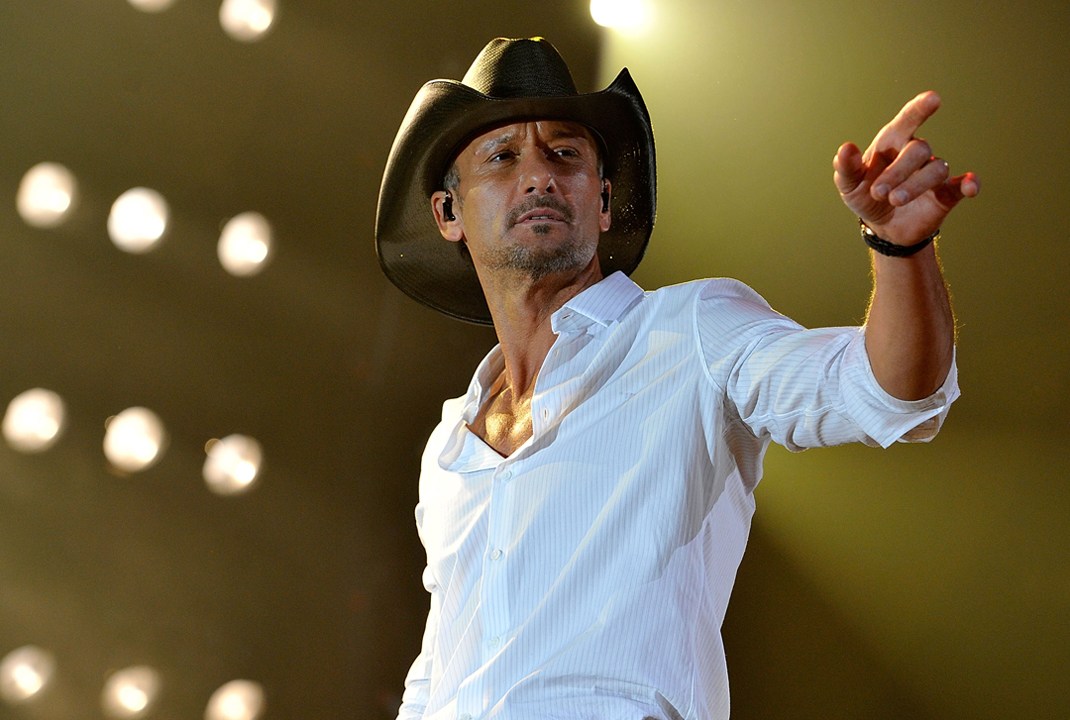
Shaboozey has announced his fourth studio album, The Outlaw Cherie Lee & Other Western Tales, due out July 31, along with his Outlaws Never Die Tour, which will take place this fall.
The concept album tells a western-inspired story centered on Cherie Lee, a woman seeking revenge after her father’s murder while enduring the trials and tribulations of a complicated love story. The project’s lead single, “Born To Die,” serves as the first preview of what fans can expect from this next set of music.
Photo Courtesy of Shaboozey
The Outlaw Cherie Lee & Other Western Tales will follow 2024’s Where I’ve Been, Isn’t Where I’m Going album, which as the country star explains, was a collection of songs that acted as a “journal entry,” allowing fans across the world to get to know who he is as a person. He is now building off the momentum and preparing to share even more stories that showcases his artistry and mission as a storyteller.
“That album changed my life,” he admits. “I never expected people to connect with the album and enjoy it the way they did. But now I want to show the world who I am as an artist and storyteller.”
Shaboozey goes on to explain that his upcoming release has been “several years in the making” as he made plenty of revisions along the way before he could feel content with the final product. The result of his tedious efforts is a western style album that chronicles a story of revenge told through every song, with its main character, Cherie Lee, at the center of it all. Additionally, the track list will feature several star-studded collaborations that continue to push the boundaries of country music.
“It explores so many themes, as many timeless westerns have: revenge, redemption, and romance, through the eyes of a protagonist looking to challenge everything she once thought true about her world. I poured all of myself into this and I hope people become as immersed in the world and the journey as I have.”
He adds, “This album was a promise to myself and something, no matter what, I had to keep. It pushed my songwriting and storytelling to new heights, and I couldn’t be more proud to say it’s done and almost yours.”
In support of the album, Shaboozey will launch his Outlaws Never Die Tour in September. The tour will run through October with stops across North America, including Nashville, New York, Chicago and Los Angeles. The tour will also include a stop in Nashville on Sept. 18 at Ascend Amphitheater.
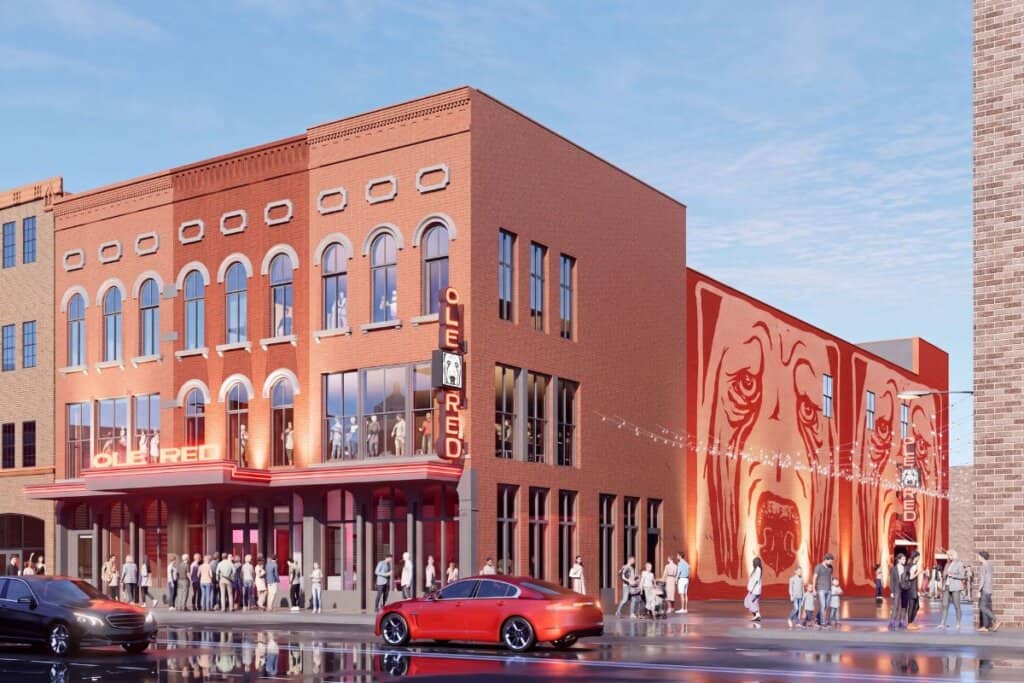
Ole Red, the Blake Shelton-inspired bar, restaurant and live music venue, is getting its seventh location. The establishment already has a presence in Nashville, Las Vegas, Orlando, Gatlinburg, and in Shelton’s hometown of Tishomingo, Oklahoma, and now, it is getting a new home in downtown Indianapolis.
According to an announcement from Opry Entertainment Group (OEG) and Boxcar Development, the massive 37,000-square-foot, multi-level space will sit just steps from multiple entertainment venues including the Ritz-Carlton Indianapolis and the Gainbridge Fieldhouse, making it the perfect addition to the city’s growing sports and entertainment scene.
Ole Red Indianapolis location: Photo Provided
On the morning of Wednesday, April 29, Shelton and Colin Reed, Executive Chairman of Opry Entertainment Group (OEG) parent company Ryman Hospitality Properties, the Simon family, local leaders and Blake Shelton gathered at a press conference to speak more on the evolving parentship.
“Indianapolis is a market we have admired for some time, and we are thrilled to have a likeminded partner who shares our vision and is helping lead the continued evolution of the downtown entertainment district,” said Reed. “We look forward to expanding the Ole Red brand and creating a best-in-class entertainment and hospitality destination for the Indianapolis community.”
The new location will once again offer its signature dining and live music experience with two performance stages, a main restaurant and bar area, and a covered rooftop bar overlooking downtown. Its expansion to the Indianapolis area marks another step in growing the Ole Red brand by bringing a taste of the Southern charm to the country fans of the Midwest.
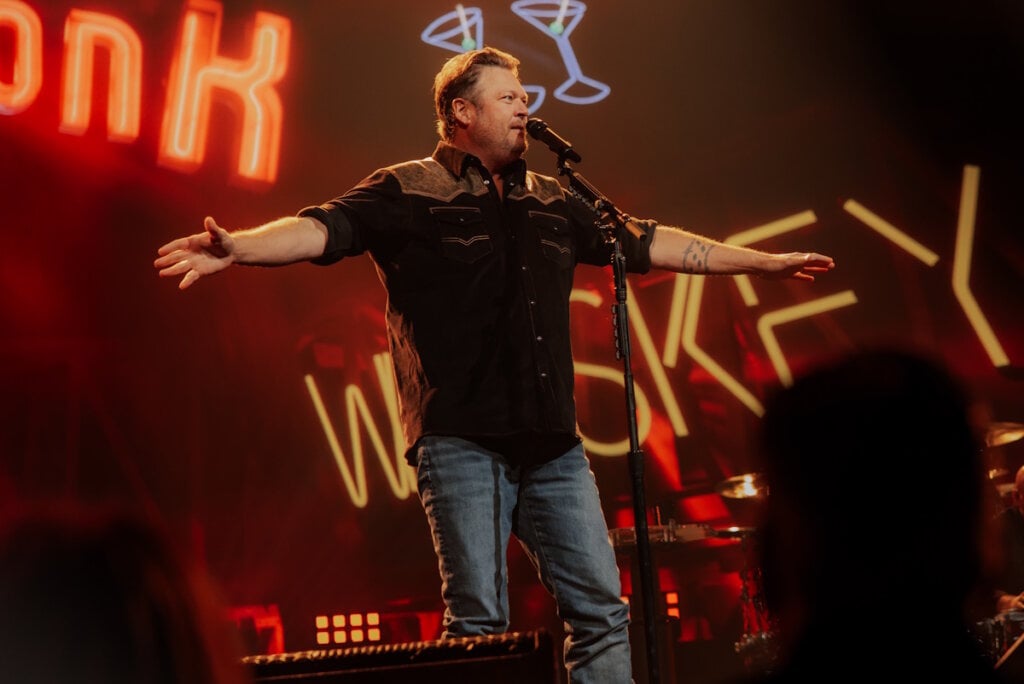
Blake Shelton; Photo by Jamie Wendt
Inspired by Shelton’s 2001 hit by the same name, Ole Red is projected to open its doors in Indianapolis in late 2027 at 231-235 S. Meridian Street. Guests in the Midwest and beyond will get to experience the made-from-scratch food and drink menu, also inspired by the counter superstar, along with a concert-quality live music atmosphere.
During the press conference, Shelton revealed how Indianapolis has been a big part about his musical journey, from the early days of being completely unknown to delivering his first public performance of his debut single, “Austin” at a “country music expo” and later, returning for his first television special concert.
“It’s just been some of the bigger moments of not just my career, but my life have been here. So I always feel at home when I’m here,” he shared.
The country music hitmaker continued to reflect on the growing Ole Red brand in a new statement that reads, “Man, the energy in this place is just unreal. Every time I come through, I catch myself thinking up reasons to hang around a little longer. You put a city together that loves sports and country music this much, well, that’s about as good as it gets for me. Here we come Indy!”
Additionally, the project ties into a larger mission to expand the city’s downtown entertainment district. Opry Entertainment Group has revealed that it will also join the Fieldhouse Media Network as a marketing partner of both the Indiana Pacers and Indiana Fever.
“Partnerships and investments around Gainbridge Fieldhouse, just like this one, are exciting steps as we create one of the most bold and ambitious sports-anchored entertainment districts in the country,” said Simon. “We are proud to partner with Opry Entertainment Group and Ryman Hospitality Properties to bring this world-class brand to downtown.”
Ole Red won’t be the only thing drawing visitors into the downtown area. Boxcar Development has also revealed plans for the Ritz-Carlton Indianapolis and Live Nation event venue at the corner of Pennsylvania and Georgia Streets. Other current projects include the Indiana Fever Performance Center, the Signia Hotel by Hilton, and the expansion of the Indiana Convention Center, and more.
Construction is slated to start later this year on Ole Red Indy, with a focus on preserving and restoring the building’s historic exterior.
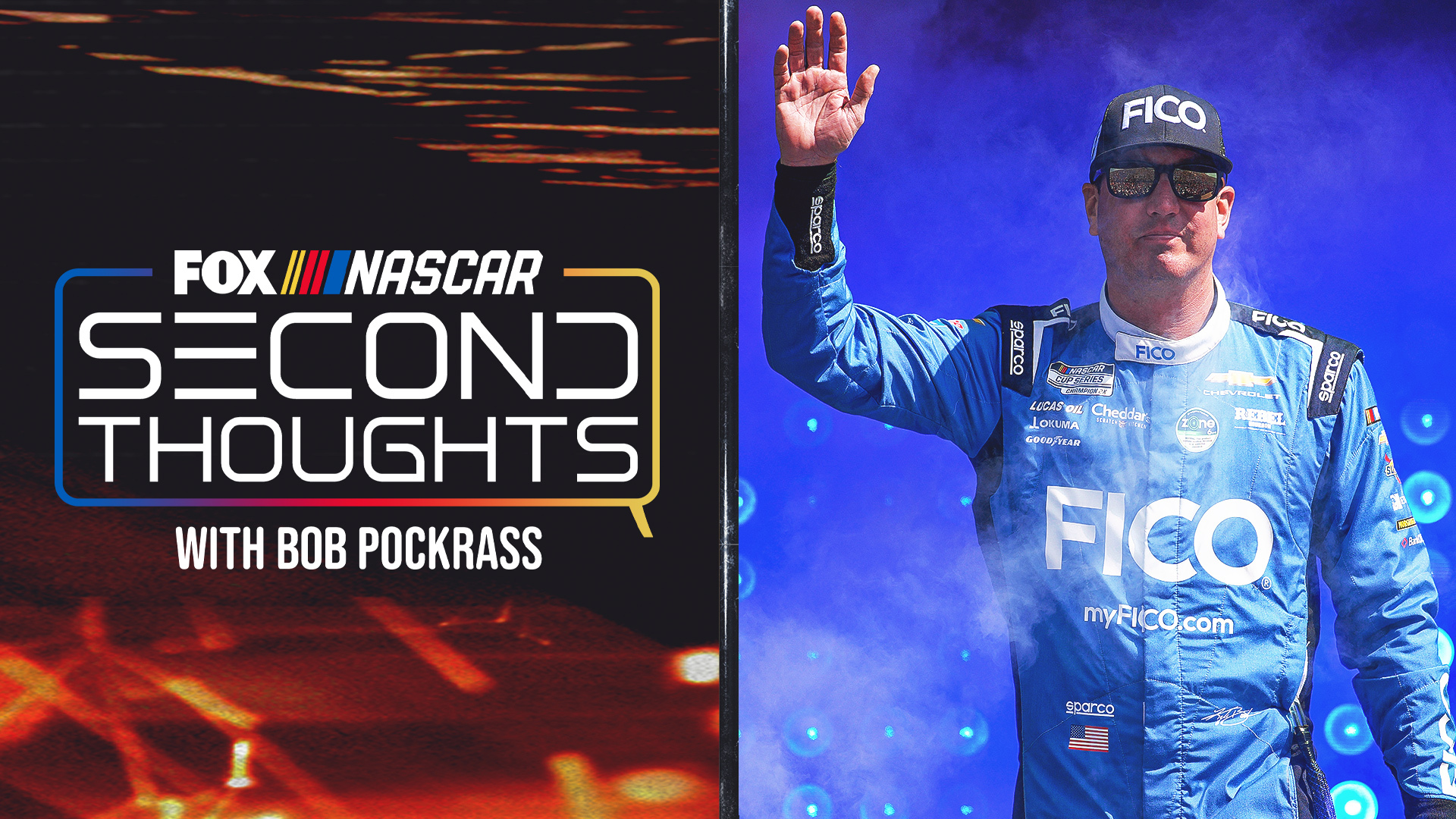
Kyle Busch has a new crew chief. Jim Pohlman is out; Andy Street is in. No one should act surprised over the move. Yes, Pohlman joined the team after the 2025 season and lasted only 10 races. But Busch sits 27th in the Cup Series standings, and that won’t cut it for a two-time series champion. He’s also finished better than teammate Austin Dillon five times and finished worse than him five times, but Dillon sits 24th in the standings. Busch told me and other reporters Saturday that he could see some light in the tunnel, that they made an adjustment at Kansas that worked. But Pohlman was possibly just a little too fiery to be Busch’s crew chief. He aired some of his frustration on the secondary radio channel when talking to Busch’s spotter earlier this month at Bristol. “Just same [expletive] every week.” Pohlman said. FOX Sports analyst Kevin Harvick, a former Cup champion, said that type of attitude, where Pohlman questioned why Busch wasn’t running better after an adjustment, is not the way a crew chief should talk about his driver. “He can be mad at me,” Harvick said on the “Kevin Harvick’s Happy Hour” podcast. “But talking like the way they talked on Channel 2 after Bristol that week, that was unacceptable. That is the wrong guy.” Now Busch has Street, the RCR performance director who appeared to do a good job as the interim crew chief for the end of 2025 with Busch when Randall Burnett announced he would move to Trackhouse Racing in 2026. It was pretty clear there would be a change in the Burnett-Busch relationship after 2025 considering the struggles that have haunted Busch the last few years. Can Street help turn it around? Is it possible he could spark enough of a turnaround that Busch and RCR continue their relationship beyond 2026? Street won 11 O’Reilly races (10 with Austin Hill) and appeared as the best in-house candidate to be Busch’s crew chief at the end of last season. But RCR brought in Pohlman, who used to work at the organization, and Street could continue in the performance director role at RCR, which is a key position in trying to build the program. So this isn’t a change from a known to an unknown. It is a change from a known (or at least as much as you could know after 10 races) to a known (or at least as much as you could know after five races). It should bring stability. [POWER RANKINGS: New Cup Winner Carson Hocevar Joins List] This appears as one last gasp to see if the team can turn it around for Busch, who will likely decide in the next couple of months whether to start talking to other teams or commit to RCR. No one would expect him to want to stay if he’s running 27th. Hopefully Pohlman gets another chance with a driver more compatible to his style. His winning an O’Reilly title with driver Justin Allgaier wasn’t a fluke. He helped Allgaier win that championship in 2024. But that didn’t mean much when working with Busch. If you are the crew chief for a two-time Cup champion and you fall out of the top 25 in points, you’re going to get replaced. Especially when it seemed like an oil-and-water relationship. That’s what happened. It makes sense. Busch is not the 27th-best driver in the NASCAR Cup Series. If he’s going to be able to show that at RCR for future seasons, the time is now to find that out. It wasn’t going to be that way with Pohlman. So RCR made a change.Latest Sports News from FOX Sports
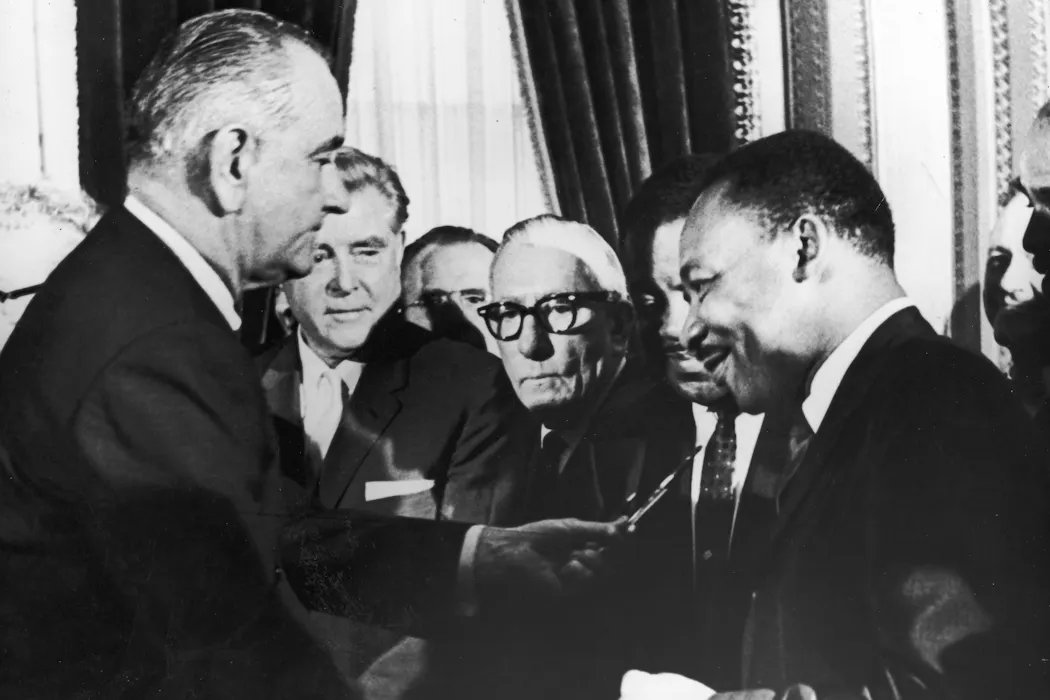
President Lyndon Johnson hands a pen to civil rights leader Rev. Martin Luther King Jr. during the signing of the Voting Rights Act in Washington, D.C., on Aug. 6, 1965. Hulton Archive, Washington Bureau/Getty Images
In a major ruling that would permit weakening the voting power of minorities in the United States, the Supreme Court on April 29, 2026, struck down a Black-majority district in Louisiana’s congressional map as “an unconstitutional gerrymander” and altered the court’s interpretation of the Voting Rights Act.
In a 6-3 decision, the court’s conservative majority argued that Louisiana had violated the law by drawing a second Black-majority district. Justice Samuel Alito wrote that the court was upholding a key part of the Voting Rights Act known as Section 2, which prohibits “voting practices or procedures that discriminate on the basis of race, color, or membership in one of the language minority groups identified” in the act.
But the conservative justices also devised a new interpretation for its application based on historical developments. By doing that, the court majority made it more difficult for plaintiffs to challenge redistricting plans under the act.
Kagan, joined by the other two liberal justices, argued that the decision will make it effectively impossible to use race in redistricting – as has been done historically under the Voting Rights Act – and more difficult to prove discrimination under the act. She wrote, “The court’s decision will set back the foundational right Congress granted of racial equality in electoral opportunity.”
I’m a scholar of national political institutions, election law and democratic representation. The timing of the case carries major implications for the 2026 midterm elections. The decision, by weakening the Voting Rights Act, could make it easier for states to draw partisan gerrymanders of their congressional districts that reduce the power of minorities.
Long legal battle
The central question in the case was to what extent race can, or must, be used when congressional districts are redrawn.
In short, the plaintiffs argued that the state of Louisiana’s use of race to make a second Black-majority district was forbidden by the U.S. Constitution. From my perspective as a scholar of U.S. federal courts and electoral systems, this case represent the collision of decades of Supreme Court decisions on race, redistricting and the Voting Rights Act.
To understand the stakes of the current case, it’s important to know what the Voting Rights Act does. Initially passed in 1965, the act helped end decades of racially discriminatory voting laws by providing federal enforcement of voting rights.
Section 2 of the Voting Rights Act forbids discrimination by states in relation to voting rights and has been used for decades to challenge redistricting plans.
Callais had its roots in the redistricting of Louisiana’s congressional districts following the 2020 Census. States are required to redraw districts each decade based on new population data. Louisiana lawmakers redrew the state’s six congressional districts without major changes in 2022.
State troopers in Selma, Ala., swing billy clubs on March 7, 1965, to break up a march by advocates for Black Americans’ voting rights. AP Photo, File
Soon after the state redistricted, a group of Black voters challenged the map in federal court as a violation of the Voting Rights Act. The plaintiffs argued that the new map was discriminatory because the voting power of Black citizens in the state was being illegally diluted. The state’s population was 31% Black, but only one of the six districts featured a majority-Black population.
Federal courts in 2022 sided with the plaintiffs’ claim that the plan did violate the Voting Rights Act and ordered the state legislature to redraw the congressional plan with a second Black-majority district.
The judges relied on an interpretation of Section 2 of the Voting Rights Act from a 1986 Supreme Court decision in the case known as Thornburg v. Gingles. Under this interpretation, Section 2’s nondiscrimination requirement means that congressional districts must be drawn in a way that allows large, politically cohesive and compact racial minorities to be able to elect representatives of their choice.
Following the court order, the Louisiana state legislature passed Senate Bill 8 in January 2024, redrawing the congressional map and creating two districts where Black voters composed a substantial portion of the electorate in compliance with the Gingles ruling. This map was used in the 2024 congressional election and both Black-majority districts elected Democrats, while the other four districts elected Republicans.
These new congressional districts from Senate Bill 8 were challenged by a group of white voters in 2024 in a set of cases that became Louisiana v. Callais.
Essentially, the plaintiffs claimed that the courts’ interpretation of Section 2 of the Voting Rights Act was unconstitutional and that the use of race to create a majority-minority district is itself discriminatory. Similar arguments about the 14th Amendment’s equal protection clause were also the basis of the Supreme Court’s recent decisions striking down race-based affirmative action in college admissions.
In 2024, a three-judge district court sided with the white plaintiffs in Louisiana v. Callais, with a 2-1 decision. The Black plaintiffs from the original case and the state of Louisiana appealed the case to the Supreme Court. The court originally heard the case at the end of the 2024-2025 term before ordering the case reargued for 2025-2026.
The court’s opinion reinterprets key precedent on the Voting Rights Act and the application of Section 2 to redistricting. It carries major consequences for the federal courts, gerrymandering and the voting rights of individuals.
For 39 years, Section 2 of the Voting Rights Act has required redistricting institutions to consider racial and ethnic minority representation when devising congressional districts. Majority-minority districting is required when a state has large, compact and cohesive minority communities. Historically, some states have redistricted minority communities in ways that dilute their voting power, such as “cracking” a community into multiple districts where they compose a small percentage of the electorate.
Section 2 also provided voters and residents with a legal tool that has been used to challenge districts as discriminatory. Many voters and groups have used Section 2 successfully to challenge redistricting plans.
Section 2 has been the main legal tool for challenging racial discrimination in redistricting for the past decade. In 2013, the Supreme Court effectively ended the other major component of the Voting Rights Act, the preclearance provision, which required certain states to have changes to their elections laws approved by the federal government, including redistricting.
In this case the court did not fully overrule the previous interpretation of Section 2, but it has altered its application. The effect is that it limits the legality of using race in redistricting and the most common way to challenge discriminatory redistricting.
Additionally, because of the strong relationship between many minority communities and the Democratic party, the court’s decision has major implications for partisan control of the House of Representatives.
By changing the interpretation of Section 2, Republicans could use the ruling to redraw congressional districts across the country to benefit their party. Politico reported that Democrats could lose as many as 19 House seats if the Supreme Court sided with the lower court.
This case builds directly on a recent case also authored by Alito. In 2024, the court overruled a lower court’s finding of racial vote dilution in South Carolina.
Sam D. Hayes does not work for, consult, own shares in or receive funding from any company or organization that would benefit from this article, and has disclosed no relevant affiliations beyond their academic appointment.
Earlier this week, King Charles delivered an address to the US Congress, becoming the first British monarch to do so since his mother, Queen Elizabeth II, gave a speech way back in 1991.
And while it may not be as historic, Kate Middleton and Prince William also hit a milestone this week by celebrating 15 years of marriage.
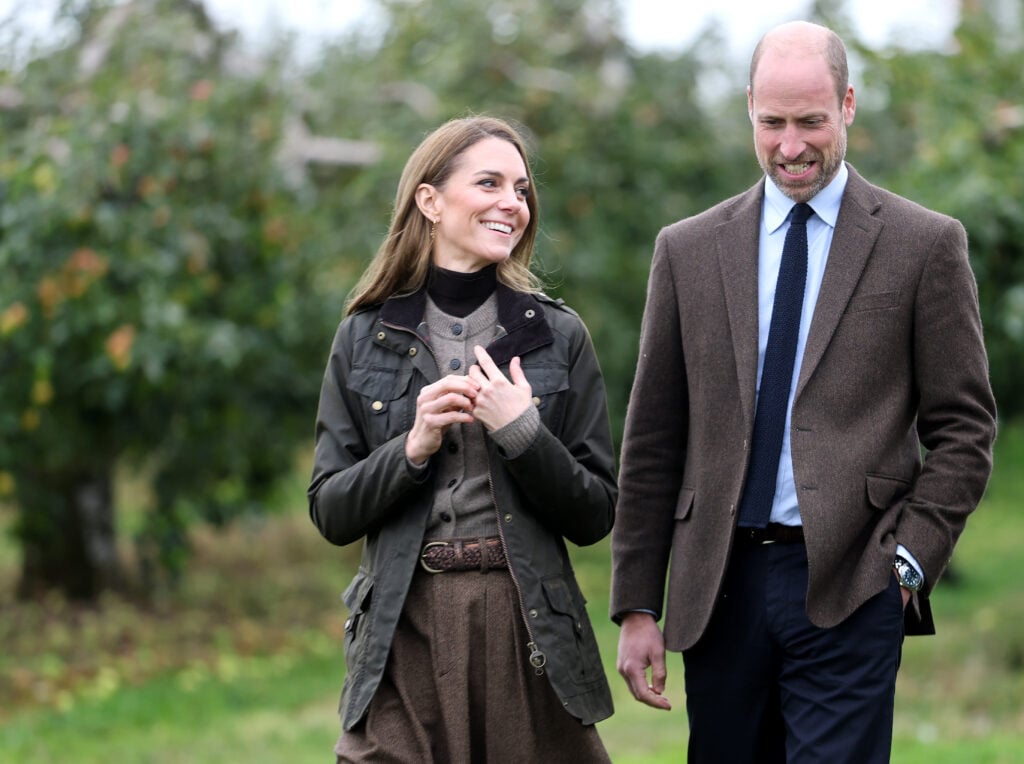
Catherine, Princess of Wales and Prince William, Prince of Wales walk in the orchards as they visit to Long Meadow Cider on October 14, 2025 in Craigavon, Northern Ireland. (Photo by Chris Jackson/Getty Images)
Yes, it’s hard to believe, but the royal wedding that had Americans waking up at dawn to witness history took place way back in 2011.
But through it all, Kate and William’s love has prevailed. And today, the Duke and Duchess of Windsor marked their anniversary with a rare photo of the entire family.
“Celebrating 15 years of marriage,” the couple captioned the pic.
All these milestones have royal observers feeling nostalgic, and many have revisited video clips and interviews from the early days of Will and Kate’s courtship.
“When I first met Kate, I knew there was something very special about her,” William said during their 2010 engagement interview (via People).
“I knew there was possibly something that I wanted to explore there. But we ended up being friends for a while, and that was a good foundation.”
Fifteen years, three kids, and one successful battle with cancer later, the Windsors are still going strong as they prepare to take the throne.
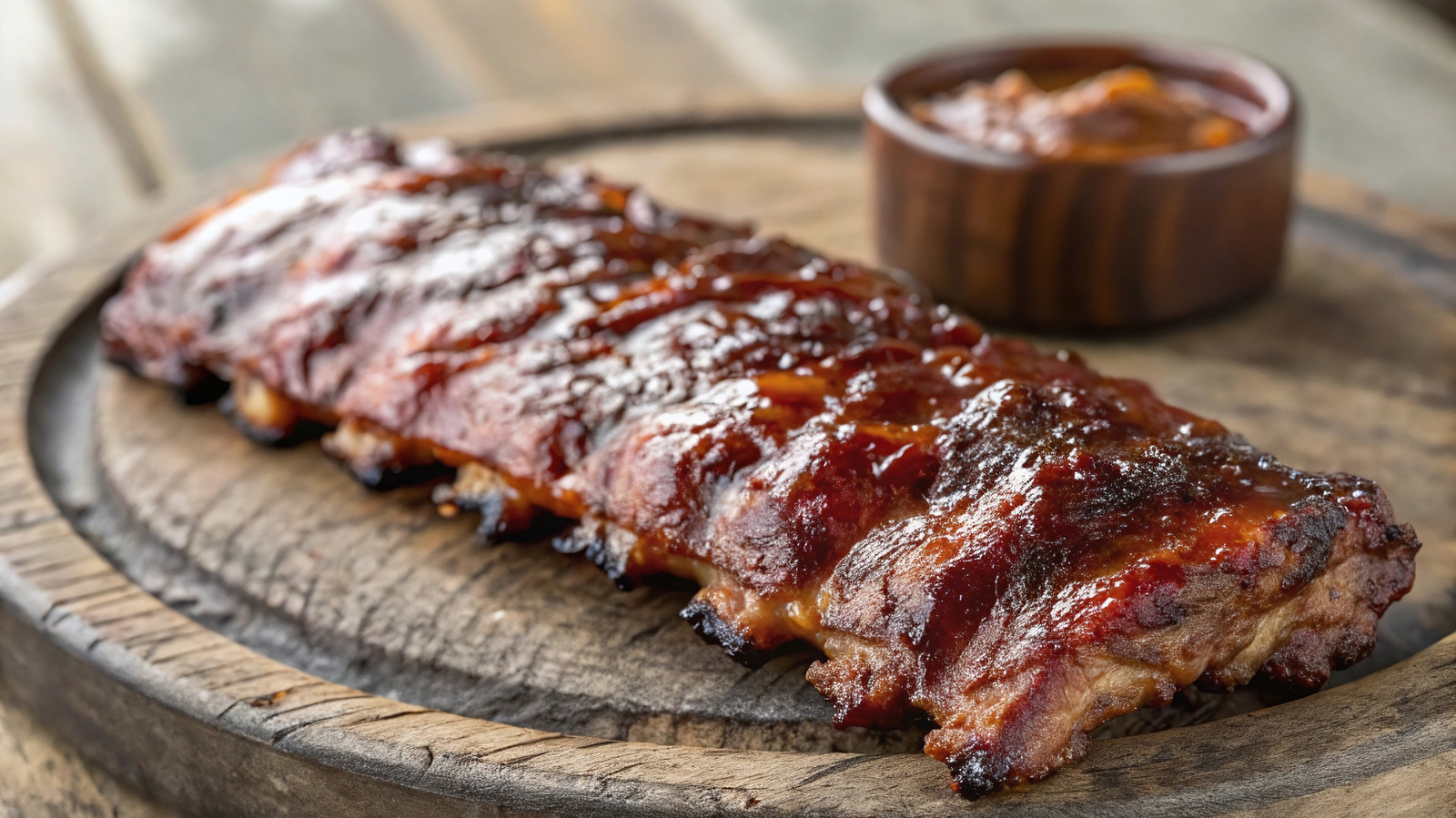
Great pork ribs are a sign of great BBQ, and these places have some of the best in the entire country. From dry-rubbed to super saucy, let’s dig into them.