McEntire says her 71st birthday was her best birthday celebration yet. Continue reading…The Boot – Country Music News, Music Videos and Songs









McEntire says her 71st birthday was her best birthday celebration yet. Continue reading…The Boot – Country Music News, Music Videos and Songs
McEntire says her 71st birthday was her best birthday celebration yet. Continue reading…Country Music News – Taste of Country

The vast National Petroleum Reserve-Alaska extends west of ConocoPhillips’ massive Willow oil project. (ConocoPhillips)
HOUSTON — Global energy leaders have convened here this week, spiffed up in dark suits and polished shoes, to discuss the industry’s most pressing issues: war in the Middle East, Venezuela, artificial intelligence.
But behind the scenes at this annual conference of industry executives — known formally as CERAWeek by S&P Global but nicknamed the “Super Bowl of energy” — a big story about Alaska oil is unfolding.
It involves a massive lease sale in the Arctic, a remarkable show of interest from global oil giants that had faded from Alaska’s frontlines and an emerging race to find deposits potentially worth billions of dollars. Industry proponents say a flood of crude from the largely undeveloped western Arctic, if companies can locate and produce it, could open a new era for the state’s industry.
In what was by far the highest-value federal lease sale in the vast National Petroleum Reserve–Alaska in more than two decades, oil companies last week snatched up more than 1 million acres across the western Arctic.
The scale of interest, with 11 companies participating and a record $163 million spent on bids, was itself notable. But so were the identities of some of the bidders. Two, in particular, surprised even industry insiders: ExxonMobil and Shell.
Both supermajors have a history in Alaska.
ExxonMobil still owns shares of existing Arctic oil fields and the trans-Alaska pipeline. But Shell no longer operates in the state and hasn’t drilled a well in Alaska since its failed offshore exploration campaign more than a decade ago. And ExxonMobil hadn’t bid on leases in years.

Their renewed interest — along with continued investment from established players like ConocoPhillips and Colorado-based wildcatter Bill Armstrong — accelerates an industry revival that was already playing out on the North Slope.
Just a few years ago, new production and investment in the region lagged as some companies struggled to raise money and even pulled out of Alaska amid successful advocacy campaigns against Arctic drilling.
But major geologic discoveries by Armstrong — and a pair of big new oil fields now under construction — have made the North Slope a more attractive investment. And the industry also has political tailwinds coming from a Trump administration keen to boost resource extraction in Alaska.
“This sale absolutely shows the world the potential for Alaska,” Armstrong, one of the primary bidders, said in an interview at CERAWeek. “This could be a game-changer for the state.”

The region still faces obstacles to development, like high costs and competition from other basins where drilling is cheaper.
And the lease sale is just a preliminary step, far from an assurance of future production: No new wells have been drilled yet, and companies often spend years doing exploratory work before deciding whether to start pumping oil.
Conservation groups, meanwhile, continue to fight the industry’s expansion in the reserve — where, they note, federal law instructs policymakers to not only to oversee oil development but also to protect the environment and cultural values. Multiplelawsuits are challenging the Trump administration’s oil-friendly policies in the Arctic, and advocates have asked a judge to invalidate leases set to be awarded after last week’s sale.

“What we saw last week were companies pushing into some of the most sensitive areas of the reserve,” said Suzanne Bostrom, an attorney with a conservation-focused Anchorage law firm, Trustees for Alaska, that represents some of the organizations suing the administration. “We and the groups that we work with are going to continue to fight for this area, and fight for the protections that it deserves,” Bostrom added.
But even amid the pending legal questions, the sale’s results are still a step toward new development; further investment and competition in the petroleum reserve are likely to follow, conference participants told Northern Journal in Houston this week.
Leading up to the sale, there were signs that oil companies could show up in force.
It was the first auction in NPR-A in seven years, and more acreage was up for grabs than in many previous sales. The offerings included large swaths of tundra and wetlands that Democratic administrations had designated off-limits to drilling.
And after years of comparatively tepid industry interest, recent oil discoveries have expanded the known resources on the North Slope, said Bob Fryklund, a top oil and gas analyst at S&P Global Energy, a research firm.
“It’s kind of been a sleeper basin,” he said.

A decade ago, the petroleum reserve was beyond the western edge of the North Slope’s oil infrastructure, making it more expensive to bring in equipment and drill.
But the industry has been moving in its direction: Construction is now underway at two big new oil fields in the area — ConocoPhillips’ Willow project and Santos’ Pikka project. Both will tap into a long-overlooked oil-rich geologic formation, known as the Nanushuk, that Armstrong initially discovered near the reserve’s eastern boundary.
It was no surprise, then, that ConocoPhillips, Santos and Armstrong all showed up at the recent auction, analysts said.

Few people, however, predicted that so many other companies would put in bids, or that major corporations like ExxonMobil and Shell would participate.
ExxonMobil, committing more than $7 million on some 138,000 acres, came as a particularly big surprise.
That company, headquartered in Houston, owns shares in the existing Point Thomson and Prudhoe Bay oil fields on the North Slope. But it doesn’t manage either field, and the company has not been active in exploration and new development in the state: Until last week, ExxonMobil had not bid on a federal or state oil and gas lease in Alaska in more than a decade, according to data provided by Welligence, an industry research firm.
Meanwhile, Shell, in a partnership with a Spanish company, Repsol, submitted some of the highest bids. The two companies offered more than $2 million on many individual tracts, and committed more than $90 million in total.

Experts said the return of those players was likely influenced by the ongoing development in the area.
Although neither the Willow nor Pikka project is producing yet, the multibillion-dollar investments by ConocoPhillips and Santos may have given other companies more faith in the surrounding geology and the ability to pump oil in the area, analysts said.
“What you saw Shell do, and even Exxon, was validation of the work done by other players on the North Slope in recent years,” an oil company executive said in Houston, speaking on the condition of anonymity because he was not authorized to speak publicly.
Shell’s interest represents a reversal from its announcement a decade ago that it was pulling out of Alaska. The company had spent some $7 billion on its failed effort to drill for oil offshore in the Chukchi Sea, citing Obama administration policies and high costs when it departed the state.
In 2020, another major, BP, also pulled out of Alaska, selling its assets to Hilcorp, a privately owned Texas business.
Those decisions both seemed like signals of the industry’s decline in the state, as the daily flow through the trans-Alaska pipeline shrank to 500,000 barrels from a high of 2 million decades earlier. An era of oil giants spending freely on big new projects was giving way to one of smaller companies wringing the last drops of crude out of aging fields.

At the time, companies were contending not only with the usual impediments to drilling in Alaska, like high costs and opposition from environmental groups, but also with growing political pressure from climate-minded shareholders and activists opposed to expanding fossil fuel production. Even oil executives acknowledged that advocacy against the oil industry, which is a major driver of climate change, was deterring investment in Alaska.
But even as the burning of fossil fuels continues to warm the planet, global demand for oil remains high — and industry confidence in the North Slope’s potential appears only to be growing.
The newly discovered oil deposits there “have proven that Alaska is not over,” Fryklund said.
ConocoPhillips, ExxonMobil and Santos declined to make officials available for on-record interviews. Shell did not respond to a request for comment.
“This marks an important step in our continued commitment to responsible energy development in Alaska and the U.S.,” an Exxon spokesperson said in an emailed statement.
Once the company’s leases are finalized, ExxonMobil will work with the state and local communities as it evaluates “potential next steps for the area,” the statement said.
For those who work in the oil industry, the central plank of Alaska’s economy, the sale stirred excitement, and some relief: New activity in the federal reserve could bring more gigs for contractors that have long wondered if there would be enough development on the North Slope to sustain their businesses.
“We’ve all had this little worry of, ‘Well, what’s next?’” said Greg Miller, vice president of operations at Cruz Construction, a Palmer-based company with oil-related contracts on the Slope. “Now, there’s a little bit of reason to be a little bit more hopeful and positive about the next 10, 20 years.”
The sale won’t lead to immediate growth for Miller’s business, he said. But new exploration activity, if and when it happens, will create jobs: A single project can provide a year’s worth of wages for as many as 100 employees at Cruz, Miller added.
For the president of another Alaska oil services company, Kevin Durling, the hype around the petroleum reserve is reminiscent of the boom days when oil started flowing through the trans-Alaska pipeline, in the 1970s and 1980s.

“I wish I was 30 years younger,” he said.
The state’s conservation community, meanwhile, has reacted with disappointment, and concern for the western Arctic ecosystem.
The vast, largely undeveloped region contains important habitat for migratory birds, and it sustains tens of thousands of caribou, some of which calve around Teshekpuk Lake, a major water body in the northern part of the petroleum reserve.
“I’ve had better weeks at work. No question about that,” said Andy Moderow, senior policy director at Alaska Wilderness League, one of the environmental groups suing the Trump administration. But, he added: “The war is still well in front of us.”
One potential hurdle for development is a legally disputed conservation area around Teshekpuk Lake. The protections, across about 1 million acres, were set aside by the Biden administration for the nearby Iñupiaq village of Nuiqsut, where many people still depend on caribou and other wildlife for food.
The Trump administration canceled the protections late last year, touting the area’s oil and gas potential and aiming to authorize leasing there. Nuiqsut’s leaders then sued, saying the move violated a prior agreement and threatened the village’s subsistence traditions.
Two days before the lease sale results were announced, a federal judge restored the Teshekpuk protections while the lawsuit played out.
But the area still attracted bids from a few companies — including ExxonMobil.
The administration has not said whether it plans to award leases in the disputed area to high bidders — or how, exactly, it intends to navigate the apparent conflict between the sale results and the court ruling.
Nathaniel Herz contributed reporting from Anchorage.
Northern Journal contributor Max Graham can be reached at max@northernjournal.com. He’s interested in any and all mining related stories, as well as introductory meetings with people in and around the industry.
This article was originally published in Northern Journal, a newsletter from Nathaniel Herz. Subscribe at this link.
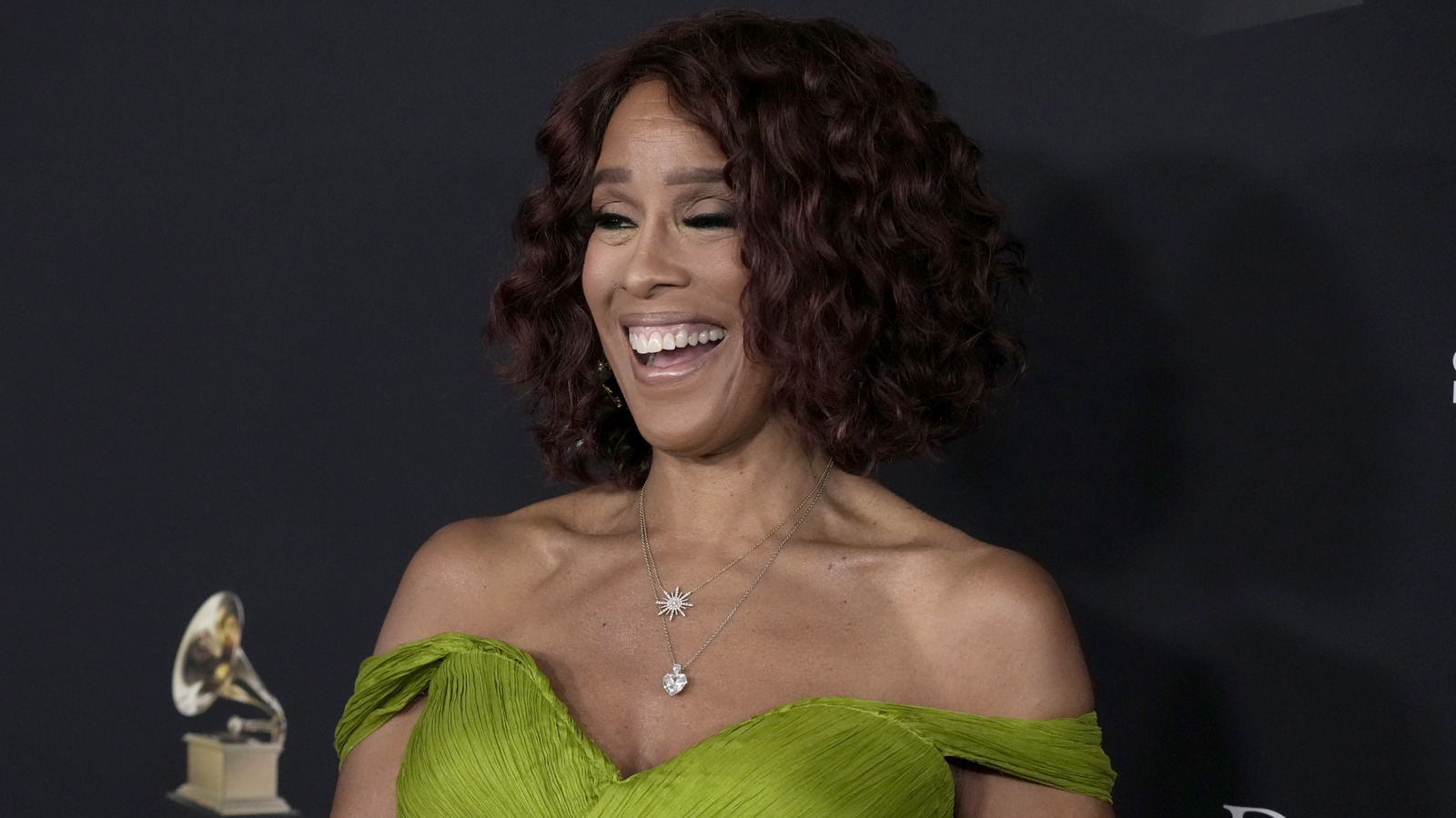
Over the years, Gayle King has been candid about her weight-related struggles. Recently, the TV star has been successful in keeping off those unwanted pounds.
Health Digest – Health News, Wellness, Expert Insights

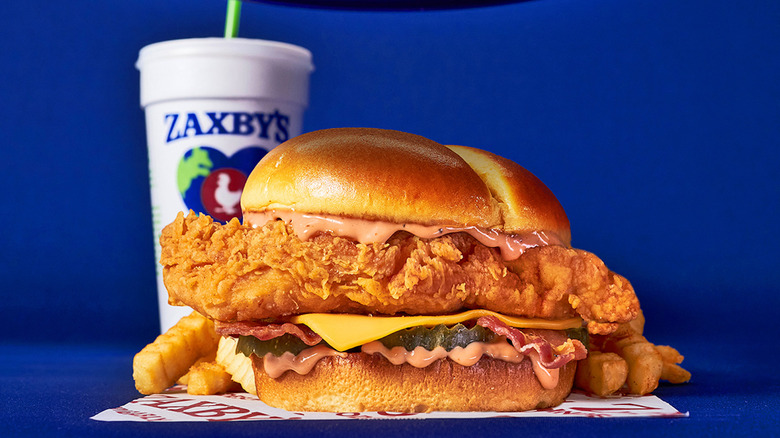
The original Club Sandwich at Zaxby’s was made with Texas toast, mayonnaise, and chicken strips rather than a patty like the new version of the sarnie.
Food Republic – Restaurants, Reviews, Recipes, Cooking Tips

Reading Time: 4 minutes
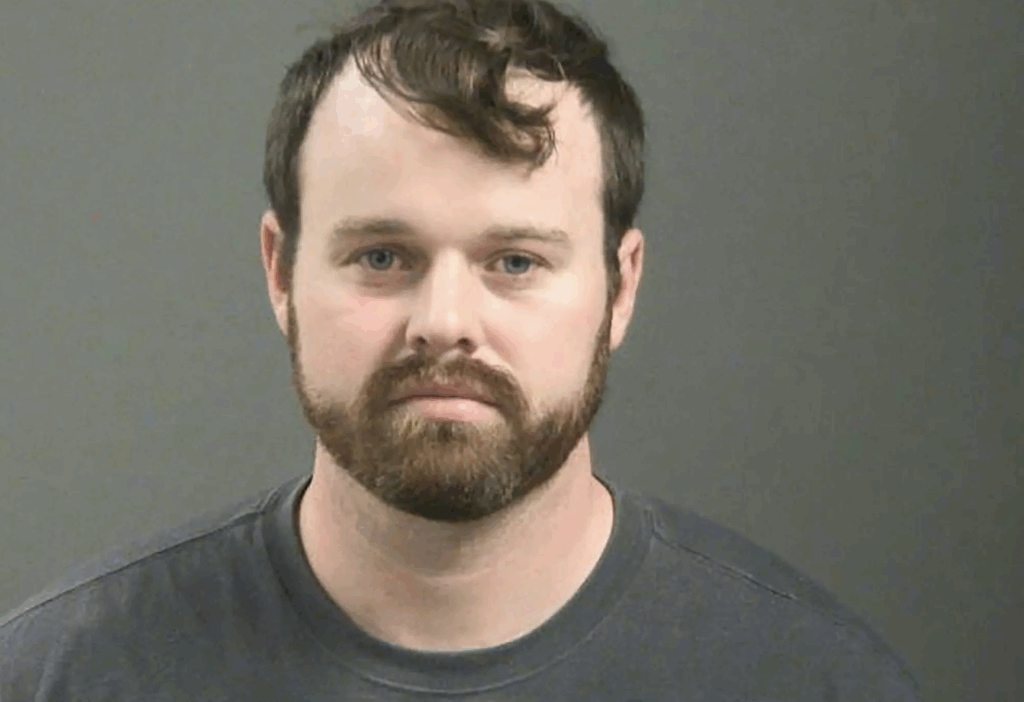
Late last week, the latest disgraced Duggar left the Arkansas jail where he had been held in solitary confinement.
It is widely believed that Joseph has now been extradited to Florida, where he faces charges for sexually abusing a 9-year-old girl.
Various family members have spoken out, with some having to later revise their statements as they learned more.
Most agree that Jason and his wife, Maddie, have made the best statement from the family to date.
Jason and Maddie took to Instagram to share a joint written statement.
They are wholly condemning Joseph.
To start, they admit that they feel “completely shocked, confused, and grieved to list a few emotions.”
Jason wrote: “We are disgusted to hear the news about my brother. However, this isn’t about how it’s impacted our lives.”
The couple expressed: “Our hearts are burdened because a child’s life has been turned upside down due to the evil actions of someone who should have never hurt the vulnerable. This is something unthinkable.”

Jason and Maddie expressed that Joseph’s alleged crimes, to which he has reportedly confessed twice, angered them.
The couple prays that “God’s righteous hand and the court system will serve justice in the situation as described.”
Their statement expressed: “To fathom that someone would abuse their authority to harass the innocent is vile.”
In addition to the victim, the couple said that they will continue to pray for Joseph’s four young children — who are of course losing their father.
“We stand with innocent children,” Jason and Maddie concluded. “Always.”
Various Duggar siblings have made different remarks — some speaking with more information than others.
(That is one of the pitfalls of speaking out immediately, because those who took their time will have more information.)
The worst statement, by far, came from Josh Duggar by way of his attorney.
The disgraced criminal claimed that Joseph was innocent. Notably, not even Joseph himself has made such a claim.
In contrast, Jason’s statement seems to be one of the best.

This is, frankly, better than Duggar responses to Josh’s crimes.
As longtime watchers of that odious family may recall, Jim Bob and Michelle trotted their daughters in front of TV cameras to minimize the crimes that Joseph had committed against them.
Some even suggested at the time that perhaps the news about Josh coming to light was some sort of mystical attack against their family — as if their religion’s devil were at war with them.
(As we have remarked, it must be incredibly frightening to believe that a powerful evil entity personally wants your destruction. That is what they were raised to believe.)
Even after DHS raided Josh’s workplace during the CSAM investigation, some — particularly his wife — seemed convinced that he was framed. Now, some of the family seem to see things with greater clarity.
As we mentioned, as of March 27, Joseph is no longer at the Arkansas jail where he has spent the latter half of March.
Joseph declined to fight extradition to Florida. In fact, he signed an extradition waiver.
In light of that, he is likely in the custody of Bay County, FL and awaiting trial for sexually abusing the then-9-year-old girl.
The child has not been identified. Documents list her only as Jane Doe. We know only that she is not one of the Duggar nieces. We neither know nor wish to know more than that.
At present, it is speculated that he might enter a guilty plea, sparing his victim from having to testify. However, we will have to wait and see.
Joseph Duggar Condemned By Brother Jason as ‘Evil’ was originally published on The Hollywood Gossip.
The Hollywood Gossip
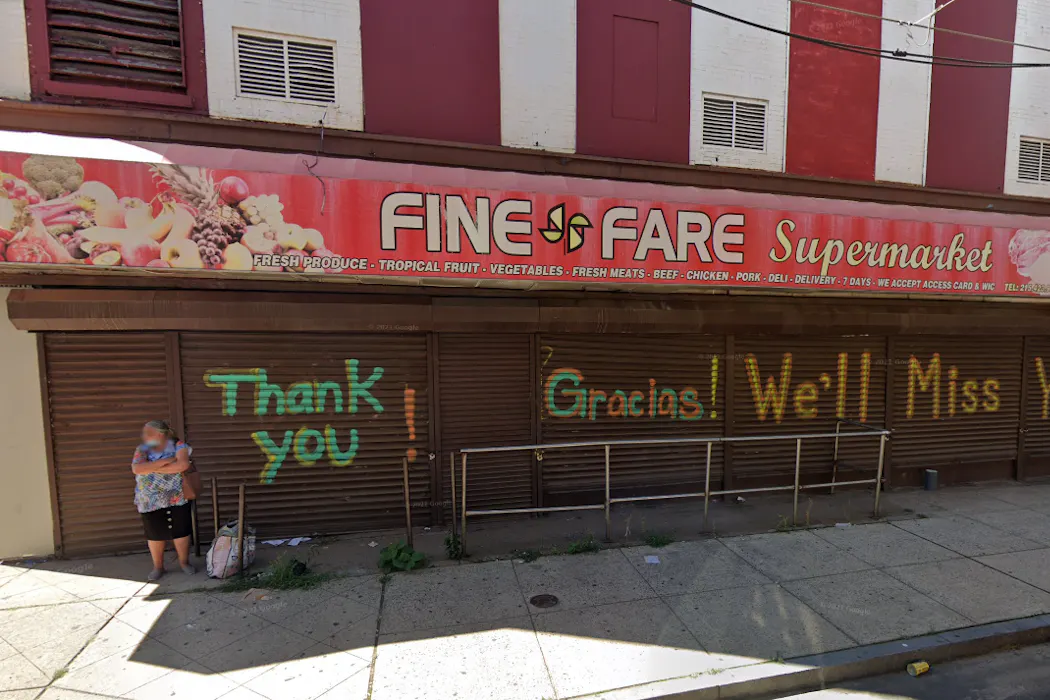
What does gentrification in Philadelphia look like?
“High-rise, modern apartment buildings.”
“(A) modern look that’s so out of place with our traditional row homes that have been here for a hundred years.”
“Six- to seven-floor high-rises with garages in the basement. They charge an extra $200 to park.”
“Gray, industrial looking.”
“The houses are ugly as heck. No architectural style. They’re probably two-bedroom, some probably one. And they usually put a deck up. It’s not geared for kids or families. A lot of steps.”
These are some of the descriptions that longtime residents of gentrifying neighborhoods in Philly used to describe the new construction popping up around them.
We are Ph.D. candidates in architectural engineering and geography, environment and urban studies at Drexel and Temple universities in Philadelphia. Working with a multidisciplinary team of professors and students, we recently developed a new way to map gentrification in Philly neighborhoods using a combination of accounts from longtime residents, Google Street View images and machine learning.
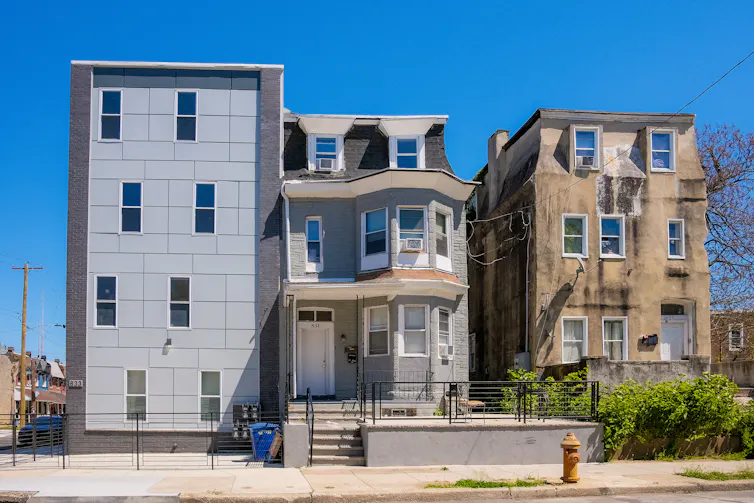
Our team posited that the best source for knowing what gentrification looks like comes from the perceptions of longtime residents in gentrifying neighborhoods.
So we held focus groups in three rapidly gentrifying neighborhoods – one in Northeast Philadelphia and two in the River Wards section north of Center City and along the Delaware River.
We asked residents to identify the visual cues of building designs, materials, colors and landscaping choices that they associate with gentrification.
Many of these residents could recount, in great detail, the exact street intersections where they saw gentrification-related development occur over the decades.
We corroborated each location they identified through historical Google Street View imagery. By examining the exteriors of these buildings, we could expand upon the more generalized language used in the discussions, such as “modern” or “boxy,” to , such as “presence of bump-out windows” and “increased floor area ratio,” which is a measure of how much of the surface area of a land parcel a building takes up.
When pulling panoramas of residential building exteriors from Google Street View, we looked at two distinct time periods: 2009-13 and 2017-21.
AI is getting better at spotting the visual signs of gentrification. Researchers refer to AI systems that categorize scenery according to certain characteristics, like seeming “gentrified” or “not-gentrified,” as “deep mapping” models.
Deep mapping models use neural network algorithms, which can pick up on patterns in big datasets. The particular model we used is able to pick up subtle, pixel‑level differences between two images.
The model learned to approximate how residents distinguish gentrified scenes from unchanged ones. When we tested the model’s output, we found that it was able to separate “gentrified” from “not‑gentrified” images with an accuracy of about 84%. This showed us that visual cues guided by residents’ observations can be translated into a reliable machine learning signal.
As a neighborhood becomes gentrified, wealthier people move in and long-standing residents can be displaced through rent hikes or the loss of housing. Gentrification can also lead to the disappearance of a “sense of place” – characteristics that make a neighborhood feel familiar and like home.
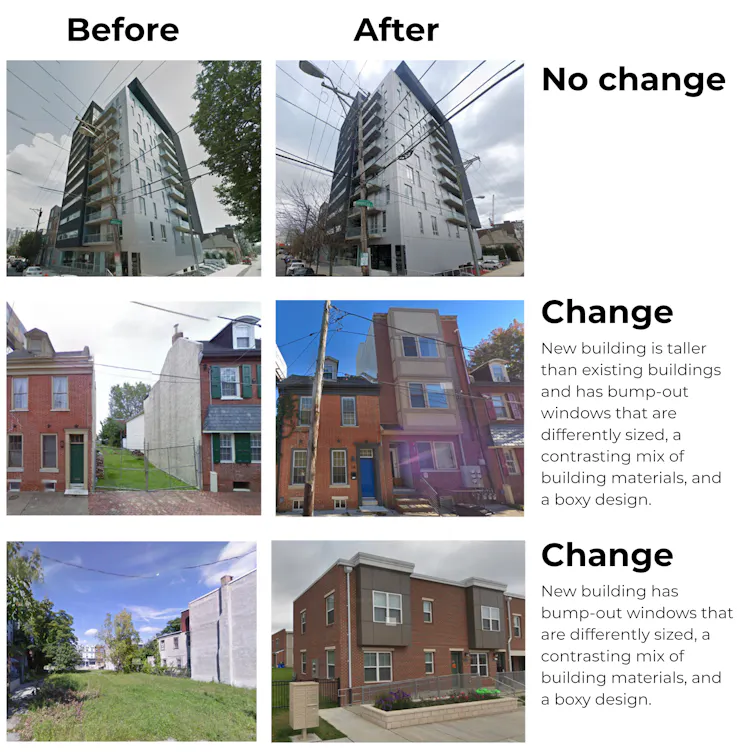
With deep mapping models, researchers and neighborhood stakeholders can pull their own data on landscape changes related to gentrification and better understand how gentrification changes physical environments. With better data, they can map hot spots of new development and use machine learning models that predict future trajectories of change.
For example, several of our focus group participants in one neighborhood noted that gentrification was connected to the demolition of old buildings that likely contained hazardous substances, such as asbestos and lead. They wondered about the potential for air pollution. With accurate data on where development is occurring, researchers can model relationships between new construction and environmental conditions such as air quality.
Moreover, this process can also give legitimacy to neighborhood groups that may see changes occurring around them but lack the quantitative data to legitimatize their concerns to the media and to city government.
By being more explicit about how gentrification is defined when we categorize images and train our machine learning model, researchers can be more transparent about how image data is prepared and prevent personal biases from guiding the model and the patterns it learns.
For example, certain research finds that gentrification leads to increased greenery. However, some participants in our focus groups reported that gentrification resulted in the loss of community gardens and greenery. This experience runs contrary to common assumptions in gentrification research.
By defining how gentrification is perceived by residents, researchers like us can add clarity to how we prepare the model data. Even with more clarity, however, these AI systems are still “black box” in nature. A black box model means that the connection between inputs and outputs is unclear to the model user.
One way to make the model more transparent is by applying an additional model called XAI, or explainable artificial intelligence. Through XAI, there is potential to better understand which characteristics in an image are more important to the model prediction. For example, does the model focus on the windows of a building or the relative height of buildings?
Answering these questions will help researchers and stakeholders trust model predictions.
At the same time, one of us is leading a complementary line of research focused on explaining the reasoning behind the machine learning model decisions. In Philadelphia and many other U.S. cities, street scenes can have a dense mix of cars, vegetation and architectural styles that can confuse the model. There is a lot of complicated visual information to parse through, a lot of variety. Understanding the model’s internal logic helps ensure that its predictions reflect real neighborhood dynamics rather than irrelevant details in the imagery.
Together, these research directions aim to deepen our understanding of how gentrification unfolds on the ground and how AI can help illuminate patterns that might otherwise go unnoticed.
Read more of our stories about Philadelphia and Pennsylvania, or sign up for our Philadelphia newsletter on Substack.

Maya Mueller receives funding from the National Science Foundation.
Isaac Quaye received funding from the National Science foundation.
Politics + Society – The Conversation

For those who don’t know, New Orleans is big on coffee, and these local picks are the very best coffee shops the Crescent City has to offer.

Food Republic – Restaurants, Reviews, Recipes, Cooking Tips

Republicans hope the Make America Healthy Again movement becomes a permanent fixture of a big GOP tent. But the party can’t count on its support heading into midterm elections this November.
New results from The POLITICO Poll show both broad frustration and dissatisfaction with the Trump administration on health priorities and opportunities for Democrats to make inroads with Health Secretary Robert F. Kennedy Jr.’s MAHA supporters.
A majority of Americans associate MAHA with the Republican Party, but not overwhelmingly, and most believe the Trump administration has not done enough to “Make America Healthy Again” — including a 41 percent plurality of Trump’s own 2024 voters.
The burgeoning political movement that officials in both parties credit with helping President Donald Trump win in 2024 has already begun to reshape how the GOP approaches health policy — driving everything from a redesign of the food pyramid to a rollback in vaccine recommendations.
At the same time, however, many poll respondents view Democrats as better positioned on the movement’s key health priorities. They were more likely, for example, to say the Democratic Party can be trusted to make the country healthier and are more eager to improve health in America, while fewer said the same of Republicans. The GOP, on the other hand, is seen as more likely to be influenced than Democrats by lobbyists for the food and pesticide industries, who rank among the MAHA movement’s top enemies.
These views could have real consequences in a midterm election year when razor-thin differences in turnout could determine control of Congress. And Democrats are bullish about channeling voters’ frustration with the Trump administration’s policies into a blue wave this cycle.
“The MAHA movement in the [2024] campaign cycle started with a lot of energy, and did create more energy for these types of issues that previously wouldn’t have been associated with the GOP,” said Abby McCloskey, a GOP policy adviser who has warned that Republicans are “squandering their MAHA moment.”
“Since then, I think the energy has trickled off from the perspective of, what is the federal government going to do about this?” she said.
Overall, 47 percent of poll respondents say they support the MAHA movement, including roughly a third of voters who backed former Vice President Kamala Harris in 2024 and about a third of Americans who plan to vote for Democrats this November. By comparison, 70 percent of Trump 2024 voters say they support the MAHA movement.
However, Americans don’t consider the nation’s health a top issue; It saw the same level of prioritization as “wokeism” and opioid abuse. When asked to choose between priorities for the U.S. government, a majority placed improving Americans’ health above stopping illegal immigration or cutting down on crime — but below affordability and concerns with cost of living.
And there are still widespread confusion about what MAHA is and what it does — even among people who self-identify with the movement. Just a third of Americans say they have heard of the MAHA movement and could explain what it is. Another third say they have heard of MAHA but could not explain it, including 31 percent of people who identify as part of the movement. One in four Americans had not heard of the movement at all.
The poll points to an opening for Democrats if they can effectively speak to the movement’s most popular issues and highlights that Republicans’ advantage with MAHA is far from guaranteed.
“People that we would call a ‘MAHA’ voter, they’re not partisans. They really are up for grabs,” Rep. Lauren Underwood (D-Ill.) told reporters on a recent call organized by the progressive advocacy groups COURIER and 314 Action, which is working to elect people with a health and science background to public office. “[Republicans] have really taken actions to alienate those folks, to break the promises that they made. They are no longer focusing on the core tenets of that Make America Healthy Again platform in order to continue to please Donald Trump, and also to advance their policy agenda.”
The Trump administration has largely pushed a deregulatory agenda, despite pressure from its MAHA supporters to crack down on pesticide companies, food manufacturers and drugmakers. Its recent choice to make it easier for Bayer to increase production of its weed killer Roundup has especially enraged MAHA supporters, who have said the move made it harder for them to continue supporting GOP candidates in the November midterms.
Kennedy’s own allies have warned Republicans that they cannot take MAHA voters for granted heading into November. Tony Lyons, the president of the MAHA Action, a political advocacy group that supports Kennedy’s agenda, said last month in a memo obtained by POLITICO that the GOP is merely “renting MAHA voters” but hasn’t been able to “purchase” them.
The POLITICO Poll also finds that the issues self-identified MAHA supporters rank as most important are ones Democrats have championed more often than Republicans, such as halting the spread of infectious diseases, stricter regulation of “forever chemicals,” and expanding access to reproductive health care.
This is not necessarily surprising, since many voters who support MAHA’s goals have typically been Democrats, said Rodney Whitlock, a longtime GOP congressional aide turned health care strategist.
Some of the policies less popular among MAHA respondents, meanwhile, are ones the GOP has embraced: restricting abortion access and reducing the number of vaccines Americans receive.
Yet the movement still lines up with, and supports, some Republican food policies and initiatives. For example, 80 percent of MAHA respondents support removing artificial dyes from food and 72 percent support restricting junk food purchases in federal nutrition programs, both priorities the Trump administration has tackled.
Lyons has urged Republicans to talk more about Kennedy’s policy goals, including discouraging Americans from eating ultraprocessed food, on the campaign trail. If they fail to do so and disgruntled MAHA voters peel off or stay home in November, he has warned, Democrats could take control of Congress, subject Kennedy to oversight hearings, and block his policy and regulatory efforts from going forward.
Lyons did not respond to a request for comment for this story.
The POLITICO Poll results — along with other recent polling showing declining trust in the Trump administration’s health recommendations — reveal a potential vulnerability for Republicans.
House Majority Forward, a nonprofit allied with House Democratic leadership, surveyed voters in February and March across several battleground districts the party is hoping to flip this fall. The group’s polls, shared first with POLITICO, found that more voters in Colorado, Iowa, New Jersey and Pennsylvania disapprove of Kennedy and his performance as health secretary than view him favorably.
“There’s this opportunity for Democrats to just start talking about making foods healthier and reducing the chemicals in the food that we’re giving them, … you know, limiting pesticide use, getting physical activity, removing artificial dyes,” said Carly Cooperman, a Democratic pollster and CEO of Schoen Cooperman Research.
A growing number of House and Senate Democrats — challengers and incumbents — are taking this advice to heart.
They’re beginning by focusing on pesticide use, which has become a political tension point for Trump’s GOP coalition, pitting the MAHA movement against powerful farm industry interests that have long been loyal to Republicans and hold significant sway with the administration.
Democratic lawmakers have railed against the Trump administration in social media posts, floor speeches and hearings for signing an executive order boosting domestic production of the pesticide glyphosate and siding with Bayer in a case pending before the Supreme Court that could shield the company from liability for the health impacts of its products. Democratic lawmakers, joined by a handful of Republicans, are also introducing bills and amendments that would undo or overturn these actions.
The POLITICO Poll found that limiting pesticide use is broadly popular, with more than two-thirds of respondents in support of doing so. And MAHA’s dissatisfaction with the Trump administration’s stance has led to some leaders within the movement threatening to primary farm-state Republicans as early as August of last year — yet another opportunity Democrats can exploit.
“We’re not even sure that we even have a path forward in this administration when it comes to pesticides, because it’s very clear that they are entirely owned by Bayer and the chemical companies,” said Kelly Ryerson, a MAHA influencer who goes by the moniker Glyphosate Girl online and has publicly backed Kennedy.
Progressive advocates also say Democrats would be wise to seize on MAHA voters’ simmering frustration.
“There is a genuine concern that there is unhealthy food in our food supply, and this administration is making it worse,” said 314 Action President Shaughnessy Naughton, whose group is backing Democratic challengers around the country.
Yet even as a segment of MAHA appears to sour on the GOP — and Kennedy — some of his agenda garnered widespread support among poll respondents, from removing artificial food dyes to offering whole milk in schools. Though MAHA respondents didn’t rank Kennedy’s stances on vaccines high on their list of importance, a notable chunk of Americans are highly skeptical of existing requirements.
The POLITICO Poll found that 41 percent of respondents across party lines support reducing how many vaccines Americans receive, with Republicans significantly more likely to hold that view. Fifty-eight percent of Trump 2024 voters support reducing how many vaccines Americans receive, compared to 29 percent of Harris 2024 voters.
Broad support for some of the key positions of MAHA — especially among Trump 2024 voters — and approval of some of the administration’s actions on health, suggest that Republicans may still be able to leverage the popular elements of the platform to win over voters in November.
Because health ranks so far down the list of Americans’ concerns, it’s unlikely to be a decisive factor in how they vote this midterm. Still, that doesn’t mean Republicans should be complacent and assume MAHA priorities won’t matter at all, Republican strategist Whitlock warned.
“Republicans have to be working from the perspective of ‘everything matters,’” he said. “To do differently is political suicide.”
Politics