Next, the high street fashion giant, is plotting a swoop on Russell & Bromley, the 145 year-old shoe retailer.The Latest News from the UK and Around the World | Sky News










Next, the high street fashion giant, is plotting a swoop on Russell & Bromley, the 145 year-old shoe retailer.The Latest News from the UK and Around the World | Sky News
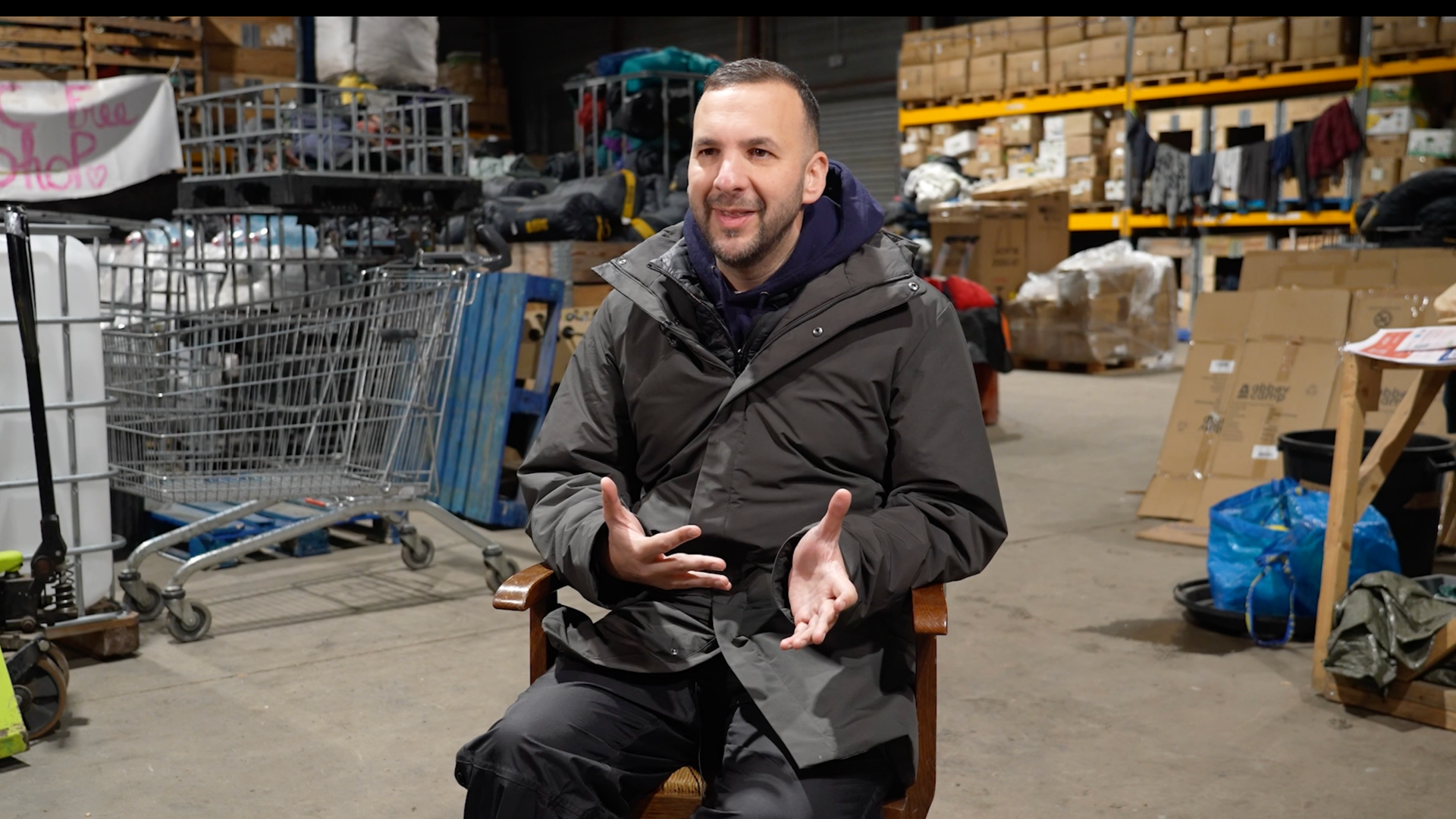
Greens leader Zack Polanski has rejected claims his party would push for open borders on immigration, telling Sky News it is “not a pragmatic” solution for a world in “turmoil”.The Latest News from the UK and Around the World | Sky News
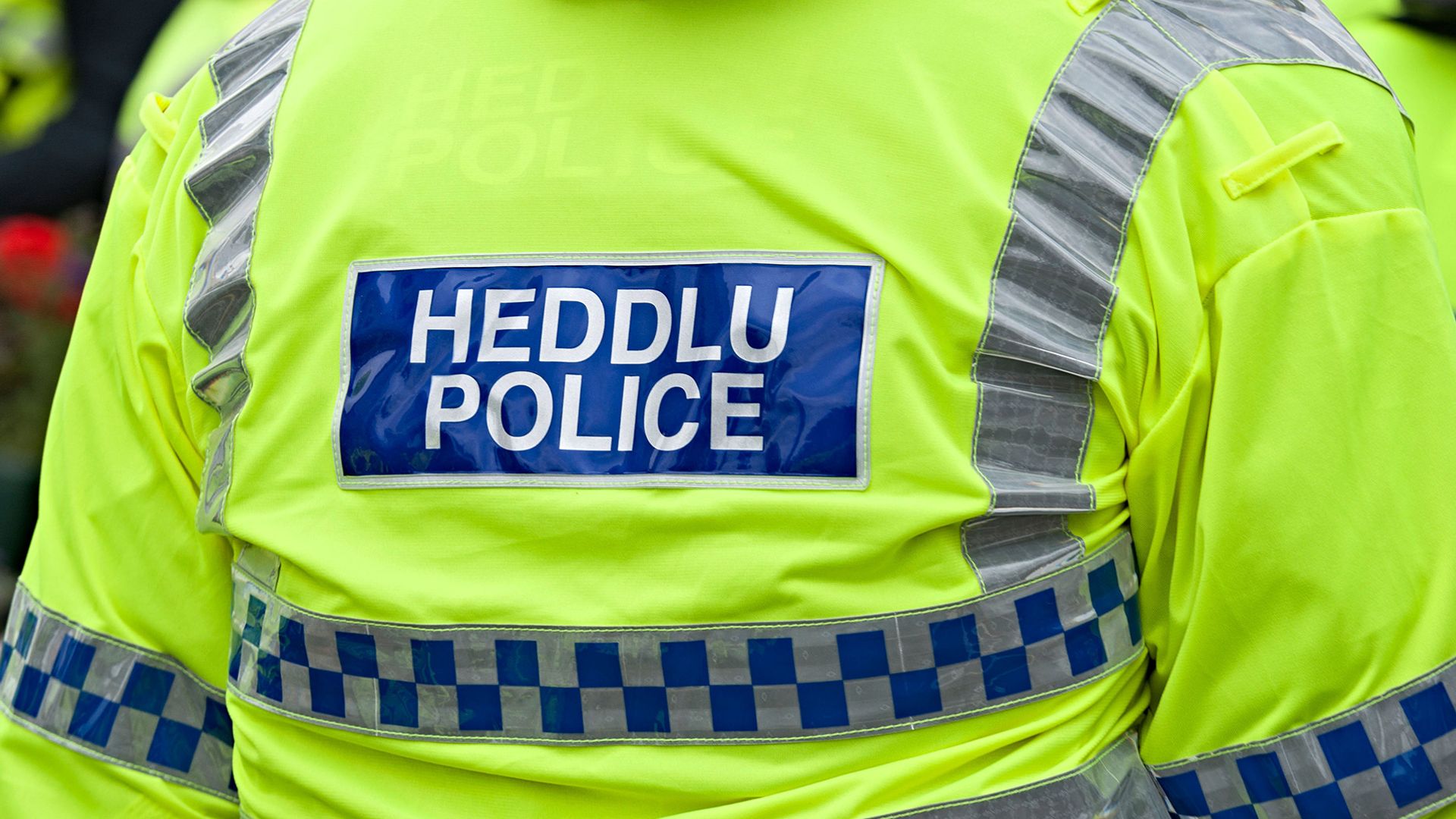
Two people have died following reports of an explosion in a garden.The Latest News from the UK and Around the World | Sky News
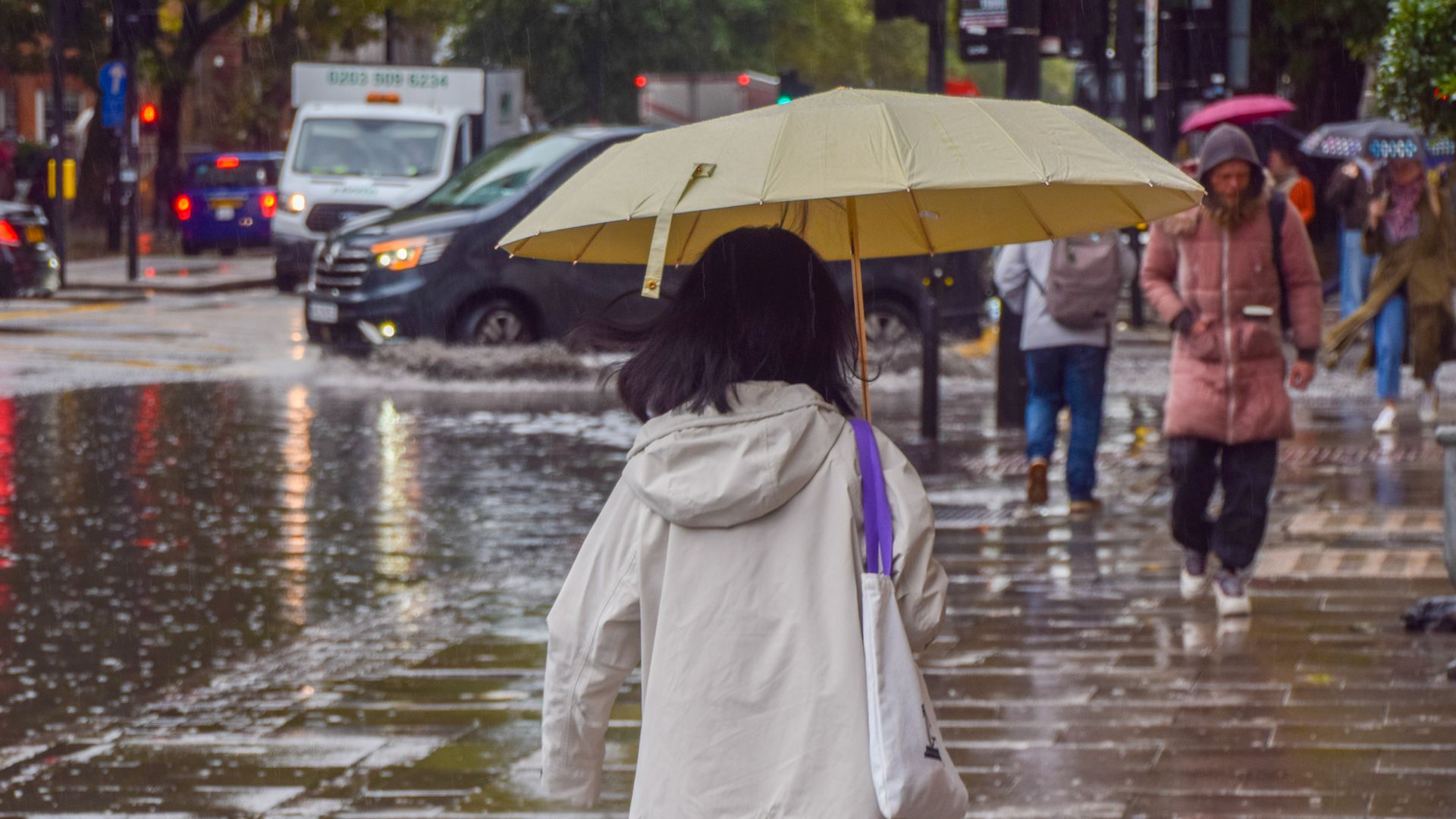
Forecasters have warned of a “danger to life” from fast-flowing rivers as heavy rain and flooding are predicted to hit parts of the UK this weekend.The Latest News from the UK and Around the World | Sky News

The UK has sanctioned senior commanders of Sudan’s Rapid Support Forces (RSF) over suspected heinous violence including mass killings, systematic sexual violence and deliberate attacks on civilians.The Latest News from the UK and Around the World | Sky News

As Australia slides into its summer, it is leaving behind months marked by nationwide protests on one major issue – migration.The Latest News from the UK and Around the World | Sky News
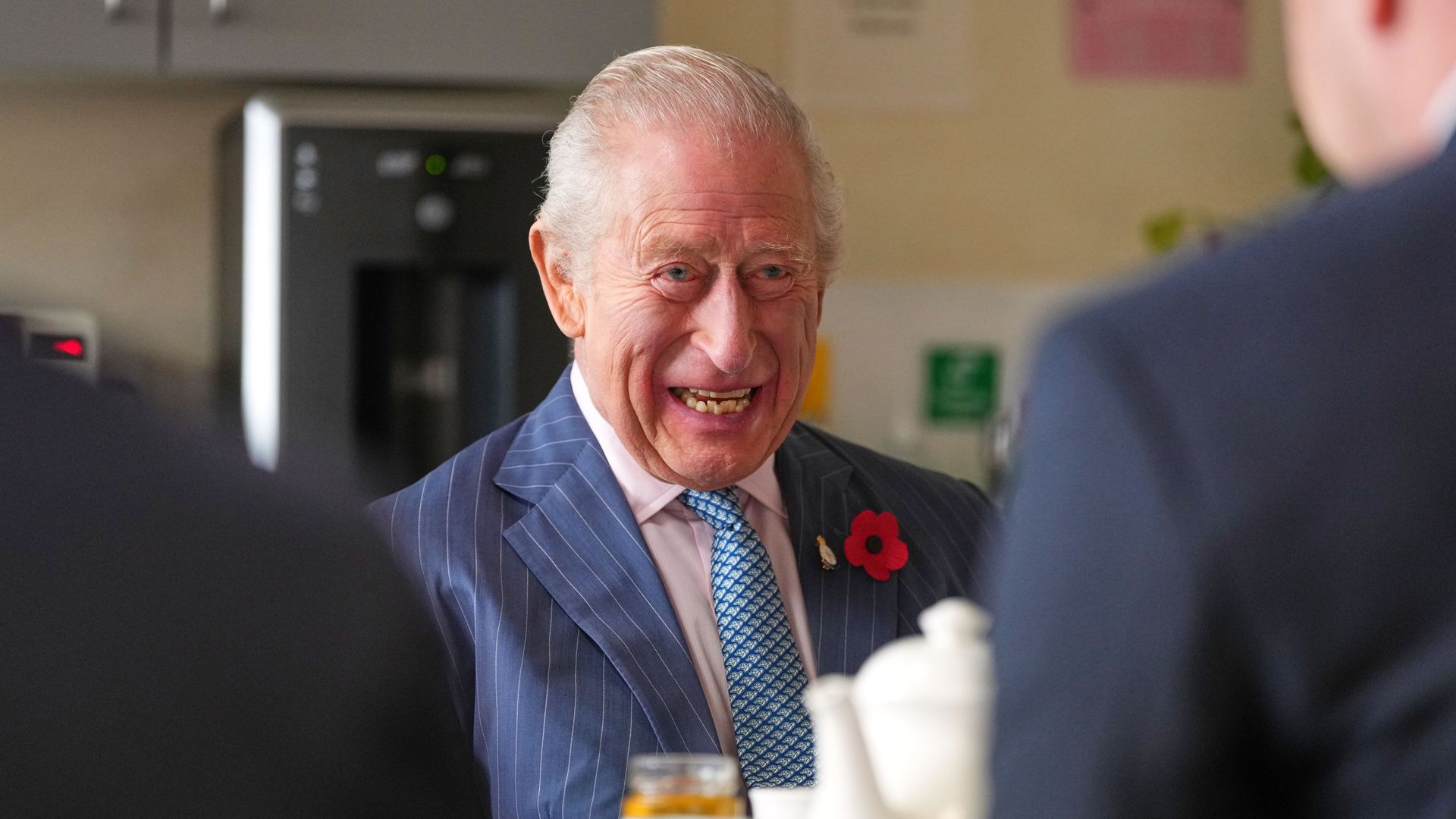
The King has revealed that, thanks to early diagnosis, his cancer treatment can be reduced in the new year.The Latest News from the UK and Around the World | Sky News
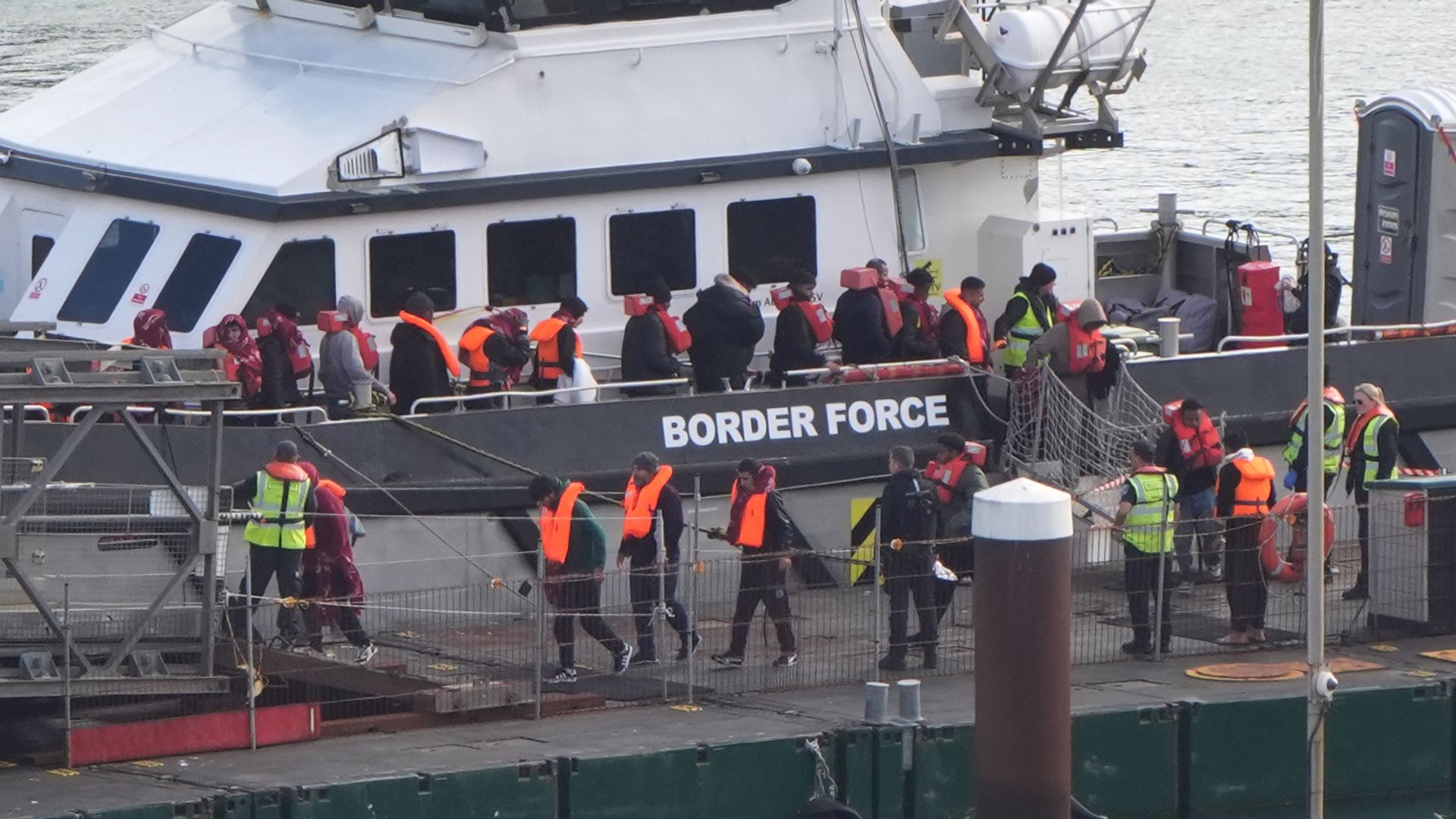
There have been no migrant arrivals in small boats crossing the Channel for 28 days, according to Home Office figures.The Latest News from the UK and Around the World | Sky News
By: James Brooks, Alaska Beacon

Alaska Gov. Mike Dunleavy is proposing to spend more than $1.8 billion from the state’s principal savings account to balance a first-draft spending plan that would cover Alaska’s response to recent disasters, the state’s annual expenses in the next fiscal year, and a 2026 Permanent Fund dividend worth about $3,800 per recipient.
The governor unveiled his plan Thursday, ahead of the Dec. 15 deadline to submit a first-draft state budget for the fiscal year that begins July 1, 2026.
The governor’s $7.75 billion draft budget is similar to what he proposed last year, but this year’s proposal also includes a substantial supplemental budget intended to compensate for unforeseen costs in the current state budget.
That supplemental budget includes a large amount of transportation spending caught in a dispute with the Alaska State Legislature, and an additional $40 million for the state’s disaster response fund, a figure that could rise if President Donald Trump fails to approve a 100% reimbursement rate for the Typhoon Halong disaster requested by the state.
Thursday’s proposals won’t become final unless approved by the Legislature, and legislators have revised each of Dunleavy’s prior budget proposals before they became law.
Alongside his annual budget proposal, the governor unveiled a draft 10-year plan that appears to call for billions of dollars in tax increases to avoid deficits in future years.
Alaska has no statewide personal income tax or sales tax; more than 60% of general-purpose revenue comes from an annual transfer from the Alaska Permanent Fund, and about 30% generally comes from oil.
The long-term plan published by the governor’s Office of Management and Budget is required by state law, and both Dunleavy and previous governors have used prior plans to demonstrate their ideas.
Dunleavy did not hold a news conference to answer questions about his plan on Thursday, but members of the governor’s administration said he intends to unveil his long-term approach in January, before state legislators open their regular session in Juneau.
“As many of you know,” the governor said in a prerecorded video released Thursday, “oil prices are down … that negatively impacts our budget, and so we will have to fund the budget from savings this year. We all understand that spending from savings and spending the PFD is not a sustainable way to support a budget.”
Dunleavy, who is term-limited and unable to run for governor again, is entering his final year in office. Elected in 2018, he has proposed a variety of ideas each year but has thus far been unable to garner sufficient legislative support for them.
Simultaneously, he has vetoed incremental legislation to address the state’s fiscal problems, most recently with a bill that would have shifted tax revenue from other states to Alaska.
On Thursday, legislators said they were skeptical but hopeful that 2026 might bring a different result to the perennial debates over how to balance the state’s budget in the long term. “It’s probably doubtful,” said Sen. Mike Cronk, R-Tok and a member of the Senate Finance Committee. “But I’m going to stay on the hopeful side, because I know that’s really where we need to be. I’m always going to think that other people will finally say, ‘enough’s enough.’”
In all but one year during his time in office, Dunleavy has proposed a dividend paid under a disregarded but still-on-the-books formula that dates from the 1980s.
In 2017, the Alaska Supreme Court ruled that lawmakers may ignore that formula because it is not in the state Constitution. Since then, legislators have typically reduced the dividend to what is payable without spending from savings.
Entering his last year in office, Dunleavy is proposing to spend $2.4 billion on the dividend. Divided among 624,000 recipients — the number of eligible Alaskans in recent years — that’s roughly $3,800 per person.
Dunleavy proposed a similar dividend last year; legislators ultimately approved a $1,000 PFD that could be paid without spending from savings.
Rep. Andy Josephson, D-Anchorage and co-chair of the House Finance Committee, said that at first glance, the governor’s proposal is “very much a status quo budget” when it comes to state services, albeit with some changes.
The governor plans funding for a separate Alaska Department of Agriculture, though the creation of that department has been challenged in court by the Legislature.
Funding for the Alaska Department of Corrections is up by 3%, while funding for the state’s Medicaid program is down. No money has been earmarked for the state program that pays for major maintenance and renovations at schools, and funding for public school operations is flat.
Dunleavy is proposing to refill the state’s higher education investment fund — used to pay for college scholarships — after it was drained last year during a budget dispute with the Legislature.
At the same time, the Alaska Department of Revenue is forecasting lower oil revenue due to a declining price forecast. The state Department of Natural Resources expects higher production in fiscal year 2027, but it isn’t enough to fully offset the lower prices.
To balance the budget despite the expected decrease in oil revenue, the governor is proposing to spend from the Constitutional Budget Reserve, which is the state’s principal savings account and contained about $3 billion as of Thursday.
Between supplemental spending and the upcoming fiscal year 2027 budget, Dunleavy is proposing to spend over $1.8 billion from the reserve.
Taking money from the reserve requires three-quarters of the House and three-quarters of the Senate to agree.
In previous years, that’s been a difficult task: The House and Senate are each controlled by coalitions that have taken a skeptical and at times critical view of many of the governor’s policies.
Sen. Lyman Hoffman, D-Bethel and co-chair of the Senate Finance Committee, said on Thursday that the Senate Majority’s position is that the reserve should never be used for recurring expenses.
One-time expenses, like refilling the disaster response fund and the higher education investment fund could be acceptable, he said.
House Minority Leader DeLena Johnson, R-Palmer, said it’s too early to say what members of the 19-person, all-Republican House Minority caucus might want in exchange for voting to spend from the budget reserve.
“That’s still unfolding,” she said.
She also cautioned that the governor’s proposal is just a first draft and that it could change significantly before lawmakers convene in January. If oil prices or production fall below what’s forecast, the state might need to spend more from savings.
If additional disasters occur, that might mean another draw from savings.
“We’re just looking at the very beginning, but it’s not going to get better,” she said. “It’s just going to get worse, most likely.”

Zohran Mamdani as a creepy trick-or-treater, Gavin Newsom body-slamming Donald Trump and Hakeem Jeffries in a sombrero. This is not the setup to an elaborate joke. Instead, these are all examples of recent AI-generated political videos. New easy-to-use tools – and acceptance of those tools by politicians – means that these fake videos are quickly becoming commonplace in American politics.
Perhaps the most interesting thing about many of the videos is how clearly fake they are. Rather than trying to deceive the viewer into thinking a depicted event actually happened, the videos serve a different purpose. President Trump didn’t post a video of himself wearing a crown in a fighter jet dumping feces on a group of protesters because he wanted people to believe that the flight actually happened. He likely did it to express his feelings about the protest and to create an in-joke with his followers.
Fears about the political implications of AI-generated videos have been around since the term deepfakes was coined in 2017. Steady improvements in the technology mean that distinguishing real from fake could become a significant threat. But today’s use of AI imagery is largely about making memes and making money – in other words, typical social media content.
Internet platforms use algorithms designed to keep people engaged, and that typically means promoting content that stirs emotions. AI-generated political videos often provoke an emotional response – amusement or outrage.
People are more likely to share information when it is emotionally arousing. For example, people are more likely to pass along urban legends that elicit feelings of disgust, and news articles that are emotionally charged are more likely to make the New York Times list of most emailed articles. Similar patterns occur online, where emotional content is much more likely to go viral than nonemotional content.
In addition, strong emotions can interfere with people’s ability to detect false information. People are worse at distinguishing between true and false political news headlines when they are experiencing stronger emotions – for instance, enthusiasm, excitement or fear. Thus, emotionally appealing AI-generated videos are both more likely to spread and reduce people’s ability to judge whether they are real or fake.
Creating and sharing AI videos is also a powerful way for people to demonstrate their allegiances and show their political identities. “I am a Trump supporter, so I post AI videos of ICE detainees crying to own the libs” or “I am a Democrat and so I share Governor Newsom’s AI-video of JD Vance talking about couches to show that I’m in on the joke.”
What’s new in recent months is that campaigns and politicians are using AI-created videos, not just their supporters. An analysis from The New York Times showed that Trump commonly uses AI imagery to “attack enemies and rouse supporters”.
These new tools also allow for active participation in the political process. Rather than simply watching politicians and voting, citizens can play an active role in shaping the conversation between elections.
Information and technology researcher Kate Starbird has written about similar dynamics in the ways that everyday Americans found “evidence” for voter fraud in the 2020 election. Politicians told the public that voter fraud was going to occur, and then when voters saw things that they did not understand when voting, such as the use of Sharpie pens to mark ballots, they interpreted that action as evidence of voter fraud. Politicians then circulated that evidence online to support the false narrative.
New AI tools make this cycle of participatory disinformation even simpler. Instead of reinterpreting actual events as evidence for a false claim, people can easily generate that evidence themselves.
AI video creation tools make it incredibly easy for people to churn out hundreds of videos, post them online and simply see what content becomes popular and goes viral. In fact, that’s exactly what seems to have happened with recent AI-generated videos of raids by Immigration and Customs Enforcement. According to an investigation by 404 media, Facebook user “USA Journey 897” used to post a variety of real videos of police activity as well as absurd AI videos of people carrying whales and riding tigers.
However, after the release of a new version of OpenAI’s Sora video generator on Sept. 30, 2025, the account switched entirely to posting multiple fake videos of deportations every day. Most of the videos accumulated hundreds of thousands of views, and one fake video of a Walmart employee being detained had over 4 million views.
Typically these accounts are hosted overseas and exist to earn money through creator incentive programs. These incentives create an environment where social media no longer informs people about the world, but instead serves as a fun-house mirror, presenting back to us the world that we want to see – or at least the version of the world that will capture our attention and outrage.
It’s not always easy for people to detect which videos are real and which are AI-generated. A recent audit by the publication Indicator found that platforms regularly fail to properly label AI content. Researchers posted over 500 AI-generated images and videos across Instagram, LinkedIn, Pinterest, TikTok and YouTube. Less than one-third were properly labeled as AI-generated, and even posts generated by the platform’s own AI tools were often missed.
For years, the great fear concerning political deepfakes was that they were going to fool people into believing something happened that didn’t. They still might, but at the moment, AI-generated political videos are a mix of entertainment and memes, legitimate attempts at persuasion, and ways of capturing attention for money.
In other words, they are now just like the rest of the internet. Most of what we see and share is meant to entertain, some is meant to inform and persuade, and a great deal exists solely to monetize our attention.

Lisa Fazio does not work for, consult, own shares in or receive funding from any company or organization that would benefit from this article, and has disclosed no relevant affiliations beyond their academic appointment.
Politics + Society – The Conversation