The Juneau Symphony has announced the appointment of Brad Hogarth as its new Music Director, following an extensive yearlong search and a final vote by Symphony members.
Hogarth, a conductor, educator, and trumpeter, was one of four finalists invited to lead a full concert during the Symphony’s 2024–2025 season. Each candidate spent time engaging with the orchestra and the wider community, but it was Hogarth’s dynamic podium presence, artistic vision, and collaboration that ultimately resonated.
“We are excited to welcome Brad to the Juneau Symphony family,” said Executive Director Charlotte Truitt. “He brings extraordinary musicianship and a passion for connecting people through music. His energy and artistic leadership will guide us into an inspiring next chapter.”
The search process was shaped by input from musicians, community members, and Symphony patrons. Hogarth’s appointment begins immediately, and he will work with Symphony leadership to finalize plans for the 2025–2026 season, strengthen community partnerships, and expand outreach throughout Southeast Alaska.
“I am honored and excited to join the Juneau Symphony as Music Director,” said Hogarth. “I am inspired by the talent and dedication of the musicians, and moved by the warmth of the Juneau community. I look forward to making music together and sharing meaningful artistic experiences with everyone.”
The Symphony plans to formally welcome Hogarth in the coming months. Details on the upcoming season, including ticket information, will be released soon.
People shop for food in Brooklyn in 2023 at a store that makes sure that its customers know it accepts SNAP benefits, also known as food stamps and EBT. Spencer Platt/Getty Images
In my research on the history of food stamps, I’ve found that the program was meant to be widely available to most low-income people. The SNAP changes break that tradition in two ways.
The Congressional Budget Office estimates that about 3 million people are likely to be dropped from the program and lose their benefits. This decline will occur in part because more people will face time limits if they don’t meet work requirements. Even those who meet the requirements may lose benefits because of difficulty submitting the necessary documents.
Inspired by the plight of unemployed coal miners whom John F. Kennedy met in Appalachia when he campaigned for the presidency in 1960, the early food stamps program was not limited to single parents with children, older people and people with disabilities, like many other safety net programs were at the time. It was supposed to help low-income people afford more and better food, regardless of their circumstances.
From the start, the states administered the program and covered some of its administrative costs and the federal government paid for the benefits in full. This arrangement encouraged states to enroll everyone who needed help without fearing the budgetary consequences.
Who could qualify and how much help they could get were set by uniform national standards, so that even the residents of the poorest states would be able to afford a budget-conscious but nutritionally adequate diet.
The federal government’s responsibility for the cost of benefits also allowed spending to automatically grow during economic downturns, when more people need assistance. These federal dollars helped families, retailers and local economies weather tough times.
The changes to the SNAP program included in the legislative package that Congress approved by narrow margins and Trump signed into law, however, will make it harder for the program to serve its original goals.
Restricting benefits
Since the early 1970s, most so-called able-bodied adults who were not caring for a child or an adult with disabilities had to meet a work requirement to get food stamps. Welfare reform legislation in 1996 made that requirement stricter for such adults between the ages of 18 and 50 by imposing a three-month time limit if they didn’t log 20 hours or more of employment or another approved activity, such as verified volunteering.
Budget legislation passed in 2023 expanded this rule to adults up to age 54. The 2025 law will further expand the time limit to adults up to age 64 and parents of children age 14 or over.
States can currently get permission from the federal government to waive work requirements in areas with insufficient jobs or unemployment above the national average. This flexibility to waive work requirements will now be significantly limited and available only where at least 1 in 10 workers are unemployed.
Concerned senators secured an exemption from the work requirements for most Native Americans and Native Alaskans, who are more likely to live in areas with limited job opportunities.
The new changes to SNAP policies will also deny benefits to many immigrants with authorization to be in the U.S., such as people granted political asylum or official refugee status. Immigrants without authorization to reside in the U.S. will continue to be ineligible for SNAP benefits.
Tracking ‘error rates’
Critics of food stamps have long argued that states lack incentives to carefully administer the program because the federal government is on the hook for the cost of benefits.
In the 1970s, as the number of Americans on the food stamp rolls soared, the U.S. Department of Agriculture, which oversees the program, developed a system for assessing if states were accurately determining whether applicants were eligible for benefits and how much they could get.
A state’s “payment error rate” estimates the share of benefits paid out that were more or less than an applicant was actually eligible for. The error rate was not then and is not today a measure of fraud. Typically, it just indicates the share of families who get a higher – or lower – amount of benefits than they are eligible for because of mistakes or confusion on the part of the applicant or the case worker who handles the application.
States responded by increasing their red tape. For example, they asked applicants to submit more documentation and made them go through more bureaucratic hoops, like having more frequent in-person interviews, to get – and continue receiving – SNAP benefits.
These demands hit low-wage workers hardest because their applications were more prone to mistakes. Low-income workers often don’t have consistent work hours and their pay can vary from week to week and month to month. The number of families getting benefits fell steeply.
The USDA tried to reverse this decline by offering states options to simplify the process for applying for and continuing to get SNAP benefits over the course of the presidencies of Bill Clinton, George W. Bush and Barack Obama. Enrollment grew steadily.
Despite this requirement, the national average error rate jumped from 7.4% before the pandemic, to a record high of 11.7% in 2023. Rates rose as states struggled with a surge of people applying for benefits, a shortage of staff in state welfare agencies and procedural changes.
The big legislative package will increase states’ expenses in two ways.
It will reduce the federal government’s responsibility for half of the cost of administering the program to 25% beginning in the 2027 fiscal year.
And some states will have to pay a share of benefit costs for the first time in the program’s history, depending on their payment error rates. Beginning in the 2028 fiscal year, states with an error rate between 6-8% would be responsible for 5% of the cost of benefits. Those with an error rate between 8-10% would have to pay 10%, and states with an error rate over 10% would have to pay 15%. The federal government would continue to pay all benefits in states with error rates below 6%.
Republicans argue the changes will give states more “skin in the game” and ensure better administration of the program.
While the national payment error rate fell from 11.68% in the 2023 fiscal year to 10.93% a year later, 42 states still had rates in excess of 6% in 2024. Twenty states plus the District of Columbia had rates of 10% or higher.
At nearly 25%, Alaska has the highest payment error rate in the country. But Alaska won’t be in trouble right away. To ease passage in the Senate, where the vote of Sen. Lisa Murkowski, an Alaska Republican, was in doubt, a provision was added to the bill allowing several states with the highest error rates to avoid cost sharing for up to two years after it begins.
About 600,000 individuals and families will lose an average of $100 a month in benefits because of a change in the way utility costs are treated. The law also prevents future administrations from increasing benefits beyond the cost of living, as the Biden Administration did.
States cannot cut benefits below the national standards set in federal law.
But the shift of costs to financially strapped states will force them to make tough choices. They will either have to cut back spending on other programs, increase taxes, discourage people from getting SNAP benefits or drop the program altogether.
The changes will, in the end, make it even harder for Americans who can’t afford the bare necessities to get enough nutritious food to feed their families.
Tracy Roof does not work for, consult, own shares in or receive funding from any company or organization that would benefit from this article, and has disclosed no relevant affiliations beyond their academic appointment.
The beloved television and film star was just 56 years.
Though perhaps best known for his work on the FX series Nip/Tuck, McMahon accumulated dozens of credits over the course of his career, including his roles on the fantasy drama Charmed and in the Fantastic Four film franchise.
Julian McMahon attends the world premiere of Swinging Safari on December 12, 2017 in Sydney, Australia. (Photo by Mark Metcalfe/Getty Images)
As a result of his long and varied career, McMahon worked with and — forgive the pun — charmed a wide array of Hollywood’s top talents, many of whom are now paying tribute to their departed friend.
Hollywood A-listers share fond memories of Julian McMahon
“That smile. That laugh. That talent. That presence. He walked into a room and lit it up — not just with charisma, but with kindness. With mischief. With soulful understanding,” Charmed star Alyssa Milano wrote on Instagram, adding:
“He made me feel safe as an actor. Seen as a woman. He challenged me, teased me, supported me. We were so different, and yet somehow we always understood each other.
“Julian was more than my TV husband. He was a dear friend. The kind who checks in. The kind who remembers. The kind who shares. The kind who tells you the truth, even when it’s uncomfortable — but always with love.”
Julian McMahon attends the 2019 CBS Upfront at The Plaza on May 15, 2019 in New York City. (Photo by Nicholas Hunt/Getty Images)
Dylan Walsh, who co-starred with McMahon on Nip/Tuck, had this to say:
“Dear Jules. I know you like to flout the boundaries, but this time you’ve gone too far. Let’s meet at the Biltmore, have a martini, and we’ll talk this through.
“We’ll laugh hard, the valet will bring up your Hummer, and right behind my hatchback with car seats and bird s–t on the window — we’ve laughed at this too many times. Now it’s just us. You’ll kiss me on the cheek and say, ‘Bye, Dyl.’”
“One of a kind is an understatement. Your unyielding zest for life and crazy-making sense of humor will be sorely missed. The joy and laughter you were the direct cause of will always be remembered. I hope you find our lady friend and dance in those rose petals,” Charmed star Holly Marie Combs wrote on Instagram, alongside a carousel of photos.
Julian McMahon attends the North American premiere of ‘The Surfer’ during the 2025 SXSW Conference and Festival at ZACH Theatre on March 10, 2025 in Austin, Texas. (Photo by Marcus Ingram/Getty Images for The Surfer)
“Oh, Julian, you force of brilliance, wild talent, and humor. For you, your family, and loving fans all over the world, I pray comfort,” fellow Charmed alum Rose McGowan wrote in her Instagram Stories.
We’d like to add our voice to the chorus of fans, friends, and family whose lives have been touched by this charismatic star — who was taken from us far too soon.
Our thoughts go out to Julian’s loved ones during this enormously difficult time.
There are a number of reasons why you may consider adding magnesium glycinate to your daily routine. But taking this supplement every day can affect your body.
Health Digest – Health News, Wellness, Expert Insights
Generational differences can shape how people approach their work, life, and health. For example, Gen Z has a strange hygiene habit that you might not expect.
Health Digest – Health News, Wellness, Expert Insights
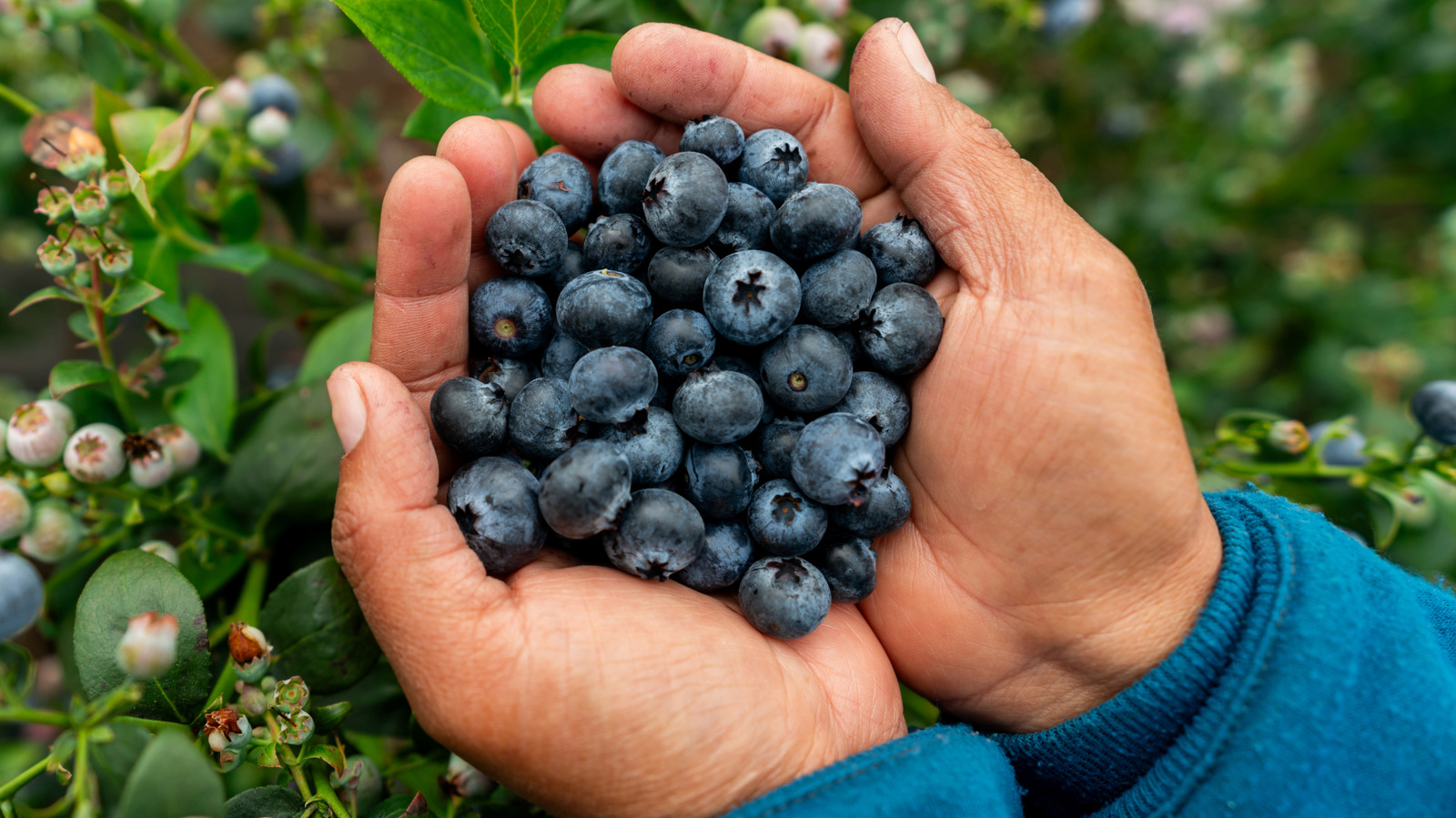
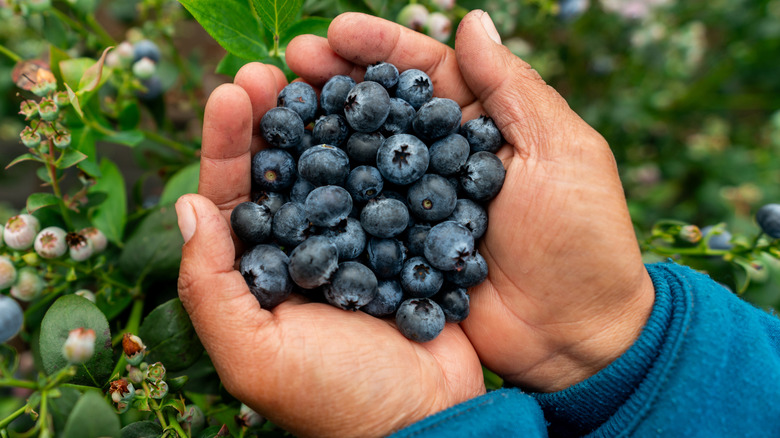
Blueberries offer many health benefits. But did you know that they can impact your brain as well if you consume them daily? A health expert tells us more.
Health Digest – Health News, Wellness, Expert Insights
For some people, taking anxiety medications is the best way to help them keep functioning throughout the day. But how can this affect a person’s dementia risk?
Health Digest – Health News, Wellness, Expert Insights
Donald Trump isn’t exactly known for living a healthy lifestyle. However, his favorite lunch is healthier than you’d expect given his usual eating habits.
Health Digest – Health News, Wellness, Expert Insights