Categories
Sports Fox

4 Takeaways From A Pressure-Packed Red Sox-Yankees Clash In The Bronx

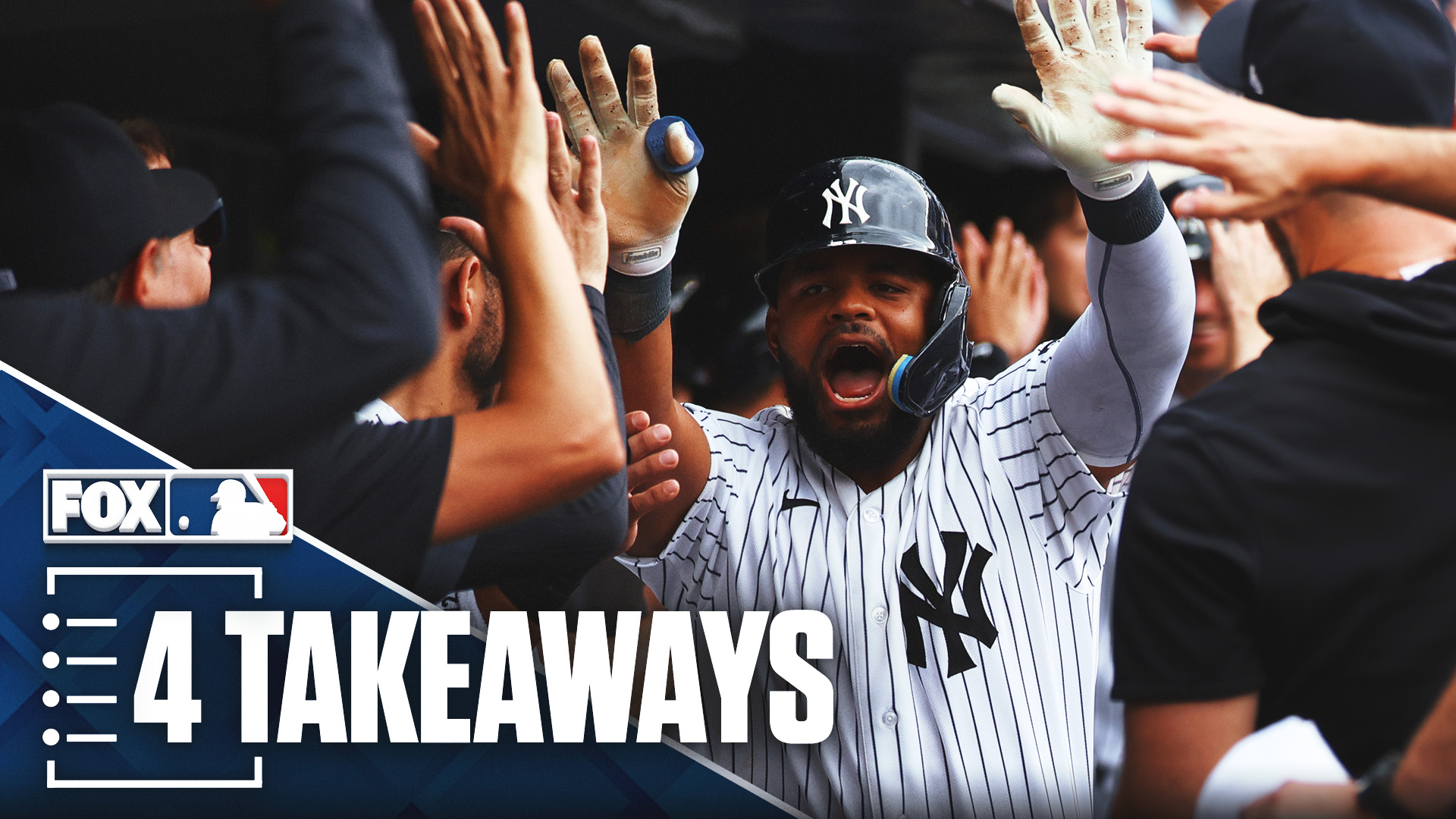
Yankee Stadium (New York) – In the build-up to Sunday’s first pitch, Aaron Boone didn’t know how the Yankees would get through the game. It was an exhausting and pressure-packed weekend in the Bronx, featuring a four-game series between the Red Sox and Yankees with everything on the line. It culminated with the division rivals playing three games in two days following Saturday’s doubleheader and Sunday afternoon’s matinée. There are quick turnarounds, and then there’s playing 36 innings of baseball in 45 hours. As if the schedule wasn’t intense enough, the Yankees and Red Sox entered the rivalry series just two games apart in the AL East. New York owned the edge, with Boston breathing down its neck. The rivals entered Sunday’s finale with the season series tied 6-6. The winner of Sunday’s game earned home-field advantage in a potential wild-card series between the Yankees and Red Sox. The stakes had never been higher. For both squads dreaming about October, Sunday’s finale was the biggest game of the season thus far. Here are four takeaways from a dramatic weekend at Yankee Stadium: The Yankees didn’t mess around on Sunday. They embarrassed the Red Sox in a 16-1 blowout win that solidified their position with home-field advantage should they meet again in a wild-card series to kick off the playoffs in October. The Yankees created real distance in the standings, increasing their lead to four games over the Red Sox – which is really five games, given the tiebreaker implications. Boone credited his players for coming into the finale with “a pep in our step,” especially after Saturday’s day/night doubleheader. New York’s skipper was also working with a taxed bullpen, so he needed his starting pitcher to dig deep on Sunday. Right-hander Will Warren answered the call. The 27-year-old stepped up and pitched a shutout into the eighth inning. After the Yankees lineup broke out for an offensive performance that more closely resembled an NFL score, the club only needed one other pitcher, left-hander Tim Hill, to finish the game. “I think I was fearless in the zone,” said Warren, who struck out seven Red Sox hitters. Boone termed Sunday afternoon the best performance of Warren’s career, and the righty agreed. Before the series finale, Boone and Red Sox manager Chad Tracy both tried to downplay the importance of winning the home-field edge. Boone said that, of course, he’d prefer to have it, but he also believes that oftentimes the industry tends to “overstate the venue.” The Yankees skipper reiterated that his club plays fantastic on the road, and he’s right. The Bombers actually have a better record on the road (41-28, .594) than they do at home (37-31, .544) this year. The same should be said about the Red Sox, who are much better on the road (40-30, .571) than they are at home (34-32, .515). Tracy said he didn’t want his players stepping on the field Sunday being inundated with the pressure to win for the tiebreaker advantage. He told his clubhouse to treat the finale like any other game and essentially forget about the stakes at hand. Of course, telling them that is one thing. Players actually believing it and moving on from those thoughts, though, is another. This was a weekend to forget for the Red Sox, but they’re refusing to let go. Center fielder Cedanne Rafaela’s non-catch in the fifth inning Sunday rattled Boston to the point where the team let it become the reason for its demise. In a tight, scoreless game, Rafaela attempted a sliding catch on a line drive off the bat of Yankees second baseman Jazz Chisholm, but umpires on the field ruled that he didn’t actually catch the ball; he trapped it. The Red Sox challenged the call, and after an official replay review, the call stood. Chisholm was awarded a single, and the Yankees had runners on first and second with nobody out. Red Sox southpaw Ranger Suarez, who had started to settle in by the fourth inning, was thrown off by the call. He promptly allowed three of his next four batters to reach base, including a massive three-run home run to outfielder Heliot Ramos that capped a five-run rally for the Yankees. Rafaela, meanwhile, was still stewing over the non-catch in center field. He paced back and forth, agitated, and when he made a fair catch on a routine fly ball later in the same inning, he made a show of dropping it into his glove to emphasize that he caught it. “I didn’t even have to watch it,” Rafaela said postgame. “I know I made the catch. I know when a ball drops and a ball don’t drop. And I know I made the catch.” Added Suarez: “Everybody was surprised by that call. That was a game-changing play.” Boston’s body language and energy changed completely after that play. A five-run deficit was not insurmountable with four innings still left to play — especially given the troubling state of affairs in the Yankees bullpen. But the Red Sox gave up. Later in the game, they even allowed Chisholm to steal second and third without a throw and no one covered the base each time. The team’s deflated attitude was compounded by its several sloppy plays on defense throughout the series in the Bronx, including three defensive errors in Saturday’s doubleheader. Rafaela’s non-catch was a controversial call, no doubt. That it wasn’t overturned was frustrating, of course. But the Red Sox have to be able to shake it off, move on, and realize there’s still a game to play with everything on the line. Instead, later in Sunday’s series finale, Rafaela didn’t even bother to run to first on a ground ball he hit to second. It took nearly four weeks and a left-handed starter on the mound, but it finally happened. On Sunday, Ramos slugged his first home run since being traded from the San Francisco Giants to the Yankees, and it was no cheapie either. Ramos took Suarez deep for a three-run home run in the fifth inning of the series finale and broke the game open for New York. “I was super emotional. I’m an emotional guy,” Ramos said. “I needed this. I’ve been working hard in the cages trying to figure it out, trying to get my groove back. … Just knowing that I belong here. I know I can do it on the big stage. I can help this team. That’s all I want to show.” Ramos, who grew up idolizing former Yankees legends Derek Jeter, Jorge Posada and Bernie Williams, was incredibly fired up to get the monkey off his back after 20 unbearable games without a home run in his new pinstripes. Ramos connected on a 75 mph curveball from Suarez, and it left his bat at 107 mph before landing 416 feet away in left field. He all but flew around the bases in what must have been the fastest home-run trot of his career. “Heliot’s home run was massive,” Yankees manager Aaron Boone said. “I thought he was going to do a cartwheel around third.” Given the stakes of Sunday’s finale, and the pressure to deliver but continuing to struggle since being traded, the unbridled joy that carried Ramos into the Yankees dugout was completely justified. Moments like that are why Yankees general manager Brian Cashman acquired him from the Giants. It was just bad timing as New York faced a steady stream of right-handers for three weeks, until the Red Sox came to town this weekend and put three left-handed starters on the mound. Ramos reached base seven times, including four on Sunday, against Boston. The Yankees offense is much more dominant with a slugging Ramos who’s recaptured his rhythm at the plate. While both division rivals were publicly understating the importance of their clash in the Bronx, their transactions and urgency in bringing back key players gave away their true feelings. The Red Sox activated outfielder Roman Anthony and shortstop Trevor Story from the injured list on Sunday, and both players instantly got back in the swing of things, which will be crucial to Boston’s stretch run. Anthony ripped a leadoff double to right field in his first at-bat since May 4. He went 2-for-4 on the day. Story, too, went 2-for-3 with a run scored after missing 93 games with sports hernia surgery. Red Sox fans were upset that designated hitter Mickey Gasper was sent down to Triple-A to make room on the roster for Roman and Story. That’s an understandable reaction, since Gasper was batting .423 with a 1.115 OPS and five home runs, 12 RBI and nine walks in 11 games since getting called up on Aug. 17. Gasper helped the Red Sox keep their momentum going to continue their incredible turnaround since sweeping the Yankees at home on June 25. “It’s not like heroes are coming back,” Story said before their 16-1 loss on Sunday. “We’re not looking at it that way. These guys have put in the work and done the things and performed on the field to get us to where we’re at, and we’re just coming in to help that.” The Yankees activated left-hander Max Fried from the injured list for Game 2 of Saturday’s doubleheader. He spent the minimum 15 days on the IL with recurring elbow inflammation, and he picked up where he left off. Fried allowed one earned run on three hits against Boston and struck out four in an abbreviated outing of 3 ⅔ innings pitched while he ramps back up from the two-week layoff. Fried has a 2.80 ERA in 90 innings and 16 starts this season. Speaking of Yankees reinforcements, outfielder Aaron Judge is inching closer to his much-anticipated return from a fractured rib. The slugger has been on the IL since the end of May, and he’s joining the Yankees on their road trip against the Angels and Padres this week to ramp up his rehab under the medical staff’s supervision. Judge is expected to see velocity sometime soon, and Boone said he’s getting more “entrenched” in his ramp-up. Judge and club officials have been pleased with his progress so far, which has included running and hitting off a tee, though a return date has not yet been announced by the Yankees.​Latest Sports News from FOX Sports
Categories
Sports Fox

Top 10 NFL Rosters Since 2000: Where Do Rams Rank After Aaron Donald’s Return?

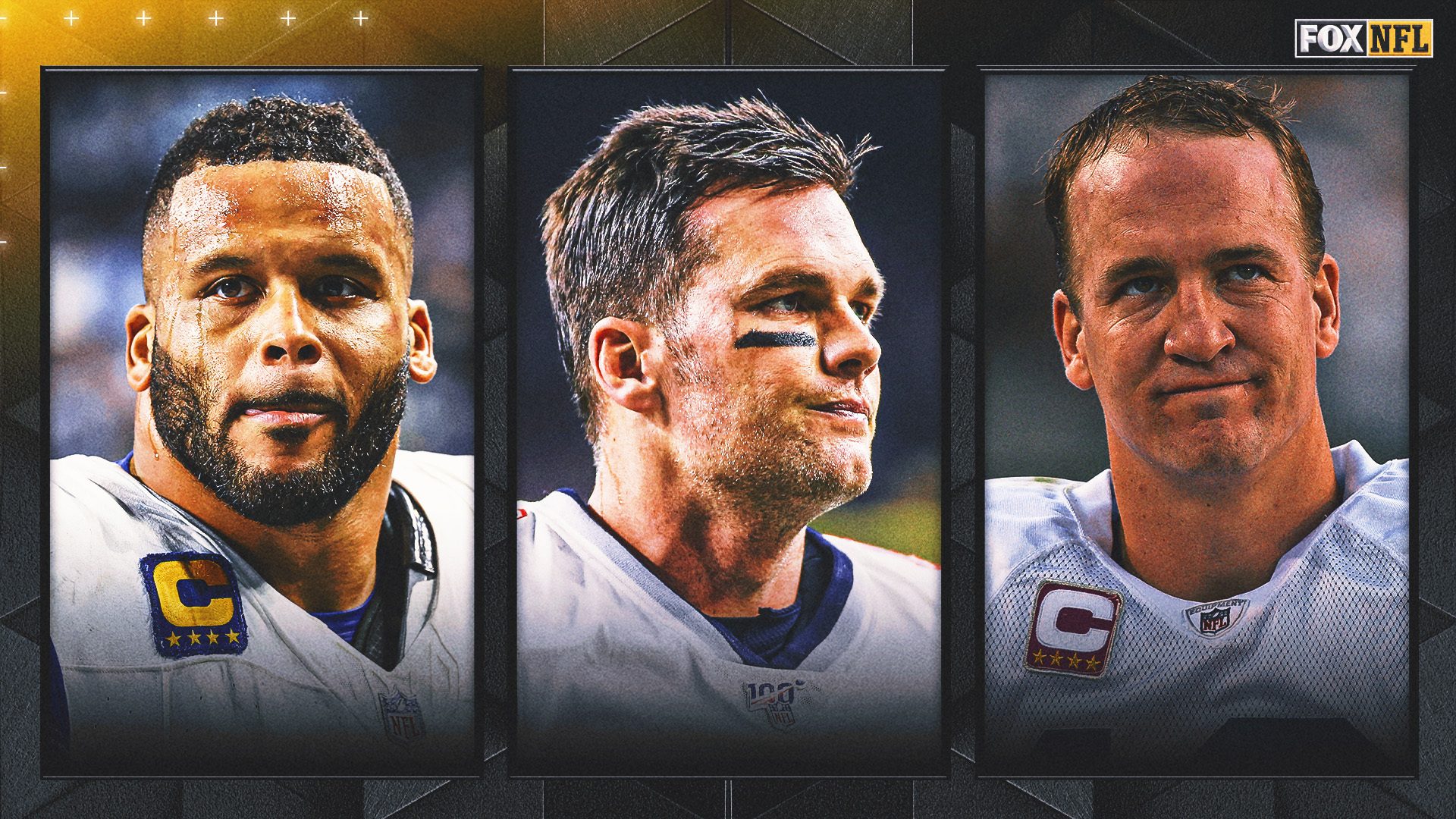
Vince Young anointed the Philadelphia Eagles the NFL’s “Dream Team” during training camp before the start of the 2011 season. Young — then serving as a backup quarterback — put a hex on head coach Andy Reid and his team’s Super Bowl aspirations, as the stacked Philadelphia squad that included Pro Bowlers in quarterback Michael Vick, running back LeSean McCoy, wide receiver DeSean Jackson, defensive end Jason Babin and cornerbacks Nnamdi Asomugha and Dominique Rodgers-Cromartie fell woefully short of meeting the hype, starting the year 4-8 and finishing out of the playoffs at 8-8. Well, the Los Angeles Rams are this year’s version of that group. The Rams became the heavy favorites to win the Super Bowl after making a trade for Defensive Player of the Year Myles Garrett in June. And they got even more loaded on Sunday, with future Hall of Famer and three-time Defensive Player of the Year Aaron Donald coming out of retirement to join Garrett on L.A.’s loaded defense. With those high expectations in mind, we take a closer look at the 10 most loaded rosters since 2000. In our evaluation, winning matters here, but also the talent level of some of the more prominent players on each roster. In a game they were considered slight underdogs, the Eagles made quick work of Patrick Mahomes and the Kansas City Chiefs to earn head coach Nick Sirianni’s first Super Bowl win. Jalen Hurts outplayed Mahomes, taking home Super Bowl MVP honors. Saquon Barkley had one of the best years by a runner in league history, topping the 2,000-yard mark during the regular season. The Eagles fielded one of the best offensive lines in the league, led by offensive tackle Lane Johnson. Philadelphia finished with six players reaching the Pro Bowl and a 14-3 record, tied for the most wins in franchise history during the regular season. Philadelphia defeated teams by an average of 14 points a game, including clocking the Chiefs by 18 in a Super Bowl that wasn’t as close as the final score indicated. Tom Brady moved on from New England to join innovative offensive head coach Bruce Arians in Tampa Bay in free agency, and the change to a warmer climate paid off for the GOAT. Rob Gronkowski came out of retirement and joined his close friend in Brady with the Bucs. Tampa Bay also added running back Leonard Fournette and receiver Antonio Brown in free agency. That group joined an already talented Tampa Bay roster that included Mike Evans, Tristan Wirfs, Chris Godwin, Antoine Winfield Jr., Devin White, Lavonte David, Shaquill Barrett, Ndamukong Suh, Jason Pierre-Paul and Ronald Jones II. At 11-5, the Bucs earned an NFC wild-card berth, winning two out of three games on the road and ultimately becoming the first team to win the Lombardi Trophy in their home stadium. Tampa Bay kept the Kansas City Chiefs from repeating as Super Bowl champs with a lopsided, 31-9 victory. Speaking of Kansas City, Mahomes and the Chiefs broke through and won the first Super Bowl for Reid, slotting in here at No. 8. I chose this group because it includes Mahomes, Travis Kelce, four-time first-team All-Pro Tyreek Hill and Chris Jones all playing at an elite level in the prime of their careers. All four players made the Pro Bowl this season and remain on Hall of Fame trajectories late in their careers. I also liked the balance of this group, which ranked in the top 10 in total offense and total defense. Mahomes showed his clutch gene in the playoffs. Mahomes’ clutch performances included comeback wins in all three postseason contests, which included overcoming a 10-point, fourth-quarter deficit to defeat the San Francisco 49ers in the Super Bowl. The Colts rode one of the most prolific offenses in league history to the team’s lone Super Bowl victory with head coach Tony Dungy. Led by Peyton Manning, Marvin Harrison and Reggie Wayne, the Colts finished second in the league in points scored, second in total passing yards and third in total yards. To go along with that potent offense, Indianapolis was buoyed by a hammer of a hitter at safety in Bob Sanders and perhaps the best edge rusher duo in the NFL with Robert Mathis and Dwight Freeney, giving the Colts a pair of the best closers in the league for a team that usually led in most of their games. Kicker Adam Vinatieri, Manning, Harrison and Freeney are in the Hall of Fame, while Wayne and Mathis have been finalists. It’s hard to pick just one roster for New England because the Patriots had so many dominant teams under head coach Bill Belichick, but this group stands out because they finished one game away from perfection. They would’ve been the first team since the 1972 Miami Dolphins to finish the regular season and playoffs with an undefeated record. But, of course, Eli Manning earned his first one of two Super Bowl victories and Super Bowl MVP honors over Tom Brady that year. Still, with Brady, Hall of Famer Randy Moss and Wes Welker, the Patriots were a juggernaut on offense, averaging a league-leading 37 points per game and scoring on 53% of their drives. And the defense also held its own, led by linebacker Teddy Bruschi, nose tackle Vince Wilfork, Mike Vrabel, Asante Samuel and Hall of Famer Richard Seymour. The Giants squeaked into the postseason at 10-6, but made a magical playoff run led by their defense to win the Super Bowl. But the talent was always on the roster, as New York started the following season as the defending Super Bowl champs with a 10-1 record. Hall of Famer Michael Strahan, linebacker Antonio Pierce, Osi Umenyiora and cornerback Sam Madison served as the catalysts on defense. Offensively, Manning engineered an offense that included Plaxico Burress, Amani Toomer, Jeremy Shockey, Brandon Jacobs and Ahmad Bradshaw. The Rams have four potential Hall of Famers in Myles Garrett, Matthew Stafford, Davante Adams and Donald. Led by one of the best offensive minds in the game in head coach Sean McVay, the Rams have put together one of the most balanced offenses in the league, with Puka Nacua and Adams outside, and the one-two punch of Kyren Williams and Blake Corum in the backfield. The 38-year-old Stafford is protected by two top-notch guards in Steven Avilla and Kevin Dotson. But with the addition of Myles Garrett, along with cornerbacks Trent McDuffie and Jaylen Watson this offseason, Los Angeles now has a defense that, in terms of talent, matches the offense. And expect general manager Les Snead, the author of “F’ Those Picks,’ to make a move at the trade deadline to improve this roster even more, trading premium picks for premium players if there’s a void on this already loaded roster. Created by defensive-minded head coach Pete Carroll, Seattle’s Legion of Boom defense led the Seahawks to the franchise’s first Super Bowl victory. Middle linebacker Bobby Wagner, trash-talking cornerback Richard Sherman, defensive linemen Michael Bennett, Cliff Avril and Brandon Mebane, and safeties Earl Thomas and Kam Chancellor anchored the defense. Marshawn Lynch served as the engine on offense, while quarterback Russell Wilson proved clutch at the end of games, with Carroll creating a positive mindset for this group to flourish. Wagner and Sherman are a good bet to make the Hall of Fame, while Wilson will be in the conversation. The Ravens had one of the best defenses in league history, led by charismatic linebacker Ray Lewis. During their run to the Super Bowl, the Ravens held opponents to a league-low 10.3 points per game. Rod Woodson, Shannon Sharpe, Jonathan Ogden and Lewis all reached the Hall of Fame. Chris McCallister, Rob Burnett and Sam Adams were other key contributors to an all-time defense. Offensively, Trent Dilfer took over for an ineffective Tony Banks midseason to efficiently guide the offense, and head coach Brian Billick leaned on young bruising running back Jamal Lewis to carry that group, controlling the clock and limiting turnovers. The Ravens were dominant, beating every team in the postseason by double digits, including a 34-7 victory over the Giants in the Super Bowl. The Bucs had, in my opinion, the most dominant defense of the decade, with four Hall of Famers on that side of the ball in Warren Sapp, Ronde Barber, Derrick Brooks and John Lynch. A fifth, pass rusher Simeon Rice, has also been a semifinalist for the Hall of Fame. Tampa Bay’s defense was coached by legendary defensive coordinator Monte Kiffin, whose coaching tree includes Pete Carroll, Mike Tomlin, Gus Bradley and Raheem Morris. Head coach Jon Gruden handled the offense, with game manager Brad Johnson, running back Michael Pittman and receiver Keyshawn Johnson scoring enough points for this defensive-led team to win it all for the franchise’s first Super Bowl victory. Gruden’s brother Jay Gruden, Rich Bisaccia, Rod Marinelli, Tomlin and Morris all went on to be head coaches in the NFL. Jeremy Bates served as an offensive coordinator at different stops in the league and Joe Barry served as a defensive coordinator at several NFL stops. Honorable mentions: 2016 New England Patriots, 2009 New Orleans Saints, 2012 San Francisco 49ers, 2004 New England Patriots, 2015 Denver Broncos.​Latest Sports News from FOX Sports
Categories
Sports Fox

How Aaron Donald Can Mimic Michael Jordan With His Rams Reunion

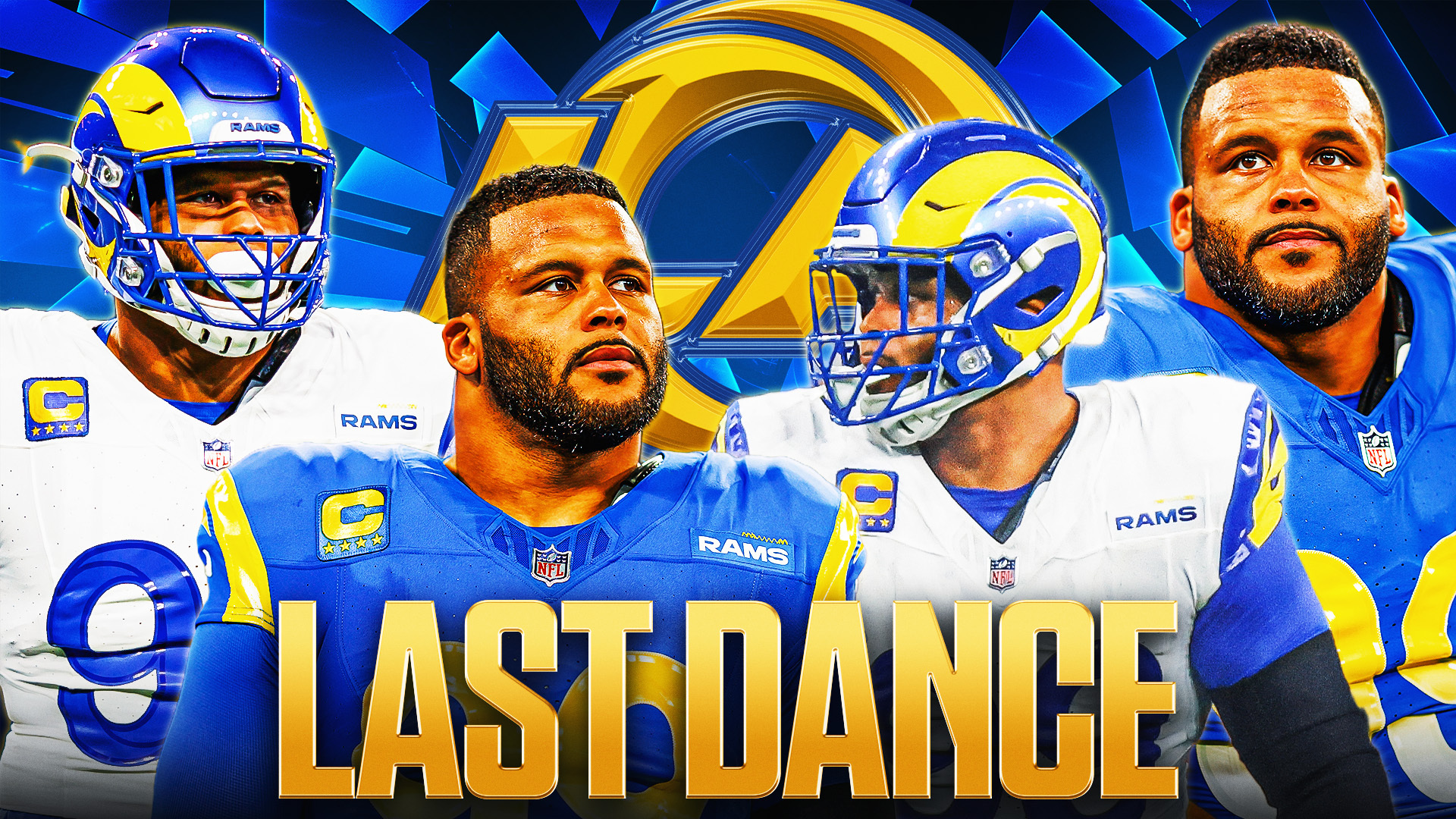
Perhaps Aaron Donald spent some of his retirement downtime binge-watching the documentary “The Last Dance.” The critically acclaimed series chronicled the inimitable career of Michael Jordan, of course, and concluded with an aging MJ resolutely leading the Chicago Bulls to a sixth championship at 35 years old. That final achievement, which capped off a second three-peat following a 17-month retirement, has preserved Jordan’s legacy as the predominant choice for the greatest basketball player of all time. Donald, as a Super Bowl champion, three-time Defensive Player of the Year winner, eight-time All-Pro and 10-time Pro Bowler in his 10 NFL seasons, already has a strong case for being the greatest defensive player in football history. While some might argue for Lawrence Taylor or Reggie White as the defensive G.O.A.T., No. 99’s return to a squad loaded with stars will give him a chance to add to his legacy with even more individual and team hardware. After sitting out the past two seasons, the 35-year-old Donald signed with the Rams on Sunday and joins a frontline featuring not only the best defensive player of today in Myles Garrett, but also a pair of young, athletic pass-rushers in Kobie Turner and Byron Young. The quartet should challenge the “Fearsome Foursome” as the best defensive line in franchise history, while also perhaps making a case as one of the most disruptive units of all time. While Deacon Jones, Merlin Olsen, Rosey Grier and Lamar Lundy are certified legends based on their dominance in the 1960s, the Rams’ new-look frontline could prove just as formidable with four pass-rushing phenoms in the starting lineup. Garrett will dominate the headlines after arriving in a blockbuster offseason trade and recording an NFL-record 23 sacks last year to win his second defensive Player of the Year award. But those developments surely overshadow his effectiveness against the run and tenacity off the edge and how amazingly consistent he’s been. The five-time All-Pro has eight straight seasons with at least 10 sacks, including 14 or more in each of the past five seasons, and is averaging 16.5 tackles for loss per season. Measuring 6-foot-4, 277 pounds with freakish athleticism and a dazzling array of moves that would make him a tough guard as an NBA small forward, the 30-year-old Garrett commands double-teams on nearly every snap, leading to more one-on-one opportunities for his talented teammates. While the pairing of Garrett and Donald will undoubtedly create problems for opposing offenses, the Rams’ defensive supporting cast is just as capable of wreaking havoc at the point of attack. Turner has tallied 24 sacks and 27.0 tackles for loss over his three seasons, exhibiting a businesslike game built on effort, energy and heavy hands. He outworks and outlasts blockers at the line, leading to a handful of sacks on hustle plays. Not to be outdone, Young has totaled 27 sacks, 32 tackles for loss, four forced fumbles and 61 quarterback hits over three seasons. As a high-motor defender with outstanding first-step quickness and violent hands, the fourth-year pro can win with finesse or force off the edge. Young plays at a breakneck pace and wears down opponents with his “junkyard dog” mentality. With Turner and Young perfectly suited for their new roles beside Garrett, Donald can step in as a designated playmaker on the inside. Despite his advanced age and rustiness following a two-year hiatus, the future Hall of Famer can make his impact operating on a low pitch count that preserves him for the stretch run and postseason where his closing skills are needed. Just as he finished off Super Bowl LVI against the Bengals with fourth-down pressure, Donald will have plenty of chances to register a save out of the bullpen as Garrett’s sidekick on the inside. The duo’s wide array of skills will test the creativity of offensive coordinators tasked with formulating an effective pass protection plan against the Rams’ upgraded frontline. Given the tighter coverage that will also manifest in the secondary with Trent McDuffie and Jaylen Watkins now manning the outside cornerback spots, L.A.’s defensive line should have more time to harass those quarterbacks who are forced to chase points after watching a scoreboard explosion from Matthew Stafford and Co. For a team operating under a “Super Bowl or bust” mentality, the addition of the reigning Defensive Player of the Year had already made the Rams the prohibitive favorite to hoist the trophy in their home stadium — again. With Donald now coming back to spearhead the charge, the eventual gold jacket recipient might add more accolades to his exceptional résumé and perhaps cement his legacy as the G.O.A.T. Just like Mike.​Latest Sports News from FOX Sports
Categories
Sports Fox

MLB Roundtable: How Vulnerable Are The Yankees?

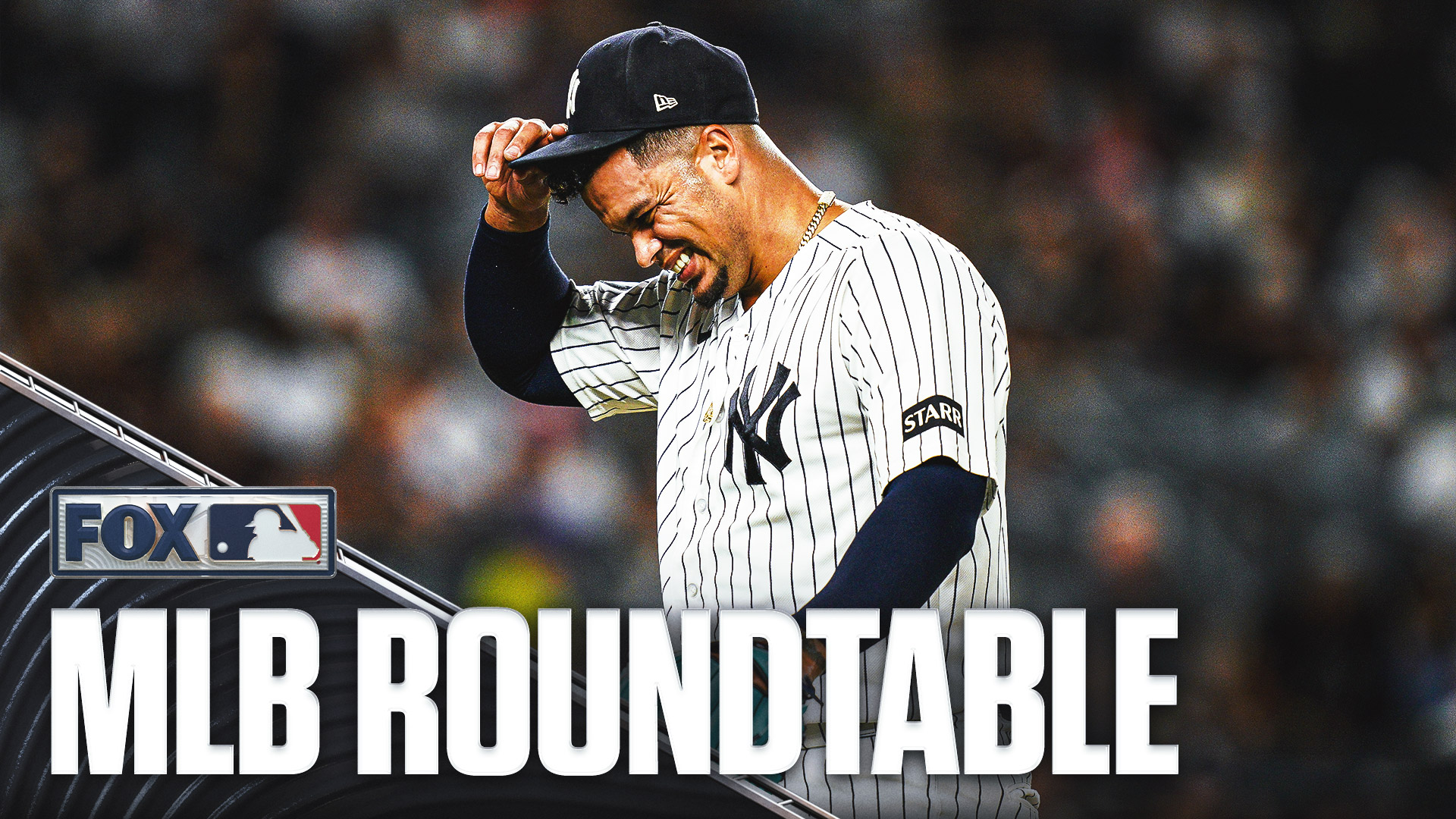
There are roughly 30 games left in the MLB season and there are still playoff spots up for grabs, including in the AL East, where the New York Yankees are just two games ahead of the Boston Red Sox. Let’s take a look at the playoff picture and the star returns that could change it in this week’s MLB Roundtable with Rowan Kavner and Deesha Thosar: The last time the Red Sox faced the Yankees, Boston swept New York but were still 10 games under .500. Now, Boston is 73-60 and just behind New York for the top wild-card. What are the chances the Red Sox actually overtake the Yankees in the standings? Kavner: I won’t be stunned if it happens. Since losing Aaron Judge at the end of May, the Yankees’ offense ranks last in MLB in batting average and on-base percentage. It’s still unclear when, exactly, he’ll return and what he’ll look like when he does. The return of Cody Bellinger and the deadline addition of Luis Garcia Jr. have provided a boost to the lineup, but the Yankees didn’t do anything to address their bullpen. That might prove costly, especially with Fernando Cruz now down. And who knows how Max Fried’s recurring elbow issue will impact him the rest of the way? Meanwhile, we just saw the Red Sox have a 21-4 month of July and have gotten the wheels back on track after a rough start to August. Strength of schedule matters a lot at this time of year, and the Yankees have the easier road ahead. But if the Red Sox can take the series this weekend in the Bronx, it’ll basically be a toss-up the rest of the way. Thosar: The gap is so small, and the Yankees’ bullpen looks so vulnerable, that it’s entirely possible the standings could flip by the end of the weekend. Plus, rookie shortstop George Lombard Jr. has the yips. He’s committed six errors in his past six straight games. But, right now, general manager Brian Cashman’s gamble of declining to add a relief arm at the trade deadline is hurting the club. Set-up man Fernando Cruz is dealing with a partial tear of his UCL, and two starters in Max Fried and Ryan Weathers are on the IL. Due to their lack of pitching depth, journeyman Justin Topa is being forced to pitch in high-leverage situations. The Red Sox always have extra fire when they come to the Bronx. If they manage to overtake the Bombers in the four-game set this weekend, which includes a doubleheader on Saturday, it’s actually easy to see them hanging onto that lead through the rest of the season. The Yankees aren’t whole, but mid-season adds like George Lombard Jr., Luis García Jr. and Gerrit Cole have helped paper over that. Does New York still have enough for a deep postseason run if Giancarlo Stanton doesn’t return, or Aaron Judge isn’t quite himself when he’s back? Kavner: Yes, only because the American League is that bad. Jazz Chisholm Jr. and Ben Rice have finally shown some signs of life over the last week, which needs to continue. And if Max Fried’s elbow can hold up over the next two months, a rotation featuring Cam Schlittler, Gerrit Cole, Fried and Carlos Rodón might still be good enough to make up for the inconsistent offense and lack of depth behind the top bullpen arms. I can’t see them contending with the top team in the National League if Judge isn’t himself, though. Thosar: The Yankees offense is so inconsistent without Judge that it’s hard to imagine they go far if the captain isn’t right or at all limited due to his rib fracture. That being said, they’ve looked more complete with the return of Cody Bellinger, whose thump in the lineup was sorely missed. Garcia Jr. looks more comfortable in pinstripes every time he steps into the box. And the rest of the American League is so weak that a Stanton-less playoff offense should be able to hang in there as long as the rotation is as sharp and healthy as the Yankees expect it to be. Jacob Misiorowski has been the Brewers’ MVP, but this is a team that wins because it has so many productive parts. Who, besides Miz, is most key to the Brewers’ success at this stage of the season? Kavner: I’m tempted to say Jake Bauers, which is wild, but I’ll go with William Contreras. If Milwaukee’s going to make a deep run, the Brewers’ pitching has to carry them through October, and their hitters can’t get overpowered again by the best arms in the game. Contreras will have his hands on all of it. He has helped Jacob Misiorowski navigate traffic throughout the year — I keep thinking back to the sliders he called to help Miz strike out Shohei Ohtani and Freddie Freeman in a tough spot — and he will be crucial in guiding Miz and the Brewers’ young arms through the highest-pressure moments to come. But if he’s also swinging a hot bat, that could be the difference in Milwaukee’s season. It’s been a down year offensively for the three-time All-Star catcher, but Contreras has started to turn things around since homering in Los Angeles a couple weeks ago. With Brice Turang battling through knee pain and Christian Yelich struggling all year the Brewers might need Contreras to be an impact offensive player come October. Thosar: It feels like there’s no wrong answer with so many players essential to their low-profile winning ways, but I’ll go with Brice Turang. By WAR, he’s been the Brewers’ best position player all year, keeping the offensive engine going despite the team’s no-power approach. He’s combining plus contact with elite defense at second base and real base-stealing value, giving Milwaukee a legitimate power-speed threat who’s in reach of his first 20/20 season. And unlike Misiorowski, he plays almost every day, which matters more for a Brewers team that’s had to survive a wave of injuries. Some other honorable mentions for this question include: William Contreras, Jackson Chourio, and Jake Bauers. The AL West is a mess, but at least the Rangers have an excuse: Corey Seager has required two IL stints. Are the Rangers good enough to reach the postseason with a healthy and productive Seager back? Kavner: If the season ended Thursday afternoon (as I’m writing this), the winner of the AL West would have a losing record. So, yes, the Rangers are good enough to win the division with a healthy Seager. They’ve been as mediocre as a mediocre team could be this year (they were 45-45, 50-50, 55-55 and 60-60), and mediocre should be good enough in this embarrassing division. I’m not counting on it happening, though. Right now, FanGraphs gives them a 26.4% chance to win the division — a lower mark than either the first-place Astros or the third-place Mariners. The lineup misses Josh Jung’s bat, Nathan Eovaldi remains out, Jacob deGrom hasn’t really looked right, and the bullpen has been shaky. I still kind of think, remarkably, that Seattle finds a way to win it. Go look at the Mariners’ schedule in September. Thosar: Since the Rangers could reach the postseason with a losing record, sure, why not? They’d be better with a healthy Seager, and he’d help close the tiny one-game gap between the Astros. But, in reality, Seager alone probably isn’t enough to be the difference-maker at this point in the season. This is ultimately a lost season for the veteran shortstop. He’s had three separate trips to the injured list, limiting him to just 74 games this season. He’s hitting a career-worst .224 in 314 plate appearances. The bigger problem is that Texas’ pitching has genuinely regressed since leading the league last year. Without that elite staff, and with the inconsistent and injury-riddled offense, the Rangers still have a tough road ahead of them.​Latest Sports News from FOX Sports
Categories
Sports Fox

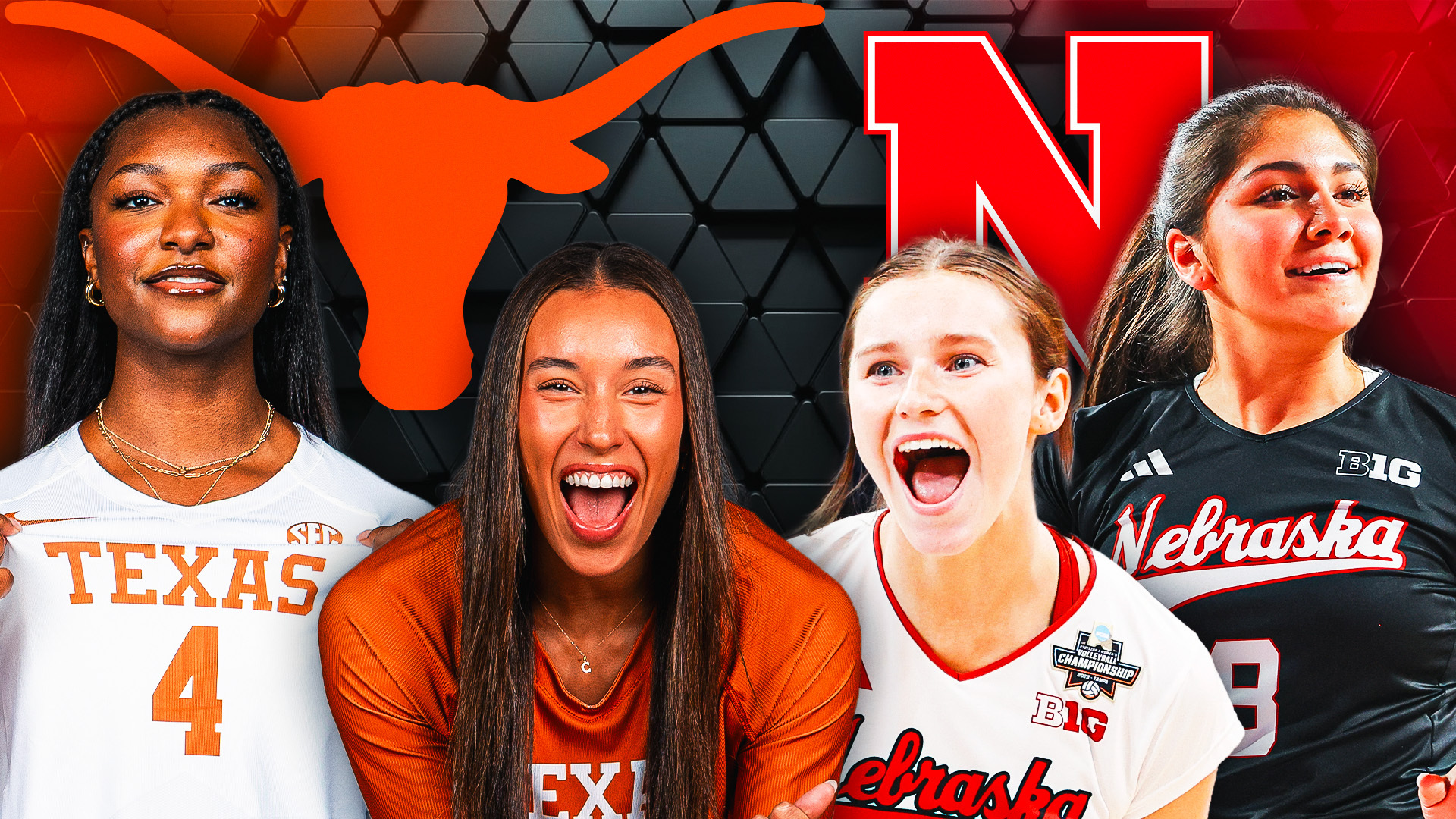
Texas And Nebraska’s Longstanding Volleyball Rivalry Will Renew In Las Vegas

On Sunday afternoon, Texas’ and Nebraska’s women’s volleyball teams will face each in the regular season for the first time in a decade. There wasn’t this kind of gap between matches before, however: the Longhorns and Huskers have an intense rivalry spanning decades, tied in part to the creation of the Big 12. At the Players Era Volleyball Showcase in Las Vegas on Aug. 30, the two will jump right into the new season by renewing that rivalry. Nebraska and Texas had their first meeting back in 1981, less than 10 years after each program had begun, and just like on Sunday, it was hosted in neutral territory. The two played a pair of matches in the Oral Roberts Invitational on Oct. 17, with Texas winning both: the Longhorns would eventually be crowned the 1981 champions in the final season playing under the Associate for Intercollegiate Athletics for Women banner (AIAW), while the Huskers’ program was already part of the NCAA at this point; 1981 would mark the lone campaign that the team wasn’t invited to the 20-team NCAA Division I tournament at the end of the regular season, and this despite its fourth-straight unbeaten season in Big 8 conference play. In the 1982 Oklahoma Invitational, Nebraska would collect its first win against Texas, 3-1, but that would be the last victory for the Huskers against the Longhorns until Nov. 5, 1988 — both teams were already powerhouses by then, with Nebraska losing in the national championship in 1986 to Pacific, and Texas winning its second title later in ‘88. Nebraska would once again lose the national championship game in 1989, this time to Long Beach State — it took until 1995 for that to change… and against Texas. That squad, led by First-Team All-American and American Volleyball Coaches Association (AVCA) Co-Player of the Year Allison Weston, was playing for more than just a championship in the moment. It was also playing for bragging rights within a soon-to-be-formed conference. For the 1995 championship, Nebraska was representing the Big 8, and Texas the Southwest Conference, but that was a temporary arrangement: Texas was one of four schools that had committed, back in Feb. 1994, to join the Big 8 and make it the Big 12 in 1996. Nebraska and Texas, two mainstays of women’s volleyball in the midwest, two of the teams that had shown the sport could thrive outside of the West Coast, would now be in the same conference vying for supremacy. Nebraska won 31 straight matches to end the season: the Huskers won the opening game, lost the second to Stanford, and then didn’t taste failure again. Texas was the No. 2 team in the country and had won its two previous national championship games, while Nebraska was hoping that, for the Huskers, the third time would be the charm. It was, and now these two would be in the same conference going forward. And what a run the pair had in the Big 12. Nebraska would win the conference in 1996. Texas would win it in ‘97. The Huskers would then take it in 1998 through 2002, and again from 2004 through 2006 — this stretch was interrupted by a single Big 12 regular season championship by Kansas State, but flanking that were a pair of Nebraska national championships, in 2000 and 2006. In 2007 and 2008, Texas and Nebraska tied for conference championship, then the Longhorns won it outright in ‘09. The Huskers would once again come out on top in 2010 — it was their final year in the Big 12, as now it was their turn to switch conferences. Nebraska joined up with the Big Ten in 2011, and remains there to this day. With Nebraska gone, Texas, somewhat unsurprisingly, dominated the Big 12 in the Huskers’ absence. The Longhorns won 12 of 13 Big 12 conference regular season titles before leaving for the SEC in 2024, with national championships in 2012, 2022 and 2023 and three national title losses, as well. That 2023 championship came against Nebraska, which the Longhorns also defeated in the regional final in the delayed 2020 season as well as in 2021 — the two no longer had conference games, but still played the occasional non-conference matchup and faced each other on the sports’ biggest stage on multiple occasions. All-time, the two have been evenly matched, with Nebraska ahead 25-23 thanks to dominating in Big 12 conference play, 2-12, making up for the initial losing streaks to the Longhorns in the 80s. The pendulum has swung back in Texas’ direction, though, with the Longhorns winning seven of the last 10 matchups between the two. Nebraska had its own post-Big 12 success even if direct competition against Texas hasn’t gone as well of late, becoming national champions in 2015 and 2017, while losing in the 2018, 2021 and 2023 championship matches. The Huskers were the favorite for the 2025 title, and came into the regional final against Texas A&M undefeated before the Aggies upset them and ended their season, as well as the chance to be the second-ever Nebraska squad to achieve an undefeated championship season, joining the 2000s Huskers. Maybe not coincidentally, the last two undefeated teams standing in Division I last season were Texas and Nebraska, with the Longhorns losing on Halloween to … Texas A&M. Texas’ 2023 victory over Nebraska for the national championship marks the last time the two have faced each other, though, until this weekend, when the No. 2 Longhorns and No. 1 Huskers square off. There is the rivalry to consider, as well as the shocking way 2025 ended for both: both teams lost in their respective regional finals in significant upsets, with 1-seed Nebraska falling to 6-seed Texas A&M and 1-seed Texas to 10-seed Wisconsin. A win against a longtime rival — one the other hasn’t seen in a few years now — would help to wash away the taste of that defeat. But as has so often been the case with the Longhorns and Huskers, only one of these teams is going to walk away on top.​Latest Sports News from FOX Sports
Categories
Sports Fox

Inside The Strategic, Physical And Mental Toll Of INDYCAR’s Milwaukee Doubleheader

In Driver’s Eye with James Hinchcliffe, the six-time INDYCAR winner will bring you inside the mind of a racer while breaking down the nuts and bolts of the sport for fans. And then there were two… Two is an important number heading into Milwaukee. Two race weekends left in the 2026 INDYCAR season. Two races at the famed mile-long flat track this weekend. And the No. 2 car is very much the car to beat. Rather than focus on Josef Newgarden’s oval prowess so far in 2026, or how Pato O’Ward, Scott McLaughlin and Christian Rasmussen are recent Milwaukee Mile winners, or that we are nearly done with INDYCAR racing for a while, I want to dig into the doubleheader specifically. Doubleheaders are a massive challenge for teams and drivers alike. Strategically, physically, mentally — both driver and crew get pushed to the limit. Making the double on the fourth consecutive weekend on the road adds another element of wear and tear — both on man and machine. Let’s look deeper into what INDYCAR teams are facing this weekend. Doubleheaders are great value for fans and loved by promoters, but a lot of drivers are lukewarm on the concept at best. The biggest reason that drivers aren’t the biggest fans is the sporting fairness across the season. Allow me to explain. If you happen to have a particularly good car at whatever track is hosting an INDYCAR doubleheader, you’ve automatically got a baked-in competitive advantage for two races. Double the chance to make up some points. To any team that struggles at said track, it feels like an unfair advantage. If I’m Rahal Letterman Lanigan, I want a doubleheader at Indianapolis Motor Speedway’s road course. Andretti Global would love it to be a street track. Team Penske wouldn’t be mad with a short oval. Because of this, no matter where a doubleheader is held, one team will feel elated, and the others will all feel slighted. If every track can’t be a doubleheader, then none should. That’s the position of an inherently competitive group of people! But this is the reality: We have had doubleheaders for a number of years, and they provide tremendous value for fans. I am sure, at some point in the future, INDYCAR will aim not to have any, but for now, it’s the schedule. SURVIVING 250 MILES ON MILWAUKEE’S OVAL — TWICE So how do drivers and teams best cope with such a grueling weekend? While two races on consecutive days is draining for every member of the team, the drivers no doubt have it the worst. I’ve written at length in this column about the physical demands of driving an Indy car. How no power steering and triple-digit temperatures can sap every ounce of energy out of you. After a typical race weekend, a driver has at least four days to recover before getting back behind the wheel. And those first days back in are pretty mild with practice and qualifying. It’s a full week before you are subjected to a race distance again. A full week to rest, rehab, rehydrate and prepare. Following a race like last weekend on the streets of Washington, D.C. — the longest street race we’ve had — drivers will be beat up from the bumps, blistered from the steering wheel and mentally exhausted from not just a long race, but also a long weekend full of extra media and commitments. At Milwaukee, drivers have less than 24 hours to accomplish the same recovery. This track is tough with just nine degrees of banking in the turns. The corners are fast, and the drivers don’t get much rest, given the short straights. Your grip, your shoulders, your neck and core can be burning by the final stint of a race here. You want nothing more than a massage and an ice bath after. A good night’s rest would be nice, too. The latter might be a pipe dream. Especially after an oval race, your adrenaline has been running so high for so long, despite being physically exhausted, it is often hard to sleep the night after a race. At Milwaukee, you have no choice. You’ve got to get fluids in you. You’ve got to rest as best as you can. You’ve got to tend to any ailments that might have popped up in the first race — like oval elbow. When you are turning left 500 times, your right elbow is often thrown into the right side of the tub under the extreme G force, which can bruise and even wear down your skin. It’s not uncommon for drivers to tear off their suits and be greeted by a big red circle on their right arm. I went so far as to build extra padding into the right elbow of my oval suits when I was racing. It helped — but only so much. When you wake up the next morning, all of those sore spots really make themselves known, and you shudder thinking of having to put them through it all again. A huge contributor to how beat you are at the end of a race is how well your car is handling. When the car is hooked up, everything feels easier. You are relaxed, you loosen your grip and you let the car do a big chunk of the work for you. If the team misses the mark on the setup, it is exponentially more physically and mentally draining. The car feels like it’s trying to crash you every lap. You tense up. You grip the wheel tighter. All of those things drain your energy much faster. And with so little practice, if you roll off with a less-than-ideal car, the chances of it being significantly better by the second race are slim. So you’re in for a double dose of torture. THE GOOD, THE BAD AND THE FAST: MILWAUKEE Milwaukee is a great place to go racing. Opening in 1903, it’s the oldest racetrack we race on — yes, it predates Indianapolis Motor Speedway — and it’s a unique challenge. Being so flat, it almost feels more like two really fast road-course corners than an oval. Naturally, that means drivers with road-racing backgrounds tend to prefer this place over higher-banked tracks. The corner radii are so tight that the fastest and preferred line is actually about a car width off the bottom of the track. There is also a different pavement on the first lane that doesn’t offer as much grip. To pass on most short ovals, you need to be comfortable going up high. At Milwaukee, you actually need to get the car working down low. It’s not an easy thing to do because the unique track configuration provides a completely different feel, so a setup compromise is needed to be good in both lanes. I always loved racing at Milwaukee. It really feels like you are on the limit in a totally unparalleled way compared with other ovals. The lack of banking means you have less vertical load and more lateral load, throwing you into the right side of your seat so hard you can feel your organs moving in your rib cage. The two lanes lead to some great side-by-side racing, and a good result there always felt extra rewarding. 1 FOR THE ROAD Even with the tough weekend that Alex Palou and his No. 10 team endured in D.C., it’s still their title to lose. But we did see just how big of a swing in points can materialize when one driver wins while their rivals post a DNF. Remember what happened to Palou at Phoenix Raceway in March? He wrecked after only 21 laps and fell to an unusual fifth place in the standings. So, while 91 points is a massive cushion with three rounds to go — the season finale is at WeatherTech Raceway Laguna Seca on September 6 — anything can happen at this type of race. If Palou and his No. 10 team struggle in one or both Milwaukee events, his once seemingly guaranteed fifth INDYCAR title in six seasons could slip away. We’re down to the wire, almost at the white flag on the 2026 season, drama in the championship race is brewing. Trust me, you won’t want to miss Saturday’s and Sunday’s races on FOX!​Latest Sports News from FOX Sports

Categories
Sports Fox

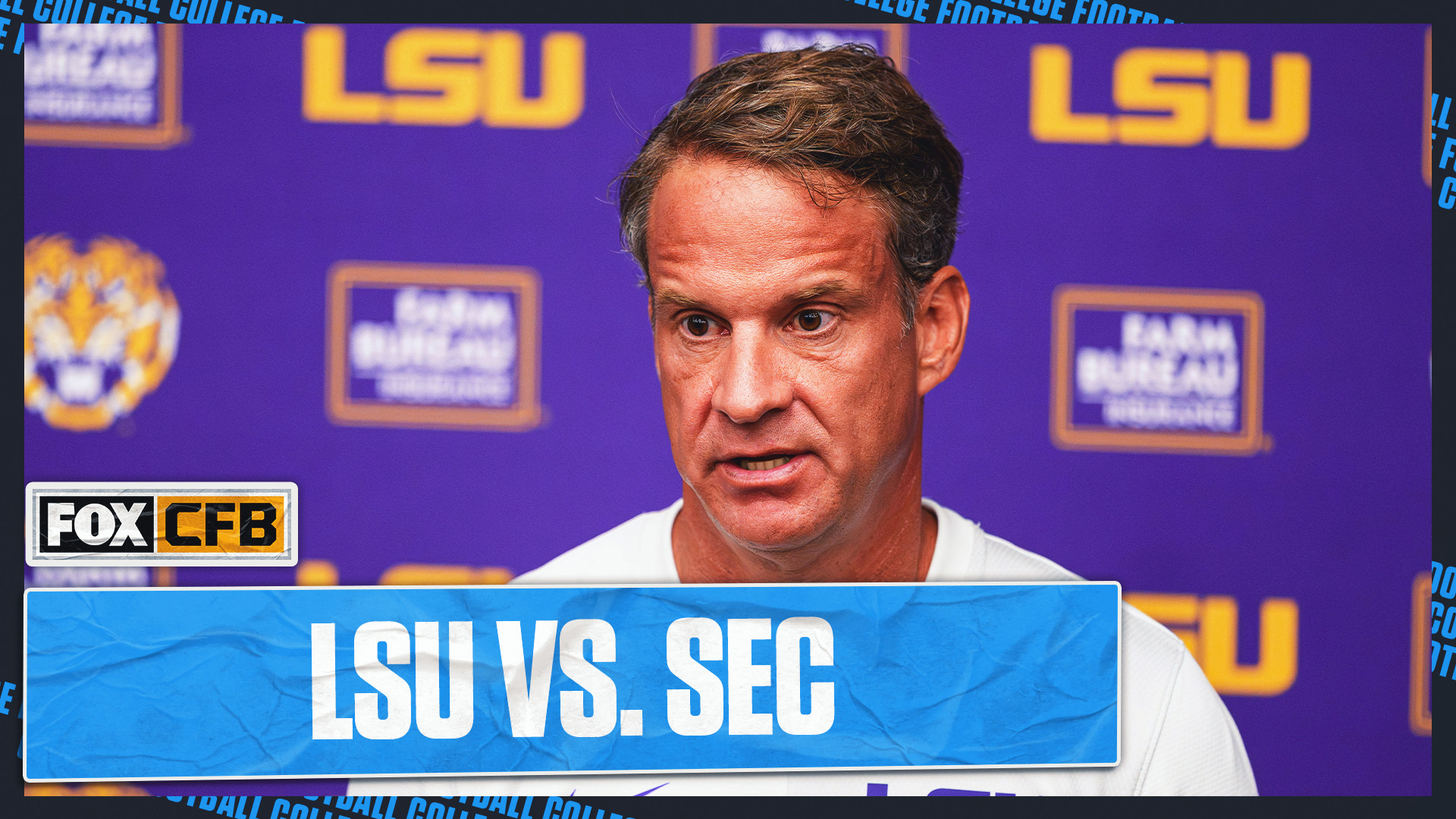
SEC And Big Ten Are Considering Self-Governance, But LSU Is The Test Case

SEC commissioner Greg Sankey started with the high points, winding his way through his usual football media days state-of-the-union address. He pointed to the league winning a record 13 team national championships; that it was putting in additional programming to fight the growing influence of sports gambling; that its live viewership hours during football season accounted for 40% of those consumed by the Power Four leagues. And then, the questions began. “How real are the conversations within the SEC about potentially breaking away from the college structure as we know it?” a reporter queried. “They’re real,” Sankey answered flatly. “People have talked about that. They’ve opined about the frustrations that bring them to the point of saying we should look at something significantly different. I do not believe that is a leverage point. I think that’s just honest communication.” The threats of a “breakaway” are, in fact, quite real. Angst from administrators and presidents has pushed the SEC and, to a lesser degree, the Big Ten to a point where each has explored what self-governance at the conference level might look like — sentiments that have been broadcast more publicly over the past six months. Stakeholders have fundamentally taken issue with the lack of actual enforcement of rules laid out in the House settlement and by the College Sports Commission and NCAA. The solution, at least to some, is to take on more regulation at the conference-level and allow leagues to set their own rules around eligibility, revenue-sharing caps and other pieces to college sports’ ever-evolving jigsaw puzzle of a future structure. But as eligibility lawsuits litter the news cycle, the SEC, in particular, is providing an early test case for how feasible regulating anything at the league level in this new era ultimately is. And it’s a fight brewing on the bayou that has everyone paying attention. “I can’t speak for the entirety,” one league source told me, “but I would say [the SEC’s] charge is to defend the rules that everyone voted on as members.” There are certain places that are almost too good, too cliché, too Spielbergian to be the setting for the stories they tell. Louisiana, college sports and a good old-fashioned power struggle are certainly that. These are complicated times in Baton Rouge; times wrought with regime changes and political interference — albeit that can often be the norm around these parts. Gov. Jeff Landry was squarely involved in running off athletics director Scott Woodward and football coach Brian Kelly in October 2025. Then in March, Gov. Landry pushed to get men’s basketball coach Matt McMahon fired and to bring controversial castoff Will Wade back to town as McMahon’s successor. There was also the live mascot debacle of 2024 — another Landry-driven agenda item intended to return a living, breathing tiger to the sidelines in Death Valley. Even earlier this month, the governor’s residence played host to a meeting of LSU boosters to discuss a new-look equity approach to fundraising for the school’s athletic programs. So, of course, it was in a Baton Rouge courtroom last week when a Louisiana state judge granted a handful of athletes an additional year of eligibility, including several players who had recently signed NFL contracts. To little surprise, two of those athletes — tight end Dae’Quan Wright and defensive lineman Zxavian Harris, formerly of the Cleveland Browns and New Orleans Saints, respectively — were expected to head to LSU and play for Lane Kiffin, their former head coach at Ole Miss. These reprieves were matched in gravity and wide-ranging condemnation via a separate ruling from a different Louisiana judge on Tuesday that granted an additional year of eligibility to former All-American basketball player RJ Luis Jr. After starring for St. John’s, Luis went undrafted in the 2025 NBA Draft, signed a two-way contract with the Utah Jazz and played in three NBA preseason games. “These athletes generated value under the prior framework and should not be denied the additional year the NCAA itself created for others,” attorney Darren Heitner, who represents Wright, told me. “Roster and portal management gets messy for schools, but that is a problem of the NCAA’s own making.” Exiting the courtroom on Monday, a smile crested on Luis’ face in a moment captured by a local reporter. It was there in the lobby of this place of law and order that his past and future collided. Adorning a purple polo and thrusting his arms wide, Wade, the Tigers’ second-term head coach, offered Luis a full embrace with a smirk to match. No consternation here. LSU got its star. “Because of these rulings, they’re either going to play for you or they’re going to play for someone else around the country,” Kiffin said at a press conference on Monday. “So we’ve made the decision to recruit [Harris and Wright] like probably most people are.” That those in Baton Rouge are flashing smiles can’t be said for the rest of College Sports, Inc. The Big Ten was the first league to pass a sweeping ban on professional athletes returning to college sports. The SEC, Big 12 and ACC have since followed suit, while conversations persist elsewhere across the FBS. The SEC pulled together a call among its presidents and chancellors on Monday ahead of two days of pre-scheduled meetings between that group and the league’s athletics directors. It closed the evening by pushing out a statement condemning the situation. “Fundamentally, everybody needs to move on,” a second Power Four source told me. “If you’re going to support and believe in NCAA rules, then you better start playing by them yourself.” These are not new issues, of course. It’s only six months past that Alabama basketball player Charles Bediako was brought back from professional basketball, granted an injunction and swiftly dismissed again. It was that action that prompted the usually buttoned-up and generally savvy Sankey to sign an affidavit supporting the NCAA against the Crimson Tide hooper. That this saga is bubbling up on the banks of the mighty Mississippi River once more, however, isn’t so much about LSU or two football players or even the omnipresent college sports villains that are Kiffin and Wade. No, this is about grander aspirations and efforts to control an ecosystem that has proved to be ungovernable as it currently exists. “We’ve got a simple choice to make: Do we want to be governed or not?,” Texas A&M athletics director Trev Alberts posited during SEC spring meetings in May. “We are sending a very strong message that college athletics refuses to be governed. That’s all I can say.” The Big Ten and SEC have been embroiled in conversations about how to best operate within an uncontrollable world for months. Their hopes for order currently reside on Capitol Hill, where the Protect College Sports Act remains in limbo until the Senate returns from its recess on Sept. 14. That has its own challenges. Where the buck stops in the lingering eligibility lawsuits ought to provide at least some clarity around leagues’ longer-term ambitions and whether regulation at the conference level is possible. “‘Breakaway’ is a word that creates a lot of emotion,” Big Ten commissioner Tony Petitti said from the pulpit at his own football media days last month. “I’ve never heard that anybody doesn’t want to play anybody else. We want to schedule more good games that our fans expect. “We’ve just got to get to a system that allows us to do that.” Buried in the jargon of the SEC’s wider ban on professional athletes on Tuesday night was a note that Sankey is “authorized to enforce this expectation with penalties against member institutions.” A shot across the bow, perhaps. The league’s bylaws include language that prevents players from transferring intra-conference outside the portal window. LSU’s additions of Wright and Harris would run directly counter to that edict. As would former Kentucky basketball player Mark Mitchell’s move to Missouri, which comes after he won his own eligibility lawsuit granting him an extra year two weeks ago. The SEC itself has also now been thrust into the legal proceedings as attorneys amended their complaint in Louisiana state court on Thursday evening to include the league and Sankey. So the standoff has started — and whether the SEC can actually enforce its own rules is where this story really begins. Laissez les bons temps rouler. Let the good times roll.​Latest Sports News from FOX Sports

Categories
Sports Fox

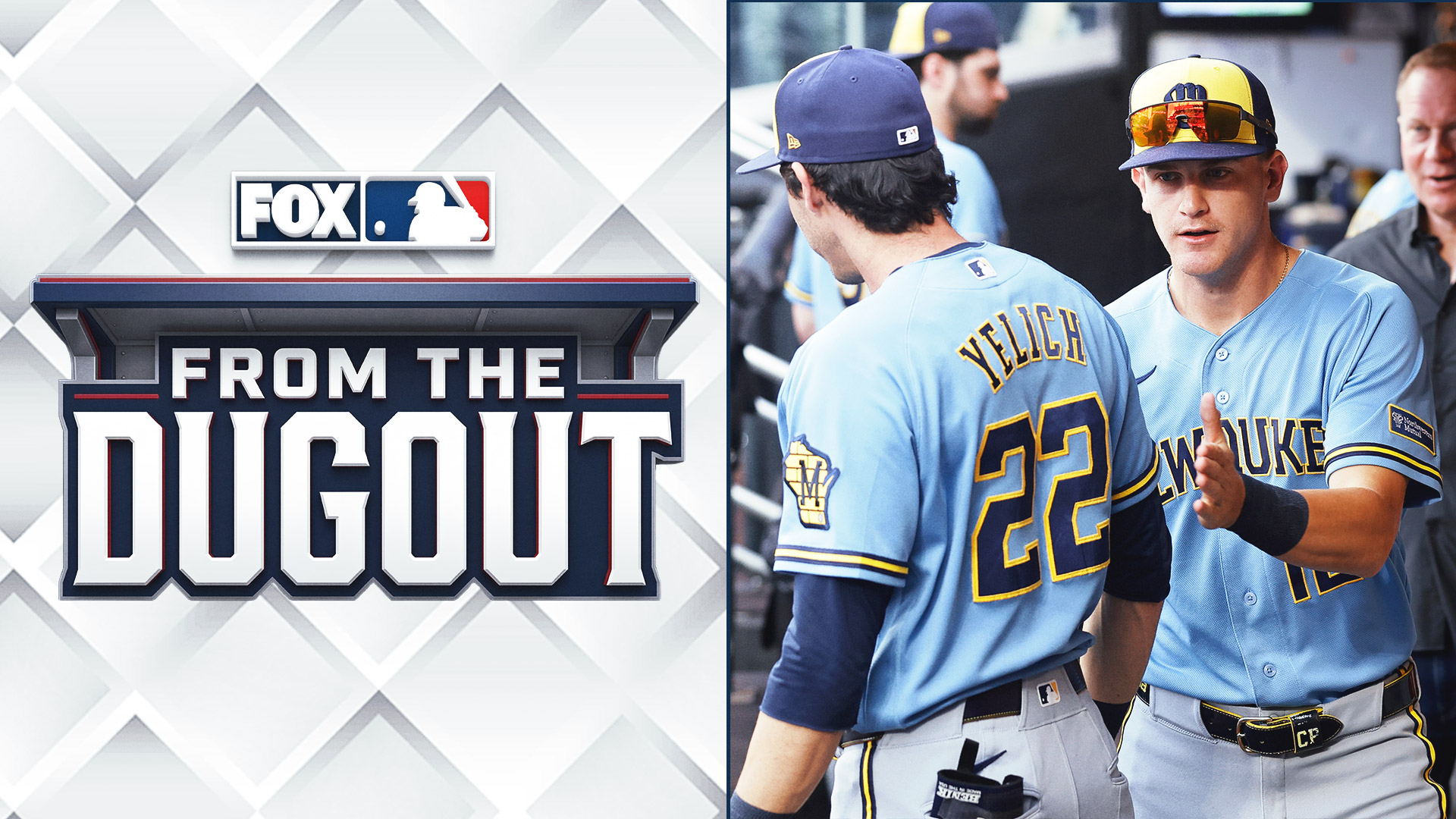
The Brewers Keep Teaching Lessons; October’s Performance Will Be The Final Exam

NEW YORK — It’s the fifth inning at Citi Field. The Brewers are leading the majors in wins, and they’re leading this particular Tuesday night game against the Mets by a run when Cooper Pratt pops one up to shallow right field. Pratt stood in the box and briefly looked up at the ball sailing beyond first base and toward the foul line. After a beat, he jogged to first base. The ball dropped between three Mets fielders, and Pratt took a big turn, thought about going to second, but ultimately stayed put. Behind him, Brewers first base coach Spencer Allen was visibly upset. But as Pratt turned around and stepped on the bag, Brewers skipper Pat Murphy had already sent David Hamilton out to run for him. Milwaukee’s rookie shortstop, who recently signed an eight-year contract worth just north of $50 million, was yanked in a one-run game in August. “It will never happen again,” Pratt said after the Brewers’ extra-inning loss that he watched from the dugout. “I’ve got to be better. It’s stuff that can’t happen. It’s not winning baseball.” In the third inning, Pratt also twice failed to execute a bunt attempt. So, Murphy’s decision to bench Pratt was supposed to be a lesson about focus. The real lesson might be that Milwaukee has been teaching this same class for a while now. The final exam is still the one they failed last October. The Brewers (83-51) have the best record in baseball. Again. They had it last year too, finishing at 97-65, and it meant nothing once the Dodgers swept them out of the NLCS. So a 22-year-old shortstop getting benched for not immediately jogging to first and failing a bunt attempt isn’t really about Pratt. It’s a proxy for the heavy expectations that are hanging over a winning organization that’s routinely punching above its weight. It’s about accountability. “I’m not trying to be Johnny hard-ass here,” Murphy said. “It’s just, for a young player coming into the league, you have to build habits.” Does accountability during a Tuesday night in August actually translate into a different result in October? Or are Murphy’s Brewers just doing what Murphy’s Brewers always do, right up until the games matter most? Ironically, Hamilton – Pratt’s replacement — made a throwing error in the 10th inning that allowed the Mets to walk it off with a victory. So it was the rookie’s replacement who made the costlier mistake. Murphy later said, after watching the video, that Pratt’s lack of hustle on the bloop single wasn’t as egregious as he initially perceived. “It’s for the player and the team,” Murphy said. “I love [Pratt] and I believe in the kid immensely. But he’s got to be a player who does those things. He’s not going to hit 30 homers at this point in his career. He’s a great defender and a really capable offensive player, and he can’t have that. It’s just not tolerated by anybody, and it sends a message to everybody else, too. You’ve got to run.” Murphy has a reputation of benching players or yanking them mid-game to enforce things like hustle and fundamentals. He once benched right fielder Sal Frelick for missing the cutoff man. This year, he pulled left-hander Robert Gasser mid-count after he fell behind against Randy Arozarena. This isn’t new. Murphy has no tolerance for physical or mental lapses. Still, Pratt’s benching was received differently than some of the other examples. This isn’t May. It’s August in a division race that’s all but decided. The Brewers are getting prepared to battle in October, aiming to reach the World Series for the first time since their lone appearance in 1982. The conversation in the clubhouse afterward was just that. After Pratt handled his mistake like a pro in front of the cameras, his teammates reiterated that Murphy’s discipline was more about World Series preparation. “In my personal opinion, I don’t really think it had a whole lot to do with not going to second there,” unofficial Brewers captain Christian Yelich said on Wednesday. “I think it was a culmination of events with a greater goal in mind for six weeks from now, if you want my honest opinion on it.” Disciplining a lack of hustle and focus earlier in the season is easier to do. But disciplining approach and performance under playoff pressure is much more difficult, and that’s what cost Milwaukee last October. The Brewers were bounced in four games by Los Angeles in a painful NLCS sweep last year. There were no signature moments, just a complete absence of the Brewers’ brand of baseball. That typically includes no power, plenty of runs, lots of walks, and a high contact rate. Murphy and the Brew Crew, after being eliminated from the postseason, claimed they were emotionally “zapped” by their dramatic and demanding NLDS against their division-rival Cubs. “It was a heavy series. It was a long series. It was a hard series,” Brewers first baseman Jake Bauers told me of last year’s NLDS against the Cubs. “We celebrated it hard. And then two days later, we had to play the Dodgers. What I learned, personally, was that we need to treat these games, regardless of who we’re playing, just as games. We can’t lose sight of the ultimate goal. “But I think along the way, you kind of get wrapped up in how emotional it was. And then there’s not enough time to recover from that, recharge. So you lose focus a little bit. Once you lose focus in the playoffs, it’s near impossible to recapture that.” The Brewers are doing it again this year. They’re preaching focus and accountability all season, and it’s not clear what will actually stop them from being outclassed by star power and playoff experience in a seven-game series. Hustling out of the box is not the same as hitting home runs off the best rotation in baseball. We didn’t get to see Milwaukee stick to their usual winning approach against the reigning champions last year, since they were emotionally drained by the time they faced the Dodgers. If they meet again this October, the Brewers have to demonstrate that grinding out at-bats, being last in home runs, near the top of the league in strikeouts thrown, and their small-ball identity can actually hold up against elite bullpens. We already know their brand of ball works against a random Tuesday rotation arm in August. “I don’t think you can prevent it or play any less intensely,” Murphy told me of how the Brewers can avoid being exhausted after the first round of the playoffs. “But I think awareness is big. You don’t plan for it now. It’s just there. So when the time comes, be prepared.” Are there reasons to believe things will be different this postseason? Their pitching staff has remained elite despite trading away a key piece in Freddy Peralta. Emerging arms like NL Cy Young favorite Jacob Misiorowski have stepped up, and it will be fascinating to see how opposing hitters approach his relentless triple-digit heaters in October. The rotation’s 3.47 ERA is ranked third in the majors behind the Yankees and Tigers. The bullpen’s 3.29 ERA is also ranked third in MLB. But when president of baseball operations Matt Arnold had the chance to give the Brewers the undisputed best rotation in baseball by trading for Tarik Skubal, he blew it. Instead of being super aggressive, putting their top farm system to use at the trade deadline, Arnold & Co. settled for right-hander Dustin May, while Skubal went to Hollywood. With Skubal and Misiorowski leading the pitching staff, the Brewers would’ve become the favorites to win the World Series. The organization, at least, is a full year removed from the Dodgers loss, with lessons learned, and Murphy, the back-to-back NL Manager of the Year, has had plenty of time to recalibrate what it means to be playoff-ready. The clubhouse has fully bought in to Murphy’s team culture, evidenced by Pratt’s display of accountability, and his Brewers teammates who spoke to the rookie in the dugout immediately after he was benched. “Coming from a guy who’s been benched multiple times by Murph, it’s not always 100 percent directed at the person getting benched, and there’s a thousand different reasons,” Frelick said on Wednesday. “From the past, when I’ve seen guys get benched, including myself, it’s usually when a few days have piled on of not [playing] to that standard. A message needs to be sent. I don’t think anybody was surprised when it happened last night.” Pratt says it won’t happen again. That’s fine, but the Brewers said something like that about themselves last October too, and it happened again anyway, just in a different form. The only version of this story that matters is the one written in the Fall Classic. Everything before that is just Milwaukee grading its own homework.​Latest Sports News from FOX Sports

Categories
Sports Fox

2026 College Football Playoff Bracket, Dark Horses, National Champion Predictions

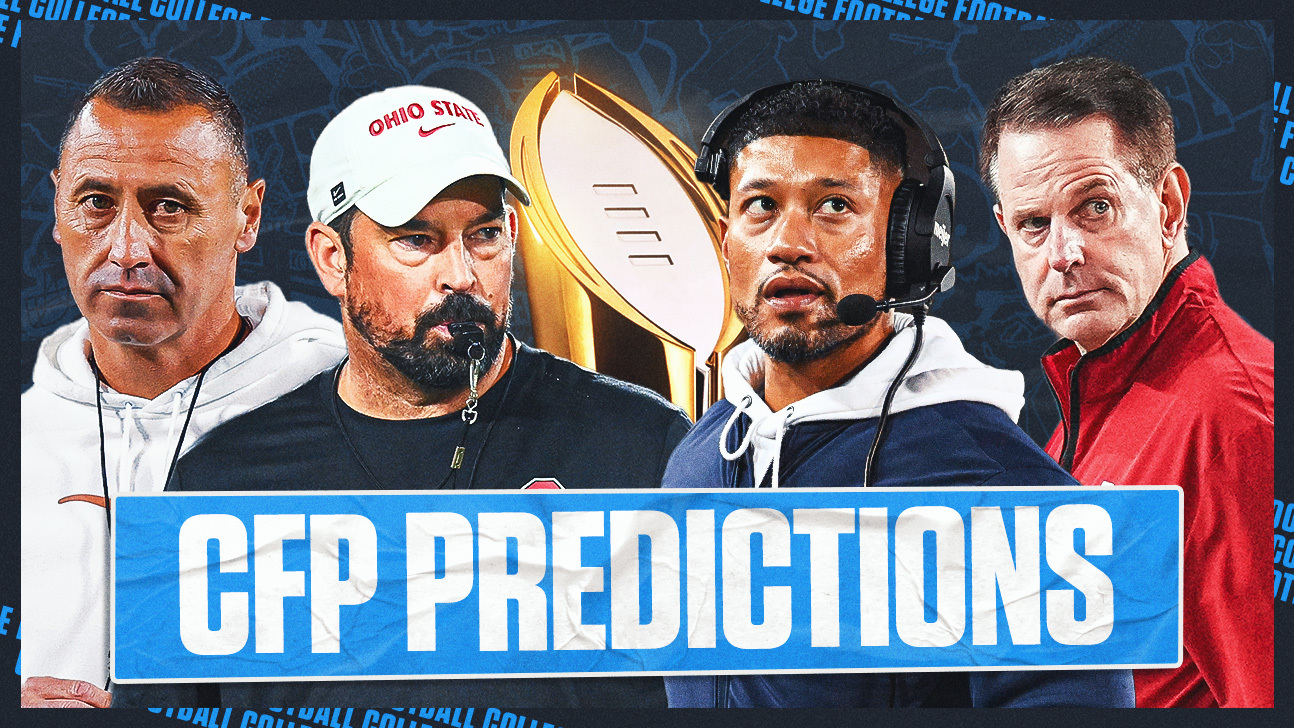
The most wonderful time of the year is here: college football season. Where else can you experience the weird traditions, the unhinged fan bases or the irrational optimism that this is the year your team will finally win it all? In 2026, the College Football Playoff remains a 12-team field — though expansion discussions are ongoing — with a few notable tweaks. The ACC, Big Ten, Big 12 and SEC champions are all guaranteed spots, as is Notre Dame if it finishes in the top 12. The highest-ranked Group of Six team also earns an automatic berth. Had those rules been in place last year, ACC winners Duke and Notre Dame would have clinched playoff spots, while Miami — which lost to Indiana in the national championship game — would have been left out. This year’s national championship game will be played at Allegiant Stadium in Las Vegas on Monday, Jan. 25. But before we get there, here are our CFP predictions for this season. 12-Team College Football Playoff Field Predictions Ohio State, Oregon, Texas, Indiana, Notre Dame, Georgia, Miami, Texas Tech, USC, BYU, Ole Miss, Boise State Entering the 2026 season, it certainly feels like there’s a handful of programs that are all but guaranteed to reach the College Football Playoff barring any kind of catastrophic injury situations and off-field disasters. The top seven in this year’s AP Poll, released on Aug. 17, are simply better than everyone else right now thanks to high-level coaching, top-notch player acquisition and a history of shrewd portal evaluations. Those schools are Ohio State, Oregon, Georgia, Notre Dame, Texas, Indiana and Miami. Beneath them are a slew of worthy contenders who, if certain conditions are met, can crash the party. This group includes the oft-discussed second tier of both the Big Ten and SEC, the sport’s preeminent conferences, and a handful of dark horses from the Big 12, ACC and Group of Six. Some of those programs — like Boise State, Texas Tech and Ole Miss — are recent visitors to the promised land who are eager to maintain their upward trajectory. Others, like USC and BYU, are trying to crack the CFP code for the first time. Naturally, the trendy surprise pick is USC under the direction of head coach Lincoln Riley, now in his fifth year. The Trojans have upgraded seemingly every facet of the program both on and off the field during Riley’s uneven tenure, and now they’ve injected the nation’s No. 1 high school recruiting class into the mix ahead of the 2026 campaign. Is that enough for USC to finally gain entrance to the CFP? If not, Riley might be the highest-profile name to receive a pink slip once the coaching carousel kicks into gear. It’s now or never for the Trojans. Ohio State, Oregon, Texas, Indiana, Notre Dame, Georgia, Miami, Texas Tech, USC, LSU, Ole Miss, North Dakota State North Dakota State sticks out here, but it shouldn’t surprise you if you read my 138 rankings. NDSU has a clear path to the CFP in Year 1 with a lighter schedule and a program that has grown a habit of winning. I don’t believe it’s difficult to see NDSU running the table as a new member of the Mountain West, given its pedigree and how difficult winning at the Fargodome has become for opposing teams. While there’s still Boise State, UNLV and perhaps Navy — yes, Navy — in contention for the only guaranteed spot in the G6, I believe NDSU can do what only James Madison, Tulane, Boise State and Cincinnati have managed: earn their way into the 12-team CFP. Ohio State, Oregon, Georgia, Notre Dame, Texas, Indiana, Miami, Texas Tech, LSU, Oklahoma, SMU, Boise State These picks are pretty heavy on established powers who have been to the CFP before. Seven teams from last year’s bracket could legitimately return, in Ohio State, Oregon, Georgia, Indiana, Miami, Texas Tech and Oklahoma. Notre Dame, Texas, SMU and Boise State have made the field in the past. LSU hasn’t been to the CFP since winning the title during the 2019 season, but it’s hard to think that if the SEC is getting four teams in, that Lane Kiffin won’t find a way, despite the Tigers’ challenging schedule. This projected group would include four teams from the SEC, three from the Big Ten, two ACC, one Big 12, plus Notre Dame and the highest-rated Group of Six team, which could very likely be Boise State. There aren’t really any surprises in this particular 12-team field. It’s somewhat chalky in the fact that 11 teams are in the preseason AP top 25 (with Boise State being the outlier). That’s what is so difficult about preseason predictions though. These teams are all loaded with a mix of returning veterans and transfer portal stars. There’s plenty of continuity on the rosters and coaching staffs, making it tricky to identify a true Cinderella who could crash the party. But we know that’s likely to happen because what sport could possibly be more dramatic than college football? Oregon, Indiana, Ohio State, Texas, Georgia, Oklahoma, Miami, BYU, Notre Dame. Texas Tech, LSU, Navy No surprises at the top here. The Big Ten has a pretty clear upper crust in Oregon, Ohio State and Indiana. I’d be relatively surprised if any of those three teams missed the CFP — although I am curious how OSU fairs against a brutal schedule compared to last year’s cakewalk. The top of the SEC have familiarity with the playoff, in Georgia and Texas, but I’m going out on a limb and saying Oklahoma surprises and challenges for the SEC title. I’m a huge believer in quarterback John Mateer and, now that he’s finally healthy, the public can see what few saw during his time at Washington State. Notre Dame, too, should be one of the best teams in America this year, and missing the playoff would be a genuine shock. Remember, this is the first year of the new CFP deal, meaning that if the Fighting Irish finish inside the top 12, they get an automatic bid — a la a conference champion. I love quarterback CJ Carr and this might be Marcus Freeman’s best team on paper since he’s been in South Bend. Parsing through the final few slots, I’m not necessarily buying an LSU CFP berth in Year 1 under Lane Kiffin, but I couldn’t find another team I felt better about (Ringing endorsement, I know). There’s an immense amount of talent, but I’m in a bit of “believe it when I see it” mode with the Tigers this fall. Finally, Navy! The Midshipmen should be uber-efficient on offense with offensive coordinator Drew Cronic back, and I love head coach Brian Newberry’s crew to roll through the American this fall given all the coaching turnover within the conference. I also considered Boise State and UNLV for the Group of Six slot. College Football Playoff Dark Horses Despite plenty of changes in Happy Valley following the firing of head coach James Franklin last fall, the Nittany Lions are well-positioned to contend for a spot in the CFP, thanks to a favorable schedule. Penn State avoids Oregon, Indiana, Ohio State and Iowa this fall and won’t face a power-conference opponent in the non-conference portion of its schedule, either. Not a bad way for new head coach Matt Campbell to start his tenure. All the Cardinals have done across three seasons under head coach Jeff Brohm, formerly of Purdue, is win 28 games and secure twice as many victories as defeats in conference play. This season, Louisville returns eight starters on offense from a group that averaged nearly 30 points per game. If Ohio State transfer quarterback Lincoln Kienholz proves himself a reliable starter, then the Cardinals can contend in a thin ACC. This one might be more of a longshot due to the Group of Six possibly receiving just one bid in a 12-team field, but the Midshipmen are a legitimate threat. Navy has won 21 games over the last two years under head coach Brian Newberry — the best two-year run in program history — and returns 11 starters from a team that went 11-2 last season. Keep an eye on the Oct. 31 showdown between Navy and No. 4 Notre Dame. As I wrote in my 138 ranking, “I ranked North Dakota State just out of my initial top 25, and that piqued the interest of many. It might shock you that I believe the Bison will not only enter FBS immediately and be competitive but the best Group of Six team in the sport. “This season they’ll have to prove just that, as the rules state only one Group of Six program is guaranteed a spot in the CFP — regardless of whether or not that team won its conference title. “When the Bison announced their move to FBS earlier this year, I asked Bison coach Tim Polasek a pointed question.” “Do you think your team is capable of competing for the College Football Playoff?” I asked. “I think I like our team,” Polasek told me. “We’re going to have some learning and growing to do about our opponents, but I really like our process, the year-round work that we do and how we practice. Those things position us to be very competitive in every game. And if you happen to knock them down one at a time, there’s no reason NDSU can’t be in the conversation for the College Football Playoff.” As I wrote in my 138 ranking, “if you’re looking for a team that could flip its fortunes with one coaching move and a devastating eye for portal talent, then Oklahoma State is your team. “After a breakthrough year as head coach of North Texas, Eric Morris picked up his 12-win team and moved it to Stillwater. That means Oklahoma State, a 1-11 program in 2025, now possesses a 4,300-yard passer in Drew Mestemaker, a 1,400-yard rusher in Caleb Hawkins and a 1,200-yard receiver in Wyatt Young. But that’s not it. Morris got busy in the portal with the addition of former Tarleton State tailback Tre Page III, who rushed for 839 yards on just 112 carries, as well as former Akron wideout Israel Polk, who caught 33 passes for 525 yards with eight touchdowns last season.”If the Cowboys manage to pull an early-season upset against Oregon or beat in-state rival Tulsa, you’ll see them skyrocket into everyone’s top-25 rankings — not just mine. Oklahoma State is the most improved team in college football coming out of the offseason. Now, the Pokes have to realize that potential.” As I wrote in my 138 ranking, “James Franklin might be quoting LL Cool J’s “Mama Said Knock You Out” — “Don’t call it a comeback. I been here for years, I’m rocking peers, putting suckas in fear” — when the 2026 season is done. But for now, he’s trying to turn the Hokies into a team that can rock the ACC with former Penn Stater Ethan Grunkemeyer at quarterback, former Virginia Tech head coach Brent Pry at defensive coordinator and picking off 11 former Penn State commits. “The schedule is manageable with just one preseason top 25 program (at SMU) to face. It’s there for the Hokies to make us all remember how tough it used to be to go into Blacksburg and come out with a win.” If the ACC gets two teams into the CFP, I like SMU to be the second behind Miami. Quarterback Kevin Jennings is back for a third year as the starter. Last season, he threw for 3,641 yards with 26 touchdowns and 13 interceptions. He already has experience leading his team to the conference championship game and a CFP berth. Let’s run it back – why not? After going through all the drama of Lane Kiffin’s departure before last year’s CFP, Ole Miss made a resilient run to the semifinal under new head coach Pete Golding. This year, quarterback Trinidad Chambliss is back and so is star running back Kewan Lacy. The Rebels’ SEC schedule isn’t for the faint of heart, but perhaps an early win over LSU on Sept. 19 will get everyone in Oxford believing again. Another potential ACC sleeper. The Cavaliers went 11-3 last year. They have stability in head coach Tony Elliott, who is about to embark on his fifth season at UVA; and most of all, the program landed former Penn State and Missouri transfer QB Beau Pribula this offseason. They also don’t have to play Miami, Clemson or Louisville during the regular season, so they could make a run. The one Big Ten team I’m way higher on than most is Penn State. James Franklin didn’t leave the cupboard bare in Happy Valley, and Matt Campbell brought essentially the best of Iowa State with him. The schedule is also incredibly forgiving. Campbell’s crew gets USC and Michigan in back-to-back weeks in October, but they should be favored in almost every other game the rest of the year. If I’m going way off the board for a few teams that could come out of nowhere, I’ll take Cal and South Carolina. Cal has one of the best young quarterbacks in the country in Jaron-Keawe Sagapolutele and head coach Tosh Lupoi has done yeoman’s work in the transfer portal, bringing in talented receivers Ian Strong (Rutgers) and Chase Hendricks (Ohio) to complement his young signal-caller. The Golden Bears’ schedule is also incredibly forgiving as Cal avoids Miami and gets Clemson at home in September. The Oct. 24 game at SMU could determine if the ACC gets a second playoff team into the field. Is a CFP berth in Year 1 of the Lupoi era asking too much? Probably, but that’s why the Golden Bears are a dark horse. As for South Carolina, I’ve spent the last five-plus years living in Gamecock country, so I’m a little higher on head coach Shane Beamer’s bunch than most. We should see quarterback LaNorris Sellers look more like what we expected last year with offensive coordinator Kendal Briles now running the offense. Throw in a pair of absolute freaky athletes in edge rusher Dylan Stewart and receiver Nyck Harbor and I like the pieces here. Beamer enters Year 6 at South Carolina on a hot seat. I’m a little skeptical of how warm it really is, but getting into the CFP mix would certainly help his case. CFP Champion Is this the year something finally changes for head coach Dan Lanning on the biggest stage following back-to-back mollywhoppings in the College Football Playoff? Smashed by Ohio State in 2024 and gutted by Indiana in 2025, the Ducks approach this season having brought back 13 starters and accumulating the nation’s No. 3 high school recruiting class. There’s a legitimate Heisman Trophy candidate at quarterback in Dante Moore and what should be the most fearsome defensive line in the country with four potential draft picks. The biggest concern is how the Ducks will fare after losing both coordinators to head-coaching positions last winter. The Buckeyes look like the most complete team in the sport, and they’ll have a chance to show that on October 17 when they face the Hoosiers in Bloomington. They’ve also demonstrated they can navigate the modern age of the sport and win the national title, having won it just two years ago. They’ve got a quarterback in Julian Sayin, who was a Heisman finalist last year, a wide receiver in Jeremiah Smith, who was a Heisman finalist last year, and a defense that can be as suffocating this year as last year. For OSU, the problem to solve should not present itself until the postseason. I believe they’ve learned from last year’s losses to Indiana and Miami and addressed them: Chiefly, the Buckeyes need a run game. That’s what offensive coordinator Arthur Smith was brought in to make better. If the Buckeyes are formidable in their rushing attack against top 10 opponents, they could become the second program in history to finish their season 16-0. The Longhorns are entering their sixth year under Steve Sarkisian. And this time, they have all the bells and whistles – a Heisman Trophy contender at quarterback in Arch Manning, playmakers around him, and some of the best defensive stars in the country, like Collin Simmons and Rasheem Biles. There’s also a nice mix of continuity and freshness on the coaching staff with the addition of Will Muschamp back as defensive coordinator. Texas got off to a rocky start last year before finishing strong with wins over rival Texas A&M and then Michigan in the bowl game. This year, it’s about learning from mistakes, being physical each week through a nine-game SEC schedule, passing an early non-conference test against Ohio State and ultimately, winning the national championship. If not now, when for Texas and Steve Sarkisian? Sark has the quarterback. He has the elite receiver. He has the defensive pieces. It’s hard not to love what the Longhorns look like on paper and, again, the schedule is at least mildly forgiving as far as SEC slates go. If Texas beats Ohio State in Week 2, I don’t think it’s crazy to say the Longhorns run the table. Then, of course, comes finishing things off in the postseason, but this team feels ready-made for a deep CFP run.​Latest Sports News from FOX Sports

Categories
Sports Fox

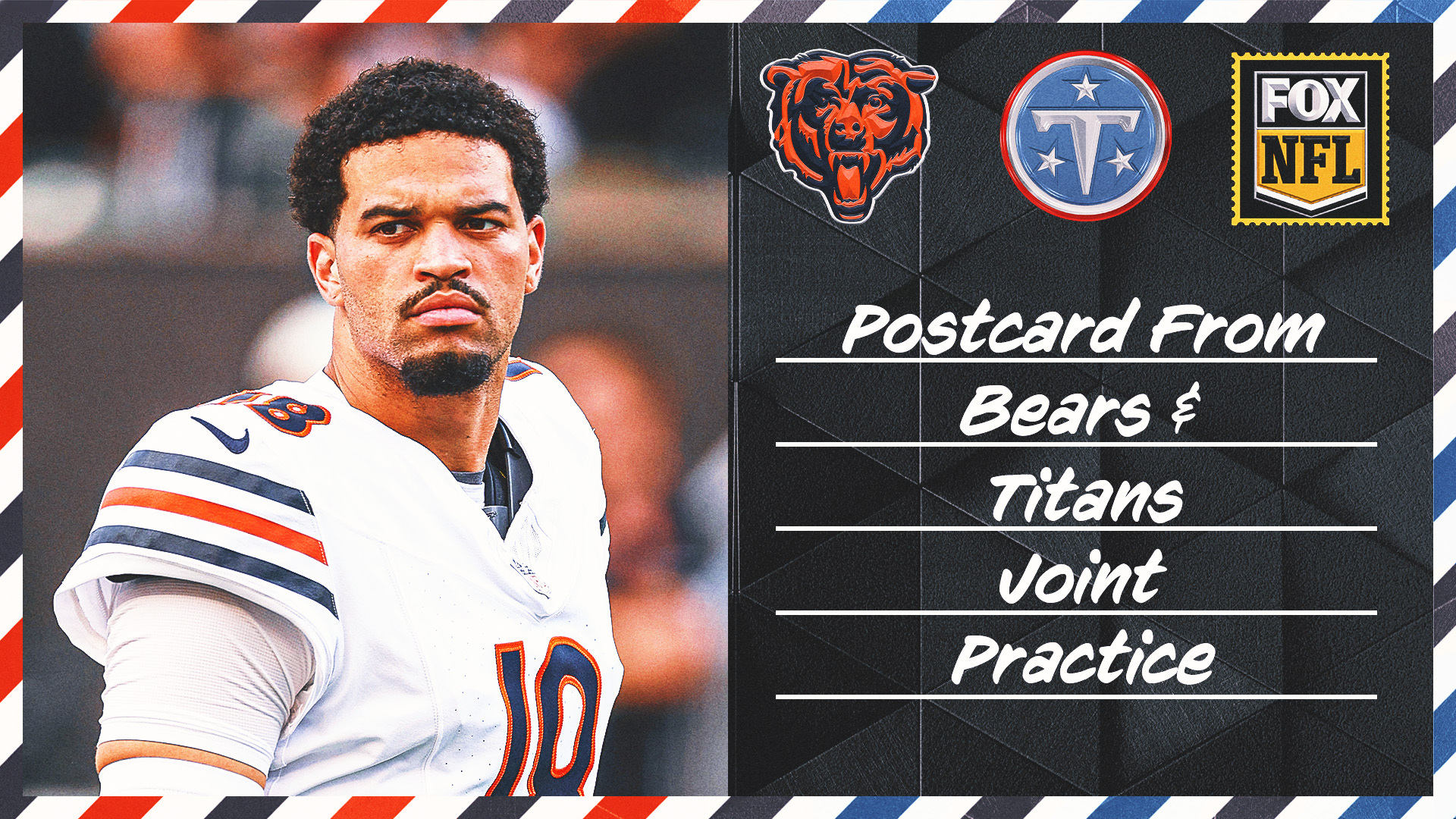
Caleb Williams, Bears Show What They Still Need To Fix To Become True Contenders

NASHVILLE, Tenn. — For Caleb Williams and the Chicago Bears, what happened during Thursday’s joint practice with the Tennessee Titans is symbolic of what needs to change in 2026. Chicago’s offense looked efficient at the start of team drills, with Williams leading the way. The third-year Bears quarterback hit wide receiver Rome Odunze perfectly in stride out of a crossing route. He stepped up in the pocket away from pressure and threw a nifty shuffle pass to tight end Cole Kmet. He completed a tight window throw outside the numbers. Williams hit Kmet for a wide open touchdown on another play. After the halfway point of practice, though, the tide shifted. The Bears’ starting offense went nowhere in the first team period after a break. Williams rolled to his left and fired a jump pass that was nearly picked off. He was sacked the next play. A couple deep passes sailed incomplete. The Bears pulled off a nice trick play at one point — it ended with Williams hitting tight end Colston Loveland on a go route down the left sideline — but a theme in the second half of practice was the former No. 1 overall pick running around a lot. Williams described one period where Titans defenders were coming “down the middle, right side, left side.” “We have to be able to start like that throughout the year. And then when we come out from halftime, we have to come out better than I’d say we did today,” Williams said. What made the Bears so magical last season was their ability to pull off the spectacular late in games; their seven victories after trailing in the final two minutes of regulation are the most since the 1970 NFL/AFL merger. The other way of looking at it: They didn’t play well at the start of games. Putting four quarters together is the next step for the reigning NFC North champions, who aspire to be in the Super Bowl conversation this season. Whether that comes to fruition or not depends, of course, on the talented Williams. Coach Ben Johnson has high expectations for him. The goal is for Williams, who established himself as one of the NFL’s most clutch players last season, to get his completion rate closer to 70% (he was at a subpar 58.1% in 2025) while preserving his explosive play ability. Johnson said earlier this month that Williams has taken “complete control” of the offense, so he’s at least headed in the right direction. But Johnson wants to see Williams continue to advance in his coverage recognition. “At times, you have five [receivers] going out in a concept,” Williams explained. “Portions of the concept are specific to certain coverages or certain looks. Just not necessarily going one, two, three, four, five [reads]. It’s, ‘OK, we can skip this route because of this coverage or this post-high or they’re split field’ and things like that. It’s just being able to process those things faster. “If it’s a common concept that everybody runs, I write it down consistently,” he continued. “I write down what we like versus [the concept] and what we don’t like every time the play is put in and installed. I’m getting constant mental reps of when I see a coverage or when I see this, it’s, ‘OK, we don’t like it versus this. Let’s get onto the backside of the concept’ or another route we do like in that concept.” Other Observations From Bears-Titans Joint Practice: After a quiet showing in the preseason, including going catch-less in the first two games, the former Ohio State star receiver made his presence felt Thursday against the Bears. He scored at least two touchdowns and made a big-time back-shoulder catch down the right sideline. Tate also showed his growing chemistry with quarterback Cam Ward when he came back to the ball in a scramble drill situation for a reception. The first-round rookie was a primary target of Ward’s on the day. “He showed why he was that pick,” Ward said. The veteran running back was giving the Titans’ defense fits, particularly early in practice, when he went untouched a number of times around the line of scrimmage and scored a touchdown in red-zone work. Chicago’s leading rusher from a year ago, Swift could have a massive workload early in the season with No. 2 running back Kyle Monangai (knee) being week-to-week. Johnson loves to run the ball — the Bears had the No. 3 rushing attack in 2025 — so as much attention as ascending pass-catchers Odunze, Loveland and Luther Burden III will get, the success of Swift will be paramount for the offense. After years of poor offensive line play, the Titans actually look solid up front. Superb run-blocking led to a long touchdown run Thursday from tailback Tony Pollard. Tennessee had success on the ground against the defending champion Seahawks defense in a joint practice last week as well. The pass protection has been solid, too. From left to right, the Titans’ starting O-line is left tackle Dan Moore Jr., left guard Peter Skoronski, center Austin Schlottman, right guard Fernando Carmona and JC Latham. Skoronski recently became the league’s highest-paid guard. Players to Watch The veteran defensive back picked off Ward during team drills. The Bears’ secondary is currently facing some uncertainty — free-agent signee Coby Bryant will be out for months following knee surgery, while nickelback Kyler Gordon (calf) has been on the physically unable to perform list since training camp — so Chicago needs backups to step up in the defensive backfield. Lewis, a seventh-year pro, is currently in line to be a starter due to the injuries. Not a well-known name nationally, Gray is poised to have a breakout Year 3. The 2024 fourth-round pick ranked fourth in the NFL last season in combined tackles (164), including second in solo tackles (97), and has flashed in coverage. Playing behind a talented defensive line that Titans coach Robert Saleh has invested heavily in should open playmaking opportunities for Gray. Quote Of The Day “He’s like a modern day — I don’t want to compare the two — but like Russell Wilson. When it got to the fourth quarter, you better be up three scores. There’s no lead safe with Caleb. He’s an unbelievable quarterback. He’s elite off-schedule. … And the amount of growth he’s had in the last year and a half has been amazing. Credit to the coaching staff and all the things they do with him. But he’s a stud in every way.” — Titans coach Robert Saleh on Bears QB Caleb Williams​Latest Sports News from FOX Sports