Categories
R&B

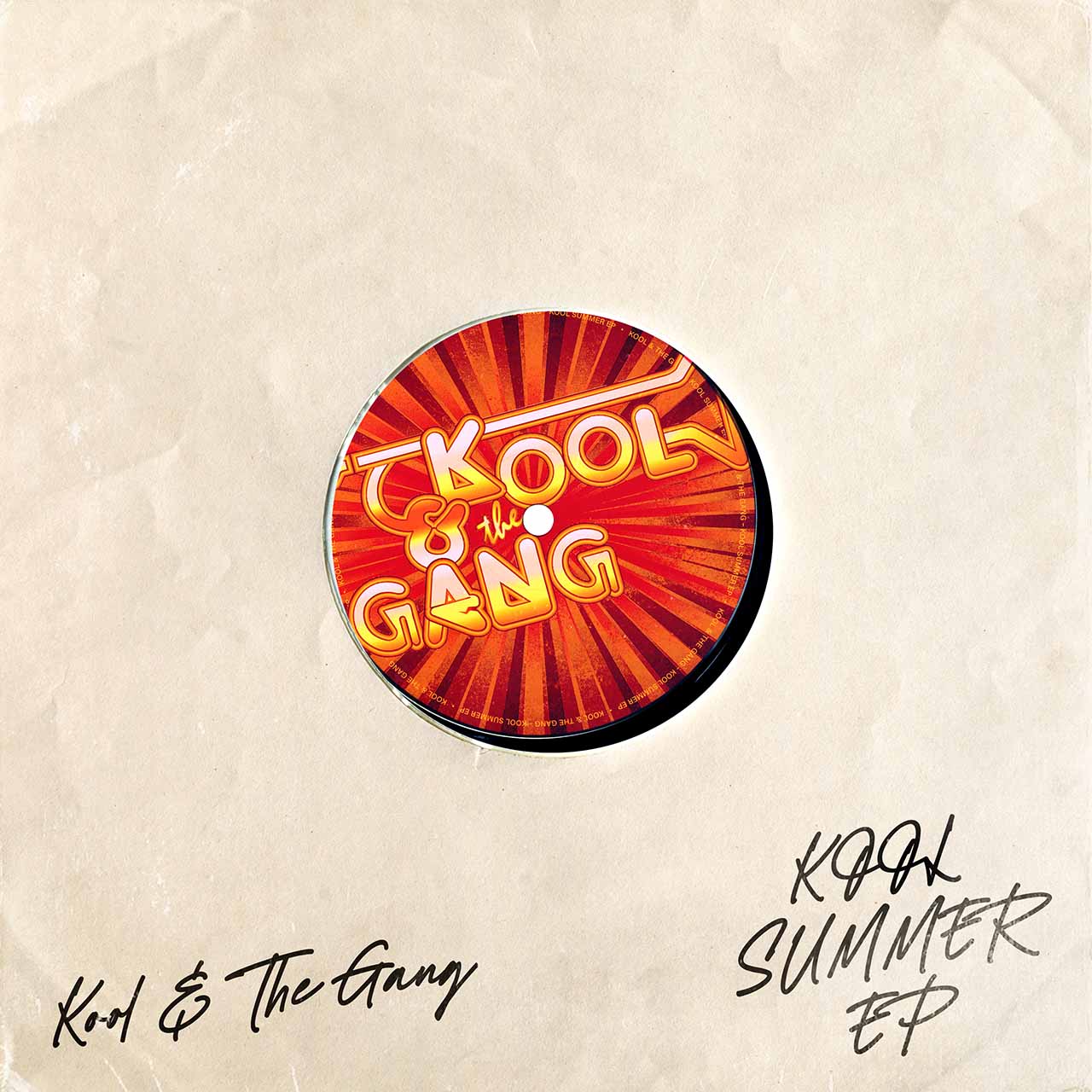
Kool & The Gang Release ‘Kool Summer’ EP

Legendary hitmakers Kool & The Gang, recently inducted into the Rock & Roll Hall of Fame, have released a brand new remix EP, Kool Summer, that reimagines some of the most beloved tracks in their discography. The six-track EP is available today on all major streaming platforms.

Kool Summer features remixes that transform some of the band’s biggest hits into high-energy tracks built with modern dancefloors in mind. Collaborators on the project include a cohort of global producers and remixers: DJ Crazy, who played a key role in bringing Baltimore club music to the mainstream; Prince Hakim, who hails from a long line of musicians, including his father, Robert “Kool” Bell of Kool & The Gang; The Reflex, a London-based DJ who’s soundtracked for stars like Louis Vuitton and Karl Lagerfeld; Adam Ten, an underground trendsetter with hits such as “3 Days Later” and “Spring Girl”; and Young Franco, an Australian producer and DJ packing venues around the world.

Prince Hakim, who remixed the hit “Fresh,” feels that projects like these help introduce catalog tracks to younger audiences. “I mean, that era is the best music ever made,” he says. “And I don’t know if we’re ever going to get back to it again, but we have the power to preserve it. So doing projects like this, when you get to remix it, it brings a song back that’s fresh.”

For “Celebration,” says DJ Crazy, “It was all about keeping the essence. I sampled some of the parts and manipulated them, and put a new groove over the song to make it real warm and fat.” The collaboration holds special meaning for DJ Crazy, who grew up surrounded by Kool & The Gang’s music at family gatherings, making his role in reimagining “Celebration” feel like a full-circle moment. “Working on the EP was surreal,” he adds. “I was raised off this. This is one of the songs I saw my uncle blow the dust off the vinyl and put on the turntable… For me, years later, to be touching it? It’s crazy.”

The Reflex, who did his own remix of “Celebration” as well as “Jungle Boogie,” echoes this sentiment. “It’s been a privilege to rework an iconic band with two of their biggest tracks, from two very different eras that both changed the game musically for them and everyone else,” he says.

When asked about the project, Robert “Kool” Bell, who’s celebrating his 75th birthday this October, says, “We try to keep the music ‘Fresh’ and exciting. It’s been great hearing the DJs put their spin on our platinum songs; celebrating while we ‘Get Down On It’ the 2025 way. Here’s hoping everyone has a ‘Kool’ Summer.”

Listen to the Kool Summer EP now.

​Discover more about the world’s greatest R&B artists | uDiscover Music

Categories
R&B

Seattle Pop Festival: Remembering “The Forgotten Woodstock”

Seattle Pop Festival 1969 featured image 1000

It’s been 50 years since thousands gathered in upstate New York to celebrate three days of peace and music at the first Woodstock festival, and yet there was another three-day festival that year, held just three weeks prior to Woodstock, that often gets forgotten: Seattle Pop Festival.

From 25 to 27 July 1969, local promoter Boyd Grafmyre staged Seattle Pop at Gold Creek Park in Woodinville, Washington, just a few miles outside of Seattle. It was the second successful major rock festival to occur in Washington within less than a year, after Grafmyre had previously helped organize the historic Sky River Rock Festival in 1968.

Listen to the Summer Of ’69 playlist on Spotify.

The year of the music festival

1969 was the year of the musical festival: Denver Pop Festival was followed by Atlanta Pop Festival and then Seattle Pop Festival, all leading up to Woodstock.

The concept behind Seattle Pop was to have 25 acts play over three days. Sometimes going to great lengths to achieve his ambitious goal, Grafmyre chartered a helicopter to fly The Doors from Seattle’s airport to the festival grounds, while renting a Cadillac convertible for Chuck Berry – the rock’n’roll pioneer’s preferred method of transportation.

For $6 a day – or $15 for the whole weekend – you could catch Led Zeppelin breaking America, and marvel at homegrown legends The Byrds, blues icon Bo Diddley, The Flying Burrito Brothers, Tim Buckley, The Guess Who, Santana, Ike, and Tina Turner, Vanilla Fudge, Alice Cooper, and Chicago Transit Authority (who later became Chicago), among many other rock luminaries and psychedelic acts of the day.

An estimated 50,000-70,000 festivalgoers descended upon Gold Creek Park to enjoy relative peace, music and “a certain amount of nudity”, said Grafmyre. As one of the first festivals to forego hiring police or off-duty officers as security, Grafmyre enlisted The Black Panthers to patrol Seattle Pop – a much smoother operation than Hells Angels’ provided at Altamont just a few months later, in December.

‘Sunday night was supposed to belong to The Doors’

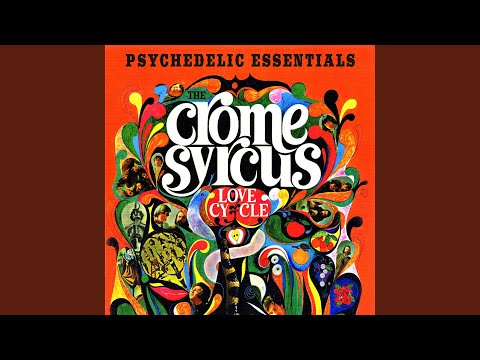
The Seattle Pop Festival’s line-up was a mix of established acts, native groups from the Pacific Northwest, and even jazz legend Charles Lloyd. Some acts, like Led Zeppelin, went on to become rock legends, while others faded into obscurity, such as Crome Syrcus, a psychedelic Pacific Northwest band that broke up in 1973 and remain best known for their singles “Love Cycle” and “Take It Like a Man.”

YouTube Video
Click to load video

While The Doors, The Byrds, and The Ike And Tina Turner Revue were among the most highly-anticipated acts of the festival, it was really Led Zeppelin who emerged as the highlight. England’s hottest new act were just on the cusp of fame in America when they played Seattle Pop.

“Sunday night was supposed to belong to The Doors but it was stolen right out from under them by the great English blues group, Led Zeppelin,” wrote Patrick MacDonald for the Seattle Post-Intelligencer.

“Coming onstage after the forced extravaganza of The Doors, the Zeppelin faced a jaded and uncomfortable audience that had been standing in the cold all evening. But the electricity of lead singer Robert Plant and guitarist Jimmy Page quickly warmed them up.

“Plant has a voice that is controlled hysteria. Anguish pours from his every note; his voice is an epitome of the blues. Page is an amazing guitarist. His runs and fingering are magnificent, his control of the instrument pure genius.

Few who experienced it will forget Led Zeppelin’s performance, especially their smashing encore of ‘Communication Breakdown’.”

The “forced extravaganza” MacDonald writes of refers to one of Jim Morrison’s less-inspired performances, in which The Doors frontman spent the show heckling the crowd and shouting obscenities before ending the set’s finale, “The End,” in a Christ-like pose.

A watershed moment for the counterculture

Morrison’s antics aside, the rest of the performances were equally electrifying. The Flying Burrito Brothers played a blistering set, still riding high off their landmark debut album, The Gilded Palace Of Sin. Shortly after Seattle Pop Festival, however, the Burritos’ bassist Chris Ethridge left the band, turning their performance into an essential document of their original line-up.

Dressed in a daring fishnet dress, Tina Turner ripped up the stage with her signature moves, while Chicago’s producer Jimmy Guercio reportedly parachuted onto the field for the band’s performance, recalled Grafmyre.

1969 was not only a watershed moment in the countercultural movement, but a turning point for many artists who either continued their upward trajectory, such as Alice Cooper and Santana, or fell to the wayside – like Vanilla Fudge who disbanded nine months later.

While Seattle Pop Festival remains a footnote in rock history, it was an important milestone on the road to Woodstock, and one of the greatest rock festivals of all time to be held in the Pacific Northwest.

In just a few short months, at the dawn of the 70s, it would seem as though peace and love were all but a memory.

The end of the 60s saw a burst of creativity that cemented the decade’s importance in music history. Explore some of the greatest albums of the era, including classics from The Rolling Stones, The Who, and The Allman Brothers Band, on our Summer Of ’69 store page.

Looking for more? Discover the full story behind Woodstock’s “three days of peace and music.

​Discover more about the world’s greatest R&B artists | uDiscover Music

Categories
R&B

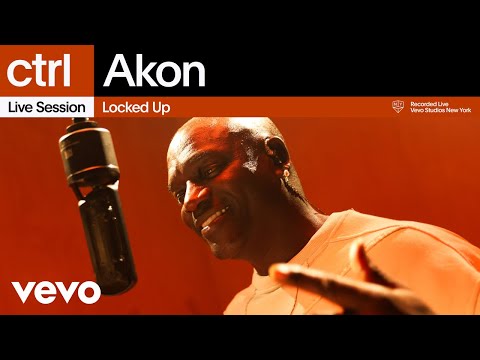
Akon And Vevo Team Up For ‘CTRL’ Performance Of ‘Locked Up’

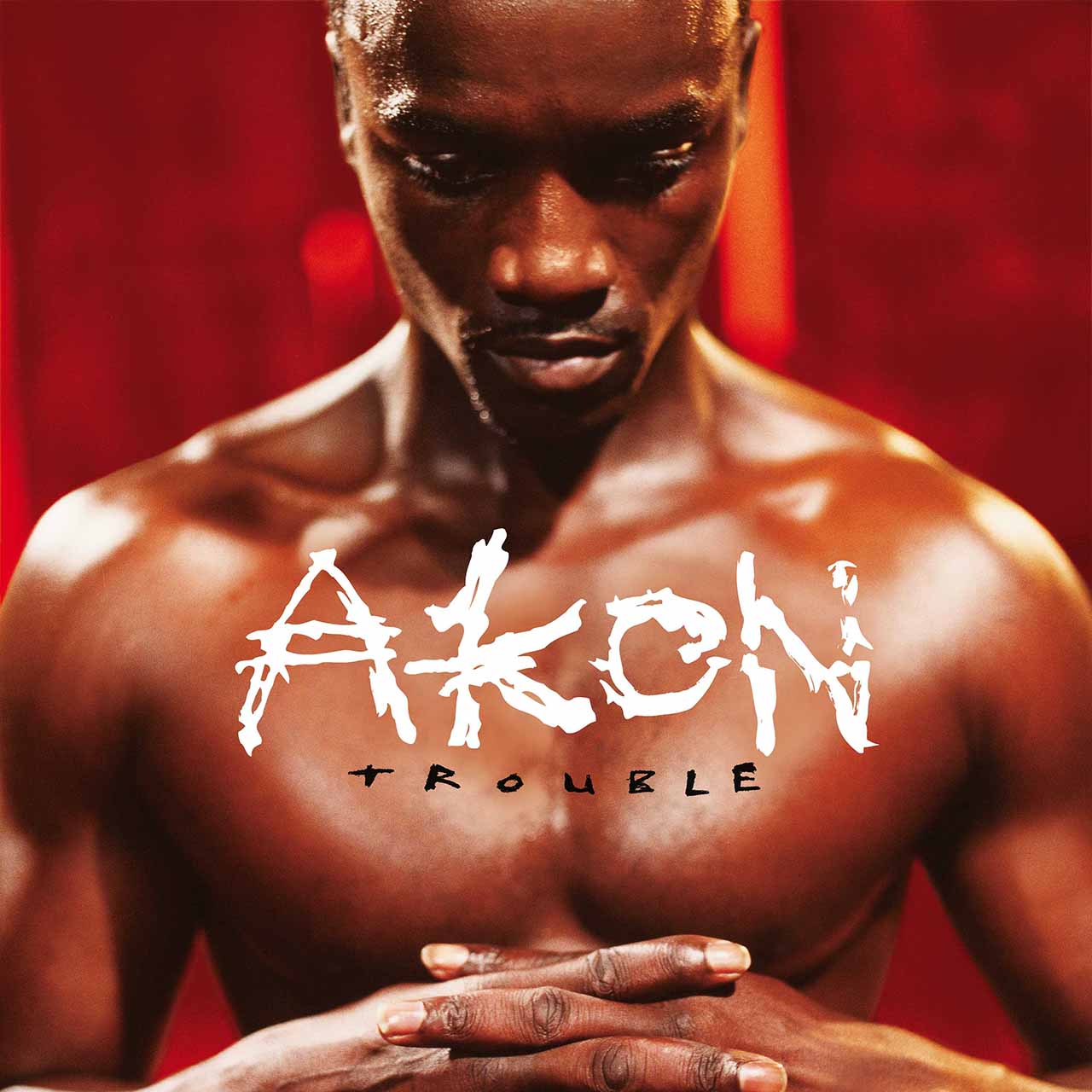
Akon has teamed up with Vevo “CTRL” for a live performance of “Locked Up,” the lead single from his monumental 2004 debut, Trouble.

The song, which has become a classic staple in Akon’s wide-reaching discography, shares the singer’s reflections of his time in prison. He sings about being behind bars and the wide reaching implications that led to his road to redemption. He croons: “I’m steady tryna find the motive/ Why I do what I do?/ Freedom ain’t getting no closer/ No matter how far I go/ My car is stolen/ No registration/ Cops patrollin’/ Now they done stop me and I get locked up.” Even more than 20 years later, the words still hit powerfully.

YouTube Video
Click to load video

The song was originally identified as a crossover cut from Akon and his team. “‘Locked Up’ is a street record,” SRC Records A&R Jerome Foster told Hit Quarters. “I thought that was the place for us to start, knowing that we had a record like ‘Lonely’ to follow it.” Foster was right, as “Locked Up” was a success, reaching No.8 on the Billboard Hot 100 and earning the star a Top Five hit on the Official U.K. Singles Chart.

Much of the entire Trouble album was recorded as a reflection of Akon’s time as a convicted felon. “I came out and recorded it, but it was like a dead end at that point cause I wasn’t really into the music thing,” he told Ozone in 2005. The singer further explained that he made the album because he “couldn’t get a regular job cause I was a convicted felon.” He added: “You can only make but so much money as a felon. A fast food restaurant ain’t gon’ cut it, not for the type of lifestyle I was used to living. [Choreographer] Devyne [Stephens] took my music and shopped it around.”

Trouble was an overnight sensation, thanks in large part to the staying power of “Locked Up.” It sold 25,000 copies in its first week of release and has gone on to move more than 1.5 million units. “Locked Up” has even found a fanbase Akon never could have guess he would have appealed to. “The police told me that the song is the police department’s anthem,” Akon told Rolling Stone. “They play my song “Locked Up” in their cars when they pick kids up and are taking them to jail.”

Buy Akon’s music on vinyl now.

​Discover more about the world’s greatest R&B artists | uDiscover Music

Categories
R&B

Ed Sullivan Documentary ‘Sunday Best’ Comes To Netflix

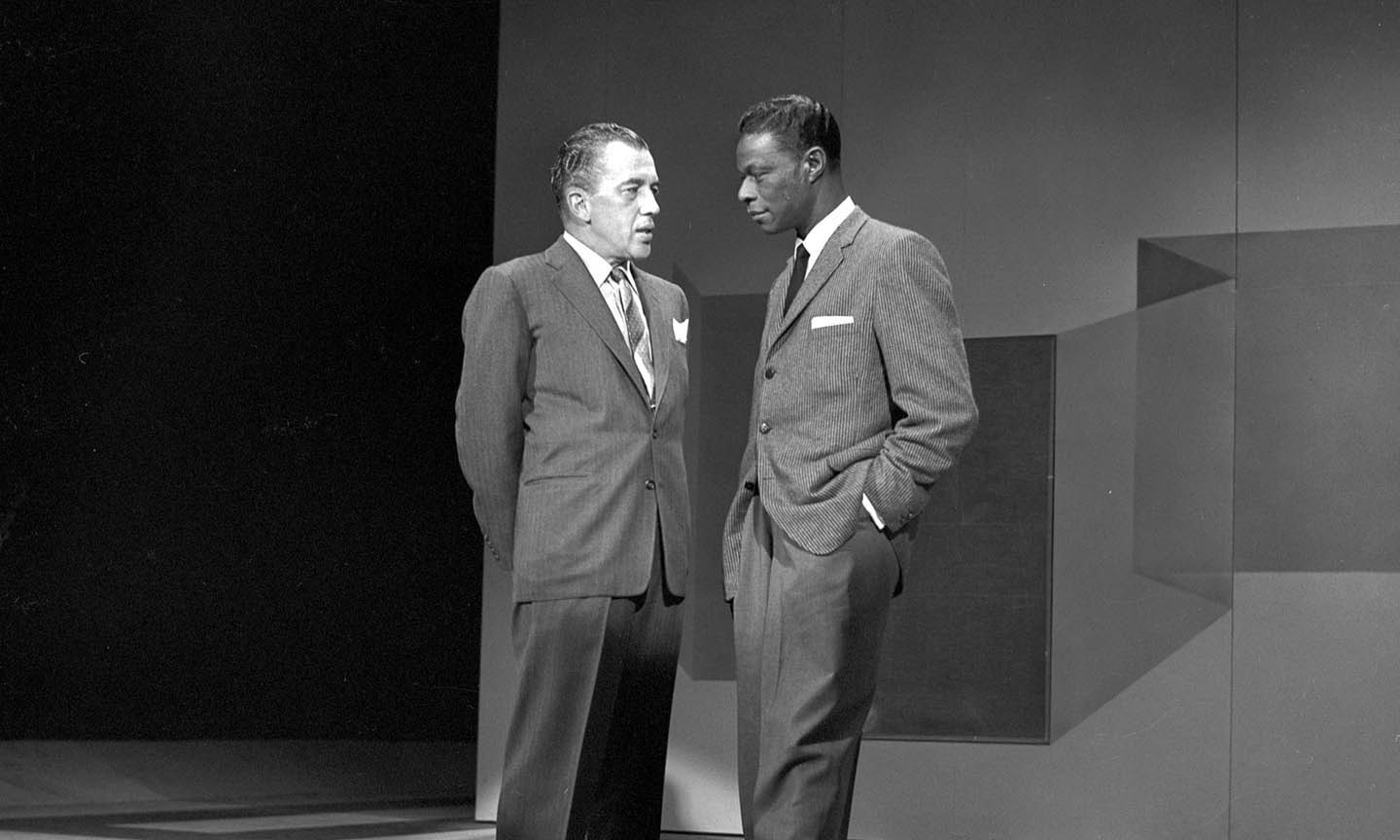
The Ed Sullivan Show is famous for its role in breaking the Beatles and Elvis Presley. But the variety show helped a wide range of performers connect with a larger audience—including, as a new documentary explains, a great many Black entertainers.

That film, Sunday Best: The Untold Story of Ed Sullivan, is now streaming on Netflix. Directed by the late Sacha Jenkins, it explores Sullivan’s commitment to showcasing Black talent on his Sunday evening broadcasts at a time when segregation and discrimination prevailed in the United States. Airing on CBS from 1948 to 1971, The Ed Sullivan Show drew between 35 and 50 million viewers per week. The host made it a point to get a diverse assortment of performers in front of that audience.

YouTube Video
Click to load video

“He was a door opener, especially for Black artists,” Otis Williams of the Temptations says in the movie. “This man opened up his door and let artists come on his show to express and be seen.”

Featuring never-before-seen interviews with Williams, Harry Belafonte, Dionne Warwick, Berry Gordy, and more, the movie illuminates Sullivan’s impact on Black music and media as well as the The Civil Rights Movement. In addition to its interviews, Sunday Best features an exciting array of performances from some of the most legendary names in 20th century music. In addition to the Beatles, Belafonte, and Presley, viewers can see Ray Charles and Billy Preston, Jackie Wilson, Bo Diddley, James Brown, Ike and Tina Turner, Gladys Knight & the Pips, Nat King Cole, Nina Simone, Mahalia Jackson, Stevie Wonder, the Jackson 5, and the Supremes in action.

Jenkins, who died in May from multiple system atrophy, was a celebrated filmmaker and journalist. Perhaps best known for the rap zine ego trip and its assortment of related books, he also served as an editor at Vibe and Mass Appeal, wrote several books on graffiti, and co-authored memoirs with Eminem and the Beastie Boys among other written projects. His work for the screen includes the Showtime series Everything’s Gonna Be All White and documentaries about Rick James and the Wu-Tang Clan.

Watch Sunday Best on Netflix now.

​Discover more about the world’s greatest R&B artists | uDiscover Music

Categories
R&B

Session Musician Spotlight: Clarence McDonald

Close-up of piano keys

“All great music is a combination of what came before it,” musician/songwriter/arranger/producer Clarence McDonald once said. He spent his life mastering gospel, soul, jazz, blues, funk, and pop and blending them together in magic moments with artists like Earth, Wind & Fire, Barbra Streisand, Carole King, James Taylor, and Johnny Mathis.

“My original background was from the church,” he explained to Jake Feinberg. “That’s where you got musical training you couldn’t get anywhere else.” McDonald learned piano and organ there, and by the age of sixteen, he was backing jazz artists in a Los Angeles nightclub.

When he began college, he worked as musical director for The Vocals (which later became the Fifth Dimension), a group that was subsequently invited to go on tour with Ray Charles. “Lots of what I play today, I learned directly from him. If it doesn’t feel good, don’t play it. Playing the notes is not the function. Making people feel them when you play them is the function.”

In 1966 just as his musical career was beginning to gain traction, he was drafted by the US Army to fight in the Vietnam War. In a 2009 interview, he said, “You learn what terror really is. There’s no glory in war, and it never proves who’s right or wrong.” When he returned home in 1968, he began getting calls for session work. “The fun of it was getting to meet so many different kinds of people, playing different kinds of music, and learning a lot,” he reminisced.

McDonald died in the summer of 2021, having lent his skills to thousands of recordings and live performances. As he told InterviewWorld, “The joy is knowing when you walk out of the studio, what we just did, everyone was on the same accord. That’s really what a hit record is. It’s not the technique. It’s the magic moment where everything aligns.”

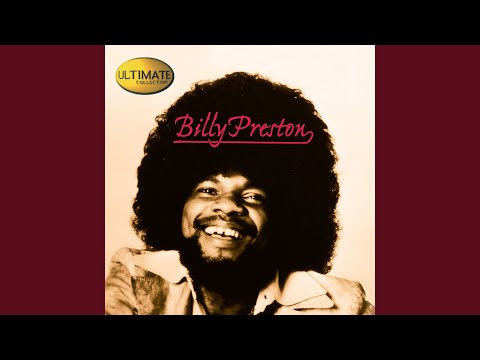
Billy Preston – Will It Go Round In Circles

Preston and McDonald were connected in their youths by way of being musicians in the Los Angeles church world. They came together in 1972 for Preston’s Music Is My Life album, which McDonald arranged. “Will It Go Round In Circles” went to the No. 1 spot on Billboard’s Hot 100 and sold over a million copies.

YouTube Video
Click to load video

The Emotions – Best Of My Love

In 1976, McDonald submitted a tune for the project The Emotions were beginning with Maurice White and Charles Stepney. Stepney invited him to the studio where he was introduced to Earth, Wind & Fire. They made plans to work together, but Stepney died of a heart attack days after their meeting. “That was a man I wanted to study and learn from,” McDonald recalled. White brought McDonald into the EW&F squad, and they co-produced Rejoice, the album that delivered this #1 smash in 1977.

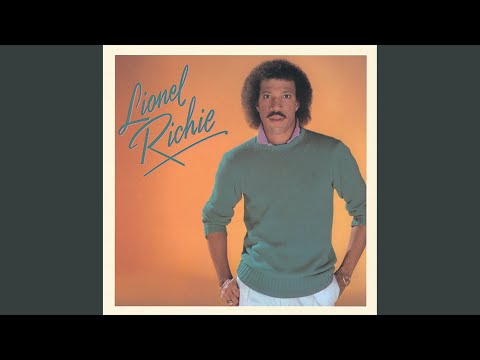
Lionel Richie – Wandering Stranger

On this track from Lionel Richie’s solo debut, McDonald plays electric piano, accenting Gene Page’s moody orchestral arrangement. Lionel Richie sold over four million copies in the United States and topped Billboard’s R&B Albums chart in the winter of 1982.

YouTube Video
Click to load video

James Taylor – How Sweet It Is

Taylor’s cover of this Holland-Dozier-Holland composition hit the top five of Billboard’s Hot 100 chart in 1975, featuring McDonald on piano and Fender Rhodes. McDonald had fond memories of touring with Taylor: “The best shows we had with James Taylor were when we were playing smaller theaters. I miss [performing] where people are close enough that you can relate to them as opposed to piping it out to them in the 2000th row at an arena.”

Justin Timberlake – Another Song (All Over Again)

Produced by Rick Rubin, this track closed Justin Timberlake’s 2006 FutureSex/LoveSounds. McDonald played organ on this Timberlake/Matt Morris composition that one critic called “a lovely, very old-fashioned soul ballad produced in an organic anti-Timbaland style.” “There’s a feeling you get when human beings interact that you can’t get following a click track or doing computer stuff,” McDonald said.

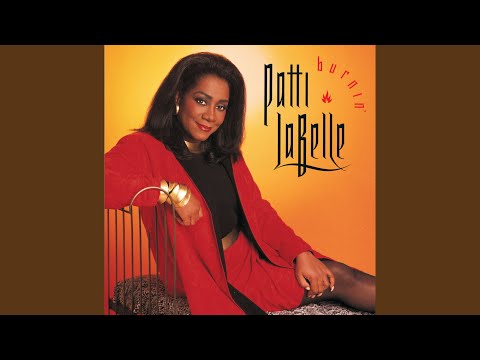
Patti LaBelle – Love Never Dies

McDonald and Sami McKinney co-wrote and co-produced this ballad from Patti LaBelle’s Grammy Award-winning album Burnin’. The tune’s inspirational message and uplifting mood affirmed one of McDonald’s core beliefs about music: “Music is just fun. Play it, make people smile, you’ve done your job.”

YouTube Video
Click to load video

Looking for more? Check out our series of articles on the greatest sessions musicians ever.

​Discover more about the world’s greatest R&B artists | uDiscover Music

Categories
R&B

Robbie Pardlo of R&B Group City High Has Died

Robbie Pardlo, former lead singer of the Grammy-nominated R&B group City High, has died. TMZ reported that Pardlo died on Thursday, July 17, while surrounded by family and friends in Willingboro, New Jersey. No official cause of death has been revealed. Pardlo was 46.

Pardlo’s brother, Gregory Pardlo, shared a statement with People: “I’ve been taking shelter in the love of family and in my brother’s memory. Even with his body covered in tattoos and the streetwise tough guy persona he cultivated, my little brother will always be a sweet, goofy kid in my eyes.”

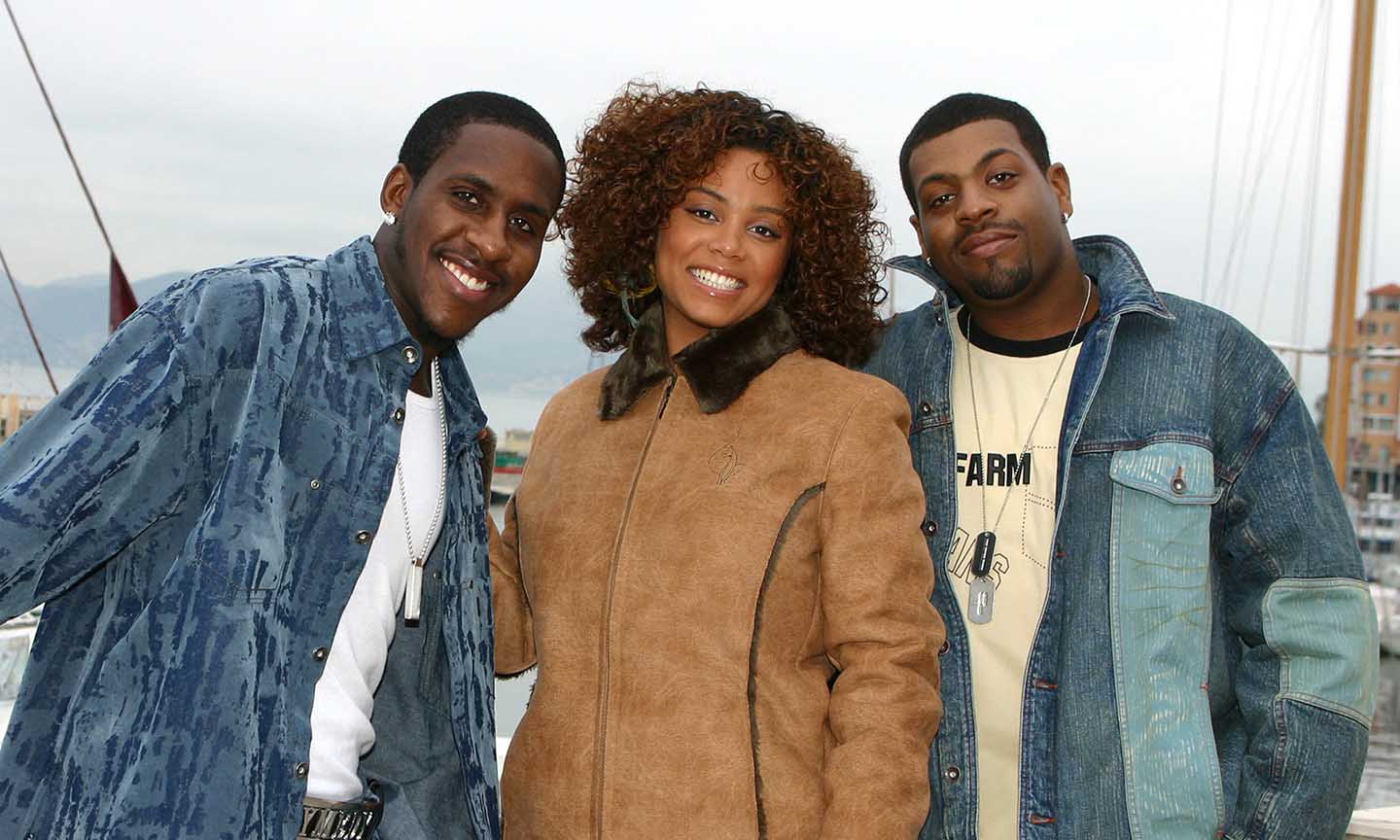
Pardlo formed City High with his classmates Claudette Ortiz and Ryan Toby in 1999. The group began as a duo composed of Pardlo and Toby, but they soon invited Ortiz to join. The trio signed to Wyclef Jean’s label Booga Basement and in 2001 released their only album, a self-titled effort that included the 2001 hits “What Would You Do?” and “Caramel” featuring Eve.

Produced by Fugees member Jean, “What Would You Do?” first appeared as part of the soundtrack to the 1999 film Life starring Eddie Murphy and Martin Lawrence. The song was envisioned as a motivational anthem for single parents dealing with poverty and reached the top 10 of the Billboard Hot 100. It would later be nominated for Best R&B Performance by a Duo or Group at the 2002 Grammy Awards.

The album’s second single, “Caramel,” peaked at number 18 on the Hot 100. The track contains vocal samples from “Silent Treatment” by The Roots in addition to a drum sample from Al Green’s “I’m Glad You’re Mine.”

City High disbanded in 2003. Pardlo was later a member of the R&B quartet First Take, who collaborated with Whitney Houston and Lil Kim.

​Discover more about the world’s greatest R&B artists | uDiscover Music

Categories
R&B

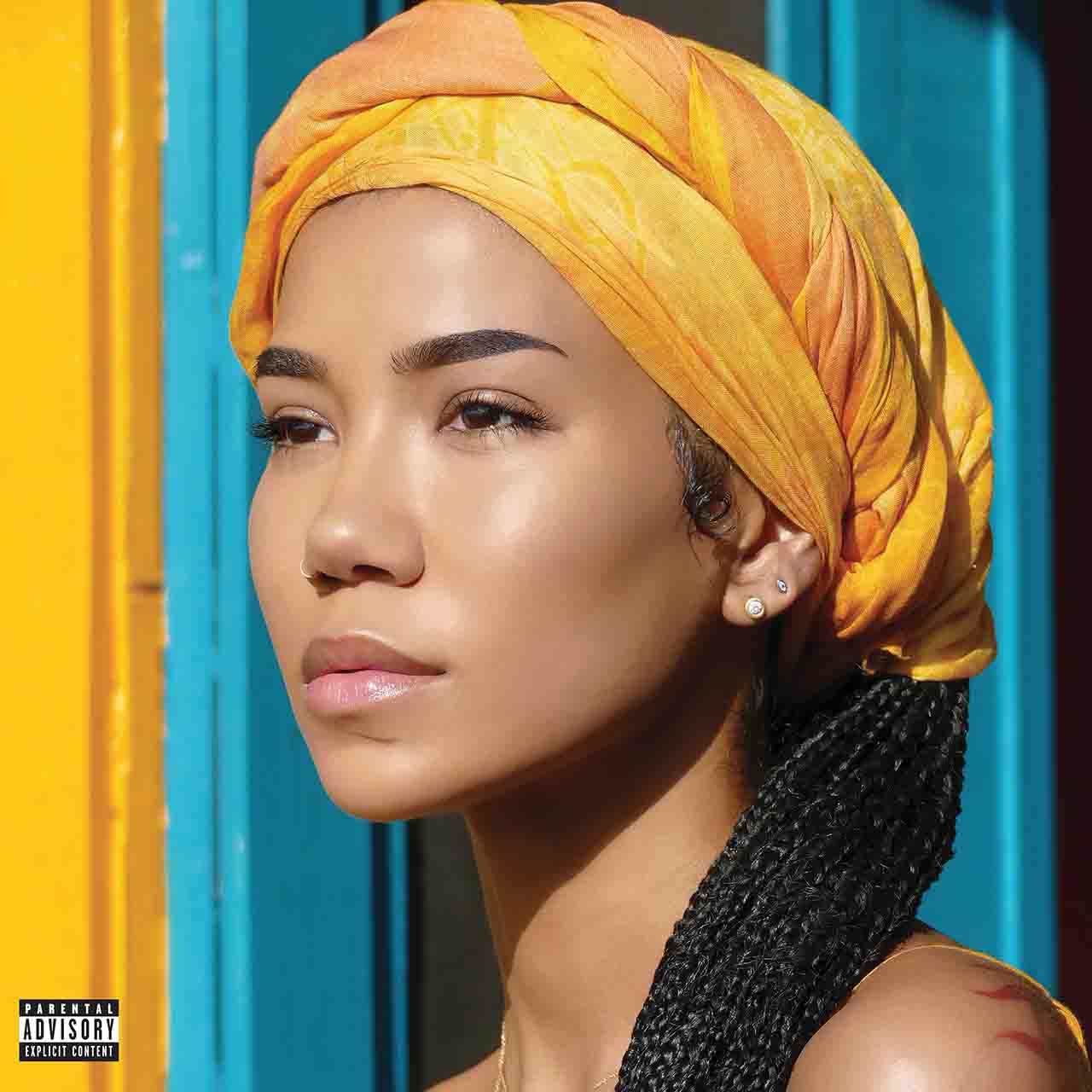
Jhene Aiko’s ‘Chilombo’ Returns To Vinyl

Chilombo, Jhené Aiko’s third and most recent album, is back on vinyl.

Originally released on March 5, 2020, Chilombo is a chilled-out body of work that came from a place of freedom and unfettered creativity. Aiko described the album at the time as being made of “freestyles where I touch on many subjects and relationships…past, present, and future.” Aiko also brings a number of musical relationships to the forefront on Chilombo, welcoming guest contributions from the likes of H.E.R., NAS, John Legend, Dr. Chill, Ab-Soul. She also brings her romantic and musical relationship with Big Sean, with whom she shares her son Noah, to the body of work. The two had also previously recorded music together as TWENTY88.

YouTube Video
Click to load video

Chilombo also sees Aiko experimenting with the sound of Tibetan crystal sound bowls, sometimes called “singing bowls.” “I was really using them for myself — like therapy — an alternative to self-medicating and not dealing with how I’m feeling,” the musician said in a 2021 interview with Variety. “I just found them very relaxing and soothing, and even addictive to play, like literally the motion of playing the sound bowls felt good to me.” For the different tracks on Chilombo, Aiko researched the keys and the chakras each bowl represented, bringing different bowl sounds to a ballad like “Pray for You” than she would have used on a more sexual song like “PU$$Y Fairy (OTW).”

The efforts paid off well for Aiko, and not just musically. Chilombo racked up three nominations for the 2021 Grammy ceremony, including the coveted Album Of The Year category. The work was also nominated for Best Progressive R&B Album, and Aiko’s duet with John Legend, “Lightning and Thunder,” earned a nod for Best R&B Performance. Chilombo also received the Outstanding Album trophy from the NAACP Image Awards in 2021.

Buy Jhené Aiko’s Chilombo on vinyl now.

​Discover more about the world’s greatest R&B artists | uDiscover Music

Categories
R&B

Why DJs Still Flock To The Sound Of Chess Northern Soul

Northern soul bag with patches

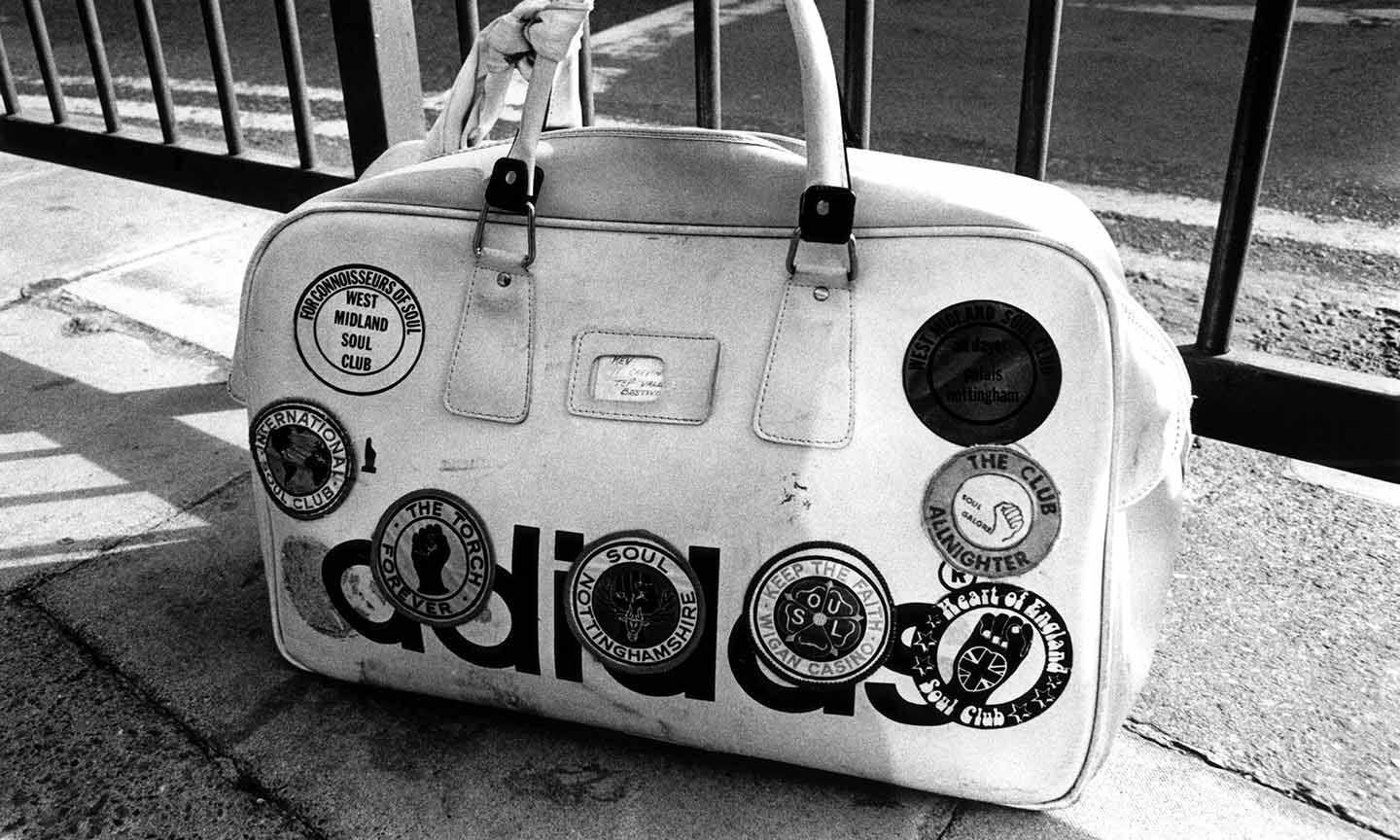
Let’s say a Northern soul all-nighter runs from 10pm until 6am, and an average 60s 7” single runs for two minutes, 50 seconds. The dancers want a seamless experience: there are no breaks between the records. You will need a minimum of 192 singles to keep the floor filled for eight hours. Add the complication that the Northern audience is composed mostly of true aficionados, many of whom have kept the faith for years on end, meaning this is not an easy-to-please crowd: you will need to throw a few WTF? tunes in – great records they have never heard. It’s little wonder that Northern soul DJs are ravenous for music, and even today, some 50 years since Northern soul began to break from the club mainstream, new records are being unearthed, many of them coming from the plethora of Chess Northern soul recordings that collectors salivate over.

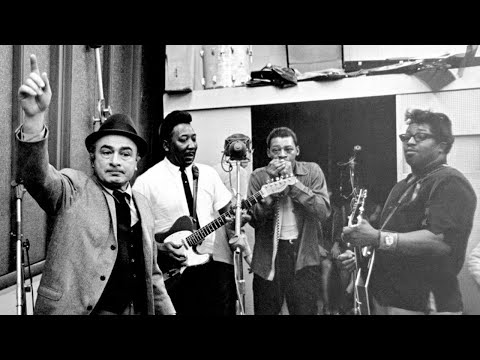
For many fans, the epitome of Northern soul is the sound of Chicago soul, and at the heart of the city’s music was one record company: Chess. Though known for blues and rock’n’roll, Chess was a powerhouse of soul music, repeatedly delivering the beautiful, sensitive yet gutsy, sophisticated, and well-arranged sounds its home city has become famous for.

YouTube Video
Click to load video

But there was a certain chaos at the heart of Chess. It released so much music that a lot of it slipped through the cracks. The essence of Northern soul is great sounds that the wider world has not heard, and Chess Northern soul more than fits that description. You are in with the in crowd when you hear it – though Dobie Gray’s hit of that title is too well-known to be a serious Northern sound today.

Anyone can play a record that was a hit, but only a few can play a record that even the artist did not know had been released. The acetates, the white labels, the never-made-it-past-test-pressings, the found-on-a-quarter-inch-tape-in-a-garage, the cassette untangled with a Biro, the unmarked blank label: all are meat and drink to the Northern soul fanatic. And Chess, with its sprawling roster, talented producers, limited promotional resources, occasional distribution difficulties, and, above all else, a glut of great singers that the company somehow could not resist recording, even though it had more than enough product to deal with, has always been the perfect soul source for Northern crate-diggers. Just when you think you’ve got the discography sorted, another Chess Northern soul classic turns up on the label or its subsidiaries Checker, Argo, Cadet, and Cadet Concept – or on no label whatsoever. Chess Northern soul is rare soul heaven.

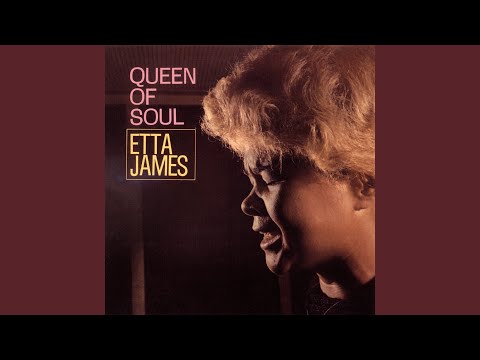
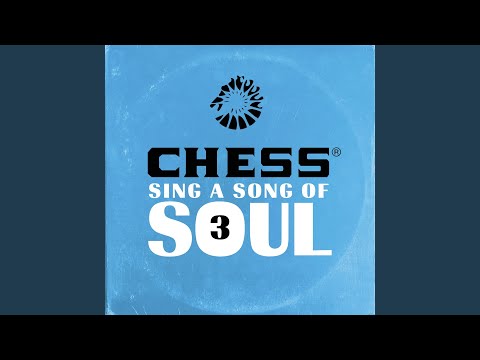
Rare soul, famous name: Bobby Womack, both with his family group The Valentinos and solo, cut early tracks at the label, though only four emerged during the 60s. This left the likes of the gentle yet insistent “See Me Through” to be discovered by successive generations of fans, having been excavated from the archives for compilation albums during the 80s – and, at last, it’s making a deserved debut on 45 on the 7” box set Chess Northern Soul: Volume III. Far less well known, Jo Ann (aka Joann) Garrett’s “Foolish Me” also finally appears on 45 on the same collection, after languishing on her hard-to-find album Just A Taste since 1969.

Chess’ Northern beats emerged at around the same time soul was getting a grip on the public’s imagination; a lot of Northern is fairly commercial, easy-to-appreciate music that somehow failed to capture the audience it deserved. Tunes such as Etta James’ “Mellow Fellow” or Jackie Ross’ “Take Me For A Little While” were contrastingly styled, highly soulful records that should have been as big as anything Martha & The Vandellas or The Marvelettes released, but somehow missed the cut. Tony Clarke’s “Landslide” had everything that a 1965 Marvin Gaye hit had – except the chart status and Motown’s marketing machine. Resurrected by Northern DJs in the 70s, these tunes found a new appreciative audience.

YouTube Video
Click to load video

Some records spread beyond the Northern scene into other rare soul arenas: Terry Callier’s “Ordinary Joe” is now regarded as a famous early 70s soul tune thanks to Northern play which then saw it shift into the UK’s rare groove clubs in the mid-80s. However, Callier’s original 1972 single flopped badly, hardly anybody heard it, and in fact, the frustrated singer had already handed the song to Jerry Butler in 1970, in the hope that the hit-making vocalist’s status might bring his song the attention it deserved.

Chess’ A&R department, fronted by Ralph Bass and Billy Davis, also had a keen ear for a great vocal ensemble. The Radiants were one: a group of shifting personnel that issued 14 singles on Chess without enjoying huge sales. But they’re still heard, with “Hold On” and “I’m Glad I’m The Loser” both providing calls to the sprung dancefloor, and “Voice Your Choice” tempting fans of mellower Chicago 60s sounds.

The Starlets were even unluckier, taping top tunes for Chess, but only one 45 was released, 1967’s “My Baby’s Real”/”Loving You Is Something New,” though as The Gems and Girls Three they saw other material hit vinyl. Minnie Riperton, a 70s soul star, was a member of the group. You’ll find speculation online that one of the trio’s number was Joy Lovejoy, who issued one single for Chess, “In Orbit,” again in ’67, another Northern monster. If Joy was actually Minnie – as is sometimes suspected – she was damping down the fire in her voice somewhat.

Nothing is really known about Joy, and much the same applies to Jeanette Nellis, whose “Wait,” cut for Chess in ’63, is as rare as toothpaste for poultry. The label’s catalogue is littered with these one-offs and little-heards. Joe Cato cut a 45 for Chess in ’67; otherwise, he appeared on record purely as a guitar-playing sideman and you can hear his licks embellishing his fine “I’m So Glad” dance tune. Amanda Love is another little-heard vocalist whose talent was resurrected by rare soul DJs thanks to her moodily bluesy “You Keep Calling Me By Her Name,” which was picked up by Chess from the obscure Starville label that same year. She later worked as a jazz singer under her real name, Amanda Bradley.

YouTube Video
Click to load video

Gene Chandler enjoyed a lengthy star status, scoring with “Duke Of Earl” in 1962 and remaining a big name right through the disco era. As one of Chicago’s keynote voices, it was inevitable that Gene would arrive at Chess sooner or later, and he cut several singles for its Checker imprint between 1966-69, one of which, the B-side “Such A Pretty Thing,” became a strong Northern spin. Another famous voice on Chess was found outside the context he is usually remembered for: Johnny Nash had been recording since the doo-wop days and later became a star as one of the first American singers to try reggae, bringing Bob Marley his first taste of success by covering his “Stir It Up.” Nash cut three singles for Chess in 1964, two of which, “Strange Feeling” and “Love Ain’t Nothin’ (Monkey On Your Back),” were Northern dancers.

Chess seemed to take everything as an opportunity for a rave-up, turning jazz clarinetist Woody Herman into a psychedelic soul musician, session guitarist Phil Upchurch into an ersatz Hendrix, and even making Chicago gospel group The Kindly Shepherds into uptempo belters on their mighty “Lend Me Your Hand.” Mitty Collier was known for the dirt-slow ballad “I Had A Talk With My Man Last Night,” which suited her to a T, but her previous release had been the far bluesier, Latin-infused “Pain,” which shakes the current European popcorn scene. Bluesman Little Milton blasted out “Grits Ain’t Groceries,” the perfect mix of uptown soul and ghetto R&B. Chess could have been recording these for the Northern scene, they are so perfectly fashioned for it, but Northern is a retrospective appellation: a record is a hit on its dancefloors only because Northern jocks chose to play it years after it was made, not because folk in the 60s were trying to appeal to it.

Chess’ empire began to crumble in the early 70s and the majority of its sounds tempt the 6Ts dancer rather than the “modern” Northern acolyte. But the label’s status in the legends of soul’s north is assured: Chess Northern soul is some of the greatest soul music ever made, but it took it a decade or so to find its true and appreciative, faith-keeping audience.

The 7” box set Chess Northern Soul: Volume III can be bought here.

​Discover more about the world’s greatest R&B artists | uDiscover Music

Categories
R&B

Star-Spangled Banner Performances: The 15 Most Awe-Inspiring Versions

Star-Spangled Banner Performances

The War Of 1812 was in its final months when lawyer and amateur poet Francis Scott Key boarded a British ship to negotiate the release of several American prisoners. While there, he became privy to strategic battle plans and was held captive for the night, where he helplessly witnessed the Battle Of Baltimore. Upon his release, during the early hours of September 14, 1814, Key was heartened to see that the American flag (also referred to as the “Star-Spangled Banner”) was still flying – marking a victorious fight by his country.

Inspired, he wrote a poem, entitled “Defence of Fort M’Henry,” which was soon published in a daily newspaper and, not long after, adapted into a song. With a melody borrowed from ‘To Anacreon In Heaven’, a popular tune at the time, the song was christened ‘The Star-Spangled Banner.” It was recognized for use by the US Navy in 1889 and was established as the US national anthem in 1931, under President Herbert Hoover.

With its wide range of notes, “The Star-Spangled Banner” is considered to be one of the most challenging songs to sing. Performed regularly at sports games and ceremonial events, a handful of singers and musicians have the chance to perform the song live each year, as audiences listen with bated breath. Over the decades, many of the country’s biggest stars have tackled the song (some better than others), making their mark on the hallowed tune. Here’s a look back at 15 of the best “Star-Spangled Banner” performances – from soulful balladry to all-out guitar shreds – proving that “traditional” doesn’t always need to be dull.

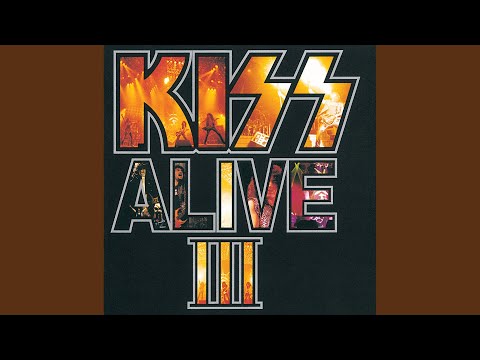
15: KISS (Alive III, 1993)

This epic, instrumental rendition of “The Star-Spangled Banner” was captured during KISS’ 1992 Revenge Tour and closes out their Alive III album. Playing to thousands of die-hard fans in Cleveland during the band’s “unmasked” era, lead guitarist Bruce Kulick shows off his chops in this impressive encore. Naturally, the song climaxes with classic KISS pyrotechnics (which make every show look like the 4th of July celebrations).
YouTube Video
Click to load video

14: Duke Ellington (The Duke Ellington Carnegie Hall Concerts: January 1943, 1943)

Charismatic composer, pianist, and bandleader Duke Ellington would occasionally open his live shows with “The Star-Spangled Banner.” With its driving brass section and cheery percussion, his jazz orchestra’s uptempo version harkens back to the home-front patriotism of the 40s. Ellington, who was awarded a posthumous Pulitzer Prize for his contributions to art and culture, was incredibly innovative, and his take on the national anthem – which feels classic, yet refreshing – doesn’t disappoint.

13: Luke Bryan (Super Bowl LI, 2017)

Country star Luke Bryan gave the national anthem a Nashville twist at the 2017 Super Bowl. As the Georgia native geared up to cheer on his home team – the Atlanta Falcons, who were up against the New England Patriots – the American Idol judge and acclaimed songwriter sounded as smooth as can be, singing a cappella and making the song his own with a bit of country twang. Even Tom Brady seemed impressed!

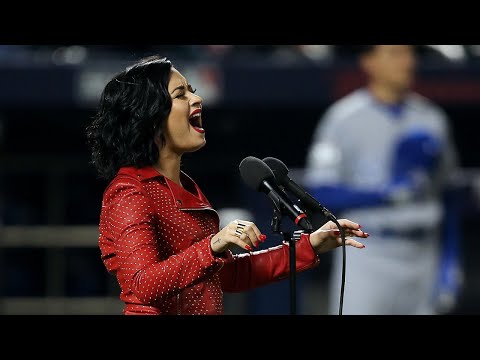
12: Demi Lovato (MLB Playoffs, 2015)

Singer-songwriter, actress, and former Disney-star Demi Lovato captivated audiences at the 2015 MLB playoffs when she belted out the national anthem to cheering crowds at New York’s Citi Field. The 23-year old had just released her bestselling fifth album, Confident, which is a perfect description of her performance. Needing no accompaniment, Lovato’s powerful vocals are truly awe-inspiring.
YouTube Video
Click to load video

11: Slash (NHL Playoffs, 2014)

In this 2014 clip from the NHL playoffs, legendary Guns N’ Roses guitarist Slash plays the national anthem with swagger and style. The British-born musician, who holds dual citizenship with the US and the UK, performs an unorthodox, yet tasteful rendition of the tune on his signature gold-top Les Paul. With a purposeful use of distortion and artfully bent notes, Slash offers a tip of the hat to America and to one of the founding fathers of rock’n’roll, Jimi Hendrix.

10: Cher (Super Bowl XXXIII, 1999)

Cher showed off her inimitable, contralto vocals in this 1999 Super Bowl performance. Fresh off the success of her multiplatinum-selling dance-pop album Believe, Cher was enjoying a triumphant return to the spotlight when she was tapped to kick off the game at the Pro Player Stadium in Miami Gardens, Florida. One of the most enduring artists of the last 50 years, Cher proved her prowess in this dramatic rendition of the national anthem that remains one of the best star-spangled banner performances of recent memory.

YouTube Video
Click to load video

9: Renée Fleming (Super Bowl XLVIII, 2014)

Typically, football and classical music don’t go hand in hand. But that changed in 2014, when soprano Renée Fleming took to the field at MetLife Stadium at Meadowlands Sports Complex and became the first opera singer to perform ‘The Star-Spangled Banner’ at the Super Bowl. Though she is one of the most famous stars of modern opera, Fleming reached her biggest audience yet with this appearance, eliciting a standing ovation and some of the highest TV ratings at the time.

8: Lady A (NHL Playoffs, 2018)

The Grammy-winning country trio has performed “The Star-Spangled Banner” numerous times since they formed in 2006. Their beautiful a cappella approach to the song showcases the vocal talents of Hillary Scott, Dave Haywood and Charles Kelley as they skilfully harmonize together. Despite a minor lyric flub at the 2018 NHL playoffs (the band quickly recovered, finishing the song like pros), there’s no doubt that Lady A will continue to be invited to sing the national anthem at many more events to come.

7: Carrie Underwood (Super Bowl XLIV, 2010)

In 2010, when Carrie Underwood was selected to kick off Super Bowl XLIV, it had only been five years since her American Idol win, but she was already one of the hottest names in music, and enjoying the success of her third album, Play On. Audiences were blown away, and the players moved, by the singer’s powerful execution of “The Star-Spangled Banner.” Underwood, who has seven Grammy awards under her belt, particularly wowed the crowd with the final line of the song, when she extended the hardest note – “free” in “land of the free” – for over six seconds.

6: Diana Ross (Super Bowl XVI, 1982)

Ever the trailblazer, Kennedy Center honoree, and Grammy Lifetime Achievement Award recipient Diana Ross became the first big pop star to sing the national anthem at the Super Bowl, in 1982. Before then, the NFL typically enlisted marching bands (and the occasional singer) for “Star-Spangled Banner” performances. Donning a sparkly tracksuit, Ross stepped up to the microphone at Michigan’s Pontiac Silverdome with no accompaniment, save for the crowd’s cheers, and performed the difficult number effortlessly. Following Ross’ performance, a Super Bowl tradition was born and a Who’s Who of stars have been enlisted to open nearly every game since then.

5: Beyoncé (Super Bowl XXXVIII, 2004)

In 2004, Queen Bey fulfilled her childhood dream of performing the national anthem at the Super Bowl, in her hometown of Houston, Texas. The Destiny’s Child singer was on the precipice of superstardom, having just released her solo debut, Dangerously In Love, a few months prior. Just one week later, she would score five Grammys for the bestselling album. With a live symphonic accompaniment, Beyoncé makes the challenging song look easy, flawlessly hitting the notes – and then some. Knowles reprised her performance at President Obama’s second inaugural ceremony, in 2013, and played the Super Bowl halftime show two weeks later.

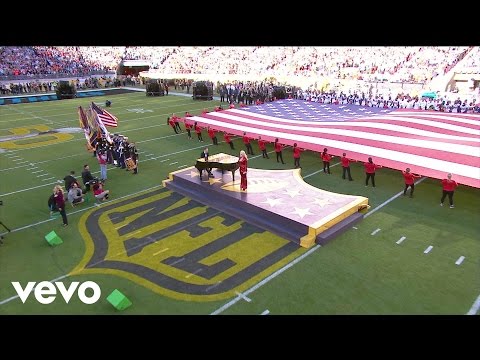
4: Lady Gaga (Super Bowl 50, 2015)

Lady Gaga’s theatrical interpretation of “The Star-Spangled Banner” at Super Bowl 50 is considered by many to be one of the best since Whitney Houston’s rendition in 1991. Sporting a sparkly red Gucci suit, Gaga adopted a slower pace, showcasing her vocal abilities, and making Little Monsters everywhere proud. Of course, the appearance wasn’t without controversy: the singer tacked on a second “the brave” at the end of the song, which caused discord amongst those who had placed bets on the length of her performance.
YouTube Video
Click to load video

3: Marvin Gaye (NBA All-Star Game, 1983)

Marvin Gaye was always a rule-breaker, and when he had the opportunity to sing the national anthem at the 1983 NBA All-Star Game, the “Prince Of Motown” did it his way. The artist was enjoying renewed success in the early 80s, having just released Midnight Love, which would become his best-selling album thanks to its hit single, ‘Sexual Healing’. Accompanied by a simple, pre-recorded drum and keyboard track, the singer was the epitome of cool, transforming the traditional tune into a languid soul song. Gaye raised some eyebrows, but he also raised the bar for all future “Star-Spangled Banner” performances. The crowd loved it and praised the performance with a standing ovation.

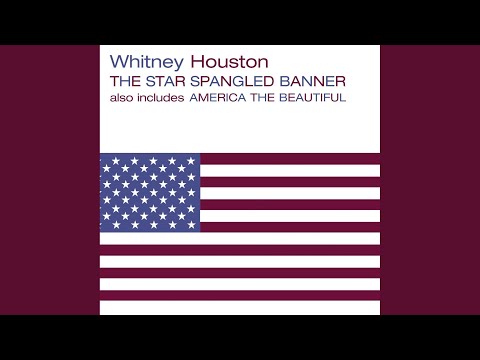
2: Whitney Houston: Super Bowl XXV (1991)

In January 1991, Whitney Houston was one of the biggest pop stars in the world. She had just released her third studio album, I’m Your Baby Tonight, and her single “All The Man That I Need” was weeks away from becoming No.1. The first Gulf War was also just ten days old. The country needed a little hope, and Whitney was the answer.

To prepare for her performance at Super Bowl XXV, Houston took a cue from Marvin Gaye’s iconic version and had the song arranged at a slower pace. Dramatically drawing out the final climax and taking the highest notes to new heights, the 27-year-old singer nailed it – though criticism arose when it was revealed that Houston had pre-recorded her vocals. This wasn’t the first time a singer did this for “Star-Spangled Banner” performances, and certainly wouldn’t be the last, but America ultimately embraced her performance – so much so, that the song was released as a single, with proceeds benefitting Desert Storm soldiers and their families. A decade later, following the 9/11 attacks, the single was reissued to raise money for the victims and first responders.
YouTube Video
Click to load video

1: Jimi Hendrix (Woodstock, 1969)

When Jimi Hendrix and his new, post-Experience band, Gypsy Sun And Rainbows, took the stage as the final act at Woodstock, they were about to make history. Three quarters into the set, Hendrix played a provocative, psychedelic version of the national anthem, setting off a wave of controversy (keep in mind, it was 1969 and any deviations from the traditional arrangement were unheard of).

It wasn’t the artist’s first time playing “The Star-Spangled Banner” at a show, but it was his most famous performance. Anything but straightforward, Hendrix’s four-minute rendition was wailing, distorted and full of improvisation – the feedback from his Stratocaster emulating the bombs that were exploding in Vietnam. Hendrix, a veteran of the Army’s 101st Airborne Division, denied that the performance was a protest; though he may have been anti-war, he wasn’t anti-American. Whatever his motives were, the guitarist made an indelible imprint with his interpretation of the song, and, in doing so, influenced generations of musicians to come.

Buy the best patriotic music on vinyl or CD now.

​Discover more about the world’s greatest R&B artists | uDiscover Music

Categories
R&B

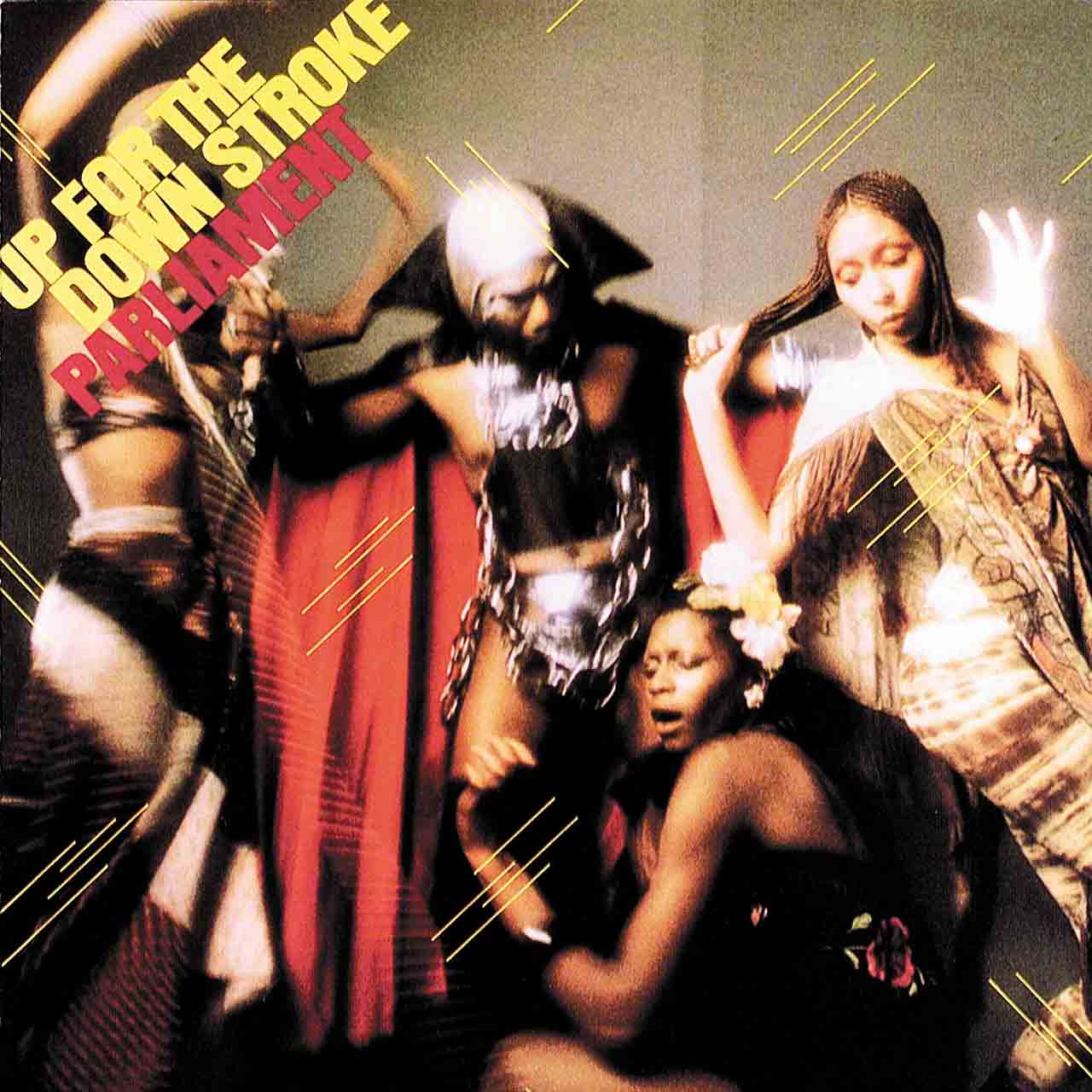
‘Up for the Down Stroke’: Parliament Finds The Classic P-Funk Sound

Parliament Up for the Down Stroke album cover

More than Parliament’s official second full-length, Up For the Down Stroke signals a sea change in the history of Parliament-Funkadelic: the inception of the classic P-Funk sound. The wigged-out predecessor Osmium (and Funkadelic’s early oeuvre) spiked Black pop’s punch bowl with psyche-soul tabs. But Up For the Down Stroke represents a reorganization of influences, sounds, and ideas that feels like hearing one of the most vital musical movements of modern times cohere in real time.

Recording and performing largely as Funkadelic during the first part of the 1970s, George Clinton and his ensemble of singers and musicians excelled in the heavy – grooves, guitar, and commentary. But by 1974 Clinton correctly sensed that his troupe needed to reinvent itself in order to keep pace with the ongoing innovations in Black music. He conceived a rebooted Parliament (itself an expanded iteration of the original Parliaments vocal quintet) as an entity with its own distinct sensibilities – “jazzy James Brown, or a pop Pink Floyd,” as he once described it. Sliding into focus as outlandish front man, Clinton found a willing label partner for his vision in Casablanca Records’ Neil Bogart (whose risk-taking and affinity for theatricality was reflected in his two other notable signees of the time, Donna Summer and Kiss). But where Funkadelic comfortably played bills alongside rock acts, Parliament would openly court Black radio as it defined its new sound.

Buy Parliament’s music on vinyl or CD now.

Up For the Down Stroke’s title track realized the goal straight away, becoming the group’s first Top 10 R&B hit, and blueprinted the P-Funk approach as it would come to be known: a heavy-on-the-one groove anchored by Bootsy Collins’s nimble bass, Bernie Worrell’s snaking keyboards, and super tight horn charts supporting an intriguing irresistible hook that could mean everything or absolutely nothing (or more of either than you initially thought). Nods to the group’s past manifest themselves in remakes of its 60s singles originally cut in the classic Motown style. Here they’re (obviously) funkier – and in their best moments oddly haunting (particularly on extended takes on “The Goose” and “All Your Goodies Are Gone”).

YouTube Video
Click to load video

Most memorable, however, is the material that foreshadows the conceptual brilliance Parliament would later more fully explore. An early manifestation of P-Funk’s cosmology, “I Just Got Back” (credited: “From the fantasy, Ahead of Our Time In The Four Lands Of Ellet”) finds Clinton exalting the beauty of a distant world he’s returned from “beyond the things that we’ve dreamed about” over lovely acoustic guitar and whistling. Best of all is the album’s eerie finale, “Presence of a Brain” – an espousal of humanity over artificiality that finds longtime P-Funk musical director Garry Shider testifying, “Magnetism is more intelligent than force.” By the end of the song, though, the energy has turned mournful, Shider pleading, “When’ll God’s children start thinking together/Learning to live and love one another?” Parliament already seemed to understand that fantasy, reality, and the stakes of controlling the soul of the universe were more closely intertwined than most realized.

Buy Parliament’s music on vinyl or CD now.

​Discover more about the world’s greatest R&B artists | uDiscover Music