Want your ground beef to have ten times the flavor it normally does? Instead of getting sad gray granules, cook it until it reaches this stage.

Food Republic – Restaurants, Reviews, Recipes, Cooking Tips









Want your ground beef to have ten times the flavor it normally does? Instead of getting sad gray granules, cook it until it reaches this stage.
Food Republic – Restaurants, Reviews, Recipes, Cooking Tips
Former President Barack Obama will campaign in Detroit with Michigan Democrats later this month, giving the party a high-profile boost ahead of the start of the state’s early voting period.
Obama is set to join Democratic Senate nominee Abdul El-Sayed, gubernatorial nominee Jocelyn Benson and other candidates on Oct. 24, the state party announced Monday.
“It is my honor and privilege to announce that President @BarackObama is joining us on the trail in Detroit on Saturday, October 24,” El-Sayed wrote on social media. “Get. Ready.”
The event comes 10 days before Election Day, with Democrats defending an open Senate seat and the governor’s office.
El-Sayed faces Republican former Rep. Mike Rogers in the race to succeed retiring Democratic Sen. Gary Peters. Benson, Michigan’s secretary of state, faces Republican Rep. John James in the open governor’s race.
Since leaving the White House, Obama has remained one of the party’s most popular figures, both nationally and among the party grassroots. He has campaigned in past cycles, but he’s made few public stops on the trail this year.
He previously campaigned in Texas with Democratic Senate nominee James Talarico and gubernatorial nominee Gina Hinojosa, and appeared in a campaign ad with Iowa Senate nominee Josh Turek.
The former president is also set to headline a Washington-area fundraiser Wednesday for the Democratic Senatorial Campaign Committee, his first with the party’s Senate campaign arm this election cycle.
Politics
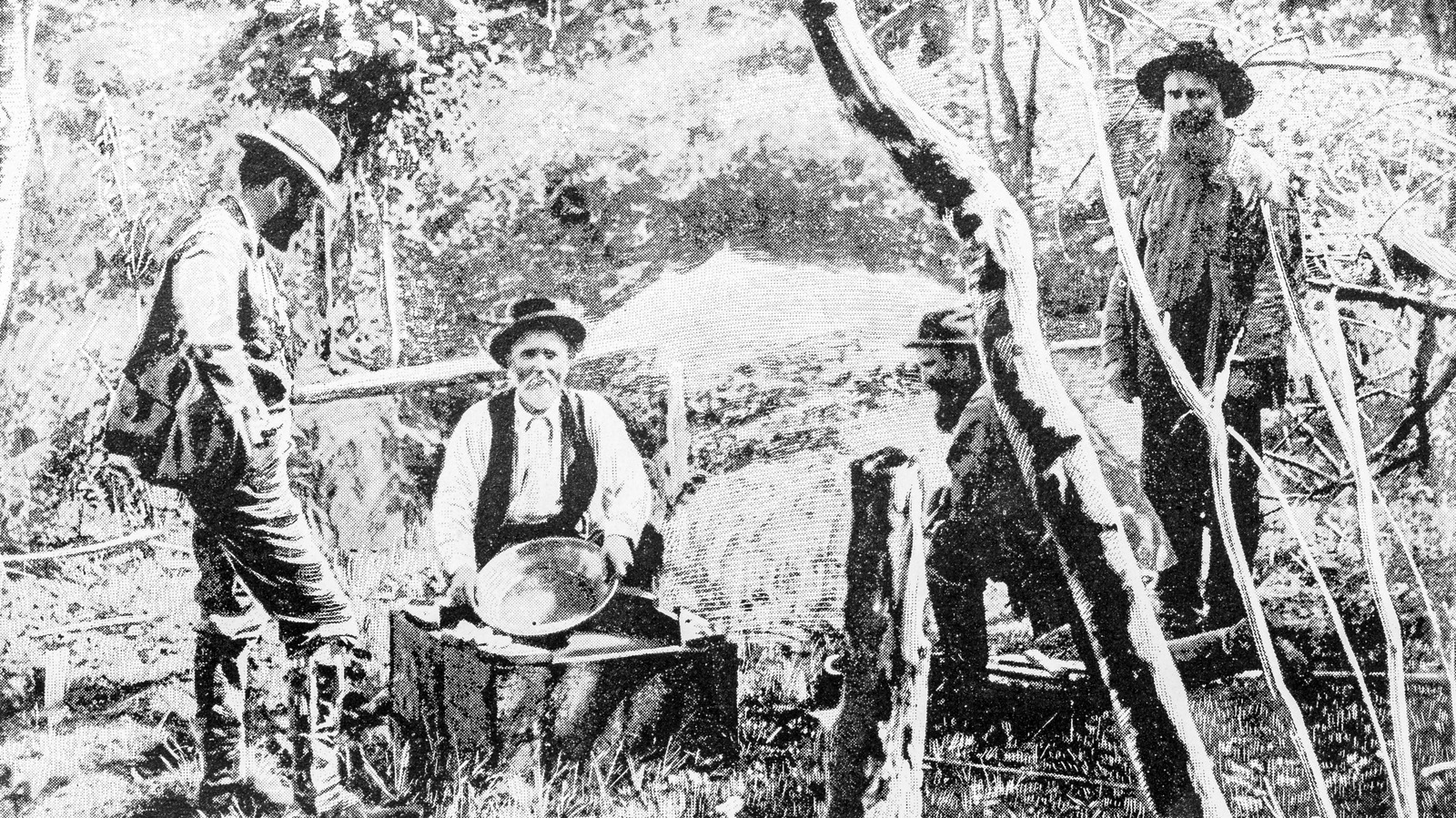
California’s Gold Rush brought a major population boom to the state. Prospectors in mining camps had to make do with whatever they could hunt, find, or afford.
Food Republic – Restaurants, Reviews, Recipes, Cooking Tips
By: James Brooks, Alaska Beacon
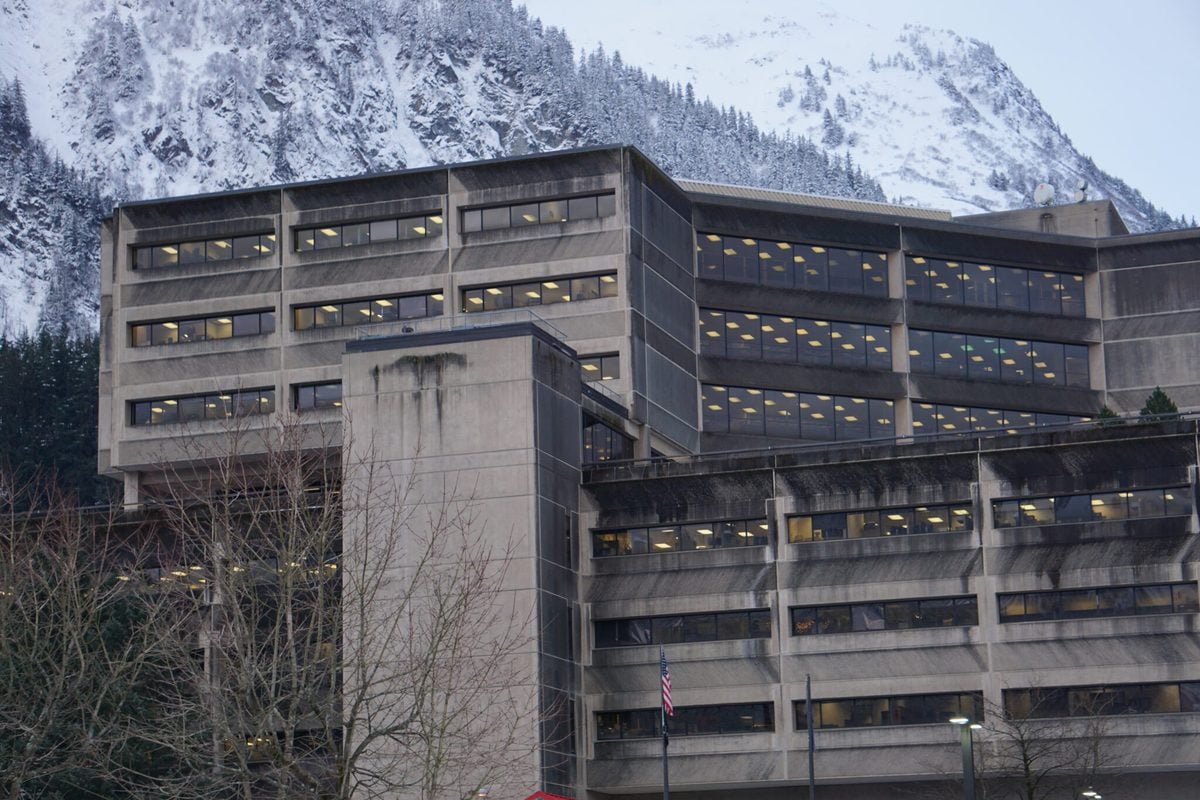
By the end of 2027, as many as 14,000 Alaska state workers could be paid by someone outside the state.
After years of trouble within the payroll department within the Alaska Department of Administration, the agency is planning to outsource the state’s public employee payroll to an outside company.
Proposals from interested companies were due Thursday, and in an internal letter, DOA Commissioner Paula Vrana said “it likely will be several weeks before a final decision is made.”
Vrana implied that if the proposals aren’t affordable or are otherwise unfavorable, the state will not proceed with outsourcing.
“As of now, we are exploring what options are available to the state and what value may be realized by this approach,” she wrote. “The final decision will be based on the proposals we receive.”
Vrana wrote that the department will begin talking with unions “to explore the options for transfers/placements of employees displaced by outsourcing” and if DOA does choose to outsource, “we will also work with the vendor to include as many existing state payroll employees as possible in their staffing plan.”
The state’s payroll department has struggled with staffing issues for years, leading to times when employees missed paychecks or encountered other problems with their pay.
In April, DOA published a request for information from companies that might be interested in providing “comprehensive payroll processing” for the state.
A three-page feasibility study dated Sept. 28 states that payroll work involves 78 employees in different agencies; all would be affected by outsourcing.
According to the state’s formal request for proposals, it is prepared to pay $4 million per year for a company to handle payroll. It currently spends about $10 million per year on payroll employees and functions, the feasibility study stated.
According to the study, in fiscal year 2025, state employees filed more than 1,500 “notice of pay problem” reports, and reducing the number of problems could make employees in other departments happier.
The first outsourced paychecks would come to a handful of departments on April 1, 2027, and other departments would be transferred to the outsourced payroll company through the rest of the year.
The outsourcing company would have to use the state’s existing payroll software programs, the document states, and the work would have to be done in the United States, but the contractor could get a waiver from the state that would allow payroll work to be done in a foreign country.
“The goal is not to change the system used to process payroll but to make payroll processing more efficient and ensure the state’s existing systems and processes are supported by qualified contracted professionals who can maintain continuity, reduce errors, and uphold the state’s obligations to its employees and the public,” the document states.
DOA provided a copy of the RFP documents to the Beacon this week; they were not previously published on the state’s public notice system, and the two public employee unions whose members would be affected by the outsourcing said they also had not previously seen the documents.
The Beacon asked DOA for an interview with Vrana or someone else involved with the outsourcing decision but was turned down.
In response to a written question asking why the department is planning to outsource, a spokesperson said by email: “Ensuring that employees are paid correctly and on time is the essential duty of payroll. Challenges stemming from high turnover and persistent vacancies within the Department have resulted in pay problems for some state employees. The administration has determined that outsourcing payroll may both provide significant recurring cost-savings to the State and improve services to its employees. However, no final decision on outsourcing payroll will be made until responses to the RFP issued earlier are evaluated.”
Jeff Kasper is the business manager of the Alaska Public Employees Association, which represents payroll workers. He’s not a fan of outsourcing.
“It usually costs more and doesn’t provide the efficiencies that you’re looking for. When you’re talking about public services, you’re essentially having the public pay more for something that’s probably not as good,” he said.
Kasper isn’t convinced that the Department of Administration has done enough to fix the problems that have deterred Alaskans from working for the payroll department.
“If people aren’t applying for jobs and accepting jobs, it’s usually because it doesn’t pay enough or it doesn’t provide benefits or it’s bad working conditions. This one could be all three, and I don’t think any of them have been addressed,” he said.
The state’s own feasibility study acknowledged those problems.
“Payroll processing occurs on a bi-weekly basis and does not have down time. This work environment and the entry level pay range are likely reasons for low retention and high staff turnover,” the study concluded.
As of last month, the study said, 58% of all payroll positions in the state are vacant, and it can take as long as a year of training before a new worker is capable of working independently.
MaryAnn Ganacias is the interim executive director of the Alaska State Employees Association, whose members are paid by the payroll department.
“Alaskans deserve to know what the problem is with the state and what they’re trying to solve by privatizing payroll,” she said.
Ganacias said state money spent outside Alaska is money that doesn’t benefit Alaskans.
“We need to do better investing in our own employees here in Alaska, and not outsourcing where the money actually goes,” she said.
Kasper said he doesn’t think the timeline described in the state’s RFP follows collective bargaining agreements or is realistic.
“The union’s not just gonna sit down and let this happen,” he said. “We don’t think the state has been following the process that’s in the contract.”
Kasper said his union’s contract with the state requires a 30-day consultation period before any outsourcing takes place, and even though the state’s RFP calls for a contract in November, he doesn’t think one is likely before Gov. Mike Dunleavy leaves office in the first week of December.
Kate Sheehan, policy adviser for the Department of Administration, said by email in response to Kasper’s comments, “The State engaged the Confidential Employees Association (CEA) on September 25th, and we have entered into the 30-day period for the union to submit any alternate plans to be considered during this process. DOA does not intend to contract out prior to the Union’s response and analysis of their input.”

By the end of 2027, as many as 14,000 Alaska state workers could be paid by someone outside the state.
After years of trouble within the payroll department within the Alaska Department of Administration, the agency is planning to outsource the state’s public employee payroll to an outside company.
Proposals from interested companies were due Thursday, and in an internal letter, DOA Commissioner Paula Vrana said “it likely will be several weeks before a final decision is made.”
Vrana implied that if the proposals aren’t affordable or are otherwise unfavorable, the state will not proceed with outsourcing.
“As of now, we are exploring what options are available to the state and what value may be realized by this approach,” she wrote. “The final decision will be based on the proposals we receive.”
Vrana wrote that the department will begin talking with unions “to explore the options for transfers/placements of employees displaced by outsourcing” and if DOA does choose to outsource, “we will also work with the vendor to include as many existing state payroll employees as possible in their staffing plan.”
The state’s payroll department has struggled with staffing issues for years, leading to times when employees missed paychecks or encountered other problems with their pay.
In April, DOA published a request for information from companies that might be interested in providing “comprehensive payroll processing” for the state.
A three-page feasibility study dated Sept. 28 states that payroll work involves 78 employees in different agencies; all would be affected by outsourcing.
According to the state’s formal request for proposals, it is prepared to pay $4 million per year for a company to handle payroll. It currently spends about $10 million per year on payroll employees and functions, the feasibility study stated.
According to the study, in fiscal year 2025, state employees filed more than 1,500 “notice of pay problem” reports, and reducing the number of problems could make employees in other departments happier.
The first outsourced paychecks would come to a handful of departments on April 1, 2027, and other departments would be transferred to the outsourced payroll company through the rest of the year.
The outsourcing company would have to use the state’s existing payroll software programs, the document states, and the work would have to be done in the United States, but the contractor could get a waiver from the state that would allow payroll work to be done in a foreign country.
“The goal is not to change the system used to process payroll but to make payroll processing more efficient and ensure the state’s existing systems and processes are supported by qualified contracted professionals who can maintain continuity, reduce errors, and uphold the state’s obligations to its employees and the public,” the document states.
DOA provided a copy of the RFP documents to the Beacon this week; they were not previously published on the state’s public notice system, and the two public employee unions whose members would be affected by the outsourcing said they also had not previously seen the documents.
The Beacon asked DOA for an interview with Vrana or someone else involved with the outsourcing decision but was turned down.
In response to a written question asking why the department is planning to outsource, a spokesperson said by email: “Ensuring that employees are paid correctly and on time is the essential duty of payroll. Challenges stemming from high turnover and persistent vacancies within the Department have resulted in pay problems for some state employees. The administration has determined that outsourcing payroll may both provide significant recurring cost-savings to the State and improve services to its employees. However, no final decision on outsourcing payroll will be made until responses to the RFP issued earlier are evaluated.”
Jeff Kasper is the business manager of the Alaska Public Employees Association, which represents payroll workers. He’s not a fan of outsourcing.
“It usually costs more and doesn’t provide the efficiencies that you’re looking for. When you’re talking about public services, you’re essentially having the public pay more for something that’s probably not as good,” he said.
Kasper isn’t convinced that the Department of Administration has done enough to fix the problems that have deterred Alaskans from working for the payroll department.
“If people aren’t applying for jobs and accepting jobs, it’s usually because it doesn’t pay enough or it doesn’t provide benefits or it’s bad working conditions. This one could be all three, and I don’t think any of them have been addressed,” he said.
The state’s own feasibility study acknowledged those problems.
“Payroll processing occurs on a bi-weekly basis and does not have down time. This work environment and the entry level pay range are likely reasons for low retention and high staff turnover,” the study concluded.
As of last month, the study said, 58% of all payroll positions in the state are vacant, and it can take as long as a year of training before a new worker is capable of working independently.
MaryAnn Ganacias is the interim executive director of the Alaska State Employees Association, whose members are paid by the payroll department.
“Alaskans deserve to know what the problem is with the state and what they’re trying to solve by privatizing payroll,” she said.
Ganacias said state money spent outside Alaska is money that doesn’t benefit Alaskans.
“We need to do better investing in our own employees here in Alaska, and not outsourcing where the money actually goes,” she said.
Kasper said he doesn’t think the timeline described in the state’s RFP follows collective bargaining agreements or is realistic.
“The union’s not just gonna sit down and let this happen,” he said. “We don’t think the state has been following the process that’s in the contract.”
Kasper said his union’s contract with the state requires a 30-day consultation period before any outsourcing takes place, and even though the state’s RFP calls for a contract in November, he doesn’t think one is likely before Gov. Mike Dunleavy leaves office in the first week of December.
Kate Sheehan, policy adviser for the Department of Administration, said by email in response to Kasper’s comments, “The State engaged the Confidential Employees Association (CEA) on September 25th, and we have entered into the 30-day period for the union to submit any alternate plans to be considered during this process. DOA does not intend to contract out prior to the Union’s response and analysis of their input.”
The post After years of problems, Alaska plans to outsource payroll for 14,000 public employees appeared first on Chilkat Valley News.
![<a href="https://tasteofcountry.com/marshals-season-2-recap-tragedy-reaction/" target="_blank">‘Marshals’: Fans React To [SPOILER] Stunning Death – S2 Preview</a>](https://townsquare.media/site/204/files/2026/10/attachment-marshals-season-2-recap.jpg?format=natural)
Marshals Season 2 wrapped up a major cliffhanger from last spring. Not everyone survived. Continue reading…Country Music News – Taste of Country
Reading Time: 3 minutes
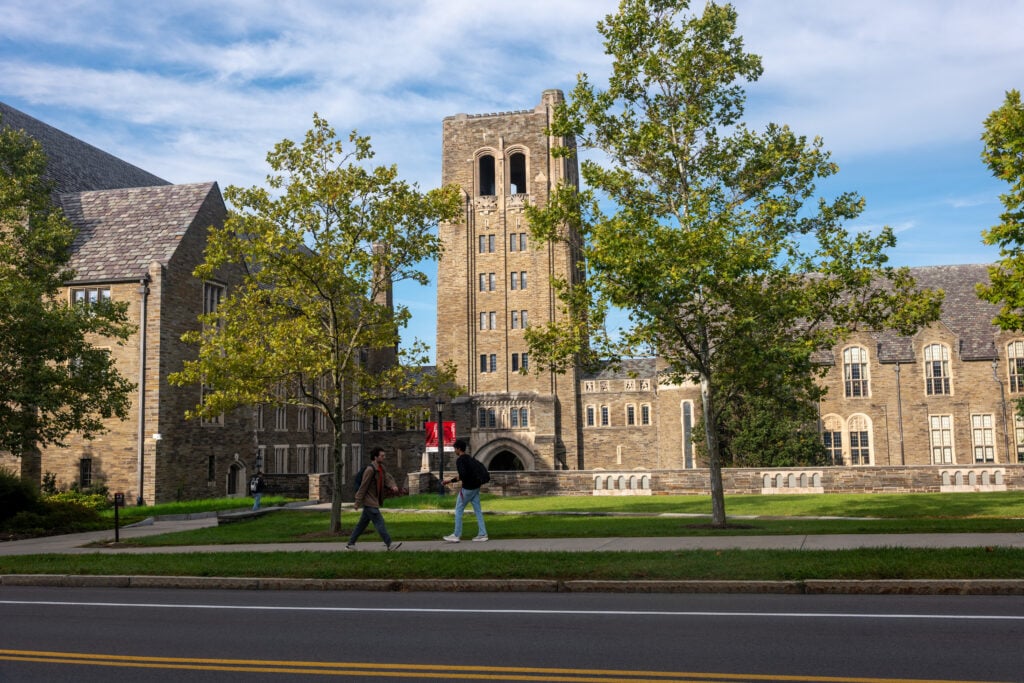
There is now a recording from the aftermath of the Cornell University gang rape case.
In statements, some of the accused rapists have claimed that Jane Doe consented.
This recording shows that, as she attempted to piece together the timeline of what happened, her former “friend” attempted to convince her that she was sober when it all began.
As Jane Doe mentions the medical assistance that she’s required, he makes no mention of posting an invitation for his fellow frat bros to “whip it out.”
Three weeks after the alleged Cornell University gang rape, Jane Doe called one of the alleged rapists, Matthew Ingalls.
She was still trying to piece together the timeline of what had happened to her.
In the recording, which TMZ has shared in part, she told Ingalls that she’d had 10 shots of booze before going to the Chi Phi house party on that fateful night.
“You did tell me you were sober, by the way,” he claimed to her. “You said you hadn’t been anywhere.”
It is worth noting that, prior to this horror unfolding, Doe believed Ingalls to be her friend.
Jane Doe reminded Ingalls that she was out of it, and wondered how so many guys from his fraternity had ended up in the room with her.
“If I wanted to take this somewhere, what y’all did would be classified as gang rape,” she told him bluntly over the phone.
Ingalls shared his claim about the timeline, which he said lead to a threesome.
“So you, you, you come in, say hi. We start dancing for like maybe three to five minutes, and then I pop the question. You say yes,” he told her.
“So I go up to [redacted] who was on the dance floor too, and I pop the question, and he’s like ‘Yo,’ and then we go upstairs,” Ingalls continued.
THE CORNELL RAPISTS. NOT THE CORNELL 7
— Drew Webb 🏳️🌈 (@archeryfan93.bsky.social) September 28, 2026 at 8:18 PM
Jane Doe then asked for Ingalls’ help identifying all of the men now known as the Cornell 7.
She recalled four men in the room, maybe more.
Though he had claimed to her that she was sober, he also said that their memories might both be clouded.
“I have racked my brain for this mystery,” Ingalls claimed to her. “You know, it’s possible that both of us, like, remember this, and it’s not true.”
He did not, at any point in the recording, mention to her sharing a photo of her nude on the bed in the Snapchat group or inviting fraternity brothers to “come whip it out.”
During the call, Jane Doe told Ingalls that she had spent time in the emergency room and also in therapy.
She explained that “there’s so much damage on my body and on my brain.”
(It is important to remember that even professional sex workers, such as porn stars, can be and sometimes are injured during entirely consensual encounters. Obviously, someone who is neither a professional nor consenting may end up with physical injuries alongside psychological and emotional trauma.)
In November 2024, Jane Doe reported to Cornell University police that she had been gang raped in the frat house.
Two men, including Ingalls, were expelled. Others were merely suspended or had to write essays. The university allegedly withheld key evidence from prosecutors and no charges were filed at that time.
Cornell University Recording Shows Matthew Ingalls Attempting to Convince Jane Doe She … was originally published on The Hollywood Gossip.
The Hollywood Gossip

Combining exceptional flavor, tenderness, and versatility with virtually no waste, this affordable steak cut is a great staple to keep on hand.

Food Republic – Restaurants, Reviews, Recipes, Cooking Tips

The group says the song “is truly carrying us right now.” Continue reading…Country Music News – Taste of Country

NOTN- A man whose remains were found inside a chest freezer this summer died of natural causes, according to Juneau police.
Below is the full statement released by JPD on Friday;
The Juneau Police Department has completed its investigation into human remains discovered inside a freezer at a residence in Switzer Village. The deceased was positively identified as Ross Anthony Pasquan, a Juneau resident who would have been 74 years old at the time of the discovery of his remains.
The State Medical Examiner’s Office determined that Pasquan died of natural causes related to severe cardiovascular disease. Investigators did not establish an exact date of his death or how long his remains had been inside the freezer.
The investigation found that Pasquan’s wife, Sheryl Ann McDonald-Pasquan, concealed his death and continued applying for and receiving benefits in his name. McDonald-Pasquan died from natural causes on July 14, 2025, approximately one year before her husband’s remains were discovered.
Discovery and Investigation
On July 19, 2026, at approximately 7:59 p.m., an individual came to JPD to report a possible body inside a chest freezer at McDonald-Pasquan’s property in the 6500 block of Glacier Highway.
The individual had been cleaning out the property following McDonald-Pasquan’s death. Inside a storage shed, they discovered a locked freezer. After locating a key and opening it, they observed a tarp-wrapped object that appeared to contain human remains. They closed the freezer and went directly to JPD.
Responding officers and investigators confirmed the presence of human remains, which were transported to the State Medical Examiner’s Office in Anchorage. On July 25, 2026, the remains were positively identified as Pasquan.
Witness interviews indicated that Pasquan had a history of significant health problems and that McDonald-Pasquan served as his primary caregiver. Witnesses said she explained his absence by telling them he had been moved to a care facility outside Juneau.
Based on the freezer being manufactured in 2018 and McDonald-Pasquan’s death in July 2025, investigators believe Pasquan’s remains were placed in the freezer between those dates. Investigators were not able to establish a reliable timeline and could not determine when Pasquan died or precisely when his remains were placed in the freezer.
Pasquan had not been reported missing before the discovery of his remains.
Benefits and Investigation Findings
Witness interviews and a review of benefit records supported the conclusion that McDonald-Pasquan concealed her husband’s death while continuing to apply for and receive benefits in his name, including Alaska Permanent Fund Dividends, Social Security benefits, and retirement benefits. Investigators also learned that a retirement benefit provider had not been notified of his death and was still depositing monthly payments into Pasquan’s account up until July 2026.
Investigators found no evidence that another person caused Pasquan’s death or assisted McDonald-Pasquan in concealing his remains or collecting his benefits.
The death investigation is closed following the medical examiner’s determination that Pasquan died of natural causes. The investigation into McDonald-Pasquan’s collection of benefits after his death is also closed because she is deceased.