A good bottle of merlot doesn’t have to cost you a small fortune nor do you have to trade buying your week’s groceries for a nice sip of red wine.

Mashed – Fast Food, Celebrity Chefs, Grocery, Reviews









A good bottle of merlot doesn’t have to cost you a small fortune nor do you have to trade buying your week’s groceries for a nice sip of red wine.
Mashed – Fast Food, Celebrity Chefs, Grocery, Reviews

Today, Friday, Oct. 2, Miranda Lambert has unveiled her long-awaited album Crisco, kicking off the 12-track collection with “Snakeskin Boots,” a daring collaboration with hitmaker Ella Langley.
Written by Lambert, Jesse Frasure, Kris Wilkinson, Natalie Hemby and Brendan McLoughlin, the song immediately transports listeners into a cinematic, old-school Western world. A 30-second intro built around mandolin and the crackle of what sounds like a vintage recording sets the scene before Lambert and Langley trade lines in the opening verse, eventually joining together in string of seamless harmonies on the chorus.
With Lambert and co-producer Jesse Frasure pulling from the sounds of the era of late-’60s cinematic Westerns, the track blends a vintage flair with a modern edge that could easily soundtrack a Quentin Tarantino film.
The midtempo track intensifies with a larger-than-life energy of its rebellious main character who is always ready to make her escape. The mysterious woman is depicted as someone who is equal parts seductive and dangerous while remaining completely in control. She lives fast, stays one step ahead and refuses to be tied down. At the center of it all are her snakeskin boots, which become a symbol of her independence.
“If the good all die young/ She gonna slip the hangman’s noose/ Stealin’ diamonds/ In her snakeskin boots/ If you ask her /How she shook the devil loose/ Boy, I’m faster/ In my snakeskin, snakeskin boots,” the female hitmakers sing.
“Snakeskin Boots” also make its world premiere at Country radio on Oct. 2.
The three-time GRAMMY winner revealed that the new single was originally written with Langley’s vocals in mind. Given their history of collaborating on songwriting, production and now multiple duets, it’s safe to say that Lambert is accurate in describing the two of them as “kindred spirits.”
Their creative partnership previously included co-writing Langley’s historic single “Choosin’ Texas,” while Lambert also served as an executive producer and co-producer on the Alabama native’s latest album, Dandelion. “Snakeskin Boots,” it’s now Lambert’s turn to showcase the magic the two create together on her own album, Crisco.
“When we were working on her album, I realized how many retro influences we share,” Lambert explains. “To me, this song is kind of Thelma and Louise if they didn’t drive off the cliff. It’s two badass women getting away with something, and she’s the perfect partner for that.”
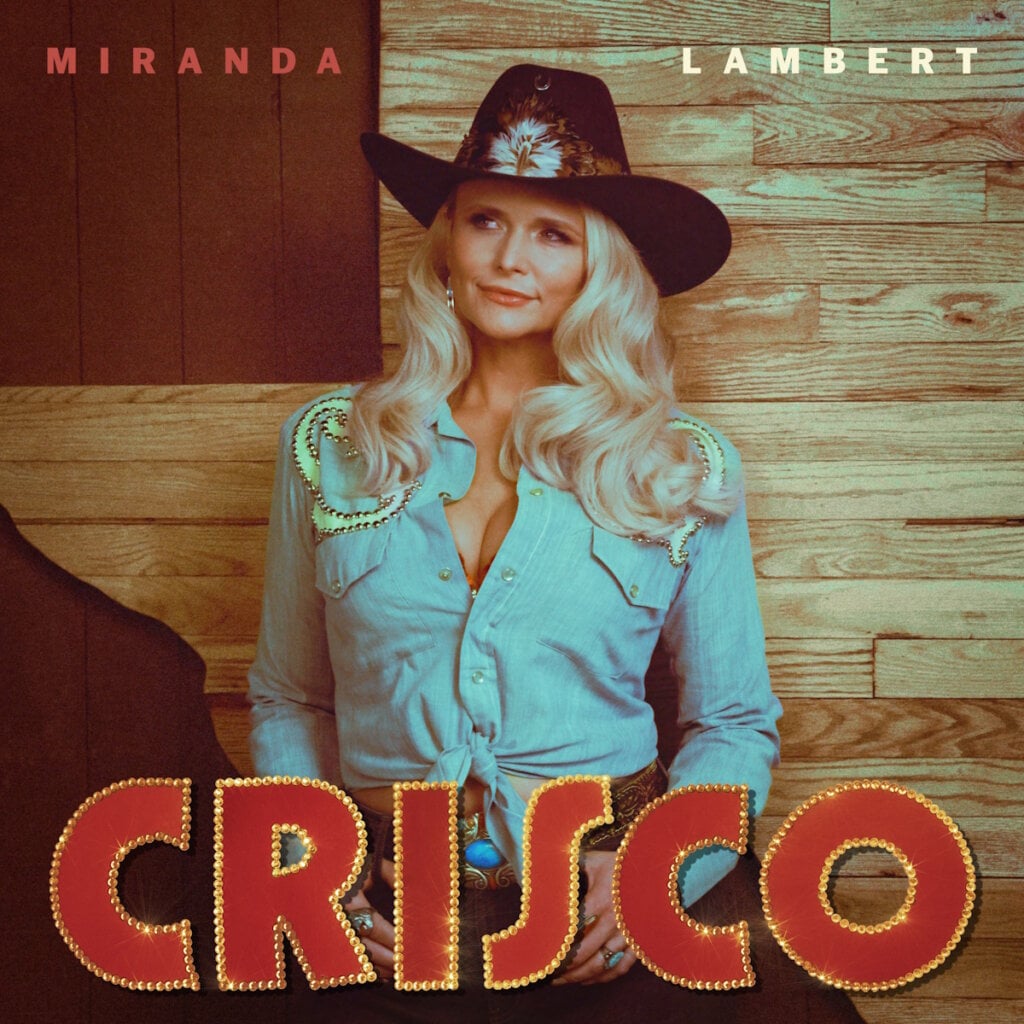
Crisco marks a new musical era for Miranda Lambert, showcasing her ability to push the boundaries of her creativity by blending classic country sounds with elements of disco-inspired energy through stories of heartbreak and hope, highways and honky-tonks, rhinestones and roller skates.
“We weren’t trying to make a retro record, but we channeled a feeling and this is where the music led us,” Lambert said of the collection.
“I hope when people listen to Crisco, it feels familiar while also feeling fresh,” she adds. “They can grab onto something that feels nostalgic, put their roller skates on and go on the journey with us.”
In addition to Langley, the just-released project also finds Lambert reuniting with longtime friend Chris Stapleton on the GRAMMY-nominated “A Song To Sing” and honoring one of her songwriting heroes with a new interpretation of Jim Croce’s “I’ll Have To Say I Love You In A Song.”
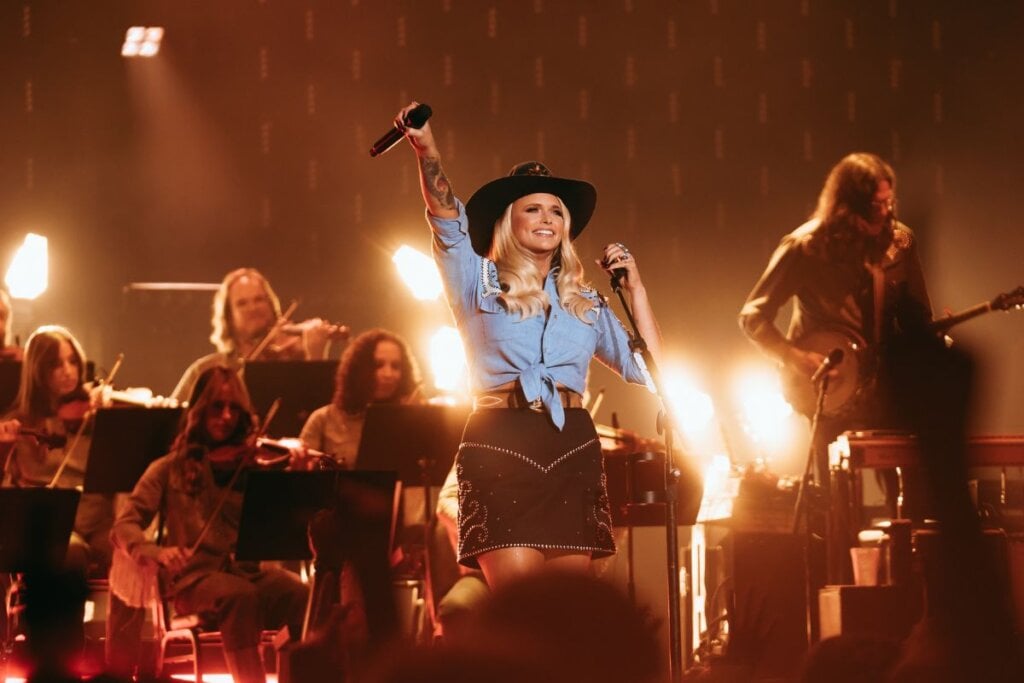
Lambert commemorated the album release by taking the stage at Nashville’s newest venue, The Truth, on Thursday, Oct. 1. The sold-out, one-night-only show featured the country star with a 12-piece string section, marking the first time her band has performed with strings on stage.
The Nashville stop is the first of two release-week shows. On Tuesday, Oct. 6, Lambert will return home to Texas for a second one-night-only show at Billy Bob’s Texas in Fort Worth.
The post Hear Miranda Lambert and Ella Langley’s Daring New Duet ‘Snakeskin Boots’ appeared first on Country Now.
Country Now

Reading Time: 2 minutes
As we previously reported, convicted murderer Christa Pike is currently hospitalized after surviving a botched execution.
Pike received two injections of phenobarbitol on Wednesday after being sentenced to death for the murder of Colleen Slemmer.
Her lawyers say Pike is still in critical condition and unable to communicate.
The attempted execution was supposed to be a carefully controlled procedure.
Instead, it quickly became clear to witnesses that something had gone seriously wrong.
Now, one of the few people who witnessed the execution firsthand is describing the moment he realized the situation was anything but routine.
Will Puckett was among just seven media witnesses inside the Riverbend Maximum Security Institution in Nashville on Wednesday night.
According to Puckett, the first warning sign came before witnesses even saw Pike.
“As we’re sitting in this room, and it’s now taking nearly an hour for them to open the curtain from the time that we’re sat,” Puckett told The US Sun, one of his fellow witnesses leaned over and told him, “It should not be taking this long for the curtains to open. Something’s going wrong.”
That assessment proved to be correct.
Puckett described the experience as “surreal” and said he was left “at a loss for words” as the procedure unfolded.
Rather than receiving an immediate explanation from prison officials, witnesses eventually saw the curtain open.
Pike’s attorneys later provided more details about what had happened behind the scenes.
Attorney Randy Spivey said medical personnel spent approximately an hour attempting to establish IV access, using at least seven needles in Pike’s arm. One needle reportedly came out bent.
Pike ultimately survived the two doses of pentobarbital administered during the failed execution.
Witnesses also reported hearing Pike breathing and snoring after the drugs had been administered. They were eventually escorted from the execution area without knowing exactly what would happen next.
On Thursday, Pike’s legal team confirmed that she was alive and receiving what they described as “life-saving care.” Her current prognosis remains unclear.
Tennessee governor Bill Lee has since suspended executions in the state for the remainder of the year and ordered an independent review of what went wrong.
We will have further updates on this developing story as new information becomes available.
Christa Pike In Critical Condition as Witnesses Offer Details of Failed Execution was originally published on The Hollywood Gossip.
The Hollywood Gossip
Political cartoons from the desk of Matt WuerkerPolitics
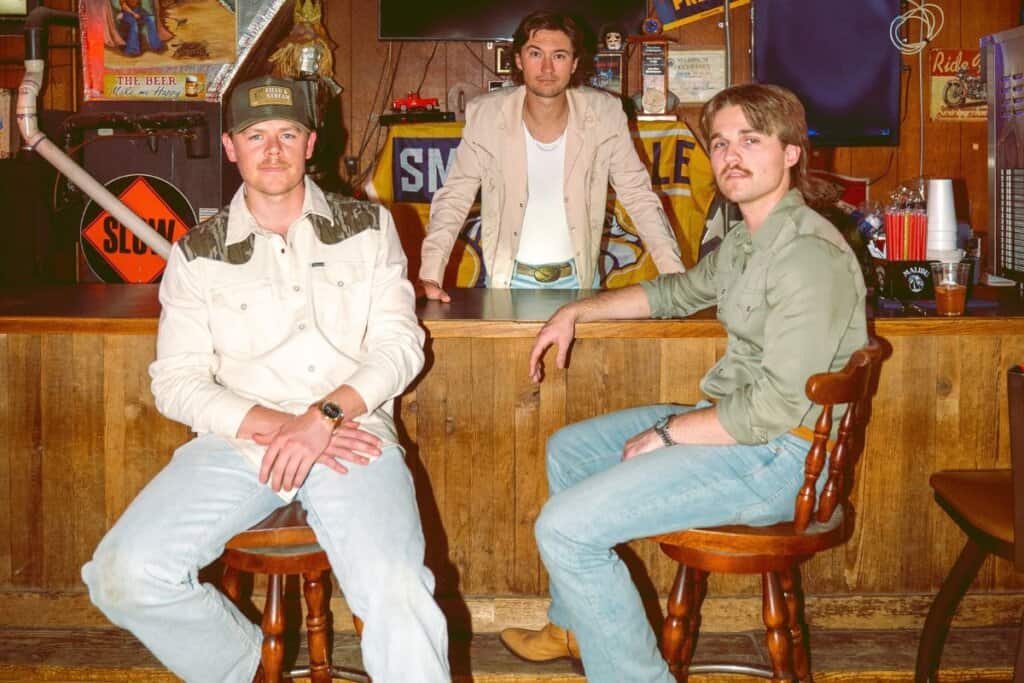
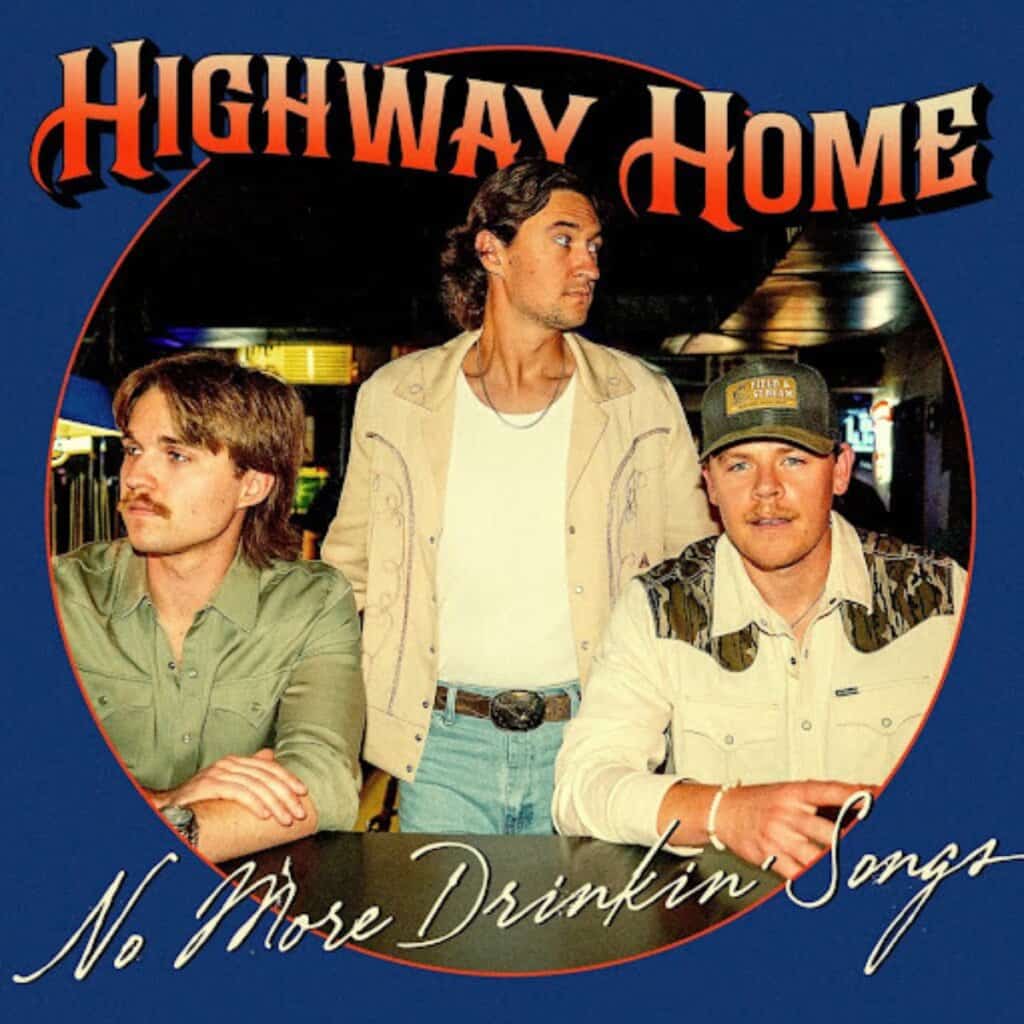
If you’re just getting to know Highway Home, the country trio of Eamon Owen, Conner Sweeny, and Stanton Langley, buckle up because they’re only getting started. Out today, their debut EP, No More Drinkin’ Songs, serves as the perfect introduction to who they are and where they are going as it gives listeners a taste of the sound, influences and chemistry that make the trio stand out.
Their story starts with three friends who were each pursuing music on their own before realizing that their shared love of country music was something worth chasing together. Originally from Alabama, Tennessee and Georgia, respectively, the three met through Nashville’s Music Row scene and officially joining forces in 2024.
Since then, Highway Home has quickly begun making a name for themselves and seeing an impressive growth in their audience. Their sound draws heavily from the country music of the ’90s and early 2000s, blending the nostalgia of the music they grew up on with a fresh, modern energy that comes to life through their signature three-part harmonies.
Now, their debut six-track EP, No More Drinkin’ Songs, gives fans an even closer look at what Highway Home is all about. Produced solely by Ryan Gore, the collection finds them reflecting on memories of their youth in “Never Grow Up,” putting their own spin on the classic honky-tonk drinking-and-love song with the title track, and ultimately exploring the highs and lows, heartache and experiences that have helped shape their sound so far.
We caught up with all three members of Highway Home to talk about how the group came to be, their journey so far and what they hope fans take away from the new project.
For anyone who might just be learning about Highway Home and starting to listen to your music, how would you describe your sound as a band?
Stanton – I’d say it’s pretty centered around the reminiscent country of the 2000s and the ’90s, but with a modern touch. I mean, we all listen to many different types of music, country music specifically. And we listen to what comes out today just as much as we listen to what was coming out in the 80s. So I mean, there’s definitely a fresh touch on it, but I would say it’s definitely pointed back towards what we would call the good old days.
Eamon – I think all of us just grew up listening to that music and ended up loving that era of music. So without even trying, that’s just whenever we’re writing songs, that’s what we love to try to go for. So it just came out naturally.
Where were you guys individually at the time when you first met?
Conner – We had been buddies for a while. We had all been going to all the writers’ rounds, been playing them, writing songs individually. We were all solo artists and we were all doing different things. Stanton was on the road as a guitar player and then also playing shows as an artist. Eamon was playing some shows and selling merch, riding around on a tour bus. And I was playing cover gigs for frat parties and that kind of stuff for years. And we all started writing songs together and decided that, hey, there’s a gap in the industry for this trio kind of sound. And we loved doing it together and somehow it just continued to make sense. And part of that was through playing Broadway shifts. Part of that was through playing writers’ rounds on Music Row. And part of it was just writing songs that we couldn’t think of anyone that would want to cut it other than us, which was cool.
When you did eventually come together, how did you land on the name Highway Home?
Stanton – Well, there’s an interstate that connects all three of our home states and it’s I-20, so that’s kind of our Highway Home.
Was there a turning point when you realized that becoming a group was that could really take off for the three of you?
Conner – When we first settled on wanting to do this, we had the thought, okay, we’re all going to be doing our solo careers because maybe we feel like we had something going on individually. But what started as what we wanted to be a side project quickly raised its hand and said, “Hey, Highway Home, this is the main project. This is what y’all are going to do hopefully forever.” So it was kind of unbelievable. We couldn’t believe it and we couldn’t be more stoked about it.
What would you say has been one of the biggest surprises or learning curves since starting this band?
Stanton – I would say probably just orchestrating putting routing together and just when it comes to touring, which we’ve been super, super blessed to have WME in our corner, especially our agent Doug. And he’s always throwing us bones and saying, “Hey, do you guys want to do this?” Which is so amazing. But it’s interesting because it’s like there’s three of us and while it helps to delegate who’s doing what, at the same time, sometimes things get lost on me because I thought you had it and he thought I had it. And so for me, that kind of stuff has definitely been the biggest learning curve at least.
You have already been on the road with some great artists, George Birge, Ashley Cooke, Priscilla Block. What do you guys feel like has been the biggest takeaway from opening for these acts?
Eamon – Being out with different artists, it kind of gives you an insight. One, how they work with their team because every team is going to have their similarities, but all of them are also going to have their differences and for us to be able to watch how they navigate, one, just like Stanton was saying, booking and how they’re actually navigating their tour of how to get from one place to another, but also just watching their set and seeing how they interact with crowds and what song they’re putting here, why that song is there, it’s leading into this new song they’re coming out with. So honestly, yeah, being out with different people just helps us as we hope to in the future have a headline tour and be able to take from all these different people of what they do so well and honestly try to just blend that in the future, whenever we’re fortunate enough to have our own headline tour.
Stanton – We also look to see how these people that we’re playing with carry themselves and how they treat us as openers, which not to say we’re showing up with that in mind, but it just sticks with you no matter how somebody treats you. And we’ve been really lucky to hit the road with quite a few people that have just kind of extended a hand to us and been like, “Y’all come on the bus,” or, “Y’all hang out with us after the show,” and just giving us pointers and just making us feel welcome. That’s the biggest part of it, I think, when you’re opening for someone is when you feel like they’re kind of untouchable, that makes it a little bit harder to settle in and feel good about what you’re doing, but we’ve been lucky.
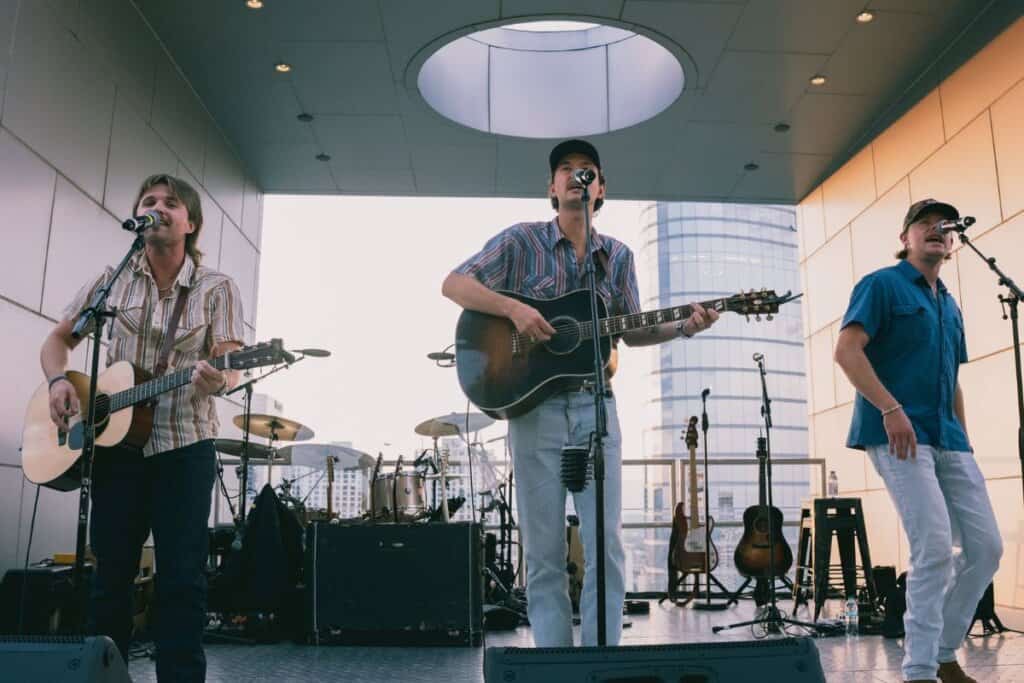
What can fans can expect from these six songs off your debut EP?
Conner – Yeah, these six songs, we’re so excited about them and it’s so cool because we’ve already gotten to put out two singles off of this EP, “No More Drinkin’ Songs” and “Never Grow Up.” And those, I mean, to date are by far the songs that we’re just so excited about. It’s been awesome. And the crazy thing is that the rest of the EP, we look at it and we’re like, “Okay, it’s even better.” So we’re really excited for folks to hear it. There’s three lead singers in our band. If the time comes that one of us has to be the lead singer, we’ll figure that out when we get there. But as of now, people are actually latching onto the fact that three voices are showing up in different places and our individual influences are really shining through. And so the track list is out in public and Eamon’sgot this song “Another Morning” that he brought to us and Stanton and I did not write, but Eamondid with our buddy Ryan Cohen and I think some others. But that one just shows such a really cool aspect of what Eamoncan do. And it’s this three-quarter time, really, really cool kind of sexy song that we’re excited for folks to hear, hopefully people latch onto.
We’ve got a song that’s called “Prettiest You I’ve Ever Seen,” and when we wrote that, I had the idea on my tractor cutting the grass and I was like, “Man, I think we could write something cool with this.” And it completely reflects the music that I grew up on. It has a lot of influence from Restless Heart, and that’s my favorite group of all time. And so I would say that this EP is so filled with our personal influences, and it’s consistent in the sense that it’s all Highway Home, but it also, each track and each artist or each one of us that sings it brings in a little bit of personal influence as well. So it is going to let the audience in on who we are, what kind of music we grew up on, and what sounds we’re drawn to.
What led you guys to title the project, “No More Drinkin’ Songs”?
Stanton – I would say that song’s been waiting around for a couple of years, and since it was written, there’s just been people saying, “Oh man, this one’s really good. This one’s special. It’s different. It hits you with a punchline that you’re really not ready for.” And so when we brought it forward and we started working with our producer and manager and label and so on, it was kind of like every person that was joining our team was sort of latching onto that song a little bit, and we love it too. And we could tell just by the response it was getting in a live environment that, okay, this is a song that we want to represent ourselves with. So when we put it out, we had just signed with a label and it was kind of our announcement to the world like, “Hey, we’re going public and we’re really getting after it and chasing this.” That was kind of the song that we dropped going along with that. So we figured it’s kind of cool to name the EP after something that commemorates that era for us and also just a song that when you see the title, you might think, “Well, I got to check that out because that sounds like a song I’m not going to like.” But then once you hear it, it’s quite the opposite.
What’s something about the three of you that you think fans might not fully understand or know yet?
Conner – I think that what would be great for people to know, and honestly, a lot of folks that I would say have become fans of us have come to know this because in this stage of our career, we’re having so much fun because every show we play, we’re allotting until someone tells us not to, time to go stand and talk to people. And connecting with people is pretty much the entire reason that we get to do what we get to do. We’re in the people business, we just happen to make music and we just love getting to know folks and being personal. And I think that everyone should just know that we’re very normal dudes. There’s no kind of a mystery about us. And sure, when we’re wearing nice outfits and on a fancy music video and whatnot, we may seem like we’re some kind of something else, but we’re very just normal dudes that cut our own grass. So I think people should know that.
What other goals do you have as a band right now?
Conner – Moving forward, we’re just really excited to continue to hone in on our sound, kind of similar to what I was saying about the EP. The way that all of our individual influences are coming into this music, along with our group goal of what we believe Highway Home is and can be, it’s still kind of dialing in. We’re definitely on it, but it’s an adventure every day. The songs are continuing to be written and we’re figuring out which ones make the most sense for us. We love writing the songs and we love recording the songs, but what we love the most is playing the songs and seeing how they connect to audiences. And so audiences are helping us figure out exactly what Highway Home is going to be and continue to be moving forward.
Eamon – I would say to add onto that, even for anybody that is listening that is going to be at a show, we play a lot of these unreleased songs that Conner was talking about that we love and that honestly, some of them have been recorded and some of them we’re still figuring out if we are going to record. So if you’re at a show and you hear something that you love, please come up and give us feedback because at the end of the day, we’re going to put out the music that we love, but we want to put out music that the listener loves as well. So yeah, that would be definitely something that I would love for people to hear from us.
Fans can keep up with Highway Home on Instagram.
The post Country Next: Highway Home appeared first on Country Now.
Country Now

Reading Time: 3 minutes
Late this summer, Johannah Duggar applied for a marriage certificate and then held a small, private wedding.
A blind item circulating online alleges that this was more of a shotgun wedding.
The Duggar cult famously forbids its victims from normal human relationships. They have side-hugging courtships until father-approved marriages.
Is Jim Bob trying to bury a major scandal?
Johannah Duggar married David Swanson in a small, private ceremony on September 10.
If she had not filed for a marriage license mere days earlier, it’s possible that we still would not know about it.
She’s reportedly planning a larger ceremony for October 10 … which isn’t unprecedented, but it seems a little odd for the Duggars.
“Once again one of the kids from the home of many kids got knocked up so they had to move up a wedding day,” a blind item circulating on TikTok alleged.
“The parents don’t even care any longer,” the blind item continued. “They just want them all out of the house.”
Some of the Duggar clan’s infamous rules were exaggerated or made stricter for the show.
(Jim Bob wanted to portray a sanitized version of the cult lifestyle, but he also wanted more consistency with the frumpy dresses that women and girls had to wear than other members of the cult necessarily enforced.)
Others are more serious, forming a key element of the extreme fundamentalist family’s lifestyle.
They are not allowed to have sex. They are not allowed to have sex ed. None of them learn anything about consent, because that is a foreign concept.
In fact, until marriage, “courtships” are supervised — and only allow side-hugs. It’s a sad existence, bereft of human contact or dignity.
If Johannah Duggar was pregnant for her wedding, then she violated cult rules — and Jim Bob is trying to hide it.
But not everyone believes that. We don’t just mean Duggar-defenders, either.
This rumor crops up over almost every Duggar marriage, it seems. Memorably, with Joy-Anna.
Yes, Duggars would be more likely to accidentally become pregnant if they had the chance to have normal teenage experiences, such as kissing or sex.
But they don’t really get those kinds of chances. A lot of folks are calling BS on this blind item.
Why are these stories so appealing?
Well, the extreme ideology of the Duggars spits in the face of human dignity.
It is normal, if not universal, for people to be sexual beings with desires and interests.
In the Duggar world, children learn that this is somehow “evil” or “corrupt,” even though that is not true.
Stories like this give people hope that the Duggar kids are able to find moments of privacy to, however briefly, exist and make their own choices like real teens should.
Maybe Johannah did. If so, she’ll give birth early next year and the family will be super vague about the timeline. But it’s more likely that she’s just another barely-past-being-a-child-bride that Jim Bob and Michelle have churned out. She won’t be the last.
Johannah Dugger Rushed to the Altar Because She’s PREGNANT, Blind Item Claims on … was originally published on The Hollywood Gossip.
The Hollywood Gossip

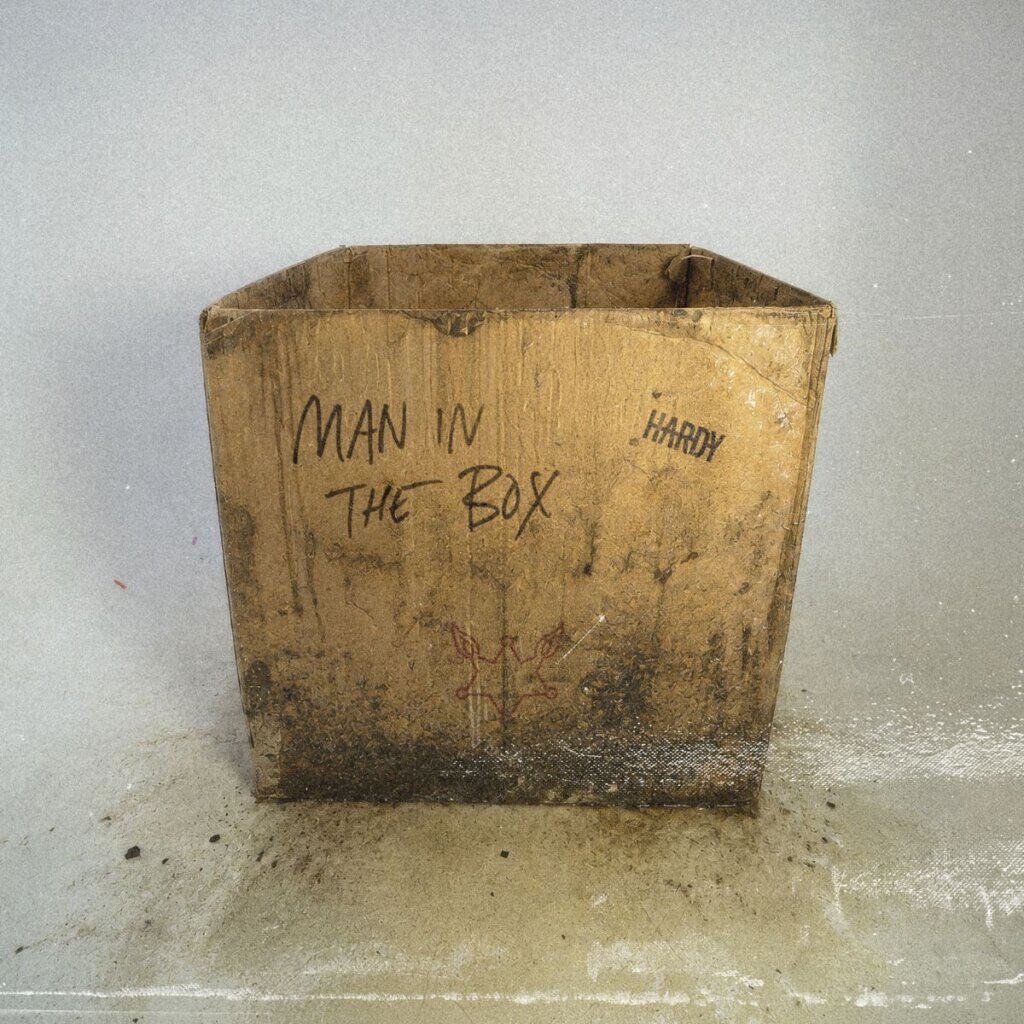
HARDY has never been an artist who fits into one box or one lane of music, and his new eight-minute single “Man In The Box” might be the best example of that yet.
Co-produced by HARDY and David Garcia and written by HARDY, Garcia, Chase McGill and Hunter Phelps, the song takes listeners on a journey through every corner of HARDY’s artistry while seamlessly spanning multiple genres and blurring the lines between country, rock, gospel and grunge. His vulnerability goes deeper than ever before with a faith-centered narrative that pushes the bounds of creativity in a way he’s never done before.
To help listeners better prepare for the musical journey that is “Man In The Box,” the hitmaker released a statement alongside the release, in which he first expresses gratitude for taking the time to listen to a song that he is “very proud of.”
HARDY then warns, “Be prepared. It’s very different.”
“It’s by far, I think, the bravest or at least the most creative thing that I’ve done so far. And I’m just very excited for this song to be out into the world. And you guys play a huge role in that. So thank you for even sitting down and listening to this song.”
He goes on to say that “Man In The Box” is essentially his very own personal attempt at a creating a “Bohemian Rhapsody,” pointing to the song’s unusual length strong ambition and drastic musical shifts. Much like the Queen classic, it doesn’t stay in one sound nor does it follow a traditional song structure. The song also previews where he is headed sonically in his next musical chapter.
“It’s just something I’m very excited about. I’m stepping into a new phase of my career sonically, and this is a perfect representation of it. So I hope you enjoy it.”
Lastly, instead of directly explaining the story that unfolds, he invites listeners to dig into the lyrics to try and figure out what it’s really about. The cryptic delivery is intentionally different from his usual straightforward storytelling, making the song feel a little more open to interpretation.
With HARDY’s words in mind, we can dive into the track and attempt to unpack the masterful creation from start to finish.
He starts back with just his vocals highlighted among a stripped back and acoustic guitar melody, telling what appears to be a coming-of-age story. He describes “two chemical lovers” coming together under the “moonlight” and creating him. Elements of his upbringing come to light as HARDY reflecting on having an “old man” who’s “a goner.”
Instead of dwelling on the hardship he endured early on, he offers a strong sense of determination and optimism while expressing a desire to make the most of his time, build a name for himself and see where life takes him.
There is a gradual shift into a more gospel-inspired section as the story moves forward with HARDY now moving from his carefree youth into adulthood and the realization of how fast time moves by, especially when you’re busy trying to figure it all out. He also reflects on how much he’s grown, giving credit to a higher power for helping shape the person he’s become and still relishing in the gift of life.
He sings, “You grow up in a hurry even when you don’t even try/ Whatcha gonna give (yeah)/ You’re rolling in the dirt next thing you know there’s years gone by/ To the world to the world to the world/ As far as I’m concerned by God you only get one life/ Damn it feels good to be alive.”
Then, the energy picks up, bringing in heavier rock influences that only grow stronger throughout the remainder of the track and eventually braking into his screamo sound that fans have previously gotten a taste of with his half-country, half-rock album the mockingbird & THE CROW. This is when things take a darker, more mysterious turn as HARDY finally introduces the “man in the box.”
He sings, “I’m just a guy with a strong determination/ To cruise and keep a chasing these tails until/ The new crew in town takes my spot/ Should I listen/ To my county line intuition/ Will I be the hero/ Or killed on the scene/ Tell me this/ Does the king of the country keep his/ Crown if he locks/ The man in the/ The man in the/ The man in the box.”
This final section takes the song to its most chaotic and intense place yet, as HARDY becomes consumed by questioning the “man in the box.” After spending the entire song trying to understand this mysterious figure, HARDY eventually comes to the realization that he may have been telling his own story all along.
He reveals, “maybe the man in the box is me,” indicating that the figure serves as a powerful reflection of himself, highlighting his ambition, success, pressure and the legacy he’s building. It brings the entire journey full circle before setting up the closing prayer that HARDY delivers in a hushed whisper.
“I give thanks to the Lord that gave its life today. I respect it in death as I respected it in life. May every part that be used be put to good use. And may its sacrifice feed the ones I love Amen,” he says as the music fades out.
After taking listeners through so many different emotions and chapters of his story, HARDY comes back to the same message at the core of the song: make the most of the life you’ve been given and leave something meaningful behind.
The post Breaking Down HARDY’s Eight-Minute Musical Journey, ‘Man In The Box’ appeared first on Country Now.
Country Now

Yes, that is Pat McAfee in the new trailer for Season 4 of ‘Tulsa King.’ Continue reading…Country Music News – Taste of Country
Yes, that is Pat McAfee in the new trailer for Season 4 of ‘Tulsa King.’ Continue reading…The Boot – Country Music News, Music Videos and Songs

 Michael Douglas is releasing a decades-long secret.
Over forty years after he and Kathleen Turner raised eyebrows with their onscreen chemistry in the 1984 film Romancing the Stone, Douglas—who…
E! Online (US) – Top Stories