Categories
Politics

‘We are going in the wrong direction’: Republican convention dogged by the cost of living

DALLAS — Republicans are panicking that President Donald Trump’s policies are drowning out their cost-of-living message — and that it may be too close to the election to fix it.

GOP lawmakers and candidates woke up in Texas on Wednesday to an alarming reality: Trump deepening his trade war with Canada as oil hit $100 per barrel, following new military strikes against Iran.

Publicly, Republicans plan to downplay their latest woes — or blame the Democrats. But several of them at the midterm convention this week are privately strategizing with GOP leaders and Trump administration officials to shore up vulnerable candidates in battlegrounds and in states the president won by double digits in 2024.

Attendees pose for photos outside the American Airlines Center during the first day of the Republican National Midterm Convention in Dallas on Wednesday.

Vice President JD Vance is scheduled to address a breakfast Thursday with the delegations from Pennsylvania, Ohio, Michigan and Wisconsin, where Republicans are eager to hear how he will navigate the party’s economic woes, according to three people with direct knowledge of the matter, granted anonymity to share private plans. Others are pushing to use the convention to reclaim the cost-of-living issue that’s haunting Republicans after it buoyed them two years ago, planning to argue in their speeches that their party can still be trusted to bring down prices.

In a closed-door meeting Wednesday, a group of top senators and candidates in tough races — including Sen. Jon Husted (R-Ohio), North Carolina Senate nominee Michael Whatley and Georgia Republican Senate nominee Rep. Mike Collins — huddled with leaders from the Senate GOP-aligned super PAC to discuss a battleground map increasingly under pressure as the party tries to fend off voters’ ire around the economy.

“You can’t hide the fact of what the price of gasoline is, we know that,” Collins told POLITICO in an interview after the closed-door meeting, as he reiterated his support for Trump’s efforts to neutralize Iran as a nuclear threat, arguing that the U.S. has long been at war with Iran but “we’re putting an end to it with this president.”

An attendee dressed in patriotic attire wears an oversized “Make America Great Again” hat.

Many Republicans didn’t want to talk about economic concerns amid the party at the American Airlines Center in Dallas, where MAGA hats cost $47 (a discount from the $55 online) and water went for $8 a bottle.

“We are going the wrong direction,” said one GOP lawmaker attending the convention granted anonymity, like others in this story, to speak candidly of the spiraling economic indicators and the challenges they were creating. “We don’t have a lot of time left.”

Senior Republicans are quietly dismayed about the pileup of Trump economic moves that have rattled voters and key industries in their states — including the worsening trade war with Canada that threatens the auto and farm sectors in the Midwest, his step to import more foreign beef ahead of the midterms that’s infuriated ranchers and farmers from Texas to Iowa, along with spiking oil prices amid the war in Iran that are cutting across the map.

“We’re putting Iowa in play,” one frustrated senior House Republican said on the sidelines of the convention of the Senate map. “We’re putting Texas in play. They shouldn’t be.”

The one advantage they have: money. Battleground Republicans and GOP leaders have been itching for Trump to unleash his massive war chest to help them fend off Democratic attacks over voters’ concerns about gas and everyday costs among the ongoing war. Trump’s orbit started to make good on its promises Wednesday morning, doling out millions in spending for key Senate races through an affiliated Super PAC known as No Going Back PAC Inc., two people with direct knowledge of the matter confirmed.

But Republicans know that campaign funds can’t solve everything.

Rep. Brandon Gill (R-Texas) was among the selected speakers.

“We got to talk about the issues that people are dealing with. Families can’t afford their house, they can’t afford the food, they can’t afford health care, they can’t afford child care,” Sen. Rick Scott (R-Fla.) said in an interview in the convention hall.

He placed most of the onus on Congress to tackle those issues and cut spending, but admitted Trump’s war with Iran had economic consequences.

“We have higher gas prices now as a result of the president trying to keep us safe as a result of what Iran wants to do,” Scott said. “So that’s hopefully a short-term problem that he’s going to deal with by destroying the regime.”

In a statement, White House spokesperson Olivia Wales argued that Democrats “created the affordability crisis.”

“President Trump has spent every day in office working to undo their mess and lower costs for working families by signing the largest middle class tax cuts in history, lowering the cost of prescription drugs, permanently expanding the child tax credit, fueling wage growth, and reshoring American manufacturing to create more high paying jobs,” Wales said.

Natalie Baldassarre, a spokesperson for the RNC, similarly blamed Democrats for surging prices, adding that “Republicans are cutting taxes, lowering drug prices, and putting money back in families’ pockets.”

Several Republicans plan to use their convention addresses to blame their Democratic opponents for voters’ price pains and argue it’s Republicans who are putting more money in Americans’ pockets — like Mike LiPetri, who’s running to unseat Democratic Rep. Tom Suozzi in New York. Others plan to paint a rosier picture of the economy than many voters say is the case right now.

That’s been a hard message for Republicans to sell. An August POLITICO Poll shows that a 34% plurality of Americans hold Trump fully responsible for the state of the current U.S. economy, compared with just 17% who say the same for former President Joe Biden.

An attendee wears an earring featuring President Donald Trump—a visible sign of his enduring influence over the Republican Party.

And the very real time crunch — with less than two months until the November election — was a tangible pressure throughout the day in Dallas, as Republican lawmakers, battleground candidates and party officials gathered for what was planned to be a grand event to celebrate GOP accomplishments and drive turnout.

“Look, I think obviously we want to continue to drive down costs, whether it’s energy, whether it is housing, whether it is groceries,” Rep. Mike Lawler (R-N.Y.), one of the most at-risk House Republicans in November, said in an interview. “We’re seeing, you know, obviously continued volatility in the oil markets, and we want to bring that down.”

Lawler, who is speaking at the convention Thursday night, touted Trump’s deal over Venezuela oil and largely blamed policy moves by New York Democrats for his state’s higher energy costs.

Trump told reporters Wednesday that oil prices are set to drop amid the ongoing U.S. conflict with Iran — but not until after the midterms, which is much later than those anxious Republicans would hope.

Some GOP hopefuls point to the overall goal to dismantle Iran’s nuclear capabilities as a necessary national security posture. The uptick in oil prices, therefore, is a short-term consequence for a greater long-term foreign policy success.

“We [have] to be patient with the fluctuations, especially with oil and what’s happening in the Gulf now,” said Marty O’Donnell, the Republican looking to unseat Democratic Rep. Susie Lee from her Las Vegas seat.

Attendees during the first day of the Republican Midterm Convention.

And the Republicans assembled in Dallas were the ones most likely to support the president — plenty of other lawmakers, including members running in tough races, stayed away, as did some rank-and-file Republicans.

“We have to hope that in six weeks the price per barrel goes down because it’s a big deal,” said one Georgia-based Republican strategist who is not attending the Dallas convention. “The Dems have been beating the daylights out of us on that for a while now.”

A GOP county chair in a region with House races that have been made more competitive by Trump’s unpopularity echoed those concerns.

“There’s no other commodity that when you drive down the street, you see the price,” said the county chair who also wasn’t in Dallas. “I know what gas costs because it’s on a fucking billboard on every intersection, and I’m forced to see it. It’s the most visible indicator of the economy, where we stand.”

And while Republicans are hoping that Trump can get his party’s economic messaging on track in his convention keynote address, some aren’t holding their breath for a major breakthrough.

“Maybe, maybe, maybe, maybe, maybe the president delivers a coherent speech that is clear, that is direct, that is policy oriented, that is forward-looking, and they can cut that up in social media and post that up all over the place,” said the GOP county chair. “Will he do that? Absolutely not.”

Mia McCarthy contributed to this report. 

​Politics

Categories
Sports Fox

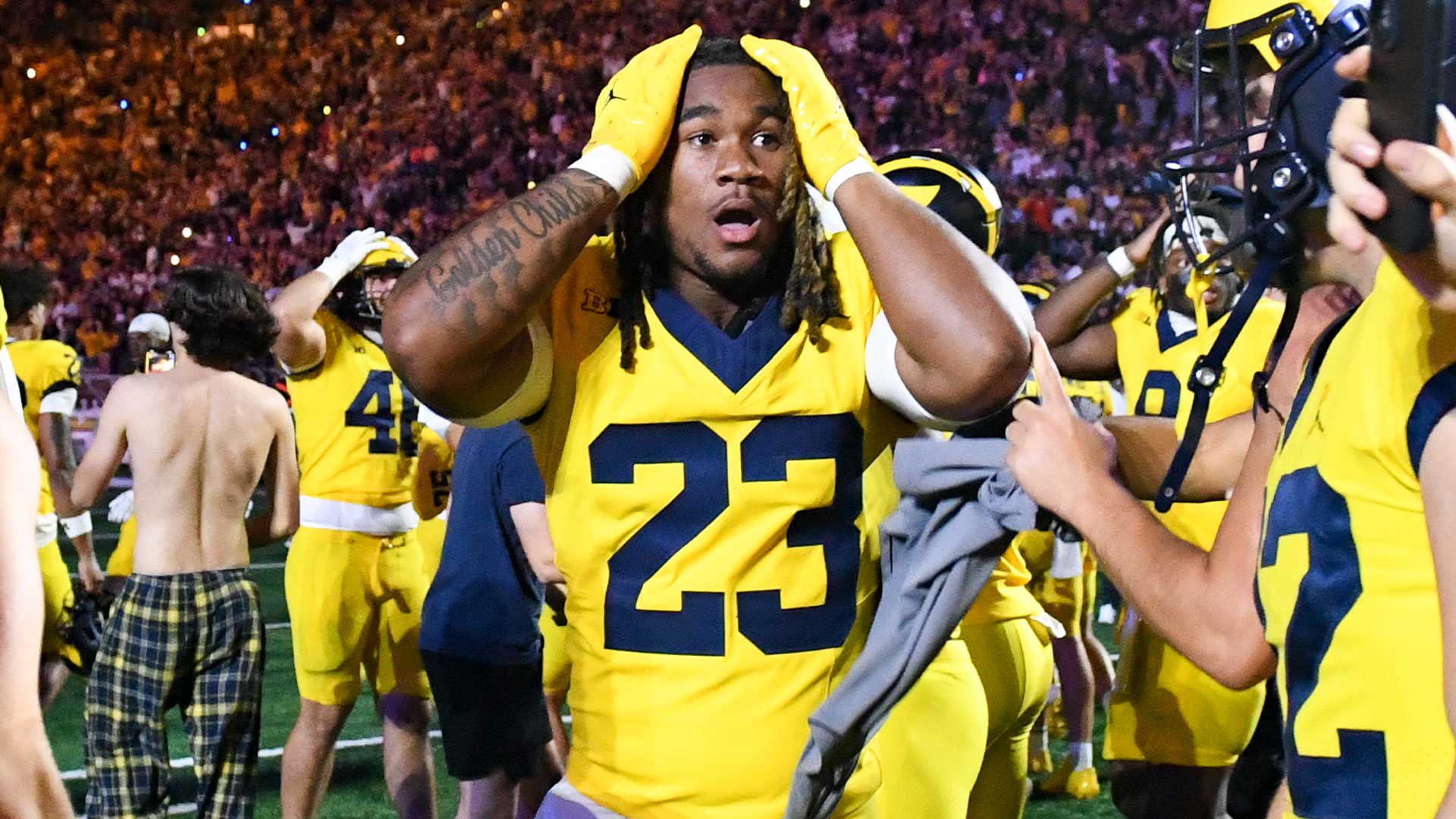
Michigan, LSU And The Price Of Being Right In College Football

Look, LSU. Look, Michigan. College football doesn’t like what you’re doing — or what you’ve been allowed to get away with. You’re paying the malicious compliance tax. That’s the tax where folks are doing just enough to satisfy the rules or the contract, but not enough to make the process a pleasant one. And being right isn’t going to change their minds. College football has spent the last few years changing what it will tolerate. Players can make millions. Transfers can move immediately. The playoff can crown an undisputed national champion. The sport has made room for immediate eligibility upon transferring schools — “free agency” — according to some coaches. But there are still lines that fans, coaches and administrators simply won’t let you cross. LSU and Michigan are the latest high-profile examples of how the sport operates, and it’s on emotion first. Objectively, the Wolverines did nothing illegal in their 13-12 win over in-state foe Western Michigan. They played by the rules enforced by Big Ten officials and scored what — under normal circumstances — would have been a dramatic, game-winning touchdown at home. Michigan fans stormed the field, and head coach Kyle Whittingham made the appropriate remarks about narrowly escaping with a victory. Except they didn’t. The Wolverines didn’t win the game — not in the eyes of the public and not in the eyes of the Mid-American Conference, which lodged an appeal with the NCAA and College Football Playoff seeking to have its loss overturned. Normally, the scoreboard settles these kinds of debates. But the clock is at issue, and to everyone watching the broadcast, the game was over when it struck zero. Then, the replay booth intervened. Its clock showed one second remaining after the play was dead. One second Michigan didn’t appear to have. One second that gave the Wolverines another snap and a chance to turn what looked like a 12-7 loss into a 13-12 victory. The rules said Michigan had time. The audience saw a game that was already over. And in the end, Michigan went on to win a game that most believe is so unfair that they want to see the final result changed. Now, No. 11 Oklahoma comes to the Big House on Saturday (noon ET, FOX), and the fallout from that finish has changed the way people see Michigan. The Wolverines aren’t just viewed as a team that got away with one. They’re viewed as a team that isn’t as good as many of us who cover the sport once thought. In my Top 25 rankings this week, I dropped Michigan from No. 16 to No. 25 despite the fact that it won the game on the scoreboard. And the scoreboard deserves our respect. Heck, even the NCAA does. According to NCAA Rule 1-1-3-5 Winning and Final Score, Article 3, paragraph B: “When the referee declares that the game is ended, the score is final.” But in a move I found utterly shocking, my peers who vote in the AP Top 25 Poll each week saw fit to cast Michigan out of the top 25 entirely. That’s a drastic fall — 10 spots if we’re counting down through the teams that also received votes — and it tells us something: Most AP voters don’t believe Michigan’s win on the scoreboard is valid. And that raises the question of just how much it means to win — or lose — as each week draws us closer to the 2026 College Football Playoff selection. Meanwhile, in Baton Rouge, the SEC is suing one of its own members in federal court. In its amended complaint, the conference alleges “a lack of institutional control” and is seeking a court order that could pave the way for LSU’s expulsion from the SEC. LSU head coach Lane Kiffin and his program have continued to not just act against the interests of its conference, but mock it. On Saturday night, Kiffin asked a rhetorical question during a halftime interview while his team was throttling Dabo Swinney’s Tigers. “Imagine if we had pro players,” Kiffin quipped. It’s the kind of joke Kiffin thought was harmless, but the rest of us — notably the SEC — saw as a mockery of one of college football’s core beliefs: Professionals aren’t allowed to play the amateur game. The fact that some college players make more money annually than some NFL players doesn’t incite the same outrage as Kiffin attempting to put men who have signed professional football contracts on his college roster. The SEC wants to make an example of LSU. As of Wednesday, the feud between LSU and the SEC has cooled down, at least now. The Tigers added two players to complete its 105-man roster, eliminating the possibility of bringing in former NFL rookies Dae’Quan Wright and Zxavian Harris. But emotion, not reason, has long been the guiding hand of college football. This weekend was no different. I believe three things get you and keep you in a job: 1. Be on time. 2. Be good at your job. 3. Have people like you. You must have two of the three to keep your job. That means if people like you, and you’re on time, you can get away with not being excellent at your job. But if people don’t like you, and you show up late, being good at your job isn’t going stop you from getting fired. Right now, the SEC doesn’t believe LSU is on time — look at the timing of adding these players — and doesn’t much like LSU. It really doesn’t matter that LSU stomped a mud-hole in Clemson and walked it dry if you’re not on time and people don’t like you. And that’s why college football is a people business. Managing emotions and irrational expectations is how this sport moves. When you take those emotions for granted or try to talk people out of how they feel with reason, they turn feral in a hurry. They’ll remind you just what is and isn’t kosher. In this chaotic moment for college football, the sport has shown once again it knows what it wants, what it will allow and what it won’t. My advice: Say you’re sorry for winning a game the sport believes you shouldn’t have, Michigan. Apologize to the SEC with both knees on the floor, LSU. I assure you, the juice ain’t worth the squeeze.​Latest Sports News from FOX Sports

Categories
Entertainment

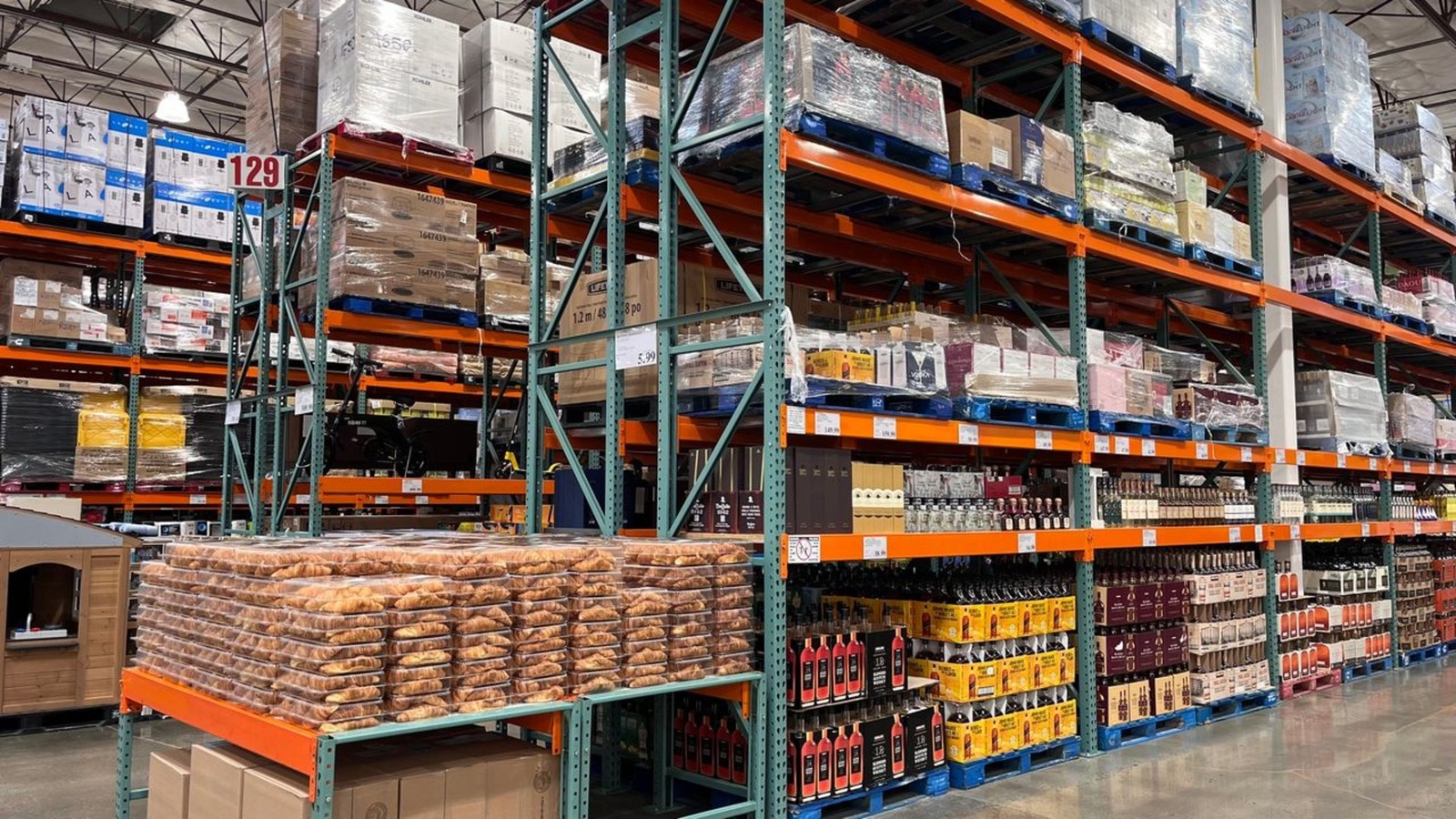
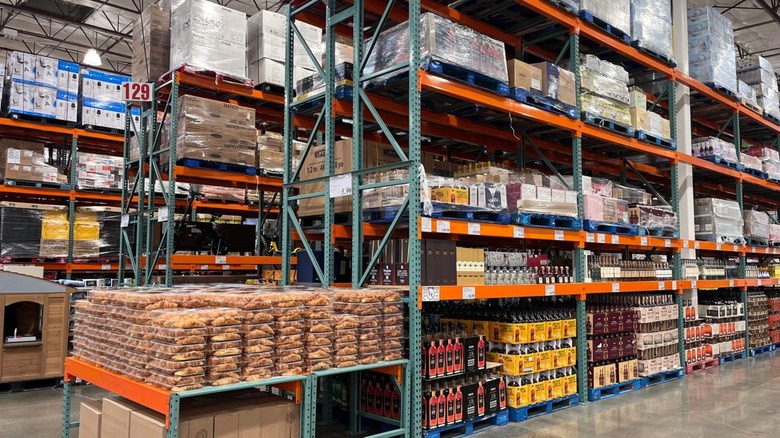
Customers Are Calling These The 10 Best Costco Breakfast Items Of 2026

Costco is full of breakfast options to suit many a morning routine, but if you’re unsure what to get, here’s what shoppers have been loving this year.

​Mashed – Fast Food, Celebrity Chefs, Grocery, Reviews

Categories
Alaska News

Alaska continues rollout of Rural Health Transformation Program awards

The Providence Kodiak Island Medical Center, Kodiak's main hospital, is seen on Feb. 2, 2024. (Photo by Corinne Smith/Alaska Beacon)

The Providence Kodiak Island Medical Center, Kodiak’s main hospital, is seen on Feb. 2, 2024. The hospital facility is owned by the Kodiak Island Borough who was awarded $3.8 million in September 2026 to update the hospital’s climate control system. (Photo by Corinne Smith/Alaska Beacon)

Alaska Department of Health officials announced a fifth round of federal Rural Health Transformation Program funding awards on Friday. The latest awards for $25.8 million bring the total to more than $207 million to date.

The funding is aimed at bolstering Alaska’s rural health system. The latest round of awards will go to 32 projects focused on improving health access, nutrition, telehealth services, healthcare infrastructure, workforce development and more. 

Alaska was awarded $272 million in federal funding under the program this year, with the remaining roughly $65 million expected to be awarded in the coming weeks, ahead of a federal deadline of October 30.

Congress created the Rural Health Transformation Program last year as part of the Trump administration’s One Big Beautiful Bill Act to offset the fallout from the bill’s nearly $1 trillion in Medicaid spending cuts over the next decade — particularly in rural communities. The $50 billion in program funding is set to be allocated over the next five years, until 2030. Alaska is one of the largest recipients and is slated to receive roughly $1.3 billion.

The department received nearly 1,800 project proposals and narrowed down a list of more than 400 projects in June from healthcare entities including hospitals, clinics, Tribal health organizations, as well as state agencies, local governments and school districts. 

Among the list of projects in the latest round of awards published Friday, several awards have been granted to local governments. Those include $435,000 to the City of Kenai Fire Department for modernizing emergency services; $3.8 million to the Kodiak Island Borough for updating its hospital’s climate control system; and two awards of nearly $750,000 to the Matanuska-Susitna Borough for upgrading emergency services and mobile medical care. 

The Wrangell Public School District is set to receive over $608,000 for a new virtual-reality based program for middle and high school students learning about healthcare sciences and careers in nursing, emergency medicine, behavioral health, dentistry and community health.

Tribal governments, tribally-led entities and health consortiums were among the awardees. Grants include $4.8 million to the Alaska Native Tribal Health Consortium for expanding access to pharmacy care; $323,000 to the Cook Inlet Tribal Council to expand behavioral health services; and $219,000 to the Norton Sound Health Corporation for upgrading maternal and neonatal care equipment.

The Native Village of Chenega was awarded over $242,000 to begin planning and designing a new clinic to serve the Prince William Sound community. 

New technology upgrades are a focus of many proposals that received awards. 

The passenger and cargo service air carrier, Ryan Air, was awarded $4.1 million for a proposal to deploy “autonomous cargo drones and electric vertical take-off and landing aircraft” to deliver prescriptions and transport patients and healthcare providers in the Bethel and Dillingham regions, according to an award summary. 

“This project addresses the near-total lack of reliable, affordable pharmaceutical access and medical transport in remote Alaska Native villages, where geography, weather, and the absence of road infrastructure create life-threatening gaps in basic healthcare,” the company wrote in its proposal. 

The Alaska Commercial Company, a privately-owned grocery chain, was awarded $1.8 million to build containerized hydroponic mini-farms for growing fresh produce year-round in four unidentified communities in rural Alaska.

“We intend to use compact indoor growing systems to address the unreliable supply of fresh fruits and vegetables in remote communities across Western, Northern, and Southeast Alaska. All communities in this project are not on the road system,” the company wrote. 

The state health department awarded its own Division of Public Health $300,000 for information technology upgrades to improve coordinated care for high-risk youth, and over $452,000 was awarded to its Division of Public Assistance to implement a healthy food waiver program for recipients of the Supplemental Nutritional Assistance Program, or SNAP.

The new waiver program would allow Alaska to restrict the purchase of certain non-nutritious foods with SNAP benefits, including soda and candy.

However, healthy foods waivers are a subject of legal dispute with the Trump administration: A federal judge ruled in June that the U.S. Department of Agriculture, which oversees the waiver program, overstepped its legal authority in allowing five states to ban the purchase of certain foods, vacating the waiver programs in those states. The USDA filed an appeal in federal court last month. 

Officials with the Division of Public Assistance said in a statement Wednesday that Alaska was not a part of the litigation and so the new waiver program “remains under development.” They said the division is working with the USDA’s Department of Food and Nutrition Administration and will “and proceed with applicable federal requirements and federal guidance.” 

SUPPORT: YOU MAKE OUR WORK POSSIBLE

Categories
Music

7 Country Stars Who Left Nashville and Still Succeeded

They’re not afraid to buck the system. Continue reading…​The Boot – Country Music News, Music Videos and Songs

Categories
Music

7 Country Stars Who Left Nashville and Still Succeeded

They’re not afraid to buck the system. Continue reading…​Country Music News – Taste of Country

Categories
Entertainment

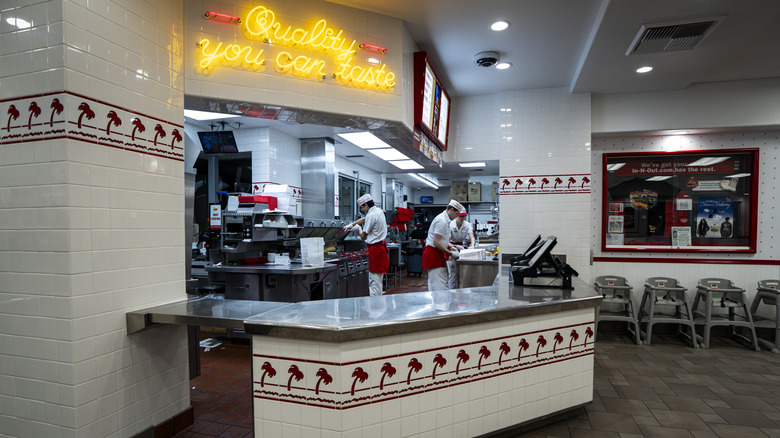
2 Changes In-N-Out Made To Its Menus In 2026

In-N-Out has news for its many fans in 2026. The popular burger chain’s announcement of menu tweaks may seem subtle, but will have nutritional impacts.

​Mashed – Fast Food, Celebrity Chefs, Grocery, Reviews

Categories
Music

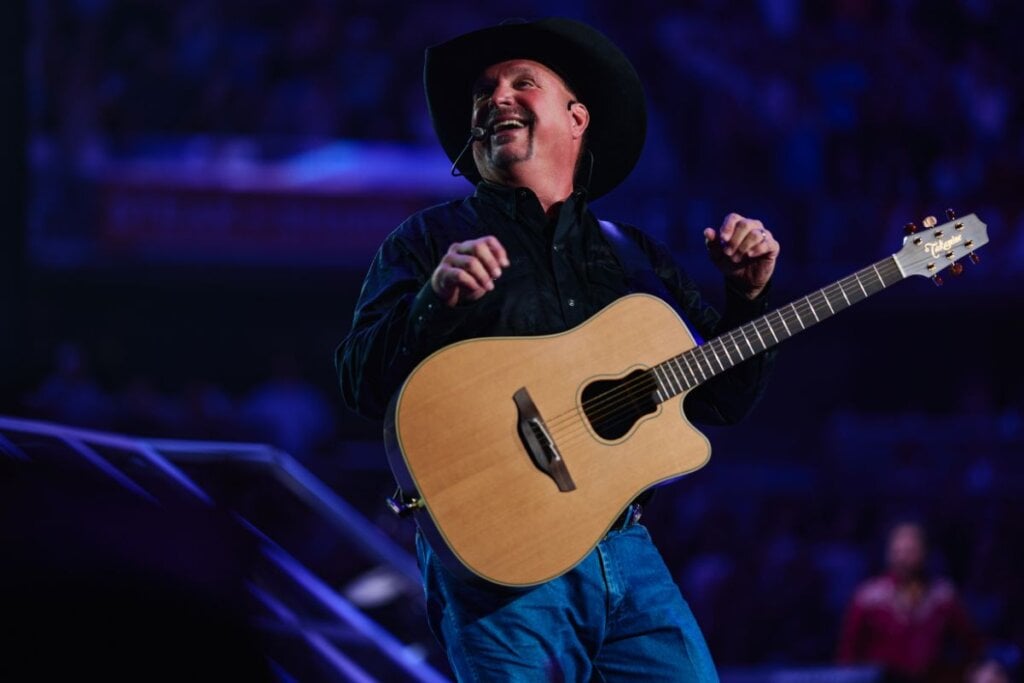
Garth Brooks’ ‘Blame It All On My Roots’ Arena Tour: Dates, Tickets and Everything to Know

Garth Brooks is keeping fans on their toes when it comes to his 2026 “Blame It All On My Roots” Arena Tour. Rather than announcing the full tour at once, the country music icon is revealing each city one at a time, with some stops receiving multiple nights.

Earlier today, Brooks announced plans to bring the tour to Salt Lake City, Utah, marking the sixth stop on the arena tour. He will perform at the Delta Center on Friday, October 9, and Saturday, October 10.

With this tour, the “Friends in Low Places” singer has promised to keep concert tickets affordable by offering every ticket at the same price, regardless of where the seat is located in the venue. Whether fans are seated in the front, back or anywhere in between, every seat is the same price.

Garth Brooks; Photo by Ben Krebs

Tickets are $154 each, including the $140 ticket price, $4 facility fee and $10 service charge, plus applicable taxes. With both end-stage and in-the-round seating configurations, Brooks is making sure every seat in the house comes with the same price.

“Let’s talk for a moment about the cost to go to a concert,” the Oklahoma native previously shared. “There’s the ticket price. Currently, the average country concert ticket price is $175. That’s the average. Dang! You never go alone, so double it, at least. Parking? Want a T-shirt or two? Maybe dinner? You are looking at one expensive evening,” he explained.

By taking control of the ticket pricing for the tour, Brooks hopes to make his shows accessible to the fans who have supported him throughout his career, regardless of their budgets or financial circumstances.

Garth Brooks; Photo by Ben Krebs

“We have always chosen to do the one overall ticket price simply based on this thought: Where you sit in the arena shouldn’t depend on how much you can afford,” he explained. “It should be all just luck of the draw.”

The “Blame It All On My Roots” Arena Tour also marks the return of Brooks’ iconic Drum Pod, a signature element of his live shows. 

Throughout the tour, Brooks brings his biggest hits to the stage, turning arenas across the country into massive sing-alongs.

Garth Brooks; Photo by Ben Krebs

ANNOUNCED “BLAME IT ALL ON MY ROOTS” ARENA TOUR DATES: 

Thursday, September 10 – Chicago, IL – Allstate Arena 

Friday, September 11 – Chicago, IL – Allstate Arena

Saturday, September 12 – Chicago, IL – Allstate Arena 

Sunday, September 13 – Chicago, IL – Allstate Arena (matinee show)

Friday, September 18 – Washington, D.C. – Capital One Arena

Saturday, September 19 – Washington, D.C. – Capital One Arena

Friday, September 25 – Orlando, FL – Kia Center 

Saturday, September 26 – Orlando, FL – Kia Center 

Friday, October 9 – Salt Lake City, UT – Delta Center 

Saturday, October 10 – Salt Lake City, UT – Delta Center 

The post Garth Brooks’ ‘Blame It All On My Roots’ Arena Tour: Dates, Tickets and Everything to Know appeared first on Country Now.

​Country Now

Categories
Sports Fox

A Complete Timeline Of The Aftermath Of Michigan’s Controversial Win

The controversy surrounding the ending of the Western Michigan and Michigan game hasn’t slowed down heading into Week 2. Despite formal appeals, statements and lingering concerns the backlash shows no signs of stopping anytime soon. How much time was actually left? That still hasn’t been determined with so much discrepancy surrounding the play and the cannon of an arm that Wolverines quarterback Bryce Underwood showcased on Saturday night. As things stand now, the call will stand and there will be no action or league involvement. Here’s a timeline of everything that’s happened since the controversial call in Ann Arbor: Saturday Night Michigan entered the matchup as a nearly four-touchdown favorite. However, Western Michigan hung in there and remained competitive until the final whistle, at one point leading 12-6 and standing on the brink of pulling off the biggest upset in program history. However, that lead was put to the ultimate test as the clock hit zero and Underwood unleashed a final Hail Mary. As the ball bounced off multiple defenders in the back of the end zone, the game seemed over… or was it? While the TV broadcast clock showed zero, replay officials came together and confirmed one second remained when the previous pass hit the turf out of bounds. Given one final chance, Underwood this time launched a game-winning Hail Mary touchdown to JJ Buchanan as time expired. The wild final play was only the start of a controversial sequence that would become the talk of the college football world. Later On Saturday Night The controversial call made waves across the sport. Both Michigan coach Kyle Whittingham and Western Michigan coach Lance Taylor shared their thoughts on the final play, which was impactful enough to prompt official statements from both the MAC and the Big Ten. “But as I looked, I knew it was close,” Whittingham said after the game. “When the ball sailed back to the end zone, I glanced up at the clock, and it was just ticking to zero, and somebody had touched it. I didn’t know who had touched it, but apparently it was a defender that had already established an out-of-bounds position. I’m assuming they got it right. They looked at it and their technology that they have is very advanced, I guess.” Even with Whittingham coming out victorious, he offered an honest opinion and backed the officials. Similarly, Taylor focused on why his defense failed to execute as they should have, refusing to make excuses. “I know when I looked up at the clock, it was past zeros before we touched it,” Taylor said. “I knew that they would review it. It was the last play of the game, and because we defended it so well, wasn’t worried or concerned about our guys going out and defending it the second time. Unfortunately, we did not defend it as well the second time.” The MAC and Big Ten both issued statements following the game, and everyone accepted the outcome despite the controversy. Sunday Statement Released On Sunday, NBC Sports addressed the growing controversy on air during the Washington vs. Washington State game. Host John Fanta delivered a statement on behalf of the network regarding a clock dispute from the game. He made sure to remind viewers that the TV graphics don’t dictate official game time. “Now, the official time of the game is kept by the Big Ten,” Fanta said. “Our cameras are not the official arbiter of timekeeping within the game. That is the Big Ten and game officials’ responsibility. After the game last night, the Big Ten released a statement and raw video from its replay process that showed how and why the decision was made.” Monday: Rules and Extra Seconds Continue to Dominate the Conversation When it comes to the rules of the sport and how officials operate, few people are more qualified than FOX Sports rules analyst Mike Pereira. He joined “The Joel Klatt Show” on Monday to break down the latest controversy. His explanation for why Big Ten officials didn’t follow protocol focused on the discrepancy, saying that they needed to rely on the television footage. “The official replay officials have been told that if there is a discrepancy, use the television footage,” Pereira said. “Do not use your footage in the command center. Use the footage that 10 million people are watching, not the one that’s three.” Despite heavy criticism of the call, Pereira defended the officials but criticized the review result, stating that the game crew made the best possible decision in real time with the information they had. “When it’s all said and done, that’s what should have happened, and there shouldn’t have been another play,” Pereira said. “They did not look at the television copy of what was being shown to all of us.” Tuesday: MAC Decides To Appeal Ruling After initially accepting the ruling, the MAC reversed course and decided to appeal. On Tuesday, MAC Commissioner Jon Steinbrecher released a statement indicating that proper replay protocol was not followed. Following a careful review, the NCAA denied the MAC’s appeal, as the Football Bowl Subdivision Oversight Committee stated that it does not have the power to alter the outcome or final score of a game. With that in mind, Michigan remains the winner of the game, even with all the controversy surrounding the result. Both Michigan and Western Michigan will be heading into Week 2 with an outcome that will always be known as the “what-if” game.​Latest Sports News from FOX Sports

Categories
Alaska News

When will Alaska’s statewide candidates debate? Here’s a list of events.

Six candidates running for Alaska governor participated in a debate on education hosted by the Alaska Superintendents Association in Juneau on July 30, 2026. (Photo by Corinne Smith)

Six candidates for Alaska governor and lieutenant governor participated in a debate on education hosted by the Alaska Superintendents Association in Juneau on July 30, 2026. (Photo by Corinne Smith)

The first ballots for Alaska’s Nov. 3 general election will be mailed Sept. 18 by the Alaska Division of Elections, and early voting is scheduled to begin Oct. 19.

At the Alaska Beacon, we’re trying to keep track of debates, forums and other events that will feature all or most of the candidates for statewide office — governor, U.S. House and U.S. Senate.

Below is our working list of events. It’ll be updated as we learn more. If you know of an event where multiple gubernatorial, U.S. House or U.S. Senate candidates will appear and it isn’t on this list, email jbrooks@alaskabeacon.com and let me know!

  • Aug. 26, 3:30 p.m.: AOGA governor forum @ Dena’ina Center (Governor) — AOGA
  • Aug. 27, 10:45 a.m.: AOGA Senate forum @ Dena’ina Center (U.S. Senate) — AOGA
  • Aug. 27, 2:55 p.m.: AOGA House forum @ Dena’ina Center (U.S. House) — AOGA
  • Aug. 28, 10:15 a.m.: AML governor forum @ Wedgewood Resort, Fairbanks — AML
  • Sept. 8, 5:30 p.m.: Last Frontier Republican Club governor debate forum @ Petroleum Club, Anchorage — Bronson, JKT and Taylor confirmed
  • Sept. 9, 6 p.m.: Kodiak fisheries governor forum @ Gerald C. Wilson Auditorium, Kodiak
  • Sept. 12, 11 a.m.: Kodiak fisheries U.S. House and U.S. Senate forum @ Gerald C. Wilson Auditorium, Kodiak — Peltola and Hill confirmed yes
  • Sept. 16: Alaska Hospital and Healthcare Association forum in Girdwood — JKT, Wilson and Bronson have confirmed
  • Sept. 17, 11:30 a.m.: Chugach Electric Forum in Anchorage — Bronson confirmed
  • Sept. 17, 4 p.m.: Commonwealth North forum, Anchorage — Bronson, JKT and Taylor confirmed
  • Sept. 19, 2 p.m.: Mat-Su Chamber forum
  • Sept. 21, 6 p.m.: Alaska gubernatorial energy forum @ Anchorage Public Library — Alaska Public Media’s Lori Townshend hosting
  • Sept. 22, noon: Anchorage rotary governor candidate forum, Petroleum Club in Anchorage — all four candidates scheduled
  • Sept. 23, noon: gubernatorial forum on recreation, trails and related economic issues, 11th Annual Confluence Summit, Cordova
  • Sept. 24, 12 p.m.: Juneau Chamber of Commerce governor candidate forum @ Baranof Hotel
  • Sept. 29: Southeast Conference governor forum @ Ted Ferry Civic Center, Ketchikan
  • Sept. 30: Southeast Conference U.S. Senate forum @ Ted Ferry Civic Center, Ketchikan
  • Oct. 1: Southeast Conference U.S. House forum @ Ted Ferry Civic Center, Ketchikan
  • Oct. 1, 9 a.m. to 4:30 p.m.: Alaska Support Industry Alliance forum in Fairbanks; governor candidates will appear on stage and answer questions at various times throughout the event
  • Oct. 1: UAA College of Business and Public Policy governor debate @ Wendy Williamson Auditorium, Anchorage — UAA/Alaska Beacon hosting  (Canceled, replaced with discussion panel, because candidates wanted to go to the Alliance Forum instead)
  • Oct. 8: Debate For The State (Governor) — Alaska Public Media/KTUU/KTOO hosting, event will be broadcast on TV/radio
  • Oct. 13: Fairbanks Chamber of Commerce (Governor) @ 8 Star Events Center, Fairbanks
  • Oct. 13: AARP U.S. House debate @ King Street Brewing — Alaska Beacon and Alaska Landmine hosting
  • Oct. 14: AARP U.S. Senate debate @ King Street Brewing — Anchorage Press and Alaska Landmine hosting
  • Oct. 14: Debate For The State (U.S. House) — Alaska Public Media/KTUU/KTOO hosting
  • Oct. 14: Alaska Travel Industry Association Forum (Fairbanks)
  • Oct. 15: AARP governor debate @ King Street Brewing — ADN and Alaska Landmine hosting
  • Oct. 15, noon: Bartlett Forum in Anchorage
  • Oct. 15, 6 p.m.: Kenai Peninsula Borough Builders Association in Kenai
  • Oct. 15: Debate For The State (U.S. Senate) — Alaska Public Media/KTUU/KTOO hosting
  • Oct. 16: Alaska Business Summit Forum at Alyeska in Girdwood
  • Oct. 20: Fairbanks Chamber of Commerce (U.S. House and U.S. Senate) @ 8 Star Events Center
  • Oct. 29: Alaska Rural Energy Panel in Fairbanks

SUPPORT: YOU MAKE OUR WORK POSSIBLE