After the Chiefs’ loss to the Cowboys, QB Patrick Mahomes summed up the team’s bleak playoff chances. “You’ve got to win every game now — and hope that’s enough,” he said.
www.espn.com – TOP









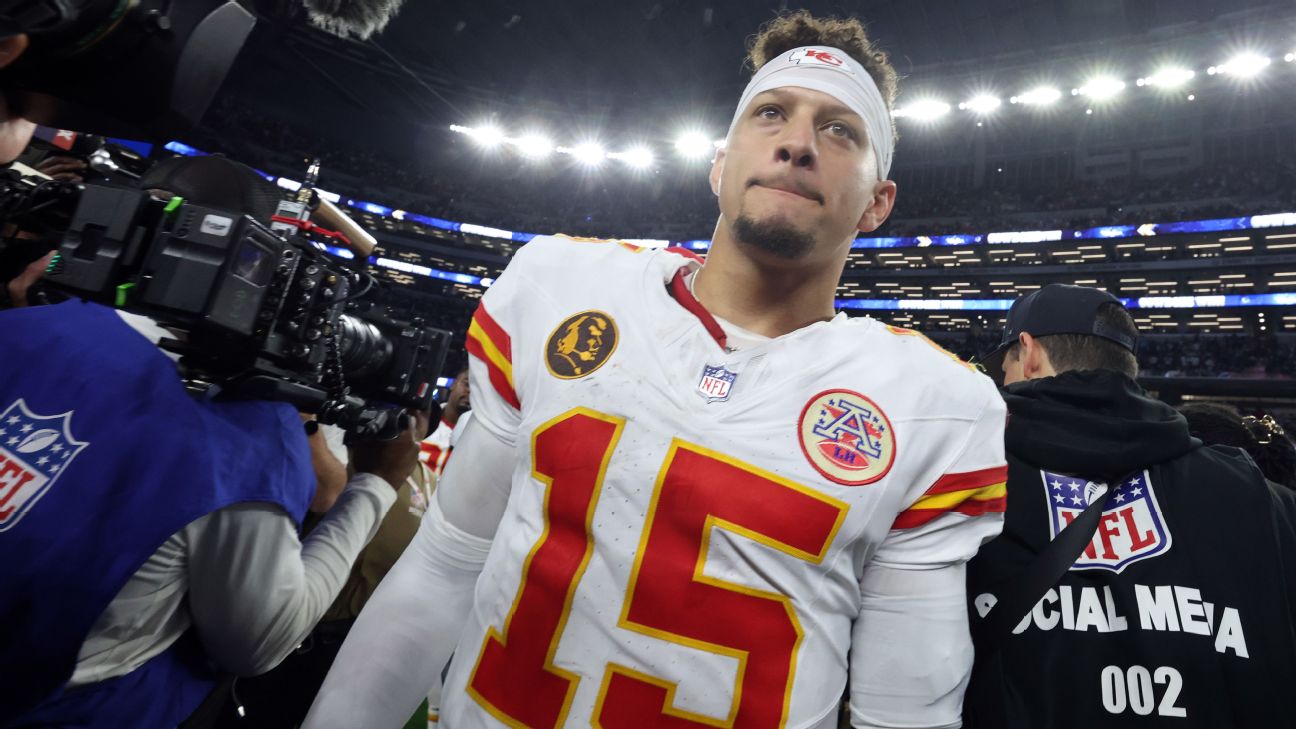
After the Chiefs’ loss to the Cowboys, QB Patrick Mahomes summed up the team’s bleak playoff chances. “You’ve got to win every game now — and hope that’s enough,” he said.
www.espn.com – TOP
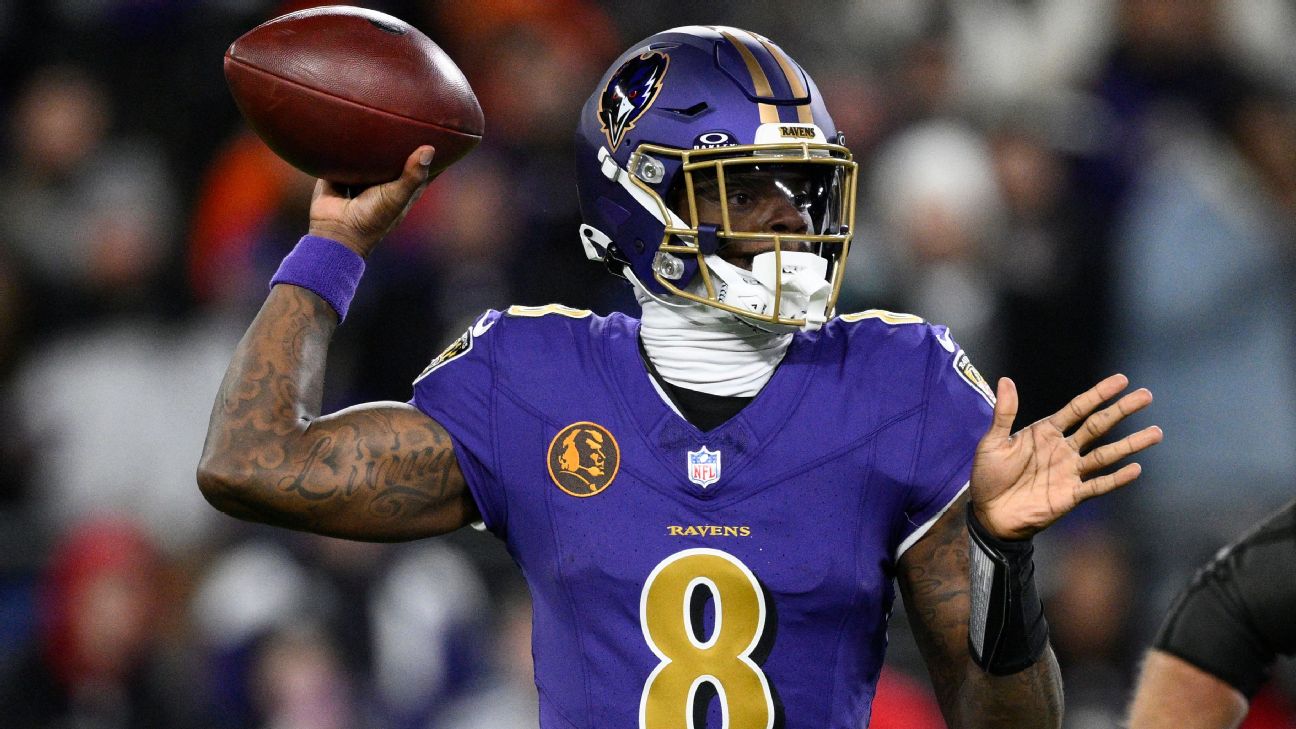
Ravens QB Lamar Jackson insisted after Thursday’s loss to the Bengals there is one solution to get out of his career-worst slump: consistency.
www.espn.com – TOP
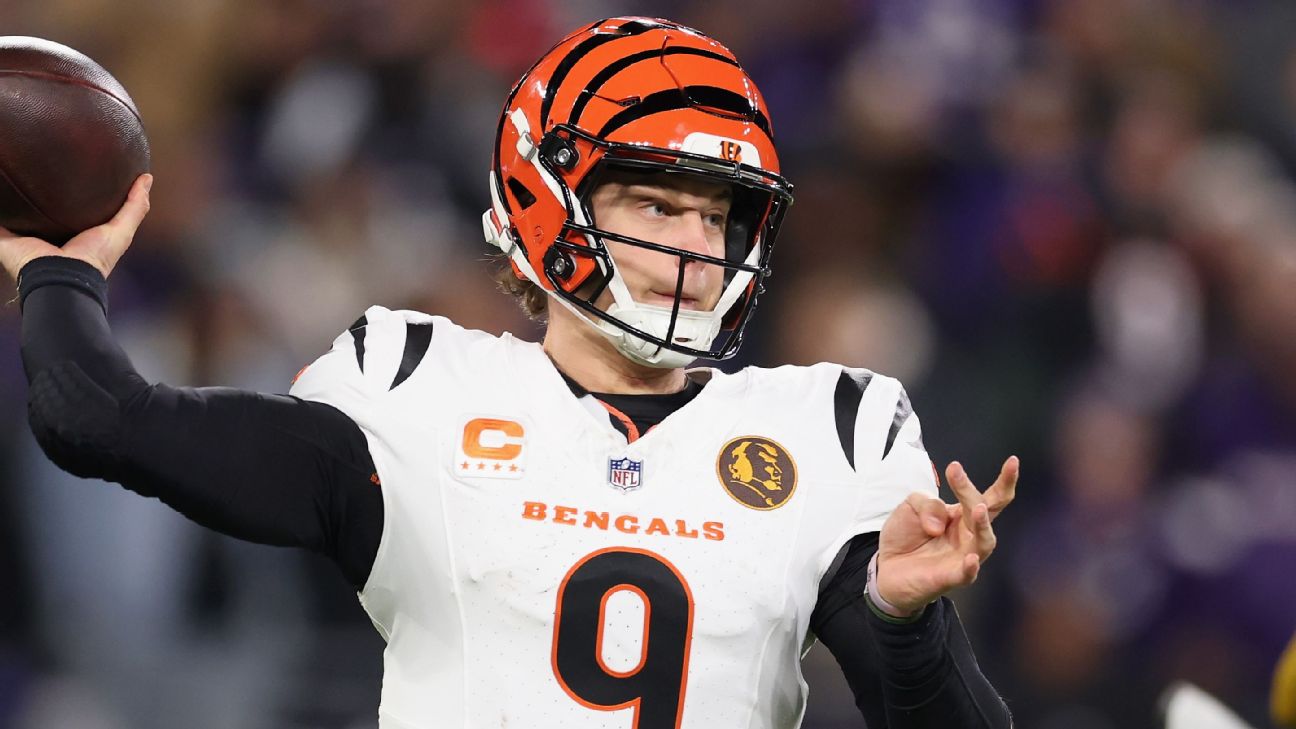
After missing more than two months with a turf toe injury that required surgery, Bengals QB Joe Burrow threw two touchdowns in a 32-14 win at the Ravens.
www.espn.com – TOP
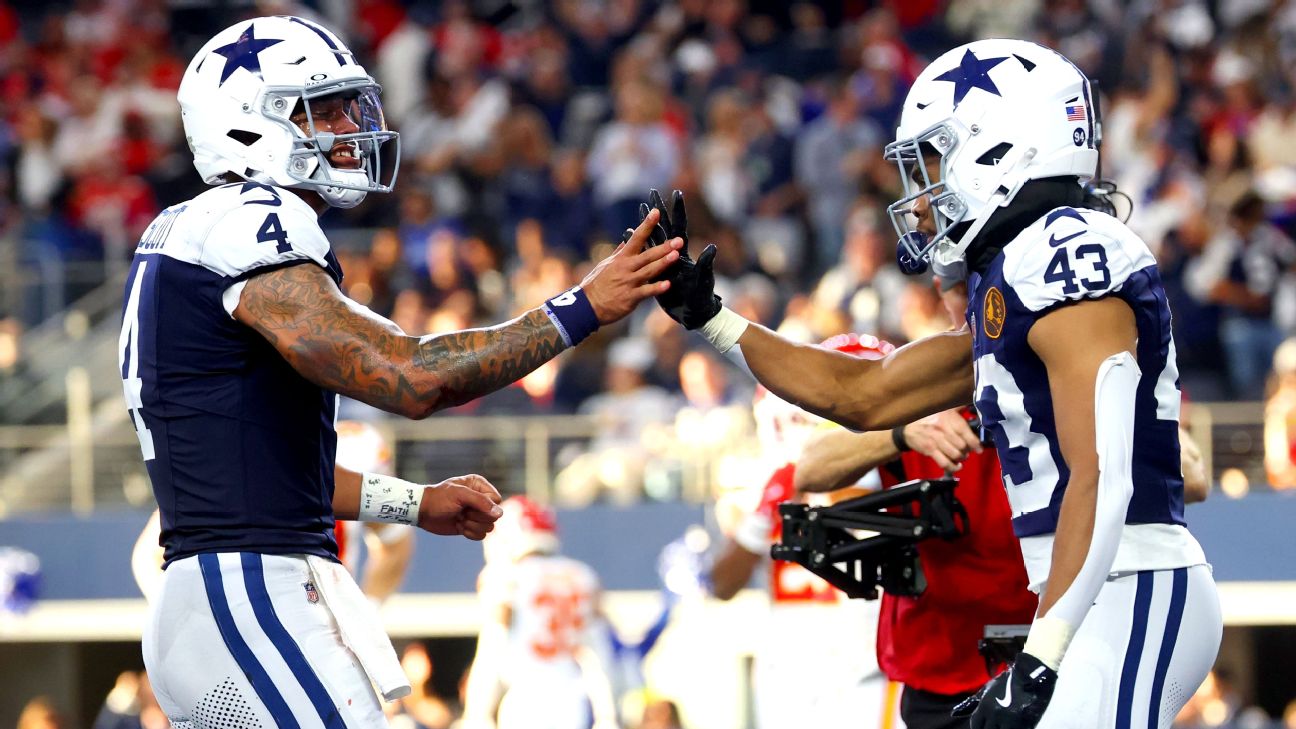
The Cowboys have won three straight games for the first time since 2023.
www.espn.com – TOP
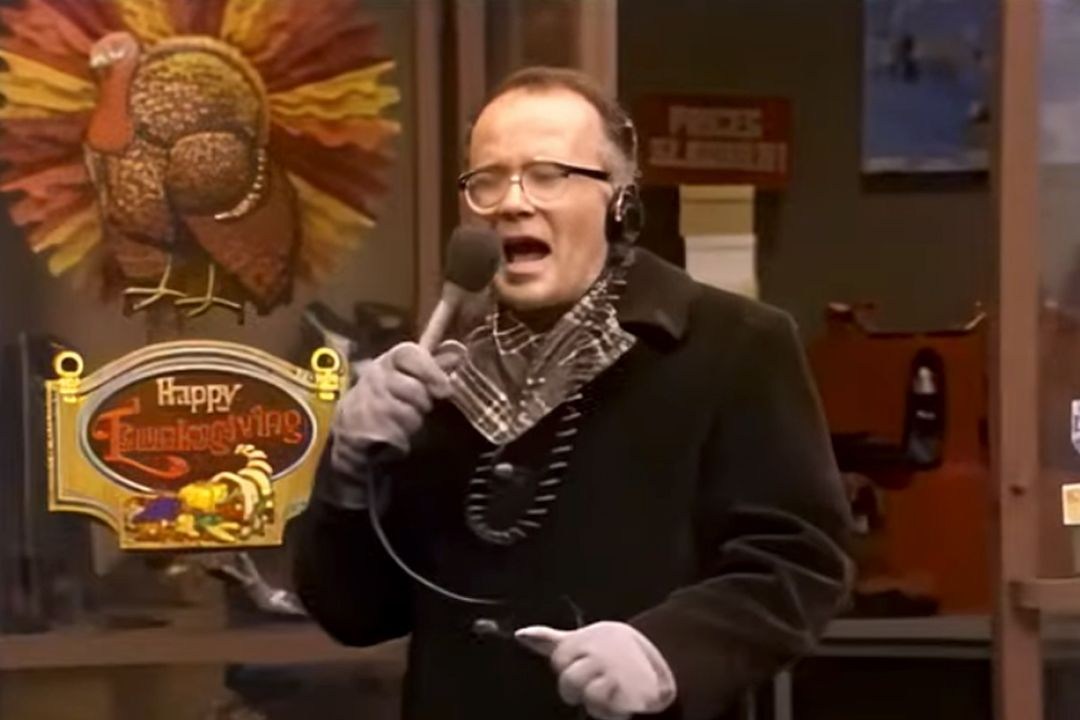
A heaping helping of turkey-day TV, spanning five decades of programming. Continue reading…
Country Music News – Taste of Country
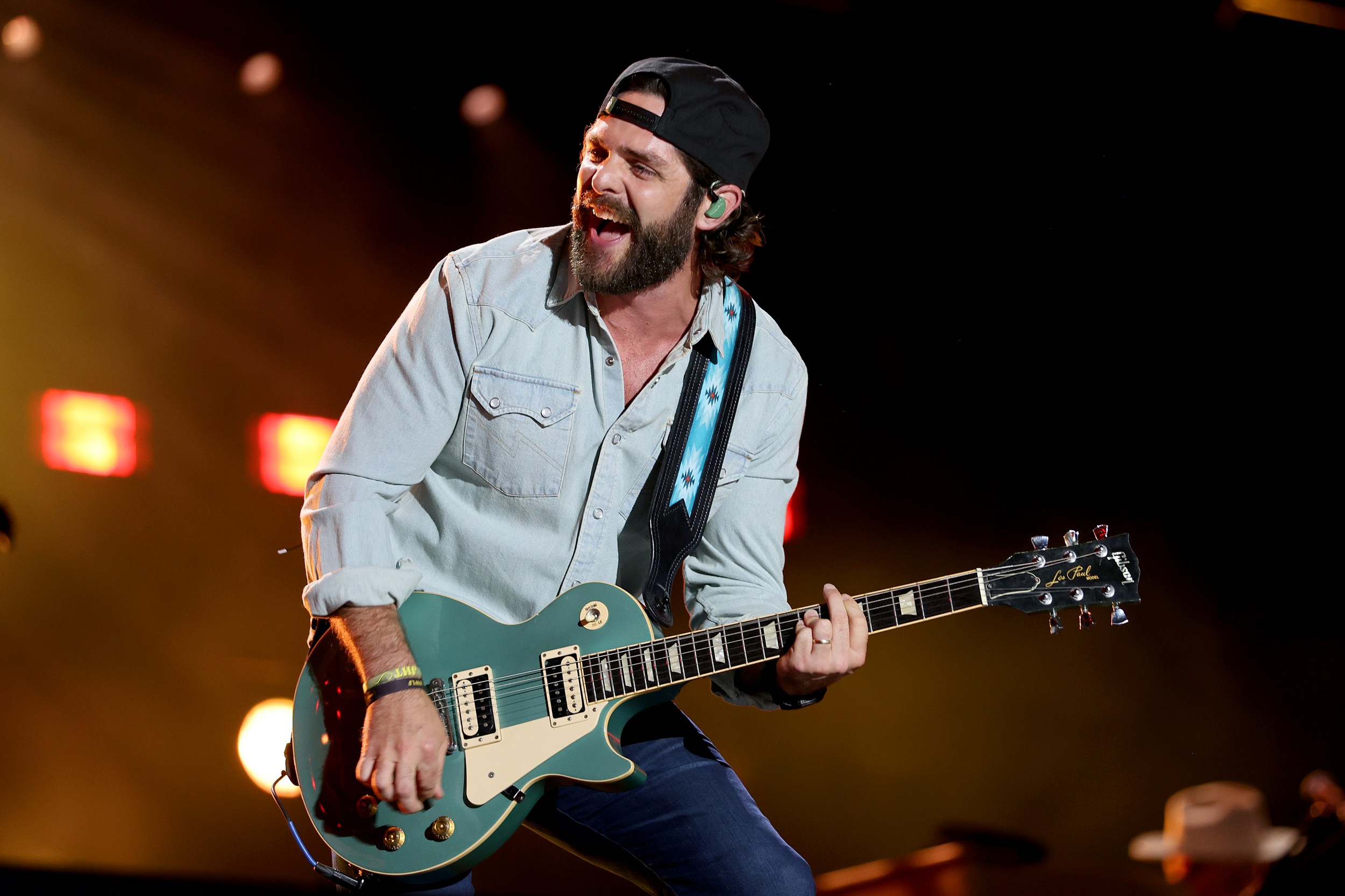
Pass this dish to Thomas Rhett and he’ll just keep passing it. Continue reading…
Country Music News – Taste of Country

Tyrone Blackburn is now under judicial scrutiny after a federal judge flagged a suspicious legal citation in a lawsuit tied to Diddy, raising questions about the use of generative AI in court filings and prompting a mandatory in-person appearance next month.
Judge Leo M. Gordon issued the order after Blackburn submitted an opposition brief in the case involving Diddy accuser Liza Gardner, referencing a case titled United States v. Masha, 99 F.3d 1005 (7th Cir. 2021).
But when Diddy’s attorney Erica Wolff attempted to verify the citation, she told the court it was nowhere to be found.
“We found a matter involving someone named Masha,” Wolff said during a November 17 hearing, “but it does not have that citation, is not in that reporter, is not in the Seventh Circuit, and has absolutely nothing to do with the issues in this case.”
When pressed by Judge Gordon, Blackburn admitted to using generative AI to assist with legal research but insisted he wrote the filing himself.
“Yeah, see, I don’t have all of, I’ve pulled over 200 cases from my, so I will get that. When I go back to my home, I will provide the court with that,” Blackburn told the judge.
The court gave him a deadline to either produce the cited case or notify both the court and opposing counsel that he could not do so. That deadline came and went without a response. Wolff later informed the court that Blackburn also failed to respond to attempts to discuss the issue.
Judge Gordon noted that this was not the first lapse in communication from Blackburn in the Gardner case and cited court rules requiring accuracy and diligence in all filings.
“Mr. Blackburn was included on the email to this Court and has not acknowledged receipt or responded. Despite having every opportunity to do so…Mr. Blackburn has not complied with the court’s directive,” Judge Gordon wrote.
The judge’s order now requires Blackburn to explain why parts of his filing should not be thrown out and why he shouldn’t face penalties for the citation error. The citation issue adds to the ongoing legal battle involving Gardner, who claims that Diddy and singer Aaron Hall assaulted her when she was 16 following an MCA Records event in New York.
Gardner is seeking to move the case to New Jersey, arguing that significant parts of the alleged misconduct occurred there. Diddy has denied all allegations. Blackburn’s involvement in the Gardner case follows two other high-profile legal disputes where courts questioned his use of AI-generated case law.
In a defamation suit brought by Fat Joe, Blackburn filed a motion to dismiss that included several citations opposing counsel said didn’t exist.
After being called out, Blackburn asked the court for permission to revise the brief to fix the errors. The judge denied the request and criticized the lack of care taken in the original filing.
In another case involving TD Jakes, Blackburn was accused of submitting documents with “bogus” citations that forced the opposing legal team to spend time and money verifying false information.
Blackburn is scheduled to appear in person in Newark, New Jersey, on December 3 to respond to Judge Gordon’s concerns.
AllHipHop

Q Parker, know as a one-time member of 112, took a moment in his promotional run for his new solo R&B album Evolution of Romance to revisit a topic that has followed him all year. 112 was one of the original roster of Bad Boy Records.
The singer said his support for Sean “Diddy” Combs has not wavered even as the Bad Boy founder continues to fight legal battles that have reshaped the public conversation around him.
The remarks came during an upcoming interview with AllHipHop, where Parker spoke plainly about their connection and the weight of their shared history within the powerhouse label. He said the headlines or sentiments surrounding Combs have not changed how he moves.
“I still feel the same [as earlier in the year],” Parker said. “I don’t believe in cancel culture. When someone makes a mistake, you don’t just throw them away. When I’m down with you, I’m down with you. That doesn’t mean I condone your behavior…it means I support you.”
The Atlanta native said his stance is not blind loyalty but a commitment to letting accountability and grace coexist.
“Nobody’s perfect, and I don’t have a heaven or a hell to put anyone in,” he told Chuck Jigsaw Creekmur. “I’m not going to be super judgmental about someone who changed my life.”
One of the key moments in the discussion involved Parker’s final communication with Combs before the music mogul was detained. Parker said Combs listened to early cuts from Evolution of Romance and offered encouragement one day before authorities took him into custody.
“The day before he was taken away, he gave me his blessings,” Parker said. “I played him three or four songs to get his opinion. He has an incredible musical ear. I really enjoyed that time. It ended up being the day before he was taken away.”
Parker said Combs’ imprint still lives in his creative decisions as an indie act. He pointed to lessons on branding, rehearsal and discipline that shaped 112 during their Bad Boy rise in the 1990s.
“I learned so much from him – marketing, promotion, how to work hard,” Parker said. “I still carry those lessons and pass them on to the people I mentor.”
Even with Combs’ future uncertain, Parker shared confidence that the music executive will eventually stage a larger-than-life return.
“Knowing him, whenever he’s released, there’ll be a celebration,” Parker said. “He doesn’t do anything small. I look forward to seeing him celebrated and celebrating.”
Parker’s new album aims to restore emotional R&B to the center of the genre, something Diddy sought to do with this last project.
AllHipHop
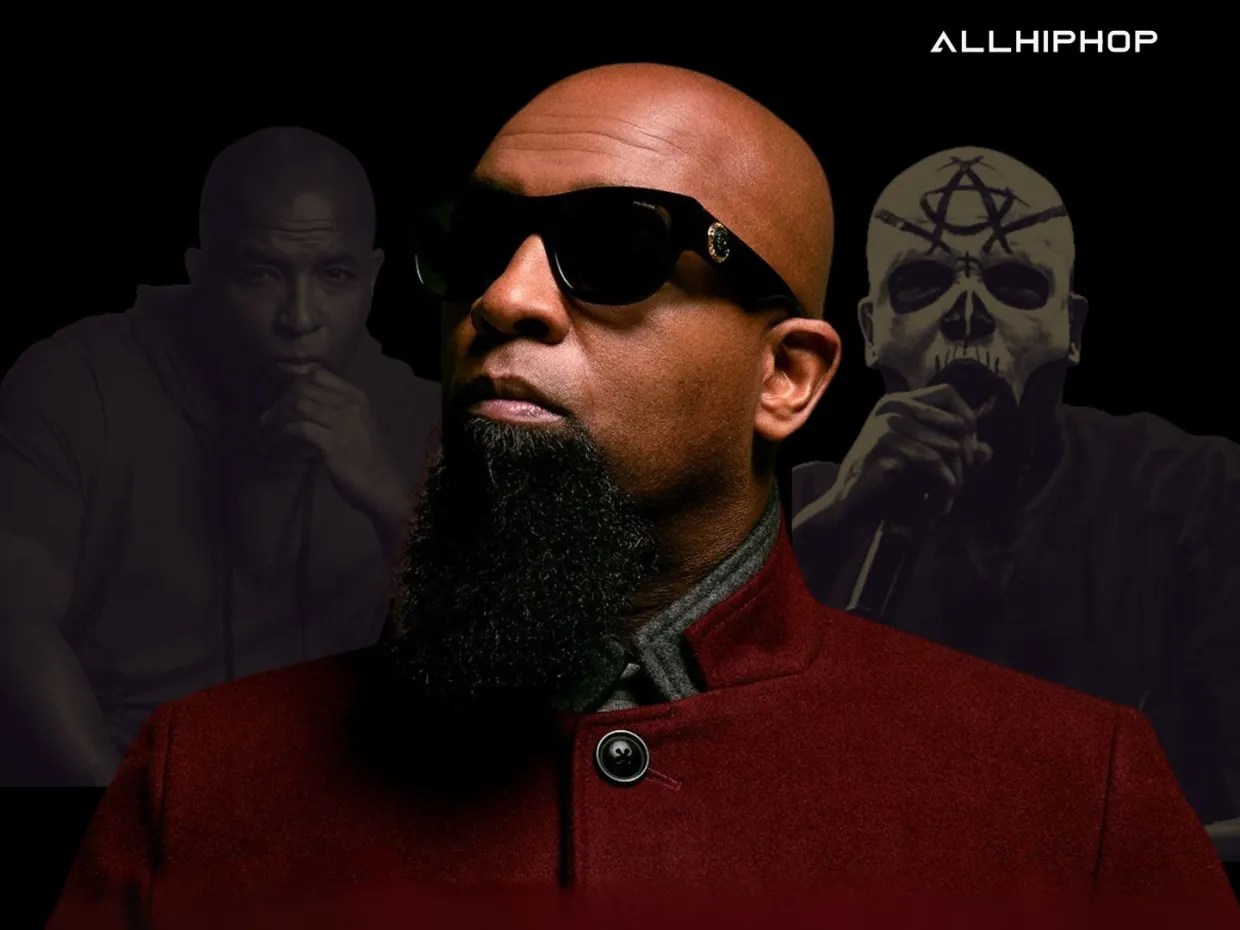
Tech N9ne is known for one of the most striking visual identities in Hip-Hop, but according to the Kansas City legend, every mask, clown face, and pair of hospital scrubs traces back to one person: his late mother, Maude “Marty” Sue Yates Khalifa. On this holiday, we reminisce on our conversation with the legend and his love for his mother.
In an interview with AllHipHop, Tech revealed that the dark, theatrical imagery that has followed him throughout his decades-long career wasn’t inspired by comics or horror. Nope, it was born from the hospitals, psychiatric wards and haunted houses he navigated as a child while watching his mother battle lifelong illness.
“My mom had grand mal seizures since she was 18,” Tech told Chuck Jigsaw Creekmur. “Throughout my whole childhood, she’d have seizures in our Christian household, and we’d keep her in bed and make sure she didn’t swallow her tongue.”
Everything changed when she remarried when Tech was 12.
Her new husband, a Muslim man, believed she needed psychiatric care after each seizure, which led to her being placed in several psychiatric facilities across Missouri. Those visits left an imprint on young Tech, especially seeing her dressed in oversized hospital scrubs during each stay.
“Every time I’d go visit her, she’d have on hospital scrubs,” he said. “That’s one level of it – the Michael Myers, the killer clown, the dark imagery. All of that came from real life.”
The other half of his unique aesthetic was shaped by his mother’s unusual parenting style.
A devout Christian, she still introduced her son to horror movies and Halloween culture at an early age. She took him to see Carrie in 1976 and the original Halloween premiere in 1978. She brought him through Kansas City haunted houses every October and to circus shows where he developed his childhood fear of clowns, a fear he later transformed into his famous “Killer Clown” persona.

But the most powerful lesson came from her insistence that dark imagery held no spiritual danger.
“She bought me a Dracula action figure,” Tech said. “And she told me, ‘Don’t look at this Dracula any different than your G.I. Joe or your Darth Vader toy. They’re all plastic. They only have the energy you give them.’ That’s something a lot of religious folks don’t teach their kids.”
Tech says that guidance not only shaped his worldview but protected him creatively.
“So when people called me a devil worshipper, I used to laugh,” he said. “They didn’t know all this came from my Christian mama.”
His mother passed away in 2014 from lupus, and Tech says his use of hospital scrubs is a tribute to her. He’s begun wearing the scrubs more often during interviews, prompting fans and reporters to ask about the symbolism.
“This is her garment,” he said. “I wear it in honor of my late great mother, Marty Sue Yates Khalifa.”
The scrubs, the face paint, the killer-clown iconography is less about shock value and more about a son trying to make sense of the world he grew up in. And paying homage to his mother.
“I applied all of it to Tech N9ne,” he said. “And it saved my life.”
Listen to Tech N9ne’s latest album 5816 Forest, his audio origin story.
AllHipHop

Warner Music Group turned legal foes into collaborators by securing licensing agreements with AI music startups Suno and Udio, signaling a dramatic shift in how Hip-Hop and the broader music industry may evolve in the digital age.
The label, which had been locked in copyright disputes with both companies, reversed course by announcing back-to-back partnerships, first settling with Udio last week and then revealing a new alliance with Suno, which includes handing over ownership of live music discovery platform Songkick.
“We’re unwaveringly committed to the protection of the rights of our artists and songwriters, and Udio has taken meaningful steps to ensure that the music on its service will be authorized and licensed,” said Warner CEO Robert Kyncl.
The turnaround is striking. Just months ago, Warner joined Universal Music Group and Sony in accusing Suno and Udio of using copyrighted material without permission to train their AI models.
Now, Warner is the first to settle and partner, leaving competitors scrambling to catch up.
“This landmark pact with Suno is a victory for the creative community that benefits everyone,” Kyncl added. “With Suno rapidly scaling, both in users and monetization, we’ve seized this opportunity to shape models that expand revenue and deliver new fan experiences.”
The deal with Suno comes on the heels of a $250 million Series C funding round that valued the company at $2.45 billion. The round was led by Menlo Ventures and included backing from Nvidia’s NVentures.
But beyond the dollars, the implications for Hip-Hop are massive.
These platforms will allow users to remix, cover or generate entirely new songs using the actual voices and compositions of Warner artists who choose to participate. That could include the likes of Lady Gaga, The Weeknd and Sabrina Carpenter.
Warner has emphasized that artists will retain “full control over whether and how their names, images, likenesses, voices, and compositions are used in new AI-generated music.”
That level of oversight is essential in Hip-Hop, where creative identity and authenticity are central to the culture. Udio co-founder and CEO Andrew Sanchez framed the partnership as a significant step forward for the music business.
“This partnership is a crucial step towards realizing a future in which technology amplifies creativity and unlocks new opportunities for artists and songwriters. Our new platform will enable experiences where fans can create alongside their favorite artists and make extraordinary music in an environment that offers artists control and connection.”
The Suno deal also includes a strategic handoff of Songkick, which Warner acquired in 2017.
By transferring the live event platform to Suno, Warner is aligning AI-generated music with real-world performance opportunities, potentially creating a bridge from digital creativity to physical stages.
Starting in 2025, Suno plans to roll out “more advanced and licensed models” to replace its current offerings. Under the new system, free users will be able to play and share songs, but downloading will require a paid subscription—setting up a monetization model that benefits both the tech company and Warner.
The industry’s rapid pivot from litigation to collaboration highlights how quickly the AI music narrative has changed. Instead of trying to shut down these platforms, Warner is now investing in them and shaping how they operate.
For Hip-Hop producers and beatmakers, this opens access to tools built on major-label catalogs, similar to how sampling technology revolutionized the genre in the 1980s and 1990s.
Both Suno and Udio, with built-in social features, aim to create communities where creators can share and collaborate on new music.
While Universal and Sony are reportedly still in talks to resolve their own legal battles with Suno and Udio, Warner’s decision to move first may give them a long-term advantage.
The new music creation platform with Udio is expected to launch in 2026.
AllHipHop