The Pentagon has confirmed it has accepted an anonymous $130m (£98m) gift to help pay members of the military during the government shutdown.The Latest News from the UK and Around the World | Sky News
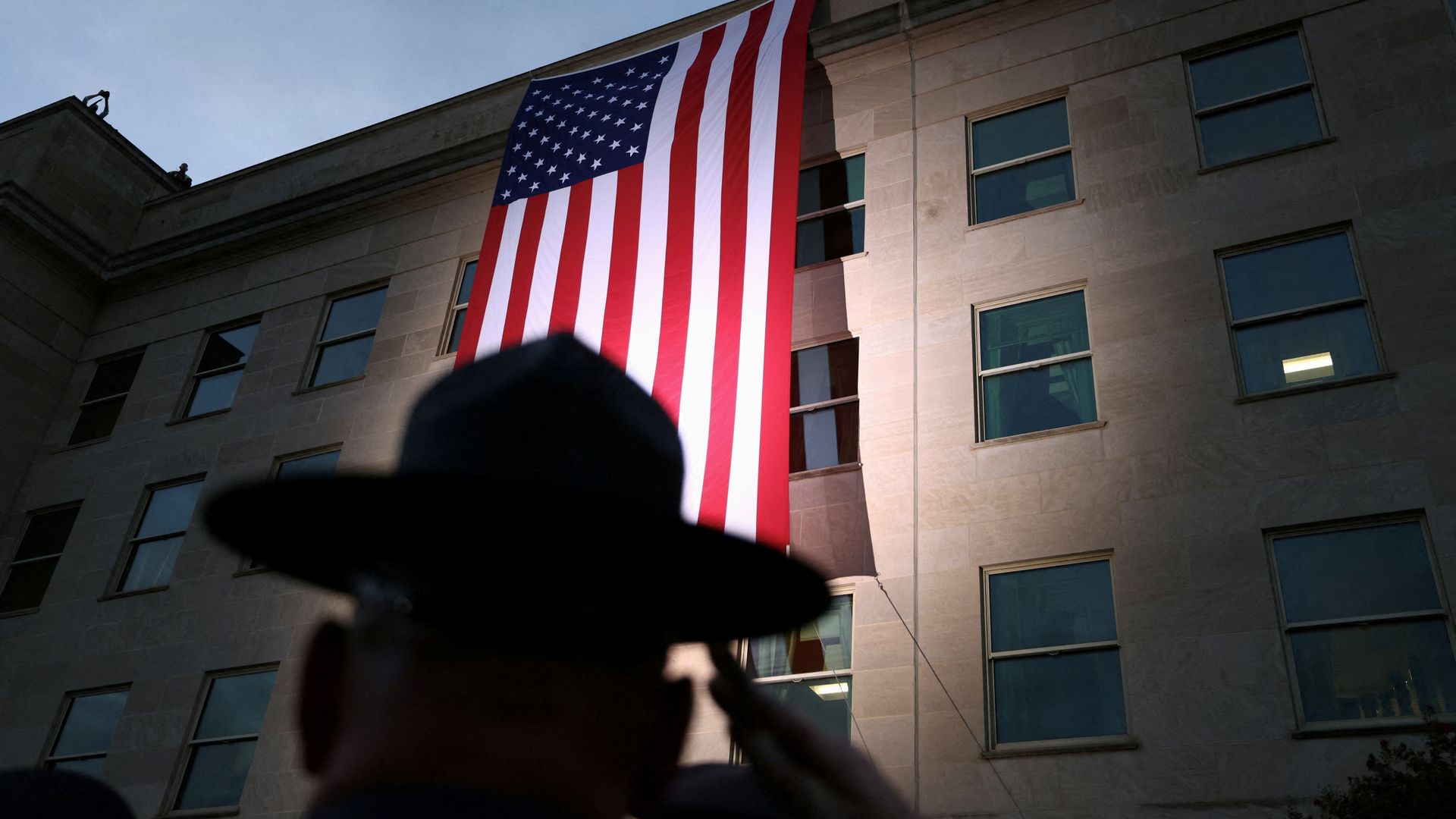








The Pentagon has confirmed it has accepted an anonymous $130m (£98m) gift to help pay members of the military during the government shutdown.The Latest News from the UK and Around the World | Sky News

The US has announced it is sending an aircraft carrier to the waters off South America as it ramps up an operation to target alleged drug smuggling boats.The Latest News from the UK and Around the World | Sky News
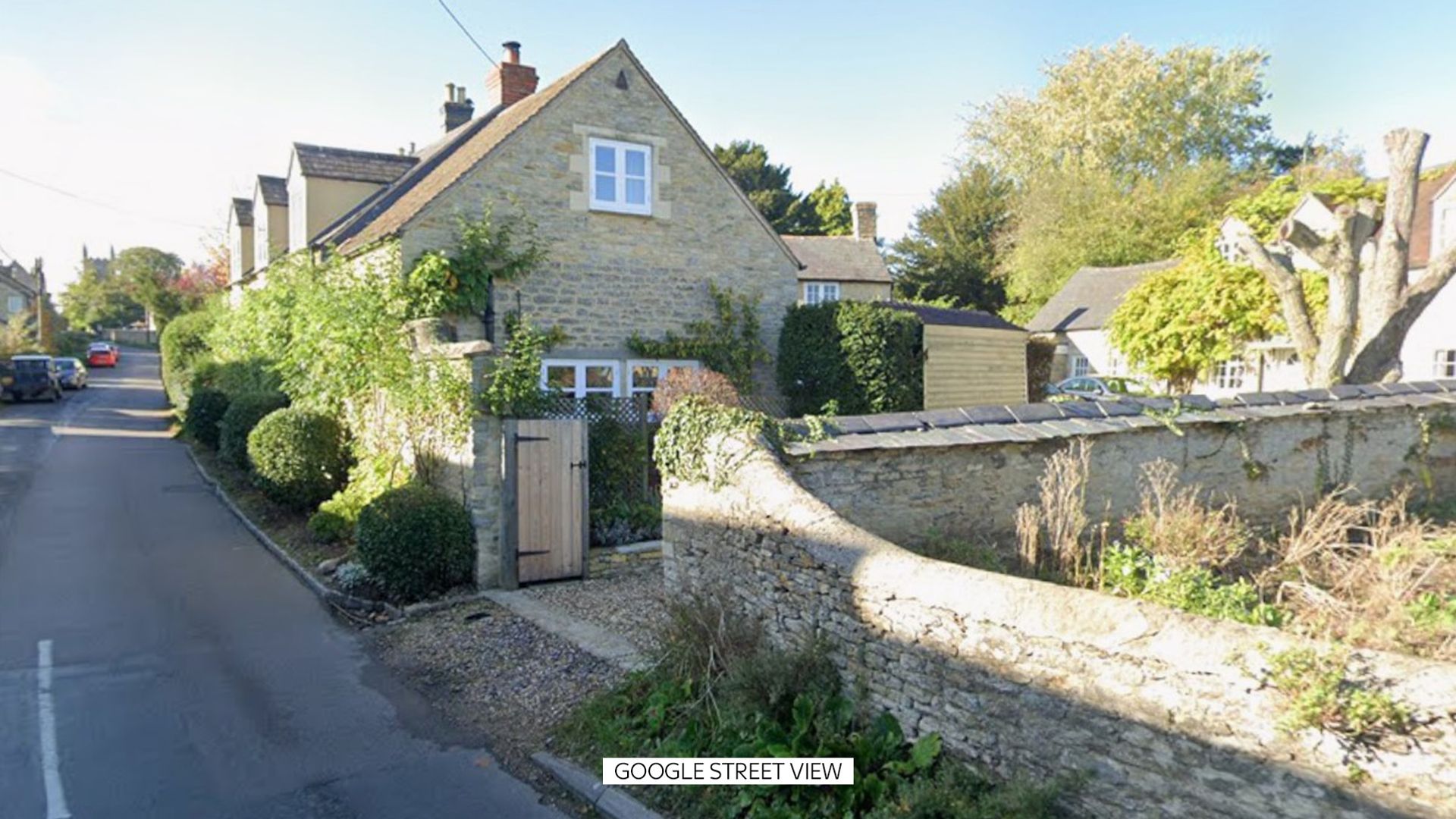
A woman in a “life-threatening” condition is “under police watch” in hospital after a nine-year-old girl was found dead in an Oxfordshire village.The Latest News from the UK and Around the World | Sky News
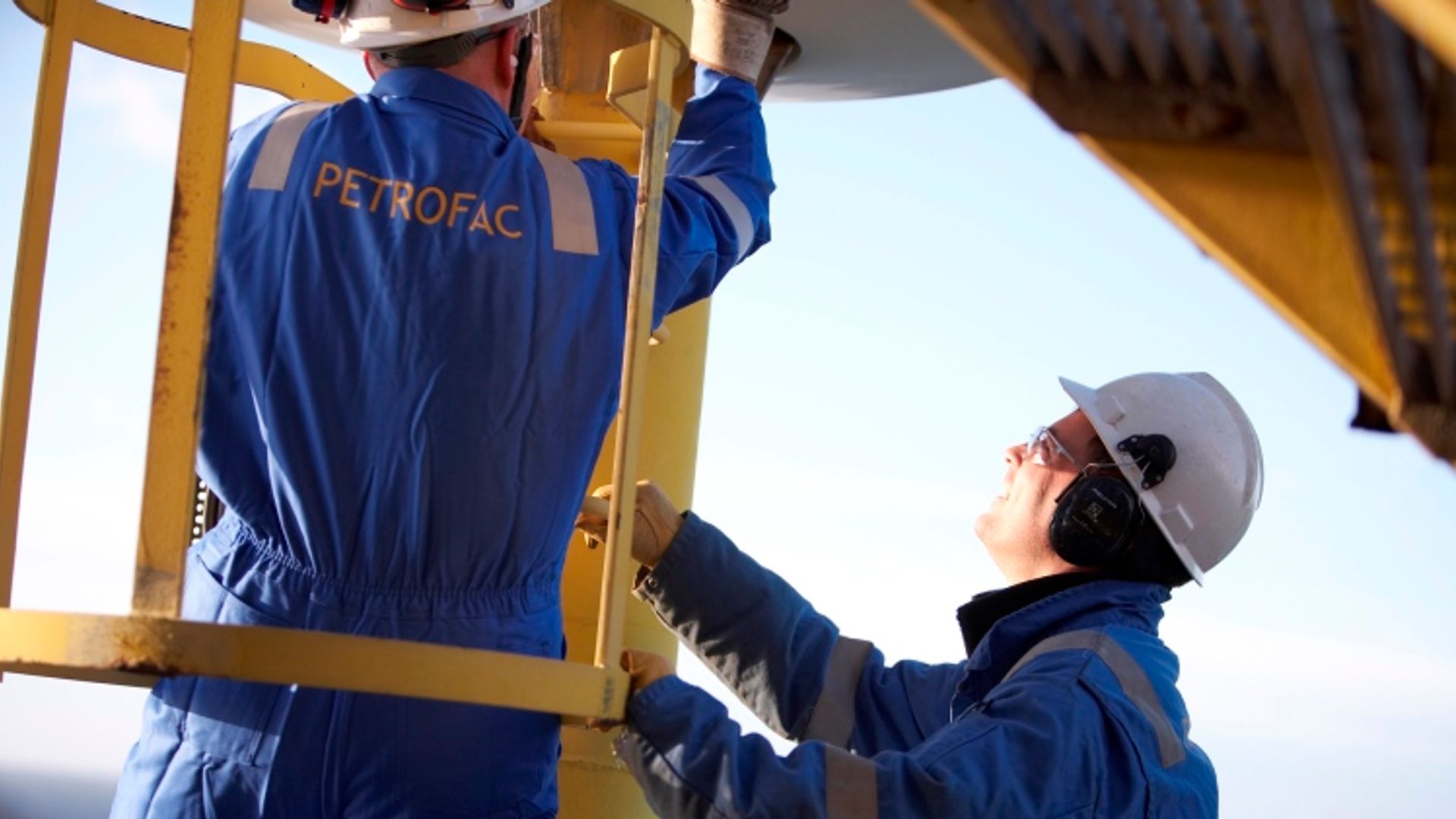
Administrators are on standby this weekend to handle the collapse of Petrofac, the oil and energy services group – an insolvency which could threaten the future of more than 2,000 jobs in Scotland.The Latest News from the UK and Around the World | Sky News
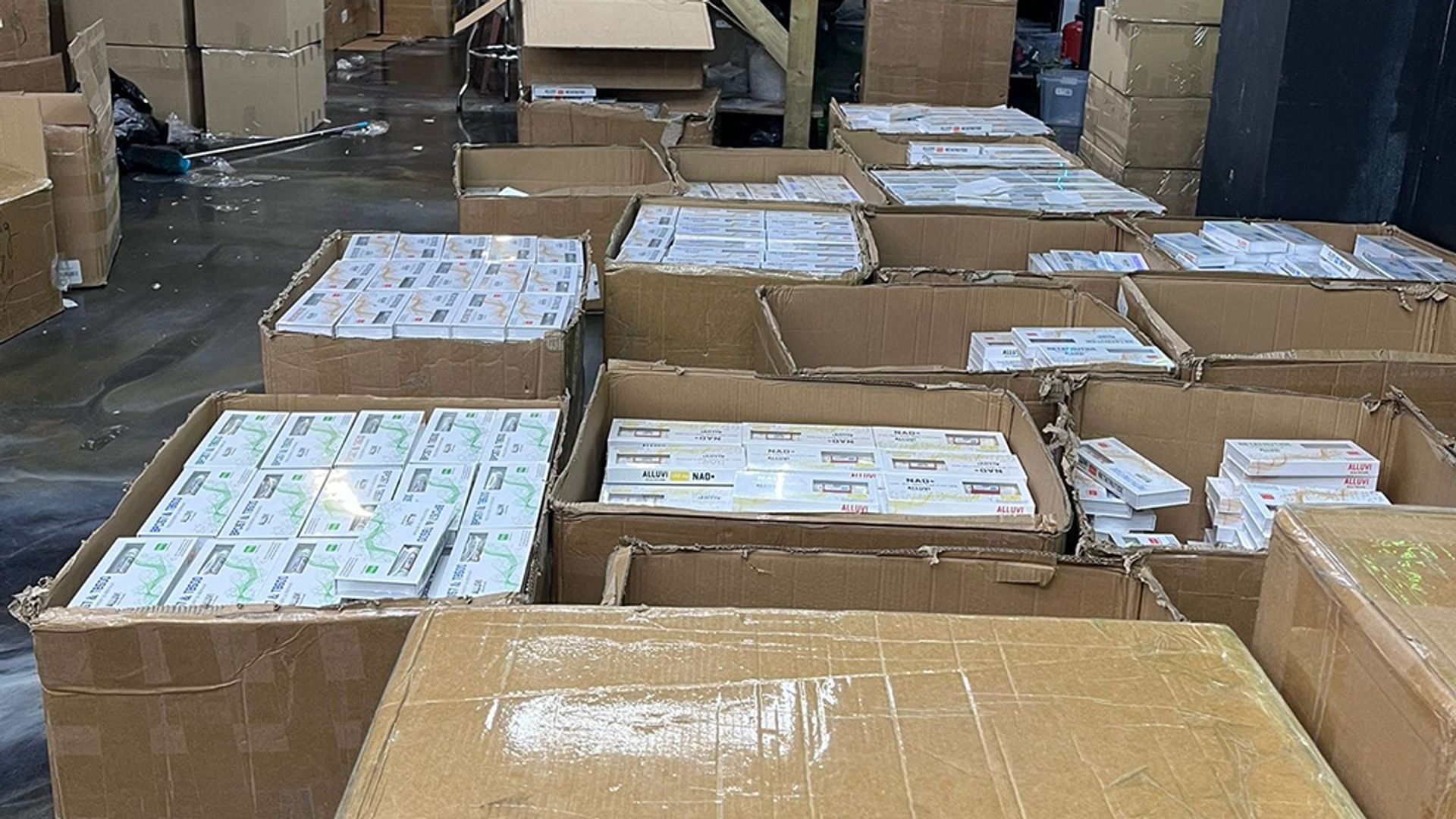
More than 2,000 counterfeit weight loss jabs have been confiscated from a factory in Northampton, in what’s believed to be the world’s largest seizure.The Latest News from the UK and Around the World | Sky News

Israel may have agreed to stop fighting in Gaza, but it is backing armed groups that plan to fight Hamas to the bitter end.The Latest News from the UK and Around the World | Sky News

The mistaken release of a small boat migrant who was jailed for sexual offences has prompted widespread condemnation – and an extensive police operation.The Latest News from the UK and Around the World | Sky News
By: Yereth Rosen, Alaska Beacon

A new online statewide directory has been launched to showcase and connect Alaska Native artists across disciplines.
The Alaska Native Arts Directory is the work of the nonprofit Alaska Native Arts Foundation. Listing is free. The directory went live last week, timing that coincided with the Alaska Federation of Natives annual convention in Anchorage.
As of Monday, about 200 artists were listed, most of them with photos and biographical information. The Alaska Native Arts Foundation said it is seeking to expand that number to more than 1,000 by next year.
The Anchorage-based foundation said it also has a goal of holding a first-ever Alaska Native Arts Economic Summit next year, bringing together artists, policymakers and other partners to work on building the Indigenous creative economy.
There are other artists’ directories in Alaska, some of them with a focus on Indigenous artists. One, the Collective49 Marketplace, enables member artists to promote and sell their work online. And there are numerous local artists directories, such as those in Ketchikan and Homer.
The Alaska Natives Art Directory, however, is intended to be more comprehensive. Along with being statewide, the directory includes writers, musicians and other performing artists along with those who create carvings, paintings and other physical works of art. It includes contemporary art forms as well as traditional Indigenous arts.
“The Alaska Native Arts Directory celebrates the full spectrum of Alaska Native creativity, visual and written arts, performance, design, and traditional practices, reflecting the diversity and vitality of Alaska’s Indigenous cultures,” Gail Schubert, chair of the Alaska Native Arts Foundation, said in a statement.
Launch of the Alaska Native Arts Directory represents a renaissance of sorts for the Alaska Native Arts Foundation.
The foundation was created in 2002 and for several years operated an ecommerce site and a gallery in Anchorage. But it shut down those operatioons in 2016 after losing state funding and encountering other financial problems.
The directory project and other new activities now have a variety of funding sources, according to the foundation’s statement. The effort is backed by grants and other support from organizations that include the Rasmuson Foundation, the U.S. Small Business Administration, the office of U.S. Sen. Lisa Murkowski, R-Alaska, the Alaska State Council on the Arts and the Municipality of Anchorage, among others, according to the statement.

By: James Brooks and Corinne Smith, Alaska Beacon

The federal government is proceeding with efforts to expand drilling in the Arctic National Wildlife Refuge, mining in northwest Alaska, and construction of a road between King Cove and Cold Bay on the Alaska Peninsula, US Interior Secretary Doug Burgum announced Thursday.
At an event in Washington, D.C. that was dubbed “Alaska Day” by the federal department, Burgum signed a series of documents pertaining to all three projects as well as an ongoing effort by the federal government to give land to the families of Alaska Native Vietnam War veterans.
“This is our first, this won’t be our last, Alaska Day. We have a lot more things to accomplish, a lot more things to celebrate going forward,” said Burgum, flanked by Gov. Mike Dunleavy and all three members of the state’s congressional delegation.
“I told the president, it’s like Christmas every morning,” said Dunleavy. “I wake up, I go to look at what’s under the proverbial Christmas tree to see what’s happening. And here’s another example of more presents for not just Alaska, but for this country.”
Tribal and environmental groups opposed to the three development projects saw Thursday’s action differently, with Defenders of Wildlife, a national group, dubbing the event “Alaska Sellout Day.”
“Today’s announcements are the latest step in Donald Trump’s plan to sell out our wildest landscape and natural heritage to corporate polluters,” said Dan Ritzman, director of conservation for the Sierra Club.
Burgum signed previously announced permits for the 211-mile Ambler Road, which is intended to connect the Dalton Highway with a series of potential mine sites in the Brooks Range of northern Alaska.
He also signed a record of decision for the federal government’s oil and gas drilling program in the coastal plain of the Arctic National Wildlife Refuge of northeast Alaska.
That re-establishes a program that had been in place during the first term of President Donald Trump but which was subsequently reversed by President Joe Biden.
Burgum also reversed the Biden administration’s decision to suspend oil and gas leases issued by the federal government in 2020 to the Alaska Industrial Development and Export Authority.
Barring further litigation, that move clears the way for AIDEA — Alaska’s state-owned development bank — to begin seismic surveys that could reveal the amount of oil available within parts of the Arctic refuge’s coastal plain.
While the Ambler and ANWR actions effectively took the projects back to where they stood in 2020, the King Cove road is now closer to construction at any point in its decades-long development process.
Envisioned as a gravel road between King Cove and an all-weather airport at Cold Bay, the road would pass through the Izembek National Wildlife Refuge, a nationally important bird sanctuary.
Eleven miles of new road are needed to link existing roads to the two towns, but those 11 miles would pass through a wilderness area.
On Thursday, Burgum signed documents that complete a land exchange between King Cove Corp., the local Alaska Native corporation, and the federal government. King Cove Corp. gives up about 31,200 acres to expand the refuge, and in return, it receives the 490 acres of refuge land needed to complete the road.
In a move with more limited statewide impact, Burgum signed paperwork awarding three Alaska Native Vietnam War veterans with 160-acre plots of land under a federal allotment program. As of March, 453 veterans and their families had requested plots authorized under legislation authored by Alaska Sens. Lisa Murkowski and Dan Sullivan.
King Cove’s airport is frequently closed by bad weather, and since 2014, there have been more than 100 Coast Guard medevacs from the community because regular air ambulance service was unavailable.
Murkowski, who has previously vowed to complete the road, noted that this is the third time that the federal government has embarked on a land exchange for the road, with the prior two attempts blocked and reversed by litigation.
“We’ve reached a point with the King Cove exchange that we haven’t yet before, and that’s actually the official patent being issued to KCC, so we’re one step further. I think that’s important,” she said.
The road, though supported by local residents, is opposed by some Yukon-Kuskokwim river delta tribal leaders and subsistence bird hunters who fear its effects on wildlife.
“Surely, the people of King Cove can see the value of leaving the habitat for so many species intact would be far more valuable than any road could be,” said Angutekaraq Estelle Thomson, Traditional Council President of the Native Village of Paimiut, one of several communities that have supported lawsuits seeking to prevent road construction.
Rebecca Noblin, an attorney with the Center for Biological Diversity who has fought the road on behalf of several area villages, said Thursday that “we have significant questions about the legality of the exchange. We, along with the Native Villages of Hooper Bay and Paimiut, expect to bring those issues to court soon. Road construction will also require additional permits, including an Army Corps 404 permit and Endangered Species Act consultation, so this is far from a done deal.”
On the first day of his second term in office, Trump issued an executive order seeking to encourage oil and gas development, mining and logging in Alaska.

Elected officials said they see Thursday’s actions in line with that decision.
Alaska Republican Rep. Nick Begich said projects like the Ambler Road and ANWR drilling matter because they create jobs.
“We need the jobs. We need high-paying, good jobs, and these resource industry jobs fit that bill completely. And so whether it’s mining, timber, oil and gas development or other resources, these are necessary for the functioning of Alaska’s economy,” he said.
The coastal plain of the Arctic National Wildlife Refuge is believed to contain billions of barrels of recoverable oil that could be sold on global markets.
Sullivan noted that previous North Slope oil development has been good for the region’s residents.
“The life expectancy, mostly of the Native people in our state, has increased in the North Slope and the Northwest Arctic Borough and by dramatic numbers … and a lot of that is due to the benefits that come from responsible resource development: jobs, revenues, water and sewer, gymnasiums, health clinics. So it’s a real life and death issue,” he said.
The predominantly Alaska Native town of Kaktovik is located on Barter Island, within the refuge.
“Developing ANWR’s Coastal Plain is vital for Kaktovik’s future,” said the town’s mayor, Nathan Gordon Jr., in a written statement. “Taxation of development infrastructure in our region funds essential services across the North Slope, including water and sewer systems to clinics, roads, and first responders. Today’s actions by the federal government create the conditions for these services to remain available and for continued progress for our communities.”
To date, no oil companies have shown interest in drilling within the refuge, leaving only Alaska’s state-owned development bank, which won leases in a 2020 sale, to work there.
So far, no actual work has taken place because of repeated lawsuits seeking to overturn the sale.
The bank, which has filed several lawsuits over federal restrictions on drilling within the refuge, did not respond to a request for comment on Thursday.
Several legal challenges to the 2020 ANWR plan of development — which was restored Thursday — are still pending in federal court.
Some of those challenges revolve around the possible effects that ANWR development and the burning of those fossil fuels will have on climate change.
Thursday’s announcement came just a week after the remnants of Typhoon Halong devastated coastal communities in southwestern Alaska. Experts say that storm was worsened by climate change.
Murkowski said she does not shy away “from the fact that the impact of that typhoon was made more fierce and more destructive because it was able to travel over a large body of what is now warmer, open ocean with lack of ice. I get that, and I call it climate change.”
At the same time, people worldwide are continuing to consume fossil fuels. Murkowski said that for her, the choice is straightforward: Will they get those fossil fuels from Alaska or some place with worse environmental standards?
“I’d much rather be producing in Alaska, than just across the Bering Strait there, over in Russia, where I don’t think that they respect the same level of environmental standards and safeguards,” she said. “So is it complicated? Yes. But am I proud of how Alaska has led in terms of meeting environmental standards that are amongst the highest in the world? I am.”
All three development projects boosted by the federal government on Thursday are a long way from construction, both supporters and detractors say.
In all three cases, proponents need to obtain additional federal permits and will have to cope with lawsuits brought by opponents.
The environmental law firm Earthjustice has repeatedly been involved in lawsuits against the federal government over the issue of arctic refuge drilling.
“Interior has re-adopted the maximally destructive plan from President Trump’s first term,” said Earthjustice attorney Erik Grafe, by email on Thursday. “That plan was unlawful in 2020 and is still unlawful today. The bedrock environmental laws that protect the Arctic Refuge’s irreplaceable natural resources remain despite Congress passing reconciliation bills on leasing in the refuge.”
The Gwich’in Steering Committee, represented by attorneys from Trustees for Alaska, is among the organizations that have repeatedly sued to block drilling in ANWR.
The committee is concerned about the effect that refuge development would have on local caribou herds used by subsistence hunters. In a statement, the committee’s executive director, Kristen Moreland, implied that further litigation will come.
“This action by the Trump administration is a direct attack on the Gwich’in, who have for decades been a voice for the caribou and stood against the destruction of the Arctic Refuge. A leasing program that would open the entire Coastal Plain completely ignores the impacts that oil and gas development would have on the land, on wildlife, and on our communities,” she said.
“We condemn these efforts by the Trump administration to exploit the calving grounds of the Porcupine Caribou herd for short-term gain, and we know that we are not alone. We will continue to raise our voices and fight for the protection of this sacred land and for our way of life.”

Reading Time: 3 minutes
Kim Kardashian developed a “little aneurysm.”
Fortunately, doctors caught it before she experienced a medical crisis. That doesn’t make it any less scary.
An aneurysm can have various causes.
It sounds like Kim is blaming everything that Kanye West has put her through.
The Kardashian family is back for Season 7 on Hulu.
During the The Kardashians season premiere, we get a glimpse at a scary health update from Kim Kardashian.
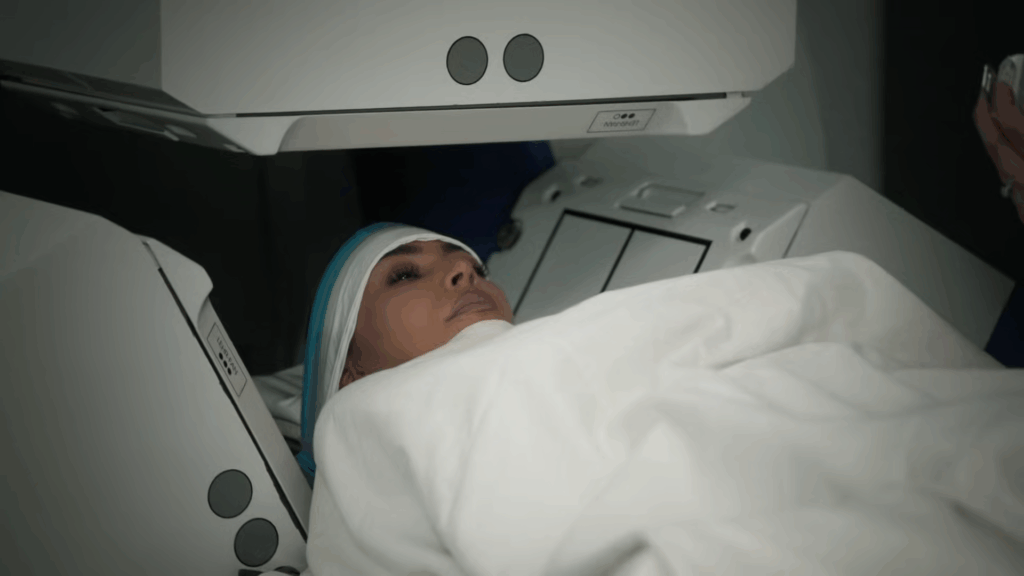
It turns out that doctors made this chilling discovery during a routine MRI.
(No, routine MRIs are not part of most people’s healthcare. Yes, Kim effectively lives on another planet due to her extreme wealth)
An aneurysm is essentially a bulging growth in a blood vessel. None of them are good. The most dangerous ones take place in blood vessels in major arteries — or in the brain. Among the risks are a burst aneurysm, which can lead to sudden uncontrolled bleeding and death.

Now, Kim learns from medical professionals that stress can cause the growth of aneurysms.
(So can various diseases and even hereditary conditions, for the record)
Obviously, stress can come from many places in life. Rich people may have fewer potential sources of it, but they still have plenty. (At the end of the day, most people are just people)
However, divorce is almost always a major source of stress.
And since Kim split from Kanye West, a disgraced rapper and Hitler enthusiast with whom she shares four children, that is understandably a source of major discontent.

Additionally, Kim Kardashian says that stress from Ye has also caused a flare up of her psoriasis.
(Psoriasis is a skin condition)
During the premiere trailer, she likens her situation to Stockholm Syndrome.
This is a common (and sometimes misused) term for captor bonding, though it happens more often within toxic and abusive families than in more sensational kidnapping cases.
Simply put, it’s a survival mechanism that causes people to identify with their abusers. Kim seems to be suggesting that she so passionately defended Kanye for so long due to a similar psychological attachment.

We also hear Kim, her voice breaking as tears fill her eyes, remind everyone that Ye will continue to haunt her life for many years.
It isn’t just that she has a decade of memories with the now infamous rapper and self-described “genius.”
Sharing four children means that she is tethered to Kanye.
While much of their legally obligatory connection will end when Psalm turns 18 (in May of 2037), that is a long way off.
And, unfortunately, so long as any of Kim’s children continue to have Ye in their lives as adults, he will exist on Kim’s periphery. That sounds like a real nightmare.

Obviously, we cannot confirm that Kanye West specifically caused Kim Kardashian to break out in psoriasis, let alone develop an aneurysm.
However, we’re sure that the situation is deeply miserable for her.
Notably, Season 7 looks like it will include so much more. Tension between Kendall and Kris. Something scary happening to Kylie, maybe?
There are fun special guests, including Sarah Paulson and Glenn Close. And don’t forget the Caitlyn Jenner jumpscare. (Public sentiments on her have shifted over the past decade)
Also, it looks like Rob Kardashian is on The Kardashians!
Kim Kardashian Aneurysm Scare! She’s Blaming Kanye West, Divorce Stress was originally published on The Hollywood Gossip.
The Hollywood Gossip