Baby Combs is here! Continue reading…The Boot – Country Music News, Music Videos and Songs
Categories
Luke Combs + Wife Nicole Welcome Baby No. 3
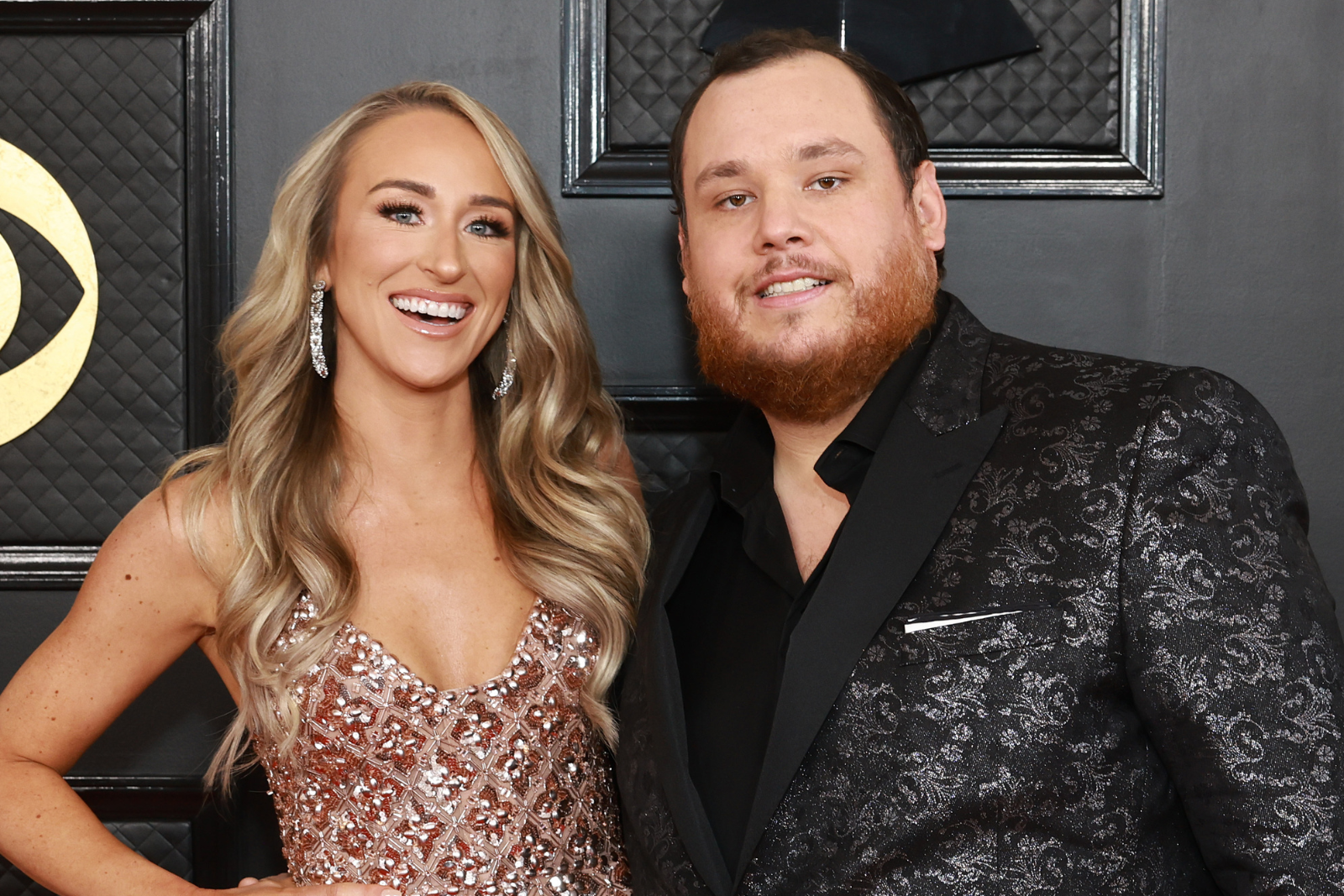








Baby Combs is here! Continue reading…The Boot – Country Music News, Music Videos and Songs
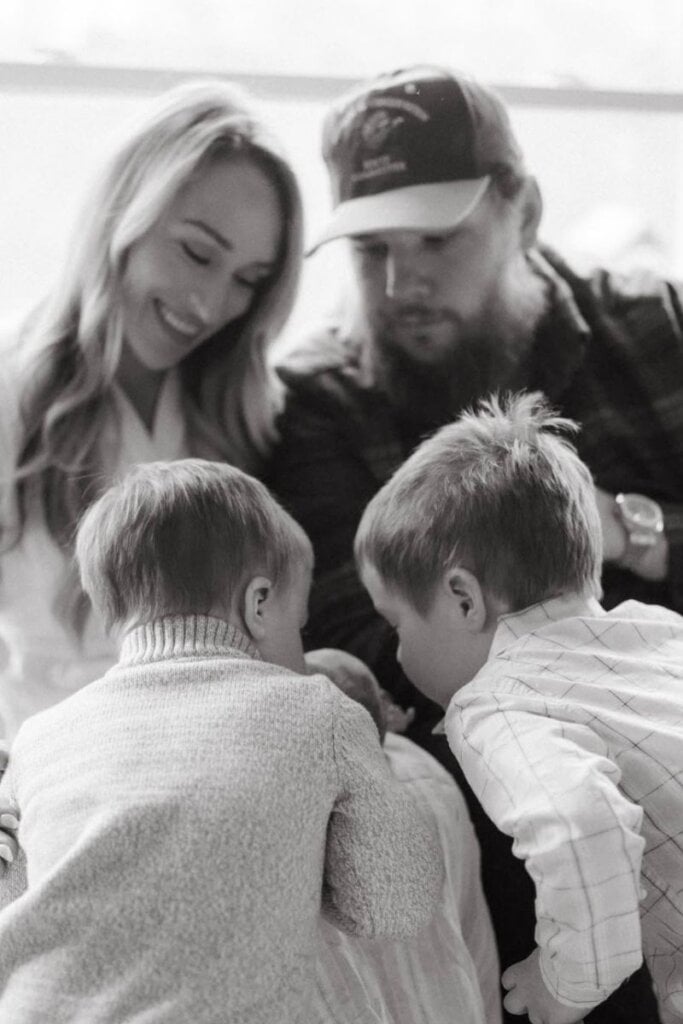
Luke Combs and his wife Nicole have welcomed their third child, a baby boy named Chet Wiley Combs. They shared the news with fans on Thursday, February 19 using a carousel of sweet photos documenting their next chapter as a family of five.
Their newest bundle of joy was pictured snuggled up alongside the couple and their first two sons, Tex Lawrence Combs, 3, and Beau Lee Combs, 2. In the caption, the country star shared that today would have been Chet’s due date, but he decided to arrive a few weeks early.
“Happy due date to the littlest Combs BOY! We’ve loved soaking up these last few weeks of newborn snuggles 🥰”
The news comes just shortly after Combs announced he would be stepping back from performing at this year’s Madden Bowl held at the Chase Center in San Francisco on February 6 in order to be with his family.
He wrote, “So sorry to miss y’all at Madden Bowl, but family always comes first. Have a great time.”
At the same time, Nicole posted a photo to her story, showing her cleaning out baby bottles in preparation, writing “back at it again.”
Combs was not taking any chances with the delivery of baby number three, especially after missing the birth of his second son, Beau Lee, in August 2023. He had originally planned to be home in time to see his baby boy arrive, however his wife went into labor two weeks early, and unfortunately, the country star was in Australia performing at the time and couldn’t make it home. This time, he was in the U.S. and by Nicole’s side ready for the big moment to come.
Back in September, the couple shared the news that their family was growing with a heartfelt video featuring them and their two boys. Smiling ear to ear, Nicole pulled out the ultrasound for the boys, documenting the exciting reveal. The clip ended with a sweet shot of the soon-to-be family of five holding hands and walking away together.
Their caption read, “Third time’s a charm! ✨Baby #3 coming this winter🤍
They later gave fans another look into their pregnancy journey Nicole showed off her growing baby bump on the CMA Awards red carpet.
The “Days Like These” singer and his wife first crossed paths during the 2016 Key West Songwriters Festival in Florida. At the time, Nicole was working with BMI, the event’s host, while Combs was performing. Their connection was instant, and the two began dating shortly after, eventually tying the knot on August 1, 2020.

Their first son, Tex Lawrence, was born on Father’s Day, Sunday, June 19, 2022, followed by their second son, Beau Lee Combs, who entered into the world on August 15, 2023.
Now with three little ones at home, Luke Combs will have to find a whole new balance between family life and his demanding 2026 schedule. He is currently preparing for the release of his new album, The Way I Am, on March 20 and embark on his 2026 My Kinda Saturday Night Stadium Tour, which begins the following day.
The post Luke Combs and Wife Nicole Welcome Third Boy appeared first on Country Now.
Country Now
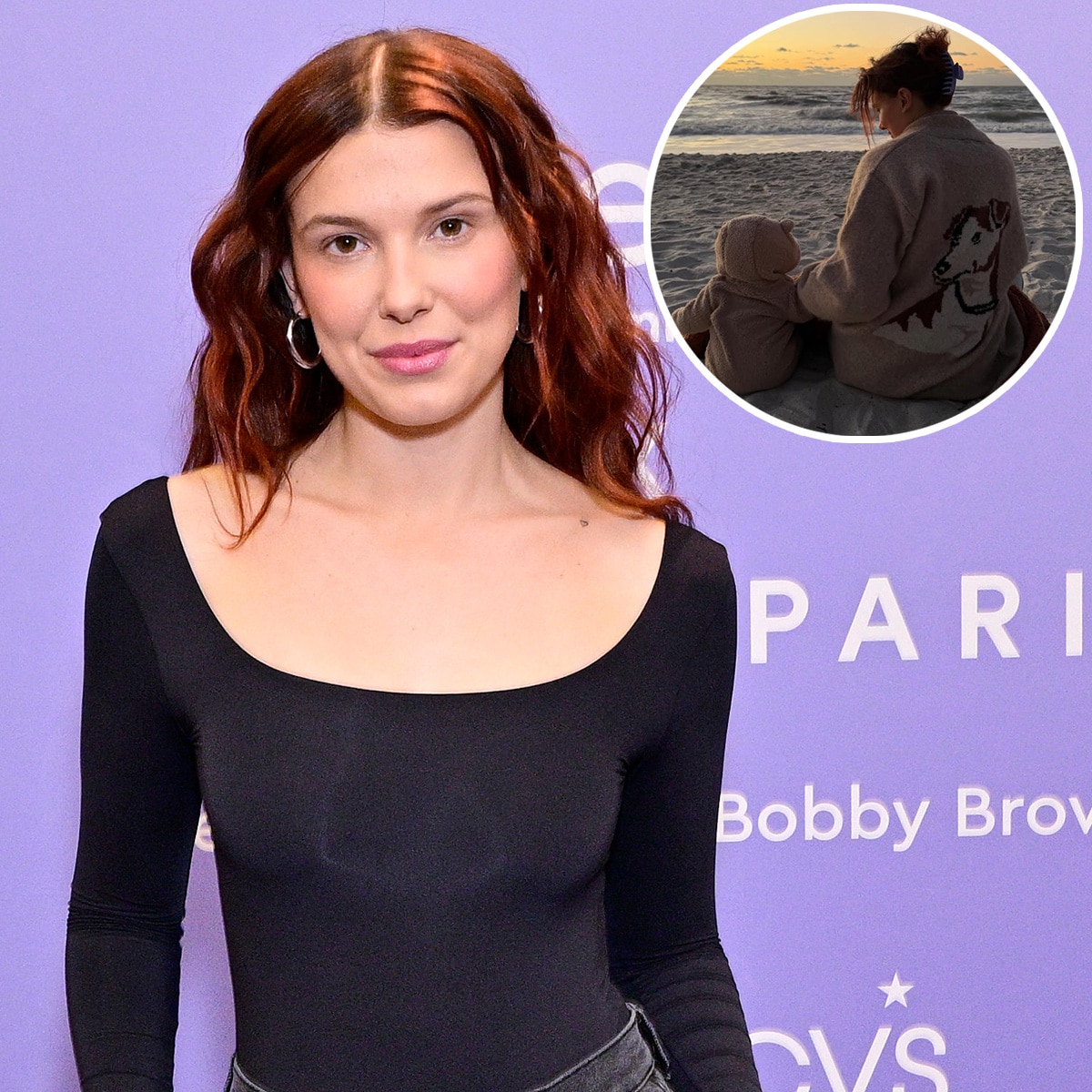
 Millie Bobby Brown is entering her 22nd year with her mini me by her side.
The Stranger Things alum marked her birthday by sharing a rare glimpse at her daughter—who she shares with husband Jake…
E! Online (US) – Top Stories
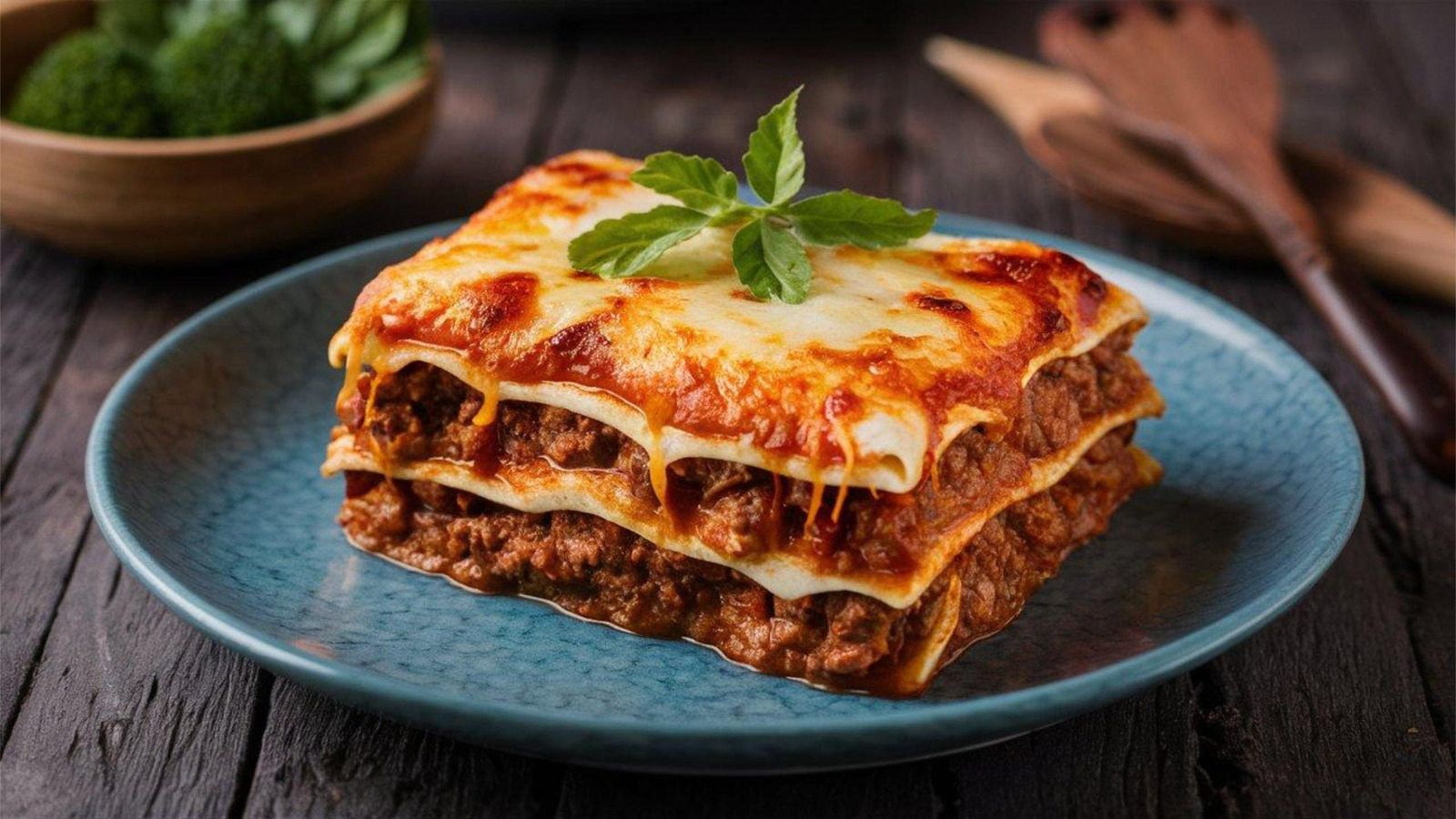
Good lasagna is hard to beat, but you can always give it an extra flavor boost simply by mixing this Aldi staple into the dish in creative ways.
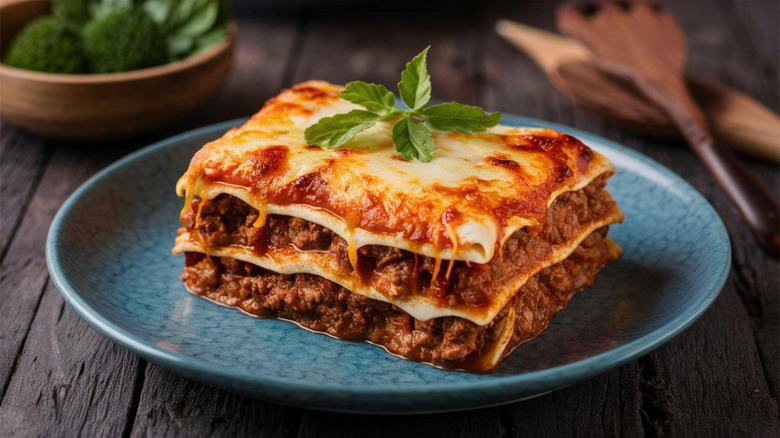
Mashed – Fast Food, Celebrity Chefs, Grocery, Reviews

 Madewell is already an authority in the jean department but now the retailer is leveling up its game by partnering with the “Denim Whisperer” himself, Benjamin Talley Smith.
The fashion icon and…
E! Online (US) – Top Stories

 The family of Reese’s Peanut Butter Cups inventor H.B. Reese is tearing its current recipe to pieces.
Brad Reese—the grandson of the man who created the beloved candy—accused The Hersey Company of…
E! Online (US) – Top Stories
By: James Brooks, Alaska Beacon
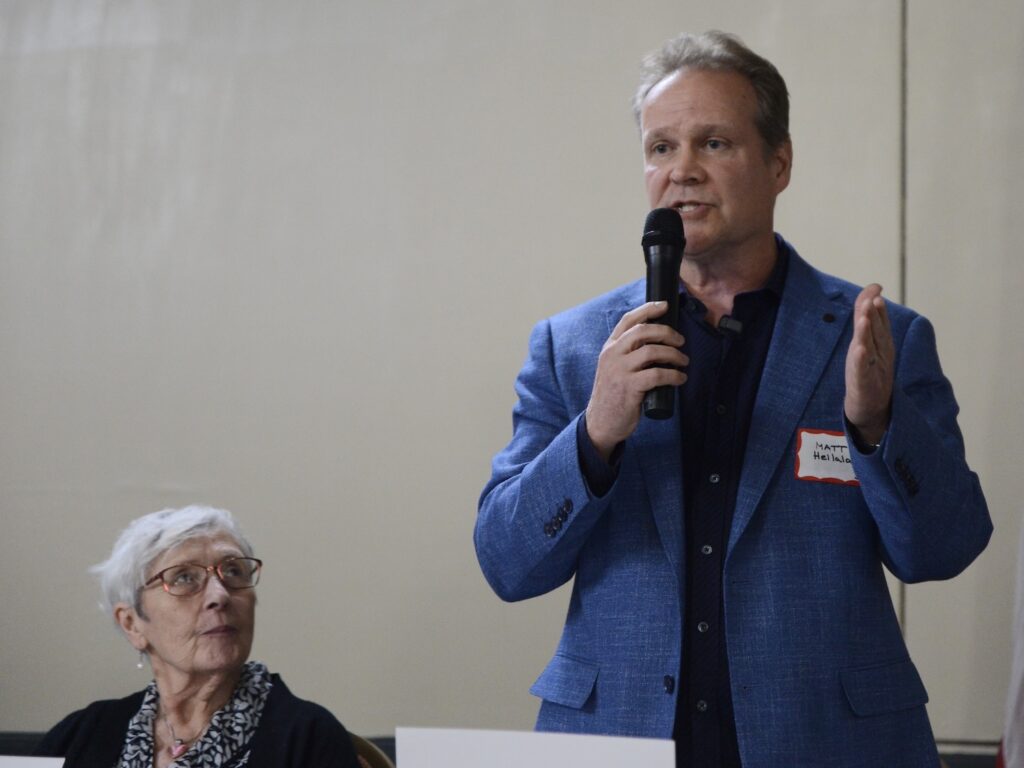
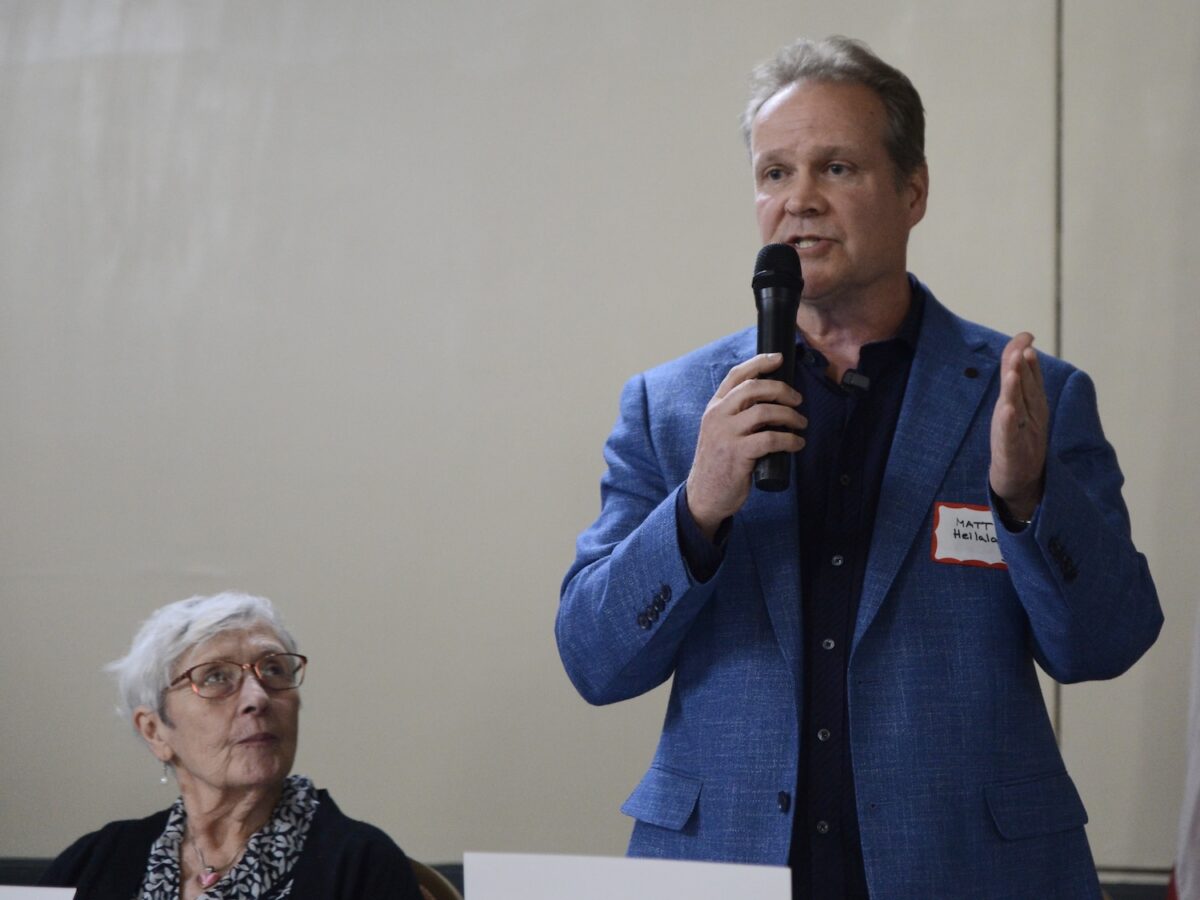
An Anchorage doctor and his wife have put almost $1.3 million of their own money into his campaign for Alaska governor, an extraordinary act that puts him atop early fundraising totals in figures published this week by the Alaska Public Offices Commission.
With more than $1 million remaining in the bank after early spending, Republican candidate Matt Heilala stands out among a field of candidates that expanded to 17 this week with the entry of community organizer Meda DeWitt.
State law requires political candidates to disclose their financial support on an irregular basis; the next report isn’t due until July, so this week’s figures represent an early look at who might be a competitive candidate.
Campaign fundraising doesn’t guarantee success at the polls, experts say, but it can act like gas in a car’s tank: Even a campaign with a high-powered engine can fall short if it doesn’t have enough gas in the tank.
“Money is the mother’s milk of politics,” said Jim Lottsfeldt, an experienced Alaska campaign consultant. “I didn’t coin that phrase, but it is true. If you’re not raising sufficient money to float an organization, you have zero chance of getting elected.”
Lottsfeldt hasn’t signed a contract with any candidate in the race but was planning to personally host a fundraiser for Democratic candidate Jonathan Kreiss-Tomkins.
Former Alaska attorney general Treg Taylor, another Republican candidate, reported having more than $724,000 in his campaign accounts as of Feb. 1, the reporting deadline for the information published this week. He also made a significant contribution to his own campaign — records show a $250,000 donation from Taylor to his campaign.
Both he and Kreiss-Tomkins stood out from the field in terms of dollars available to spend: The only other candidates who reported having more than $226,201 available were Heilala and Democratic candidate and current state Sen. Matt Claman.
Kreiss-Tomkins said in a news release that his campaign had raised more than $750,000 since entering the race this month; because he entered the race after Feb. 1, those figures were not included in this week’s APOC reports.
It also wasn’t clear how much of that total he has already spent. Several candidates reported that they had already spent much of the money they raised since starting their campaigns.
Republican businesswoman Bernadette Wilson has raised almost $306,000 since becoming the third candidate to enter the governor’s race, but she has spent more than two-thirds of that total. Similarly, former state Sen. Click Bishop has spent more than half of the $283,605 he reported raising since he started his campaign last summer.
Heilala, the self-funded candidate, spent more than any other candidate in the early going but still has the largest stockpile of campaign cash.
By phone on Wednesday, he said he hopes to fill a niche on the ballot.
“A lot of people claim they want a non-politician, non-bureaucrat, but how do you raise funds if nobody knows who you are?” he asked.
He said he and his wife have “worked our tail off” in their lives and have enough financial freedom to afford their spending.
He said that while he is a podiatrist, he also is “a fairly diverse business guy.”
“And that’s where my success has come from — investing and property developing and a lot of other things,” he said.
Self-funding the campaign to such a large degree means they can’t be swayed as much by donors, he said.
Heilala is a member of the state medical board but hasn’t served in public office before. At a candidate forum in Juneau, he praised President Donald Trump and said that he and his wife are golfing buddies with the president.
That they’re willing to spend so much of their own money shows they’re serious about their campaign, he said.
“From this point forward, it will be a little easier to get larger donors,” he predicted.
Matt Larkin is president of Dittman Research, which conducts polls and advises candidates in Alaska. Early fundraising figures can “serve sort of the same function as a primary” election, he said.
“When you have this many candidates … it’s really hard for donors to make a decision on who they’re going to support. And what you’ll typically see is donors will kind of support maybe multiple candidates at this stage in small amounts, but they’re really kind of waiting to see who emerges,” he said. “And so, this first fundraising update, I think will probably narrow the field some.”
Among well-known candidates, incumbent Lt. Gov. Nancy Dahlstrom, a Republican, reported having just $4,880 in cash on hand, less than Matanuska-Susitna Borough Mayor Edna DeVries, another Republican candidate.
Former state Sen. Click Bishop reported $130,258 in cash on hand, putting him in the bottom half of candidates, but his list of donors was an unusually multipartisan list that included former state Sen. John Coghill, a conservative Republican from Nenana, and current state Sen. Jesse Kiehl, a progressive Democrat from Juneau, among others.
Former state Rep. Joe Hayes, a Democrat, was a donor, as was Leslie Hajdukovich, a Republican who unsuccessfully challenged Hayes’ current employer — Democratic state Sen. Scott Kawasaki — in a 2024 Fairbanks Senate race.
Alaska has no limits on the amount of money an individual can donate to a political campaign. The state’s prior limits were eliminated by the U.S. 9th Circuit of Appeals in 2021, and the state declined to appeal the decision.
The Alaska Legislature has not passed a bill to reimpose limits, but voters will be asked in August whether they want to approve a ballot measure that reimposes them.
Those new limits would take effect after the November general election.
Several third-party groups registered with the public offices commission last month to support various candidates, but none have reported significant spending or donations.
In the 2022 race for governor, Republican Mike Dunleavy’s campaign spent more than $2 million. A supporting campaign backed by the Republican Governors Association, added almost $3 million in a parallel effort.
Independent Bill Walker’s campaign spent more than $2.4 million, and Democratic candidate Les Gara’s campaign spent almost $1.6 million. Republican Charlie Pierce, the fourth candidate, spent less than $150,000.
Gara said that with early fundraising numbers, “you can get a sense for how hard somebody’s working, and I think that’s the most important thing.”
In general, Lottsfeldt said, “the reason you want this money is you need to spend it mostly when people are paying attention and are going to cast a ballot. And so that is really, mid-July through the third week in August.”
“Unfortunately for all the guys and women running for governor,” he said, “there’s this U.S. Senate iceberg floating in the middle of the channel.”
Lottsfeldt expects that the U.S. Senate race between Democrat Mary Peltola and Republican incumbent Dan Sullivan will take up most of the available TV and radio ad slots because those candidates will have more money and be able to outbid governor candidates.
For that reason, he thinks a successful governor candidate will invest in things like yard signs, supporters going door-to-door, and other parts of a “field game.”
“It’s funny: Yard signs don’t win campaigns, but it is a marker of, ‘oh, that campaign is active. There’s people behind that. There’s enthusiasm. … Whether it’s a door stop, a yard sign, word of mouth, that is going to be huge when we have 16 people who are running.”
Even as Lottsfeldt talked, that number had already increased by one.
The deadline to sign up as a candidate is June 1. Candidates may drop out of the race as late as June 27.
In Alaska, the top four finishers in the August primary, regardless of political affiliation, advance to the November general election, where voters use ranked choice voting to sort the candidates in order of preference and pick a winner.
Larkin, of Dittman Research, doesn’t have a contract with any candidate but has done polling on the governor’s race. While money is important, he said, “how you use that money is more important.”
“Increasingly, it’s the message that these candidates will go with will end up being the difference,” he said. “… I think the candidate with the best ideas is going to win this race, bottom line.”
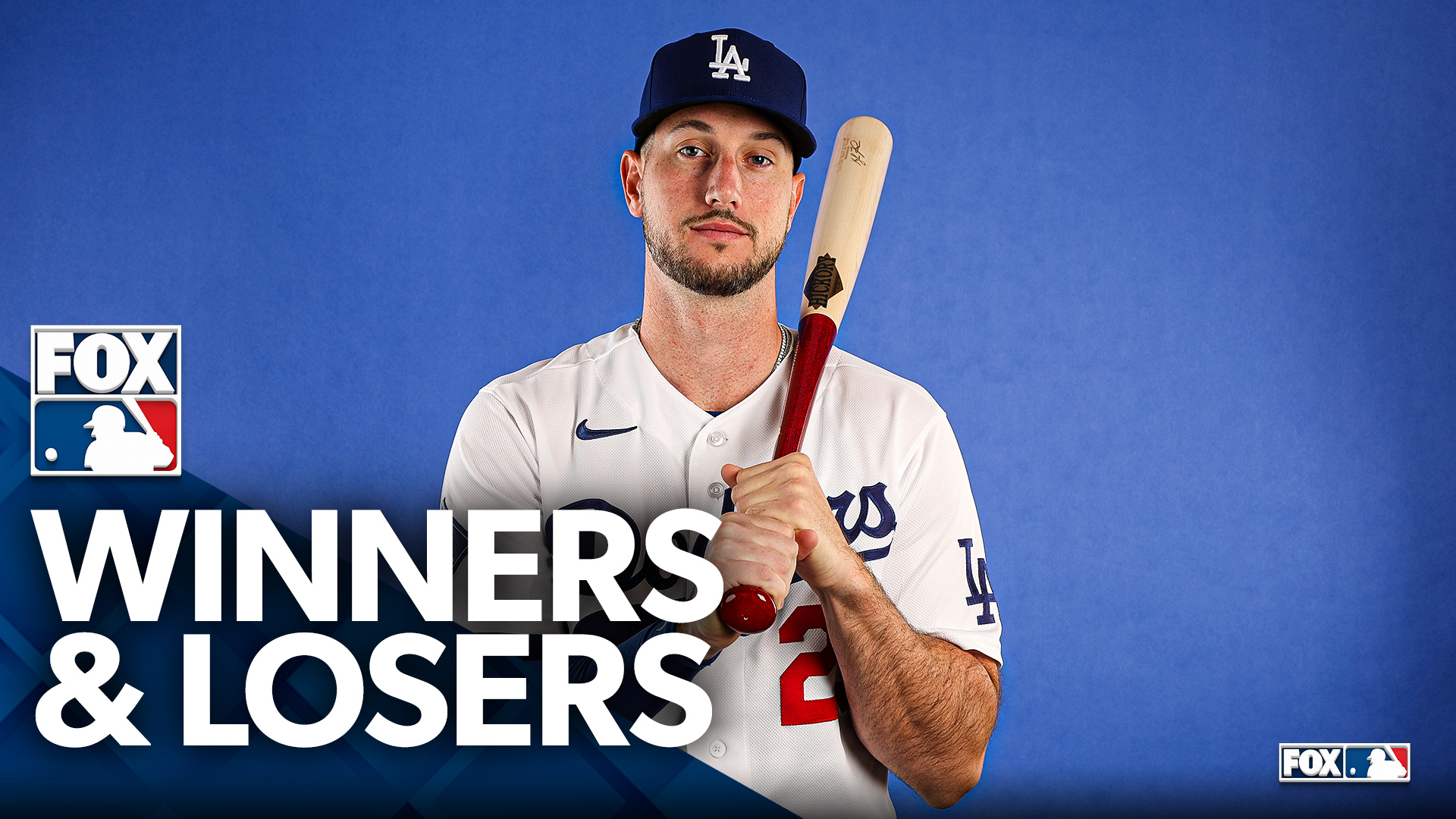
The two-time defending champions again made the ultimate splash(es) this offseason, while some other top teams kept us guessing for the majority of the cold season. Meanwhile, a surprising number of would-be contenders appear content with mediocrity. Outside any last-minute developments, the time for your favorite team to make vital moves is in the rearview mirror. Now that rosters are complete, there are players and clubs that stood out, for better or worse, this winter. Before spring training games get underway, let’s look back and evaluate the winners and losers of this MLB offseason. Winner: Los Angeles Dodgers The Dodgers, winners of the last two championships and every offseason of late, delivered again this winter when they snagged shutdown closer Edwin Diaz on a three-year, $69 million pact. Nobody saw that one coming, least of all his former team, the Mets. Early in the offseason, Los Angeles addressed its only real flaw by bolstering the bullpen with one of the game’s best closers. The Dodgers didn’t even need to execute the blockbuster signing of Kyle Tucker to have a winning offseason. (See: their star-studded, back-to-back championship roster.) Tucker and Diaz became the latest top free-agent players of the offseason to land in Hollywood, joining Shohei Ohtani, Yoshinobu Yamamoto and Blake Snell as the Dodgers’ recent winter splashes. Rocking a $400 million-plus payroll, they are the overwhelming favorites to win the World Series in 2026. Loser: Houston Astros The Astros missed the postseason last year for the first time since 2016, and they enter 2026 having failed to significantly improve that roster. Houston finished last season with 87 wins, and FanGraphs projects it to take a step back this year with 81. The ‘Stros entered spring training with an awkward position-player group that has forced Isaac Paredes to be the odd man out. Carlos Correa is back at third base, Jose Altuve is manning second, Jeremy Pena is in the dirt at short, Christian Walker is at first, and Yordan Alvarez is DH. Either Paredes or Walker could be traded before Opening Day, but even if a deal materializes, Houston will need an All-Star caliber outfielder to significantly change its outlook for the season. At the very least, the Astros reinforced their starting rotation by winning the Tatsuya Imai sweepstakes, one of the top international pitchers on the market. But that’s likely not enough to fill the hole Framber Valdez left behind. It was a strange and flat offseason for an Astros club trying to get back into the October dance. Winner: Tigers ace Tarik Skubal Baseball’s best pitcher, Skubal found himself in a unique position in his final year of arbitration with the Tigers. With over five years of service time and back-to-back Cy Young awards under his belt, Skubal was able to compare himself to any major-league pitcher in his prime rather than limit his field to arbitration-only players. He walked away from his hearings with a $32 million salary for 2026, breaking the salary record for a player in the arbitration system. Skubal and his agent, Scott Boras, pushed the boundaries of the system and, in a way, set the market for everyone else. Few players, if any, will come close to matching Skubal’s talent and service time to use his case as precedent in future hearings. But it was a huge victory for Skubal, who dramatically raised his ceiling ahead of his free agency. Loser: San Diego Padres Sure, the Padres’ spending is handcuffed due to large player salaries and a potential franchise sale, but we were expecting something to address the losses of All-Stars Dylan Cease, Robert Suarez, Luis Arraez and Ryan O’Hearn. Even though right-hander Michael King returned to San Diego’s rotation, its starting pitching staff without Cease and Yu Darvish is projected by FanGraphs to be in the league’s basement. The Padres didn’t add elite talent or pitching depth this offseason, weakening their previously strong bullpen. And for a lineup that ranked 28th in home runs last year, no top-tier slugging additions were made to try and improve that position. Their current stars are aging and declining, and without real upgrades and reinforcements, this Padres season could very well be a car crash in slow motion. Winner: Chicago Cubs The Cubs responded aggressively in the wake of Tucker’s departure, signing third baseman Alex Bregman to the third-largest contract in the organization’s history. Bregman’s five-year, $175 million deal was a game changer in Wrigleyville. The big-market Cubs finally flexed their financial might in free agency, and it has boosted their chances of having one of the most successful seasons in the league this year. PECOTA has the Cubs, Braves and Mets essentially tied for the second-best record in the National League. FanGraphs is not as high on Chicago’s rotation, which is projected to rank 19th in MLB with a group consisting of Shota Imanaga, Edward Cabrera, Matthew Boyd, Jameson Taillon and Cade Horton. The Cubs are hoping their strong lineup can outweigh any concerns about whether they did enough to upgrade the pitching staff. Winner(ish): Toronto Blue Jays The Blue Jays looked like an early winner of the winter when they jumped the market and signed right-hander Dylan Cease, the top starter available, to a massive seven-year, $210 million contract that marked the largest free-agent deal in franchise history. Cease, Kevin Gausman, Trey Yesavage, Cody Ponce and Shane Bieber (when he returns from a forearm injury) will give the Jays one of the best rotations in baseball. But the reason Toronto isn’t a clear-cut winner is due to its lineup, which is objectively worse today than it was during Game 7 of the World Series. The Jays hoped to land Tucker, but were bridesmaids again for the top free agent of the class, and they were bizarrely not interested in bringing back homegrown second baseman Bo Bichette. Without a replacement for Bichette, the Blue Jays offense will be weaker than it has been in previous years, putting a damper on an otherwise solid offseason. Loser: Milwaukee Brewers The Brewers’ complete refusal to even dabble in free agency, let alone be players, was disappointing. They enter the year representing the only team in MLB that distributed zero — none, zilch! — major-league deals this offseason. Right-hander Brandon Woodruff agreeing to a one-year, qualifying offer was the only money Milwaukee spent in free agency on major-league acquisitions. Woodruff is now the team ace, but he’s not a replacement for Peralta. The Brewers did make some trades that could be beneficial as soon as this year, with former Mets right-hander Brandon Sproat and infielder/outfielder Jett Williams headlining that list. The Brew Crew is far from doomed in the NL Central, but it was unfortunate to see Milwaukee refrain from spending when other smaller-market teams at least dipped their toes in free agency. Winner: Pete Alonso and the Baltimore Orioles At long last, the Orioles remembered they can spend money on top-tier free agents. Adding first baseman Pete Alonso to stabilize a young lineup was smart, and the O’s were overdue on bringing a right-handed slugger with elite power to Camden Yards. More than Baltimore, which goes into the season without a true ace in the rotation, Alonso is the real winner here. New York’s former Polar Bear achieved his goal of landing a long-term deal (five years, $155 million) and playing for a contender. The Mets have remained steadfast in saying the market was thin for Alonso, and the first baseman still managed to secure a lucrative contract that takes him through his age-35 season. The O’s are immediately projected into the realm of World Series contenders, even if they likely didn’t do enough to bolster their rotation. Loser: Corner infielder Munetaka Murakami The Japanese star signed extremely far below expectations when he agreed to a two-year, $34 million deal with the White Sox this offseason. Murakami, 26, was considered the best international talent available, with his contract projected to be north of $150 million on a long-term deal. Instead, any team could’ve signed Murakami at that annual salary of $17 million, even the Angels or — gasp — the Rays. But it was particularly perplexing why top contenders didn’t get involved in Murakami’s prove-it deal, given that he was being hailed as the next Japanese phenom to take his incredible power bat to the States. Murakami possesses elite power (he broke the NPB record by hitting 56 home runs in 2022), but he also has a concerning swing-and-miss rate. His high strikeout clip against NPB arms was obviously concerning enough that no contender wanted to make the splash. It all amounted to a disappointing pay day for Murakami — unless he can reset his market with a couple of strong years on the South Side. Maybe a Winner: New York Mets This was a stunning execution of a complete roster turnover from Mets president of baseball operations David Stearns. After cutting ties with four longtime players (Alonso, Brandon Nimmo, Diaz and Jeff McNeil), it’s astonishing that the Mets are now right up there with the Braves and Cubs, projected to finish the season with the second-best NL record behind the Dodgers. The splashy additions of Bichette and infielder Jorge Polanco add average and power to a lineup that parted ways with its franchise home-run leader in Alonso. Right-hander Freddy Peralta, acquired via trade with the Brewers, gives the Mets their first ace since Jacob deGrom. But replacing Diaz with closer Devin Williams is a downgrade, and concerns persist regarding the new-look infield. Second baseman Marcus Semien is a defensive upgrade over McNeil, but at 35, his offensive production is not expected to be noteworthy. Former White Sox center fielder Luis Robert Jr. is a low-risk, high-reward acquisition if he’s able to stay healthy. There’s a lot of potential on this Mets roster, and they could be winners, but their question marks carry weight going into 2026. Loser(ish): New York Yankees “Man, we’re the New York Yankees,” Aaron Judge thought as his front office sat on its hands and watched top free agents fly off the board earlier in the offseason. Judge was eager for the Yankees to re-sign outfielder Cody Bellinger, which they eventually did in January. That was their biggest and most significant move of the winter. Bellinger is a perfect fit in the Bronx after he finished second in team WAR behind only Judge last year. Making sure he stayed in pinstripes was important. The Yankees were excellent last season even after losing Juan Soto to the Mets and Gerrit Cole to Tommy John surgery. Getting Cole back around May-June will be huge, but it’s fair to question whether running back the same roster will be enough to win their first championship since 2009. It’s not that the Yankees aren’t strong. In fact, FanGraphs has them projected to win the division with around 87 wins. But since we’re strictly grading offseason moves, their inactivity with so much top talent available was underwhelming. There’s an argument that the front office should be doing more while Judge, 34, is in the final years of his prime.Latest Sports News from FOX Sports

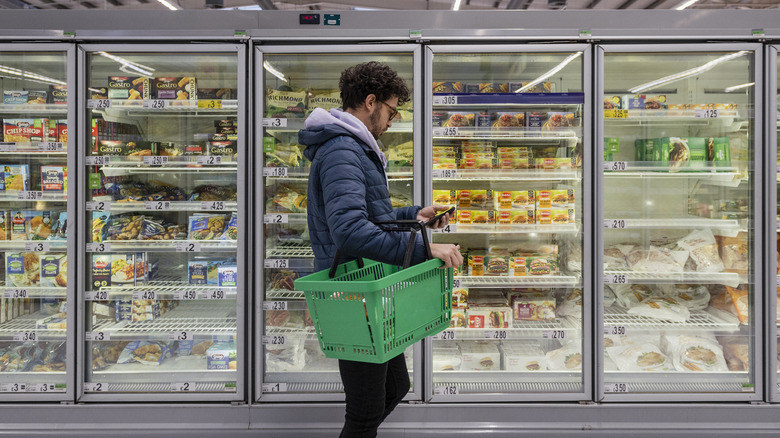
Considering factors like price, selection, and intended cooking application, Trader Joe’s and Whole Foods both offer unique advantages in their frozen sections.
Food Republic – Restaurants, Reviews, Recipes, Cooking Tips

McDonald’s once offered a “grown-up” take on the popular Filet-O-Fish in the ’90s. Here’s why the upgraded sandwich disappeared from menus.

Mashed – Fast Food, Celebrity Chefs, Grocery, Reviews