Donald Trump’s unfiltered comments regarding sex and women’s appearance have left people asking if they’re a symptom. Could something serious be going on?

Health Digest – Health News, Wellness, Expert Insights









Donald Trump’s unfiltered comments regarding sex and women’s appearance have left people asking if they’re a symptom. Could something serious be going on?
Health Digest – Health News, Wellness, Expert Insights

Reading Time: 2 minutes
We have sad news to report from the world of music today.
Afrika Bambaataa — the hip hop legend best known for his pioneering track “Planet Rock” — has passed away.
He was just 67 years old.
News of his passing comes courtesy of a social media post from Mick Benzo, a fellow musician and member of the Universal Zulu Nation, the music collective founded by Bambaataa
“Two days ago, I spoke with Afrika Bambaataa and found him in high spirits,” Benzo wrote on Instagram.
“Today, however, I began receiving calls about his passing. Concerned, I reached out to him but received no response. My worries deepened, and I was heartbroken to learn it was true—he had peacefully fallen asleep and did not wake up,” he continued, adding:
“It is with profound sorrow that we announce the passing of Afrika Bambaataa, a pioneering architect and global ambassador of Hip Hop culture.

“Revered as the Godfather of Hip Hop, Bambaataa was instrumental in organizing, shaping, and elevating the culture from its earliest days in the Bronx into a worldwide movement rooted in the principles of Peace, Unity, Love, and Having Fun.
“Through his vision, leadership, and unwavering commitment, he helped transform Hip Hop into a powerful force for expression, community building, and social change.”
Bambaataa’s influence as a hip hop pioneer is undeniable.
However, in his later years, his musical contributions were overshadowed by scandal .
In 2016, Bambaataa was accused of molesting a teen.
Several other allegations followed, and though he denied them all, Bambaataa was eventually expelled from the Universal Zulu Nation.
According to a report from Rolling Stone, Bambaataa lost a child sexual abuse civil case last year after he failed to appear in court.
His cause of death is unknown at this time. We will have further updates on this developing story as new information becomes available.
Our thoughts go out to Afrika Bambaataa’s loved ones during this difficult time.
Afrika Bambaataa Cause of Death: Disgraced Hip Hop Legend Was 67 was originally published on The Hollywood Gossip.
The Hollywood Gossip

A young girl took one look at this dish and referred to it as a specific part of an amphibian’s anatomy. Hop on into this article to see what she said.

Mashed – Fast Food, Celebrity Chefs, Grocery, Reviews

Snow falls on the Alaska State Capitol on Monday, March 16, 2026, in Juneau, Alaska. (James Brooks photo/Alaska Beacon)
The chief of staff for a member of the Alaska House of Representatives was arrested early Sunday morning in Juneau and accused of driving under the influence of alcohol.
Kathryn “Katy” Giorgio, 45, is an aide to Rep. Genevieve Mina, D-Anchorage, and pleaded not guilty to a class A misdemeanor in an initial hearing on Monday.
Her arrest came less than a week after Forrest Wolfe, a Republican and aide to Gov. Mike Dunleavy, was also arrested for driving under the influence. It was Wolfe’s second DUI arrest and Giorgio’s first.
Giorgio was released without bail. Ordinarily, DUI release conditions require that accused Alaskans stay out of bars and other places where alcohol is served.
In Giorgio’s case, Judge Kirsten Swanson and the municipal prosecutor agreed to one exception: Giorgio will be allowed to play trombone this week in the Red Dog Saloon as part of an Alaska Folk Fest concert.
Mina declined comment when reached by phone Thursday evening but confirmed that Giorgio remains a member of her staff and that the matter is an internal personnel issue.
Giorgio declined on Thursday to speak at length about the incident but said “it was a bad decision.”
“I was not driving erratically. I was a block away from my house, and it was just an unfortunate situation, and I’m working through the system to do what I have to do,” she said.
In an affidavit submitted to prosecutors, Juneau Police Department Officer Joshua Shrader said he pulled over Giorgio about 2:30 a.m. Sunday morning after observing her car speeding and “driving down the center of the road” in Juneau’s Mendenhall Valley neighborhood.
“While Giorgio was searching for her registration,” he wrote, “I noted an open can of alcohol in the center console cup holder. Inside the center console glove box, Giorgio picked up another can of alcohol and attempted to conceal it in a napkin.”
Shrader said both Giorgio and the car smelled of alcohol, and her breath alcohol level measured at 0.126, more than the legal limit of 0.08.
A status hearing on Giorgio’s case has been preliminarily scheduled for April 24. A hearing in Wolfe’s case is scheduled for May 18. According to online court records, both have hired defense attorney August Petropulos.
SUBSCRIBE: GET THE MORNING HEADLINES DELIVERED TO YOUR INBOX

Out of all the Michelin-starred fine dining establishments in the entire world, the foodie city of Chicago has the only brewery with a coveted star.

Food Republic – Restaurants, Reviews, Recipes, Cooking Tips

Fuller, go easy on this Pepsi competitor! Learn what this Oscar-winning actor ordered from Mickey D’s the morning after Hollywood’s biggest night.

Mashed – Fast Food, Celebrity Chefs, Grocery, Reviews
Every week political cartoonists throughout the country and across the political spectrum apply their ink-stained skills to capture the foibles, memes, hypocrisies and other head-slapping events in the world of politics. The fruits of these labors are hundreds of cartoons that entertain and enrage readers of all political stripes. Here’s an offering of the best of this week’s crop, picked fresh off the Toonosphere. Edited by Matt Wuerker.Politics
When President Donald Trump endorsed Rep. Julia Letlow against Sen. Bill Cassidy, many thought she had a clear path to the upper chamber.
But three months after Trump pushed Letlow into the field, the race stands as a tight three-way contest between her, Cassidy and State Treasurer John Fleming, with all of them appearing to have a real chance to make the June runoff.
That has some Louisiana Republicans reconsidering whether Cassidy could survive in spite of his breaks with the president, including his 2021 vote to convict Trump in his second impeachment trial, and his low polling numbers compared to Letlow and Fleming. Others are wondering if Letlow might end up locked in a runoff with Fleming that could prove much more challenging to her chances.
She has been massively outspent by Cassidy on the airwaves, still has low name ID compared to her opponents, and faces in Fleming another candidate with MAGA appeal and his own network of support. That’s making it harder for her to capitalize on Trump’s endorsement and rally the base behind her as she runs her first statewide campaign under a compressed timeline.
The outcome will be a test for Trump, whose meddling in the Louisiana Senate race may reveal the power of his endorsement at a time when his approval is at an all time low — as well as the viability of his efforts to seek vengeance against Republicans who cross him.
“The Trump endorsement has not had a close-out move. Cassidy was ready for her,” said GOP state Rep. Mike Bayham, who has not publicly supported any candidate yet. “They defined her before she introduced herself.”
Public polling gives a muddied picture of the primary, with polls from late March showing Letlow holding a narrow lead. A recent memo from Letlow’s campaign highlights an independent poll showing her leading with 29 percent, followed by Fleming at nearly 24 percent and Cassidy at nearly 20 percent. It also includes potential runoff scenarios showing her leading Cassidy 50 percent to 24 percent and in a statistical dead heat with Fleming in a head-to-head matchup.
“We’re in the middle of a dogfight,” said Mark Harris, a Cassidy aide. “Everyone’s expectation is that she would shoot to a large lead and that we’d all be running from behind. But frankly I think they just weren’t ready for this race.”
Letlow’s campaign claims that she has the most momentum in the race. She’s been endorsed by the Jefferson Parish Republican Executive Committee, one of the largest GOP groups in the state, and has the backing of Louisiana Gov. Jeff Landry, who has clashed with Cassidy and made the unusual move of selecting her over a Republican incumbent.
“We are talking about an incumbent who is underwater,” said a Letlow campaign aide. “Julia is surging. Her lead continues to grow the more the people learn that she’s endorsed by the President.”
Trump and his allies haven’t stepped in much for Letlow beyond his initial endorsement — at least not yet. The Robert F. Kennedy Jr.-aligned Make America Healthy Again PAC has pledged to spend $1 million to boost Letlow and oust Cassidy, who has been openly skeptical of the Health secretary. But Louisiana Republicans are still waiting to see if the president’s super PAC, MAGA Inc., will spend any of the $300 million cash it has on hand.
MAGA Inc. has been tightlipped about its midterm spending plans so far and whether it will toss money to Letlow for the primary or runoff.
A MAGA Inc. PAC spokesperson and the White House did not respond to requests for comment.
Cassidy, boosted by a massive war chest, has been outspending Letlow for weeks. His campaign has combined with the Louisiana Freedom Fund, an outside group backing the senator, to pour more than $14 million into the race on ads, most of them attacks against Letlow. Letlow’s campaign and outside groups have combined to spend just $4.6 million, according to the tracking service AdImpact. Federal Election Commission fundraising reports next week will reveal her fundraising capabilities and if she’ll be able to keep pace with Cassidy’s haul.
Letlow’s ads have almost exclusively focused on her endorsement from Trump, rather than attacks on Cassidy. But he’s gone hard after her.
In recent days, Cassidy’s campaign has highlighted a video of Letlow praising diversity, equity and inclusion initiatives while interviewing for a job as president of the University of Louisiana at Monroe in 2020. They’re also hammering her for trading stocks of defense contractors amid the war in Iran.
In response to Cassidy’s DEI attacks, Letlow has pointed to his support for Biden’s economic stimulus package that included equity provisions to help underserved schools and businesses impacted by the pandemic.
Letlow told a local news outlet in March that DEI initiatives at the university had been “presented to us as something that would help students achieve the American dream,” but that she realized that the diversity push was “hijacked by the radical left and turned into indoctrination.”
“Cassidy’s problem in this race is that he’s trying to make it an ideological race. The problem with that framing is that he has spent the past four years trying to undermine the president,” the Letlow aide said, referencing Cassidy’s initial refusal to support Trump’s third presidential bid and call for Trump to drop out after the FBI raided Mar-A-Lago in an investigation of his handling of classified documents.
Part of Letlow’s challenge is that she hails from a rural district in north Louisiana far from the population hubs of New Orleans and Baton Rouge. Her district is more culturally aligned with the deep South and starkly different from the Catholic, Cajun and Creole influence throughout the southern half of the state.
“People haven’t met her. She’s almost invisible as a candidate,” said East Baton Rouge Parish Chair Woody Jenkins, who has not decided who he supports but used to work for Fleming in the Treasurer’s office.
“When you’re just meeting someone new in politics, and you hear all these bad things, you might have a first impression, but you tend to start having second thoughts,” he added. “And he’s just relentless in it.”
And then there’s the Fleming factor.
“The two runoff spots are wide open,” said Matt Kay, Caddo Parish GOP chair, who described himself as an “anybody but Cassidy voter.” Kay said he was initially leaning toward Letlow, but after he saw her comments in support of DEI, he became interested in Fleming, who he sees as “more in touch with conservative voters.”
Fleming has largely self-funded his campaign, which launched last year. One of the founding members of the House Freedom Caucus, he’s made inroads with Republican voters, especially in rural communities, with his stark opposition to carbon capture, which he says is a dangerous process that risks water contamination, costs taxpayers and violates property rights.
Both Fleming and Letlow have been aggressively attacking Cassidy for his impeachment vote, calling it a deep betrayal of MAGA and disqualification for the Senate. Louisiana is conducting closed primaries for the first time this year, a change that Fleming thinks will benefit conservatives like him.
“Number one, you have a mistrust of Senator Cassidy amongst Republican based voters,” said John Couvillon, a pollster who works on behalf of Fleming. “Number two, since he does have a relatively Republican voting record, that doesn’t get him any great affections from Democrats either. So he’s kind of the proverbial man without a political country.”
But some Republicans no longer feel that Cassidy’s vote in 2021 to convict Trump should be disqualifying, and they’re reluctant to relinquish his leadership positions to a freshman senator. They also point out that Cassidy, despite expressing concerns about Kennedy’s rejection of some vaccines, ultimately voted for his confirmation, along with the rest of the Trump Cabinet.
“I don’t believe his vote to convict President Trump should be the reason we ought to oust him,” said Kelby Daigle, chair of the St. Martin Parish GOP. “I think it’s silly. We should move on. It’s old news.”
Andrew Howard contributed to this report.
CORRECTION: The poll mentioned in Letlow’s campaign memo is an independent survey.
This article has been updated to mention that Jenkins once worked in Fleming’s office.
Politics






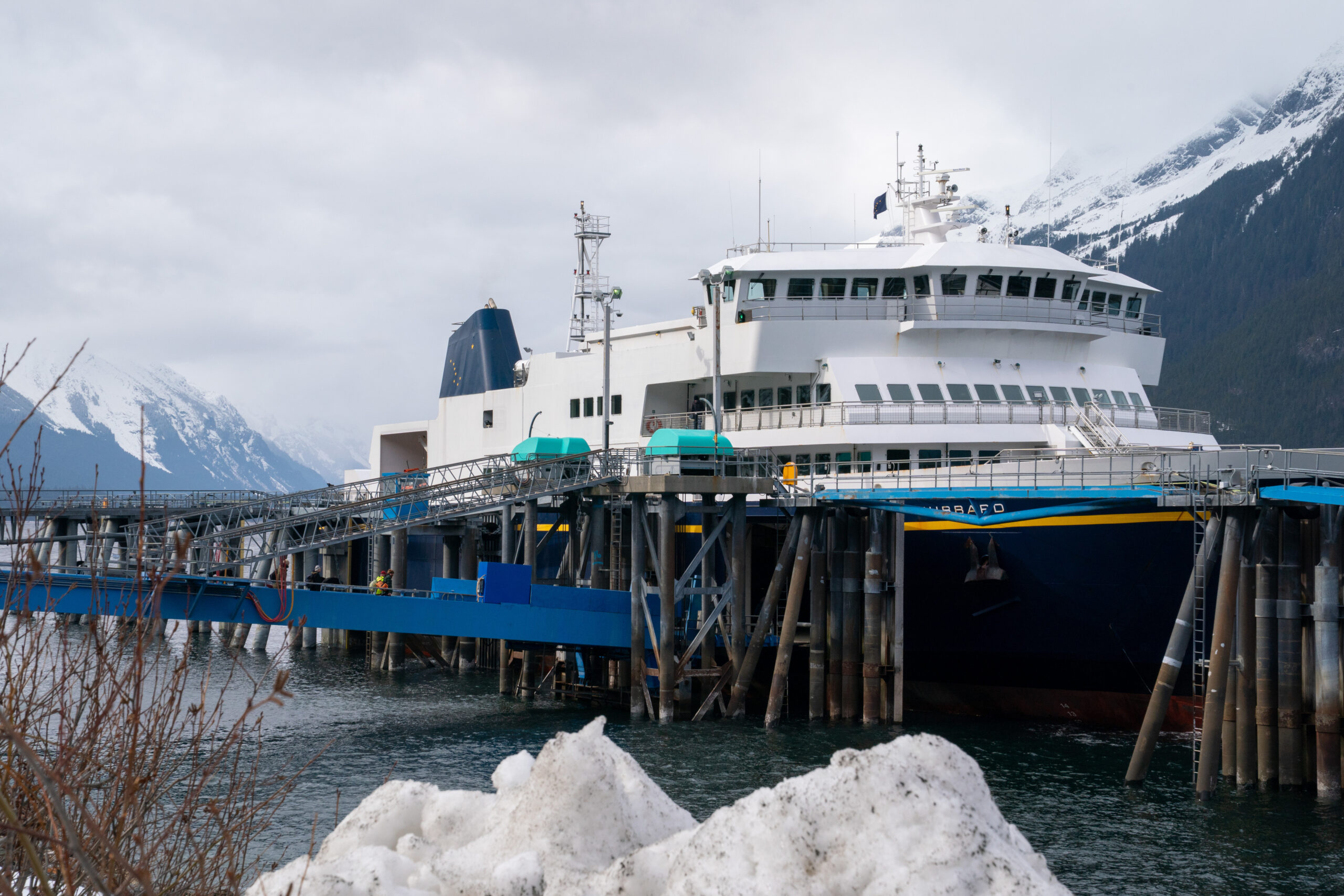

The post April, in photos appeared first on Chilkat Valley News.
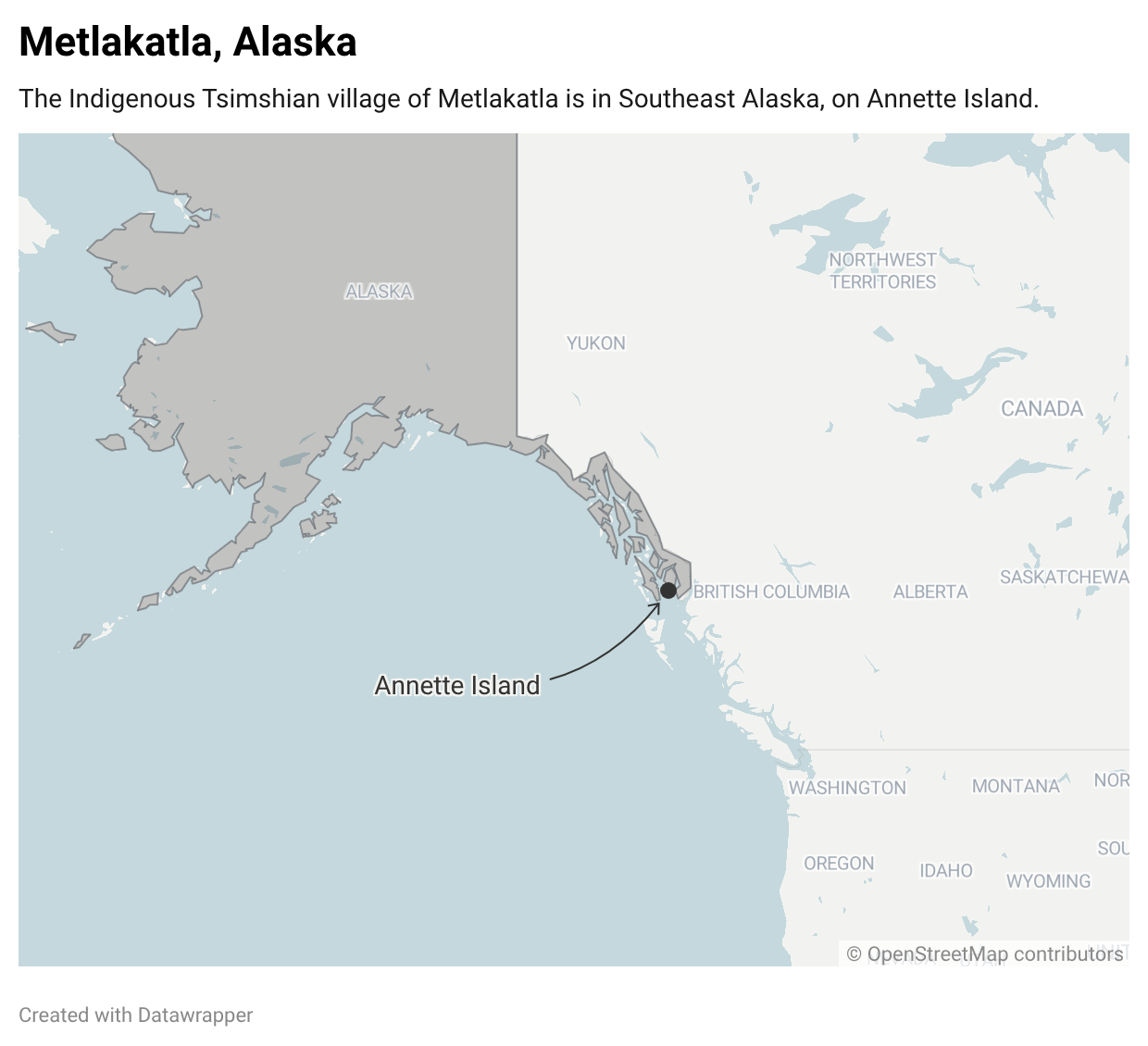
METLAKATLA, ALASKA — Across Alaska’s coastline, from the Indigenous communities of Bristol Bay to the Tlingit and Haida villages of the panhandle, rural harbors that once bustled with commercial fishing boats now sit unused and empty.
Abandoned boats covered with mold and algae line the shores of one Southeast town; others have seen their fleets sold off and relocated.
In the Indigenous village of Metlakatla, though, it’s a different story.

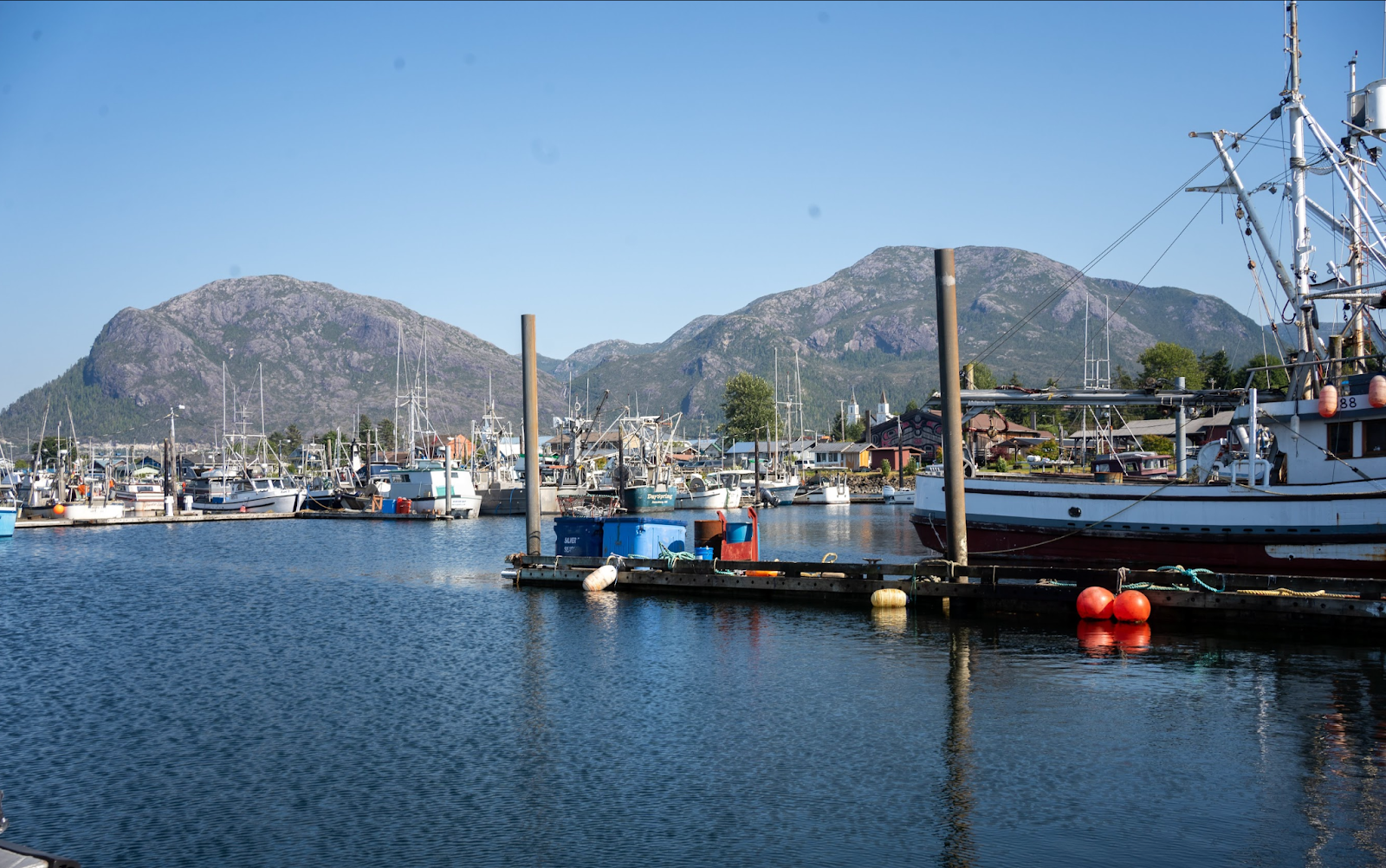
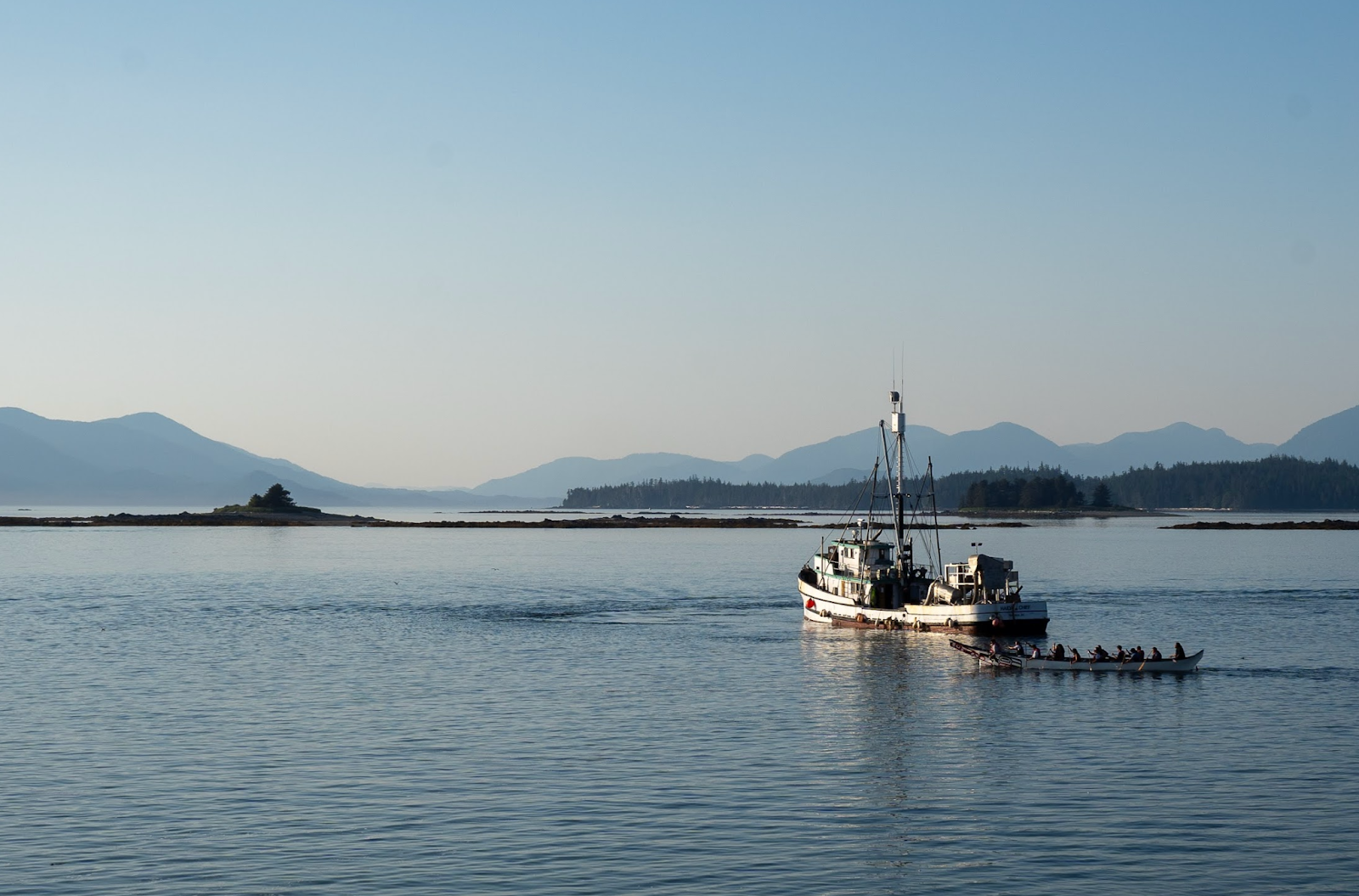
Fishing vessels pack the downtown harbor on Annette Island, which sits just off the coast at Alaska’s southernmost tip. Huge seiners, with onboard cranes to reel in fish-laden nets, loom over the docks, with many more slips filled in by smaller gillnetters. Fathers and grandfathers still fish with sons and grandsons.
Experts and industry players disagree about the exact reasons for the decline of commercial fishing in the rest of rural, coastal Alaska — with some blaming state policies and others pointing to global market trends.
In Metlakatla, local leaders say their success in sustaining their fishing culture stems from the community’s unusual history.
In the 1970s, the village stayed out of a land claims settlement between Alaska Natives and the federal government — a deal that could have brought cash in exchange for ceding Metlakatla’s reservation and residents’ collective right to pull fish from the waters off their shores. All the other Native reservations in the state were terminated.

As a result, Metlakatla is the only Native community in Alaska that manages its own commercial fishing harvest. The right to earn a living from the ocean waters surrounding the island is tied to tribal membership and can’t be sold off to outsiders — as happened in other rural and Native communities across the state.
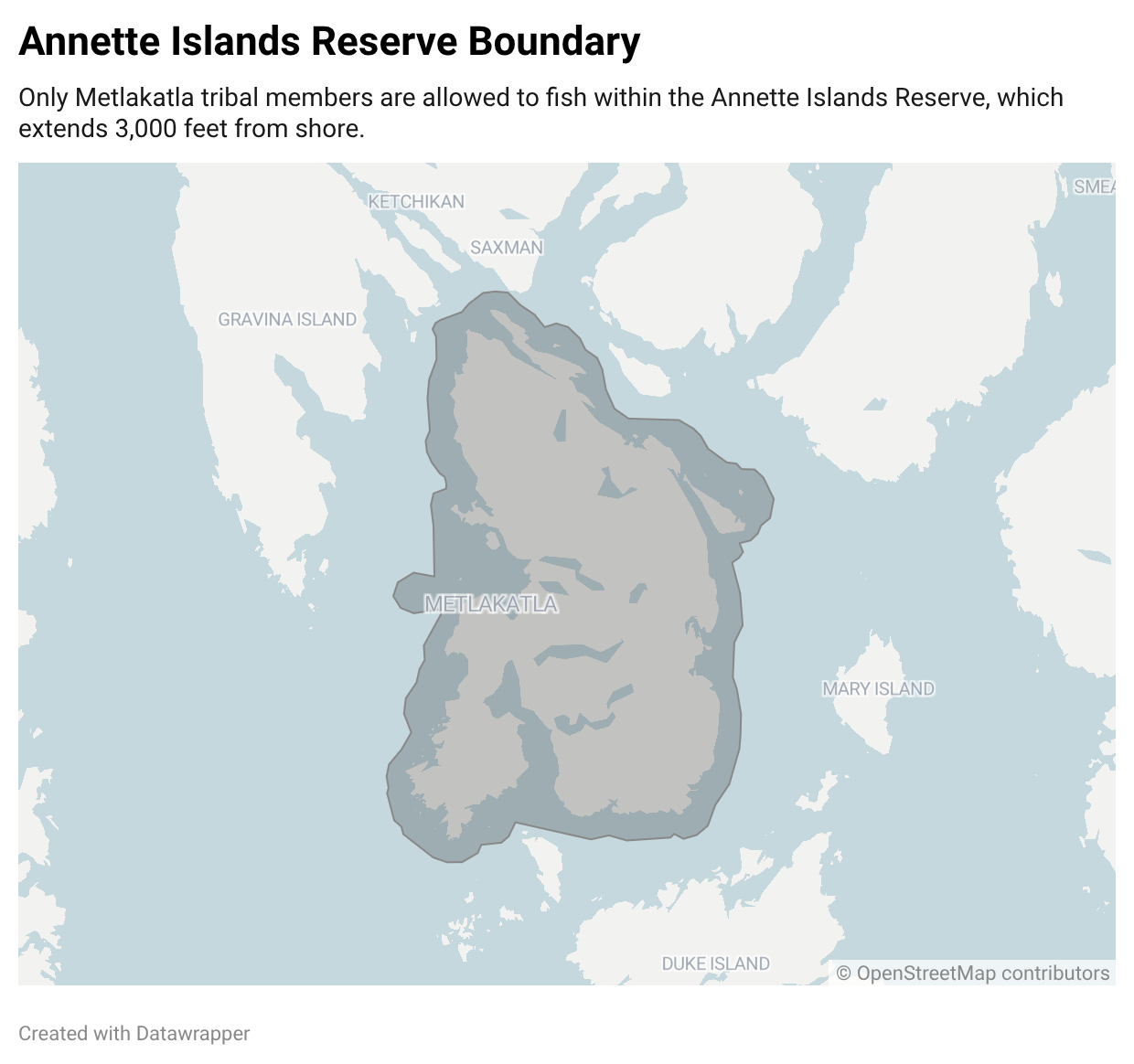
Elsewhere, Native residents of coastal villages and cities might have to pony up $100,000 or more for a permit to access state-managed commercial fisheries just offshore. Meanwhile, any Metlakatla tribal member with a boat and $25 can buy a permit and cast their net in the Indigenous-managed fishery that extends 3,000 feet around Annette Island.
“It’s 100% of the reason why we’re not down to one boat,” said Albert Smith, Metlakatla’s mayor.
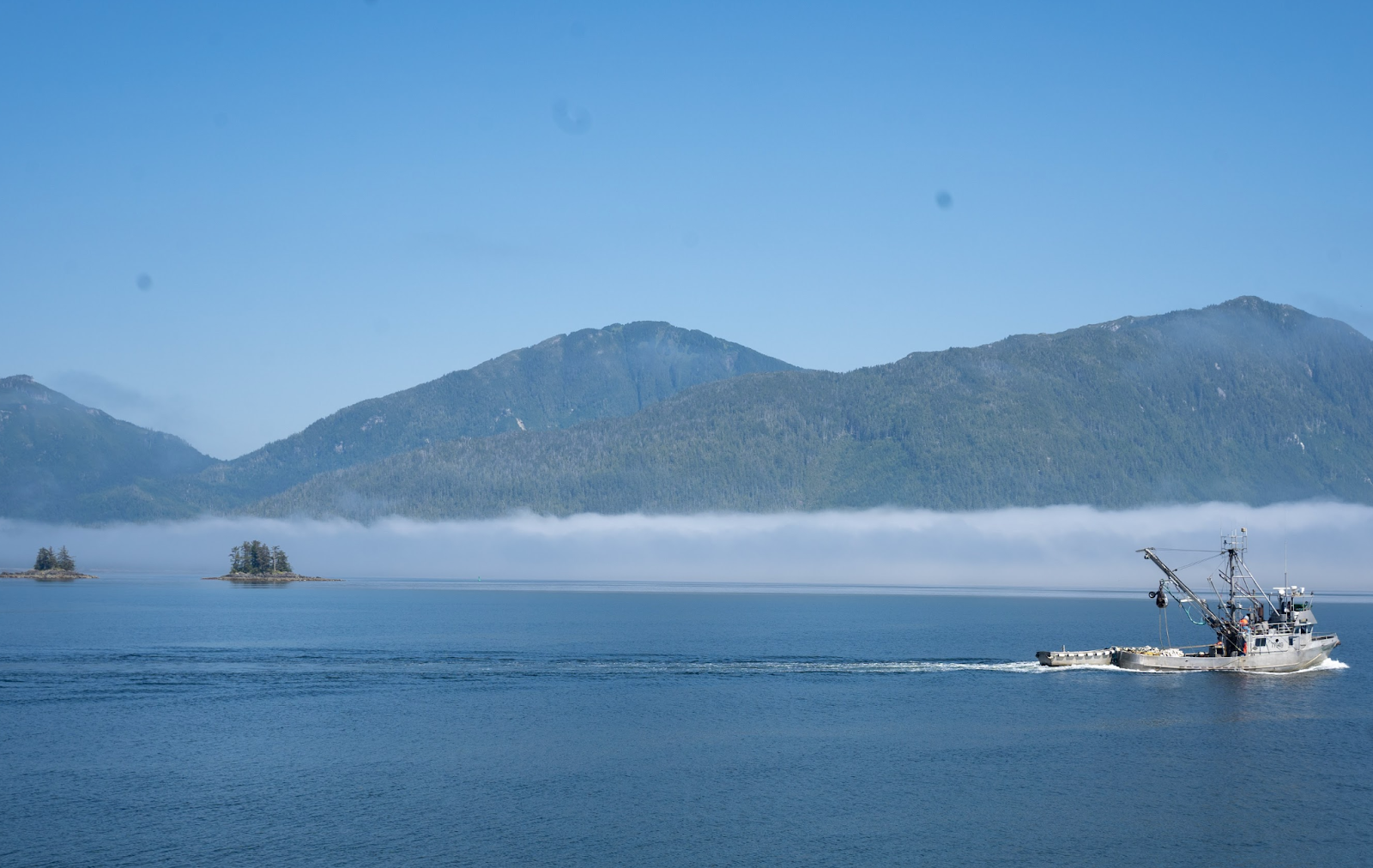
The island fishery sustains the largest tribally managed salmon harvest in the United States. The 1,600-person community has dozens of active commercial fishing vessels, which harvested more than 1.3 million salmon in 2024, according to the most recent tribal data available.
The community stands today as a kind of experiment. Its fishery represents an alternate reality that could have unfolded in rural Alaska if more communities had the same opportunities to access nearby waters — or had state policymakers not chosen to privatize commercial harvest rights in the rest of Alaska’s big salmon fisheries, as they did in the 1970s.
Metlakatla’s narrative is a “direct refutation” of the argument that coastal Alaska Native villages are to blame for the loss of their fishing industries, said Jonathan Kreiss-Tomkins, who once represented Metlakatla in the state House and several years ago pushed an unsuccessful bill to boost access to rural commercial fishing careers.
In Metlakatla, “every slip in the harbor is full — high schoolers are deckhanding for their uncle, their dad, their best friend’s dad,” Kreiss-Tomkins said. “I think it’s a fascinating case study.”
Local leaders say they’ve still had to fight to sustain Metlakatla’s fleet and its tribal fishery.
The community is now in the midst of a six-year legal effort to expand the waters available to tribal members, which leaders say could help solidify the future of Metlakatla’s fishing industry. But its federal lawsuit faces opposition from Alaska Gov. Mike Dunleavy’s administration, competing fishermen and even neighboring Indigenous people.
The Metlakatlans left northern British Columbia in the late-19th century amid conflicts over land ownership.
Residents secured an invitation to America from President Grover Cleveland and members of Congress at the behest of William Duncan, a charismatic Anglican minister. Duncan had worked with the region’s Indigenous Tsimshian people to establish the original Metlakatla in British Columbia, which he envisioned as a model Christian community.
After a mass migration in canoes and other vessels, the new Metlakatla was built 70 miles away on Annette Island, just across the international border in Alaska, where residents eventually built an enormous church.
A cannery served as a market for residents’ ancestral fishing tradition, which the tribe has described as a “bedrock of the Coast Tsimshian culture and way of life.” A presidential proclamation from Woodrow Wilson in 1916 subsequently set aside the 3,000-foot strip around the island exclusively for use by the village’s fishermen.
For decades afterward, Metlakatla’s commercial fleet harvested both inside and outside the exclusive zone.
Skippers of today, who are mostly men, learned to fish from their fathers, who learned from their fathers and grandfathers before them.
Fishing is “one of the few things that remain unbroken from our forever history,” said David R. Boxley, a Metlakatla artist who served on the village’s tribal council until recently.

“That’s our culture, even though it’s changed in how we do it,” he said. “It’s as old as our people. We’re the salmon people.”
In 1971, Congress passed the Alaska Native Claims Settlement Act, which came with a painful tradeoff.
Newly formed, Indigenous-owned corporations would receive a total of $1 billion and some 45 million acres — roughly 10% of the state. In exchange for that money and property, Alaska’s Indigenous people would give up claims to larger swaths of traditional lands, and those that had reservations would surrender them.
Most Alaska Native groups didn’t have reservations at the time, so they had little choice but to participate in the settlement.
Metlakatla had one of only 23 reservations in Alaska and exclusive fishing rights to boot, so it had more to lose. It may have also had less to gain, because the community’s emigration from Canada made its Alaska land claims less certain.
Some in Metlakatla wanted to pursue the payout anyway, according to Boxley.
But elders whose parents and grandparents had been through the exodus from the original village site in British Columbia saw their sovereignty as priceless, he explained.
“We’d already lost a Metlakatla,” Boxley said. “We had to build two communities — one was basically taken from us. Why would we do that again?”
The other 22 reservations in Alaska were dissolved as a result of the settlement. Today, only Metlakatla’s remains.
A few years after the other tribes settled, in an effort to prevent overfishing and make the industry more profitable, the state of Alaska established its “limited entry” program. The system capped the number of skippers in each commercial fishery and transformed fishing from a public right to a private privilege, one available only to those who could afford or inherit a permit. And since the supply of permits was limited, they became valuable commodities.
Commercial fishing permits can now be bought and sold on the open market, in some cases fetching six-figure prices. And over the years, residents of many rural and Indigenous communities have sold their permits to people from Alaska’s larger cities and towns, and from other states.
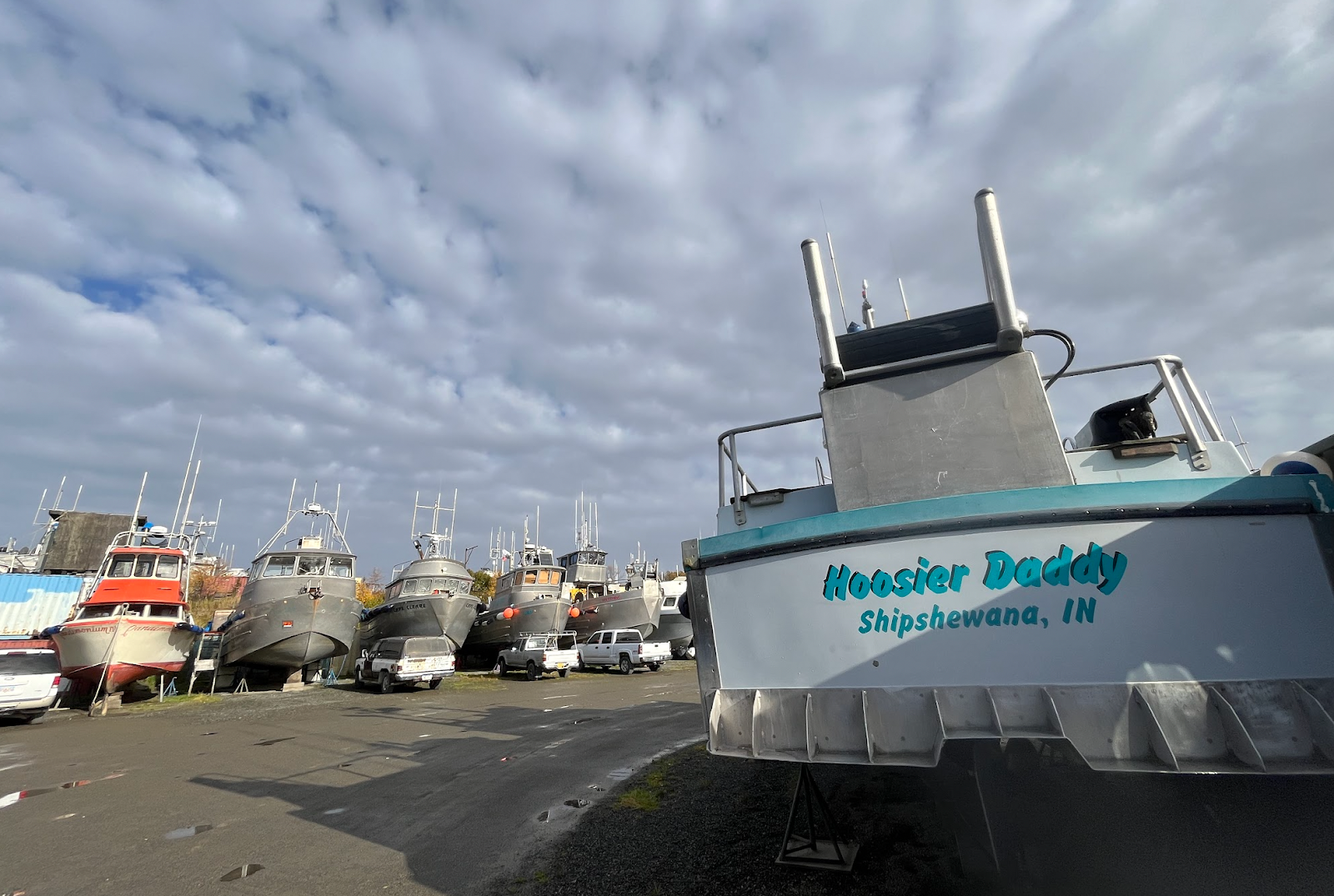
Rural fishermen also moved out of villages and took their permits with them. And those forces conspired to hollow out rural, coastal communities economically — even as Alaska lawmakers have done little to stem the tide.
In Metlakatla, though, tribal members don’t need those expensive permits to pursue a commercial fishing career. While many fishermen in the village have purchased them anyway — allowing harvests both inside and outside the 3,000-foot zone — other Metlakatlans fish only inside that exclusive strip.
Even top fishermen who roam well beyond Annette Island say that the tribal fishery has helped sustain them in lean years — particularly by providing lucrative catches of sea cucumbers and clams, which are harvested in underwater diving gear and fetch high prices in Asia.
“We’ve had terrible seasons seining,” said longtime Metlakatla fisherman Daniel Marsden, 48, referring to the technique of catching salmon with a huge, circular net. “And we go diving, and that saved our butts.”
While commercial fishing remains vibrant in Metlakatla, the community’s fish processing plant is another story.
The business was long an economic mainstay for the village, providing local jobs and revenue for the tribal government.
But beginning in the 1990s, falling seafood prices challenged its profitability, and since 2018, it’s processed only small amounts of fish.
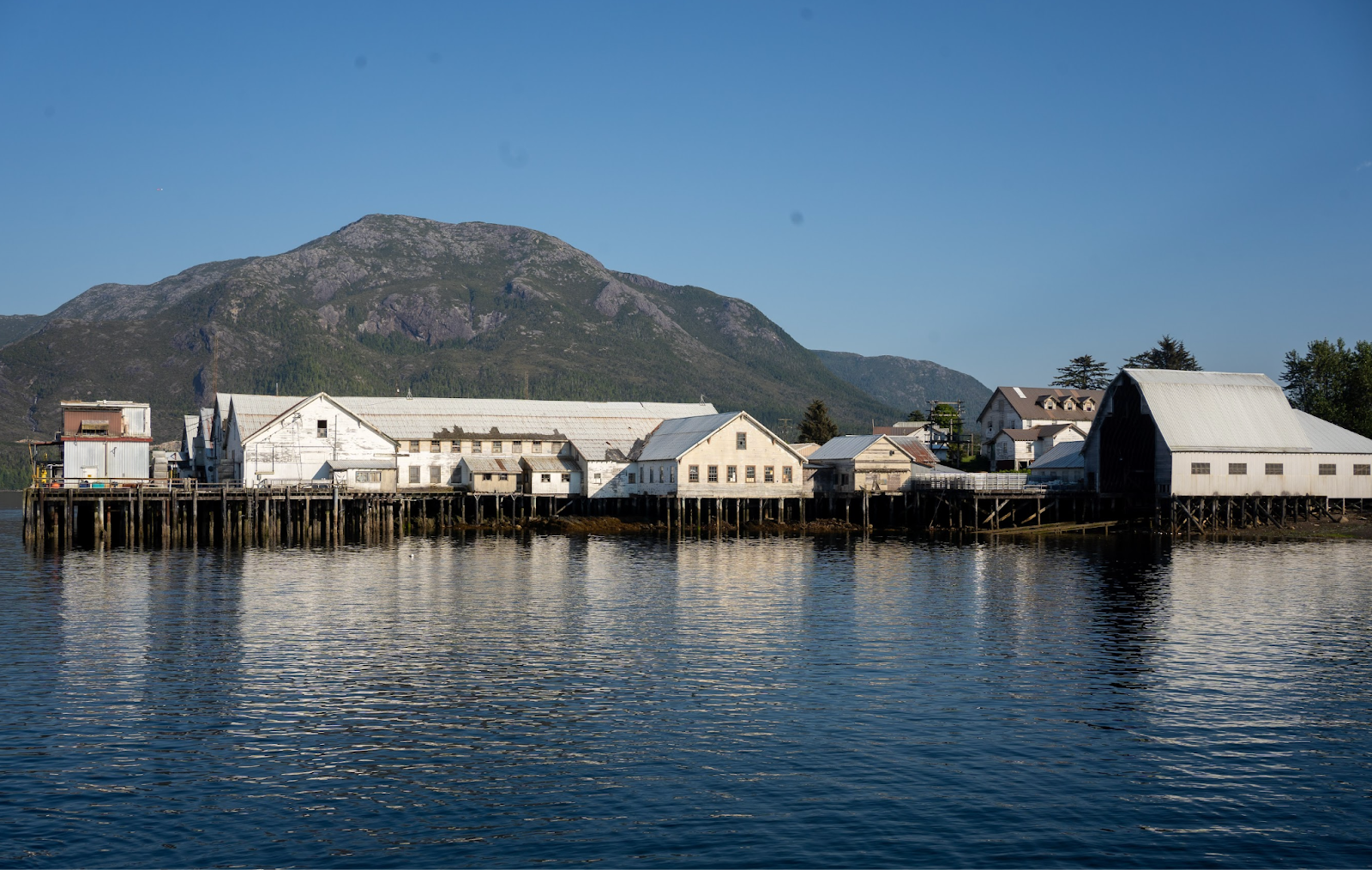
Today, the cavernous waterfront processing buildings, with peeling white paint, operate at a fraction of their capacity.
Most fishermen who live in Metlakatla and dock their boats in the village harbor sell the salmon they harvest not to the tribally owned plant, but to processing businesses in Ketchikan, 15 miles north. The tribal plant currently lacks the equipment it needs to handle the large volumes of salmon netted by Metlakatla’s fleet, Smith explained.
If more of Metlakatla’s up-and-coming fishermen could harvest farther from the island without having to buy expensive state permits, he added, their catch could be large enough to justify reinvesting in the tribally owned plant.
The 3,000-foot strip around Annette Island, local leaders argue, is no longer the community’s breadbasket. It’s become a “cage” holding back the village’s fleet, according to one longtime fisherman, Edward Gunyah.
To break out of that cage, Metlakatla filed a lawsuit.
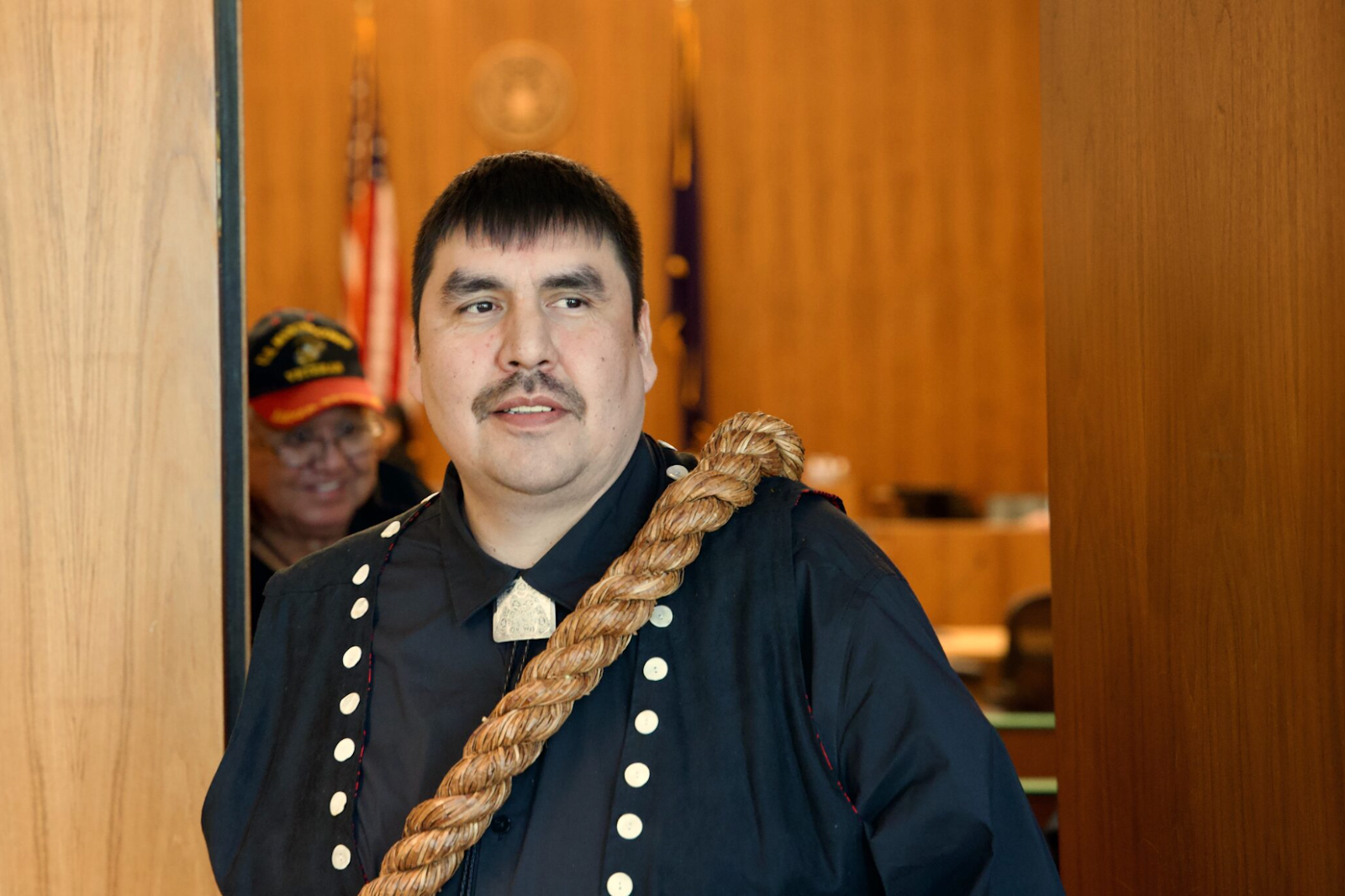
Nearly six years ago, the tribe entered a complaint in federal court, asserting that the state of Alaska’s limited entry permit program was illegally barring Metlakatlans from harvesting in areas they were entitled to fish.
The tribe argues that an 1891 federal law granted it the right to enough fish to make the village self-sustaining — which should allow members to harvest anywhere within roughly a day’s travel from the reservation. The suit doesn’t seek to expel other skippers from the disputed waters, only to allow Metlakatla residents to fish there without buying pricey state permits.
“Congress intended to give the community an opportunity to prosper by accessing the fisheries in the waters surrounding the Annette Islands,” the tribe said in its amended complaint.
Metlakatla’s attorneys filed the 2020 lawsuit in federal court on Aug. 7 — a yearly community holiday commemorating the 1887 arrival of the village’s advance party at Annette Island.
Since then, Metlakatla has won preliminary victories as the case has wound through rounds of lower court decisions and appeals.
But it has also faced strong opposition — from the state government, the fishing industry and other tribes.
“We’re going to see this through to the end,” Doug Vincent-Lang, Alaska’s fish and game commissioner, told a group of Ketchikan fishermen in 2024, according to a recording obtained by Northern Journal and APM Reports.
A win by Metlakatla, he said, would invite efforts from other tribes “that don’t have a treaty, or want to expand what they consider their rights to fish outside the state regulatory environment.”

“We’re not against Metlakatla,” Vincent-Lang said in an interview. “We support their right to fish in their tribal waters. It’s just when you start fishing outside of those waters, there’s treaty implications and everything else that comes into play. How do you account for that? It’s just all kinds of questions that come up.”
A trade group representing Southeast Alaska’s fleet of seine boats supports the state’s position.
Some of the group’s members are concerned about the potential for the lawsuit to expand Metlakatlans’ fishing rights in a way that increases competition, said Tom Meiners, who leads the group’s board.
“We don’t see the need for the island fishery to be expanded,” Meiners said, noting how numerous Metlakatla fishermen already have state permits and wouldn’t directly benefit if the tribe wins.

Meanwhile, nearly five years into the litigation, a group of other Southeast Alaska tribal governments, the Central Council of the Tlingit and Haida, filed their own motion to dismiss Metlakatla’s case.
The request, ultimately rejected by the judge, said Metlakatla’s Tsimshian residents were descended from Canadians and were infringing on traditional Tlingit and Haida harvest rights and tribal property.
The fight against the lawsuit, particularly by the state and the other tribes, has deeply frustrated Metlakatla’s leaders and allies, who say the village has long contended with hostility to its unique fishing rights. They also say that both written and oral tradition reflect the longtime presence of Tsimshian people on both sides of the U.S.-Canadian border before it was established, with traditional names for Southeast Alaska sites derived from Tsimshian names.
“We should be working together” against factory fishing boats that accidentally harvest salmon, and against out-of-state commercial permit holders, said Boxley, the former Metlakatla tribal council member. He added: “That’s who’s devastating the fishery. Not us.”
After five years of the lawsuit ping-ponging between lower and appeals courts, a decision on the expansion of Metlakatla’s tribal fishing rights could come as soon as this year.
Smith, the mayor, said a victory could help rev the village’s processing plant back to life.
“The vision is to see it going full-fledged again,” he said.
While awaiting a decision, the tribe leased a corner of the plant to a start-up, Circle Seafoods, that is testing a new concept for fish processing. Rather than trying to fillet and pack the whole summer salmon harvest in a single frenetic push of a few weeks, Circle freezes fish whole, then thaws and cuts them in batches throughout the rest of the year.
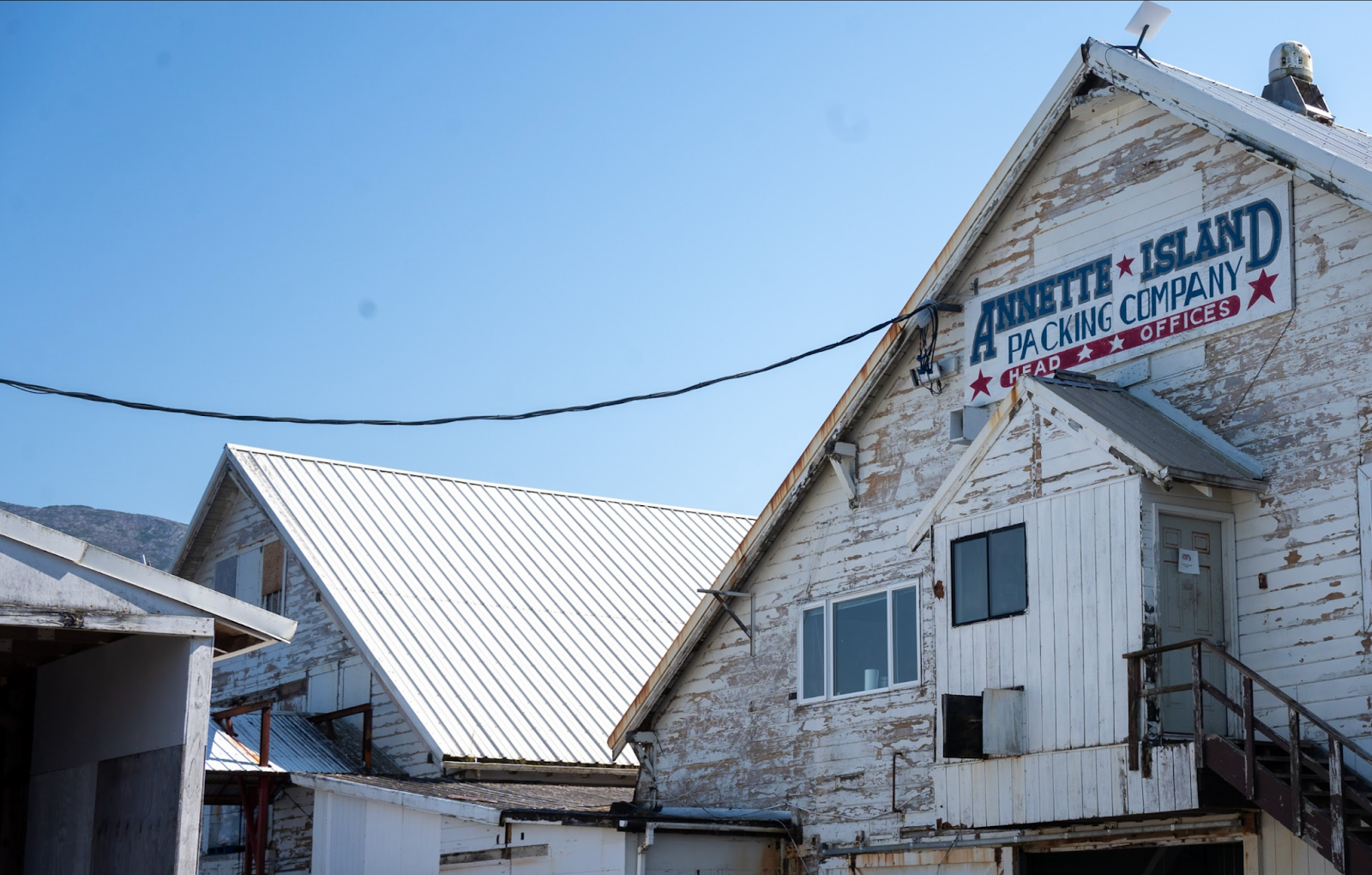
The tribe is interested in replicating the idea because it could sustain a year-round workforce in the village, Smith said. Meanwhile, Annette Island Packing Co., which is owned by the tribe, recently launched a line of freeze-dried salmon pet treats. They’re branded as Ksa Hoon — “just fish” in Sm’algyax, the Tsimshian language.
Operating at full capacity, the plant could churn out profits that the tribe could use to diversify — investing and expanding into other businesses such as ecotourism, Boxley said. He described the lawsuit as aligning with Metlakatlans’ decision a century ago to move from Canada to Alaska, where tribal members would have more autonomy.
“We did all this to be in control of our own future,” Boxley said. “That’s why we came here.”
This story was produced as part of the Pulitzer Center’s StoryReach U.S. Fellowship. It was reported and edited by Northern Journal and APM Reports.
Nathaniel Herz welcomes tips at natherz@gmail.com or (907) 793-0312. This article was originally published in Northern Journal, a newsletter from Herz. Subscribe at this link.
The post ‘The salmon people’: How Alaska’s only Native reservation saved its fishing culture appeared first on Chilkat Valley News.