Categories
Alaska News

Alaska House passes draft operating budget with a $1,500 PFD

Reps. Calvin Schrage, I-Anchorage, Zack Fields, D-Anchorage huddle with members of the House majority caucus during a break in debates on the operating budget on Apr. 9, 2026. (Photo by Corinne Smith/Alaska Beacon)

Reps. Calvin Schrage, I-Anchorage, Zack Fields, D-Anchorage huddle with members of the House majority caucus during a break in debates on the operating budget on Apr. 9, 2026. (Photo by Corinne Smith/Alaska Beacon)

The Alaska House of Representatives advanced a draft budget for the state’s operations next year, with a $1,500 Permanent Fund dividend for eligible Alaskans. It includes a nearly $158 million one-time funding boost for public schools and tens of millions for disaster relief, transportation and public assistance programs.

Members passed House Bill 263, the operating budget bill, along caucus lines by a 21 to 19 vote on Tuesday. 

Lawmakers spent four days debating amendments — additions, cuts and reallocations to the draft budget — on the House floor, amid deep political divides around state priorities, war-driven oil revenues and how to balance paying for government services versus distributing cash to Alaskans through the dividend. 

The draft budget now moves to the Senate for consideration, where it’s likely to be further revised. 

“I feel relieved,” said Rep. Andy Josephson, D-Anchorage and co-chair of the House Finance Committee that drafted the budget, after the vote on Monday.

Rep. Andy Josephson, D-Anchorage and co-chair of the House Finance Committee which drafted the operating budget, speaks to what's included in the budget on the House floor on Apr. 13, 2026. (Photo by Corinne Smith/Alaska Beacon)
Rep. Andy Josephson, D-Anchorage and co-chair of the House Finance Committee which drafted the operating budget, speaks to what’s included in the budget on the House floor on Apr. 13, 2026. (Photo by Corinne Smith/Alaska Beacon)

“But the difficulty we’re in is that overall, the war in Iran, which is most unfortunate, is very helpful to budgeting,” he said. “But the Alaska people are hurting more, right, particularly when it comes to fuel prices. So that’s a problem as well.”

As Alaska has no personal income tax or state sales tax, more than 60% of funds for the general purpose budget comes from an annual draw from the Alaska Permanent Fund and roughly 30% comes from state oil revenues. 

Lawmakers have been closely watching Alaska oil prices, as they surged in recent weeks due to the Trump administration’s war on Iran. State forecasters project a potential $500 million boost in state revenues next year, but lawmakers are divided on what that should mean for state spending.

The all-Republican House minority caucus advocated for putting money towards a statutory Permanent Fund dividend, but the multipartisan majority coalition pushed the balance towards spending on state services.

Members of the all-Republican minority caucus Reps. DeLena Johnson, R-Palmer, Justin Ruffridge, R-Soldotna, Dan Saddler, R-Eagle River, Frank Tomaszewski, R-Fairbanks are seen in the House during a break in the debate on the operating budget on Apr. 13, 2026. (Photo by Corinne Smith/Alaska Beacon)

The House draft operating budget made revisions to Gov. Mike Dunleavy’s proposed $7.75 billion budget unveiled in December, which included a $3,800 Permanent Fund dividend and a $1.8 billion draw from state savings. 

The House draft opted not to tap into the state savings account. The House draft does include a deficit of roughly $180 million, but that total may change depending on revisions in the Senate. 

Fairbanks Republican Will Stapp criticized the deficit as an “unfunded” budget. “It’s underwater,” he said Monday. 

The draft budget contains increased funding across divisions: nearly $158 million in a one-time funding increase for public education, including nearly $11 million earmarked for student transportation; $33.3 million for Medicaid rate increases; nearly $55 million for fire suppression and $38 million for disaster relief; $17.5 million in heating assistance; $23 million for Alaska Department of Corrections staffing and tens of millions in transportation, public assistance programs like child care, infant learning programs, senior services, public health and public safety grants, among others. 

House lawmakers rejected a roughly $3,800 Permanent Fund dividend proposed by the House Finance committee, which would have cost nearly $2.5 billion and was contingent on a draw from state savings, which requires approval of three-quarters of lawmakers.

House lawmakers instead approved a $1,500 Permanent Fund dividend that will cost the state $992 million. 

Members of the multi-partisan House majority caucus expressed support for the draft budget that focused on public programs and services to enhance future benefits. 

Education, child care, parents-as-teachers, Head Start — moving upstream to try and give our youngest, our most precious resource in the state of Alaska, the best start that we can give them,” said Rep. Calvin Schrage, I-Anchorage, acknowledging that it is a balancing act for lawmakers. 

Republican minority legislators also proposed spending increases, which included $2 million for the Alaska Department of Public Safety to establish a new Trooper post in Talkeetna, and $2 million for a sport fish hatchery in Fairbanks. Both failed along caucus lines by a 21 to 19 vote. 

Minority Leader Rep. DeLena Johnson, R-Palmer, criticized the House draft budget in a statement following its initial approval on Monday.

Rep. DeLena Johnson, R-Palmer, speaks on the House floor on Apr. 13, 2026. (Photo by Corinne Smith/Alaska Beacon)
House Minority Leader Rep. DeLena Johnson, R-Palmer, speaks on the House floor on Apr. 13, 2026. (Photo by Corinne Smith/Alaska Beacon)

“The budget passed by the Majority is a betrayal of the Alaskans we were sent here to represent,” said Johnson. “While Alaskans face one of the most unaffordable years of their lifetimes, this Majority has chosen to fund government agencies at record levels, while leaving families and communities behind.”

Minority lawmakers introduced nearly 50 amendments on the House floor over three days, which varied from cutting additional funding for education, funds for teacher recruitment and for community and regional jails, to cutting travel budgets and reallocating public employee salaries for vacant positions to add funding for school maintenance. Most of them failed along caucus lines.

The minority’s most strident call was for a maximum Permanent fund dividend. 

The removal of the statutory dividend that equates to removing $42.5 million dollars from the economy of my district,” said Rep. Sara Vance, R-Homer. 

While lawmakers refer to the statutory dividend of roughly $3,800 per Alaskan, in 2017 the Alaska Supreme Court ruled lawmakers may ignore the formula since it’s not in the state Constitution. Since then, legislators have typically reduced the dividend to balance state expenses and avoid drawing from savings. 

Boost to education funding

The House draft adds $158 million in one-time funding for Alaska schools, equivalent to an additional $630 per student. 

That’s in the case that various education bills that provide a sustained increase to per student funding, through state’s formula boosting the base student allocation, fail to pass this year. Those bills are currently under consideration in education committees. 

Lawmakers said they decided on the additional $630 per student after assessing the current deficits of the five largest school districts by student population. Many districts are grappling with decisions on school closures, staff cuts and increasing class sizes to address large budget shortfalls this month — including the potential closure of three schools in Anchorage, three schools in the Matanuska Susitna Borough, four schools on the Kenai Peninsula and two of the four elementary schools in Ketchikan. 

Josephson said one-time funding this year for schools seems to be more viable than an attempt to permanently raise the per student funding formula, given the governor’s history of vetoing education funding increases — including three vetoes last year alone, one which the Legislature overrode in a special session last August.

Members of the House huddle with staff members in deliberations on the operating budget on Apr. 9, 2026. (Photo by Corinne Smith/Alaska Beacon)
Members of the House majority huddle with staff members in deliberations on the operating budget on Apr. 9, 2026. (Photo by Corinne Smith/Alaska Beacon)

“It’s far from a panacea, right? It’s far from anything that is the real solution. But I think if superintendents had it, they’d be delighted to have it,” he said. 

Members of the House approved an amendment to earmark $10.9 million of that $158 million for school districts’ transportation for students, to help offset rising costs due to a war-driven rise in fuel prices.

Representatives from Northwest and Western Alaska objected to the transportation earmark, saying they were unsure if the funding would be allowed for student flights in their rural districts, which are off the road system. Rep. Jeremy Bynum, R-Ketchikan, sponsored the amendment, and said all districts would be eligible for their transportation of students, whether by road, air or ferry. It was approved by a 33 to 7 vote. 

Lawmakers also debated earmarking an additional $10 million from the remaining one-time education funding for career and technical education grants for school districts, but the proposal narrowly failed by a 20 to 20 vote. 

With a little over a month left in the legislative session, the House draft budget now goes to the Senate for consideration and likely further revisions.

On Monday, the Senate Finance Committee introduced a draft capital budget, a proposed $247 million for state facilities maintenance and construction projects, including for deferred maintenance of schools. The draft will go to the House for consideration in the coming weeks.

The legislative session is set to conclude on May 20. 

House Minority Leader Rep. DeLena Johnson, R-Palmer discusses procedure with House Speaker Rep. Bryce Edgmon, I-Dillingham and House clerks during debate on the operating budget on Apr. 13, 2026. (Photo by Corinne Smith/Alaska Beacon)

Correction: A previous version of this story incorrectly stated the governor’s budget proposal, it was $7.75 billion not million. 
SUPPORT: YOU MAKE OUR WORK POSSIBLE

Categories
Hip Hop

The Best Jackson 5 And Early Michael Jackson Songs

Motown Records had a slogan, “The Sound of Young America,” that it had represented well for the 1960s. But by the end of the decade the company was in transition. Among its biggest stars, Diana Ross was ready to leave The Supremes; Stevie Wonder was growing up; Marvin Gaye and The Temptations traded balladeering for philosophical fare. Dr. Martin Luther King Jr. was dead, free love was aching to break through, and founder Berry Gordy was ready to move his empire out of Detroit to Hollywood. Could anyone make Motown feel hopeful in tumultuous times?

Listen to the Michael: The Birth of a Superstar playlist now.

Gordy had his answer in the form of five brothers from Gary, Indiana. The Jackson 5 — Jackie, Tito, Jermaine, Marlon and Michael — were gifted performers who infused Motown with a new surge of energy. The J5 took the traditions of doo-wop and rhythm and blues and added a youthful exuberance not seen since the days of Frankie Lymon & The Teenagers. Motown added pop magic from their stable of songwriters and producers, as well as a marketing muscle that earned the group visibility enjoyed by so few Black performers: sold-out world tours, live-action and animated television appearances, and a tidal wave of merchandise from posters to coloring books.

As The Jacksons the group continued to captivate the world and, decades later, there’s still a magic to those early Jackson 5 recordings. Here are 15 of our favorites from the group, including key solo tracks from young frontman Michael Jackson, who grew up to rank at the top of the world’s best-known and best-selling entertainers.

The Jackson 5, “I Want You Back” (1969)

Their debut Motown single is one of the best first records by any group, one of the most energetic songs about the pain of a breakup and surely the most high-spirited one sung by an 11-year-old. Recorded in Los Angeles, where Gordy was prepping the whole Motown organization to relocate, “I Want You Back” is pure pop bliss from the opening piano glissando — the label’s essence boiled down into three minutes of sound. A month into 1970, it was the No. 1 single in America.

YouTube Video
Click to load video

The Jackson 5, “ABC” (1970)

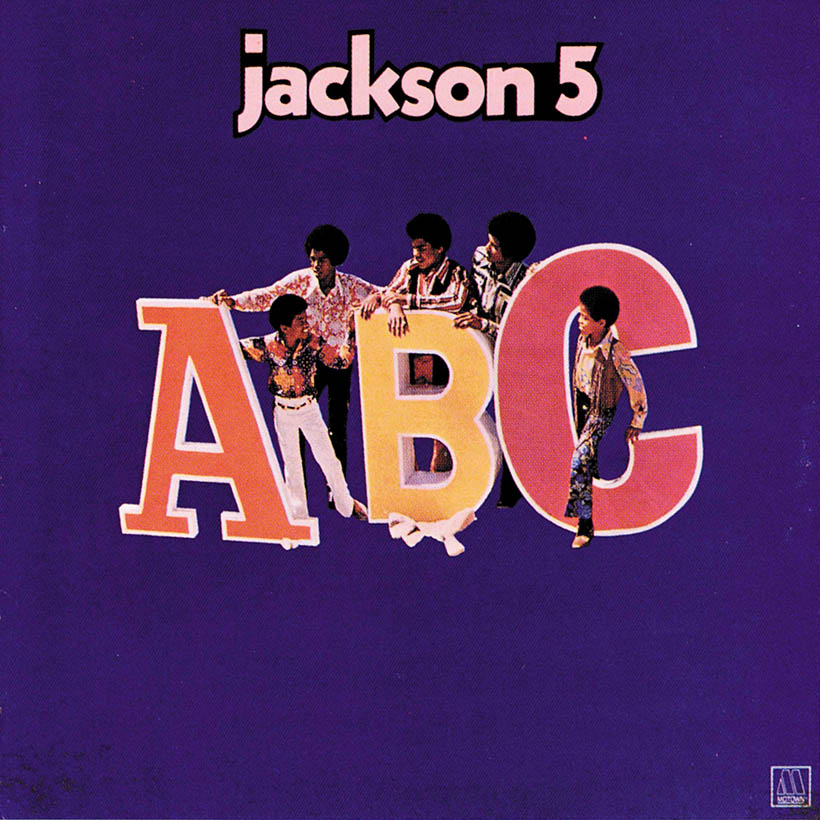
Deke Richards, part of “The Corporation” writing and production team that created “I Want You Back,” “ABC” and many more, recalled a crucial lesson from legendary Motown songwriter Lamont Dozier, who once played him a medley of hits in a rehearsal room. “He showed me that all the chords were similar, and there was no shame in that,” Richards once said. “It kept the feeling going. I never forgot that.” Writing “ABC” may have been easy as… well, you know, but it’s even easier to get down to — one of Motown’s greatest party-starters of the ’70s.

The Jackson 5, “The Love You Save” (1970)

Just how big were The Jackson 5 in 1970? “ABC,” their second chart-topping single, knocked The Beatles’ “Let It Be” out of the top spot in America, and “The Love You Save” ended the two-week run of The Fab Four’s “The Long and Winding Road” at No. 1. All was forgiven: a grown-up Michael would record two hit singles with the group’s Paul McCartney: “The Girl is Mine” and “Say Say Say.”

The Jackson 5, “I’ll Be There” (1970)

With “I’ll Be There,” a tender ballad crafted to perfection by Berry Gordy, producer Hal Davis, Willie Hutch and arranger Bob West, The Jackson 5 did something no group had done before or has done since: their first four singles all hit the top of the Billboard Hot 100. The brothers’ tender vocals rarely sounded better and Suzee Ikeda, Davis’s creative assistant who worked closely with The Jackson 5, credits Michael’s tireless work ethic. “Michael had good instincts, even at that age,” she later said. “Most artists had cassettes to learn a song, but [he] didn’t use them.”

The Jackson 5, “Who’s Lovin’ You” (1969)

It is one of the great B-sides, twice: in its original form as the back of The Miracles’ 1960 breakthrough “Shop Around,” the first single from a Motown label to sell more than a million copies, and the J5’s “I Want You Back,” where Michael yearned to make you forget the original. After MJ’s heart-stopping rendition during an early appearance on The Ed Sullivan Show, all of America felt it was his song.

The Jackson 5, “Mama’s Pearl” (1971)

At a respectable #2 peak, this was the first Jackson 5 single on Motown to miss the top of the pop charts. “Mama’s Pearl” features more great MJ vocals and great backing vocals from the brothers, but it could have been one of the strangest numbers in their discography had it been released in its original demo form: “Guess Who’s Making Whoopee (with Your Girlfriend).” (That version was finally released on a collection of rarities in 2012.)

The Jackson 5, “Never Can Say Goodbye” (1971)

Motown’s marketing staff worried that “Never Can Say Goodbye,” another ballad like “I’ll Be There,” was too mature for The Jackson 5; Suzee Ikeda recalled challenging Michael to define “anguish,” one of the more surprising words in the lyrics. Were audiences put off, though? No, no, no: the track became their fifth No. 1 hit on the R&B charts, as well as something of a soul staple, covered by Isaac Hayes, Gloria Gaynor and more.

The Jackson 5, “Maybe Tomorrow” (1971)

“Maybe Tomorrow” was the title track of the group’s fifth album in three years and was a more modest chart success than many of its predecessors. But what a sound. Arranged by Gene Page, who was cutting tracks for Motown out west and whose credits would later add the hits of Barry White and Elton John’s “Philadelphia Freedom,” “Maybe Tomorrow” supports not only the impassioned vocals of Michael, Jermaine and their brothers, but a mix of strings, horns and even sitar for a sonic experience like little else in the J5 discography.

Michael Jackson, “Got to Be There” (1971)

Legend has it that Michael was only encouraged to record as a solo artist after The Osmonds, whose hit, “One Bad Apple,” was a straight J5 cop, spun brother Donny off into a hitmaker. In retrospect, though, a group member that talented was an easy choice to give some spotlight of his own, and “Got to Be There” met the moment with its gentle, golden-sunlight arrangement and another winning vocal from the most talented kid on the pop scene.

Michael Jackson, “I Wanna Be Where You Are” (1972)

Michael’s third solo single (following a cover of Bobby Day’s “Rockin’ Robin’”) missed the Top 10 of the pop charts. Audiences didn’t know what they were missing: a fiery, blissful love song given wings by a dazzling arrangement and some serious high notes in the chorus. Written by Arthur “T-Boy” Ross (Diana’s brother) and Leon Ware, the song earned a second wind when covered by Marvin Gaye on his striking 1976 album I Want You.

Michael Jackson, “Ben” (1972)

Oh, rats!! No one could have predicted that Ben, a sequel to the 1971 horror film Willard, would have benefitted from a mellow ballad about the on-screen love between a lonely boy and the oversized rat he befriends. And yet, Michael’s rendition sold the song all the way to the top of the charts — his very first solo No. 1 single — as well as an Academy Award nomination for Best Original Song.

YouTube Video
Click to load video

The Jackson 5, “Dancing Machine” (1973/1974)

Even the best boy bands go through thick and thin on the charts. The Jackson 5 were no exception: Michael’s voice was starting to change, and the group wanted more creative control over their music. But “Dancing Machine,” the group’s last Top 10 pop hit (and the No. 5 song for all of 1974, per Billboard) was impossible to deny. Originally featured at the end of their eighth album Get It Together in 1973, an edited version of the tune was the title track of their next LP the following year. Michael’s stop-start dance routine to the song, now known as “the robot,”
stunned audiences hard when he debuted the move on Soul Train.

The Jackson 5, “Buttercup” (1974)

The Jackson 5 were so prolific that, even after releasing 10 albums of studio material for Motown between 1969 and 1975, and another seven across their solo releases, they had recorded more than a half-dozen albums’ worth of additional material. I Want You Back! Unreleased Masters, issued months after Michael’s passing at the age of 50 in 2009, featured the 1974 highlight “Buttercup,” a gentle roller-skating jam written and produced by Stevie Wonder. That same year, Stevie featured the J5 on his No. 1 smash “You Haven’t Done Nothin’.”

The Jackson 5, “Forever Came Today” (1975)

Recorded at the tail end of The Jackson 5’s tenure with Motown, “Forever Came Today,” a cover of a hit by Diana Ross and The Supremes and written by the Holland-Dozier-Holland team, who’d left Motown before The Jackson 5 arrived (what could have been!), was at once a nod to the past and a look toward the future. The track topped an early incarnation of Billboard’s dance charts as disco started to take hold, a foreshadowing of the brothers’ success for the rest of the decade as dance music masters.

Michael Jackson, “One Day in Your Life” (1975)

Michael’s last solo albums for Motown were virtually ignored by radio, with the once-young singer — and his audience — adjusting to changes in his voice and appearance. By the end of the ’70s, he’d proven his mettle as a grown-up star with Off the Wall, an album that was so popular that Motown started re-releasing old material. “One Day in Your Life,” a moving lost-love ballad that sounded most like the adult Michael, was reissued in 1981 and topped the charts in England a year before the King of Pop ascended to the throne with Thriller.

Shop The Jackson 5’s music on vinyl and CD now.

​Discover more about the world’s greatest R&B artists | uDiscover Music

Categories
Music

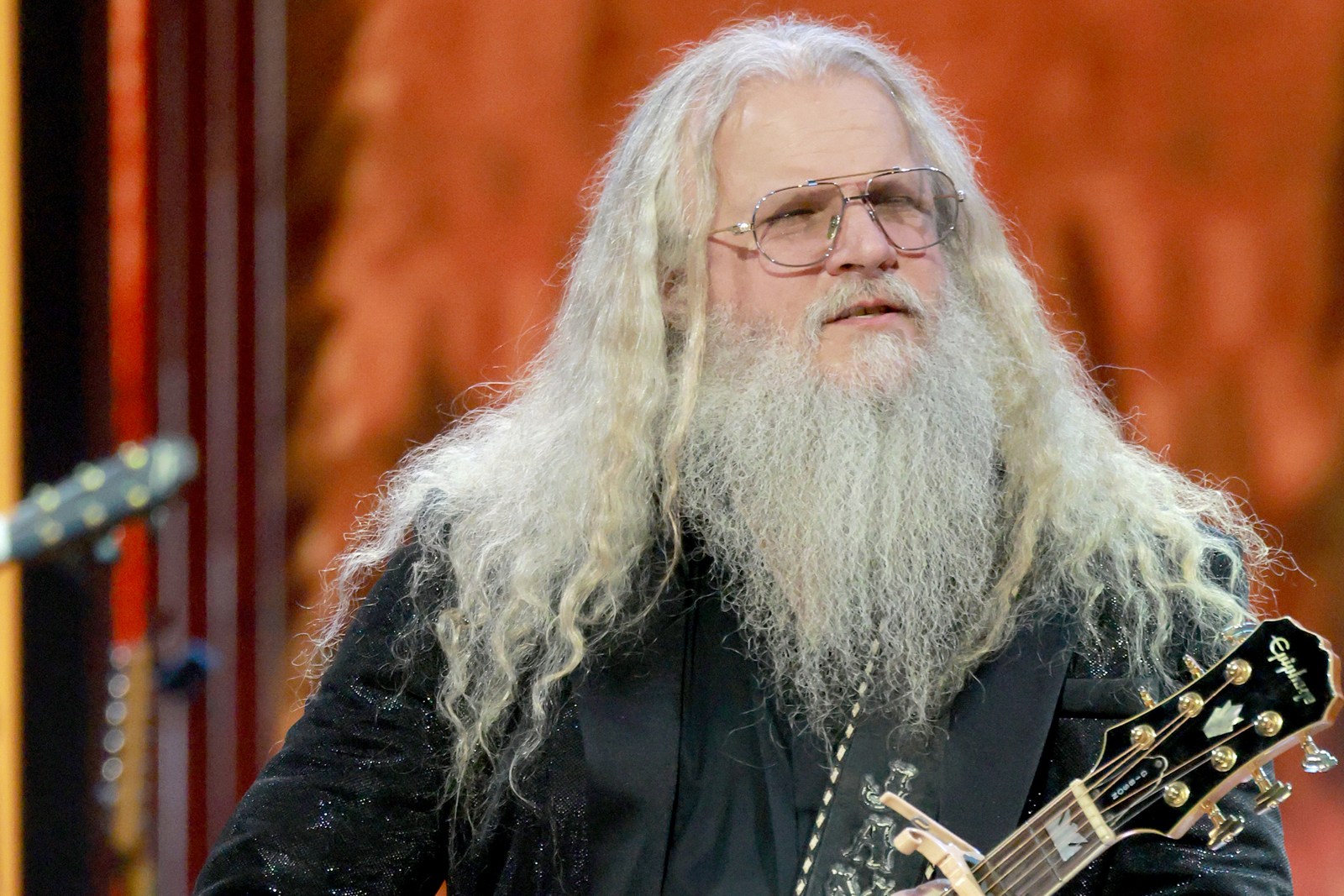
Jamey Johnson Announces 2026 Traveling Truebadour Tour

Jamey Johnson announced more than 30 tour stops for 2026. Continue reading…​Country Music News – Taste of Country

Categories
Music

Jamey Johnson Announces 2026 Traveling Truebadour Tour

Jamey Johnson announced more than 30 tour stops for 2026. Continue reading…​The Boot – Country Music News, Music Videos and Songs

Categories
Entertainment

Sydney Sweeney’s ‘Euphoria’ OnlyFans Scene Sparks Surprising …

Reading Time: 2 minutes

Following a hiatus of more than four years, Euphoria returned to HBO on Sunday night.

And in news that shouldn’t come as a surprise to anyone, the show’s third season is already generating controversy.

Specifically, viewers are taking issue with the storyline in which Sydney Sweeney’s Cassie becomes an OnlyFans model.

Sydney Sweeney's Cassie is an adult content creator in the first trailer for Euphoria Season 3.
Sydney Sweeney’s Cassie is an adult content creator in the first trailer for Euphoria Season 3. (HBO Max/YouTube)

More specifically, they’re taking issue with the costumes that Cassie sports while filming her content.

She dresses as a dog at one point — which could obviously be interpreted as degrading — but we knew about that part from the season’s first trailer.

We got a glimpse of some of her other costumes in the promotional materials, but there was one get-up that no one expected:

In one scene that’s shown in preview clips for the upcoming episodes, Sydney is seen dressed up like a baby and sucking on a pacifier.

Sydney Sweeney is once again creating controversy on 'Euphoria.'
Sydney Sweeney is once again creating controversy on ‘Euphoria.’ (HBO)

While her character might have been creating content that would appeal to a very specific fetish, on the show, the scene seems to be played for laughs.

Still, many viewers found the scene objectionable, and they were quick to

“Why did this girl accept the role?” one person tweeted (via Page Six). “I mean, you’re worth too much — why be a toy for people like that? Why humiliate yourself so much for a [show]?”

“Disgusting, who could ever look at this?” added another.

“How can I block an image? I literally hate it so much,” a third chimed in.

“This is a real still of Sydney Sweeney, arguably being touted by the media as the most sexy woman in the world, being displayed as a baby with a nappy and pacifier doing OnlyFans on Season 3 of Euphoria,” a fourth account wrote.

“These pedophiles are laughing at you. Are you paying for Netflix?”

(Euphoria is on HBO, not Netflix, but we get the point.)

Others were quick to defend Sydney, pointing out that Euphoria has always pushed the envelope.

“You are shocked by a show that is all about sexual fetishes and deviant sexual preferences?” one viewer asked.

“Isn’t her character an OnlyFans model or something now?” another commented.

“Like, she didn’t volunteer for this. The writers did it,” a third remarked.

At the end of the day, Sydney Sweeney is no stranger to controversy, so we’re sure she’ll weather this storm just fine.

And it would be a new season of Euphoria without some sort of minor scandal.

Sydney Sweeney’s ‘Euphoria’ OnlyFans Scene Sparks Surprising … was originally published on The Hollywood Gossip.

​The Hollywood Gossip

Categories
Music

2026 American Music Awards Nominations: Country’s Big Surprises

We’re happy to see them get the recognition they deserve. Continue reading…​Country Music News – Taste of Country

Categories
Music

2026 American Music Awards Nominations: Country’s Big Surprises

We’re happy to see them get the recognition they deserve. Continue reading…​The Boot – Country Music News, Music Videos and Songs

Categories
Entertainment

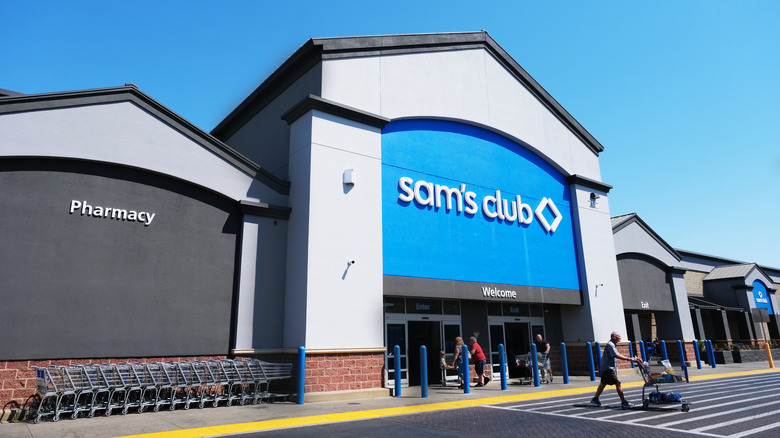
12 Things You Should Know About Sam’s Club Samples

Sam’s Club offers plenty of samples, with a range of volume and variety depending on when you shop. Here’s what you should know if you’re looking to load up.

​Mashed – Fast Food, Celebrity Chefs, Grocery, Reviews

Categories
Entertainment

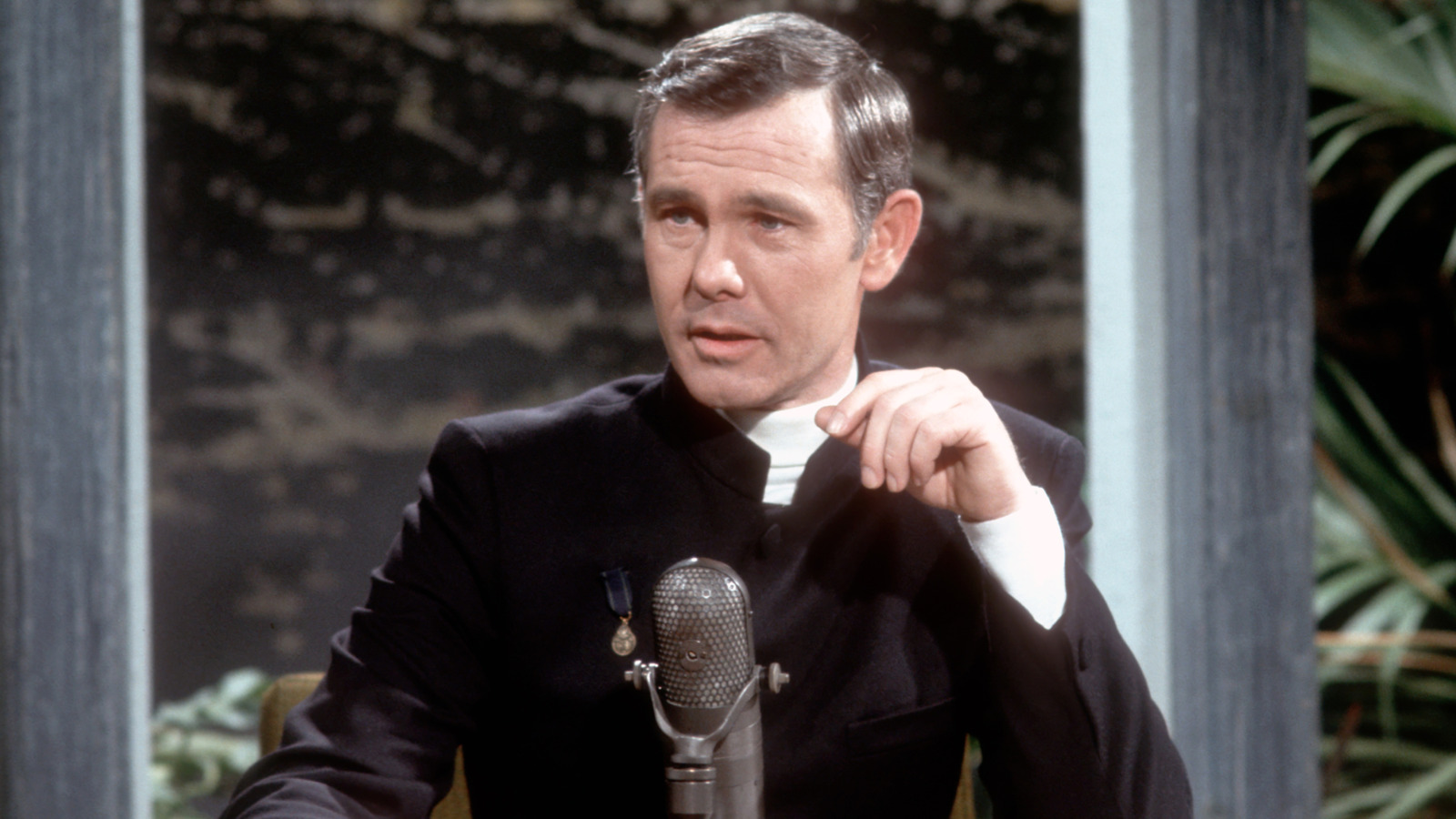
How Johnny Carson Inspired Wolfgang Puck’s Frozen Pizza Line

Can you believe this former late night TV host would order 10 pies at once from Wolfgang Puck’s restaurant, Spago? The celeb chef wondered why (and us, too).

​Mashed – Fast Food, Celebrity Chefs, Grocery, Reviews

Categories
Alaska News Featured Juneau News juneau Juneau Local Juneau Local Ketchikan Local News Feeds Sitka Local

SNAP work requirements don’t boost jobs, but drop participation, research finds

By: Kevin Hardy, Stateline

People shop for groceries at a Walmart store in Ohio. New research suggests SNAP work requirements won’t enhance employment and will push more people off of food assistance. (Photo by Marty Schladen/Ohio Capital Journal)

As states enact stricter work requirements for the federal food stamp program, a new analysis suggests those requirements won’t enhance employment and will push more people off of food assistance. 

The researchers conducted a review of studies on work requirements and concluded that “the best evidence shows they do not increase employment. Moreover, this research finds work requirements cause a large decrease in participation in SNAP.”

The research from The Hamilton Project, an economic policy initiative at the left-leaning Brookings Institution, comes at a time of major upheaval for the Supplemental Nutrition Assistance Program, or SNAP. Participation is already declining as states implement changes mandated by the president’s major tax and domestic policy law enacted last summer. 

Since the fall, states and counties that administer SNAP have been notifying residents who rely on food stamps that they must meet work requirements or lose their food assistance. Those changes affected exemptions to work requirements for older adults, homeless people, veterans and some rural residents, among others. 

Known as the One Big Beautiful Bill Act, the law mandated cuts to social service programs, including Medicaid and food stamps.

While SNAP enrollment is declining nationally, more people will likely lose food assistance as states continue to implement the work requirements and recertify participants, said Lauren Bauer, a fellow in economic studies at Brookings Institution and the associate director of The Hamilton Project. 

“Everything that we know about work requirements is that they do not increase employment among the groups that are subject to them,” she told Stateline. “All they do is make it more likely that they are disenrolled from the program. And so, should these work requirements continue to be rolled out and implemented, we would expect to see declining enrollment and no changes in employment.”

Bauer said the growing body of research on SNAP has changed her mind about its ability to affect employment. While food stamps reach millions of people each year, the program’s work requirements have proven ineffective, confusing and burdensome, she said. 

“I am now of the mind that SNAP should be an anti-hunger program, and there are many, many ways to do workforce development, career ladders, career training, job search — all of those things. That’s not an anti hunger program and it shouldn’t be associated with it.”

What’s more concerning to her is how the stricter work requirements will affect people who lose jobs in an economic downturn. Traditionally, SNAP has been one of the most effective social supports for the unemployed, helping people who lose their jobs quickly gain food assistance. But laid-off workers will increasingly be told they cannot receive benefits without working. 

“It’s just this dissonant, unhelpful interaction that you have with the government,” Bauer said. “I lost my job, I need food benefits. Well, you can only get food benefits if you have a job.”

At least 2.5 million low-income people, or 6% of those enrolled, have lost SNAP benefits since the legislation was signed into law, according to a study by the left-leaning Center on Budget and Policy Priorities published Wednesday.

Bauer said it’s unclear how much of that decline is directly related to the federal legislation. That’s because SNAP participation generally declines during times of economic prosperity and increases during downturns.

But the program is facing unprecedented changes: Under the new law, states have also lost funding for nutrition education programs, must end eligibility for noncitizens such as refugees and asylees, and will lose work requirement waivers for those living in areas with limited employment opportunities. States are also forced to cover more of the costs of the program. 

Earlier this week, a USDA spokesperson applauded the drop in SNAP participation, noting the program’s rolls had fallen below 40 million for the first time since the pandemic. The spokesperson told States Newsroom the program would continue “to serve those with the greatest need while also strengthening program integrity.”

Republicans, including  U.S. House Speaker Mike Johnson of Louisiana, have defended the legislative changes to SNAP, arguing they will help eliminate waste and fraud in the program.

In a June news release, he characterized SNAP as a “bloated, inefficient program,” but said Americans who needed food assistance would still receive it.

“Republicans are proud to defend commonsense welfare reform, fiscal sanity, and the dignity of work,” Johnson said in the release.

Stateline reporter Kevin Hardy can be reached at khardy@stateline.org.

This story was originally produced by Stateline, which is part of States Newsroom, a nonprofit news network which includes Alaska Beacon, and is supported by grants and a coalition of donors as a 501c(3) public charity.