Categories
Hip Hop

‘Umbrella’: The Story Behind Rihanna’s Global Smash Hit

Rihanna, singer of Umbrella

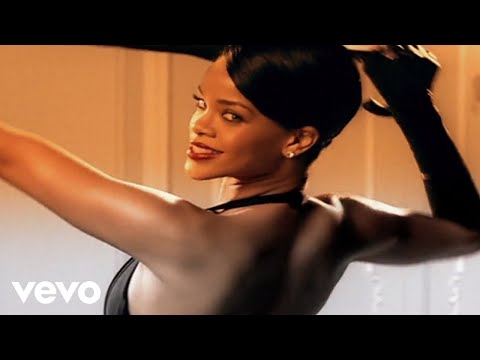
“Umbrella” changed everything for Rihanna. The Barbados-born pop sensation had burst onto the scene in 2005 with “Pon De Replay,” reaching No. 2 in the US and hitting Top 10s worldwide. “SOS” went one better the following year, securing the top spot in the US and establishing Rihanna as a global force. But “Umbrella” marked the point where Rihanna not only enjoyed one of the biggest international hits of the decade, but also found an identity of her own. Her career to date had seen her flirting with genres and image as she found her feet – from the moment she coolly intoned the “ella ella eh” hook she became the edgier, more sophisticated Rihanna who’d go on to conquer the pop world.

It could all have been very different. The song – written by Christopher “Tricky” Stewart and Terius “The Dream” Nash – was originally offered to Britney Spears and then to Mary J. Blige, both of whom turned it down. Once Rihanna heard the demo, she was determined to make it her own, as she told The Ellen Show in 2007, “The first time I heard ‘Umbrella’ I just knew how much I loved the song. I thought it had one of the most original sounds of any song that I’ve ever heard…. Eventually, I just went up to one of the managers and was like, ‘This song is mine…. I’m gonna fight you if I don’t have this song.’”

Listen to Rihann’s “Umbrella” on Apple Music or Spotify.

The song itself – an offering of shelter from an emotional storm – came easy. Nash broke down the writing of “Umbrella” in a 2007 interview with Blender, beginning with his reaction when he heard a hi-hat loop that Stewart was working on: “I’m like, ‘Oh, my God, what is that beat?’ Then Tricky starts putting some chords over it, and immediately the word popped into my head: umbrella. I ran over to the vocal booth and started singing… The first verse was written in 60 seconds. Then we had to grow it to the hook. Tricky would put the next chord on there, and I was singing it out: ‘When the sun shines, we’ll shine together.’ I was like, ‘Oh, my God, this is crazy.’ I was getting goosebumps.”

In Rihanna, Nash and Stewart found the perfect voice for their stormy R&B power ballad. Nash’s lyrics might’ve felt overly sentimental had they not been sung with her attitude; the harsh, minimal beats and cinematic strings of Stewart’s music may not have worked without Rihanna’s sass and grit. Stewart later told MTV that any doubt over the singer was cast aside in the studio, “When she recorded the ‘ellas,’ you knew your life was about to change if you had anything to do with that record.” Once Rihanna’s vocals were laid down, she called upon her mentor and Def Jam label boss, rapper Jay-Z, to add a verse – a ringing endorsement and sign that “Umbrella” had massive hit potential.

YouTube Video
Click to load video

“Umbrella” got its official release on March 29, just over two months after Nash and Stewart wrote it. The song topped the Billboard Hot 100 for seven consecutive weeks and paved the way for the multi-platinum success of Rihanna’s coming-of-age album, Good Girl Gone Bad. Worldwide success quickly followed: “Umbrella” reigned supreme at the top of the UK charts for 10 weeks and has sold more than six million copies worldwide. Its success also gave Rihanna the confidence and clout to take charge of her own destiny. “Umbrella” had certainly proved a song worth fighting for.

Buy Rihanna’s music on vinyl now.

​Discover more about the world’s greatest R&B artists | uDiscover Music

Categories
Hip Hop

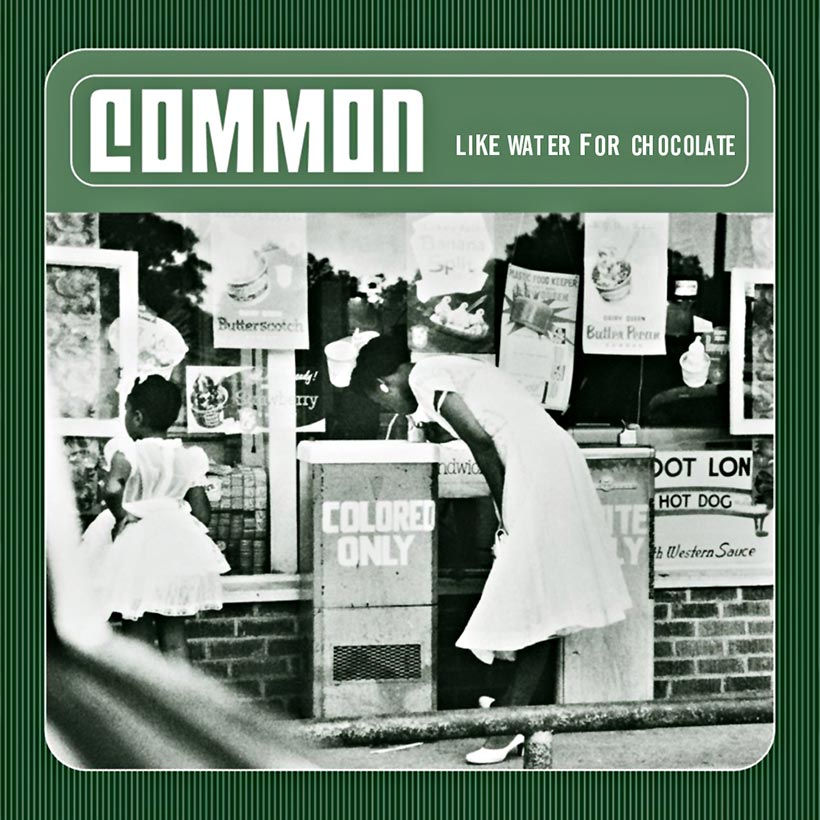
‘Like Water For Chocolate’: When Common Hit Boiling Point

Common Like Water For Chocolate

Common has one of the most distinctive voices in hip-hop, and it goes hand in hand with one of the game’s most storied careers. Over the course of three studio albums he had established himself as a lyricist with few challengers, so when it came time to record his fourth studio album, Like Water For Chocolate, he stepped in once again to hit a hard reset on the state of hip-hop.

An artistic transformation

In the wake of influential releases like The Roots’ Things Fall Apart and Mos Def’s Black On Both Sides, Common’s Like Water For Chocolate was part of an ongoing cultural renaissance in hip-hop. A sprawling opus that spans everything from funk to hip-hop, bebop, and cool jazz, the album marks the point where the Chicago MC started transforming into the artist we know today, and finds him taking the chance to honor the black trailblazers that came before him.

Released on March 28, 2000, Like Water For Chocolate is a long but rewarding listen at 78 minutes. This wasn’t uncommon for albums of the era – if there’s room, fill it up, seemed to be the ethos of a lot of artists when they started recording for the CD format. But Common uses the album’s length to his advantage, coming at his subject matter from all angles, often creating characters to do so.

He touches on familiar subject matter, especially for the boom-bap and “conscious” rap of the era: race relations, gender roles, economic disparity, love, and hope. But Common didn’t limit himself to the traditional themes. Even among his peers, he was unique. No one else was out there making seven-minute-long, album-ending songs about Assata Shakur, the Black Panther activist and Tupac’s godmother; a masterwork from MC, it featured CeeLo Green on vocals and would tie Assata’s legacy to Common’s for years.

YouTube Video
Click to load video

Thrilling storytelling

The album’s title, Like Water For Chocolate, is a bit of a Trojan horse. It sounds pleasant, smooth, relaxing, and if you weren’t paying attention to the lyrics, the production can be just comforting. But in reality, the title is a reference to water that has hit its boiling point and then gets used to make hot chocolate: the channeling of something harsh, something potentially destructive, into something sweet and desired. In Common’s case, he turned harsh life experiences turned into rap, into poetry and into spoken word. While Common had earned a reputation as a “conscious rapper,” he wrestled with the dichotomy of “consciousness” and more traditional rapping throughout the album.

Listen to Like Water For Chocolate on Apple Music and Spotify.

Like Water For Chocolate’s most electrifying moment is in its most thrilling storytelling, “Payback Is A Grandmother.” Common’s flow is at both its most playful and its most sinister here, and he’s clearly aware this is one of the more entertaining tracks on the album. The tracks finds him receiving a call from his grandmother: she got robbed while playing cards with her friends on a riverboat, and the thieves went as far as forcing some people to “strip naked.” Like Water For Chocolate is rife with details like this: fleshed-out moments that make the album come alive.

YouTube Video
Click to load video

Throughout the record, Common created a whole world of characters, complete with rich dialogue and vivid vignettes. He has likened “Payback Is A Grandmother” to a Hardy Boys mystery, as he goes around looking for clues and suspects, before tracking them down. The song gets drowned out in gunfire – mission accomplished.

A collective effort

Largely a collective effort by The Soulquarians, Like Water For Chocolate boasts an enviable roster of talent consisting of D’Angelo, Questlove, DJ Premier, James Poyser, frequent Q-Tip collaborator Jay Dee, and, most importantly, J Dilla.

Dilla is credited as a producer on over two-thirds of the album, anchoring the grandiosity of Common’s vision. But the album’s impressive guestlist goes beyond just production. Its first single, “The 6th Sense,” was an instant classic, thanks to DJ Premier’s bumping instrumental, Bilal’s vocal hook, and Common’s tight flow. Elsewhere, MC Lyte and Mos Def team up with Common on the hilarious “A Film Called (Pimp)’ and “The Questions,” respectively, while Slum Village show up on “Nag Champa (Afrodisiac For The World),” as Common takes a stab at his own image.

YouTube Video
Click to load video

Like Water For Chocolate is critical to understanding Common’s growth as an MC. He’s had such a storied career – one that’s now crossed into acting, writing Academy Award-nominated songs, and philanthropy – that it’s actually becoming difficult to trace just how much he’s done.

Many of his fans discovered him long after this era, but, at the start of the 21st century, Common laid the foundation for a new direction in hip-hop.

Listen to Like Water For Chocolate on Apple Music and Spotify.

Browse Common’s music on limited edition vinyl and CDs here.

​Discover more about the world’s greatest R&B artists | uDiscover Music

Categories
Hip Hop

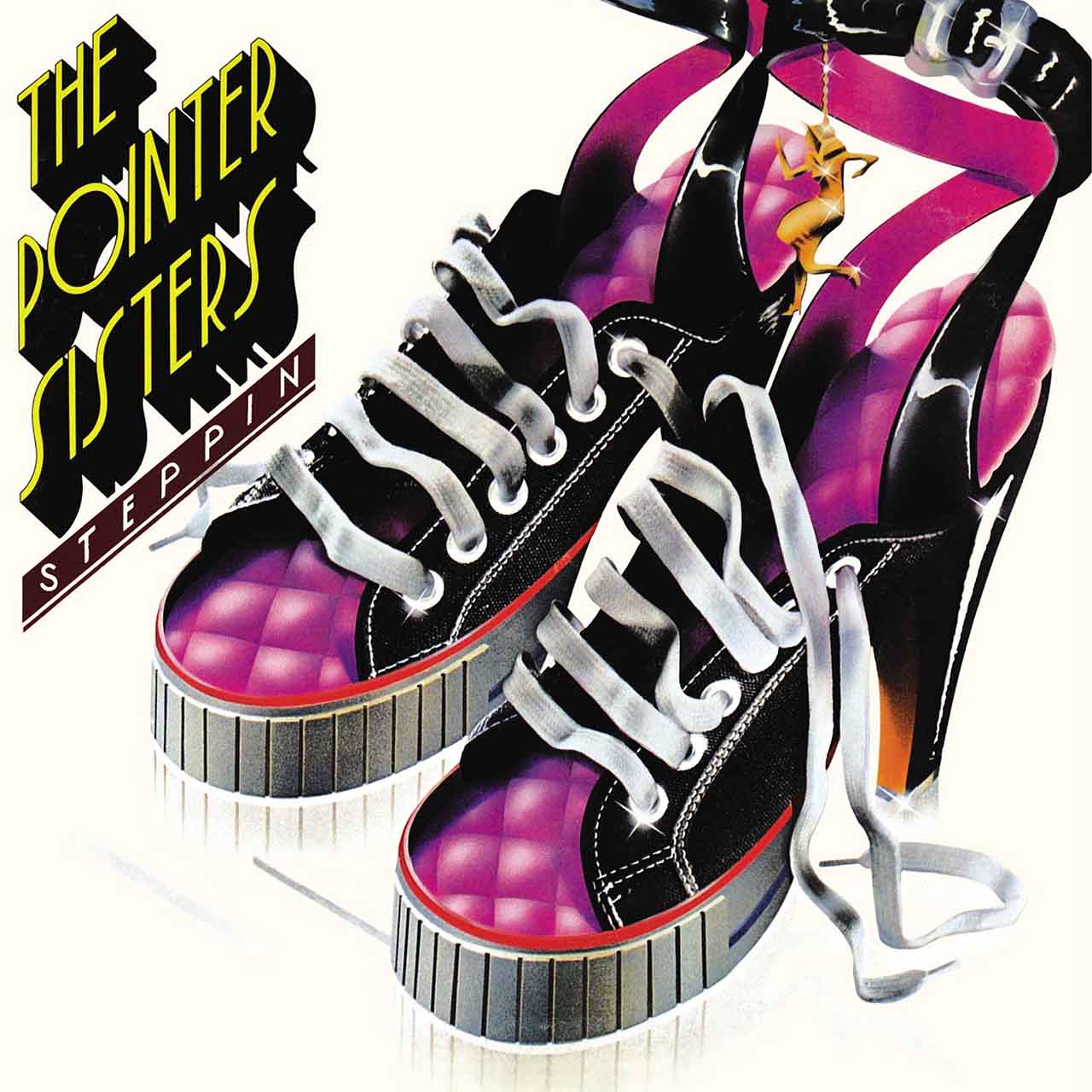
‘How Long (Betcha’ Got a Chick on the Side)’: The Pointer Sisters’ Classic

The Pointer Sisters Steppin album cover

When they released their debut album in 1973, The Pointer Sisters played on the then-current nostalgia for the previous generation. For Anita, Ruth, Bonnie, and June, it made sense: Their tight harmonies were tailor-made for a revamp of 1940s, big-band jazz swing. When critic Vernon Gibbs’ wrote about a performance by the group in the NME, he peppered the review with words like “vintage” and “tradition.” Writer Ellen Willis saw the same show, and said the group’s nostalgia was “fantasy that didn’t risk getting too real.”

For at least a few years more, though, the Pointers found it useful to keep one foot in the 1940s and one in the future. Their self-titled debut mixed laments that “they’ve taken my memory lane and made it a six-lane freeway” and the New Orleans funk of Allen Toussaint’s “Yes We Can.” Their next album, 1974’s That’s a Plenty, followed the same blueprint, with a selection of harmonized jazz standards (“Black Coffee”), slick R&B (“Love in Them There Hills”), and country (the Grammy-winning “Fairytale”). But what can you be when you’re everything at once?

Listen to The Pointer Sisters’ “How Long (Betcha’ Got a Chick on the Side)” now.

That was the question that the Pointers attempted to answer with their third album, Steppin’ (1975). As Ruth wrote in her 2016 autobiography, Still So Excited! My Life as a Pointer Sister, “The Pointer Sisters’ nostalgia act was starting to get a little stale.” They wanted to show the public who they were, “our own spirit,” as Ruth put it. And if you’re going to show them, show them.

YouTube Video
Click to load video

That’s just what they did on their first single from the album – “How Long (Betcha’ Got a Chick on the Side)” – written by Anita, Bonnie, and David Rubinson. This isn’t a song that looks back. This is a unique style, combining all the pieces of funk, R&B, and disco that make those genres great. This is lush strings punctuating funky guitar. This is a beat that builds and builds, waiting to explode. It begs for dance floors and house parties. The signature harmonies that made them famous are there throughout, too. They show up again in the whispered refrain, with Ruth’s deep alto holding down Anita’s lead. The result is powerful, assured. The song would score the Pointers their first (and only) R&B number one.

They’d made something special, and they knew it. “The album was a mother,” Ruth writes. With songs written or co-written by Stevie Wonder (“Sleeping Alone”), Isaac Hayes (“Easy Days”), another Toussaint (“Going Down Slowly”), and appearances by both Wonder and Herbie Hancock, Steppin’ tapped into something new for the Pointers, something that both artist and audience could feel. With the album, “We planted our flag as true song stylists,” Ruth writes. “We felt our days as a gimmick act were coming to a close.”

Listen to The Pointer Sisters’ “How Long (Betcha’ Got a Chick on the Side)” now.

​Discover more about the world’s greatest R&B artists | uDiscover Music

Categories
Hip Hop

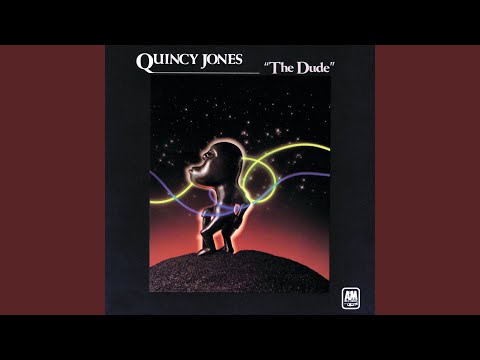
‘The Dude’: Quincy Jones At The Height Of His Powers

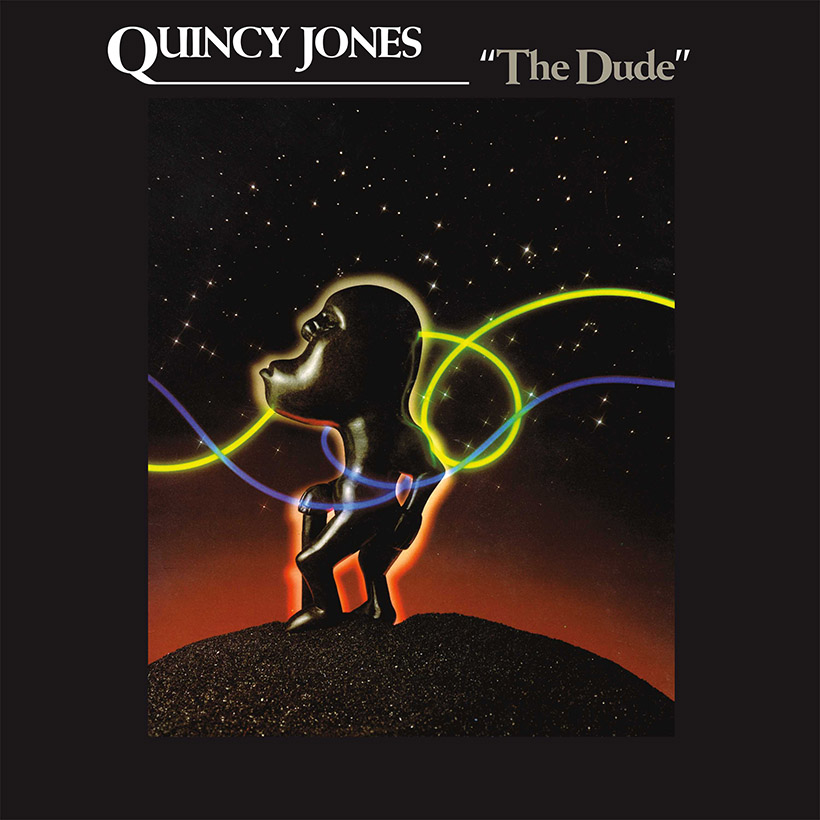
Quincy Jones The Dude album cover

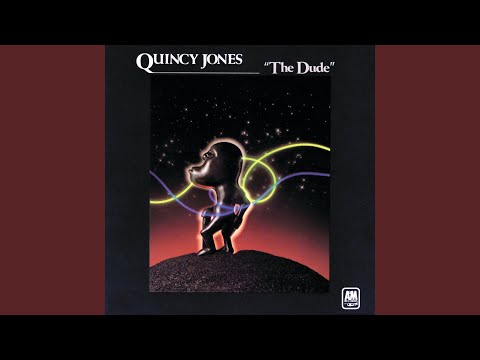
You didn’t need to hear a single note from Quincy Jones’ The Dude to know it was going to stand out. All you had to do was look at the album cover and see that unique South African sculpture on the front. Jones once said he found it while visiting a Los Angeles art gallery with Henry Mancini. “It was as if it yelled over at us and said, ‘My brother, take me home.’” He bought it immediately, saying the statue “had an attitude like I’d never seen before.” And that’s the key word for what you hear on The Dude: attitude. It was a statement of worldly, unquestioned confidence.

Jones was part of a generation that introduced the world to the idea that a producer could be an artist too. He had the chops to back it up. He learned from brilliant orchestrators like Gil Evans and Igor Stravinsky, and cut his teeth with bandleaders such as Lionel Hampton and Count Basie, eventually taking center stage as the ultimate pop music alchemist and matchmaker.

Buy Quincy Jones’ The Dude now.

By the early 80s, Jones was riding high, with a clutch of excellent solo albums created in between producing blockbuster albums such as Michael Jackson’s Off The Wall, George Benson’s Give Me The Night, and The Brothers Johnson’s Light Up The Night. As if that wasn’t enough, he masterminded a film score to the hugely successful mini-series Roots and worked on what – at the time – was the most expensive film musical ever made, The Wiz.

YouTube Video
Click to load video

So, when it was time for Quincy to record his next solo project, he didn’t have much to prove. The album was simply one of his tightest realizations of all of his talents: orchestration, arranging, sequencing, and talent scouting. The talent scouting was especially key, as the album was a unique composite of dance, bebop, pop, and balladry. Its genre can scarcely be defined.

And it was a time when some genres were in a state of flux, especially in the wake of the enormous backlash to everything disco. The Dude‘s multi-faceted moods and complex arrangements became a pacesetter for the R&B, boogie, and pop that was to come. The lilting, floating “Velas,” elevated by the keening harmonica of Toots Thielemans, had shades of smooth jazz and Quiet Storm, while the lightning-fast bombast of “Ai No Corrida” showcased how much African syncopation would filter into pop and dance music for years to come.

It works thanks to Jones’ a-team of musicians, like keyboardists Herbie Hancock and Greg Phillinganes, trumpeter and horn arranger Jerry Hey, drummer JR Robinson, bassist Louis Johnson, and star-making vocal performances from Patti Austin and James Ingram.

The Dude introduced Ingram’s distinctive baritone to the world, showing off the emotive delicacy and tenderness of “Just Once,” the soaring smoothness of “One Hundred Ways” and his signature masculine heft on the title track.

YouTube Video
Click to load video

But perhaps the real superstar of The Dude was songwriter Rod Temperton. The Heatwave keyboardist known for composing classics like “Always and Forever,” Michael Jackson’s “Rock with You” and George Benson’s “Give Me the Night,” Temperton wrote four of the album’s nine cuts, exploring the full range of his theatrics. “Razzmatazz” and “Turn on The Action” were clinics of rhythmic urgency, while “Something Special” displayed atmospheric harmonics that created a delightfully understated passion. Patti Austin’s vocals take Temperton’s songs to their apex, thanks to her melding of razor-sharp technique and instinctive sensuality. She might be at her best, though, on Stevie Wonder’s serpentine funk composition, “Betcha Wouldn’t Hurt Me.”

YouTube Video
Click to load video

The mortar that held all these bricks together was engineer Bruce Swedien. Aside from his savant knowledge of microphone science, Swedien’s innovative technique, dubbed the “Acusonic Record System,” provided a nearly endless potential of recording range that gave each recording a celestial sheen. When you heard something Swedien had a hand in played on the radio during this time period, you simply felt the difference.

Quincy Jones’ infectious leadership and charisma helped The Dude go platinum and earn three more Grammys for his already overflowing trophy shelf. Perhaps more importantly, though, the album, alongside Michael Jackson’s Thriller, proved to be a template for pop music for decades to come. The right amount of sophistication and spontaneity, or as Jones himself stated, “soul and science.”

Buy Quincy Jones’ The Dude now.

​Discover more about the world’s greatest R&B artists | uDiscover Music

Categories
Hip Hop

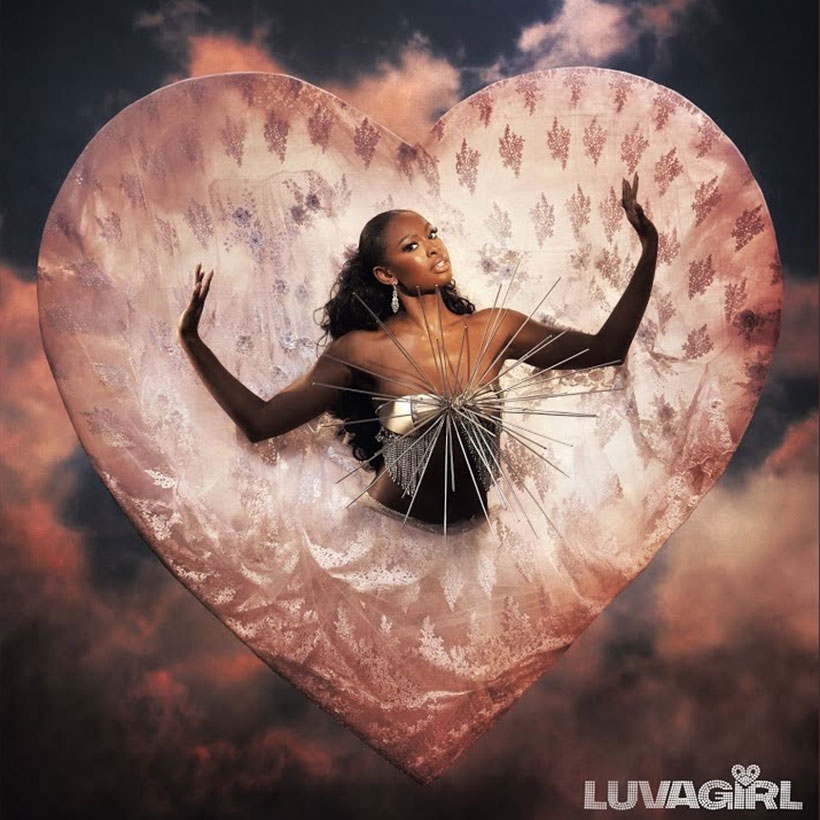
Coco Jones Releases Video For New Single ‘LUVAGIRL’

Coco Jones Luvagirl

Last year was a big one for Coco Jones, and this one is shaping up to be huge. After wowing audiences with her performance at Super Bowl LX last month, the R&B singer and actress has released “LUVAGIRL,” her first new studio recording of 2026.

Produced by Shae Jacobs, “LUVAGIRL” is powered by thunderous drums and regal brass, calling back to classic moments in early 2000s R&B as it creates a blustery atmosphere for Jones’ declaration of love. “Strangers think we’re straight out of a movie/ Way you look at me and move me,” Jones sings. “Baby, I’m a new me/ And I think I like the way that it’s hittin’.”

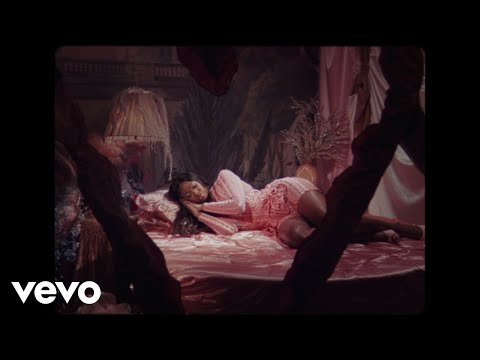
“LUVAGIRL” arrives with a music video that lives up to the song’s flashy sound. In the clip, Jones portrays a number of different characters, each a different type of “luvagirl.” She spelled out the different modes in an Instagram post. The lady who’s “FULL OF ‘IT’” calls for “romance; with receipts. She believes in love; she still needs consistency,” while the “SUPER FLIRT” is “soft; with intent. Feminine is the weapon; sweetness is chosen.” Jones stars in a stylized poster for each of the eight archetypes too.

YouTube Video
Click to load video

The release of “LUVAGIRL” follows Jones’ acclaimed appearance at the Super Bowl in Santa Clara, where she sang “Lift Every Voice And Sing” before the big game. A recording of her performance is available to stream now.

Last year, Jones released her debut album Why Not More? The project featured adult R&B smash hits “Here We Go (Uh Oh)” and “Taste,” cementing her place among the brightest young stars in music today. A few months after the album’s release, she shared some personal news to go along with her professional success, announcing her engagement to NBA star Donovan Mitchell after two years of dating.

Shop Coco Jones’ music on vinyl and CD here.

​Discover more about the world’s greatest R&B artists | uDiscover Music

Categories
Hip Hop

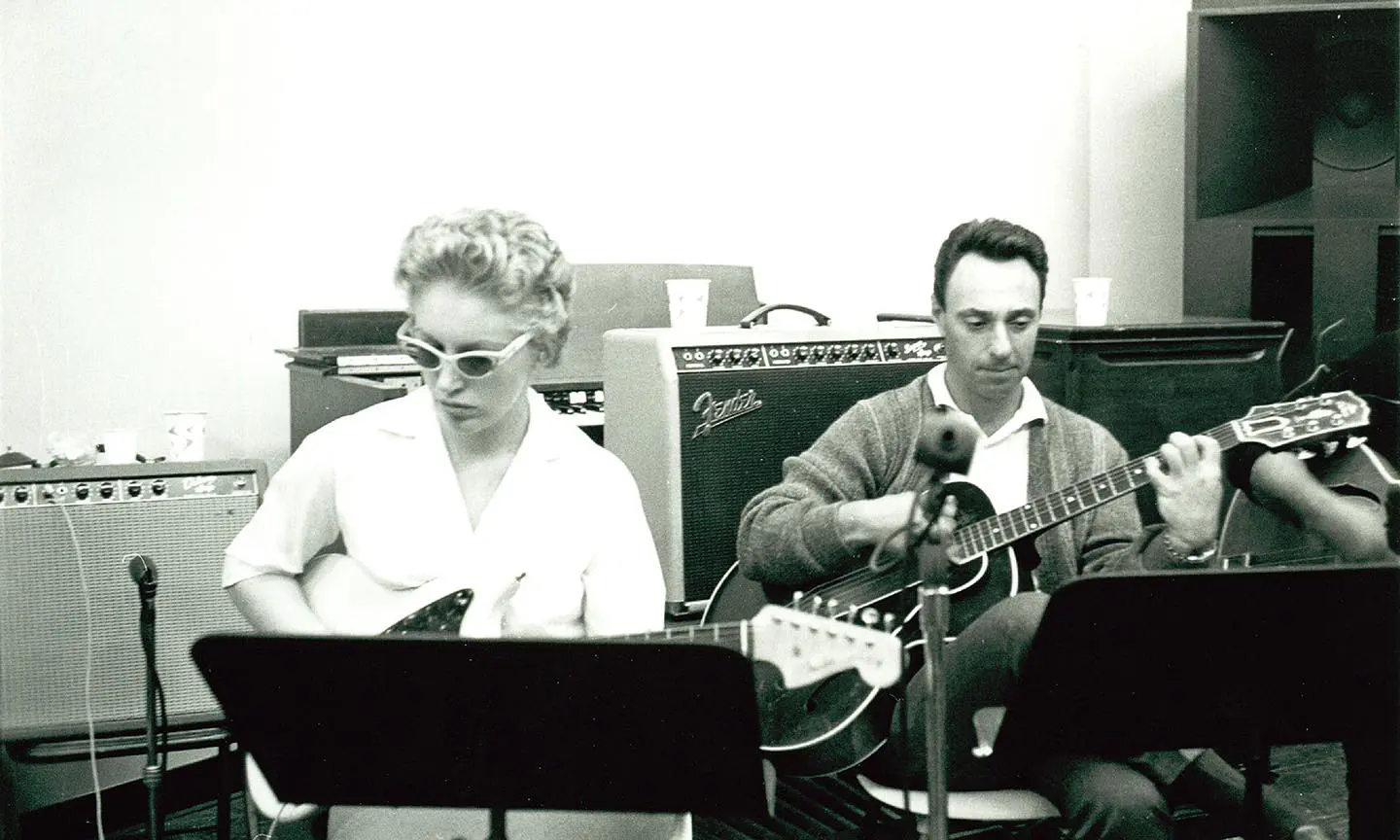
Session Musician Spotlight: Carol Kaye

Carol Kaye

When guitarist/bassist Carol Kaye took her first gig as a session player in 1957 for a Sam Cooke session, she simply saw herself as a working mother who needed to provide for her children. “I knew it looked like money, and I had two kids to pay for,” she once told Far Out.

Kaye was born to working-class, professional musician parents and grew up in a housing project during World War II. At the age of nine, her parents divorced, and she began working to help make ends meet, paying for her own guitar lessons. By the time she was fourteen, she was already a professional – assisting her guitar teacher with lessons and playing jazz gigs in the Long Beach area.

The jazz work led to the Sam Cooke session, and from that sprang a career that encompassed over 10,000 sessions on both rhythm guitar and bass for artists like The Beach Boys, Nancy Sinatra, Herb Alpert, Quincy Jones, Cher, and Joe Cocker as well as scores for film and television.

As one of the few women to find consistent work in the session world, she is viewed today as a trailblazer who broke the glass ceiling for other women musicians like June and Jean Millington, Bobbye Hall, and Sandra Crouch.

Kaye maintains, however, that her focus in those years was less lofty: “I never thought of myself as a woman at all. I knew I was a woman because of the way men looked at me, but not as a guitar player. The guitar was my voice, so I used my guitar to play and make money with. I was born in 1935 and my parents were not extremely poor, but there were times that we didn’t have enough to eat. When you work on that basis, it changes everything.”

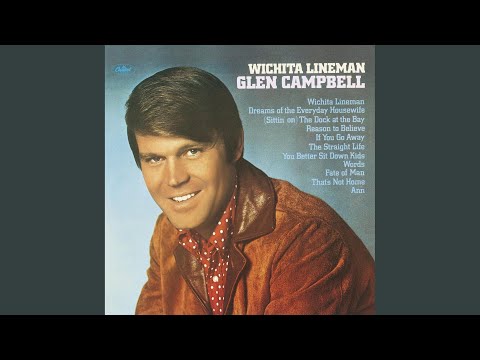
Glen Campbell – Wichita Lineman

“‘Wichita Lineman’ is one of my favorite records,” Kaye once said. “I got to improvise most of my bass line on that….We just had a chord chart to work from, and they came up with a lead-in line…so they asked me to ‘start it with a pickup on bass’…and what you hear is what I invented.”

YouTube Video
Click to load video

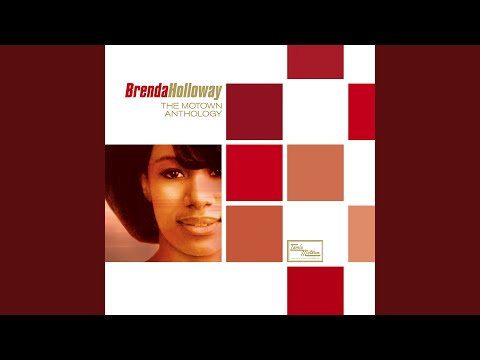
Brenda Holloway – You’ve Made Me So Very Happy

Kaye played on more than 175 tracks for Motown artists like Diana Ross & The Supremes, the Four Tops, Martha & The Vandellas, Stevie Wonder, and others between 1964 and 1971. Her bassline undergirds this slow burner that hit the top 40 of Billboard’s Hot 100 in 1967. It became an even bigger hit for Blood, Sweat & Tears, peaking at the number 2 position on the same chart, two years later.

YouTube Video
Click to load video

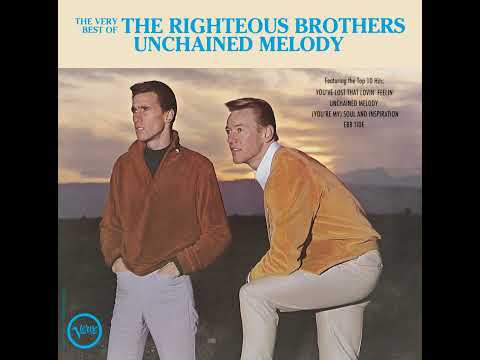
Righteous Brothers – You’ve Lost That Lovin’ Feeling

Produced by Phil Spector, Kaye played rhythm guitar on this recording that hit the number one position on both the American and British charts in February 1965. Kaye recalls of the Spector sessions, “The room would usually hold a crowd of musicians, Sonny Bono would sit in with the percussion section playing tambourine until Phil would call him saying, ‘Telephone, Sonny.’ Then as soon as he was out the door, we’d do the take (to the gratefulness of the percussionists). The booth was constantly crowded with people. What a scene, but fun!”

YouTube Video
Click to load video

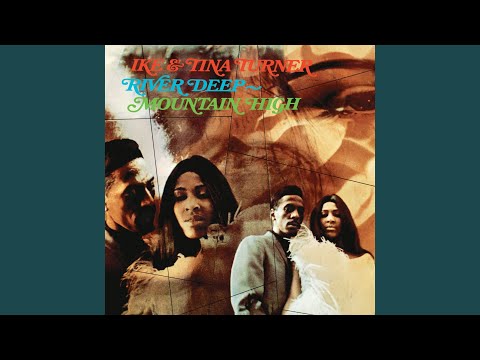
Tina Turner – River Deep, Mountain High

This 1966 Phil Spector production was no ordinary session, costing $22,000 to record with over twenty musicians. Kaye provided the song’s memorable bassline. She told Songfacts, “It felt like another thing that was going to be a hit, but to walk in the booth and there’s a ton of people in the booth, and there’s a ton of us out in the studio, it almost felt like a party.”

YouTube Video
Click to load video

Wonder Woman (Theme)

It seems fitting that Kaye would receive the call to play on the theme song for The New Adventures of Wonder Woman, starring Lynda Carter, which aired on CBS from 1976-1979. Kaye’s bass is prominent in the mix alongside session royalty like Emil Richards, Joe Porcaro, and Tommy Tedesco.

Looking for more? Check out our series of articles on the greatest sessions musicians ever.

​Discover more about the world’s greatest R&B artists | uDiscover Music

Categories
Hip Hop

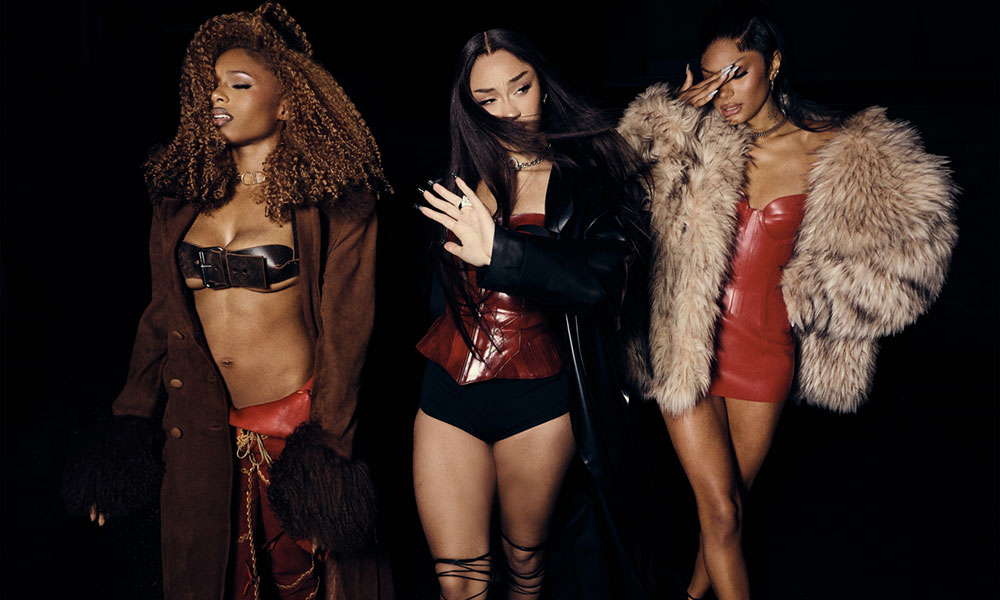
London Trio FLO Proudly ‘Leak It’

FLO photo credit Alex J Piper

FLO has shared a playful new single titled “Leak It.” The track is about reclaiming power and owning one’s hotness. “This one’s gonna teach my ex a lesson/This one’s gonna get my boyfriend’s attention/This one’s just for me, myself and I,” the London-based trio sing in their signature harmonies and vocals.

In the song’s video, directed by Olivia De Camps (Tokischa, Marina), the girl group enroll in an unusual wellness retreat where artists are trained in the unspoken rules of modern fame.

YouTube Video
Click to load video

FLO—Renée Downer, Stella Quaresma, and Jorja Douglas— said of the single and video: “‘Leak It’ unlocks a core memory of being a young girl, listening to girl group music and feeling empowered!”

“The video is iconic! And we’re proud that it’s ours. This is the video we dreamt of having as teenagers. We’re cunty, we’re funny, we’re bold, we’re FLO. We hope everyone loves it as much as we do.”

“Leak It” caps a historic year for the British Pop-R&B trio. Their 2024 debut album Access All Areas was the highest-charting album for a British R&B girl group in 23 years. Alongside a Top 3 chart position in the UK, the trio debuted on Billboard Top 200 and earned a nomination for Best Progressive R&B Album at the Grammy Awards, marking the first nomination for a British girl group in 20 years. The group’s headlining Access All Areas Tour was the biggest US headline tour by a British girl group in nearly two decades, alongside their largest sold-out shows to date in London and across the UK and Europe.

FLO recently stopped by NPR’s Tiny Desk, where they performed their breakout track “Cardboard Box,” which found viral success in 2022 and appeared on their debut EP, The Lead, as well as songs off Access All Areas, and two unreleased tracks.

Buy FLO’s debut EP The Lead on vinyl here.

​Discover more about the world’s greatest R&B artists | uDiscover Music

Categories
Hip Hop

Elmiene Releases New Single ‘SAVIOUR’

Elmiene sounds for someone album cover

Elmiene’s debut album is almost here. In the meantime, he’s given us another enticing preview.

“SAVIOUR” is the latest single from the British-Sudanese singer-songwriter’s debut album songs for someone. Produced by Sampha, the album is set for release March 27 on Def Jam and Polydor.

“’SAVIOUR’ is me calling to my childish desires and not just brushing them away, but taking them for as serious as they really really are” Elmiene says. “We all just want a hero. Word to Enrique Iglesias. Since I was addressing childhood issues, I needed my big brother Sampha to see me through to the end.”

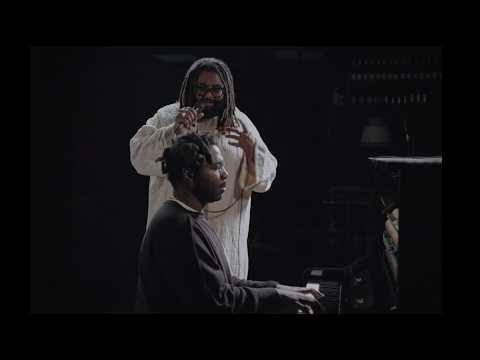
In addition to the funky, effervescent studio recording of “SAVIOUR,” Elmiene has released a live performance video featuring Sampha. With Sampha on piano, the song is transformed into a heartwrenching ballad as Elmiene grabs a mic and channels powerful emotions. His soulful, fluttering vocals put him in continuum with greats from Stevie Wonder to Frank Ocean, but his voice and perspective are all his own.

Elmiene’s road to songs for someone included previous singles “HONOUR,” “Reclusive,” “Cry Against The Wind,” and the bonus track “I Want In.” Together, they’ve cohered into a portrait of a burgeoning talent recently identified by Billboard as R&B’s “Rookie of The Month.”

YouTube Video
Click to load video

Songs for someone was inspired by Elmiene’s two-decade journey to this moment, chronicling myriad familial struggles and personal ups and downs along the way. “Making this album was painful,” he says. “I felt lonely sometimes, I felt loved sometimes. I felt guilty sometimes and I felt forgiven sometimes but most of all it was an important duty to myself that I needed to fulfil.”

Following the album’s release, Elmiene’s will launch his songs for someone tour. Promoted by Live Nation Urban, the sold-out jaunt will take him to 18 North American cities this spring.

Listen to Elmiene’s new single, “SAVIOUR,” here.

​Discover more about the world’s greatest R&B artists | uDiscover Music

Categories
Hip Hop

Best Jhené Aiko Songs: R&B Essentials

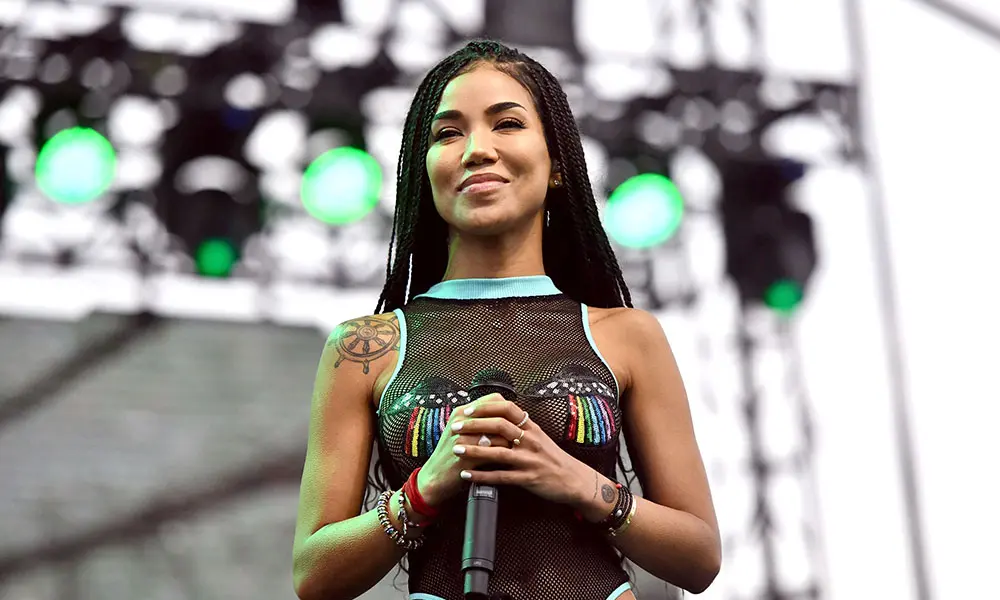
Jhene Aiko

Any article outlining Jhené Aiko‘s best songs needs to start right at the beginning. After years of developing her craft, Jhené released her debut mixtape, Sailing Soul(s) independently on her 23rd birthday – March 16, 2011. It was on that day that R&B began to flow differently.

Jhené Aiko is soft yet commanding, sensual, and explicit. Over the course of her career, she’s challenged the conventional look and feel of love while openly discussing the struggles that come with being a young mother, artist, and sister. Aiko has said that she goes through “12 different personalities” in a day. Penny (a nickname given to her by her late grandfather) is her purest, most honest self. Her J. Hennessy rapping persona is an aggressive singer who “really likes to talk a lot of s***,” she once told Rap Up. “[Someone that] talk[s] about things that a lot of R&B singers don’t talk about.” Last but not least, there’s the committed sound healer that’s interested in chakras, sound bowls, and meditation. In short, Jhené Aiko’s best songs contain multitudes. This is an introduction to some of them.

Listen to the best Jhené Aiko songs on Apple Music or Spotify.

The Open Lover

(New Balance, While We’re Young, Bed Peace, Blue Dream)

“I’m a true hopeless romantic,” Jhené once said. “I feel like you have to not be afraid of love.” Many of Jhené’s love songs are celebrating her longtime relationship with Big Sean. But some of the most powerful songs reference her late brother, Miyagi. On “New Balance,” she opens the song with the lyrics, “I can’t put my finger on it/I don’t know, it’s weird/It feels like I’ve known you my whole life/I know what it is/You remind me of my brother…” Jhené often spoke of the closeness of her and Miyagi’s relationship, explaining “…that was the best male relationship I’ve ever had in my life, you know? And so, in a lover, those were the things I was looking for, and I still do. But I know I’m more aware and I know that my brother cannot be replaced, but I know that because I’m still here, that he is within me.”

Jhené’s best love songs are ballads. She described “While We’re Young” as her “ideal love situation.” The song is endearing and innocent with a hint of rebellious adventure, just like young love. You don’t know what you’re getting yourself into, but you’re open to the risk. This feeling carried over from 2013’s “Bed Peace,” a song about slowing down and enjoying the present with a partner. Telling someone “you are the reason, my love/My mind is open so wide since you came inside/I feel so alive/Without you life just passes by,” is as open as it gets.

YouTube Video
Click to load video

The Sexual Siren

(P*$$Y Fairy, Maniac, Living Room Flow, First F**k, 2 Minute Warning)

It’s one thing to casually mention “[eating] the booty like groceries,” but it’s another to start a song with “hop on that d*** like a maniac.” During Jhené’s early days, she would allude to her pleasure preferences and sexual nature in her 2011 song, “Hoe,” but as she got older, she essentially said ‘f*** it,’ and opted to be honest with who she is: “a lowkey freak.” “Living Room Flow” is a sensual 2011 ballad that details the desire for lust – not love. The year after, alongside her partner, Big Sean, she released “2 Minute Warning.” The accompanying visual was risqué, something that Jhené later admitted she rarely shows to the public.

When the aforementioned “Maniac” rolled out, though, all bets were off. She followed up “Maniac” with the titillating collaboration with 6lack, “First F**k,” and the jaw-dropping verse on Saweetie’s “My Type Remix. “I like a BBC in some BBC/That’s the type of s**t that make a b***h DTD/That’s drop them drawers, I’ma lock them jaws/You ain’t never had a b***h from Slauson, yeah/I like the type to eat the p***y ’til I levitate/I’m the type to make him beat it up, then meditate…”

Not long after, she sent the internet into a further frenzy with the surprise release of “P*$$Y Fairy.” This provocative ballad features a specific singing bowl that “corresponds with your second chakra (sacral chakra), which governs your sexual organs below your navel and your hips,” according to an interview with Billboard. Knowing your intimate self is key with Jhené, and aside from the lyrics getting you “sprung off in the springtime,” the melody literally hits you in the soul.

YouTube Video
Click to load video

The Slauson Sound Healer

(WAYS, Ascension, Never Call Me, Beautiful Ruin, Everything Must Go, Speak)

Jhené Aiko is the self-proclaimed “Slauson Hills Sound Healer.” On her latest project, she incorporated crystal sound bowls, designed to correspond with your chakra system, into every track. However, her interest in healing came long before Chilombo. She considers 2013’s “Everything Must Go” to be the “the realest s**t [she] ever wrote.” It’s all about realizing that, once you’ve lost everything a fire, you begin to understand what’s really important. “Nothing belongs to you, so be free,” she reflected.

3:16 is Jhené’s birthday, but is also a prominent number she often references in her music. “3:16 AM” has been referenced as the time to reflect on her dark moments, while “3:16 PM” is a period full of literal and figurative light. When she released “W.A.Y.S.,” the opening line alludes back to 3:16: “at forty-four minutes to four…” Given Jhené’s interest in spirituality, it’s not hard to imagine it being a reference to angel number 444. The ‘WAYS’ acronym stands for “why aren’t you smiling,” which is one of her late brother Miyagi’s final tweets. (Jhené has a tattoo of the words.) Jhené self-medicated while battling the grief associated with the loss of her brother, and you can hear her struggle play out at the end of her 2017 album, Trip, on “Ascension.” The song features Brandy, and highlights what it’s like to find your way out of a personal hell.

When she isn’t creating a soundtrack for personal growth, Jhené is piecing her heart back together in an empowering way. On “Beautiful Ruin,” she speaks of being mistreated by a lover, but finding the silver lining – “what a beautiful woman you’ve made of me.” “Speak” is written in the key of E, corresponding to the solar plexus chakra intended to channel one’s personal power. She sings, “f**k your opinion ’bout it, I’m feelin’ my best/I won’t hide it […] I’ll celebrate my freedom, I’m gon’ speak up…”
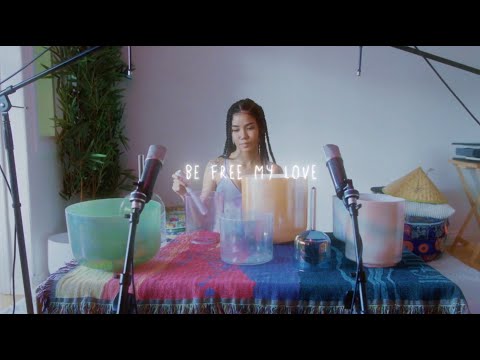
YouTube Video
Click to load video

Nothing depicts the “Slauson Hills Sound Healer” side of Jhené better than 2017’s “Never Call Me,” however. It features friend and gangsta rap legend Kurupt, and directly addresses her relationship with ex-husband, Dot Da Genius. At the time of its release, rumors were circulating about their breakup and those closest to Jhené kept asking how they should handle him. To eliminate any further back-and-forth, Jhené used the song to make herself clear. “You ain’t know I’m a crazy b***h/And tell your lawyer that I ain’t paying s**t” shows that while she is a sweet, loving woman, she’s still from Slauson Hills and has a tribe of people ready to ride for her. Kurupt’s voicemail bluntly stating, “the homie called me and was like ‘Man, Jhené trippin, man, this buster ass n***a got her mind f**ked up’/I’m like ‘No, not Jhené’/Né-né, you hit me I got you, you understand me?” Sometimes, you’re the one who requires tough love in order to heal.

YouTube Video
Click to load video

Browse Jhené Aiko’s music on limited edition vinyl and CDs here.

Think we missed one of the best Jhené Aiko songs? Let us know in the comments below.

​Discover more about the world’s greatest R&B artists | uDiscover Music

Categories
Hip Hop

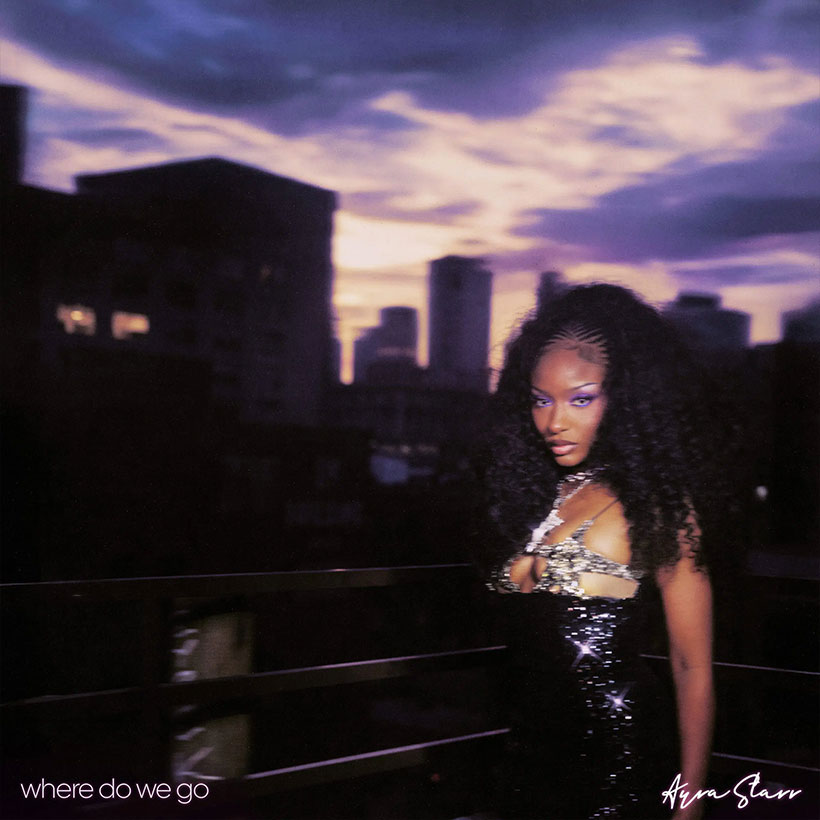
Arya Starr Shares ‘Where Do We Go’

Ayra Starr Where Do We Go

Arya Starr has shared a new single titled “Where Do We Go.” Produced by ILYA, “Where Do We Go” is a sultry ode to an after-hours relationship. Danceable and vibrant, the song asserts Starr as, well, a star. The Afrobeats artist’s latest track is out now via Mavin Records.

“Where Do We Go” is Starr’s first release since last year’s smash hit “Who’s Dat Girl,” in which she trades verses with Rema. Also in 2025, her collaboration with Wizkid, “Gimme Dat,” earned Starr her second Grammy nomination for Best African Music Performance at the 68th Annual GRAMMY Awards.

The Beninese-Nigerian artist landed her first Grammy nomination a few years back for her massive 2022 single “Rush,” cementing her as the first and youngest Nigerian female artist to be nominated in that category. The song made Starr the first African female artist to have two songs reach over 500 million Spotify plays. “Rush” initially appeared on a deluxe edition of Starr’s debut album, 19 & Dangerous, and also has a remix featuring Kelly Rowland.

Starr’s sophomore record, 2024’s The Year I Turned 21, featured the singles “Rhythm and Blues” and “Commas.” The album features guests like Asake, Anitta, Coco Jones, Giveon, Seyi Vibez, and more. The track “Santa” with Rvssian and Rauw Alejandro made Starr the first Nigerian female artist to receive a RIAA Latin Diamond certification.

YouTube Video
Click to load video

Also in 2025, Starr won two MOBO (Music of Black Origin) Awards. In addition to being named Best international Act, she was the first female artist in 16 years to win the trophy for Best African Music Act. She’s also picked up nominations at the BET Awards (Best International Act), Soul Train Awards (Best New Artist), and the MTV VMAs, where her tracks “Rush” and WizKid collaboration “2 Sugar” were up for Best Afrobeats Song.

Listen to Ayra Starr’s “Where Do We Go” here.

​Discover more about the world’s greatest R&B artists | uDiscover Music