We have tragic news to report from the world of television:
Nicholas Brendon — the gifted actor best known for his work on Buffy the Vampire Slayer — has passed away.
He was just 54 years old.
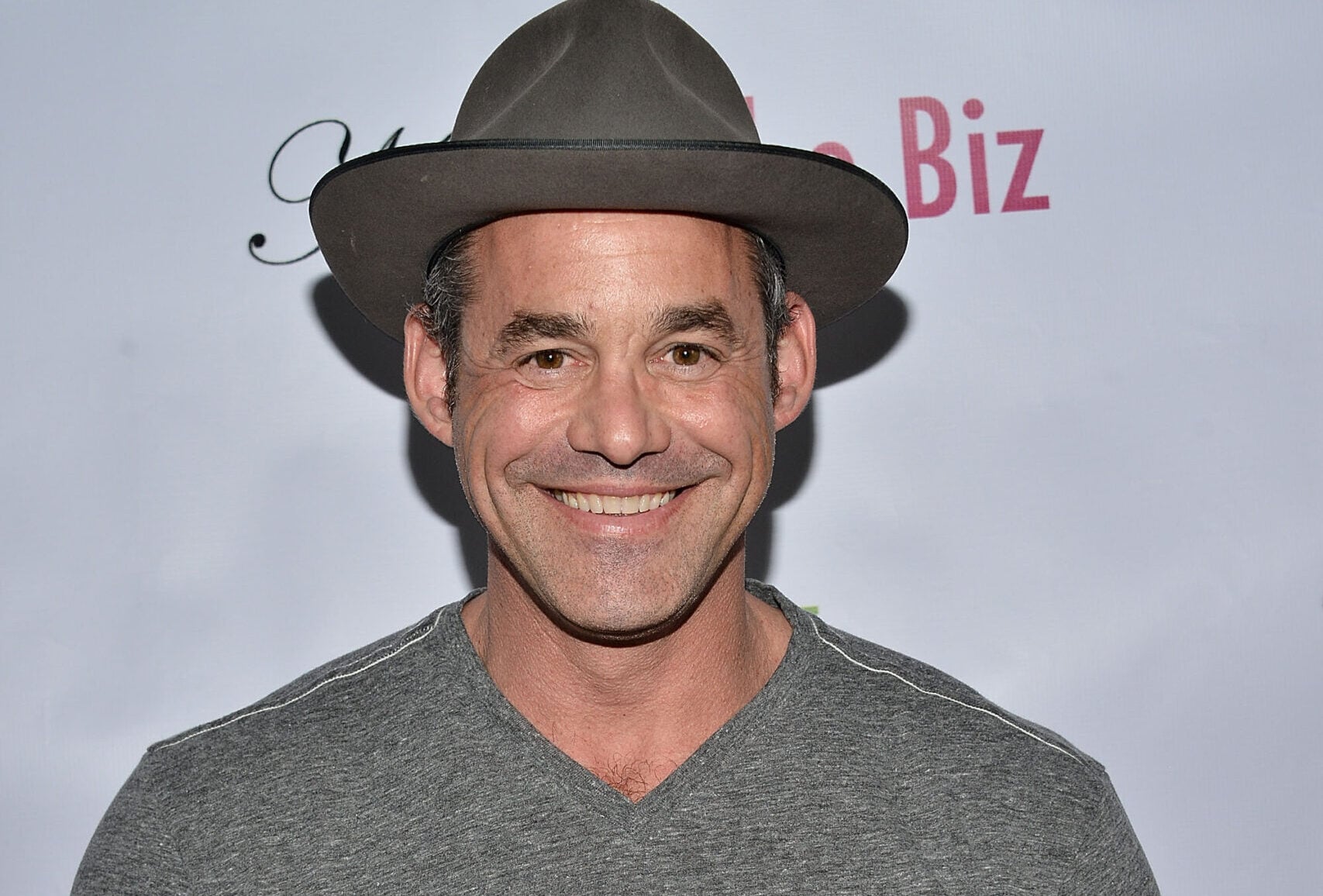
Nicholas Brendon attends the “Ms. In The Biz” book launch party co-hosted by FilmBreak and presented by Dog & Pony on February 9, 2015 in West Hollywood, California. (Photo by Araya Diaz/Getty Images for Ms. In The Biz)
News of Brendon’s death comes courtesy of a post on his official Instagram page:
“We are heartbroken to share the passing of our brother and son, Nicholas Brendon. He passed in his sleep of natural causes,” his family wrote.
“Most people know Nicky for his work as an actor and for the characters he brought to life over the years. In recent years Nicky has found his passion in painting and art,” the post continued.
“Nicky loved to share his enthusiastic talent with his family, friends and fans. He was passionate, sensitive and endlessly driven to create.”
His family also acknowledged that Brendon had experienced his share of adversity over the years, while making clear that he remained hopeful.
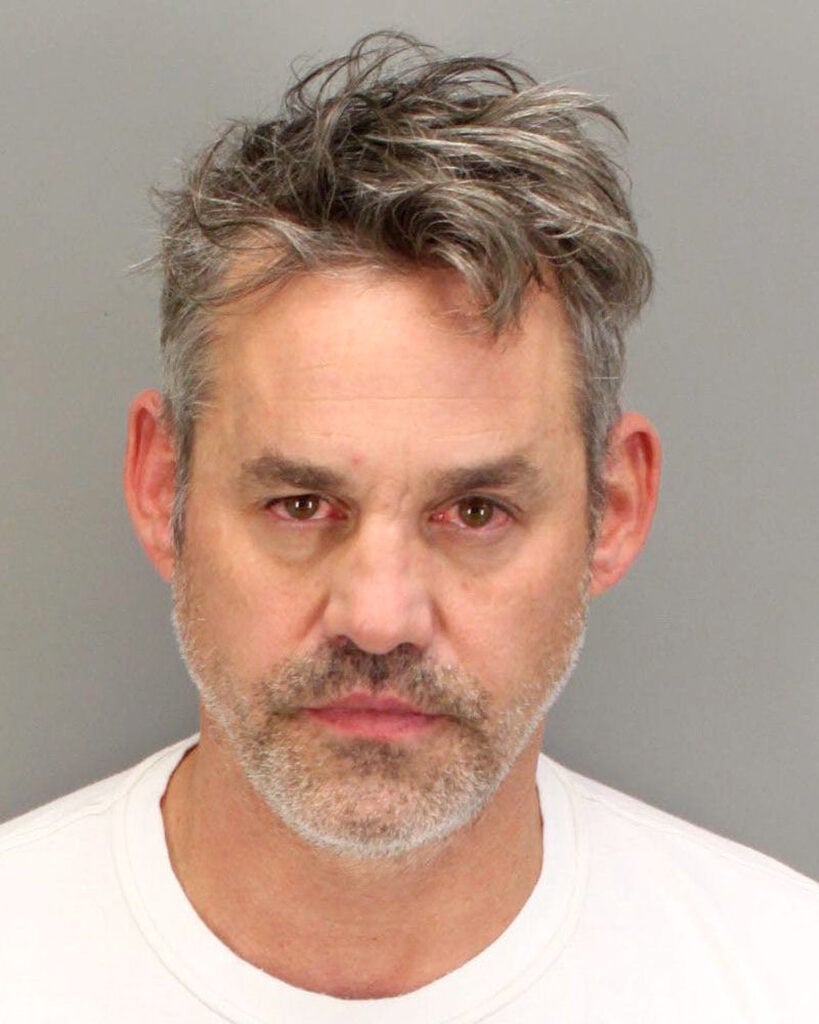
Nicholas Brendon poses for his mugshot after being arrested on domestic violence charges on October 11, 2017 in Palm Springs, California. (Photo by Palm Springs Police Department via Getty Images)
“Those who truly knew him understood that his art was one of the purest reflections of who he was,” the statement continued.
“While it’s no secret that Nicholas had struggles in the past, he was on medications and treatment to manage his diagnosis and he was optimistic about the future at the time of his passing.”
The Brendons concluded their message with a request for privacy as they grieve:
“Our family asks for privacy during this time as we grieve his loss and celebrate the life of a man who lived with intensity, imagination and heart. Thank you to everyone who has shown love and support,” they wrote.
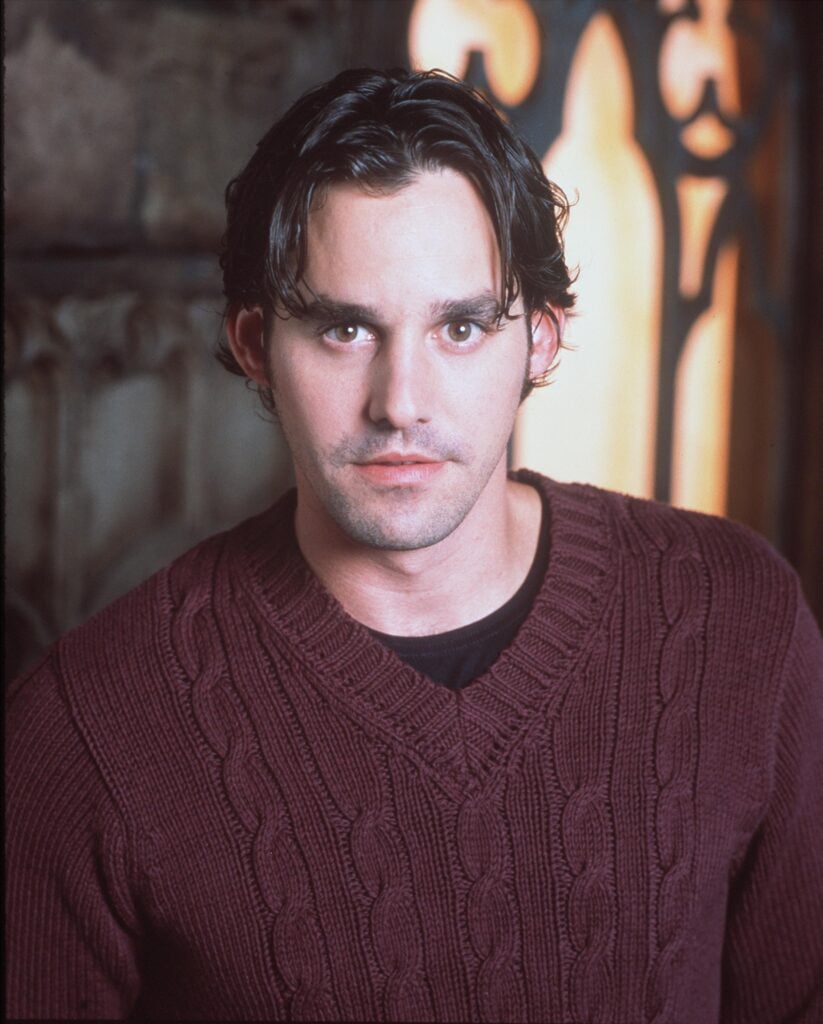
Nicholas Brendon as Xander Harris stars in 20th Century Fox’s “Buffy The Vampire Slayer Year 5.” (Photo by Online USA)
Born in Los Angeles in 1971, Brendon began to pursue acting at a young age.
While still in his teens, he rose to fame as Xander Harris on the acclaimed supernatural dramedy Buffy the Vampire Slayer, which aired seven seasons from 1997 to 2003.
He later appeared on Criminal Minds and remained active in the entertainment world for decades.
His passing marks the loss of a performer who helped define an era of television — and whose impact extended far beyond a single role.
Brendon battled substance abuse and experienced numerous brushes with the law over the course of his career. His cause of death is unknown at this time.
Our thoughts go out to Nicholas’ loved ones during this incredibly difficult time.
Nicholas Brendon never shied away from sharing his health struggles.
Before the Buffy the Vampire Slayer died on March 20 from natural causes, Nicholas and his family had kept his fans updated… E! Online (US) – Top Stories
Content warning: This story discusses child sexual abuse.
Joseph Duggar’s wife Kendra Duggar is also facing criminal charges following his arrest.
The 27-year-old was arrested on March 20 and… E! Online (US) – Top Stories
A beloved member of the Buffy the Vampire Slayer cast has passed away.
Nicholas Brendon, best know for his role as Xander Harris in the Sarah Michelle Gellar-starring series, died on March 20 at… E! Online (US) – Top Stories
Taylor Frankie Paul is staying busy.
One day after the reality star’s season of The Bachelorette was canceled over domestic violence allegations, she stepped out in her native Utah for a low-key… E! Online (US) – Top Stories
Sara Bareilles had to be extra brave for this one.
The “Love Song” singer was shocked to find a skull and remains of an animal when she cleaned out the chimney at her country house.
“When you… E! Online (US) – Top Stories
Judy and Eric Edwards pose for a photo at a ribbon cutting ceremony for a new universal changing station installed on the first floor of the Alaska State Capitol on Mar. 19, 2026. (Photo by Corinne Smith/Alaska Beacon)
Judy Edwards and her son Eric traveled from Palmer to advocate for people with disabilities at the Alaska State Capitol in Juneau this week, and now one part of that process is a bit easier.
A newly installed universal changing station on the first floor of the Capitol is a clean, safe space for people who need assistance when using the restroom. The changing station is adult-size and adjustable, for people who use adult diapers and need help changing them. This is an upgrade for Eric, who is 18-years-old and has quadriplegic cerebral palsy with dystonia and uses a power wheelchair.
Previously he and his mother would have had to use the floor.
“This will make life easier for everybody,” Judy said. “Parents, especially younger parents, they just deal with things, but they shouldn’t have to. You know, parents hurt themselves because they’re trying to lift from the floor.”
At a ribbon cutting ceremony on Thursday, lawmakers and advocates with the Key Coalition — a group of people with disabilities, their caregivers, service providers and supporters — gathered to applaud the new installation.
Judy and Eric Edwards gather with Reps. Sara Hannan, D-Juneau and Ashley Carrick, D-Fairbanks, and Capitol facilities manager Serge Lesh for a ribbon cutting ceremony for the installation of a new universal changing station at the Alaska State Capitol on Mar. 20, 2026. (Photo by Corinne Smith/Alaska Beacon)
“I am so sorry that you’ve had to advocate for this and that those of us who are able bodied don’t automatically think about it,” said Rep. Sara Hannan, D-Juneau, who oversees a committee that runs maintenance in the Capitol.
Hannan said the universal changing station cost the state less than $20,000 total, including the cost of the device, shipping and electrical costs for installation. She said the committee is in the process of reviewing and making accessibility upgrades around the Capitol, including plans to widen the door frame and install an automatic door opener for the first floor accessible restrooms.
The Edwards family travel often for medical care. They are among the advocates who have been raising concern and pushing for more changing stations around the state. A new bill now introduced in the legislature, House Bill 141, would require at least one universal changing station be included in construction or renovation of all state or local government owned public buildings.
Rep. Ashley Carrick, D-Fairbanks, sponsored the bill.
“We’re looking at different ways to approach the issue, whether just on a funding level or policy, but ultimately, the goal is to just have types of changing facilities across the state,” Carrick said in an interview. “As legislators, the more we can do to just help all Alaskans have their basic needs met — that’s really where the motivation for this bill came from, and the awareness around this being a major challenge is so important.”
Advocates and lawmakers are focusing first on Alaska airports. The Edwards family was involved in raising awareness around access, resulting in a new universal changing station being installed at the Ted Stevens Anchorage International Airport in 2024.
There is also a changing station at the Mat Su Health Foundation, and a temporary station was installed last summer at the fairgrounds of the Alaska State Fair. Edwards said she also wants to see one installed at Providence Alaska Medical Center hospital in Anchorage.
Advocates with the Key Coalition flew to Juneau for an advocacy day on Wednesday, when they held a march and rally in front of the Capitol and met with lawmakers urging policy changes to increase access and services.
Demonstrators with the Key Coalition march through downtown Juneau to rally at the Alaska State Capitol for disability rights and increased services on Mar. 18, 2026. (Photo by Corinne Smith/Alaska Beacon)Demonstrators with the Key Coalition rally at the Alaska State Capitol calling for disability rights and increased services on Mar. 18, 2026. (Photo by Corinne Smith/Alaska Beacon)
“Having a disability could happen to any one of us,” said Michele Girault, board president for the Key Coalition. “So we’re creating communities where accessibility is at the top of the leaderboard, access to housing and good workforce and all the things that you might need to be supported, are available when you need it.”
Advocates are pushing for the state to eliminate the waitlist for people with disabilities applying for Medicaid services. Girault said they also want to reduce wait times for reimbursements for service providers.
“So that people who provide the service to people with disabilities and elders across the state are reimbursed at a rate that keeps them in business,” Girault said. “Some people have left the state because they were tired of waiting for services, and some families are opting not to even put their names on the wait list.”
Girault said the Key Coalition is continuing to support increased funding and expanded access for infant learning programs and early intervention services for youth experiencing developmental delays, which support families and children from infancy to age three.
Last year, Gov. Mike Dunleavy vetoed a bill to provide $5.7 million to increase funding for the state’s 17 infant learning programs. But lawmakers are trying again this year, with Senate Bill 178, sponsored by the Senate Health and Social Services Committee, to expand eligibility for the programs and increase funding.
A bill to update the state’s guardianship statutes is also supported by the Key Coalition. Girault said Senate Bill 190 would strengthen protections for people involved in the state guardianship system, including for medical guardians, partial guardians and in conservatorship. They’re also pushing for improvements to access to public transportation.
Sara Kveum speaks to the crowd rallying at the Alaska State Capital for disability rights and increased services on Mar 18, 2026. She is beside Michele Girault, director of the Key Coalition of Alaska, which organized the rally as part of an annual legislative fly-in, and includes people with disabilities, their families, service providers, educators and advocates. (Photo by Corinne Smith/Alaska Beacon)
“Transportation is in the top five barriers for people with disabilities. When you think about all the snow we’ve had this winter, how do you get to the bus stop? Once you’re at the bus stop, is the bus stop cleared?” Girault said. The Key Coalition is supporting House Bill 26, which would require a new state transportation plan to include access for people with disabilities.
“This transportation bill requires the state to create a plan that actually thinks about all of the points of access for people across the state of Alaska, not just in major cities, but in rural areas as well,” Girault said.
More than 1 in 4 adults in the U.S. have some type of disability, including mobility, hearing, vision or cognition disabilities, and advocates say they want to see improvements across Alaska to expand access, care and dignity for all.
For the Edwards family, and many advocates and families with disabilities, flying to Juneau isn’t easy, but Judy Edwards said it’s worthwhile — and she wants to see more changes to increase access across Alaska.
“I’m 67, but when I was a kid, you didn’t see people with disabilities out in public, really, much,” Edwards said. “And so today, it’s like, why not? I mean, we’ve come such a far way. Why not? We need to keep going.”
Demonstrators with the Key Coalition rally at the Alaska State Capitol for disability rights and increased services on Mar. 18, 2026. (Photo by Corinne Smith/Alaska Beacon)
Demonstrators with the Key Coalition rally at the Alaska State Capitol for disability rights and increased services on Mar. 18, 2026. (Photo by Corinne Smith/Alaska Beacon)
Demonstrators with the Key Coalition rally at the Alaska State Capitol for disability rights and increased services on Mar. 18, 2026. (Photo by Corinne Smith/Alaska Beacon)
Demonstrators with the Key Coalition march through Downtown Juneau to rally at the Alaska State Capitol for disability rights and increased services on Mar. 18, 2026. (Photo by Corinne Smith/Alaska Beacon)
Demonstrators with the Key Coalition march through downtown Juneau to rally at the Alaska State Capitol for disability rights and increased services on Mar. 18, 2026. (Photo by Corinne Smith/Alaska Beacon)
Demonstrators march through Downtown Juneau to rally at the Alaska State Capitol with the Key Coalition, advocating for disability rights and increased services on Mar. 18, 2026. (Photo by Corinne Smith/Alaska Beacon)
Demonstrators rally with the Key Coalition of Alaska advocating for disability rights and increased services in Juneau on Mar. 18, 2026. (Photo by Corinne Smith/Alaska Beacon)
Demonstrators with the Key Coalition march through Downtown Juneau on Mar. 18, 2026. (Photo by Corinne Smith/Alaska Beacon)
Demonstrators with the Key Coalition march through Downtown Juneau on Mar. 18, 2026. (Photo by Corinne Smith/Alaska Beacon)
A team of dogs preares to pull a sled on May 20, 2017, in the Juneau Icefield near Juneau, Alaska. (James Brooks photo/Alaska Beacon)
An Oregon couple has sued a kennel founded by Iditarod winner Susan Butcher, saying they were injured during a 2024 dogsled tour.
Randall and Philippa Hall filed suit in Fairbanks Superior Court on Thursday against Trail Breaker Kennel of Fairbanks.
According to the complaint, the Halls were riding in a sled basket during a tour and were “thrown to the ground” after their sled “hit a hazard that was on or at the edge of the trail, causing the sled to overturn.”
The lawsuit claims the crash was the result of the kennel and its employees and that the Halls suffered injuries that required medical treatment and caused long-term effects.
The complaint does not specify their injuries but asks for unspecified monetary damages to be awarded at trial.
The Halls’ attorney, Douglas Johnson of Anchorage, did not return a phone call seeking more information about the case.
Under Alaska law, victims have two years to file personal injury claims before the statute of limitations takes effect. The Halls’ case was filed 11 days before the 2-year mark.
Tekla Monson is the eldest daughter of Butcher and David Monson and the owner of the kennel.
Reached by cellphone on Friday, she said she was aware of the 2024 accident but wasn’t aware of the lawsuit until contacted by the Beacon and declined comment.
Tongass National Forest (Photo by U.S. Forest Service)
The U.S. Forest Service has initiated a revision of the Tongass National Forest plan.
At stake is whether the Forest Service will continue to shift its management strategy in support of a resilient climate, thriving Indigenous cultures, healthy fisheries, recreation, tourism and forest restoration — or whether it will backslide and try to bring back a bygone, unsustainable era focused on clearcutting the Tongass’ ancient trees at the expense of the communities and wildlife that depend on a healthy forest.
Members of the public may weigh in on how they think the forest should be managed and what should be included in the environmental review accompanying the plan. One public comment period is just closing, but more comment opportunities are likely in the coming months.
Every national forest in the United States is governed by a Land Management Plan, also called a Forest Plan, in accordance with the National Forest Management Act of 1976. The Tongass National Forest Plan was originally developed over 25 years ago, in 1997, and was most recently amended in 2016. Forest plans provide a guide for future forest management by creating standards for projects and activities and identifying areas where those activities are appropriate. They must be revised every 15 years.
This current Tongass plan revision process began in 2023 with initial listening sessions. We are now at the onset of developing an environmental analysis to look at different alternatives for managing the forest. The Forest Service is seeking public input to help guide the draft revised plan and the draft environmental impact statement, expected this fall.
Over the last several years, the Forest Service has made strides toward focusing its forest management approach on protecting the globally-important values of the Tongass National Forest while supporting communities in the region. It has done this by keeping the old-growth trees standing to store carbon as a bulwark against climate change, which supports Alaska Native ways of life and benefits healthy fish and wildlife populations that are important to locals as well as the millions of visitors that come to the region each year to enjoy this unique landscape.
Earthjustice, the nonprofit environmental law organization, wants to see the Forest Service continue this approach in its revised forest plan and protect the old-growth trees of the Tongass, facilitate co-stewardship opportunities for Alaska Native tribes,and support recreation along with the region’s fishing and tourism economies. The alternative – a return to large-scale clearcutting of old-growth trees – costs taxpayers millions of dollars in subsidies to support a relict industry and harms sustainable economies and other uses of the forest that are important to the region today.
The threats to the Tongass’s wild, intact ecosystems have grown under this administration. The agency said it will ensure the plan is consistent with two forest executive orders, E.O. 14153, “Unleashing Alaska’s Extraordinary Resource Potential” and E.O. 14225, “Immediate Expansion of American Timber Production” aimed at maximizing mineral extraction and logging in Alaska.
And then there’s the proposed repeal of the Roadless Rule, which safeguards our wildest national forest lands – including 9 million acres of the Tongass – against industrial logging and roadbuilding. Soon we should see the agency’s proposed rule and draft Environmental Impact Statement repealing roadless protections on the Tongass, the Chugach National Forest and many other unroaded forest lands in the Lower 48 – stripping protections potentially from a total of 45 million acres in national forests across 36 states and Puerto Rico.
More large, old-growth sales can be expected if the Roadless Rule is successfully repealed.
Instead of taking these steps backward and putting the old-growth forests and roadless areas of the Tongass on the chopping block, the Forest Service should continue the direction of recent years. Protecting the old-growth trees and roadless areas of the forest makes sense for the climate, the region’s economy, and the people who live here.











 Nicholas Brendon never shied away from sharing his health struggles.
 Content warning: This story discusses child sexual abuse.
 A beloved member of the Buffy the Vampire Slayer cast has passed away.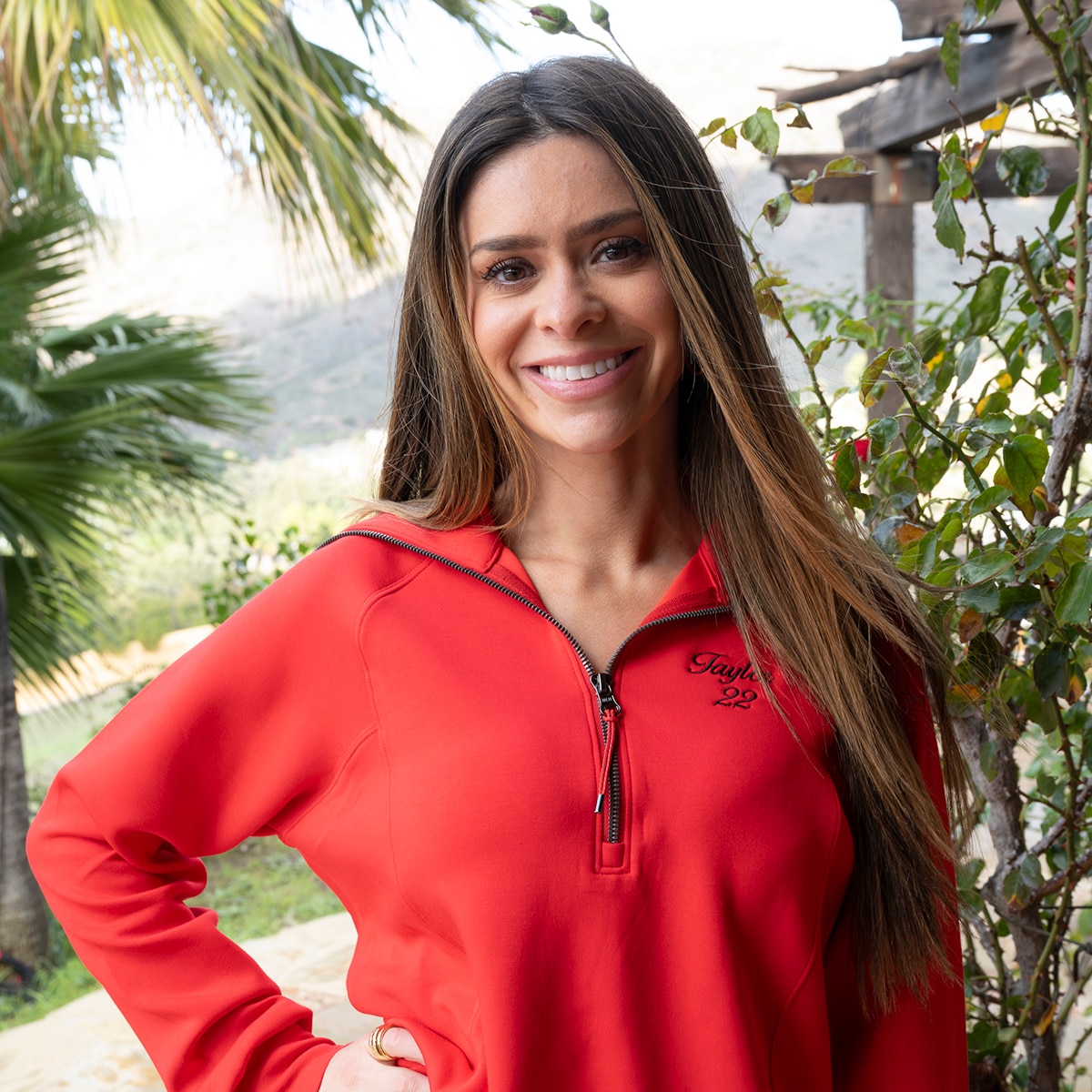
 Taylor Frankie Paul is staying busy.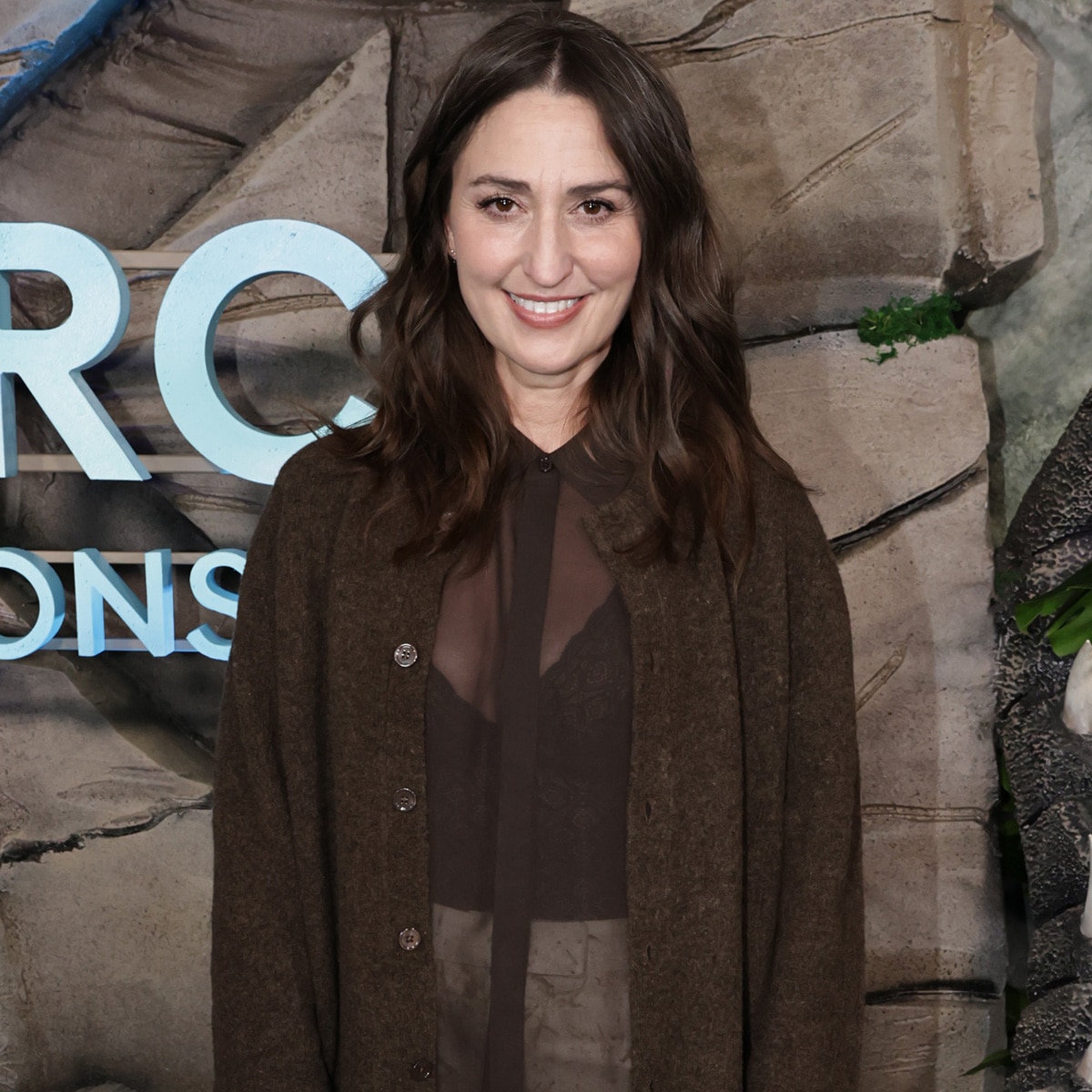
 Sara Bareilles had to be extra brave for this one.