Throughout their 20-year career, the Lady A band mates have always been by each other’s sides. Continue reading…Country Music News – Taste of Country
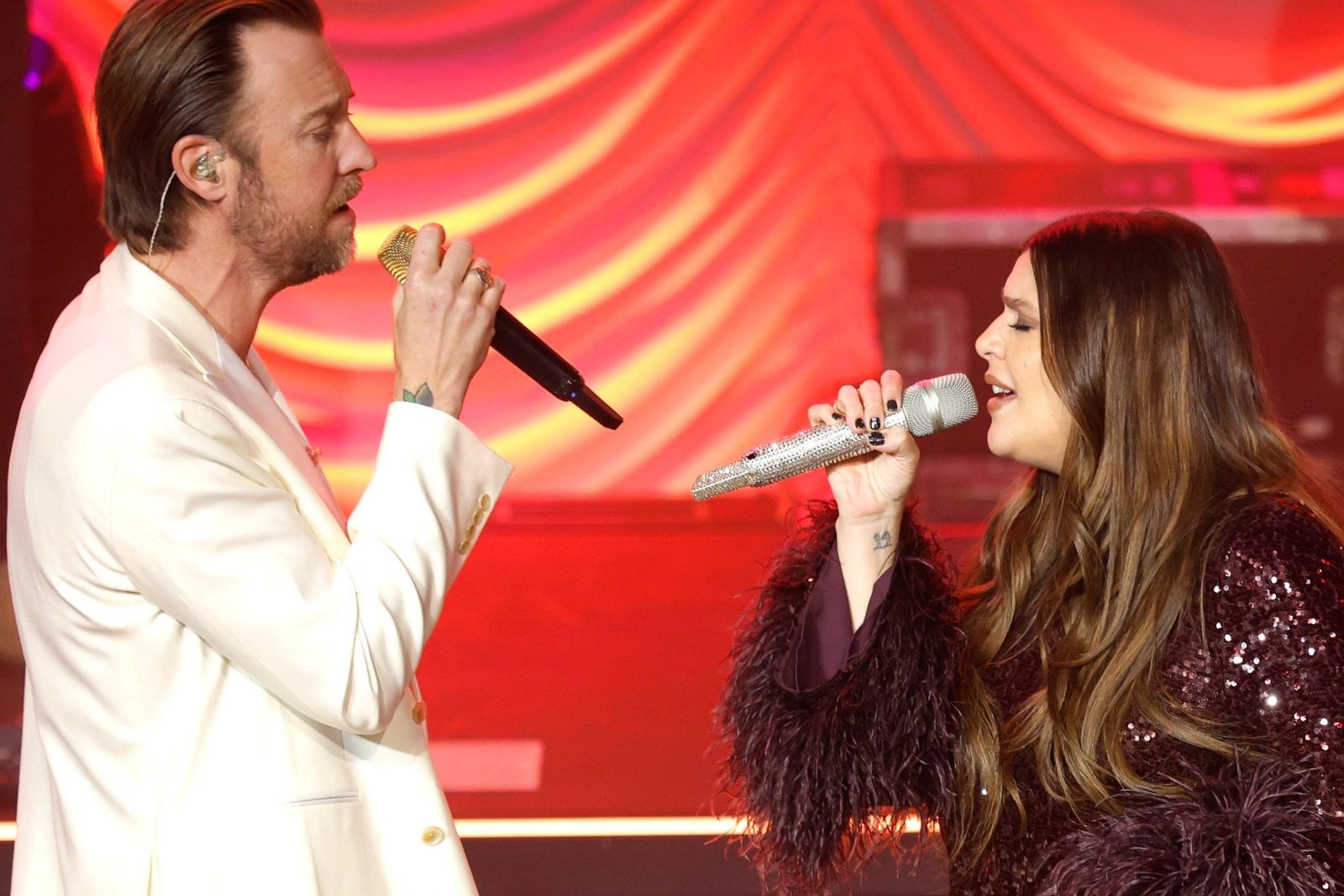








Throughout their 20-year career, the Lady A band mates have always been by each other’s sides. Continue reading…Country Music News – Taste of Country
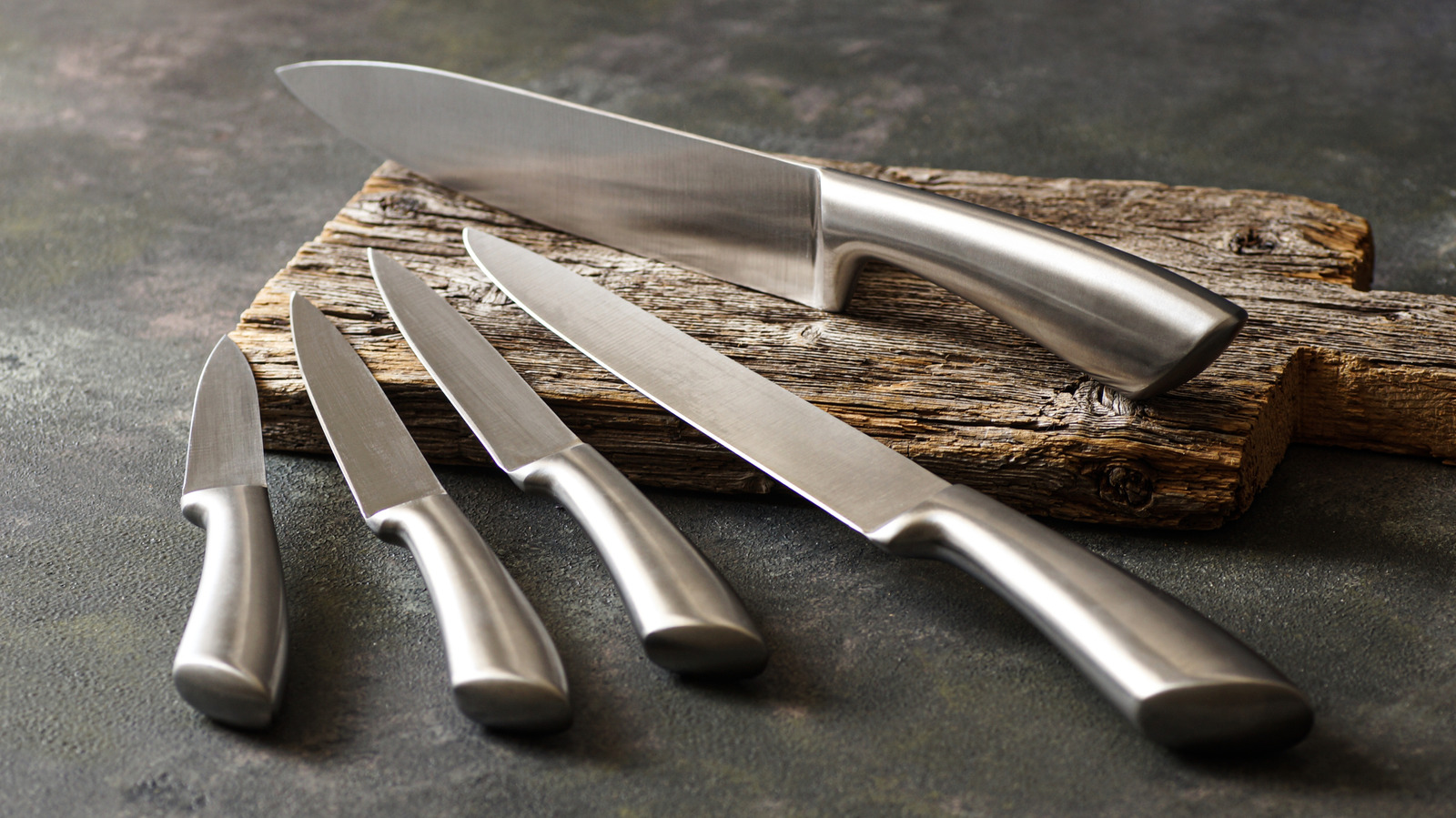
Sharp kitchen knives mean safer prep, cleaner cuts, faster cooking, and longer-lasting tools. This Lowe’s find gets the job done for under $15.
Food Republic – Restaurants, Reviews, Recipes, Cooking Tips
Reading Time: 2 minutes
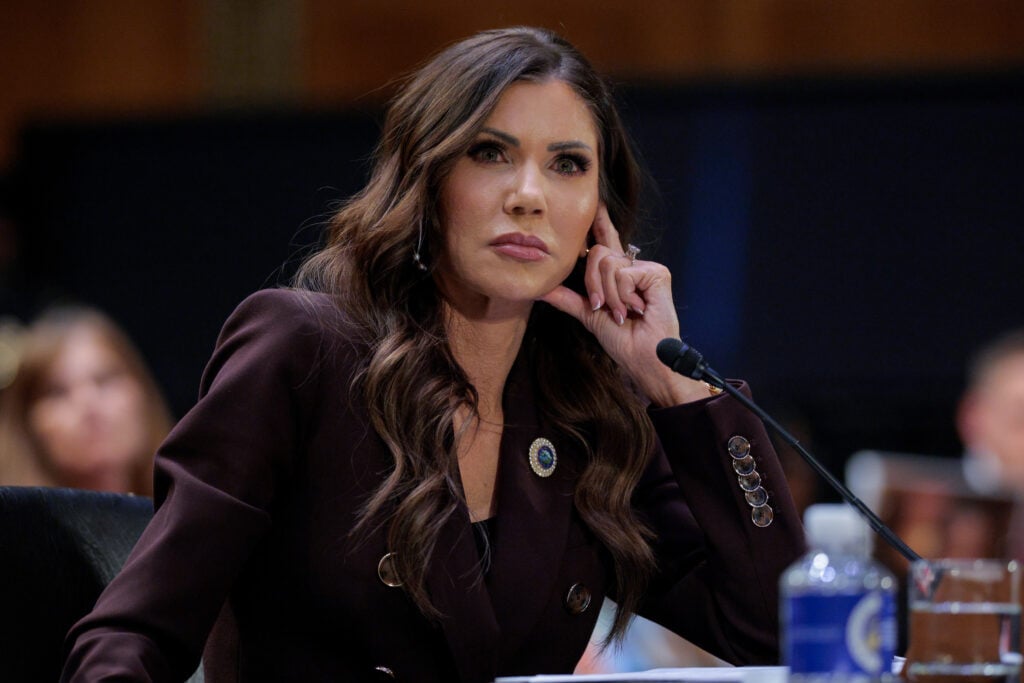
Back in March, folks on social media had a good laugh over reports of Bryon Noem’s alleged cross-dressing fetish.
But it seems that Bryon’s wife, former South Dakota governor and former Department of Homeland Security secretary, failed to see the humor in the situation.
Kristi filed for divorce from Bryon on Monday, September 28, according to court records obtained by People.
Kristi cited “irreconcilable differences” as the reason for the split.
And while the filing may have arrived this week, rumors about trouble in the Noems’ marriage have been circulating for quite some time.
Kristi and Bryon married in 1992 after meeting as teenagers in South Dakota. They went on to have three children — daughters Kassidy and Kennedy and son Booker — and are now grandparents to four grandchildren.
But their seemingly long-running marriage came under intense scrutiny earlier this year after reports surfaced about Bryon’s alleged participation in online fetish forums.
The Daily Mail reported in March that Bryon had allegedly spent more than $25,000 communicating with performers in “bimbofication” chatrooms, a type of role-playing centered around exaggerated femininity.
The outlet also published photos that allegedly showed Bryon wearing feminine clothing and oversized fake breasts.
Kristi’s representative responded to those reports by saying that she was “devastated” and that the family had been “blindsided.”
Bryon did not deny participating in the online chatrooms at the time, although he disputed some of the claims made about his conversations and his marriage.
The controversy came as Kristi was dealing with major changes in her own career.
President Donald Trump removed her as Homeland Security secretary in March and reassigned her to another role. Around the same time, Kristi was questioned publicly about longstanding rumors involving Trump ally Corey Lewandowski.
Both Kristi and Lewandowski have denied having a romantic relationship.
When questioned under oath about whether she had a sexual relationship with Lewandowski, Kristi declined to give a direct answer and dismissed the questions as “tabloid garbage.”
Meanwhile, Kristi’s mother, Corinne Arnold, indicated in July that the divorce was coming.
“It has been difficult, but we knew this was coming, that they were going to get divorced,” Arnold told the Daily Mail.
At the time, however, no divorce paperwork had been filed publicly.
That has now changed.
After 34 years of marriage, Kristi and Bryon’s relationship has officially reached its final chapter — and considering everything that has unfolded around the couple in 2026, it has certainly been a very public one.
Kristi Noem Files For Divorce Following Husband’s Cross-Dressing Scandal was originally published on The Hollywood Gossip.
The Hollywood Gossip
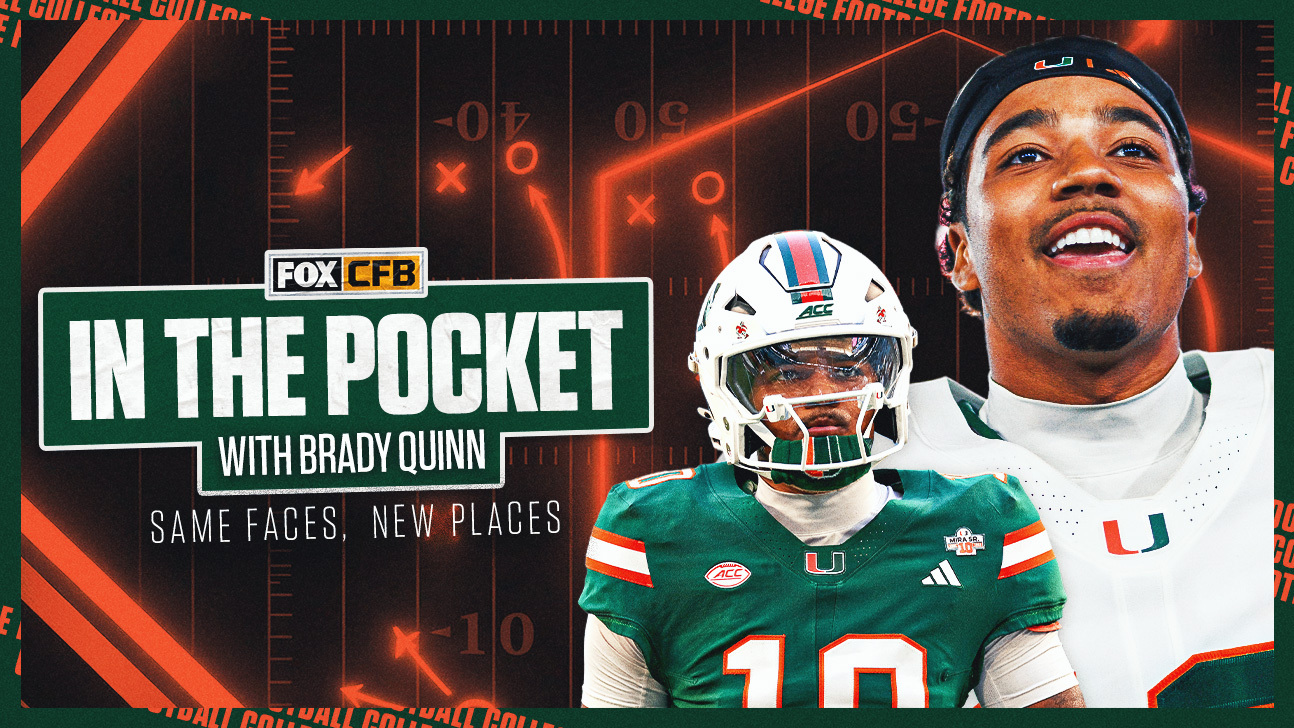
Welcome to “In The Pocket” — my opportunity to take you on a tour around college football and highlight the quarterbacks driving the conversation across the sport. This week, I’m taking a look at some of the quarterbacks who are back for another season of college football, but wearing different uniforms: same faces, new places. These are signal-callers who have already proven they can play at this level, and now they’re making an impact at their new schools. Whether you like it or not, the transfer portal is here to stay. But some of the sport’s top signal-callers are proving that sometimes, a fresh start is exactly what a quarterback needs. Same Faces, New Places The former Tulane and Duke signal-caller left Durham, North Carolina, for greener pastures in sunny Miami this spring. Former Hurricanes quarterback Carson Beck — also a transfer. Notice a trend here? — exhausted his college eligibility, which left a void in the team’s QB room. My guess is it wasn’t just about the money for Mensah, but also the opportunity to showcase his skills for a blue-blood program that gave him the best chance to win a national championship. Oh, and by the way, it doesn’t hurt to have one of the best wide receivers in the nation to throw the ball to in Malachi Toney. The two have already developed a chemistry that would even make 2 Live Crew jealous. Mensah’s physical gifts allow him to be a dual-threat quarterback, but he often resists the temptation to scramble, only doing so when necessary. What makes him a true game-changer is his lethal accuracy from the pocket. If there was a component missing from Miami’s offense last season, it was the quarterback’s ability to extend plays. That’s quite the opposite with Mensah. He’s a smooth operator under pressure. Mensah provides offensive coordinator Shannon Dawson with a veteran presence and the command to utilize the entirety of his playbook. One of the most ridiculous stats to showcase through four weeks of the season is that Mensah currently has more touchdown passes (14) than incompletions (12), and he has yet to throw an interception. Another notable stat: Mensah has now started 31 games in his collegiate career, which seems to be a theme among recent national championship-winning quarterbacks — Michigan’s J.J. McCarthy, Ohio State’s Will Howard and Indiana’s Fernando Mendoza. In fact, you’d have to go back to former Alabama star Mac Jones in 2020 to find a quarterback with fewer than 20 starts who won a national championship. Keep in mind, Miami has not played a ranked opponent to date, and it won’t until its clash with my Fighting Irish in November. But that road win over Wake Forest is looking better with each week. Mensah has all the ability to ace the remaining tests, starting this week when the Hurricanes head to Death Valley looking to build on their 4-0 start to the season. Limited playing time and a head coaching change led Sam Leavitt to initially transfer from Michigan State back to his West Coast roots. He committed to play for Kenny Dillingham and an Arizona State team that was looking for a spark at the quarterback position. In his first year starting, Leavitt led the Sun Devils to a Big 12 championship and a College Football Playoff berth, taking the Texas Longhorns to the wire in the CFP quarterfinals. A disappointing encore, which included a foot injury that required season-ending surgery, opened the door to the Bayou. Early returns this season have been mixed. Leavitt led the Tigers to a pair of impressive wins over Clemson and Texas A&M, but he threw three picks in the team’s Week 2 win over Louisiana Tech, and then went 16-of-27 for 158 yards with a touchdown and an interception in LSU’s loss to Ole Miss. When Leavitt is at his best, LSU can beat anyone in the country. The question is, can Charlie Weis Jr. and Lane Kiffin unlock his full potential and get that version of Leavitt every week? A 6-foot-2, 216-pound junior with flowing locks, Leavitt looks as if he’s casting for a “Remember the Titans” reboot, playing the role of Ronnie “Sunshine” Bass. He has the ability to take off and run, creating a dilemma for defenses and leading to some incredible plays at times. The issue is that he’s often too reliant on his ability to scramble when his first read isn’t there. I’m always hesitant to be overly critical of a quarterback playing in his first year in a system. There are a lot of moving parts, not to mention he’s still developing chemistry with his receivers. The issue is, there seems to be a pattern dating back to Leavitt’s time at Arizona State. When he gets pressured or the game is moving too fast, he looks to escape the pocket instead of keeping his eyes downfield and working through his next read. This past week was a better example of the ceiling Leavitt can offer. He was efficient, took what the defense gave him, got the ball out on time and delivered it to the right read. The offensive staff clearly coached up the mistakes from the previous two weeks, when Leavitt seemed hesitant to pull the trigger. He threw with anticipation and demonstrated why so many were high on him as a transfer quarterback and as a potential NFL Draft prospect. The small things, like stepping up in the pocket and keeping his eyes downfield, allow the Tigers’ offense to take shape. Leavitt’s connection with Winston Watkins Jr. is evident and should only get better as the season continues. There won’t be much to take away from this week’s matchup with McNeese State, but it does give Leavitt another opportunity to develop a rhythm and get more comfortable in this system. The best backup quarterback in college football has to get some love after stepping in for an injured Dante Moore at a crucial moment and leading the Ducks to a huge win in the Coliseum. The former Nebraska quarterback transferred to Oregon knowing he would back up Moore in 2026, with the idea that the Ducks would be better positioned to compete for championships and help improve his NFL draft stock after a lackluster couple of years with the Cornhuskers. At the end of the day, it may be a blessing in disguise for both. Raiola is now needed in a big way for an Oregon team with national championship aspirations after Dante Moore made the surprising decision to return for another year. Moore’s status is now in question after taking a brutal hit to the head from USC LB Desman Stephens II. Head coach Dan Lanning has stated that Moore is “doing much better” and in “recovery mode,” but the Ducks are being cautious with his return. Oregon has a bye before taking on one of the surprises in the Big Ten this season: a 4-0, Top 25-ranked UCLA team. Raiola’s arm talent has never been in question. The concern was throwing off balance when it wasn’t necessary. It’s a small sample size, but it appears that the issue has been addressed, with Raiola only utilizing that ability when necessary. What makes Raiola special, besides his arm talent, is his vision downfield. He processes at a level that allows him to anticipate windows and stretch the field vertically while also knowing when to check the ball down. We may not see him for a while after this past week’s win, but when we do, the Duck won’t miss a beat. One Name To Know … Mississippi State’s Kamario Taylor came into the season as an under-the-radar quarterback, but that has quickly changed. The true sophomore signal-caller has led the Bulldogs to a spot in the AP Top 25 Poll for the first time since the end of the 2022 season. The Macon, Mississippi, product is the next phenom in college football, standing at 6-foot-4, 230 pounds, and blessed with the type of athleticism that makes opposing defensive coordinators sleepless at night. Somehow, his smooth release generates more RPMs than a Dodge Challenger. After a true freshman season in which he didn’t see much playing time until the final weeks, Taylor has led his team to a perfect 4-0 record this season, including road wins over Minnesota and South Carolina and a top-25 upset of Missouri last week. If that didn’t get your attention, maybe this week will. The Bulldogs host No. 7 Alabama, and Taylor will go head-to-head with another top quarterback from the 2025 recruiting class in Keelon Russell. Given the porous pass defenses on both sides, this game should have all the fireworks and splash plays that leave us clamoring for more — and NFL teams salivating while having to wait until the 2028 NFL Draft. Enjoy! What I’m Watching … I could give you a list of games that have my attention this weekend, but one off the beaten path that deserves consideration is the surprising, undefeated Cincinnati Bearcats heading to Tucson to take on a 3-1 Arizona team that suffered a tough road loss to BYU earlier this season. Arizona may be more spoiler than contender in the Big 12 this season, but quarterback Noah Fifita is always a pleasure to watch. The four-year starter is off to another solid start, leading the Big 12 in completion percentage, tied for the lead in touchdown passes and third in passing yards. On the other side is Cincinnati transfer quarterback JC French IV, who arrived from Georgia Southern. Another quarterback who has assimilated well, French has helped fill a huge hole left behind by Brendan Sorsby. French has been the consummate pro this season. A three-year starter who has yet to throw an interception and is completing almost 75% of his passes, he has complete command of the offense. Look for some big plays downfield in this game.Latest Sports News from FOX Sports

Sarah Short, Republican candidate for House District 13, is seen in a photo from 2025. (Sarah Short photo)
Anchorage Superior Court Judge David Nesbett has rejected speedy consideration of a lawsuit seeking to put a disqualified Anchorage state House candidate on November’s election ballot.
That means Republican Sarah Short will not be a listed candidate for House District 13 and Democratic candidate Lisa Keller will run unopposed.
Short’s case remains open but is largely moot. Nesbett’s decision, issued Sept. 18, was followed a week later by rejections of various temporary restraining orders and emergency hearings requested by Short.
The first absentee ballots were sent to voters on Sept. 18, and Short had requested actions that could have disrupted mailings.
“I should’ve been given a chance for arbitration or something like that,” she said.
The Division rejected Short after she failed to submit a Public Official Financial Disclosure form ahead of the June 1 candidate filing deadline.
That form, required by state law, is supposed to list all of a candidate’s income and financial links in the previous year. The disclosure is intended to prevent corruption.
Short said she completed the form but technical problems prevented her from submitting the signature page.
“Yes, I did file late, but that’s because I waited on the stupid Republican Party,” she said. “I won’t do that again.”
The Division of Elections does not immediately disqualify candidates who file blank or incomplete forms, but it does disqualify those who file no form at all.
Short has said that she attempted to file the form on time but was stymied by technical errors.
The Alaska Public Offices Commission, which collects the forms, informed Short on June 2 that it had not received her form.
She said she submitted the relevant documents on June 3 but was still rejected. State law allows 30 days for revisions, and Short said she should have been covered under that law.
Short didn’t file a legal challenge until September, and Nesbett concluded that her delay in filing was an important factor in determining whether or not to take up her legal challenge before the first general election ballots were sent to voters.
“Plaintiff’s asserted urgency … stems from her own delay, not from any new circumstance that would justify shortening the court’s normal briefing schedule,” he wrote.
Short had previously said that she would register as a write-in candidate if her lawsuit failed; as of Monday, the Division of Elections did not list her as a write-in option.
In Alaska, only registered write-ins are allowed to participate in general elections.
By phone, Short said she has the paperwork but has not yet turned it in.
“I don’t believe I’m going to win, but I believe the problems that I’m having with APOC and the political parties, that’s the story,” she said. “We’re worried about ‘get out the vote,’ but I can’t even get on the ballot.”
SUBSCRIBE: GET THE MORNING HEADLINES DELIVERED TO YOUR INBOX.
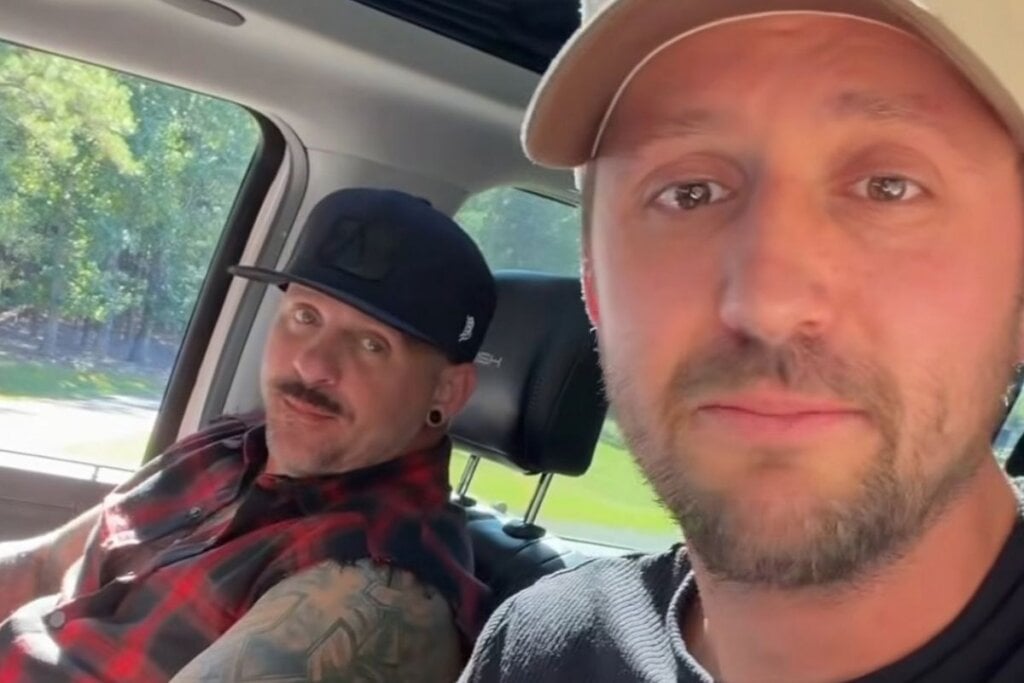
Drew Baldridge just revealed a hilarious and unexpected mix-up involving his major-label debut album, FARM FAITH FAMILY, that had him doing a double take.
In a new video shared to social media, Baldridge shows fans what happens when he puts the CD for his 2026 album into his car’s CD player. Instead of hearing one of the album’s 16 tracks, another country star’s music suddenly came through the speakers.
“I bet this never happened to another country artist. You are not going to believe what happens when I put the CD in. Supposed to play Drew Baldridge, right? But check this out,” he stated.
Suddenly, the tune that can be heard is Brantley Gilbert’s song “GOOD DAMN” off his eighth studio album, Sins of the Father, which was also released this year.
“How crazy is that?” Baldridge asked as he panned the camera over to see Gilbert sitting in his passenger seat.
Gilbert looked just as confused as he stated, “What the f**k?”
“It plays Brantley Gilbert when you put my CD in,” Baldridge explained as the two of them broke out into a fit of laugher over the rare mistake.
He added that while he has always dreamed of having Gilbert join him on a collaboration for one of his albums, he didn’t think he would get to hear his voice on the entire CD. Baldridge then assured fans that the issue would be corrected, saying, “We’re going to fix every CD that’s messed up. We love you guys. This is crazy.”
In a follow-up video, Gilbert was seen pretending to not understand why his album that has been out for months already is suddenly seeing a spike in sales. He assumes it has something to do with the label and their push to drive more sales.
“I can tell you what happened,” Baldridge chimed in. “My brand-new album, FARM FAITH FAMILY, plays you. Every song that I have on this album is you,” he explains to a confused Brantley Gilbert.
“At least there’s good music on it,” the Georgia native pointed out before saying, “I’m Brantley Gilbert and I approve of this album.”
At the end of the day, the unexpected mix-up gave both artists something to laugh about, and Gilbert even took to the comments to show his support for Baldridge and his new album.
“The collab WE didn’t know would happen 😂😂 glad I got to hang with you and your family today! Talk about good people! Yall go buy this new Album and support one of the good ones!”
Drew Baldridge’s FARM FAITH FAMILY is a reflection of the man he has become and the values that have shaped his journey. The album draws from his small-town upbringing, deep faith, love for the rural way of life and the importance he places on family, bringing those experiences together across the 16 songs.
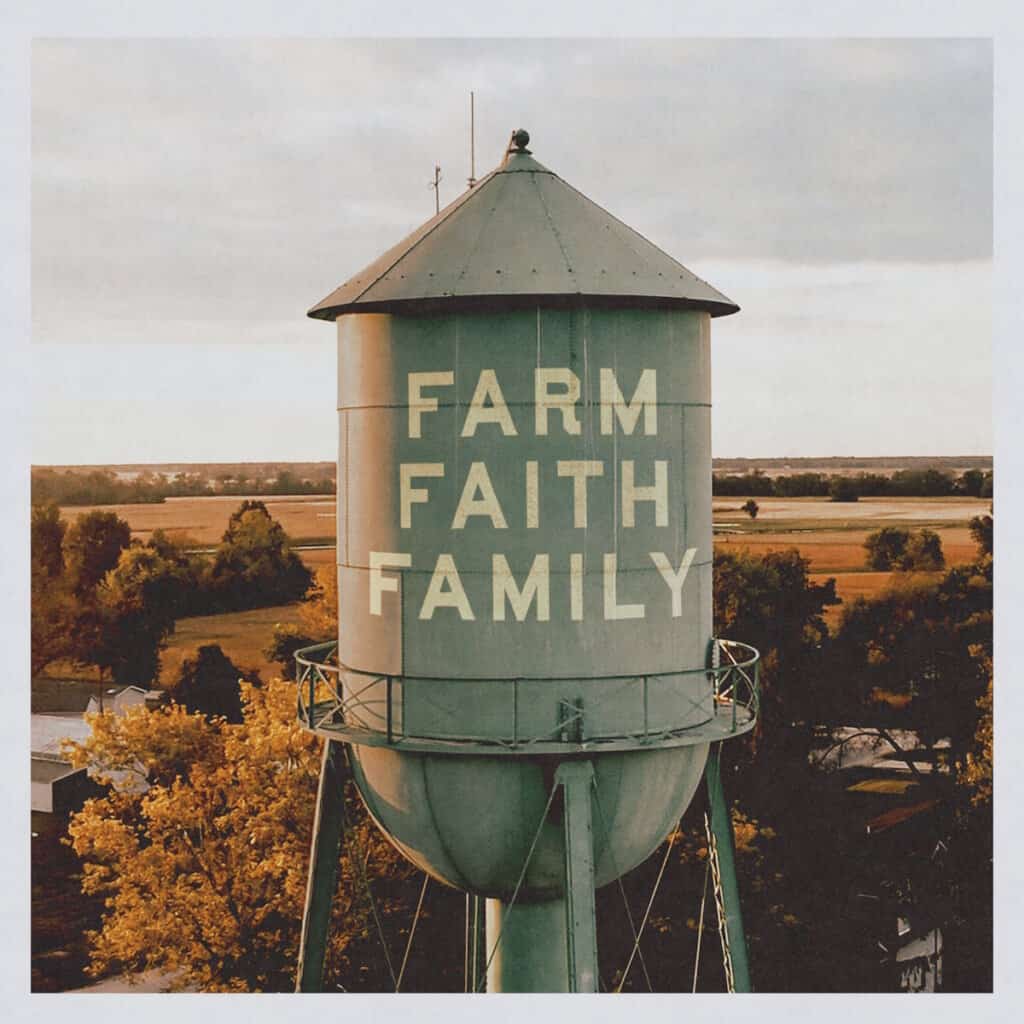
The project is intentionally divided into three sections, with each one representing a different part of Baldridge’s life and identity.
“Farm, Faith, Family are three words that just really built me and really built who I am…The first third of the album is Farm. It talks about where I come from. It talks about the country boy that I am. The middle third is faith, and it’s all songs about not only God, but faith in yourself and faith in other people. And then the last is family. It talks about my wife and my kids,” he previously explained to Country Now. “So it’s fun how it’s broken down into three different tiers and I think when people walk away from this, they’ll be like, ‘oh, we know Drew. We know what he stands for.’”
The post Drew Baldridge Discovers Hilarious Mix-Up With His ‘FARM FAITH FAMILY’ CDs and Brantley Gilbert’s Music appeared first on Country Now.
Country Now
Reading Time: 2 minutes
For most of this year, Donald Trump’s tariffs and international commerce restrictions have been subjects of widespread criticism.
And beginning today, millions of Americans might feel the effects of the never-ending trade war like never before.
That’s because the Trump administration has officially banned a whole lot of Canadian booze from entering the United States.
But before anyone starts panic-buying Crown Royal, there’s an important catch: The ban probably won’t empty American liquor-store shelves overnight.
The new restrictions took effect Tuesday and cover roughly $800 million worth of Canadian alcoholic beverages that the United States imported last year. The move is part of the rapidly escalating trade fight between the U.S. and Canada.
Trump’s administration says the action is a response to Canadian restrictions on American alcoholic beverages. Canada began pulling US wine and spirits from store shelves in 2025 after Trump imposed tariffs on Canadian goods.
The White House has characterized Canada’s treatment of American alcohol as discriminatory. Trump subsequently used Section 338 of the Tariff Act of 1930 to impose the new restrictions.
And yes, this means some of your favorite Canadian drinks could become considerably harder to find.
But there are loopholes.
Whiskey and liqueurs can still enter the United States when they’re shipped in containers larger than four liters. That creates an obvious problem for Canadian producers, however, because many bottles sold in American liquor stores are much smaller.
Companies could theoretically ship their products in bulk and bottle them in the United States, but that requires additional equipment and containers.
Crown Royal may have an advantage here, as the brand already ships bulk whisky to the United States and bottles products intended for the American market domestically.
So while this is technically a ban on Canadian booze, it isn’t quite as simple as slapping a giant “NO CANADIANS ALLOWED” sign on every liquor store.
American consumers may not immediately notice much difference, particularly because distributors had time to stock up before the restrictions took effect.
Still, the broader implications are significant.
Trade expert Inu Manak tells CNN that using an import ban against an ally is an unusual escalation and described the move as a symbolic attempt to pressure Canadian negotiators.
The alcohol industry isn’t exactly thrilled about being caught in the middle, either.
Chris Swonger, president and CEO of the Distilled Spirits Council of the United States, said American distillers prefer to compete based on their products rather than tariffs.
“We like to compete by sip and taste, not tariffs,” Swonger said.
Unfortunately for everyone involved, this particular trade dispute appears to have gotten considerably more complicated than simply deciding which country’s whiskey tastes better.
And for American consumers, the biggest question may be whether their favorite Canadian bottles remain available — or become the latest casualty of the increasingly messy US-Canada trade war.
Trump’s Ban on Canadian Alcohol Kicks In: Will You Notice the Impact? was originally published on The Hollywood Gossip.
The Hollywood Gossip

Jonathan Kreiss-Tomkins, a Democratic former state House member, won the state’s gubernatorial primary last month. (Nathaniel Herz/Anchorage Press)
A national organization has put $650,000 into an Alaska political group, saying it aims to boost the campaign of Democratic gubernatorial candidate Jonathan Kreiss-Tomkins.
Alaska political experts say Kreiss-Tomkins, a former state representative from Sitka, stands a strong chance of winning the general election after finishing first in the primary election in August. He faces a divided field of three Republicans who are likely to split the GOP vote in the general.
The Democratic Governors Association disclosed Saturday that it had contributed $650,000 to a newly formed Alaska independent spending group called “Forward Frontier.”
“Jonathan Kreiss-Tomkins is running a strong campaign focused on driving down costs, supporting Alaska schools, and bringing people together to get things done,” DGA spokesperson Johanna Warshaw said in an emailed statement Sunday to the Anchorage Press. “The DGA is proud to help ensure JKT is elected governor this November so he can deliver the change Alaskans are looking for.”
Kreiss-Tomkins, in an interview Sunday, said that campaign finance law bars him from coordinating with the DGA-aligned group and that he only learned about about the contribution Sunday. “We’ll see what they do,” he said.
The $650,000 represents a significant sum in Alaska’s gubernatorial race, given that most candidates leading up to the primary struggled to raise more than $1 million. In addition to Kreiss-Tomkins, the field includes former Anchorage Mayor Dave Bronson, conservative activist Bernadette Wilson and former Attorney General Treg Taylor.
GOP groups have not disclosed similar national fundraising or spending in the gubernatorial race, though Republican-aligned political consultants from outside Alaska formed their own new independent spending group last week.
“Kodiak PAC” was registered by Casey Phillips, a Virginia-based consultant who describes himself as the “Carrot Top of political ads.” Kodiak PAC’s aim is to “support the election of a Republican governor in Alaska,” the group said in its state registration.
Phillips didn’t immediately respond to a request for comment Monday. The Republican Governors Association, which has financially supported GOP candidates in past Alaska gubernatorial races, also didn’t respond to a request for comment.
SUBSCRIBE: GET THE MORNING HEADLINES DELIVERED TO YOUR INBOX.
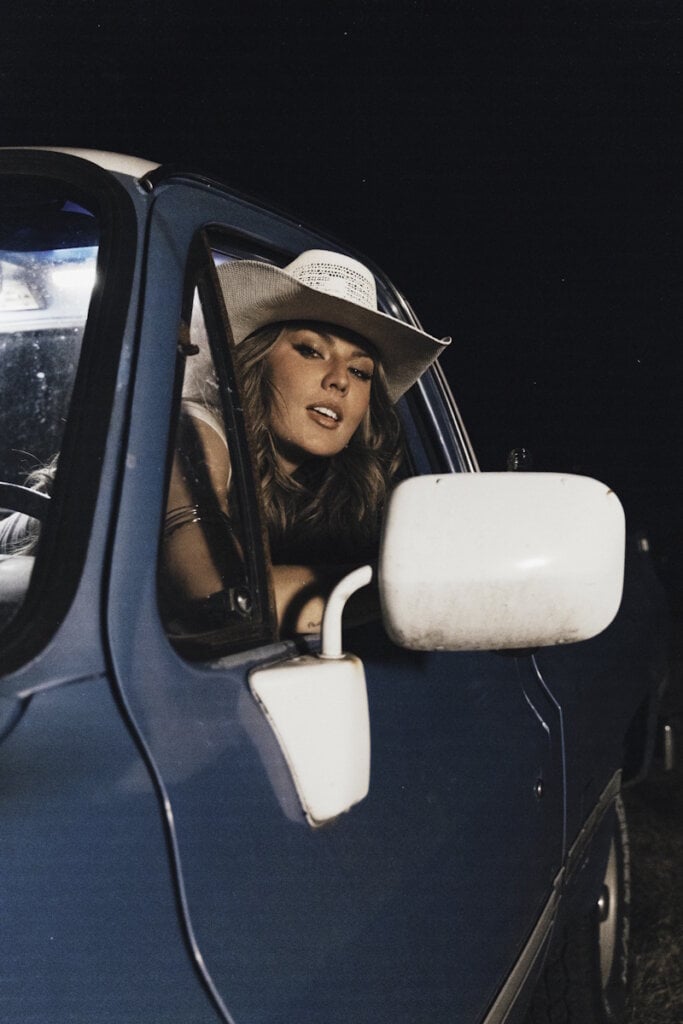
Dasha is taking a forced hiatus from music this fall as she prepares to undergo vocal surgery.
According to Billboard, the “Austin” singer will undergo surgery at Nashville’s Vanderbilt University Medical Center on October 22 to remove nodes from her vocal cords.
Dasha explained to the publication that the issue was caused by talking, not necessarily singing, along with the challenges and demands that come with life on the road.
“It’s from the past two-and-a-half years of craziness that just hit me like a truck,” she told Billboard. “You don’t really get a lot of sleep. You talk, talk, talk and you party and you sing. It just caught up with me.”
Ahead of her surgery, Dasha reached out to fellow country chart-topper Jordan Davis, who previously underwent the same procedure at Vanderbilt.
“He had the same doctor I do, so knowing someone that went exactly through the same thing as me calms me down so much,” she explained.
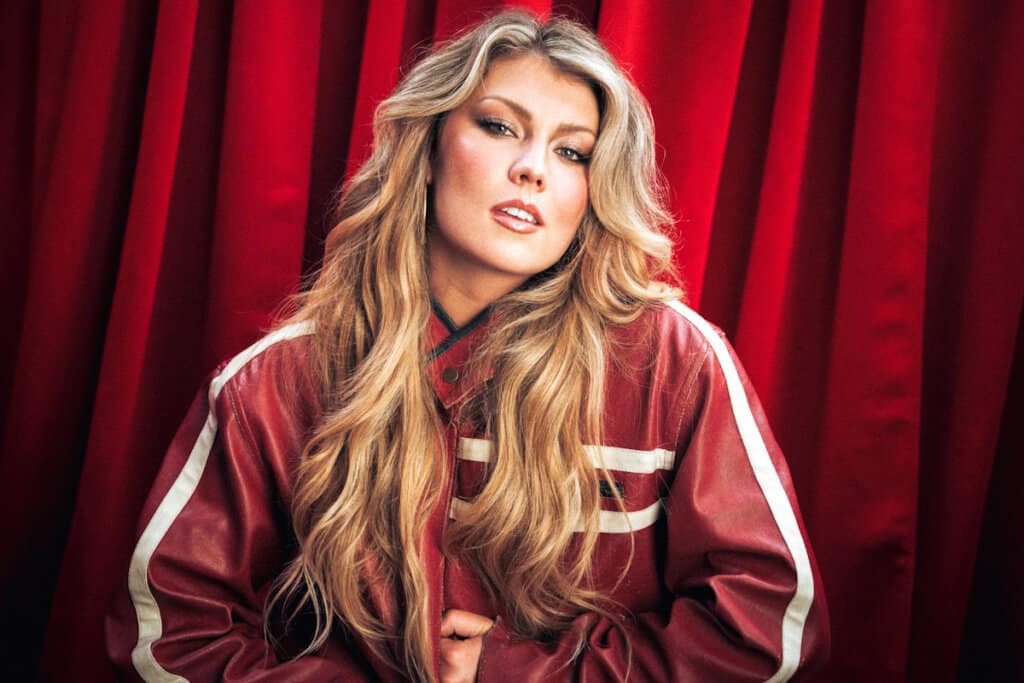
Once the procedure is complete, Dasha will be on forced vocal rest for two weeks, meaning no talking or singing will be allowed. During the recovery process, she will also begin vocal rehabilitation.
“You have to retrain your brain on how to talk and you have to know when to exit the party early when you’re starting to hurt, which is not good for me,” she said.
Dasha expects to be fully rested by the time the CMA Awards roll around and is already looking ahead to a busy 2027, when she plans to release her third full-length studio album.
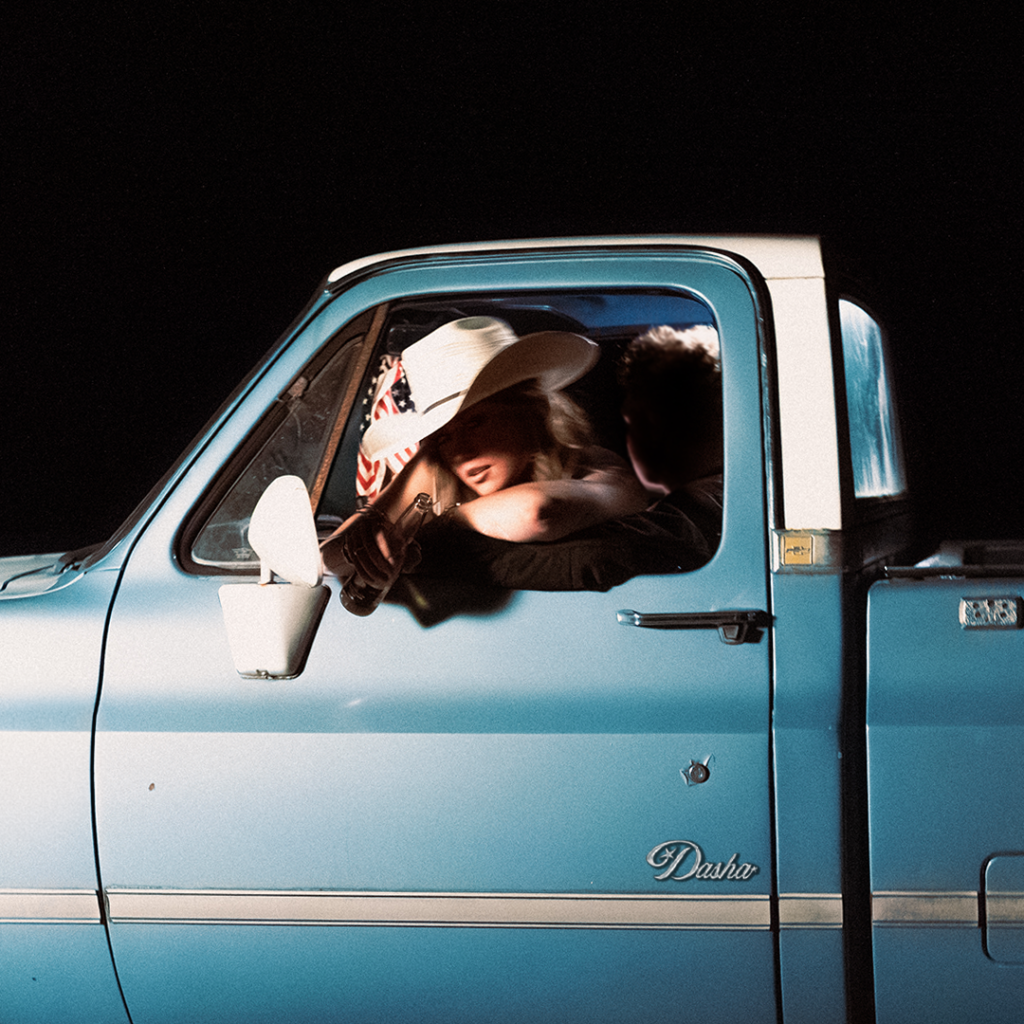
Fans recently got a taste of what’s to come with the release of “82 Chevy.” Inspired by real-life experiences, the song reflects on memories, growing up, falling in and out of love, and coming to terms with the fact that our past will always be a part of who we are.
“’82 Chevy’ is really about the way certain memories stay with you, even when you’ve completely moved on from the person or the relationship they came from. There are these little things you remember: the smell of a truck, the song playing through the speakers, the way you felt sitting next to that bad idea of a man, and somehow those details become a part of you forever. I think every relationship leaves a little piece of itself behind, and that doesn’t have to be a bad thing,” Dasha explained of the song. “Those experiences become part of who you are and the person you eventually become. Even finding the perfect truck for the video felt like one of those full-circle moments. My dad literally found this blue Chevy by walking around my hometown, knocked on the owner’s door, and it turned out to belong to a mom who’d had it since she was in high school and whose daughters were already huge fans of mine. It felt like the universe found the song’s perfect truck for us.”
Dasha paired the release with an official music video. Click below to watch.
The post Dasha to Undergo Vocal Surgery After Touring ‘Caught Up With’ Her appeared first on Country Now.
Country Now
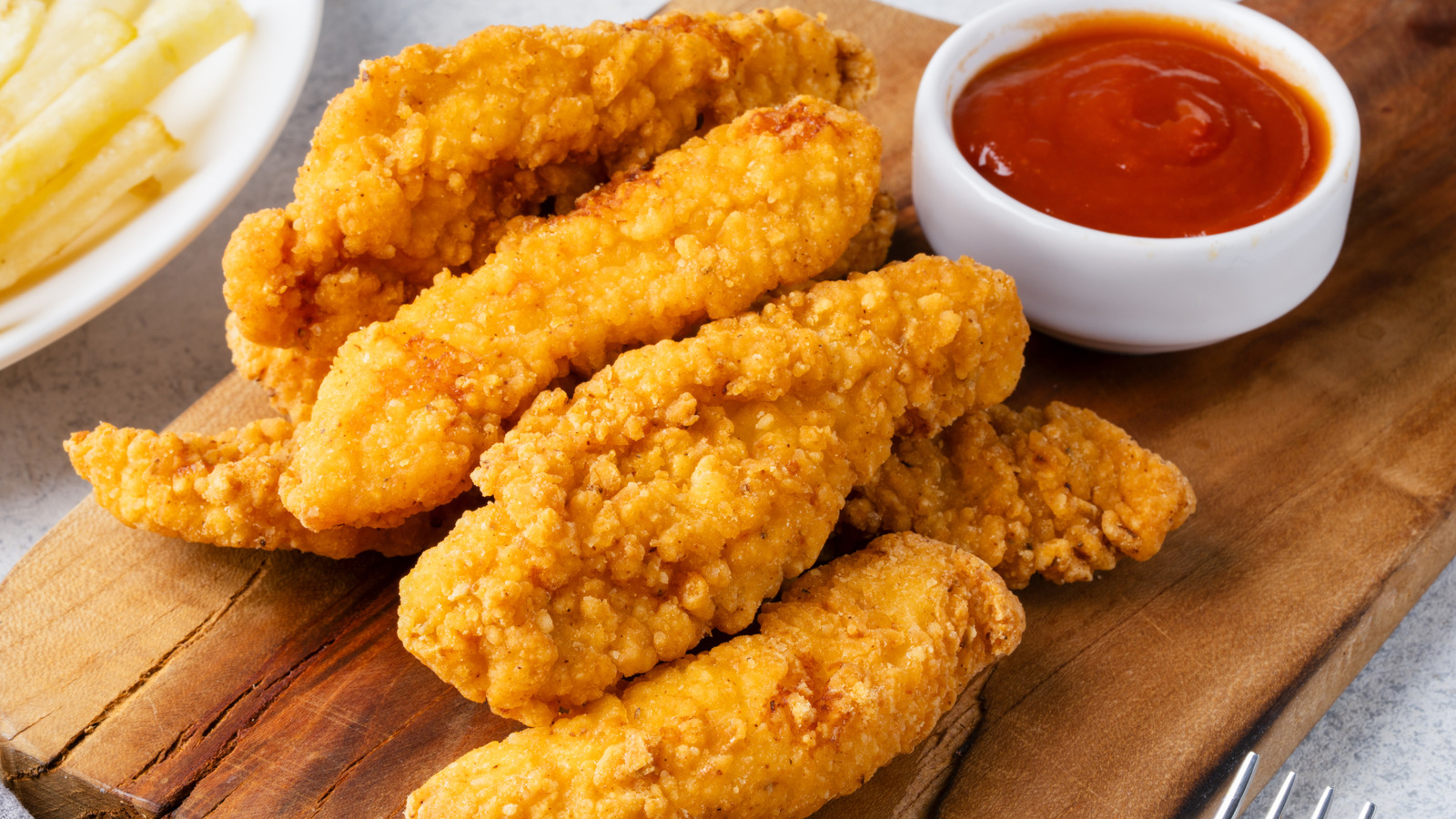
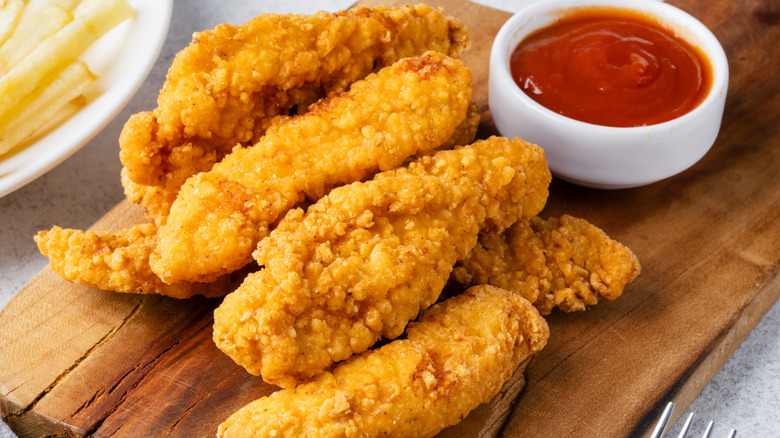
Making chicken tenders usually means juggling flour, eggs, and breadcrumbs – but a clever 1960s boxed ingredient streamlines the whole routine.
Food Republic – Restaurants, Reviews, Recipes, Cooking Tips