Categories
Uncategorized

We analyzed Philly street scenes and identified signs of gentrification using machine learning trained on longtime residents’ observations

Researchers used Google Street View to pull images of gentrifying neighborhoods. @2021 Google Street View, CC BY-NC

What does gentrification in Philadelphia look like?

“High-rise, modern apartment buildings.”

“(A) modern look that’s so out of place with our traditional row homes that have been here for a hundred years.”

“Six- to seven-floor high-rises with garages in the basement. They charge an extra $200 to park.”

“Gray, industrial looking.”

“The houses are ugly as heck. No architectural style. They’re probably two-bedroom, some probably one. And they usually put a deck up. It’s not geared for kids or families. A lot of steps.”

These are some of the descriptions that longtime residents of gentrifying neighborhoods in Philly used to describe the new construction popping up around them.

We are Ph.D. candidates in architectural engineering and geography, environment and urban studies at Drexel and Temple universities in Philadelphia. Working with a multidisciplinary team of professors and students, we recently developed a new way to map gentrification in Philly neighborhoods using a combination of accounts from longtime residents, Google Street View images and machine learning.
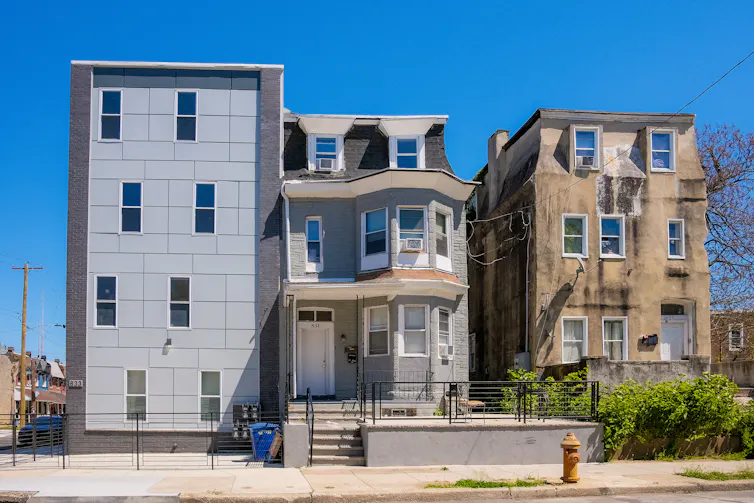
View of grey, boxy new construction building next to two older, more traditional houses
Signs of gentrification in Philly include new buildings that don’t fit the surrounding architecture.
Jeff Fusco/The Conversation U.S., CC BY-SA

Using AI to spot gentrification

Our team posited that the best source for knowing what gentrification looks like comes from the perceptions of longtime residents in gentrifying neighborhoods.

So we held focus groups in three rapidly gentrifying neighborhoods – one in Northeast Philadelphia and two in the River Wards section north of Center City and along the Delaware River.

We asked residents to identify the visual cues of building designs, materials, colors and landscaping choices that they associate with gentrification.

Many of these residents could recount, in great detail, the exact street intersections where they saw gentrification-related development occur over the decades.

We corroborated each location they identified through historical Google Street View imagery. By examining the exteriors of these buildings, we could expand upon the more generalized language used in the discussions, such as “modern” or “boxy,” to , such as “presence of bump-out windows” and “increased floor area ratio,” which is a measure of how much of the surface area of a land parcel a building takes up.

When pulling panoramas of residential building exteriors from Google Street View, we looked at two distinct time periods: 2009-13 and 2017-21.

AI is getting better at spotting the visual signs of gentrification. Researchers refer to AI systems that categorize scenery according to certain characteristics, like seeming “gentrified” or “not-gentrified,” as “deep mapping” models.

Deep mapping models use neural network algorithms, which can pick up on patterns in big datasets. The particular model we used is able to pick up subtle, pixel‑level differences between two images.

The model learned to approximate how residents distinguish gentrified scenes from unchanged ones. When we tested the model’s output, we found that it was able to separate “gentrified” from “not‑gentrified” images with an accuracy of about 84%. This showed us that visual cues guided by residents’ observations can be translated into a reliable machine learning signal.

Gentrification doesn’t always look the same

As a neighborhood becomes gentrified, wealthier people move in and long-standing residents can be displaced through rent hikes or the loss of housing. Gentrification can also lead to the disappearance of a “sense of place” – characteristics that make a neighborhood feel familiar and like home.
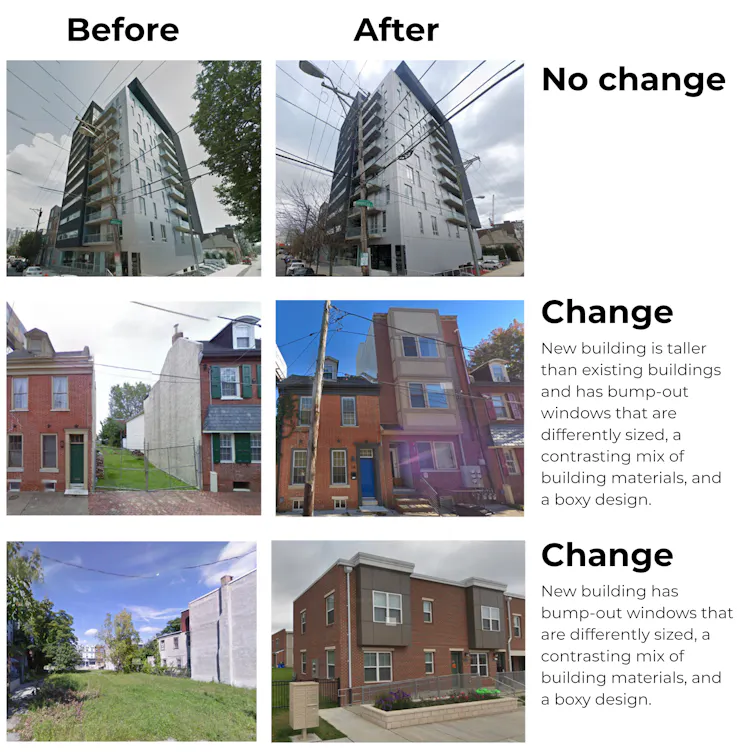
Grid of before and after images of urban locations
Examples of images in the researchers’ gentrification audit.
Author provided, CC BY-SA

With deep mapping models, researchers and neighborhood stakeholders can pull their own data on landscape changes related to gentrification and better understand how gentrification changes physical environments. With better data, they can map hot spots of new development and use machine learning models that predict future trajectories of change.

For example, several of our focus group participants in one neighborhood noted that gentrification was connected to the demolition of old buildings that likely contained hazardous substances, such as asbestos and lead. They wondered about the potential for air pollution. With accurate data on where development is occurring, researchers can model relationships between new construction and environmental conditions such as air quality.

Moreover, this process can also give legitimacy to neighborhood groups that may see changes occurring around them but lack the quantitative data to legitimatize their concerns to the media and to city government.

By being more explicit about how gentrification is defined when we categorize images and train our machine learning model, researchers can be more transparent about how image data is prepared and prevent personal biases from guiding the model and the patterns it learns.

For example, certain research finds that gentrification leads to increased greenery. However, some participants in our focus groups reported that gentrification resulted in the loss of community gardens and greenery. This experience runs contrary to common assumptions in gentrification research.

Transparency in training models builds trust

By defining how gentrification is perceived by residents, researchers like us can add clarity to how we prepare the model data. Even with more clarity, however, these AI systems are still “black box” in nature. A black box model means that the connection between inputs and outputs is unclear to the model user.

One way to make the model more transparent is by applying an additional model called XAI, or explainable artificial intelligence. Through XAI, there is potential to better understand which characteristics in an image are more important to the model prediction. For example, does the model focus on the windows of a building or the relative height of buildings?

Answering these questions will help researchers and stakeholders trust model predictions.

At the same time, one of us is leading a complementary line of research focused on explaining the reasoning behind the machine learning model decisions. In Philadelphia and many other U.S. cities, street scenes can have a dense mix of cars, vegetation and architectural styles that can confuse the model. There is a lot of complicated visual information to parse through, a lot of variety. Understanding the model’s internal logic helps ensure that its predictions reflect real neighborhood dynamics rather than irrelevant details in the imagery.

Together, these research directions aim to deepen our understanding of how gentrification unfolds on the ground and how AI can help illuminate patterns that might otherwise go unnoticed.

Read more of our stories about Philadelphia and Pennsylvania, or sign up for our Philadelphia newsletter on Substack.

The Conversation

Maya Mueller receives funding from the National Science Foundation.

Isaac Quaye received funding from the National Science foundation.

​Politics + Society – The Conversation

Categories
Food

I Lived In New Orleans For 15 Years: These Are The Hands-Down 5 Best Coffee Shops

For those who don’t know, New Orleans is big on coffee, and these local picks are the very best coffee shops the Crescent City has to offer.

​Food Republic – Restaurants, Reviews, Recipes, Cooking Tips

Categories
Politics

Poll: The battle for MAHA that could sway the midterms

Republicans hope the Make America Healthy Again movement becomes a permanent fixture of a big GOP tent. But the party can’t count on its support heading into midterm elections this November.

New results from The POLITICO Poll show both broad frustration and dissatisfaction with the Trump administration on health priorities and opportunities for Democrats to make inroads with Health Secretary Robert F. Kennedy Jr.’s MAHA supporters.

A majority of Americans associate MAHA with the Republican Party, but not overwhelmingly, and most believe the Trump administration has not done enough to “Make America Healthy Again” — including a 41 percent plurality of Trump’s own 2024 voters.

The burgeoning political movement that officials in both parties credit with helping President Donald Trump win in 2024 has already begun to reshape how the GOP approaches health policy — driving everything from a redesign of the food pyramid to a rollback in vaccine recommendations.

At the same time, however, many poll respondents view Democrats as better positioned on the movement’s key health priorities. They were more likely, for example, to say the Democratic Party can be trusted to make the country healthier and are more eager to improve health in America, while fewer said the same of Republicans. The GOP, on the other hand, is seen as more likely to be influenced than Democrats by lobbyists for the food and pesticide industries, who rank among the MAHA movement’s top enemies.

These views could have real consequences in a midterm election year when razor-thin differences in turnout could determine control of Congress. And Democrats are bullish about channeling voters’ frustration with the Trump administration’s policies into a blue wave this cycle.

“The MAHA movement in the [2024] campaign cycle started with a lot of energy, and did create more energy for these types of issues that previously wouldn’t have been associated with the GOP,” said Abby McCloskey, a GOP policy adviser who has warned that Republicans are “squandering their MAHA moment.”

“Since then, I think the energy has trickled off from the perspective of, what is the federal government going to do about this?” she said.

Overall, 47 percent of poll respondents say they support the MAHA movement, including roughly a third of voters who backed former Vice President Kamala Harris in 2024 and about a third of Americans who plan to vote for Democrats this November. By comparison, 70 percent of Trump 2024 voters say they support the MAHA movement.

However, Americans don’t consider the nation’s health a top issue; It saw the same level of prioritization as “wokeism” and opioid abuse. When asked to choose between priorities for the U.S. government, a majority placed improving Americans’ health above stopping illegal immigration or cutting down on crime — but below affordability and concerns with cost of living.

And there are still widespread confusion about what MAHA is and what it does — even among people who self-identify with the movement. Just a third of Americans say they have heard of the MAHA movement and could explain what it is. Another third say they have heard of MAHA but could not explain it, including 31 percent of people who identify as part of the movement. One in four Americans had not heard of the movement at all.

The poll points to an opening for Democrats if they can effectively speak to the movement’s most popular issues and highlights that Republicans’ advantage with MAHA is far from guaranteed.

“People that we would call a ‘MAHA’ voter, they’re not partisans. They really are up for grabs,” Rep. Lauren Underwood (D-Ill.) told reporters on a recent call organized by the progressive advocacy groups COURIER and 314 Action, which is working to elect people with a health and science background to public office. “[Republicans] have really taken actions to alienate those folks, to break the promises that they made. They are no longer focusing on the core tenets of that Make America Healthy Again platform in order to continue to please Donald Trump, and also to advance their policy agenda.”

The Trump administration has largely pushed a deregulatory agenda, despite pressure from its MAHA supporters to crack down on pesticide companies, food manufacturers and drugmakers. Its recent choice to make it easier for Bayer to increase production of its weed killer Roundup has especially enraged MAHA supporters, who have said the move made it harder for them to continue supporting GOP candidates in the November midterms.

Kennedy’s own allies have warned Republicans that they cannot take MAHA voters for granted heading into November. Tony Lyons, the president of the MAHA Action, a political advocacy group that supports Kennedy’s agenda, said last month in a memo obtained by POLITICO that the GOP is merely “renting MAHA voters” but hasn’t been able to “purchase” them.

The POLITICO Poll also finds that the issues self-identified MAHA supporters rank as most important are ones Democrats have championed more often than Republicans, such as halting the spread of infectious diseases, stricter regulation of “forever chemicals,” and expanding access to reproductive health care.

This is not necessarily surprising, since many voters who support MAHA’s goals have typically been Democrats, said Rodney Whitlock, a longtime GOP congressional aide turned health care strategist.

Some of the policies less popular among MAHA respondents, meanwhile, are ones the GOP has embraced: restricting abortion access and reducing the number of vaccines Americans receive.

Yet the movement still lines up with, and supports, some Republican food policies and initiatives. For example, 80 percent of MAHA respondents support removing artificial dyes from food and 72 percent support restricting junk food purchases in federal nutrition programs, both priorities the Trump administration has tackled.

Lyons has urged Republicans to talk more about Kennedy’s policy goals, including discouraging Americans from eating ultraprocessed food, on the campaign trail. If they fail to do so and disgruntled MAHA voters peel off or stay home in November, he has warned, Democrats could take control of Congress, subject Kennedy to oversight hearings, and block his policy and regulatory efforts from going forward.

Lyons did not respond to a request for comment for this story.

The POLITICO Poll results — along with other recent polling showing declining trust in the Trump administration’s health recommendations — reveal a potential vulnerability for Republicans.

House Majority Forward, a nonprofit allied with House Democratic leadership, surveyed voters in February and March across several battleground districts the party is hoping to flip this fall. The group’s polls, shared first with POLITICO, found that more voters in Colorado, Iowa, New Jersey and Pennsylvania disapprove of Kennedy and his performance as health secretary than view him favorably.

“There’s this opportunity for Democrats to just start talking about making foods healthier and reducing the chemicals in the food that we’re giving them, … you know, limiting pesticide use, getting physical activity, removing artificial dyes,” said Carly Cooperman, a Democratic pollster and CEO of Schoen Cooperman Research.

A growing number of House and Senate Democrats — challengers and incumbents — are taking this advice to heart.

They’re beginning by focusing on pesticide use, which has become a political tension point for Trump’s GOP coalition, pitting the MAHA movement against powerful farm industry interests that have long been loyal to Republicans and hold significant sway with the administration.

Democratic lawmakers have railed against the Trump administration in social media posts, floor speeches and hearings for signing an executive order boosting domestic production of the pesticide glyphosate and siding with Bayer in a case pending before the Supreme Court that could shield the company from liability for the health impacts of its products. Democratic lawmakers, joined by a handful of Republicans, are also introducing bills and amendments that would undo or overturn these actions.

The POLITICO Poll found that limiting pesticide use is broadly popular, with more than two-thirds of respondents in support of doing so. And MAHA’s dissatisfaction with the Trump administration’s stance has led to some leaders within the movement threatening to primary farm-state Republicans as early as August of last year — yet another opportunity Democrats can exploit.

“We’re not even sure that we even have a path forward in this administration when it comes to pesticides, because it’s very clear that they are entirely owned by Bayer and the chemical companies,” said Kelly Ryerson, a MAHA influencer who goes by the moniker Glyphosate Girl online and has publicly backed Kennedy.

Progressive advocates also say Democrats would be wise to seize on MAHA voters’ simmering frustration.

“There is a genuine concern that there is unhealthy food in our food supply, and this administration is making it worse,” said 314 Action President Shaughnessy Naughton, whose group is backing Democratic challengers around the country.

Yet even as a segment of MAHA appears to sour on the GOP — and Kennedy — some of his agenda garnered widespread support among poll respondents, from removing artificial food dyes to offering whole milk in schools. Though MAHA respondents didn’t rank Kennedy’s stances on vaccines high on their list of importance, a notable chunk of Americans are highly skeptical of existing requirements.

The POLITICO Poll found that 41 percent of respondents across party lines support reducing how many vaccines Americans receive, with Republicans significantly more likely to hold that view. Fifty-eight percent of Trump 2024 voters support reducing how many vaccines Americans receive, compared to 29 percent of Harris 2024 voters.

Broad support for some of the key positions of MAHA — especially among Trump 2024 voters — and approval of some of the administration’s actions on health, suggest that Republicans may still be able to leverage the popular elements of the platform to win over voters in November.

Because health ranks so far down the list of Americans’ concerns, it’s unlikely to be a decisive factor in how they vote this midterm. Still, that doesn’t mean Republicans should be complacent and assume MAHA priorities won’t matter at all, Republican strategist Whitlock warned.

“Republicans have to be working from the perspective of ‘everything matters,’” he said. “To do differently is political suicide.”

​Politics

Categories
Hip Hop

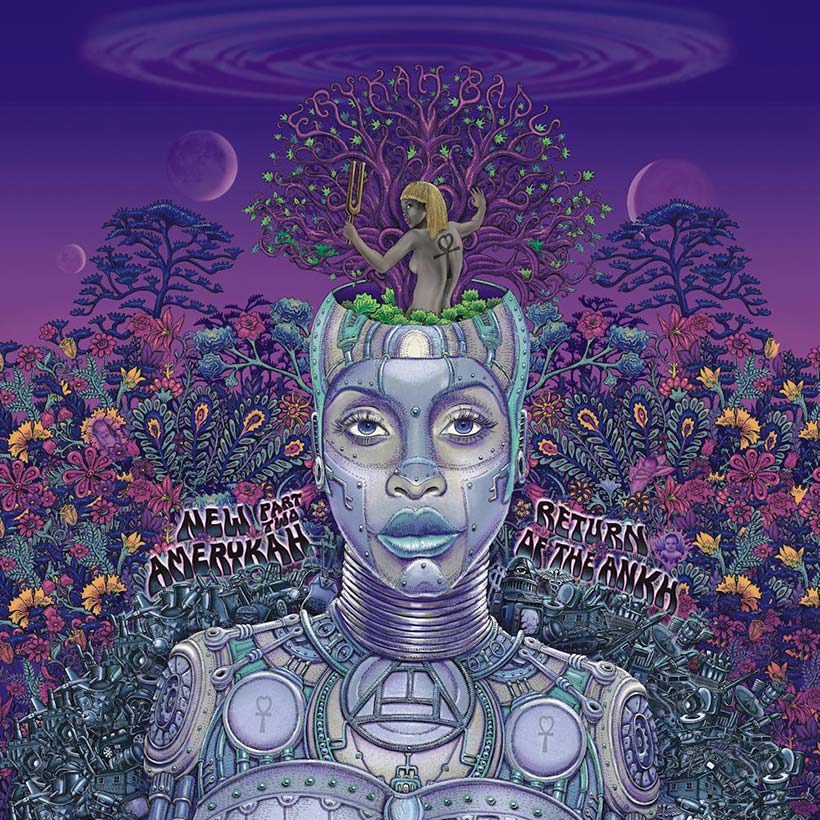
‘New Amerykah Part Two: Return Of The Ankh’: Erykah Badu’s Analogue Soul

Erykah Badu New Amerykah Part Two album cover

Most artists would have been tempted to follow their most critically acclaimed album with more of the same, but Erykah Badu has never been one to pursue the obvious path. Released on March 30, 2010, New Amerykah Part 2: Return Of The Ankh eschewed the politically-charged lyrics and fraught futuristic beats of its illustrious predecessor, New Amerykah Part One (4th World War), for a warm bath of personally-focused analogue soul shot through with the idiosyncrasies which have always made her work so vital and unique.

“It’s more emotional and talks about feelings”

Badu explained the reasoning behind her thematic and stylistic switch in an interview with Billboard, describing Return Of The Ankh as “the sister of the left side of my brain – it is the right side.” For Badu, “Part One was the left side of my thoughts – it was more socially political and my thought process was more analytical. This time there wasn’t anything to be concerned with – the album is more emotional and flowy and talks about feelings.”

Badu has gained a reputation for her astute choice of collaborators – she was one of the first to utilize the production skills of J Dilla – and the employment of such mercurial players as drummer Ahmir “Questlove” Thompson, bassist Thundercat, and keyboardist James Poyser imbues Return Of The Ankh with a shimmering creativity that turns even the most lighthearted of covers into vital works. “Turn Me Away (Get MuNNY)” merges Sylvia Striplin’s “Can’t Turn Me Away” with its hip-hop offspring, Junior MAFIA’s “Get Money,” to present a brilliant cross-pollination of rare groove and rap. Badu’s riff on Wings’ “Arrow Through Me,” on “Gone Baby, Don’t Be Long,” is even better, taking the soulful reggae bump of Paul McCartney’s original and blissfully re-constructing it into one of the best long-form groovers of her career.

Listen to New Amerykah Part 2: Return Of The Ankh on Apple Music and Spotify.

YouTube Video
Click to load video

A giant-sized personality

Her work with hip-hop producers bears no less creative results: Madlib sonically warps his sample of Ndugu & The Chocolate Watch Band’s “Take Some Time” to add some welcome friction to the laidback rhythms of “Umm Hmm,” while Karriem Riggins adds taught, crisp beats, vinyl crackle and ambient clatter to the smooth neo-soul of “Fall In Love (Your Funeral).” Elsewhere, Georgia Anne Muldrow transforms Return Of The Ankh’s ten-minute closer, “Out My Mind, Just In Time,” from a smoochy neo-soul ballad into a warped haze of tripped-out, psychedelic-infused R&B.

But New Amerykah Part Two: Return Of The Ankh is, first and foremost, Badu’s album, and her giant-sized, multifarious personality is invested into every one of its languid grooves. Thoughtful songs about personal growth, heartbreak, and vulnerability are interspersed with comedic riffs on gold-digging and infidelity. On “Fall In Love (Your Funeral)” she leaves a potential partner in no doubt as to the perils of beginning a relationship with her.

YouTube Video
Click to load video

Badu’s determination to pursue artistic freedom and challenge the status quo revealed itself further in the music video for the album’s lead single, “Window Seat.” Shot guerrilla-style, the film featured Badu walking through Dealey Plaza in Dallas, slowly taking off her clothes before being shot by an unseen sniper – an allusion to President John F Kennedy’s assassination at the same site.

The message was clear: Badu knows she can be a target, but she refuses to go anything other than follow her vision.

New Amerykah Part Two: Return Of The Ankh can be bought here.

​Discover more about the world’s greatest R&B artists | uDiscover Music

Categories
Entertainment

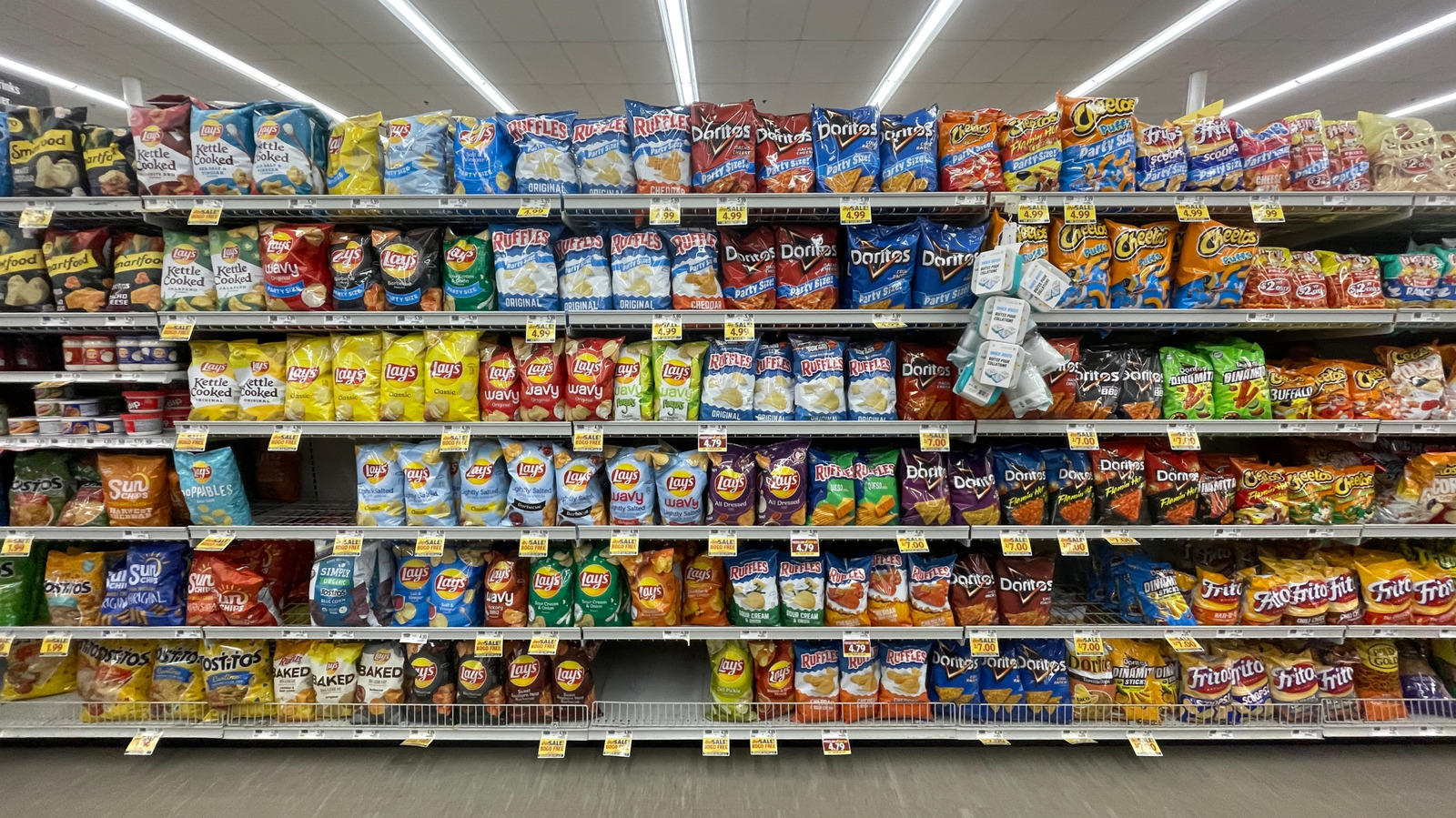
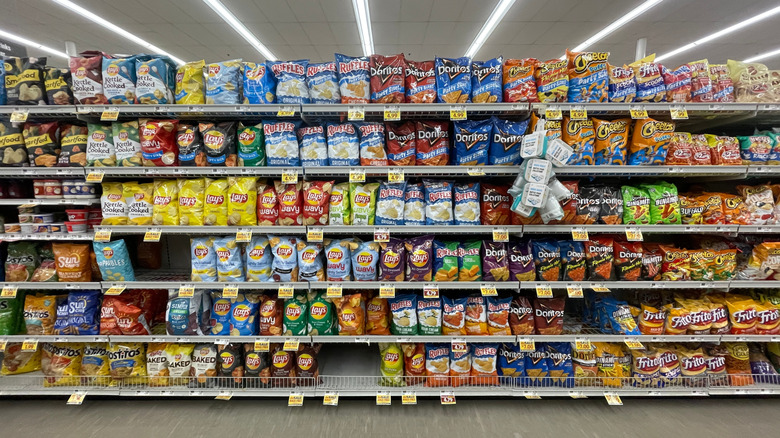
Why Potato Chips Are So Expensive

Wondering why prices for this favorite snack keep increasing at your local grocery store? The answer may surprise you, but it makes a lot of sense.

​Mashed – Fast Food, Celebrity Chefs, Grocery, Reviews

Categories
Entertainment

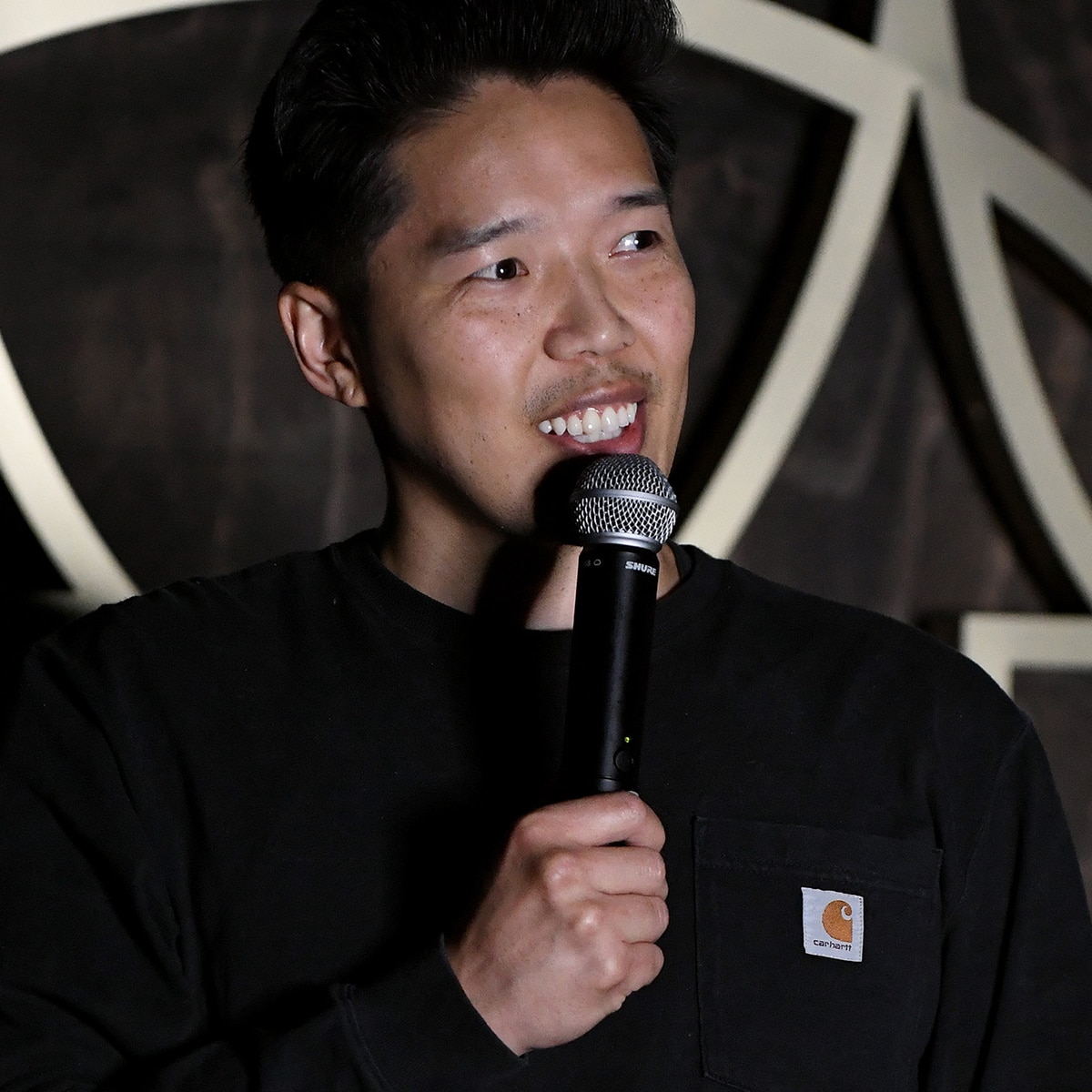
Alex Duong, Blue Bloods Actor, Dead at 42 After Cancer Battle

Alex DuongAlex Duong is being remembered after his untimely passing.
The comedian—whose acting credits include Blue Bloods, The Young and the Restless and Everybody Hates Chris—died March 28 after a…
​E! Online (US) – Top Stories

Categories
Sports Fox

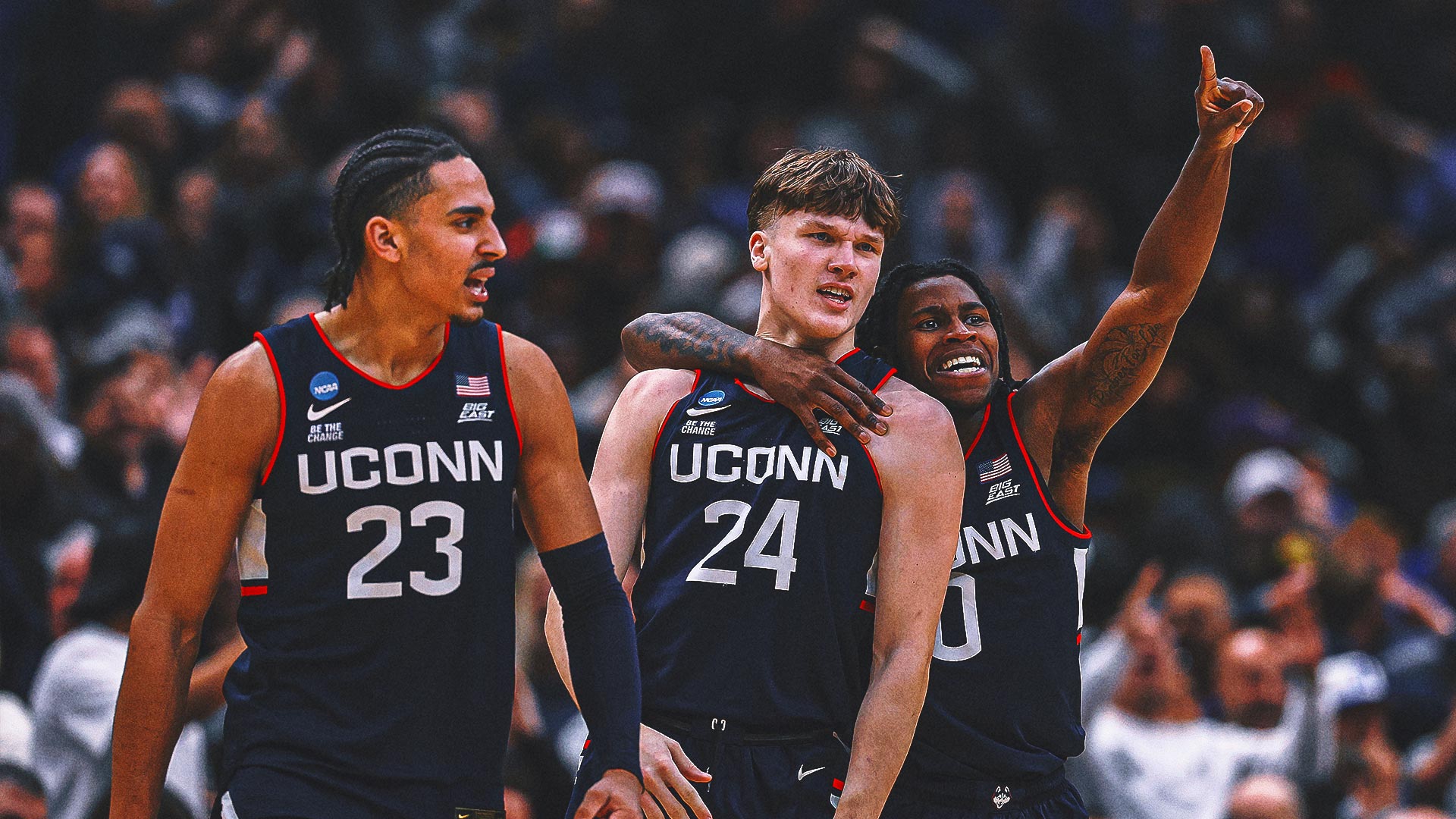
Braylon Mullins Lifts UConn to Huge Win Over Duke, Last Spot In Final Four

Braylon Mullins sank a desperation 3-pointer with 0.4 seconds left to give UConn an astonishing 73-72 victory over top-seeded Duke on Sunday, earning the Huskies a spot in the Final Four after they rallied from a 19-point first-half deficit. The Blue Devils led by three before UConn’s Silas Demary Jr. made one of two free throws with 10 seconds left. With Duke playing keep-away to prevent the Huskies from fouling, Cayden Boozer’s pass near midcourt was deflected, and after UConn came up with the ball, Demary made a shot from well behind the 3-point line. [Highlights: NCAA Men’s, Women’s Basketball Tournament] It’s the second straight season to end in a huge collapse for Duke, which was the top overall seed in this year’s tournament. The Blue Devils led by six with 1:14 remaining before falling to Houston in last year’s national semifinals. UConn missed 18 of its first 19 attempts from 3-point range and finished 5 for 23. The fifth will be remembered in Connecticut for generations. The men’s Final Four is now set, with UConn joining No. 3 seed Illinois and No. 1 seeds Arizona and Michigan. Illinois will face UConn and Michigan will take on Arizona next Saturday, with the winners squaring off two nights later for the national title. Arizona is the early favorite to take the title next Monday night in Indianapolis, followed closely by Michigan — coming off a 95-62 drubbing of Tennessee on Sunday. Mullins, who grew up just outside of Indianapolis, will return home looking for more magic. This is the third trip to the Final Four in four seasons for UConn (33-5), which won it all the last two times it made it. Arizona (36-2) is back in the Final Four for the first time since 2001 and hasn’t won the title since 1997. Michigan (35-3) is in search of its second title — the other came in 1989. lllinois (28-8) has never won it all; the Illini last made the Final Four in 2005. Reporting by The Associated Press.​Latest Sports News from FOX Sports

Categories
Food

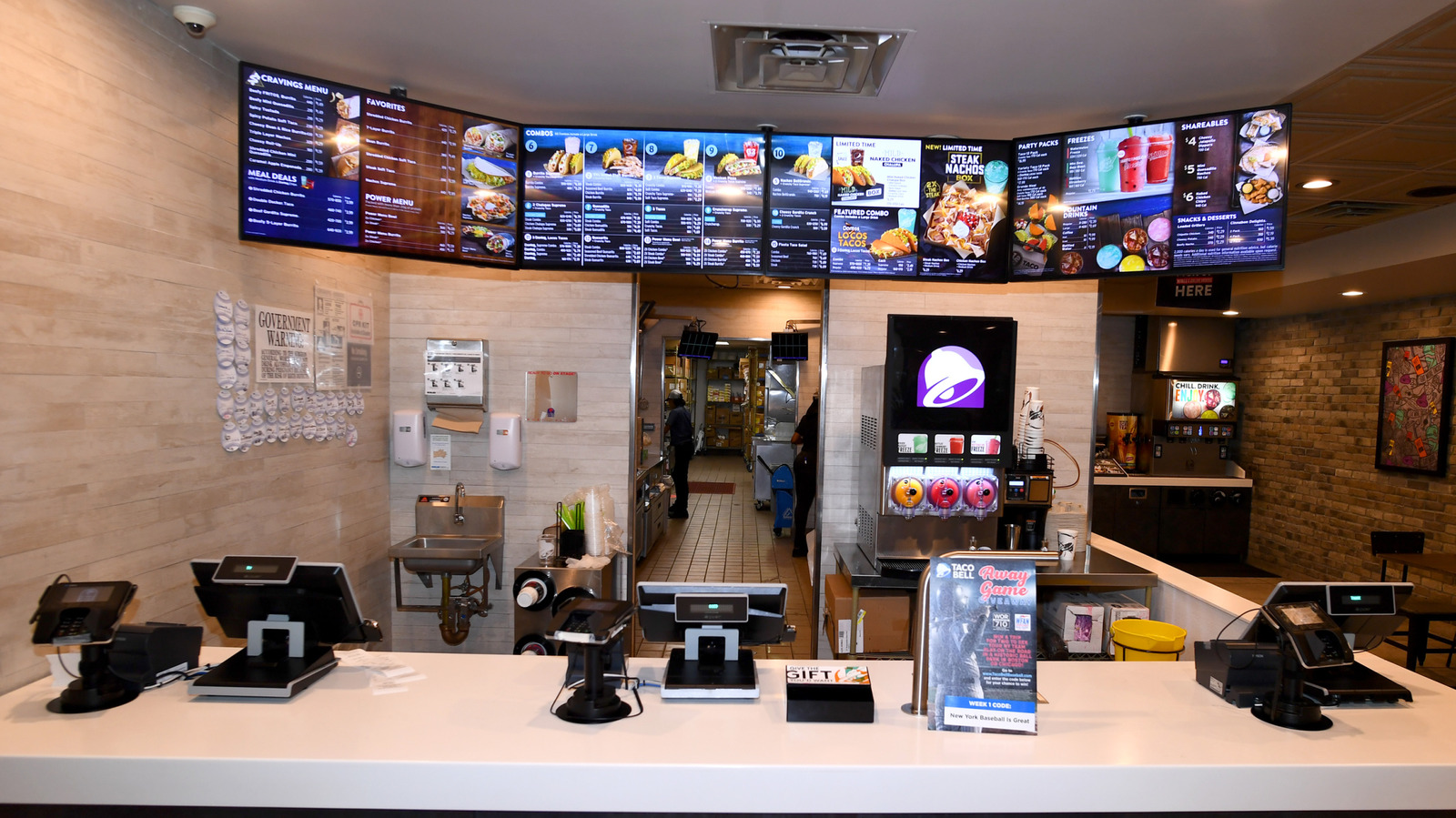
Fresco Style: The Taco Bell Request That Will Change The Way You Order Forever

Anyone who wants to order something slightly lighter and infinitely fresher from Taco Bell should try its Fresco style. It will change your taco experience.

​Food Republic – Restaurants, Reviews, Recipes, Cooking Tips

Categories
Entertainment

What’s The Best-Selling Tequila Brand In The US?

There’s one popular tequila brand that consistently outsells the rest in the United States, and the company has been around since the 1750s.

​Mashed – Fast Food, Celebrity Chefs, Grocery, Reviews

Categories
Entertainment

KitKat Truck Carrying 12 Metric Tons of Chocolate Stolen, Nestle Says

KitKatTalk about a sticky situation.
A transport truck carrying approximately 12 metric tons of KitKat chocolate bars—equivalent to 26,455 pounds of goods—remains unaccounted for after being stolen…
​E! Online (US) – Top Stories