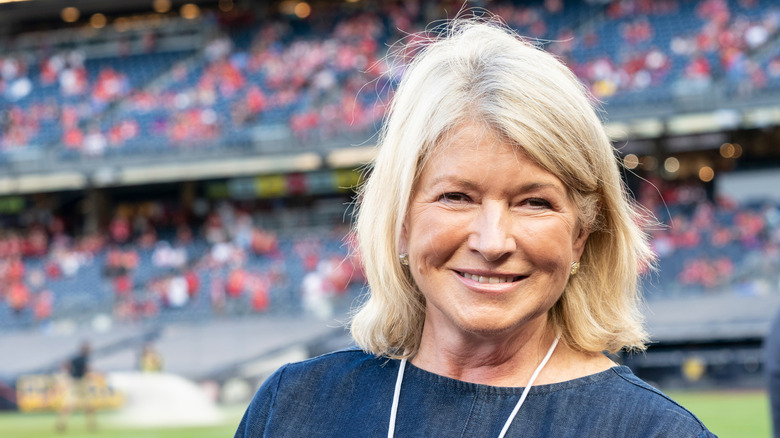
Martha Stewart focuses her spring gardening chores around two main goals: nurturing what she already has and laying the groundwork for what she wants.
Food Republic – Restaurants, Reviews, Recipes, Cooking Tips










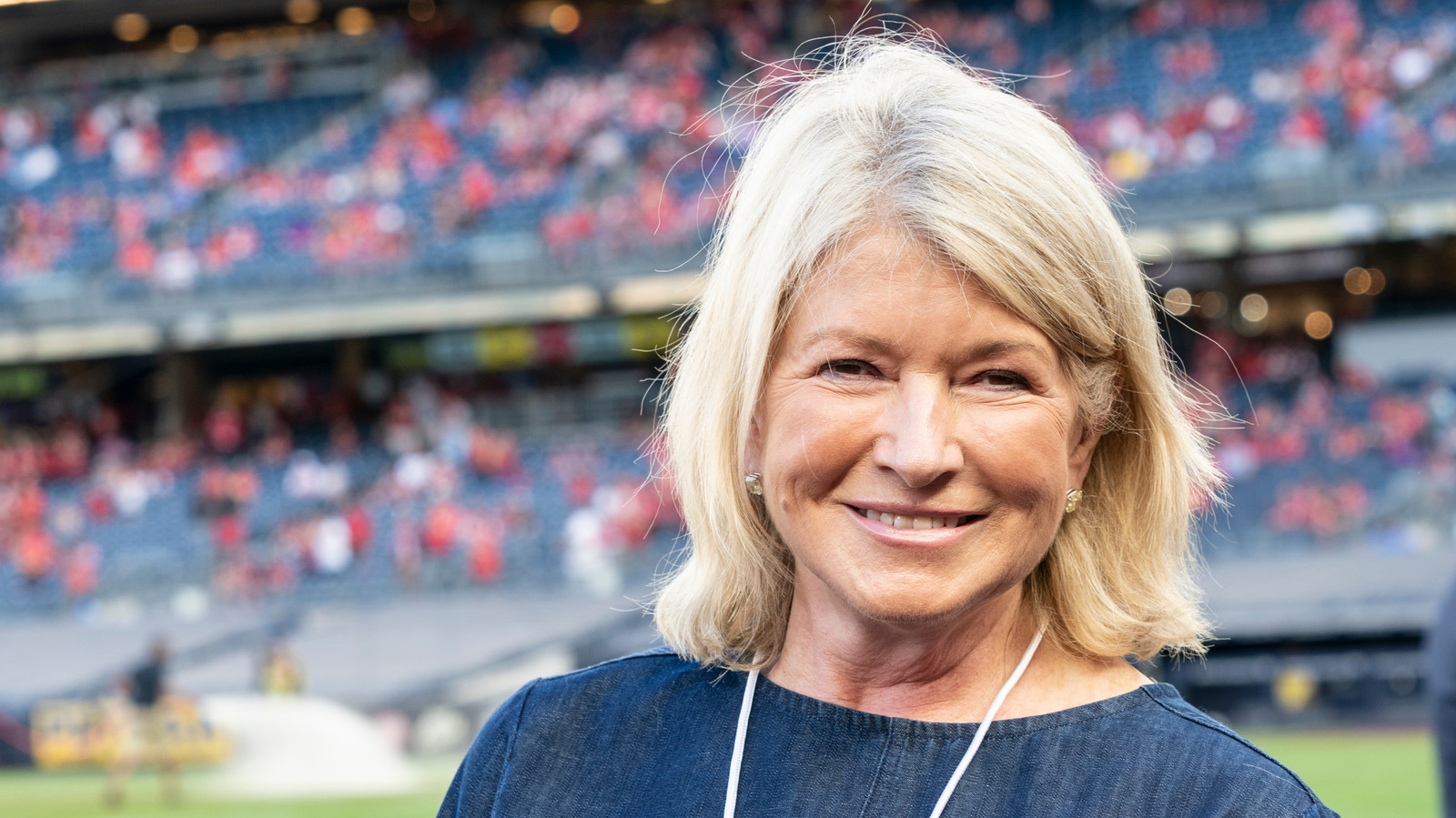
Martha Stewart focuses her spring gardening chores around two main goals: nurturing what she already has and laying the groundwork for what she wants.
Food Republic – Restaurants, Reviews, Recipes, Cooking Tips
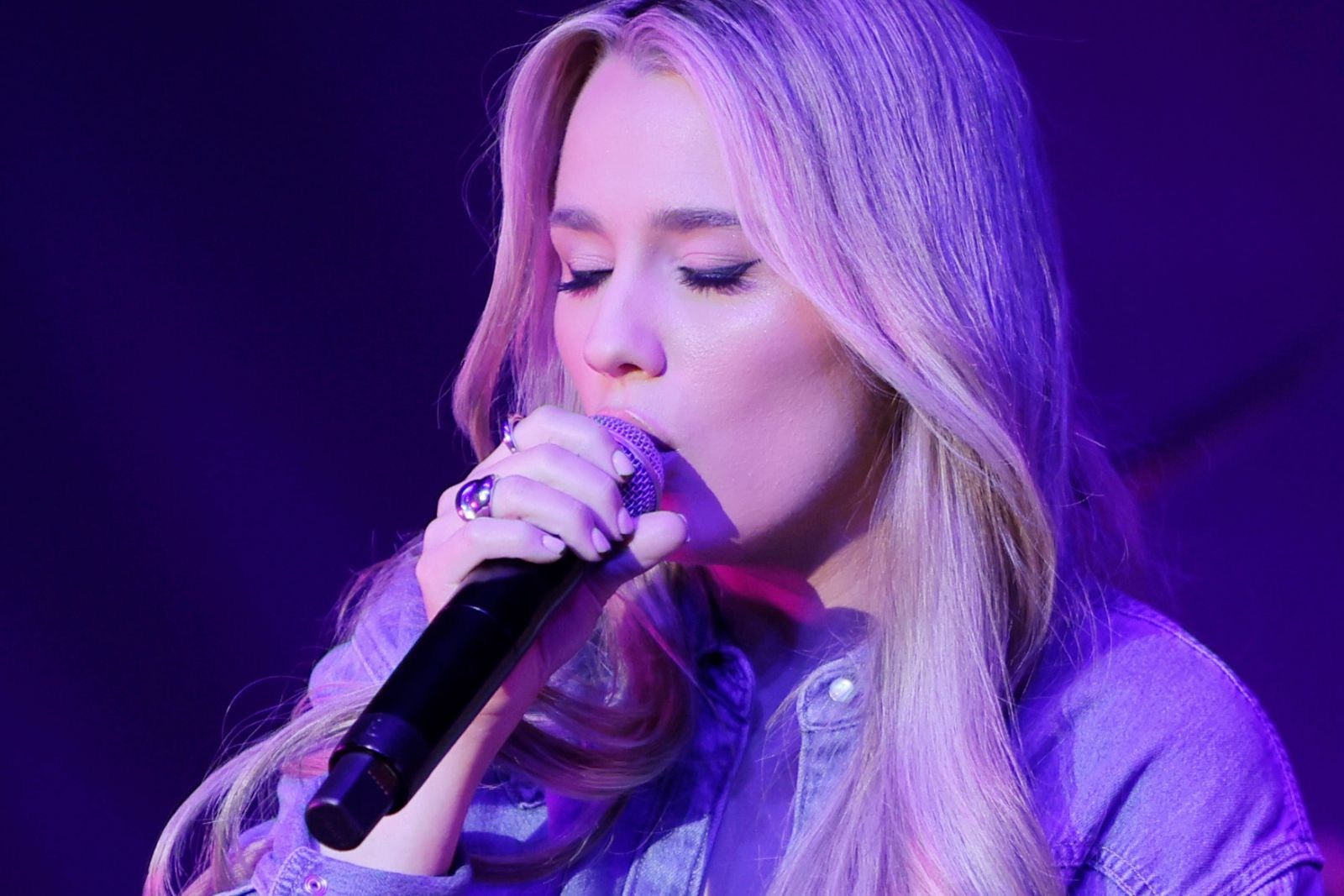
Gabby Barrett acknowledges the pushback she got for getting married at just 19 years old in this vulnerable, unreleased song. Continue reading…Country Music News – Taste of Country
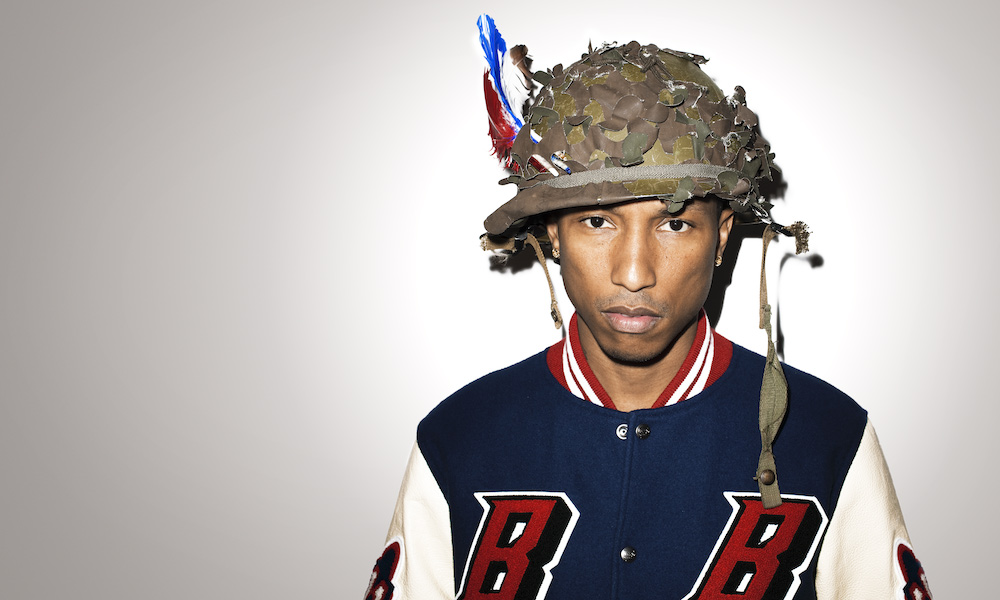
Pharrell Williams’ reach seems to extend in all directions. To say he’s an icon of hip-hop, pop, art, fashion, and film would dilute his influence. There’s no one else like him. When he’s not collaborating with Chanel, scoring hit movies, or sporting a Vivienne Westwood hat that launched a thousand memes, he’s an in-demand producer for the biggest artists in music.
After spending the early years of his career creating hits for other artists, Pharrell and his cohorts The Neptunes began to mastermind entire careers. Pharrell would push the envelope of his own success further with his involvement in streetwear labels Billionaire Boys Club and Ice Cream. And if all that wasn’t enough, he experienced unprecedented success a few years later with some of the biggest collaborations of the decade.
Pharrell’s career began long before skated onto the scene with N*E*R*D. Pharrell and his Neptunes partner, Chad Hugo, were “discovered” by New Jack Swing pioneer Teddy Riley back in Virginia Beach. Riley took the duo under his wing and they became acolytes of the Teddy Riley school of production. Pharrell earned one of his earliest production credits for Wreckx-N-Effect’s 1992 hit “Rump Shaker,” writing Riley’s verse and helping out with production. From then on out, Pharrell would lend his touch to many of Riley’s biggest productions including SWV’s “Right Here” (those are his backing vocals on the Human Nature Radio Mix) and Blackstreet’s “Tonight’s The Night.”
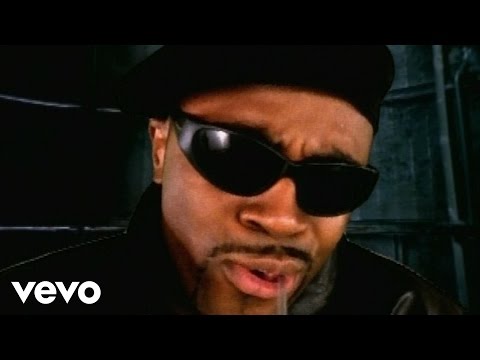
Pharrell’s career was imbued with intrigue from the moment it began. N*E*R*D’s debut album, In Search Of…, is an influential and genre-bending classic. Yet there are two distinct versions of the album – one with electronic production, the other with a rap-rock full-band sound. For obsessives and completists (Tyler, The Creator among them), the ball was already rolling: both were essential to unlocking Pharrell’s genius. At the time of the album’s release, Pharrell and The Neptunes were also helping to establish the careers of other future legends, including Kelis and Clipse.
In the early part of the new millennium, Pharrell would also work with Scarface, Noreaga, and Britney Spears. He continued to foster relationships with other titans. When Jay-Z was recording his would-be-retirement record, Black Album, he tapped The Neptunes to produce its lead single, “Change Clothes,” featuring Pharrell’s now-classic vocals on the track. The production duo would also spawn one of the biggest hip-hop records of the early-00s, Nelly’s infectious “Hot In Herre,” helping to usher in the Dirty South sound in the process. The summer jam went No.1, making The Neptunes became the hottest production team of the era.

N*E*R*D’s second album, Fly Or Die, received a warm reception from both critics and fans, but the group’s own singles never charted as high as their efforts for other artists. That didn’t stop 2004 from being The Neptunes’ biggest year ever.
Listen to the best of Pharrell Williams on Apple Music and Spotify.
This meant more exposure for Pharrell, as fellow producer Chad Hugo always preferred to maintain a low profile. Months after Fly Or Die, Gwen Stefani released her debut solo studio album, Love.Angel.Music.Baby, finding her creative muse in Pharrell. After suffering from writer’s block during the recording process, the former No Doubt frontwoman heard material from Pharrell’s forthcoming solo record and was motivated to create something with more attitude. The resulting No.1 single “Hollaback Girl,” co-written by Stefani and Pharrell, was a career-defining moment for them both, and proved Gwen wasn’t going anywhere.

Neither was Snoop Dogg. Ten years after the release of his debut album, Doggystyle, Snoop was a veteran. A lot of rappers get dismissed after a decade, but for Snoop, that wasn’t the case. This was surely thanks to his larger-than-life persona, but he also had a big assist from Pharrell. Snoop’s R&G (Rhythm & Gangsta): The Masterpiece album included four Neptunes-produced tracks. Among them was the legendary “Drop It Like It’s Hot,” which became Snoop’s first No.1 single, 12 years after being in the game.
Like “Hollaback Girl,” “Drop It Like It’s Hot” became a cultural staple and another notch in Pharrell’s championship belt. The song would also be Pharrell’s biggest for almost another ten years, even as he continued on his upward trajectory.
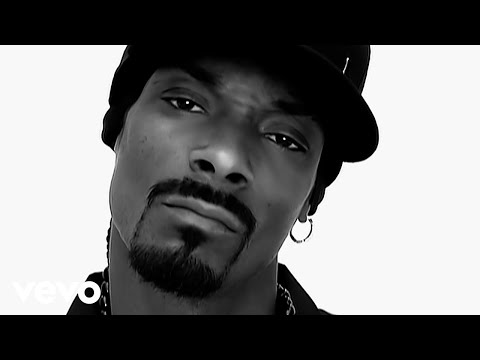
In 2005, Pharrell released his long-awaited solo debut, In My Mind. he had been teasing the album for years, and even released a prequel mixtape, In My Mind: The Prequel, a few months prior, Pharrell’s solo effort failed to make the same impact as the Neptunes-produced singles that established him as a kingmaker.
Over the years, however, the album would develop a cult following, and reveal itself as perhaps more influential than anyone, even diehard fans, had suspected. Self-proclaimed Pharrell superfan Tyler, The Creator has established himself not just as Pharrell’s heir apparent (if such a thing exists), but he’s enhanced Pharrell’s influence through his own work.
For the next few years, Pharrell and The Neptunes would work with everyone under the sun: Kings Of Leon, Lupe Fiasco, Beyoncé, 50 Cent, and Gorillaz among them. Coursing through pop music’s 21st-century history, it’s near impossible to trace his full range of influence. During this era, Pharrell didn’t have the same cultural clout as he did during the early 00s, but he continued to reshape the future sound of pop, hip-hop, R&B, and everything between, quietly behind the scenes.
Then in 2013, after creating more music in under two decades than most artists do in a lifetime, Pharrell went from being the man pushing buttons behind the scenes to standing front and center, thanks to a trio of career-defining singles.
Daft Punk’s “Get Lucky” wasn’t just a comeback single for the French electro-pop duo, but a cultural phenomenon with cross-generational appeal. It would never have been possible without the talent involved, including Nile Rodgers’ disco bona fides and Pharrell’s smooth vocals and production flair. Then came “Blurred Lines,” with TI and Robin Thicke. Pop culture was enjoying a very specific wave of nostalgia, and the sound of “Blurred Lines” was a perfect follow-up to Pharrell’s Daft Punk collaboration.
With this groundswell behind him, Pharrell finally scored a hit of his own with the smash success of “Happy.” The omnipresent earworm became the biggest hit of 2014 and earned Williams a career first: an Oscar nomination for Best Original Song.

It’s safe to say that Pharrell is the only person beloved by both the godfathers of hip-hop and the little kids buying plush Minions at Target. He hasn’t slowed down since his 2013 hat-trick – which, fittingly, he celebrated by wearing a giant hat for most of the following year.
Whether it’s mentoring new singers on The Voice or designing collections for Chanel and Adidas, Pharrell is still helping to mold the careers of the biggest musicians on the planet. You wouldn’t have Ariana Grande’s culture-shifting Sweetener without him, nor Beck’s 2019 retro-futuristic reinvention, Hyperspace. The former helped turn Grande into the most dominant figure in pop; the latter took Beck in brand new directions even he had yet to explore. For Pharrell, decades into being a creative mastermind, it’s just business as usual.
Browse N.E.R.D.’s music on vinyl here.
Discover more about the world’s greatest R&B artists | uDiscover Music

Texas Roadhouse excels at making steak, but its menu includes seafood items, too. Unfortunately, one of those fishy offerings has left customers crying foul.

Mashed – Fast Food, Celebrity Chefs, Grocery, Reviews
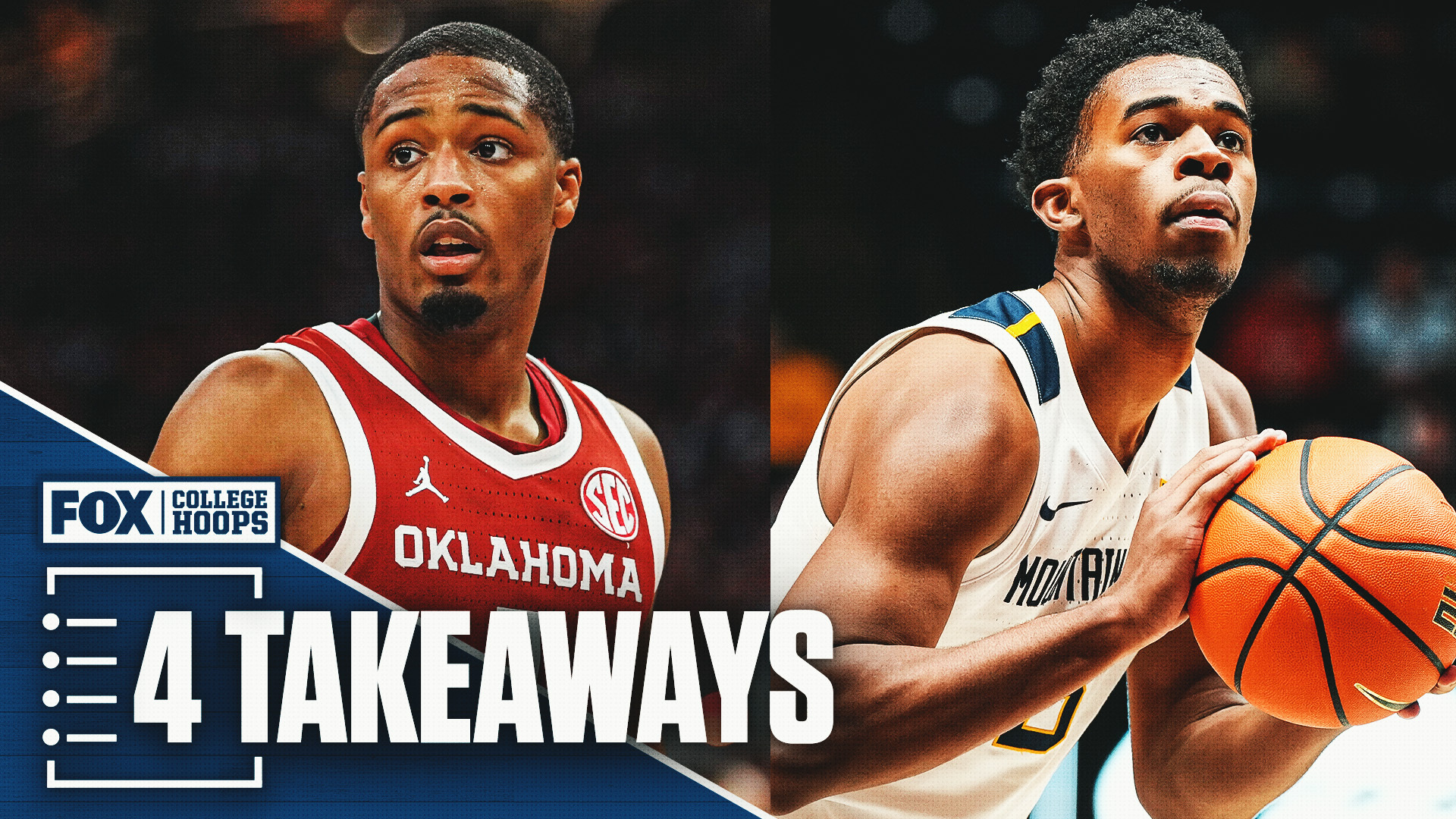
T-MOBILE ARENA (LAS VEGAS) — As Oklahoma center Mohamed Wague extended an arm to help lift teammate Derrion Reid off the floor, a smile stretched across his face. “That’s my block!” Wague shouted, lobbying for another tally on the stat sheet. Reid could only laugh in response as Wague hauled him to his feet. Seconds earlier, the two collided near the rim for what looked like a joint rejection of an attempted layup by Baylor guard Isaac Williams IV. It was unclear whether Wague or Reid had been the one to actually swat the shot, but with a double-digit lead in the waning moments, the Sooners were comfortably in position to enjoy the comedy of a two-man block. The official scorekeeper ultimately credited Wague with the stuff, but by that point, the Sooners had done enough to punch their ticket to the championship game of the second annual College Basketball Crown, pulling away from Baylor down the stretch for an eventual 82-69 win. Oklahoma will now face West Virginia on Sunday afternoon with $300,000 in prize money on the line (5:30 p.m. ET on FOX). The Mountaineers defeated Creighton, 87-70, in the second semifinal. Here are my takeaways from Day 3 of the College Basketball Crown: 1. Unprecedented era for Creighton comes to an end Only Doug McDermott, the Bluejays’ head coach, knows exactly when the hollow reality of Saturday’s outcome washed over him for good. Perhaps it happened when West Virginia forward DJ Thomas, who only averages 6.3 points per game, spun and twisted through the lane for a layup that extended the Mountaineers’ lead to nine with 12:13 remaining. Or maybe the recognition set in when guard Honor Huff ran a beautiful pick-and-roll with center Harlan Obioha that resulted in a traditional three-point play, pushing the margin to 14 points with 10:03 remaining. If it wasn’t either of those moments, then surely he knew it by the 5:18 mark when Huff buried a stepback 3 from the left wing that pushed Creighton’s deficit to 14, forcing McDermott to hang his head and turn around for a slow walk toward the bench. “I’ve been thinking about it,” McDermott said in the postgame news conference, “but you don’t ever want it to end. You’d like it to end with a win, especially for the guys. This team has been through a lot this season, and they’ve stayed incredibly close and they’ve had each other’s back during some really difficult times.” A blowout loss in his final game did little to overshadow the enormity of McDermott’s success in 16 seasons with the Bluejays. He tallied 366 victories with a .659 winning percentage. He made 10 NCAA Tournament appearances. He reached three Sweet 16s and one Elite Eight. He won a Big East championship and three Missouri Valley Conference tournament titles. He produced six NBA Draft picks. When news of McDermott’s impending retirement went public last month, the school announced that associate head coach Alan Huss would take over once the season concluded. In Huss, the Bluejays are now elevating one of the more respected assistant coaches in the country. He began his collegiate coaching career as an assistant at New Mexico (2014-17) before joining McDermott’s staff for a seven-year run (2017-23) that included five trips to the NCAA Tournament. Huss was named head coach at High Point ahead of the 2023-24 campaign. He spent two seasons with the Panthers, one of which included an appearance in the Big Dance, before returning to Creighton as the heir apparent. He has immense shoes to fill. “When [McDermott] announced his retirement, I sent him a long text,” Oklahoma head coach and Creighton alum Porter Moser said in response to my question about the legacy McDermott built at Creighton. “And I said, ‘As a colleague: Congratulations, man. Congratulations on a Hall-of-Fame career. Congratulations on everything you did.’ And then I said, ‘As a former player who wore that Bluejay jersey: Thank you for elevating the program. Thank you for everything you’ve done, you know, putting that program in the national spotlight and making it that kind of a name.’ “Great man, great coach.” 2. West Virginia flexes ferocious defense In contrast to Oklahoma, which arrived at the College Basketball Crown with the best offense in this year’s field, the Mountaineers came into the event far more accomplished on the opposite end of the floor. West Virginia entered Saturday’s semifinal against Creighton ranked 17th in the country in defensive efficiency, according to KenPom, and flashed its prowess in a throttling of the Bluejays. Creighton shot 42.9% from the floor and 31.3% from beyond the arc in the opening half — numbers that would be considered on the low end of acceptable for most offenses — but what happened around the rim told the real story. As West Virginia racked up 22 points in the paint and made 10 of 14 shots on layups or dunks, the Bluejays were hardly able to get close to the rim. They only generated four layup attempts in the entire half, making three of them, and did not record a dunk. “I just think we did a really good job of showing our hands,” West Virginia forward Brenen Lorient said in response to my question about the defensive effort. “Coach [Ross Hodge] emphasized just staying solid and showing our hands and limiting the catch-and-shoot 3s.” That effort matched the ferocious defensive style West Virginia has played all season under Hodge, formerly of North Texas. Hodge’s group entered the weekend ranked 12th nationally in opponent 2-point field goal percentage, limiting foes to a paltry 45.9% on attempts that originate inside the arc. The Mountaineers successfully protect the paint as well as anyone in college basketball. Their challenge now will be facing an elite Oklahoma offense that has flashed an ability to score both inside and out. 3. Sooners solve tricky 1-3-1 zone to pull away from Baylor Everything about the tenor of Saturday’s semifinal matchup between Baylor and Oklahoma changed when the Bears shifted their defensive philosophy. Having watched his defense get shredded to the tune of 45 points on 51.4% shooting in the first half, Baylor head coach Scott Drew instructed his team to unfurl an aggressive 1-3-1 zone after the break. He deployed 6-foot-9 center Caden Powell along the baseline and allowed athletic guards Tounde Yessoufou and Cameron Carr — both potential first-round picks in the NBA Draft — to stymie huge swaths of the 3-point line with their imposing wingspans. The effect was equal parts profound and immediate. Dysregulated and disoriented, the Sooners misfired on 10 of their first 14 field goal attempts to begin the second half. A double-digit advantage seemed to shrink in an instant once Baylor ignited from beyond the arc, with Carr and Williams combining to hit three triples in a little less than four minutes. And once Yessoufou flew coast to coast for a transition layup after pinning a blocked shot against the glass, the Bears climbed in front by a point with 13:16 remaining. “We knew Baylor was a championship program with Scott [Drew], a Hall-of-Fame coach, that they’d come out in the second half and give it everything they had,” Moser said during the postgame news conference. “They punched us in the face the first five minutes.” Once the under-12 media timeout came and went, Moser’s team began exploiting some of the cracks in Baylor’s zone. Oklahoma found creative ways to isolate Powell or fellow big man James Nnaji alone in the post, which created several easy baskets from close range. The Sooners enjoyed a run of eight made field goals in 11 attempts to reclaim control of the game, surging in front with a lead they would never relinquish. They outscored the Bears by 13 points over the final 10 minutes. “I thought we just stayed with it,” Moser said in response to my question about finding late-game success. “We made some shots, kept with what we were doing and you’re going to have that against a zone. The thing about the zone is you’ve just got to stay aggressive, stay confident in it. You can’t get hesitant. We were getting the ball where we needed to in the middle. I thought they did a really good job.” 4. Xzayvier Brown continues strong tournament run for Oklahoma Oklahoma guard Xzayvier Brown played a key role as the Sooners erased an eight-point second-half deficit against Colorado on Wednesday, forcing overtime and holding off the Buffaloes. He scored 11 of his 17 points after the half to ensure that the Sooners, who entered this year’s event as the overwhelming favorite to cut down the nets, avoided an upset in the quarterfinals. Two days later, Brown played even better in the victory over Baylor, pairing the same scoring punch he packed earlier in the week with remarkable efficiency and distribution. He poured in 16 points in the first half alone, beguiling the Bears from all parts of the court: He hit a pull-up jumper from the left baseline, an easy transition layup ahead of the pack, a leaner through contact in the lane to produce a traditional three-point play and a triple from beyond the arc. Brown scored or assisted on exactly half of his team’s 18 field goals in the opening half, which speaks to his all-around floor game. He also shot 5-of-5 from the free-throw line as the Sooners built a 10-point halftime advantage. “X has been great for us all year,” forward Tae Davis said in response to my question about Brown’s performance. “A floor general, he does it in every way. It’s huge for us because he does so much on both ends of the floor. He creates, and he can create for himself. So that’s just been a huge boost for us in every game.” Brown’s impact was felt even amid a relatively quiet second half in which he went more than 13 minutes without scoring another point. His 3-pointer from the right wing with 4:37 remaining extended Oklahoma’s lead back to double digits and all but assured the Sooners a spot in the championship game. He finished with a game-high 21 points, seven rebounds and six assists. 4½. What’s next? Here are a few storylines to watch ahead of the championship game: Oklahoma vs. West Virginia (Sunday) — With eight wins over their final 11 games heading into the College Basketball Crown, the Sooners were always the most popular choice to reach the championship game and, ultimately, win it. An overtime scare against Colorado in the quarterfinals gave way to a much more controlled victory over Baylor in the semis. Now, Oklahoma has a chance to cut down the nets on Sunday after being arguably the biggest snub from this year’s NCAA Tournament. West Virginia, meanwhile, rallied back from an eight-point deficit in the closing moments against Stanford to force overtime and survive the quarterfinals. From there, the Mountaineers picked apart Creighton in a dominant semifinal victory that limited the Bluejays to just 33 points in the second half. Now, the stage is set for a championship game between the tournament’s best offense (Oklahoma) and its best defense (West Virginia).Latest Sports News from FOX Sports
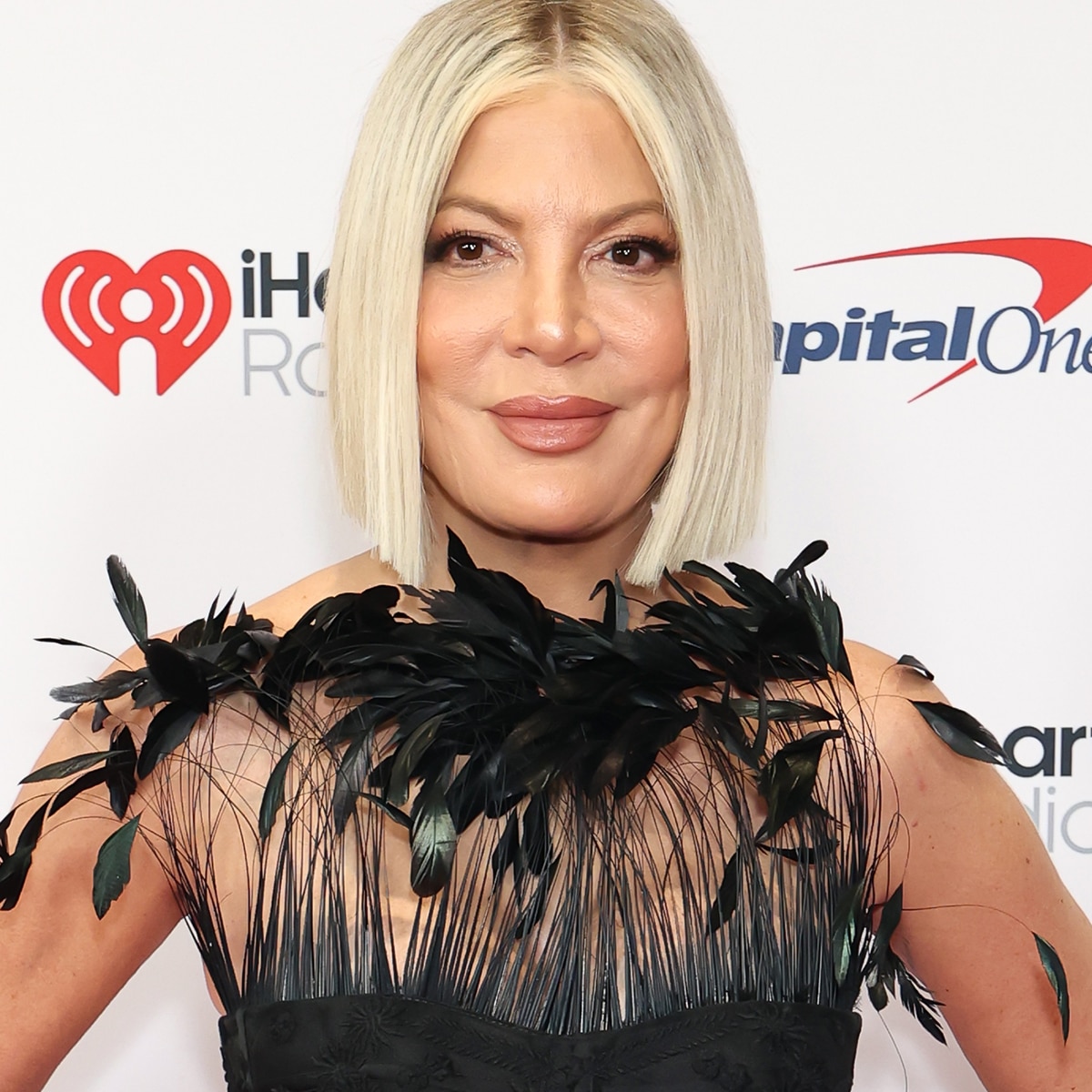
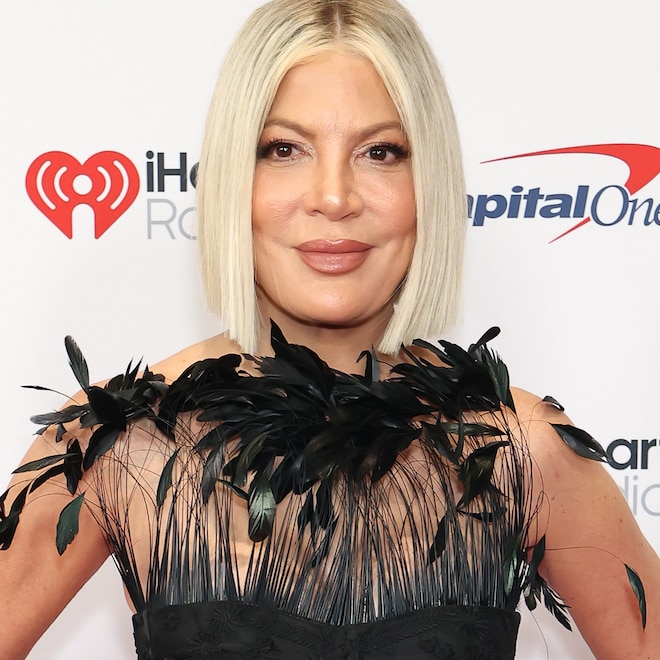 Tori Spelling is 90210-ver the dating scene.
The Beverly Hills 90210 alum explained why she’s maintained her single status following her breakup with ex-husband Dean McDermott, revealing her love…
E! Online (US) – Top Stories
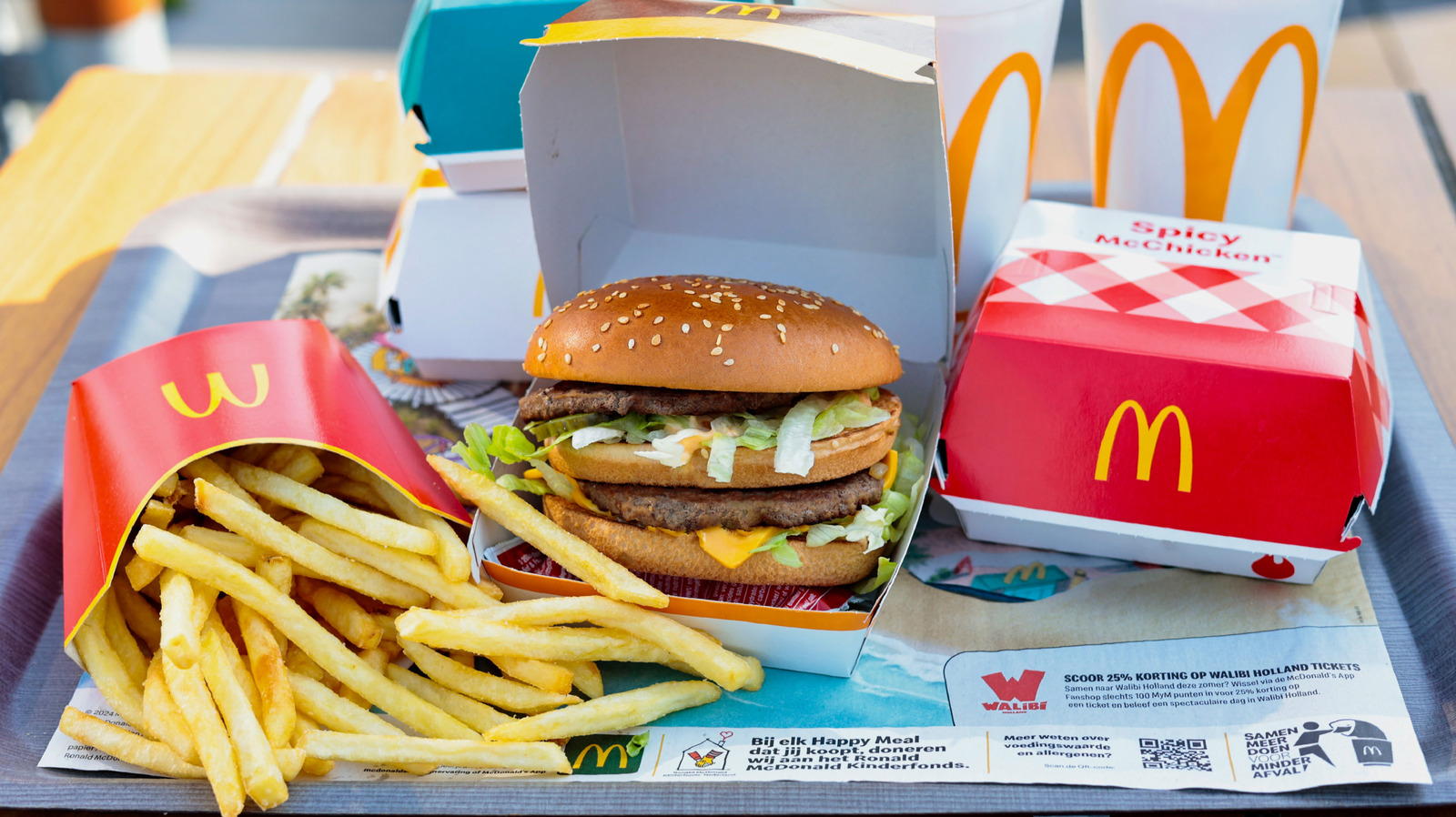
McDonald’s food doesn’t seem to rot, even after sitting out for a while. Understandably, this has led to a wide range of conspiracy theories emerging online.
Food Republic – Restaurants, Reviews, Recipes, Cooking Tips
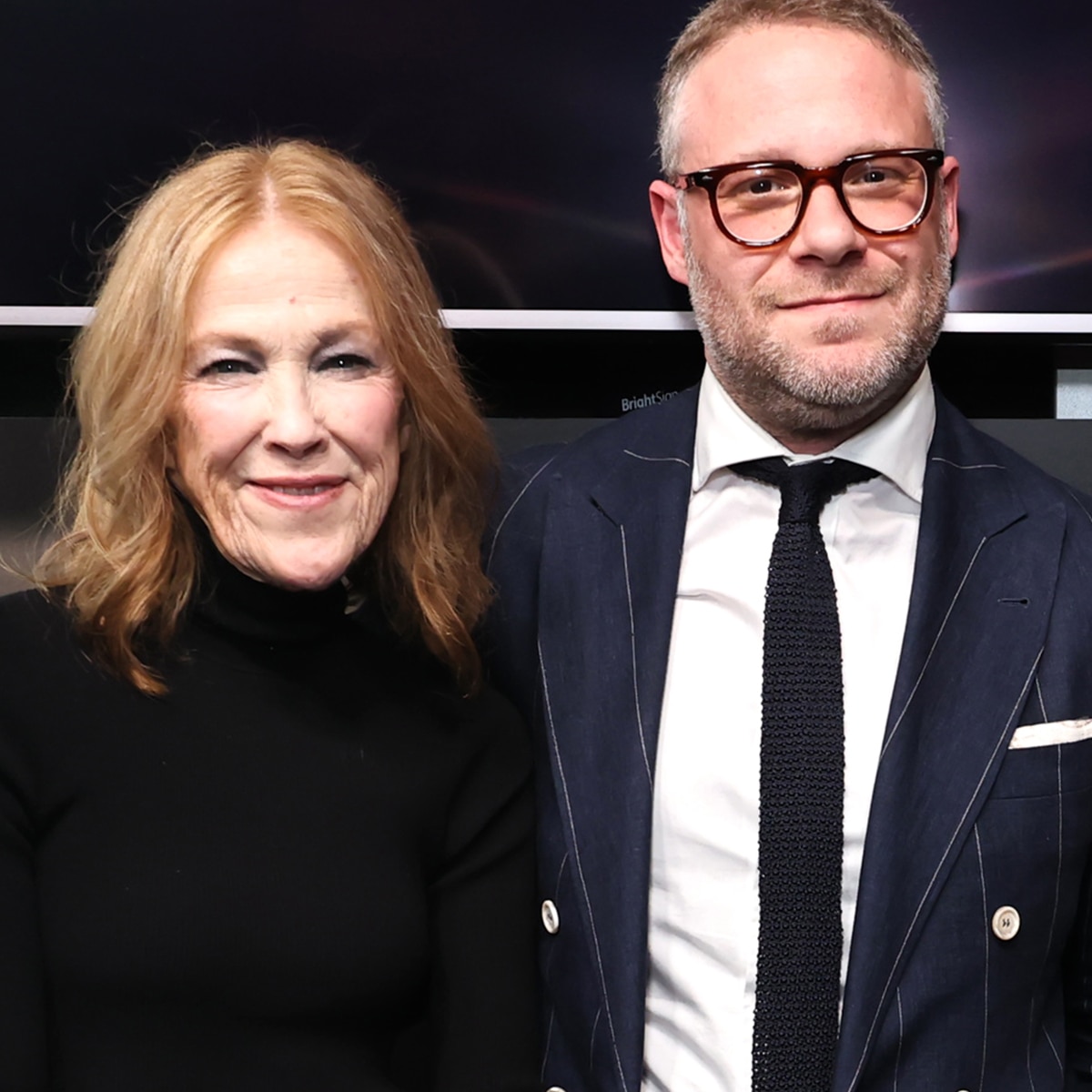
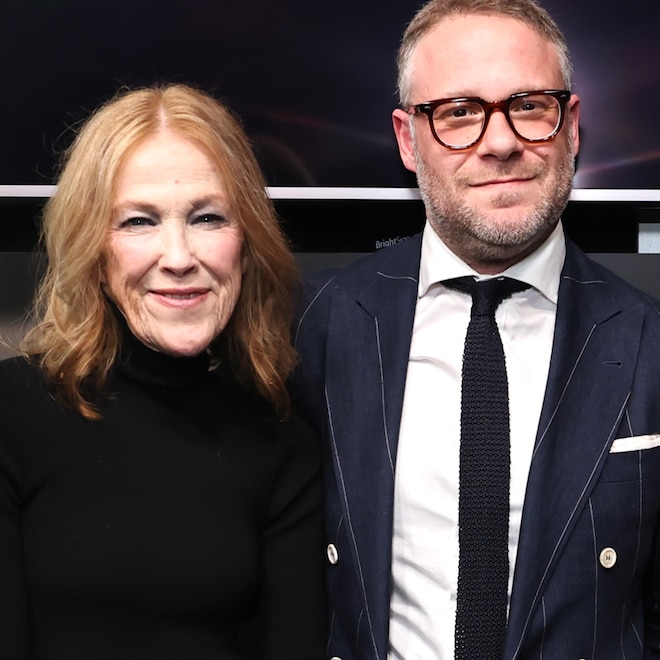 Seth Rogen is working to fill an immeasurable void.
The Emmy winner offered insight into how The Studio will address the absence of Catherine O’Hara—who died in January at age 71 following a brief…
E! Online (US) – Top Stories
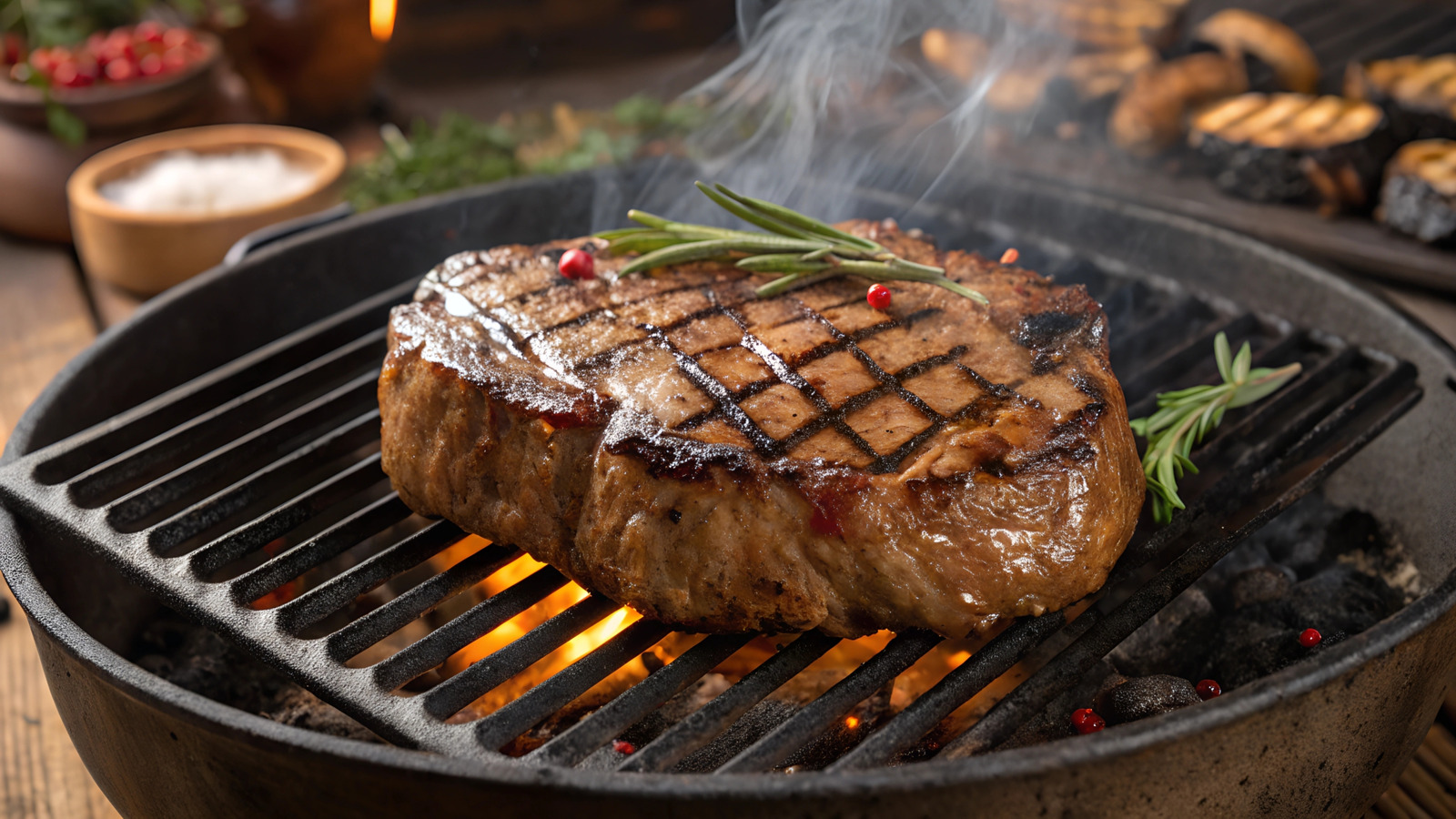
A tool known for helping you keep your grill in tip-top shape could also add harmful contaminants to your food if you don’t replace it frequently enough.
Mashed – Fast Food, Celebrity Chefs, Grocery, Reviews
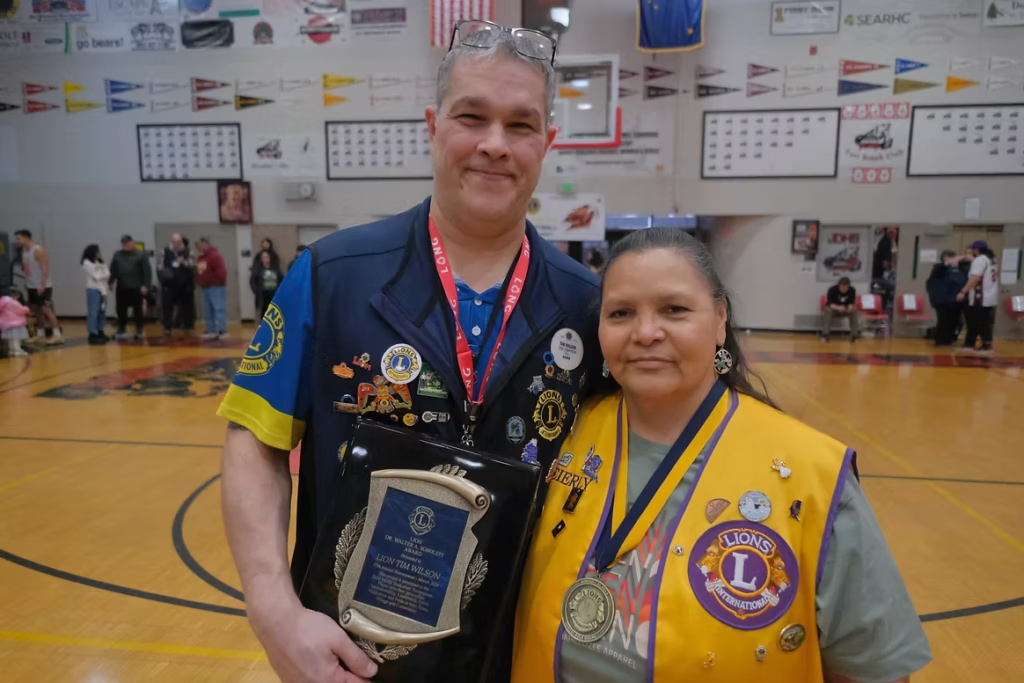
“I was surprised, I was pretty content just being a Hall of Fame wife,” Juneau Lions Club President Marie Beierly said after being selected into the Gold Medal Hall of Fame. “This was definitely something we did not expect, and we just enjoyed the years we have been involved with Gold Medal. I guess it is kind of like a second honeymoon.”
Beierly was part of the 2026 Hall of Fame class inducted March 27 during the 77th annual Juneau Lions Club Gold Medal Basketball Tournament in Juneau.
She was inducted as a radio play-by-play announcer, the same as her husband — Juneau Lions Club past president Tim Wilson was noted for his induction in 2018, along with his playing career for Klukwan and Lions Club work. They are the first husband and wife in the Gold Medal Hall of Fame.

“I am just so happy for Tim,” Beierly said. She laughs. “Oh my, that sounded like bragging… I am happy for his honor.”
That same day last week, Wilson received one of the tournament’s highest honors, the Dr. Walter A. Soboleff Award for Lions Club leadership, motivation, spirit and outstanding volunteer work and pride in communities throughout Alaska.
Wilson was visibly shaken when standing with all the present Hall of Fame members as the honor was announced, he began to recognize the list of volunteerism being read for the 2026 Soboleff winner.
“I do not know what to say,” a tearful Wilson said later that night. Each question asked resulted in more tears and deflections to those whom he credited for his involvement in the Lions Club. “I… I am really overcome… But I am just so happy for Marie, for her award… For her to join her father in the hall, that means so much to me.”
Marie’s father, Bob (Robert Paul Beierly II, 1940-2009) Beierly, was inducted posthumously into the Gold Medal Hall of Fame in 2010. Her mother, Flora Mae Beierly (1942-2021), was a Lions Club volunteer. Bob Beierly was a long-time Gold Medal radio announcer and is responsible for the journey daughter Marie and son-in-law Tim are still traveling.
Marie, too, was visibly shaken as she sat at the announcers’ booth court-side and the impact of her induction began to sink in.
“So surprising, so unexpected,” she said. “I wasn’t sure what to do. Thought of my dad… I thought of Tim.”
What she did was receive the congratulations of a gym full of fans and players and shook the hands of Hall of Fame members standing on court until reaching her husband, who placed the GMHOF medal around her neck and the two embraced.
“You know,” she said. “I have been working at Gold Medal longer than I have known Tim.”
The tie that binds this all together started back at Haskell Indian Nations University in Lawrence, Kansas in 1993. That college has a long-standing Memorandum of Understanding (MOU) with the University of Kansas focusing on education, service and research.
The two shared a public speaking class, and Tim looked over and smiled at Marie.
“I didn’t like him,” Marie said. “I didn’t like him at all. I thought he was full of himself.”
And persistent.
Marie ran track and cross-country. Tim played football. Their practice times overlapped as much as their classroom times.
A dinner after practice did not help.
“I still did not like him,” Marie said, laughing. “But he just kept glaring at me in class and I kept ignoring him to make him mad enough to stop bothering me.”
Tim stated, “The more she ignored me the more I wanted to keep bothering her.”
Marie was a senior from Alaska in her last semester, Tim a freshman from Bartlesville, Oklahoma.
“Eventually I started talking to him,” Marie said.
Marie finished her studies at the University of Alaska Southeast and Tim at Kansas, but after the semester he came to Juneau and she introduced him to Gold Medal. The two were married in 1995.
At first Tim was just ushering people to seats and helping wherever needed.
“He did try announcing a few times and he was pretty good at it,” Marie said. “He got to know the players and his voice really projects really loud so everybody in the gym can hear him. He kind of put that on the backseat and started really getting deeply involved with Lions Club. Just really sitting and listening and learning.”
Bob Beierly was already a Lions Club member and announcing the tournament.
Walter Soboleff persuaded Marie to join her father as a member in 1996.
Marie had already been helping her father since 1974.
“My dad was the radio announcer and I just kept coming to the games with him,” she said. “One day he says, ‘Sit by me, I need you to help spot these players for me. You tell me who made the shot and tell me how many fouls.’ So I did, and we worked out this hand system and then I would whisper in his ear the player’s name and he would announce it. And I had to be really quick because his eyesight was getting a little poor, so was his hearing. After years of that, he says, ‘I need to take a break. Here, take the mic.’ I was like, ‘What, no, the game’s still going on.’ So, I started announcing myself, doing the shot by each player and timeout, the whole thing. And when I was really nervous or scared he would ask me to tell him what happened in the game and said he needed another break and I got more comfortable with it. Then he finally said, ‘I can’t do this anymore. You have to take over from me.’ And I did.”
Marie said a moment that stands out to her is a championship night in the 2019 masters bracket game between Kake and Hoonah. Kake’s Kip Howard made the winning shot from half court.
“It went in, buzzer beater, Kake won,” Marie said. “Nobody could hear me over the mic. The entire gym was roaring, applauding, and I say, ‘The new master bracket champions, Kake…’ No one can hear me.”
She said an emotional realization was seeing some of the current players and remembering seeing them as young kids pretending to be their favorite Gold Medal basketball player, or announcer.
“Throughout the years when I was announcing there was sometimes a child sitting right next to me every single game I announced,” Marie said, motioning in the direction of current JDHS senior Raynonna Fraker. “She is a senior graduating this year and she was one of my announcers last year, but she can’t do it this year because she’s really busy as a senior. She’s got lots of activities going on and I look at her I was like, oh my god, she was one of those little kids that was sitting right next to me every single game.”
Marie noted that the nature of the game can involve a bad call, and she tries to keep the crowd in line and entertained.
“A lot of people remember my dad,” she said. “They love the energy that he would give back to the crowd. And I try to do the same. The new thing for me this year is the jokes.”
Her jokes, very old-school corny, always include her own laughter bursting out before she says the punchline and results in even more fan-friendly laughter when the joke is revealed.

Tim remembers his first Gold Medals. The announcing was a family thing with Bob, Marie, and her brothers Robert (1964-2013) and Thomas.
“As the years went on, it was actually her dad that introduced me to the Lions Club and took me to my first meeting,” Tim said. “He told me, ‘If you just sit there and shut up, you might learn something.’ Those were his exact words. That was my introduction to the Lions Club. And then I had Lions like Ted Burke and Janet Burke and Steve Brandner. I never realized it at the time, but it was kind of like they were grooming me one day to be able to do what I am doing now. I never really realized it for a long time just how much they meant to our club and the tournament and for them to teach me and lead me…I mean, everything, everything I do is because of them. It is what they taught me. And if I am not sure about something, I always ask myself, ‘What would Ted do? What will Steve do?’ And to this day I have called them.”
Tim’s accomplishments that earned the Walter Soboleff Award far exceed his Gold Medal work that allows the club and tournament to run smoothly. They include dressing as the Grinch for Light Flights to entertain kids waiting for the helicopters, picking up youths for Shop with a Cop, wrapping and delivering Christmas gifts to those in need, collecting and shipping clothes to a small western Alaska community struck by a catastrophic storm and receiving the Lions International Melvin Jones Award for exemplary service to the club and community. He spent his own money to give away special blankets at this year’s tournament.
He noted that when the Walter Sobleff Award winner’s accomplishments reached a second sentence, “I just started shaking my head. I love the Lions and sometimes I stretch myself too far above volunteering for things or volunteering us for things. My wife will tell you she’ll be the first one to say, ‘Stop it. Slow down.’ I love our tournament, I love what we do.”
Two minor health scares brought him to the realization “that I can have others help me do some of the things we need done.”
Last week, during a brief moment to sit after the awards, he noted this year’s proudest moment among the Gold Medal faithful, when he looked at the packed crowd on the first day, that increasingly pushed the seating to its limits.
“Four days of ferries had been canceled,” Tim said. “We had three days of flights being canceled. But look at the gym. I mean it’s packed. We had to open up the balcony. It’s hot in there so we are opening up the doors. Our players and our fans, they are the greatest. I mean, you look at them and you look at the gym and you’re wondering, how did they get here? How did they do it? And they went above and beyond. They were chartering flights. I heard that they were calling for extra catamarans. They called to see if they could get another ferry scheduled. I used fishing boats. Fishing boats. They’re taking fishing boats in that weather, in those seasons, they’re bringing fishing boats from Haines. I know what Stuart DeWitt brought his boat from Haines. I mean, are you kidding? We have the best fans in the world. The best fans. And, you know, if they are willing to go above and beyond like that to show their support for their community and for the tournament. Then we should be too.”
It was actually a day later before Tim and Marie realized they were the first husband and wife in the Gold Medal Hall of Fame. Their daughters Lijo and Jazz, who also volunteer, pointed out that distinction to them.
On the final day of Gold Medal, Marie asked Tim what he thought their parents would think of how far they had come.
“I am sure they would be proud,” he said.
What both have noticed is the new era of youth and Gold Medal, of social media and fitting in. This year was marred by communities losing loved ones to suicide and substance abuse. Special attention was given to let young fans and players know that they were special, that they were loved and they are needed in this world.
“It is hard,” Marie said. “My dad’s philosophy…when he was younger he saw these two kids fighting downtown, like fist fighting, beating the tar out of each other. He said to them, ‘You got this much energy you come back and see me tomorrow at this time.’ And he put a basketball in their hands. And he made them play basketball.”
She mentions the two youths’ names and that from then on her father took the two lads and others to play in youth tournaments at Sitka.
“Gold Medal is a great relief for a lot of people,” Marie said. “And it has been a long exhausting winter. Coming to Gold Medal and just forget about roofs collapsing or shoveling and coming to the gym and burning off all that energy, rooting for your favorite player or your favorite team. We need things like Gold Medal or Celebration.”
Tim never expected to hear his name in the same sentence as Walter Soboleff.
“I never expect to receive anything for doing this,” he said. “I have always said that at Gold Medal we are all family and friends. And we proved that the other night when tragedy struck Hydaburg and we did a five-minute blanket dance and raised over $2,400 in less than five minutes. And it is things like that which makes this all worth it.”

The post Gold Medal Hall of Fame completes a marriage dream appeared first on Chilkat Valley News.