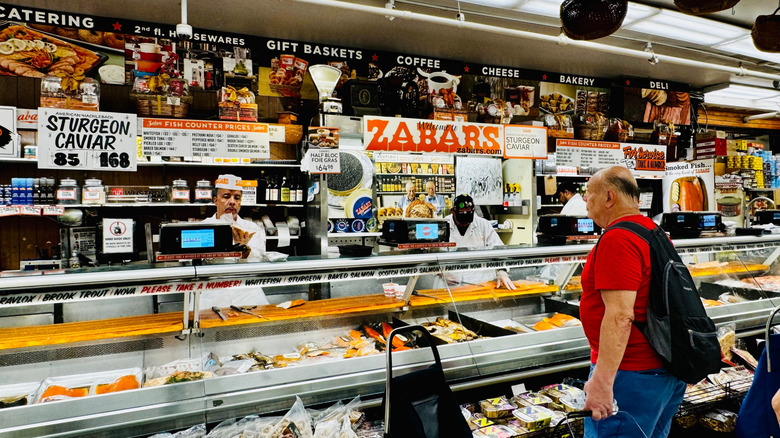
Visiting a Jewish delicatessen can be like walking down memory lane. Many of the dishes are seldom found on menus these days or have fallen out of favor.
Food Republic – Restaurants, Reviews, Recipes, Cooking Tips










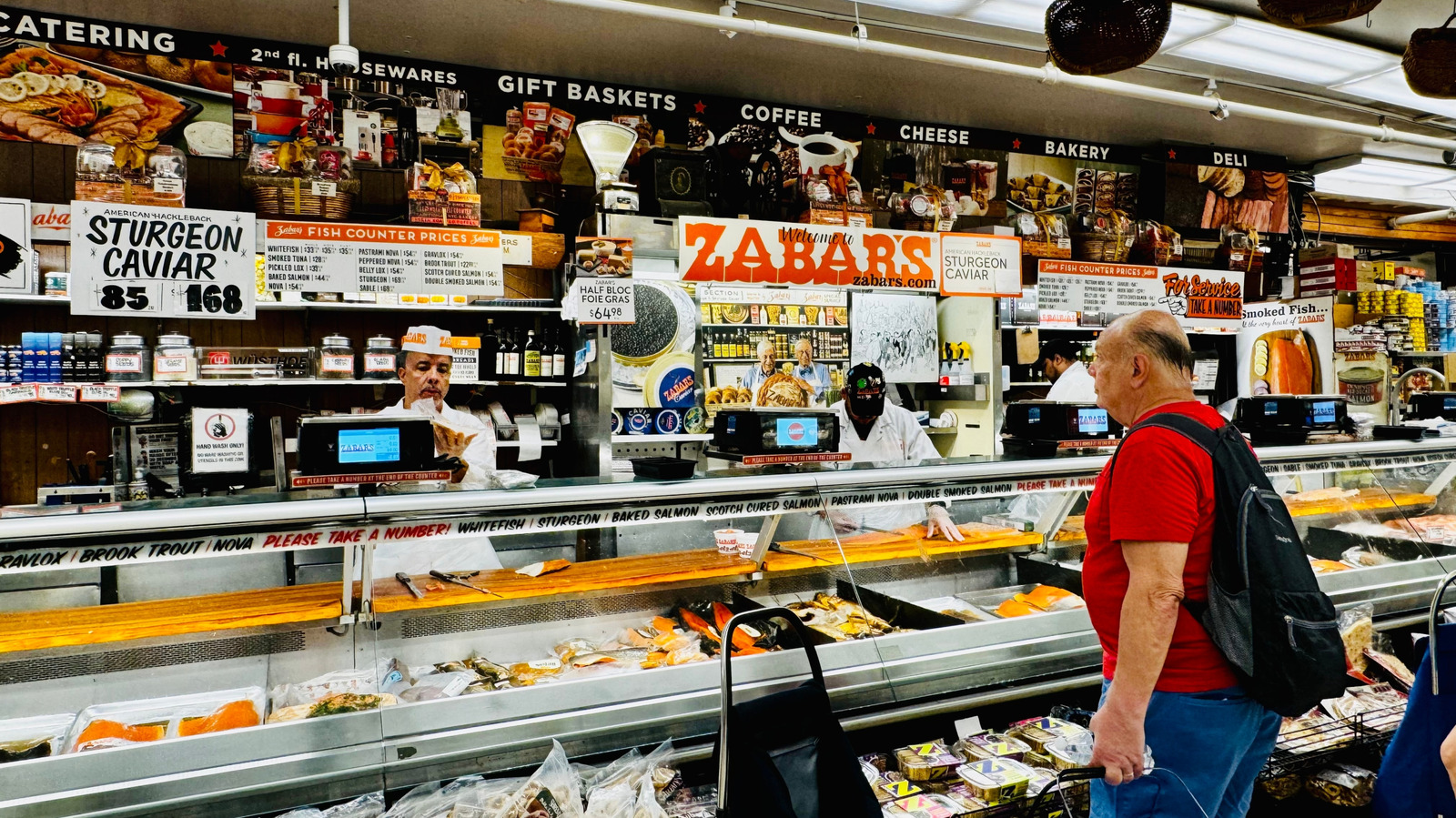
Visiting a Jewish delicatessen can be like walking down memory lane. Many of the dishes are seldom found on menus these days or have fallen out of favor.
Food Republic – Restaurants, Reviews, Recipes, Cooking Tips
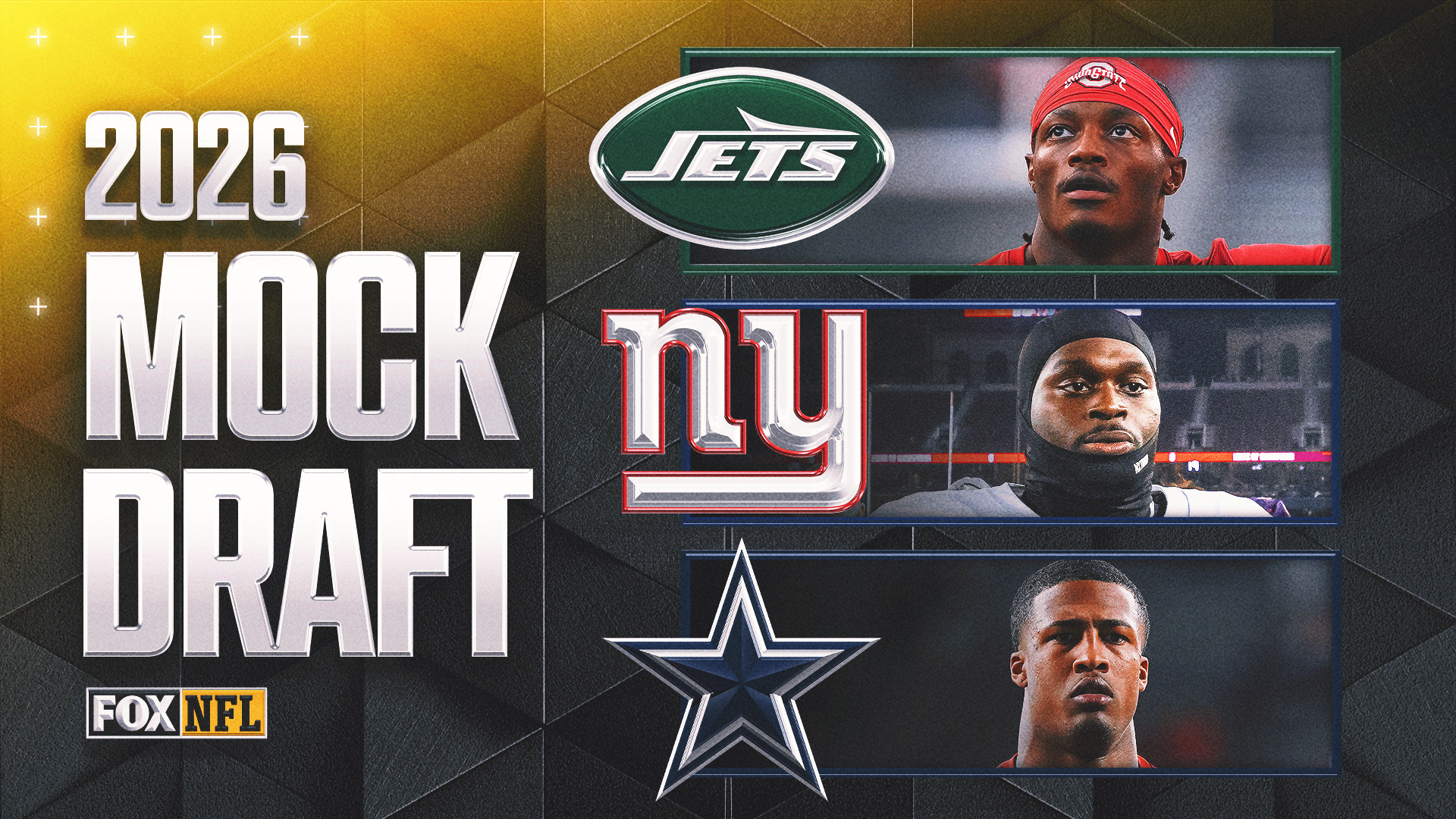
One of the most complicated elements in writing mock drafts is recognizing that every NFL team has a point where they will break away from obvious needs to take the “best player available.” The purpose of this mock is to ignore that possibility entirely. It is taking the K.I.S.S. approach — “keep it simple, stupid” — to a mock draft by erasing each team’s biggest hole with their selections. This mock does not take perceived value into account. There will be “reaches” and, perhaps, perceived unrealistic drops, because we aren’t projecting trades here. We’re just filling each team’s biggest area of concern with an ideal schematic match. FIRST ROUND 1. Las Vegas RaidersBiggest need: QBPerfect fit: Fernando Mendoza, Indiana Blessed with prototypical size, impressive arm talent and a championship pedigree, Mendoza is as close to a guarantee to go No. 1 overall as we’ve seen in years. He is a clean schematic fit in Klint Kubiak’s version of the West Coast Offense and, just as importantly, is an even cleaner fit for Las Vegas, from an intangible perspective. Signing Kirk Cousins, 37, only lessens the pressure on the rookie to start immediately, providing Las Vegas with a helpful launching pad to help Mendoza rocket to stardom at a manageable pace. 2. New York JetsBiggest need: WRPerfect fit: Carnell Tate, Ohio State Garrett Wilson was the only receiver currently on the Jets roster to catch a touchdown pass in 2025, and make no mistake — the 10th overall pick of the 2022 draft was hardly dominant last year, scoring just four times. Obviously, improved play at quarterback is also required, but there isn’t a QB in the NFL who could be successful with the Jets’ current anemic receiving corps — Geno Smith, included. The Jets should strongly consider peddling some of their picks for the Eagles’ A.J. Brown, but Tate also profiles as a No. 1 target. 3. Arizona CardinalsBiggest need: Front-seven difference-makerPerfect fit: Arvell Reese, Ohio State The Cardinals are complicated. Clearly, the most important position long-term is at quarterback, and no one should view 31-year-old journeyman Elijah Wilkinson as the future at right tackle, either. But unless Zaven Collins suddenly lives up to his first-round selection, the Cardinals’ biggest immediate need is at edge rusher. Josh Sweat was the only defender currently on Arizona’s roster to record more than two sacks a year ago. Reese is arguably the best player in this class. If the Cardinals are going to climb out of the cellar in the NFC West, they need multiple franchise-changers. Reese could be one. 4. Tennessee TitansBiggest need: Interior OLPerfect fit: Vega Ioane, Penn State Look, I told you there were going to be reaches! At No. 4 overall, I think the Titans can’t go wrong if they select an insta-star such as Jeremiyah Love or Sonny Styles. Both plug-and-play options will likely be available and are clear upgrades over Tony Pollard and Cody Barton, respectively. However, I don’t see either RB or MLB as much of a need as added stability on the interior of the offensive line, where the Titans brought in center Austin Schlottman from the Giants in free agency (four career starts) and Cordell Volson, who was cut by the Bengals after he missed 2025 with shoulder surgery. The Titans should be protecting Cam Ward at all costs, and Ioane is viewed by some as the best blocker of this class. 5. New York GiantsBiggest need: RBPerfect fit: Jeremiyah Love, Notre Dame Given that the Giants finished last year fifth in rushing yards and tied for fourth in rushing touchdowns, listing running back seems silly. But with all due respect to an already solid Giants RB corps, Love is just a different level of athlete. Placed in a run-heavy offense like the one the Giants will employ again next season again with John Harbaugh now calling the shots, Love offers more immediate impact than any other player in this class. 6. Cleveland BrownsBiggest need: LTPerfect fit: Francis Mauigoa, Miami The Browns prioritized their offensive line during the offseason, signing Elgton Jenkins and Zion Johnson and trading for Tytus Howard. Left tackle, however, remains a concern with current projected starter Dawand Jones missing time in each of his first three seasons. Some think Mauigoa’s best position in the NFL will be at guard. I think in Todd Monken’s offense, he’d stay at left tackle and be a star, with the Browns uniquely suited to maximizing his ceiling with the daily tutoring sessions he’ll be receiving from Myles Garrett in practice. 7. Washington CommandersBiggest need: SecondaryPerfect fit: Caleb Downs, Ohio State The Commanders have adequate players in free-agent signee Nick Cross and Will Harris currently slated to start at safety, but neither has thus far proven to be the kind of difference-maker Dan Quinn enjoyed in previous stops in Seattle, Atlanta and Dallas. Downs is as good as this class gets, showing the instincts and athleticism to be an immediate star. 8. New Orleans SaintsBiggest need: WRPerfect fit: Denzel Boston, Washington No one needs to remind former quarterback Kellen Moore that signal-callers are often only as good as the talent around them. The Saints have a dynamic young receiver in Chris Olave, but little after that. A classic split end with great size, soft hands and impressive agility, Boston is a better version of Devaughn Vele — New Orleans’ current No. 2. Boston’s size and ability to contribute as a run blocker and on special teams might make him an especially good fit for the Saints over some of the other, flashier receivers available. 9. Kansas City ChiefsBiggest need: CBPerfect fit: Mansoor Delane, LSU Given the quarterback talent in the AFC West, the Chiefs cannot afford to get too cute at cornerback with last year’s starters Trent McDuffie and Jaylen Watson now playing for the Los Angeles Rams. Delane is the top prospect at the position this year, combining smooth athleticism and terrific route anticipation. 10. Cincinnati BengalsBiggest need: EdgePerfect fit: Rueben Bain Jr., Miami The Bengals have a much more impressive roster than their recent records indicate, no thanks to injuries to Joe Burrow in 2023 (wrist) and 2025 (turf toe). There is a lot of talent here but few proven dudes — at least on defense — who leave rival playcallers nervous. From a violence perspective, Bain just might be the dude of this class. His aggressive playing style and leadership could spark what, at least thus far, has been an underperforming group of highly drafted prospects along Cincinnati’s defensive line. 11. Miami DolphinsBiggest need: WRPerfect fit: Jordyn Tyson, Arizona State Someone should check on Malik Willis. A few weeks after he signed a three-year, $67.5 million deal with Miami, the team traded away Jaylen Waddle and the club apparently has no interest in bringing back Tyreek Hill. Tyson has missed action each of the past three years and could slip on draft day as a result. When healthy, however, he’s arguably the best pass-catcher of this class. The Fins, meanwhile, need a No. 1 receiver, not just a complementary threat. 12. Dallas CowboysBiggest need: Inside LBPerfect fit: Sonny Styles, Ohio State This exercise shows the lack of value teams place on ILBs in today’s era, with many teams already possessing at least an average starter at the position amid bigger needs, dropping Styles a bit further than his talent warrants. The Cowboys would be a big winner in this case, adding a top-10 talent to push the gifted but injury-prone DeMarvion Overshown. Each of Dallas’ first-round picks should be spent overhauling a defense that allowed an NFL-worst 30.1 points per game. 13. Los Angeles RamsBiggest need: WRPerfect fit: KC Concepcion, Texas A&M Let me be clear: Any receiving corps that includes Puka Nacua and Davante Adams is not actually in need. Inside linebacker and right tackle qualify better in the traditional sense of “need.” But Les Snead has attacked this offseason with a Super Bowl-or-bust mentality. Concepcion scored 28 touchdowns in 38 college games. He drops the ball more than he should, but the ones he holds onto have a way of making it into the end zone, whether as a receiver, runner or returner. I think he could give the Rams a similar jolt to the one Rashid Shaheed provided the Seahawks last year. 14. Baltimore RavensBiggest need: CPerfect fit: Connor Lew, Auburn The loss of three-time Pro Bowl center Tyler Linderbaum to the Raiders in free agency leaves a gaping hole in the middle for a franchise that has always prioritized the line of scrimmage. GM Eric DeCosta spent a first-round pick on Linderbaum back in 2022, and he may be willing to do the same with Lew, this year’s consensus top center. 15. Tampa Bay BuccaneersBiggest need: EdgePerfect fit: David Bailey, Texas Tech YaYa Diaby led the Bucs with seven sacks a year ago and looks ready to jump into double-digits in 2026. Perhaps free-agent signee Al-Quadin Muhammad will be able to duplicate last year’s stunning breakout in Detroit, as well. But with limited depth beyond that and both players free agents after this season, GM Jason Licht should find reinforcements now. Bailey’s lack of ideal size and power makes him a liability against the run and could lead to a drop on draft day. It shouldn’t — Bailey is proven difference-maker — and Licht would be right to boost the Bucs’ aging defensive line should the opportunity present itself. 16. New York JetsBiggest need: DL Perfect fit: T.J. Parker, Clemson Trading away Quinnen Williams and allowing Jermaine Johnson to leave via free agency has left the Jets seeking new answers along the defensive line. Parker offers an ideal combination of pro-ready power and production, yet he’s still just 21 years old. His long-term upside would make a lot of sense for the Jets. 17. Detroit LionsBiggest need: OTPerfect fit: Blake Miller, Clemson At the NFL Annual League Meeting, Dan Campbell suggested that the Lions were “ready” to move their All-Pro right tackle Penei Sewell back to the blindside role he played in college, if necessary. Doing that would put Larry Borom in position to start on the right side, but I think there are several candidates in this class who would be better. Miller hasn’t generated as much buzz as some of the other offensive tackles of this class, but he’s a relatively sure thing with 54 career starts and an ideal combination of size, athleticism and technique. 18. Minnesota VikingsBiggest need: FSPerfect fit: Dillon Thieneman, Oregon One could argue that running back is an even greater position of concern for the Vikings, but Thieneman seems like such a clean replacement for longtime Vikings star safety Harrison Smith that new GM Rob Brzeznski shouldn’t overthink things. Thieneman is one of the safest prospects of this class, pairing instincts, ball skills and reliable open-field tackling with top-notch athleticism. 19. Carolina PanthersBiggest need: WRPerfect fit: Makai Lemon, USC It wasn’t surprising to see Bryce Young take major strides in his third NFL season with Tetairoa McMillan emerging as the team’s unquestioned No. 1 target, earning Offensive Rookie of the Year honors. But if Young, McMillan and the Panthers as a franchise are going to continue their ascent, more consistency is needed opposite T-Mac. A savvy route-runner and one of the best after-the-catch weapons in this draft due to his RB-like frame and physicality, Lemon could feast on the one-on-one opportunities he’d receive in this offense. 20. Dallas CowboysBiggest need: CBPerfect fit: Jermod McCoy, Tennessee The Cowboys already boast a true ballhawk in DaRon Bland, while Shavon Revel Jr. flashed as a rookie. But with free agents Cobie Durant and Derion Kendrick only signed to one-year deals, Dallas will be drafting a cornerback in 2026 — quite possibly with one of their two first-round picks. Dallas has shown a willingness to draft players coming off of injuries in the past (including Revel), and McCoy has top-20 talent. 21. Pittsburgh SteelersBiggest need: OGPerfect fit: Emmanuel Pregnon, Oregon For many, it may feel like a foregone conclusion that Aaron Rodgers will be starting for the Steelers this year, but regardless of who is taking the snaps, the replacement for Isaac Seumalo at left guard is going to have a lot to do with their success, or lack thereof. Pregnon — a four-year starter — would be a plug-and-play fit whose presence might entice Rodgers to return. 22. Los Angeles ChargersBiggest need: DLPerfect fit: Akheem Mesidor, Miami No one prioritizes the line of scrimmage like Jim Harbaugh, and this is the perfect draft to add reinforcements up front. Mesidor gets dinged by some because of his advanced age — he just turned 25 — but remember, this is a Chargers squad that just re-signed 35-year-old Khalil Mack. Clearly, the Chargers understand that age is not as important as production. Mesidor certainly offers that, generating 52.5 tackles for loss and 32.5 sacks over his college career — most among this year’s top-rated defensive linemen, including his more celebrated former Miami teammate Rueben Bain. 23. Philadelphia EaglesBiggest need: A.J. Brown insurancePerfect fit: Kenyon Sadiq, Oregon If the Eagles are able to unruffle AJ Brown’s “feathers,” perhaps GM Howie Roseman can prioritize a non-pass-catcher with this selection. However, even if Brown remains with Philadelphia this year, adding Sadiq would make a lot of sense with veteran TE Dallas Goedert only being brought back the past two seasons on consecutive one-year contracts. Sadiq’s tenacity and explosiveness as a blocker might re-ignite Philadelphia’s tush push, and he’s a bowling ball after the catch, as well. 24. Cleveland BrownsBiggest need: OLPerfect fit: Spencer Fano, Utah The Browns have rebuilt their offensive line this offseason, bringing in three veterans in Zion Johnson, Elgton Jenkins and Tytus Howard. But left tackle remains a concern as Dawand Jones has struggled with durability to this point in his career. One of the most athletic blockers of this class, Fano shouldn’t be available this late, but questions about his best fit in the NFL could push him down the board. 25. Chicago BearsBiggest need: MLBPerfect fit: Anthony Hill Jr., Texas With all due respect, the Bears haven’t really been the “Monsters of the Midway” on defense for quite some time. The last Chicago linebacker selected to the Pro Bowl was both Brian Urlacher and Lance Briggs back in 2011, with the former also being the last to make first-team All-Pro 20 years ago. Hill has the range and rush skills to compete for those honors and would give the Bears defense some much-needed teeth. 26. Buffalo BillsBiggest need: ILBPerfect fit: Jacob Rodriguez, Texas Tech The Bills were buffaloed at the point of attack last season, with not one but two safeties (Cole Bishop and Jordan Poyer) finishing with more tackles than any of the club’s linebackers. It would be a surprise to see Rodriguez go in the first round, but his instincts and playmaking ability would add an immediate jolt to the Bills’ defense, and he won’t be available when their turn comes around again at No. 91 overall. 27. San Francisco 49ersBiggest need: OL Perfect fit: Kadyn Proctor, Alabama Even if Trent Williams returns, the 49ers should be looking for a developmental plan behind him. An upgrade to Colton McKivitz at right tackle wouldn’t be a bad idea, either. Some see Proctor’s ideal spot at guard, and with the 49ers losing Spencer Burford in free agency, the Alabama product could also help there, if Kyle Shanahan preferred. 28. Houston TexansBiggest need: OLPerfect fit: Max Iheanachor, Arizona State Like the Cleveland Browns a few picks earlier, the Texans added three veteran blockers (Wyatt Teller, Braden Smith and Evan Brown) during the offseason. Yet no one should bat an eye if GM Nick Caserio adds even more OL talent in this draft. A relative late-comer to football after spending his high school days focusing on basketball, Iheanachor needs to iron out the wrinkles in his game, but he possesses the size and athleticism to project as a longtime starting tackle in the NFL. 29. Kansas City ChiefsBiggest need: SPerfect fit: Emmanuel McNeil-Warren, Toledo Kansas City’s rebuild of the secondary started at No. 9 overall with the draft’s top cornerback and continues here with McNeil-Warren, whose combination of size and range could be the ideal counter to the running quarterbacks and versatile pass-catchers at tight end and running back throughout the AFC West. 30. Miami DolphinsBiggest need: CBPerfect fit: Colton Hood, Tennessee With their need for a playmaking receiver addressed with the previous Jordyn Tyson selection at No. 11 overall, GM Jon-Eric Sullivan can focus on the Dolphins’ “other” significant need: cornerback. Like Tyson, Hood possesses the athletic skill set to ultimately rank as the best from his position in the 2026 draft. 31. New England PatriotsBiggest need: EdgePerfect fit: Zion Young, Missouri The Patriots won the AFC despite having only two defenders with more than four sacks (Harold Landry III and K’Lavon Chaisson), and the club lost one of them (Chaisson, as well as underrated run defender Anfernee Jennings) in free agency. New England replaced Chaisson’s speed with a more reliable run defender in Dre’Mont Jones, but reinforcements are still needed. Young’s length, strength and temperament would seem to be a good fit with new coach Mike Vrabel. 32. Seattle SeahawksBiggest need: RBPerfect fit: Jadarian Price, Notre Dame While adding depth at edge rusher and cornerback is also important, replacing Super Bowl MVP Kenneth Walker III should be the Seahawks’ top priority in this draft. Unfortunately, this isn’t a deep class at the position, perhaps forcing John Schneider to invest early. Price isn’t as explosive as former Notre Dame teammate Jeremiyah Love, but his instincts and intangibles make him an excellent fit for Seattle. SECOND ROUND (*first pick for teams without a first-round selection) 47. Indianapolis ColtsBiggest need: SPerfect fit: A.J. Haulcy, LSU With a league-low two picks among the first 100, GM Chris Ballard can’t afford a miss early, so nabbing one of the most instinctive players in this class would make sense. The Colts addressed safety in free agency by adding Juanyeh Thomas and Jonathan Owens and also have 2025 seventh-round pick Hunter Wohler, but each has the feel of a depth piece rather than a future high-end starter. Haulcy is a thunderous hitter with a knack for making big plays. 48. Atlanta FalconsBiggest need: WRPerfect fit: Omar Cooper Jr., Indiana It won’t matter much whether it is Michael Penix Jr. or Tua Tagovailoa taking the snaps for the Falcons if an adequate No. 2 wide receiver isn’t brought in to support Drake London. New head coach Kevin Stefanski was ousted in Cleveland in part because of the Browns’ struggles with the passing game. 52. Green Bay PackersBiggest need: DTPerfect fit: Christen Miller, Georgia The Packers boast one of the NFL’s most complete rosters for 2026, but the club should be looking to the future at defensive tackle. Free-agent addition Javon Hargrave looked past his prime last year in Minnesota and former first-round pick Devonte Wyatt has shown more flash than consistency thus far. Without improved play, the Packers will likely pivot from both after this season. Brian Gutekunst has historically prioritized the defensive line on draft day, and he may see another Georgia product in Miller as the perfect complement (and push) to get the most out of a front that surrendered 2,001 rushing yards in 2025. 56. Jacksonville JaguarsBiggest need: DTPerfect fit: Zxavian Harris, Mississippi The Jaguars boast three former top-10 picks on their defensive line in Travon Walker, Josh Hines-Allen and Arik Armstead and yet still ranked just 27th last year in sacks. At a massive 6-foot-8, 330 pounds, Harris won’t be running down many quarterbacks himself, but he can collapse the pocket, cloud passing lanes and block kicks, drawing multiple blockers and freeing up teammates to make splashy plays. With their first pick of the 2026 draft not coming until No. 56 overall, the Jaguars should be looking for potential difference-makers, and Harris could be precisely that. 62. Denver BroncosBiggest need: TEPerfect fit: Max Klare, Ohio State Sean Payton heavily featured the tight end position while head coach of the New Orleans Saints, with players like Jimmy Graham, Taysom Hill and Jared Cook. Last year, the Broncos got a combined three scores from their tight ends. The athletic Klare is a catch-first tight end and would represent an immediate upgrade for Denver.Latest Sports News from FOX Sports
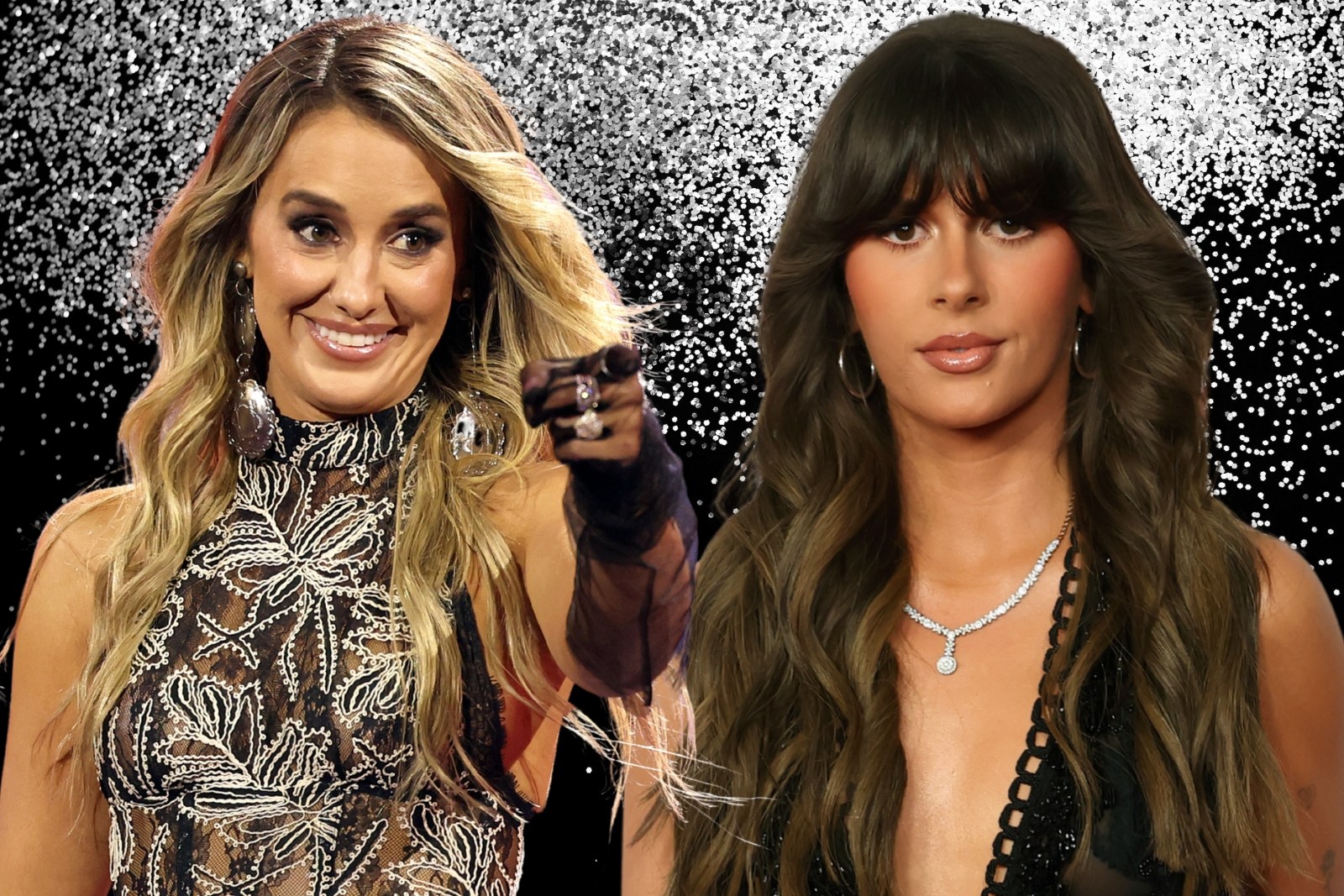
Ella Langley’s ‘Dandelion’ album is already a hit with fans…but what does Lainey Wilson think? Continue reading…Country Music News – Taste of Country
Ella Langley’s ‘Dandelion’ album is already a hit with fans…but what does Lainey Wilson think? Continue reading…The Boot – Country Music News, Music Videos and Songs
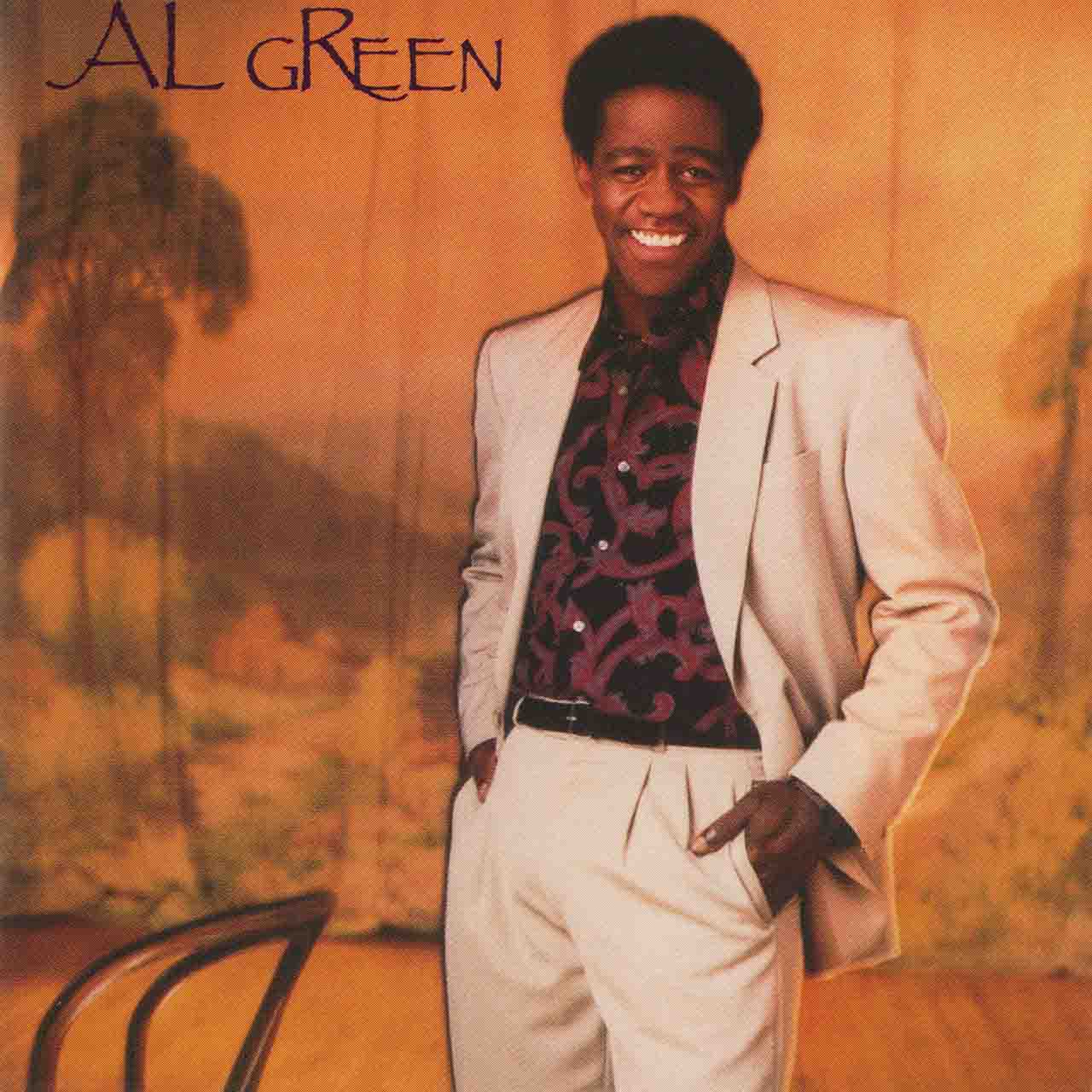
With hits like “Let’s Stay Together” and “I’m Still In Love With You,” Al Green had established himself as a legend, scoring pop hits in the early 70s with his Memphis-soaked brand of soul. Green invoked an undeniable spirituality into the most sensual music, something that became increasingly noticeable when he had a conversion experience after a performance at Disneyland in 1973 and became what he described as a “born-again Christian.” He began recording gospel songs on his secular albums through the decade’s end, until he finally decided to leave his pop career to pastor and sing gospel exclusively in 1980.
Critics complained of his first gospel albums for Myrrh Records that the hymns and traditional gospel songs made it challenging for “the non-believing listener to make a one-to-one identification with the singer.” So when his tenure with the label – which had earned him five Grammy Awards – ended in 1984, Green signed with A&M Records, signaling a desire to do things differently. He told Newsweek, “I was interested in becoming an A&M artist. You need to get the word out to as many people as possible. We’ve been trying to open some broader doors for gospel music.” Green’s three albums for A&M, which all earned Grammy Awards, were important projects that helped him strike a balance between the sacred and the secular.
He is the Light reunited Green with producer Willie Mitchell, with whom he’d recorded the songs that put him in the spotlight in the first place. Green’s last Myrrh album, Trust in God, had seen him returning as a songwriter, penning five of the album’s ten songs, and, likewise, He is the Light showcased five more of Green’s compositions. Mitchell wisely invoked the sound that Green was famous for, most notably on “Power” and “I Feel Like Going On,” heavy with punchy horn lines and searing strings reminiscent of his Hi Records catalog. Green also brought the sauce on his cover of The Soul Stirrers’ Sam Cooke-led classic, “Be With Me Jesus.”
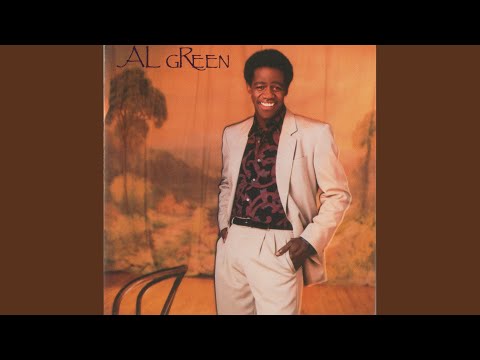
Rolling Stone praised the album, writing “Green and Mitchell…have perfectly recaptured the magical sound of ‘Let’s Stay Together,’ ‘Livin’ For You’ and the like.” Green remained ambivalent when critics felt that He is the Light might lead to a return to pop. “You can’t go back and forth like that,” Green insisted to Rolling Stone. “That’s an unstable-minded person. You pick a thing and stick it out if you think that’s what you’re called to do.”
Listen to Al Green’s He is the Light now.
By 1987, Green clearly was letting his ideas evolve about his direction. He told Billboard that when an A&M executive asked how to describe the new album, he told him, “‘We’re not going to call it gospel, we’re not going to call it Christian, we’re not going to call it secular. We’re going to call it Al Green.’”
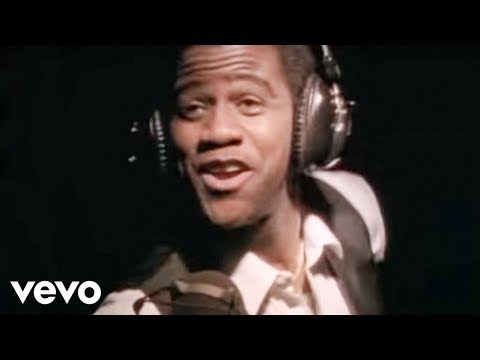
The album’s first single, “Everything’s Gonna Be Alright,” marked his first entry on the R&B charts in a decade. He also covered inspirational staples like Carole King’s “You’ve Got a Friend,” accompanied by Billy Preston, and “He’s Not Heavy, He’s My Brother.” Green said, “That Carole King song is for a higher love. We didn’t try to fabricate and put ‘Lord’ in there because we’re a Christian act. We just sang the song straight like the song is. And it fits perfectly.”
Listen to Al Green’s Soul Survivor now.
When “As Long as We’re Together,” the first single from I Get Joy sailed into the Top 30 of Billboard’s Hot Black Singles chart, many couldn’t believe what they were hearing. Mixed by Al B. Sure!, the dance-oriented, radio-ready single was controversial to Green’s gospel base and a shock to R&B lovers who couldn’t fathom that the cut came from his latest gospel effort. Green told Cosmopolitan, “I sang gospel music as a child, then wrote and sang pop songs for ten years before I was born again in 1973. I’ve never known what the dividing lines were and still don’t.”
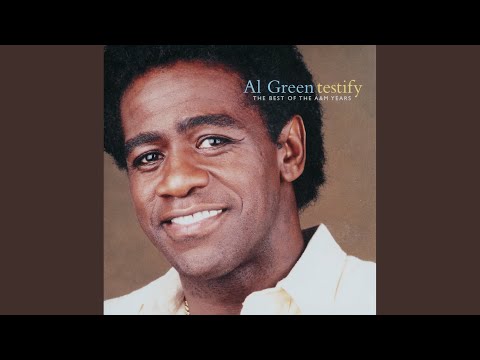
The album’s most dynamic moment was his cover of “Mighty Cloud of Joy,” popularized by B.J. Thomas in the 70s. He growls, squeals, and tours the terrain of his range with abandon, rendering one of the most inspired vocal performances from his 80s catalog. The gospel was interwoven with three new songs about love. “This album is an extension from gospel to ‘Love and Happiness’ to contemporary gospel and I’m going on up. I’m made spiritual and I’m made physical…it’s time to take it up to a higher elevation. People may not understand… but my ideal is not to satisfy the appetite of the person who’s already saved. I’m reaching out.”
Browse our R&B / Soul / Funk collection featuring limited edition vinyl and CDs here.
Discover more about the world’s greatest R&B artists | uDiscover Music
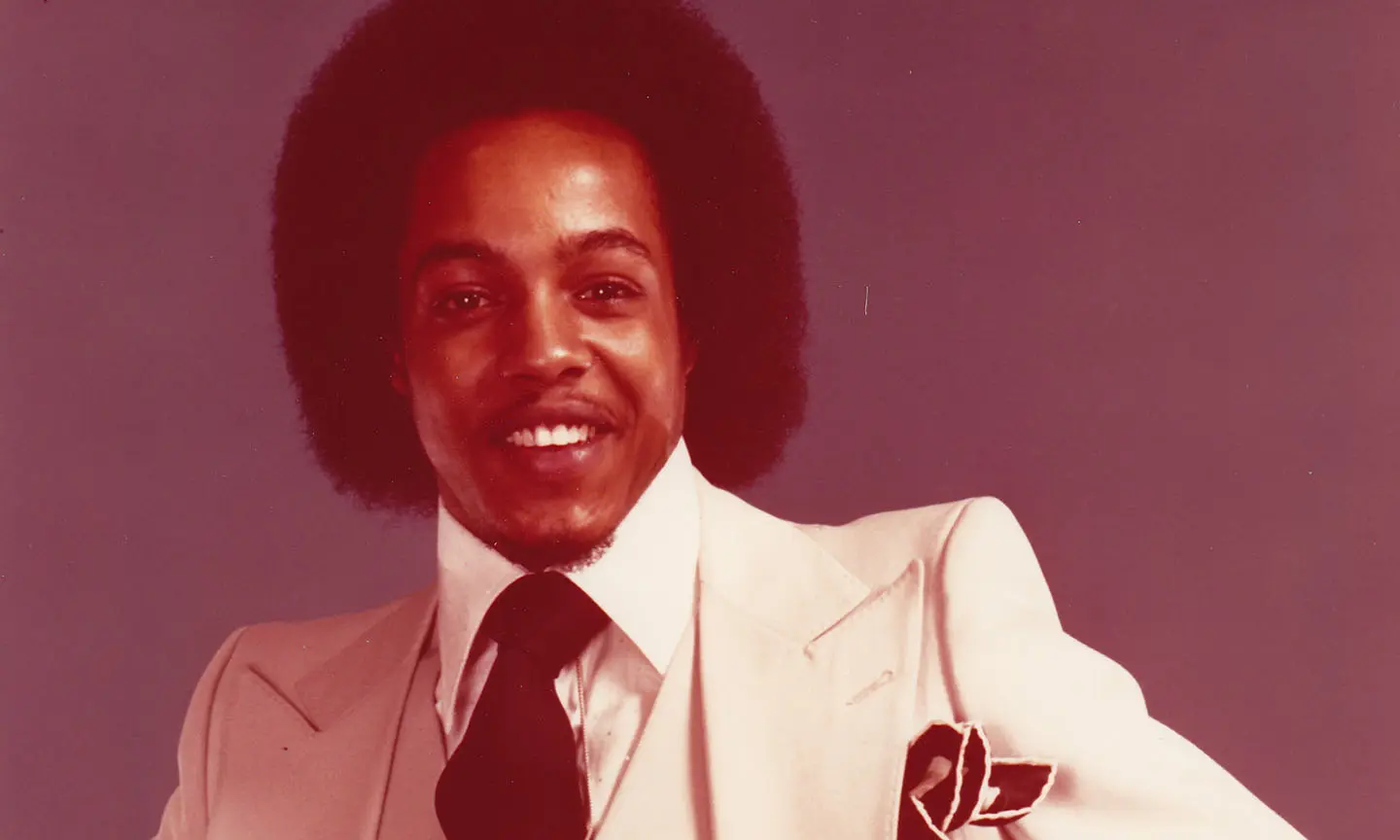
It was more than a simple love song. When Peabo Bryson unabashedly proclaimed “I feel like reaching for the sky/…I’m so inspired/I wanna reach a lil’ higher,” he was offering a message to Black America embedded, like many R&B songs of the time, in a tune about romance. “Reaching For The Sky,” Bryson’s 1977 debut major-label single, spoke to an age of audacious Black achievement.
Set off by the passage of the Civil Rights Act of 1964, it was an era that saw Black people rack up achievements likely beyond the most fanciful imaginings of the Africans who were brought to this continent in chains, as property, to work the land and build the country’s infrastructure from scratch: Former NAACP National Defense Fund lawyer Thurgood Marshall became the first African American to sit on the U.S. Supreme Court in 1967; model Beverly Johnson, in 1974, was chosen to be the first Black woman on the cover of American Vogue; and one year before the nation celebrated its 200th birthday, baseball’s Henry “Hank” Aaron, who started playing on Negro teams, broke the record for most home runs in the once-segregated major leagues.
With “Reaching For The Sky,” Bryson offered an inspirational anthem, not just for those whose accomplishments made headlines, but for the everyday Black people who braved entrenched racism in pursuit of opportunities to improve their lives and those of loved ones.
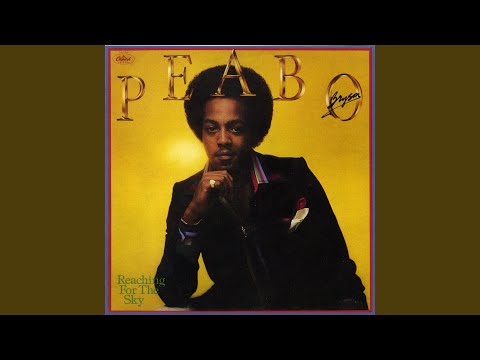
Bryson’s empathetic connection to the plight of other African Americans came to him by way of his humble raising. He spent his youth in a rural Greenville, SC flat with no running hot water. As he once put it, “some people try to put a greater distance between the early part of their lives and the point of success they’ve reached. I grew up a country boy and my grandfather’s farm of 100 acres was the country. I plowed with a mule, picked cotton, and planted everything that grows. I even washed toilets bowls for a living.” Even at a point in which he was gracing the cover of Jet magazine in 1982, Bryson’s down-home roots were evident: “…he enjoys a plate of grits, salmon, and biscuits just as much as he does an eight-course meal featuring filet mignon and Dom Perignon.”
Listen to the best Peabo Bryson songs on Apple Music or Spotify.
Bryson’s identification with the struggles and workaday heroism of ordinary Black people even impacted his early career choices. Despite wide opposition to the Vietnam War from such Black luminaries as the late Dr. Martin Luther King Jr. and boxer Muhammed Ali, Bryson – then an aspiring singer who was lucky enough to avoid the draft – chose to perform for the troops, which comprised a socially disproportionate number of African Americans. The experience irrevocably transformed the singer: “My values changed. Things that I thought were important didn’t seem very important anymore after I saw what was going on over there.”
Bryson didn’t make overt protest music in response to the racial inequities he witnessed and experienced. Instead, he crafted songs that reflect what writer/radio personality Ayana Contreras calls Afro-Optimism, a form of Black expression that is “imbued with buoyant hopes” as a response to “crippling injustice.” Afro-Optimism defines the first phase of Bryson’s career and provides the emotional foundation for his phenomenal crossover success as an all-purpose balladeer, lending his voice to an eye-popping range of pop culture phenomena from animated Disney flicks to the theme for the afternoon soap opera One Life To Live. Bryson can see artistic potential in both challenging social circumstances and the most mainstream-skewing pabulum.
With a force powered by his abiding Southern Baptist faith, Bryson sings in such a way that makes almost anything seem within human reach, whether it’s the social, cultural, and political advancement of Black people or escapist Disney fantasies about whole new worlds. As he belted on 1981’s “Ballad For D.,” a tribute to multi-instrumentalist/crooner Donny Hathaway: “When you wish upon a star/It’s not all in your mind/It’s getting closer.” Bryson’s conviction comes from a belief in what is possible.
Here’s a guide to some of the best of Peabo Bryson’s early songs.
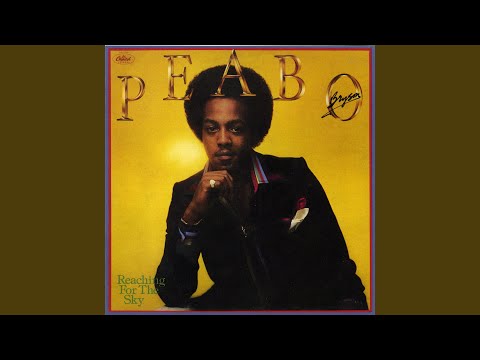
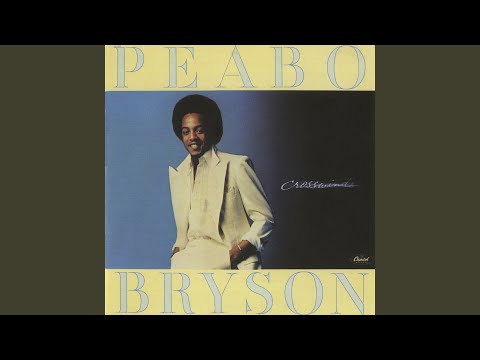
“Reaching For The Sky” is not the only Peabo Bryson song to reflect the striving post-Civil Rights-era consciousness of many African Americans. Also included on his major-label debut is the soaring “Hold On To The World,” on which he prompts: “Don’t you know…that old universe is calling your name?” Similarly, on the secularly-titled “Love Is Watching You,” from his 1978 album Crosswinds, Bryson makes it clear that his sense of the possible is divinely inspired: “Don’t you know that heaven is watching you?”
He told Blues & Soul in 1979: “I always acknowledge the presence of God in everything I do. After all, that is the source for all the creativity. And He is the only power greater than anything, so I don’t look at other people in awe. I realize that I can do all the things that the Creator has given me the ability to do.”
Almost all of Peabo Bryson’s songs are rooted in themes of enduring love and dealing with heartbreak when things don’t work out for whatever reason, including – as he sings on the Doobie Brothers-esque “When Will I Learn” – when “it was the right thing at the wrong time.” He promotes emotional openness in pursuit of romance, an approach that’s summed up in the title to one of his biggest early hits: “Let The Feeling Flow.” As Bryson once told Blues & Soul: “I’m not afraid of being vulnerable. There’s nothing wrong with admitting that you’ve loved and lost, that you’ve been hurt, felt pain. The most important thing is that you survive and that’s something to be proud of.”
Bryson is a gentle moralist, concerned with his own conduct throughout the ups and downs of a relationship. He sings on the tender slow jam “Feel The Fire,” once boldly covered by R&B vocalist Stephanie Mills: “And if I should lose your love/For any reason, any reason at all/Then let my record show/I gave you all the love I know.”
Bryson’s forte is heart-to-heart connection, as opposed to private parts bumping under blue lights in the basement. This made him a throwback in the erotically liberated ‘70s. “When I was a teenager, I thought you had to be in love to seriously consider sex,” he once told an interviewer. “That was the way I was brought up and it just stuck.” The tender “Don’t Touch Me” exemplifies Bryson’s ethos and how he was concerned about issues of consent way before the #MeToo era: “If you think I should/Girl, I’m gonna love you/’Til the feeling is right/…And let’s not make love/Until you mean it.”
Like a discerning lover, Peabo Bryson wants duets to yield satisfaction for all parties involved. This is likely why his pairings with women vocalists (Regina Belle, Celine Dion) are such a notable part of his canon. His most frequent early mic partner was Roberta Flack, the gifted musician who began exploring her talents at the Lomax African Methodist Episcopal Zion Church in Black Mountain, North Carolina, and later refined them at Howard University, where she received a full scholarship and graduated at 19. Flack was known throughout the 70s for her exquisite collabs with Howard classmate Donny Hathaway. Bryson stepped in to stand by Flack’s side after Hathaway’s tragic death.
Flack and Bryson made an ideal pair because of the similarities in their backgrounds and sense of purpose in music. Flack lives by the words of an old Methodist hymn (“Shun not the struggle/’tis God’s gift”) and infuses her music with racial pride: “I think everything you do as a Black person in this country represents a struggle for survival.” Their sweet “Tonight I Celebrate My Love” – an adult contemporary mainstay that hit the pop Top 40 and sold more than a million copies – rises above the saccharine because of the implicit subtext that it’s wondrous for Black folks to be able to focus on love and nothing more.
Another of Bryson’s early duet partners was Natalie Cole, the wild-hearted daughter of showbiz legend Nat King Cole, with whom he did an entire album, We’re The Best Of Friends. Their duets are notable for their tender soulfulness. “This Love Affair,” penned by Cole and her then-husband Marvin Yancy, is a brilliant showcase for Bryson and Cole’s contrasting vocal styles. She opens the song almost conversationally, singing, “This love a-ffair…” Then she pauses for a breath as if coming up with the words on the spot, before she continues, “…of ours…” When it’s Bryson turn on the record, he digs deep and issues a soaring declaration: “This harrrrr-mo-nyyyyy weeeee share is something wonderful.” Bryson and Cole have two different, but complementary, ways of bringing drama and emotional truth to a song.
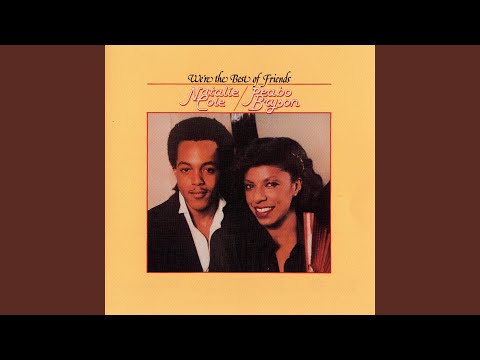
Another gem from the album is the rhythm-driven “Love Will Find You,” written by Bryson. Cole’s vocals recall both the smoothness of her father and the undeniable gospel-soul influence of Aretha Franklin. When her voice joins with Bryson’s, the effect is inspirational in its sheer power.
For as great as these other duets are, none have the sentimental value of the slow-jam-groove “Here We Go,” which saw Bryson lend his vocals to the first posthumous single by the beloved Minnie Riperton, who died from breast cancer in 1979 at age 31. Although Bryson never met Riperton in person, he was thrilled by the opportunity to work on the song, calling it “one of the greatest honors of my life.” Bryson lends a vitality to the record that makes it nearly impossible to hear it as maudlin. As he and Riperton harmonize about the highs of love and “never coming down,” “Here We Go” becomes nothing less than a toast to one of life’s many joys.

Bryson’s first solo single, on the independent Shout Records, was called “Disco Dancer.” But after that, he turned his focus away from music designed to make your body move. “After you’ve been dancing at a disco all night long, you’re not going to go home and continue to play disco music,” he told the Associated Press in 1979. “If you think about it, you don’t want to hear disco in bed.”
As a result, Bryson’s best uptempo joints progress at an easy foot-tappin’, finger-snappin’ pace. “A Fool Already Knows” is a mean shuffle about how “a wise man will never fall in love,” therefore he knows less about life than someone who follows his heart. “Crosswinds” recalls the Philly-steeped soul of Hall & Oates’ “She’s Gone,” as Bryson seems to issue an actionable appeal to anyone within earshot: “Love…is calling out your name.”
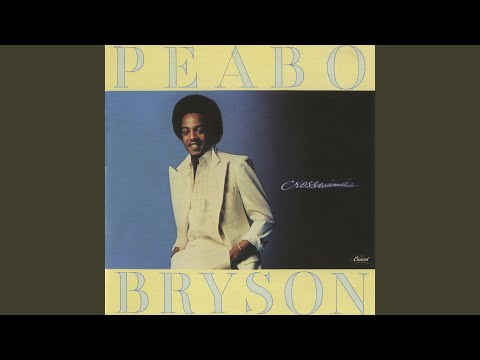
On other songs, Bryson uses the faster tempo as a way to cut directly to inspirational Afro-Optimistic messages. He sings, on the rhythm-guitar-driven “Go For It,” “Whether I’m your friend or your lover/I want to see you make it to the top somehow.” On “Spread Your Wings” – the closest he comes to making space-funk – he has a verse that offers advice to the young, gifted, and Black: “Born one of the chosen few/Heaven shined her glory/Pay your dues…/Keep your faith/And never be afraid to try.” Then he references his breakthrough hit: “You can reach, reach the sky.”
All of these songs speak directly to the reason Bryson makes music. As he once said, “…people need to hear [my songs] to know that they’re still alive.”
Browse Peabo Bryson’s music on vinyl here.
Discover more about the world’s greatest R&B artists | uDiscover Music
Whether you’re a British ex-pat or simply appreciate the food from across the pond, you’re going to want to seek out this tiny pie shop in PA.
Mashed – Fast Food, Celebrity Chefs, Grocery, Reviews
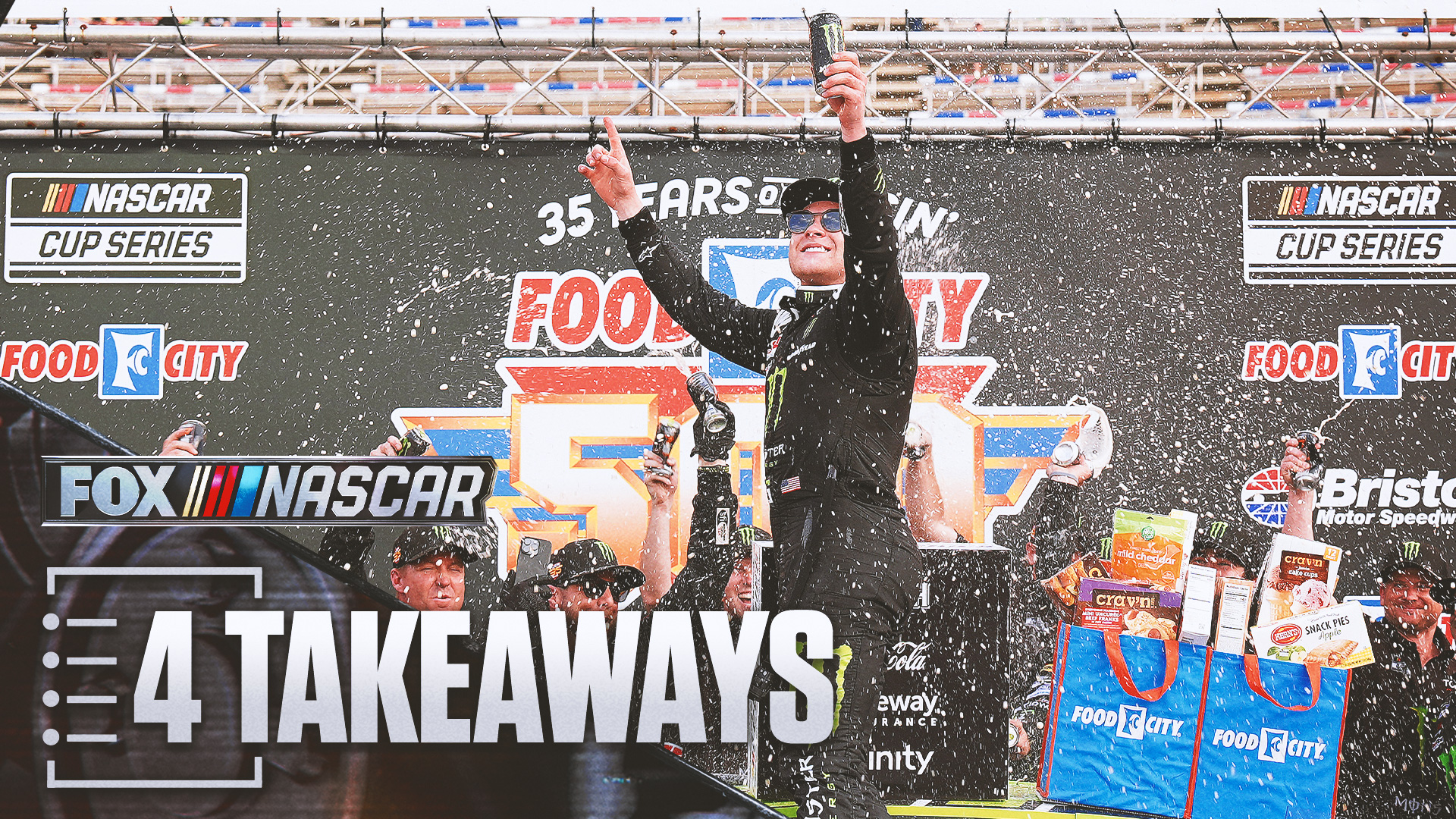
Bristol Motor Speedway (Bristol, Tenn.) — The kid finally did it. Make that, the grandkid. Ty Gibbs, grandson of Pro Football Hall of Fame coach Joe Gibbs, won his first Cup race in his 131st start, as he led the final 25 laps to capture an overtime victory at Bristol Motor Speedway. It was the 229th Cup victory for Joe Gibbs Racing, which is celebrating its 35th season this year. But it was the first Cup victory by a driver named Gibbs. “It’s a huge deal for us [as a family],” Joe Gibbs said in his post-race news conference. “To have Ty be able to go through everything that he went through — and he went through a lot. Because this is tough, this is tough when you get up here. It’s the best of the best in the world.” His 23-year-old grandson had won races and championships on the way up to the Cup Series but has had a roller-coaster, three-plus-year career at the top level, with two runner-up finishes and 21 top-five finishes. His journey has had its challenges, including his father, Coy Gibbs, dying suddenly the night he won the O’Reilly Series championship in November 2022. The fact he hasn’t gotten into Victory Lane for a team that has a tradition of winning had some critics questioning whether he deserved a ride for the family-owned team. “I feel like I knew I was capable of doing it,” Ty Gibbs said in his post-race news conference. “It’s obviously about putting it together. We’ve had great runs in the past. “People are going to hammer me on my position I’m in. That’s fair. I don’t really care. Just keep working hard. I really love racing, so it’s fun.” Here are my takeaways: 1. Big Win For Ty Gibbs It was a winning drive by Gibbs, who stayed out on old tires and held off Cup champions Ryan Blaney and Kyle Larson, who had pitted with 25 laps remaining (Blaney for four, Larson for two). Blaney had led 190 laps; Larson led 284 laps, but Gibbs had been running near the front. Gibbs didn’t just hold them off one time, he had to do it twice, as a late caution when Kyle Busch turned Riley Herbst resulted in an overtime restart. It was a win that came amid controversy. There’s currently a lawsuit by the team against former competition director Chris Gabehart. Gabehart has alleged that there were a different set of rules for Ty Gibbs than for the other JGR drivers, indicating that Gibbs was not committed. “People can say what they want, can say false things,” Ty Gibbs said. “I don’t really have an issue with it. I’m not big on social media. I just love racing cars. I’m in a blessed position to do this.” 2. Proud Coach Joe Gibbs Joe Gibbs has won Super Bowls as a coach and Cup championships as an owner, but it was a little bit different to see his grandson win. It brought a wave of emotions, as both of his sons who had played roles in the growth of the organization, died at age 49 (J.D. Gibbs died in 2019). “Coy, he guided Ty all the way from go-karts to Cup,” Gibbs said. “I know he’s got a great view of what just happened. “Then his uncle is there, too, J.D. I think about those two guys, everything they did for the race team, for us as a family. We love this. We love NASCAR.” 3. Huge Day For Crew Chief Tyler Allen Gibbs crew chief Tyler Allen started with Gibbs in 2025, and for part of the season, Gabehart sat atop the pit box calling the race and performing some of the crew chief duties. Allen and Ty formed a strong bond last season. And it was Allen’s strategy to leave Gibbs out on old tires that led to the win. “We were focused on building the program,” Allen said in his post-race news conference. “It wasn’t going to be something that got better immediately. I’m a young crew chief. He’s a young driver. The team was a little bit of mess at the beginning of [2025], but we were building. “That started to show up at the end of last year, the last eight races or so. This [season] has built confidence in all of us, me especially on the box, Ty in the car, that we can perform at the level that JGR should perform at. “So to get this win is pretty cool.” 4. Bowman Return Ends Early The start of the race was also notable, as it signaled the return of Alex Bowman to the Hendrick Motorsports No. 48 car. Bowman had missed four races because of vertigo, which caused him to get out of the car during the race at Circuit of the Americas last month. He was collected in a wreck that started when Shane van Gisbergen spun. He didn’t have a good day overall. “We just performed really poorly, but at the same time, it’s nice to be back driving a race car,” Bowman told me and other reporters after his mandatory check at the infield medical center. “I appreciate everybody’s support. You guys all know how much I love attention, so I’m glad this week can be over with and I can just go do my job next week without everybody asking me how I feel. “But I feel really good and definitely thankful to be back.” 4 ½. What’s Next The NASCAR Cup Series heads to Kansas Speedway, a 1.5-mile track that, in recent years, has featured some of the best racing at the intermediate tracks. It will be a good test of the Chevrolets to see if they have made gains on that style of track with the new body introduced this season. It is the first intermediate track since Las Vegas, which was four races ago. Can Gibbs make it two in a row? “One win doesn’t change my career, not one bit,” Gibbs said. “I knew I was capable of it. My team, obviously, I know they’re capable of it. … I could win the next five or just win this one and be done for a long time.”Latest Sports News from FOX Sports
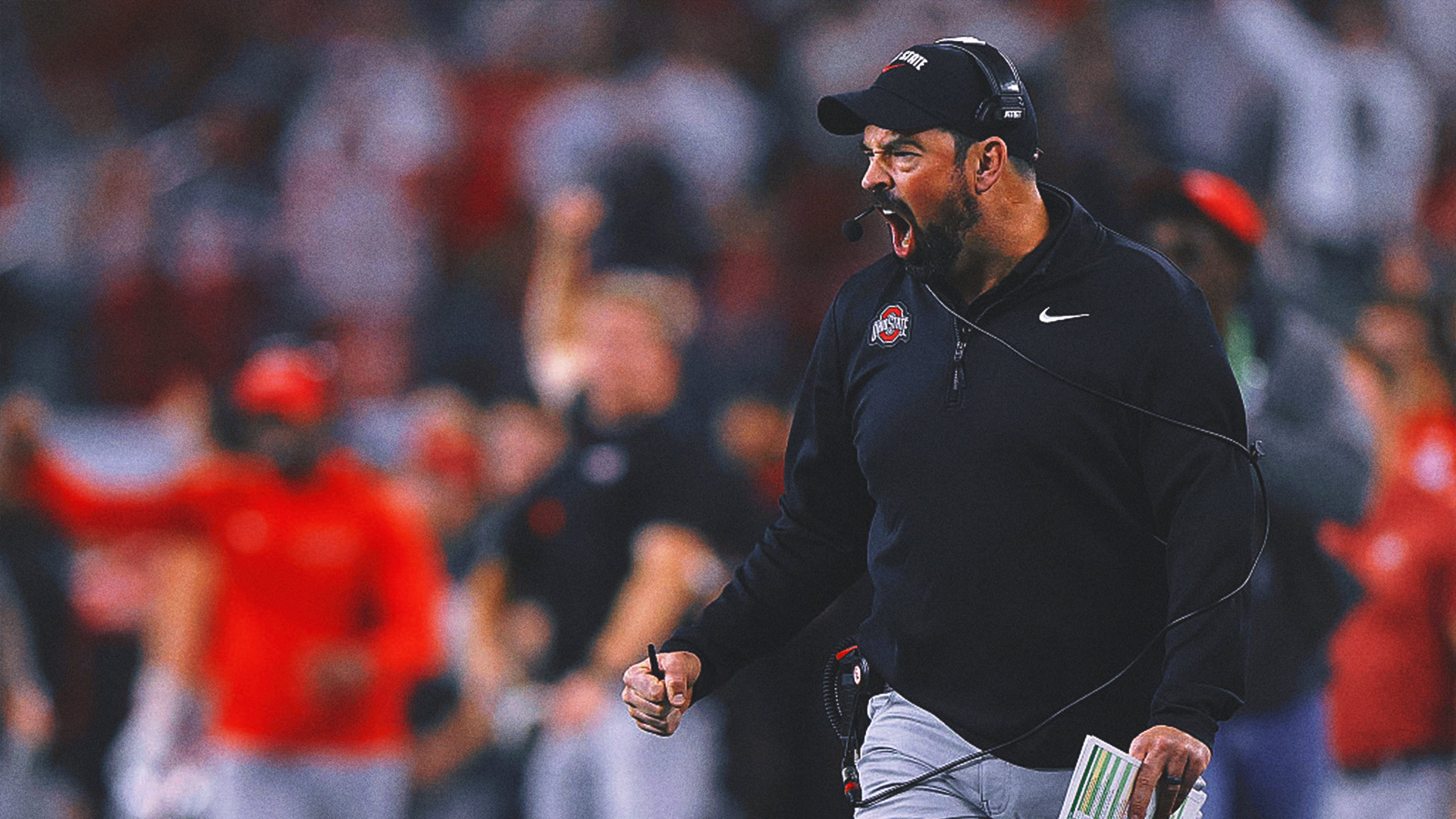
Ryan Day hears the noise. In fact, it fuels him in a way that leads him to set his Ohio State roster to such an incredibly high standard. In an appearance on the “Not Just Fooball Podcast,” which is hosted by former Buckeyes star and current Pittsburgh Steelers’ defensive lineman Cameron Hayward, the Ohio State head coach shared that he expects every player who commits to his team to be a top pick in the NFL Draft. “I think it’s across the board at Ohio State,” Day said. “When you come here, you’re coming here to be a first- or second-round pick, regardless of your position. That’s it. Just like if we don’t win games and championships, they’re going to find a new coach. Well, if you’re not a first- or second-rounder, then this probably isn’t the right place for you. That’s just the reality of it.” Ohio State has been a factory at developing first-round picks over the course of the program’s illustrious history. The 95 first-round picks Ohio State has developed are the most of any program. It had seven players picked in the first 45 selections in last year’s draft, and it might have four players get drafted in the top 10 of the 2026 NFL Draft. Still, there are some other notable players in Ohio State’s history who haven’t been picked in the first two rounds of the NFL Draft. National championship-winning quarterback Will Howard was a sixth-round pick in last year’s draft, and 2006 Heisman winner Troy Smith was a fifth-round pick in 2007. But those are seemingly the exceptions that Day is willing to let the Ohio State program live with. Now entering his eighth season as Ohio State’s head coach, Day has placed the bar for his team at the same level that his fan base has. “We embrace the expectations,” Day said. “Nobody is making excuses for the tough schedule next year. Nobody is making excuses for all these different things. That’s it, man. That’s it. That’s never going to change.” Going into every season, Ohio State fans believe the Buckeyes should go undefeated, beat their rival, Michigan and win the national title. And everyone else is waiting for them to slip up in any of those categories. Day knows that anything worse than perfection is failure, but he doesn’t let that control his process. At least, not now. Day learned how to deal with that reality after the Buckeyes lost in the 2019 Fiesta Bowl and the 2022 Peach Bowl. The two games, he told Heyward, he wished he could have back. In 2019, Day felt multiple calls went against Ohio State, including a Clemson fumble in the third quarter that was overturned to keep a scoring drive alive. The Tigers ultimately scored a game-winning touchdown with 1:49 left in the fourth quarter when Trevor Lawrence and Travis Etienne Jr. connected on a 34-yard catch and run. If they won that game, it would have set up a national championship game against Joe Burrow and the LSU Tigers. In 2022, Day felt there was a no-call on a hit on Marvin Harrison Jr. on an end zone target that would have set up first-and-goal, and given the Buckeyes an opportunity to take a three-possession lead heading into the fourth quarter against Georgia. The Bulldogs ultimately beat TCU 65-7 in the national championship. “Those losses haunt you,” Day said. But they also taught him to adopt a strategy that helped Ohio State win the 2024 national title. “That’s where I got the mantra of, ‘Leave no doubt’ because, you know, it can’t come down to one call,” Day said. “That was the whole philosophy coming into the ‘24 season. ‘Don’t leave it to one call.’ Because if you leave it to one call, you deserve to lose.” Put simply, control the outcome to the best of your ability. Day also created a routine where, after each practice, a different Ohio State player takes a brick and places it on a platform to analogize the process of gradually building a foundation of togetherness, creating a culture. At no other program would fans still be distraught after winning the national title because of a regular-season loss in the rivalry game. But no other school is The Ohio State University. And that’s how Day felt after the 2024 season when the Buckeyes beat Notre Dame in the CFP national championship game, but had lost to Michigan earlier in the season. At no other program does a coach have to filter out players who aren’t future “first or second rounders.’ But, Day said, if he doesn’t do that,”they’re going to find a new coach.” “The bottom line is, you have to perform, you have to win every game,” Day said. The internal culture Day’s built over the years has helped him deal with that pressure.Latest Sports News from FOX Sports
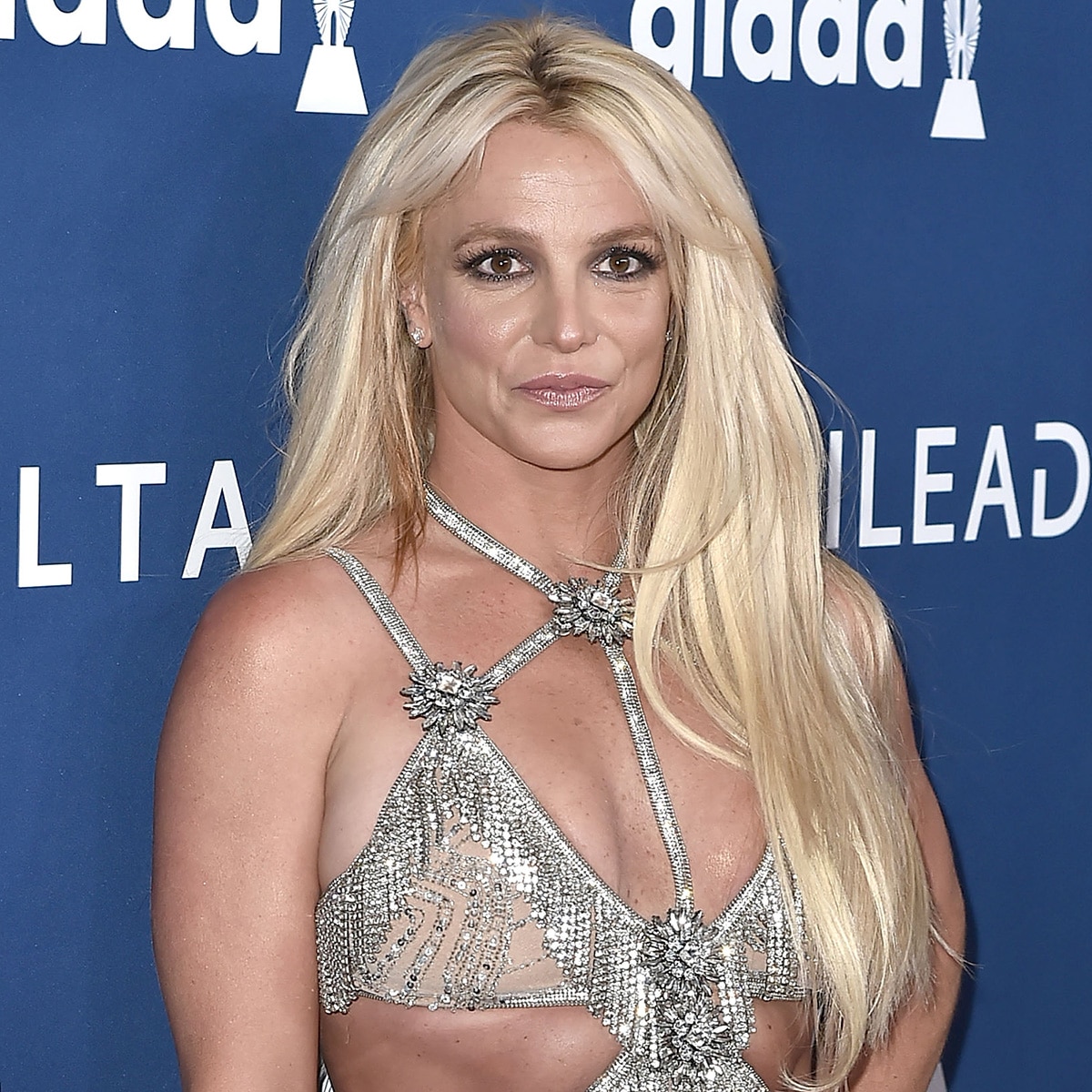
 Britney Spears is focusing on her health.
One month after the “Circus” singer was arrested for driving under the influence in California, the 44-year-old has voluntarily checked herself into a…
E! Online (US) – Top Stories