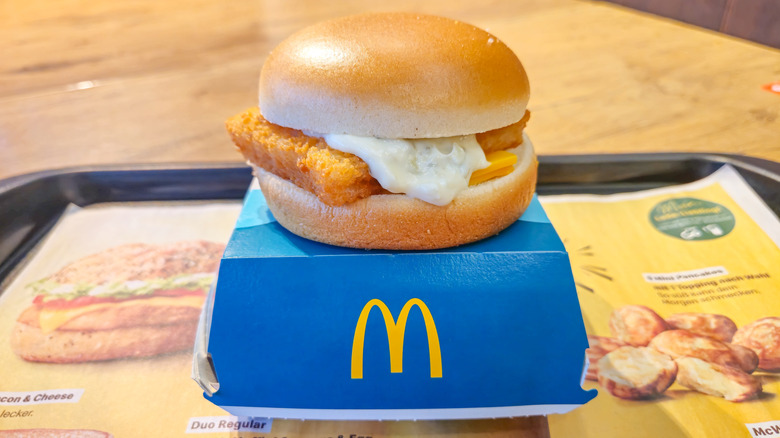
While it seemed like everyone was singing or humming the McDonald’s Filet-O-Fish jingle in 2009, the song remains a classic earworm for fans.
Food Republic – Restaurants, Reviews, Recipes, Cooking Tips










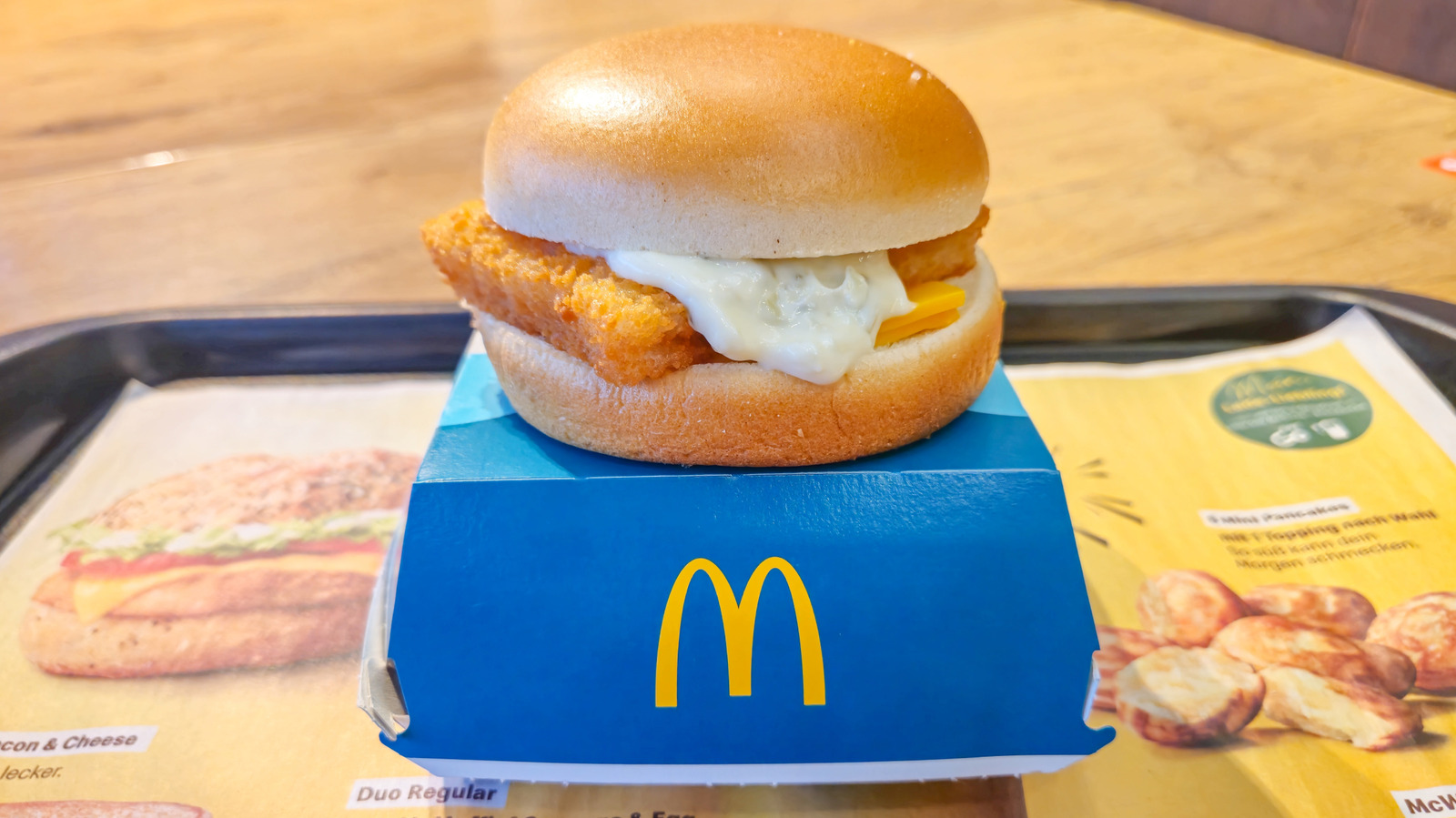
While it seemed like everyone was singing or humming the McDonald’s Filet-O-Fish jingle in 2009, the song remains a classic earworm for fans.
Food Republic – Restaurants, Reviews, Recipes, Cooking Tips

Cuba has run out of oil, the country’s energy minister announced on May 14, 2026.
It marks a new depth to the island’s energy crisis, which has gotten worse in recent months amid the tightening of U.S. sanctions imposed in January 2026.
U.S. Secretary of State Marco Rubio announced on May 13 that the U.S. continues to be ready to offer humanitarian assistance of up to US$100 million – but only if Cuba reforms its communist government. The State Department did not provide many specifics, but according to Archbishop Thomas Wenski of Miami, who is involved in the discussions on behalf of the Catholic Church in its role as distribution partner of U.S. aid, a regime change would be necessary.
But at current prices, this aid would buy only about 20 days’ worth of oil for the island nation, covering a mere 5% of Cuba’s annual oil import.
As an economist specializing in Latin America and a master’s candidate in public policy, we believe that the broader history of Cuba’s energy sector sheds some light on the current situation.
For most of Cuba’s history, its energy capabilities lacked a stable infrastructure. This was primarily due to its dependence on foreign countries for the supply of oil necessary to produce electricity.
According to the official history of the state-run energy company, Union Eléctrica, until 1956 only about 56% of the country’s population had access to electricity. By 1992, that number had grown to 95%, largely due to fuel supplies and technological aid sourced from the former Soviet Union.
However, beginning in 1989, the weakening and eventual fall of the Soviet Union marked a return to energy insecurity, and electricity produced in Cuba fell by 25% by 1994.
In 1998, Hugo Chavez was elected president of Venezuela. Within a year, he had negotiated a deal with Cuban President Fidel Castro that made Venezuela the main provider of Cuban oil. This was a lifeline for Cuba.
Venezuela was the largest exporter of petroleum and oil to Cuba through 2021. And though there is no data past 2021, we know that Venezuela continued to be a major oil supplier to Cuba until Jan. 3, 2026, when U.S. forces captured Venezuelan President Nicolás Maduro in Caracas.
The current U.S. embargo on Cuba now puts the nation in a situation similar to the one it faced when the USSR fell. Memories of 1989 linger in the minds of many Cubans. The cause may be different, but the blackouts Cuba is now experiencing are not new.
As oil limitations persist, Cuba is increasingly looking to alternative sources of energy, and it has found one solution in solar power. Historical experience with energy insecurity and the recent blackouts have helped spur the transition.
Still, the nation relies heavily on oil for most of its energy production. According to data from the International Energy Agency, oil accounts for 83% of Cuba’s energy production, while solar accounts for just 0.84%.
And a transition to solar energy does not necessarily equate to energy independence. Indeed, part of Cuba’s transition to solar energy has already been expedited by assistance from foreign nations, including China and Brazil. China’s contributions through its Belt and Road Initiative, as well as Brazil’s assistance, indicate that Cuba’s reliance on foreign powers for energy will likely continue.
But at this point, one thing is clear: There is no short-term, immediate solution to satisfying the oil energy requirements of Cuba’s electrical grid. There is a clear need for a long-term solution to a long-term problem.
Whatever Cuba chooses to do about its energy crisis, it will also remain dependent on foreign nations. The questions are, which nations and how dependent?

The authors do not work for, consult, own shares in or receive funding from any company or organization that would benefit from this article, and have disclosed no relevant affiliations beyond their academic appointment.
Politics + Society – The Conversation
Every week political cartoonists throughout the country and across the political spectrum apply their ink-stained skills to capture the foibles, memes, hypocrisies and other head-slapping events in the world of politics. The fruits of these labors are hundreds of cartoons that entertain and enrage readers of all political stripes. Here’s an offering of the best of this week’s crop, picked fresh off the Toonosphere. Edited by Matt Wuerker.Politics
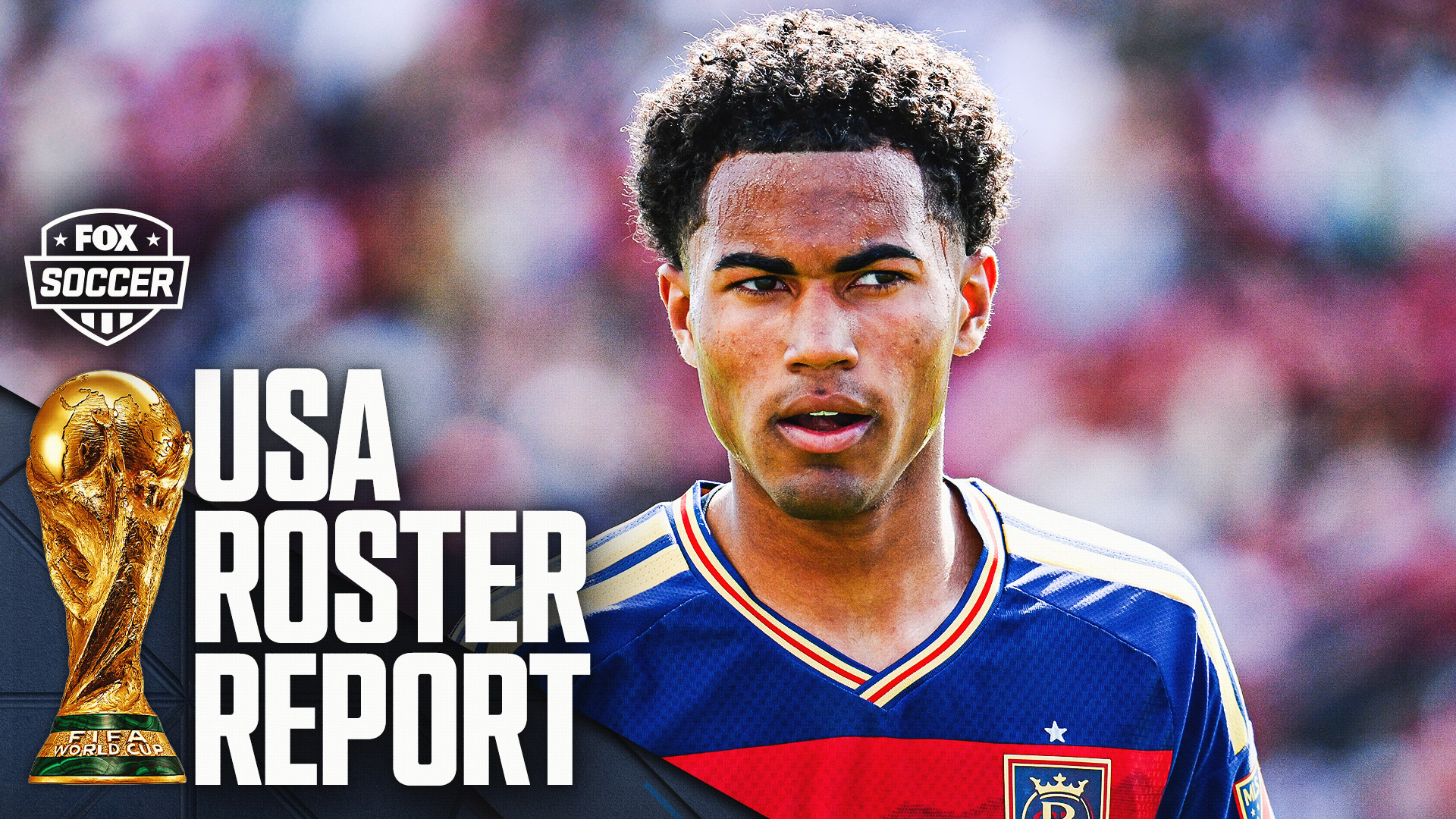
A consistent theme has emerged on the eve of Mauricio Pochettino selecting the United States men’s national team’s roster for next month’s FIFA World Cup: Nobody really knows. Pochettino will inform the 26 players who survive the cull this weekend, according to multiple sources briefed on the Argentine’s plans. The ex-Chelsea and PSG boss has previously said he won’t contact the pool of more than 50 players he’s called up during his 20-month tenure at all. Through much of that time, a window far shorter than the full four-year cycle most national team coaches have, Pochettino deliberately obliterated the hierarchy cultivated under predecessor Gregg Berhalter. It was an attempt to both deepen the player pool with hungry youngsters and push veterans who had become too assured of a starting spot. Starters at Qatar 2022, including the likes of striker Josh Sargent and midfielder Yunus Musah have been out of the picture for months. Juventus standout midfielder Weston McKennie was left home for September friendlies against Japan and South Korea, a message to the rest of the veterans that was clear. Pochettino vocalized it anyway. “No one has a place for sure,” he said before that camp began. So is it any wonder that the player pool is on edge right now as a potentially life-changing decision looms? On Thursday, a source close to one of Pochettino’s regulars told me he’s not sure whether elation or anguish awaits. He’s probably not alone. McKennie responded to the September snub with a career-best season. He’s a lock now if he wasn’t then. So is forward Christian Pulisic, despite his career-worst scoring slump with AC Milan, and a few others including midfielder Tyler Adams, fullback Antonee “Jedi” Robinson and center back Chris Richards. That’s assuming Richards is even fully fit following news on Thursday that the defender tore ankle ligaments last week playing for Premier League side Crystal Palace. After that it’s anyone’s guess — and guess they pretty much have to. Because Pochettino has employed the same backroom staff for almost two decades, taking assistant coaches Jesus Perez, Miguel D’Agostino and Toni Jimenez from Espanyol to Southampton to Spurs before stops with PSG, Chelsea and now the U.S. team. Not much leaks out. The coaches all live in Europe. They communicate in Spanish. Compared to the lead up to previous World Cup roster announcements, there’s a dearth of reliable information to be had. Within the span of a few minutes on Thursday night, a source told me one player who most would expect to be picked was hurt and likely out. Unprompted, another texted me the exact opposite; that the player is fine and therefore in. A similar thing happened regarding another veteran. Right now, I don’t have a good sense of where either player stands. “I’m not sure even Gooch knows” who’ll make it, a source told me, referring to acting U.S. Soccer sporting director Oguchi Onyewu. The only thing I can report confidently after a week-plus worth of digging is this: 19-year-old Real Salt Lake sensation Zavier Gozo was included in the provisional World Cup squad U.S. Soccer submitted to FIFA before the May 11 deadline. That list can include up to 55 names, from which the final 26 must be selected. Will Gozo stick when Pochettino makes it official on Tuesday? While my gut says probably not, a hard truth remains: My head really has no idea.Latest Sports News from FOX Sports
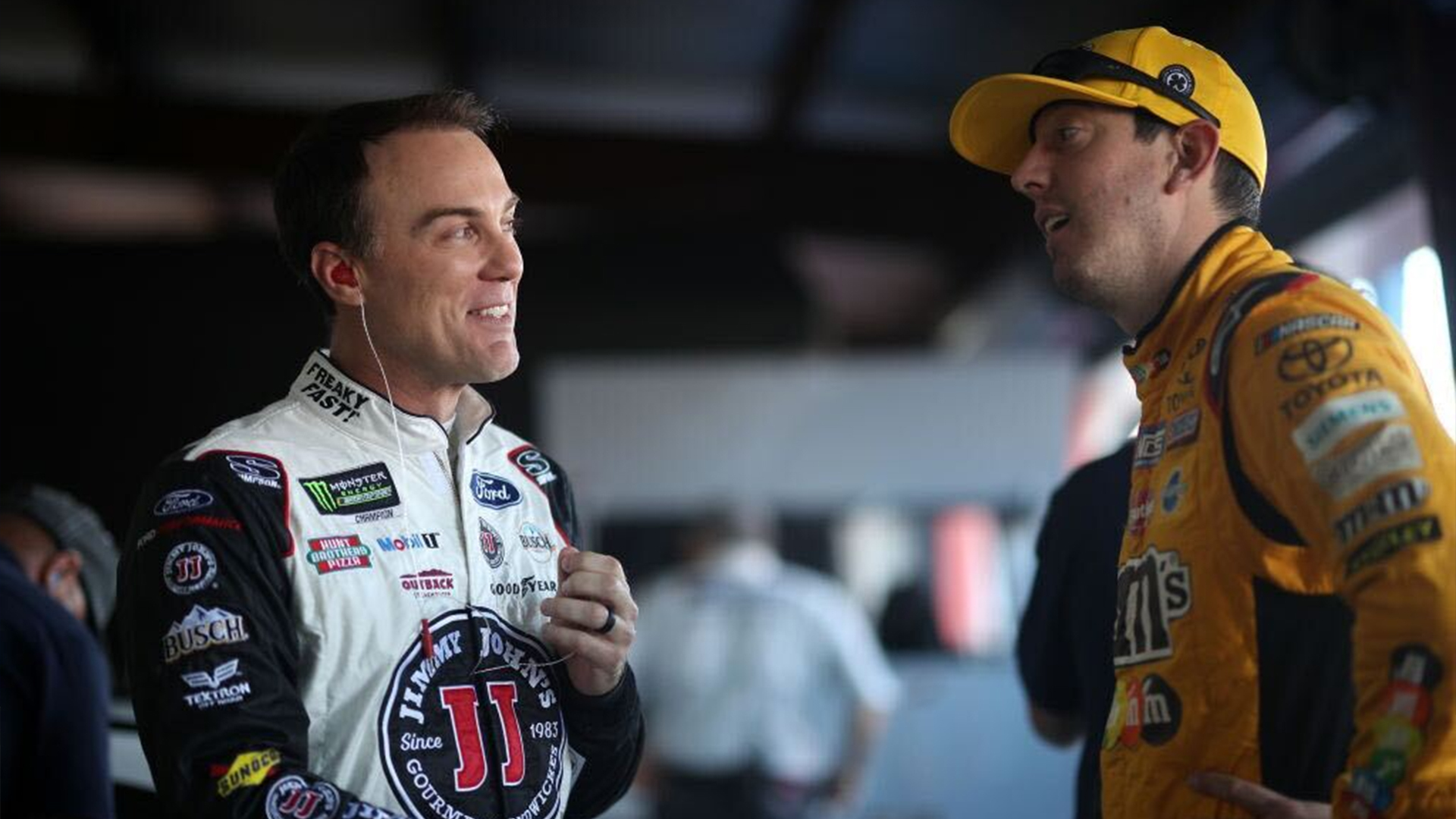
Kevin Harvick remembered Kyle Busch as one of his fiercest competitors. And he also credited Busch, who died suddenly on Thursday at age 41, as one of the sport’s most influential figures. “NASCAR lost one of its true giants, whose impact is almost beyond measure,” Harvick wrote in a post on social media. Harvick, now a FOX Sports analyst, and Busch had much in common, both growing up on the West Coast (Harvick in Bakersfield, Calif., and Busch in Las Vegas) and carrying the competitive desire that nothing else mattered but winning. The two nearly came to blows in a confrontation at Darlington Raceway in 2011. Harvick got out of his car after the race, went over to Busch’s car and took a swing at the window net while Busch drove away and hit Harvick’s car in the process. Busch and Harvick waged fierce battles over the years. Busch had to beat Harvick (as well as two other Champ 4 finalists) in both the 2015 and 2019 championship races, with Harvick finishing just 1.5 seconds behind Busch in 2015. They competed against each other over 20 Cup seasons. Busch sits ninth on the all-time wins list at 63; Harvick is 11th at 60. “Kyle Busch and I spent years pushing each other to the limit,” Harvick wrote. “We raced hard, traded paint and fought for every inch because all either of us wanted to do was beat the other. “What people may not realize is how much that rivalry drove us both. Kyle made me better because you had to be at your absolute best to beat him. Over time, that fierce competition turned into a mutual respect.” They both shared a passion for the sport that went beyond driving. Harvick and Busch both owned teams that raced in NASCAR’s national series. Kevin’s son, Keelan, is a few years older than Busch’s son, Brexton. Both Keelan and Brexton are aspiring NASCAR drivers. “As our careers evolved, so did our conversations,” Harvick wrote. “We talked over building race teams, life beyond the racetrack, and our families, especially raising young sons who want to be racers themselves.” The NASCAR industry mourns the loss of Busch, who is survived by his wife, Samantha, and their children, Brexton and Lennix. “I’m deeply saddened for Samantha, Brexton and Lennix,” Harvick wrote. “There’s nothing that can replace a husband or a father.”Latest Sports News from FOX Sports

lead image
Politics
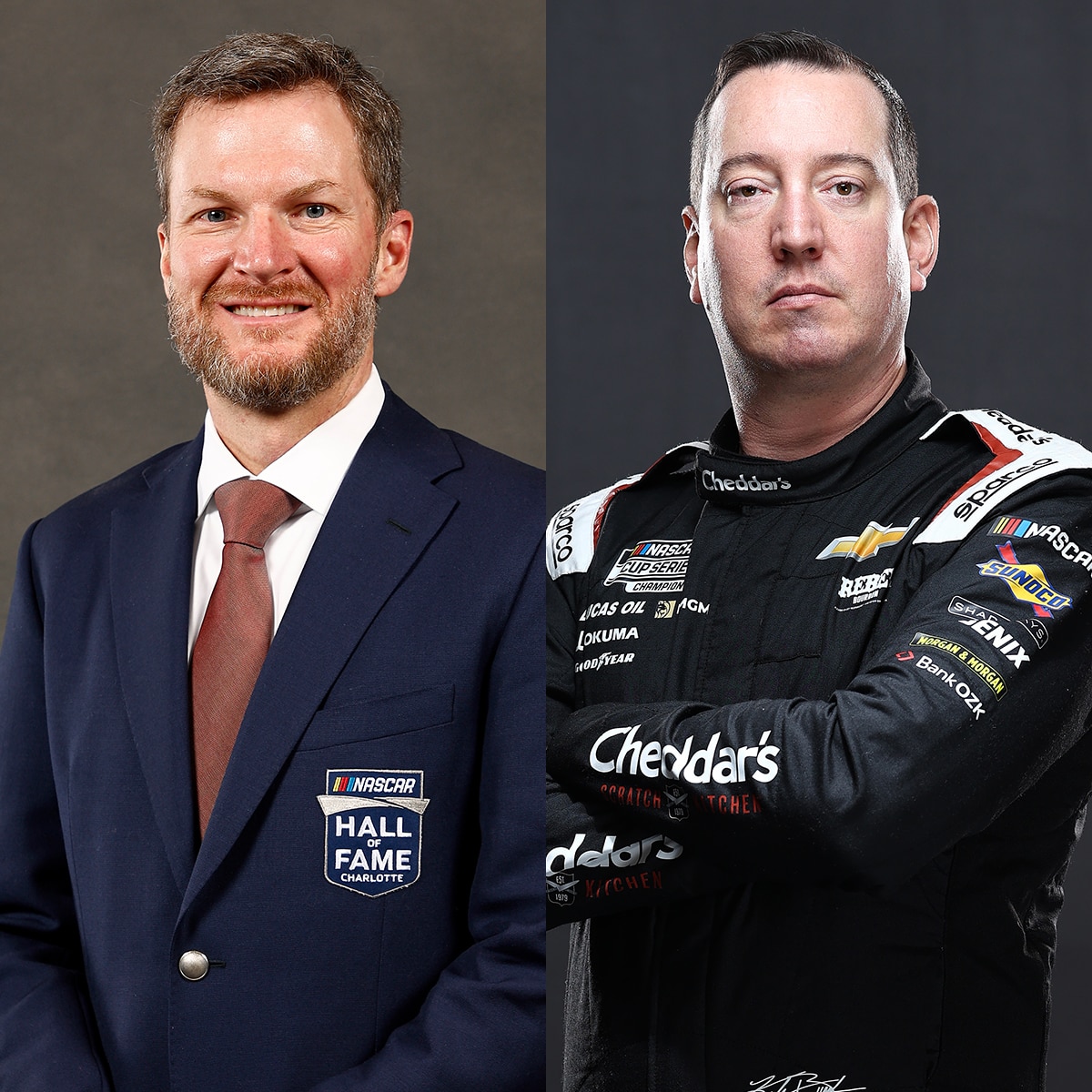
 Dale Earnhardt Jr. is grieving the loss of a newfound friend.
Indeed, the retired NASCAR driver reflected on the complex bond he shared with future Hall of Famer Kyle Busch shortly after his…
E! Online (US) – Top Stories

 Just when you thought Memorial Day deals couldn’t get any better, Anthropologie drops one worth adding to cart immediately. The retailer is taking an extra 40% off sale items, including…
E! Online (US) – Top Stories
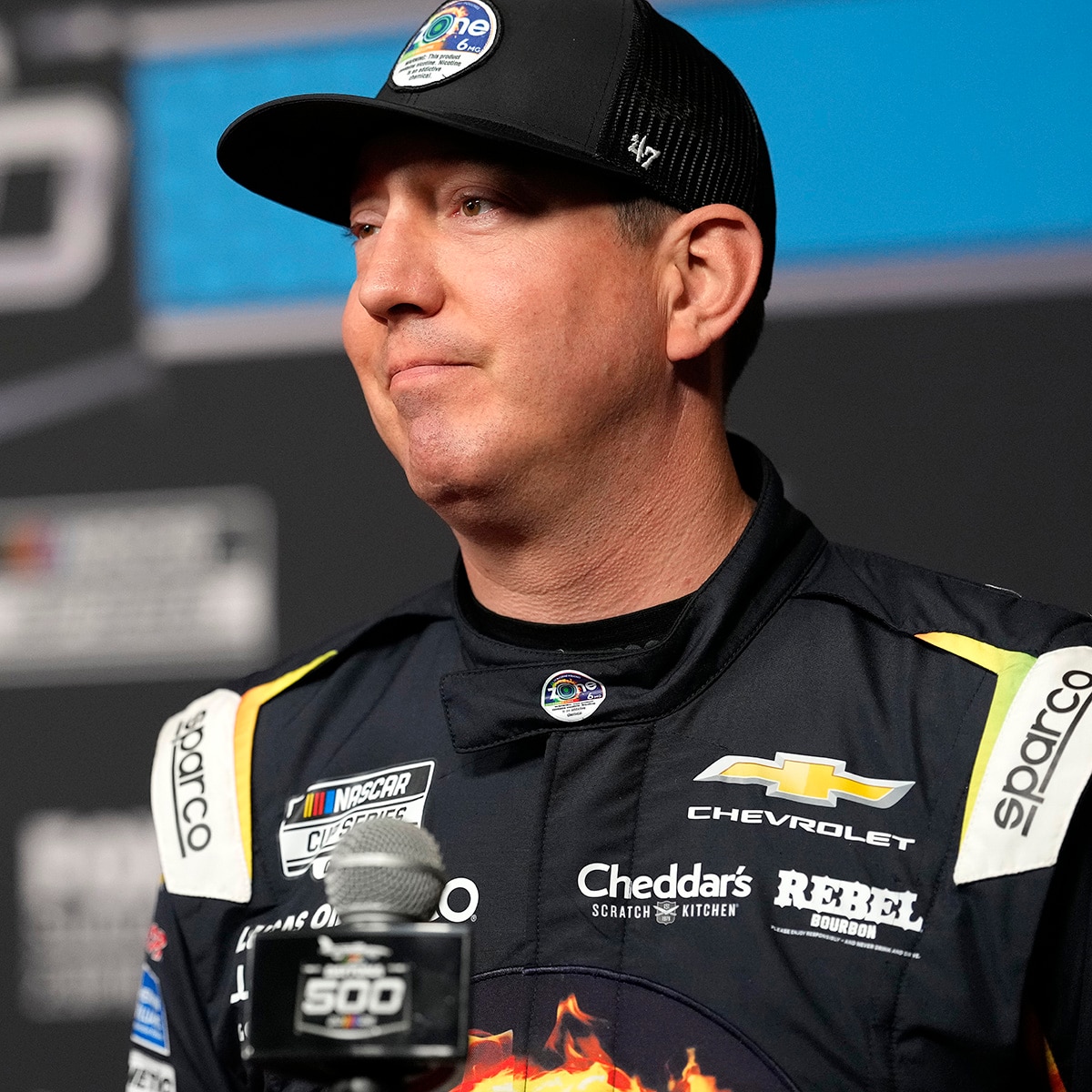
 Kyle Busch often tried to pace himself when it came to his health.
While the NASCAR driver died on May 21 at the age of 41 from an undisclosed illness, he was candid about his health issues as he…
E! Online (US) – Top Stories
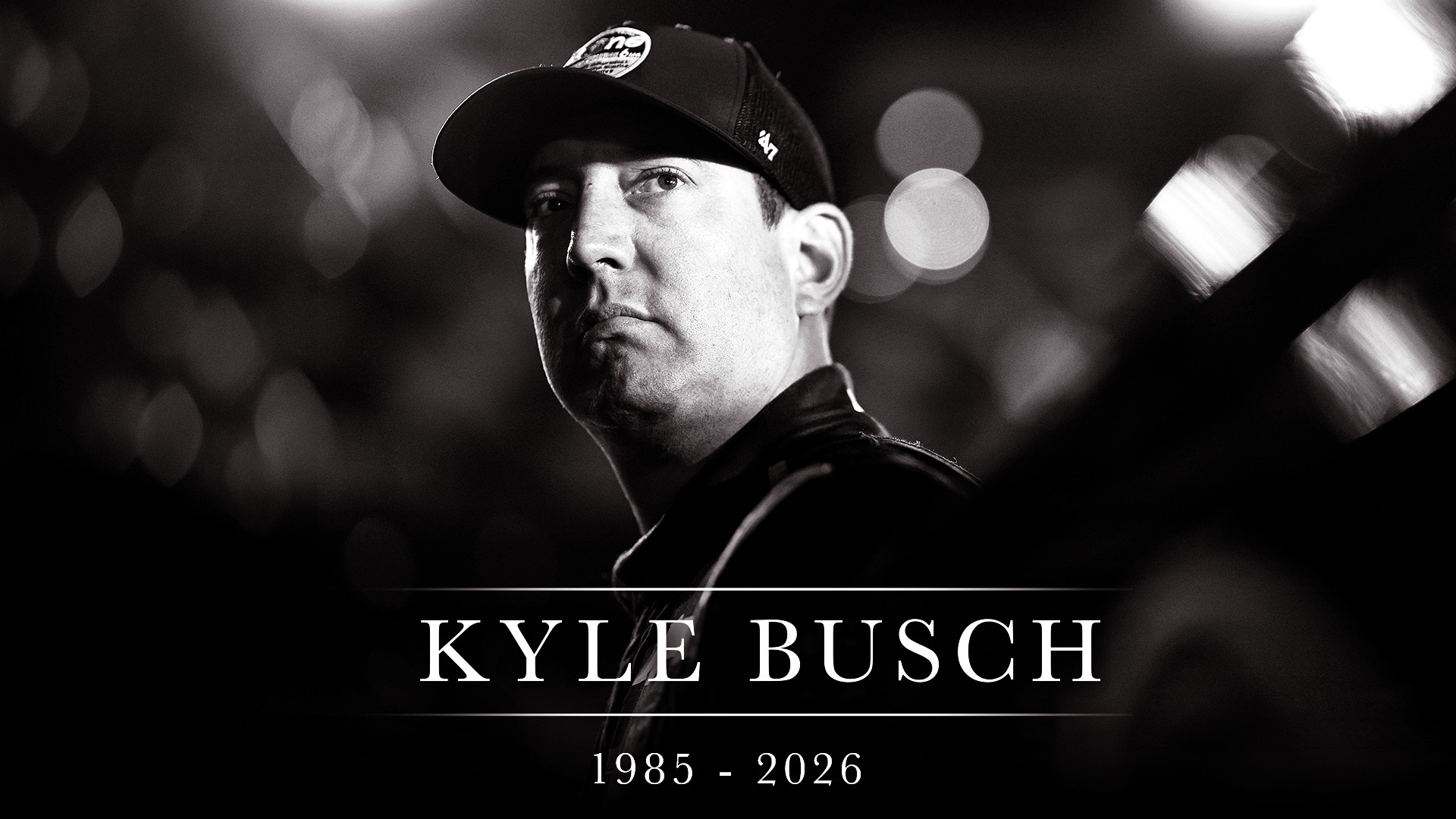
Kyle Busch loved to race and compete. He loved to make moves that no one else would dare to make. He loved being brash, whether with the car or with his tongue. But most of all, Rowdy loved to win. Man, did he love winning. He also hated losing. And those two attributes provided a combination on the track that turned Busch into one of the greatest talents ever to hold a NASCAR steering wheel. The 41-year-old Busch died Thursday, a day after being hospitalized overnight for a severe illness. The Busch family, NASCAR and Richard Childress Racing released a joint statement Thursday, calling Busch “a giant of the sport.” “His sharp wit and competitive spirit sparked a deep emotional connection with race fans of every age, creating the proud and loyal ‘Rowdy Nation,'” the statement said. The stat sheets will say he won more national series races (234) than any other driver. He ranks ninth in all-time Cup Series wins at 63 and first in wins in the Craftsman Truck Series (69) and the O’Reilly Auto Parts Series (102). Stats don’t tell the entire story of the Las Vegas kid just trying to follow in the footsteps of his older brother, Kurt Busch, to NASCAR. He literally got there too soon, having to leave his truck seat in 2001 at age 16, when it was determined that as long as Winston sponsored the Cup Series, he couldn’t compete with the cigarette company branding on track property. One of the sport’s brightest stars would have to wait a couple of years to return to full-time NASCAR racing, and when he finally came on the scene, he was aggressive and brash and determined to make up for lost time in becoming one of the NASCAR greats who will for sure join his brother in the NASCAR Hall of Fame. He won throughout his 24-plus years in the sport, all the way to the end. His most recent victory came in a truck just last week at Dover Motor Speedway, where he competed in both the truck race and the NASCAR All-Star Race. Busch earned his best Cup finish of the season in the most recent points race on May 10, when he placed eighth at Watkins Glen International. During the event, he asked for a doctor to meet him after the race, but the reason was unclear. Busch indicated last weekend at Dover that he was still feeling a little under the weather. His family announced Thursday morning that he had been hospitalized with a “severe illness.” Even with the serious tone of the announcement, it was hard to believe that someone fans had just seen race, someone they had seen battle for a win, could be gone. Many in the sport accept that tragedies could happen on the track. But off the track? Not to Rowdy. Not to the guy who loved to needle the media and loved to needle other competitors when in the right mood. Not the one who everyone was still hoping to rattle off some wins at any moment and help lift RCR to greater heights. RCR was the third Cup organization Busch had driven for, and one that seemed to fit his hard-nosed racing mold. He started his Cup career at Hendrick Motorsports in 2004, but when he found out he would be without a ride in 2008, he landed at Joe Gibbs Racing. Busch spent 15 years at JGR, where he won 56 Cup races as well as Cup titles in 2015 and 2019. He moved to RCR in 2023. He won three races with the team, the last one in June 2023 at World Wide Technology Raceway outside of St. Louis. Busch also owned a race team that primarily competed in the truck series. Kyle Busch Motorsports won 100 truck races over 14 years with two driver championships (Erik Jones and Christopher Bell) and seven owners championships. His ownership of race teams connected him with hundreds of industry personnel, who have him to thank, at least in part, for helping mold their careers. But the 2015 Cup title might be one of his greatest accomplishments. The comeback from an accident at Daytona International Speedway where he broke his right leg and left ankle required an intense rehab that had him working hours on end to regain the strength to be able to compete. He missed 11 races, won soon thereafter – and captured the title. For those who didn’t think he should be the champion after missing 11 races? He didn’t think twice. Don’t hate the player, hate the game. And Busch often played the game. [NASCAR MOURNS: Tributes Pour In For Kyle Busch] Among his other accomplishments? The building of his family with wife Samantha and their two children, Brexton (11) and Lennix (4). Samantha and Kyle had trouble conceiving, and had Brexton through in vitro fertilization. When they discovered the high costs of the procedure, they dedicated their charitable efforts to raising funds so those who could not afford the price would still have a chance at becoming parents. Kyle raced against Brexton for the first time in micro sprints last year in March at a small dirt track in North Carolina. Kyle finished a little bit better and quipped with a laugh: “I’ve got bragging rights for the next couple of weeks.” That was Kyle Busch. Competitive even against his son. But also seeing the humor in such a statement. Busch could see the humor in racing in the moments he wasn’t seeing red amid the anger of losing. He would make fun of himself and others, especially those he felt had done him wrong. He would say things with a smirk or dripping with sarcasm, especially if he felt he was being unfairly singled out or treated unfairly. He could even find humor while seething. One of the funniest lines he ever delivered was in the aftermath of a fight a couple of years ago with Ricky Stenhouse Jr., when Stenhouse told Busch he would wreck him. Busch replied: “Bring it. … I suck just as bad as you.” He carried that brutal honesty whether he was glum with the way he was running or elated with wins. Whenever Busch would win a race, he would deliver his signature bow. An act of confidence and an act that implied: “Yes, I’ve got a lot of these wins, come try to get you some.” Fans would cheer. Fans would boo. Some lived to see him win. Some lived to see him lose. But he made them all feel alive. And, because of that, many will remember Kyle Busch as one of the greatest of all time.Latest Sports News from FOX Sports