Categories
Alaska News

Dismantling the Roadless Rule threatens to disrupt wildlife, water and peace

Tongass National Forest (Photo by U.S. Forest Service)

Tongass National Forest (Photo by U.S. Forest Service)

Pause for a moment and listen. What do you hear? Chances are, somewhere in the background, is the ever-present hum of a road.

More than 4.2 million miles of public roads crisscross the lower 48 states – enough to reach the Moon and back almost nine times. This vast network of roads spiderwebs its way across the contiguous U.S., leaving only about 5% as an inventoried roadless area or wilderness.

Now, some of those last remaining lands free of roads are under threat from the Trump administration’s proposed rollback of the 2001 Roadless Rule. That includes southeast Alaska’s Tongass National Forest, where eagles, bears, salmon and many other species thrive in old-growth coastal forest along the Inside Passage.

In announcing its plan, the administration said rescinding the rule would remove prohibitions on road construction and logging on nearly 59 million acres of national forest, arguing that the rule slowed economic development. A 30-day public comment period on the formal proposal ends on Sept. 21, 2026. Instructions on how to submit comments are included in the proposal.

In Congress, another effort is underway to try to change the law through an amendment to the Wildfire Prevention Act. That change, if approved, would both remove the Roadless Rule and prevent the U.S. Forest Service from reinstituting it in the future, despite overwhelming public support for the rule.

As ecologists who have spent decades studying wilderness and the animals and ecological functions that depend on undisturbed habitats, we believe it’s important to understand that preserving roadless areas has value for environmental health, clean water, wildlife survival and people’s own well-being.

What is the Roadless Rule?

The National Forest Roadless Area Conservation Policy, better known as the Roadless Rule, was issued in January 2001 by President Bill Clinton. It has had overwhelming public support and received more public comments than any other rule in history.

The rule prohibits road construction, maintenance and commercial timber harvest in inventoried roadless areas within the National Forest System. It applies to over 58 million acres across the country, excluding Idaho and Colorado, which have their own state-specific roadless rules. While most of these roadless areas are in the western states and Alaska, 38 total states as well as Puerto Rico host roadless areas.

A US map shows lots of roadless areas in Alaska, Idaho and Montana, as well as in other western states.
The nation’s inventoried roadless areas are primarily in the western U.S. and include large parts of southeast Alaska, where 14,779,000 acres of roadless areas are within National Forest System land. (US Forest Service Enterprise Map Services Program)

The primary goal of the Roadless Rule is to maintain forest health and productivity for future generations. It also helps avoid exacerbating the U.S. Forest Service’s road maintenance backlog by not making new roads.

The Roadless Rule prohibits new road construction, with very limited exceptions, as well as commercial logging in designated roadless areas. It does not restrict other uses that are compatible with the management plan, such as hiking and mountain biking, or resource uses such as grazing livestock and working existing mining claims.

Beyond providing vital habitat for species and enabling healthy forests, the rule protects drinking water for the millions of Americans whose water flows from national forests. It also preserves high-quality recreation opportunities – hiking, camping, hunting and fishing – that Americans cherish.

The problem with roads in national forests

While roads can provide benefits, such as access to forests, they can also do ecological harm.

Roads enable invasive weeds to spread by being carried on vehicle tires and deposited in exposed soils, erode sediments into streams and fragment habitat that wildlife rely on. Vehicles directly kill and injure animals through collisions. They occasionally start fires, too. A recent study found that fires are more likely to start in areas with roads than in areas without.

Studies show that road noise displaces wildlife, increases stress and can affect wildlife behavior patterns at distances of over a mile from the road.

And roads don’t just cause problems for species on land. Most roads cross streams and rivers, which requires building a way for those waters to keep flowing under the road (structures called culverts). While culverts can be designed to allow fish to pass through and maintain ecological connections, they are rarely built to do so. This leads to declines in the health of fish populations and can leave some species locally extinct.

The benefits of roadless areas

Inventoried roadless areas are among the most ecologically intact and wildest places left in the United States, yet – unlike Wilderness Areas and National Parks – there are no signs acknowledging their boundaries when you enter one.

Most are part of larger ecosystems, directly adjacent or ecologically connected to better known national parks and wilderness areas. Removing Roadless Rule protections would erode ecological buffers to these more famous protected lands.

For some species, roadless areas protect critical core habitat. For instance, over half the suitable habitat for relictual slender salamander, a critically imperiled species native to the Sierra Mountains of California, occurs in a roadless area. Nearly 40% of Mount Pinos, lodgepole chipmunk, an imperiled subspecies of the lodgepole chipmunk, also live in roadless areas in California.

Research shows that every formal roadless area provides habitat for at least two wildlife species of conservation concern – those facing risks to their long-term survival – with the median roadless area supporting 10 of these imperiled species. Some Arizona roadless areas contain habitat for up to 62 of these species.

Roadless areas also protect watersheds that supply drinking water to 47 million Americans.

Without this protection, these watersheds would still provide water, but their long-term health and hydrological sustainability could be compromised if roads block stream flow and increase sediments flowing into waterways. The result can be higher costs for water purification.

The Forest Service’s own watershed health assessment, known as the Watershed Condition Framework, uses road density as a key indicator of conditions that can disrupt water quantity and quality.

What is at risk in rescinding the Roadless Rule?

The Trump administration’s proposed rollback, expected to be formalized in 2026, would open these last wild places to development, fragmenting habitats that can never be restored.

The American public spoke loudly in 2001 when they supported the Roadless Rule. Two decades later, the public comments submitted on the recission notice overwhelming opposed rolling back the rules, a Center for Western Priorities review found, reaffirming that U.S. roadless forests remain as vital and valued as ever.

Protecting these areas is about promoting healthy ecosystems on public lands so they can provide hiking, hunting and fishing opportunities for generations to come to enjoy the tranquility of being in nature.

This article is republished from The Conversation under a Creative Commons license. Read the original article.

SUBSCRIBE: GET THE MORNING HEADLINES DELIVERED TO YOUR INBOX.
Categories
Music

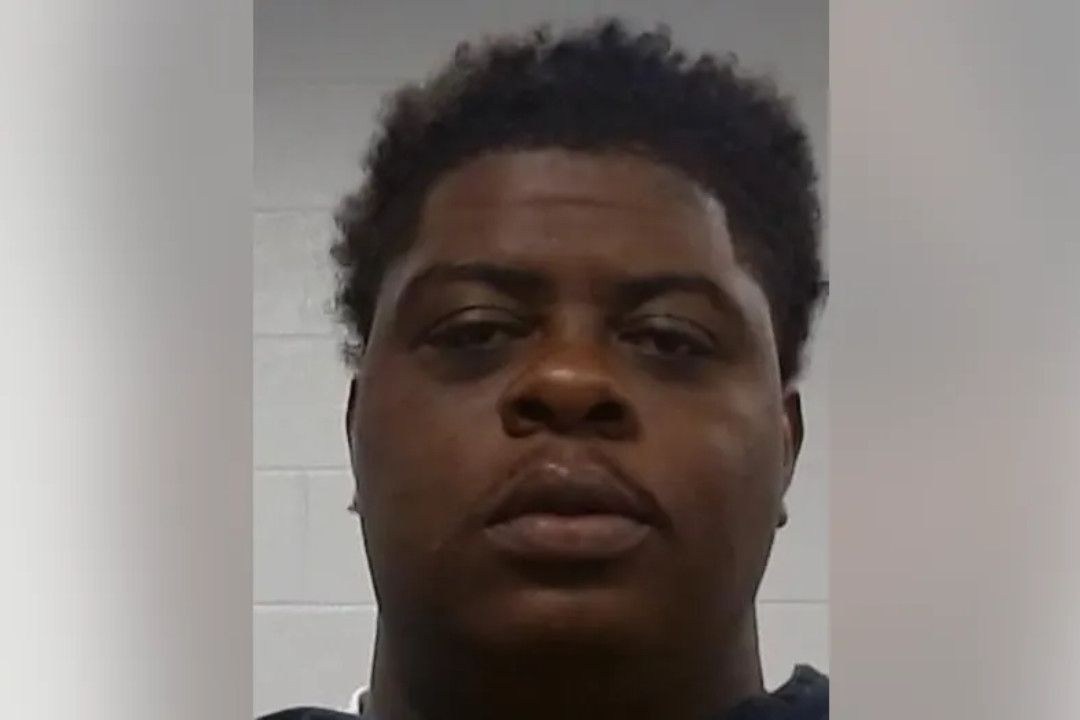
BigXthaPlug Arrested for DUI, Illegal Firearm and More in Texas

The arrest caused him to miss a performance. Continue reading…​The Boot – Country Music News, Music Videos and Songs

Categories
Food

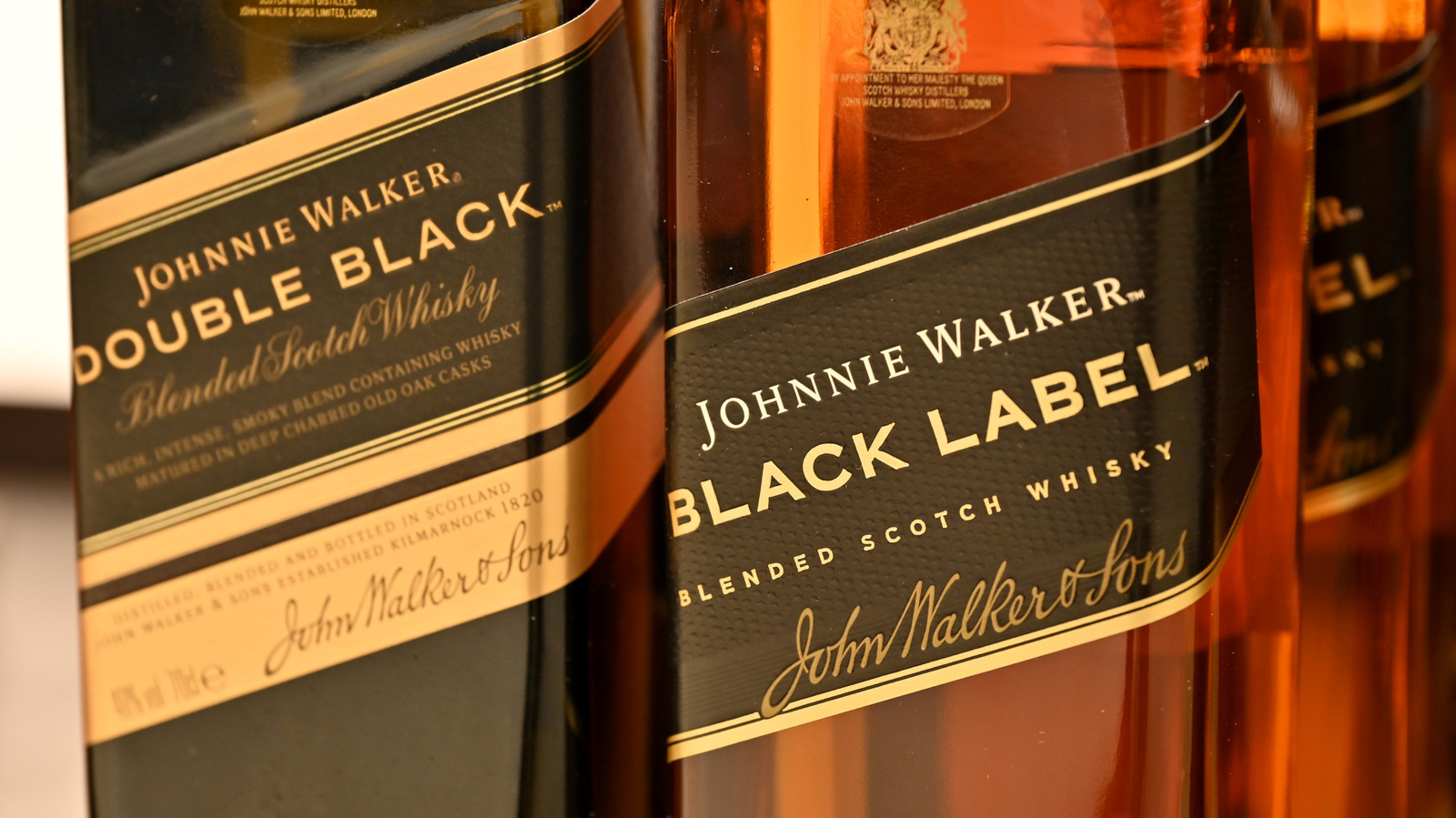
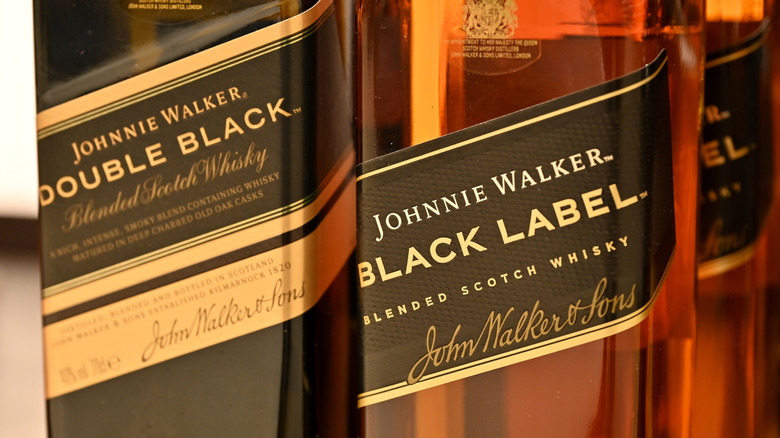
Johnnie Walker Black Label Vs Double Black: How The Scotch Whiskies Differ

You might see Johnnie Walker Double Black and assume that it’s the same (or nearly the same) as standard Black Label, but you would be mistaken.

​Food Republic – Restaurants, Reviews, Recipes, Cooking Tips

Categories
Sports Fox

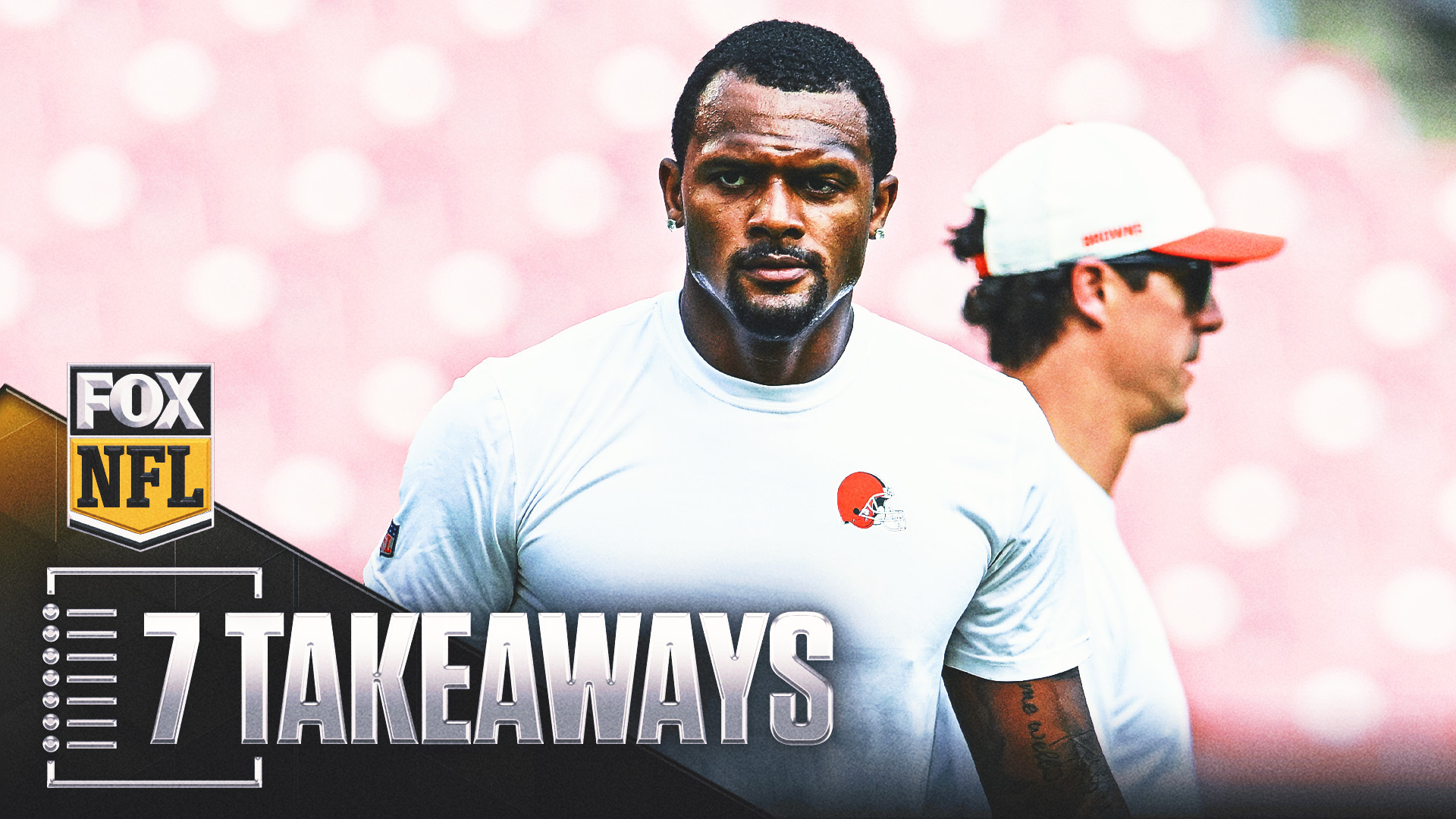
Browns Making Another QB Error? 7 Takeaways From Week 2 Of The Preseason

Two weeks of preseason games are in the books, and we’re starting to see the light at the end of the tunnel. This past week’s slate of preseason games, plus joint practices, brought us more glimpses of what we could expect to see in the regular season. But it brought some drama, too. Deshaun Watson was named the Cleveland Browns’ starting quarterback on Monday after making pointed remarks to the team’s fans following his lackluster performance on Saturday. There’s also an unusual storyline developing with players who might wind up playing college football in the next couple of weeks. So, with only one more preseason week to go, here are our takeaways from the latest slate of preseason games. 1. Deshaun Watson Didn’t Deserve The Starting Job In Cleveland. He Got It Anyway. Ralph Vacchiano: Deshaun Watson showed everyone on Saturday why he shouldn’t be the Cleveland Browns’ starting quarterback, with a terrible on-field performance and an even worse one off the field. Then, Todd Monken gave him the job anyway. Maybe that’s a sign that the new Browns coach had nothing but bad options in his quarterback competition, but his choice still couldn’t have been any worse. He went with a 30-year-old who’ll surely be an ex-Brown next season over a somewhat promising young quarterback, Shedeur Sanders. And he did it two days after Watson was terrible in a preseason game against the Bills (5 of 12 for 36 yards and an interception) and then showed an incredible lack of self-awareness (and an abundance of immaturity) when he whined about being booed. “I think the whole world knows it has nothing to do with the performance,” Watson said. “It’s a little more personal than that. So, I think that’s a disrespectful thing.” OK, that’s a little rich and a lot outrageous, coming from the man who got the biggest fully-guaranteed contract in NFL history from the Browns in 2022 (five years, $230 million) even though he hadn’t played in two years and was accused of sexual misconduct by 27 women. He then rewarded that startling generosity by only being healthy enough to play in 19 games over the last four seasons — and not particularly well, either. Even without that bad moment, though, Monken still made the wrong choice. The coach had been leaning this way, multiple team sources told me, in part because the Browns’ early schedule is overloaded with road games (their first two and six of their first nine), and Monken thought Watson’s veteran presence would help his young team. But Watson’s play didn’t warrant that faith. He was just 16 of 27 for 162 yards and an interception in two preseason games. His passer rating of 61.0 was even a notch below Sanders’ 65.2. So while it’s true that there was no good option here, it’s also true that really is no upside to Watson, who is understandably reviled by what seems to be a majority of the Browns’ fan base. Starting Sanders at least would’ve given them hope that he can get better, something to look forward to other than the QB-rich 2027 draft. Instead, Monken latched on to the anchor that has been scraping the Browns along rock bottom for the last five years. Sanders will surely get a shot later this season. But as usual in Cleveland, any hope for the future is delayed. 2. Yes, The Pipeline To The Pros Goes Both Ways Greg Auman: The most backwards trend of the NFL preseason? Marginal players testing the waters of playing in NFL preseason games and  … going back to college. It seems impossible, but these days, if you can get a judge to rule the right way, traditional lines of amateurism and eligibility can disappear. The NCAA’s shift to a five-year eligibility model wasn’t intended to be backdated for athletes who had exhausted their window – and signed a pro contract, gotten paid and even played for NFL teams. But that’s really happening, leaving general managers to wonder if they’ll lose players off their roster to the allure of NIL money from colleges. Tight end Dae’Quan Wright, an undrafted rookie with the Browns, put his name in the transfer portal. Cleveland has since waived him, setting him up to play for LSU this fall. “Man, ain’t this s— crazy?” Browns coach Todd Monken said. “I mean, I don’t even know what to say … I wondered why Lane Kiffin reached out a week ago. Now I know. I didn’t call him back, guess I should have.” Speaking of LSU, consider Tampa Bay Buccaneers undrafted rookie linebacker Jack Pyburn, who had two sacks in Tampa Bay’s preseason opener. He’s also one of the players granted a temporary restraining order that could allow him to return to college football. He played at LSU last year, and that sets up the man-bites-dog possibility of an NFL player leaving early for college. The fall semester at LSU started on Monday, and NFL rosters will be cut from 90 players to 53 by 6 p.m. ET on Sunday. It’s unlikely the Bucs will keep Pyburn for their 53, but he has (had?) a good shot at their practice squad. That pays $247,500 for a full season, and Pyburn could make three or four times that much on the Van Wilder go-back-to-college route. Pyburn said after Saturday’s preseason game that his agents had told the Bucs that college was a potential “backup plan,” but when pressed as to what he might decide if choosing between an NFL practice squad and going back to college, he was noncommittal. “Ultimately, that’s a decision I’m going to have to make with my family, talk to my agents and see what’s the best business decision and what’s the best option for me and my future career,” he said. Yes, it’s NFL “respect my decision” season. Players would have to repay their NFL employers to regain college eligibility. Pyburn got a $15,000 bonus and $100,000 in guaranteed salary, but it’s possible that college NIL payments could also be covered by “offset” language standard in such contracts, normally intended so if NFL Team B pays a player to be on their practice squad, that subtracts from the money NFL Team A was on the hook for by their guarantee. The league will have to sort out the ramifications. Can a player already passed over once in the draft get another shot, like baseball players do? This was already happening with basketball and G League players showing up on college rosters, but for NFL teams, it’s made roster-building even more complicated by the idea that players can make more money playing football at a lower level. 3. Stetson Bennett Commands Offense, Cements Role As Rams’ Backup QB Eric D. Williams: With Jimmy Garoppolo no longer on the roster, Los Angeles Rams head coach Sean McVay’s search for someone to fill that void, should reigning MVP Matthew Stafford suffer an injury during the regular season, appears to be over. In the battle between Ty Simpson and Stetson Bennett, the Alabama product cracked the door open with a sparkling performance in a Week 1 preseason win over the Kansas City Chiefs. But Bennett may have closed the door by playing well in a 34-0 victory over the New Orleans Saints at SoFi Stadium. The Georgia product finished with two rushing touchdowns in the first half, leading the Rams to scoring drives on four of his five possessions. Bennett finished 19 of 31 for 181 yards, with no touchdown passes and no interceptions for a 77.5 passer rating. Ty Simpson also played solidly, finishing 8 of 12 for 73 yards in the second half. Simpson led the offense on one scoring drive. However, Bennett impressed McVay by the way he led the offense, with quarterbacks coach and associated offensive coordinator Dave Ragone calling the plays – although he didn’t like Bennett reaching for the pylon with the ball on his first rushing touchdown. “I loved the fact that he used his legs,” McVay said. “We’ll learn from reaching the ball into the end zone, even though I challenged that and we were successful. We don’t want to leave ourselves susceptible to losing the ball out of the end zone where it goes for a touchback. “But he did a great job. I thought he got an opportunity to really showcase a lot of his skills.” 4. Daniel Jones Primed To Pick Up From Where He Left Off Last Season Ben Arthur: Watching the Indianapolis Colts quarterback at Wednesday’s joint practice with the Atlanta Falcons, it was impossible for me to tell that he tore his Achilles just eight months ago. Everything you want your passer to do — drop back, scramble, throw on the move, evade pressure — Jones looked normal in doing so. Oh, and he was carving up the Falcons’ secondary as well. With Indianapolis’ rushing attack struggling, Jones was near perfect in the pass game, targeting various receivers. We still need to see Jones move and perform in games. But all the early signs suggest that he can pick up from last season, when he was playing the best ball of his career before a broken leg slowed him down and the Achilles injury ended his season. “I think with any major rehab process, you’re always kind of progressing and getting back and getting used to doing everything, building up the reps on it, building up just your conditioning level,” Jones said Wednesday. “I feel really good and there’s nothing I don’t feel good doing.” The Colts’ pass-catching situation around Jones is a bit shaky at the moment, given star tight end Tyler Warren (groin) and wide receiver Alec Pierce (offseason ankle surgery) are currently sidelined. But when they return, they’ll add to a group that features one of the league’s best slot receivers in Josh Downs and recent signee Keenan Allen, who’s been a dominant force on third down. That’s a cast of receivers Jones can find success with. “I think it could be really special, to be honest,” Colts coach Shane Steichen said of the pass-catching group. “Alec (Pierce) obviously is a hell of a football player, which you guys know. [Josh] Downs, Tyler [Warren], and then adding Keenan [Allen] to the fold. I think we can do a lot with those guys and move bodies around and find matchups.” 5. Let’s Have A Conversation About Chiefs Breakout Rookie WR Cyrus Allen Henry McKenna: If you’ve been following training camp for Kansas City, you’ve heard of Allen. If you’re the type who combs X for potential breakout stars in fantasy football, you’ve heard of Allen. If you’re obsessed with NFL rookies and the draft, you’ve heard of Allen. His training camp highlights have been crazy. And Andy Reid didn’t slow the hype’s momentum. “He’s done a nice job,” Reid said of Allen. “The quarterback trusts him.” This was the first week of training camp. Allen was a sixth-round pick out of Louisiana Tech. It felt like a big proclamation, particularly given that Rashee Rice has a history of missing time due to injuries and suspensions and Xavier Worthy has failed to live up to his first-round hype. Since then, Allen has played well — steadily doing what he could to move up the depth chart. That included scoring touchdowns with the first-team when paired with Patrick Mahomes. That also included beating first-round cornerback Mansoor Delane in 1-on-1s and team drills (7×7 and 11×11), per reporters on the scene. But here’s the truth for anyone expecting the second coming of Tyreek Hill. The folks at Arrowhead Pride broke it down with depth. But it’s likely — perhaps even overly optimistic — to project 60 for Allen. And only six receivers converted 60 targets into 500+ receiving yards in 2025. But before he wows in the box score, he’ll need to land in the WR3 spot. Given that he was playing behind Tyquan Thornton and Jaylen Royals in the second preseason game, Allen appears to be WR5. For what it’s worth, Hill had 83 targets, 61 catches, 593 yards and six touchdowns in his rookie season. That would be a great year for Allen. So keep an eye on him. He’s a real playmaker. But let’s stay reasonable for a rookie in a Chiefs’ offense that has a lot of mouths to feed. 6. De’Zhaun Stribling Shows Kyle Shanahan Knows How To Evaluate WRs Williams: NFL draft analysts were up in arms over the San Francisco 49ers taking Ole Miss product De’Zhaun Stribling in the second round, believing the organization had reached for a player that some consensus draft boards had going later in the draft. However, through two weeks of preseason play, Stribling has acquitted himself nicely. Stribling is tied for the league lead with 11 catches for 109 yards, with a long of 32 yards. He finished with four catches for 46 yards in a win over the Los Angeles Chargers this week. I had a chance to watch Stribling in a joint practice at the Chargers’ facility. At 6-2 and 210 pounds, Stribling is an easy mover with suction-cup hands that can make contested catches in congested areas. Along with that, Stribling has the potential for explosive playmaking ability to do something after the catch, a key attribute in Shanahan’s offense. With Ricky Pearsall out for the year and Brandon Ayiuk no longer on the roster, Stribling should find a significant role in San Francisco’s offense this season. “I love how he handles himself,” Shanahan said about Stribling. “He takes coaching well and never seems to take anything personally. He’s been a real fun guy to coach so far.” 7. Bills’ Thin WR Corps May Be More Of A Problem Than Ever Vacchiano: One great NFL mystery of this generation will surely be why the Buffalo Bills, with arguably the best quarterback in the league in Josh Allen, keep failing to surround him with top-end receivers. And once again, heading towards a season they hope will end in a Super Bowl, that failure is being exposed. Though they are getting a solid performance this summer from D.J. Moore, the veteran “No. 1” wideout they acquired from the Chicago Bears, the rest of the corps is falling apart. Keon Coleman, their second-best receiver last season (38 receptions for 404 yards and four touchdowns), is nursing a concerning sprained toe. Khalil Shakir, last season’s top wideout (72 receptions for 719 yards and four touchdowns), missed the joint practices and preseason game against the Browns last week with an undisclosed injury. And rookie Skyler Bell, their fourth-round pick, has missed two weeks with a groin injury. That leaves Allen right now with Moore, who cost the Bills a second-round pick in March, Joshua Palmer (22 receptions for 303 yards and zero touchdowns) last season, and … not much else. That, of course, is not how the Bills see it. One team source told me their belief is that Allen can win with almost anyone around him, and that he can take what looks like a below-average group and make them much better. They are also convinced that Moore, at age 29, can reverse his steep, two-year decline simply by playing with an elite quarterback. It’s a gamble, of course, because otherwise all the pieces are in place in Buffalo: A powerful running game led by James Cook, a top offensive line, a top-10 defense that gets a boost from the addition of edge rusher Bradley Chubb. And of course, the brilliance of Allen will always give them a shot. Still, it’s hard not to imagine what this team would look like with just one elite receiver by Allen’s side. It would make their path to Buffalo’s first Super Bowl in 33 years look a lot easier than it currently is.​Latest Sports News from FOX Sports

Categories
Politics

Abdul El-Sayed distances himself from Hasan Piker’s comments on American Jews

Michigan Senate nominee Abdul El-Sayed put some distance between himself and his ally, progressive Twitch streamer Hasan Piker, after the latter faced intense criticism for suggesting that American Jewish support for Israel could lead someone to “take action” against Jews in the U.S.

“My commitment to Jewish safety is the same as my commitment to the safety of my own daughters. Antisemitism is a scourge, and we need to address it in all its forms. And I stand against any rhetoric that puts the community at risk,” El-Sayed said in a statement. “But I want to be crystal clear, nobody speaks for this campaign besides me and my campaign spokespeople. And while politicians and pundits try to make this race about a Twitch streamer, we’re going to be talking about gas, groceries, good schools, and healthcare.”

The statement marks El-Sayed’s clearest attempt to disentangle his campaign from Piker, whom he embraced during the primary despite the streamer’s contentious rhetoric. And it reflects his efforts to win back Jewish Democrats and moderates in the state after a primary campaign that alienated many of those voters in the key Senate race.

During a Thursday livestream, Piker called “the idea that Jews are monolithic” in their support of Israel “a very dangerous mode of propaganda.”“If Jews in America keep putting this — this idea out there that they are singularly invested in Israel, eventually someone’s going to come around and take action, not against the state of Israel, mind you, but against American Jews,” he continued. “We’re teaching people the wrong lesson. At the end of the day, American Jews do not prioritize Israel, but they do prioritize antisemitism.” During Piker’s remarks, the stream displayed a social media post showing Michigan Democratic congressional nominee and state Sen. Jeremy Moss, who is Jewish and a supporter of Israel. The post originated from the group Track AIPAC, and featured an image from Moss’ Instagram account of him in Tel Aviv next to the group’s signature red graphic noting contributions from “pro-Israel donors” to Moss’ campaign.

Moss’ support for Israel has made him a lightning rod among progressives opposed to pro-Israel Democrats. An audio clip alleged to be a recording of Moss claiming the purpose of his campaign is to maintain U.S. support for Israel went viral online over the weekend. Moss told The Detroit News that it was a fake, and that “I would never say these things.”

In a statement Monday evening, Moss said he’s been “in continual dialogue” with El-Sayed, including about “Jewish and Arab safety and security, both here at home in Michigan and in the Middle East.”

Moss also denounced Piker’s comments as an attempt to “create further divisions.”

“I will not be lectured by a California podcaster about what Oakland County, Michigan’s Jewish community should and shouldn’t believe,” he said.

El-Sayed has struggled to unify Michigan Democrats since edging out a victory in a bitter primary that was marked by accusations of antisemitism — partly due to his own views on Israel, and partly due his embrace of Piker, who has risen to prominence through controversial and vocal attacks on Israel. El-Sayed also drew criticisms from the Jewish community for his response after a man attacked a Michigan synagogue in March. El-Sayed condemned the attack but pointed out the Israeli military killed some of the attacker’s family in Lebanon, saying “hurt people hurt people.”. He also received blowback for declining repeatedly to answer whether Israel has a right to exist during a CNN interview in June.

His primary campaign made Stevens’ acceptance of contributions from the American Israel Public Affairs Committee a central issue, accusing the group of unfairly influencing the race and steering the party towards stronger U.S. relations with Israel, which he opposes. AIPAC spent $30 million in the race, a record for the group.

El-Sayed has repeatedly condemned antisemitism throughout his campaign.

His failure to corral support from many Jewish voters in Michigan threatens to undermine Democrats’ chances of winning the Senate. The state’s significant Muslim and Arab-American population and its prominent Jewish population pose unique challenges for Democrats’ messaging around Israel — a problem then-Vice President Kamala Harris struggled to navigate in the 2024 presidential election.

Piker’s comments drew a forceful rebuke from Rep. Hillary Scholten (D-Mich.), who endorsed El-Sayed’s opponent Rep. Haley Stevens in the primary and has so far declined to endorse El-Sayed, excoriating Piker’s comments as “dangerous” and “unacceptable.”

“Piker is a hack who thrives on hate, shock and awe because he lacks substance,” she said. “We should all be calling out this disgusting rhetoric so it loses it’s [sic] grip on our politics once and for all. It has no place in Michigan, and no place in our country.”

Piker fired back at Scholten on social media, telling her not to “spend so much time vying for the spotlight by actively defaming a prominent antizionist voice to harm the dem senate majority chances over a 90/10 issue.”

Scholten’s statement accused Piker of “targeting” Moss after Piker displayed images of Moss while making the inflammatory comments. Moss, who is running to succeed El-Sayed’s primary opponent Rep. Haley Stevens, backed Stevens in the primary and has yet to endorse El-Sayed in the general election.

Republican Mike Rogers jumped on the controversy, describing Piker as El-Sayed’s “running mate.”

“Hasan Piker’s call for violence against the Jewish Community, specifically against Jeremy Moss, must be condemned by every single Michigan Democrat. But Conman Abdul El-Sayed doesn’t have the guts to disavow his running mate,” Rogers said in a statement. “Abdul’s attempt at distancing himself from this violent and hateful rhetoric now that he and Hasan won the primary is the epitome of what a conman does — says one thing when it serves him and another when it doesn’t.”

Since winning the nomination earlier this month, El-Sayed has taken steps to keep Piker at arm’s length. In an August interview, El-Sayed disavowed Piker’s comments that “America deserved 9/11” during a 2019 livestream, a comment Piker has since walked back.

Democrats have gone to great lengths to reunify the party after the primary, including with a party unity rally featuring remarks from prominent Michigan Democrats, including unity breakfast Sen. Elissa Slotkin and a rally featuring remarks from former Transportation Secretary Pete Buttigieg. Former President Barack Obama spoke with El-Sayed after his victory and offered a rare readout of the conversation to reporters to signal that El-Sayed has the party’s backing.

This article has been updated with Moss’ response to Piker’s comments.

​Politics

Categories
Food

5 Common Problems With Blackstone Grills

Your Blackston griddle might be great for flat-top cooking, but you might discover some common problems ranging from the propane tank connection to the weather.

​Food Republic – Restaurants, Reviews, Recipes, Cooking Tips

Categories
Entertainment

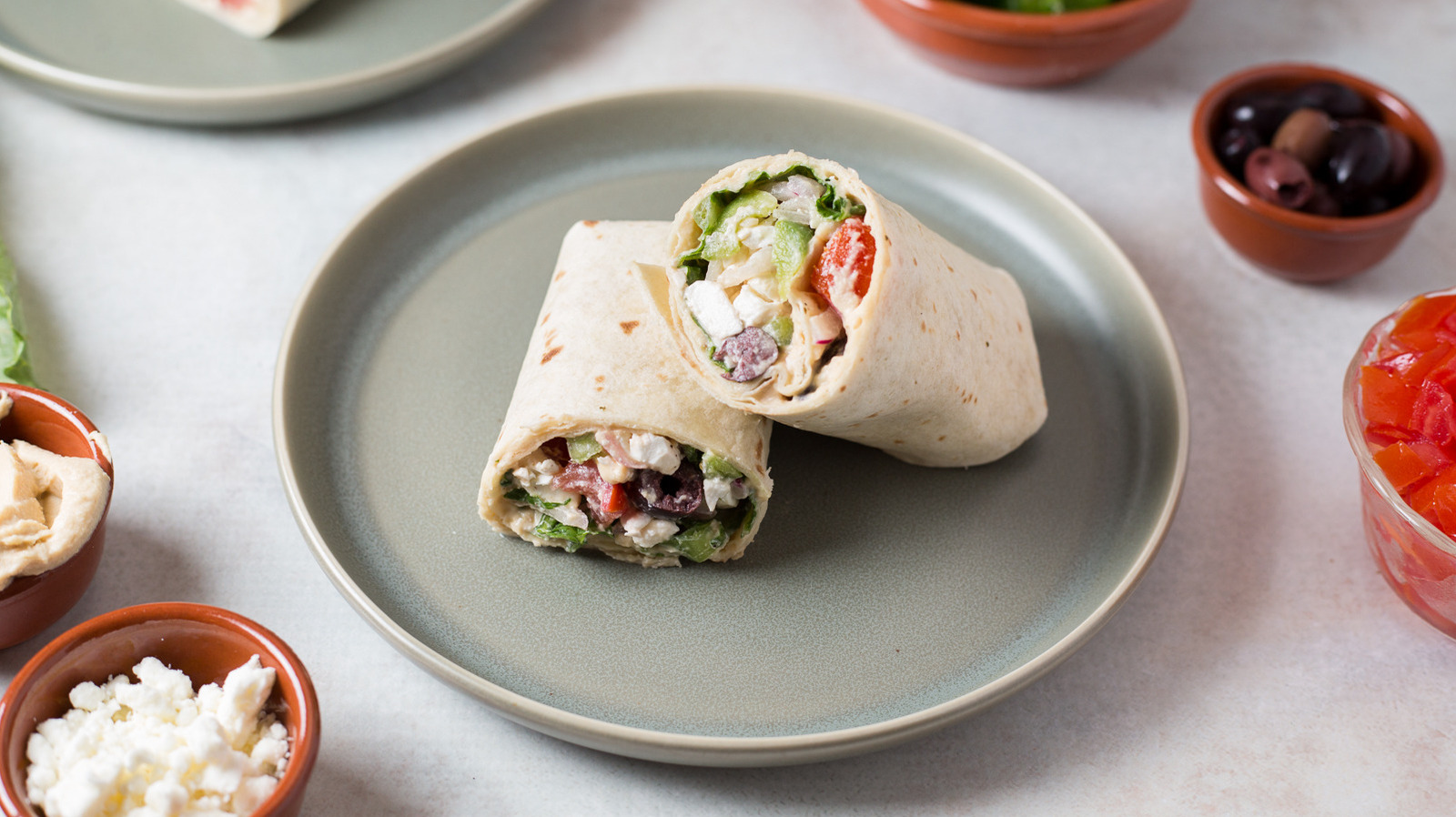
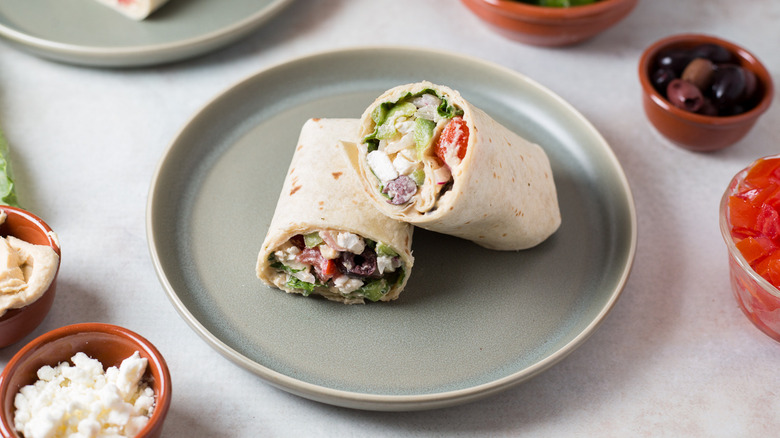
This Greek Salad Wrap Recipe Is Fresh, Filling, And Ready In 10 Minutes

All the flavors of a classic Greek salad (think feta, crisp veggies, tangy dressing) come together in this no-cook portable meal that’s ready in 10 minutes.

​Mashed – Fast Food, Celebrity Chefs, Grocery, Reviews

Categories
Politics

Trump’s MAGA Inc. makes last-minute buy for Darline Graham in South Carolina runoff

President Donald Trump is using a bit of his mostly untapped $400 million MAGA Inc. warchest to boost Sen. Darline Graham in South Carolina — the first significant expenditure his team has made this year for one of his chosen candidates, according to campaign finance reports.

The super PAC has funneled more than $827,000 on voter phone calls and text messages for Graham ahead of her tough GOP runoff battle with Rep. Ralph Norman on Tuesday, according to a Federal Election Commission report made public on Monday.

It’s yet another sign that Trump is focusing his efforts on propelling Graham — a political newcomer — to victory, after holding a rare in-person political rally with her on Friday. And it’s a notable spend given MAGA Inc.’s ongoing absence from other battleground races this cycle, even as Republicans have been pushing the president and his team to spend heavily this fall to help counter Democrats’ massive fundraising advantage.

As of last week, the super PAC had reported over $403 million in fundraising.

The money for Graham is just the second time MAGA Inc. has spent on a race this year. The group in March shelled out nearly $18,000 for now-Rep. Clay Fuller (R-Ga.), who was running in the special election to replace former Rep. Marjorie Taylor Greene.

And in late 2025, MAGA Inc. threw roughly $1.7 million into phone calls for Tennessee Republican Matt Van Epps, who won the special election to replace retired Rep. Mark Green (R-Tenn.).

Spokespeople for MAGA Inc. and the White House did immediately respond to requests for comment.

Should Graham become the Republican nominee in South Carolina on Tuesday, it will be in large part thanks to Trump, who expended serious political and financial capital to help her win. Her victory would also help reaffirm Trump’s influence in Republican primaries after a string of losses for his preferred candidates in states like Michigan, Minnesota, and Iowa.

Jessica Piper contributed to this report.

​Politics

Categories
Entertainment

Video Titled ‘Where to Kill Barron Trump?’ Airs on Iranian TV; Group Alleges …

Reading Time: 2 minutes

Iran’s Islamic Revolutionary Guard Corps allegedly aired footage titled “Where and how should we kill Barron Trump?” this week.

At one point in the three-minute clip, a narrator alleges that a $10 million bounty has been placed on Barron.

The footage also showed images of Barron’s Secret Service detail, along with a description of the location of NYU, where Barron attends college.

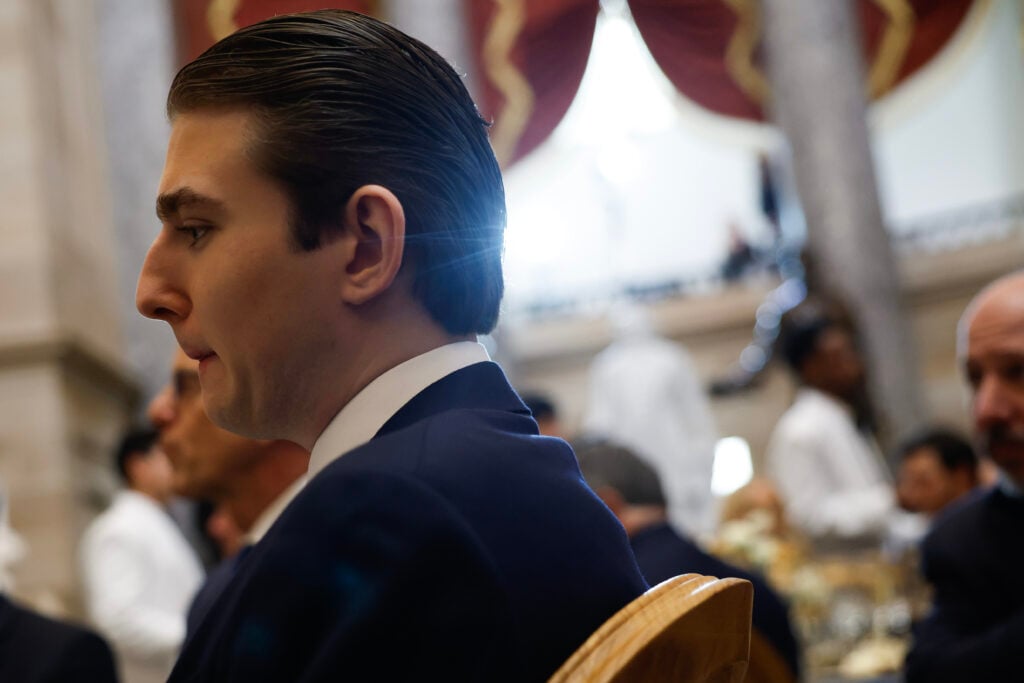
Barron Trump attends a luncheon following inauguration of U.S. President  Donald Trump at the U.S. Capitol  on January 20, 2025 in Washington, DC.
Barron Trump attends a luncheon following inauguration of U.S. President Donald Trump at the U.S. Capitol on January 20, 2025 in Washington, DC. (Photo by Kevin Dietsch/Getty Images)

The bizarre and frightening broadcast also claimed that a young woman obtained information about Barron and conveyed it to the creators of the video.

It also made detailed claims about Barron’s private life, including that he uses his Xbox to communicate with friends and fans without being monitored by his family or the Secret Service.

“The Secret Service is aware of the video and investigates anything that can be perceived as a threat toward our protectees,” an agency spokesperson told Newsweek.

The news comes on the heels of reports that Donald Trump had to be smuggled off of Air Force One during a recent trip to Turkey due to threats from Iran.

The president’s decision to allow members of his staff to remain on the plane despite these threats remains controversial.

Some believe it is always the president’s duty to obey the Secret Service, while others feel that steps should have been taken to ensure the safety of everyone on board.

In any event, the public threat toward Barron marks a chilling turn of events in President Trump’s second term.

The US, of course, launched a war with Iran back in February.

As the conflict approaches the six-month mark, there is no end in sight, and Iranian public opinion toward the US is reportedly at an all-time low.

Regardless, threatening the children of a world leader is beyond the pale, even in wartime situations.

The president has yet to address the situation, but he’ll likely share his thoughts via social media in the very near future.

Barron typically keeps a lower profile than other members of the Trump family, but he has come under intense scrutiny this summer, largely due to his friendship with Andrew and Tristan Tate — influencers who were recently arrested for sex trafficking.

We will have further updates on this developing story as new information becomes available.

Video Titled ‘Where to Kill Barron Trump?’ Airs on Iranian TV; Group Alleges … was originally published on The Hollywood Gossip.

​The Hollywood Gossip

Categories
Food

13 Cookbooks That Boomers Might Still Have In Their Kitchens

If you haven’t had the pleasure of inheriting a cookbook from a Boomer in your life, you’re missing out because they have some absolute classics.

​Food Republic – Restaurants, Reviews, Recipes, Cooking Tips