Categories
Uncategorized

Syringe litter did not increase after a needle exchange ban was overturned in Pueblo, Colorado, but health services suffered

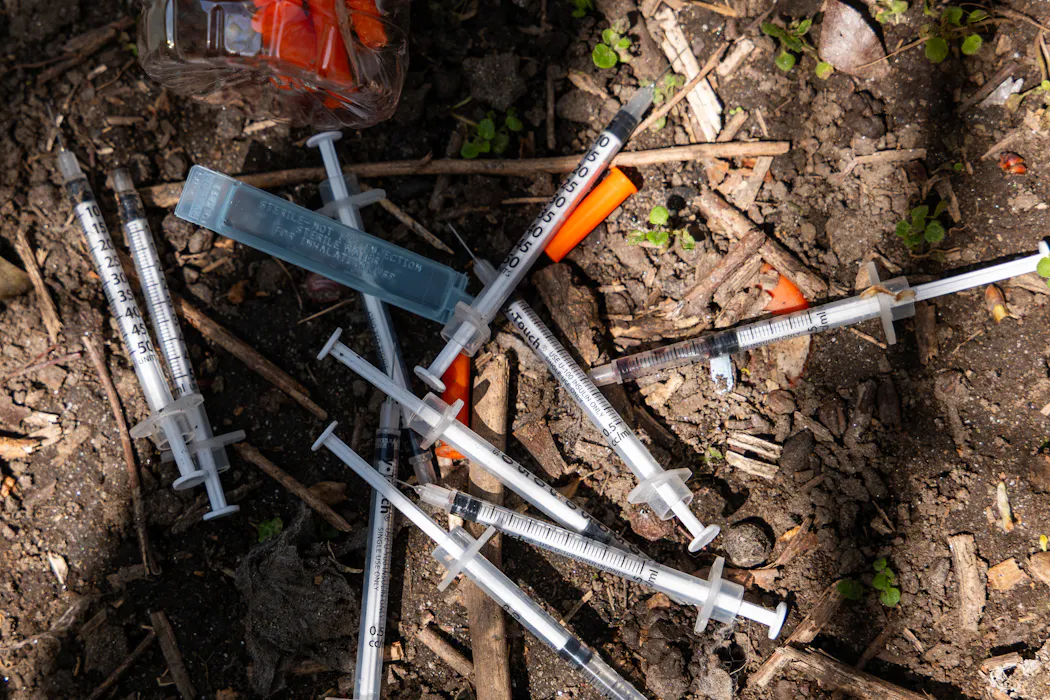
Critics of needle exchange programs often express concerns about syringe litter. Spencer Platt/Getty Images

The City Council of Pueblo, Colorado, voted to ban the distribution of syringes through syringe service programs starting in May 2024.

Also called needle exchanges, these programs are run by community organizations that provide healthcare services. The impetus for the ban, as council members noted, was syringe litter in public spaces.

Three weeks after the ban was implemented, and after pressure from the Colorado American Civil Liberties Union, it was overturned by a Pueblo District Court judge who ruled it violated state law.

The ACLU argued that Pueblo’s ban violated a state statute authorizing syringe exchanges, as reported by Next 9News.

We are researchers who study the public health effects of services and policies that address substance use. When the Pueblo syringe ban went into effect, our team of epidemiologists, addiction medicine physicians and health services researchers collaborated with local Pueblo harm reduction leaders to understand the ban’s impact on their work both immediately and months after it was overturned.

Needle exchanges reduce HIV transmission

Needle exchanges have been operating in the United States since the 1980s in Connecticut, Washington and other states. Today there are more than 400 of them throughout the nation.

In addition to providing clean syringes and collecting used needles, these programs distribute the lifesaving overdose reversal medication naloxone. The programs also connect individuals to treatment for opioid use disorder and provide other forms of care, including testing for HIV and hepatitis C.

A white and red nasal spray container is wrapped in plastic and rests on a grey pillar.
Narcan is a nasal spray that contains naloxone, a medicine that reverses opioid overdoses.
Patrick T. Fallon/AFP via Getty Images

In Colorado, needle exchanges were authorized by state legislation in 2010. Pueblo’s two syringe exchanges began operating in 2014 and 2017. Even while the ban was in effect, the programs stayed open to provide other services to their clients.

Decades of evidence suggest that needle exchanges reduce the transmission of HIV and other infectious diseases by reducing needle sharing. A Seattle study in the late 1990s found that new users of a needle exchange were five times more likely to enter drug treatment than individuals who never used a needle exchange. They were also three times more likely to stop using illegal drugs altogether.

Furthermore, these programs generally do not lead to an increase in crime or syringe litter. In fact, people who receive syringes from a needle exchange are less likely to dispose of them improperly than those who do not use needle exchanges – in part because these programs encourage the return of used needles.

Ban’s impact on community

To evaluate the effect of Pueblo’s ban on the community, we analyzed data from one of the city’s two needle exchanges and the Pueblo Department of Parks and Recreation. We evaluated the number of syringes distributed and the amount of syringe litter collected from public spaces, including parks and parking lots.

We also collected and analyzed data on the number of visits to the needle exchange and the number of naloxone kits given out.

We found that syringe distribution decreased by about 2,400 units weekly. Litter decreased by about 120 units weekly. After the ban was overturned, however, the number of discarded syringes on public land did not rise again. That was true as the number of syringes that were distributed by the needle exchange increased beyond levels prior to the ban.

We concluded that after the ban was overturned, there was likely pent-up demand for new, clean syringes. However, there was also potentially increased awareness of proper disposal practices or promotion of used-syringe collection by needle exchange programs.

This is consistent with prior evidence that demonstrates needle exchanges can be key community partners in efforts to reduce syringe litter.
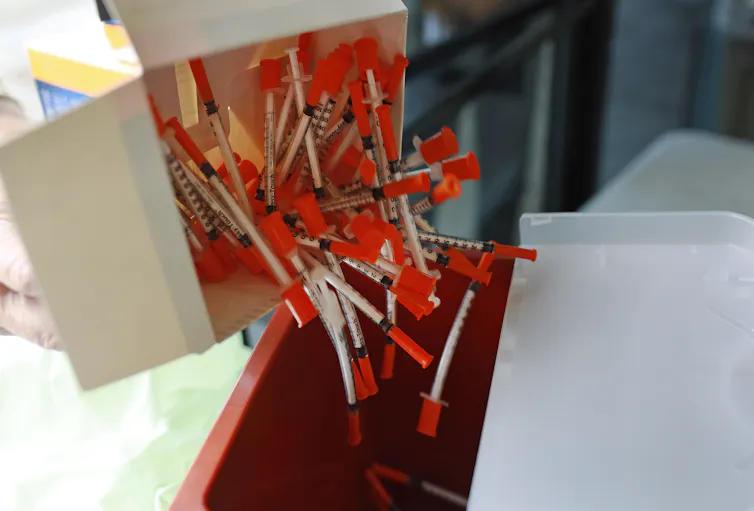
A white box releases many needles with an orange backing into a red square container.
At needle exchanges, clients can discard their used needles and receive new ones.
Al Seib/Los Angeles Times via Getty Images

Naloxone distribution was of particular interest to our community partners, given that its distribution to people who use opioids is directly associated with reduced overdose deaths. While the ban lasted only three weeks, both the number of weekly visits to the needle exchange and the number of naloxone kits distributed were lower than expected for at least the 20 weeks after the ban was overturned. That was the entire period for which data was collected.

If preban trends had continued, there would have been over 150 naloxone kits distributed weekly by one program, on average. After the ban was overturned, that number was only about 125 per week.

Comparing the expected trajectory of naloxone distribution with observed data, we estimated that the ban resulted in 900 fewer kits of naloxone distributed throughout the community in the 20 weeks observed. Previous research has shown that on average, one death is prevented for every 230 naloxone kits distributed, so even this brief ban may have resulted in several preventable overdose deaths.

Decreased visits to the needle exchange also mean fewer opportunities for people who use opioids to access substance use disorder treatment, HIV and hepatitis C testing, and make connections to housing and other social services.

The initial concern driving the passage of Pueblo’s ban was syringe litter, but our study suggests that restrictions on harm reduction services may have significant unintended consequences that hinder community public health efforts.

Impact beyond Colorado

Cities across the U.S., from California to West Virginia, are making cuts to syringe service programs. At the federal level, the Trump administration issued an executive order in July 2025 that prohibits federal funding being used to purchase syringes. This ended a crucial funding source for many needle exchanges.

While overdose is still a leading cause of death in the U.S., it has been decreasing for the past several years. This is due, in part, to evidence-based public health efforts such as naloxone distribution, which the overwhelming majority of Americans supports.

This evidence and our own findings suggests placing restrictions on specific harm reduction services may undermine public health efforts to prevent overdoses and save lives.

Read more of our stories about Colorado.

The Conversation

Katherine LeMasters is affiliated with Right Response Colorado, a statewide organization advocating for community care rather than incarceration for those with mental health and substance use needs.

Paul Christine receives funding from National Institute on Drug Abuse for work unrelated to this article. He is affiliated with Right Response Colorado, a statewide organization advocating for community care rather than incarceration for those with mental health and substance use needs..

Pranav Padmanabhan does not work for, consult, own shares in or receive funding from any company or organization that would benefit from this article, and has disclosed no relevant affiliations beyond their academic appointment.

​Politics + Society – The Conversation

Categories
Entertainment

How Olympians Tara Davis-Woodhall, Hunter Woodhall Motivate Each Other

Tara Davis-Woodhall, Hunter WoodhallTara Davis-Woodhall and Hunter Woodhall’s key to a gold-medal fitness routine includes four-legged friends.
The couple—who married in 2022 after meeting at a high school track meet in Idaho—knows…
​E! Online (US) – Top Stories

Categories
Entertainment

Perez Hilton Suffered Broken Bones, Other Severe Injuries During Mental Health Crisis

Reading Time: 2 minutes

Earlier this month, Perez Hilton suffered a mental health crisis that was broadcast to the world via a TikTok livestream.

Now it looks as though the situation was even more serious than initially reported.

Hilton remains hospitalized weeks after a disturbing August 4 livestream from his Miami home, and his family has now revealed that he suffered several broken bones during the incident.

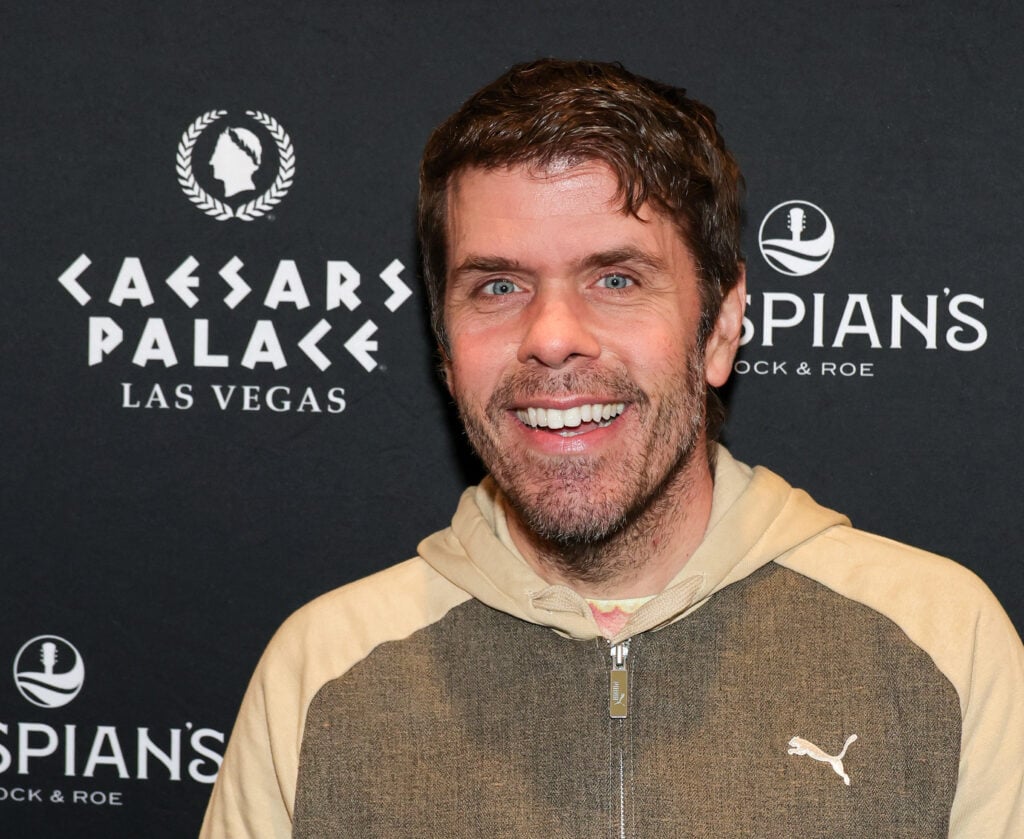
Perez Hilton attends the grand opening of Caspian's Cocktails & Caviar at Caesars Palace on January 10, 2025 in Las Vegas, Nevada.
Perez Hilton attends the grand opening of Caspian’s Cocktails & Caviar at Caesars Palace on January 10, 2025 in Las Vegas, Nevada. (Photo by Ethan Miller/Getty Images)

Hilton’s brother-in-law, Tom, opened up about the situation during a recent episode of “The Perez Hilton Podcast with Chris Booker.” Tom, who is married to Hilton’s sister, Barbara Lavandeira, explained that Hilton fell multiple times during the night of the incident.

“There were some broken bones. There were some other things unrelated that they discovered stemming all this way back to his sepsis,” Tom said.

According to Tom, Hilton sustained numerous cuts and several broken bones as a result of “a couple of falls.” He has remained hospitalized while receiving treatment for those injuries.

The physical recovery has apparently been the primary focus until very recently.

“Of course, while he’s been treated for his physical ailments, psychiatrists come in and check in and see how he’s doing,” Tom explained. However, he said doctors have only recently begun focusing more closely on what prompted Hilton’s mental health crisis.

Hilton is now “lucid” and communicating with his family, but there are still plenty of unanswered questions about what happened that night.

Tom said he deliberately avoided asking Hilton too many questions about the incident because he didn’t want to cause additional anxiety while he was recovering.

“I don’t know how much he really does recall or doesn’t recall,” Tom admitted.

Hilton’s three children have also been kept away from the hospital during his recovery. Perez’s mother, Teresita Lavandeira, was recently granted temporary custody of the kids. Hilton has subsequently been allowed supervised visitation under certain conditions.

The latest revelations come after Hilton was hospitalized following the August 4 livestream, during which he appeared to harm himself.

Authorities treated him for multiple injuries and an overdose before he was taken for further medical care. His TikTok account was subsequently banned.

Hilton’s family has previously asked the public to respect his privacy while he focuses on his recovery. For now, there is no clear timeline for when he will leave the hospital or return to his normal life.

And considering the extent of his injuries, it sounds like he has a long road ahead.

Perez Hilton Suffered Broken Bones, Other Severe Injuries During Mental Health Crisis was originally published on The Hollywood Gossip.

​The Hollywood Gossip

Categories
Food

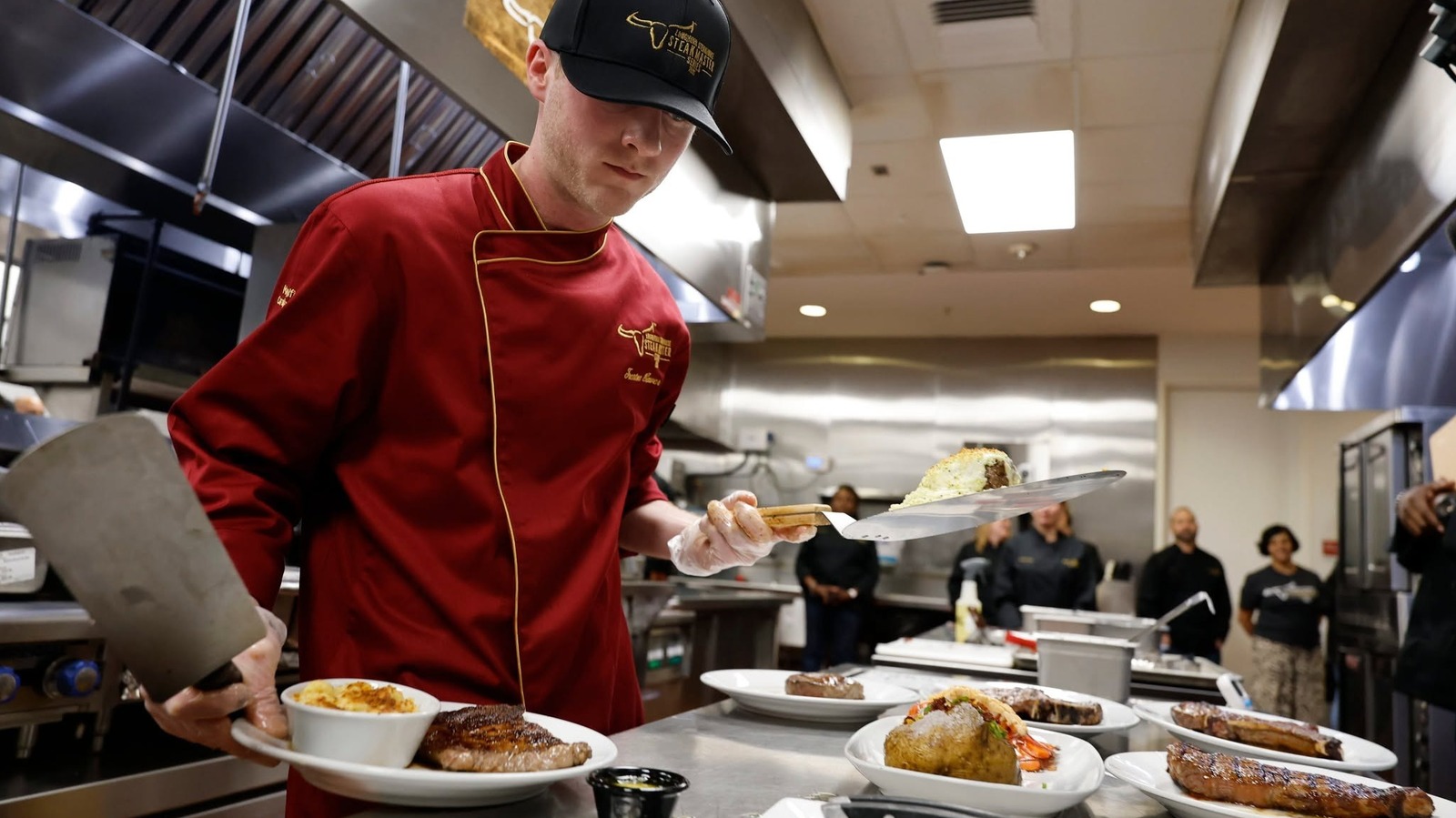
LongHorn Steakhouse’s Outlaw Ribeye Vs The Standard Cut: Here’s The Meaty Difference

You might think that because both the Outlaw and standard cut at LongHorn Steakhouse are ribeyes that they taste the same, but the two are vastly different.

​Food Republic – Restaurants, Reviews, Recipes, Cooking Tips

Categories
Entertainment

Kim Kardashian Reveals Son Psalm’s Newest Obsession

Kim Kardashian, Psalm, Chicago summer vacationHe’s just your friendly neighborhood Psalm West.
Kim Kardashian revealed that her 7-year-old son’s newest wardrobe obsession is currently a Spider-Man costume, a choice so adorable the SKIMS…
​E! Online (US) – Top Stories

Categories
Entertainment

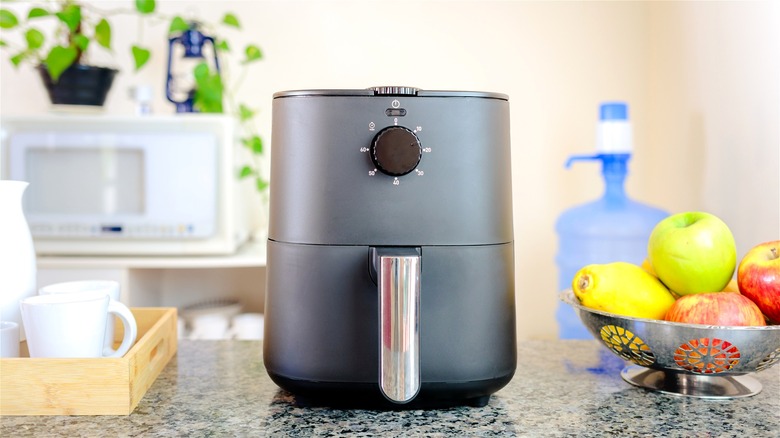
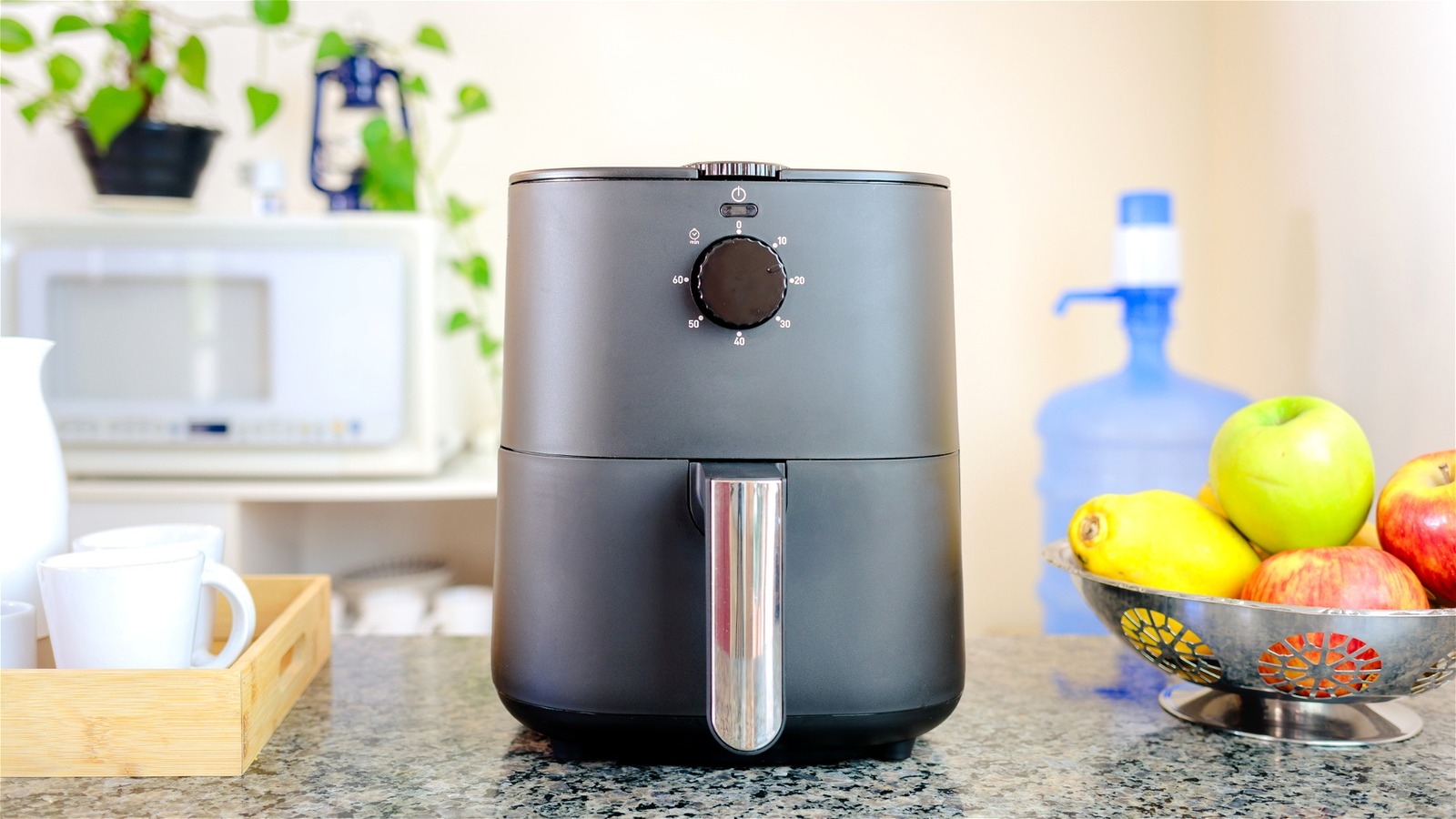
Are Air Fryers The Most Overrated Kitchen Appliance? Not Exactly

As the old saying goes, one person’s trash is another’s treasure. Similarly, the features in an air fryer that folks bash could bring someone else pleasure.

​Mashed – Fast Food, Celebrity Chefs, Grocery, Reviews

Categories
Entertainment

How Ryan Reynolds Supported Blake Lively Through Her Legal Battle

Blake Lively and Ryan ReynoldsA surefire sign that it’s been business as usual for Blake Lively and Ryan Reynolds on the homefront this summer?
The couple caught Wrexham AFC taking on Liverpool FC at Yankee Stadium a few weeks…
​E! Online (US) – Top Stories

Categories
Uncategorized

Open Channels FM: Exploring AI in Security and the Workplace Perspectives from ACM, Forrester, Reuters, and European Policy

This news episode reports on challenges posed by AI in cybersecurity, including supply chain risks, vulnerability discovery bottlenecks, job market shifts due to layoffs, and the balance of autonomy and accountability.

Categories
Entertainment

How Much Should You Spend On A Good Bottle Of Scotch In 2026?

It might be tempting to blindly buy the priciest Scotch you can find. However, you don’t have to empty your bank account for a quality option.

​Mashed – Fast Food, Celebrity Chefs, Grocery, Reviews

Categories
Politics

South Carolina could give Trump a revitalizing win — or his most embarrassing loss

Donald Trump is facing one of his biggest tests of the midterms — and it’s of his own making.

The president has spent a significant amount of time and money trying to help Sen. Darline Graham defeat Rep. Ralph Norman in Tuesday’s snap GOP Senate primary. He’s done more for Graham than he has for the battleground Republicans whose general election fights will determine control of Congress: Not only did he push her to run for a full term, he also held a rare in-person rally for her and tapped into his MAGA Inc. warchest during the final days of the race.

If, after lending all that support, Graham fails, it would be Trump’s most embarrassing loss of the cycle. A win, however, would let him flex his ability to power an unknown political figure to office.

“If Darline does come up short, it would be just a massive, massive embarrassment to the White House and to the president. Just an utter rejection,” said Matthew Bartlett, a Republican strategist and former Trump State Department appointee during his first term.

Tuesday’s runoff to replace the late Sen. Lindsey Graham on the November ballot won’t meaningfully affect the balance of power in Washington. What it will do is reveal the extent of Trump’s clout, because of just how much personal political capital he has expended in the race to convince voters to elect a virtual stranger.

“The fact that he came to the state on short notice to do a rally, and we haven’t seen that in a lot of endorsements, I think that sends a very strong message that he’s all in,” said Andrew Boucher, a GOP strategist and chair of South Carolina’s Charleston County Republican Party, who is neutral in the race.

Trump has framed the race as nothing less than a referendum on himself. Rallying with Graham in Myrtle Beach last week, the president told voters to “pretend, please, that I’m on the ballot.”

On Monday, a Federal Election Commission report revealed that Trump’s super PAC had spent $827,000 on text messages and phone calls for Graham. It’s one of the largest expenditures this cycle from MAGA Inc., and cash that Republicans in battlegrounds are anxiously awaiting for themselves.

One national Republican operative, who was granted anonymity to candidly discuss the president’s influence on the race, noted just how far Trump’s support has gotten Graham: “She wouldn’t even be in this place if she didn’t have [his support]. The outside help she’s had has kind of made this competitive.”

Before GOP Gov. Henry McMaster appointed her to serve out the remainder of her late brother’s term in July, Graham was a complete political novice. Graham has worked for the South Carolina Vocational Rehabilitation Department and has led the Commission for the Blind since 2019, but she had never held or even sought public office — a fact that her opponents have attacked her for repeatedly on the campaign trail, especially after she stumbled over a key foreign policy question on the debate stage earlier this month. Her clearest connection to electoral politics lay solely in being the late senator’s younger sister.

Trump’s past mistakes in South Carolina loom over the race. The Senate primary has echoes of the state’s governor’s contest earlier this summer, in which Lt. Gov. Pamela Evette, a little-known Trump-backed candidate, fell to the more well-known Attorney General Alan Wilson. As public polling began to show Evette trailing significantly in the first days of that runoff, Trump issued a rare dual endorsement to include Wilson.

Evette’s defeat, coupled with a batch of uncharacteristic losses by Trump endorsees in GOP primaries in Georgia, Iowa, Minnesota, Wyoming and Michigan, has put all the more attention on Graham.

The power of his endorsement is on the president’s own mind, too. In a Sunday night post on Truth Social, Trump mused that his “Endorsements are stronger than ever,” pointing to splashy charts comparing his wins to his comparatively few defeats.

But in the same breath, he acknowledged that his power is not always absolute: “The few that lost were done out of loyalty. It was almost impossible for them to win but, I felt obligated to go with them because they were, in my opinion, good people!”

When asked for comment, a White House spokesperson pointed to specific remarks from Trump’s speech at Friday’s rally with Graham, including his acknowledgement that he urged her to jump in the primary.

“She’s never done it before, but she knows politics well,” Trump told supporters on Myrtle Beach. “She loves our military. She loves things that have to do with greatness for America.”

Graham’s foreign policy debate flub — in which she said “national security is not my thing” in response to a question of U.S. interests in Taiwan — revealed the pitfalls of running for office with no prior experience. Norman has taken advantage of that stumble by hammering her inexperience.

The closing stretch of the race has been characterized by Graham trying to tie herself to Trump and burnish her conservative credentials across the state. Norman has tried to shore up support in his Upstate stronghold and expand into the Low Country where former Gov. Mark Sanford — who endorsed his campaign late last week — dominated in the first round. Norman’s also taken to Fox News to bash Graham as an “unknown” and “propped-up candidate.”

Graham’s campaign hopes to consolidate support from Rep. Russell Fry’s (R-S.C.) district after he endorsed her campaign a few days into the runoff. Her closing ad of the race claims Norman “turned his back on Trump’s agenda” and is interspersed with footage of her on the rally stage alongside the president.

The GOP party establishment in South Carolina has fallen in line behind Graham.

Sen. Tim Scott (R-S.C.) publicly backed her bid on the first day of the runoff, Evette got in line shortly thereafter and McMaster followed several days later.

Graham’s campaign has itself spent just over $1 million in ads since the outset of the race, but that spending is bolstered by at least three other outside groups — including Security is Strength PAC, Palmetto Action PAC, and American Mission PAC — who also supported her late brother’s primary bid earlier this year. Their spending has topped $6 million, according to AdImpact.

Norman has had his own outside help from a notable figure and longtime ally: Former U.N. Ambassador Nikki Haley and her aligned groups have spent more than $700,000 for Norman, including $200,000 on a supportive ad from her issue advocacy group, Stand for America.

But that’s still much lower compared with what Graham has received.

“Sen. Scott engaging in the race, the congressional delegation, all these portions of it. Congressman Fry engaging in the race is a big deal. You could almost say that’s the opposite of what you had in the governor’s race,” said a South Carolina-based Republican operative, who was granted anonymity to speak candidly and is staying neutral in the race.

Spokespeople for Graham and Norman did not respond to requests for comment. 

Graham is still somewhat dogged by her high-profile debate stage mistake, though she’s tried to redirect the attention in interviews.

“You know what I’ve done in the last week? I’ve gone around this entire state talking to as many people as I possibly can. And you know how many of them brought up Taiwan and national security? Not one!” she said at a press conference in Columbia on Monday.

The late August runoff date could prove unpredictable for both candidates as they seek to drive out their supporters across the state. The twilight of South Carolina’s sticky, slow summer is in full effect: Most kids have returned to school, families across the state are packing their beach gear for one final getaway and the doldrums of summer are still in full force.

Several Republicans said that could mean a lower turnout — which could be a boon for a known-quantity candidate with a long history in local office, like Norman.

“A lot of the candidates that have defeated Trump-endorsed folks across the map this cycle, they’re well-known entities,” said the national GOP operative. “It’s hard to overcome some of the basics of politics, where name ID goes a long way. Familiarity with the candidate matters. Having a favorable view and someone who aligns with your values more matters, even if there’s a Trump endorsement.”

Samuel Benson contributed to this report. 

​Politics