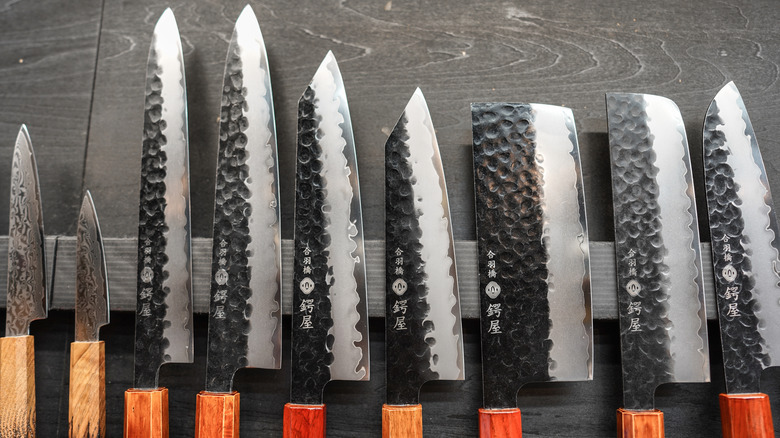
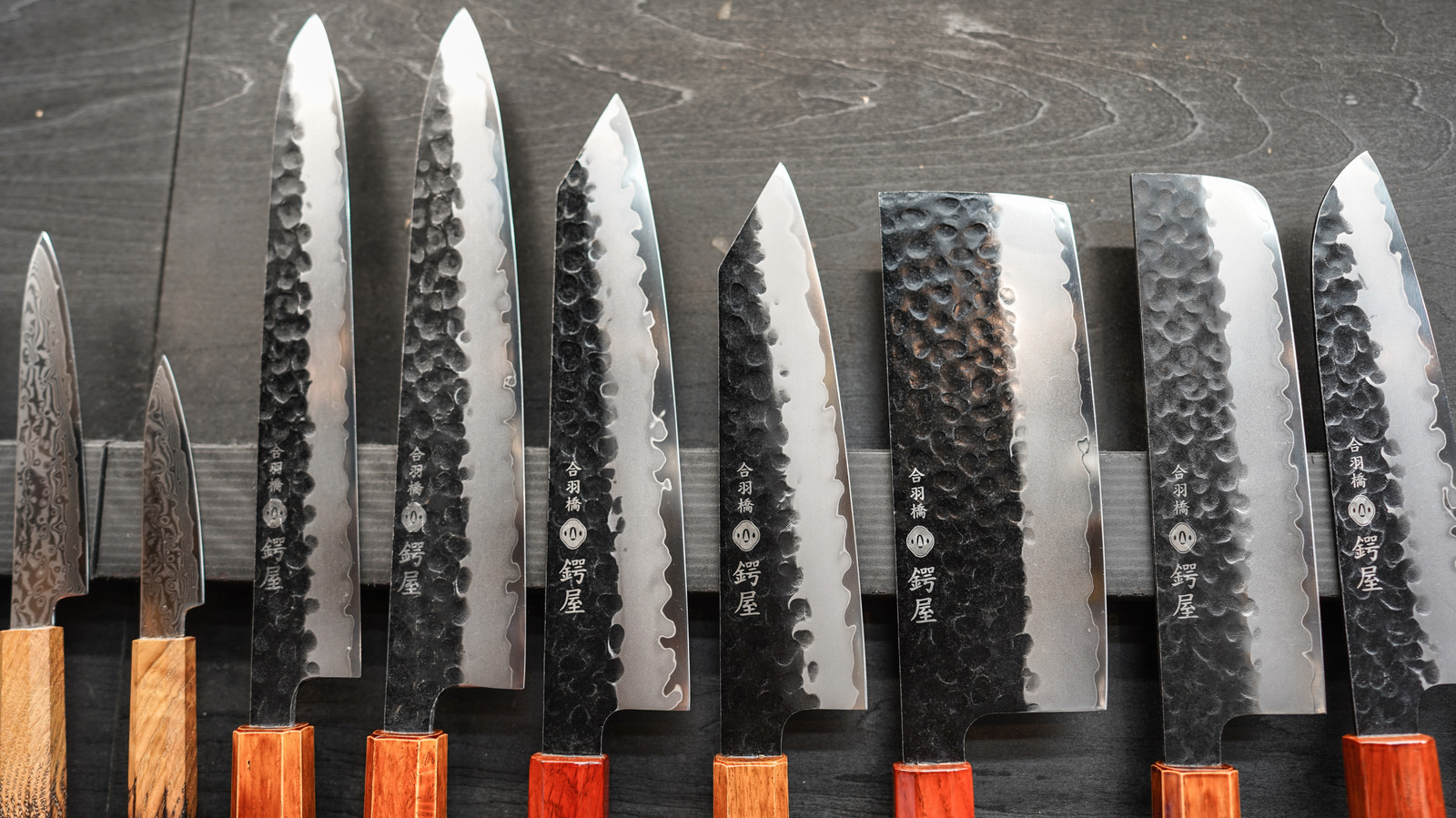
Amazon may be known for speedy deliveries, but it also carries quality Japanese chef knives for a bargain price. These are our top 14 favorites.
Food Republic – Restaurants, Reviews, Recipes, Cooking Tips








Amazon may be known for speedy deliveries, but it also carries quality Japanese chef knives for a bargain price. These are our top 14 favorites.
Food Republic – Restaurants, Reviews, Recipes, Cooking Tips
Reading Time: 3 minutes
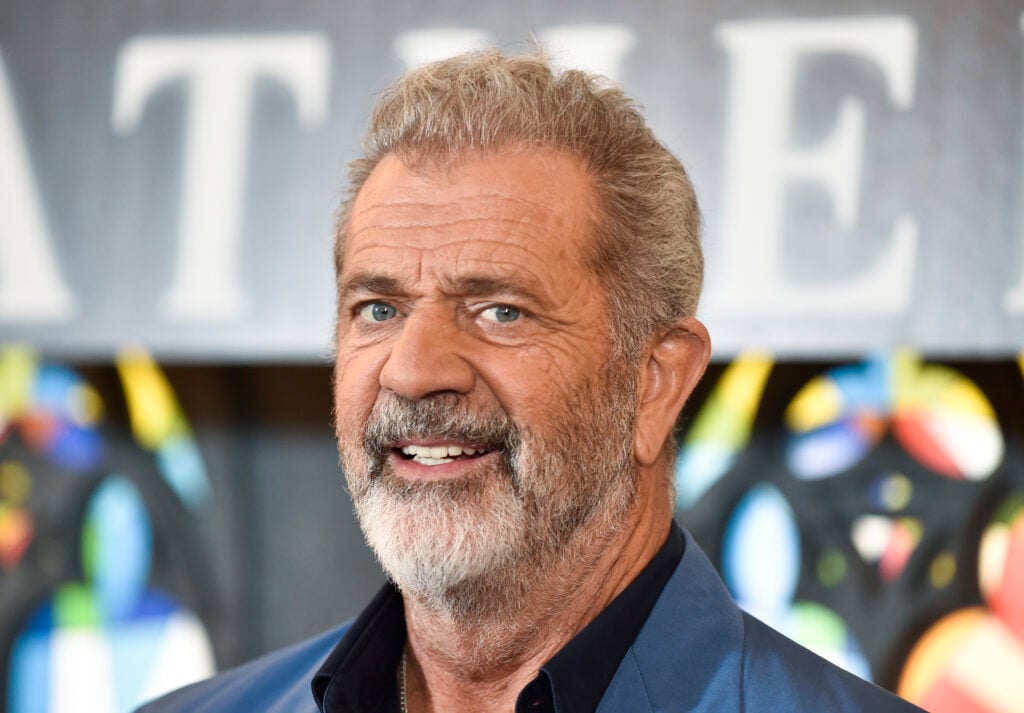
Even when Mel Gibson can no longer surprise with bad behavior, he still manages to shock.
Appearing on stage, the polarizing-at-best actor mocked the ASL interpreter.
Yes, this is on video. It is short and anything but sweet.
Some would say that he doesn’t understand how hateful his conduct is. Others would argue that he simply does not care.
On Saturday, August 29, moderator Liam Crowley introduced Mel Gibson at the Fan Expo Canada.
The actor walked onto the stage on cue at the Toronto event.
We can see the ASL interpreter signing for the deaf and hard-of-hearing members of the audience.
As he walks out, Gibson appears to mimic — or mock — the ASL interpreter.
Crowley graciously avoids commenting and allows Gibson’s fans (He has them! There must be dozens of them, at least, by the sound of it) to cheer. Online, however, the backlash was intense.
Being a misogynistic racist wasn’t enough, so Mel Gibson decided to mock the deaf community.
— Shawn Patrick Farrell (@shawnfarrell.bsky.social) August 31, 2026 at 4:44 AM
“Always disappointing to see my language mocked. We work hard to get our language recognized and be taken seriously,” tweeted one social media user.
“Why hasn‘t he been blacklisted from everywhere yet? Genuinely don‘t get it,” asked a bewildered person.
(The answer is that “cancel culture” is a talking point, not a real cultural phenomenon — not in a way that impacts terrible men with any degree of power.)
“It’s ridiculous the Mel Gibson is able to show up to concerts and events in Toronto and people are welcoming him with open arms,” expressed another tweet. “It’s nauseating.”
One individual simply asked: “I don’t even know why he was invited to Fan Expo when he has a history of this behaviour.”
Mind you Mel Gibson asked Winona Ryder if she was an “oven dodger” bc she’s Jewish. https://t.co/r69yvXYE38 pic.twitter.com/76UPd8ahbK
— Charmer ✒️ (@CharmerMemerTWT) January 16, 2025
If you are unfamiliar, Mel Gibson’s history of controversies goes back decades.
Do you know how homophobic you needed to sound to be called out for in the early 1990s?
He was also accused of referring to Winona Ryder as an “oven-dodger,” a Holocaust reference. Far from his first accusation of antisemitism.
Though Gibson claimed that the beloved actress was merely lying, he could not say the same after his 2006 arrest video showed the world his antisemitic ranting.
Elements of his alleged bigotry have also filtered into his film projects. The Passion of the Christ was accused of pushing an antisemitic narrative, while Apocalypto pushed an ahistorical and arguably anti-indigenous one.
Mel Gibson mocking an ASL interpreter at FanExpo?? Damn thats pretty low. I guess there was no way of knowing he would do something like that…… he always seemed so chill and respectful towards marginalized people
— annabelle (@mowderz.bsky.social) August 31, 2026 at 11:56 AM
In 2010, audio tapes leaked in which Gibson appeared to make threats and say the N-word while speaking to Oksana Grigorieva. By “appeared to make threats” we mean that, among other things, he threatened to burn down her house.
Becoming one of the Trump regime’s Hollywood ambassadors, whatever that means, has not helped.
It is possible that Gibson’s history of being one of the worst people in the entertainment industry has influenced how people respond to what some might say is just the ignorant antics of an old man in his 70s.
But many argue that it’s more likely that one despicable old man is simply being consistent against various groups — this time, the deaf and hard-of-hearing.
Meanwhile, we’re all left wondering why he’s still receiving invitations to events. Who is excited to see him? Why does he still have any number of fans?
Mel Gibson Allegedly Mocks ASL Interpreter in Gross Video was originally published on The Hollywood Gossip.
The Hollywood Gossip
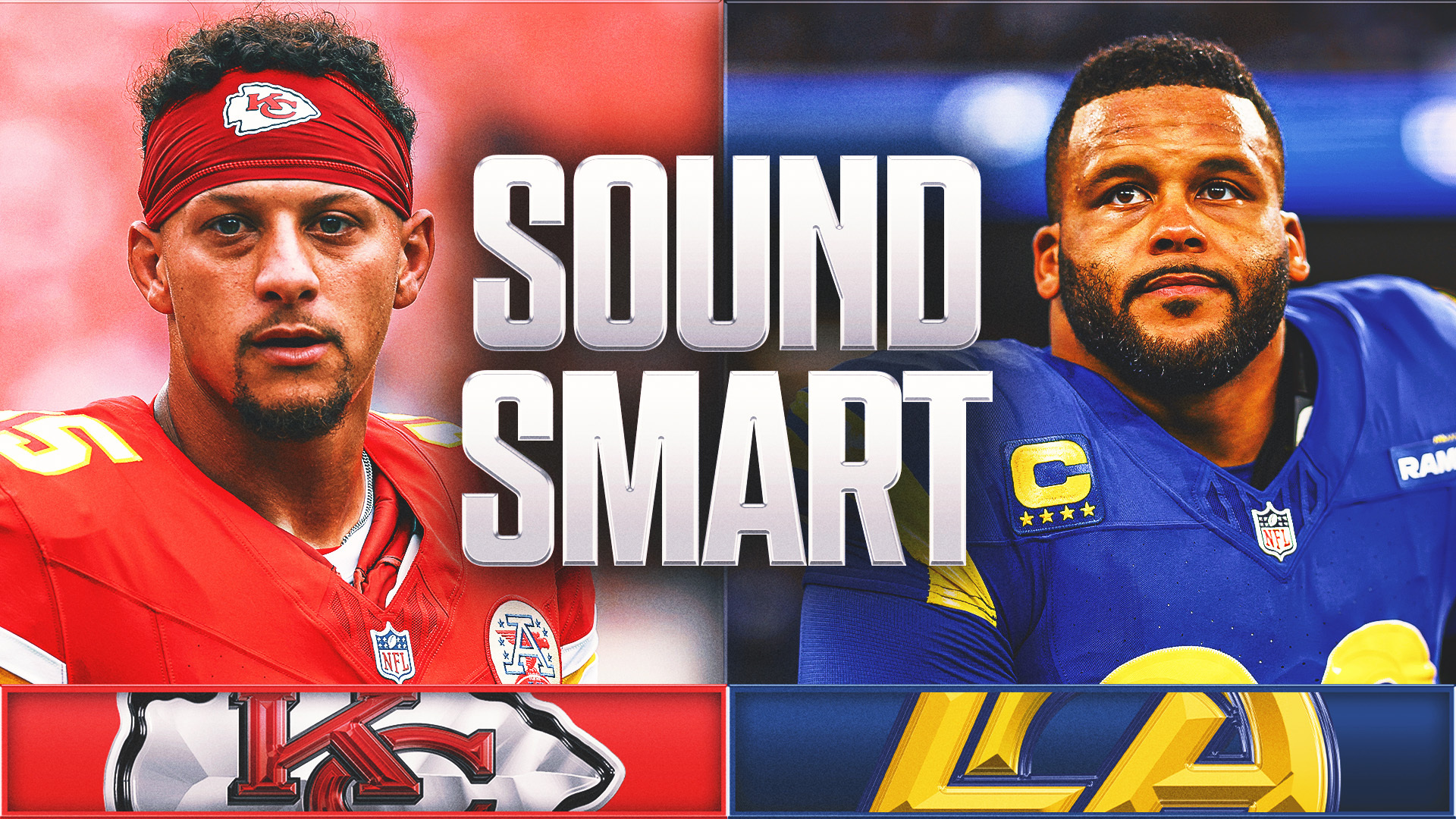
Preseason is over, thankfully. Next stop: Week 1. There will be so many things to preview for the first week of the season, especially the 2026 NFL opener — a Super Bowl rematch between the Patriots and Seahawks on Sept. 9. But I want to take this last week of the offseason to write about the vibes and the processes around the league — just to honor training camp and its conclusion. Let’s talk Chiefs. Let’s talk Rams and Aaron Donald. Let’s talk choice routes. Let’s talk Myles Garrett vs. Micah Parsons. This is Sound Smart, where I try to spin forward, dive deeper, think outside the box and read between the lines. The Los Angeles Rams are a Dream Team. And no, not in the same way that the 2011 Eagles were Vince Young’s “dream team.” That team was talented. But this Rams team is something we haven’t seen since the ‘07 Patriots, the ‘92 Cowboys and the ‘72 Dolphins. It’s really not hyperbolic. Matthew Stafford is fresh off an MVP season. Puka Nacua led the league in receptions and finished second in receiving yards. Davante Adams is the best WR2 in football. Myles Garrett is the best defensive player in the NFL and, debatably, the best football player on the planet. Sean McVay is the best coach in the NFL. And the team just welcomed back defensive tackle Aaron Donald, who’s returning at age 35 after two years in retirement. He is a three-time NFL Defensive Player of the Year, and a first-ballot Hall of Famer. It’s an L.A. team, so let’s make a Hollywood comparison. This is a cast so stacked that only “The Odyssey” can compare. And that’s why this might be McVay’s most difficult task to date. He must win a Super Bowl. This isn’t like the Lions or the Bills or the Ravens — who feel it’s their time. No, this is different. The Rams basically have no choice but to win. If they start the season with, say, three victories, we’ll start talking about a perfect season. And the chatter won’t be premature, even in the NFC West, with the defending Super Bowl champions. If the Rams make the Super Bowl, it will be a question of how badly they beat their opponent — not if they can. And the Rams might have three candidates at the top of the Super Bowl MVP odds — Stafford, Nacua and Garrett — before the opponent’s top option. I think that’s why McVay deflected every question about the partnership between Garrett and Donald in the press conference on Sunday to announce Donald’s return. I think the pressure to win — everything — is why McVay said this. He’s handling his Dream Team with care. “Just because we have great individuals, it doesn’t do s— for us,” McVay said. “We’ve got to be able to put it together. [Donald] understands that as much as anybody.” I spent the weekend at a friend’s wedding. It was special to see the way the ceremony brought the bride and groom so much happiness. And why shouldn’t they be exuberant: They’re perfect for each other. The happy couple decided not to do a honeymoon. The bride is headed right back to school to teach middle schoolers, and the groom will probably be painting boats by Tuesday. And later this week, they’ll be exhausted and they’ll make that pasta dish that they both love so much, in part because they can do it with their eyes closed. And it’ll be business — and work, work, work — as usual. In some ways, that’s what comes next for McVay and Donald. We saw the union on Sunday. We can see there will be no honeymoon. We can see what comes next: work — and the expectation of success. Count me as someone skeptical about the construction of the 2026 Kansas City Chiefs. When the NFL schedule came out, I didn’t think they’d make the playoffs. These days … I don’t know what to think. Of course, I know that it’s dangerous to doubt Patrick Mahomes, even as he makes his way back from an ACL injury. The same is true of Andy Reid, even as he faces criticism for his playcalling growing stale. It’ll burn you to doubt the Chiefs, even in the wake of a season when their offense sputtered and their defense lacked flash. This summer, there haven’t been many hopeful headlines around Kansas City. But for the most part, there has been a real silence around the Chiefs. It’s quiet. This is the silence in a horror movie, right before the villain strikes. You know it’s coming. Still, you jump out of your chair. With the Chiefs, there has been this prevailing thought that their 2024 season, with all its narrow victories, was a bit of a fluke (particularly after the Eagles routed K.C. in the Super Bowl). And so it was a similarly popular idea that the 2025 season was the year when the Chiefs’ luck ran out — and it was also fluky, with bad breaks that made them seem worse than they were. If this were Goldilocks, this season would be just right. But come on — the NFL is not a children’s book. And the small amount of headlines that are coming out of camp are, generally, negative. Veteran tight end Travis Kelce does not look younger. Chiefs left tackle Josh Simmons has a back injury. Chiefs running back Kenneth Walker III, their big splash from free agency, has a foot injury. And receiver Rashee Rice, who is supposed to be the WR1 despite his knee surgery and suspension last season, isn’t exactly getting rave reviews. “His overall résumé speaks for itself. The thing I’m still working on is getting to know the person — seeing the things that make him click. What are the things that inspire him?” Chiefs offensive coordinator Eric Bieniemy said last week. “The thing that I love about Rashee is that he’s tough. The other thing that is — and I’m not saying this in a bad way — he’s hardheaded. You know what I mean? And he’s stubborn. Because he feels that he’s good enough at certain things. … Now, it’s just about making sure we can get the continuous reps to get him back on track, to get him in game shape.” Holy red flags, Batman! Whether Bieniemy meant to or not, the OC dropped more than a few backhanded compliments about Rice. Bieniemy clarified that “stubbornness” really isn’t a bad thing for players. He said Walker is also stubborn. “He doesn’t like to be wrong,” Bieniemy said of Walker. “You don’t mind that for player, because it presents a challenge.” Still not exactly a fawning description. But there’s more. “You’ve got to get them to see it from a different point of view,” Bieniemy said. “And when they can see it from a coach’s point of view, now it just opens them up and gets them to realize: ‘There is a better way of doing this.’” Bieniemy was asked if there’s another level for Rice. “I believe there is another level,” he said. “And, of course, he would tell you there’s plenty of levels for him to get to.” Here’s a coach pushing a player’s buttons. Here’s a coach who senses the team isn’t getting enough from a player who should be a star. And so here’s a team that has a disquieting number of questions surrounding its roster. Everything is logically telling me the Chiefs won’t make the playoffs. They can’t possibly! Really, I’m telling you to not be afr—. *jump scare* In the early phase of my career covering football, I was on the New England Patriots’ beat, covering Tom Brady and Bill Belichick. That’s when I learned all about the “option route.” The receiver and quarterback look at what the defense is giving them and let that determine which route the WR will run. Sometimes the receiver will decide a full second into the play. It requires exceptional rapport between QB and WR. It is, essentially, the route that the Patriots used to beat the Rams in Super Bowl LIII. It was Julian Edelman’s route. He racked up 10 catches, 141 yards and eight first downs, largely by running the option route to find slivers of space in a defense that refused to allow any. So it feels somehow fitting that Jared Goff is one of the caretakers of that route in today’s NFL. Back then, he was a young Rams quarterback (on the losing team in that Super Bowl). But he’s now entering his intellectual prime as a veteran Lions QB with many of the same answers Brady had. And star receiver Amon-Ra St. Brown is the guy who runs Edelman’s option route. In Detroit, they gave it a different name, “the choice route.” And according to St. Brown, it’s the route that has produced the most receptions for him and Goff since they joined the Lions in 2021. “It gets us out of a lot of situations,” St. Brown told me. “I can break a lot of different ways. I can do a lot of different things. So it gives us a lot of options.” Break it down in depth? “It’s like around a five-yard route. You can either break in, you can break out, or you can just hook it up. So, depending on the defense — whether it’s man, if it’s inside of you, you can release out and you can break out. If [the defender is] already sitting inside, you want to break out, get the ball on a quick out-route. If it’s zone, any cover-2 type, you sit right in between the flat player [covering the quarter of the field nearest the sideline] and the hook defender [covering the inside quarter of the field over the offensive and defensive line]. The QB can dart you right there, and you can catch a knife for about 10 or so yards. Get lucky, maybe get 15. “If [the defensive back is] playing any type of other man and they blitz, the home run shot is usually the in-breaking route. It doesn’t happen all the time, but when it does come, it usually goes for like 15-, 20-yards, if not a touchdown. But you got to be patient for that one.” This route isn’t for everyone. It’s reserved for an outstanding slot receiver and pocket passer — with a rare connection, like Goff and St. Brown have. “I think we’ve built the chemistry to where, when we snap the ball, like a second into the play, he already knows what I’m doing. I know what I’m gonna do. It’s timing and rhythm. He’s not even thinking about what I’m going to do. He already knows what I’m going to do.” You’d think that this was St. Brown’s favorite route. But — no. “My favorite route is the one that’s going to work,” St. Brown told me. The Buffalo Bills are transparently not the same team as last year. But how much have the new pieces made an impact on the culture? And how much will those new pieces make an impact on the field? Josh Allen is still Josh Allen. Joe Brady is still Joe Brady. And they’re the key pillars that GM Brandon Beane is intent upon building around. They’re more of the same from last year. That’s the old. The new? Beane and Brady traded for Bears receiver DJ Moore, a deal that hasn’t gotten much fanfare when compared to the trades for Jaylen Waddle and A.J. Brown. For all the criticism surrounding Moore’s value on the trade market (and I was one of those skeptical voices), the receiver has been a really good fit with Allen and in Brady’s offense. The schematic fit, of course, is no surprise given that Moore broke out in Brady’s offense in Carolina. But the fit with the quarterback — that’s a new and noteworthy development. Moore’s contributions were regular and immediate in training camp and preseason. His first catch? 33 yards. That’s new. But it’s also a conglomeration of old. The truly new element for Buffalo is on defense. Brady hired defensive coordinator Jim Leonhard, who was on the Denver Broncos’ staff last season. He’s of the Rex Ryan and Mike Pettine schools of defense, running a 3-4 base. That’ll keep all of the Bills’ best players on the field, from pass-rusher Gregory Rousseau to defensive tackle Ed Oliver to cornerback Christian Benford. But it’ll be a change from former head coach Sean McDermott’s 4-3 defense (that largely scrapped that third LB for a nickel corner, Taron Johnson, who left this offseason). It can be hard to make that transition. I also have some questions about how edge Bradley Chubb (viewed as a free-agency overpay) and safety C.J. Gardner-Johnson will hold up — now that they appear to be past their primes. But if this unit looks anything remotely close to the Broncos’ defense from last year, then there will be a lot to like. I’m just not sure the roster looks quite as impressive from a talent standpoint when compared to Denver’s. And Leonhard remains relatively unproven, rising quickly in the pros. Though he’s a former 10-year NFL safety, his first job in the league was as a defensive backs coach and pass-game specialist — in 2024! The Bills landed in the middle of the road at 20 turnovers in 2025. They were 19th in sacks. They’re hoping to see both numbers go up. “We’re going to attack the football,” Leonhard said. “The biggest stat in football is turnovers, so we’re going to be aggressive, we’re going to fly around, we’re going to communicate, we’re going to play well together, but we’re going to cause issues for offense, and we’re going to force them to react to us.” It’s a nice concept. And maybe the defensive leadership shift — and the schematic shift that comes with it — will be enough to put this team over the top. But I’m still not sure about the question I wondered when the team promoted Brady and retained Beane. Did they change enough? Will these alterations land Buffalo in the Super Bowl? That’s really all that matters to the Bills — and to Allen. Two of the league’s biggest game-wreckers, Micah Parsons and Myles Garrett, spent the offseason together. And that made for some pretty fun conversations — including: Who gets more double teams on defense? In the video below, you can see their friendly but tense exchange. Here are the numbers: Double teams, per Next Gen Stats: Parsons: 88 (21.9% of rushes)Garrett: 60 (12.8%) Offensive attention (doubles and chips), per NGS: Garrett: 39.5%Parsons: 37.4% It’s not easy being either guy — even if they make it look easy. But Garrett should have a more pleasant experience in 2026 now that Aaron Donald has come out of retirement.Latest Sports News from FOX Sports
Wait until you see the ring! Continue reading…Country Music News – Taste of Country
Wait until you see the ring! Continue reading…The Boot – Country Music News, Music Videos and Songs

Reading Time: 2 minutes
It’s been 29 years since Princess Diana was killed in a car accident while fleeing from paparazzi.
And it seems that for much of that time, Prince William blamed his father for the tragedy.
Today, on the anniversary of Diana’s death, we have new claims about William’s grief in the aftermath of the 1997 car crash that killed the beloved princess and her companion, Dodi Fayed.
According to a palace source cited by Radar Online, William was left “in a fury” following his mother’s death and believed Charles had effectively pushed Diana out of the royal family.
The source claimed the teenager believed his father was “responsible for her death because he virtually drove her out of the royal family into the arms of a playboy.”
Diana and Charles had finalized their divorce in 1996, just one year before her death. At the time of the fatal crash in Paris, Diana was traveling with Fayed, an Egyptian film producer and the son of billionaire Mohamed Al-Fayed.
The circumstances surrounding Diana’s death have fueled conspiracy theories for decades, but the claims described in the report focus on William’s alleged feelings toward his father rather than suggesting Charles directly caused the crash.
According to the source, William believed Diana had been desperate to escape what he viewed as the royal family’s relentless scrutiny.
The young prince allegedly confronted Charles over the “spies and plotters who drove my mother to her death,” while insisting that Diana would have been “safe in England if you had been kinder to her.”
The source also claimed William believed his mother needed someone as wealthy as Fayed to help her escape the alleged constant surveillance surrounding her.
And, apparently, Charles wasn’t the only member of the family said to have wrestled with guilt.
A separate palace insider previously claimed that Charles himself acknowledged that he could have handled his separation from Diana differently.
In a conversation with William and his younger brother, Prince Harry, Charles reportedly explained that he had been raised to be emotionally distant and had been trained not to show his feelings.
“If he had been able to handle the breakup of his marriage better,” the insider claimed in 2000, Charles might have helped Diana find a place within the royal family instead of leaving her feeling abandoned.
Meanwhile, another source claimed the late Queen Elizabeth II also carried guilt over Diana’s death, allegedly believing that she and Charles could have treated the princess differently.
Nearly three decades later, the tragic loss of Diana remains one of the most painful chapters in the modern history of the British royal family — one that William has had to carry since childhood.
Prince William Blamed King Charles For Diana’s Death, Source Claims was originally published on The Hollywood Gossip.
The Hollywood Gossip

From overhead projectors to rectangular pizza with a side of milk, these are the core memories of 1980s education that just keep on giving. Continue reading…The Boot – Country Music News, Music Videos and Songs

Hostinger Ecommerce offers a fast, easy way to build an online store. I recently used it to create a mockup shop called Apex Warrior Training, and the whole process took me about two hours. Compared to more established options like Shopify and WooCommerce, I found Hostinger Ecommerce to be more beginner-friendly and easier to navigate….
The post Hostinger Ecommerce Review: Is This the Fastest Way to Launch an Online Store in 2026? appeared first on Themeisle Blog.
Themeisle Blog
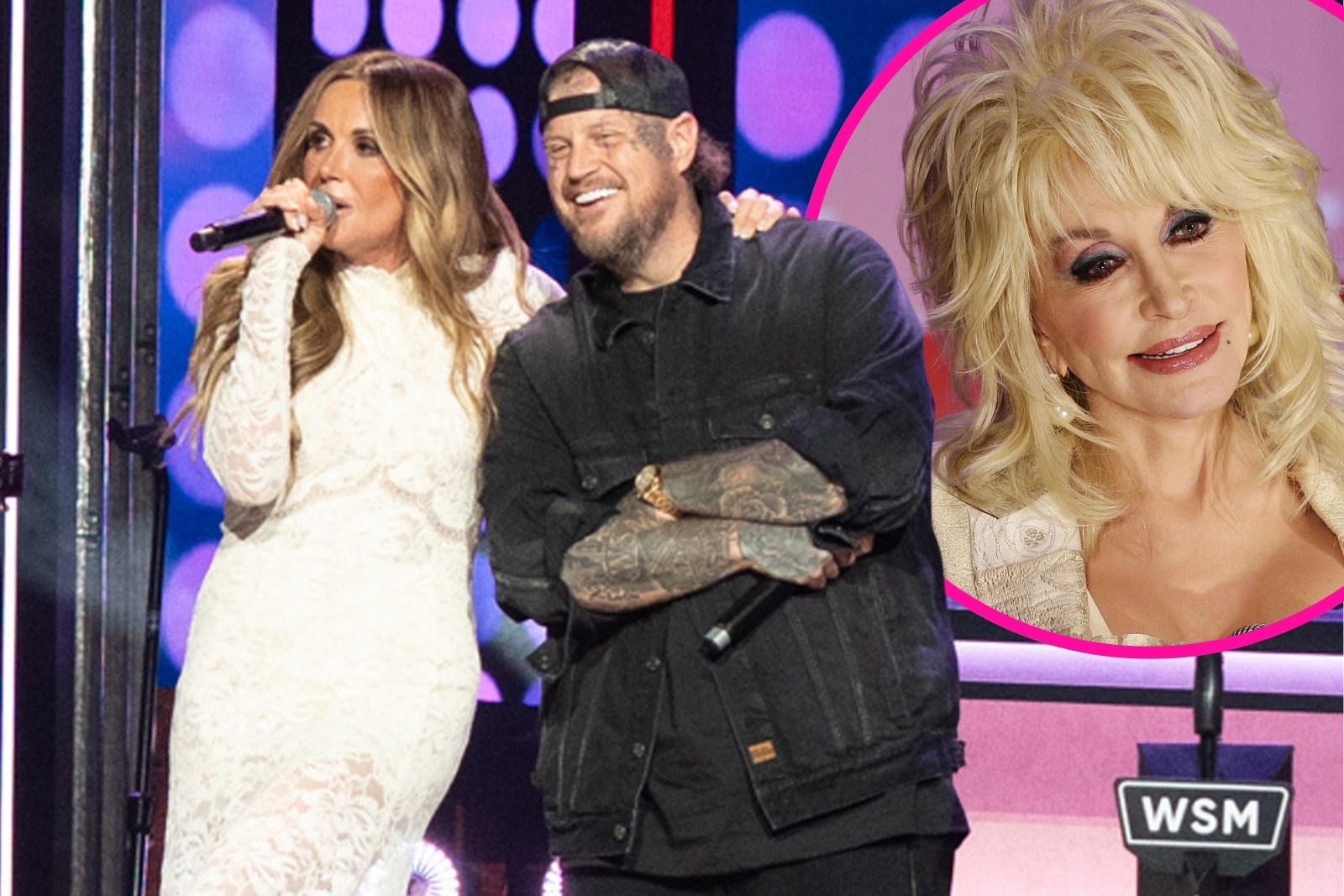
Grand Ole Opry members Carly Pearce and Jelly Roll paid tribute to Dolly Parton with “9 to 5.” Continue reading…Country Music News – Taste of Country
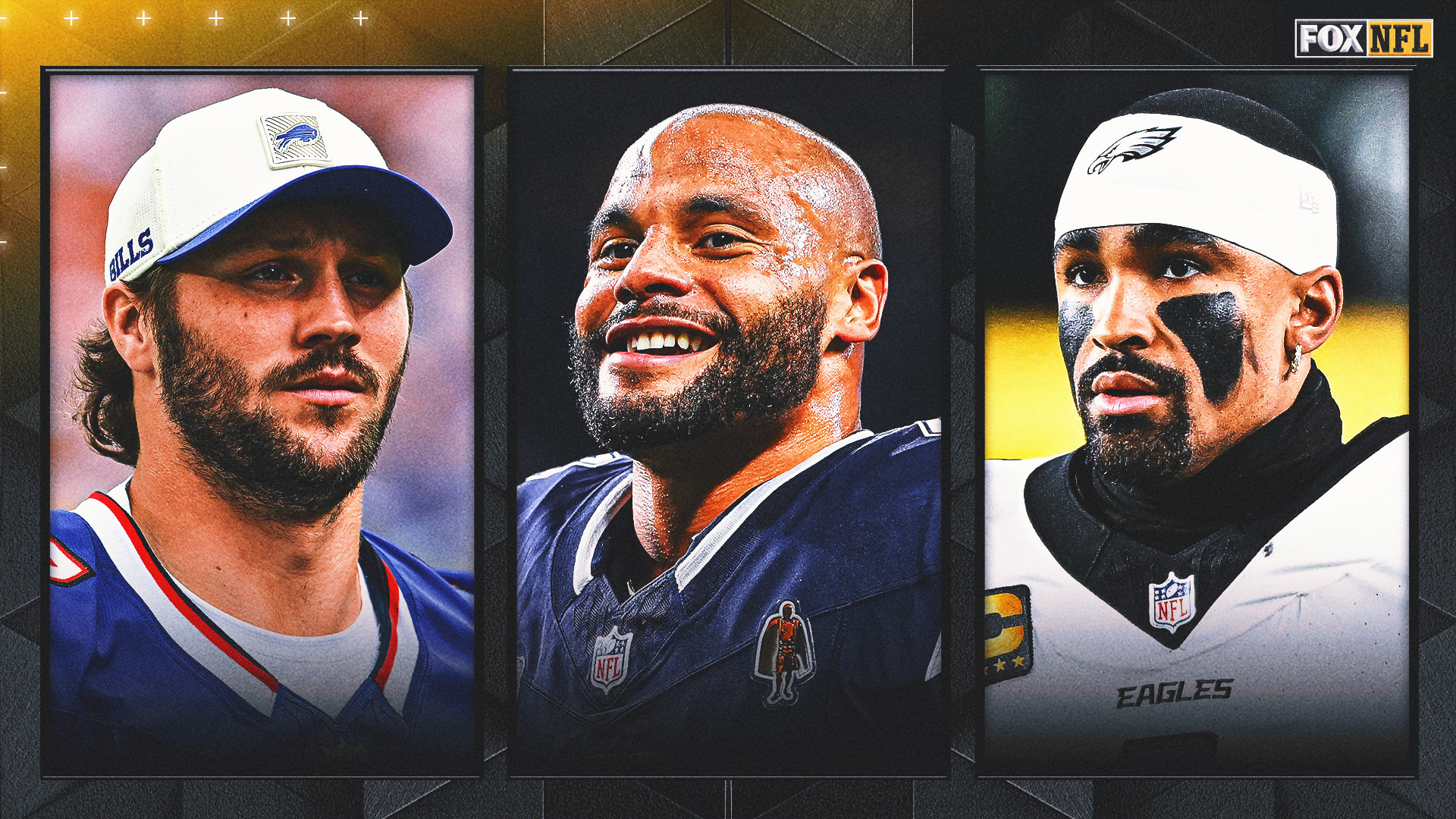
Success is all relative in the NFL, and it means different things for each of the 32 teams. Every win and loss is framed in the context of the original expectations for your season. You can go 11-6 and disappoint, like the Philadelphia Eagles last season. Or you can just go 6-11 and take a step forward as a franchise, just as the New Orleans Saints did this past year. So, which teams can that thinking apply to for the 2026 season? Let’s define success for all 32 teams, from the ones battling for the No. 1 overall pick to the franchises who should be content with nothing less than a championship as we place them in different tiers. Miss The Playoffs, But Just Win, Baby 2025 record: 3-14Projected win total: 3.5 wins At the bottom of the toughest division in the league, Arizona is resetting with new coach Mike LaFleur. Jacoby Brissett is a placeholder quarterback for 2026, and rookie Carson Beck should get a look. But realistically, the Cardinals are picking in the top five and taking a quarterback. No team has more 2027 cap space than Arizona, so the goal is to create a winning culture so you don’t have to overpay for the high-dollar free agents you’ll bring in. Long-term success for these bottom-tier teams means securing a potential franchise QB, so you don’t want to win so much you fall out of contention for a top-three quarterback in this talented draft class. 2025 record: 7-10Projected win total: 4.5 wins The Dolphins have a new coach in Jeff Hafley and one of the youngest rosters in the league. They’ll want to find out if Malik Willis is good enough in a full season as a starter to avoid using a high 2027 first-rounder on a quarterback. There’s a void at receiver, so if you can land Ohio State’s Jeremiah Smith as a No. 1 target for Willis, that’s great. But he might be the first non-QB off the board, so even six wins could take him off the board. If you can stay ahead of the Jets and avoid the AFC East cellar, that’s probably the bare minimum as you forge a new identity around a few core players. 2025 record: 5-12Projected win total: 5.5 wins It seems unlikely that Cleveland’s 2027 quarterback is on the current roster, so this year is about moving on from Deshaun Watson and beginning to get free of that albatross of a contract. Dead money from that deal will limit how active the Browns can be in free agency in 2027, so they need to identify the existing talent they can build around, like edge rusher Jared Verse, running back Quinshon Judkins, linebacker Carson Schwesinger, defensive tackle Mason Graham and rookie receivers KC Concepcion and Denzel Boston. If the Browns struggle to win games with a bad quarterback this season, is first-year head coach Todd Monken a lock to make it to 2027? 2025 record: 3-14Projected win total: 5.5 wins Like the Cardinals, the Jets have a stopgap quarterback in Geno Smith, but especially with a bonus first-round pick from the Colts, the priority will be finding a quarterback high in the 2027 draft. Can Aaron Glenn show enough progress to keep his job and be the coach for that rookie QB? This is a team with three first-round rookies, so there’s young talent to build around. They’re not going to catch the Bills or Patriots this season, but they can set themselves up to challenge for a playoff berth in 2027. They face the Cardinals, Browns, Raiders, Titans and Dolphins (twice), so it wouldn’t be hard to get to seven or eight wins and the cusp of wild-card contention this year. 2025 record: 3-14Projected win total: 5.5 Another young team stuck in a division with perhaps three playoff teams, the Raiders could make real improvement and still not see it in the standings in 2026. How quickly do they turn the team over to rookie Fernando Mendoza? Unless they’re really winning with Kirk Cousins, there’s little reason not to hand him the keys and give him on-the-job development this season. Do the Raiders keep Maxx Crosby or deal him for draft assets once he shows he’s healthy? They’ll play a ton of rookies on defense and might struggle with their youth, but the eye is on the future with Klint Kubiak, Mendoza and running back Ashton Jeanty. Find your new identity this year, win in 2027. Get That Young QB A Taste Of Meaningful Football 2025 record: 3-14Projected win total: 6.5 You could almost include the Titans in the bottom tier. But putting Robert Saleh in charge, giving Cam Ward a No. 1 receiver in rookie Carnell Tate and an easy schedule put Tennessee a smidge higher. How much better can Ward be with Brian Daboll at offensive coordinator? He had 15 touchdown passes as a rookie. Can he get to 25? Not many quarterbacks threw 10 more touchdowns from rookie to Year 2 in recent years, but Drake Maye was plus-16 and Trevor Lawrence was plus-13. Just catching the Colts and getting out of the AFC South cellar would be a good first step. Tennessee was 28th in scoring defense, so Saleh and at least five new starters on that side will get them closer to the middle of the pack. 2025 record: 4-13Projected win total: 7.5 How big a step can the Giants take with John Harbaugh? That defensive front — Brian Burns, Abdul Carter, Kayvon Thibodeaux and Arvell Reese — is talented enough that they might get past the loss of Dexter Lawrence in the middle. Can Jaxson Dart stay healthy and get a full year of Cam Skattebo and Malik Nabers? The first step is finishing ahead of the Commanders, but there’s a chance the Giants can hang with the Eagles and Cowboys and contend for a return to the playoffs. Watch what they do in Weeks 3-6, facing Tennessee, Arizona, Washington and New Orleans, with three of those at home. Harbaugh took Baltimore from 5-11 to 11-5 and two playoff wins in his first season there. 2025 record: 5-12Projected win total: 7.5 To be clear, Jayden Daniels got a big taste of the playoffs as a rookie. But Washington took a major slide last year, dropping from 12-5 to 5-12, and losing Daniels for 10 games was only part of the problem. Dan Quinn’s defense dropped to 27th in the league. Adding rookie linebacker Sonny Styles could spark the Commanders to greater things, and they went 3-3 in division last year, so they must make a significant improvement in non-division games to keep Quinn around. Opening at Dallas, at Philadelphia and hosting Seattle, they’ll do well not to open 0-3. Just Win The NFC South 2025 record: 8-9Projected win total: 6.5 The division is wide-open enough that all four teams should have confidence they have a shot at winning. Atlanta took a major 1-2 gut punch at edge rusher with Jalon Walker’s season-ending injury and James Pearce’s eight-game suspension, so they could be in trouble before they get the latter back. With no clear answer at quarterback, Kevin Stefanski’s priority will be finding out if either Michael Penix or Tua Tagovailoa is the long-term solution there. The offensive core — Bijan Robinson, Drake London, Kyle Pitts — is locked up, but that only means so much if they don’t know who their quarterback is. The defense, especially until Pearce returns, is a major question mark. 2025 record: 6-11Projected win total:7.5 We could have the Saints in the last group for sure, and much of their success will hinge on how Tyler Shough can play over a full season after going 4-1 at the end of a nine-game rookie sample. Kellen Moore has new weapons in running back Travis Etienne and rookie Jordyn Tyson, who will miss the start of the season with injury. The Saints open at Detroit and at Baltimore, so beating the Raiders in Week 3 is a must, or they’re digging a big hole early. Four division games in the final five weeks means if they can just hang around, another big finish would be huge for Moore’s second season. 2025 record: 8-9Projected win total: 7.5 The Panthers have gone from two to five to eight wins in the last three years, but continuing that trend won’t be easy with a first-place schedule and some tough training camp injuries. Can Bryce Young improve on last year’s 23-touchdown emergence? He’s back and has his fifth-year option for 2027, but he’s still working to show he’s worth a lucrative extension. If Carolina can repeat as division champs, head coach Dave Canales will deserve a lot of praise, but the outside expectations are a regression of some form. Is this the team that swept the Falcons last year or the one that got swept by the Saints? I wouldn’t want to be the coach who finishes last in the league’s worst division. 2025 record: 8-9Projected win total: 8.5 The Buccaneers are the preseason favorites to take the division they won four straight years from 2021-24, and that starts with avoiding the injuries that scuttled the second half of last season. So much is in flux here — win the South, you’re looking at a big Baker Mayfield extension. But fail to do so, and you could see Todd Bowles fired, which could lead to a new coach who may want a new quarterback. Bowles has a chance to get his defense back to a top-10 unit, with rookies like Rueben Bain and Josiah Trotter leading the way. Winning this division likely means hosting the lesser of the Rams or Seahawks, where you might be an underdog at home in wild-card weekend. Make It To The Playoffs, At Least 2025 record: 10-7Projected win total: 8.5 If the Steelers miss the playoffs, the entirety of Aaron Rodgers’ post-Packers years is rough, right? If he finishes his career with no playoff wins in his final six years, it’s not the fade that anyone expected. If you’re new head coach Mike McCarthy, you really don’t want to end a streak of 22 straight Steelers seasons without a losing record. The gripe was them not winning in the playoffs — six straight losses there — but it’s another problem to miss the postseason entirely. If you’re not winning, is there a way to give rookie Drew Allar a look, or do you just pivot to drafting a quarterback in 2027 regardless? 2025 record: 9-8Projected win total: 8.5 The Vikings went 14-3 in 2024, and while quarterback wasn’t the only limiting factor last year, if they get closer to their 35 touchdown passes in 2024, that’ll go a long way toward returning to the playoffs. Can Kyler Murray re-establish himself, and if he does, will the Vikings let another quarterback go or pay him to stay? Does he get a Baker Mayfield/Sam Darnold deal in the $35 million a year range or something more? Justin Jefferson had two touchdown catches in the entire 2025 season, and it seems impossible for him to come close to repeating that. Everyone pencils in three NFC North teams for the playoffs, so the Vikings just need to make sure they’re among them. 2025 record: 8-9Projected win total: 7.5 Shane Steichen has missed the playoffs in each of his first three seasons as head coach, but he’s also been no worse than 8-9 in any of them. If they fall short again, could Steichen or general manager Chris Ballard be in trouble? If Daniel Jones and Sauce Gardner are healthy all year, that takes away two excuses from last season. Can receiver Alec Pierce take the next step after getting paid $28 million a year? It’s hard to see the AFC South getting three playoff teams, so the Colts getting in means catching either the Texans or Jaguars, and they went 0-4 against those two as part of seven straight losses to end last season. 2025 record: 6-11Projected win total: 10.5 If you’d said three years ago that Joe Burrow and Cincinnati would miss the playoffs three years in a row, you’d sound crazy. The Bengals’ success starts with a healthy Burrow, but it’s also going to require major improvement on defense. Getting Pro Bowl defensive tackle Dexter Lawrence is a huge step toward that, but you’ll know quickly if they’re better, opening the year with the Bucs, Texans, Steelers and Jaguars. Go 1-3 or worse in those four and they might never get back on course. If the Bengals missed the playoffs and moved on from Zac Taylor, he’d be one of the first head coaches hired, much like Kevin Stefanski this past year. 2025 record: 7-9-1Projected win total: 9.5 The Cowboys are just like the Bengals: prolific quarterback, two elite receivers, but a porous defense giving up close to 30 points per game. They look to have addressed that side, from new coordinator Christian Parker to rookie safety Caleb Downs and likely five more new starters on defense. Dallas hasn’t missed the playoffs in three straight years since 2010-13, so that’s something to avoid. If the Cowboys miss the playoffs, does star receiver George Pickens sign somewhere else? Can they really afford to pay a second receiver that much either way? With one playoff win in the last seven seasons, you could easily move the Cowboys up to the next tier. 2025 record: 9-8Projected win total: 10.5 Somebody in the NFC North is going to disappoint and miss the playoffs, and everyone expects the Lions to get back to their dominant level of making the NFC title game in 2023 and going 15-2 in 2024. That means staying healthy on defense and having new offensive coordinator Drew Petzing improve on a unit that still ranked fourth in scoring in a down year last year. Does Penei Sewell take well at left tackle and does rookie Blake Miller handle himself at right tackle? This could easily be a team winning a playoff game or two, but in a tough division, we’ll start any measure of success with just getting back into the postseason. Win At Least One Playoff Game 2025 record: 12-5Projected win total: 9.5 Third-place teams don’t get much better than last year’s 49ers, and the same might be true in 2026, with San Francisco seen as a top-10 team that’s also way behind the Rams and Seahawks in expectations. If they were perpetually injured last year, they’re seen as old this season, so Christian McCaffrey, Mike Evans, George Kittle and Trent Williams need to defy their ages to lead Kyle Shanahan’s team to any deep playoff run. Shanahan keeps losing quality defensive coordinators, so it’s on Raheem Morris to keep that side playing at a high level. Can last year’s first-rounder Mykel Williams get healthy and provide a young spark for the 49ers defense? 2025 record: 13-4Projected win total: 8.5 First-year head coach Liam Coen was one of last year’s biggest surprises, finishing the year with eight straight wins before a close loss to the Bills in the playoffs. They lost more than they added in the offseason, counting on their depth to step up at key positions. Can Travis Hunter be the impact player — on at least one side of the ball — they traded up to No. 2 to get last year? Jacksonville hasn’t made the playoffs in back-to-back seasons since 1999, but it’d do well to find a way to improve on last year and win at least one game once it’s in. 2025 record: 6-11Projected win total: 10.5 Are they really back? Five Super Bowls — and three championships — in seven years sets the bar extremely high, so even with Patrick Mahomes returning from a major injury, fans expect the Chiefs to be a playoff team and a playoff threat again. The AFC West is three-wide with intrigue, with the Broncos as last year’s top seed in the AFC and the Chargers expected to challenge as well. The Chiefs went 0-4 against those two, so you need a split at least to really get back. Monday night in Week 1, hosting the Broncos, will set one team as the team to beat in the division. Look for one Super Bowl MVP to help another out, with Kenneth Walker joining the K.C. backfield. 2025 record: 11-6Projected win total: 10.5 There’s little middle ground for head coach Nick Sirianni, either making the Super Bowl or losing in his first playoff game five years in a row. It’s hard to imagine a coach two years removed from a championship being in jeopardy, but the inconsistency is glaring. For the record, we have 14 teams listed as “need to win a playoff game” or better, so at best only half of those are going to reach that goal. A new offensive coordinator every year is a problem, so Sean Mannion needs to get regular-season Jalen Hurts to a higher level of production without A.J. Brown out there. Sirianni doesn’t need a Super Bowl. He just needs to stay in the playoffs longer than a weekend. 2025 record: 9-7-1Projected win total: 9.5 The Packers have made the playoffs six times in seven years under head coach Matt LaFleur, but they have only one playoff win in the last five years, matching the fewest in any five years since 1988-92. They’ll start the year without Micah Parsons, but he should be a major factor in the playoffs, provided they get there. Jordan Love has gone from 32 passing touchdowns to 25 to 23 in his three years as starter, and he lost two receivers in the offseason without much to replace them. Getting tight end Tucker Kraft back healthy helps, but Green Bay needs to start by making sure they’re not the one NFC North team left out of the postseason fun. 2025 record: 11-6Projected win total: 9.5 Repeating as NFC North champs won’t be easy with a first-place schedule that has the Bears facing last year’s Super Bowl teams in back-to-back weeks, then going to Buffalo the week before Christmas. The Bears won the North last year despite going 2-4 in division games, so that will have to improve if they want another home playoff game. Can the Bears possibly pull off as many late-game comebacks as they did behind Caleb Williams last year? Their emergence in Ben Johnson’s first year sets the bar high for 2026. Whether as a division winner or a wild card team, they need to advance to the division round to show they haven’t taken any kind of step back. 2025 record: 11-6Projected win total: 9.5 This has to be the year Justin Herbert gets his first playoff win, right? He’s not only 0-3, but he’s lost the last two by a combined 33 points. No new coordinator has more buzz than Mike McDaniel, though it’s fair to wonder if the Chargers take a step back on defense with Jesse Minter gone to the Ravens. A healthy offensive line is a huge boost here, and second-year back Omarion Hampton could be a surprise star if he stays healthy. I picked the Chargers to win the Super Bowl this spring, so they need to win a playoff game or two just to make that pick not look embarrassing. Reach The AFC Championship Game 2025 record: 12-5Projected win total: 9.5 Defense wins championships, right? Houston was dominant at the end of last season, winning nine straight, but couldn’t stop New England in the divisional round. The Texans had 10-plus wins four times in their first 21 years, and now have done it three times in three seasons under Demeco Ryans. They’ve won exactly one playoff game in each of those seasons, but have a chance now to push a step farther in the playoffs. The defense will be elite, but can a revamped offensive line help get C.J. Stroud back to his rookie-year greatness? If he can do that, he’ll have a $200 million contract coming his way, and a deep playoff run would make that even bigger. 2025 record: 8-9Projected win total: 11.5 With a first-year head coach in Jesse Minter, coming off a losing record and with Pro Bowl center Tyler Linderbaum gone to the Raiders, the Ravens still have very high expectations. Minter should improve an already-strong defense, as will the healthy return of defensive tackle Nnamdi Madubuike and the addition of edge rusher Trey Hendrickson. Does Derrick Henry have another 1,500-yard season in his 32-year-old body? The last time the Ravens won more than one playoff game in a season was 2012, but with a perennial MVP candidate in Lamar Jackson, they need to do that this season to avoid the stigma of a good team that can’t play its best football in January. 2025 record: 14-3Projected win total: 10.5 The defending AFC champs aren’t even favored to win their division, despite acquiring talented new weapons for Drake Maye to throw to after earning MVP runner-up honors last season. Mike Vrabel has had an offseason of headlines for the wrong reasons, and if the Patriots don’t come out of the gate strong — three of their first four are at Seattle, at Jacksonville, at Buffalo — there will be questions of whether the distraction impacted players. The Patriots scored just 23 points total in their last two playoff games, so an improved offense will help Vrabel as he tries to make another deep postseason push in his second year in New England. Super Bowl Or Bust 2025 record: 12-5Projected win total: 10.5 What better way to break in a new stadium than by hosting and winning the AFC Championship Game? The Bills have five home playoff wins in the last five years, and it’s a much easier path to a Super Bowl if they go through their new home. They’ll try to do this with a first-year head coach in newly promoted Joe Brady, with Jim Leonhard on board to run the defense. Is receiver D.J. Moore the answer to unlocking another level of Josh Allen? His passing touchdowns in the last six years are 37-36-35-29-28-25, but we’ll say that downward trend ends and he’s back at 30-plus touchdown passes. For his legacy, he needs to get Buffalo back to a Super Bowl, and obviously a win there would be historic for the franchise. 2025 record: 14-3Projected win total: 9.5 The Broncos had the AFC’s top seed last year and hosted the conference championship, but Bo Nix’s injury absence puts an asterisk on their loss to the Patriots. Can he stay healthy and change that outcome in 2026? Adding wide receiver Jaylen Waddle will give their passing game a jolt, though he literally might be the only newcomer in a starting role. Denver has the best offensive line in the game, and the run game will be improved with a healthy J.K. Dobbins and fourth-round rookie Jonah Coleman. Denver’s good enough that success won’t be measured until well into the playoffs. Can Bo Nix make the big leap that Drake Maye made a year ago? 2025 record: 14-3Projected win total: 10.5 Few saw the Seahawks’ breakout coming a year ago, and head coach Mike Macdonald’s team took enough losses in free agency that they’re underdogs in their own division. The Seahawks are the defending champs, but are lurking in the Rams’ shadow as the season begins. Can quarterback Sam Darnold find the same success with Klint Kubiak gone to the Raiders and unheralded Brian Fleury taking over the offense? The challenge from within the division is real — they’ll face the Rams twice in the final three weeks of the season, the first on Christmas in Seattle, and the winner from those two games will be seen as the team to beat in the NFC playoffs. 2025 record: 12-5Projected win total: 11.5 Once they traded for Myles Garrett, the Rams were the team to beat for the Super Bowl, and that’s before you even talk about the chance their addition of Aaron Donald on Sunday. You have an MVP at quarterback in Matthew Stafford — 46 touchdown passes against only eight interceptions last year — and don’t forget corner Trent McDuffie, acquired from the Chiefs for a first-round pick. There’s a chance the Rams could play the entire playoffs on their home field, setting up a Super Bowl win at home for the second time in six seasons. More than any other team in the league, if they don’t hoist a trophy at the end of this season, it’s a disappointment.Latest Sports News from FOX Sports