Hundreds of thousands of young carers could be missing out on vital support because they are not registered with their local authority, according to new data seen by Sky News. The Latest News from the UK and Around the World | Sky News









Hundreds of thousands of young carers could be missing out on vital support because they are not registered with their local authority, according to new data seen by Sky News. The Latest News from the UK and Around the World | Sky News
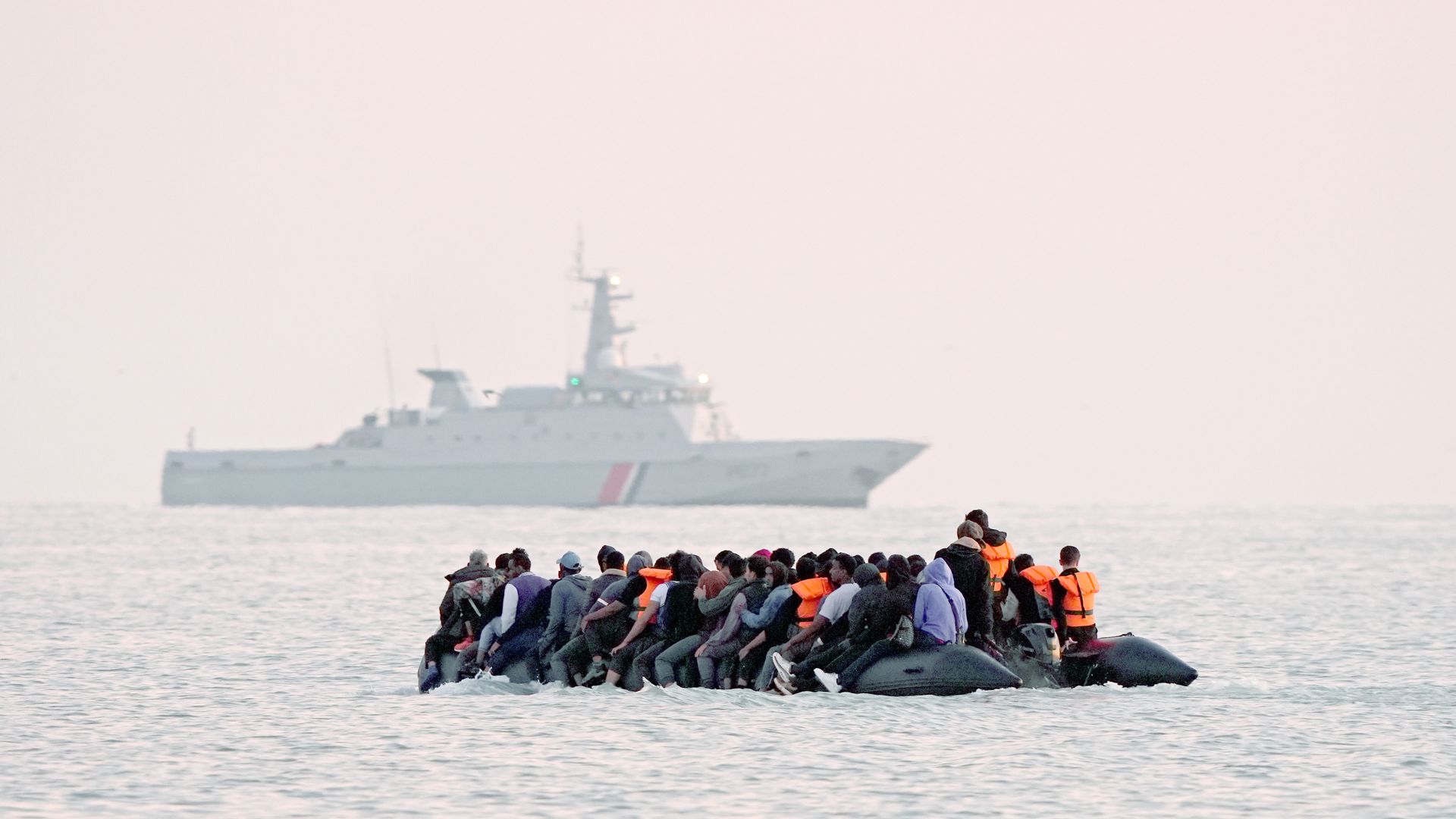
Anyone who advertises Channel crossings or fake passports on social media could face up to five years in prison under new government plans.The Latest News from the UK and Around the World | Sky News

Child vaccination uptake is the lowest it has been in more than a decade, with a death from measles in Liverpool reigniting calls for increased awareness of the dangers of not getting jabs.The Latest News from the UK and Around the World | Sky News

The BBC has responded after it was reported that two Strictly Come Dancing stars have been accused of taking cocaine.The Latest News from the UK and Around the World | Sky News
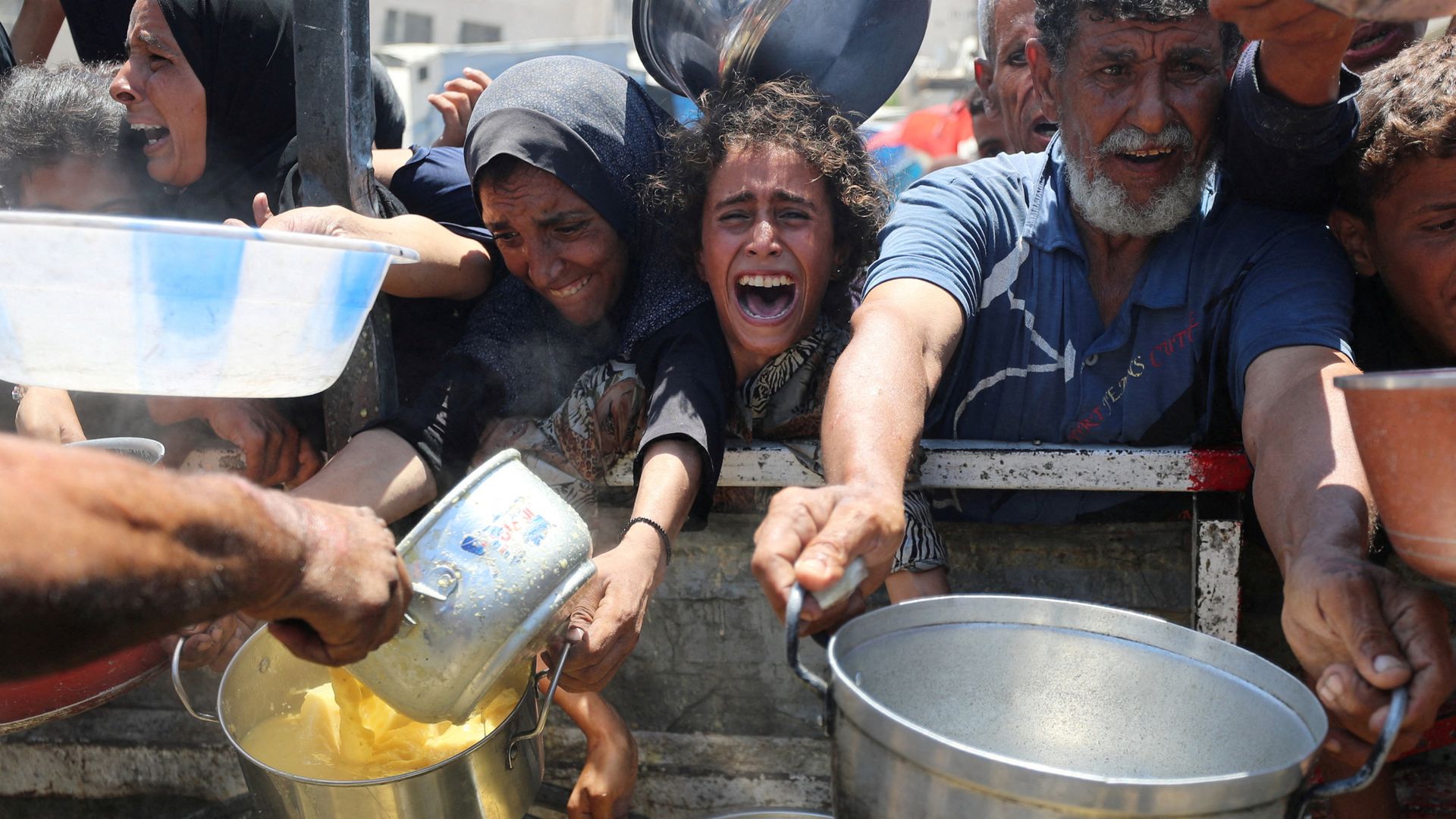
Just 36 aid trucks entered Gaza on Saturday – despite the humanitarian situation in the enclave worsening, Palestinian officials have warned.The Latest News from the UK and Around the World | Sky News

Britain’s most-wanted fugitive is still on the run – exactly 20 years after the fatal shooting of a young mother of three.The Latest News from the UK and Around the World | Sky News
By: Greg Knight, News of the North
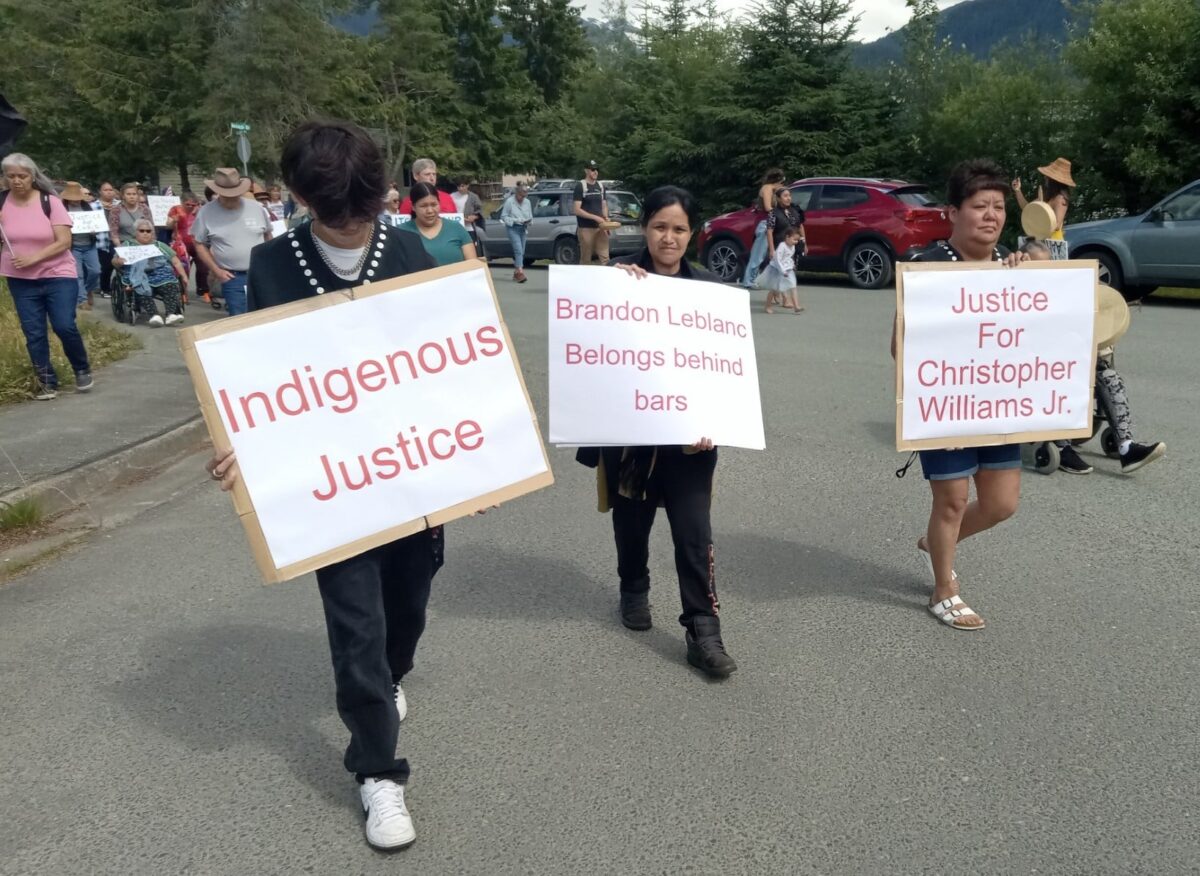
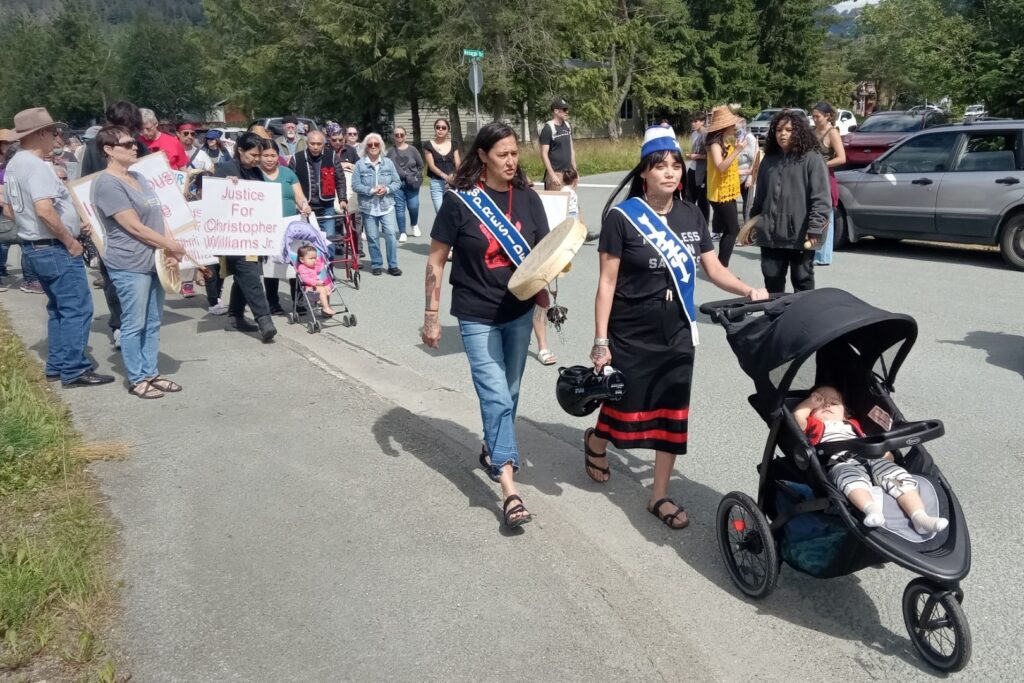
A peaceful protest was held Saturday outside Juneau Police Department headquarters, following the arrest last week of 49-year-old Chris Williams, Jr.
Williams was medevaced to Anchorage after being taken to the ground by JPD Officer Brandon LeBlanc outside the Douglas Library. Video posted on social media shows LeBlanc taking Williams down during what police say was an arrest after Williams allegedly approached officers aggressively.
Nearly 100 protesters peacefully called for accountability and systemic police reform.
Organizer Jamiann S’eiltin said the incident reflects a broader pattern of violence against Indigenous people.
“This isn’t something new,” S’eiltin said. “This has been going on since almost time immemorial, since the arrival of Western European settlers. So, just want to put that out there that we are brutally attacked 10 times more than the national average, and that’s something to bring forward here today.”
LeBlanc is on administrative leave and an outside agency is conducting an investigation into the incident.
The Central Council of Tlingit and Haida, which confirmed Williams is a tribal citizen, is demanding transparency and a full inquiry.
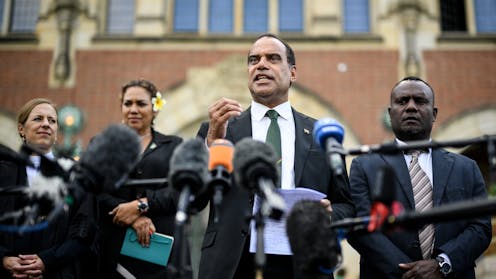
The International Court of Justice issued a landmark advisory opinion in July 2025 declaring that all countries have a legal obligation to protect and prevent harm to the climate.
The court, created as part of the United Nations in 1945, affirmed that countries must uphold existing international laws related to climate change and, if they fail to act, could be held responsible for damage to communities and the environment.
The opinion opens a door for future claims by countries seeking reparations for climate-related harm.
But while the ruling is a big global story, its legal effect on the U.S. is less clear. We study climate policies, law and solutions. Here’s what you need to know about the ruling and its implications.
The ruling resulted from years of grassroots and youth-led organizing by Pacific Islanders. Supporters have called it “a turning point for frontline communities everywhere.”
Small island states like Vanuatu, Tuvalu, Barbados and others across the Pacific and Caribbean are among the most vulnerable to climate change, yet they have contributed little to global emissions.

For many of them, sea-level rise poses an existential threat. Some Pacific atolls sit just 1 to 2 meters above sea level and are slowly disappearing as waters rise. Saltwater intrusion threatens drinking water supplies and crops.
Their economies depend on tourism, agriculture and fishing, all sectors easily disrupted by climate change. For example, coral reefs are bleaching more often and dying due to ocean warming and acidification, undermining fisheries, marine biodiversity and economic sectors such as tourism.
When disasters hit, the cost of recovery often forces these countries to take on debt. Climate change also undermines their credit ratings and investor confidence, making it harder to get the money to finance adaptive measures.

Tuvalu and Kiribati have discussed digital nationhood and leasing land from other countries so their people can relocate while still retaining citizenship. Some projections suggest nations like the Maldives or Marshall Islands could become largely uninhabitable within decades.
For these countries, sea-level rise is taking more than their land – they’re losing their history and identity in the process. The idea of becoming climate refugees and separating people from their homelands can be culturally destructive, emotionally painful and politically fraught as they move to new countries.
The International Court of Justice, commonly referred to as the ICJ or World Court, can help settle disputes between states when requested, or it can issue advisory opinions on legal questions referred to it by authorized U.N. bodies such as the General Assembly or Security Council. The advisory opinion process allows its 15 judges to weigh in on abstract legal issues – such as nuclear weapons or the Israeli occupation of the Palestinian territories – without a formal dispute between states.
While the court’s advisory opinions are nonbinding, they can still have a powerful impact, both legally and politically.
The rulings are considered authoritative statements regarding questions of international law. They often clarify or otherwise confirm existing legal obligations that are binding.
The ICJ was asked to weigh in on two questions in this case:
“What are the obligations of States under international law to ensure the protection of the climate system … from anthropogenic emissions of greenhouse gases?”
“What are the legal consequences under these obligations for States where they, by their acts and omissions, have caused significant harm to the climate system?”
In its 140-page opinion, the court cited international treaties and relevant scientific background to affirm that obligations to protect the environment are indeed a matter of international environmental law, international human rights law and general principles of state responsibility.
The decision means that in the authoritative opinion of the international legal community, all countries are under an obligation to contribute to the efforts to reduce global greenhouse emissions.
To the second question, the court found that in the event of a breach of any such obligation, three additional obligations arise:
The country in breach of its obligations must stop its polluting activity, which would mean excess greenhouse gas emissions in this case.
It must ensure that such activities do not occur in the future.
It must make reparations to affected states in terms of cleanup, monetary payment and apologies.
The court affirmed that all countries have a legal duty under customary international law, which refers to universal rules that arise from common practices among states, to prevent harm to the climate. It also clarified that individual countries can be held accountable, even in a crisis caused by many countries and other entities. And it emphasized that countries that have contributed the most to climate change may bear greater responsibility for repairing the damage under an international law doctrine called “common but differentiated responsibility,” which is commonly found in international treaties concerning the environment.
While the ICJ’s opinion doesn’t assign blame to specific countries or trigger direct reparations, it may provide support for future legal action in both international and national courts.
In the U.S., this advisory opinion is unlikely to have much legal impact, despite a long-standing constitutional principle that “international law is part of U.S. law.”
U.S. courts rarely treat international law that has not been incorporated into domestic law as binding. And the U.S. has not consented to ICJ jurisdiction in previous climate cases.
Contentious cases before international tribunals can be brought by one country against another, but they require the consent of all the countries involved. So there is little chance that the United States’ responsibility for climate harms will be adjudicated by the World Court anytime soon.
Still, the court’s opinion sends a clear message: All countries are legally obligated to prevent climate harm and cannot escape responsibility simply because they aren’t the only nation to blame.
The unanimous ruling is particularly remarkable given the current hostile political climate in the United States and other industrial nations around climate change and responses to it. It represents a particularly forceful statement by the international community that the responsibility to ensure the health of the global environment is a legal duty held by the entire world.
The ICJ’s advisory opinion marks a turning point in the global effort to hold countries responsible for climate change.
Vulnerable countries now have a more concrete, legally grounded base to claim rights and press for accountability against historical and ongoing climate harm – including financial claims.
How it will be used in the coming years remains unclear, but the opinion gives small island states in particular a powerful narrative and a legal tool set.

Lauren Gifford receives funding from the National Science Foundation and the US Department of Agriculture.
Daimeon Shanks-Dumont does not work for, consult, own shares in or receive funding from any company or organization that would benefit from this article, and has disclosed no relevant affiliations beyond their academic appointment.
Politics + Society – The Conversation
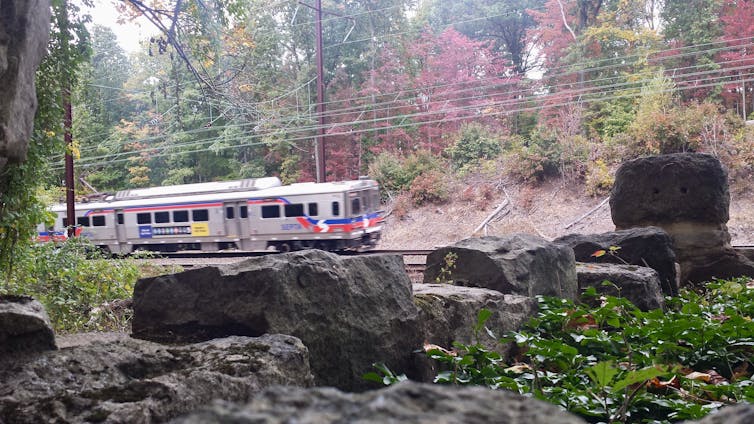
When commuters on the R5 SEPTA train that connects suburban Chester County to Philadelphia approach Malvern station, they might spot a square stone monument on the right side in a clearing surrounded by a thick stand of forest.
Above it, a sign paid for by the Amtrak electrical workers union and suspended from the trees reads:
BURIAL PLOT OF IRISH RAILROAD WORKERS: At this site, known as Duffy’s Cut, fifty-seven Irish immigrant railroad workers from the counties of Donegal, Tyrone, Derry and Leitrim died of cholera and murder in the summer of 1832.
I’m a historian at Immaculata University, about one mile west of Duffy’s Cut. In 2004, my colleagues and I were the ones to discover the mass grave when we excavated the site with the permission of the Pennsylvania Historical and Museum Commission.
My students, who were about the same age as Duffy’s workers in 1832, provided a great deal of the labor at the excavation.
More recently, in May 2025, we discovered human remains that suggest a second Irish immigrant railroader mass grave 11 miles west of Duffy’s Cut, in Downingtown.
Duffy’s Cut was named after an Irish Catholic immigrant railroad contractor named Philip Duffy, who lived from 1783-1871 and was probably from County Donegal in northwest Ireland.
I learned about the site and its possible mass grave from Pennsylvania Railroad documents that survived in my family.
A 1909 file, labeled “History of Duffy’s Cut Stone enclosure east of Malvern, Pennsylvania, which marks the burial place of 57 track laborers who were victims of the cholera epidemic of 1832,” was compiled by future Pennsylvania Railroad president Martin W. Clement when he was an assistant supervisor. My grandfather, who was Clement’s executive assistant and later director of personnel, obtained the file before the records were auctioned off in 1972, and my brother showed me the file in 2002.
The Philadelphia & Columbia Railroad, the predecessor of the Pennsylvania Railroad, wanted to shorten the travel time from Philadelphia to Pittsburgh from three to four weeks by Conestoga wagon to three to four days by rail, canal and river.
The file my brother had in his possession stated that the dead railroaders at Duffy’s Cut were young men, recently arrived from Ireland. It also said the cost of mile 59 was vastly more expensive than the typical Philadelphia & Columbia Railroad mile. Laying a typical mile of P&C railroad cost US$5,000 in the 1830s. But at mile 59, gouging the landscape with a “cut” to lay the tracks on level ground and bridging the valley with a fill – an earthen bridge – cost $32,000. Although the work was especially difficult, the common laborers received about 25 cents a day.
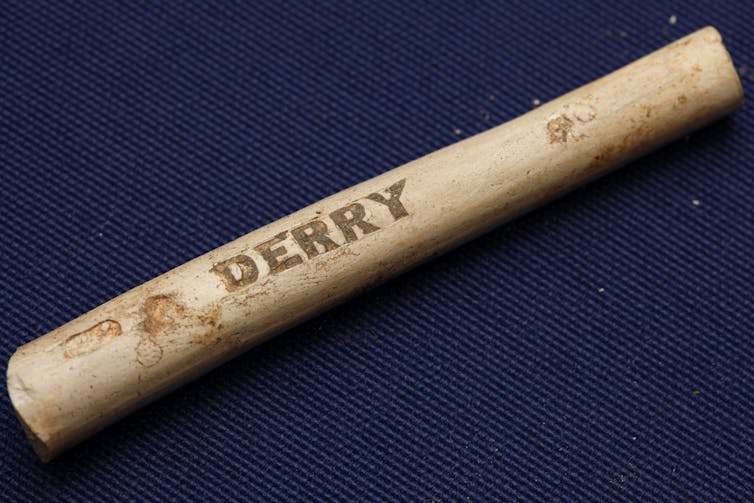
Most of the men had sailed from the city of Derry in the north of Ireland to Philadelphia from April to June of 1832 aboard the John Stamp. The ship pulled into the Lazaretto quarantine station on the Delaware River in Essington, Pennsylvania, before sailing on to Philadelphia.
No one on the John Stamp was reported to be ill. This was the height of the 1832 cholera epidemic that ultimately killed at least 10,000 people in the U.S.
Forty-seven laborers from the John Stamp ship joined 10 other Irish immigrant workers who were already living with Duffy in a rental house in Willistown, a mile south of the work site.
Yet almost as soon as they arrived to the work camp at mile 59, so did cholera, which had spread to Philadelphia from New York City.
Americans could read about the spread of cholera across Europe in 1831 in the newspapers, but very little was known about the disease until decades later.
Cholera is a bacterial infection that spreads due to poor sanitary practices in which human feces get into drinking water, via excrement passed into streams or by seepage from outhouses to wells.
But in 1832, people believed cholera was linked to intemperance and vice, which were thought to weaken the body. According to the prevailing miasma theory, it caused outbreaks once airborne. Immigrants and the poor were thought to be especially susceptible to the disease and primary vectors for its spread.
Cholera causes extreme diarrhea and vomiting that lead to rapid electrolyte loss. In 1832 it was fatal in about 50% of cases. In the Delaware Valley, cholera cases mounted from July into August 1832. Philadelphia registered its peak number of cases, 173, on Aug. 6 and peak number of deaths, 76, on Aug. 7. The hardest-hit areas in the region were working-class neighborhoods and canal and railroad work camps.
A typical crew on a P&C mile numbered 100 to 120 men. However, the work by Irish immigrants was segregated along sectarian lines on the railroads in the U.S., as it was in the Belfast dockyards at the same time. The other half of the workers at mile 59, according to Canal Commission reports, were Irish Protestant immigrants who worked for an Irish Protestant contractor and did the less dangerous work of laying tracks. They did not die of cholera.
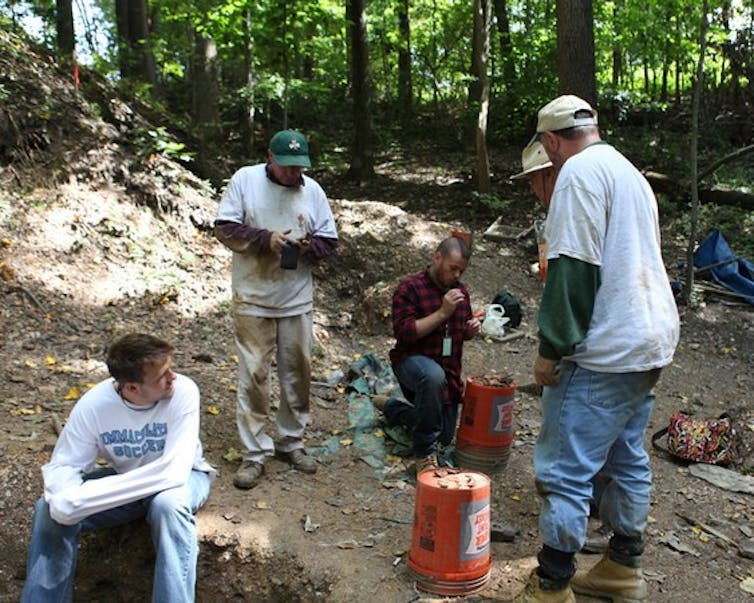
To excavate the site, we partnered with the Chester County Emerald Society, a law enforcement group that cleared our work with the county district attorney, and the coroner, in case we found human remains. The University of Pennsylvania Museum provided ground-penetrating radar, as well as archaeological and anthropological assistance for the dig. Staff trained my students in how to properly excavate and handle artifacts and bones.
Our research team uncovered seven sets of remains between 2009 and 2012 in the remaining eastern portions of the fill. The skeletons had been buried in coffins sealed with an exceptional number of nails, perhaps to contain the cholera.
Analysis at the UPenn Museum showed evidence of violence to each of the skulls – with one skull showing both an ax blow and a bullet encased in the skull. Researchers found no evidence of defensive wounds on any skeleton, suggesting that the men might have been tied up before being killed.
After our team analyzed the remains, we came to the startling conclusion that the men didn’t die from cholera – they were massacred.
I believe that fear of cholera, an epidemic that some clergymen in America and England called “a chastisement for the sins of the people,” and anti-immigrant sentiment fueled violence against them by native-born populations.
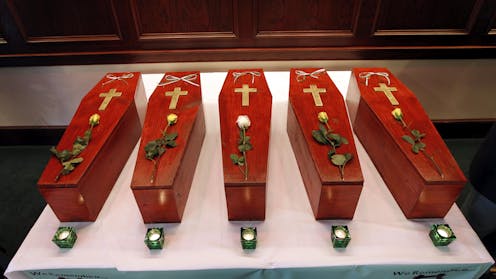
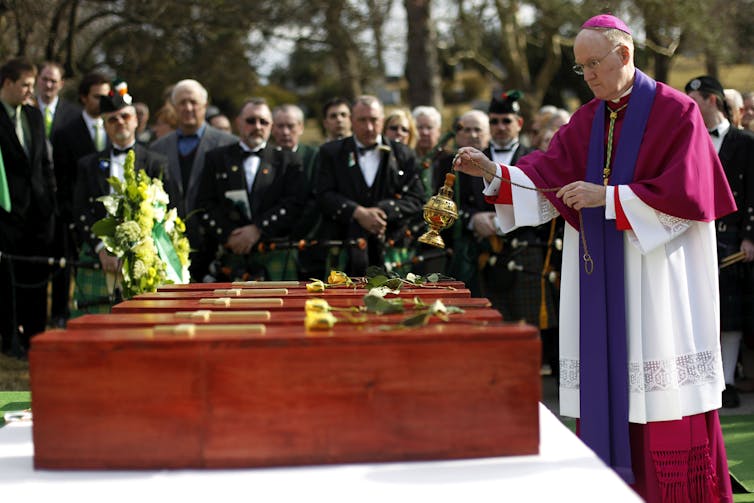
After forensic examinations of the remains, five of the skeletons were reburied during a ceremony at West Laurel Hill Cemetery in Bala Cynwyd in 2012. My team determined the identities of two of the deceased – 18-year-old John Ruddy from County Donegal and 29-year-old Catherine Burns, the daughter of one of the workers, from County Tyrone – and their remains were returned to their home counties in Ireland in 2013 and 2015.
Historical records led us to what we believe is a second mass grave in Chester County.
An article in the Nov. 7, 1832, issue of the Village Record newspaper in West Chester reported that one man from Duffy’s Cut fled westward down the unfinished track line to another Irish immigrant railroader crew “near the line of East Bradford and East Caln.”
This was P&C mile 48 in Downingtown, Pennsylvania. It was under the direction of Irish immigrant contractor Peter Connor, whose crew of 100 to 120 men was reported to have all died around the same time as Duffy’s crew.
Forty years later, Charles Pennypacker’s 1909 “History of Downingtown” recorded that the dead Irishmen in Downingtown were carted north to a field where they were buried in a mass grave on the property of present-day Northwood Cemetery, “in the eastern part of the cemetery, near the gully.”
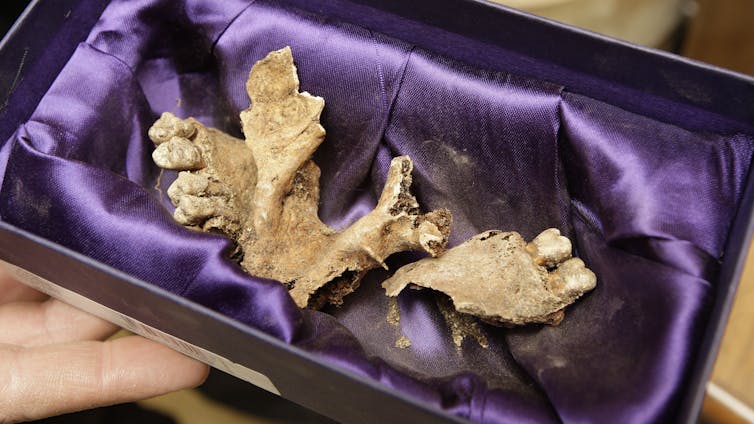
On May 15, 2025, the Duffy’s Cut team unearthed the first human remains from the Downingtown crew in the exact place reported by Pennypacker. This work has just started.
Up and down the East Coast, there are numerous mass graves of anonymous workers who died of epidemics and overwork in the 1820s and 1830s. Most of those people will never have their stories told.
At Duffy’s Cut, and now at the Downingtown site, we hope to humanize some of the hardworking immigrants who died building a crucial part of America’s industrial landscape.
Visitors can view artifacts found at Duffy’s Cut at the Duffy’s Cut Museum in the Gabriele Library at Immaculata University in Malvern, Pa.
Read more of our stories about Philadelphia and Pennsylvania.

William E. Watson serves as the unpaid director of the 501 c 3 educational non-profit and in 2016 served as director of an NEH summer teachers’ institute at Immaculata University. .
Politics + Society – The Conversation

Reading Time: 3 minutes
It’s the end of the road for Carrie Bradshaw and company.
It was revealed today that the Sex and the City spinoff And Just Like That … will come to an end with its third season.
News that the show’s upcoming two-part finale will be its final episodes comes to us courtesy of showrunner Michael Patrick King.
“And just like that … the ongoing storytelling of the Sex And The City universe is coming to an end. While I was writing the last episode of And Just Like That season three, it became clear to me that this might be a wonderful place to stop,” read the statement (according to TV Line).
“Along with Sarah Jessica Parker, Casey Bloys and Sarah Aubrey, we decided to end the popular series this year with a two-part finale and extended the original series order from 10 episodes to 12,” King continued.
Now, King is carefully avoiding words like cancelation, but he admits that HBO CEO Casey Bloys and HBO Max HBO Max head of originals Sarah Aubrey were involved in the decision-making process.
Many fans pointed out that if King had planned this as the final season, that information likely would have been included in the show’s promotional materials.

“SJP and I held off announcing the news until now because we didn’t want the word ‘final’ to overshadow the fun of watching the season,” he unconvincingly claimed in his statement, concluding:
“It’s with great gratitude we thank all the viewers who have let these characters into their homes and their hearts over these many years.”
While AJLT never achieved the commercial or critical success of SATC (in fact, very few were surprised by today’s cancelation), many are still sad to be saying goodbye to beloved characters like Carrie Bradshaw.
And of course, no one is more affected by the end of Carrie’s story than the woman who portrayed her on two series and in two feature films.
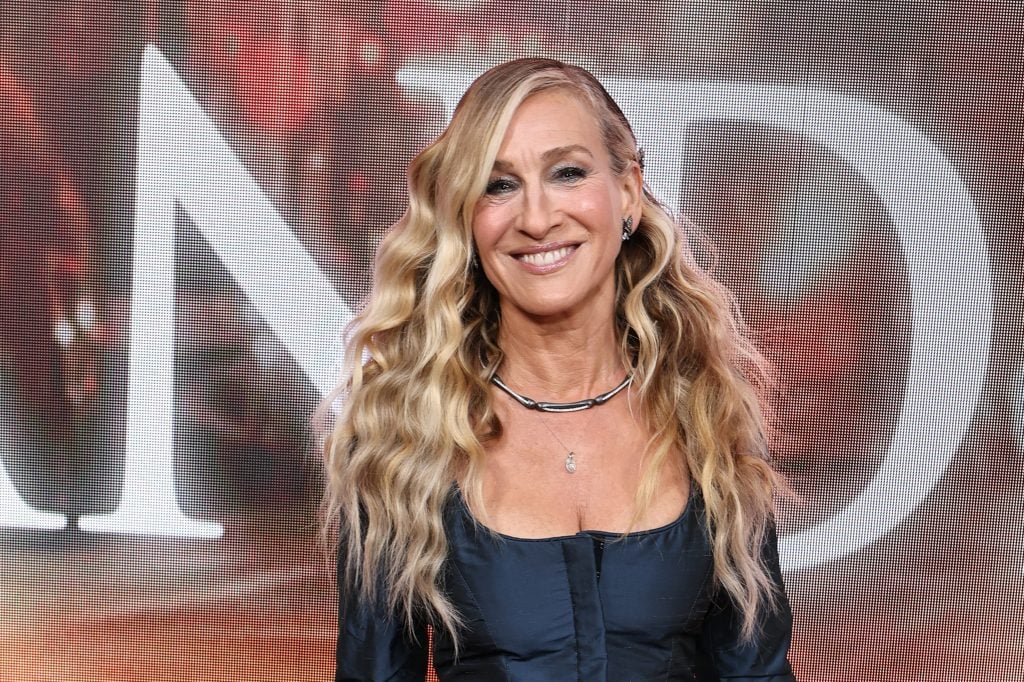
“She Broke hearts Heels Habits. She Loved Lost Won Tripped Leaped Fell short and into puddles Aged Got wiser. She has made The hardest Worst and best decisions Traveled near and far For the new The vintage Friends and love,” Sarah Jessica Parker wrote on Instagram today.
“Held onto hands, hopes and the very best of people. Miranda, Samantha and Charlotte, there will never be better friends and what great fortune for Carrie to come to know and love Seema and LTW, most divine new connections,” the actress continued, adding:
“Carrie Bradshaw has dominated my professional heartbeat for 27 years. I think I have loved her most of all. I know others have loved her just as I have. Been frustrated, condemned and rooted for her,” she continued. “The symphony of all those emotions has been the greatest soundtrack and most consequential companion. Therefore the most sentimental and profound gratitude and lifetime of debt. To you all.”
While the Sex and the City sequel series never quite lived up to fans’ expectations, the conclusion of Carrie’s story after 27 years is truly a momentous event.
Here’s hoping And Just Like That … will go out on a high note.
‘And Just Like That …’ Canceled By HBO Max Amid Declining Ratings, … was originally published on The Hollywood Gossip.
The Hollywood Gossip
