Wisconsin’s not just about cheese and football anymore; a major lawsuit is shaking up the fast-food scene and raising eyebrows about child labor laws. Continue reading…The Boot – Country Music News, Music Videos and Songs









Wisconsin’s not just about cheese and football anymore; a major lawsuit is shaking up the fast-food scene and raising eyebrows about child labor laws. Continue reading…The Boot – Country Music News, Music Videos and Songs

After about 40 minutes of Super Bowl LX, it was fair to begin thinking about the NFL offseason. The Seattle Seahawks had total control of the game, beating the New England Patriots 29-13 in Santa Clara on Sunday. It wasn’t competitive, not even when Drake Maye racked up garbage-time yards in the fourth quarter. As much of a slog as the Super Bowl was, the offseason should be exciting. So let’s start thinking about what comes next. We may have to wait until September for another game, but the NFL never sleeps. Here are 10 burning questions that will define the 2026 offseason. 1. Given they’re both almost definitely going to land with the Raiders, how will Fernando Mendoza click with Klint Kubiak? Let’s not stray too far from the Super Bowl to start. Kubiak, Seattle’s offensive coordinator, is leaving to become head coach of the Las Vegas Raiders, he confirmed on the field postgame. And it’s awfully likely that Mendoza, the Indiana quarterback and Heisman Trophy winner, is as well, as the No. 1 pick in the draft. Mendoza is a pro-style pocket passer whose upside might be Joe Burrow or Jared Goff, depending upon whom you ask. And that’s fine. Mobility isn’t a necessity for Kubiak’s system. The question is how Kubiak will handle Mendoza’s development. As we noticed with Vikings coach Kevin O’Connell, there’s a difference between maximizing a veteran QB (like Sam Darnold) and developing a young QB (like J.J. McCarthy). Throughout his career, Kubiak’s developmental QB projects included Paxton Lynch (2016-17), Brock Purdy (2023) and Spencer Rattler (2024). 2. Where can a needy team find a quality QB? For the teams desperately looking for a signal-caller, it’s a bad offseason. Mendoza will be a good solution for the Raiders, even if he’s not the elite prospect we’re accustomed to seeing at No. 1. But it gets bleak after him in the draft. In free agency, there’s Daniel Jones, who is coming off an Achilles injury and a broken fibula. There’s also Malik Willis, who looked great for a two-game span with the Packers — but so did Matt Flynn. (And if you can’t remember him, that’s the point.) There’s Mac Jones, who could cost a second-round pick to pry him from the 49ers. And maybe the Falcons will finally trade Kirk Cousins — maybe. That’s about it. 3. Will the Patriots stock up on pass-catchers? The Patriots should have their entire core returning on offense, which is great for continuity. But it should not stop them from finding a truly dominant force in the passing game for Maye. George Pickens would be pricey (in trade assets and dollars), but he’d be perfect for Maye, who excels throwing the deep ball. I totally understand this could be fool’s gold given his uneven pro performance, but Falcons tight end Kyle Pitts would be a compelling player in McDaniels’ system. “The show goes on. We gotta get back to work,” Patriots coach Mike Vrabel told reporters after the Super Bowl. 4. Can the Seahawks put themselves into position to repeat? Leading into the Super Bowl, Seattle was the odds-on favorite to win the title next season. But like any good team, opponents will come for their talent. Kubiak’s departure will hurt. The Seahawks have pending free agents: CB Tariq Woolen, RB Kenneth Walker, safety Coby Bryant, WR Rashid Shaheed and DE Boye Mafe, among others. But they also have an impressive $75 million in cap space. GM John Schneider will have his work cut out for him, because as we saw, this team will have to make up for Darnold. 5. Can Patrick Mahomes get healthy from his ACL tear by Week 1? The Chiefs QB wants to be on the field for the season-opener, but it’s hard to imagine he’ll be 100 percent. And he’ll have to be, if he and OC Eric Bieniemy want to have a more competent passing attack in 2026. 6. How different will the Eagles’ offense look? The Eagles won a Super Bowl a year ago, and I’m here wondering just how much they’ll blow up their offensive core. What a difference a year makes, huh? It feels just about inevitable that the Eagles will trade receiver A.J. Brown, who spoke openly about his discontent with his offensive usage. That would leave them with a gaping hole at receiver, which I’m not sure DeVonta Smith can fill alone. But receiver might not be GM Howie Roseman’s top priority, given how much the offensive line regressed this season. Can Roseman fix that, too? Just to add to the uncertainty, the Eagles hired OC Sean Mannion, who has just two years of coaching experience (and was a backup QB as recently as 2023). So, yeah, it’s a little chaotic in Philly right now. 7. What will Jerry Jones do next? Among other considerations, the Cowboys owner/GM will have to figure out 1) how to re-sign Pickens, the consensus top free agent who the team reportedly plans to franchise tag and 2) what to do with the draft haul that Dallas got from the Micah Parsons trade. Dallas picks at Nos. 12 and 20 in Round 1. If talks with Pickens don’t come together and he lands elsewhere, there’s a very strong draft class of wide receivers. 8. Who will rule the NFC North? The Bears famously promised to never give the division back. But the Green Bay Packers should only get better around maturing quarterback Jordan Love. The Detroit Lions did what they could to fight regression, bringing in new offensive coordinator Drew Petzing. The Vikings are likely to bring in a veteran QB who will probably be able to steer Kevin O’Connell’s system in a competent way. The division will be extremely competitive in 2026. Look out, Chicago. 9. What’s next for QB Jayden Daniels? No team disappointed quite like the Washington Commanders this season. They missed the playoffs after making the NFC Championship Game last season. That’s in large part due to Daniels’ injuries. With a new offensive coordinator in David Blough, it would be a delight to see Daniels get right — and not go the way of Robert Griffin III. 10. Which team will surprise like the Patriots and Seahawks? These two Super Bowl teams have three things in common: 1) A new and talented coach, 2) A new and talented quarterback and 3) An organization with a history of success. So who’s next? How about: the New York Giants.Latest Sports News from FOX Sports
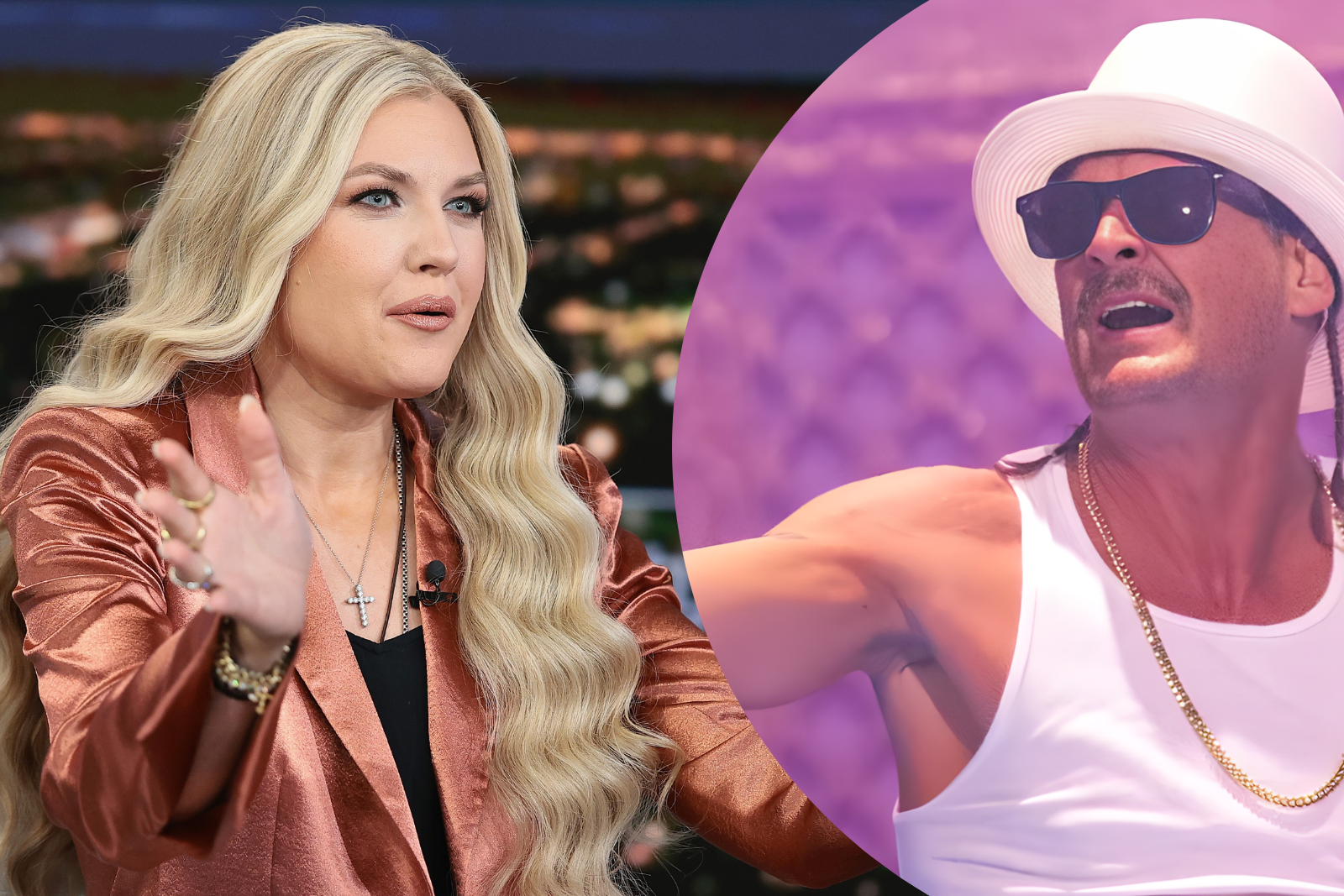
Erika Kirk did not appear during Turning Point USA’s All-American Halftime Show, which included a tribute honoring her late husband, Charlie Kirk. Continue reading…Country Music News – Taste of Country
Erika Kirk did not appear during Turning Point USA’s All-American Halftime Show, which included a tribute honoring her late husband, Charlie Kirk. Continue reading…The Boot – Country Music News, Music Videos and Songs
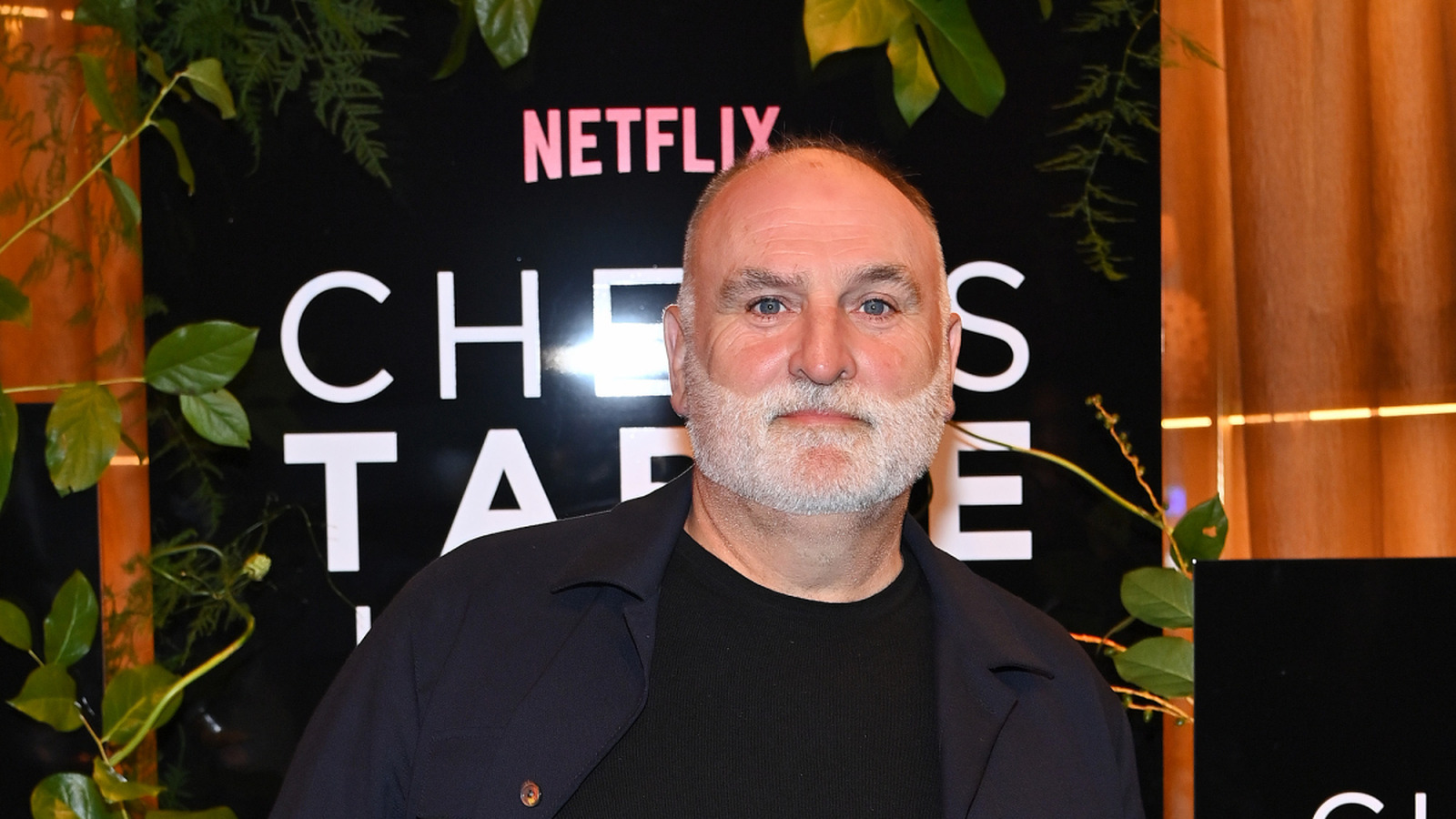
José Andrés is one busy chef, and his expertise extends to wine selection as well. His favorite place to buy this classic French wine might surprise you.
Food Republic – Restaurants, Reviews, Recipes, Cooking Tips

Reading Time: 3 minutes
She may be entitled to retribution. Wait, sorry. Compensation.
Just last week, Taylor Swift took a shot at her ex and at Travis Kelce’s ex with her “Opalite” music video.
Now, it’s Kayla Nicole’s turn.
In a Super Bowl game day ad, she shaded her own ex. And she’s not the only one.
The Sunday, February 8 Super Bowl was full of highs and lows.
The needlessly “controversial” Halftime show was a hit.
Most of the ads were bad — especially the ones full of repulsive genAI slop. (Of course, this only made the good ads stand out more)
A Super Bowl 2026 ad for Sleeper, a fantasy sports app (once known as Sleeperbot), is generating some chatter.
It stars the phenomenal Tiffany Haddish and features the likes of Offset and Ben Simmons.
Ever had a bad breakup? 🥀
The Ex-Communicators are HERE to confront your Ex so you don’t have to 🤝 #SleeperTeamPicks pic.twitter.com/U7WDgZD0wd
— Sleeper (@SleeperHQ) February 8, 2026
The premise of the ad is that Haddish and Simmons are doing an awkward, cringe local personal injury lawyer commercial.
Within the ad, the two promise to be “Ex-Communicators” who help people with “emotional injuries” who then “may be entitled to compensation.” (Or “retribution”)
The spoof, of course, is that they are not good at their jobs. And they aren’t good at “ex-communicating” people from exes.
“Don’t get me started on these two,” Kayle jokes when the footage cuts to her, as if she were a satisfied customer.
She scathingly added: “They’ve got no idea what they’re doing. At all.”

“Simmons and Haddish promised me that they could put an end to this whole ‘ex-girlfriend’ fiasco quickly,” Kayla told the camera.
Ben Simmons raised an objection: “That doesn’t sound like what I said.”
“Rapidly,” Kayla added. Ben again disagreed.
“Okay, pronto,” Kayla said. The belabored point comes out when Ben lands upon the correct diction.
“I said swiftly!” he announced. “Why is that so hard to remember?”
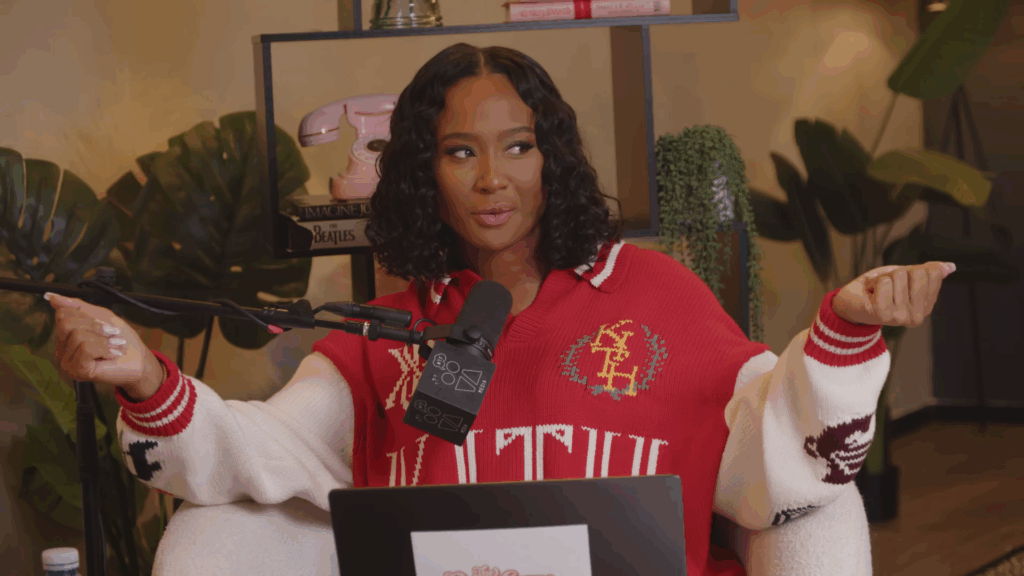
To explain, the somewhat clumsy joke here is that Kayla is avoiding even saying the words “swift” for fear of evoking Taylor Swift’s ire.
Kayla dated Travis Kelce from 2017 until 2022.
It’s clear — mostly from Taylor’s music — that Travis still has some lingering feelings about it.
Taylor’s most recent music video, “Opalite,” portrays Kayla as a cactus.
(She didn’t say it, but yeah — just as Joe Alwyn is a literal rock)
The awkward ad was still better than the genAI slop ads and the Backstreet Boys ad that turned out to be a crypto jumpscare.
While the ad doesn’t really make a solid point, there is one to be had, here.
The deep power imbalance between more famous partners and their less famous exes means that post-breakup feelings don’t play out like they would for everyday folks.
Travis is more famous than Kayla. Taylor is by far more famous than either of them.
And when Taylor takes a jab at Travis’ ex, thousands of unhinged stans may interpret that as a request to harass her (even when that is clearly not Taylor’s intent)
It’s not a great situation! And, clearly, Tiffany Haddish and Ben Simmons aren’t any help.
Kayla Nicole Fires Back at Ex Travis Kelce in Super Bowl Ad was originally published on The Hollywood Gossip.
The Hollywood Gossip

We guessed that Kid Rock was going to cover Cody Johnson’s ”Til You Can’t’ at the show, but no one could have predicted he’d do it like this. Continue reading…Country Music News – Taste of Country
We guessed that Kid Rock was going to cover Cody Johnson’s ”Til You Can’t’ at the show, but no one could have predicted he’d do it like this. Continue reading…The Boot – Country Music News, Music Videos and Songs
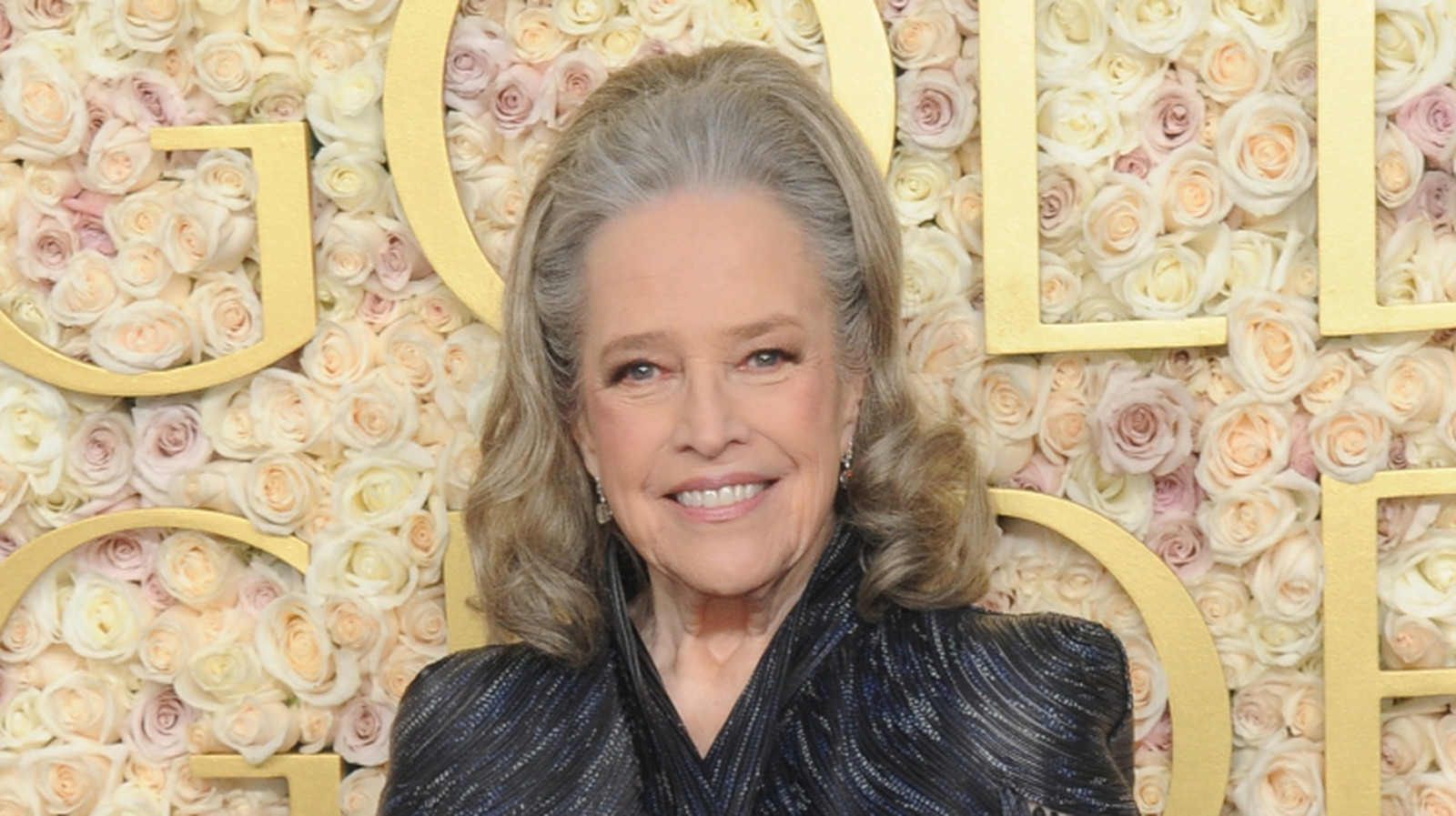
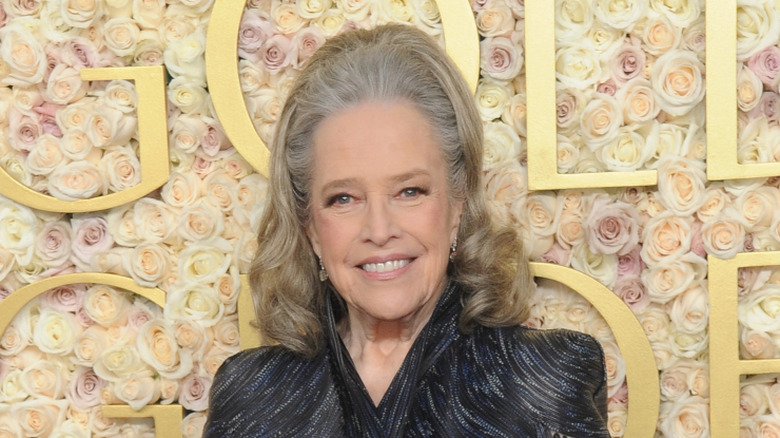
You’ve probably noticed Kathy Bates’ stunning weight loss transformation. However, she says it wasn’t a desire to fit into designer clothes that motivated her.
Health Digest – Health News, Wellness, Expert Insights

The January 2026 release of additional files related to the Justice Department’s investigation of convicted sex offenders Jeffrey Epstein and Ghislaine Maxwell has brought renewed attention to the late financier’s connections to the world’s rich and powerful.
However, the failure to redact identifying victim information and explicit photos has also brought unwanted attention to survivors. The lack of consideration for their welfare illustrates how legal proceedings can add to child sex trafficking victims’ existing trauma and burden instead of offering a stable path forward.
Some states have passed laws in recent years to protect child victims of sex trafficking. But at the same time, most states have passed laws that allow those same children to be arrested or prosecuted for prostitution. It’s a tug of war between advocates, law enforcement and policymakers to determine the best approach for keeping vulnerable children safe from pimps, predators and dangerous family members.
Often these intentions to “keep kids safe” end up harming the very children the laws are supposed to protect. This is done by identifying them as criminals and not victims.
As a sociologist and scholar who researches the commercial sexual exploitation of children, I believe Americans have to look at the many different ways states treat sexually exploited minors to fully understand this issue and the harm that is being done.
When approved in 2000, the federal Trafficking Victims Protection Act established that children under 18 who experience commercial sexual exploitation are sex trafficking victims.
Criminally charging a child with prostitution, as most states allow, asserts they are willfully participating in the commercial sex trade, while identifying a minor as a sex trafficking victim recognizes they are not in this situation by choice.
Some states require minors to prove a third party forced, deceived or coerced them into prostitution to be considered a child sex trafficking victim. Their innocence, despite their age, is not automatically assumed. This approach risks retraumatizing victims by labeling and stigmatizing them as criminal, as voluntary participants in the commercial sex trade.
Examining these state statutes is important because these minors are more likely to interact with local law enforcement than federal agents. That’s because in the U.S. federalist system, states have more power than the national government to set rules regarding crime.
As of 2025, 15 states do not arrest and prosecute children for prostitution, while seven states allow a minor to be arrested but not prosecuted for this charge, according to my unpublished research. As a result, sexually exploited minors can be criminalized in 35 states for their maltreatment because they can be charged or prosecuted for prostitution.
These laws determine how courts identify commercially sexually exploited minors, as victims or criminals.
Safe harbor laws have been adopted by 31 states as a legal strategy to divert sex trafficked minors from the criminal legal system. These measures connect them to specialized services, including trauma-informed health care and safe housing. But safe harbor statutes do not guarantee that children will be protected from arrest or prosecution for prostitution.
For example, New York’s 2008 safe harbor law requires a child charged with prostitution to admit they participated in this crime. The child also has to explain why they shouldn’t be held liable for the charge.
Another common strategy adopted by some states, including Rhode Island, requires a minor to fulfill a specific “child sex trafficking victim” definition – such as proving force, fraud or coercion by a third party – to avoid being criminalized for prostitution. Yet mandating sexually exploited minors to meet such requirements places the burden of proof on the child.
Conversely, Massachusetts’ safe harbor law does not afford any protections to minors, allowing a child to be arrested and prosecuted for prostitution. State and local police collaborate with child protective services and are trained not to arrest sexually exploited minors. But some officials argue law enforcement needs the threat of criminal charges to pressure minors they see as “noncompliant” to accept services or leave trafficking situations.
This approach blurs the line between criminal legal mechanisms and social work. It positions police as “helpers” who expect trafficked youth to accept support or risk criminal punishment.
In sum, unlike federal law, which recognizes all sexually exploited minors as victims, some state authorities present minors with a choice: comply with law enforcement or prove their innocence.
These demands that shift legal burdens to sexually exploited minors signal that law enforcement and legislators expect them to have the capacity to make mature and rational choices. Yet, neuroscience research indicates juveniles don’t have the same decision-making capacity as adults until their early to mid-20s.
Further, sexually exploited minors with trauma may appear as uncooperative in stressful situations. Those include being detained or arrested for prostitution.
By blaming sex trafficked minors for “making bad choices,” the criminal legal system treats commercial sexual exploitation victims as complicit. And this may lead to prostitution charges instead of support. Furthermore, focusing on a child’s “choices” does not address the financial, familial and traumatic adversities that make victims vulnerable to sexual violence and exploitation in the first place.
Commercial sexual exploitation risk factors include complex post-traumatic stress disorder, low socioeconomic status, limited educational access and child sexual abuse prior to this exploitation. That includes exploitation from fraught family living situations where a parent, relative or caregiver sexually exploits a child.
Similarly, racial bias has deeply influenced trafficking legislation.
In 1910, Congress passed The Mann Act, also known as the White-Slave Traffic Act. This measure framed commercial sexual exploitation as a problem affecting only white women and girls, erasing the exploitation of people of color.
This pattern continues today. Black and brown children in the U.S. are more likely to be arrested and detained for prostitution than all other racial groups. Children who live in states with higher levels of structural economic inequality, which affects children of color at higher rates that white children, are at higher risk of being arrested and prosecuted for prostitution.
My research with Keith Bentele indicates that states with higher levels of structural economic inequality are less likely to adopt legislation protecting children from arrest and prosecution for prostitution.
Without addressing these structural inequalities and the lack of a social safety net, sex trafficked children, particularly children of color and LGBTQ+ youth, are at risk of facing further marginalization and criminalization for prostitution.
One state has risen above the rest in recognizing and addressing these systemic barriers. Minnesota’s “No Wrong Door” framework utilizes a public health approach and is regarded as the gold standard of state-level commercial sexual exploitation legislation.
Protecting youth up to age 24 from prostitution charges, Minnesota offers housing and medical services to victims instead of criminal punishment. It also coordinates trauma-informed training for professionals, such as police and social workers.
An evaluation of this model indicates that it has successfully increased compassion for youth victims in the community, particularly among law enforcement.
Mallika Sunder, a student at Wellesley College and intern in its Wellesley Centers for Women, co-authored this article.

Kate Price does not work for, consult, own shares in or receive funding from any company or organization that would benefit from this article, and has disclosed no relevant affiliations beyond their academic appointment.
Politics + Society – The Conversation