The actor has been open about the technique she employs to help with her mental health — but with regard to whether or not it works, the evidence is mixed.
Health Digest – Health News, Wellness, Expert Insights











The actor has been open about the technique she employs to help with her mental health — but with regard to whether or not it works, the evidence is mixed.
Health Digest – Health News, Wellness, Expert Insights

Reading Time: 3 minutes
Desmond Scott sounds like he’s extremely sorry.
He just won’t specify exactly what he’s sorry for.
The husband of TikTok influencer Kristy Scott, Desmond released a statement via Instagram on January 10… a day after the world learned that his wife had filed for divorce after a dozen years of marriage.
“I want to begin by apologizing to Kristy, our family, and everyone who has been impacted by the public attention surrounding this situation,” Desmond began. “I know this news has been disappointing for many, and I’m truly sorry for the hurt it has caused.”
Kristy — who goes by Kristy Sarah on Instagram and TikTok — filed the divorce paperwork on December 30.
The social media star (who married Desmond in 2014 and who shares two sons with him) cited alleged infidelity as the reason for their split, based on a report by celebrity gossip outlet TMZ.
And it doesn’t sound as if Desmond is denying this.

“Kristy is the mother of my children, and that will always come first. I remain fully committed to being an active, present, and loving parent to our boys, as I have always been,” Desmond continued on his Instagram Story.
“Kristy and I faced challenges and made sincere efforts to work through them. Toward the end of 2025, I wanted to separate, and I had conversations with Kristy regarding this.”
Desmond acknowledged that he made “choices that I am not proud of” while he was trying to work through his separation from Kristy.
Scott did not provide any details.
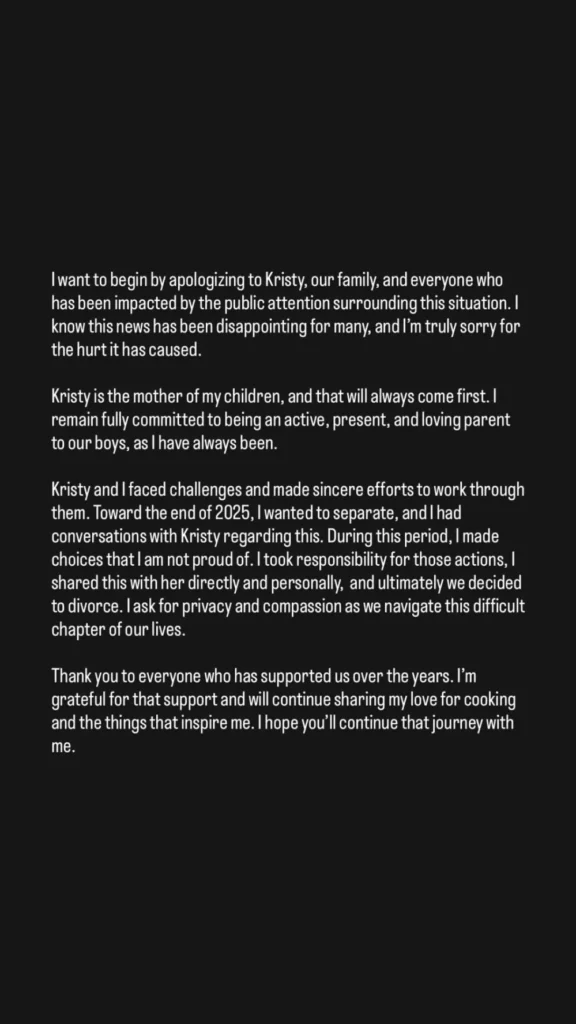
“I took responsibility for those actions,” Desmond emphasized. “I shared this with her directly and personally, and ultimately we decided to divorce. I ask for privacy and compassion as we navigate this difficult chapter in our lives.”
The chef wrapped up his Instagram Story by thanking “everyone who has supported” his family over the years and also wrote:
“I’m grateful for that support and I will continue sharing my love for cooking and the things that inspire me. I hope you’ll continue that journey with me.”
Kristy’s legal documents were filed in Harris County, Texas and indicated that there is no hope of reconciliation for the former couple and that they “will soon stop living together as husband and wife.”
Over the years, Kristy has garnered 9.5 million Instagram followers and 16.8 million on TikTok … while Desmond has 1.8 million followers on Instagram and 1.5 million on TikTok.
Desmond Scott Breaks Silence, Implies He Cheated on Wife Kristy was originally published on The Hollywood Gossip.
The Hollywood Gossip

Clarkson says she and her two children, 9-year-old Remington and 11-year-old River, have been sharing some special moments together as they process the death of her ex-husband and children’s father Brandon Blackstock. Continue reading…Country Music News – Taste of Country
Clarkson says she and her two children, 9-year-old Remington and 11-year-old River, have been sharing some special moments together as they process the death of her ex-husband and children’s father Brandon Blackstock. Continue reading…The Boot – Country Music News, Music Videos and Songs

If you’re looking for extra bulk to keep you satisfied throughout the day, give your leftover fried rice this easy and delicious protein boost.

Food Republic – Restaurants, Reviews, Recipes, Cooking Tips

Dining out in the 1950s was pretty different from what it’s like today, though there are some similarities. From table manners to dressing up, this was reality.

Food Republic – Restaurants, Reviews, Recipes, Cooking Tips

Over the course of her decades-spanning discography, Mary J. Blige has been a conduit for communal pain and healing. She’s shared her world and given generously of herself over 13 studio albums, and remains a singular force in R&B. Starting out as the artist who showed the mainstream how to successfully blend New Jack Swing into a more soulful brand of hip-hop-based R&B, Blige continued to evolve her sound with every decade, as others followed her lead. From her early beginnings in the 90s to her continued impact on pop music through the 00s, and her victory lap in the 2010s, Mary J Blige is one of R&B’s brightest and most innovative vocalists. The best Mary J Blige songs tell the story of her artistry – as revealed by these 20 essential tracks.
Browse Mary J Blige’s music on limited edition vinyl and CDs here.
Even after seven years of soul-bearing music, Blige had barely scratched the surface when it came to revealing herself as an artist and a person. But on her fourth studio album, 1999’s, Mary, she realized you can give too much of yourself away. Built around a piano loop from Elton John’s “Bennie And The Jets” (the music legend replayed the part himself for the recording), “Deep Inside” addresses all the people who wanted a piece of the singer. “The problem is for many years/I’ve lived my life publicly/And every time I find someone I like, gotta worry about/If it’s really me that they see,” she sings.

Coming along six years after “Deep Inside” was the hit single “Take Me As I Am,” from Blige’s seventh studio album, The Breakthrough. Over the whimsical melody of Lonnie Liston Smith’s “Garden Of Peace,” Mary confesses, “She’s been down and out/She’s been wrote about/She’s been talked about, constantly.” Throughout the song, Blige switches from protagonist to observer and back again. It’s another tale of survival, but, this time around, Blige is singing from the bright side of the tunnel, knowing she “put my life all up in these songs.”

The most enduring Mary J Blige songs are built upon lyrical storytelling over dramatic instrumentals. The Mary album does not lack in that department, as evidenced by “Your Child,” for which Blige takes what could have been a clichéd ballad and turns it into something more complex. When faced with a partner who has a child outside of the relationship, it becomes more of a story of humanizing the “other woman”, and letting the listener heal with them. Sounds ripe for a dance remix, right? Maybe not. But even Mary’s tales of heartbreak can burn up the Billboard Hot Dance Club Play chart – as “Your Child” did when it hit No.1, in 2000.
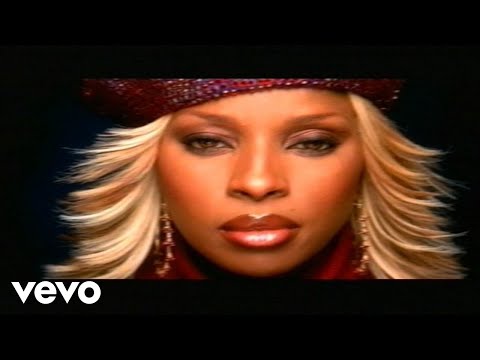
The Breakthrough turned out to be a liberating record that redefined Blige’s career on her own terms. While she channeled the hurt exhibited on her previous six albums, The Breakthrough could be seen as a triumphant comeback from a wiser, more mature R&B and pop maven. Over a Darkchild beat, “Enough Cryin” made good on its promise. Most Mary J Blige songs are based on a hip-hop/soul fusion, but on “Enough Cryin,” you get a glimpse of her MC skills, as her alter ego, Brooklyn, proves she could dominate both genres with ease.

Many songs stand the test of time thanks to sampling and interpolations across genres. One example that got a second life is The Stylistics’ “You Are Everything,” which serves as the backbone for this Share My World single. “Everything” sees Mary at her most blissful as she happily sings about a “love so pure,” upholding the belief that all great art comes from pain.

There can’t be a wedding, office party, cookout, or family reunion function without hearing this gem from Mary’s 2007 album, Growing Pains. Due to her eccentric dance moves, and aging like a fine wine throughout her career, many R&B fans regard Blige as a famous “auntie.” “Just Fine” could very well be the anthem for all the aunties who just “wanna move,” “wanna have fun,” and “wouldn’t change” their life. Channeling the funk groove of Marvin Gaye and the disco beat of Michael Jackson circa Off The Wall, “Just Fine” is a quintessential throwback party anthem.

When Blige debuted in 1992, with What’s The 411?, she had arrived at the forefront of an R&B renaissance and genre evolution. New Jack Swing was starting to evolve, as the sound became more aligned with hip-hop production. “You Remind Me” is a classic example of this, with Blige delivering stunning melismas and passionate belts over Dave “Jam” Hall’s funky production, earning her the title “Queen Of Hip-Hop Soul.”

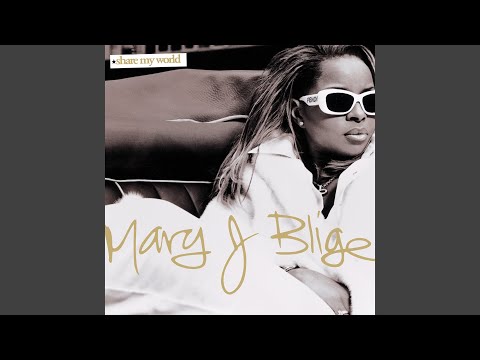
“Cool,” “suave,” and “effortless” are three words that describe the relaxing tone of Blige’s vocals on her third album, Share My World. While her first two albums were hard-hitting, with heavy emotional delivery, Share My World offered a more laidback approach, acknowledging hip-hop soul’s transition into a more electro-fuelled phase of R&B in the new millennium. Part of this tonal shift was also thanks to Blige’s more positive state of mind and her departure from working with Puffy as a producer. The title track of the album, “Share My World” earns its place among the best Mary J Blige songs, as she floats over the glitchy, trip-hop beat.
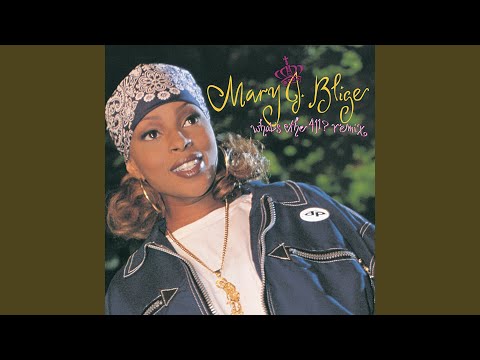
Swapping typical hip-hop breakbeats for samples like Guy’s “Goodbye Love” And DeBarge’s “Stay With Me,” producers Thompson and Puffy create the perfect backdrop for Blige’s hip-hop soul balladry on “Don’t Go,” a My Life classic. It’s one of the more downtempo cuts on the album, but Blige still imbues it with the kind of soulful yearning that was usually reversed for the Marvin Gayes of the world.
In 2017, Blige asserted her dominance, going toe-to-toe with trap-tinged R&B and pop music. On her 13th studio album, Strength Of A Woman, she bounces back from recent divorce drama with tracks such as “Glow Up,” “Thick Of It,” and “Love Yourself,” which all tap into the trend while maintaining Blige’s personal brand of soul. The album’s staple “U + Me (Love Lesson)” is a sultry break-up anthem. Blige doesn’t regret the relationship, but, rather, feels fortunate to have survived it. “In too deep without imperfection/Not always good, but I stayed on my feet,” she sings, proving once again that she’s the master at moving on. “U + Me (Love Lesson)” would reach No.1 on Billboard’s Adult R&B Songs chart to become one of the defining Mary J Blige songs.

Resilience has been a consistent theme throughout the best Mary J Blige songs. She has consistently paved the way to redemption for plenty of her listeners, particularly women who have been through relatable situations. Her appearance on 1995’s Waiting To Exhale soundtrack was an essential ingredient for a film centered around four African-American girlfriends who navigate their own stories of love, dating, and heartbreak. On this staple, Blige promises, “I’m not gon’ shed no tears,” realizing, “’Cause you’re not worth my tears,” despite having sacrificed “11 years” to unrequited commitment. Peaking at No.2 on the Hot 100 in 1996, “Not Gon’ Cry” would appear on her third album, 1997’s Share My World.
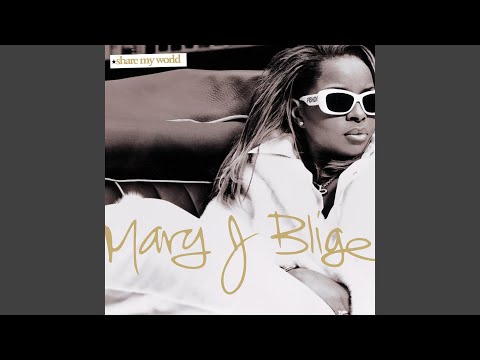
Sometimes, through all the heartache and pain of her discography, joyous moments may seem rare. “All That I Can Say” is therapeutic, to say the least, finding the singer in one of her most blissful states. Opening the Mary album, it also features the song’s author, Lauryn Hill, providing background vocals. In one of her most earnest performances, Blige calls her partner “heaven-sent,” which is also an apt description of the song itself.

The best cover versions not only do the original songs justice, but also add new depths to their meaning. There’s Whitney Houston’s powerhouse cover of Dolly Parton’s “I Will Always Love You,” Sinéad O’Connor’s heart-wrenching version of Prince’s “Nothing Compares 2 U,” and Mary J Blige’s sultry rendition of Rose Royce’s 1976 classic “I’m Going Down.” Fittingly, for the pain expressed throughout her sophomore effort, My Life, “I’m Goin’ Down,” produced by Sean “Puffy” Combs and Chucky Thompson, would showcase the resilience in Blige’s earthy soprano voice, becoming one of the most beloved Mary J Blige songs of all time.

Just as its parent album declares, the track “No More Drama” sees Blige navigate unfamiliar territory: contentment. Recalling the heartbreak and the ups and downs she’s navigated through her life, Mary declares “No more drama” in one of her most dramatic performances, over the beat of “Nadia’s Theme” from the daytime soap opera The Young And The Restless, courtesy of the star production duo Jimmy Jam and Terry Lewis.

As one of the finest cuts on The Breakthrough, “Be Without You” stormed R&B radio in 2005 and spent a phenomenal 75 weeks on the charts, earning Blige two Grammy wins. It remains one her most powerful performances, with vocal runs for days before she brings it home towards the end. It also proved she could maintain her leading lady status into the 00s.

For those who didn’t grow up on Blige’s 90s cuts, only knowing her as a balladeer, “Family Affair” was a reminder that she could still get down. In 2001, Blige was heading in a brighter direction and had a healthier outlook on life. Naming her fifth studio album No More Drama, she started a new era that summer by inviting fans to her “dancerie” and reminding them they “don’t need no hateration, holleration,” over Dr. Dre’s G-Funk production. The song earned her both a place at the top of the charts (her first No.1 hit) and in the history of pop-culture vernacular.
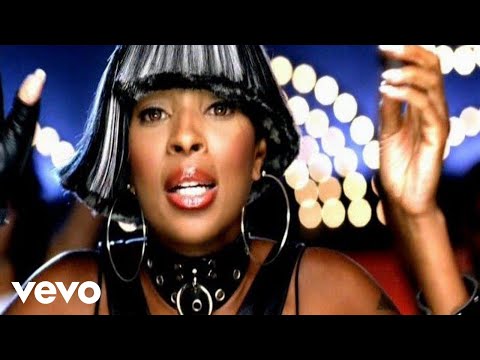
The Notorious BIG stepped into the mainstream thanks to his guest appearance on a remix of this What’s The 411? single. “Real Love” had already hit No.1 on the R&B chart, taking its place among the best Mary J Blige songs from the jump, but Biggie’s appearance took it to the next level. “Look up in the sky/It’s a bird, it’s a plane/Nope, it’s Mary Jane,” he raps on the verse. This remix also became the template for the R&B/hip-hop collaborations that Sean “Puffy” Combs and Bad Boy would churn out for the next decade.
Blige’s many memorable collaborations have gained her respect and adoration in the worlds of both R&B and hip-hop. In 1995, she partnered with Wu-Tang’s Method Man for one of hip-hop’s most iconic love duets. The song interpolates Marvin Gaye and Tammi Terrell’s Motown classic “You’re All I Need to Get By”, with Mary singing the hook and mimicking its melody during her verses. Adding an extra layer to the Grammy-winning partnership is a sample of Notorious BIG repeating “Lie together, cry together/I swear to God I hope we f__kin’ die together.”
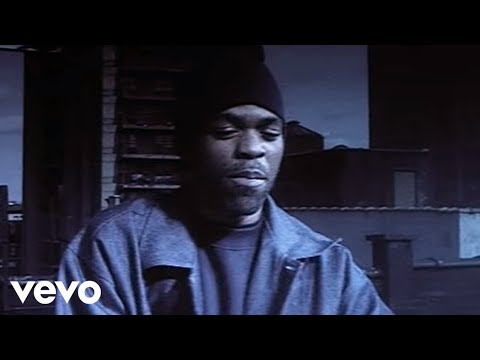
On this Share My World single, the Queen Of Hip-Hop Soul hooked up with the Queen Bee herself, Lil’ Kim. “I Can Love You” features one of Kim’s best verses over a sample of her own track “Queen B__tch,” an infamous cut released by the rapper on her 1996 debut album, Hard Core. It was a unique moment of female solidarity and a piece of hip-hop history.
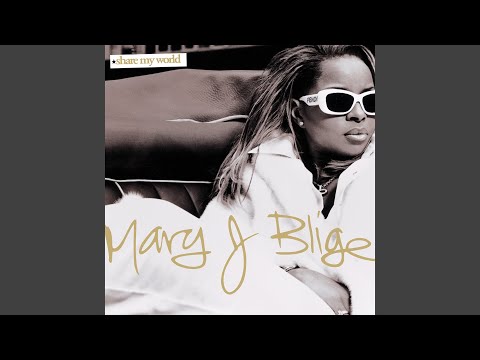
A recurring theme throughout the best Mary J Blige songs (and all her discography) is how often she has felt misunderstood by the public, the media, and her romantic partners. Underneath all the hurt and pain, Blige has reminded us, on multiple, occasions that she’s just human. On the title track from her landmark 1994 album, My Life, she delivers her most moving performance, singing on the chorus: “If you looked at my life/And see what I see,” over a sample of Roy Ayers’ “Everybody Loves The Sunshine.” Like so many R&B singers, Blige started in the church, and with “My Life” she puts her gospel roots on display. What really makes “My Life” a true standard, however, is that it’s the perfect distillation of Blige and her hip-hop soul sound. It’s cathartic, spiritual, and a fine reminder of her impressive talent and wide-ranging artistry.
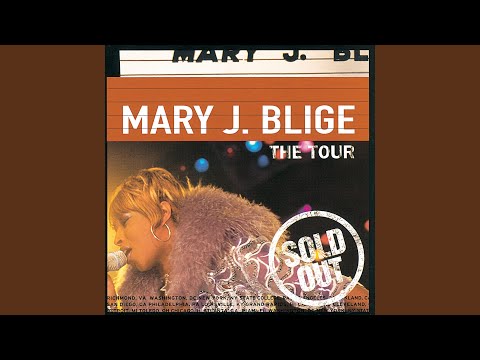
Shop Mary J Blige’s music on limited edition vinyl and CDs here.
Discover more about the world’s greatest R&B artists | uDiscover Music

If you want to go and enjoy some fine dining for the first time, make sure you’re aware of this one slightly bizarre fine dining eating rule.

Food Republic – Restaurants, Reviews, Recipes, Cooking Tips

On Jan. 7, 2026, President Donald Trump declared that he would officially pull the United States out of the world’s most important global treaty for combating climate change. He said it was because the treaty ran “contrary to the interests of the United States.”
His order didn’t say which U.S. interests he had in mind.
Americans had just seen a year of widespread flooding from extreme weather across the U.S. Deadly wildfires had burned thousands of homes in the nation’s second-largest metro area, and 2025 had been the second- or third-hottest year globally on record. Insurers are no longer willing to insure homes in many areas of the country because of the rising risks, and they are raising prices in many others.
For decades, evidence has shown that increasing levels of greenhouse gases in the atmosphere, largely from burning fossil fuels, are raising global temperatures and influencing sea level rise, storms and wildfires.
The climate treaty – the United Nations Framework Convention on Climate Change – was created to bring the world together to find ways to lower those risks.
Trump’s order to now pull the U.S. out of that treaty adds to a growing list of moves by the admnistration to dismantle U.S. efforts to combat climate change, despite the risks. Many of those moves, and there have been dozens, have flown under the public radar.
A year into the second Trump administration, you might wonder: What’s the big deal with the U.S. leaving the United Nations Framework Convention on Climate Change now?
After all, the Trump administration has been ignoring the UNFCCC since taking office in January. The administration moved to stop collecting and reporting corporate greenhouse gas emissions data required under the treaty. It canceled U.S. scientists’ involvement in international research. One of Trump’s first acts of his second term was to start the process of pulling the U.S. out of the Paris climate agreement. Trump made similar moves in his first term, but the U.S. returned to the Paris agreement after he left office.
This action is different. It vacates an actual treaty that was ratified by the U.S. Senate in October 1992 and signed by President George H.W. Bush.

America’s ratification that year broke a logjam of inaction by nations that had signed the agreement but were wary about actually ratifying it as a legal document. Once the U.S. ratified it, other countries followed, and the treaty entered into force on March 21, 1994.
The U.S. was a global leader on climate change for years. Not anymore.
With the flurry of headlines about the U.S. intervention in Venezuela, renewed threats to seize Greenland, persistent high prices, immigration arrests, ICE and Border Patrol shootings, the Epstein files and the fight over ending health care subsidies, important news from other critical areas that affect public welfare has been overlooked for months.
Two climate-related decisions did dominate a few news cycles in 2025. The Environmental Protection Agency announced its intention to rescind its 2009 Endangerment Finding, a legal determination that certain greenhouse gas emissions endanger the public health and welfare that became the foundation of federal climate laws. There are indications that the move to rescind the finding could be finalized soon – the EPA sent its final draft rule to the White House for review in early January 2026. And the Department of Energy released a misinformed climate assessment authored by five handpicked climate skeptics.
Both moves drew condemnation from scientists, but that news was quickly overwhelmed by concern about a government shutdown and continuing science funding cuts and layoffs.

This chipping away at climate policy continued to accelerate at the end of 2025 with six more significant actions that went largely unnoticed.
Three could harm efforts to slow climate change:
The Trump administration moved to weaken vehicle emissions standards on Dec. 3. Instead of raising the industry average for cars and light trucks vehicles to 50 miles per gallon by 2031, as planned, the standard would rise to about 34.5 miles per gallon by 2031.
On Dec. 11, the U.S. joined Russia, Iran and Saudi Arabia to block part of a U.N. environment report that would have called for phasing out fossil fuels.
Eleven days later, the U.S. Department of the Interior jeopardized billions of dollars of U.S. investment in clean energy by pausing the leases of five East Coast offshore wind farms.
Three other moves by the administration shot arrows at the heart of climate science:
The EPA rewrote its webpage about the causes of climate change to remove human influences, including burning fossil fuels – the primary cause of global warming. That occurred on Dec. 5.
On Dec. 17, Russell Vought, director of the Office of Management and Budget, announced plans to shut down the National Center for Atmospheric Research, a world-recognized leader in earth system science.
A week later, the administration invited the authors of the discredited Department of Energy climate report to write the next U.S. National Climate Assessment, the latest in a widely used series of reports mandated by Congress to assess the nation’s climate risks.
In early January 2025, the United States had reestablished itself as a world leader in climate science and was still working domestically and internationally to combat climate risks.
A year later, the U.S. government has abdicated both roles and is taking actions that will increase the likelihood of catastrophic climate-driven disasters and magnify their consequences by dismantling certain forecasting and warning systems and tearing apart programs that helped Americans recover from disasters, including targeting the Federal Emergency Management Agency.
To my mind, as a scholar of both environmental studies and economics, the administration’s moves enunciated clearly its strategy to discredit concerns about climate change, at the same time it promotes greater production of fossil fuels. It’s “damn the torpedoes, full speed ahead!” with little consideration for what’s at risk.
Trump’s repudiation of the UNFCCC could give countries around the world cover to pull back their own efforts to fight a global problem if they decide it is not in their myopic “best interest.” So far, the other countries have stayed in both that treaty and the Paris climate agreement. However, many countries’ promises to protect the planet for future generations were weaker in 2025 than hoped.
The U.S. pullout may also leave the Trump administration at a disadvantage: The U.S. will no longer have a formal voice in the global forum where climate policies are debated, one where China has been gaining influence since Trump returned to the presidency.

Gary W. Yohe does not work for, consult, own shares in or receive funding from any company or organization that would benefit from this article, and has disclosed no relevant affiliations beyond their academic appointment.
Politics + Society – The Conversation
Reading Time: 3 minutes
We have tragic news to report from the world of music today.
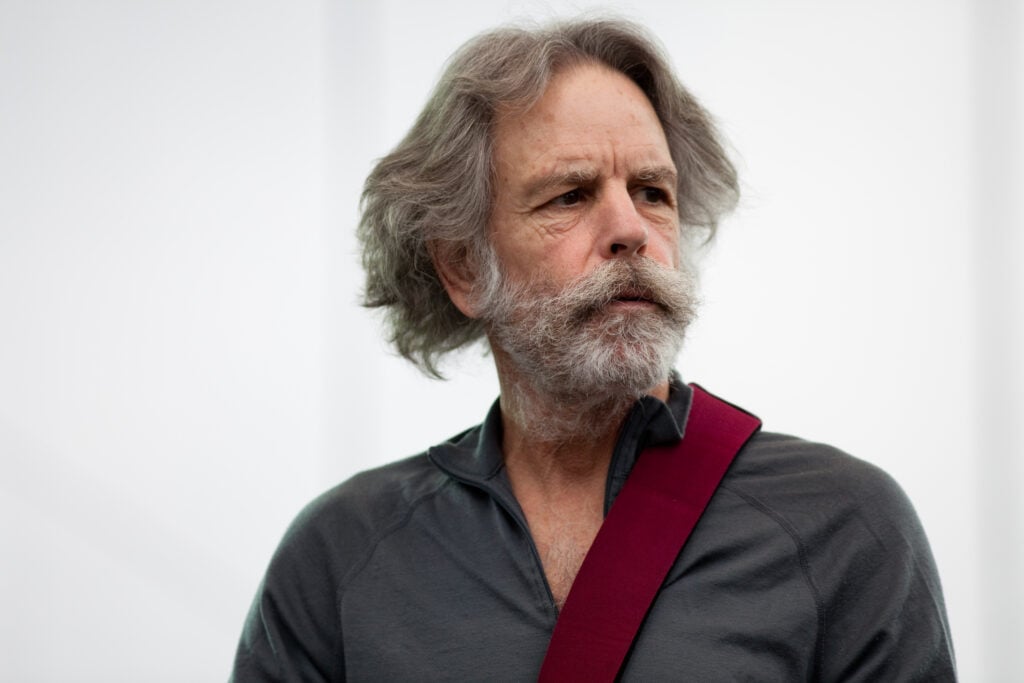
Rock legend Bob Weir — a founding member of the Grateful Dead — has passed away.
He was 78 years old.
News of Weir’s death comes courtesy of a social media post from his family, who revealed that he had been battling cancer and “lung issues” for the past year.
“It is with profound sadness that we share the passing of Bobby Weir,” the statement read.
“He transitioned peacefully, surrounded by loved ones, after courageously beating cancer as only Bobby could. Unfortunately, he succumbed to underlying lung issues.”
The family went on to reveal that Weir continued doing what he loved until his final days.
“Bobby’s final months reflected the same spirit that defined his life. Diagnosed in July, he began treatment only weeks before returning to his hometown stage for a three-night celebration of 60 years of music at Golden Gate Park,” the statement countinued.
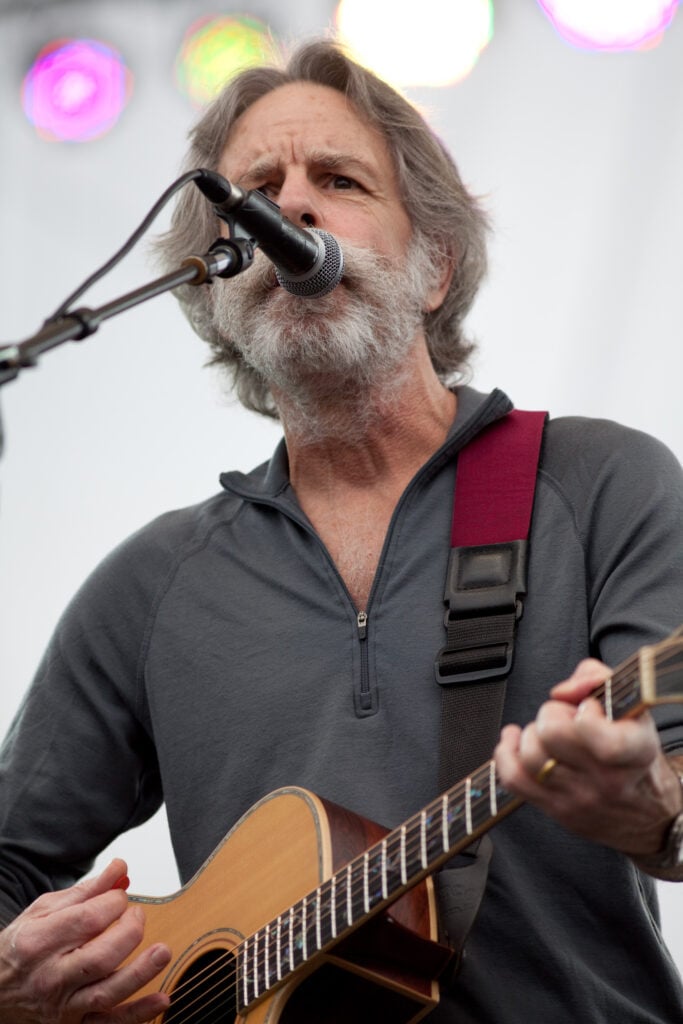
“Those performances, emotional, soulful, and full of light, were not farewells, but gifts. Another act of resilience. An artist choosing, even then, to keep going by his own design.
“As we remember Bobby, it’s hard not to feel the echo of the way he lived. A man driftin’ and dreamin’, never worrying if the road would lead him home. A child of countless trees. A child of boundless seas.”
Born in San Francisco in 1947, Weir befriended future bandmate Jerry Garcia after they met at a Palo Alto instrument store on New Year’s Eve of 1963.
Together, the two would form one of the most influential bands in music history, essentially founding the genre of psychedelic rock.
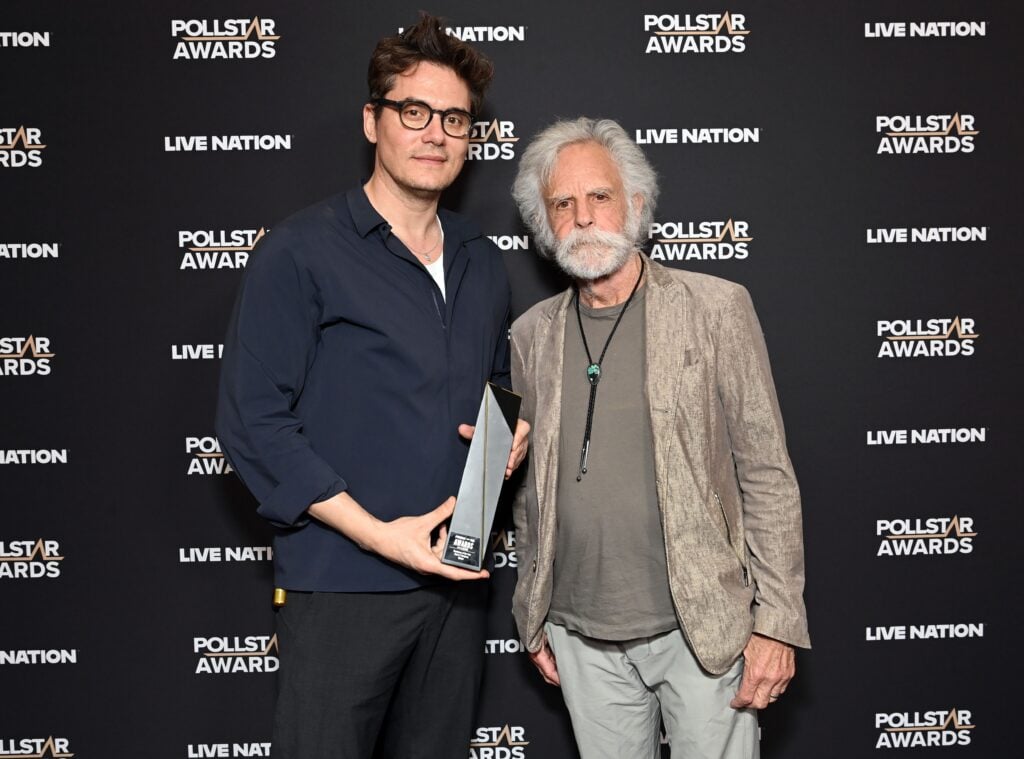
The Dead went on to tour for decades, even after Garcia’s death in 1995.
While the lineup changed frequently — and included many Dead fans-turned-collaborators, like John Mayer — Weir remained a staple.
In addition to his work with the Dead, Weir founded several other groups, including the Bob Weir Band, Bobby and the Midnites, RatDog, and Furthur, which he co-led with former Grateful Dead bassist Phil Lesh, who passed away in 2024.
News of Weir’s passing made him an instant trending topic across social media, as millions of fans rushed to pay tribute.
Our thoughts go out to Bob Weir’s loved ones during this difficult time.
Bob Weir Cause of Death: Grateful Dead Founding Member Was 78 was originally published on The Hollywood Gossip.
The Hollywood Gossip