It would have been her 80th birthday. Continue reading…The Boot – Country Music News, Music Videos and Songs
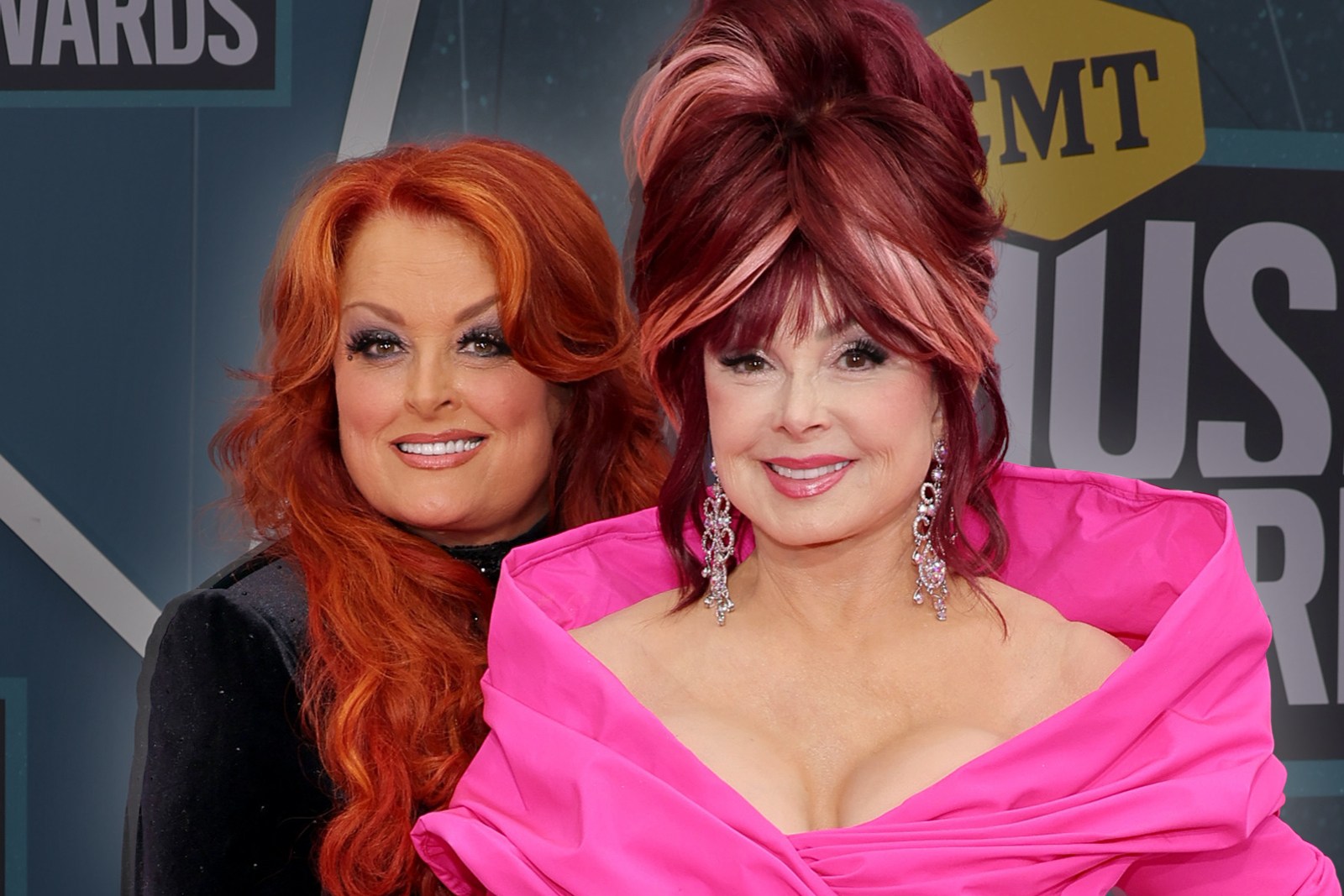











It would have been her 80th birthday. Continue reading…The Boot – Country Music News, Music Videos and Songs

The phenomenon, a symptom of GLP-1 use, may not be a source of concern for most people. But for stars who are often in the spotlight, it’s a different story.

Health Digest – Health News, Wellness, Expert Insights
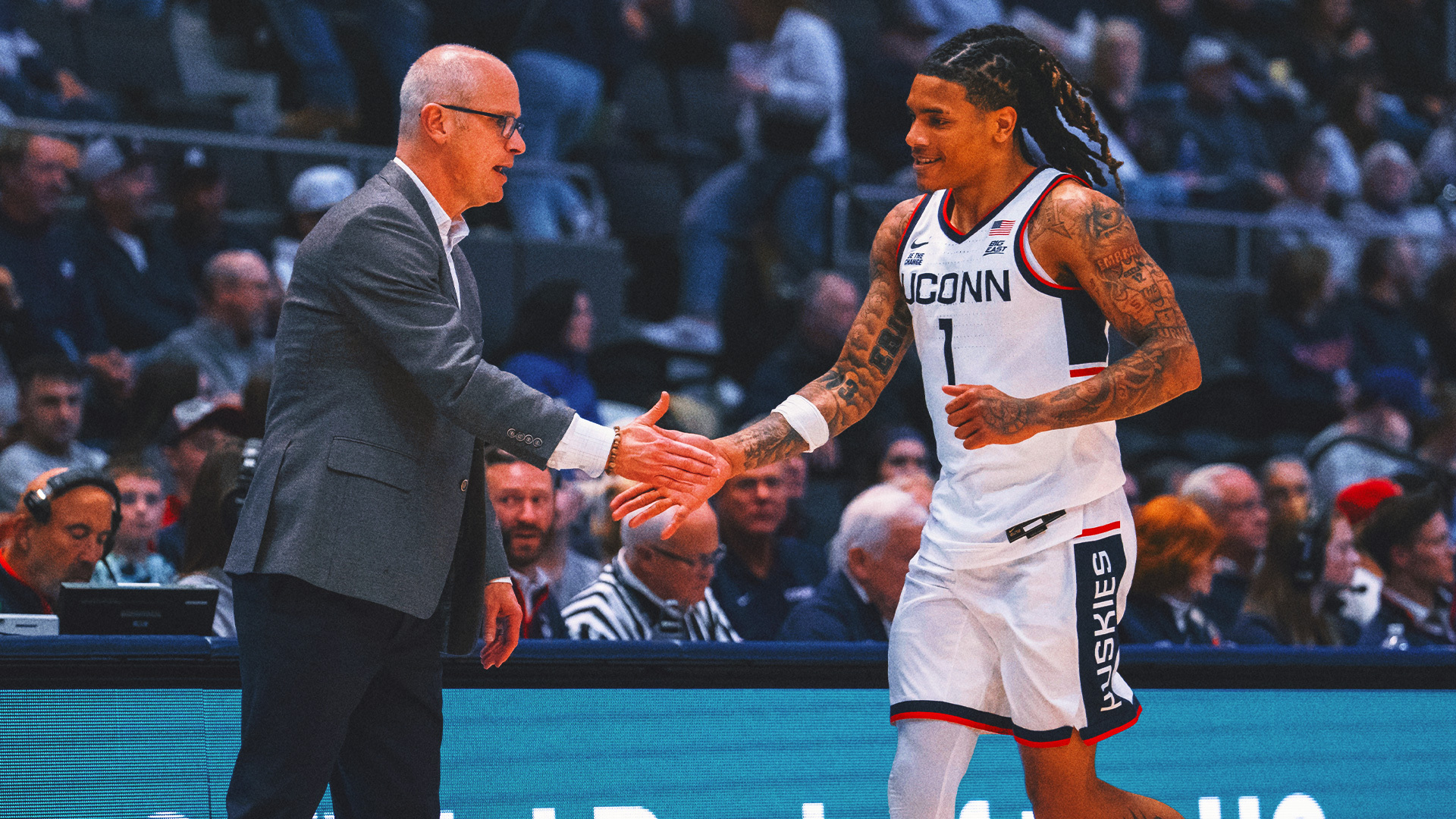
FOX Sports’ Michael Cohen examines a key Big East matchup: No. 3 UConn vs. No. 25 Seton Hall.FOX Sports Digital
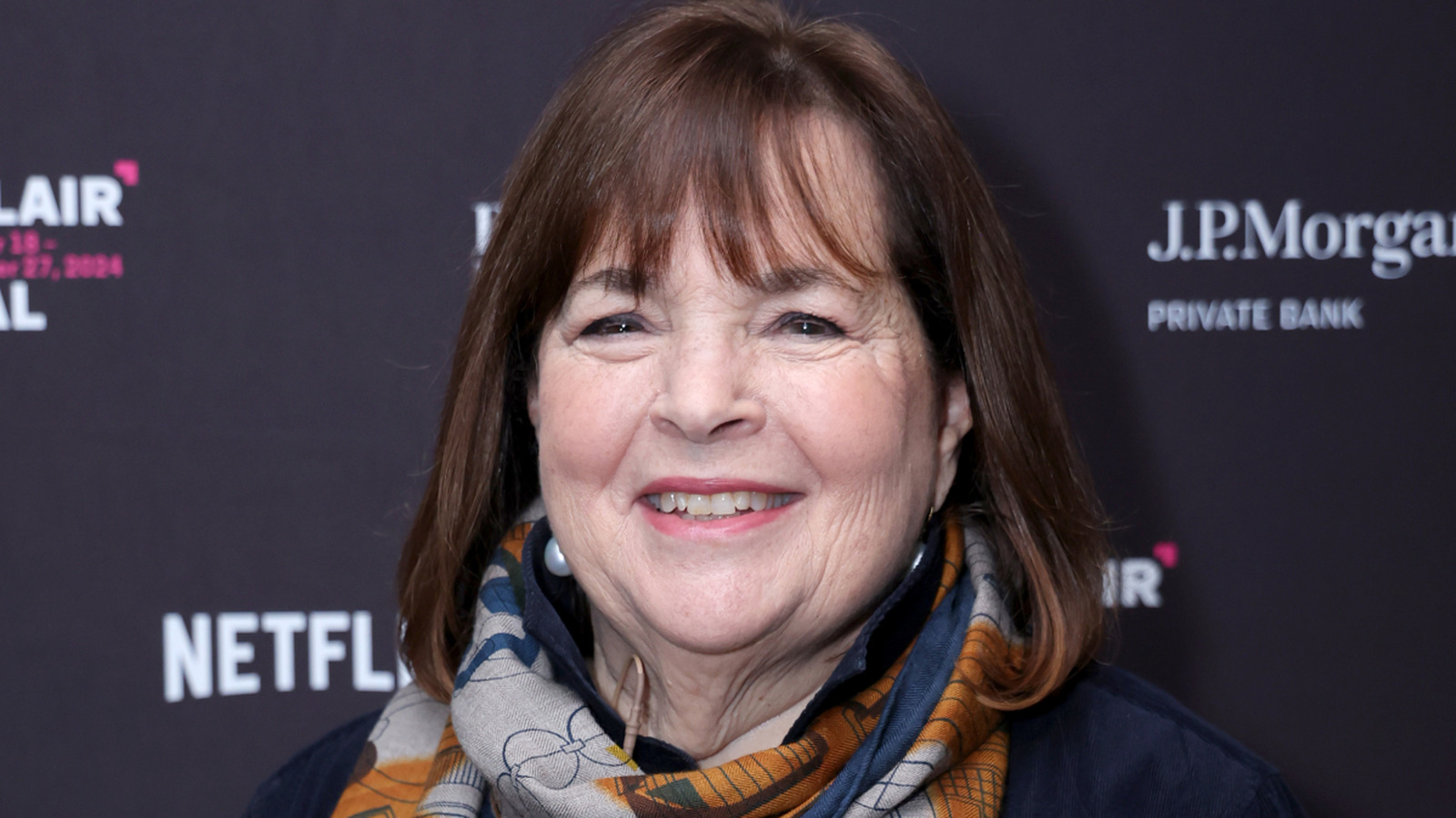
Many chefs have favorite tools they always use in the kitchen, and Ina Garten is no exception. This appliance is one she certainly can’t live without.
Food Republic – Restaurants, Reviews, Recipes, Cooking Tips
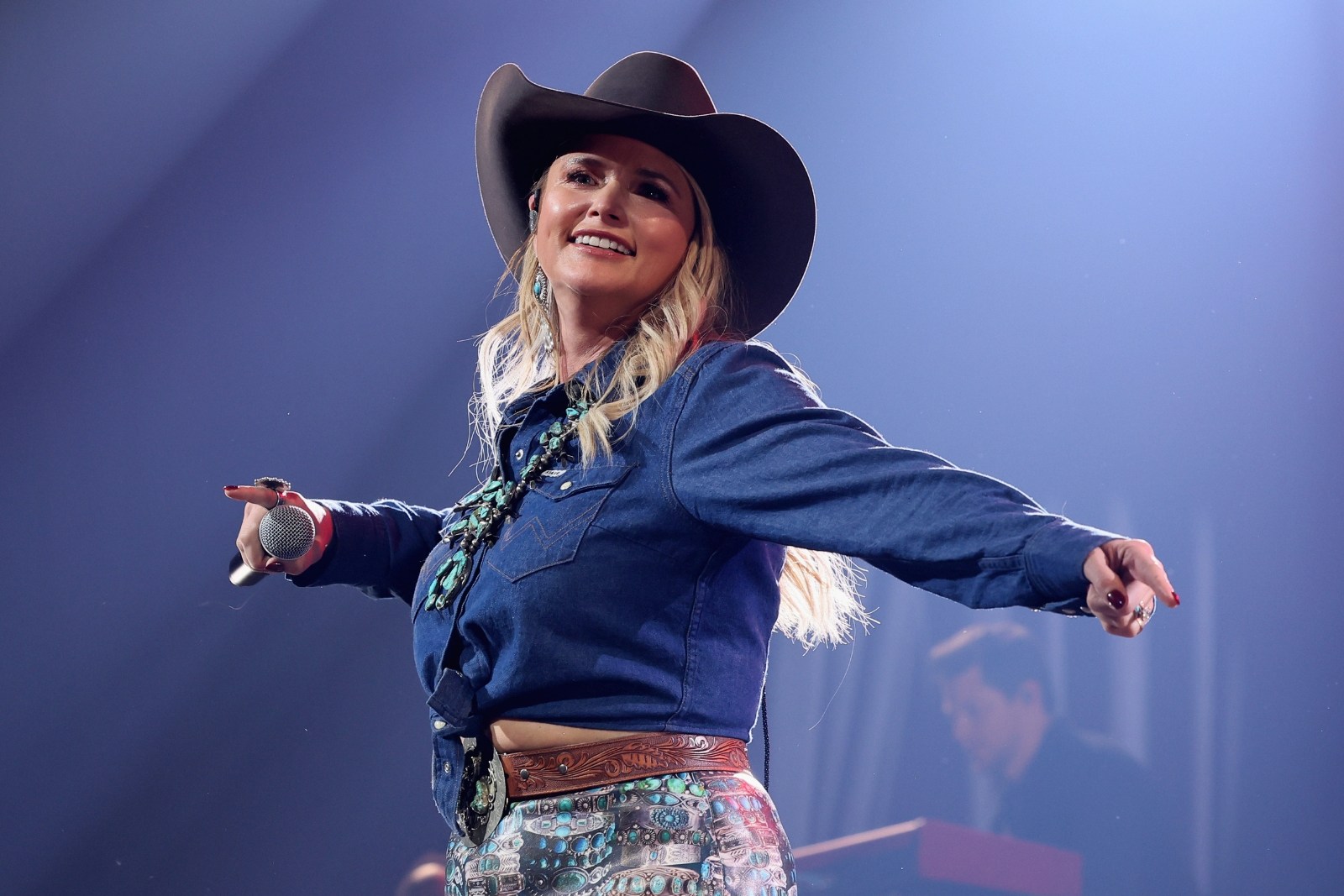
Miranda Lambert’s gearing up for her 2026 tour and sharing some of her go-to health hacks for life on the road. Continue reading…Country Music News – Taste of Country
Miranda Lambert’s gearing up for her 2026 tour and sharing some of her go-to health hacks for life on the road. Continue reading…The Boot – Country Music News, Music Videos and Songs
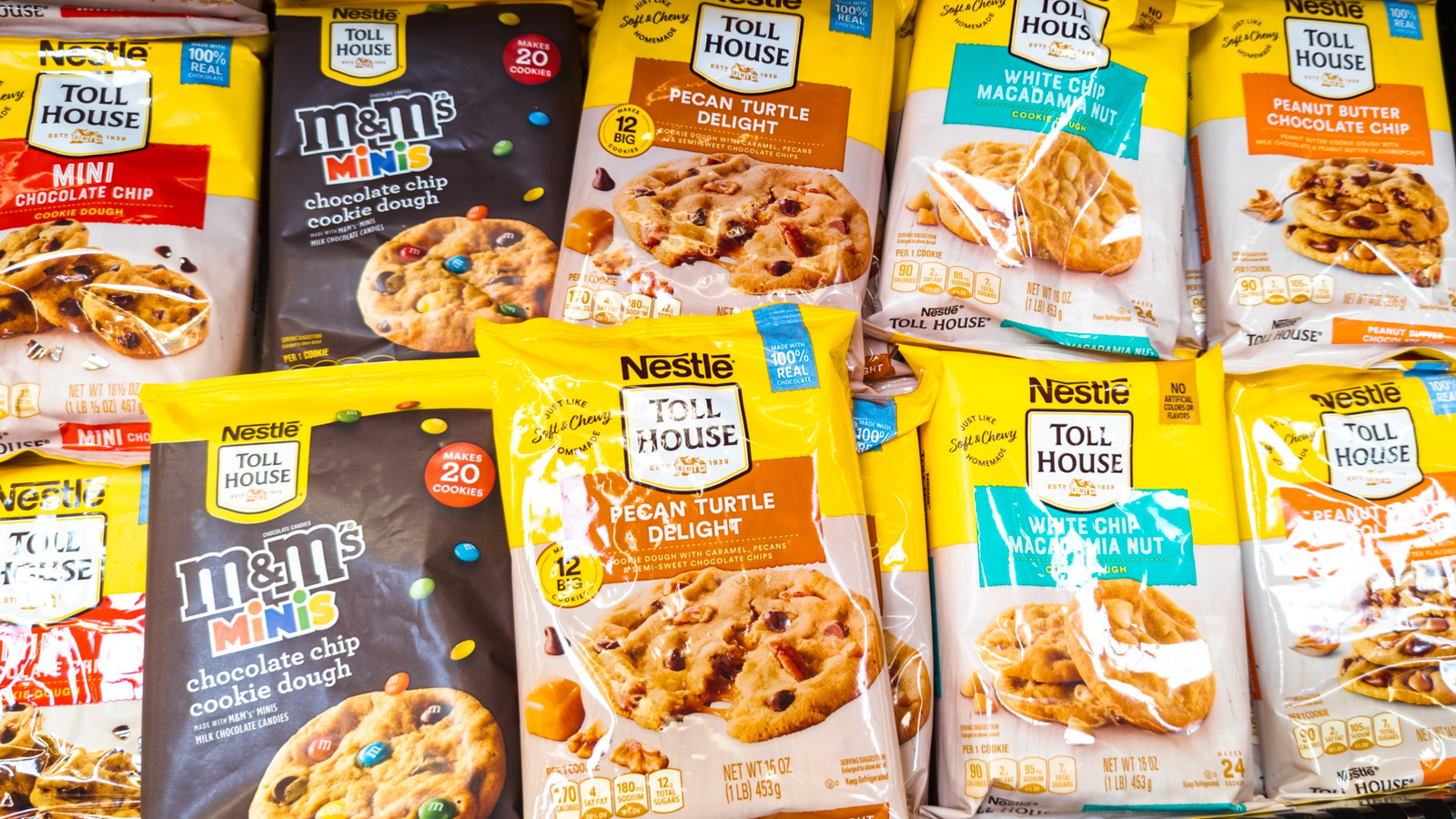
What could be better than a batch of fresh, hot, crisp french fries? Cookie fries, you say? Okay, we’re sold. Best of all, you can make them with premade dough.
Food Republic – Restaurants, Reviews, Recipes, Cooking Tips
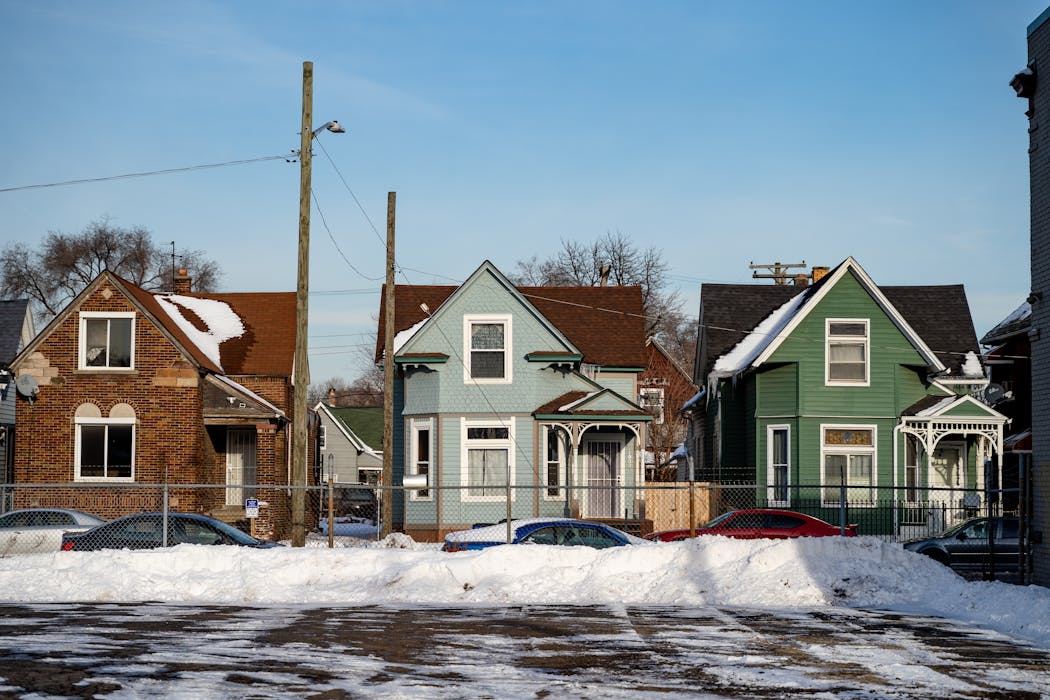
For Detroit homeowners over 65 who overwhelmingly live on fixed incomes, unexpected costs – increases in grocery prices, rising health care premiums or an emergency repair – heighten their risk of financial instability and can even lead to them falling into poverty.
I am a policy researcher at Poverty Solutions at the University of Michigan. Our initiative uses action-based research, an approach that seeks to understand real-world problems and inform policy changes that could make life work better for people with low incomes. The center recently examined data from the 2023 American Community Survey to explore how low-income seniors in Detroit are affected by declining housing values and high housing costs compared to seniors across Michigan.
Federal, state and local programs to help seniors with these costs are already strained. As the population of older adults in metro Detroit continues to grow, demand for support services, such as caregiving and healthy meal programs, will likely increase.
The poverty rate of senior-headed households in Detroit is nearly twice as high as the rate statewide.
Detroit seniors, both owners and renters, are more likely to be housing cost-burdened than Michigan seniors overall, with 45% paying more than 30% of their income on housing costs compared to 31% of seniors statewide. This is partially driven by lower median incomes in the city compared to the state.
Even when we focus on the seniors who would be considered the most financially stable, those who own their homes free and clear, the proportion burdened by housing costs is twice as high as the state: 32% versus 16%.
Lower incomes aren’t the only thing driving the higher housing cost burden. Detroit seniors pay more for all homeownership costs, including utilities – not only as a proportion of home values and income, but also in terms of real costs.
Detroiters face higher rates for auto insurance, and they pay more for utilities, compared to others in the state, adding to a situation where many residents, especially seniors on fixed incomes, struggle to make ends meet.
While the cost of living in urban areas is often higher compared to suburban and rural places, my analysis found that comparative costs for insurance, water, electricity and gas are lower in cities such as Milwaukee and Pittsburgh, which points to systemic issues that might be unique to Detroit.
Insurance and property taxes are also higher for seniors in Detroit compared to seniors across the state, especially relative to median home values. Detroit seniors pay the same or slightly more for these essentials despite living in homes that are worth less, based on the analysis.
The median house value for senior property owners in Detroit is $65,000, compared to $170,000 for seniors in Michigan.
Detroit lost over half a million residents between 1980 and 2020, causing an oversupply of single-family housing stock and a steady drop in home prices.
As residents left and businesses followed, the property tax base eroded. To generate the same revenue as cities with a richer tax base, Detroit levies property taxes at relatively high rates. Detroiters face a property tax rate close to 3%, significantly higher than the national average of 1.38%.
The housing market in Detroit has seen such large declines in property values that a disconnect has emerged. The replacement cost of a home, which is the actual expense required to reconstruct the dwelling, is often substantially higher than its current market value. This makes the cost of homeowner’s insurance disproportionately expensive relative to the market value of a home in Detroit.
A property’s condition and the condition of neighboring properties also raises the cost of homeowner’s insurance because insurance premiums are primarily influenced by the risk associated with insuring a property. Poor property and neighborhood conditions limit the availability of homeowner’s insurance, driving those who want homeowner’s insurance to purchase costly policies from insurers of last resort, or companies that provide coverage to people who cannot obtain it through other means due to high insurance risks.
The high cost drives many Detroit residents to forgo homeowner’s insurance. According to my analysis, almost 35% of Detroit seniors do not insure their homes, putting their main financial asset at risk.
Utility bills in Detroit are higher compared to those statewide for two reasons: higher use and higher rates. The housing stock in Detroit is significantly older, with 88% of Detroit seniors living in houses built before 1960, compared to 34% of seniors in the rest of the state. These older homes use more energy because they often lack modern insulation and have single-paned windows, outdated appliances, older plumbing fixtures and poor seals around windows and doors.
Detroiters and others in Michigan served by DTE Energy, a utility provider, pay gas and electricity rates that are higher than others in the state. Detroiters also pay more for utilities due to a 5% “utility users tax” added to their gas and electricity bills. This surcharge isn’t new. It stems from legislation originally passed in the 1970s, and the funds collected flow to the Public Lighting Authority, which is responsible for improving and maintaining street lights in the city, and to the Detroit Police Department.
In the wake of Detroit’s bankruptcy filing in 2013, the Detroit Water and Sewerage Department carried out widespread shut-offs. From 2014 to 2020, the shut-offs affected as many as 141,000 Detroit residents, mostly those with low incomes. The crisis garnered national and international attention.
The initial crisis has passed, yet the cost of water continues to increase across the entire state, with those in the metro Detroit area served by the Great Lakes Water Authority seeing substantially higher rate increases than the state overall to cover deferred maintenance and infrastructure costs.
Costs stemming from isolation and disability exacerbate the financial strain Detroit seniors already face.
Several factors contribute to older adults living alone, including increased life expectancy for women as well as children and family members moving farther away from each other. Older adults living alone are also more likely to be poorer than older adults who are a part of a larger household.
This issue is more pronounced in Detroit, where 54.7% of seniors live alone compared to the 43.2% statewide average. Living alone increases the risk of social isolation, which is linked to poorer health outcomes. Detroit seniors also have higher rates of disability than other seniors in the state of Michigan, which can lead to higher health care costs, decreased mobility and increased social isolation.
Historically the demand for support outstrips the available resources, with only a small proportion of eligible households receiving energy assistance. And now, programs that help vulnerable seniors with the costs of utilities are at risk of funding cuts.
Detroit Water and Sewerage Department’s Lifeline Plan, launched in 2022, ran out of state and federal money in October 2025.
Meanwhile, the entire staff that administers the federal Low Income Home Energy Assistance Program, known as LIHEAP, was cut in April 2025. While the program is funded in the continuing resolution passed on Nov. 12, 2025, it is zeroed out in the president’s fiscal year 2026 proposed budget.
Even before funding uncertainties emerged, Detroit seniors who own their homes faced institutional barriers accessing property tax relief, putting many at risk of tax foreclosure. Additionally, Detroiters struggle to keep up with home repair costs, heightened by the needs of older homes and because the home repair assistance system is fragmented and difficult to access.
Without these programs, Detroit seniors will be left without an essential lifeline.

Amanda Nothaft does not work for, consult, own shares in or receive funding from any company or organization that would benefit from this article, and has disclosed no relevant affiliations beyond their academic appointment.
Politics + Society – The Conversation

Despite public support in the U.S. for deposing Venezuelan leader Nicolás Maduro, President Donald Trump is unlikely to find that level of support for fighting an actual war in that country.
Even as Trump tries to work through Delcy Rodríguez, Maduro’s vice president and now the acting leader of the country, to manage Venezuela, there are echoes of President George W. Bush in Iraq with Trump saying that the United States will “run” Venezuela and “nurse it back to health” with Venezuelan oil wealth. None of that – which requires a lot of control by Washington and a major presence on the ground – can or will happen without a significant commitment of U.S. military forces, however, which Trump hasn’t ruled out.
“We’re not afraid of boots on the ground,” Trump said.
Yet U.S. citizens have been and remain deeply skeptical of military action in Venezuela. From Lyndon Johnson to George W. Bush, history shows that leaders often pay a high political price – and costs to their legacy, too – when wars they start or expand become unpopular.
As an expert on U.S. foreign policy and regime change wars, my research shows that every major U.S. war since 1900 – especially those that involved regime change – was buoyed at its outset by a big story with a grand purpose or objective. This helped galvanize national support to bear the costs of these wars.
During the Cold War, a story about the dangers of Soviet power to American democracy and the need to combat the spread of communism brought strong public support, at least initially, for wars in Korea and Vietnam, along with smaller operations in the Caribbean and Latin America.
In the 2000s and 2010s, the dominant narrative about preventing another Sept. 11 and quelling global terrorism generated strong initial public support for wars in Iraq – 70% in 2003 – and Afghanistan, 88% in 2001.
A big problem Trump now faces is that no similar story exists for Venezuela.
The administration’s justifications for war cover a hodgepodge of reasons, such as stopping drugs that flow almost exclusively to Europe, not the U.S.; seizing oil fields that benefit U.S. corporations but not the wider public; and somehow curtailing China’s efforts to build roads and bridges in Latin America.
All these are unrelated to any story-driven sense of collective mission or purpose. Unlike Korea or Afghanistan at the start, Americans don’t know what war in Venezuela will bring them and whether it is worth the costs.
This lack of a holistic story or broad rationale shows up in the polls. In November, only 15% of Americans saw Venezuela as a national emergency. A plurality, 45%, opposed an overthrow of Maduro. After Maduro was removed in early January 2026, Americans’ opposition to force in Venezuela grew to 52%. No rally around the flag here.
Americans also worry about where things are heading in Venezuela, with 72% saying Trump has not clearly explained plans going forward. Few want the mantle of regime change, either. Nine in 10 say Venezuelans, not the United States, should choose their next government. And more than 60% oppose additional force against Venezuela or other Latin American countries.
Only 43% of Republicans want the United States to dominate the Western Hemisphere, indicating Trump’s foreign policy vision isn’t even popular in his own party.
Overall, these numbers stand in sharp contrast to past U.S. wars bolstered by big stories, where there was generally a deep, bipartisan consensus behind using force.
For the moment, 89% of Republicans support removing Maduro. But 87% of Democrats and 58% of independents are opposed.
Reflecting the national skepticism – and in a rebuke of Trump – the U.S. Senate advanced a measure to final vote requiring Trump to get congressional approval before taking further military action in Venezuela. Five Senate Republicans joined all Democratic senators in voting for the measure.
All told, the U.S. political system is flashing red when it comes to war in Venezuela.
Research shows that U.S. regime change wars almost never go as planned. Yet, the hubris of U.S. leaders sometimes causes them to ignore this fact, which can result in deadly trouble. In Iraq, influential Vice President Dick Cheney told one interviewer, “We’ll be greeted as liberators.” We weren’t, and U.S. forces got bogged down in a bloody insurgency war.
Experts say the same trouble could come in Venezuela.

What might stop the United States from rolling into a deeper war that’s not in line with how the public views U.S. interests? My research shows that the answer lies with U.S. leaders taking steps to back away from owning what comes next in Venezuela.
This turns a lot on presidential rhetoric. When leaders make robust commitments to action, it often boxes them in politically later on to follow through, even if they don’t want to do so. Their words create what political scientists call “audience costs,” which are domestic political setbacks, or punishment, that leaders will face if they fail to follow through on what they promised to do.
Audience costs can even form in a case like Venezuela, because despite limited public support for force, the media along with proponents of war inside and outside government often pick up on a president’s words and produce a churning conversation. That conversation is visible now in the news cycle, with leading Republicans and other prominent voices calling for more robust action. It’s the “you broke it, you fix it” discussion.
This churn raises questions about the president’s credibility that sometimes makes leaders feel boxed in to act, even when public support is questionable.
As a presidential candidate in 2008, Barack Obama promised to devote greater attention and resources to the war in Afghanistan. When he got in office, Obama’s words came back to bite him. Political pressure generated by his campaign pledge made it almost impossible for Obama to avoid surging troops into Afghanistan at a much higher level than what he intended.
While presidents should always strive to keep the public informed of the direction policy is headed, research shows that leaders can avoid the trap of audience costs by remaining relatively vague and noncommittal, which the public now prefers, about future military actions.
On Venezuela, Trump has done some of this vague language work already by sidestepping specifics about when and if force will be used again, and by also downplaying talk of U.S.-led democracy promotion. If he stops talking about “running” Venezuela and adopts the more measured language used by advisers such as Secretary of State Marco Rubio, who says the goal is to “move (Venezuela) in a certain direction” but not run the country, Trump could take another step away from being boxed in to do more militarily.
Events on the ground in Venezuela might also factor into future U.S. policy. Obama would not have faced the political pressure for the surge that he did when coming to office if the Afghan war had been going in a more positive direction.
Venezuela is close to economic collapse, according to some experts, due to Caracas’ inability to reap the profits of selling oil abroad. If that happens, political chaos could follow and leave Trump, like Obama in Afghanistan, feeling lots of pressure to act militarily, especially if Trump is still saying he “runs” Venezuela.
Again, Americans don’t want that, which means taking steps, such as loosening the current oil embargo, to alleviate economic pain in Venezuela might make sense for Trump. Otherwise, if American troops are sent in by Trump and deaths mount, even a president deemed virtually untouchable by scandal and failure could find himself finally paying a political price for his decisions.

Charles Walldorf is affiliated with Defense Priorities.
Politics + Society – The Conversation
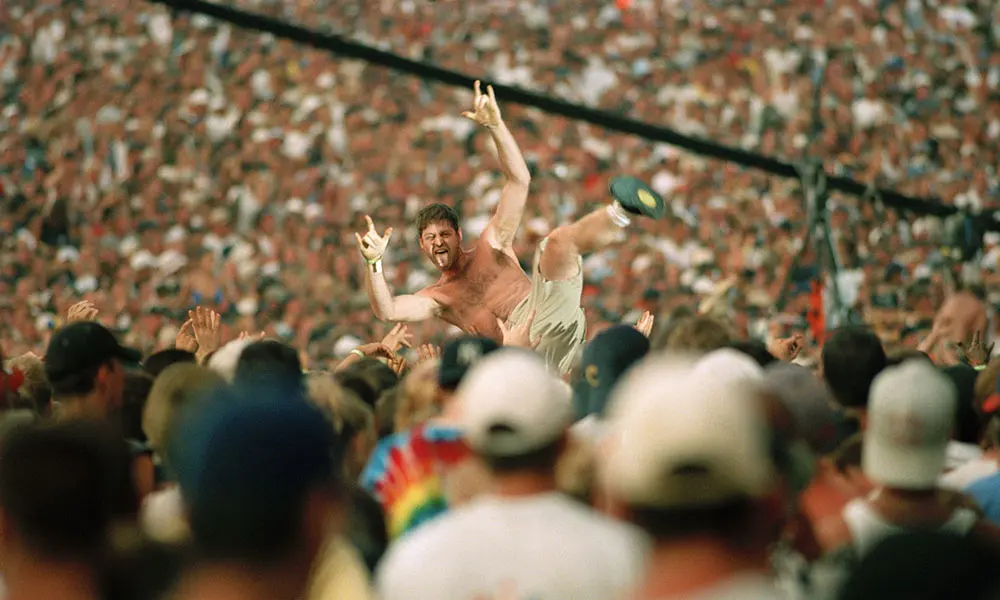
The best 90s songs reveal a simple fact: The decade was a Golden Age for many types of music. Rap and R&B dominated the charts, bringing Black American culture around the world thanks to the prevalence of MTV. Alternative music saw a number of genres proliferate outwards from it in the 90s, like indie rock and emo. Country music took a bold step into the mainstream, and became a defining music of America thanks to a plethora of new stars.
Music from around the world, too, was becoming more popular in America. Jamaican dub and reggae were prevalent in ska and punk music, and Afropop found its way into a variety of genres. Electronic music hit the mainstream with force, as both underground and mainstream acts helped define the dance culture we now see at festivals worldwide. Jazz saw an experimental renaissance after a tough decade, and Latin music started its long ascent to becoming pop music in the United States. The 1990s represented a grab bag of unimaginable wealth for music fans. Here are just a few starting places for you to explore the decade.
Shop the best of 90s music on vinyl and CD now.
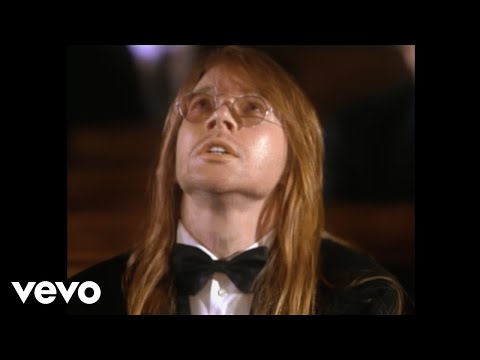
The 90s saw an influx of alternative artists shape the sound of rock music. Gone were the days of hair metal and arena rock. In its stead came artists willing and insistent on changing the rules of the game in favor of something weirder, edgier, and rule-breaking. Female stars like Fiona Apple and Alanis Morissette proved that women not only had a seat at the rock table, they were sitting at the head. Elliott Smith appeared to be the second coming of Bob Dylan, infusing his folk-inspired 90s songs with tales of heartbreak and depression. Jimmy Eat World helped usher in emo music’s ascension within mainstream rock, and Pavement brought slacker cool to campuses across the country. Bands like Foo Fighters and Red Hot Chili Peppers, though, continued to make sure that mainstream rock would continue to be a dominant force in the music industry into the 21st century. For more alternative music, check out our list of the 100 best alternative songs of the 90s.

If country music in the 1980s was adrift, not quite sure of what it was supposed to be, it emerged full force in the following decade as a behemoth, signaling to industry insiders everywhere that the genre was once again on the rise. It foreshadowed the explosion of country in the coming decades, as stars like Garth Brooks and George Strait released some of their best songs in the 90s and newcomers such as Tim McGraw skyrocketed to the top of the charts. Women continued to innovate, too, as acts like The Dixie Chicks and solo stars such as Lucinda Williams and Shania Twain began chiseling the genre in their image.

A number of electronic and electronic-leaning acts changed the course of music in the 90s. Aphex Twin brought a unique perspective that captivated hip audiences previously hesitant to listen to “electronic music.” Plenty of other acts broke through to the mainstream thanks to their pop and rock-leaning styles as well. Moby blended lush, catchy samples with hazy downtempo electronics, and Nine Inch Nails found a middle ground between electronic and acoustic instruments. Stereolab combined French pop with Krautrock to create one of the most unique sounds of the decade, and Portishead used the aesthetics of hip-hop to help introduce trip-hop. Unlike many of the genres in this list, these are songs that could have only been made in the 90s.

The rock kids sat in one corner, the alternative in another, and the grunge kids all alone, conjuring ways to highlight the best of both worlds without sacrificing a modicum of originality or artistic license. Grunge was born in Seattle, and bands from the city like Pearl Jam, Nirvana, and Soundgarden brought the heavy guitars prevalent in rock music but blended them with breathtaking vocal performances and a whole lot of flannel. These songs became 90s phenomenons. And the style traveled across the globe, too: Though Radiohead were by no means a grunge band, songs like “Creep” helped popularize the genre in the UK.

The 90s were the Golden Age of hip-hop music for many, and it’s easy to see why. Many of the greatest rap albums in the history of the genre, and many of the best albums, period, of all time, were created during that decade. The list of artists who dropped all-time albums during the 90s is pretty staggering, and it wasn’t limited to a particular coast, either. 2Pac, Snoop Dogg, and Dr. Dre were changing the sound of the West Coast, while a little duo called OutKast were proving that the South had something to say. But the East Coast, particularly New York, was the Mecca of rap in the 90s, headlined by stars like Notorious B.I.G., Nas, Gang Starr, Wu-Tang Clan, and more. For more hip-hop, check out our list of the 100 best hip-hop songs of the 90s.

Jazz music in the 90s was…weird. The classic heyday of the genre was long gone, and that era was far enough removed from the last traces of jazz’s peak for any nostalgia to remain. But a crop of innovative players helped revive the scene, and pave the way for 21st-century stars like Robert Glasper and Kamasi Washington. John Zorn was an avant-garde mastermind, Matthew Shipp was a fresh-faced innovator, and artists like Henry Threadgill began their ascent to the top of jazz’s peak.

Latin music in the 1990s was highlighted by an American mainstream acceptance of (some) Spanish language music in mainstream pop radio. Shakira, Ricky Martin, and Jennifer Lopez became stars thanks to their authentic and passionate representations of Latin music’s rich history. They helped interpolate the rich history of the genre with pop music, moving their way to the top of the charts as a result. But America wasn’t the entire story regarding Latin music’s ascent. Cidinho & Doca helped showcase a burgeoning Brazilian rap scene, while Spanish pop duo Los Del Rio dominated parties across the world with their hit “Macarena.”

As rock was veering down a number of different paths in the 90s, metal and hard rock music continued to evolve to incorporate genres like hip-hop into heavier leaning rock. Korn, Limp Bizkit, and Rage Against the Machine walked this line effortlessly. Old friends like Ozzy Osbourne continued to build on his illustrious career, and hardcore acts such as Dillinger Escape Plan proved that there was room for something even more challenging.
As reggae continued to grow in the United States in the 1990s, different iterations of music from Jamaica made its way stateside as well. Dub and dancehall became celebrated subgenres, and the first hints of reggaeton began to appear as well. Mr. Vegas promoted his style of dancehall music as Filthy Riddim, and Cutty Ranks equated his pre-music career as a butcher to chopping up his enemies lyrically. And one of the best songs of the 90s, full stop, emerged with Chaka Demus & Pliers’ anthem, “Murder She Wrote.” Elsewhere in the scene, Beres Hammond infused his style of reggae with the feel of romantic ballads.

African music continued to become a power player in the worldwide ecosystem in the 1990s, with superstars like Ali Farka Toure working with legendary American polymath Ry Cooder. Angelique Kidjo, meanwhile, became a sensation in her home country in Benin and around the world thanks to her thrilling blend of Afropop with R&B and soul music. Elsewhere, Baaba Maal brought Senegalese folk music to a wide, adoring audience.

While music from Japan was growing in influence in the 1980s, it took a massive leap forward in the 1990s as artist such as Cornelius began finding audiences outside of the country. FISHMANS brought an incredible blend of Japanese pop music with Jamaican-inspired dub, while ORIGINAL LOVE helped establish J-pop as a force to be reckoned with.

Though genres like indie rock and grunge became mainstays during the 1990s, the behemoth that is pop music still dominated the charts and the cultural zeitgeist during the decade. Britney Spears was arguably the biggest star on the planet when she first emerged, and Spice Girls were doing something similar across the pond. Madonna was still churning out hit after hit, and inspiring a new generation of stars such as Christina Aguilera. Celine Dion turned a soundtrack cut from Titanic into one of the biggest songs in the history of film music, and Backstreet Boys dominated the boy band circuit, helping to pave the way for groups like One Direction and BTS.

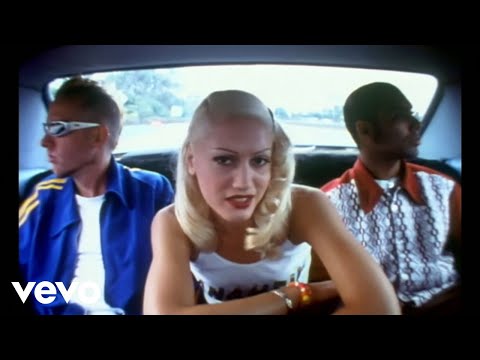
The triumvirate of punk, hardcore, and ska helped to provide an alternative to mainstream rock and metal during the 1990s. Blink-182 masterfully blended pop hooks with playful, sneering lyrics and fast punk grooves, while Sublime married their obsessions with punk and Jamaican music. Swedish hardcore band Refused helped shape the future of punk, blending hardcore rhythms with unforgettable melodies. No Doubt proved that punk could still have pop sensibilities, and NOFX merged the parallel paths of punk music and skate culture.
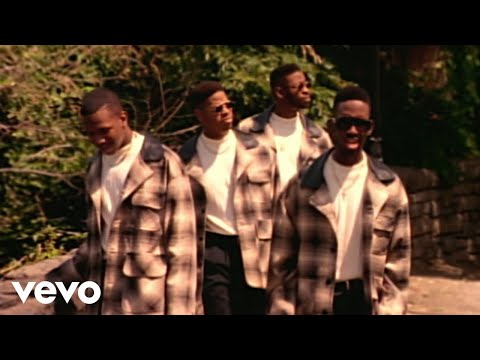
Just like its hip-hop sibling genre, R&B had a bounty of great songs during the 90s. The list of superstars emerging in the R&B lane are too many to name, but Aaliyah, Mariah Carey, and Mary J. Blige blended pop ballads with lush, R&B-inspired instrumentals, bringing a groundbreaking style to the genre. TLC mashed up lush vocals with stellar bars, giving R&B a rap edge it had previously lacked. Blackstreet helped revive New Jack Swing late in the decade, while D’Angelo was among those pioneering neo-soul along with many others.
Shop the best of 90s music on vinyl and CD now.
Discover more about the world’s greatest R&B artists | uDiscover Music