If you’re a fan of Alex Guarnaschelli from her various Food Network shows, then you might be curious about her background. Here’s what she did prior to TV.

Mashed – Fast Food, Celebrity Chefs, Grocery, Reviews











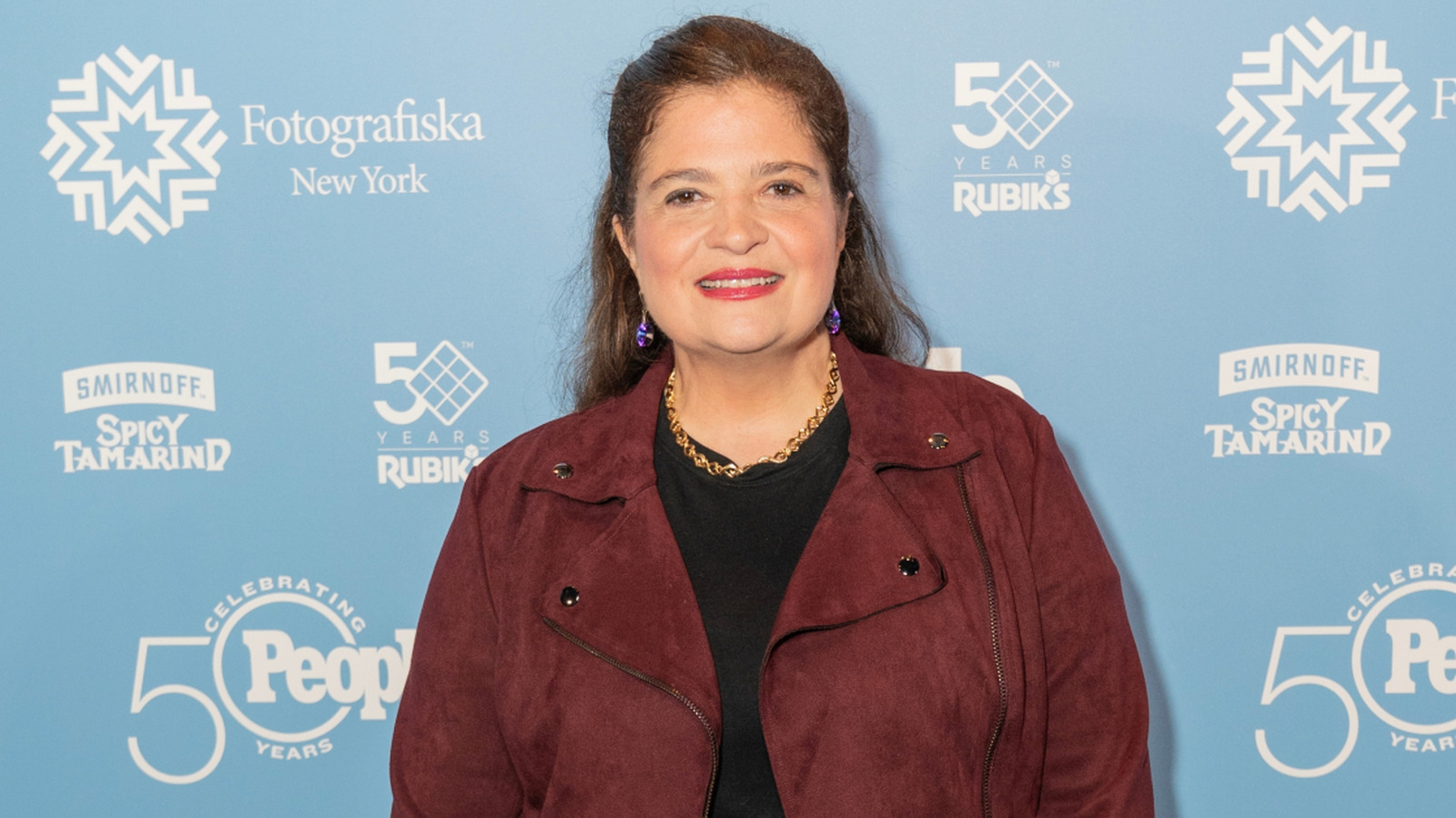
If you’re a fan of Alex Guarnaschelli from her various Food Network shows, then you might be curious about her background. Here’s what she did prior to TV.
Mashed – Fast Food, Celebrity Chefs, Grocery, Reviews
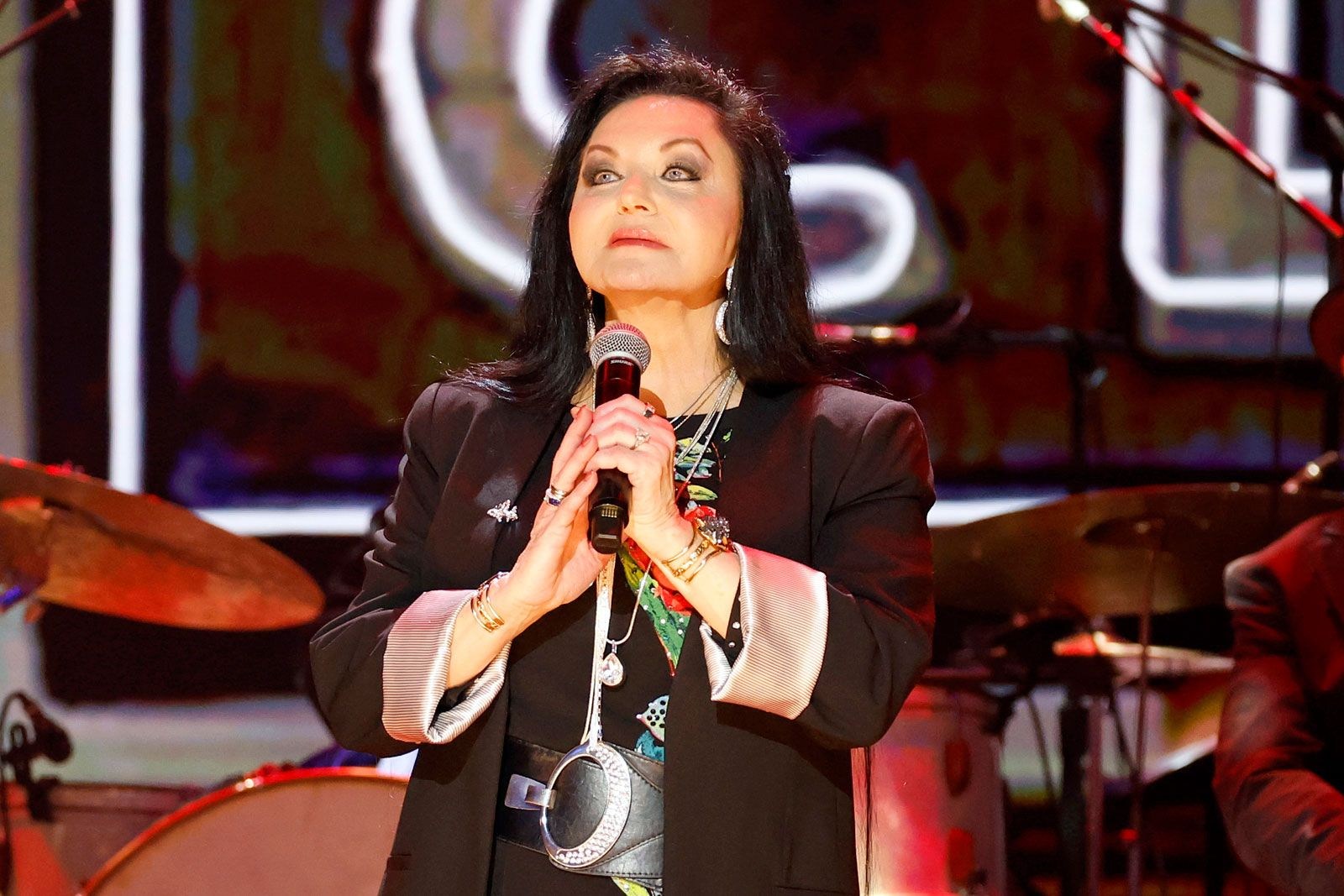
She’s hoping to turn to action “in the near future.” Continue reading…Country Music News – Taste of Country
She’s hoping to turn to action “in the near future.” Continue reading…The Boot – Country Music News, Music Videos and Songs
Reading Time: 3 minutes
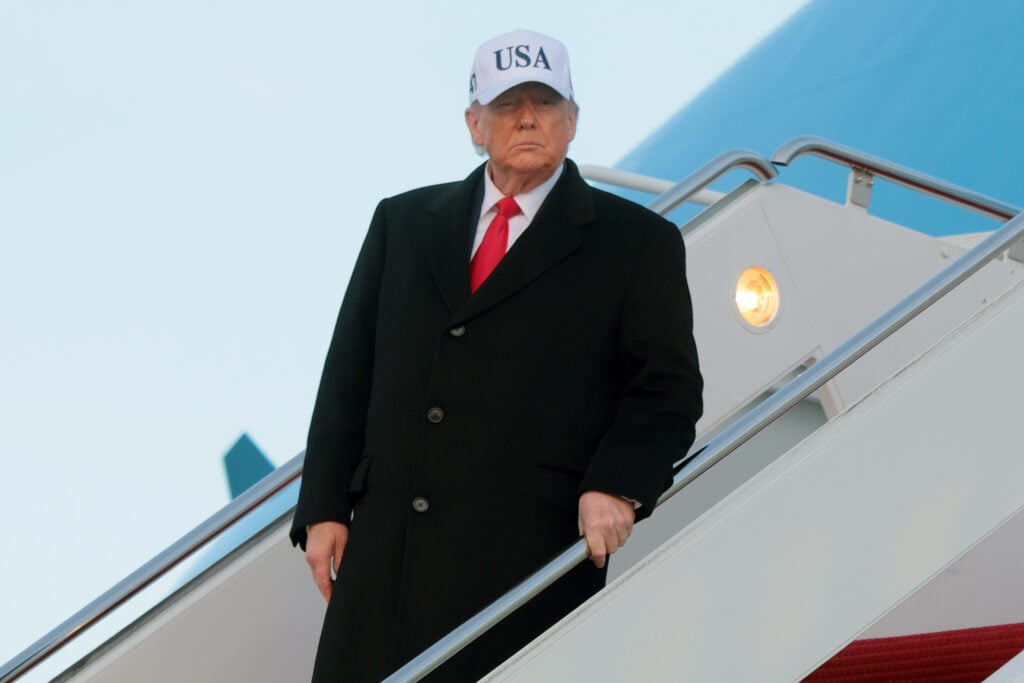
Donald Trump visited a Ford F-150 plant on Tuesday before delivering a speech at the Detroit Economic Club in Michigan, hoping to reassure listeners that both the economy and the country were in tip-tip shape — despite strong evidence to the contrary.
By the end of the afternoon, however?
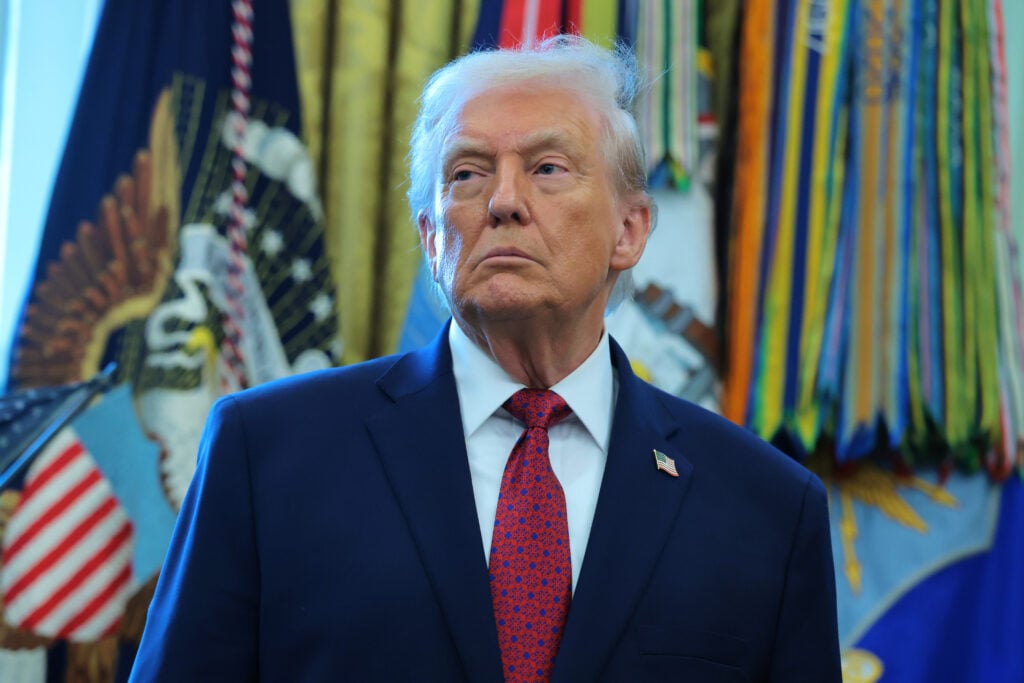
The President and his administration were forced to defend Trump after he raised his middle finger at a worker from this same plant.
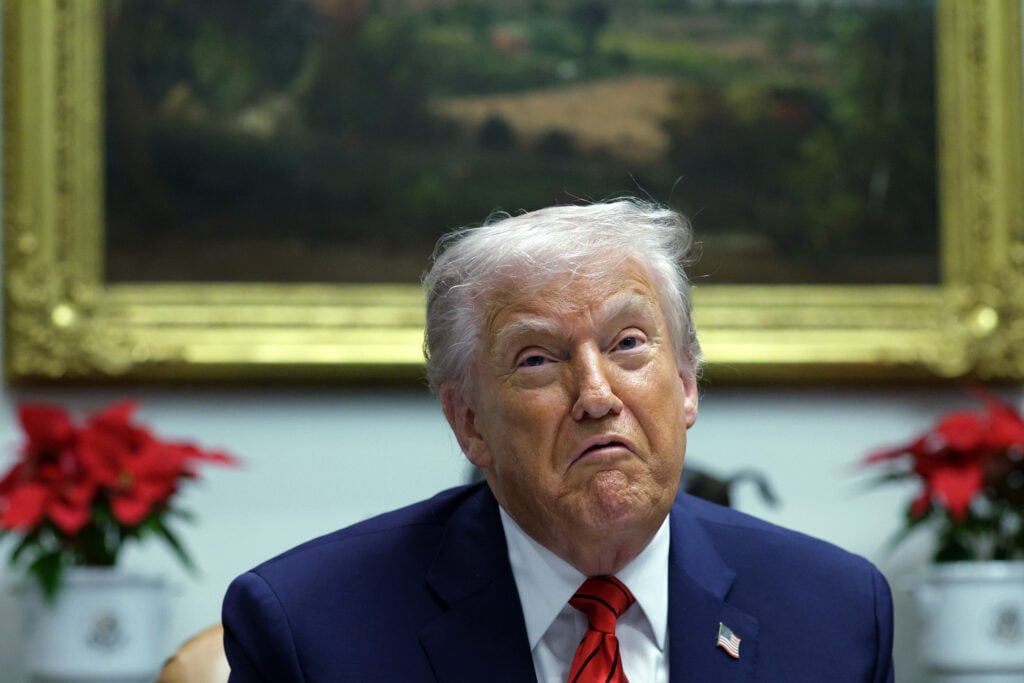
In a video posted yesterday by celebrity gossip website TMZ, the Commander-in-Chief can be seen yelling “fuck you” at a man who referred to him as a “pedophile protector.”
This, of course, was a reference to Trump possibly being included in the Jeffrey Epstein Files and/or covering up the documents to protect his friends who might be.
“A lunatic was wildly screaming expletives in a complete fit of rage, and the president gave an appropriate and unambiguous response,” White House spokesperson Steven Cheung said after the aforementioned footage went viral and Trump faced a bit of criticism.
According to the individual who taunted the President, he’s been suspended from his job.
“We had a great event today and we’re proud of how our employees represented Ford,” a spokesperson for Ford also told TMZ, adding:
“We’ve seen the clip you’re referring to. One of our core values is respect and we don’t condone anyone saying anything inappropriate like that within our facilities. When that happens, we have a process to deal with it but we don’t get into specific personnel matters.”
Epstein was a financier who died in prison in 2019 after having been charged with sex trafficking of minors.
Trump has admitted in the past that he was VERY good friends with Epstein and it is strongly believed that the wealthy pedophile introduced Trump to young women… with whom Trump likely engaged in sexual relations.
The Department of Justice released thousands of documents related to Epstein after the Congressionally-mandated deadline to release them passed on December 19.
However, Justice Department officials told a federal judge that over two million documents remain unreleased, The Washington Post reported a few days ago.
“The Department of Justice has officially released nearly 30,000 more pages of documents related to Jeffrey Epstein,” the DOJ said in a December 23 statement.
“Some of these documents contain untrue and sensationalist claims made against President Trump that were submitted to the FBI right before the 2020 election.”
Because the DOJ is, tragically, now just an arm of the President himself and is corrupt beyond belief… it somehow added at the time:
“To be clear: the claims are unfounded and false, and if they had a shred of credibility, they certainly would have been weaponized against President Trump already.
“Nevertheless, out of our commitment to the law and transparency, the DOJ is releasing these documents with the legally required protections for Epstein’s victims.”
Donald Trump Flips Off Auto Worker After Being Taunted as “Pedophile … was originally published on The Hollywood Gossip.
The Hollywood Gossip
Reading Time: 3 minutes
Sarah Jessica Parker’s disgraced former on-screen love interest sure has a lot to say.
Nothing nice, it seems.
Chris Noth’s somewhat delayed New Year’s post turned into an expletive blast at SJP.
2026 is off to a bitter start.
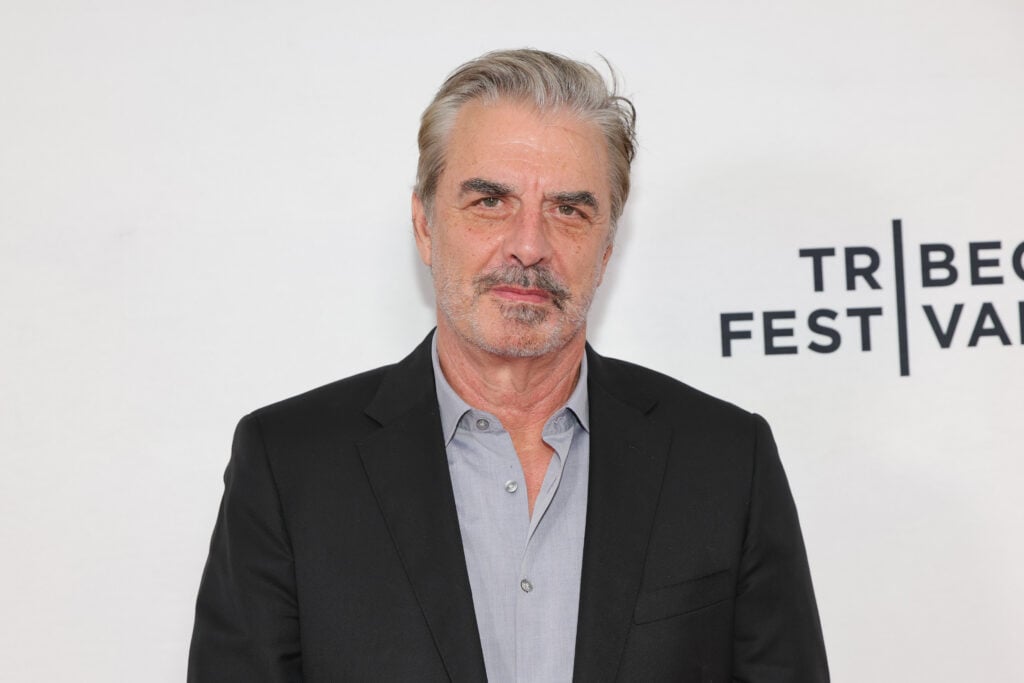
On Friday, January 9, disgraced actor Chris Noth took to his Instagram to share a workout photo.
In the image, the 71-year-old shows himself grasping a pair of dumbbells and giving a “tough guy” look to the camera.
“F&@k new years,” he declared in the caption. “LETS GO!!!!”
Presumably, this geriatric gym pic is meant to convey an aggressive commitment to
But check out what happened in the comments. It’s not good.
In the comments, one of Noth’s apparent fans suggested that his attitude towards New Years was misdirected.
“You mean f–k SJP & her award right? lol,” the fan commented, as you can see below.
Noth could have simply not seen the comment.
He could have seen it and not responded, or merely given it a “like.”
Instead, he replied with a single word: “Right.”

On January 7, Sarah Jessica Parker received the 2026 Carol Burnett Award.
(The award ceremony actually came on Sunday, January 11)
Noth and SJP worked together for many years, starting in the 1990s.
He was the notorious “Mr. Big” for six seasons of Sex and the City.
Noth would reprise his role in both follow-up films — and on HBO Max’s And Just Like That ….

And Just Like That … unceremoniously killed off Mr. Big, having him die while using a Peloton. This shocked fans and surprised the Peloton marketing department.
Noth then appeared in a then-humorous commercial for the equipment, attempting to turn a bad marketing moment into a positive one. And, for a very short time, it worked.
But with the explosion of discussion of the actor — who has also appeared on multiple Law & Order series and on The Good Wife, multiple women came forward with allegations of sexual assault.
It seems that the women, who had avoided sharing their allegations for years, were no longer willing to wait after seeing his name and face everywhere.
Noth has categorically denied the allegations — acknowledging that he had sexual encounters with at least two of these women, but claiming that it was consensual.
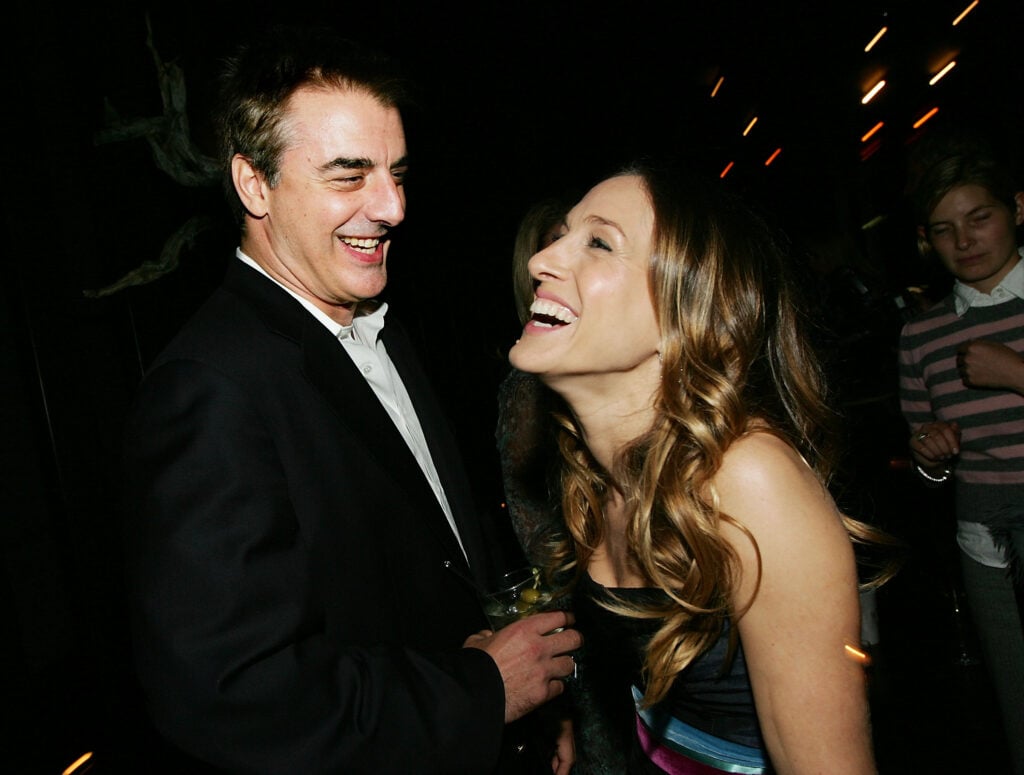
Simply put, it sounds like Noth resents that his former co-stars — including Cynthia Nixon and Kristen Davis — showed support for all four of his accusers and not for him.
As for the replies, there is a certain sort of person who craves parasocial “access” to a famous person over anything else.
Sometimes, this just means being an aggressive fan of a Lifetime star — it’s easier to get attention among a smaller fanbase.
Other times, it means sending that “pick me” energy at a disgraced actor who doesn’t hear as much praise these days.
Is that what’s happening here? Who can say?
Chris Noth Blasts Sarah Jessica Parker in Bitter Exchange was originally published on The Hollywood Gossip.
The Hollywood Gossip

A recent cheese recall has taken a shocking turn, raising alarms about safety in your fridge. Let’s talk about what’s really at stake. Continue reading…Country Music News – Taste of Country
A recent cheese recall has taken a shocking turn, raising alarms about safety in your fridge. Let’s talk about what’s really at stake. Continue reading…The Boot – Country Music News, Music Videos and Songs

All the discussion on social media surrounding Kylie Jenner’s stretch marks shows that many still don’t understand them. Here’s what to know.

Health Digest – Health News, Wellness, Expert Insights
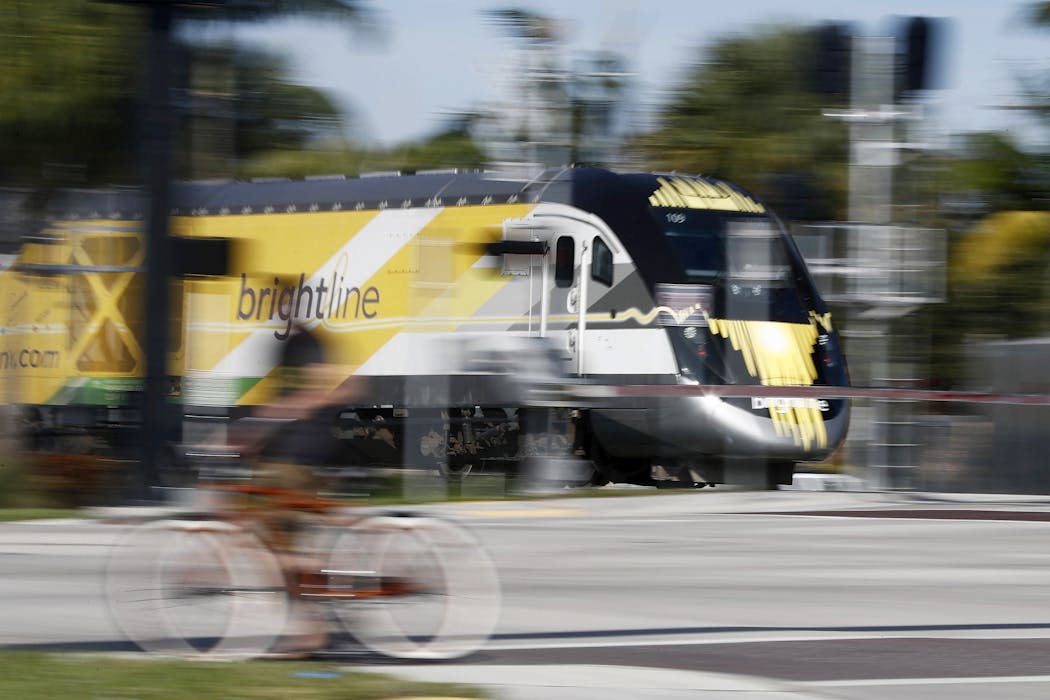
In 2018, high-speed passenger trains branded as Brightline started running along the formerly freight-only Florida East Coast Railway. Initial service from Miami to West Palm Beach was extended to Orlando in 2023. Unfortunately, the southern end of the line is in the spotlight because of collisions with pedestrians and motor vehicles.
The safety concerns have received extensive coverage in the Miami Herald, Orlando Sentinel, The Atlantic and on local television and radio stations.
To South Floridians, the furor may be novel. But nationally the debate over how to prevent these incidents has been going on for decades.
Most of the risks of railroading fall on pedestrians and motorists. Over the past decade, an average of 900 pedestrians lost their lives each year in the U.S., and another 150 motor vehicle occupants died in collisions at highway-rail grade crossings.
I’m an economist who has studied transportation safety for 40 years. My research has analyzed why motor vehicle risks have fallen substantially, while there has been hardly any progress for pedestrians.
In 1966, 1,700 motor vehicle occupants died at railroad crossings. Nowadays, that number is typically less than 150. Over the same period, the number of vehicles on the road has tripled. By these measures, the risk has fallen by an amazing 97%.
What happened?
In part, the risk fell due to better vehicle technology and reduced drunken driving, which have improved overall highway safety.
The rest was due to actions taken starting in the early 1970s in reaction to the high number of deaths. Notably, the responsibility for deciding on safety features at crossings was taken away from the railroads and given to state and local highway authorities.
A design standards handbook and risk analysis tools were developed by the U.S. Department of Transportation. The analysis tools produce a priority listing of the riskiest crossings. The handbook describes the options that engineers can use to reduce risks, such as installing flashing warning lights and barriers across the road. It also suggests when to consider closing or consolidating dangerous crossings. Federal money supplemented spending by railroads and state and local governments to pay for these improvements.
A public information campaign educating drivers about the risks at crossings was established in Idaho in 1972 under the name Operation Lifesaver. By 1986, the program had spread to every state.
Railways closed many unprofitable lines after they were allowed to do so by the Staggers Rail Act of 1980. The reduced number of railroad miles and crossings also dropped the associated risk.
A similar analysis of pedestrian deaths is complicated. Pedestrian deaths occur all along the railroad and not just at crossings. Sadly, some deaths are intentional. Federal railroad officials had stopped requiring that suicides be reported in the mid-1950s and resumed doing so only in 2011.
In 1966, there were 730 nonintentional pedestrian deaths. Today, that number is roughly the same. It’s worth noting, however, that the U.S. population is 70% higher than it was in the 1960s, so the risk per person is lower.
Federal data from the past decade shows that about a quarter of the 900 annual pedestrian deaths were ruled by a coroner or medical examiner to be intentional. Coroners often lack sufficient evidence to definitively rule a suicide, so the actual proportion of pedestrians with suicidal intent is likely much higher. My own research in the Chicago area found that about half were confirmed or likely suicides.
While the risk is down, the reduction is nowhere near as large as that of motor vehicles at crossings.
In the past decade the U.S. Department of Transportation has funded development of handbooks on the design of pedestrian crossings and interventions to mitigate risks at places away from crossings.
The latter handbook emphasizes that successful countermeasures need to be tailored to the reasons people are on the tracks in the first place. And, of course, there are many reasons.
Fencing may seem like an obvious countermeasure, but a fence does not prevent access at crossings and stations. Moreover, fences also tend to be destroyed where it is onerous to detour to a formal crossing rather than take a shortcut.
In fact, fencing can be counterproductive if it screens the railroad from public view and encourages nefarious activities, including theft, drug dealing and loitering.
Tackling intentional deaths has been challenging. Countermeasures have focused on signage providing information on mental health services and training rail workers to recognize people displaying symptoms of distress and then intervening or calling for help.
At times, tackling the root of the problem may involve land use and zoning at a local level. For example, a city might decide not to allow a convenience store to be located on the opposite side of the tracks from the population it serves. Or a city or school district might relocate transit or school bus stops to avoid the temptation to take a shortcut.

South Florida faces several challenges. The primary challenge is its flat land. No hills means there is no natural grade separation between the railroad and intersecting roads and footpaths.
Elevating the railroad would be expensive and would cut communities in two. The effects of such severance should not be underestimated. In fact, the trend in recent times has been to rejoin urban neighborhoods that were bisected by interstate highway construction in the 1960s.
Another challenge comes, ironically, from the original vision behind rail travel in Florida. Standard Oil magnate Henry Flagler developed and built the Florida East Coast Railway in hopes of spurring coastal development. These days, dense communities surround the line, with housing, schools, stores and restaurants scattered on both sides of the tracks.
Development also made it less safe for motor vehicles. Main roads, such as U.S. Route 1 and Dixie Highway, were built parallel to the tracks. Over time, as these roads have become wider and busier, the cross streets have a smaller distance between the railroad and the main road. The space for vehicles waiting to turn onto the main road is limited, and the lights and gates at the railroad crossing must be coordinated with the traffic signals on the main road. This is a major challenge to the state, county and municipal traffic engineers who have inherited these complicated intersections.
It is tempting to suggest that many of these crossings should be consolidated into fewer, well-designed crossings. But this could result in unintended consequences for pedestrians. When too few crossings are available, pedestrians are more likely to take unauthorized shortcuts. Any consolidation of road crossings must be accompanied by alternative ways for pedestrians to cross the tracks safely.
It is important to keep looking for solutions to pedestrian and vehicle safety issues so that South Florida communities can be safer while enjoying the benefits that rail offers, such as reducing the number of trucks on the roads and offering an alternative to passengers who wish to avoid flying or driving on congested Interstate 95.
If you are experiencing suicidal thoughts, you can contact the National Suicide Prevention Lifeline (988) or Crisis Text Line (text “HELLO” to 741741) for immediate support.

I was a volunteer member of the National Academies of Sciences, Engineering, and Medicine oversight committee as the 2022 “Strategies for Deterring Trespassing on Rail Transit and Commuter Rail Rights-of-Way” handbook was developed. As such we could comment on drafts but were not the authors of the report.
Politics + Society – The Conversation
Donald Trump has flagged Venezuelan drug trafficking as a key reason for the U.S. military operation on Jan. 3, 2026, that captured President Nicolás Maduro and whisked him to New York to face federal drug charges.
Trump has described Maduro as “the kingpin of a vast criminal network responsible for trafficking colossal amounts of deadly and illicit drugs into the United States.”
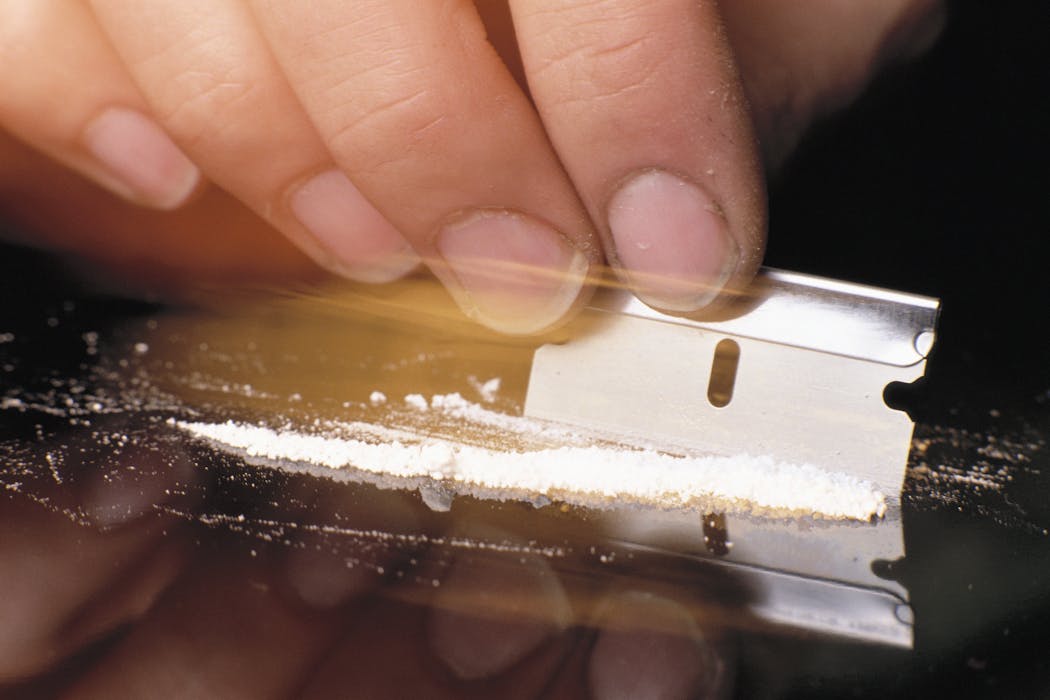
In 2025, the administration presented the U.S. military buildup in the Caribbean and repeated strikes on alleged drug trafficking vessels off Venezuela’s coast as necessary to counter the flow of cocaine into the United States.
But as an international relations scholar focused on Latin America, I know that when assessed against hard data on cocaine production and transit, the U.S. pretense for military action against Venezuela falters.
Venezuela has never been a major cocaine producer. That distinction belongs overwhelmingly to Colombia, which accounts for the vast majority of coca cultivation and cocaine processing in the Western Hemisphere.
That means the arrest of Maduro and subsequent U.S. attempts to control Venezuela’s government are unlikely to stem the influx of cocaine into the U.S.
While Venezuela’s geography and governance gaps make it a transit country for Colombian products, most U.S. cocaine originates and flows through corridors north and west of Venezuela. This contradicts the claim that Caracas was the central hub of cocaine trafficking into the United States.
Moreover, the opioid overdose crisis in the U.S. today is overwhelmingly driven by synthetic drugs such as fentanyl, which have supply chains rooted in Mexico and Asia, not Venezuela.
So why did Washington elevate Venezuela’s role in narcotics?

The answer, I believe, lies less in illicit markets than in power. By conflating criminal networks with government authority, an act amplified through legal designations and indictments, the Trump administration could justify military intervention without explicit congressional authorization.
Once Maduro was removed, the substance beneath the rhetoric became clearer. The U.S. has not turned power over to an opposition democratic coalition. Instead, it facilitated the swearing-in of Vice President Delcy Rodríguez as interim president, a figure deeply tied to the existing regime and whose network includes people long accused by U.S. authorities of illegal activities.
The release of political prisoners by the interim government and U.S. moves to reopen Venezuela’s oil sector to American interests underscore that what unfolded was not purely a counternarcotics mission but a reconfiguration of governance in Caracas.
The role of the Cartel de los Soles – or Cartel of the Suns – in this narrative deserves particular scrutiny. Originally a label for alleged trafficking networks within Venezuela’s security forces, U.S. legal indictments and terrorist designations expanded that concept. That amplified the narrative that Maduro was at the head of a transnational criminal enterprise.
In fact, the Cartel de los Soles is not a structured cartel at all. Yet the narrative of Maduro as head of a narco-terrorist empire was politically and legally potent. It provided a pretext for military action, creating a justification that could be sold domestically and internationally as an effort to defend U.S. citizens from an external criminal threat.
But the U.S. attack in Venezuela was not, in substance, a counternarcotics mission. It was a strategic economic and geopolitical operation framed in the language of law enforcement.
Two days after the Venezuela attack, the Justice Department retreated from its November 2025 claim that Maduro was the head of Cartel de los Soles, underscoring that the link between drug enforcement and regime removal was more instrumental than evidentiary.
Rodríguez said just days after the U.S. attack, “Drug trafficking and human rights were the excuse; the real motive was oil.”

While the U.S. operation in Venezuela undoubtedly disrupted the trafficking networks that operated under Maduro’s umbrella, at least temporarily, the action cannot be convincingly framed as a drug supply intervention.
The reality of drug trafficking itself underscores this point.
Cocaine production and distribution networks are dynamic. When one route is disrupted, traffickers invariably find alternative pathways.
Routes that once used Venezuelan territory have likely rerouted rather than collapsed. This has historically characterized drug flow in Latin America in response to pressure from law enforcement.
Even if Venezuelan transit networks are briefly destabilized, there is no evidence that U.S. intervention will lead to a meaningful reduction in the volume of illegal drugs flowing into the United States. The most significant drivers of U.S. drug problems, including Mexico-based distribution systems and the surge of synthetic opioids, operate largely outside Venezuela.
The U.S. operation may benefit Venezuela politically by toppling a long-standing authoritarian figure. That opens the possibility of political change.
But if the lens through which policymakers view these events is drug policy, they are misreading both the evidence and the incentives. The action was centered on energy and strategic realignment, with counternarcotics rhetoric serving as a justification rather than a driver of the U.S. attack.
And while trafficking networks adapt and survive, these shifts will not reduce the flow of drugs into the United States, which has long been shaped by factors far beyond Venezuela’s borders.

Eduardo Gamarra does not work for, consult, own shares in or receive funding from any company or organization that would benefit from this article, and has disclosed no relevant affiliations beyond their academic appointment.
Politics + Society – The Conversation