Categories
Sports Fox

3 Keys to Victory for the Patriots in Super Bowl LX

The Patriots are not shying away from the underdog label in Super Bowl LX. “Somebody has to [be],” coach Mike Vrabel said Monday during opening night festivities. “I don’t think we dislike it.” But schematically, what will it take for the Patriots to actually topple the favored Seahawks in the fight for the Lombardi Trophy? Here are three keys to victory for New England: 1. Drake Maye must use his legs With 1:57 left in the AFC Championship Game, the Patriots faced a third-and-5 and were looking to ice a grind-it-out 10-7 victory over the Broncos. Drake Maye faked a handoff to running back Rhamondre Stevenson on his right and then booted to his left. In the open field, the Patriots quarterback outraced Broncos outside linebacker Jonah Elliss to the sideline, where he secured the game-clinching conversion. It capped a 10-carry, 65-yard rushing performance. Maye’s legs were pivotal in getting New England past Denver, and they will be just as vital in getting the Patriots their seventh Super Bowl title. While he’s most lauded for his efficient throwing and deep-ball prowess, the MVP finalist is also one of the league’s most mobile quarterbacks. He led the league in scramble first downs (27) and ranked third in total scramble rush yards (423) during the regular season, according to Next Gen Stats. Maye averaged 26.5 rushing yards per game for the year, but since Week 15, that’s up to 38.9 rushing yards per game (on 6.6 carries per contest). In the regular season, the Seahawks allowed 5.3 rushing yards per carry to opposing quarterbacks, the fourth-most in the league, per NGS. So that’s something for the Patriots to exploit. 2. Blitz Sam Darnold The Patriots aren’t a heavy blitzing team — they blitzed on 26.6% of dropbacks in the regular season, which tied for 18th in the NFL — but it’s a viable option for slowing down the Seahawks quarterback, who played the best game of his career in the NFC Championship Game. Darnold completed 62.5% of his passes when blitzed during the regular season, posting a 10-7 touchdown-to-interception ratio with a 93.6 passer rating, per NGS. Not bad, sure, but certainly not as deadly when defenses sent four or fewer passer rushers at him. Under those circumstances, Darnold posted a 15-7 touchdown-to-interception ratio with a 102.1 passer rating. So blitzing at a higher rate than normal may provide New England with the best opportunity to get Darnold to cough up the ball, which he did at a high rate during the regular season. He had a league-high 7.2% turnover rate on pressured dropbacks in 2025, per NGS. Patriots defensive backs Christian Gonzalez, Carlton Davis III and Marcus Jones have all made a play on the ball on a higher percentage of their targets in the playoffs than in the regular season, according to Next Gen Stats. Gonzalez, Davis, Jones and safety Craig Woodson have four pass breakups apiece this postseason. 3. Use multiple running back sets Playing Stevenson and TreVeyon Henderson together in the backfield is a way for the Patriots to both shore up Drake Maye’s protection and put stress on the Seahawks’ vaunted defense. New England has struggled to keep Maye upright in the playoffs. He’s been sacked 15 times this postseason (five times apiece in the wild card, divisional round and AFC title game), the most by any player to reach a Super Bowl since 1970, per Next Gen Stats. Two running back sets would give Maye an extra chipper/blocker up front against Seattle’s strong pass rush and an outlet in the quick/short passing game to find a rhythm. That could bring up Maye’s passer efficiency, which is down significantly in the postseason. Jumbo formations, with multiple running backs and tight ends, could be a great option for New England in short-yardage situations as well. Stevenson and Henderson thrived in jumbo during the regular season, averaging 9.8 and 5.8 yards per carry on such rushes, respectively, per NGS. Of players with at least 20 carries in such formations in 2025, Stevenson ranked first in the NFL in yards per carry and Henderson ranked fourth. The Patriots had a league-high 10 touchdowns out of jumbo formation this season.​Latest Sports News from FOX Sports

Categories
Entertainment

Chris Harrison Books Return to Reality TV!!!!!!!!!

Reading Time: 3 minutes

Chris Harrison will soon be back in your living room, folks.

Not literally, of course. That would be weird.

According to a recent social media post by Lindsay Liles Casting, the former Bachelor and Bachelorette host will return to a genre he knows well:

Fronting a dating-themed program that is based around two people meeting on camera, possibly falling in love and then getting married.

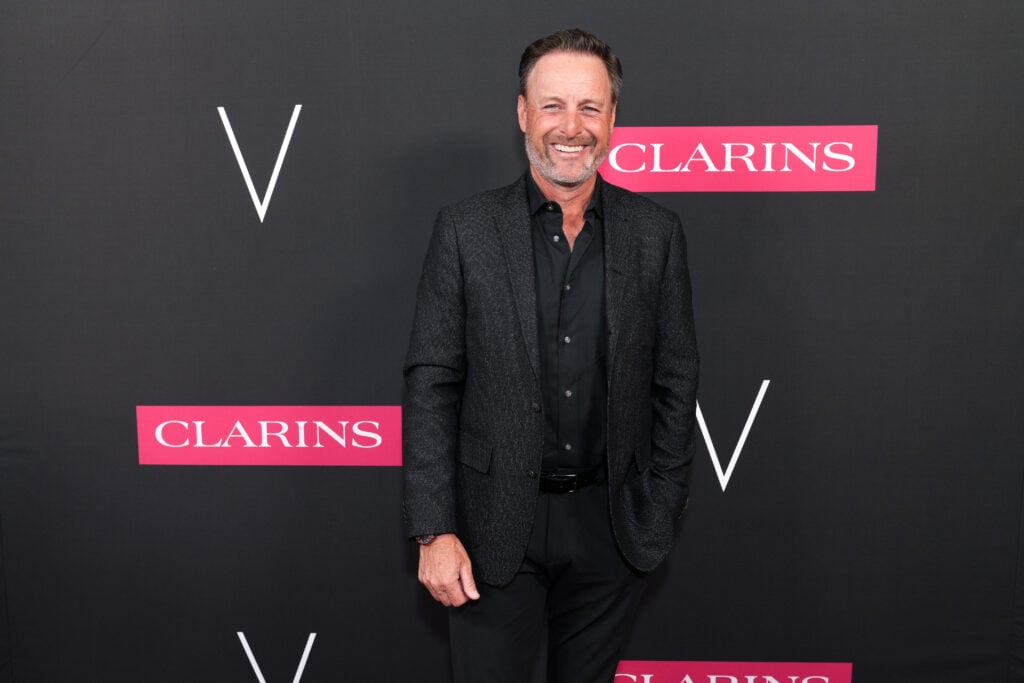
Chris Harrison attends Clarins and V Magazine Golden Hour Celebration During F1 Weekend in Austin, TX at Waller Creek Boathouse on October 18, 2025 in Austin, Texas. (Photo by Presley Ann/Getty Images)

“NOW CASTING! Chris Harrison is back with a new show, and we’re looking for men and women who are sincerely seeking love and a traditional marriage,” Lindsay Liles Casting posted online this week.

The surprising post states that “a prominent streaming service” is casting singles 21 and older who “want to be in a traditional, marriage-minded partnership built on commitment and shared values.”

It also states that the series is looking for individuals “who believe in clear roles, long-term commitment, and building a life together — and who are dating with real intention.”

(Instagram)

It’s unknown at this time what the show will be called… what network it will air on… or when it will premiere.

But we’re not going out on a huge limb by assuming Harrison will NOT be working with ABC again.

“It changed my life, but at the same time, I can also be grateful that I’m gone,” Harrison said in 2023 on an episode of Jason Tartick’s Trading Secrets podcast. “That’s a relationship I don’t need to be in anymore because it wasn’t healthy.”

Harrison, of course, served as the host of both the aforementioned franchises for many, many years.

He was essentially let go by executives in early 2021 after he made racially insensitive remarks, telling the public at the time:

“I have consulted with Warner Bros. and ABC and will be stepping aside for a period of time and will not join for the After the Final Rose special…

“I want to ensure our cast and crew members, to my friends, colleagues and our fans: this is not just a moment, but a commitment to much greater understanding that I will actively make every day.

“From here I can only try to evolve and be a better man, and I humble myself before all of you.

“I hope I will again live up to the expectations you all rightfully have for me and the expectations I have for myself.”

Chris Harrrison on The Bachelor Season 25
Chris Harrison tries to keep warm here on an episode of The Bachelor Season 25. (ABC)

Harrison never returned to The Bachelor.

He’s mostly stayed away from the spotlight in general, although he did hint at a return to reality television way back in March 2024.

“People got to know and love me for two decades hosting The Bachelor, so, yes, we are going to be creating a reality dating show,” Harrison said to Entertainment Tonight back then.

“For years and years I said, ‘This is the most dramatic show ever.’

“We want to create a show where those words actually ring true, so this dating show will be the most dramatic ever — that you can be sure of.”

It’s unclear whether Harrison was referring almost two years ago to the show that now appears to be coming to fruition.

Chris Harrison attends the 49th Daytime Emmy Awards at Pasadena Convention Center on June 24, 2022 in Pasadena, California. (Photo by Amy Sussman/Getty Images)

Jesse Palmer now hosts both The Bachelor and The Bachelorette.

Harrison’s departure from the company was ugly for awhile, with the TV personality demanding a whole lot of money to walk away from his job.

The two sides eventually negotiated a buy-out, however.

This past October, Back in October, Harrison spoke to People Magazine about his post-Bachelor life, as well as his life in Austin, Texas where he and wife Lauren Zima purchased a home in 2020.

Although Harrison called Austin “the new Hollywood,” he told the outlet there was “a next chapter coming up very soon” for himself and that he was “very excited” to soon talk about it at length.

Chris Harrison Books Return to Reality TV!!!!!!!!! was originally published on The Hollywood Gossip.

​The Hollywood Gossip

Categories
Entertainment

Kristi Noem: Bad Bunny Doesn’t Know How ‘Wonderful’ ICE Agents Are

Reading Time: 4 minutes

Everyone at the Grammy Awards used their platform to condemn ICE as the agency lays siege to American communities.

(Almost everyone, anyway)

Now, Trump’s Secretary of Homeland Security Kristi Noem has a bone to pick with winners like Bad Bunny and Billie Eilish.

She essentially says that they’re being unfair to ICE agents, who are just following orders. Take a look:

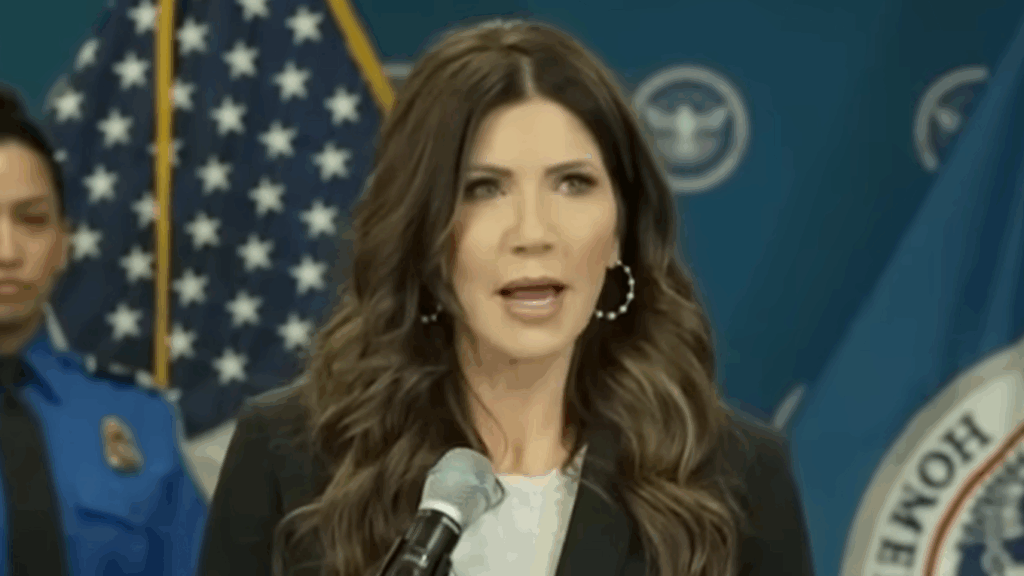
Kristi Noem speaks to Fox News Digital
Speaking to ‘Fox News Digital’ in February 2026, Kristi Noem continued to defend ICE. (Image Credit: Fox News Digital)

Is it unfair to denounce ICE?

On Sunday, February 1, multiple winners used their platform at the Grammy Awards to denounce ICE.

“No one is illegal on stolen land,” Billie Eilish affirmed while accepting the award for Song of the Year.

“I feel really hopeful in this room, and I feel like we need to keep fighting and speaking up and protesting,” she expressed. “Our voices really do matter, and the people matter.” 

Eilish concluded: “And f–k ICE, that’s all I’m gonna say, sorry.”

She had also worn an ICE OUT pin to the event, ensuring that the message came across alongside her diamond ring whether she won the Grammy or not.

Bad Bunny has already been a target of conservative vitriol ahead of his Super Bowl Halftime performance.

During his own Grammy acceptance speech, he declared: “Before I say thanks to God, I’m going to say ICE out.”

He emphasized: “We’re not savage, we’re not animals, we’re not aliens — we are humans, and we are Americans.”

ICE is known to have detained at least 170 US citizens recently. While that pales in comparison to the terror and violence that they’re bringing to American communities — or the Americans whom they’ve executed in the streets — it’s still a point worth making.

Incidentally, some … whatever the opposite of “geography wiz” is … have decried Bad Bunny’s Halftime performance ahead of time on the grounds that he is “not American.” One actual football player said this.

Bad Bunny is from Puerto Rico … which is part of the United States of America. He is a US Citizen. This should not be new information for an American adult who feels equipped to weigh in on current events or politics.

Appearing on YouTube, Kristi Noem speaks.
Embattled Homeland Security Secretary Kristi Noem’s job may be in danger. At this point, only getting fired would be getting off easy. (Image Credit: Forbes)

She says that Bad Bunny and others are ‘ill-informed’

As you can see in the video below, Kristi Noem spoke to Fox News about the Grammy winners who used their platform to oppose ICE’s war in Minneapolis and beyond.

“I wish they knew what wonderful, amazing people our ICE officers are,” she lamented.

Noem asserted: “Many of these officers live in these communities where they are doing enforcement activities.” She did not provide any evidence of this outlandish claim.

“Their families live there,” she again alleged, “and that’s their neighbors they are protecting by getting dangerous criminals off the streets.”

Willfully mischaracterizing ICE’s assignment and mission, Noem boldly lied: “They are going after those murderers and rapists, people that are trafficking drugs, and protecting America.”

Noem went on to emphasize that this is what Donald Trump “said he would do, he said he would make us safer, and he has done that.”

She went on to mention that many forms of violent crime are down across America. While that was true years ago, it seems that she’s trying to imply that this is somehow due to Trump or his gestapo.

In an accidentally true statement, she added that “people are feeling it in their communities.” It in this case being the sting of teargas on their faces and on those of their children.

“And it’s too bad that ill-informed famous musicians make statements like that,” Noem whined, “without truly knowing what great Americans our ICE and Border Patrol officers are.”

It’s 2026. The threats to our nation are serious, but the people causing the problems are deeply unserious. They can’t even bother to tell convincing lies anymore.

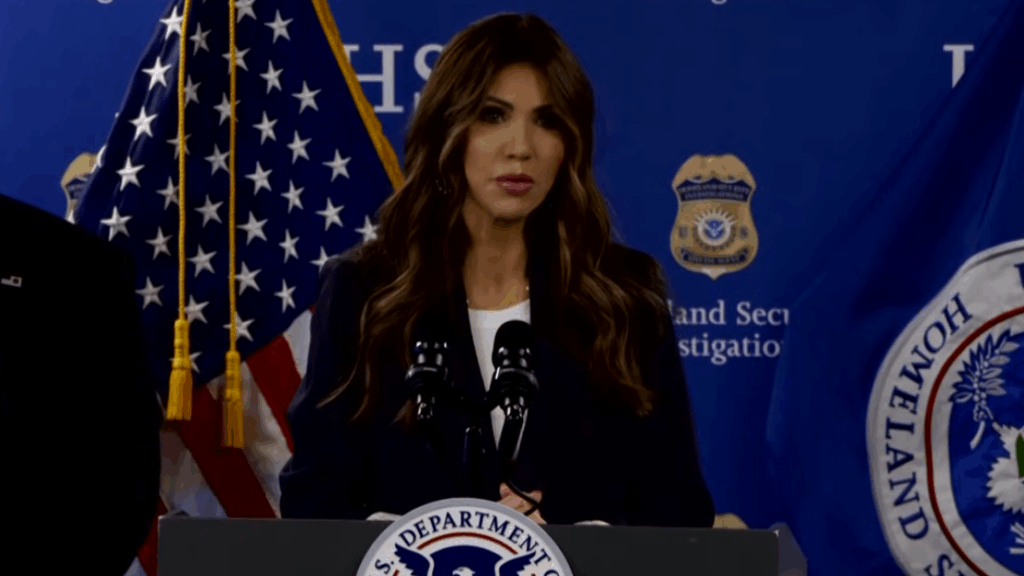
Kristi Noem at the podium.
Near the southern border, Kristi Noam addresses the press. (Image Credit: 12 News)

Is ‘Abolish ICE’ ever going to be enough?

Mixed reports suggest that Noem may lose her job soon. She’s been defensive, insisting that she’s only following orders from Trump and from Stephen Miller.

Truth be told, the firing of Noem would be a half-measure. Just like the alleged plans to make ICE goons wear body cameras and (gasp) maybe stop wearing masks to conceal their identities while they commit crimes.

Eventually, the American people have to put every one of these people — from the bottom to the top — on trial. Some on social media are calling this “Nuremberg 2.”

It’s a little aspirational, and justice seems so rare these days. But it’s important. Merely abolishing ICE is not enough.

One of President Biden’s biggest failings — perhaps the biggest of all — is not doing enough to bring Trump and his accomplices to justice the first time around. The next administration needs an unquenchable thirst for justice if we’re going to preserve America.

Kristi Noem: Bad Bunny Doesn’t Know How ‘Wonderful’ ICE Agents Are was originally published on The Hollywood Gossip.

​The Hollywood Gossip

Categories
Uncategorized

ICE and Border Patrol in Minnesota − accused of violating 1st, 2nd, 4th and 10th amendment rights − are testing whether the Constitution can survive

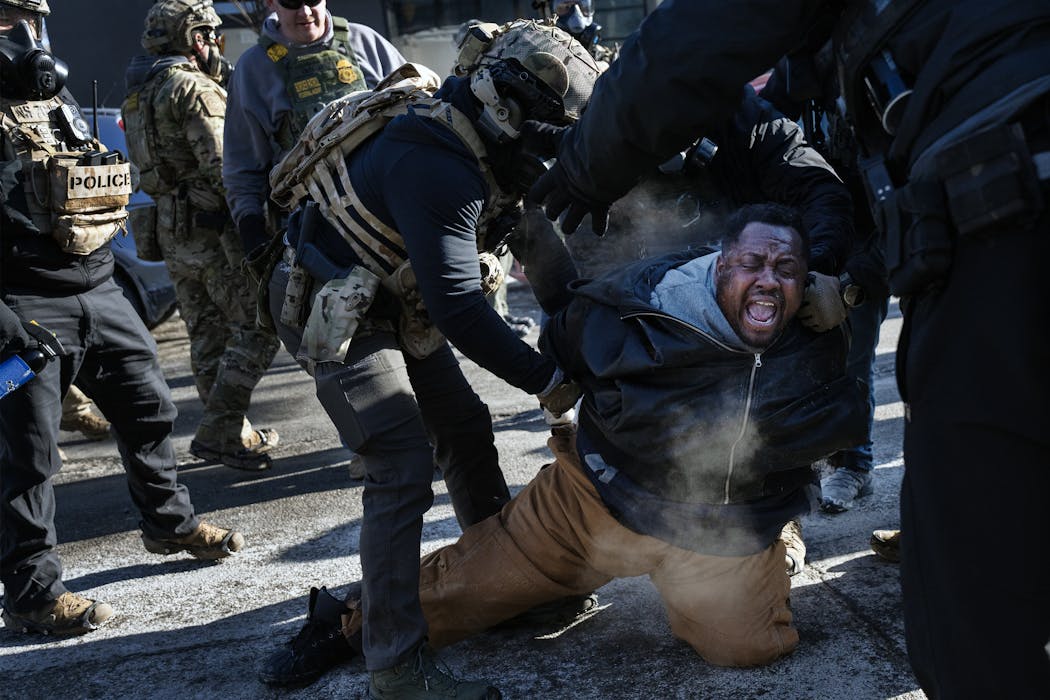
ICE officers and federal agents clash with protesters in south Minneapolis after Alex Pretti was fatally shot by federal agents on Jan. 24, 2026. Richard Tsong-Taatarii/The Minnesota Star Tribune

Forcibly entering homes without a judicial warrant. Arresting journalists who reported on protests. Defying dozens of federal orders. Killing U.S. citizens for noncompliance. Asking constitutionally protected observers this chilling question: “Have you not learned?”

This is daily life in Minnesota. Operation Metro Surge, ostensibly an immigration enforcement initiative, has become something more consequential: a constitutional stress test. Can constitutional protections withstand the actions of a federal government seemingly intent on aggressively violating the rule of law?

In Minneapolis, a city still reckoning with its own grim history of policing, the federal operation raises fundamental questions about law enforcement and the limits of executive power.

Legal scholars and civil rights advocates are especially worried about ongoing violations of the First, Second, Fourth and 10th amendments, as are other observers, including historians like us.

Catalog of violations

First Amendment concerns stem from reports that agents from ICE – described by some scholars as a paramilitary force – and the Border Patrol have deployed excessive force as well as advanced surveillance methods on suspects, observers and journalists. When enforcement activity impedes the rights to assemble, document and criticize government action, that chills those rights, and the consequences extend beyond any single demonstration. These rights are not peripheral to democracy. They are central to it.

Second Amendment issues erupted following the fatal shooting of a legally armed Alex Pretti in Minneapolis. Highly placed administration officials claimed Americans could not bring firearms to protests, despite a long-standing interpretation that in most states, including Minnesota, a person who was legally permitted to carry a firearm could bring it to such events. The assertion was in fact contrary to the Trump administration’s support for gun rights.

Thanks to the videos flooding social media, Fourth Amendment concerns are the most familiar. Allegations include entering homes without warrants, stopping, intimidating and seizing legal observers, and detaining suspects by virtue of their appearance or accent. Those are clear violations of the Fourth Amendment’s safeguards against unreasonable searches and seizures, which were adopted to prevent the exercise of arbitrary government power.

Finally, the 10th Amendment lies at the heart of Minnesota’s legal cases against the federal government.

One lawsuit contests the federal government’s refusal to allow the Minnesota Bureau of Criminal Apprehension to investigate the killings of Renee Good and Alex Pretti. Another challenges efforts to pressure local governments into assisting federal immigration enforcement. These disputes implicate federalism itself – the constitutional division of authority between states and the federal government that is the foundation of the American system.

The massive and rapid accumulation of these alleged constitutional violations – now working their way through the courts – in a single geographic locale is striking. So are the mass resignations from the state’s U.S. attorney’s office, which is responsible for representing the federal government in these cases.

And so is the deeper historical context.

A retreat from federal constitutional oversight

Starting in 1994, federal intervention became a powerful corrective whenever local police violated constitutional rights.

From Newark to New Orleans, federal oversight was not always welcomed, but it was frequently necessary to enforce equal protection and due process.

Federal oversight has been essential in enforcing civil rights when municipalities would not. Active monitoring of policing in those cities kept officers and administrators accountable and encouraged officers to follow constitutional standards. At its core, what experts call “constitutional policing” requires that government’s use of authority to ensure order be justified, limited and subject to oversight.

In that vein, after the 2020 murder of George Floyd by a Minneapolis policeman, the 2023 U.S. Department of Justice report on policing in Minneapolis identified questionable patterns and practices. Those problems included the “unreasonable” use of deadly force, racial profiling and retaliation against journalists. The Department of Justice’s proposed consent decree – grounded in constitutional policing – offered a way forward.

But in May 2025, the Department of Justice, under the leadership of President Donald Trump’s appointee Pam Bondi, withdrew the recommended agreement.

Seven months later, Operation Metro Surge deployed thousands of federal agents to Minnesota with a markedly different enforcement philosophy.

Indeed, the recent expansion of federal enforcement authority in Minnesota followed a retreat from federal constitutional oversight.

An excerpt from a court opinion asserting that ICE had violated more judicial orders in January 2026 than 'some federal agencies have violated in their entire existence.'
An excerpt from an opinion by Chief U.S. District Judge Patrick J. Schiltz asserts that ICE had violated more judicial orders in January 2026 than ‘some federal agencies have violated in their entire existence.’
courtlistener.com

Taking the handcuffs off

A presidential executive order, signed by Trump in late April 2025 and titled “Strengthening and Unleashing America’s Law Enforcement to Pursue Criminals and Protect Innocent Citizens,” pledged to remove what were described as “handcuffs” on police.

Soon thereafter, the administration deployed the National Guard to Los Angeles amid immigration protests.

Though a federal judge later rejected the legal rationale for that deployment, in August 2025, the president sent National Guard forces to Washington, D.C., purportedly to reduce crime. In September 2025, Trump described American cities as potential “training grounds” for the military to confront what he called the “enemy from within.”

Each episode reflects an increasingly expansive view of executive branch authority.

Whether Operation Metro Surge ultimately withstands judicial scrutiny remains to be seen. Numerous lawsuits continue to wind their way through the courts.

But the broader question is already clear: When, in the name of security, the executive branch directly challenges so many Bill of Rights protections at once, how much strain can the American legal system absorb? Will basic constitutional rights survive this moment?

What is unfolding in Minnesota is not simply a local enforcement story. It is a test of whether the Constitution as we know it will survive.

The Conversation

The authors do not work for, consult, own shares in or receive funding from any company or organization that would benefit from this article, and have disclosed no relevant affiliations beyond their academic appointment.

​Politics + Society – The Conversation

Categories
Music

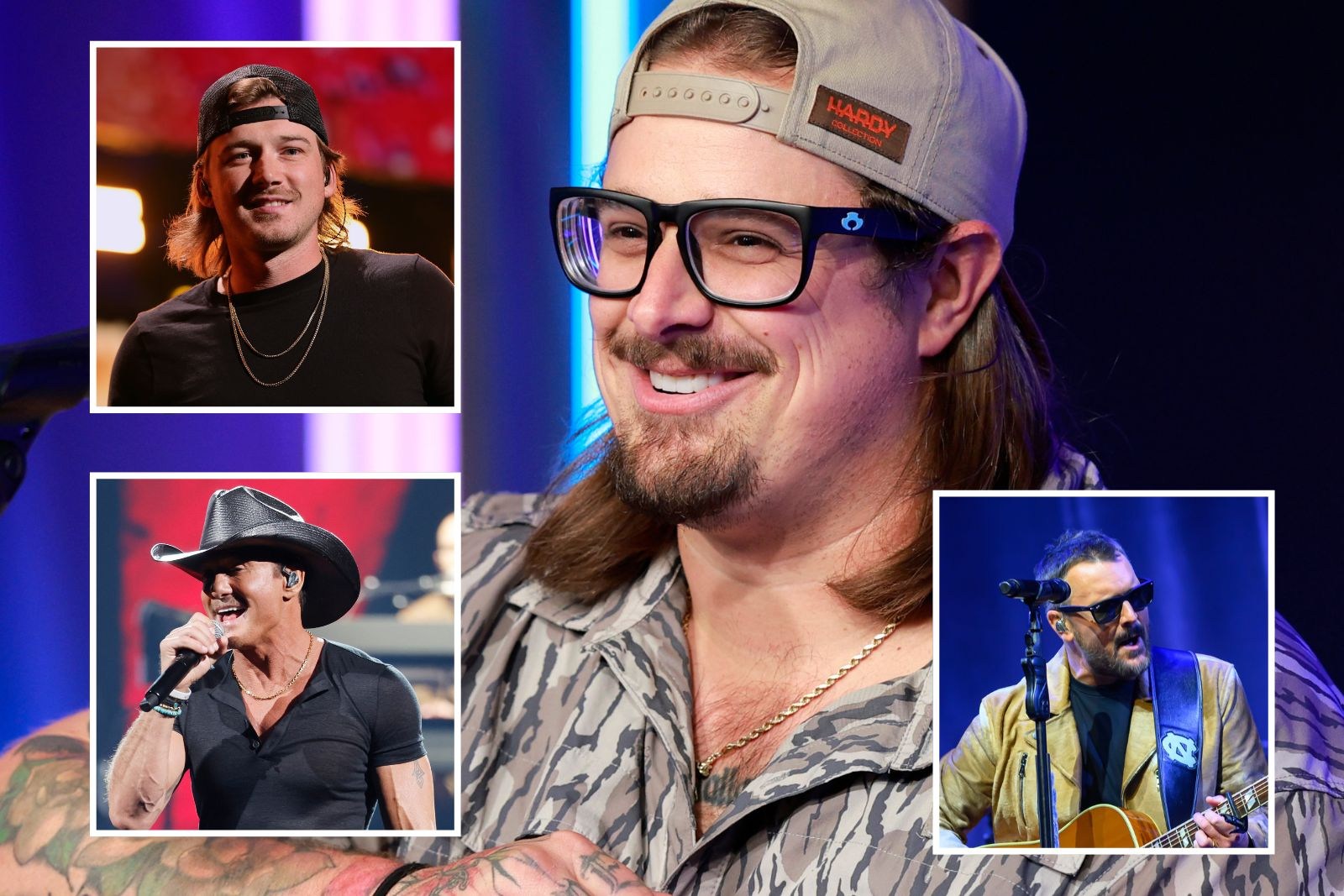
Hardy Says He’d ‘Love’ to Do a Full ‘McArthur’ Collab Album

‘I would love to expand on this concept, truly,’ Hardy says. Continue reading…​Country Music News – Taste of Country

Categories
Music

Hardy Says He’d ‘Love’ to Do a Full ‘McArthur’ Collab Album

‘I would love to expand on this concept, truly,’ Hardy says. Continue reading…​The Boot – Country Music News, Music Videos and Songs

Categories
Uncategorized

Congress has exercised minimal oversight over ICE, but that might change

President Donald Trump and Congress agreed to separate funding for the Department of Homeland Security from a larger spending bill that enables the federal government to continue operations. They now face a self-imposed deadline of Feb. 13, 2026, to negotiate potential changes to immigration enforcement.

The fact that funding for the department – and in particular Immigration and Customs Enforcement, or ICE – has become politically contentious represents a new turn on Capitol Hill.

Funding for ICE has increased substantially over the past year, with the number of its agents more than doubling.

On July 4, 2025, Trump signed a massive tax-and-spending package that increased annual funding for ICE from US$8 billion in 2024 to $28 billion in 2025.

During the first year of Trump’s second term, Republican majorities in the House and Senate have taken a hands-off approach to oversight of what is now the nation’s most highly funded law enforcement agency.

I am a professor of government who studies Congress and its oversight role. Since ICE’s funding increase, the Senate has held just one public hearing on ICE, according to my own unpublished data. Although the House has held a few routine oversight hearings of DHS, none have focused on ICE or Customs and Border Protection.

Traditional role for Congress

Congress holds longtime, well-established constitutional authority to oversee and investigate the executive branch and other political institutions. Having authorized funding for federal programs, it typically – if inconsistently – conducts substantial oversight to ensure its policies are being carried out successfully and as lawmakers originally intended.

Following the January 2026 killings of Renee Good and Alex Pretti in Minneapolis, Minnesota, members of Congress from both parties have called for investigations.

However, “investigations” is a broad term that encompasses several options. The Justice Department announced on Jan. 30, 2026, that it is pursuing a civil rights investigation into Pretti’s death. That same day, DHS announced that the FBI is leading the federal probe into his death, with assistance from ICE.

But Congress could also establish an independent, bipartisan commission to examine the killings and make recommendations for laws and regulations to prevent future deaths and ensure quick accountability. Some notable examples of congressional commissions include one that investigated the terrorist attacks of Sept. 11, 2001, and a 2010 commission that recommended $4 trillion worth of budget changes to address the national debt.

Or Congress could take the lead itself.

Rand Paul, the Republican chair of the primary oversight panel in the Senate, and New York Republican Rep. Andrew Garbarino, the chair of the House Homeland Security Committee, have asked top immigration officials to testify this month. But other congressional Republicans have remained vague about what shape the investigations should take and which branch of government should lead them.

Who’s in charge of oversight?

The debate over which branch of government should investigate government failures is a long-standing one.

Early in the republic’s history, under President George Washington, a federal militia suffered a massive defeat at the hands of Native American tribes at the Battle of Wabash in 1791. Congress was unsure of its constitutional authority to investigate the disastrous encounter: Did the separation-of-powers system prevent Congress from investigating another, independent branch of government? Or did the Constitution’s system of checks and balances imply that the Washington administration could not credibly investigate itself?

Ultimately, the House opted to establish its own investigative committee, and Washington, setting an important precedent, agreed to turn over requested information.

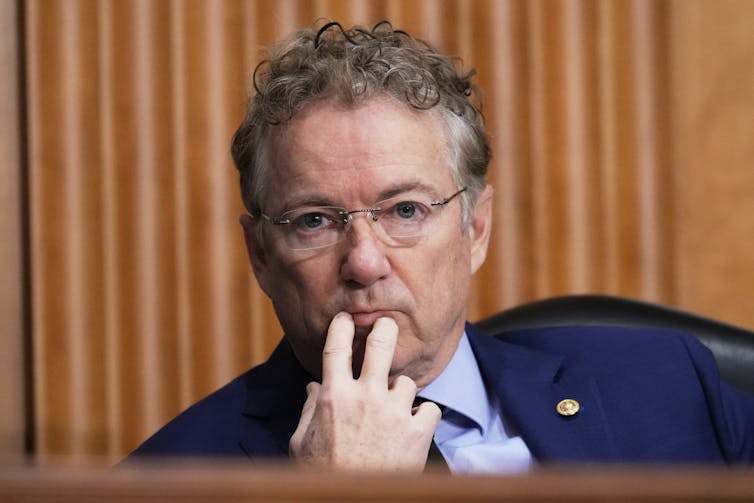
Sen. Rand Paul touches two fingers to his lips as he listens to someone testifying.
Republican members of Congress, including Kentucky Sen. Rand Paul, are calling for hearings about ICE.
AP Photo/J. Scott Applewhite

There are several benefits to Congress leading its own inquiries, whether in lieu of, or in addition to, federal agency investigations. For one, even highly combative committee hearings are valuable arenas for information gathering and processing, helping members of Congress thoroughly understand an issue and thus make informed and effective policy changes.

An in-depth committee investigation of the Minneapolis killings could make it more likely that new restrictions and oversight mechanisms are written into law.

Investigations can be bipartisan

Additionally, Congress’ subpoena power is a legally binding tool that enables committees to draw necessary information from the agencies they are investigating. This information, presented at hearings and in committee reports, becomes part of the historical record and serves as an important resource for future investigations both within and outside Congress, including scholarship.

For instance, the final reports of the House Select Committee to Investigate the January 6th Attack in 2022 and the House Committee on Benghazi in 2016 provide exhaustively detailed timelines of the respective attacks that do not exist anywhere else.

Republican-led investigations into the Minneapolis killings, and continued oversight of ICE and CBP, would also lend credibility to both the party and the independence of the legislative branch.

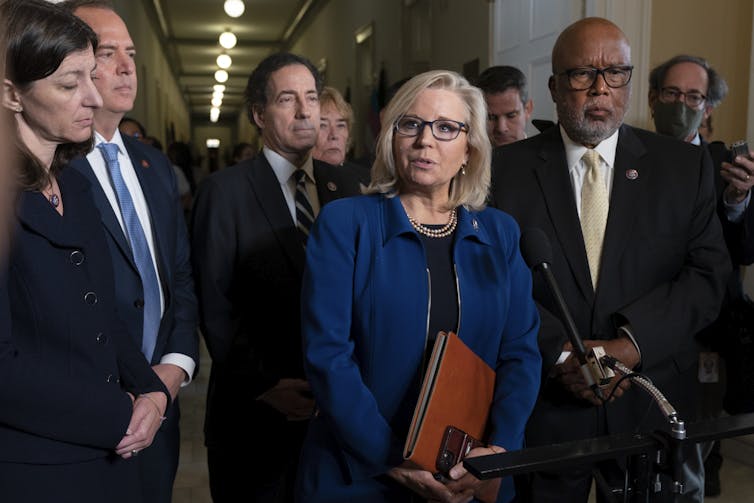
Liz Cheney, a former House Republican, speaks at a microphone alongside other Jan. 6 investigators.
High-profile hearings in the past, including the House investigation into the Jan. 6, 2021, assault on the Capitol, have shed light on events but not always resulted in consensus.
AP Photo/Jacquelyn Martin

Political scientists have found that committees are less likely to investigate the executive branch when the president is from their own party. However, significant bipartisan probes do occur even in a highly polarized era. In 2005, for instance, Virginia Republican Rep. Tom Davis launched an inquiry into the George W. Bush administration’s response to Hurricane Katrina, despite facing pushback from the White House.

More recently, in 2018, the Republican-controlled House Committee on Oversight and Government Reform investigated Republican Gov. Rick Snyder’s handling of the Flint water crisis in Michigan, earning praise from Democrats on the panel.

Risks of grandstanding

However, while Congress has investigative powers, it does not have any enforcement authority. Congress can recommend criminal charges after an investigation, but only the Justice Department can bring indictments.

There are also significant political risks to committee-led inquiries, particularly public hearings. Political scientists have found that investigations of the executive branch diminish the president’s approval rating.

Additionally, members of Congress often engage in performative outrage and grandstanding during public hearings, which tends to help individual members’ electoral prospects but does little to enhance collective public faith in Congress’ legitimacy or its ability to conduct independent and fact-based inquiries.

Given the continuing partisan divide over ICE and the agency’s increased presence in Minneapolis and other cities, it’s possible that congressional hearings could devolve into rancor and name-calling. However, public opinion polling has found that ICE has become a liability for Trump and the Republican Party.

With the 2026 midterm elections coming up, Republicans in Congress may not be able to afford to stay silent.

The Conversation

Claire Leavitt has received funding from the Project on Government Oversight (POGO) and the Levin Center for Oversight and Democracy.

​Politics + Society – The Conversation

Categories
Uncategorized

‘Inoculation’ helps people spot political deepfakes, study finds

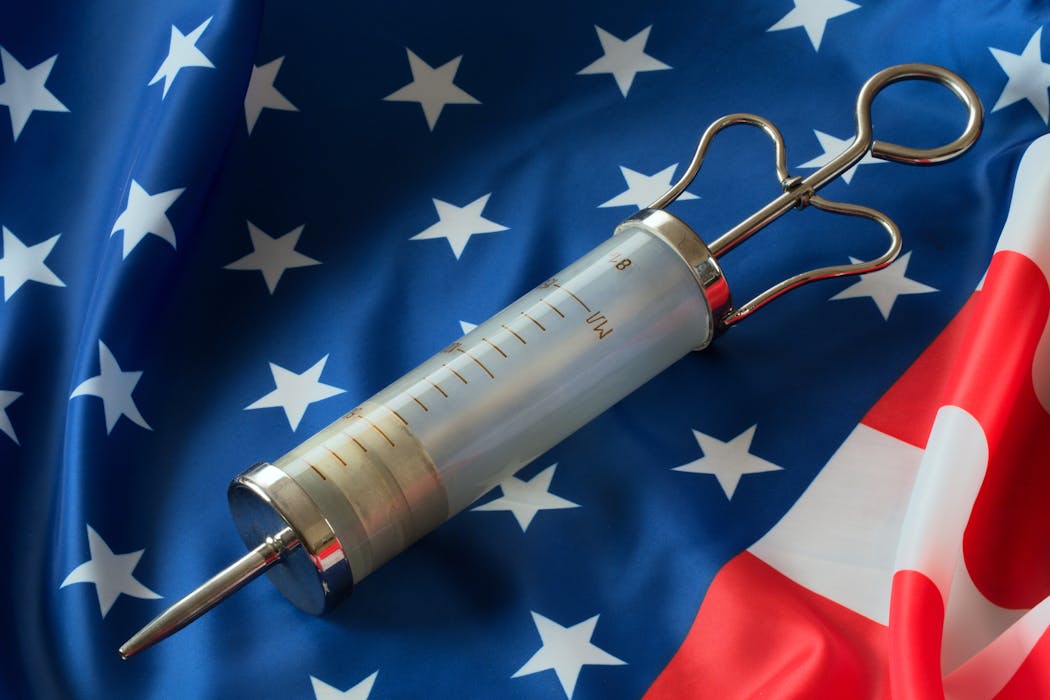
Can figurative inoculations ward off the scourge of political deepfakes? Canonmark/iStock via Getty Images

Informing people about political deepfakes through text-based information and interactive games both improve people’s ability to spot AI-generated video and audio that falsely depict politicians, according to a study my colleagues and I conducted.

Although researchers have focused primarily on advancing technologies for detecting deepfakes, there is also a need for approaches that address the potential audiences for political deepfakes. Deepfakes are becoming increasingly difficult to identify, verify and combat as artificial intelligence technology improves.

Is it possible to inoculate the public to detect deepfakes, thereby increasing their awareness before exposure? My recent research with fellow media studies researchers Sang Jung Kim and Alex Scott at the Visual Media Lab at the University of Iowa has found that inoculation messages can help people recognize deepfakes and even make people more willing to debunk them.

Inoculation theory proposes that psychological inoculation – analogous to getting a medical vaccination – can immunize people against persuasive attacks. The idea is that by explaining to people how deepfakes work, they become primed to recognize them when they encounter them.

In our experiment, we exposed one-third of participants to passive inoculation: traditional text-based warning messages about the threat and the characteristics of deepfakes. We exposed another third to active inoculation: an interactive game that challenged participants to identify deepfakes. The remaining third were given no inoculation.

Participants were then randomly shown either a deepfake video featuring Joe Biden making pro-abortion rights statements or a deepfake video featuring Donald Trump making anti-abortion rights statements. We found that both types of inoculation were effective in reducing the credibility participants gave to the deepfakes, while also increasing people’s awareness and intention to learn more about them.

Why it matters

Deepfakes are a serious threat to democracy because they use AI to create very realistic fake audio and video. These deepfakes can make politicians appear to say things they never actually said, which can damage public trust and cause people to believe false information. For example, some voters in New Hampshire received a phone call that sounded like Joe Biden, telling them not to vote in the state’s primary election.

This deepfake video of President Donald Trump, from a dataset of deepfake videos collected by the MIT Media Lab, was used in this study about helping people spot such AI-generated fakes.

Because AI technology is becoming more common, it is especially important to find ways to reduce the harmful effects of deepfakes. Recent research shows that labeling deepfakes with fact-checking statements is often not very effective, especially in political contexts. People tend to accept or reject fact-checks based on their existing political beliefs. In addition, false information often spreads faster than accurate information, making fact-checking too slow to fully stop the impact of false information.

As a result, researchers are increasingly calling for new ways to prepare people to resist misinformation in advance. Our research contributes to developing more effective strategies to help people resist AI-generated misinformation.

What other research is being done

Most research on inoculation against misinformation relies on passive media literacy approaches that mainly provide text-based messages. However, more recent studies show that active inoculation can be more effective. For example, online games that involve active participation have been shown to help people resist violent extremist messages.

In addition, most previous research has focused on protecting people from text-based misinformation. Our study instead examines inoculation against multimodal misinformation, such as deepfakes that combine video, audio and images. Although we expected active inoculation to work better for this type of misinformation, our findings show that both passive and active inoculation can help people cope with the threat of deepfakes.

What’s next

Our research shows that inoculation messages can help people recognize and resist deepfakes, but it is still unclear whether these effects last over time. In future studies, we plan to examine the long-term effect of inoculation messages.

We also aim to explore whether inoculation works in other areas beyond politics, including health. For example, how would people respond if a deepfake showed a fake doctor spreading health misinformation? Would earlier inoculation messages help people question and resist such content?

The Research Brief is a short take on interesting academic work.

The Conversation

Bingbing Zhang receives funding from the School of Journalism and Mass Communication at the University of Iowa.

​Politics + Society – The Conversation

Categories
Music

Big Restaurant News: Popular Beach-Themed Chain Closing for Good

Just when you thought the Caribbean vibe was here to stay, Darden Restaurants makes a surprising move that’s stirring up nostalgia for many. Continue reading…​The Boot – Country Music News, Music Videos and Songs

Categories
Health

Donald Trump’s Biggest Health Controversies In 2026 So Far

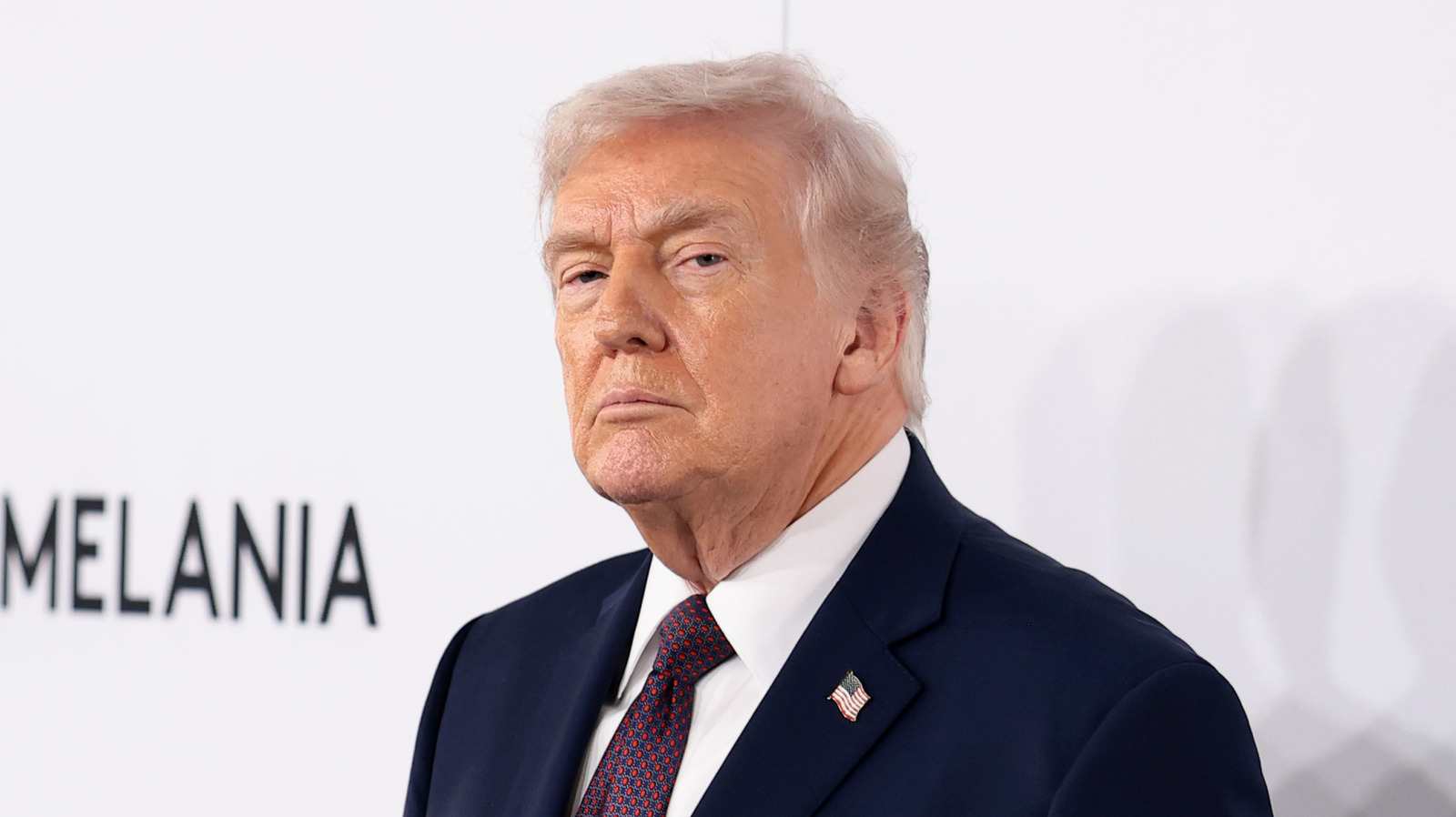
Since Trump’s return to the Oval Office, one major area of interest has been his health. These are some of his biggest health controversies in 2026 so far.

​Health Digest – Health News, Wellness, Expert Insights