More than 830 million people across the world live with diabetes, and the numbers are climbing – but cures could be within reach.
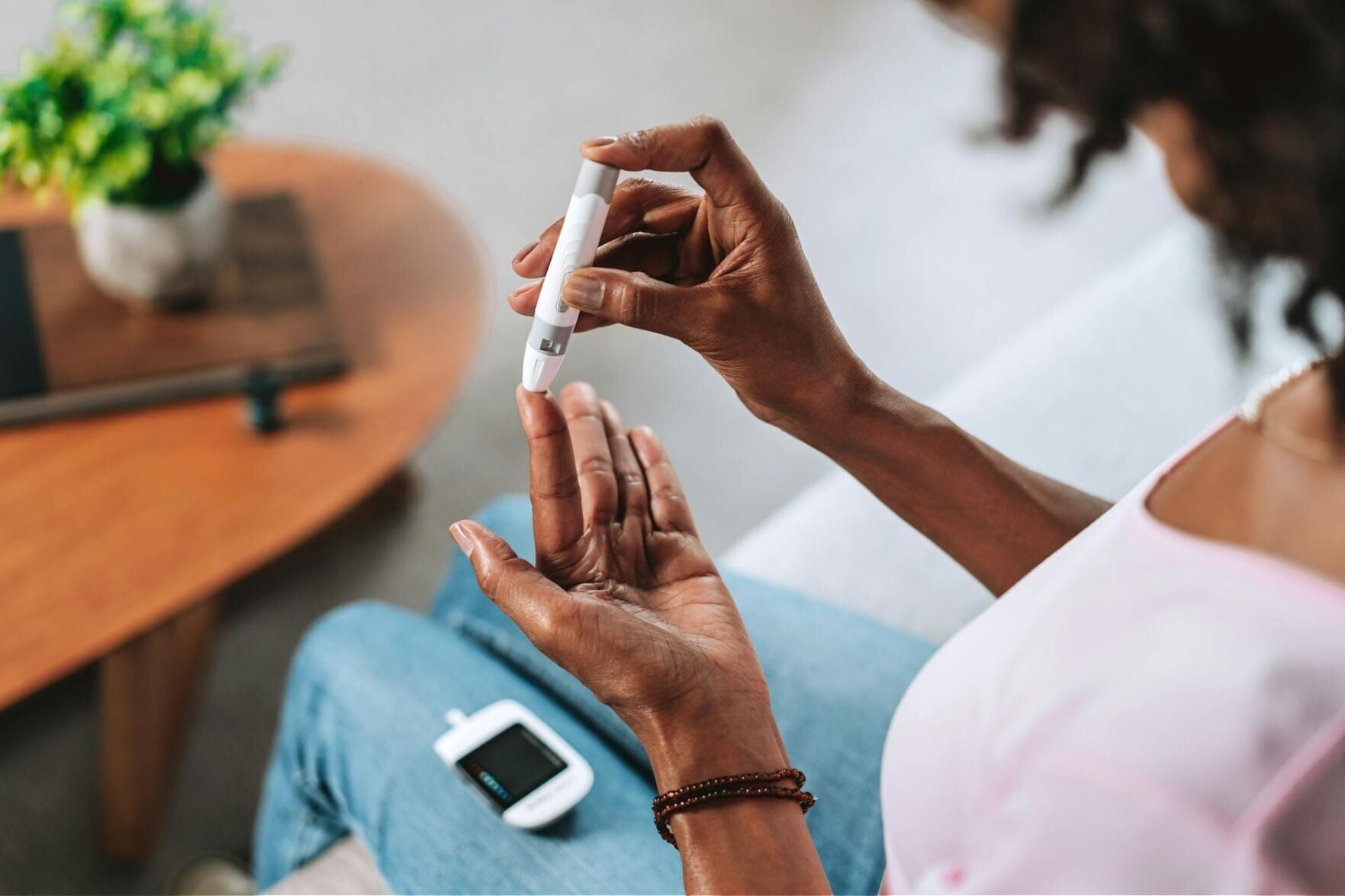









More than 830 million people across the world live with diabetes, and the numbers are climbing – but cures could be within reach.
A layer of marshmallows can turn sweet potato casserole from a simple Thanksgiving side into a table-wide debate. Marshmallow fans often call the sticky topping … Read moreThe post Thanksgiving hosts hold firm on their sweet potato casserole topping, no…
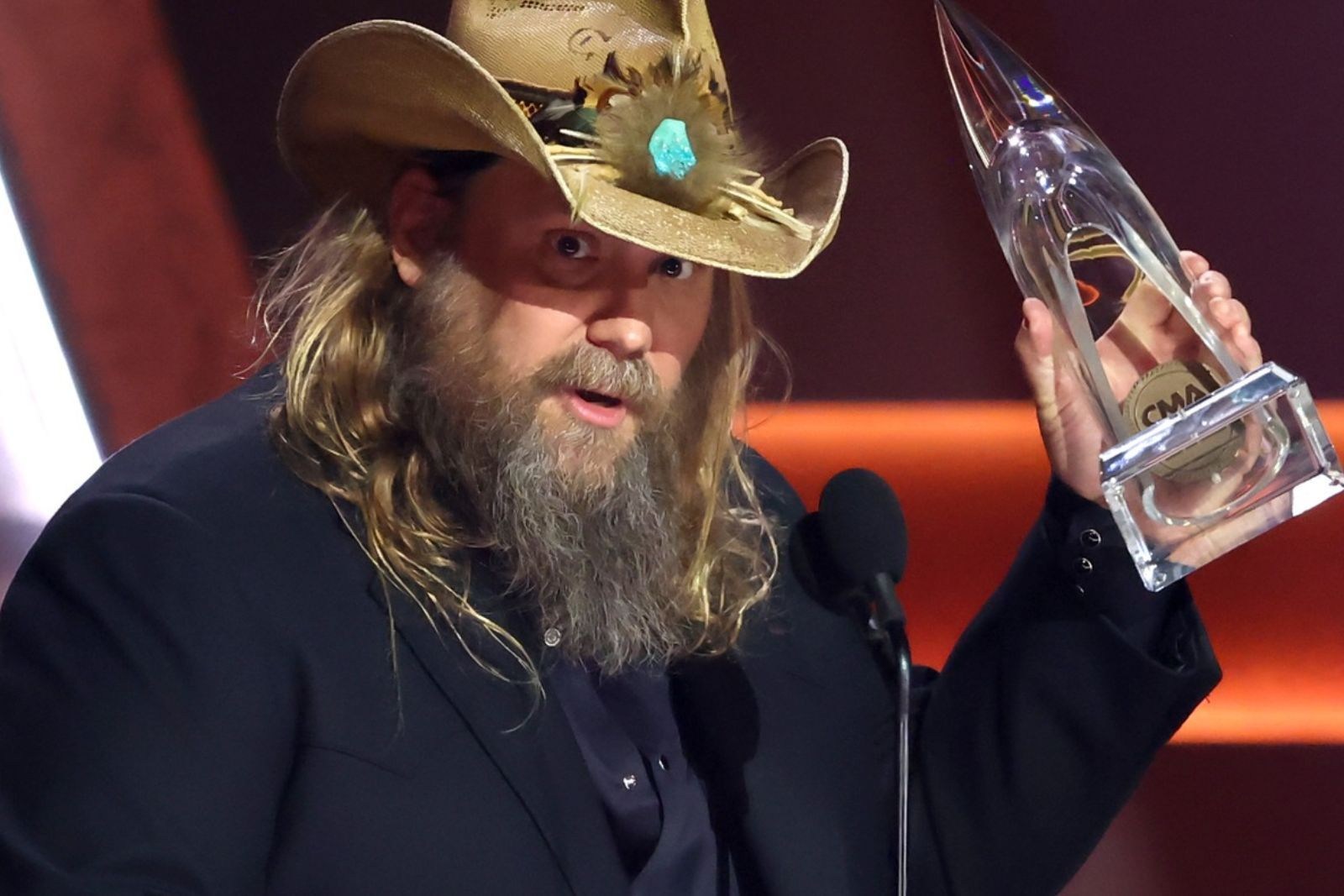
‘I lost my mom around this time last year, so I wanna send this one to my mom,’ Chris Stapleton said as he accepted his Male Vocalist of the Year trophy. Continue reading…Country Music News – Taste of Country
‘I lost my mom around this time last year, so I wanna send this one to my mom,’ Chris Stapleton said as he accepted his Male Vocalist of the Year trophy. Continue reading…The Boot – Country Music News, Music Videos and Songs

Honolulu-born singer-songwriter KARLEE GIRL has made her Interscope Records debut with “Get ’Em Girls,” a song about the closeness and everyday pleasures of girlhood friendship. Written by KARLEE GIRL with Jesse Saint John and Sarah Defne Gray, the track was produced by nightfeelings and Taydex. It follows the independently released songs “Right Back!” and “what now?”

The new single is accompanied by a music video directed by Mia Barnes. In it, KARLEE GIRL arrives on a pearlescent, oceanic planet where girls set the rules and femininity is expressed without restraint. The setting gives the song’s friendship theme a visual world of its own, with the singer and her friends sharing make-up, Silly Bandz, dress-up, selfies and dancing at the water’s edge. The video follows the group through simple pleasures, from getting ready together to spending time by the sea.
“A planet inhabited only by the girls and gays. Endless beach and endless vibes. Doesn’t that sound like the dream?” KARLEE GIRL said of the video’s setting. She described “Get ’Em Girls” as a “girl power theme song,” adding that the song and video reflect personal growth over recent months.
KARLEE GIRL’s music draws on pop, R&B, rap and dance, with lyrics shaped by her experience of growing up and coming into her own. Her artist name is a childhood nickname, and the stories she tells are rooted in that experience. The producers have also worked with Tinashe and Kim Petras (nightfeelings), and Joji and Amaarae (Taydex).
Listen to “Get ’Em Girls” here.
Discover more about the world’s greatest R&B artists | uDiscover Music
The Democratic wave in the 2026 midterm elections raises an important question about American politics. Are independent, Gen Z and Latino voters building a new Democratic coalition, or are they sending a warning to both parties that their support cannot be taken for granted?
The preliminary evidence suggests something more complicated.
Our analysis, including a deep dive into the 2026 Voter Poll conducted by the market research firm SSRS, points to three factors behind the Democrats’ sweeping midterm victories: a substantial shift among independent voters toward Democratic candidates, stronger Democratic turnout relative to Republicans, and declining enthusiasm among voters who supported Donald Trump in 2024.
Gen Z, who are people born from 1997 to 2012, and Latino voters played important roles in these shifts.
But the results should not automatically be interpreted as a lasting Democratic realignment. These voters may be demonstrating a willingness to reconsider their political choices when governing parties fail to meet their expectations.
The overlapping influence of independent, younger and Latino voters helps explain the scale of the Democratic gains. Our analysis, based on voter poll data, suggests that independents, who made up about one-third of voters, contributed approximately 52% of the Democrats’ national popular vote margin in House races. Latino voters contributed an estimated 23% of that margin, while voters ages 18 to 29 contributed approximately 39%.
Because these groups overlap, their contributions cannot be added together. But the figures illustrate how important each was to the Democratic advantage.
In our book, “The Independent Voter,” co-authored with Omar Ali, we examine the growing influence of independent voters and their often unpredictable voting behavior.
Independent voters, among the most important contributors to Democratic victories in the 2026 midterms, have repeatedly demonstrated a willingness to shift between parties.
In 2008, they favored Democratic presidential candidate Barack Obama by 8 percentage points. Four years later, they backed Republican presidential candidate Mitt Romney by 5 points. In the 2016 presidential election, independents favored Republican Trump by 4 points before swinging toward Democrat Joe Biden in 2020, supporting him by 13 points.
In the 2024 presidential election, independents narrowly favored Democrat Kamala Harris over Trump, 49% to 46%. However, Trump performed better among independents in key battleground states, including Arizona, Georgia, Pennsylvania and North Carolina.
In our research spanning nearly five decades, Dan Hunting and I, Thom Reilly, found that independents exhibit considerably greater volatility in their voting patterns than Democrats and Republicans.
The 3-point advantage independents gave Harris in 2024 provides a useful baseline for understanding their much larger shift toward Democratic candidates in 2026. A November 2026 national survey of more than 90,000 people found that voters identifying with neither major party favored Democratic House candidates by more than 20 percentage points.

Our analysis of voter poll data showed that independents favored House Democrats by 59% to 37%. In addition, independents’ support was consequential in several Republican-held Senate seats that flipped to Democrats, with independent voters providing the margin needed for victory in six of the nine races: Alaska, Iowa, Kansas, Mississippi, Ohio and South Carolina.
The emerging pattern may represent another turn in a longer cycle of electoral volatility among independents. Rather than embracing either party, independent voters appear willing to reconsider their choices as political and economic conditions change.
There is some disagreement about what produced the midterm Democratic wave.
Brookings scholars Elaine Kamarck and William Galston argue that Republican abstention – those who chose not to vote – was more important nationally than large-scale partisan crossover voting. They report that only approximately 6% of self-identified Republicans voted for Democratic House candidates.
Yet the evidence also demonstrates some crossover voting.
An analysis by the research firm NORC found that approximately 1 in 10 2024 Trump voters in 2026 supported Democratic Senate candidates in Iowa, Kansas, North Carolina and Texas.
Both dynamics appear to have played a role.
Democrats benefited from stronger participation among their supporters and reduced turnout among some voters who backed Trump in 2024. In several competitive races, Republican defections and strong independent support also contributed to Democratic victories.
Understanding these differences is important. A shift in election results does not necessarily mean voters have changed their party loyalties. It may reflect changes in who participates. The 2026 results suggest that both factors were at work.
Gen Z voters were another important part of the Democratic gains.
In 2026, 66% of voters ages 18–29 supported Democratic House candidates, compared with 30% who backed Republicans. That 36-point Democratic advantage was substantially larger than the 14-point margin in 2024, according to Tufts University.
There was also evidence of voters switching party choices. Among young people who voted for Trump in 2024 and participated in the 2026 election, 16% supported a Democratic House candidate. And 67% of young voters disapproved of Trump’s performance as president in 2026.
Gallup found that 56% of Gen Z adults identify as political independents, underscoring the weaker ties many younger Americans have to the two major parties.
Combined with economic dissatisfaction and distrust of political institutions, this suggests that younger voters may be especially willing to reconsider their choices when the party in power fails to meet their expectations or deliver on its promises.
Latino voters showed a similar pattern, but with some differences.
More than 6 in 10 Latino voters supported Democratic House candidates in 2026, according to a NORC survey. That reverses much of the Republican gains among these voters in 2024.
There was also evidence of volatility among Latinos. A postelection survey by UnidosUS and BSP Research found that 17% of Latino voters who supported Trump in 2024 voted for Democratic House candidates in 2026, compared with just 3% of Harris voters who supported Republicans.
Texas offers an example of how these voting groups overlapped.

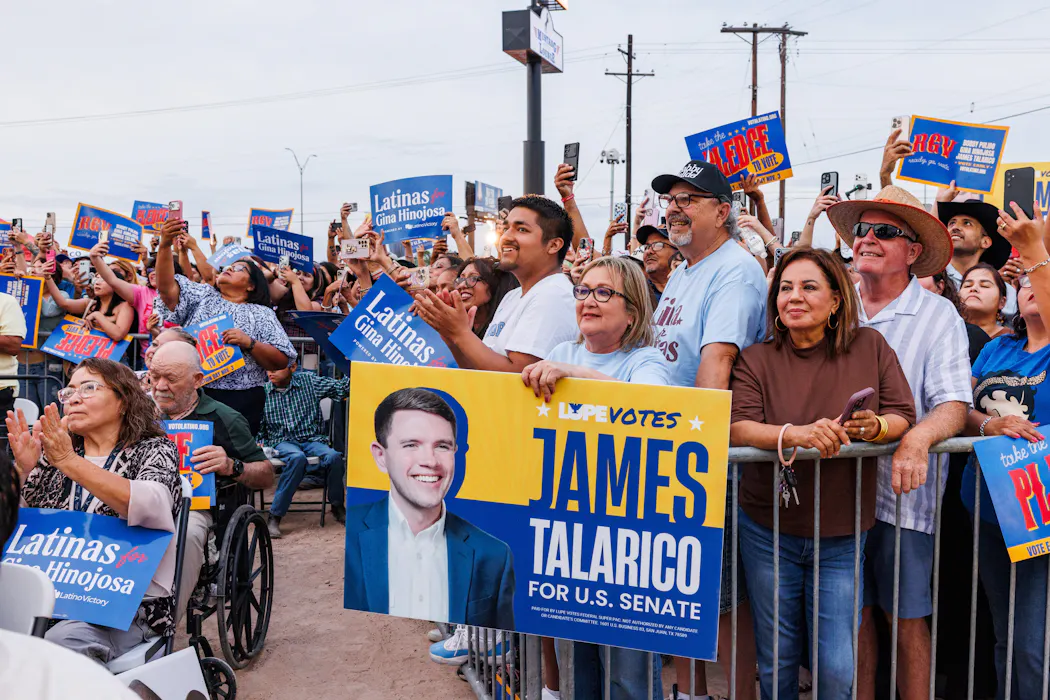
According to our analysis of the voter poll data, 68% of Latino voters supported Democrat James Talarico, compared with 30% who backed his Republican opponent. Among voters ages 18 to 29, Talarico won 79% to 19%, while independents favored him by 64% to 33%.
Of course, these groups overlap. A voter can be Latino, young and independent, so their contributions cannot simply be added together numerically.
Still, Latinos’ strong support for Talarico illustrates how shifts among these voting groups helped Democrats win in a traditionally Republican state, perhaps shaping a new composite demographic.
The lesson of 2026 may be less about Democratic realignment than about political accountability.
Republicans benefited in 2024 from dissatisfaction with Democratic governance. Two years later, Democrats benefited from dissatisfaction with Republican governance.
Yet the scale of the Democratic victories should not be understated.
Widespread dissatisfaction with Trump’s presidency – his handling of the economy, the war in Iran, harsh immigration enforcement policies and concerns about corruption – contributed to a sweeping rejection of his administration and Republican leadership at both the federal and state levels. That includes a Congress that many voters believed had failed to hold him accountable.
Even so, neither party should assume that independents, younger voters or Latinos now belong to its camp.
America’s founders recognized the dangers of excessive party loyalty. In his 1796 farewell address, George Washington warned about the divisive influence of political parties and the dangers of placing party allegiance above the public interest.
More than two centuries later, the growing influence of voters with weaker ties to the major parties raises a similar question about the role of political parties in American democracy.
The 2026 election may not signal a lasting political realignment. Instead, it may reflect an electorate increasingly willing to hold both parties accountable.
For Democrats and Republicans alike, winning an election does not necessarily mean winning voters’ lasting loyalty.

The authors do not work for, consult, own shares in or receive funding from any company or organization that would benefit from this article, and have disclosed no relevant affiliations beyond their academic appointment.
Politics + Society – The Conversation
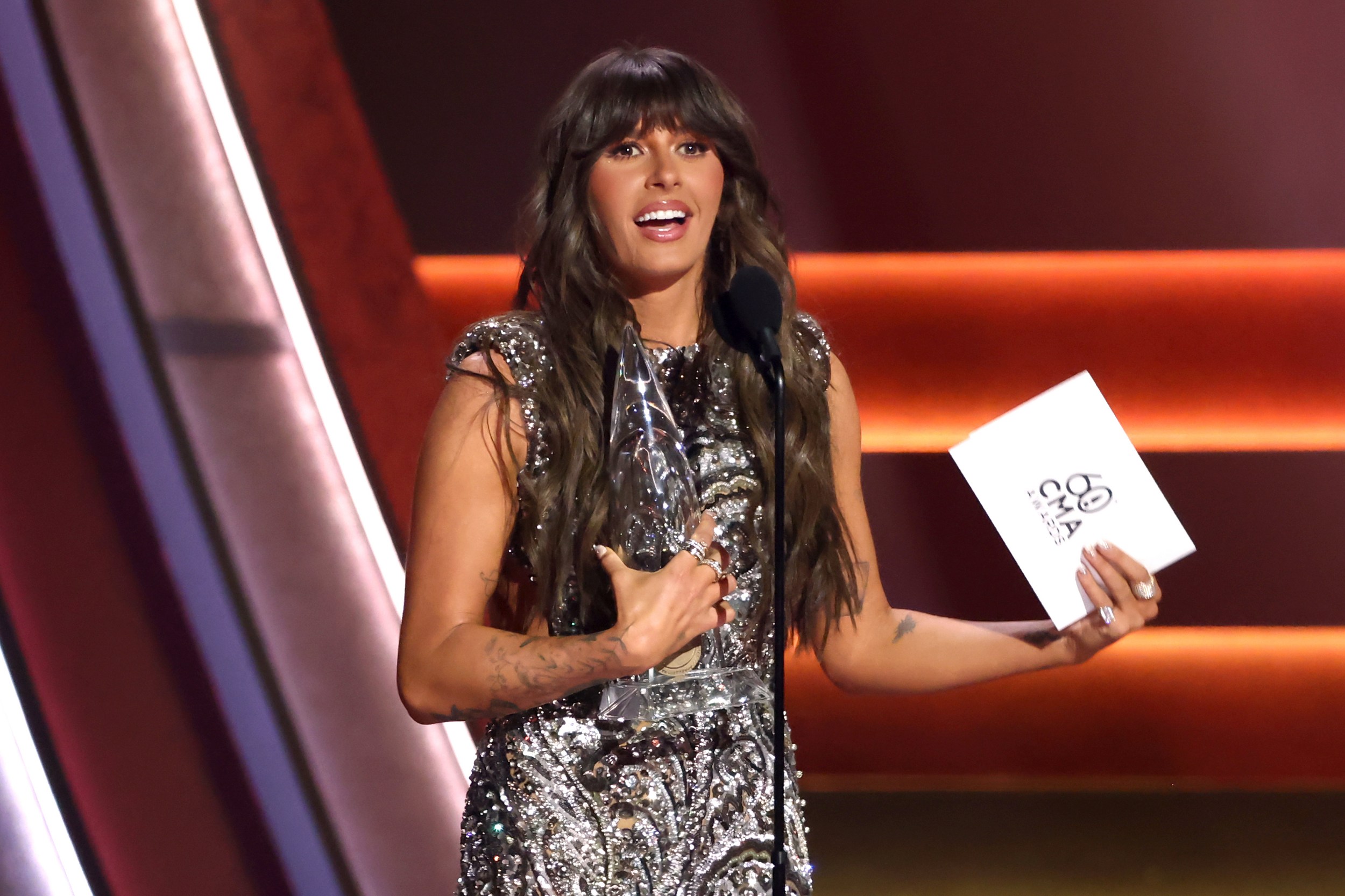
George Birge says Ella Langley sends congrats every time he hits No. 1, and that says plenty about who she is. Continue reading…Country Music News – Taste of Country
George Birge says Ella Langley sends congrats every time he hits No. 1, and that says plenty about who she is. Continue reading…The Boot – Country Music News, Music Videos and Songs
When it comes to having bowel movements, what counts as a “normal” frequency for one person may not be the same for another. Just ask any of these A-list stars.
Health Digest – Health News, Wellness, Expert Insights
Reading Time: 3 minutes
Joseph Duggar’s arrest and upcoming trial send the infamous family into crisis mode earlier this year.
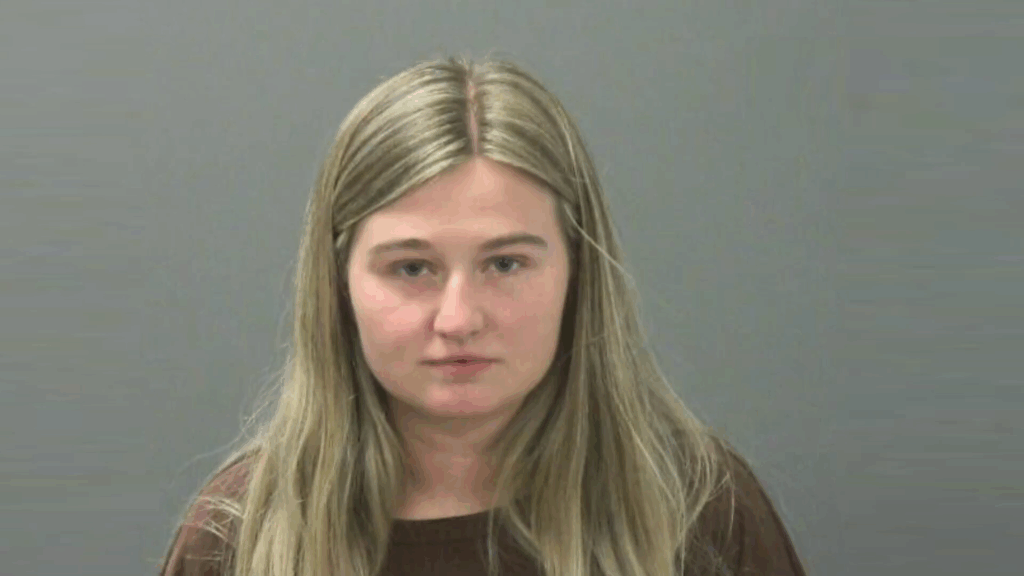
Just behind that news was the arrest of both Joseph and his wife, Kendra Caldwell, for child endangerment and false imprisonment.
Joy-Anna Duggar is finally addressing the couple’s second scandal — even after the couple managed to weasel out of trouble.
Bluntly, Joy said that she doesn’t need to be “associated” with a scandal and has “absolutely nothing” to do with it.
Back in March, authorities arrested Joseph Duggar for allegedly molesting a then-9-year-old girl in 2020 during a family trip in Florida.
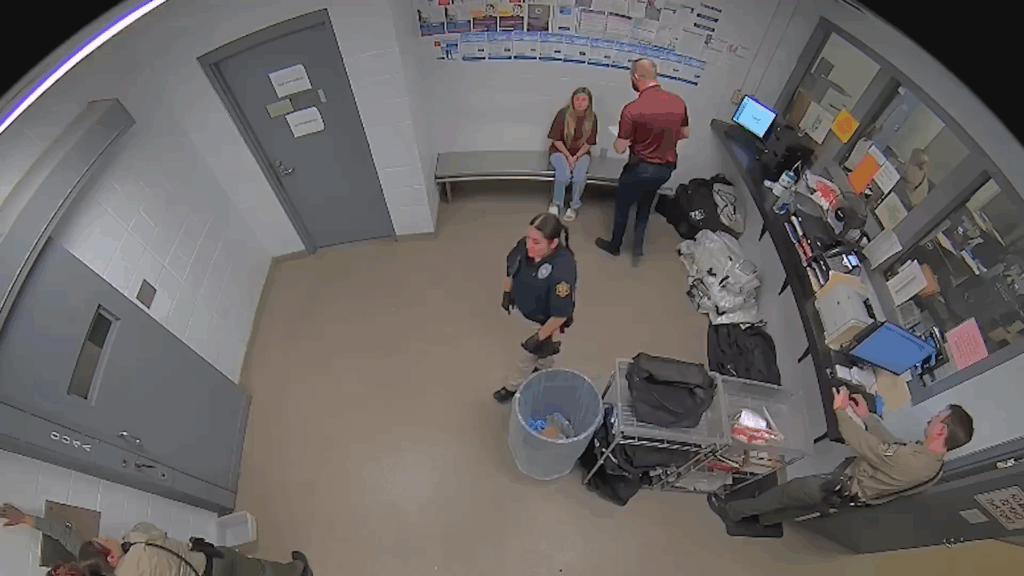
Shortly after his arrest, Arkansas authorities conducted an automatic search of the home that he shares with wife Kendra and their four young children.
In turn, this led to the arrest of Kendra (while Joseph was already in custody). Both parents faced four charges of false imprisonment and four charges of second-degree child endangerment.
Though unconfirmed, it was reported that at least part of the reason for the charges was chilling evidence that Joseph and Kendra would lock their children in their rooms.
A judge ended up signing a Diversion Order late this summer, which allow Joe and Kendra to get off free and clear if they abide by court orders for a year.
Joy-Anna Duggar shared a video that features a house that she and her husband, Austin, are considering buying.
— fanana hammock (@fananahammock.bsky.social) November 19, 2026 at 8:25 AM
Last week, Joy-Anna took to TikTok to share photos of a house that she and her husband, Austin Forsyth, are considering buying.
A snarky comment caught her attention.
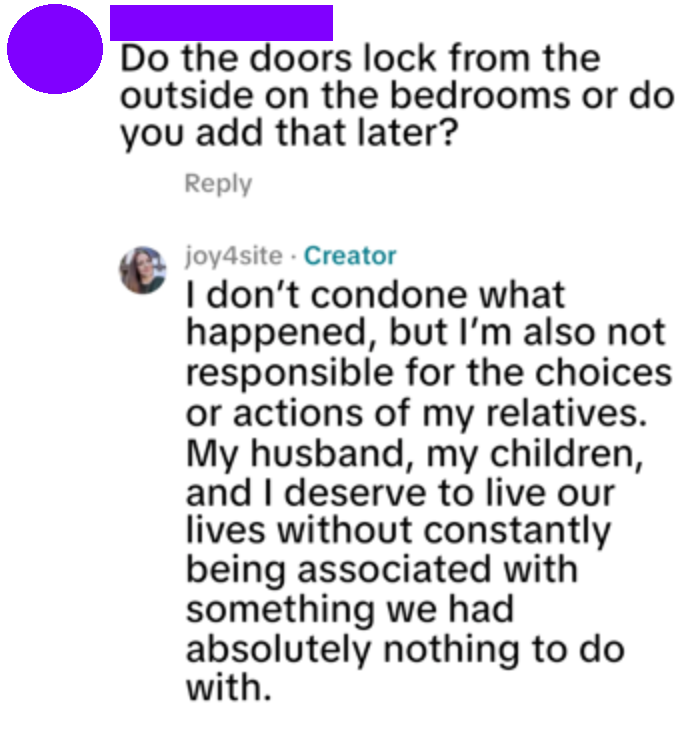
“Do the doors lock from the outside on the bedrooms or do you add that later?” one reply read.
“I don’t condone what happened, but I’m also not responsible for the choices or actions of my relatives,” Joy responded.
Joy asserted: “My husband, my children, and I deserve to live our lives without constantly being associated with something we had absolutely nothing to do with.”
As many have pointed out, this may be some sort of confirmation of the nature of Joseph and Kendra’s alleged wrongdoing.
Joy did not ignore the comment. She also did not pretend that she does not know what it meant.
Instead, she wrote that she does not “condone what happened.”
This appears, to some, that Joy is confirming that Kendra and Joseph treated their children’s bedrooms like prison cells — locking them up.
(Again, we have to stress that we do not actually know the whole story behind the arrest and charges — even the door-locking theory stems from Duggar sources. It may be worse than we know.)
Does this actually have nothing to do with Joy-Anna?
That’s a complex question. It is far easier to say with confidence that Joy believes that it has nothing to do with her.
In truth, if Joseph and Kendra had not grown up in this extreme, fringe lifestyle, they might have grown up knowing how to treat their children like people.
(Remember, you don’t have to grow up in a cult to mistreat your children — emotional immaturity, lack of moral clarity, and endlessly supporting a toxic partner can do that, too.)
Just because Joy wasn’t stopping by to seal the children in their rooms or whatever doesn’t mean that people don’t look at siblings who haven’t disavowed the Duggar cult with understandable suspicion.
Even so, the snark doesn’t help.
Joy-Anna Duggar: We Have ‘Absolutely Nothing to Do With’ Joseph & Kendra’s Criminal Charges was originally published on The Hollywood Gossip.
The Hollywood Gossip