Fetterman on ICE, Israel and identifying as a Democrat | The Conversation
 lead image
Politics











lead image
Politics
Reading Time: 2 minutes
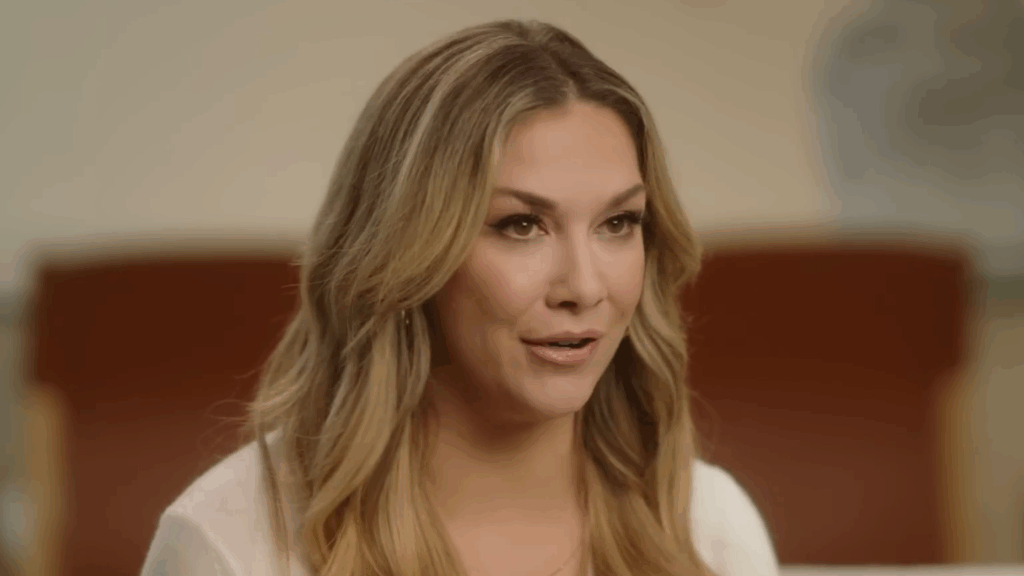
Being Stephen “tWitch” Boss’ widow has not been an easy road.
But now, years later, Allison Holker has found love again.
Not only did she build a new relationship, but they’re now taking things to the next level.
She’s engaged!
From 2013 until his tragic death in 2022, Holker was married to Stephen “tWitch” Boss.
They did not divorce. Boss died by suicide.
Everyone moves on — or doesn’t — at their own pace.
Holker and tech executive Adam Edmunds didn’t debut their relationship until September 2024.
Now, things have moved to the next level.
On Thursday, February 12, Holker took to Instagram to share the exciting news.
“We’re ENGAGED!” she shared in the post.
“It was the most romantic night of my life!” she gushed.
Sometimes, engagement announcements come within a few hours of a proposal.
In this case, they waited nearly a week to share the happy update. The proposal came at the celebration for her February 6 birthday.
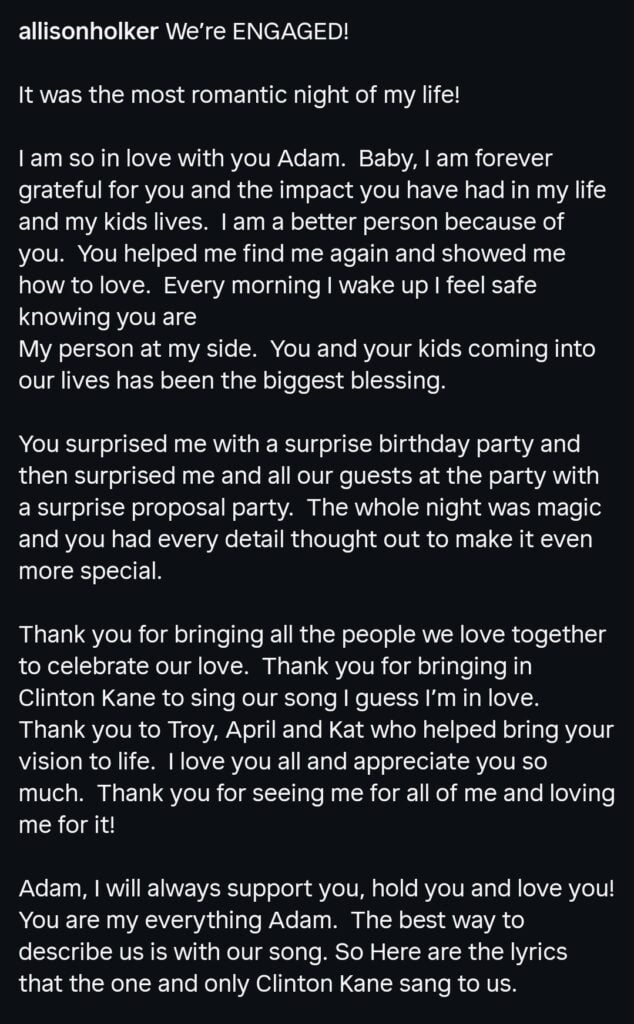
“I am so in love with you Adam,” she raved in her lengthy Instagram caption.
“Baby, I am forever grateful for you and the impact you have had in my life and my kids’ lives,” she expressed.
“I am a better person because of you,” Holker affirmed. “You helped me find me again and showed me how to love.”
She wrote: “Every morning I wake up I feel safe knowing you are my person at my side.”
Holker added: “You and your kids coming into our lives has been the biggest blessing.”
“You surprised me with a surprise birthday party and then surprised me and all our guests at the party with a surprise proposal party,” Holker revealed.
“The whole night was magic,” she gushed, “and you had every detail thought out to make it even more special.”
Holker gushed: “Thank you for bringing all the people we love together to celebrate our love. Thank you for bringing in Clinton Kane to sing our song I guess I’m in love. Thank you to Troy, April, and Kat who helped bring your vision to life.”
She continued: “I love you all and appreciate you so much. Thank you for seeing me for all of me and loving me for it!”
Holker concluded: “Adam, I will always support you, hold you and love you! You are my everything Adam.”
Allison Holker Engaged Over 3 Years After Stephen ‘tWitch’ Boss’ Death was originally published on The Hollywood Gossip.
The Hollywood Gossip
Behind the upbeat sound of ‘No Tellin’ lies a powerful story of resilience and healing. Continue reading…Country Music News – Taste of Country
Behind the upbeat sound of ‘No Tellin’ lies a powerful story of resilience and healing. Continue reading…The Boot – Country Music News, Music Videos and Songs

Imagine waking up in Detroit, a newborn on the way, and only Kid Rock’s jet can save the day. Continue reading…Country Music News – Taste of Country
Imagine waking up in Detroit, a newborn on the way, and only Kid Rock’s jet can save the day. Continue reading…The Boot – Country Music News, Music Videos and Songs

You may have heard plenty of people describe cast iron skillets as non-stick. However, that claim might need to come with an asterisk. Here’s why.

Mashed – Fast Food, Celebrity Chefs, Grocery, Reviews
Reading Time: 3 minutes
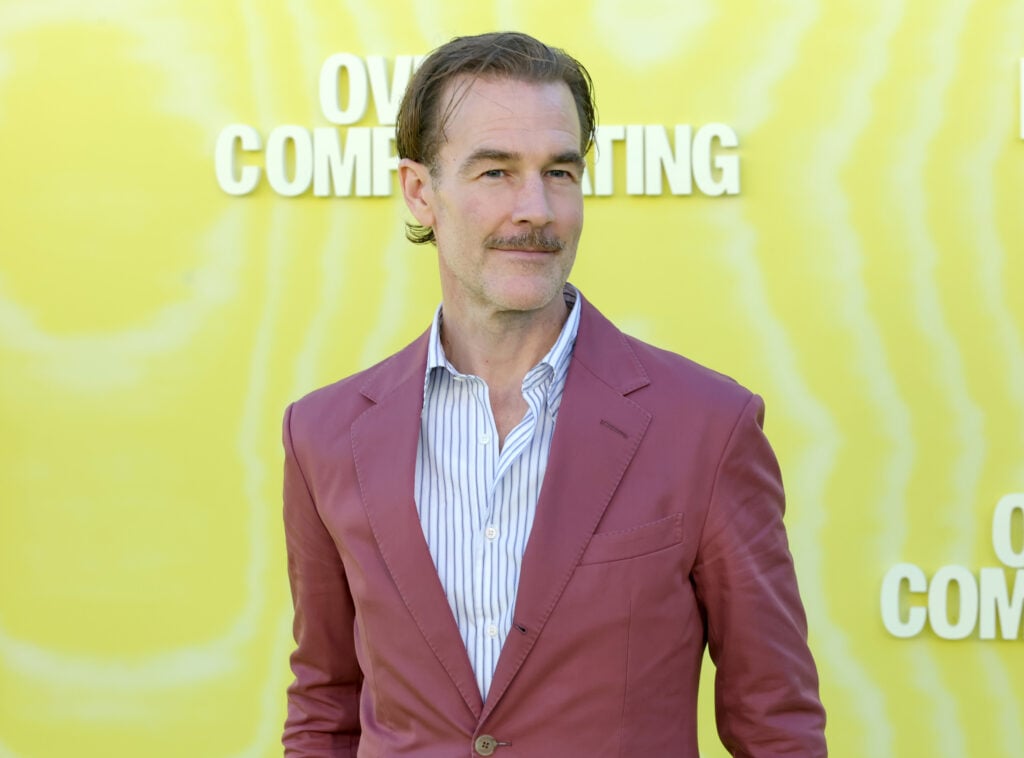
Shortly after news got out that James Van Der Beek had passed away, many of his famous friends contributed to his GoFundMe page and encouraged their followers to do the same.
Fans and friends have now raised more than $2 million for James’ family.
While it’s nice to see folks rallying behind such a worthy cause, many have been left wondering how James — who first gained fame in his early 20s — could wind up in such dire financial straits in his final years.
Well, for starters, healthcare costs remain astronomical in the US, and James had been battling colorectal cancer since 2024.
But it seems that the Van Der Beeks’ financial situation may have been somewhat uncertain even before James behan his treatments.
In addition to being a father to six children, James says he signed a “bad contract” after being cast on Dawson’s Creek at the age of 20.
“There was no residual money,” he told Today.com in 2012. “It was a bad contract,” he explained. “I saw almost nothing from that.”
James went on to note that he signed on to costar in the short-lived ABC sitcom Don’t Trust the B—- in Apartment 23 in, “when the [Dawson’s Creek] money ran out.”

On the show, James played a fictionalized version of himself who was desperate to revive his flagging acting career.
“It is very easy if you have all the money in the world to just sit back and coast,” he said in the 2012 interview.
“But if you realized that you are going to have to start providing for yourself and for your family, it really forces you to buckle down.”
Actress Rachel True elaborated on the financial realities of modern television in a recent Instagram post:
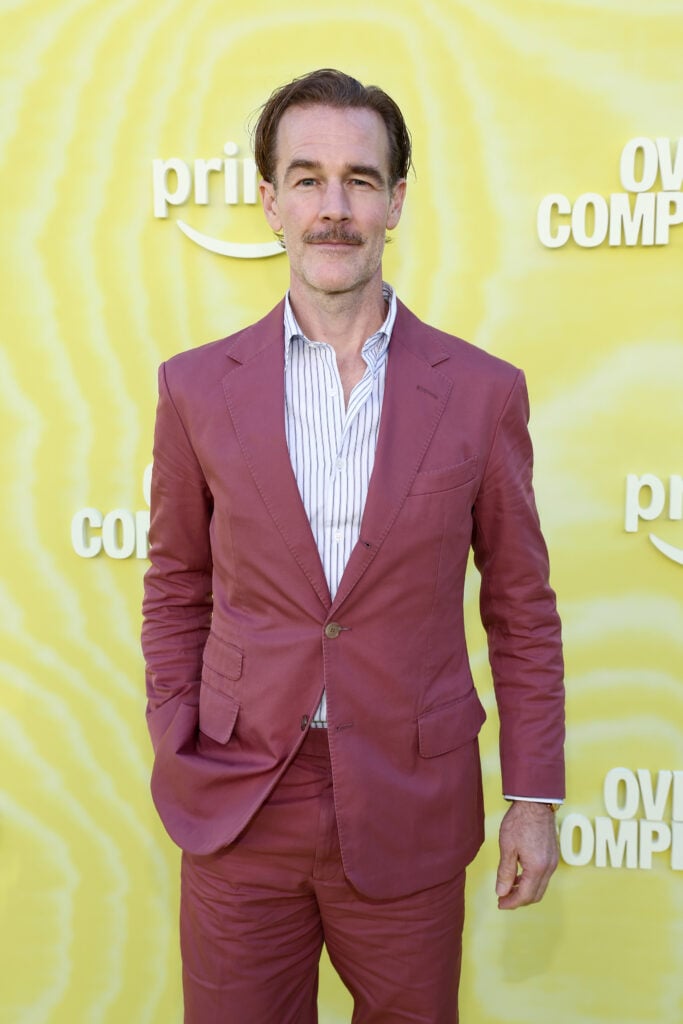
“TV shows not on ABC, CBS, or NBC are considered already ‘syndicated’ & all that means they don’t have to pay proper residuals to actors,” she wrote on Wednesday.
“It F’s actors like James out of their deserved financial security & proper legacy ~I did 2 eps of Dawson’s Creek He was a delight.”
Yes, stars of hit TV shows are initially paid well, but Dawson’s Creek wrapped its six-season run way back in 2003, and the days of endless residual checks for syndicated reruns are over.
James went on to wow critics with his work in acclaimed films like 2002’s The Rules of Attraction, but unfortunately, strong reviews don’t equal big paychecks.
Celebrity contributors to James’ GoFundMe include Steven Spielberg, Zoe Saldaña, Dancing With the Stars personality Derek Hough.
You can contribute to the fundraiser here.
James Van Der Beek Received ‘Almost Nothing’ From ‘Dawson’s … was originally published on The Hollywood Gossip.
The Hollywood Gossip
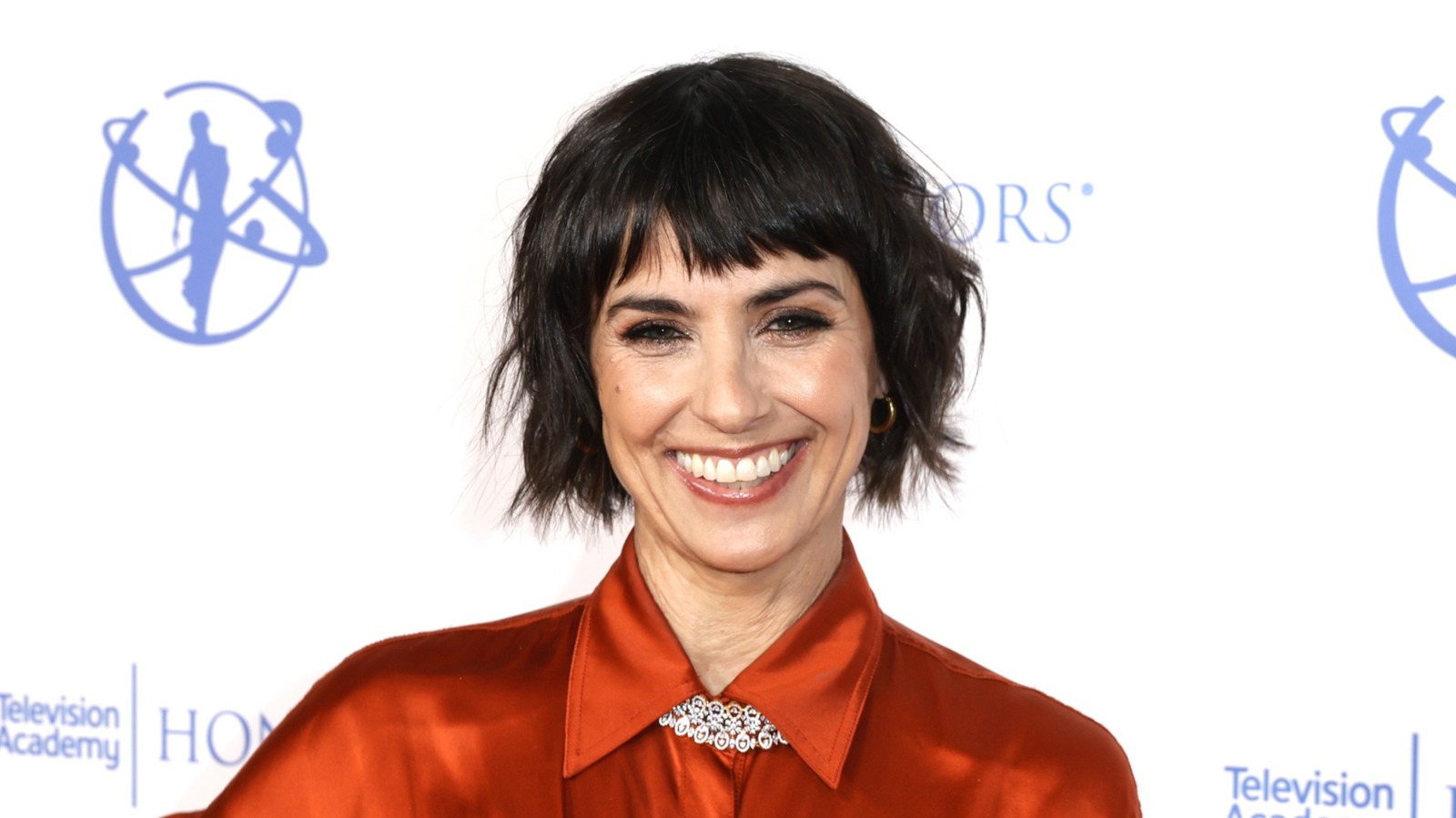
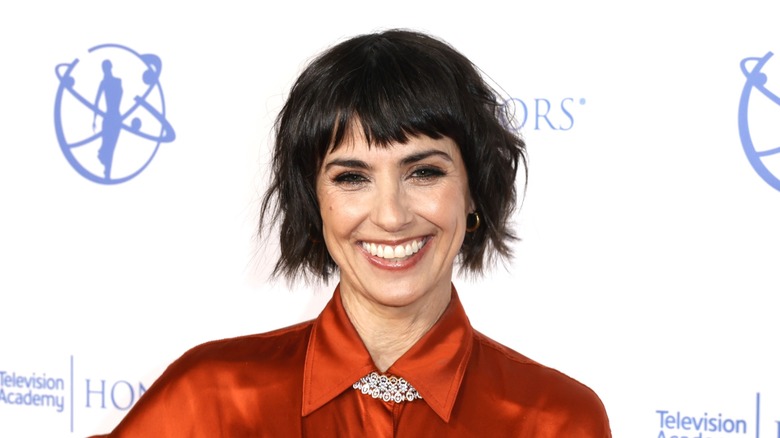
Celebrities are not immune to the aging process that the rest of us go through. Some stars have gotten brutally honest about their TMI health conditions.
Health Digest – Health News, Wellness, Expert Insights

On Feb. 7, 2026, Chasity Verret Martinez won a special election to fill a vacant seat in the Louisiana House. That’s an outcome that might not mean very much to people outside of the state or even outside her Baton Rouge-area district.
But Martinez is a Democrat who took 62% of the vote in a district that had given Donald Trump a 13-percentage-point victory in the 2024 presidential race. And her win came a week after Democrats seized a Texas Senate district that had supported Trump even more strongly – a result that immediately triggered concern in Republican circles.
Because fewer people turn out for special elections, they’re considered an early predictor of partisan enthusiasm heading into regularly scheduled elections. And with the 2026 midterm elections less than nine months away, analysts are already scrambling for indications of the likely outcome.
As a political scientist who studies congressional elections, I’m interested in the question of whether special elections can really tell us which way the political winds are currently blowing.
Democrats, of course, are hoping for a “blue wave” like they rode in 2018, when they picked up 40 House seats and won a majority in that chamber, while Republicans want to hang on to the very slim margins they have in both the House and Senate.
In the 2026 election cycle, as in previous ones, prognosticators and political professionals are looking to the outcomes of these intermittent races at various levels of government as a gauge of how voters are feeling about the two parties. And the results from the first 15 months of the second Trump administration appear to spell very bad news for the Republicans.
Since Election Day 2024, 88 special elections featuring candidates from both major parties have taken place for institutions including state legislatures and the U.S. House.
When analyzing the results of these races, it’s important to have figures to compare them to. After all, a Democrat just barely squeaking by in a state legislative race may not look very impressive on its face – but if that race took place in the rural heart of a red state, it could raise hackles among Republicans.
Most political analysts agree that the best available comparison point for special elections are the results for the most recent presidential election in that same district. There are a few reasons for this.
The nationalization of party politics means there are few members of Congress representing states or districts that voted for the other party for president. So the best comparison is to the only truly national election in the U.S.
Second, using presidential results creates the same baseline for all races. By comparing special election results to the prior election environment, all the special election results get compared to the same standard.
Finally, and perhaps most importantly, recent midterm elections have typically served as a referendum on the party in power, particularly the president. In trying to measure how voters are reacting to Trump’s second term, it makes sense to measure their behavior against the last time Trump was on the ballot.
With this baseline in mind, it’s easy to compare the results of special elections in particular districts to the results of the last presidential election in that same district.
In the 2022 cycle, for example, Democrats running in special elections underperformed President Joe Biden’s 2020 results in their districts by about 4 percentage points on average, which translated into a 3-percentage-point loss nationwide in U.S. House races in the November 2022 midterms and the loss of their majority in the chamber.
Conversely, in 2018 – like this year, a midterm following a Trump election – Democrats bested Republicans by 8 percentage points in November, after overperforming Hillary Clinton’s 2016 margins in special elections throughout the previous two years by 9 percentage points on average.
The 2024 cycle is a clear exception to this pattern of regular elections closely following special election results: Prior to the presidential election, Democrats outperformed in special elections by an average of 4 percentage points but ended up losing nationally by 3 percentage points in November.
Like special elections, midterm contests tend to turn out fewer but more engaged voters than presidential years. Therefore, it may be that special elections are more predictive of midterm results than presidential cycles. At any rate, if previous midterm outcomes are any guide, the numbers being posted by Democrats in special elections so far in the 2026 cycle are impossible to ignore.
On average, they’re running ahead of Harris’s 2024 margins by a whopping 13 percentage points. That’s better than they did in 2018, when they ultimately picked up 40 seats in the House and seven governorships across the country.
Democrats, however, may not want to pop the champagne corks just yet. Many roadblocks remain in their quest to take back control of Congress. For one thing, the U.S. Senate map remains a difficult one for Democrats. Even if they end up creating a 2018-like election environment with an unpopular president, many Senate contests are taking place in solidly red states.
It’s also always worth bearing in mind that there’s no telling how the events of the next nine months might reshape public opinion.
And special elections, while useful metrics, are far from perfect barometers of public opinion. They take place at different times, and could be just as reflective of hyperlocal factors, such as flawed candidates, as they are of nationalized partisan conditions.
Special elections tend to have far lower turnout than regular midterm or presidential contests. It’s also difficult to tell whether overperformance is due to highly motivated partisans or persuasion of independents and voters from the other party.
Still, special elections do have key advantages over traditional polling. Although polls do their best to approximate voters’ political attitudes, elections reveal these attitudes through voters’ actual, observed behavior – exactly the type of behavior that analysts are trying to predict in November.
Generally, this is preferable to asking a hypothetical in opinion polls, which are getting more difficult than ever to do well.
In the end, special elections are just one piece of the prediction puzzle. But the other puzzle pieces are also spelling out potential bad news for the GOP.
The generic ballot, a standard polling question that asks voters’ intent to vote for one party or the other in November without naming specific candidates, has the GOP about 6 percentage points behind the Democrats. Trump’s approval rating, meanwhile, continues to hover below 40%.
There’s no telling for sure whether these indicators will turn out to be truly predictive until November. But all of them should be sounding alarm bells for Republicans.

Charlie Hunt does not work for, consult, own shares in or receive funding from any company or organization that would benefit from this article, and has disclosed no relevant affiliations beyond their academic appointment.
Politics + Society – The Conversation