In a world where music meets politics, Lee Brice’s new track is strumming some controversial chords, especially with a line that listeners can’t seem to agree on. Continue reading…The Boot – Country Music News, Music Videos and Songs











In a world where music meets politics, Lee Brice’s new track is strumming some controversial chords, especially with a line that listeners can’t seem to agree on. Continue reading…The Boot – Country Music News, Music Videos and Songs

The LA food scene abounds with tasty desserts. Take it from a local: These are the best and most satisfying sweets you can find east of La Brea.

Mashed – Fast Food, Celebrity Chefs, Grocery, Reviews
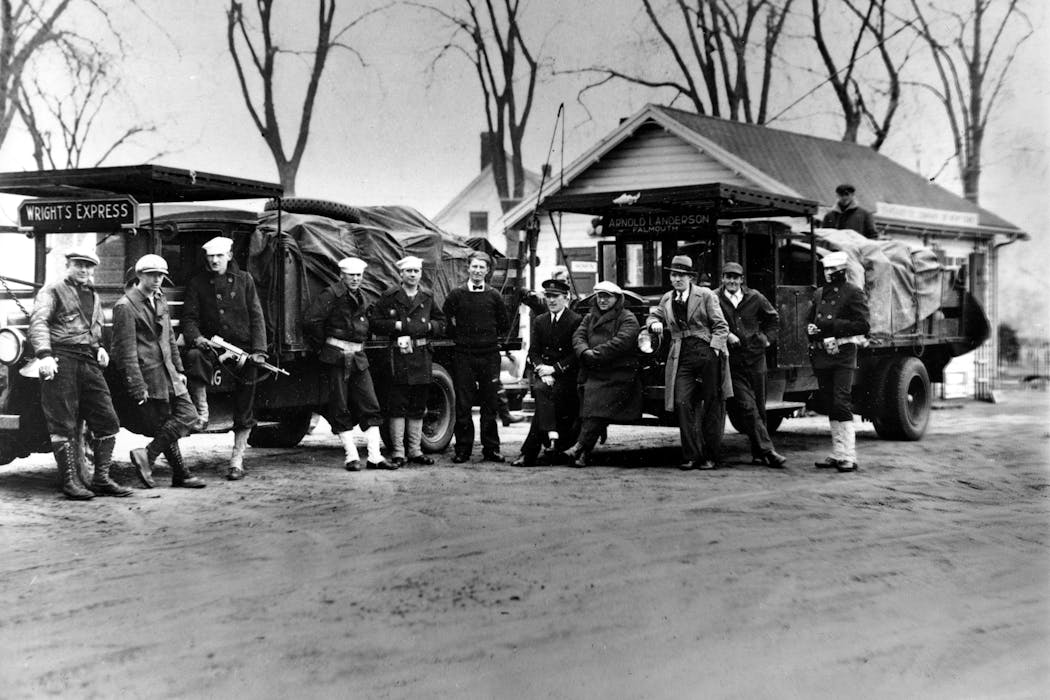
As the actions of agents with U.S. Immigration and Customs Enforcement come under intense scrutiny, it’s worth noting that a little more than 100 years ago, another expansion of federal policing – to enforce national Prohibition – also sparked nationwide concern.
As a U.S. history scholar, I know both the government agencies charged with enforcing national Prohibition in the early 20th century and with mass deportation in the early 21st century were hastily expanded. They were asked to achieve difficult objectives and were staffed by sometimes poorly trained people who at times resorted to violence.
When Congress approved the Volstead Act in 1919 that outlawed the manufacture, sale and transportation of alcoholic liquors, it purposely limited the number of Prohibition enforcement officials due to pressure from powerful dry lobbying groups, which supported the prohibition of alcohol sales and consumption. These groups thought the majority of the Prohibition policing would be done by states.
The Volstead Act also exempted Prohibition agents from civil service laws, which would have required job applicants to pass certain minimum standards. The exemption was written into the law because the prohibitionist lobby only trusted committed “drys” – people resolutely dedicated to maintaining an alcohol-free society – to do the enforcing, and they thought that they would control the appointments.
For the first years of Prohibition, the Bureau of Prohibition belonged to a division of the Bureau of Internal Revenue – some were converted alcohol tax collectors. Then they became part of the Bureau of Prohibition in the Treasury Department. And in 1930, they moved to the Department of Justice.
These moves to various bureaus and departments reflected attempts to curtail corruption, reduce the influence of the prohibitionists on staffing, and increase effectiveness. Despite the moves, funding and training for Prohibition agents never improved. Additionally, in an effort to cut government spending during the Great Depression, the Herbert Hoover administration cut Prohibition agents’ per diem pay from US$6 to $5.
The initial group of Prohibition agents were either committed prohibitionists or “political hacks with little law enforcement experience,” according to author W. J. Rorabaugh. The hacks, Rorabaugh wrote, soon outnumbered the prohibitionists.

In 1927, Federal Circuit Judge William S. Keynon said that “three-fourths of the 2,500 dry agents are ward heelers and sycophants named by the politicians.” The assistant attorney general in charge of Prohibition enforcement, Mabel Walker Willebrandt, said that Prohibition agents were “as devoid of honesty and integrity” as those who violated Prohibition laws.
When Prohibition agents were placed under the civil service, 60% of them failed their civil service tests. In a six-year period beginning in 1920, 752 Prohibition officials lost their jobs for delinquency or misconduct. Drunkenness and bribery were the two main reasons for dismissal.
In 1930, the 1,450 front-line Prohibition agents dwarfed the 350 FBI field agents across the country. They were the largest federal law enforcement body, and they were busy.
From 1921 to 1930, they averaged over a half-million arrests per year. They seized over 45,000 automobiles, and by their own account, Prohibition agents killed 89 people.
However, the Association Against the Prohibition Amendment calculated that about 1,000 people were killed in enforcing Prohibition.
Federal officials authorized Prohibition agents’ use of violence. One official told U.S. Sen. Wesley Jones, a strong prohibitionist, that some bootleggers “deserve a good killing, and I am not losing any sleep if now and then a bootlegger is killed.”
But Prohibition agents did not just shoot criminals. The Washington Herald detailed in 1929 a pattern of reckless use of force, with prohibition agents shooting at the tires of escaping cars and accidentally firing weapons. In 1924, within blocks of the U.S. Capitol, a Prohibition agent who was firing at a fleeing car carrying a bootlegger accidentally shot Sen. Frank L. Greene of Vermont. Greene, wounded in the head, never fully recovered the use of one arm.
The author Daniel Okrent illustrated the link between trigger-happy officers and shoddy recruitment and training when he detailed the case of “the first agent to kill a suspect bootlegger in the line of duty.” The Prohibition agent had been accepted into service under a false name. He was not a stranger to killing, as he had killed a man when he was 14. He had also served multiple prison terms. Indeed, he was given his badge when “still incarcerated at Dannemora State Prison,” according to Okrent.

The parallels between Prohibition and the Trump administration’s mass deportation tactics are not identical. Prohibition was more unpopular in much of the country compared with mass deportation. And Congress was not willing to adequately pay for Prohibition enforcement, while it has generously funded ICE.
Several reports detail ICE’s recent massive expansion. In early January 2026, the agency announced it grew by 120%, adding 12,000 agents to the existing force of 10,000, which raised concerns among lawmakers about lowered training standards to meet recruitment targets. Other accounts reveal lax vetting, insufficient training and past officer misconduct.
But both efforts share important similarities. They were hastily built, with agents who were asked to do something very difficult, and staffed by sometimes poorly trained people who were authorized to use force.

Richard F. Hamm does not work for, consult, own shares in or receive funding from any company or organization that would benefit from this article, and has disclosed no relevant affiliations beyond their academic appointment.
Politics + Society – The Conversation
“America’s Next Top Model” shone a spotlight on many relatable health issues, including hair loss and skin infections, all while the cameras were rolling.
Health Digest – Health News, Wellness, Expert Insights
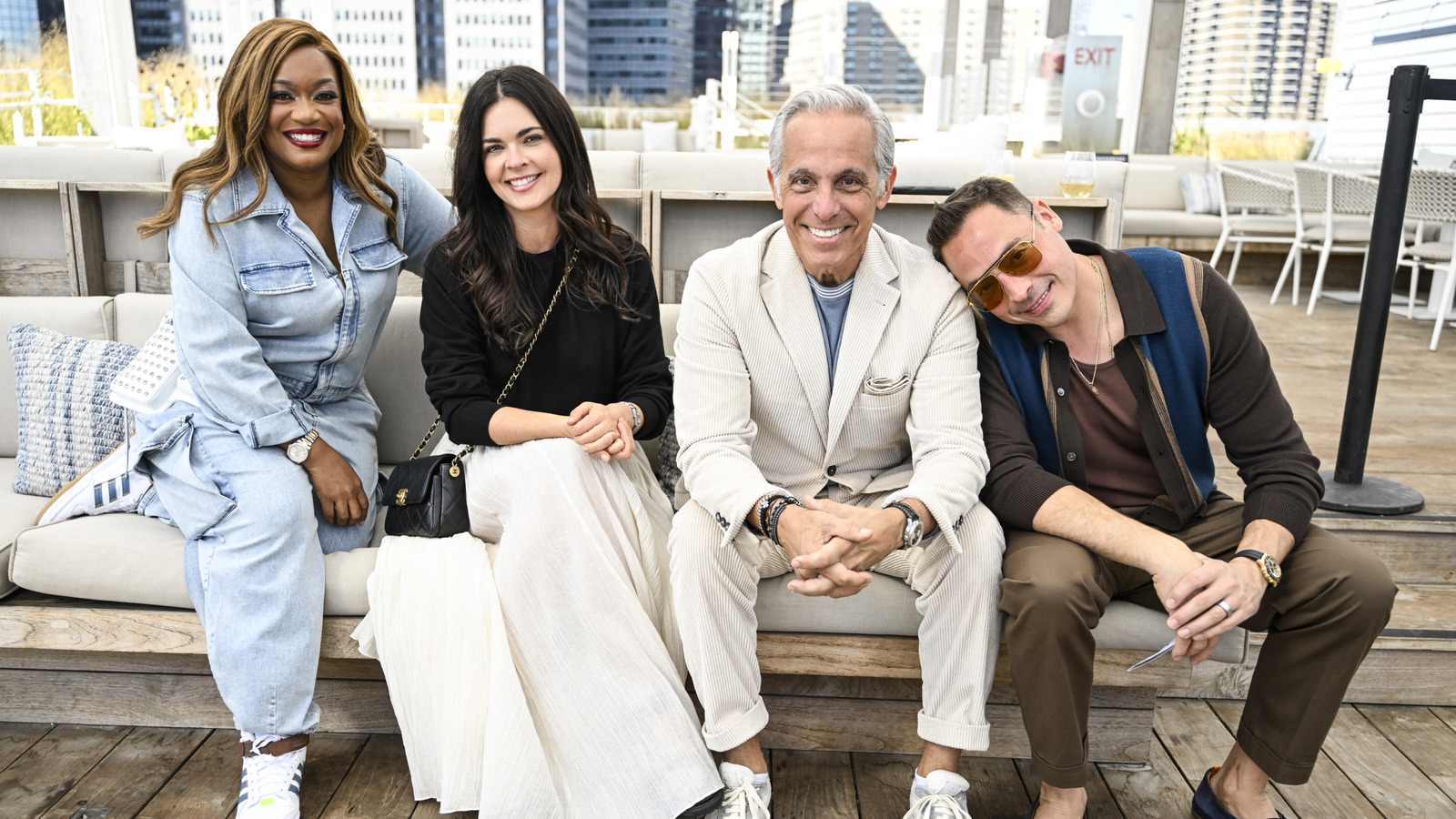
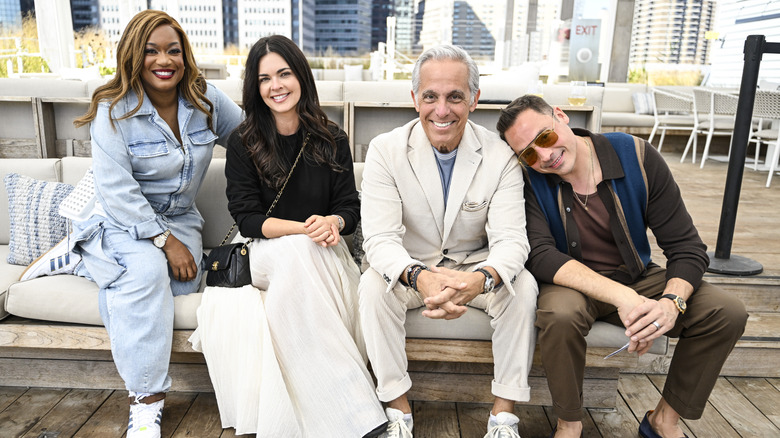
A show that reaches 500-plus episodes and spans more than a decade was clearly doing something right. Yet, Food Network canned “The Kitchen” anyway.
Mashed – Fast Food, Celebrity Chefs, Grocery, Reviews
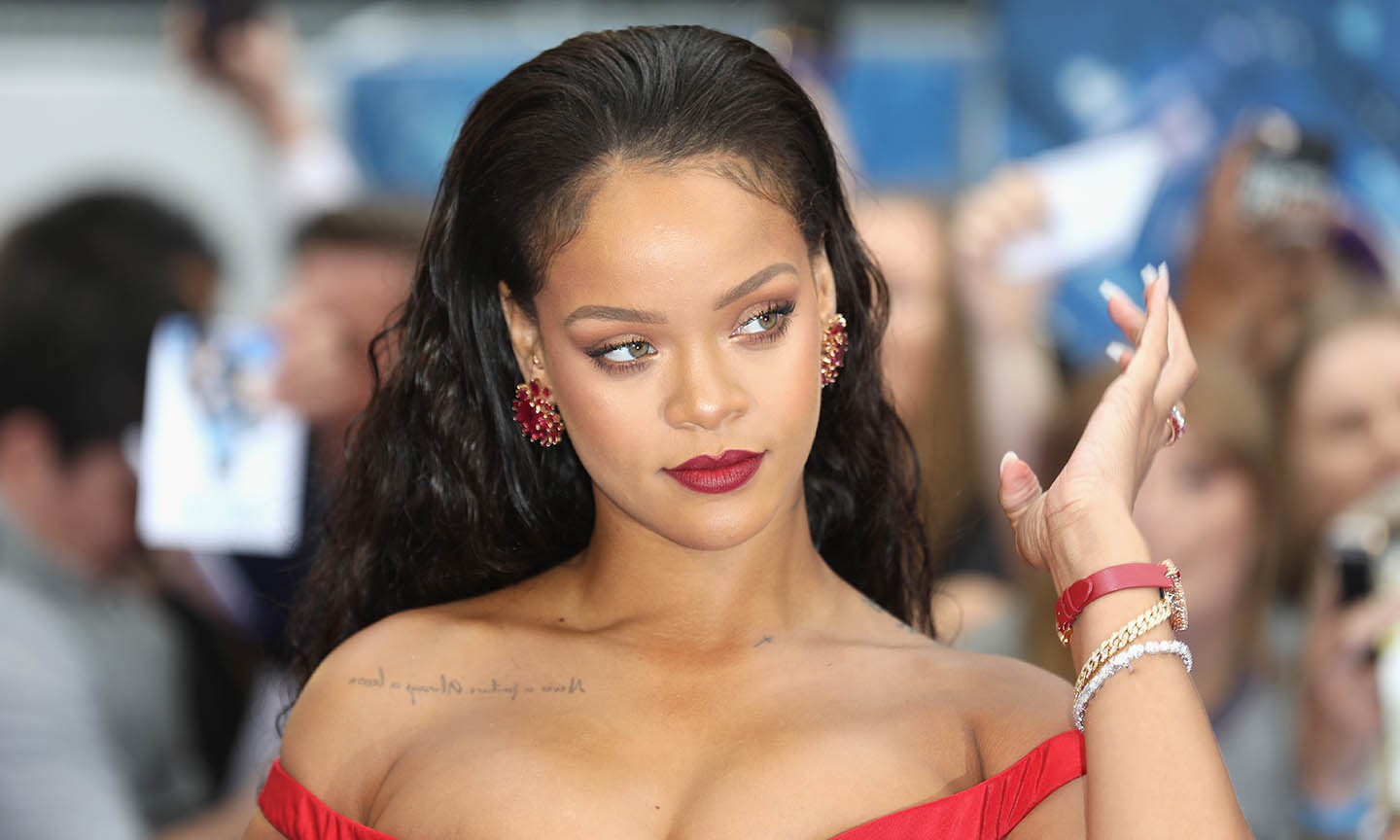
Born Robyn Rihanna Fenty, on February 20, 1988, Rihanna was just 15 when she was first discovered in her home country of Barbados by record producer Evan Rogers. Over the next year, she recorded a demo tape with Rogers, which included the track that would eventually become her debut single – and one of the best Rihanna songs of all time. “Pon De Replay” was described by Rolling Stone as “a poppy piece of dancehall reggae with slapping, syncopated beats recalling big-band jazz”, and Rihanna was immediately signed to Def Jam by its then CEO, Jay Z.
This was just the beginning of a momentous career that, over a decade in, has seen her constantly top the charts worldwide. We take a trip through Rihanna’s career, focusing on 20 of the best Rihanna songs…
Buy Rihanna’s music on vinyl now.
Getting her six-album Def Jam deal off to a roaring start, Rihanna released her first album, Music Of The Sun, in May 2005, and lead single “Pon De Replay” reached No.2 in both the US and UK, while the album earned a gold certification and firmly established the singer as a household name.
Its follow-up, A Girl Like Me, was released in April 2006 and was another pop and R&B fusion, with heavy influences from Rihanna’s Caribbean roots. In an interview with MTV, she said, “Vocally, I’ve matured so much, and lyrically I’m speaking about stuff I would never sing about before. Now I’m singing about experiences that I’ve gone through and stuff that other 18-year-old girls go through, so it’s all about progression.” This maturity was represented in songs such as “SOS” and “Unfaithful,” which explore more adult themes such as infidelity and lust; the former was a dance-pop hit that sampled Soft Cell’s “Tainted Love” and earned Rihanna her first US No.1.
In an attempt to shake off her innocent persona, Rihanna took on a bolder, more independent image for 2007’s Good Girl Gone Bad. Speaking to the Saskatoon StarPhoenix, she said, “I took the attitude of the bad girl and I really got rebellious and did everything the way I wanted to do it – I didn’t want to listen to anybody.” The pop-R&B crossover hit “Umbrella” was the first single from the album, and, featuring Jay Z, it was also Rihanna’s first big collaboration, reaching No.1 in 17 countries. Third single “Hate That I Love You” was another collaborative effort, co-written and featuring labelmate Ne-Yo. Released on 21 August 2007, the song comfortably reached platinum status.
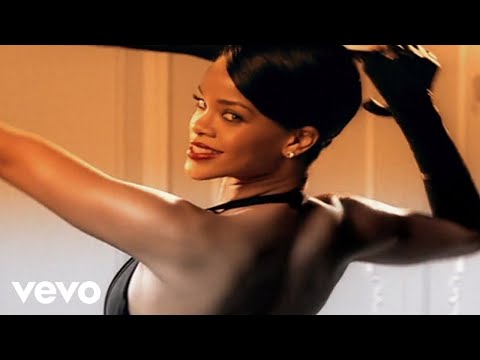
A major turning point in Rihanna’s artistic progression came with 2009’s Rated R, on which she shook off her pop princess image and began to explore other genres with a variety of songs that still rank among the best Rihanna songs. Justin Timberlake, one of the writers and producers featured on the album, said that it represented a whole new sound for Rihanna, while fellow producer Ne-Yo described Rated R as angrier and edgier than what had come before.
Written after her assault by then-boyfriend Chris Brown, there was, unsurprisingly, speculation as to whether any of the album’s songs referenced him, though Chuck Harmony, another co-producer on the record, argued that no matter what single Rihanna released, the lyrics would immediately be associated with Brown. Stylistically, Rated R incorporated genres such as dancehall (“Rude Boy”), Latin (“Te Amo”), and dubstep, while lead single “Russian Roulette” had a darker and more intense tone than any of Rihanna’s previous efforts.
In the summer of 2010, Rihanna lent her vocals to a number of hip-hop stars, including Eminem (“Love The Way You Lie”) and Kanye West (“All Of The Lights”), with the former becoming Eminem’s best-selling single to date, selling six million copies in the US alone. Rihanna also helped Drake achieve his first-ever taste of the UK top spot when she asked him to appear on her 2010 single “What’s My Name?,” the second release from her fifth studio outing, Loud. Released in November that year, the album moved away from the darker themes of Rated R and returned to upbeat pop, R&B, and dancehall, as Rihanna wanted to go back to having fun. The shift was immediately clear with the first single, “Only Girl (In The World),” which won her the 2011 Grammy Award for Best Dance Recording, and more than holds its own among the best Rihanna songs. Third single “S&M” raced to No.1 on the Billboard Hot 100 and saw Rihanna set a new record as the solo artist with the fastest accumulation of ten chart-toppers.
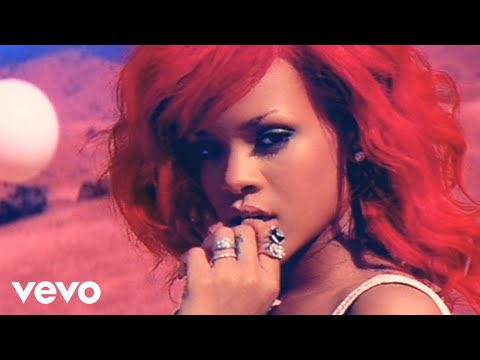
Barely pausing for breath, Talk That Talk followed a year later, in November 2011, and was another dance-pop and R&B outing in the vein of Loud. Lead single “We Found Love” added uptempo techno to the mix (courtesy of DJ Calvin Harris), topped the charts in 27 countries, and proved that, if there’s anything to be learned from Rihanna’s career, it’s that she rarely released a single without breaking a record or two. Staying at the top of the Hot 100 for 10 weeks, “We Found Love” became the longest-running No.1 of 2011. The second single from the album, “You Da One,” is a mid-tempo pop/reggae mix that entered the Top 20 in the US, UK, and 11 other countries.
Mining the same rich vein, while incorporating elements of hip-hop and reggae, Unapologetic was Rihanna’s seventh studio album, and her third consecutive UK No.1. Picking up an executive producer credit – as she has done for all her releases since Loud – Rihanna enlisted the help of co-producers David Guetta, Stargate, Labrinth and Chase & Status. Signaling a new focus for the singer, lead single “Diamonds” was an electric pop ballad that, lyrically, left previous themes of dysfunctional romantic relationships firmly in the past and once again topped the charts in over 20 countries worldwide. Its follow-up, the pop and R&B ballad “Stay,” featured guest vocals from US singer Mikky Ekko and offered yet another side of the singer, revealing a vulnerability rarely seen in her singles.

After releasing almost an album a year for her entire career, there was a four-year gap before Rihanna issued Unapologetic’s follow-up. Having left Def Jam for Roc Nation in 2014, however, she filled the gap with three standalone singles, including the Kanye West and Paul McCartney collaboration “FourFiveSeconds” and the solo outing “Bitch Better Have My Money.” When Anti finally emerged, on January 28, 2016, it was initially a TIDAL exclusive via Westbury Road/Roc Nation, before being given a wider release. Since then, lead single “Work,” another collaboration with rapper Drake, became the Barbadian singer’s 27th Top 10 hit and more or less soundtracked 2016, cementing its reputation as one of the best Rihanna songs of all time. It was shortly followed by “Kiss It Better.”
In November 2016, Rihanna became the first artist to surpass more than 100 million Gold and Platinum song certifications, including nine-times multi-Platinum sales for “We Found Love,” six-times multi-platinum sales for “Stay,” “What’s My Name?” and “Only Girl (In The World),” double multi-Platinum sales for “FourFiveSeconds” and a Platinum award for “Bitch Better Have My Money.” Any one of these could top the list of a fan’s best Rihanna songs; in a career that’s been nothing but incredible, the singer boasts a success rate rarely seen elsewhere. Her ability to stay true to her roots is what has kept her original fanbase loyal, while her continual reinventions and explorations of different genres pull in new listeners with every album. What stands out across these 20 songs is her diversity: actress, singer, and philanthropist, Rihanna is also an unpredictable talent who leaves us eagerly anticipating her next move.
Shop Rihanna’s music on limited edition vinyl and CDs here.
Discover more about the world’s greatest R&B artists | uDiscover Music
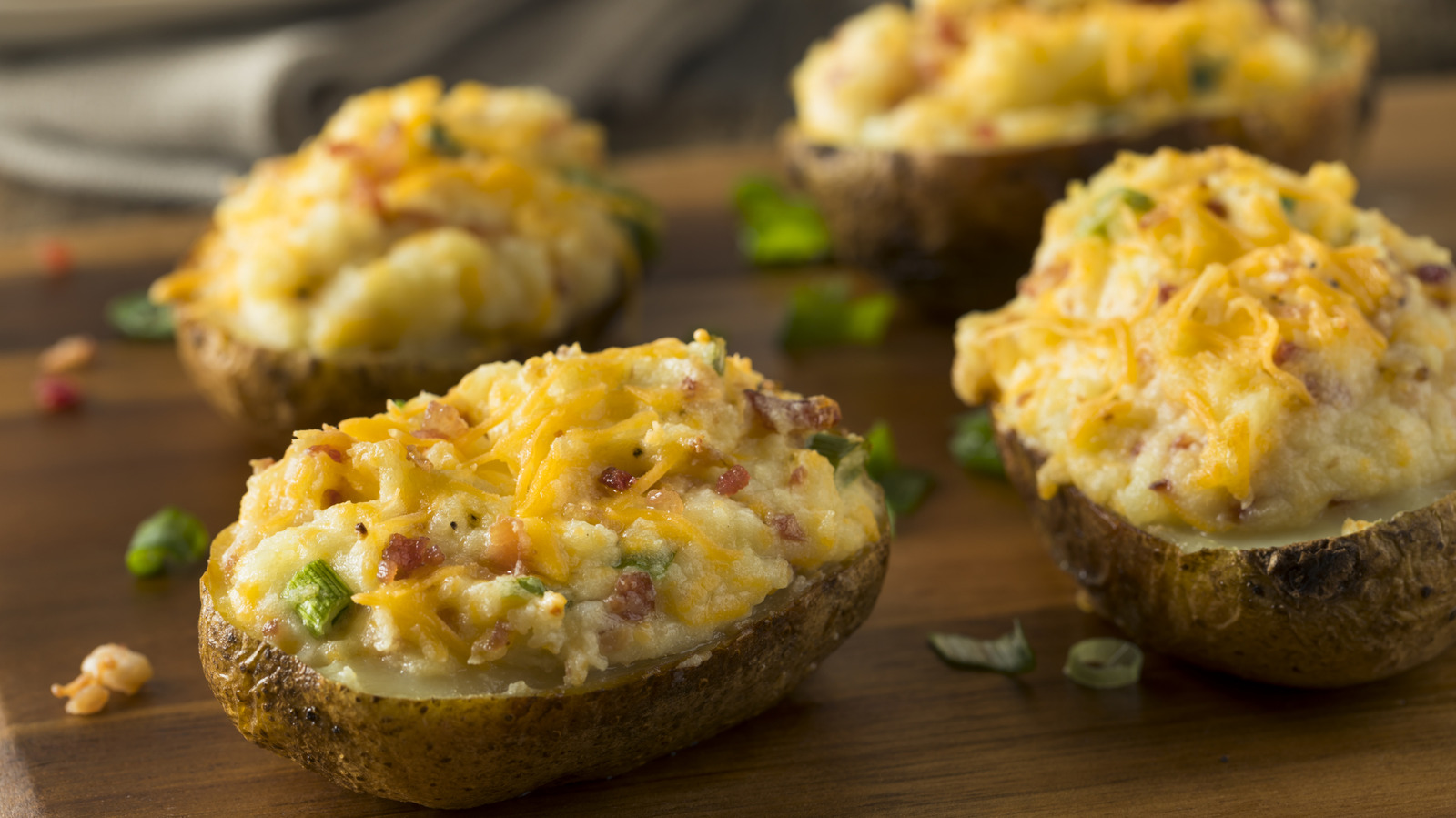
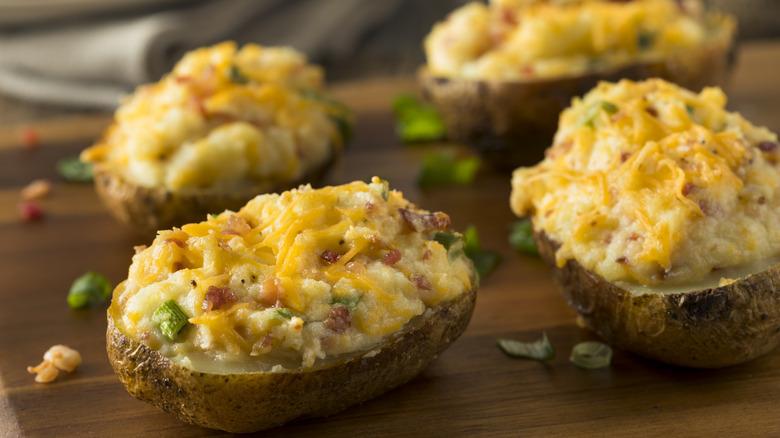
A twice-baked potato is a time-honored American tradition, and what better way to honor its heritage than by adding this creamy Southern spread?
Food Republic – Restaurants, Reviews, Recipes, Cooking Tips

Every week political cartoonists throughout the country and across the political spectrum apply their ink-stained skills to capture the foibles, memes, hypocrisies and other head-slapping events in the world of politics. The fruits of these labors are hundreds of cartoons that entertain and enrage readers of all political stripes. Here’s an offering of the best of this week’s crop, picked fresh off the Toonosphere. Edited by Matt Wuerker.Politics
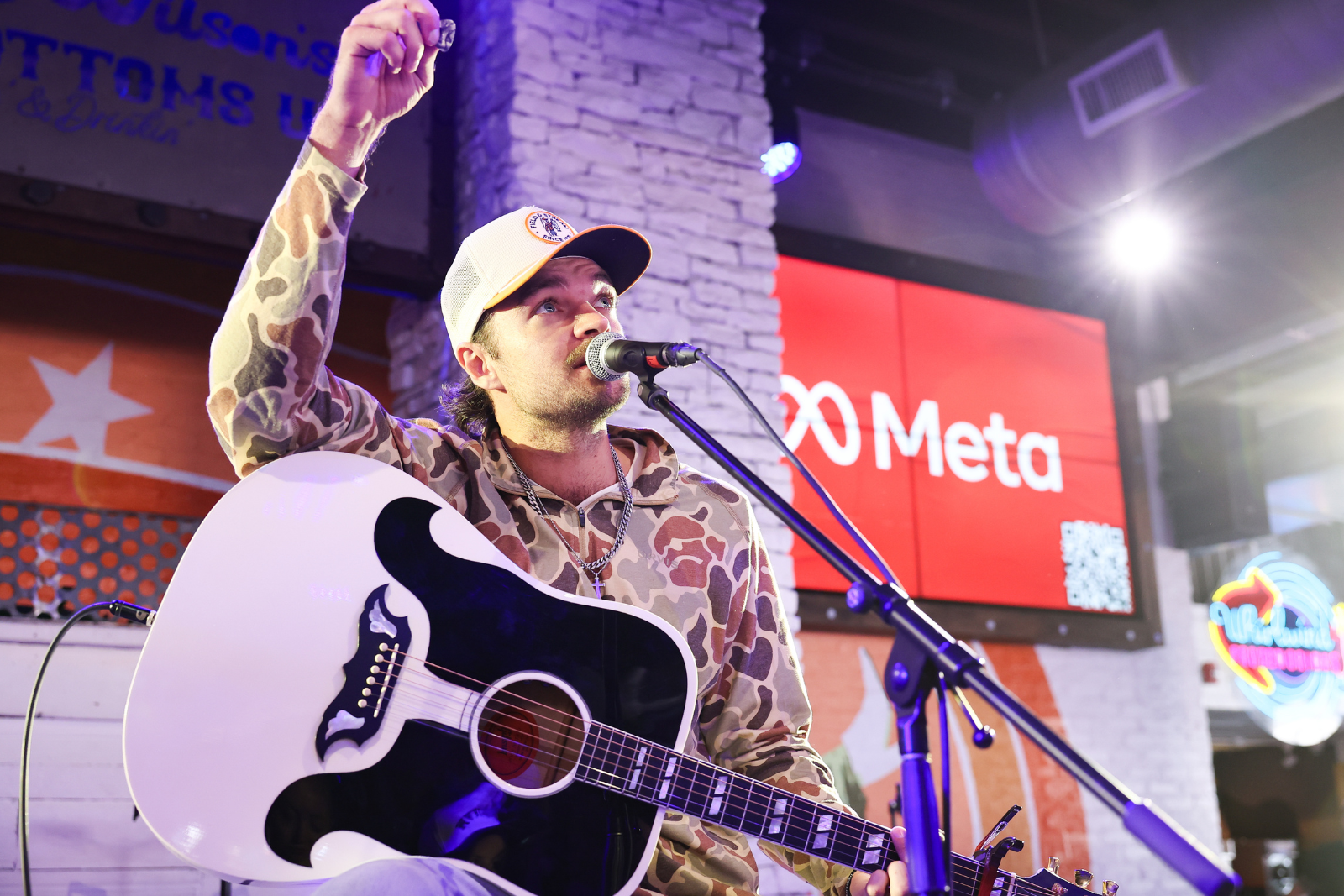
Months after a tragic crash, Conner Smith’s case takes an unexpected turn when the victim’s family makes a powerful request. Continue reading…The Boot – Country Music News, Music Videos and Songs
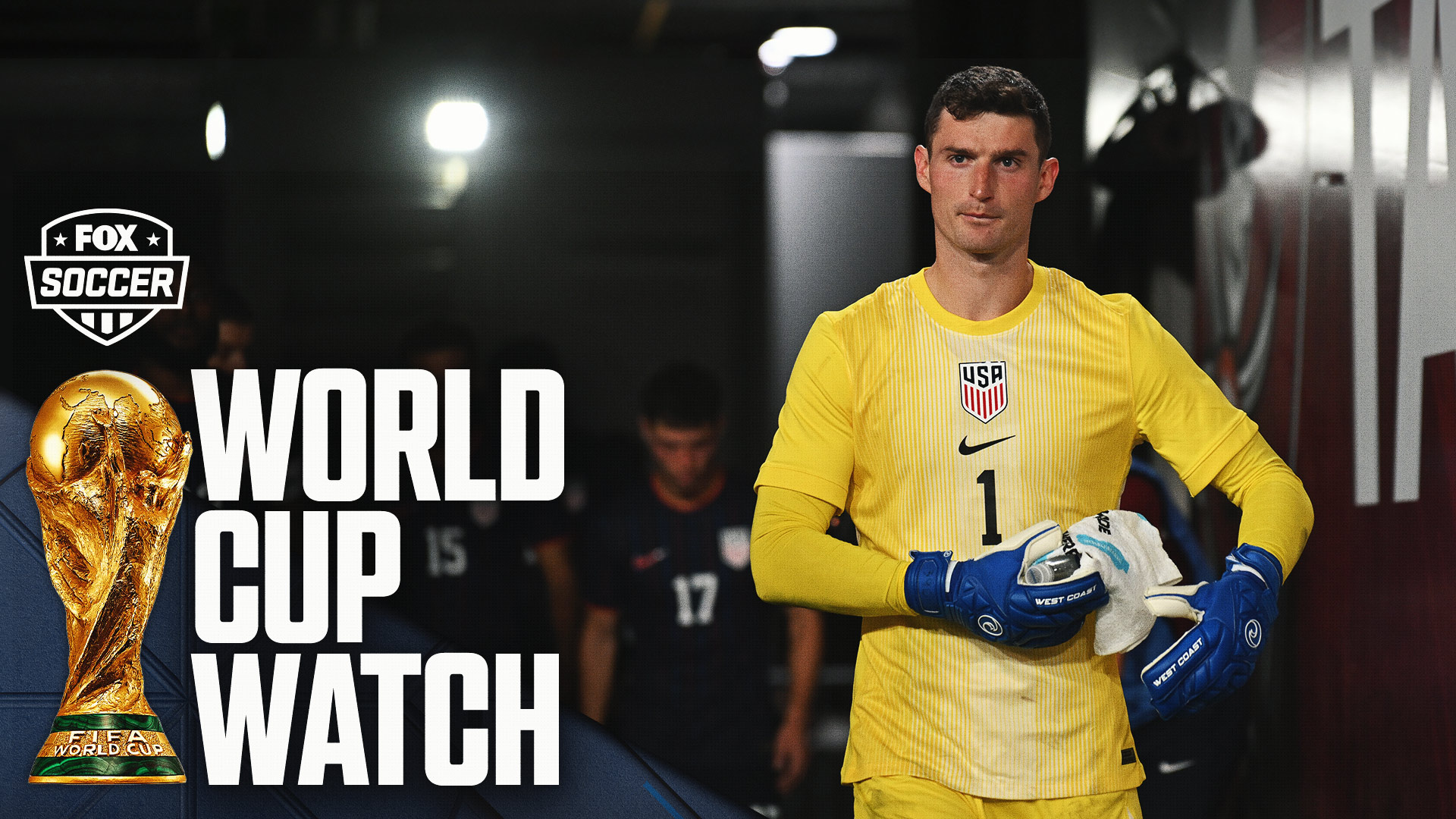
For the first time in the 30-year-history of Major League Soccer, the starting World Cup goalkeeper for the U.S. men’s national team is expected to come from the domestic league, which kicks off its 2026 season on Saturday. Think about it. The top American keeper at each World Cup since MLS was founded in 1996 — whether it was Kasey Keller (1998), Brad Friedel (2002), Keller again (2006), Tim Howard (2010 and 2014), or Matt Turner (2022) — always played his club ball overseas, usually in the Premier League. That’s where Turner was employed four years ago, having moved to mighty Arsenal from the New England Revolution a few months before he backstopped the USA to a round-of-16 appearance, which included posting group stage clean sheets against England and Iran. But he then lost the main job to New York City FC’s Matt Freese midway through 2025. Turner – who made just 31 appearances for Arsenal, Nottingham Forest and Crystal Palace over his three seasons in England – returned to the Revs last summer in an effort to boost his chances of manning the USA net in a second consecutive World Cup. That means MLS will be the stage that Turner and Eastern Conference rival Freese use to prove their case to USA coach Mauricio Pochettino, who will be watching closely. Pochettino will also be getting regular feedback from Toni Jiménez, his longtime goalkeeping coach. “Last season, we began a system of watching live MLS games of the goalkeepers on our shortlist, visiting their training facilities to observe practices, and exchanging ideas with their coaching staffs, including the head coach and goalkeeping coach,” Jiménez told me earlier this week. “We’re going to use a similar process for this upcoming season.” Jiménez will be a busy man. The shortlist he mentioned includes several other U.S.-based goalkeepers, too. It’s entirely possible — and perhaps even likely — that all three keepers who are eventually named to Pochettino’s final 26-man World Cup roster in May will be MLS players. Presumed third-string keeper Patrick Schulte of the Columbus Crew has been called up consistently since Pochettino was appointed to succeed Gregg Berhalter back in September 2024. Schulte, a 2023 MLS Cup winner who started for Team USA (composed of mostly the under-23 team) at the 2024 Paris Olympics, has three senior caps. – 2026 World Cup: USA’s Roster Projection: Who Makes The Cut? Roman Celentano (FC Cincinnati) was included in two of Pochettino’s final three camps of 2025. Chris Brady (Chicago Fire), was in the one camp last fall and served as the third string behind Freese and Turner during the 2025 Concacaf Gold Cup. Brady and Celentano are both uncapped, as is Jonathan Klinsmann, the only World Cup roster candidate who has played consistently in Europe this season. Klinsmann (the son of former USA manager Jürgen Klinsmann) starts for Cesena in Italy’s second tier. So while U.S. assistants Jesus Perez and Miguel D’Agostino have crisscrossed Europe all winter keeping tabs on top American field players like Christian Pulisic and Weston McKennie, much of Jimenez’s focus has been on this side of the Atlantic. “There is communication between myself and several of their goalkeeping coaches, as well as the goalkeepers themselves,” said Jiménez, who worked with the likes of French World Cup winner Hugo Lloris at Tottenham and Costa Rican legend Keylor Navas at PSG. “These communications, notifications, and updates are always shared with the rest of the national team coaching staff.” – MLS: 5 Biggest Storylines For 2026 Season He knows what Pochettino is looking for. “The first thing we evaluate is whether they have the qualities to operate within Mauricio’s playing principles,” Jiménez added. “The goalkeeper must establish a connection with the team to contribute to both defensive and offensive play. This defines the profile of the goalkeeper we need.” With that keeper in MLS, look for Jiménez at a stadium near you in the weeks and months ahead. “I’ll be traveling two weeks before the March training camp and will be able to attend a series of games and training sessions,” he said. “And I’ll be conducting another tour between March and May as we consider the final roster selections for the World Cup.” USA Stock Watch The striker battle got even more interesting on Monday, when Haji Wright’s hat trick against Middlesbrough leapfrogged Coventry over their English Championship rivals and back to the top of the Premier League promotion race. It heated up further midweek. Here’s who’s trending up and down right now: Stock Up Folarin Balogun, Forward, Monaco In Monaco’s biggest game of 2025-26 so far, Balogun scored twice against PSG in the Ligue 1 rivals’ UEFA Champions League knockout round playoff first leg. Although Monaco went on to lose 3-2, it was a big-time performance from the 24-year-old, who now has 10 goals in 30 games across all competitions this season. Tanner Tessmann, Midfielder, Lyon Lyon keeps winning and the Alabama-born Tessmann keeps starting. Last weekend, the former Clemson University football recruit logged 90 minutes for the fourth consecutive Ligue 1 contest, all of them wins. Weston McKennie, Midfielder, Juventus Luciano Spalletti wasn’t kidding when he said that the outrageously versatile McKennie is good enough to play as a striker — Juventus’ manager backed up those words by deploying the Texan up top in Juve’s Champions League playoff opener against Turkish behemoth Galatasaray in Istanbul. McKennie responded by setting up Teun Koopmeiners with a perfectly weighted assist. The best spell in McKennie’s already-career season continues; the 27-year-old has two goals and three assists in his last four Champions League and Serie A games this month. Stock Down Ricardo Pepi, Forward, PSV Through no fault of his own, could Pepi actually miss out on a second straight World Cup roster? The Texas native and former FC Dallas standout has been injured most of this season and won’t return from his broken arm until next month. This is all while Balogun, Wright and Derby County’s Patrick Agyemang are all scoring goals for their clubs. The popular assumption is that Pochettino will take three dedicated strikers to the World Cup. Could he bring four? Wright can also play on the wing after all, and the USA will need goals this summer. If not, Pochettino will have a hard decision to on who gets cut. Gio Reyna, Midfiedler/Forward, Borussia Mönchengladbach It’s been more than a month now since Reyna has been on the field for ‘Gladbach, and the club has been worryingly coy about what’s keeping the oft-injured 23-year-old attacker on the shelf. Time is clearly running out for Reyna to be ready for the March friendlies against Belgium and Portugal, if not the World Cup itself. Malik Tillman, Midfielder/Forward, Bayer Leverkusen Has Tillman lost his spot at Leverkusen? Or is he just nursing a minor injury? The silky German-born playmaker had been in the lineup for 10 of the club’s last 11 Bundesliga games before coming off the bench last weekend against St. Pauli (and USMNT teammate James Sands). Tillman was a second half sub again on Wednesday, entering after the scoring was over in a 2-0 win over Olympiacos in Athens.Latest Sports News from FOX Sports