A fan gave Priscilla Block a shocking gift during a meet and greet event. Continue reading…Country Music News – Taste of Country











A fan gave Priscilla Block a shocking gift during a meet and greet event. Continue reading…Country Music News – Taste of Country
A fan gave Priscilla Block a shocking gift during a meet and greet event. Continue reading…The Boot – Country Music News, Music Videos and Songs
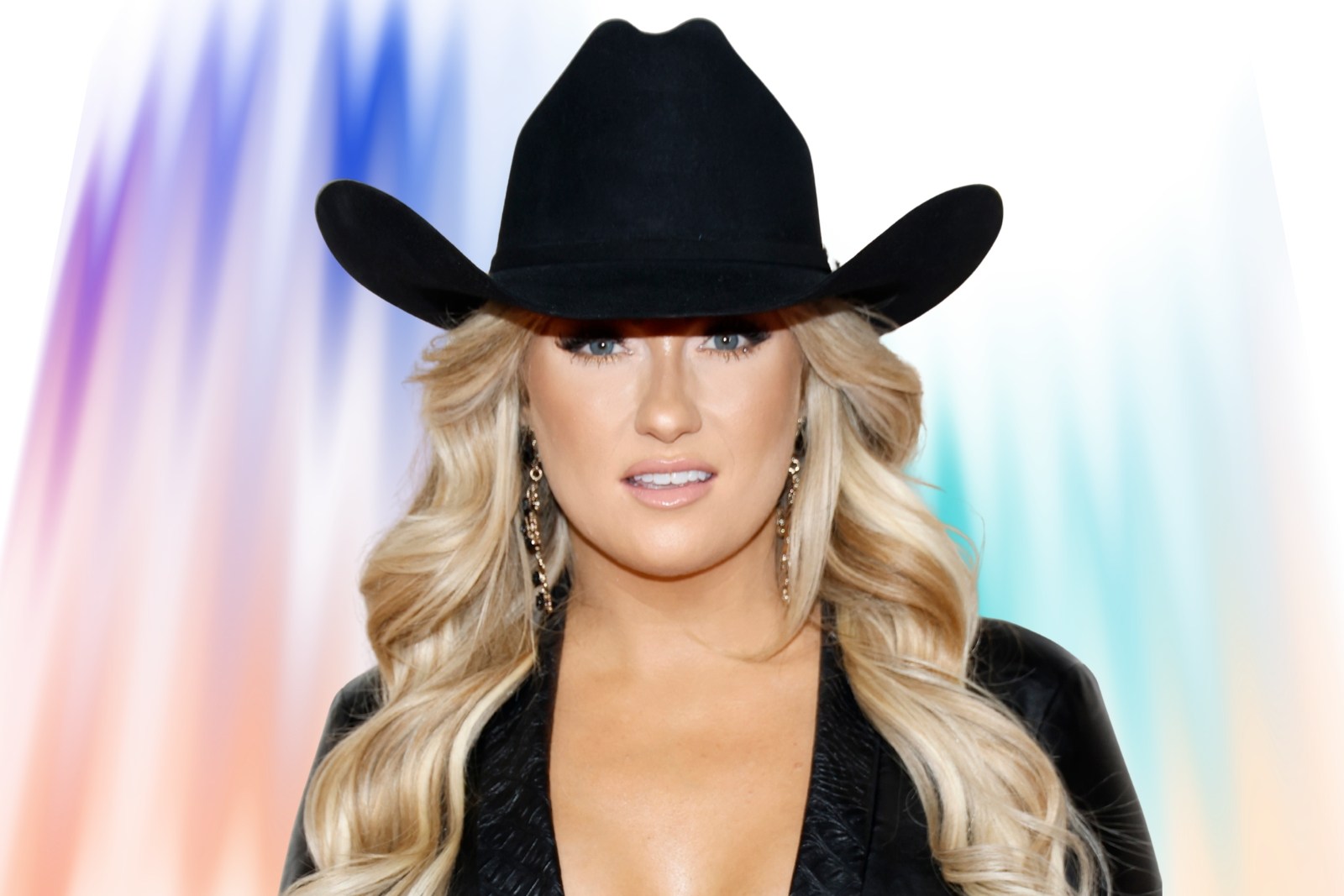
Meghan Patrick opens up about the raw truths behind her new music, and opens up about why she wants to break one particular country music stigma. Continue reading…Country Music News – Taste of Country
Meghan Patrick opens up about the raw truths behind her new music, and opens up about why she wants to break one particular country music stigma. Continue reading…The Boot – Country Music News, Music Videos and Songs

CHICAGO — An AI-enhanced former congressman is hitting the Chicago airwaves.
As he campaigns to reclaim the South Side congressional seat he once held, Jesse Jackson Jr. is launching a new TV and digital ad featuring an endorsement from fellow former Democratic Rep. Bobby Rush — delivered with an assist from artificial intelligence.
The spot, set to begin airing today in the race, initially shows Rush speaking in his actual voice, weakened from a battle with throat cancer.
“Cancer damaged my vocal cords. It didn’t take away my voice,” Rush says in the ad.
He then continues speaking in a restored version of the voice he had decades ago.
“I want to tell you why I believe in Jesse Jackson Jr.,” says Rush, the longtime Chicago congressman who pushed Jackson to reclaim the 2nd Congressional District seat, using the enhanced voice to deliver a testimonial about Jackson’s record.
Rush, who has become familiar with AI technology’s ability to restore his voice for podcasting and broadcast interviews, said he recognizes there are concerns that it can be misused in political campaigns. But in this case, he said in an interview, “It’s being used in a positive way. It’s being used for the right reasons.”
The ad from Jackson’s campaign comes as two dueling political action committees with links to major AI companies circle the race.
Jackson is receiving support from a pro-industry super PAC, Leading the Future, which has poured money into advertising on his behalf and counts venture capital firm Andreessen Horowitz and OpenAI President Greg Brockman among its backers.
A spokesperson for Jackson’s campaign said the ad with Rush had been in the works for months, before the AI-backed group got involved in the race.
“Integration of AI in this spot puts a spotlight on how much they believe in each other,” according to spokesperson John Digles.
A rival super PAC, Jobs and Democracy, which advocates for tougher regulations on AI, filed federal paperwork Friday signaling that it plans to begin $1 million advertising against Jackson.
The timing of that group’s filing raised eyebrows among some Democrats because it came the same day Jackson joined family members, three former presidents and thousands of others for a memorial service honoring his late father, the Rev. Jesse Jackson Sr., who was buried Saturday.
The Congressional Black Caucus, some of whose members were in Chicago for the funeral services, criticized the super PAC’s move to announce its campaign as the family mourned.
By Sunday, a new filing was out indicating the super PAC was canceling the spending.
The 1st Congressional District seat Rush held for three decades until 2023 is now held by Jackson’s brother Jonathan Jackson. Rush encouraged Jesse Jackson Jr. to seek office again after stepping down in 2012 due to health reasons and then facing charges of campaign finance violations that resulted in him serving prison time.
Jackson is competing in a crowded field in the March 17 Democratic primary alongside Donna Miller, a county commissioner, and state Sens. Robert Peters and Willie Preston, among other candidates. The winner is widely expected to have a strong advantage in November in the predominantly Democratic district.
Politics

Regulations and policies governing hunting and fishing on federal lands will be on the table at the Southeast Alaska Subsistence Regional Advisory Council meeting in Juneau next week.
The council is one of 10 in Alaska that provide recommendations to the Federal Subsistence Board, which is the decision-making body for Alaska’s Federal Subsistence Management Program.
Council members and the public will be able to participate remotely in the four-day meeting, which starts at 9 a.m. Tuesday and continues through Friday.
The Southeast council met for two days in December, after their fall meeting was postponed because of the 43-day-long federal government shutdown.
During the December meeting a leader in the Office of Subsistence Management, which administers the federal subsistence program for Alaska, announced the review of the Federal Subsistence Management Program that the U.S. Departments of Agriculture and Interior are currently conducting in Alaska.
The Agriculture and Interior departments initiated the review of the subsistence program on Dec. 15 in response to the Trump administration’s January 2025 executive order “Unleashing Alaska’s Extraordinary Resource Potential,” as well as a petition that the Safari Club International filed with the federal government last year, which asks U.S. agencies to “rein in” the subsistence program.
The OSM official’s announcement sparked more than three hours of discussion among Southeast RAC members over ways that political influence could compromise the effectiveness of the Federal Subsistence Management Program.
After the meeting, Council members drafted and approved an eight-page letter detailing their concerns that the review may lead to regulatory changes that would undermine subsistence harvest rights in the state.
Upon announcing the federally-initiated subsistence review on Dec. 15, OSM opened a 60-day public comment period. OSM later extended the comment deadline by 45 days; and is now accepting comments through March 30.
Also during the December meeting of the Southeast subsistence Regional Advisory Council, officials of the U.S. Department of Agriculture spoke about the Trump administration’s proposed rescission of the 2001 Roadless Rule, and the Agriculture department’s plans to change the Tongass National Forest Land and Resource Management Plan to make it align with the executive orders that President Trump issued when he took office last year.
A 30-day public comment period is open through March 20 to get Alaskans’ views on the administration’s update to the Tongass Land Management Plan, which is aimed at maximizing timber harvest and mineral extraction throughout the Tongass, and adjusting to increased cruise ship visitation.
The U.S. Forest Service announced today that it will be holding an in-person, community workshop at Harrigan Centennial Hall on April 17 to hear feedback on the preliminary materials it is drafting for the Tongass plan revision. Similar Forest Service workshops are scheduled this spring for more than a dozen Southeast communities.
The December meeting of the Southeast subsistence council also marked the close of Sitka representative Harvey Kitka’s long tenure as a council member. Since joining the council in 2003, Kitka has shared his insights on management of wildlife, fish and their habitats, and helped shape the federal subsistence program for Alaska.
Council members serve in three-year terms, and may apply for re-appointment at the end of each term. People can apply by April 2 to fill seats on the Southeast council that are opening up this year.
A panel of federal staff from several land management agencies review the applications, conduct interviews and rank applicants before the Federal Subsistence Board nominates individuals for appointment by the U.S. Secretary of Interior.
It’s up to the Interior secretary to issue appointment letters to new members. During Trump’s first term as president, the Interior secretary did not appoint Council members to fill vacant seats, leaving some regional councils unable to meet quorum.
Current members of the Southeast RAC are Patricia Phillips and James Slater of Pelican, Albert Howard of Angoon, Frank Wright Jr. of Hoonah, Larry Bemis of Yakutat, Calvin Casipit of Gustavus, John Smith III of Juneau, Theodore Sandhofer of Petersburg, Louie Wagner of Metlakatla, Michael Douville and Lewis Hiatt of Craig, and Donald Hernandez of Point Baker, who is chair of the RAC.
Wright and Hiatt represent commercial and sport users, while the remaining council members represent customary and traditional (subsistence) users of fish and wildlife species.
At next week’s meeting in Juneau the council will make a recommendation on a wildlife proposal that would prohibit people on federal lands throughout Southeast Alaska (Units 1-5) from hunting in the hours between civil sunset and civil sunrise.
The Alaska Board of Game voted 6-1 against a similar state regulatory proposal during its Southeast meeting in January.
Ten total wildlife proposals are on the RAC agenda for the meeting next week. Six proposals suggest cutbacks in deer harvest opportunities in the Prince of Wales Island-area Unit 2, in the interest of sustaining the area’s deer population.
Unit 2 could face additional subsistence deer hunting pressure this year after the Federal Subsistence Board voted 7-3 last February to designate the nearby Ketchikan area as “rural,” which qualifies all Ketchikan residents to hunt and fish as federally-qualified subsistence users throughout Southeast (Units 1-5).
The council also will hear two proposals that deal with season dates for wolf trapping on federal lands in Unit 2. The size of the wolf population in the Prince of Wales Island area is an important factor in the health of the deer population in Unit 2.
The Southeast RAC had planned to deliberate and make formal recommendations on all of those proposals this fall, but the abbreviated schedule for the December meeting forced the RAC to postpone action on the proposals.
The state Federal Subsistence Board is scheduled to decide on the federal regulatory proposals during its 2026 Wildlife Regulatory Meeting, April 20-24 in Anchorage.
How to tune in
Anyone can participate in the Southeast RAC meeting, beginning at 9 a.m. Tuesday and continuing through Friday at the Elizabeth Peratrovich Hall in Juneau. Remote participation is available.
To participate by phone, people can call the toll free number: 1-833-436-1163, then when prompted enter the phone conference ID: 245 785 455#
To join on Microsoft Teams, people can enter the meeting ID: 220 150 997 463 and passcode: P5a8WU2L
All meeting materials are available at https://www.doi.gov/subsistence/regions/se_materials
This story was originally published by the Daily Sitka Sentinel.
The post Southeast subsistence council faces packed agenda appeared first on Chilkat Valley News.
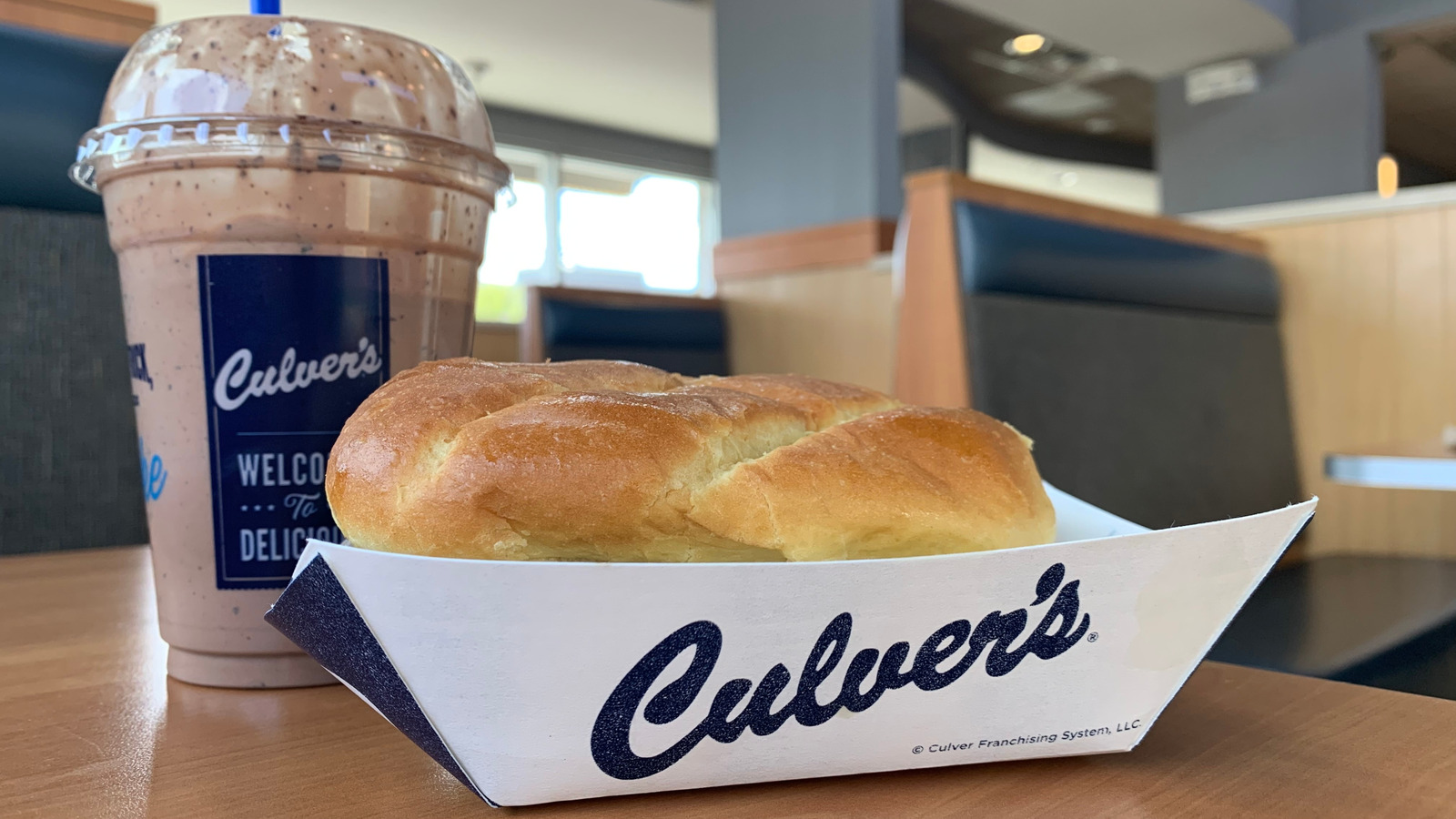
Culver’s may be a burger place, but its cod dinners and sandwiches are delicious. You may be wondering where Culver’s sources this tasty protein from.
Mashed – Fast Food, Celebrity Chefs, Grocery, Reviews
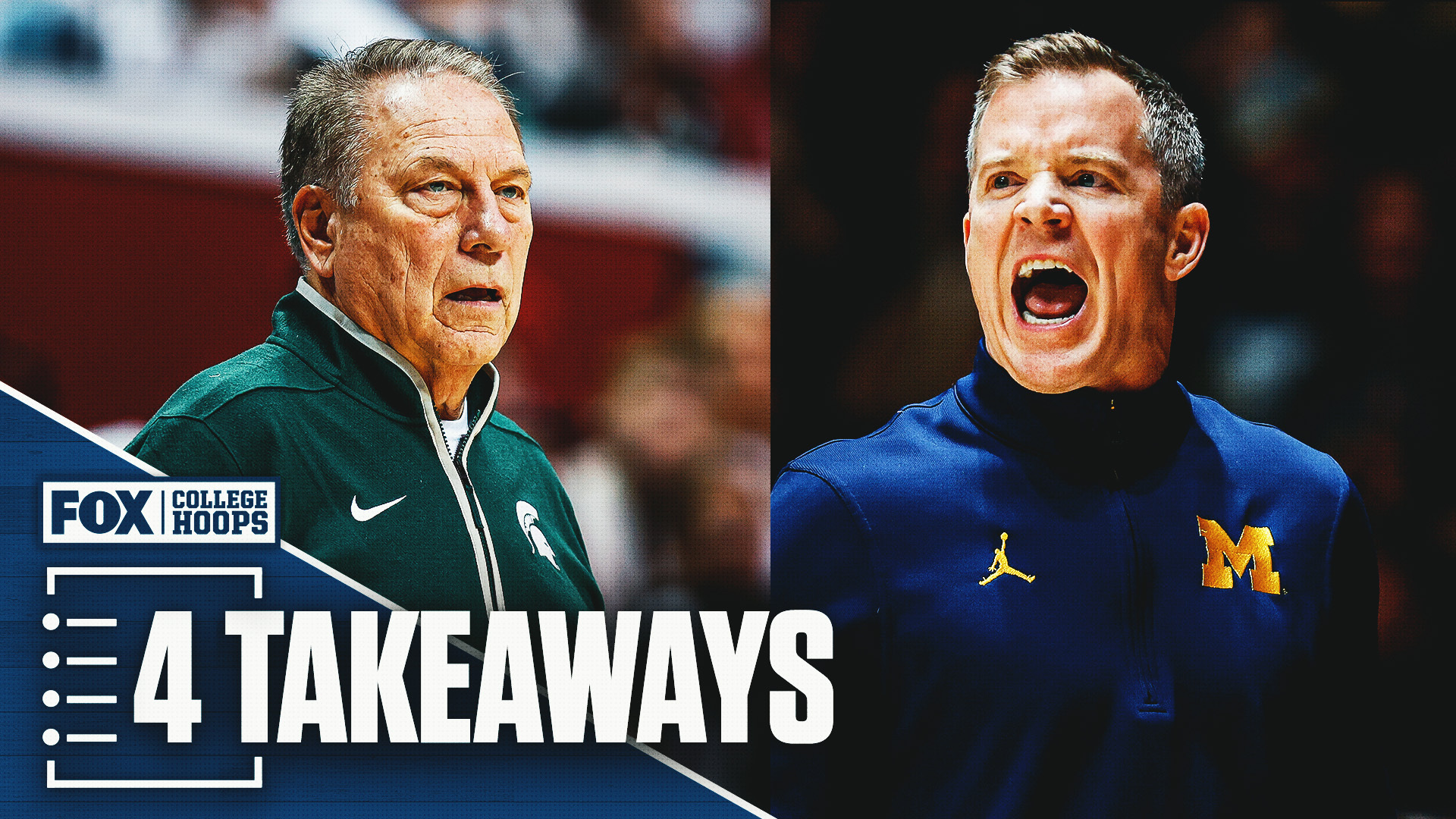
An unmistakable swell of noise began to reverberate around Crisler Center with a little over a minute remaining on Sunday afternoon, the legions of Michigan faithful understanding that another iteration of the rivalry with Michigan State was about to go their way. The Wolverines’ lead swelled to seven before the last-ditch foul fest began. They added 11 more points from the free-throw line to ensure that nothing about the waning moments invited doubt. And when Michigan star Yaxel Lendeborg got subbed with 54.5 seconds remaining — having already poured in a game-high 27 points, his second-highest scoring output of the season — he lifted his jersey toward the adoring crowd and screamed in delight. Everything about the conclusion of the Wolverines’ eventual 90-80 victory that pushed their record to an incredible 28-2 overall and 19-1 in the Big Ten would feel oh, so sweet. Here are my takeaways: 1. Dusty May and Michigan have seized control of the in-state rivalry With an 83-71 win over the seventh-ranked Spartans on Jan. 30, coupled with Sunday’s victory in which Michigan never trailed over the final 12 minutes, the Wolverines might finally be turning the tide of a rivalry that has favored Michigan State for the entirety of the 21st century. Led by Hall-of-Fame coach Tom Izzo, whose tenure in East Lansing has now spanned the careers of six counterparts at Michigan — from Steve Fisher and Brian Ellerbe, to Tommy Amaker and John Beilein, to Juwan Howard and Dusty May — the Spartans largely owned their maize and blue neighbors. Michigan State entered this weekend having won 33 of the last 50 games against the Wolverines and hadn’t endured a multi-game, regular-season sweep by Michigan since the 2013-14 campaign, a streak that is now over. Even Beilein, who is among the candidates for greatest coach in program history, finished with a 9-14 record against Izzo. Though Michigan State won both of last year’s meetings, the offseason brought what felt like a potential changing of the tide. May and the Wolverines dominated the transfer portal by luring stars like Lendeborg, Morez Johnson Jr. and Aday Mara to the program, all of whom are potential first-round picks in the 2026 NBA Draft. Michigan was reportedly among the rarified air of college basketball’s $10 million club — a small collection of teams with the highest-priced rosters in the sport. May and his staff embodied the modern approach. Fast-forward to the present and Michigan is unquestionably among the best three or four teams in the country, entrenched as a No. 1 seed in the NCAA Tournament thanks to a dominant regular season that was the best in program history. The Wolverines had more size than Michigan State, more speed, more athleticism, more depth and more high-end talent. In some respects, it’s a credit to Izzo that both matchups finished as closely as they did considering just how brutally Michigan dismembered most of its Big Ten foes. Fans can spend the next few months contemplating if this represents a legitimate changing of the in-state guard. 2. Yaxel Lendeborg’s perimeter shooting is vital for Michigan without L.J. Cason When backup point guard L.J. Cason suffered a torn ACL during Michigan’s victory over then-No. 10 Illinois last month, the Wolverines lost their most potent perimeter shooter off the bench. Cason, who originally committed to May at Florida Atlantic before flipping to Michigan, was shooting a team-best 40.2% from beyond the arc among players with at least 20 attempts. He’d made at least two 3s in 10 different games, including a season-high four triples during a victory over Minnesota on Feb. 24 that clinched at least a share of the Big Ten title for the Wolverines. Without Cason’s scoring punch and perimeter potency, the inconsistent 3-point shooting from Lendeborg, the presumptive Big Ten Player of the Year, comes under an even more intense microscope. Lendeborg entered the game with Michigan State having attempted 4.4 triples per game, though he was only making 32.1% of them. He endured a particularly unsightly stretch from Dec. 21 through Feb. 11 — 14 games — in which he only made nine of 50 attempts, a lowly 18% clip. What Lendeborg did on Sunday, making five of his six attempts from beyond the arc and eight of 12 shots overall, is exactly what Michigan will need sans Cason in the postseason. It marked the third consecutive outing and sixth game in the last seven when Lendeborg buried at least two 3-pointers. He exceeded 20 points for just the third time since Dec. 13. 3. Bench production remains concerning for Michigan State as the postseason nears The game was tied 61-61 with 11:01 remaining when the disparity in bench production between Michigan State and Michigan reared its ugly head. In that moment, the Spartans had only manufactured six bench points, all of which were scored by backup guard Kur Teng on perimeter jumpers. His fellow reserves on head coach Tom Izzo’s bench — Cam Ward, Denham Wojcik and Jesse McCulloch — had combined for zero points on 0-for-2 shooting. In some respects, this is a narrative that has followed Michigan State all season, considering the Spartans rank 171st nationally in bench points at 21.7 per game. It was clear that Izzo’s core four of Jeremy Fears Jr. (22 points), Jaxon Kohler (23 points), Carson Cooper (19 points) and Coen Carr (six points) could largely be counted on for consistent production night in and night out. But any contributions from the other Spartans were flickering at best and absent at worst — even as the calendar turned to March. The difference between Michigan State’s uncertainty and the firepower at May’s disposal quickly became apparent down the stretch. Over the ensuing four minutes, Michigan surged in front courtesy of a 10-3 spurt in which every point was supplied by someone off the bench. Roddy Gayle Jr. (15 points) sliced down the right side of the lane for a short bucket. Trey McKenney (12 points) buried two 3-pointers and added two free throws in between. And suddenly, in what felt like a flash, the Wolverines built a three-possession lead that they never surrendered. Nobody from the Spartans’ bench contributed another field goal. By game’s end, Michigan had finished plus-21 in bench points. 4. Physicality and extracurricular activity contribute to sloppy start [Jeremy Fears T’d Up For Kick Toward Groin] During an early media timeout, May paused for a sideline interview in which he was asked about the “chippy-ness” that marred the opening 10 minutes on Sunday afternoon. May, who hardly minces words, told the reporter that he hoped an actual game of basketball would break out at some point — a stark contrast to the veritable wrestling match he’d witnessed thus far. By then, Fears had been assessed a technical foul at the 14:24 mark for kicking his right leg backward into the groin of counterpart Elliott Cadeau. It marked the second time in as many rivalry games against Michigan that Fears, who leads the nation with 9.1 assists per game, was embroiled in controversy. His aggressive hacking of Lendeborg on a fast break drew an intentional foul during the first matchup between these teams. He also made an identical kick-back move into the groin of Minnesota’s Langston Reynolds earlier this season. A sign in the Michigan student section read “Jeremy Fears DPOY — Dirtiest Player of the Year.” There were additional technical fouls doled out to Mara for shoving an opponent while battling for an offensive rebound and to McKenney for slapping the ball away during an attempted in-bounds pass by the Spartans. The referees seemed to visit the monitor every few minutes for a video review, with both coaching staffs appealing for flagrant fouls at one point or another. When the hubbub and hostility finally settled, there had been nine fouls called on Michigan State and eight on Michigan in the opening half. The Wolverines enjoyed a plus-four advantage in free-throw attempts and made all 12 shots they took from the line. A corner 3 by Nimari Burnett with 15 seconds remaining gave May’s team a one-point lead at the break. 4½. What’s next? There wasn’t much at stake for Michigan beyond fierce, in-state pride for Sunday’s finale. The Wolverines had already secured the outright Big Ten regular season title by defeating then-No. 10 Illinois on Feb. 27 — which assured them of the No. 1 seed in this year’s conference tournament — and they’ve already assembled a résumé strong enough to land on the top line of the NCAA Tournament bracket. Still underway, however, is their back-and-forth battle with top-ranked Duke to be the No. 1 overall seed come Selection Sunday. A head-to-head loss to the Blue Devils last month dims Michigan’s chances unless Duke stumbles during the ACC Tournament this week. For Michigan State, though, the scenarios were more nuanced. Izzo and his team knew they would enter the conference tournament no worse than the No. 3 seed, but the Spartans still had multiple paths toward earning the No. 2 seed based on what unfolded at Crisler Center and in several other games around the league. But a victory by No. 9 Nebraska over Iowa on Sunday evening allowed the Cornhuskers to leapfrog Michigan State in the pecking order. Izzo’s team will be the 3-seed in the Big Ten Tournament.Latest Sports News from FOX Sports
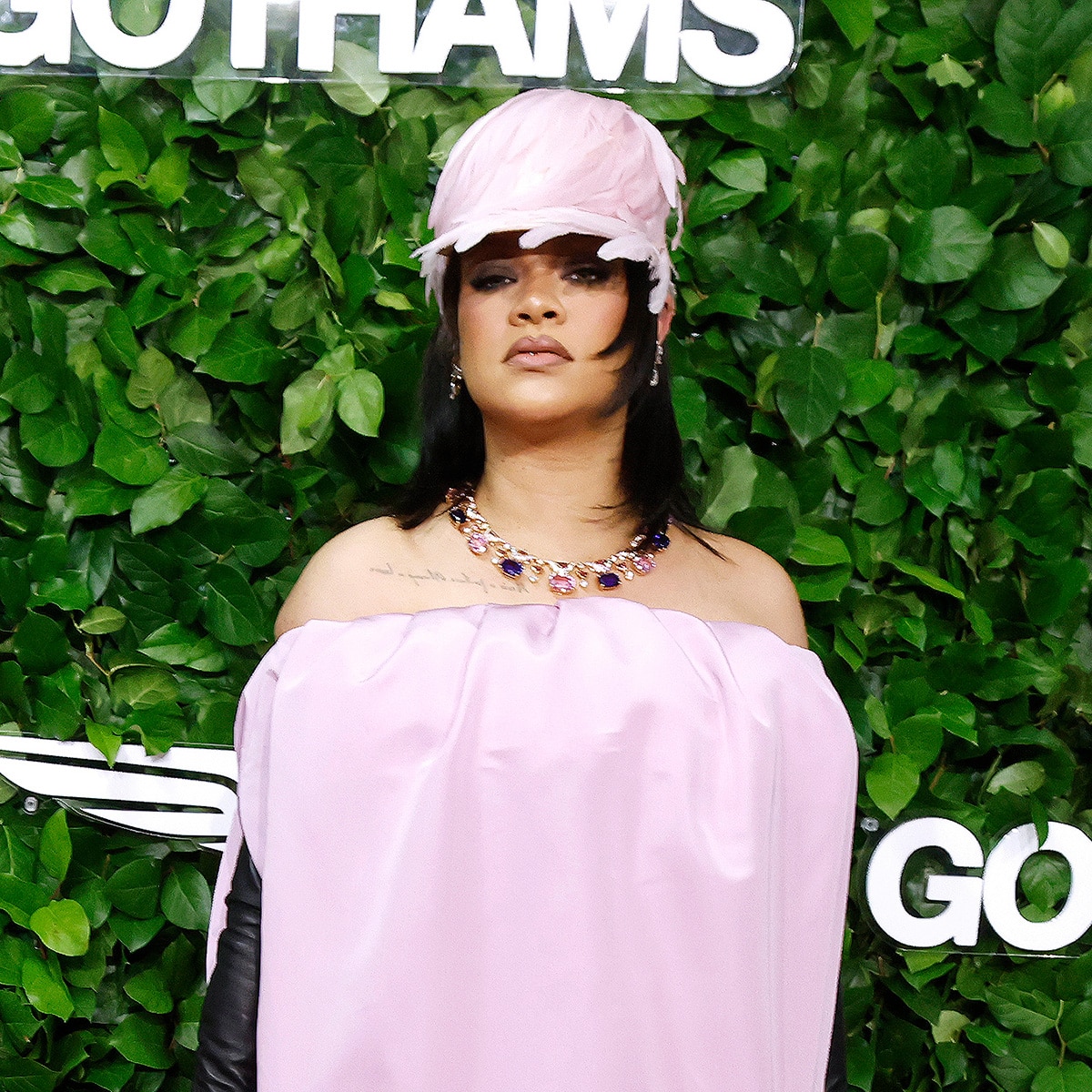
 Rihanna is safe after a shooting at her Los Angeles home.
A 30-year-old woman was arrested after March 8 after firing multiple shots from inside her vehicle toward Rihanna’s house in Beverly Hills…
E! Online (US) – Top Stories
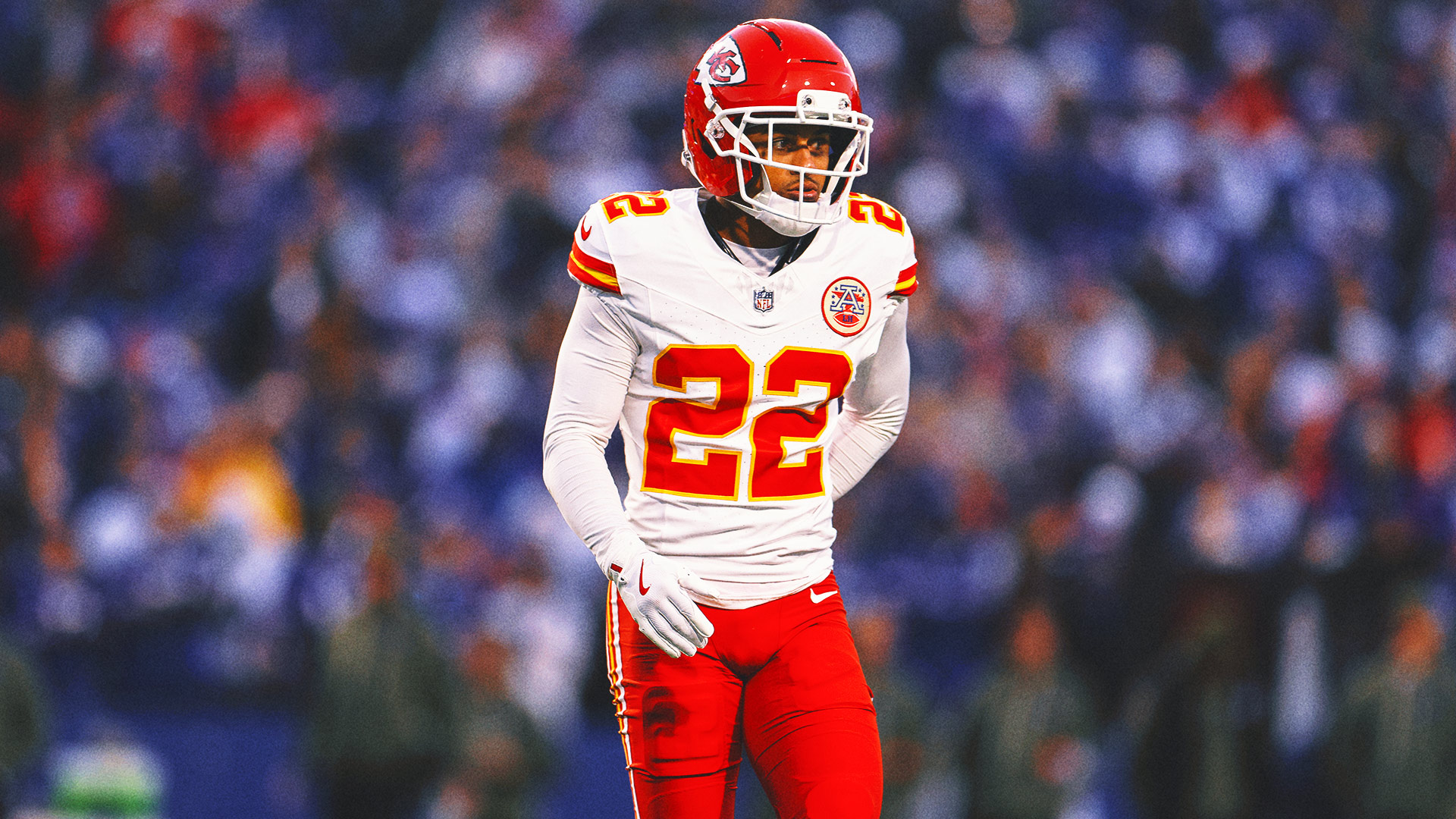
It didn’t take long for star cornerback Trent McDuffie and the Los Angeles Rams to come to terms on an extension agreement. Just four days after agreeing to a trade for McDuffie, the Rams and the cornerback have agreed to a four-year, $124 million extension with $100 million guaranteed, ESPN reported Sunday. The deal will make McDuffie the highest-paid cornerback in NFL history, setting the records for total value, guaranteed money and average annual value for a cornerback contract. The $31 million average annual value of McDuffie’s contract eclipses the $30.1 million average annual value of Indianapolis Colts star Sauce Gardner’s contract. Gardner also previously had the richest contract for a cornerback in terms of total value ($120.4 million), while Houston Texans star Derek Stingley Jr. previously had the most guaranteed money for a cornerback ($89.02 million). [Trent McDuffie Trade Grades: F Them Picks 2.0? Rams Rightly Bring Back Mantra] The Rams agreed to trade for McDuffie from the Kansas City Chiefs on Wednesday, giving up four draft picks in order to get the deal done. One of those picks was Los Angeles’ first-round pick in the 2026 NFL Draft (No. 29 overall). It also gave up its third-round pick in the 2027 NFL Draft. However, the Rams still hold a first-round selection in the 2026 draft, owning the 13th overall pick, thanks to a trade they made with the Atlanta Falcons last offseason. McDuffie, 25, has been one of the NFL’s top cornerbacks since the Chiefs selected him in the first round of the 2022 NFL Draft. He helped Kansas City win back-to-back Super Bowls in his first two seasons and is a two-time All-Pro. However, McDuffie was entering the final season of his rookie contract and hadn’t signed an extension. As a result, some speculated that he would be a trade candidate this offseason, especially as Kansas City looks to reshape its roster following its disappointing 6-11 season. McDuffie was among those impacted in the Chiefs’ down season. He missed five games due to a knee injury. He was still productive, though, allowing 37 receptions on 55 targets for just 342 yards and three touchdowns this past season, per Pro Football Focus. McDuffie has allowed just 6.6 yards per attempt when targeted in coverage over his career as well, per PFF. McDuffie should be a major boost to a Rams secondary that was largely mediocre in 2025, and arguably the biggest reason why they fell short of winning a Super Bowl. The Rams ranked 19th in passing defense, and allowed Seattle Seahawks quarterback Sam Darnold to throw for 346 yards in the NFC Championship Game. Even though the Rams and McDuffie agreed to an extension on Sunday, the trade still can’t be made official until the start of the new league year on Wednesday.Latest Sports News from FOX Sports