Post Content








Post Content
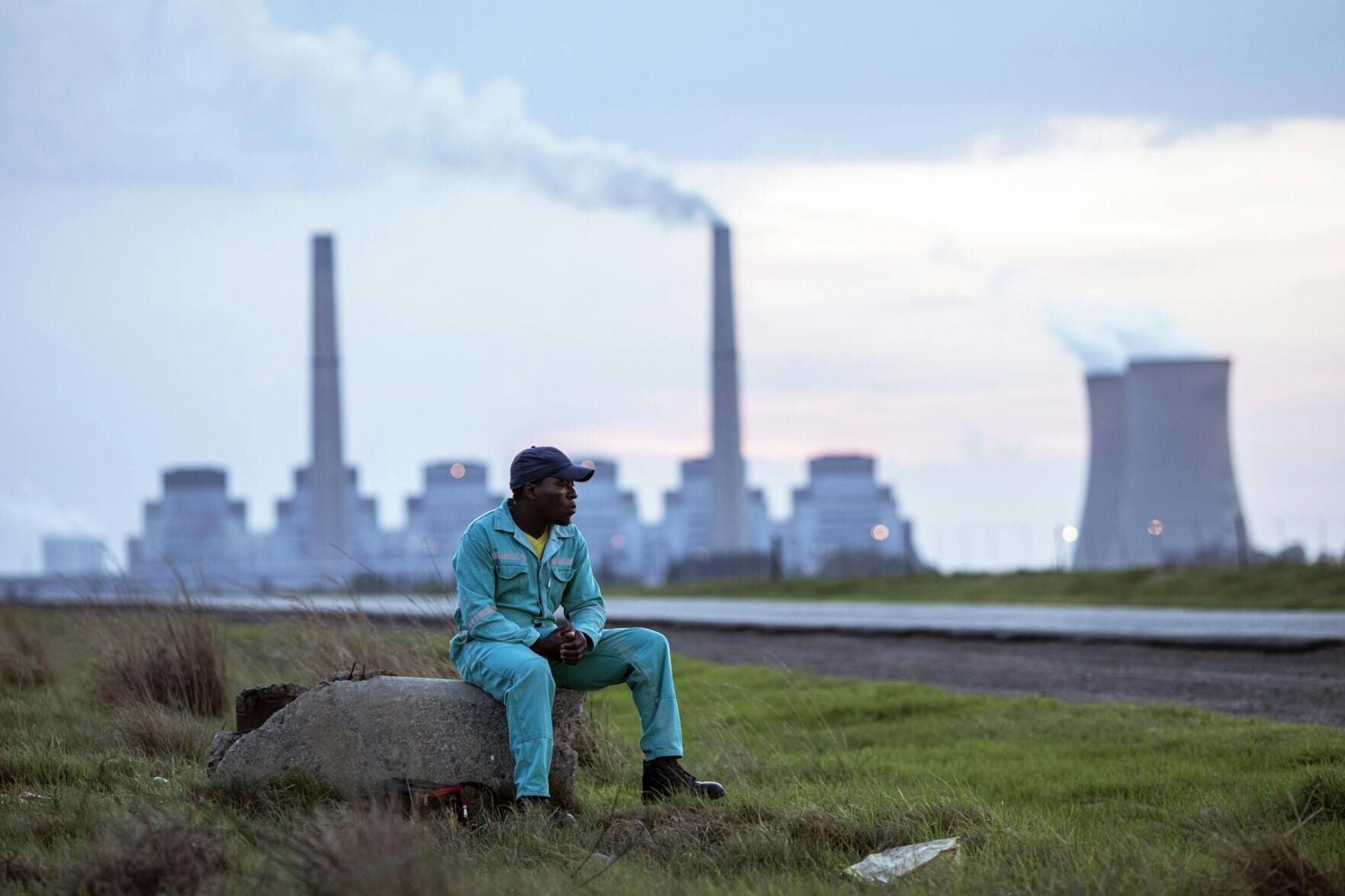
A new study compared power plants’ carbon emissions and found government-owned plants’ emissions were much higher and less responsive to climate policies.
Post Content
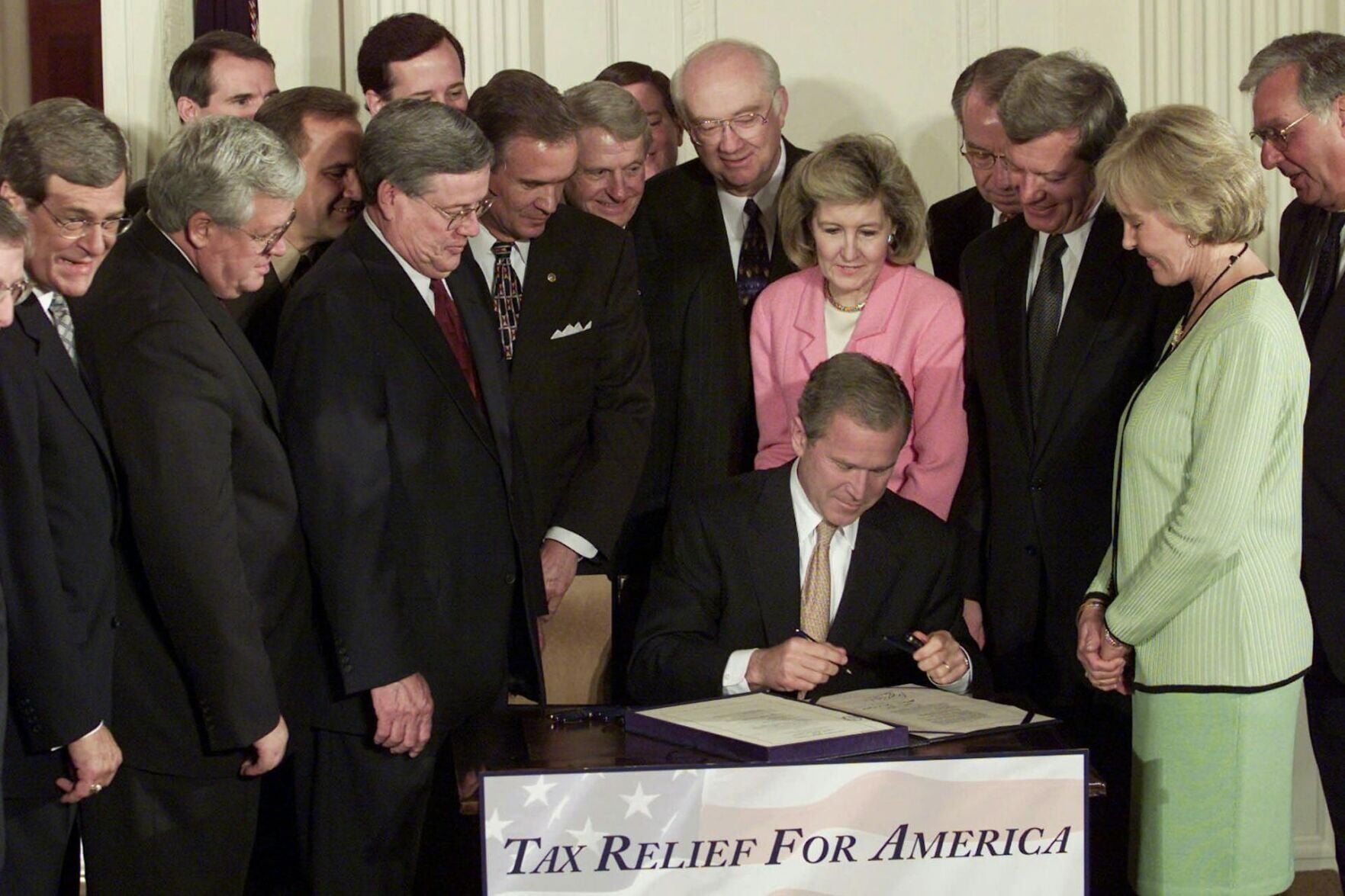
National debt now equals the size of the US economy.
Post Content
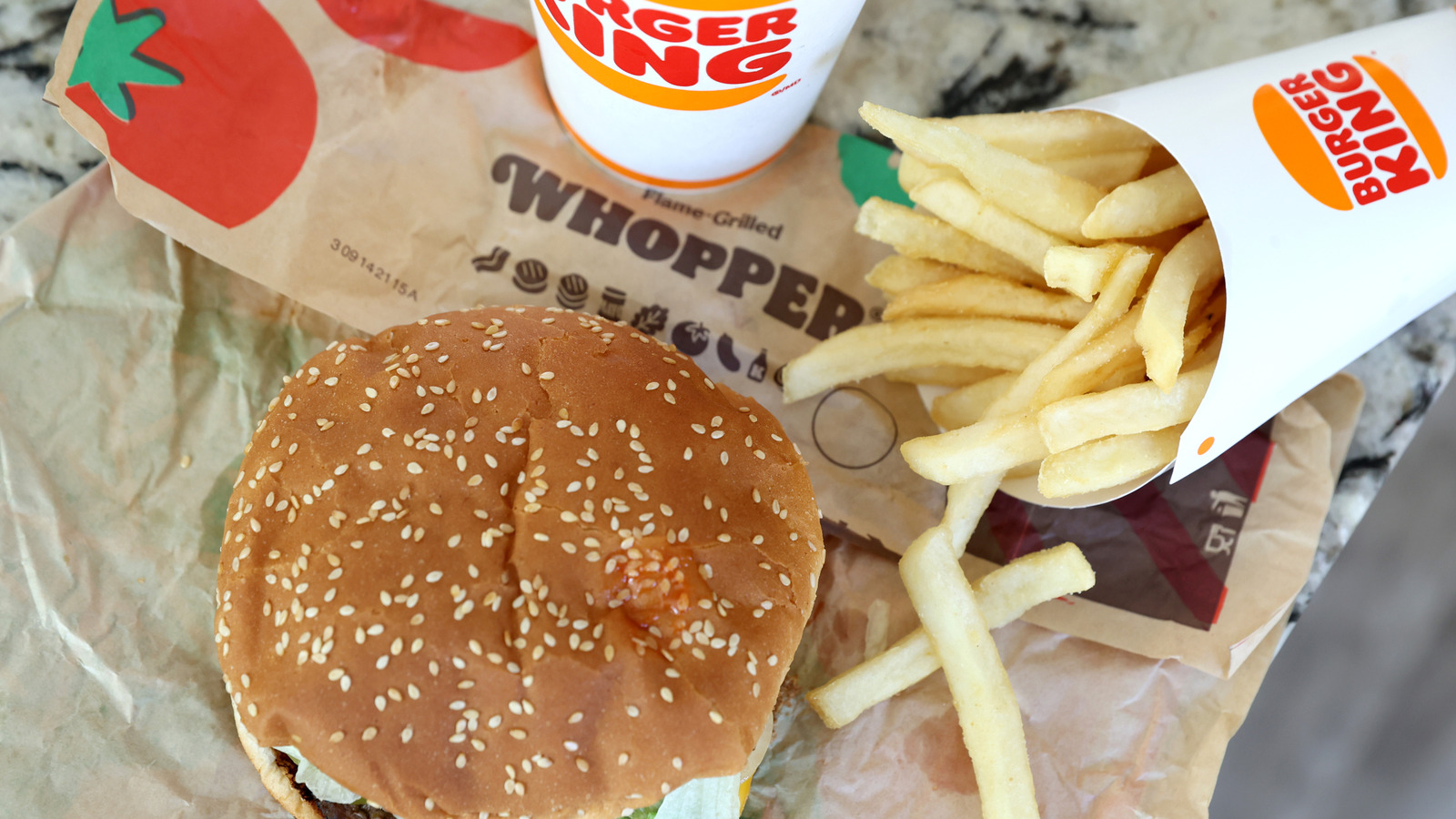
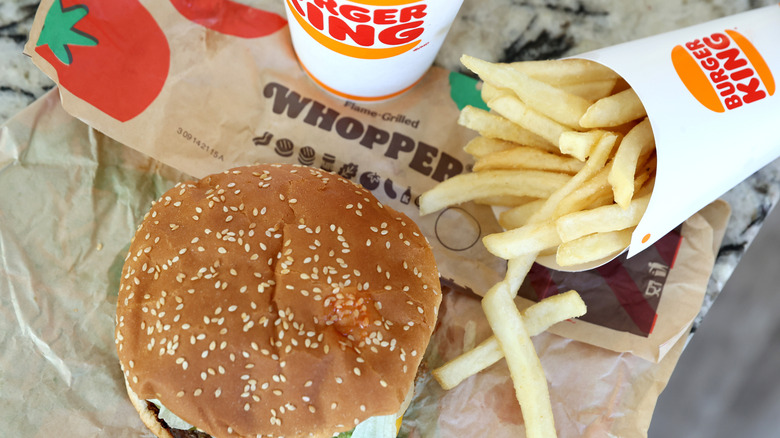
At the suggestion of its loyal customers, BK debuted a twist on a classic sandwich in 2026, and it got rave reviews. See which burger had people talking!
Mashed – Fast Food, Celebrity Chefs, Grocery, Reviews

Costco’s bakery is a veritable trove of bulk items at low prices, but are all they worth your money? We tried a variety of baked goods to find out.

Food Republic – Restaurants, Reviews, Recipes, Cooking Tips

Checking in from sunny Los Angeles today as I’m out on the West Coast for a couple days swinging by the Big Ten schools here in town (yes, that is still weird to write). Last weekend’s loaded college football slate lived up to every bit of the billing, while the off-the-field storylines are picking up once more. Let’s get into the news of the week when it comes to college sports. This time, men’s hoops. The Main Event: Why Tennessee Is A College Sports Labor Proving Ground Danny White hasn’t exactly minced words. In a world where most administrators would rather play coy or whisper into their local columnist’s ears, White has been adamant that college sports’ future is simple: Collective bargaining. Tennessee is doing just that. The school, in conjunction with players organization Athletes.org (AO), released a proposed model collective bargain agreement (CBA) term sheet that was developed through conversations between Tennessee men’s basketball player representatives, AO and university leadership. The men’s basketball team elected graduate student guard Tyler Lundblade, junior guard Campbell Duncan and sophomore forward DeWayne Brown II as player representatives in the discussions. To be clear, the term sheet is not signed or ratified, but was created to offer proof of concept for those within the college athletics industry who have downplayed the possibility of collectively bargaining with athletes. “I told [the team], ‘Guys, this won’t apply to your time as an athlete. It could be a good learning experience for you to understand how all this works, trying to get to the NBA or the NFL, and that’s how those leagues are structured,’” White told me. “It’s a way to pay it forward to future generations of college athletes to have a structure that is more transparent and everyone understands the rules of engagement.” The agreement released on Tuesday includes a slew of measures that a CBA at the professional level might address. Those high-level features include: “The purpose of this was to prove all the people who say that that’s impossible in college sports and the college athletes don’t care, they’re not mature enough, etc., that they’re wrong,” AO Executive Director Brandon Copeland told me. “When people see it and look at it, they’ll also recognize the amount of work and detail that went into it. “This is a much better foundation for college sports going forward, and not a patchwork or band-aid. … There is a way for the athletes to actually negotiate the terms in a way that everybody can feel like they won.” A similar agreement is in the works with the Volunteers football program, while the sentiment is that the document released on Tuesday wouldn’t immediately go into effect or be signed given it could potentially create recruiting disadvantages if other schools operated under different rules. That said, it does mark a notable shift and symbolic effort as college sports grapple with the crossroads between classifying athletes as employees or finding a different kind of designation to account for the millions of dollars flowing into the industry. Administrators and leagues have long opposed the designation of athletes as employees given the varying complications doing so might have from a university infrastructure perspective, among other fears from administrators. The Protect College Sports Act has been the single most crucial piece of legislation designed to help curb the lack of broader rules and regulations in the industry. The bill has already passed the Senate but faces long odds of passage in the House given the Democratic control that is coming in January. The PCSA is also notably neutral on the subject of employment — a stance reiterated in an interview I conducted with bill author Maria Cantwell in June. “It’s probably a myriad of things, but we have built flexibility by putting rules and tools in place to help get more revenue and guarantee athletes their due,” Cantwell said at the time. “We’re also saying, ‘This helps stabilize the system for now, while you consider these questions for the future.’” Tennessee’s efforts with its men’s basketball program certainly doesn’t change the fact that widespread college sports bargaining is an enormous task, while the actual bargaining unit isn’t totally clear. However, it at least provides some level of a road map for how schools might approach creating a more lasting structure for their relationships with athletes moving forward. “There’s really only two options: it’s a CBA or it’s federal legislation that gives us a blanket antitrust exemption,” White said. “… The PCSA is the closest we have gotten, but it does not solve all the issues of college sports. I think everyone knows that. All along there’s been a path for us to solve it ourselves. ” … Contrary to what some have said — that it’s impossible — it’s not impossible. It’s just hard and complex. But we haven’t even started working on it as an industry yet. We really need to do that.” Best Quote I Saw This Week Kyle Whittingham is really just having a bad time, isn’t he? Speaking with reporters after the latest debacle of his first season in Ann Arbor — a loss to downtrodden Michigan State — Whittingham rhetorically asked a question that will surely send the message boards in town into a tizzy: “I don’t know, are there any more trophies in these last three games? I don’t think there’s any more…” Just about nothing outside of the defense has gone right for Whittingham this year. Seemingly forgetting that Michigan and Ohio State, err, well, play for something in the final game isn’t a great look and is sure to stoke the flames around the program further than they already have been. Best Deal I Saw This Week College football sponsorships, they’re in the game — finally. EA Sports announced on Thursday that it would begin integrating the sponsorships schools have signed into the latest version of its college football video game, beginning with Arkansas and SMU. Arkansas (Tyson Foods) and SMU (Texas Capital) will now have their respective jersey patches featured in the game, while other schools are sure to be added soon. The program is being headed up by CLC — the licensing arm of Learfield that has been intimately involved in onboarding athletes into the new wave of EA college football games in recent years.Latest Sports News from FOX Sports

 Miranda Hope is moving forward.
Two years after the Secret Lives of Mormon Wives star broke up with Chase McWhorter following seven years of marriage, she has filed for divorce, according to court…
E! Online (US) – Top Stories
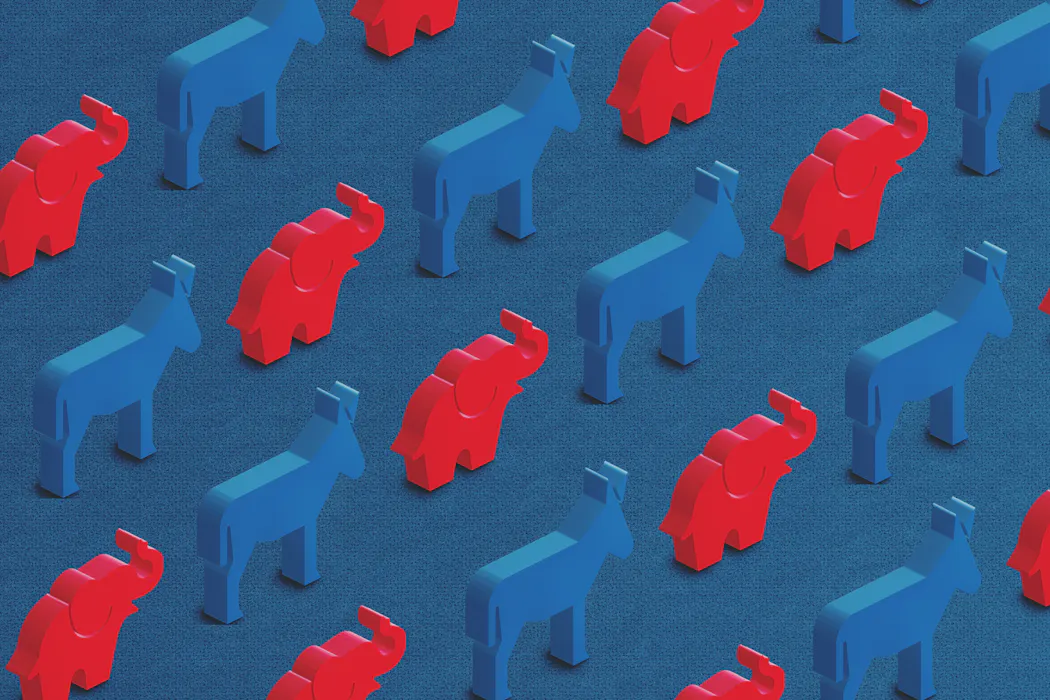
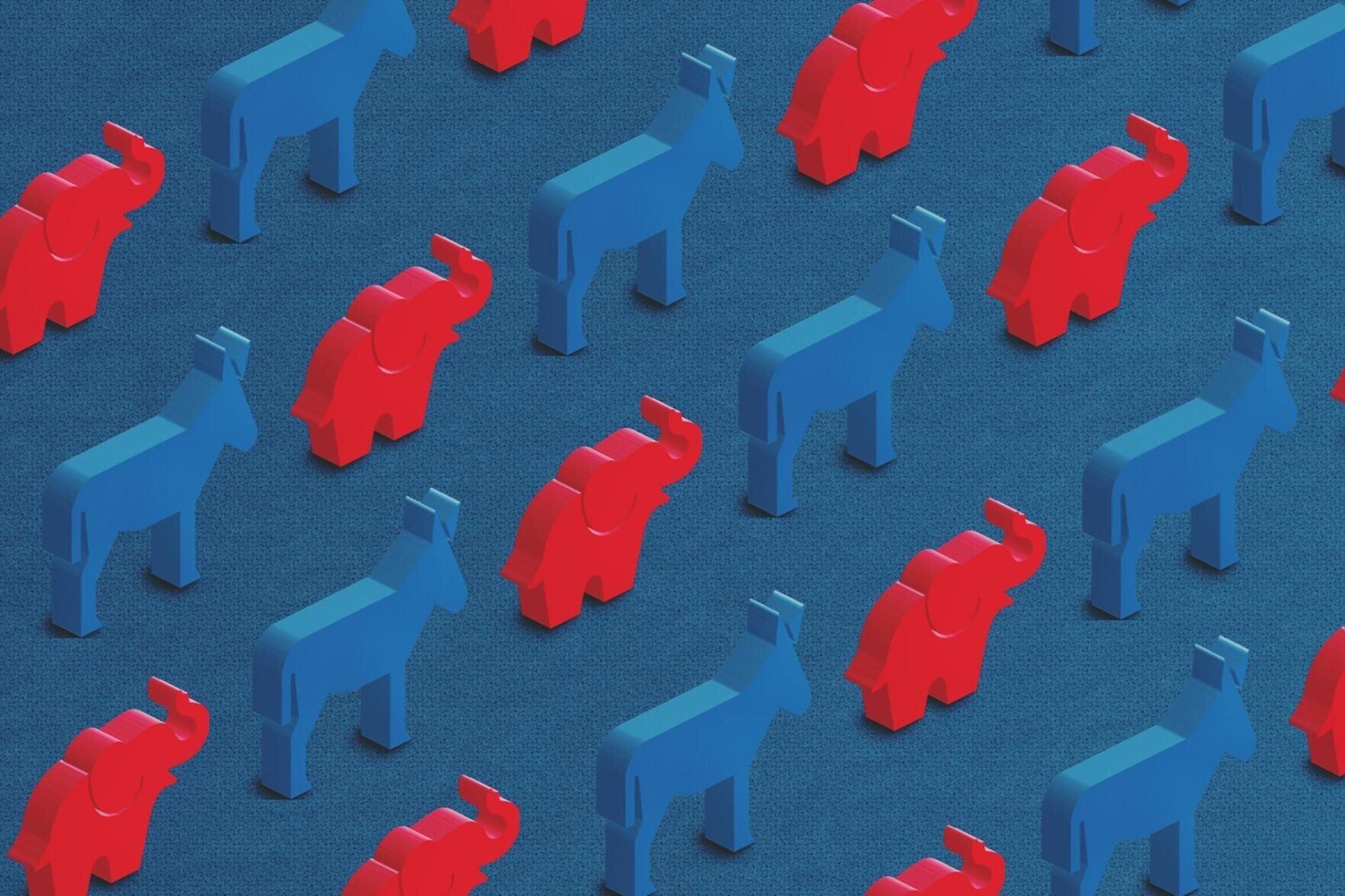
In most races in the midterm elections on Nov. 3, 2026, Americans had only two realistic choices: Democrats and Republicans.
As a scholar of parties and elections, I am often asked why the U.S. has only two major parties, while other democracies offer voters three, four or even five choices. The U.S. system looks weird compared to those, but that isn’t necessarily a bad thing.
The two “umbrella” Democratic and Republican parties mask many underlying differences in political preferences, but this large and fluid two-party system may represent voters at least as well as Canada and the United Kingdom do. Those countries elect members of their lower legislative house in the same way as the U.S., but, as my research suggests, their additional parties can distort representation.
An electoral system is the set of rules that determine how votes translate into elected representatives. The U.S. uses what’s called a single-member district plurality, or an SMD-p system, which means each district elects only one representative, and whoever gets the most votes wins.
This “winner-take-all” system is different from proportional representation, the electoral system used by most other democracies. In that system, several representatives are elected in each district, and a party’s share of seats roughly matches its share of the vote – for example, a party winning 40% of the votes would get around 40% of the seats.
SMD-p systems encourage stiff competition between two parties in each district. Because the system gives losing parties nothing, it discourages voters from supporting third parties that have no chance of winning. There is no rule against having more than two parties, but why vote for a party that is sure to lose? With only one possible winner in each district, there are typically only two real competitors.
There are many possible reasons the U.S. does not have a viable third party. The presidency pushes politicians to run under one of the major labels, and state ballot access laws make it harder for minor-party candidates to get on the ballot.
Another reason is the nature of the two parties themselves.
As “umbrella” parties, the Democrats and Republicans mask underlying differences in political preferences. For example, the Pew Research Center identifies nine ideological subtypes of American voters, including Faith First Conservatives, Pragmatic and Polite Right, Loyal Liberals and Leftward Progressives.
In a different country, with different electoral rules, these nine groups could form multiple political parties. In the U.S., they must choose between Republicans and Democrats. Democrats, for example, unite what Pew calls the Order and Opportunity Left, the Left-Out Left, the Loyal Liberals and the Leftward Progressives.
The same umbrella effect shows up in Congress.
Congressional Democrats and Republicans have typically had lower levels of party unity – the extent to which party members vote the same way on legislation – than their European counterparts. This lack of unity is often viewed negatively. In the 1950s, a group of political scientists representing the American Political Science Association, frustrated with how fluid the parties’ positions could be, called for more unified ones that would provide voters with clear and consistent options.
But low unity has an upside: It gives politicians the flexibility to represent their own voters, even when those voters disagree with the rest of the party.
So why not add another party or two to the American system?
One metric political scientists use to evaluate representation is electoral disproportionality: the gap between parties’ vote shares and their seat shares.
The U.S. electoral system is one of the most disproportional that democracies use, since only the district winner is represented. But that disproportionality rarely shows up when only two parties compete.
On the other hand, other democracies using the same kind of electoral system as the U.S., such as Canada and the U.K., have several parties competing, which sometimes poses problems for good representation.
One example of this was the U.K.’s 2024 general election, which produced some of the most disproportional results in British history. Multiparty competition allowed the Labour Party to win more than 63% of the seats in the House of Commons with less than 34% of the vote. Meanwhile, Reform UK received 14% of the vote and won less than 1% of seats.
How can this happen?
Imagine a country with 10 districts, each electing one legislator. Only two parties run: the Purple Party and the Yellow Party.
The Purple Party wins six districts and Yellow wins four. Purple gets about 56% of the vote and takes 60% of the seats. Yellow gets about 44% of the vote and takes 40% of the seats. In each case, the gap between vote share and seat share is about 4 points. That is considered the measure of disproportionality.
Now imagine a third party, the Green Party, enters the race. It wins 30% of the vote in each district, taking more votes from the Purple Party than from Yellow. That costs Purple any districts it had previously won narrowly. Now, Yellow wins six districts and Purple wins four.
Three things happen when the third party enters the race.
First, the winning party changes. Now, the Yellow Party wins a majority of seats – 60% – with just over a third of the vote.
Second, despite receiving 30% of the vote across all districts, and often coming in second place, the Green Party does not win any seats at all.
Third, disproportionality increases from 4 points to 28. Only Purple, with 40% of the seats on just under 36% of the vote, comes close to proportionality.
Adding a third party flips the winning party from one to the other and increases disproportionality, and this all happens without that third party winning a single seat.
My research suggests that in countries using the SMD-p system, growing support for third parties has increased disproportionality, sometimes dramatically. The U.S. is the exception: Its two-party system keeps disproportionality low, often even lower than in countries that use proportional representation.
The large and fluid two-party system in the U.S. may represent voters at least as well as systems with viable third parties. The only way out without further distorting representation would be to change the electoral system to some version of proportional representation. Nothing in the Constitution prevents that.
Americans have valid complaints about their parties, and there are ways to address them. But simply adding more parties to the mix is unlikely to solve anything.

Robin E. Best does not work for, consult, own shares in or receive funding from any company or organization that would benefit from this article, and has disclosed no relevant affiliations beyond their academic appointment.
Politics + Society – The Conversation