Stephens volleyball went 2-for-2 today, sweeping both Central Baptist University and University of Health Sciences and Pharmacy.










Stephens volleyball went 2-for-2 today, sweeping both Central Baptist University and University of Health Sciences and Pharmacy.

 Kim Kardashian is owning the spot-light.
Indeed, the Kardashians star turned the red carpet into a cat-walk by wearing a body-hugging leopard-print gown while attending the All’s Fair season two…
E! Online (US) – Top Stories
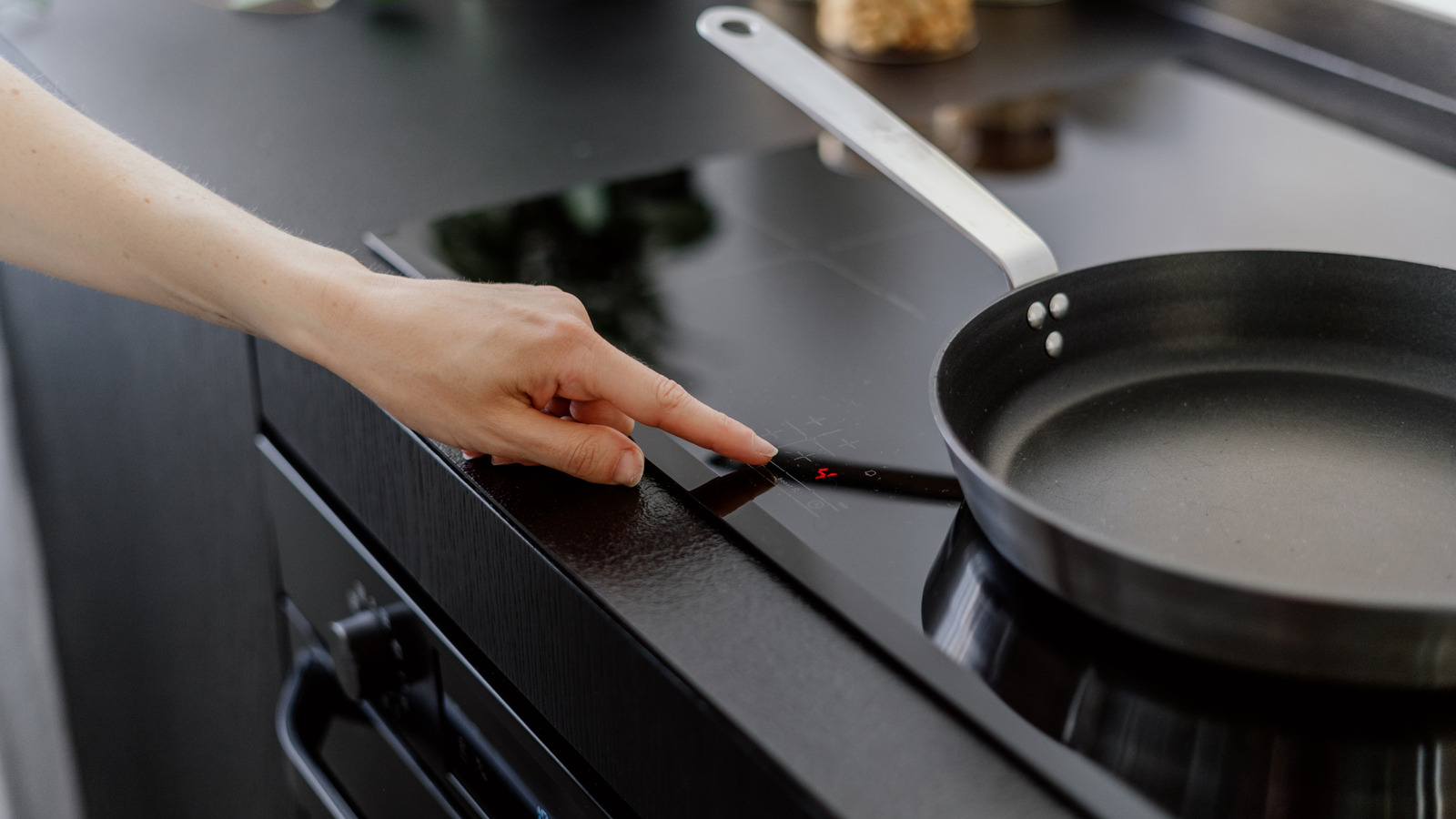
If you have an induction range, you may be worried about how cast iron will treat your glass stovetop, but these tips will help you get the most out of both.
Mashed – Fast Food, Celebrity Chefs, Grocery, Reviews
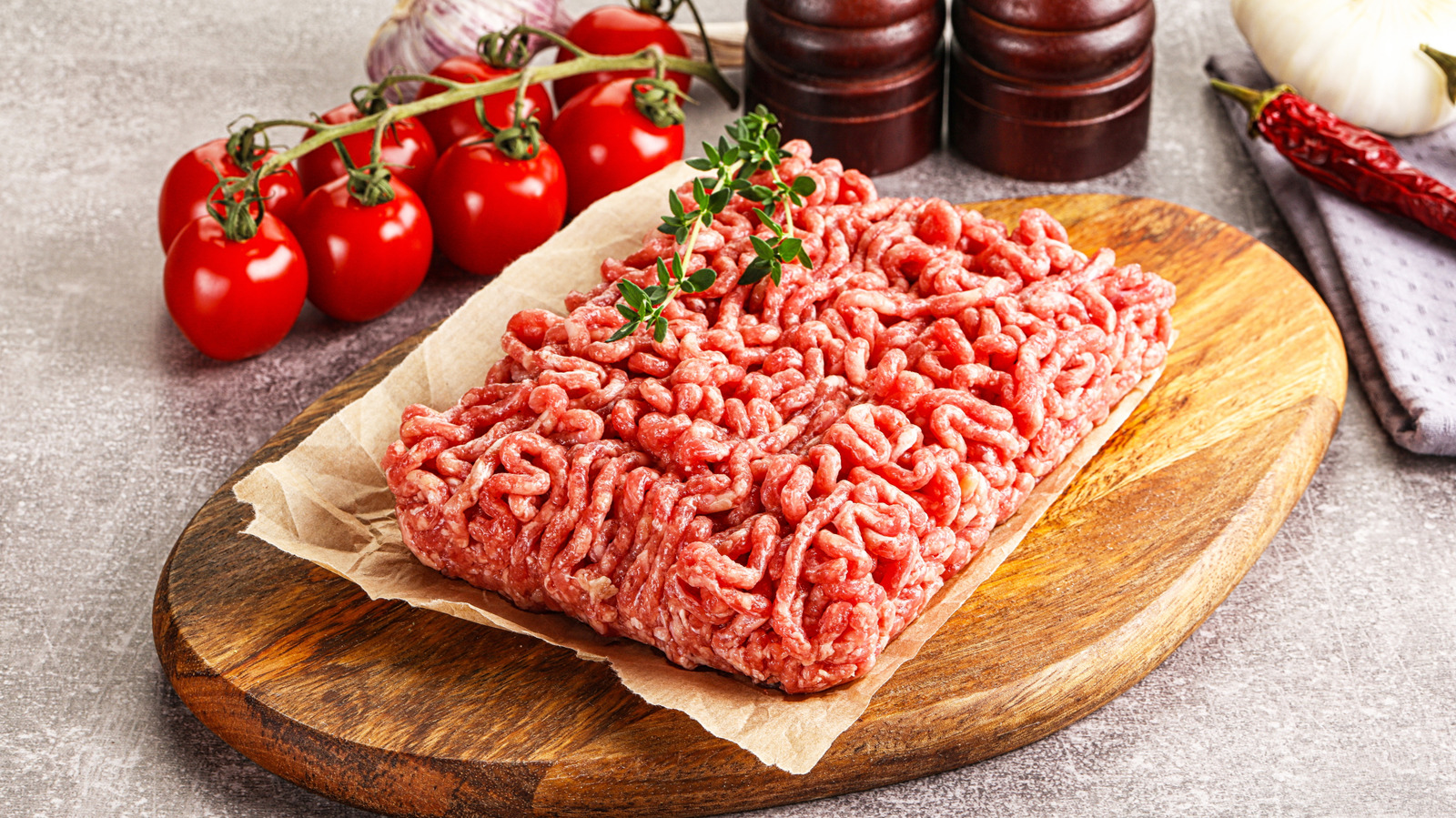
This British comfort meal is beefy, starchy, and perfect for a cozy night in – but you can upgrade it with one boxed staple for extra creaminess and texture.
Food Republic – Restaurants, Reviews, Recipes, Cooking Tips
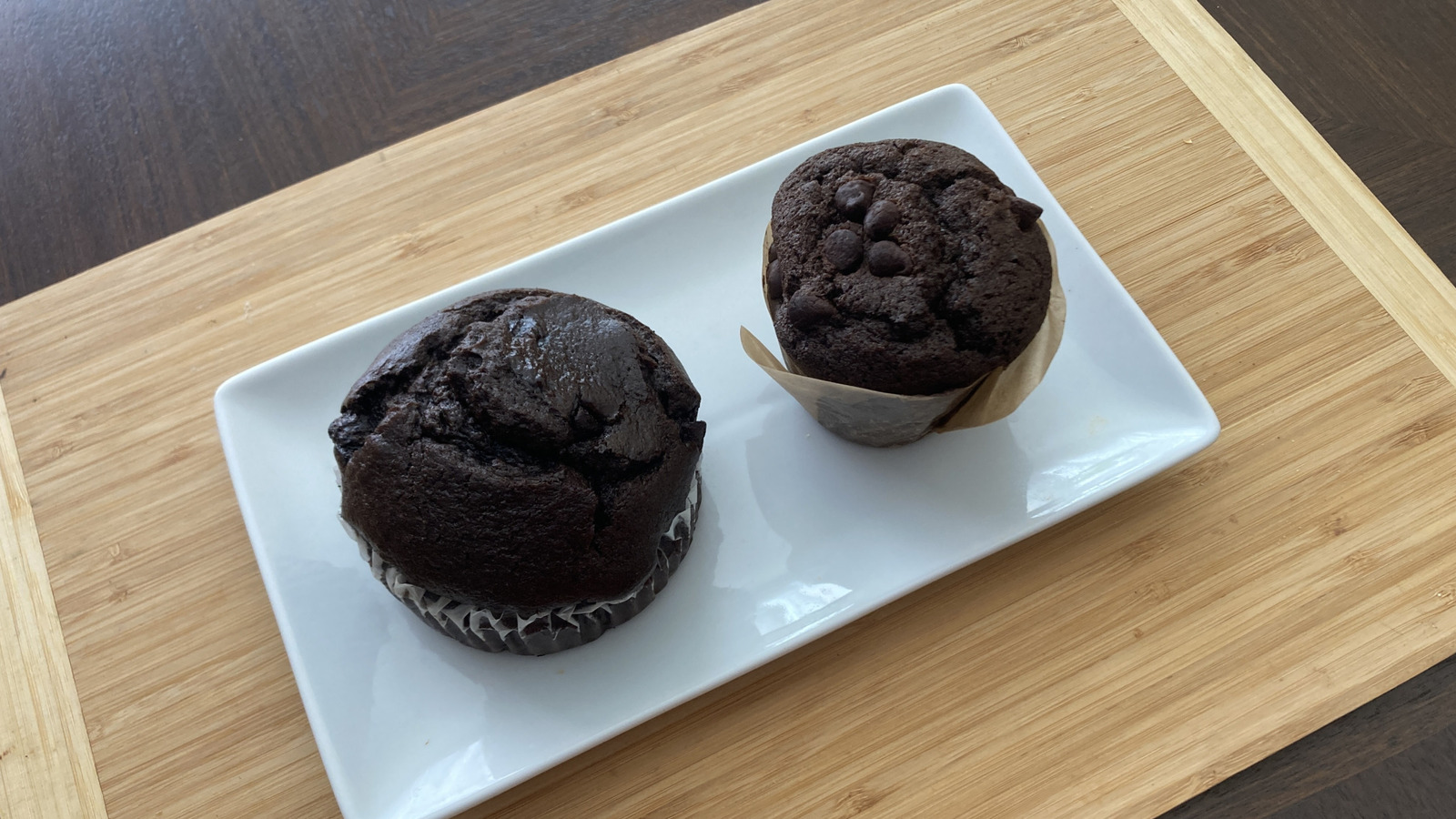
Fresh-baked goods like giant muffins are a hot item at big-box warehouse stores like Costco and Sam’s Club. Which bakery makes the best muffins?
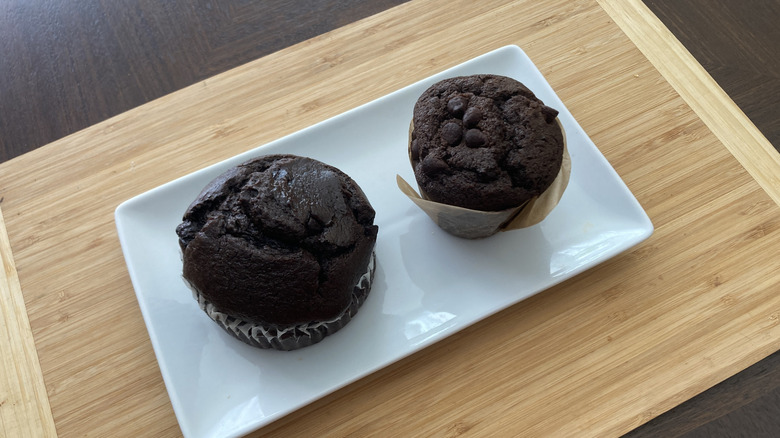
Mashed – Fast Food, Celebrity Chefs, Grocery, Reviews
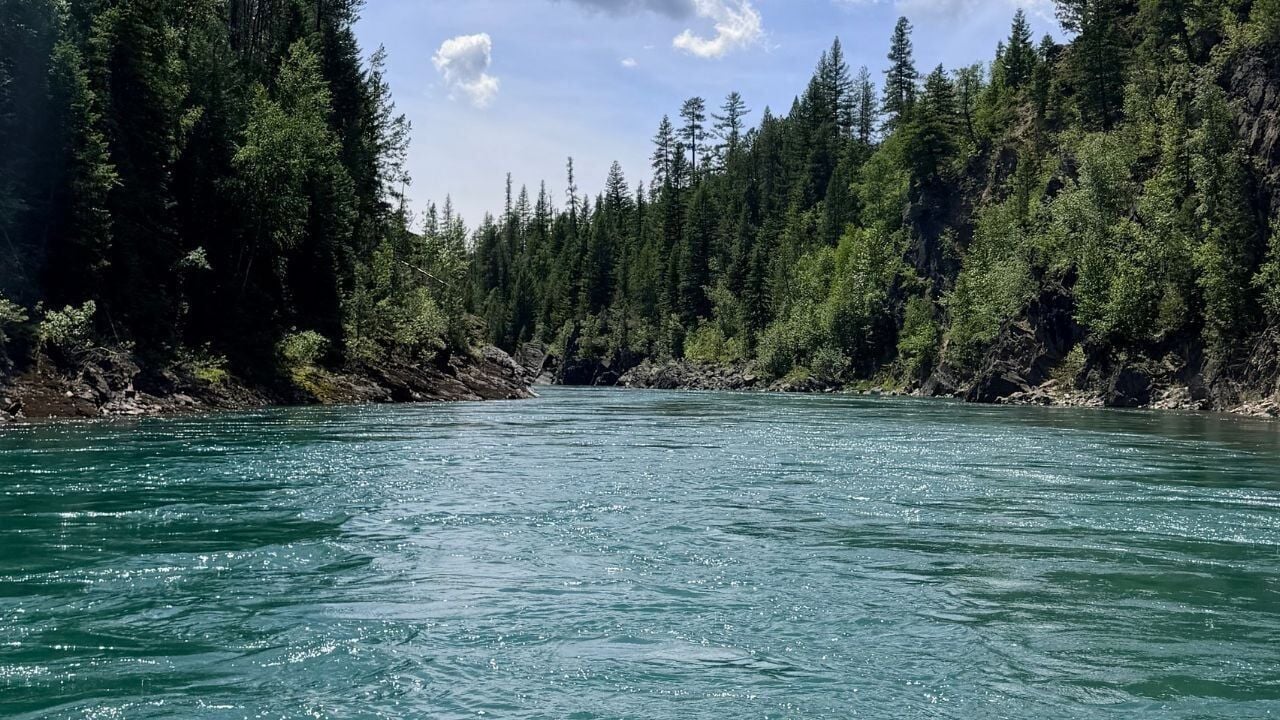
The trout stayed in the river. My guide removed the hook underwater and released it quickly, without lifting it into the air for a photograph. I had just learned to catch a fish on a fly rod, and watching the…

Treg Taylor, Dave Bronson and Jonathan Kreiss-Tomkins listen to a question posed by moderator Antonia Gonzalez at a candidate forum at the Alaska Federation of Natives convention on Oct. 23, 2026. Taylor and Bronson, both Republicans, and Kreiss-Tomkins, a Democrat, are three of the four gubernatorial candidates on the general election ballot. (Photo by Yereth Rosen/Alaska Beacon)
The three gubernatorial candidates who spoke Friday at the Alaska Federation of Natives convention found plenty of common ground on education, fisheries, public safety and other subjects.
But some divides emerged in what was, for the most part, a friendly and collegial panel discussion between Democrat Jonathan Kreiss-Tomkins, Republicans Dave Bronson and Treg Taylor and journalist Antonia Gonzalez, the moderator.
Bernadette Wilson, the Republican endorsed by President Donald Trump and the fourth candidate on the general election ballot, did not participate in the forum, though she visited the convention earlier in the day.
The Alaska Federation of Natives conference is the largest statewide Native organization representing more than 140,000 people, or nearly one in five Alaskans. This year marks the organization’s 60th annual convention.
For the Alaska Native audience, the most consequential disagreement that emerged between the candidates on stage concerned rights to subsistence, the traditional harvests of food and natural materials for personal and family use.
Kreiss-Tomkins, a former state lawmaker from Sitka, drew repeated applause, especially for his commitment to respect the rural preference for subsistence food-gathering rights that are enshrined in federal law. That rural preference was affirmed in 1990s-era litigation named for an Ahtna elder who was the lead plaintiff, Katie John.
“It should be the policy of the state of Alaska, in the Department of Law, with the attorney general and the governor, to support subsistence and not undermine the Katie John decision,” Kreiss-Tomkins said.
Left unspoken, but implied, was current Gov. Mike Dunleavy’s unsuccessful legal campaign to overturn the rural subsistence priority and grant all Alaskans subsistence rights.
Taylor, as Dunleavy’s attorney general, spearheaded that campaign, which centered on federal management of salmon fishing on the Kuskokwim River, a flashpoint for AFN and other Native organizations. He appealed the decision up to the U.S. Supreme Court in 2025.
Another difference emerged among the two Republicans on the stage.
Taylor praised the Community Development Quota system, under which quota shares for federally managed groundfish harvests are allotted to coastal Alaska community cooperatives. The program enables residents of rural coastal villages to conduct trawl harvests of groundfish or contract with trawl companies to do that.
“I love the CDQ program,” Taylor said. Rural communities’ control of the fisheries continues to grow through the program, he noted. “I can’t wait for the day when those communities own the vast majority of the commercial fleet,” he said.

But Bronson, the former Anchorage mayor who has staked out a position opposing large-scale commercial trawling, said CDQ-affiliated trawling is part of the problem affecting Alaska fish.
“If the CDQ program is just going to what the large commercial trawlers are doing . . .I can’t support that program,” he said. “When we don’t have enough fish, we’re not just destroying industry, we’re destroying cultures both coastal and upriver. And we’ve got to have more fish.”
However, there were broad levels of agreement on other subjects.
All spoke about the importance of salmon and the various factors contributing to run declines in key parts of the state.
Bronson cited a particular area of agreement with Kreiss-Tomkins: a desire to expand the state boards of fisheries and game to ensure that there is a greater diversity of members, including those dependent on subsistence harvests. The boards, which currently have seven members each, should be expanded to 11 each, he said.
In the case of fisheries, there is too much emphasis on large commercial operators, both at the state board and at the North Pacific Fishery Management Council, Bronson said. “They drive the agenda,” he said. That is a large part of the reason why there are too few fish in the rivers, he continued, “because large corporate interests who do not represent Alaska, who are not from Alaska, are catching too many fish in the open seas.”
Kreiss-Tomkins is advocating more diverse representation on the fishery and game boards, including a stronger subsistence emphasis, but he is not advocating specific numbers.
The issue of climate change, which is cited by scientists as a major reason for salmon run problems, got scant mention in the forum.
All three candidates committed to elevating tribal issues in their administrations, whether through special advisors, panels or cabinet appointees.
Bronson, a self-described conservative, gave credit to former Gov. Tony Knowles, the last Democrat to occupy the office. Knowles set a good foundation with an administrative order that established “a framework for tribal governance and communication with tribal governance with the state government,” Bronson said.

All three candidates said they favored forward funding of education to ensure that school districts’ budgets are not left unresolved until the end of each legislative session.
All said they favored some initiatives to improve the availability and affordability of housing, which is in short supply and, in many cases, poor quality in rural Alaska.
All pledged to rebuild the Alaska Marine Highway System, which has atrophied in recent years after budget cuts that reduced ferry service.
Kreiss-Tomkins, whose hometown is on an island and is one of those dependent on ferries, criticized Dunleavy for contributing to the condition of the Alaska Marine Highway fleet, which he called “an embarrassment.”
“The ferry system is a shadow of what it used to be in Alaska,” he said. And that is not a coincidence, he said.
“The lack of investment from this governor and the lack of coordination between this administration and the incredible resources that Senator Murkowski brought to Alaska for the ferry system, it’s been a huge missed opportunity,” Kreiss-Tomkins said. “And I think it’s frustrating to anyone from coastal Alaska who cares about the future of the ferry system.”
Kreiss-Tomkins was referring to federal funds secured by U.S. Sen. Lisa Murkowski, R-Alaska, to shore up gaps in state operations and maintenance.
Dunleavy is finishing his second term and is not eligible to run for reelection this year.
All three candidates also spoke about public safety, particularly the crisis of domestic violence and crimes against Indigenous women.
Taylor said that during his tenure as attorney general, crime in Alaska was brought to a 40-year low, with violent crime reduced by 5% and sexual assaults reduced by 26%. “Now we’re still the worst in the nation, even with that reduction,” meaning there is a lot more work to do, Taylor said.
Kreiss-Tomkins said he has “a lot of appreciation for the work that Treg did as attorney general on the subject. And I mean, if this isn’t a bipartisan issue, I don’t know what is.”
Election Day is Nov. 3 and early voting in Alaska began on Oct. 19. Voters in Alaska use a ranked-choice system to select candidates.

The art of cooking with a wok predates induction stovetops by a couple thousand years. Combining the ancient and modern is possible, but a little tricky.

Mashed – Fast Food, Celebrity Chefs, Grocery, Reviews
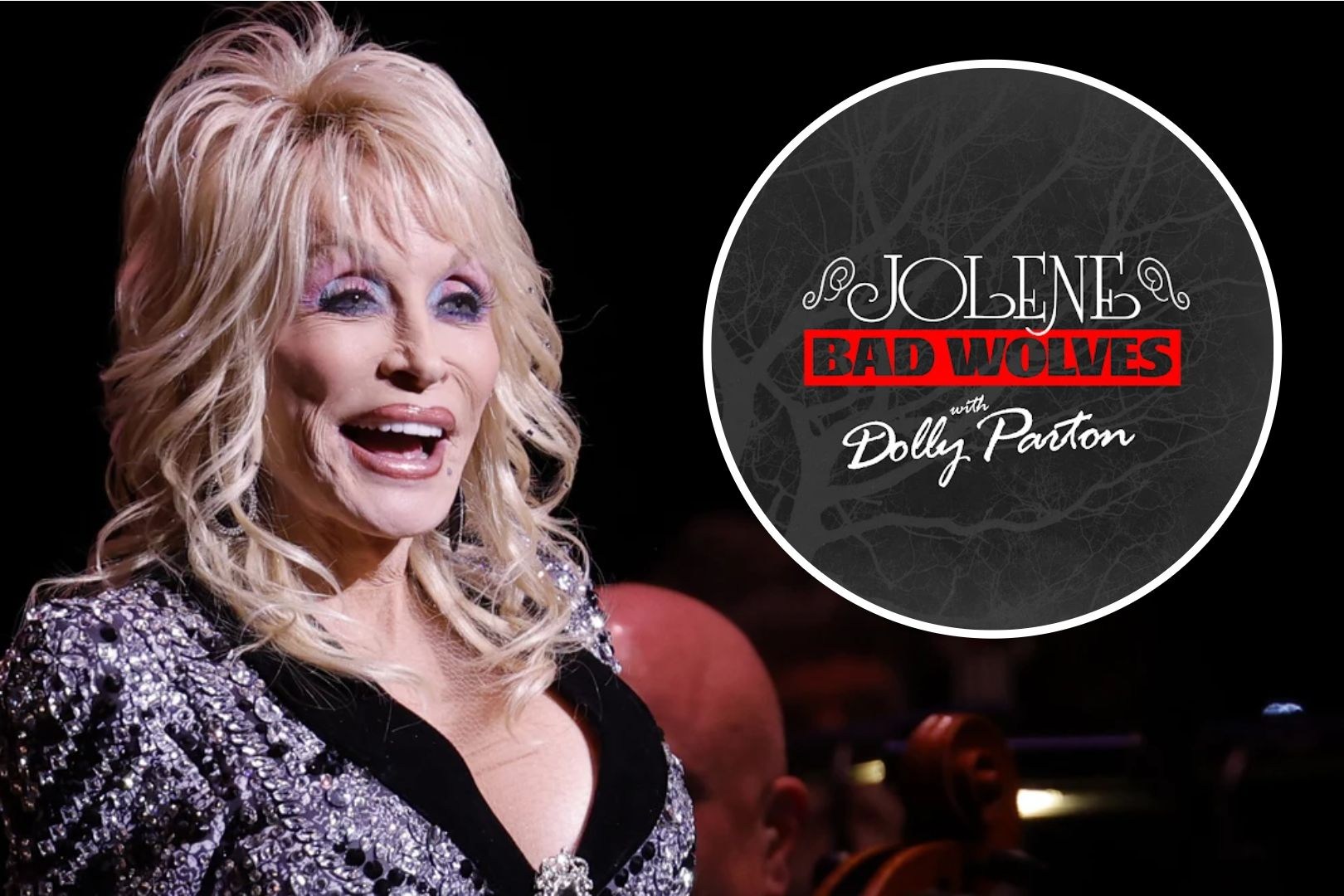
Bad Wolves, with the approval of Dolly Parton’s estate, have now issued a version of their cover of ‘Jolene’ with the late singer’s vocals included. Continue reading…Country Music News – Taste of Country
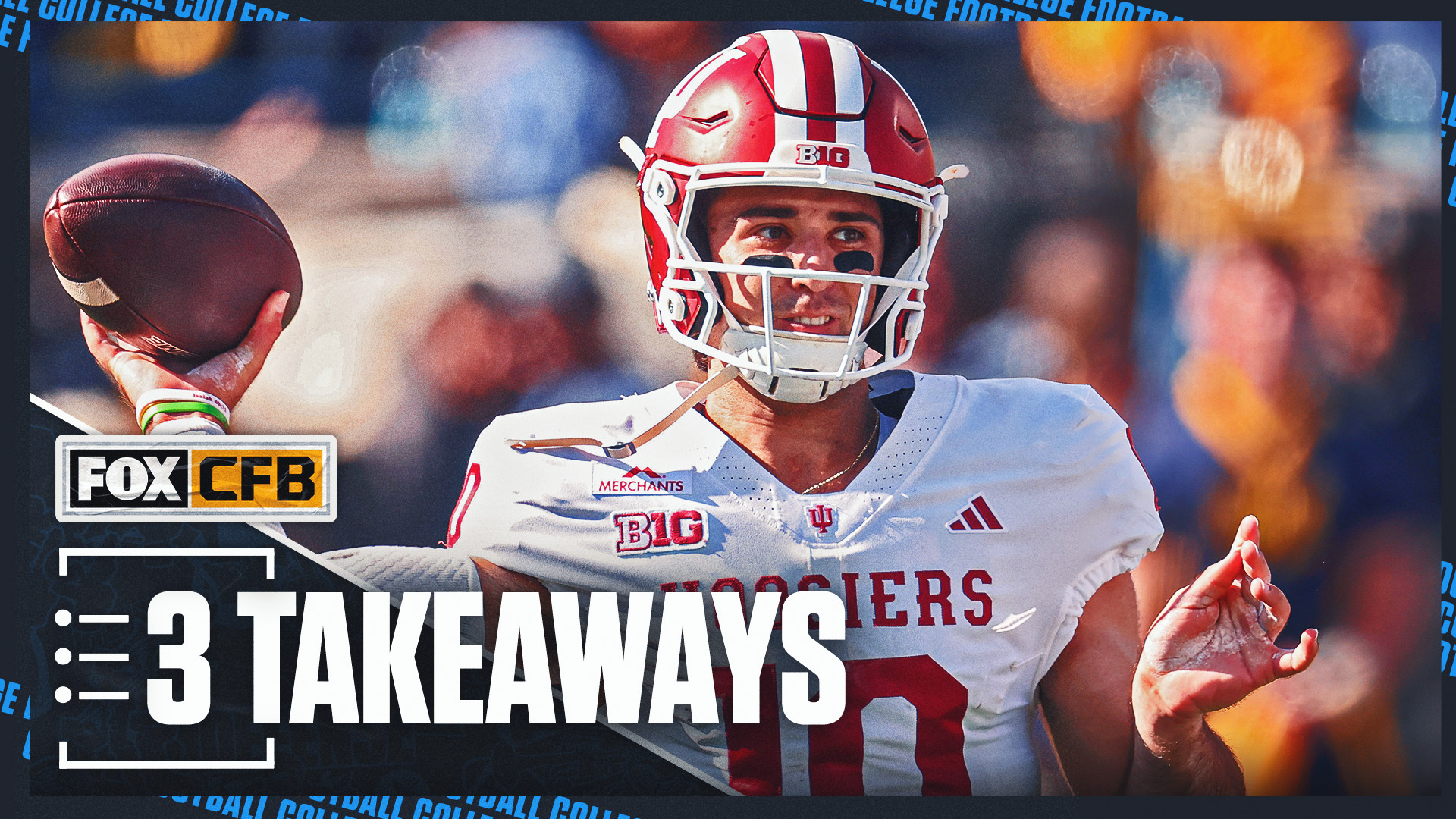
There will be no beauty contests made of Saturday’s affair in Ann Arbor. It was physical. It was nasty. It was historic. It just wasn’t pretty. “Regardless of how pretty it was, it was gritty. It was gritty as hell,” Indiana head coach Curt Cignetti said after No. 6 Indiana’s 13-6 overtime win over Michigan. “It’s a win, and we’re gonna celebrate it.” It’s been 57 years since the Hoosiers have won at the Big House. It simply took a 1967-like display of offense to get it done. First it was the zippy overtime pass from Indiana quarterback Josh Hoover to tight end Brock Schott – the first Hoosiers completion since halftime. Then it was a designed Hoover run, racing to his right, behind a blocker and stumbling into the end zone for the game’s only touchdown. One last defensive stop. One last Tommy Carr incompletion. It amounted to an Indiana victory almost 60 years in the making — and one almost everyone in Cream and Crimson would like to soon forget. Here are my takeaways: 1. Tommy Carr Wasn’t Michigan’s Magic Offensive Spark Whatever magic juju Michigan hoped it would get out of a quarterback change didn’t exactly come to fruition on Saturday. Carr finished the first half 9-of-15 for 64 yards, while the Wolverines stumbled their way to a 93-yard opening 15 minutes against the defending national champions. Carr had brief moments of flash. He was fleet of foot enough to escape the Indiana pass rush and led Michigan in rushing yards at halftime. He showed some patience in trying to scan the field against a secondary that seemed to take a step forward in halting Ohio State superstar Jeremiah Smith a week ago. But for where there were glimpses, Michigan again slogged its way to just 224 yards on the day — 131 of which came in the second half. Carr looked the part of a freshman facing a defense that’s tops in the Big Ten. He forced a pitch on a speed option and was crushed for a loss that was eventually recovered by the Hoosiers. As his receivers struggled to find separation, Carr later forced a ball into triple coverage that was deflected, popped up into the air and snagged by Indiana safety Amare Farrell for his third pick in two games. Those things will happen with inexperience. It will also sink teams in tight contests against the nation’s elite. There were also moments to remember. Carr’s heroic fourth down scramble in overtime will carry weight. It just wasn’t enough for an upset on Saturday. There is no obvious answer here for Kyle Whittingham and offensive coordinator Jason Beck to spark what has been a largely ineffective Michigan offense. Underwood has been inefficient. Carr looked the part of a player who has talent but will need time. How the Wolverines can manage that situation under center over the coming weeks will determine what we make of Year 1 of the Whittingham era. If nothing else, at least Michigan gets Rutgers next week. 2. The Hoosiers Have An Offensive Execution Problem — And It Almost Cost Them Josh Hoover has heard the complaints. In the wake of last week’s loss to Ohio State, there was ample criticism of the Hoosiers’ transfer signal-caller. That he was high and wide too often. That he hasn’t gotten in rhythm. That he’s not Fernando Mendoza. That might be true — all of it — but whatever blame has been lobbed his way, Indiana’s offense as a whole just hasn’t clicked against the fiercest defenses on its schedule. The Hoosiers were again stymied in the run game on Saturday against a Michigan front seven that, for all the issues the Wolverines have faced offensively, has been steady and consistent this fall. Indiana rushed 18 times for 78 yards across its first seven possessions. Thirty-nine of those yards came on just two carries — a 17-yarder from senior running back Lee Beebe Jr. and a 12-yarder from junior running back Turbo Richard. Hoover, in fairness, was far from perfect as he gutted out what’s been characterized as an arm/hand injury. He sailed a handful of passes and never quite looked comfortable against Michigan’s steady pass rush. His interception snatched by Michigan cornerback Zeke Berry gifted the Wolverines a short field that ended in a field goal. That was about the only way Michigan could find itself in Indiana territory on Saturday. Through eight games, the 2025 Hoosier offense this is not. Cignetti’s squad has shown flashes of explosiveness. Nick Marsh and Charlie Becker still form one of the great wide receiver duos in college football. Richard and Beebe, too, can be effective in spurts. But in facing another one of the Big Ten’s elite defenses, the Indiana offense wilted — and that figures to put a ceiling on postseason aspirations in Bloomington. 3. Next Month Will Determine How Far Indiana Can Go How we grade Cignetti and the Hoosiers is hard to quantify. Indiana completed maybe the greatest transformation in college football history a year ago. It’s maintaining that mark that has been increasingly challenging through eight games this season. The Hoosiers’ offense has been a problem. Hoover has not been Mendoza. The run game has not been as efficient. The defense? Well, that actually has been excellent — and it’s why we’re even having this conversation. But Saturday was a microcosm of how and why it has been so hard to really understand how good Indiana really is. College football has a few determined top-end teams. Miami. Sure. BYU. Probably. Georgia? Alabama? Indiana? Maybe. This, after all, has been a year in which everyone is bad, no one is good and the cream of the crop has been borderline undefinable. Indiana looked the part of one of the nation’s best, even in defeat, last week against Ohio State. A six-inch difference in receiver Nick Marsh’s foot placement and the Hoosiers would have a real argument for the No. 1 ranking. But they didn’t win and promptly struggled through a slugfest on Saturday in Ann Arbor. The remaining schedule — Minnesota, USC, at Washington, and Purdue — feels softer than it once did. Win out and Indiana should find itself in the College Football Playoff once more. Even one loss wouldn’t be debilitating. But after Saturday’s effort, that feels like less of a guarantee.Latest Sports News from FOX Sports