Categories
Alaska News

Trump rally puts Wasilla in national campaign spotlight

Protestors line the Parks Highway in Wasilla on Oct. 13, 2026, in the afternoon of a campaign rally by President Donald Trump in the city. Trump was in Wasilla to stump for U.S. Sen. Dan Sullivan, R-Alaska. (Photo by Yereth Rosen/Alaska Beacon)

Protestors line the Parks Highway in Wasilla on Oct. 13, 2026, in the afternoon of a campaign rally by President Donald Trump in the city. Trump was in Wasilla to stump for U.S. Sen. Dan Sullivan, R-Alaska. (Photo by Yereth Rosen/Alaska Beacon)

The bedroom community made famous during former Alaska Gov. Sarah Palin’s 2008 vice presidential run took center stage on Monday in the national fight for control of Congress.

President Donald Trump came to Wasilla to campaign for U.S. Sen. Dan Sullivan, a Republican facing a stiff challenge from former U.S. Rep. Mary Peltola, a Democrat. The outcome could determine which party controls the U.S. Senate.

The venue for Trump’s campaign rally, which followed a similar rally last week in Fairbanks that was headlined by Vice President JD Vance, was the Curtis D. Menard Memorial Sports Center. The facility can hold up to 3,500 people.

For Wasilla, a city of 10,000 people located about 40 miles north of Anchorage, the presidential visit was a major event that spurred coordinated preparations.

The Wasilla Police Department and Alaska State Troopers cautioned residents and motorists about road closures and limited pedestrian access around the Menard Center, likely traffic delays around the city, heightened law-enforcement presence and other possible inconveniences.

A banner hanging on the outside wall of Tailgaters Sports Bar & Grill in Wasilla on Oct. 13, 2026, welcomes President Donald Trump to city. Trump came to Wasilla to campaign for U.S. Sen. Dan Sullivan, R-Alaska. (Photo by Yereth Rosen/Alaska Beacon)

“We appreciate the public’s patience and cooperation as we work to ensure a safe event,” the troopers said in a statement.

As of midafternoon Monday, traffic was moving normally in Wasilla, despite the presidential visit.

Ticketed attendees were directed to park at the Church on the Rock, a large house of worship north of the Menard Center on the George Parks Highway, the main thoroughfare through Wasilla. The church served as a shuttle stop for attendees, though many wound up parking along the roads near the sports arena and walking to the rally.

Particularly happy with Trump’s visit was Republican gubernatorial candidate Bernadette Wilson, who won the president’s endorsement on Tuesday.

“Thank you President President Donald J. Trump! I am incredibly honored to have your support and look forward to partnering with your Administration to bring lasting prosperity to Alaska! Alaska conservatives are united to win this race!” she said on her Facebook page.

Alaska Democratic Party chair Eric Croft speaks at a news conference at Newcomb Park in Wasilla on Oct. 13, 2026. (Photo by Yereth Rosen/Alaska B
Alaska Democratic Party chair Eric Croft speaks at a news conference at Newcomb Park in Wasilla on Oct. 13, 2026. (Photo by Yereth Rosen/Alaska Beacon)

South of the Menard Center, the overwhelming evidence along the Parks Highway of Trump’s presence in town came in the form of protests.

Two progressive groups, Mat-Su United for Progress and Stand Up Alaska, staged the major protest in town, an event at Newcomb Park that drew hundreds of sign-waving critics of Trump, Sullivan and U.S. Rep. Nick Begich, R-Alaska, another incumbent up for reelection.

Nearby, The Alaska Democratic Party, which held a news conference in the park at shoreline of Wasilla Lake, delivered a similar critical message, complete with cardboard cutouts of Sullivan and other props.

Eric Croft, chair of the state Democratic party, said Trump’s visit is a sign of that the Republican incumbents are fearing defeat.

“We’re here today because in 23 short days, we’re going to be voting both Nick Begich and Dan Sullivan out of office, and they richly deserve it,” Croft said at the news conference. “They are self-serving, self-dealing DC politicians who’ve repeatedly voted to make life harder. It’s this record that’s going to cost them in November, and it’s this record that’s made them deeply unpopular in Alaska, so unpopular that they had to call Daddy and ask for reinforcements.”

Campaign signs for U.S. Sen Dan Sullivan, R-Alaska, line a packed parking area near the Church on the Rock in Wasilla on Oct. 13, 2026. The church was used as a bus shuttle site for people attending a campaign rally headlined by President Donald Trump. Trump was in town to stump for Sullivan. The rally was held at the Curtis D. Menard Sports Center. (Photo by Yereth Rosen/Alaska Beacon)
Campaign signs for U.S. Sen Dan Sullivan, R-Alaska, line a packed parking area near the Church on the Rock in Wasilla on Oct. 13, 2026. The church was used as a bus shuttle site for people attending a campaign rally headlined by President Donald Trump. Trump was in town to stump for Sullivan. The rally was held at the nearby Curtis D. Menard Memorial Sports Center. (Photo by Yereth Rosen/Alaska Beacon)

Election Day is Nov. 3, which is 21 days from Tuesday.

In the Aug. 18 primary election, an open, nonpartisan contest in Alaska, Peltola got 49.5% of the vote, while Sullivan received 41.4%. In the U.S. House race, Begich took 44.6% to 32.5% for independent Bill Hill.

Croft said Wasilla was probably selected deliberately for the rally because it is one of the most conservative spots in Alaska. He called that choice a sign of desperation.

Prior to the Wasilla protest, Hill, Begich’s main challenger, headlined a morning rally on the Delany Park Strip in downtown Anchorage. At the “Gas Prices are Too Damn High” rally, Hill and others repeatedly spoke about the effects of high fuel prices in Alaska.

In a brief interview, Hill referred to the Trump and Vance rallies, as well as an August visit to Alaska by U.S. House Speaker Mike Johnson, R-Louisiana.

Gretchen Manning-Hopping is among the protestors lining the Parks Highway in Wasilla on Oct. 13, 2026, in the afternoon of a campaign rally by President Donald Trump in the city. Trump was in Wasilla to stump for U.S. Sen. Dan Sullivan, R-Alaska. (Photo by Yereth Rosen/Alaska Beacon)

“They’re here because they’re worried about losing this seat, and that they’re frightened,” he said. “They’re pulling out all the stops.”

Trump’s approval rate is cratering, according to national polls. That is the case even in Alaska, according to recent results from Alaska Survey Research. But he still has support in Wasilla.

That was evident even before dawn, said Crystal Howard, a healthcare provider who works night shifts. Howard said she saw several campers and cars parked at Church of the Rock at 3:45 a.m., several hours before the first shuttle buses were available to take attendees to the Menard Center.

Howard was not among the Trump fans. Instead, she swapped a work shift so that she could attend the anti-trump rally at Newcomb Park.

“I don’t know what prompted Trump to come up here, if he was asked or if he volunteered. That would be interesting to note,” she said.

Protestors line the Parks Highway in Wasilla on Oct. 13, 2026, in the afternoon of a campaign rally by President Donald Trump in the city. Trump was in Wasilla to stump for U.S. Sen. Dan Sullivan, R-Alaska. (Photo by Yereth Rosen/Alaska Beacon)

Editor’s note: This story has been updated to clarify that Election Day is 21 days from Tuesday, and to update the capacity of the Curtis D. Menard Sports Center, which is 3,500.
SUPPORT: YOU MAKE OUR WORK POSSIBLE

Categories
Politics

Sen. Jon Ossoff: ‘I’m not running for president’

Democratic Sen. Jon Ossoff said Tuesday he will not run for president in 2028 and committed to serving a full six-year Senate term if reelected.

“I have zero interest in running for president. I’m not running for president. I’m running for reelection to the Senate,” Ossoff said during a Georgia Senate debate against Republican Rep. Mike Collins.

Asked by Greg Bluestein of The Atlanta Journal-Constitution whether he would serve his full term if he wins in November, Ossoff replied: “Yes, I will.”

The remarks are Ossoff’s most forceful rejection yet of a potential 2028 presidential bid even as his name has repeatedly surfaced in national Democrats’ conversations about possible contenders for the party’s nomination. His public commitment to a full Senate term on Tuesday is the latest of his campaign’s many efforts to tamp down that speculation.

Ossoff gained national attention this year given his strong fundraising numbers, his consistent lead in public polling against Collins and his ability to generate viral moments on the campaign trail, particularly through his attacks on President Donald Trump. Democrats are bullish about Ossoff’s ability to hold onto his Senate seat — so much so that the Democratic-aligned Senate Majority PAC said Tuesday it was removing its ad spending in Georgia for the week.

He’s also taken steps to boost the state Democratic party in Georgia, a perennial battleground that has been and will be key to winning the presidency. If November brings historic wins up and down the ballot, Ossoff will get some of the credit — and he’ll have confirmed his status as a leader in the swing state.

​Politics

Categories
Entertainment

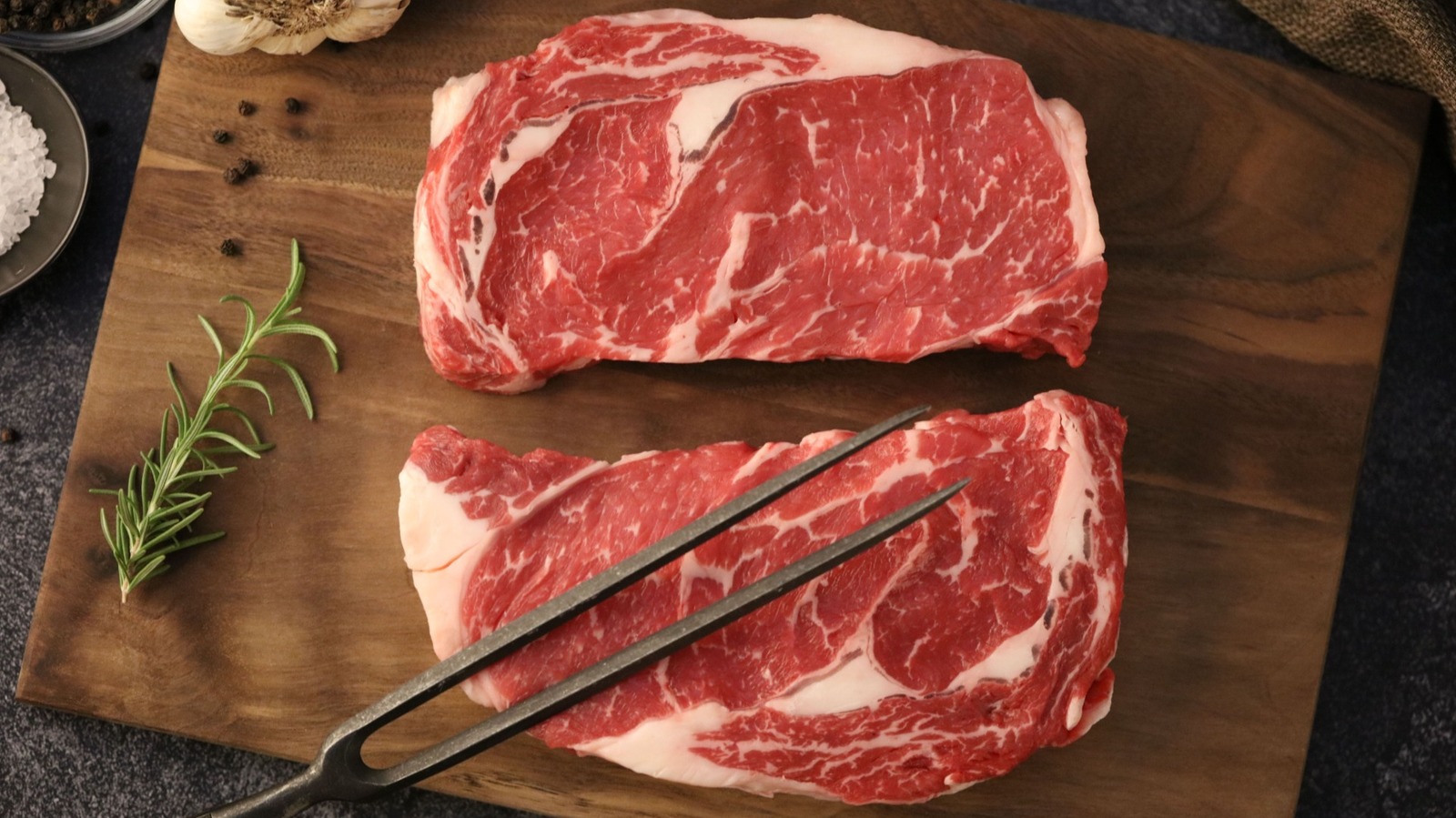
How Much Should You Spend On A Good Steak In 2026?

Steak prices vary depending on cut and where you are in the U.S. Grocery stores are cheaper than restaurants, with lower-end cuts being more budget friendly.

​Mashed – Fast Food, Celebrity Chefs, Grocery, Reviews

Categories
Sports Fox

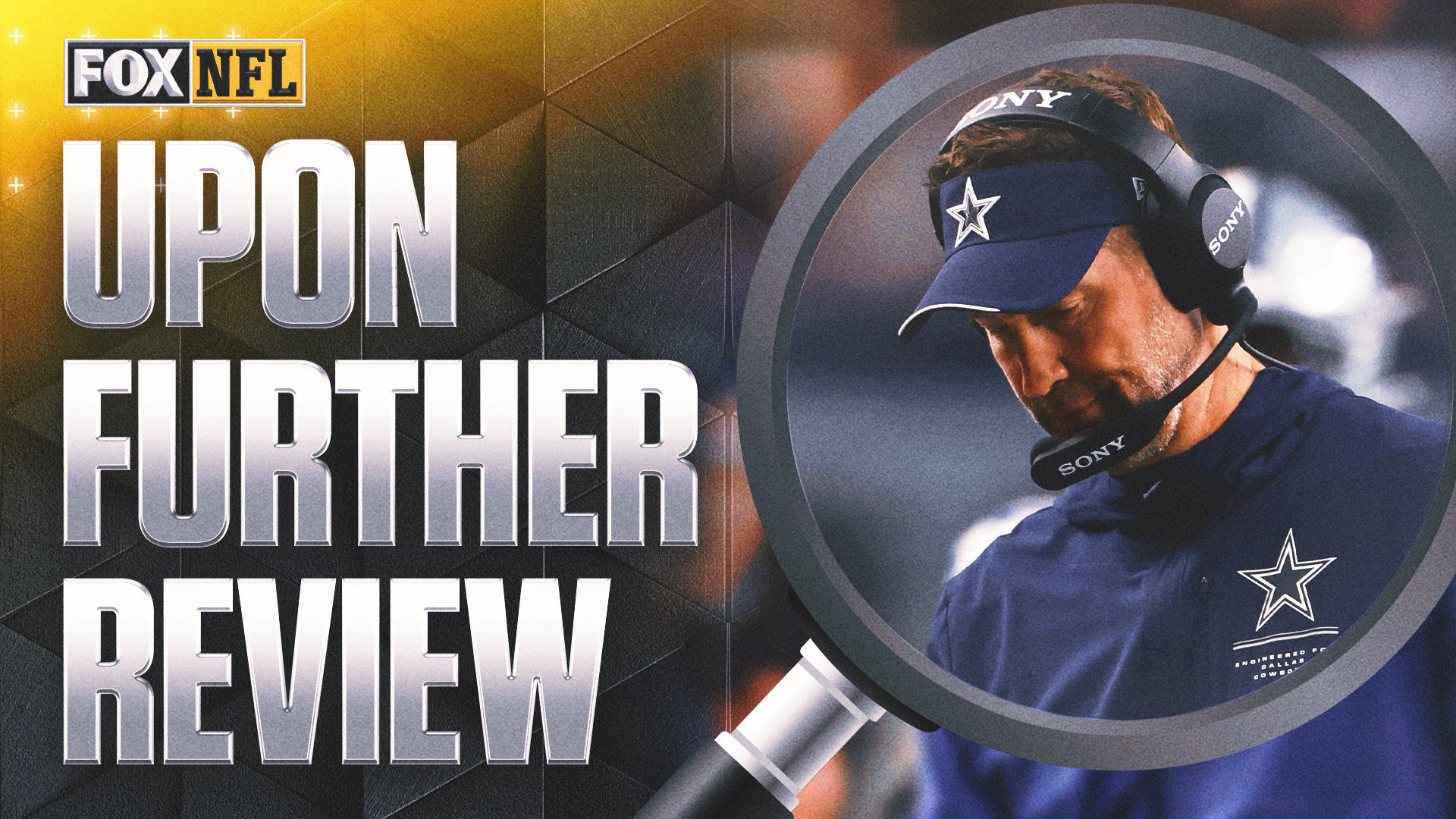
Upon Further Review: Could Cowboys’ Defense Be Worse? Opponents Sense Vulnerability

AT&T Stadium (Dallas) — It didn’t seem like the Dallas Cowboys’ defense could play any worse than they did in 2025. They’re putting that theory to the test through the first five games of the 2026 season, though. The Cowboys had the NFL’s worst defense last year, giving up 30 points a game, but that was supposed to change. The talk all summer was that new defensive coordinator Christian Parker would turn things around. Trading for edge rusher Rashan Gary and linebacker Dee Winters, signing safety Jalen Thompson and edge rusher Von Miller, drafting safety Caleb Downs and edge rusher Malachi Lawrence, this was going to be a new, improved Cowboys defense. It just hasn’t happened. Dallas is somehow giving up 18 yards per game more than a year ago. It’s giving up a league-worst 168 rushing yards per game. The Cowboys have yet to intercept a pass after five games — even the Jets, who had none in all of 2025, got a pick before the Cowboys did. Last year’s worst third-down defense is now giving up even more third-down conversions. In primetime on Thursday, facing a winless Tampa Bay Buccaneers team, Dallas had a chance to get right on national TV to show the NFL that things had changed. Instead, the Cowboys let an undrafted rookie quarterback grind the Tampa Bay offense on a 15-play drive that took 10 minutes and 58 seconds off the clock. The Bucs, who had totaled six points on four opening drives, got seven, and the tone was set. “We were gassed,” Buccaneers offensive tackle Tristan Wirfs told me of the long drive, “but seeing them, they were tired, too. They weren’t expecting us to come out like that. That felt really good.” The Buccaneers, who were eight-point underdogs on the road on a short week, went on to get a humbling 24-16 win, and the Cowboys dropped to 2-3. Owner Jerry Jones called the defensive shortcomings “mind-boggling,” saying that side of the ball was “right where we started.” How much is the defense holding the Cowboys back? Dak Prescott and the offense are averaging 27.6 points per game, and only four NFL teams have scored more. But those four teams — the Bills, Ravens, Lions and 49ers — are a combined 16-4 this season, while Dallas is 2-3, looking up at the Giants in a very flawed and winnable NFC East. And if they needed a reminder of what their defense isn’t, the Cowboys this week go to Lambeau Field to face the Packers, who acquired All-Pro edge rusher Micah Parsons from the Cowboys before last season. Parsons is still recovering from a torn ACL from last season, hasn’t played this season and won’t play Sunday, and Green Bay still has 14 sacks without him; Dallas has five in five games, with no player having more than one. The Cowboys, in a show of desperation, already gave up a 2028 second-round pick to acquire corner Joey Porter from the Steelers, and he could provide help once he’s settled in. Jones has already been asked about staff changes, and rather than fire Parker, Dallas took the awkward step of bringing in veteran coach Mike Pettine as a new consultant. Pettine gave Parker his first NFL job when he was the defensive coordinator in Green Bay, so it’s a familiar voice brought in to help him get more out of his defense. It’s the NFL coaching equivalent of fouling off a third strike, staying alive but knowing the count is badly against you. If the Cowboys went to Green Bay and beat the Packers, it would mean something, even if Parsons is just watching on the sideline. Green Bay just put up 31 points on Chicago, and they will be plenty motivated to show Dallas they can win without Parsons. From there, Week 7 brings a Monday night game at Philadelphia, where the Eagles are struggling, scoring 24 points or fewer in all five games in their own disappointing 2-3 start. Lose both of those, especially if you’re continuing to give up a ton of points, and that could mean an early end for Parker, who still must face the 49ers, Seahawks and Jaguars this season. If the Cowboys miss the playoffs and finish with a losing record again, would Brian Schottenheimer be safe from the same fate? Speaking of NFC East disappointments, Sunday’s Commanders-Giants overtime fiasco has me asking a polite question: Why does the NFL still have ties? What’s gained by a game finishing without any winner, however fitting that might seem? I say abolish the tie. Get the overtime period back to 15 minutes, and if they’re still deadlocked after that, play another overtime. I get that playing indefinitely messes with TV windows and can be physically taxing, but nobody is happy walking out of a stadium with a tie. If it helps expedite things, require NFL teams to go for two after touchdowns once you’re in the second overtime. Sunday’s tie was just the second in the NFL in four seasons, so the existing rules do a fairly good job of limiting how often we’re subject to such a no-win outcome. Once every two years is still too often, clunky in the standings and worse in perception, on TV or in person. The Miami Dolphins are known for popping the proverbial champagne each year when the last unbeaten team has fallen, preserving the 1972 Dolphins as the NFL’s only wire-to-wire unbeaten team. This year’s Dolphins are in danger of the opposite extreme, off to an 0-5 start with a league-worst minus-62 point differential. In the franchise’s history, the Dolphins have won fewer than three games just once, going 1-15 in 2007, but it’s hard to imagine Miami getting to three wins with the way it’s been playing. Going into the season, it looked like the Dolphins’ two best chances were divisional games against the Jets, including next week’s showdown on Sunday afternoon. Even New York has two wins already, so even that seems unlikely. Quarterback Malik Willis is in a tough spot, playing without any legitimate threats at receiver, with running back De’Von Achane out for the season with a torn ACL. Willis is trying to use this year to show the Dolphins they don’t need to use their high first-round pick on a quarterback, but he hasn’t made much of a case. He has two touchdown passes in five games — of the 34 seasons a Dolphins quarterback has thrown as many as Willis has in the first five weeks, none has ever produced fewer touchdowns, nor has any had a worse quarterback rating since the NFL/AFL merger.​Latest Sports News from FOX Sports

Categories
Alaska News

U.S. presidents in Mat-Su: A history of unlikely encounters of the Valley kind

(Left) An advertisement for the 1960 Alaska State Fair includes a promotion of then-Sen. John F. Kennedy’s upcoming visit and a visit by actor Mike Connors, later known as the star of the TV show “Mannix.” (Frontiersman archive) (Right) President Warren Harding takes over the locomotive controls on a stretch of track between Wasilla and Willow. (Library of Congress)

The history is clear, especially in more modern times. If a sitting U.S. president visits Alaska, it tends to mean a quick few hours in Anchorage, with as much refueling as anything else.

Donald Trump in 2019 and 2025. Joe Biden three times from 2022 to 2023. George W. Bush in 2002 and 2005. Bill Clinton in 1994. George H.W. Bush in 1989. Ronald Reagan in 1983. Jimmy Carter in 1979. Gerald Ford in 1974. Richard Nixon in 1971. Lyndon B. Johnson in 1966. Dwight D. Eisenhower in 1960. Anchorage is the easy choice: a population center, a military base and runways long enough for Air Force One.

If a president is feeling spicy, they might mix in a trip to Fairbanks. Gerald Ford in 1975. Ronald Reagan in 1984. George W. Bush in 2008.

There are the wilder exceptions. Barack Obama visited Anchorage in 2015 but also made it to Dillingham, Kotzebue and Seward. The sun will likely extinguish before a president visits Dillingham again.

Ford visited Pump Station 8 on the Alaska Pipeline during his 1975 visit, beyond the bright lights of metropolitan Salcha. Franklin D. Roosevelt fished on Buskin Lake at Kodiak in 1944. And Warren Harding touched soil at Metlakatla.

Then there is the Valley. If the history of presidential visits to a region is centered on an anecdote from 1923 — roughly 30 years before there even was an Air Force One — then it is safe to say that region is not presidentially favored.

The summer of 1923 meant it was Voyage of Understanding season, President Warren Harding’s doomed effort to combine a reelection campaign, public relations gesture, fact-finding mission and an escape from political scandals into a vacation. Upon departure, he never saw home again, killed by a heart attack in San Francisco on the long return. The long-tongued, facetious wags gossiped that Alaska had killed him, or of more literal murder, or of any number of crazy conspiracies.

Harding’s traveling company included Commerce Secretary and future President Herbert Hoover. Alaska, naturally, marked the distant end of the Voyage, beginning in Metlakatla and continuing through Ketchikan, Wrangell, Juneau, Skagway and Seward.

From Seward, his party took the train to Anchorage and arrived late on July 13, 1923. Like many tourists in the years since, Harding picked up a landscape painting, this one by Sydney Laurence.

From there, he continued north by rail. This marked the first presidential visit to the Valley, however in passing that it was, landscape seen through the windows of the train. The highlight was Harding’s brief turn at the locomotive controls, in the stretch from Wasilla to Willow.

On July 14, and after some brief instruction, he grasped the throttle under the watchful gaze of the first lady at the other side of the cab. It did not go well. Per the Anchorage Daily Times, “The president was described by the engineman as a good engineer, but the dining car steward as poor on stopping, as he slowed the train down with a jerk which broke eleven cups in the diner.” That was their Valley highlight.

At the Tanana River Bridge on July 15, he drove a golden spike to ceremonially mark the completion of the Alaska Railroad.

Unfortunately, the president was about as handy with a spike maul as he was with the train throttle. From The New York Times coverage, “The President lightly tapped the gold spike twice with a silver sledge hammer. Then Governor Bone quickly withdrew the spike and replaced it with one of ordinary steel…President Harding lifted the silver sledge higher for a more substantial blow on the steel spike. He missed it. A second attempt also went wild, the hammer striking the rail of the track. Then with determination in his eye the President took good aim. This time he drove the spike nearly to its head. Another blow finished the job.”

That was Harding’s — and Hoover’s — adventure in Alaska. The office of the president and the Valley then renewed their longstanding distance from one another.

John F. Kennedy was not quite yet elected when he made the journey to Palmer on Sept. 3, 1960. That election was the first where Alaskans could express their presidential preference with an actual ballot.

Both Kennedy and rival Richard Nixon campaigned in Alaska, but Kennedy deserves credit for going as far as the Alaska State Fair, where he did all the things a candidate does in hopes of an extra vote or two. He flew into the Palmer airport, traversed the few miles to the fairgrounds in a 17-car procession, posed with cabbages and donkeys and speechified in the looming shadow of a Ferris wheel.

For the youthful senator, it was an authentic Alaskan experience. Amid the carnival atmosphere, he battled the mud like all the regular attendees. Fairgoers helped push his car out of the muck. Others passed out anti-Catholic fliers to the crowd at the speech. Kennedy was the first Catholic president, only the second serious Catholic presidential candidate.

He spoke to a crowd of “between three and four thousand” who crowded into the grandstand and stood on the fairgrounds’ racetrack, according to an article in the Frontiersman recapping the visit.

Kennedy noted that he was from a small, old state, now standing in a new, large one, metaphorically and literally crossing the entirety of the country and its history. And he found insight in that transition.

He declared, “I do not say that the future will be easy—I do not say that the 60’s will be a golden age. But I do say that the opportunities are as unprecedented as the problems—that we need courage more than despair—and that all the challenges of the New Frontier can be met, and met successfully—if we only apply to that New Frontier the same dedication and spirit which you in Alaska applies to the ‘Last Frontier.’

Finally, as in before 2026 finally, there was President Jimmy Carter’s 1980 visit. In 1978, he invoked the 1906 Antiquities Act to create 15 national monuments in Alaska and enlarge two others, withdrawing 56 million acres from possible resource development, a step toward the 1980 Alaska National Interest Lands Conservation Act. And boy did that anger many Alaskans.

Carter effigies were burned in Fairbanks and drowned in Ketchikan. Protesters carried signs with him in a noose. Advertisements compared him to Hitler. Alaskans shot at Park Service planes and invaded what is now Denali National Park, intent on violating as many laws as possible.

Two years later, Carter was intent on seeing some of the land he fought to preserve. On July 10, 1980, a Marine helicopter flew him, Secretary of State Edmund Muskie and Alaska Gov. Jay Hammond north out of Elmendorf Air Force Base. They circled the mountains, gazed at majesties and briefly landed on a glacier. Then they took off for Clarence Lake in the Talkeetna Mountains.

Carter was an avid fisher, tied his own flies and everything. The Secret Service, attended by state Sport Fishing Director Rupe Andrews, scouted five potential lakes for the getaway and perhaps had their own fun along the way. A Hammond press aide told the Anchorage Daily News, “The Secret Service agents were even fishing each site as they went.” To them fell the burden of picking a site that matched weather, vistas and plentiful fish. And so, they settled on the picturesque Clarence Lake, perched in an alpine meadow, deep in the Matanuska-Susitna Borough.

It was a beautiful day as they worked one of the creeks feeding into the lake, what Carter called “one of the best days of fly-fishing” he ever had. At first, he tried some Alaskan-made ties without much success. From his hunting and fishing memoir, “An Outdoor Journal,” he switched to his own design, an imitation caterpillar he called Irresistible. Then he “began to catch fish regularly.” Over five hours, he caught 24 large grayling. Four of them were pan-fried on the spot as their breakfast. The rest were released.

“He’s one whale of a good fisherman,” said Gov. Hammond. “Frankly, he caught more than the rest of us put together. And he did it on his own flies.” He added, “Those fish knew who was president.”

The group included the president, assorted dignitaries, armed Secret Service agents, varied wildlife and a random family from Oakland, California. The Brauners — father Howard, mother Kathy and daughter Lori — had been there a few days, the centerpiece of a fishing trip they had spent months saving for, the escape people dream about their entire lives. Only, they hadn’t expected as many helicopters at an isolated mountain lake.

For some reason, Marines kept visiting, only they were vague about the reasons. Then, it just happened, the descent of a fleet of helicopters, one of them rather obviously featuring the presidential seal. The Secret Service escorted the Brauners out of the water, but Carter made a point to include them in the day, fishing and talking with them.

Howard stated, “Mostly I was tongue-tied and kind of nervous. We talked about fish, and the President showed me how to fly cast.” He continued, “He’s a good fisherman. I hadn’t caught anything until he showed me how to fish.”

And that is the history, pre-2026, of presidential visits to the Valley. History suggests it might be a while longer after this week.

This story was originally published in the Mat-Su Sentinel.

SUBSCRIBE: GET THE MORNING HEADLINES DELIVERED TO YOUR INBOX.

Categories
Alaska News

Alaskans should consider candidates’ records on childcare and affordability at the polls

Children's coats hang in a hallway at Hillcrest Childcare Center in Anchorage o n April 18, 2024. (Photo by Claire Stremple/Alaska Beacon)

Children’s coats hang in a hallway at Hillcrest Childcare Center in Anchorage on April 18, 2024. (Photo by Claire Stremple/Alaska Beacon)

For Alaskan voters this election, we may not have a candidate we love in every race, but we do have candidates who are much better poised to improve our lives in concrete ways. For families in Alaska, our biggest expense after our mortgage or rent is childcare. This recent article in the Beacon covers past votes and some candidate positions at the state level, but there are national policies that are important to highlight as well. 

Let’s take a look at the frontrunner candidates for U.S. Senate. Of them, Democrat Mary Peltola goes the furthest on the issue of affordability for families of young children. Her campaign proposes to reinstate a significant increase — from $2,200 to up to $3,600 — to the child tax credit. She noted that when the credit was higher as  part of the 2021 American Rescue Plan Act, it reduced child poverty by 40%. In addition to this, the policy stance she has on eliminating taxes for Alaskan families making less than $92,000 a year will help a critical industry: childcare workers. The high turnover because workers can’t afford to stay in their line of work contributes to a lack of affordable childcare and reduces the quality of available childcare. Peltola also endorses a tax credit for people who spend more than 30% of their income on housing; this tax credit would also benefit childcare workers and make it easier for them to stay in this vital industry. This is a hallmark of Peltola’s policies – practical, common sense approaches to help working families. 

Sullivan has a mixed record.  He supported some policies to help families, such as setting up a center to help families understand the tax breaks that are available to them. He reintroduced a bipartisan bill for $100 million dollars — over multiple years — for childcare worker training and improvement of facilities. This bill is welcome, but a drop in the bucket of what’s needed, and it doesn’t address the core issues of affordability. He’s never voted or voiced support for the American Rescue Plan, which put $39 billion towards childcare, and he voted against a budget resolution for the bipartisan infrastructure act that would have included childcare funding.  His overall voting record on affordability has set us back, and his tax cuts don’t go far enough to help families. He’s voted for work requirements for Medicaid and SNAP, adding an administrative burden to people who are working already and under significant stress — including childcare workers. He has also repeatedly – in votes and in rhetoric – supported the actions of the Immigration and Customs Enforcement agency, which has conducted raids in childcare facilities in front of horrified children, and which has arrested thousands of people who are in the country legally. Given what a significant part of the childcare workforce is made up of immigrants and refugees, these actions – supported by Senator Sullivan – are having a real chilling effect on the childcare workforce in an already strained industry. 

Getting this issue right is important because it boosts our economy and invests in future generations of Alaskans by making it more possible for families with children that are born here to stay here. Hopefully, we can ask more from federal candidates about what they’re doing for Alaskan families and childcare affordability. Let’s continue to make this a front and center election issue; our children, our families and our economy needs it to be.

SUBSCRIBE: GET THE MORNING HEADLINES DELIVERED TO YOUR INBOX.

Categories
Entertainment

One Of The Best Costco Finds Under $20 Is A Must For Chocolate Fans

If you have a sweet tooth of the chocolate variety, this sizable, surprisingly affordable box of treats from Costco may be just what you’re looking for.

​Mashed – Fast Food, Celebrity Chefs, Grocery, Reviews

Categories
Food

Marinate Chicken In This Salty Ingredient For A Juicier Bite (Hint: It’s Not Pickle Juice)

Marinating chicken is a great way not only to tenderize the meat but to infuse it with lovely flavor. For extra moisture, add this type of brine.

​Food Republic – Restaurants, Reviews, Recipes, Cooking Tips

Categories
Entertainment

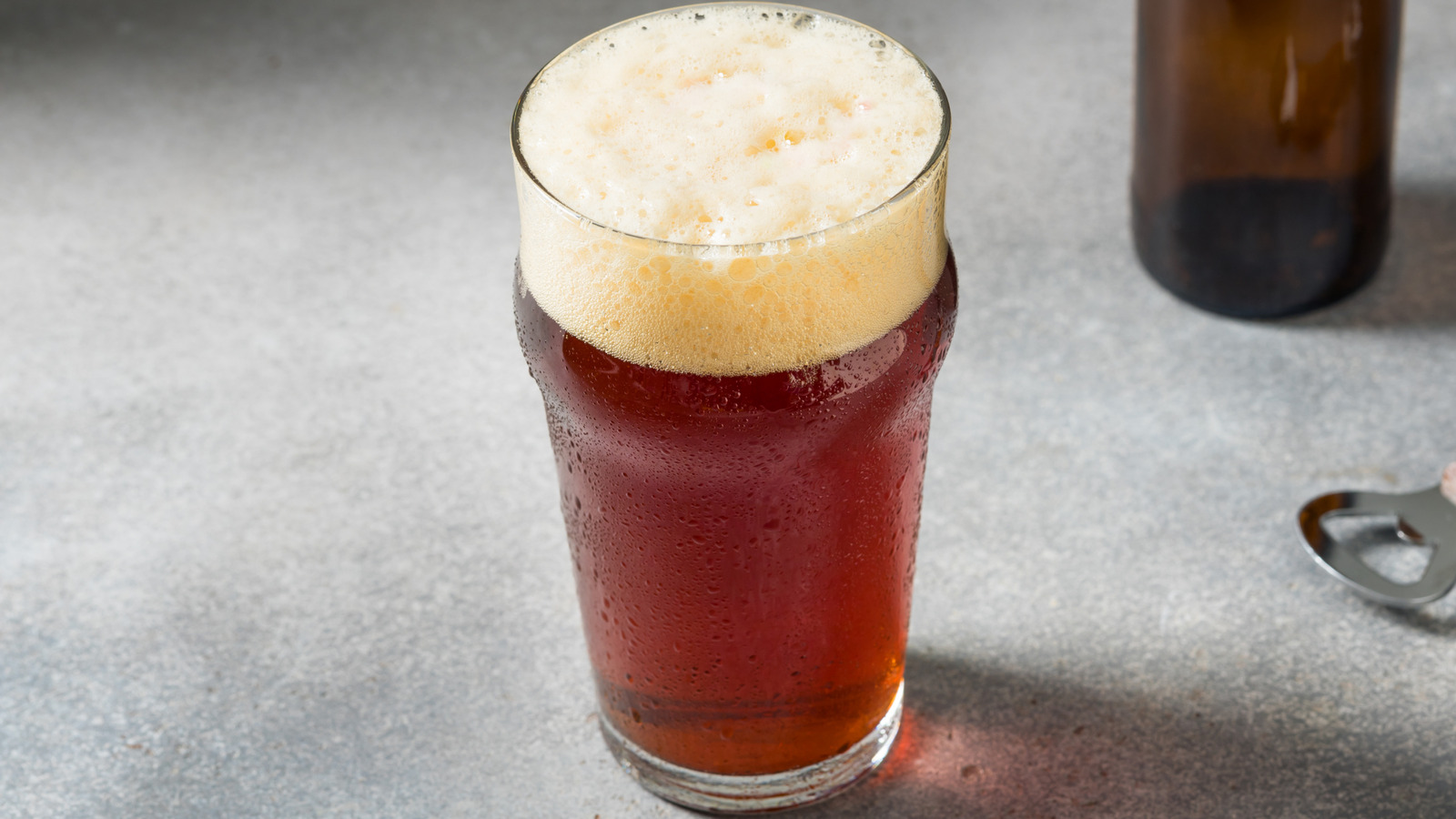
What Are The Main Differences Between Amber And Pale Ale Beer?

Pale and amber ales are part of the same beer family, but a series of subtle distinctions give these two popular styles their individual identities.

​Mashed – Fast Food, Celebrity Chefs, Grocery, Reviews

Categories
Entertainment

Eminem Collaborates With Kid Rock on Christian Album, Leaving Fans Baffled

Reading Time: 2 minutes

Eminem and Kid Rock are both Detroit natives who started their careers as rappers.

And that’s pretty much where the similarities end.

While Slim Shady stuck with rap and has been outspoken in his criticism of Donald Trump, Mr. Rock veered into country territory and is now as MAGA as they come.

Needless to say, the two Motor City blondes went in very different directions in recent years — which is why news of their upcoming collaboration is so surprising.

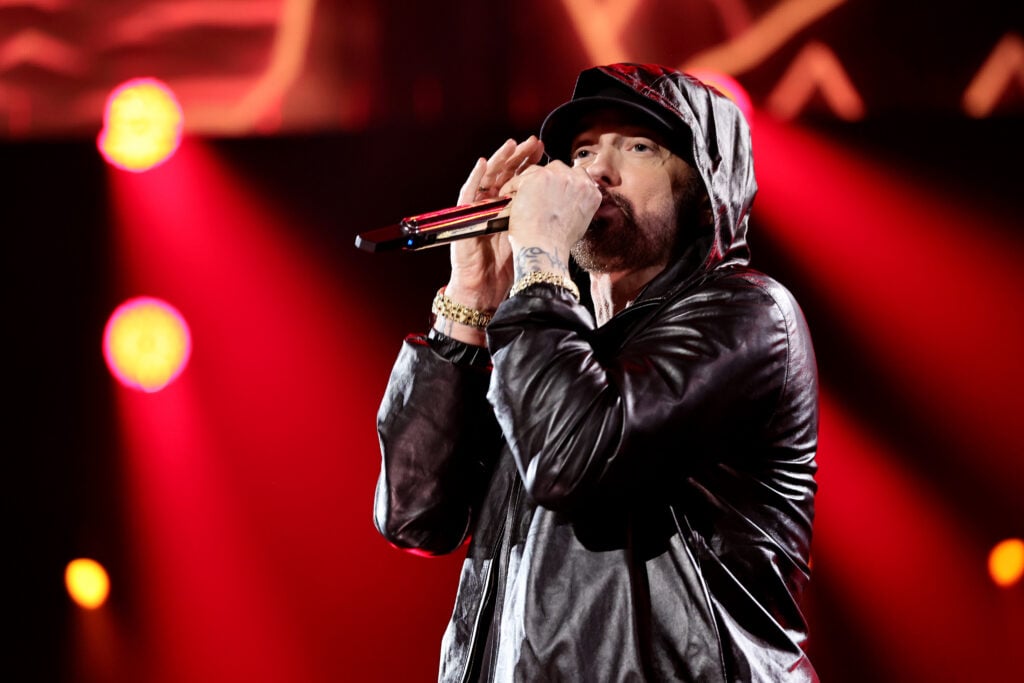
Eminem performs onstage during the 37th Annual Rock & Roll Hall of Fame Induction Ceremony at Microsoft Theater on November 05, 2022 in Los Angeles, California.
Eminem performs onstage during the 37th Annual Rock & Roll Hall of Fame Induction Ceremony at Microsoft Theater on November 05, 2022 in Los Angeles, California. (Photo by Theo Wargo/Getty Images for The Rock and Roll Hall of Fame)

Yes, Am and Kid (he should probably update that stage name now that he’s pushing 60) are teaming up on “7 Sins,” a track featured on Rock’s upcoming Christian contemporary album, Halfway 2 Jesus. The album is scheduled to arrive October 17, just weeks before the November 3 midterm elections.

And the timing isn’t exactly helping Eminem’s case with fans who remember where he stood politically in 2017.

Em endorsed Kamala Harris during the 2024 presidential election. And the fact that he’s now teaming up with Trump’s favorite crooner has been a tough pill to swallow for some.

Fans have been taking their complaints directly to Eminem’s Instagram account, even on posts unrelated to the collaboration.

“Too bad you sold out and teamed up with kid rock,” one commenter wrote (per Parade).

“So disappointed you’re doing collab with kid rock,” another added.

But some fans are especially unhappy because Eminem once made his position on Trump supporters abundantly clear.

During a 2017 BET Hip Hop Awards cypher, the rapper delivered a blistering freestyle criticizing Trump and his supporters. He famously rapped that he was “drawing in the sand a line” and that fans were “either for or against.”

Now, some listeners want to know how working with Kid Rock squares with that declaration.

“WHY????? Kid Rock really??? Didn’t you tell fans ‘I’m drawing in the sand a line, you’re either for or against’?” one Instagram user asked.

Others, however, aren’t convinced that differing political beliefs should prevent two longtime friends from making music together.

But regardless of their feelings on the issue, most Eminem fans will probably stream the song out of curiosity.

Thus, it may well turn out to be the most successful Christian rock song in history.

Eminem Collaborates With Kid Rock on Christian Album, Leaving Fans Baffled was originally published on The Hollywood Gossip.

​The Hollywood Gossip