On behalf of the staff, board, and families of Chilkat Valley Preschool, I want to extend our heartfelt gratitude to the Chilkat Community Foundation for their 2026 Grant supporting our operational funds.
Operating a high-quality preschool requires stable, predictable funding to cover the essential overhead costs that keep our doors open..
By investing in our daily operations, the Chilkat Community Foundation directly invested in the early education and well-being of our community’s youngest residents. We…
Seasonal wines are hitting Aldi shelves soon, from refreshing white wines to blended reds and those that receive the highest honor of being labeled DOCG.
Mashed – Fast Food, Celebrity Chefs, Grocery, Reviews
Luke Bryan’s dropping a new album September 18th, and his own kids basically couldn’t care less about hearing it early. Continue reading…Country Music News – Taste of Country
Luke Bryan’s dropping a new album September 18th, and his own kids basically couldn’t care less about hearing it early. Continue reading…The Boot – Country Music News, Music Videos and Songs
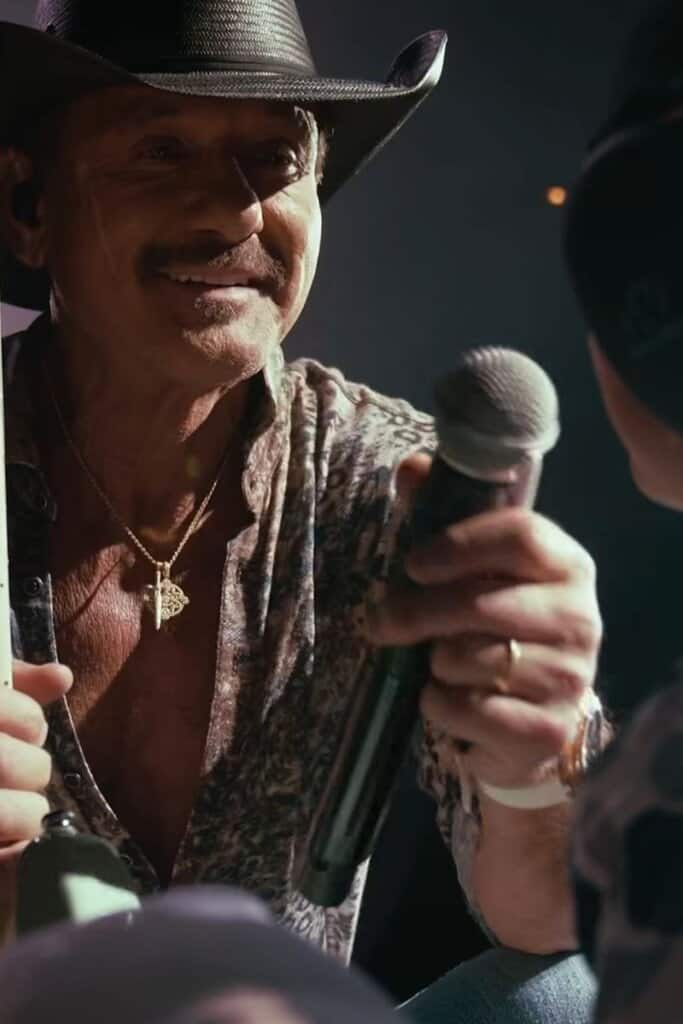
Tim McGraw has made it a tradition to give a guitar away to a lucky young fan at every stop on his 2026 Pawn Shop Guitar Tour, and during a recent show, one lucky attendee found himself at the center of the very special surprise and his response was one McGraw will never forget.
As part of the tour, McGraw and his team have been visiting a local pawn shop in each city to purchase a guitar. The country superstar then signs the guitar and gives it to a child in the audience, hoping to inspire the next generation to pick up an instrument and discover a love for music.
Photo Courtesy of Tim McGraw
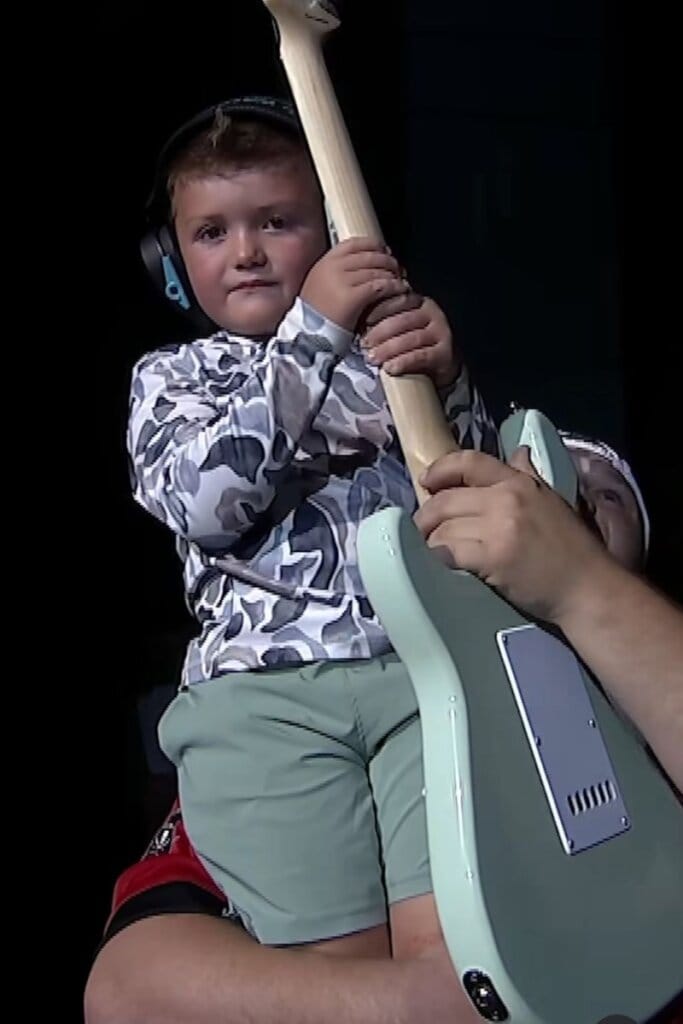
He took to social media following a show this week to share the special moment he shared with a young fan named Finn during this portion of the show. Finn was brought closer to the stage, where he got a moment to speak with McGraw. Although the young boy was fairly quiet at first, his confidence came out when McGraw handed over the mic and told him, “Feel free to sing or talk or whatever you want to do.”
Without hesitation, the boy broke out in song, singing a few lines of the Louisiana native’s 1997 release, “Where The Green Grass Grows.” The crowd erupted in cheers, celebrating Finn’s willingness to sing in front of the large audience.
Before handing over the guitar, Finn had one more thing to say to McGraw.
He stated, “I know you are best friend with Luke Combs.”
The “I like It, I Love It,” singer responded, “He’s awesome. I love Luke Combs.”
After learning that the boy was such a big fan of the North Carolina singer, McGraw figured that the best way to inspire him would be to use Comb’s name as he put a guitar in the little boy’s hands and get him to make a promise to learn how to play.
“So if this was Luke talking to you and he asked you if you promised to learn the guitar, would you say yes?” McGraw asked, prompting the boy to confidently say, “yes.”
He handed over the instrument as he said, “Here you go. And thank you to Luke Combs for getting this guy to play this guitar. Have fun, Finn.”
Luke Combs quickly jumped in the comment section to offer his support, writing “HELL YEAH!!!!”
Photo Courtesy of Tim McGraw
Finn’s mom also made an appearance, commenting under the video with true excitement over the moment McGraw shared with her son.
“Finn’s momma here! AS IF LAST NIGHT COULDN’T HAVE BEEN ANY BETTER
THANK YOU SO MUCH! This was amazing. Finn’s first concert ever was Luke Combs! You made Finn’s night! He hasn’t stopped singing ‘Where The Green Grass Grows’ since! He says ‘Luke was 1000% awesome and Tim was 1000% awesome’ This has been the COOLEST experience of his life!”
Tim McGraw’s 2026 Pawn Shop Guitar Tour is set to run through September 26, with plenty more stops still ahead. That means there are more chances for young fans like Finn to walk away with a guitar.
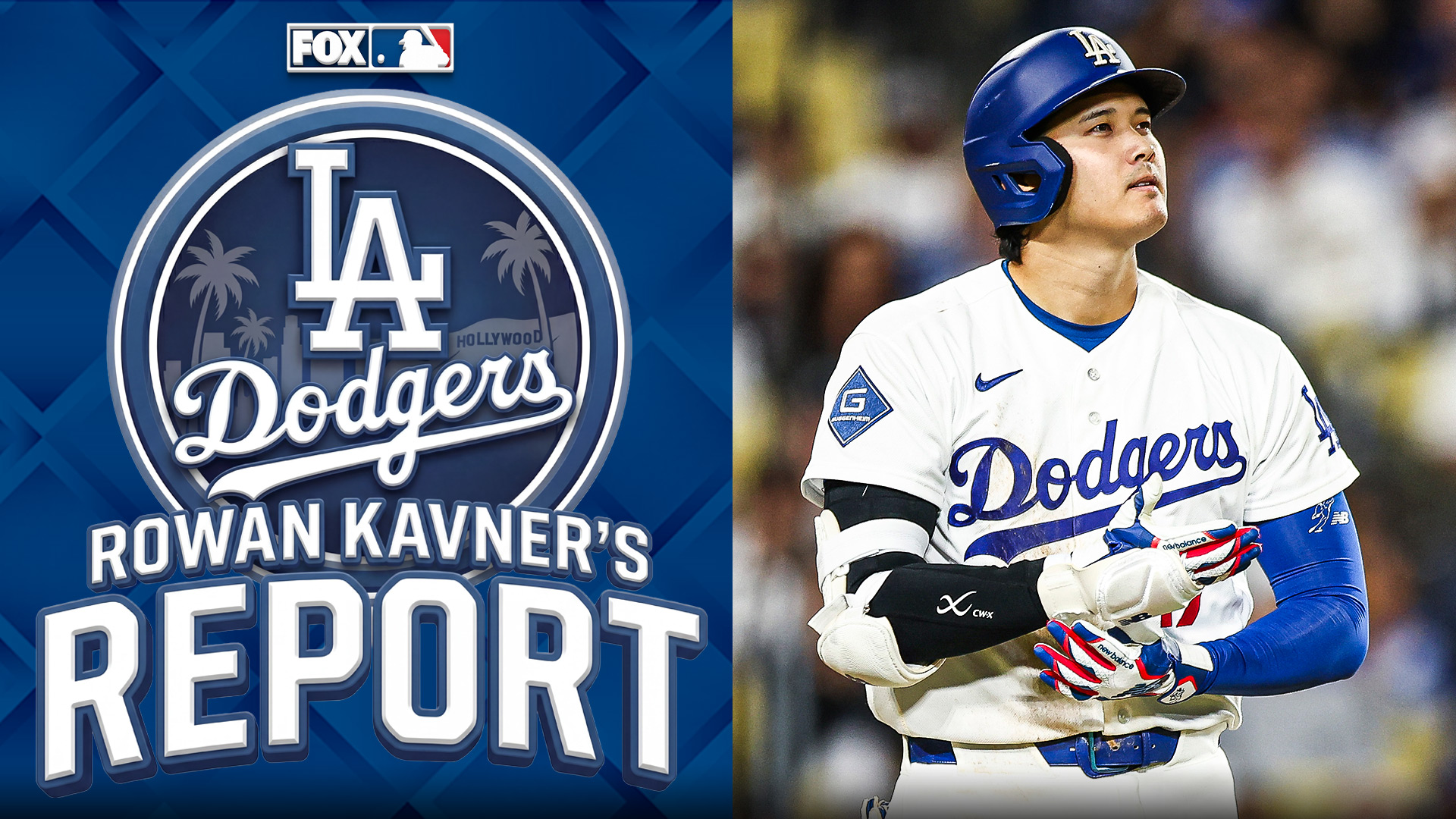
DODGER STADIUM (Los Angeles, CA) — Before Wednesday’s game, manager Dave Roberts finally acknowledged the obvious. For much of the last couple of months, the Dodgers and Shohei Ohtani have insisted the knee and bicep issues preventing the two-way star from pitching weren’t impacting him as a hitter. But they can no longer pretend. Not after Ohtani’s 0-for-4, grimace-inducing night against St. Louis. Ohtani had been ramping back up as a pitcher in recent weeks and was expected to return to the mound for an inning last Sunday, but the soreness he felt in a bullpen session two days prior tabled that plan and paused his progression yet again. He hasn’t pitched in a game since July 3. Meanwhile, the more he labors to return as a two-way force, the more his body clearly aches and the more his offense suffers. On Aug. 14, he threw his first bullpen session in more than three weeks. Over 17 games since then, he’s hitting .194 with a .719 OPS. He is currently suffering through his longest stretch without a home run as a Dodger, a regrettable streak that reached 12 games on Wednesday night. That afternoon, before Ohtani’s first four-strikeout night of the year, I asked Roberts if he thinks pausing the two-way star’s pitching progression will help him as a hitter. “I do,” Roberts told me after a long pause to consider his answer. “I think that I certainly know the value of him pitching, but if you’re not 100%, there’s possibly some bleed-in to the performance offensively. That’s just me kind of theorizing. But yeah, it’s his decision, honestly. If he feels like he’s capable [of pitching], then we’ll run the play out until it doesn’t make any sense.” Wednesday night should be an indication that time has arrived. With Yoshinobu Yamamoto, Tarik Skubal, Blake Snell and Tyler Glasnow all healthy, there’s no reason for the Dodgers to consider putting Ohtani back on a mound in 2026. Not while he looks like this. In his final at-bat Wednesday night, Ohtani looked to be in pain, wincing and shaking out his troublesome right arm. He took a few half-hearted hacks before being sent back to the dugout with his fourth strikeout in the 10th inning of the Dodgers’ sixth loss in their last eight games. The Dodgers are now 26-27 since the start of July. They rank 21st in OPS, 24th in slugging and 26th in home runs over that stretch. Clearly, they can’t afford a hobbled version of Ohtani at the plate. And Wednesday night, Roberts acknowledged what everyone else saw: The four-time MVP’s injuries are compromising him offensively. “Clearly, the swings aren’t who he is,” Roberts said. At this point, Ohtani’s left knee — which required an injection at the All-Star break — and right biceps have been bothering him for months, yet he still hasn’t gone on the injured list since joining the Dodgers before the 2024 season. Ohtani’s only official time away from the team was a two-game hiatus on the paternity list after the birth of his first child last season. He didn’t go on the paternity list at all after welcoming his second child, missing just one game. He does not like to sit out. At some point, though, the Dodgers have to take the decision out of his hands. On Wednesday night, Roberts at least sounded more open to that possibility. “It won’t be an IL — unless it is,” Roberts told reporters after Ohtani’s four-strikeout day. “But it’s very unlikely.” At the least, a day or two off could be in the cards. Roberts plans to have a conversation with Ohtani and the training staff before Thursday’s game. “I know that he feels he needs to post and be in the lineup and if he’s upright he should play,” Roberts said. “I respect that. But if he’s feeling the way that he visibly looks, then [it’s] really not helping anyone.” The Dodgers continue to maintain that anything Ohtani can provide as a pitcher the rest of the way is added value. But if it comes at the expense of his abilities offensively, is it really? While there’s no hard deadline for the Dodgers to make a decision on whether they’ll shut Ohtani down as a pitcher for the season, Roberts did finally acknowledge Wednesday afternoon that it’s on the table. “We’re not quite there yet,” Roberts said. “But it’s certainly an option.” It should be the only one. At this point, given that Ohtani has now been hobbled for three months, there’s no guarantee he will look 100% like himself at the plate again this year, even if he gives up on pitching, takes a day or two off or goes on the IL for a minimal stint. But they have to do anything they can to get him closer to full strength offensively. Wednesday can’t become the norm. The Dodgers and their scuffling offense can’t afford it come October.Latest Sports News from FOX Sports
Construction crews could begin the excavation process for what will be President Donald Trump’s massive 250-foot-tall arch in as soon as the next two weeks, Interior Secretary Doug Burgum announced on Thursday.
The monument — which will be erected in a traffic circle at the head of the Memorial Bridge over the Potomac River, coming between the Lincoln Memorial and Arlington Cemetery — has generated controversy as concerns emerged about the design and traffic congestion during construction.
The arch would take two to three years to construct on the proposed schedule, according to documents released in June.
“We are pleased to announce that after a very long wait (over 125 years!), we are preparing to start, over the next two-week period, the excavation work necessary for the Great Triumphal Arch and Military Observation Deck,” Burgum said in a social media post.
The 250-foot-tall arch will be among Trump’s most visible projects, as the administration continues its attempts to remake Washington. Critics, however, have voiced fears that the structure may be too large, and overshadow other monuments, like the Lincoln Memorial on the other side of the Potomac River.
The proposed arch will dwarf the Arc de Triomphe in Paris in size. It is unclear at this time how much construction will cost; the National Endowment for the Humanities earmarked $15 million for the monument.
“This will be one the the Great Pieces of American Architecture, honoring the history and significance of Arlington National Cemetery and befitting the most powerful Capital in the World,” Burgum said.
The monument will be constructed on land overseen by the National Park Service, and critics have argued Trump’s latest project requires explicit congressional approval. However, the Interior secretary continues to rebut these claims.
Instead, Burgum echoed previous statements and said historically “Congress and various congressionally chartered commissions decreed that a monumental work should adorn Columbia Island,” the traffic circle where the monument is planned to be constructed.
“Despite Congress’s intent, the site became and remains today a barren traffic circle lacking any monumental treatment and significant historic value,” he said.
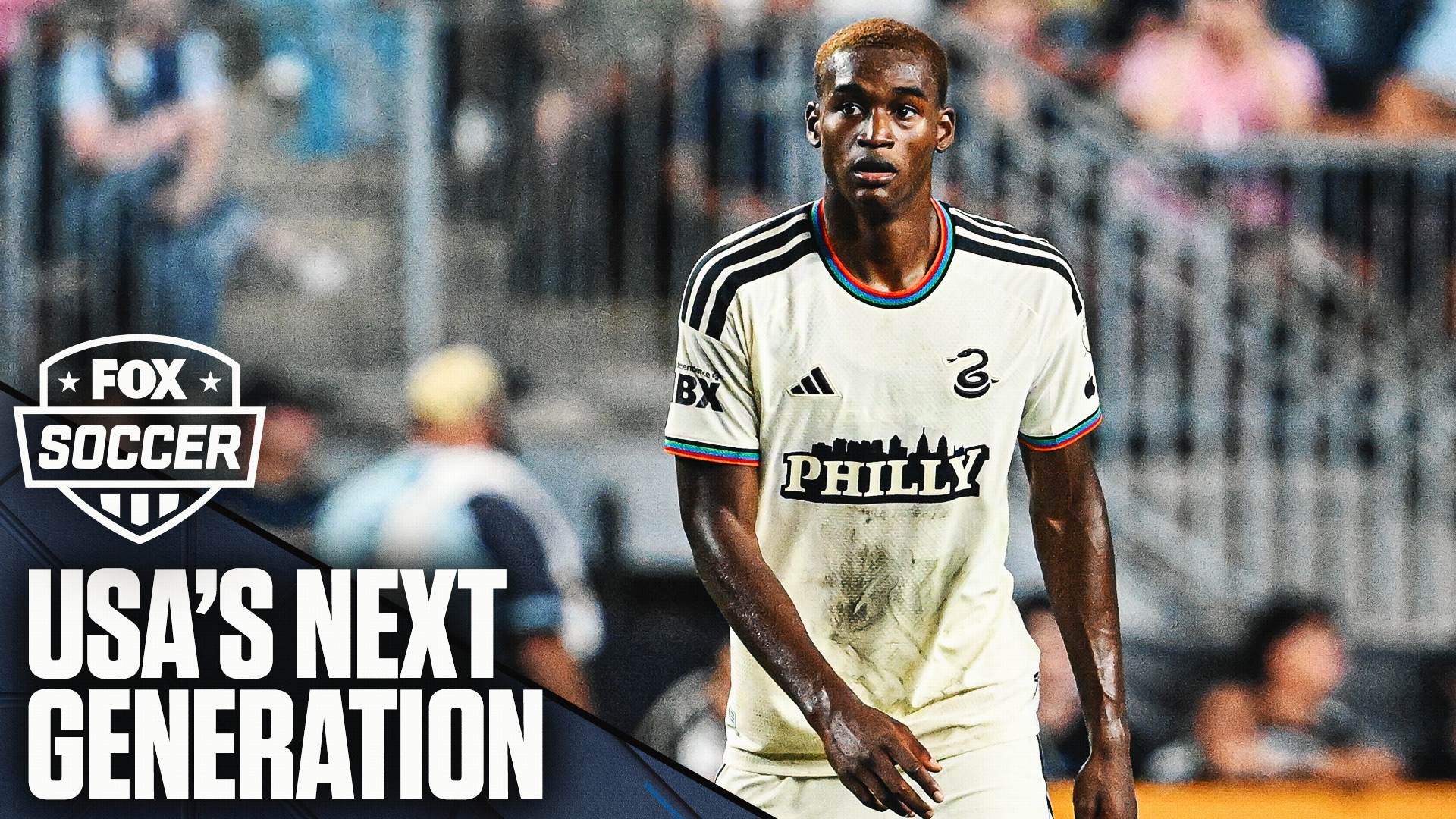
When the U.S. men’s national team reconvenes on Sept. 21 to prepare for four exhibition games late this month and early next, it will probably look different from the 26-player squad that reached the round of 16 at the 2026 FIFA World Cup. Forward Christian Pulisic hasn’t played for AC Milan since suffering two microfractures in his right leg during the tournament co-hosts’ humiliating 4-1 knockout loss to Belgium. World Cup captain Tim Ream turns 39 next month and has likely played his last match for his country. On the first steps toward the centennial 2030 competition co-hosted mostly by Morocco, Portugal and Spain, it’s possible that freshly rehired coach Mauricio Pochettino will leave several other established Americans home when he drops his next roster on or around Sept. 17. If that’s the case, some of those regulars could be replaced by familiar names who missed the World Cup but are playing regularly and well in early 2026–27, or by youngsters who are either just beginning their international careers and/or vying for a spot on the U.S. under-23 squad that will compete at the 2028 Summer Olympics in Los Angeles. The USA opens its four-match slate of friendlies against Peru in Orlando on Sept. 26, the start of a rare stretch of unofficial games and, crucially, training sessions before the Concacaf Nations League returns in November and next March — and before the 2027 Gold Cup kicks off on FOX’s air next summer. Poch’s side also faces Chile (Sept. 29) before closing out the camp with games against regional rivals Mexico (Oct. 3) and Canada (Oct. 6). With the Steve Cherundolo-led U-23s idle until FIFA’s November window, Pochettino has the chance to take a first-hand look at the next generation. The Argentine’s best skill as a coach is identifying emerging talents like Alex Freeman, the now-22-year-old defender who went from uncapped prospect in mid-2025 to World Cup starter a year later. Freeman scored in the group stage win over Australia and logged the second-most minutes of any American in the tournament, behind only Weston McKennie. “It’s going to be important to provide the young kids that we really believe have the potential to arrive in 2030 in four years to start to work and start to know [what] we expect from them,” Pochettino told me and other reporters on the day his return was announced. “They need to feel if they perform, they can have the possibility to join us.” Here are some of the candidates: When Gozo scored six goals in 16 MLS appearances for Real Salt Lake this spring, Pochettino seriously considered taking the uncapped teenager to the World Cup. Palace saw enough to drop a $15 million transfer fee on the Utah native, who made his Premier League debut for the Eagles in last week’s loss to Manchester City. That makes Gozo an obvious candidate for the upcoming games — unless Poch opts to leave the youngster back in London for this camp so he can continue acclimating to his new surroundings. Sullivan has been sensational for Philly since MLS returned from its World Cup break, with four goal contributions in the Union’s last four games. The Man City prospect has also scored in two straight matches, including a beauty in last week’ 3-1 win over the New York Red Bulls. Were Sullivan to play in any of the Americans’ games this fall, he’d become the youngest player to represent the U.S. men since 16-year-old Freddy Adu in 2006. For a program in need of young center backs, the timing of Pierre’s recent emergence is perfect. Named the top defender in MLS’s developmental “Next Pro” league last season, the towering (he’s 6-foot-7) Pierre made his first team debut for Philadelphia last season, then spent the first half of 2026 on loan to Copenhagen-based Lyngby, which he helped get promoted to the Danish top flight this spring. Pierre has started seven of the Union’s nine games since returning in July and scored an astounding four goals, including last weekend against the Red Bulls. When the seven-time European champions shipped Musah to Italian rivals Atalanta on loan last season, it seemed his career with the Rossoneri was over — especially after starting just five Serie A games in 2025-26 and missing out on a World Cup trip. But Musah, who started all four games for the U.S. at Qatar 2022, returned to the San Siro and won over new manager Rúben Amorim, who has kept the American in the heart of his midfield for every minute of Milan’s first two matches this campaign. Unlike Musah, Morris came agonizingly close to making the World Cup roster following a strong 2025-26 campaign during which ‘Boro narrowly missed out on promotion to the Prem. He’s been even better to start the new season, scoring a spectacular goal in Wednesday’s 1-1 tie away to Burnley. With Ream gone and Miles Robinson turning 30 early next year, Pochettino needs new center backs. Poch gave Campbell his first cap in early 2025, when he was still playing for MLS club CF Montreal. Now 25, the Atlanta United academy product is captaining West Brom in his second season with the English Championship club. After four matches, the Baggies are tied for the final spot in the second tier’s Premier League promotion playoffs. The former Atlanta United left back will compete in the UEFA Champions League this season after he (and fellow American Samuel Adeniran, who is now injured) knocked Scottish behemoth Celtic out of the competition last month. He could be an option if either of Poch’s two World Cup left backs — Antonee “Jedi” Robinson and understudy Max Arfsten, who is still settling in with Middlesbrough — aren’t summoned. Once a left back himself, the Connecticut-born left-footer has been deployed as an attacker under Revs coach (and 2024 U.S. Olympic boss) Marko Mitrović. Miller, who turns 19 in November, has responded with four goals and four assists in 20 appearances, 14 of them starts. Though Campbell burst onto the scene two years ago by making Champions League and Bundesliga appearances for German titans Borussia Dortmund, the 5-foot-7 Texan had a disappointing 2025-26 on loan to Hoffenheim, playing in just five league games. He joined newly promoted Elversberg in July and got off to a fast start in last week’s season-opening upset of Malik Tillman’s Bayer Leverkusen, starting and scoring in the 3-2 win. Campbell has two more chances to impress before Pochettino names his squad: on Sunday at Borussia Mönchengladbach and home to Bayern Munich on Sept. 13. Although he has just one goal in 18 MLS regular season games for the Lions in 2026, Ellis is a skillful, intelligent and versatile player. He has also developed a quick partnership with onetime U.S. striker Daryl Dike and France/Atlético Madrid legend Antoine Griezmann, contributing seven assists. Pochettino started Busio in his first two games and U.S. coach but hasn’t recalled him since late 2024. But Busio is now back in Serie A for the third time with the Venice-based Winged Lions, and is both captaining the club this season. With a new cycle just beginning, has the classy Busio earned another look? The best keeper on the best team in MLS this season, Schwake’s 77.3 save percentage leads the league ahead of World Cup winner Hugo Lloris and U.S. veteran Matt Turner. Schwake conceded just 17 goals in Nashville’s 22 matches, keeping 10 clean sheets and logging every minute along the way. Before joining Nashville last year, the Illinois native played for lower league clubs in Spain and Scotland.Latest Sports News from FOX Sports












![<a href="https://tasteofcountry.com/marshals-season-2-trailer/" target="_blank">‘Marshals’ Season 2 Trailer Spoils at Least One Secret [WATCH]</a>](https://townsquare.media/site/204/files/2026/09/attachment-editorial-53-1.jpg?format=natural)