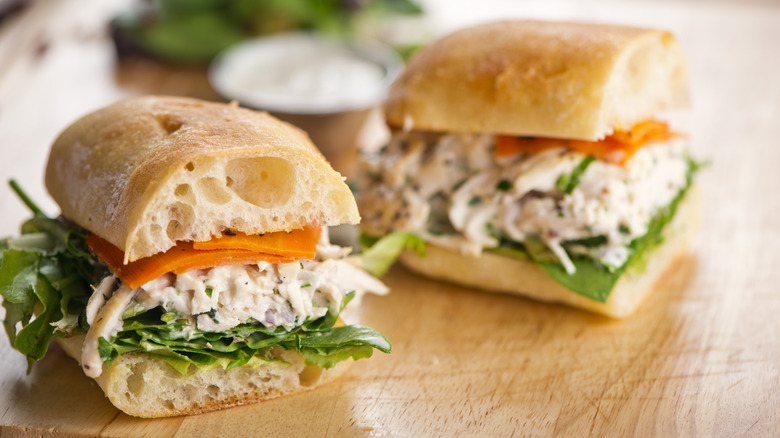
If you love yourself a chicken salad sub, you might be tempted to head to either Jersey Mike’s or Potbelly Sandwich Works, but which has the best value?
Food Republic – Restaurants, Reviews, Recipes, Cooking Tips








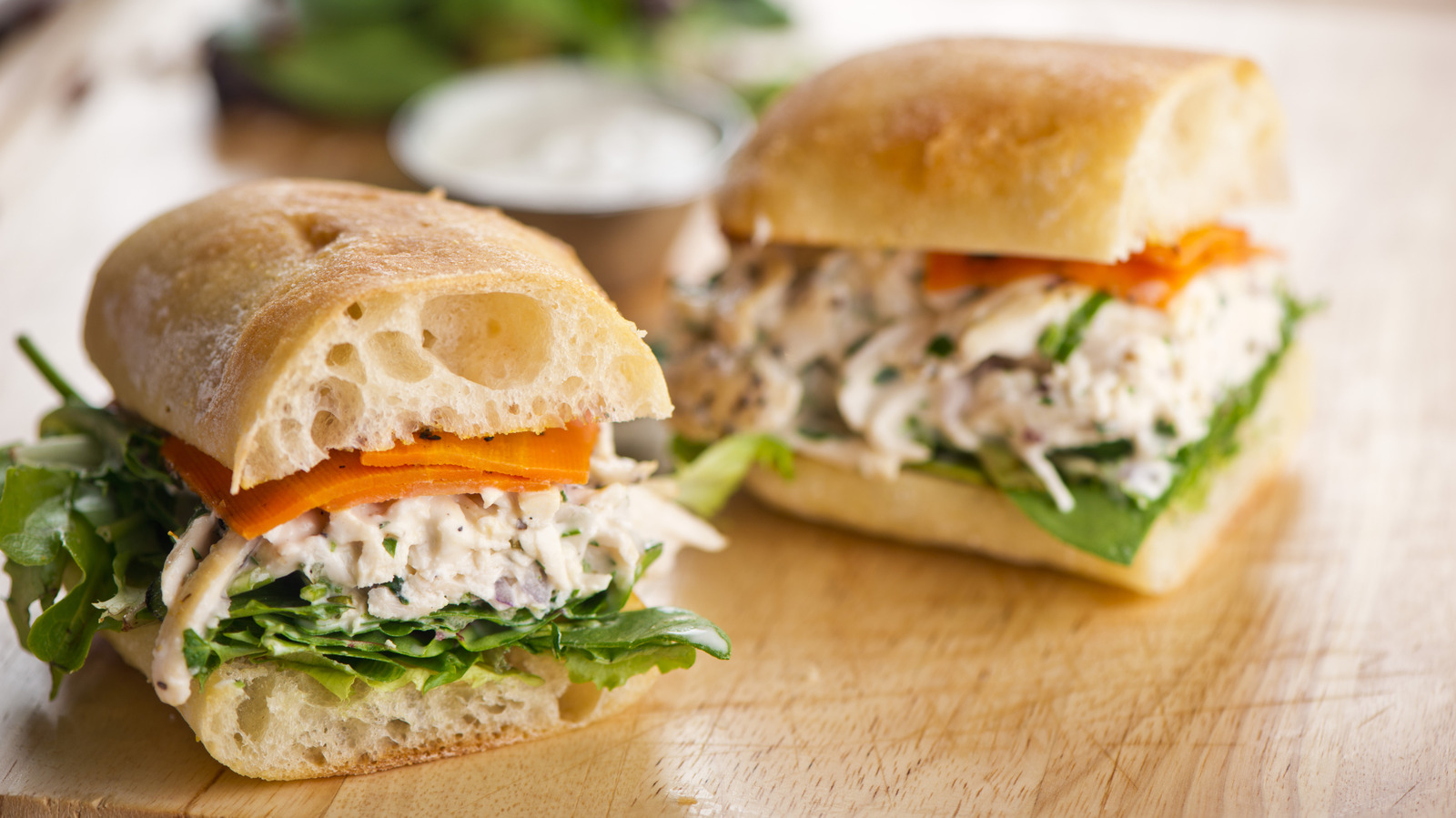
If you love yourself a chicken salad sub, you might be tempted to head to either Jersey Mike’s or Potbelly Sandwich Works, but which has the best value?
Food Republic – Restaurants, Reviews, Recipes, Cooking Tips
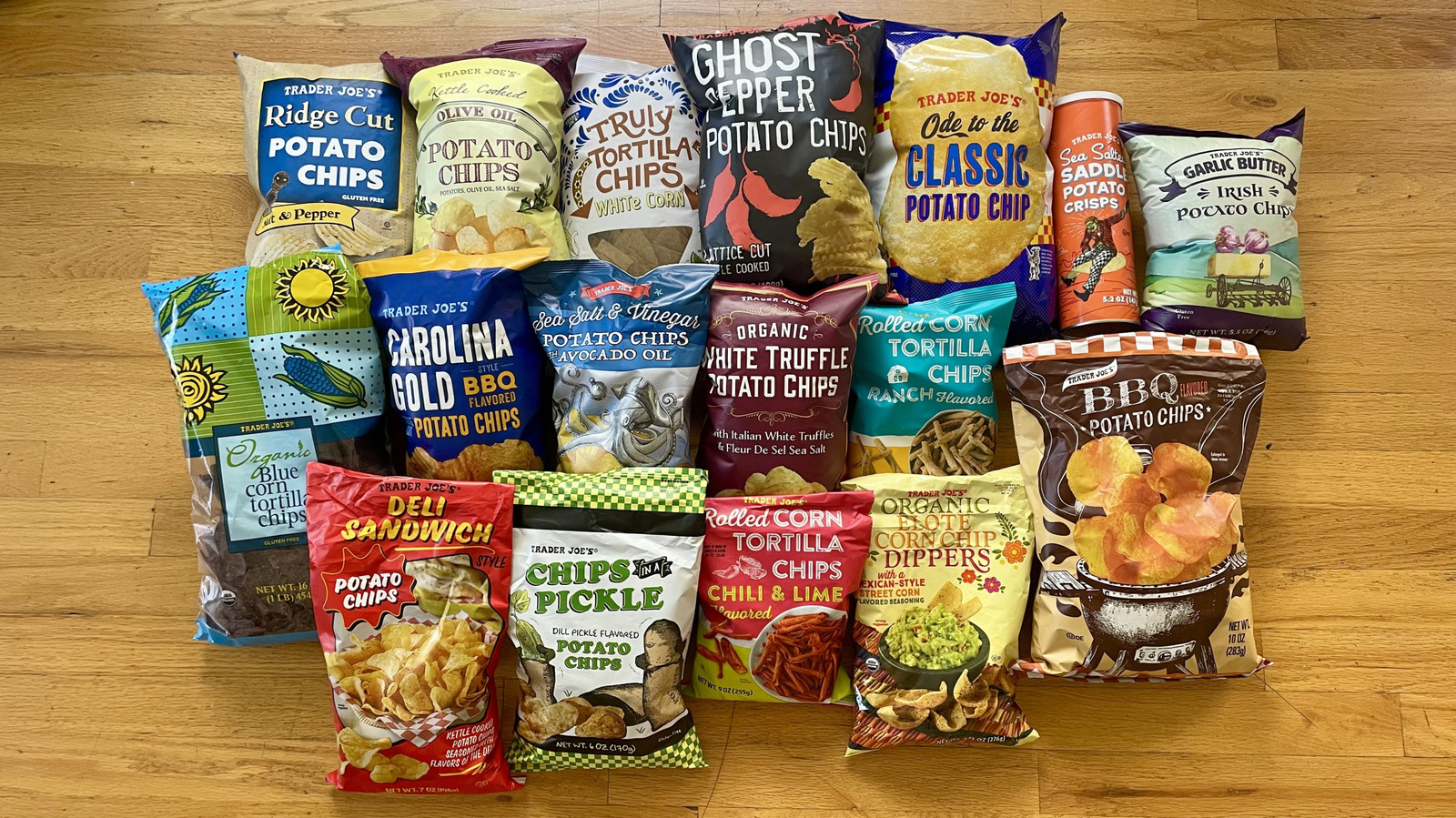
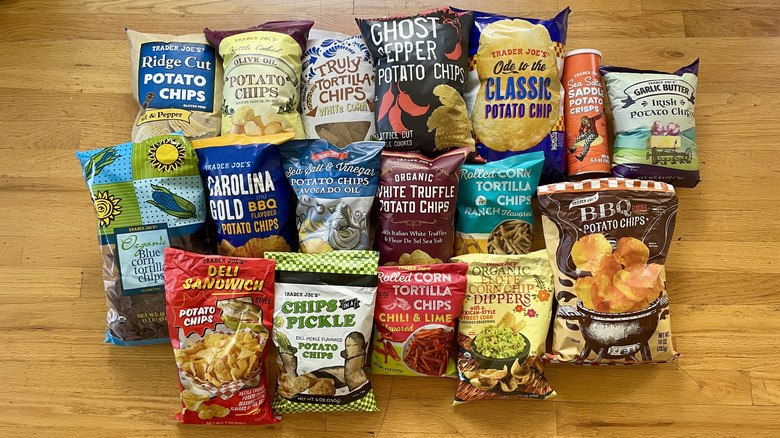
Ready to get your snack on? We tested a long list of Trader Joe’s chips to find the best, from classic styles to more flavorful options like pickle.
Food Republic – Restaurants, Reviews, Recipes, Cooking Tips

In Driver’s Eye with James Hinchcliffe, the six-time INDYCAR winner will bring you inside the mind of a racer while breaking down the nuts and bolts of the sport for fans. And then there were two… Two is an important number heading into Milwaukee. Two race weekends left in the 2026 INDYCAR season. Two races at the famed mile-long flat track this weekend. And the No. 2 car is very much the car to beat. Rather than focus on Josef Newgarden’s oval prowess so far in 2026, or how Pato O’Ward, Scott McLaughlin and Christian Rasmussen are recent Milwaukee Mile winners, or that we are nearly done with INDYCAR racing for a while, I want to dig into the doubleheader specifically. Doubleheaders are a massive challenge for teams and drivers alike. Strategically, physically, mentally — both driver and crew get pushed to the limit. Making the double on the fourth consecutive weekend on the road adds another element of wear and tear — both on man and machine. Let’s look deeper into what INDYCAR teams are facing this weekend. Doubleheaders are great value for fans and loved by promoters, but a lot of drivers are lukewarm on the concept at best. The biggest reason that drivers aren’t the biggest fans is the sporting fairness across the season. Allow me to explain. If you happen to have a particularly good car at whatever track is hosting an INDYCAR doubleheader, you’ve automatically got a baked-in competitive advantage for two races. Double the chance to make up some points. To any team that struggles at said track, it feels like an unfair advantage. If I’m Rahal Letterman Lanigan, I want a doubleheader at Indianapolis Motor Speedway’s road course. Andretti Global would love it to be a street track. Team Penske wouldn’t be mad with a short oval. Because of this, no matter where a doubleheader is held, one team will feel elated, and the others will all feel slighted. If every track can’t be a doubleheader, then none should. That’s the position of an inherently competitive group of people! But this is the reality: We have had doubleheaders for a number of years, and they provide tremendous value for fans. I am sure, at some point in the future, INDYCAR will aim not to have any, but for now, it’s the schedule. SURVIVING 250 MILES ON MILWAUKEE’S OVAL — TWICE So how do drivers and teams best cope with such a grueling weekend? While two races on consecutive days is draining for every member of the team, the drivers no doubt have it the worst. I’ve written at length in this column about the physical demands of driving an Indy car. How no power steering and triple-digit temperatures can sap every ounce of energy out of you. After a typical race weekend, a driver has at least four days to recover before getting back behind the wheel. And those first days back in are pretty mild with practice and qualifying. It’s a full week before you are subjected to a race distance again. A full week to rest, rehab, rehydrate and prepare. Following a race like last weekend on the streets of Washington, D.C. — the longest street race we’ve had — drivers will be beat up from the bumps, blistered from the steering wheel and mentally exhausted from not just a long race, but also a long weekend full of extra media and commitments. At Milwaukee, drivers have less than 24 hours to accomplish the same recovery. This track is tough with just nine degrees of banking in the turns. The corners are fast, and the drivers don’t get much rest, given the short straights. Your grip, your shoulders, your neck and core can be burning by the final stint of a race here. You want nothing more than a massage and an ice bath after. A good night’s rest would be nice, too. The latter might be a pipe dream. Especially after an oval race, your adrenaline has been running so high for so long, despite being physically exhausted, it is often hard to sleep the night after a race. At Milwaukee, you have no choice. You’ve got to get fluids in you. You’ve got to rest as best as you can. You’ve got to tend to any ailments that might have popped up in the first race — like oval elbow. When you are turning left 500 times, your right elbow is often thrown into the right side of the tub under the extreme G force, which can bruise and even wear down your skin. It’s not uncommon for drivers to tear off their suits and be greeted by a big red circle on their right arm. I went so far as to build extra padding into the right elbow of my oval suits when I was racing. It helped — but only so much. When you wake up the next morning, all of those sore spots really make themselves known, and you shudder thinking of having to put them through it all again. A huge contributor to how beat you are at the end of a race is how well your car is handling. When the car is hooked up, everything feels easier. You are relaxed, you loosen your grip and you let the car do a big chunk of the work for you. If the team misses the mark on the setup, it is exponentially more physically and mentally draining. The car feels like it’s trying to crash you every lap. You tense up. You grip the wheel tighter. All of those things drain your energy much faster. And with so little practice, if you roll off with a less-than-ideal car, the chances of it being significantly better by the second race are slim. So you’re in for a double dose of torture. THE GOOD, THE BAD AND THE FAST: MILWAUKEE Milwaukee is a great place to go racing. Opening in 1903, it’s the oldest racetrack we race on — yes, it predates Indianapolis Motor Speedway — and it’s a unique challenge. Being so flat, it almost feels more like two really fast road-course corners than an oval. Naturally, that means drivers with road-racing backgrounds tend to prefer this place over higher-banked tracks. The corner radii are so tight that the fastest and preferred line is actually about a car width off the bottom of the track. There is also a different pavement on the first lane that doesn’t offer as much grip. To pass on most short ovals, you need to be comfortable going up high. At Milwaukee, you actually need to get the car working down low. It’s not an easy thing to do because the unique track configuration provides a completely different feel, so a setup compromise is needed to be good in both lanes. I always loved racing at Milwaukee. It really feels like you are on the limit in a totally unparalleled way compared with other ovals. The lack of banking means you have less vertical load and more lateral load, throwing you into the right side of your seat so hard you can feel your organs moving in your rib cage. The two lanes lead to some great side-by-side racing, and a good result there always felt extra rewarding. 1 FOR THE ROAD Even with the tough weekend that Alex Palou and his No. 10 team endured in D.C., it’s still their title to lose. But we did see just how big of a swing in points can materialize when one driver wins while their rivals post a DNF. Remember what happened to Palou at Phoenix Raceway in March? He wrecked after only 21 laps and fell to an unusual fifth place in the standings. So, while 91 points is a massive cushion with three rounds to go — the season finale is at WeatherTech Raceway Laguna Seca on September 6 — anything can happen at this type of race. If Palou and his No. 10 team struggle in one or both Milwaukee events, his once seemingly guaranteed fifth INDYCAR title in six seasons could slip away. We’re down to the wire, almost at the white flag on the 2026 season, drama in the championship race is brewing. Trust me, you won’t want to miss Saturday’s and Sunday’s races on FOX!Latest Sports News from FOX Sports
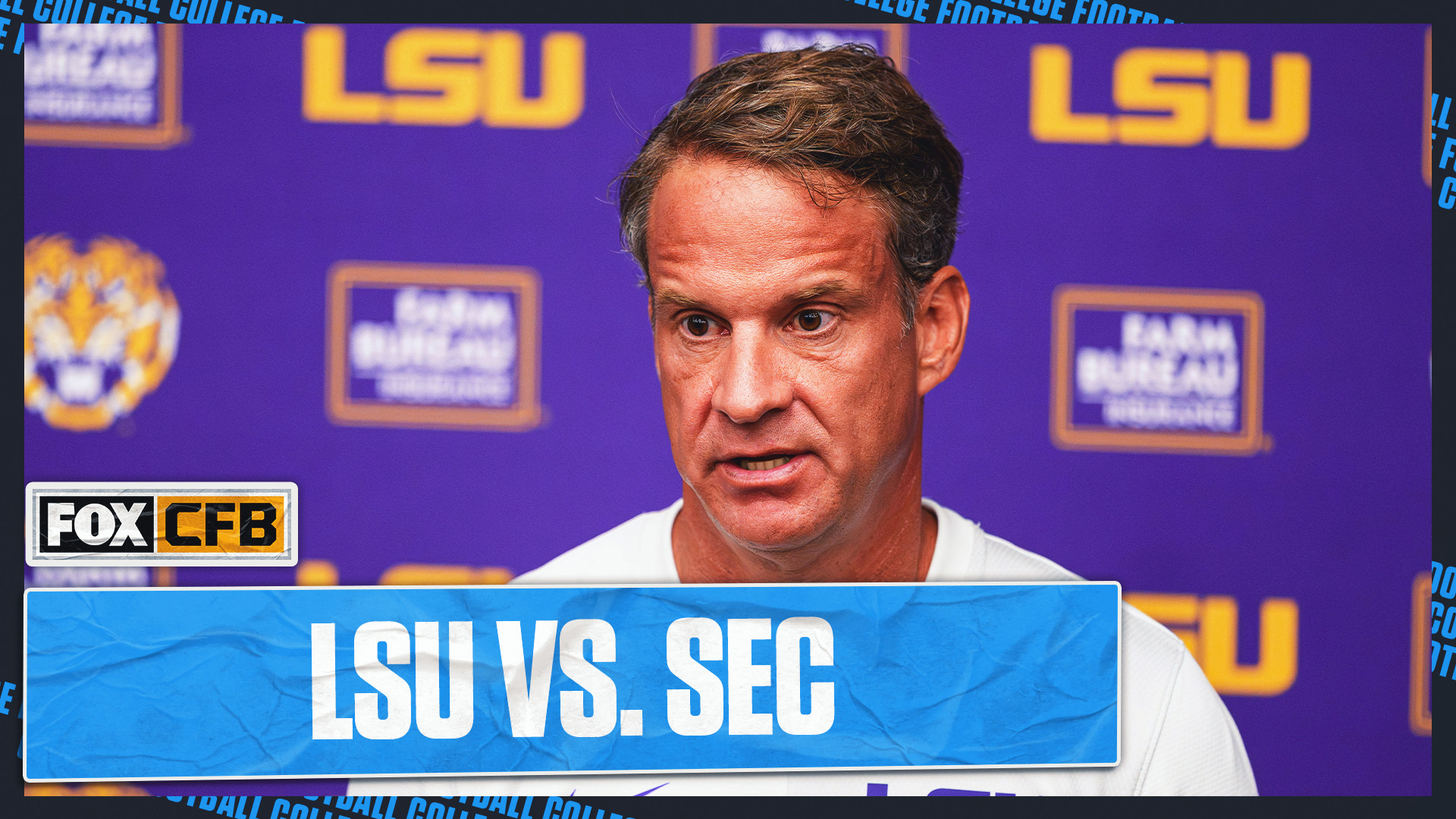
SEC commissioner Greg Sankey started with the high points, winding his way through his usual football media days state-of-the-union address. He pointed to the league winning a record 13 team national championships; that it was putting in additional programming to fight the growing influence of sports gambling; that its live viewership hours during football season accounted for 40% of those consumed by the Power Four leagues. And then, the questions began. “How real are the conversations within the SEC about potentially breaking away from the college structure as we know it?” a reporter queried. “They’re real,” Sankey answered flatly. “People have talked about that. They’ve opined about the frustrations that bring them to the point of saying we should look at something significantly different. I do not believe that is a leverage point. I think that’s just honest communication.” The threats of a “breakaway” are, in fact, quite real. Angst from administrators and presidents has pushed the SEC and, to a lesser degree, the Big Ten to a point where each has explored what self-governance at the conference level might look like — sentiments that have been broadcast more publicly over the past six months. Stakeholders have fundamentally taken issue with the lack of actual enforcement of rules laid out in the House settlement and by the College Sports Commission and NCAA. The solution, at least to some, is to take on more regulation at the conference-level and allow leagues to set their own rules around eligibility, revenue-sharing caps and other pieces to college sports’ ever-evolving jigsaw puzzle of a future structure. But as eligibility lawsuits litter the news cycle, the SEC, in particular, is providing an early test case for how feasible regulating anything at the league level in this new era ultimately is. And it’s a fight brewing on the bayou that has everyone paying attention. “I can’t speak for the entirety,” one league source told me, “but I would say [the SEC’s] charge is to defend the rules that everyone voted on as members.” There are certain places that are almost too good, too cliché, too Spielbergian to be the setting for the stories they tell. Louisiana, college sports and a good old-fashioned power struggle are certainly that. These are complicated times in Baton Rouge; times wrought with regime changes and political interference — albeit that can often be the norm around these parts. Gov. Jeff Landry was squarely involved in running off athletics director Scott Woodward and football coach Brian Kelly in October 2025. Then in March, Gov. Landry pushed to get men’s basketball coach Matt McMahon fired and to bring controversial castoff Will Wade back to town as McMahon’s successor. There was also the live mascot debacle of 2024 — another Landry-driven agenda item intended to return a living, breathing tiger to the sidelines in Death Valley. Even earlier this month, the governor’s residence played host to a meeting of LSU boosters to discuss a new-look equity approach to fundraising for the school’s athletic programs. So, of course, it was in a Baton Rouge courtroom last week when a Louisiana state judge granted a handful of athletes an additional year of eligibility, including several players who had recently signed NFL contracts. To little surprise, two of those athletes — tight end Dae’Quan Wright and defensive lineman Zxavian Harris, formerly of the Cleveland Browns and New Orleans Saints, respectively — were expected to head to LSU and play for Lane Kiffin, their former head coach at Ole Miss. These reprieves were matched in gravity and wide-ranging condemnation via a separate ruling from a different Louisiana judge on Tuesday that granted an additional year of eligibility to former All-American basketball player RJ Luis Jr. After starring for St. John’s, Luis went undrafted in the 2025 NBA Draft, signed a two-way contract with the Utah Jazz and played in three NBA preseason games. “These athletes generated value under the prior framework and should not be denied the additional year the NCAA itself created for others,” attorney Darren Heitner, who represents Wright, told me. “Roster and portal management gets messy for schools, but that is a problem of the NCAA’s own making.” Exiting the courtroom on Monday, a smile crested on Luis’ face in a moment captured by a local reporter. It was there in the lobby of this place of law and order that his past and future collided. Adorning a purple polo and thrusting his arms wide, Wade, the Tigers’ second-term head coach, offered Luis a full embrace with a smirk to match. No consternation here. LSU got its star. “Because of these rulings, they’re either going to play for you or they’re going to play for someone else around the country,” Kiffin said at a press conference on Monday. “So we’ve made the decision to recruit [Harris and Wright] like probably most people are.” That those in Baton Rouge are flashing smiles can’t be said for the rest of College Sports, Inc. The Big Ten was the first league to pass a sweeping ban on professional athletes returning to college sports. The SEC, Big 12 and ACC have since followed suit, while conversations persist elsewhere across the FBS. The SEC pulled together a call among its presidents and chancellors on Monday ahead of two days of pre-scheduled meetings between that group and the league’s athletics directors. It closed the evening by pushing out a statement condemning the situation. “Fundamentally, everybody needs to move on,” a second Power Four source told me. “If you’re going to support and believe in NCAA rules, then you better start playing by them yourself.” These are not new issues, of course. It’s only six months past that Alabama basketball player Charles Bediako was brought back from professional basketball, granted an injunction and swiftly dismissed again. It was that action that prompted the usually buttoned-up and generally savvy Sankey to sign an affidavit supporting the NCAA against the Crimson Tide hooper. That this saga is bubbling up on the banks of the mighty Mississippi River once more, however, isn’t so much about LSU or two football players or even the omnipresent college sports villains that are Kiffin and Wade. No, this is about grander aspirations and efforts to control an ecosystem that has proved to be ungovernable as it currently exists. “We’ve got a simple choice to make: Do we want to be governed or not?,” Texas A&M athletics director Trev Alberts posited during SEC spring meetings in May. “We are sending a very strong message that college athletics refuses to be governed. That’s all I can say.” The Big Ten and SEC have been embroiled in conversations about how to best operate within an uncontrollable world for months. Their hopes for order currently reside on Capitol Hill, where the Protect College Sports Act remains in limbo until the Senate returns from its recess on Sept. 14. That has its own challenges. Where the buck stops in the lingering eligibility lawsuits ought to provide at least some clarity around leagues’ longer-term ambitions and whether regulation at the conference level is possible. “‘Breakaway’ is a word that creates a lot of emotion,” Big Ten commissioner Tony Petitti said from the pulpit at his own football media days last month. “I’ve never heard that anybody doesn’t want to play anybody else. We want to schedule more good games that our fans expect. “We’ve just got to get to a system that allows us to do that.” Buried in the jargon of the SEC’s wider ban on professional athletes on Tuesday night was a note that Sankey is “authorized to enforce this expectation with penalties against member institutions.” A shot across the bow, perhaps. The league’s bylaws include language that prevents players from transferring intra-conference outside the portal window. LSU’s additions of Wright and Harris would run directly counter to that edict. As would former Kentucky basketball player Mark Mitchell’s move to Missouri, which comes after he won his own eligibility lawsuit granting him an extra year two weeks ago. The SEC itself has also now been thrust into the legal proceedings as attorneys amended their complaint in Louisiana state court on Thursday evening to include the league and Sankey. So the standoff has started — and whether the SEC can actually enforce its own rules is where this story really begins. Laissez les bons temps rouler. Let the good times roll.Latest Sports News from FOX Sports

Reading Time: 2 minutes
Sydney Sweeney is celebrating her birthday a little early.
Specifically, she donned her birthday suit during an otherwise “clothed” lingerie ad.
At one point, Sydney eschewed the intimate garb, covering her nudity with nothing except birthday cake.
Anyone developing a sudden sweet tooth?
On Thursday, August 27, Sydney took to her Instagram page and beyond to share a tantalizing new video.
The post is actually an ad for SYRN (“siren” stylized for branding purposes), the actress’ fashion line.
Though she has investors (notably, Jeff Bezos), Sydney herself is the most prominent face — and arguably the biggest attraction — of the clothing brand.
In her new video, she is wearing different lingerie outfits in the kitchen.
Viewers are first treated to a POV from inside the refrigerator. Most folks would not look so flattering leaning over to check the fridge while wearing only their underwear.
Sydney Sweeney for the new collection from her lingerie brand, SYRN. pic.twitter.com/P3MuSZuHP0
— Sweeney NEWS (@sweeneyarchives) August 27, 2026
It appears that the narrative of the video is that she is very messily making a cake.
While wearing lingerie.
(There is, critics argue, an uncomfortable tradwife aesthetic given the old-timey milk bottles and the whole kitchen thing, but thankfully Sydney herself is not dressed like a cultist.)
She makes a lot of cakes, even if she smears so much flour on her buttocks that she apparently has no choice but to remove at least one undergarment in the process.
Then, as she walks towards the table, she holds two cakes to her chest, her lingerie having vanished. It is soon replaced by a set of black lingerie, which she wears as she crawls alluringly onto the table.
Sydney Sweeney WOW. pic.twitter.com/bRrvEJjrbo
— Sweeney NEWS (@sweeneyarchives) August 27, 2026
A couple of years ago, Sydney Sweeney was fairly open about hoping to be seen as an actress.
(To be clear, that is still correct — she is an extremely talented actress. Immaculate continues to haunt us.)
Starting around a year ago, however, she began openly using her public image to market her products.
This is a smart move for her lingerie line.
And, considering that Sydney’s on-screen nudity and sexual roles are what they are, it probably won’t hurt her image as an actress.
This particular line of SYRN lingerie comes out on September 1.
We cannot help but note that Sydney’s birthday is September 12.
(She will turn 29.)
It is possible, perhaps even likely, that the whole birthday cake (and birthday suit) motif was intentional.
But you don’t have to know this piece of trivia about her to, um, appreciate the ad.
Sydney Sweeney Wears Birthday Suit, Birthday Cakes in Jaw-Dropping Lingerie Ad was originally published on The Hollywood Gossip.
The Hollywood Gossip

We pitted these two fast-food-defining hamburgers against each other for the showdown of the century, comparing taste, texture, nutrition, and overall value.

Mashed – Fast Food, Celebrity Chefs, Grocery, Reviews

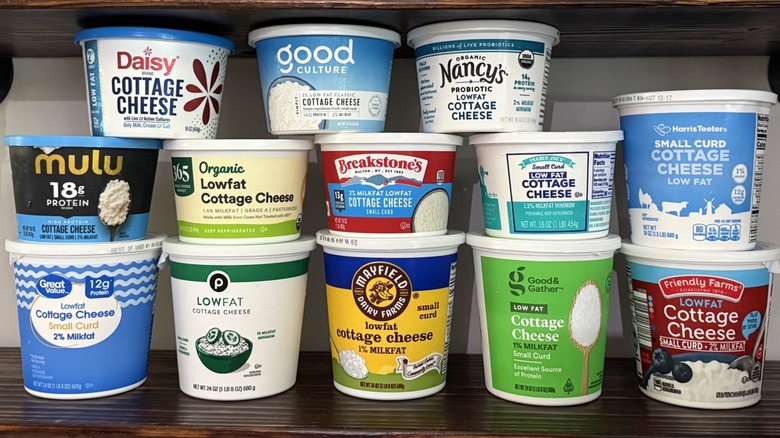
If you’re seeking a cottage cheese that works well in many applications due to its yummy taste and satisfying texture, look no further than this store brand.
Food Republic – Restaurants, Reviews, Recipes, Cooking Tips
![<a href="https://tasteofcountry.com/dolly-parton-sells-california-cabin-house-home-pictures/" target="_blank">See Inside Dolly Parton’s Charming California Cabin [Pics]</a>](https://townsquare.media/site/204/files/2024/07/attachment-dolly-parton-cabin.jpg?format=natural)
It’s as down-home as she was! Continue reading…Country Music News – Taste of Country
It’s as down-home as she was! Continue reading…The Boot – Country Music News, Music Videos and Songs
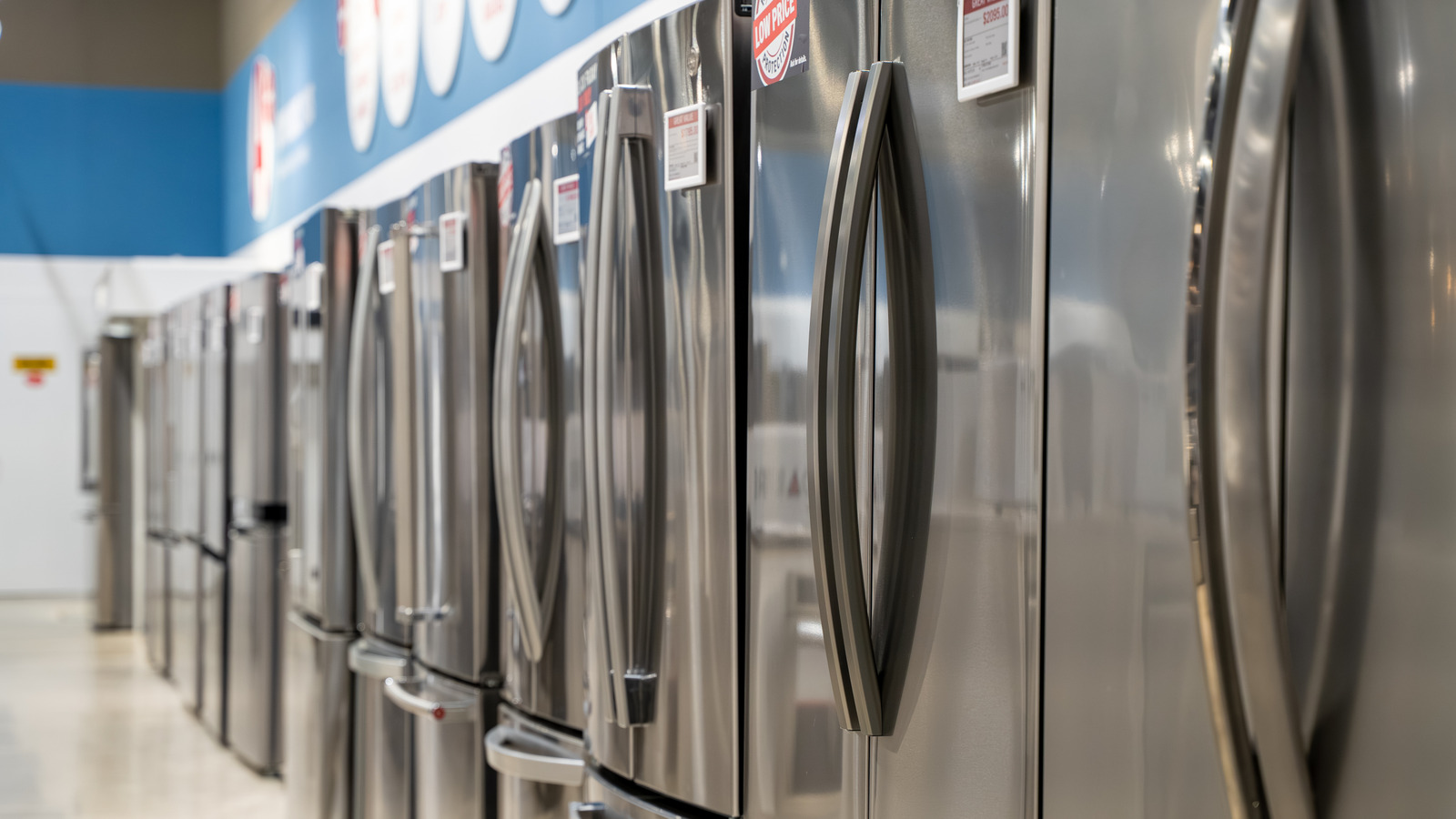
Many suburban households have an extra fridge in the basement or garage to hold surplus food, bulky items, or holiday prep, not to mention chilled drinks.
Mashed – Fast Food, Celebrity Chefs, Grocery, Reviews