You definitely need to add these ice cream bars to your cart if you’re a chocolate lover. They range from classic brands to more artisanal options.

Food Republic – Restaurants, Reviews, Recipes, Cooking Tips









You definitely need to add these ice cream bars to your cart if you’re a chocolate lover. They range from classic brands to more artisanal options.
Food Republic – Restaurants, Reviews, Recipes, Cooking Tips
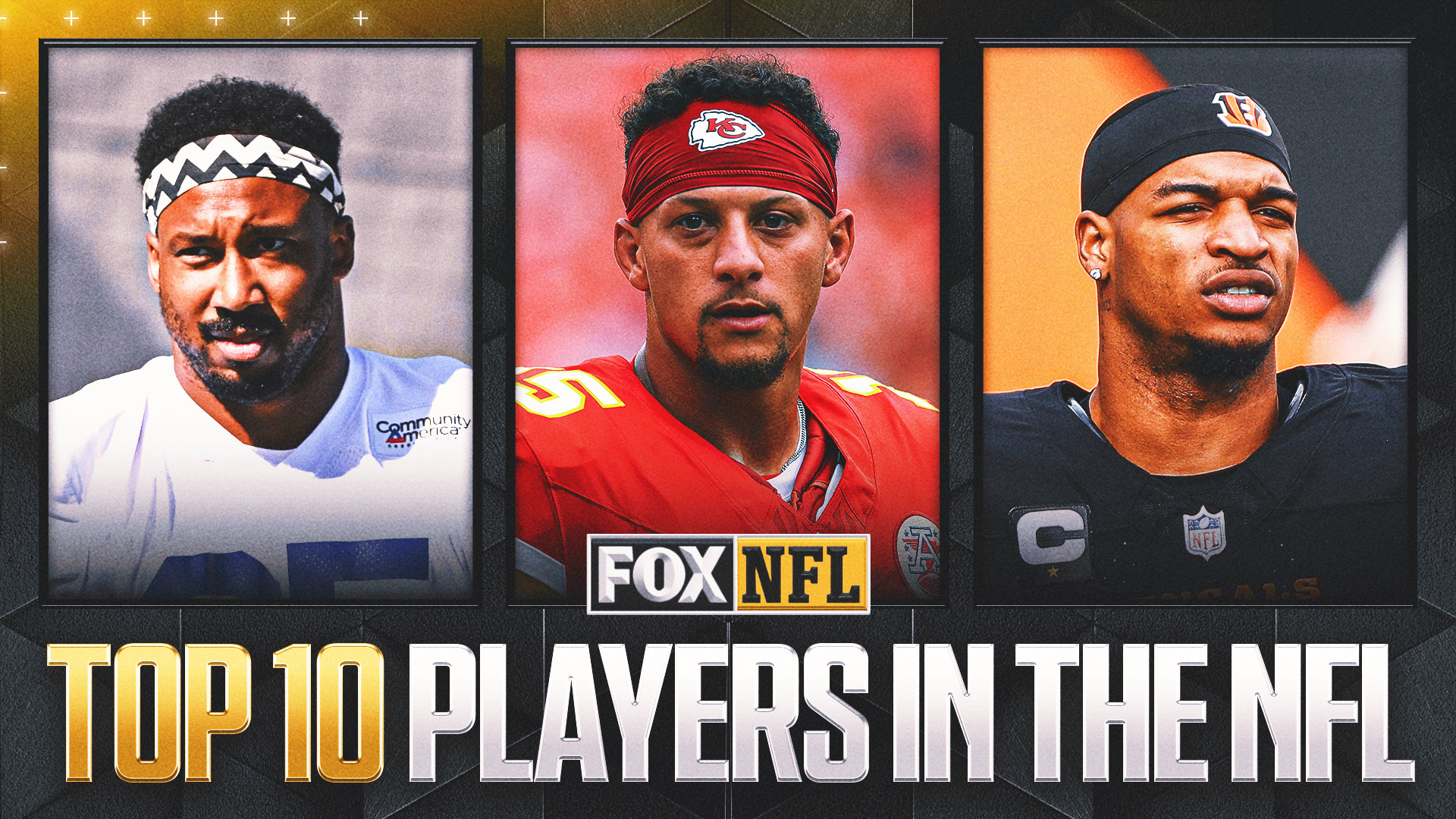
We’ve ranked the top 10 players at the most important positions in the NFL. Now, it’s time to find out who is the best player in the league entering the 2026 season. Several players have a reasonable claim to be considered the NFL’s best player ahead of the new year. Los Angeles Rams quarterback Matthew Stafford is the reigning MVP, while his new teammate, Myles Garrett, just broke the NFL’s single-season record for the most sacks. There are also other quarterbacks to consider, like Josh Allen. The Buffalo Bills star has consistently played at an elite level since the turn of the decade and won MVP in 2024. Of course, there’s also Patrick Mahomes, who has widely been viewed as the NFL’s best player for several years. So, who is the NFL’s best player ahead of the 2026 season? Here are our top 10 players in the league. Ben Arthur: We’ll have to wait to see Parsons this year, as he’s expected to miss at least the first few games of the season recovering from an ACL tear. But a healthy Parsons is one of the NFL’s best players — a complete edge rusher with speed that elicits fear from opposing offensive linemen. Despite missing three games in 2025, he still registered 12.5 sacks and 81 pressures in his debut season with the Green Bay Packers en route to Pro Bowl honors. The former first-round pick has recorded at least 12 sacks in each of his five NFL seasons. The quicker Parsons returns to form, the faster the Packers become a Super Bowl contender. He’s that much of a force multiplier on defense. Greg Auman: Sewell is the oddsmakers’ favorite to win the Protector of the Year award, given to the NFL’s top offensive lineman, and he’ll do that as he tries to shift from right tackle to a new home at left tackle. It’s the same move the Tampa Bay Buccaneers’ Tristan Wirfs has made successfully, and if it takes, it solidifies Sewell at the top of his position. Sewell has four straight Pro Bowls, three straight first-team All-Pro nods and he’s still only 25 years old. We didn’t rank offensive linemen in our individual position rankings, so he’s making the overall top 10 here much like a write-in candidate, showing the strength of his value at his position. Auman: What’s it like to be the best player on the best defense in the NFL? Anderson already has 30 sacks in three years and he hasn’t turned 25 yet. Give Houston credit. The Texans gave up a 2024 first-rounder and more to move all the way up from 12 to 3 to grab Anderson in the 2023 draft. Anderson and Danielle Hunter are one of the most dangerous edge-rush pairs in the league, and Anderson’s even better in the playoffs. He’s got eight career sacks in six playoff games, with three forced fumbles in two playoff games last year. As Houston’s offense improves and they lead late in games more often, don’t be surprised if he takes another step to the 15-plus sack level in 2026. Vacchiano: Here’s the crazy thing about the Atlanta Falcons running back: He had a combined 2,298 yards from scrimmage last season (1,478 rushing, 820 receiving) with 11 touchdowns and he touched the ball 366 times — 21.5 times per game. And there were still times he felt underused in the Falcons’ offense. It’s probably too much to ask new coach Kevin Stefanski to use him more, but it’s a good bet he’ll use him better. Robinson, still only 24 and entering his fourth NFL season, will have to be the workhorse in Atlanta as the Falcons sort through their quarterback mess, but Stefanski will surely find more creative ways to use him and get him into open space, where his moves, acceleration and breakaway speed make him one of the most dangerous weapons in the league. With his rushing ability and his receiving skills, he’s the closest thing the NFL has to Christian McCaffrey in his prime. And if the Falcons were ever good again, he’d be in the chase for MVP. Eric D. Williams: One of the best route runners in the league, Smith-Njigba showed he’s much more than a slot receiver in 2025. With DK Metcalf and Tyler Lockett no longer on the roster, Smith-Njigba leveled up, engineering one of his best seasons as a pro. Just 24 years old, the Ohio State product set franchise single-season records for receptions (119) and receiving yards (1,793) last season, taking home the league’s Offensive Player of the Year award. The Seahawks rewarded Smith-Njigba by signing him to a lucrative contract extension that made him the highest-paid receiver in the league, with an annual salary of $42.15 million. With Super Bowl MVP Kenneth Walker Jr. signing with the Kansas City Chiefs in free agency and a new offensive coordinator Brian Fluery, taking over for the departed Klint Kubiak (now the head coach of the Las Vegas Raiders), Smith-Njigba will be counted on to shoulder even more of the offense. Smith-Njigba accounted for 44% of Seattle’s receiving yards, the highest percentage by any player in the league. He led Seattle in receiving yards in 16 of 17 games this year, the most in a regular season in NFL history. Vacchiano: What Stafford did at his age in 2025 was just ridiculous, especially considering the season began with a mysterious back injury that threatened to derail everything. He threw for career-highs in yards (4,707) and touchdown passes (47) while tossing just eight interceptions — the fourth quarterback ever to throw for more than 45 touchdowns with fewer than 10 interceptions — and he did it all at age 37. And with the Rams still loaded, there’s no reason to think he’ll be any different at age 38. It helps that Stafford’s in a perfect system for his talents, but he brings plenty of skills. His arm is still remarkably strong; he’s got picture-perfect mechanics, and no one is better at placing throws in perfect spots for his receivers. Put his mind and arm together in the Sean McVay system and you’ve got a quarterback who could win a Super Bowl and make a run at becoming just the sixth player to ever win back-to-back MVPs. He just needs his body to hold up. Arthur: Chase is the most dominant wide receiver in football today. After winning the receiving triple crown in 2024, the Cincinnati Bengals superstar again led the NFL in receptions last season (185). The 26-year-old has recorded at least 1,000 receiving yards in each of his first five NFL seasons. The fifth overall pick in 2021, Chase is a high-volume target who possesses a unique blend of speed and physicality. He’s ranked in the top two in yards after the catch in each of the last two seasons. He’s been a near-unstoppable force since entering the league despite facing constant double teams. Williams: Returning from season-ending knee surgery after a disappointing 6-11 campaign in 2025, Mahomes is under a lot of pressure to show last year was a fluke. Mahomes should benefit from the return of offensive coordinator Eric Bieniemy and the addition of Kenneth Walker III, implementing a more bullish rushing attack to create more balance on offense. But the 30-year-old Mahomes also must get back to playing more efficient football, relying less on his legs to keep the chains moving and getting more from his receivers on the perimeter. Mahomes has the Super Bowl pedigree, appearing in the game five times and winning three of them. And at 30 years old, Mahomes remains one of the best at his position, with plenty of more years to chase more Lombardi trophies. Mahomes owns an astounding 17-4 record in the playoffs. McKenna: Allen is football’s version of Atlas, putting the world on his shoulders. It’s been like that for a while now in Buffalo, with Allen being, by far, the only most notable player on offense — but honestly, on either side of the ball. Defensive tackle Ed Oliver, tackle Dion Dawkins and running back James Cook are really great players. But receiver? Tight end? Cornerback? Edge? There really hasn’t been a big and productive name since Stefon Diggs. And Diggs’ departure coincided with the widespread respect for Allen, because people began to see just how much the QB can do for his team. The only thing he hasn’t done, of course, is win a Super Bowl. If he does that, he’ll be the No. 1 guy on this list — and perhaps even for years to come. Auman: Garrett was a unanimous Defensive Player of the Year winner last year with the Browns after setting the NFL single-season record with 23 sacks. The thing is, he had only four sacks in his last six games, so now, joining a loaded Rams front, could he break his own record? He got 23 sacks despite Browns opponents being ahead often enough that they only passed 487 times, third-fewest of any team. The Rams, ahead much more, had opponents throw 102 more times than the Browns’ opponents, so that’s a ton more sack opportunities for the NFL’s best. Could we see a non-QB, non-offensive NFL MVP? If Garrett has the first 25-sack season in league history and the Rams win the NFC West, he’d have a compelling case to make for that.Latest Sports News from FOX Sports

A computer screen reflects a window, and shows the default prompt when opening ChatGPT, a popular generative AI application often credited with igniting the AI boom since its release in 2022. (Photo by Alexander Castro/Rhode Island Current)
Alaska has a workforce problem that artificial intelligence could either ease or worsen. The state needs more people who can become skilled, dependable workers. AI can remove routine work and make experienced employees more productive. But if employers simply eliminate the junior tasks that once taught people how the work actually functions, they may save time today while weakening the supply of capable workers tomorrow.
That risk matters in a state already investing heavily in apprenticeship. Alaska’s Registered Apprenticeship program reports thousands of active apprentices and more than 1,000 apprenticeable occupations, while the state’s State Training and Employment Program supports employer-linked training, including on-the-job training and registered apprenticeship.
The lesson from those programs should shape workplace AI adoption far beyond the traditional trades: People develop judgment through real work under experienced supervision.
The latest labor evidence makes the case for designing AI adoption around coached judgment rather than simply removing junior work more urgent. The Stanford Digital Economy Lab’s August 2026 Canaries update found that the employment shortfall for workers ages 22–25 in highly AI-exposed occupations widened from 15% in the July 2025 data vintage to 19% by June 2026.
Employers should respond by automating preparation, not apprenticeship.
Consider the kinds of tasks AI can now handle quickly: drafting a first report, summarizing records, preparing a customer response, assembling research, classifying routine cases or producing a preliminary analysis. Those tasks may look like drudgery, but they also used to give newer workers repeated exposure to the ordinary cases that teach them what normal looks like.
Once that preparation is automated, junior roles should move toward verification and exceptions. A newer employee can check whether an AI-generated summary matches the source record, investigate discrepancies, compare an unusual case with prior examples, test an assumption, explain why a recommendation is uncertain and prepare the question that requires a senior decision.
That is more valuable work than copying information from one system to another. It can also build competence faster, if experienced workers still coach it.
Alaska employers should therefore adopt a simple mentor-time rule: When an AI workflow saves experienced employees time, reserve a defined share of those saved hours for coaching newer workers. Use that time for case reviews, feedback on failed outputs, explanation of difficult judgments and supervised decisions.
The approach fits Alaska particularly well. In a large, geographically dispersed state, employers cannot always solve a talent gap by hiring an experienced replacement from across town. Health care, public administration, natural-resource industries, transportation, professional services and technology all depend on transferring practical knowledge from people who have seen unusual situations to people who have not yet seen them.
Employers should also add one metric to their AI scorecards: time to independent competence. Measure how long it takes a new worker to spot a bad AI output, handle common exceptions, explain a recommendation and complete routine decisions with limited supervision.
That metric changes the economics of automation. A workflow that saves 20 percent of junior hours but makes the remaining employees slower to develop may create a hidden liability. A workflow that removes clerical preparation while giving beginners more exposure to review, exceptions and coached judgment may build stronger employees in less time.
Alaska already understands the logic of apprenticeship. The state should carry that logic into AI-exposed office and professional work.
Use AI to shorten the distance between beginner and expert. Let machines handle more preparation. Give people more responsibility for verification, exceptions, communication and judgment. Then spend part of the time automation saves on the human coaching that keeps Alaska’s workforce growing.
SUBSCRIBE: GET THE MORNING HEADLINES DELIVERED TO YOUR INBOX.

Dolly Parton’s final messages to fans reflected her endless work ethic and spirit. Continue reading…Country Music News – Taste of Country
Dolly Parton’s final messages to fans reflected her endless work ethic and spirit. Continue reading…The Boot – Country Music News, Music Videos and Songs

Don Henley didn’t know Dolly Parton very well, but he recalled working with her very fondly. Continue reading…Country Music News – Taste of Country
Don Henley didn’t know Dolly Parton very well, but he recalled working with her very fondly. Continue reading…The Boot – Country Music News, Music Videos and Songs
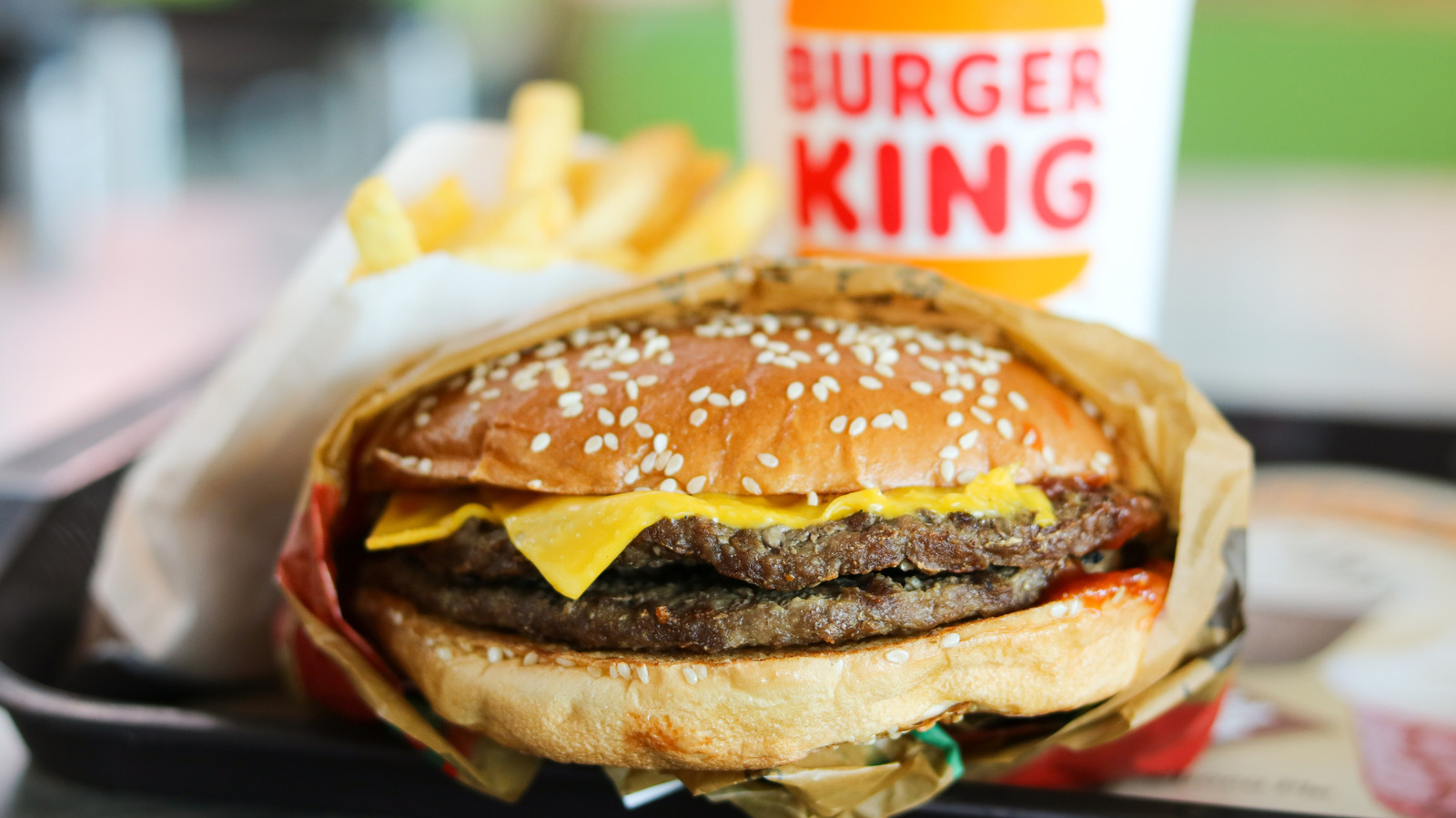
Burger King has two sandwiches that could be considered flagship burgers, the classic Whopper and the newcomer, the Bacon King. What’s the difference?
Food Republic – Restaurants, Reviews, Recipes, Cooking Tips
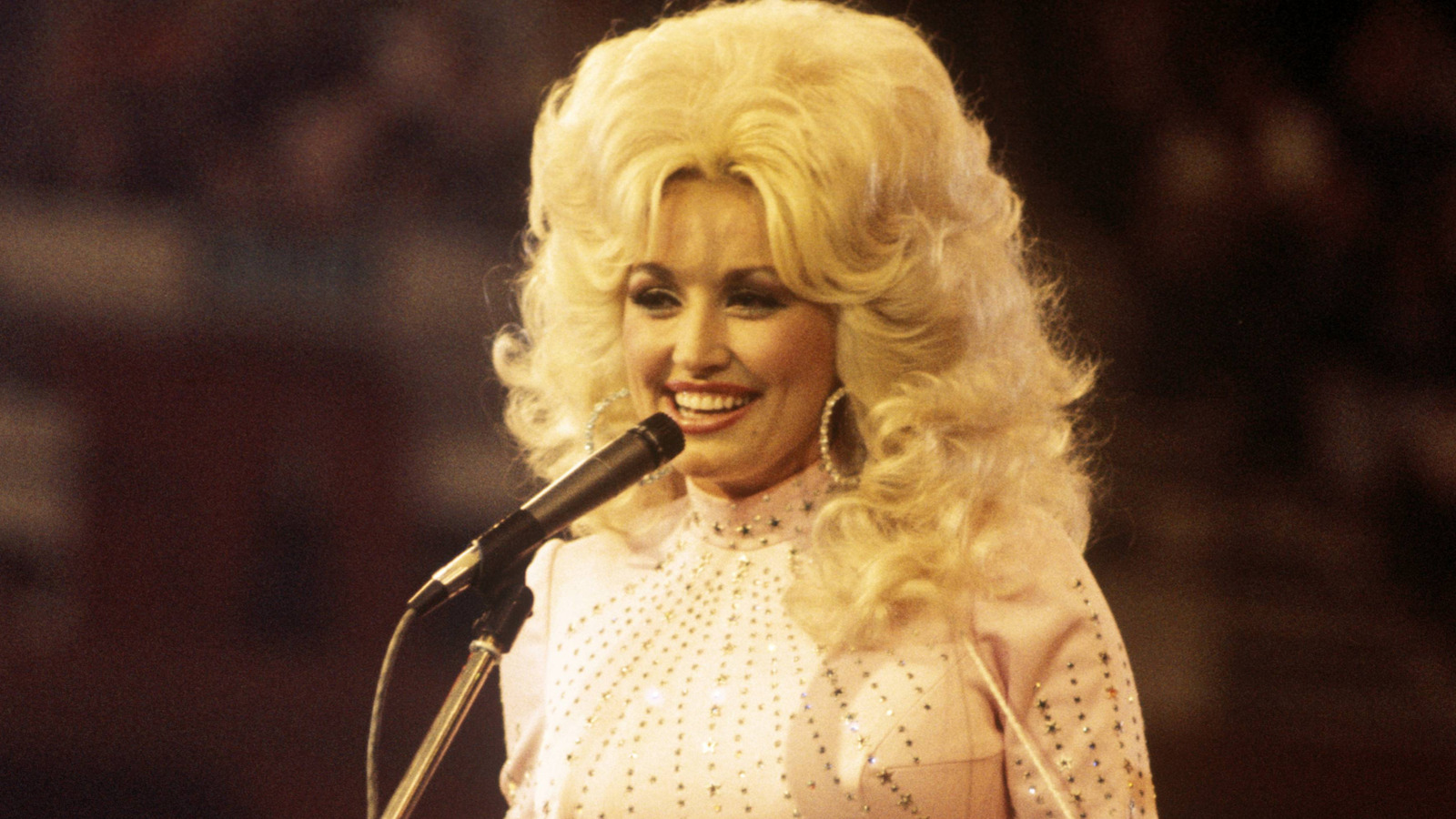
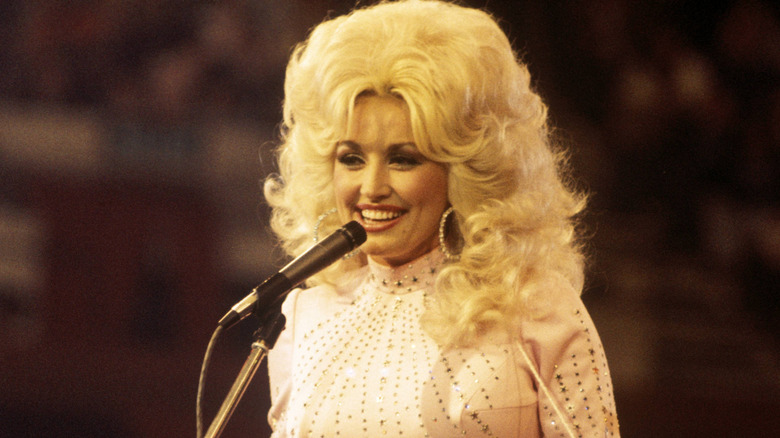
There are countless things we could remember Dolly Parton by. Her love for this timeless yet humble snack is a reminder that she was always true to her roots.
Mashed – Fast Food, Celebrity Chefs, Grocery, Reviews
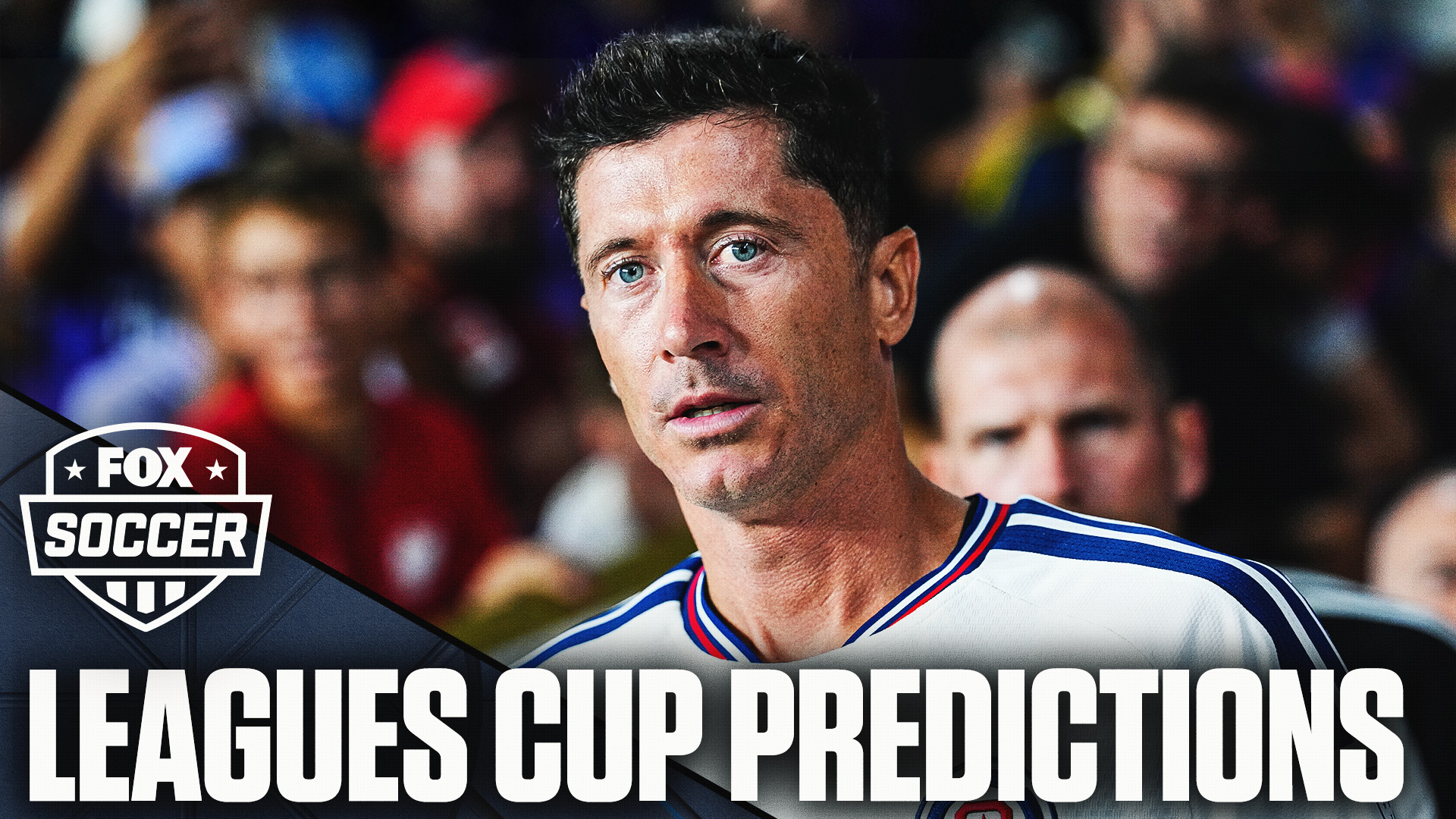
The business end of the annual Leagues Cup tournament between the best teams in MLS and their counterparts in Mexico’s Liga MX is here. The original field of 36 teams — 18 from each side of the Rio Grande — has been whittled down to eight, with the single-elimination quarterfinals kicking off on Tuesday before concluding with a pair of nationally televised games on Wednesday night. Here’s an in-depth look at the four matchups, plus my picks to reach next week’s final four. Tuesday, Aug. 25 Monterrey vs. Chicago Fire (8:30 p.m. ET, Apple TV) The Fire went a perfect 3-0 in the first round — or Phase 1 — of the tournament, and have steadily improved under second-year coach Gregg Berhalter, who led the U.S. national team to the knockout stage at the 2022 World Cup in Qatar. Once one of MLS’s marquee franchises, Chicago returned to the playoffs last fall after an eight-season drought, and Berhalter’s team — which recently signed legendary Polish striker Robert Lewandowski from Barcelona — is currently third in the Eastern Conference, three points behind Lionel Messi-led Inter Miami with a game in hand. Los Rayados will be Lewandowski & Co.’s toughest opponent yet. Monterrey is third in Liga MX’s Apertura standings, and while they’re back in the Leagues Cup quarterfinals for the first time since 2023, when they advanced to the final four, they have both the pedigree of a club that boasts five Mexican and five Concacaf titles all-time and prolific former Fire forward Hugo Cuypers, who headed south of the border shortly after Lewandowski’s arrival and will surely be extra motivated to eliminate his ex-employers. Still, Chicago is the lone quarter-finalist hosting a home match as opposed to playing at a neutral site. That’s a significant advantage even if the contest will be held at the club’s former home stadium in Bridgeview, Illinois instead of Soldier Field — and a major reason why MLS sides have won all three editions of the Leagues Cup since the expanded format was introduced in 2023. Pick: Fire Léon vs. Real Salt Lake (10:30 p.m. ET, Apple TV) Not only will RSL not be at their usual home in Sandy, Utah, Tuesday’s nightcap will be staged at the stadium of their chief MLS rival, the Colorado Rapids: in even thinner air than the Claret and Cobalt usually play in at the foot of the Wasatch Range, with a sea of green in the stands as Léon supporters are expected to make up the bulk of those in attendance. That’s part of the reason Pablo Mastroeni rested 10 starters over the weekend in Orlando to have them fresh for Léon — especially with RSL just one point above the playoff line in MLS’s Western Conference. With no guarantee of even getting the chance to make a title run in league play, prioritizing the Leagues Cup is a no-brainer, given that just reaching the final would be enough to secure a spot in next season’s Concacaf Champions Cup. Winning would snare RSL a round of 16 berth in addition to $2 million in prize money. The same goes for Léon. Los Esmeraldas are in a similar situation to RSL, just one point above the playoff line in Mexico and in danger of missing out on the Liguilla entirely. But Léon is the team in better form, having won six consecutive matches across both Liga MX and Leagues Cup. Add in the fact that RSL just sold prize teenager and U.S. men’s national team prospect Zavier Gozo to Premier League mainstay Crystal Palace, and this mountain is probably too tall for Diego Luna and his teammates to scale. Pick: Léon Wednesday, Aug. 26 Toluca vs. Austin FC (8:30 p.m. ET, FS1/FOX One/Apple TV) Wednesday’s neutral site action gets underway far from both central Mexico and central Texas, in (of all places) Harrison, New Jersey. That’s not likely to keep Toluca fans based all over the East Coast from coming out to support their team at the New York Red Bulls’ Sports Illustrated Stadium. Toluca, the Apertura and Clausura champions in 2025, are having another fine season in domestic play, trailing only Atlas and Liga MX leaders Club América five matches into the new campaign. Although Austin stunned América on penalties to reach the last eight, upsetting the Red Devils to reach the Leagues Cup semis would be the highlight of an otherwise miserable season. Los Verdes fired coach Nico Estévez in May; they still sit 28th out of 30 MLS teams in the Supporters Shield standings. With Austin almost certain to miss the playoffs for the third time in four years, Toluca ought to get their best game. Even that might not be enough. Pick: Toluca Club América vs. Columbus Crew (10:30 p.m. ET, FS1/FOX One/Apple TV) The marquee match of the knockout stage pits Liga MX’s most successful, most popular and richest club — the Mexico City-based Aguilas — against the 2024 Leagues Cup champion Crew. This will be an away game for Columbus. With the LA Galaxy’s 27,000-seat Dignity Health Sports Park in Carson, Calif. assigned hosting duties, the venue will be packed to the gills by fans proudly clad in yellow — and not for the three-time MLS Cup winners. They’d have their hands full even in Ohio’s capital. It’s been a nightmare 2026 for Columbus, which has won just five of its 21 MLS games this season and is 15th — dead last — in the East. The Crew, which just sold USA World Cup defender Max Arfsten to English second-tier team Middlesbrough, has lost three straight games going into Wednesday’s encounter. Meantime, América is all alone atop Liga MX’s Apertura table and the prohibitive favorite to claim its 17th Mexican title later this year. No wonder Los Aguilas are the bookies’ overwhelming pick to advance even without their No. 10 — Arfsten’s U.S. teammate Alex Zendejas, who is still recovering from post-World Cup knee surgery. Pick: Club AméricaLatest Sports News from FOX Sports