A classic peanut butter and jelly sandwich is great in a pinch, but if you want to upgrade the dish try swapping in this ingredient for a whole new experience.

Food Republic – Restaurants, Reviews, Recipes, Cooking Tips








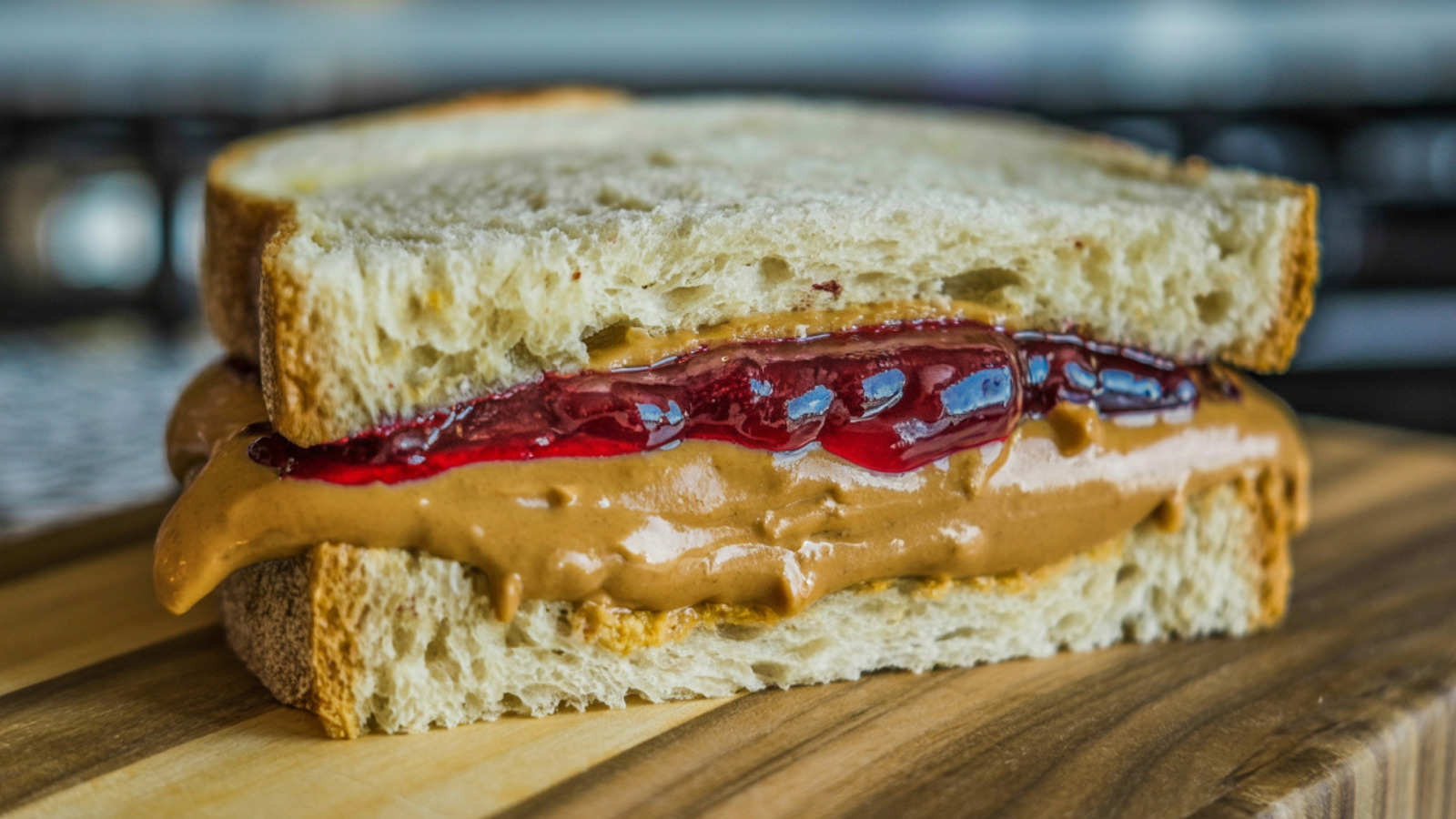
A classic peanut butter and jelly sandwich is great in a pinch, but if you want to upgrade the dish try swapping in this ingredient for a whole new experience.
Food Republic – Restaurants, Reviews, Recipes, Cooking Tips
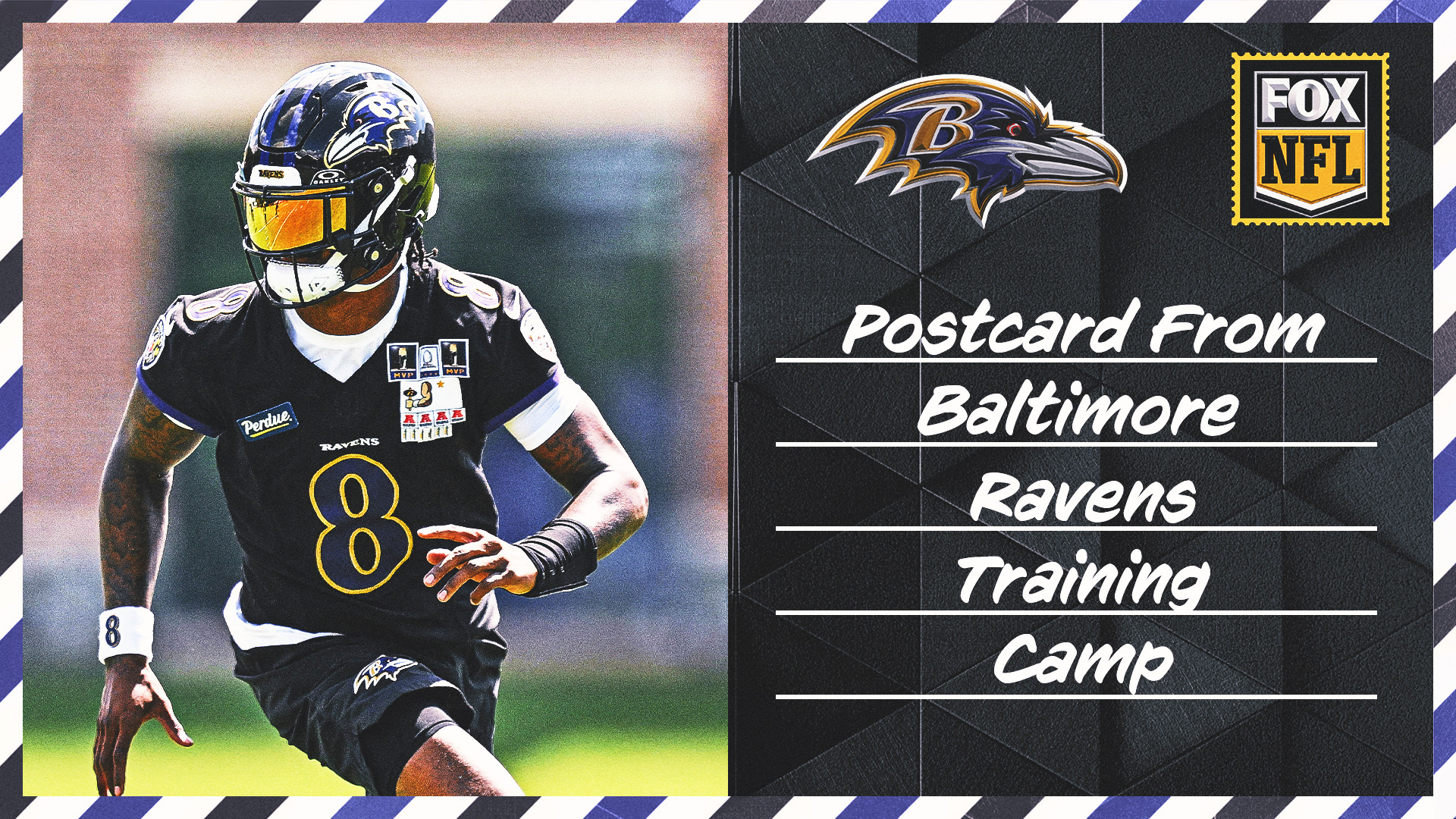
OWINGS MILLS, Md. — Nobody really thought John Harbaugh deserved to be fired in Baltimore. He had been there for 18 mostly successful seasons, and even the 8-9 disappointment last year was largely because his superstar quarterback got hurt. So when owner Steve Bisciotti did it anyway, and replaced him with Jesse Minter, a 43-year-old first-time head coach, there were definitely shock waves felt in the Ravens locker room. And there were some skeptical players who needed to be convinced that this unexpected switch was going to be good. “Yeah, but I think he did it in his first team meeting,” second-year safety Malaki Starks told me after practice Thursday. “He came in and set his expectations and his standards. He didn’t come in with a big chest saying ‘I’m the guy.’ He also didn’t come in not talking at all. He came in authentic to himself. “And we could see he’s an easy man to follow.” The Ravens better hope that’s true, and that Minter is really up to the task, because no first-year coach has more pressure on him in 2026 than he does. Minter, the former Chargers defensive coordinator, inherited a loaded team, with an MVP-winning quarterback, and more than enough talent to make a real run at Super Bowl LXI. It’s not often that a first-time coach gets to take over a team this good, with super high expectations. All he has to do is not screw it up. “Yeah, but I think the confidence that he has in himself allowed him to really come in and be himself,” Starks told me. “He came in knowing that the team that he has, and he can handle it. That’s who he is and who he wants to be. “And we all have confidence in his ability.” So far, the early reviews on Minter are good. As a former Harbaugh assistant (2017-20), he didn’t come in and rip up the foundation that his predecessor had established over the better part of two decades. He just put his own twists and personality on it. Minter told the players on the first day that his door was open, and he welcomed their input. He shortened the practices a bit from the marathon sessions Harbaugh used to run. But mostly, he worked hard every day and eventually convinced them that there’s a reason he got this job. “He’s the definition of a leader, to a T,” Starks told me. “And he’s super smart.” The defense, in particular, is counting on that “super smart” part. That was the most disappointing thing about last year’s Ravens. They ranked 24th in total defense and 28th in sacks. It’s not solely why Baltimore missed the postseason for the first time in four years, but it definitely was part of the collapse. Minter, who coached the Ravens defensive backs in 2019-20 and will call the defensive plays this year, directed one of the NFL’s best defenses the past two seasons with the Chargers, who’d been one of the worst in 2023. He brings instant credibility to that side of the ball with his new players, simply on the strength of his résumé. But it didn’t take long for them to understand why his system has succeeded. “I think the biggest thing is it’s set up to make plays,” Starks told me. “Attack the ball, fly around, and play as a unit. I think we’re going to thrive in that. I really do. Guys are really buying into it.” So far, the Ravens are buying into everything Minter is selling them, which is easy considering they haven’t even played a preseason game yet. The real proof will come in the months ahead, when they’ll really find out if their new coach is capable of making that leap. Because he certainly has the right team to make a big impact in his first season. It’s rare that a coach is the team’s biggest question mark. But the Ravens seem convinced that Minter is the right answer, too. Derrick Henry is a big man. I know, that’s not a revelation. He’s 6-foot-3, 252 pounds. But he looks bigger in person, and he must look like a freight train to defenders when he gets moving. He’s 32 years old now and, between high school, college and the NFL, has tallied more than 4,600 carries. Yet, there’s still no running back I would fear more if I played defense. “He’s a big man,” Starks told me. “Just the things he’s able to do at his size and how valuable he is to this team doesn’t get talked about enough. I’m grateful I don’t have to see him on Sundays.” If Henry is healthy all season, the Ravens rushing attack should again be unstoppable. And it’s a decent bet he’ll be healthy, since he’s missed just 12 games in his 10-year career — nine of which came in the 2021 season. The guy is just a marvel and one of the greatest running backs in the history of the game. “Lamar Jackson is aging like fine wine.” — Ravens QBs coach Israel Woolfork A Super Bowl Contender Once Again That’s nothing new for a franchise that has had double-digit wins in six of the past eight seasons, but it is a little odd for a team coming off a coaching change. Minter landed in the best spot of any new coach, though, because he inherited a powerhouse. He has an All-Pro QB and RB, an elite receiver in Zay Flowers and an elite pass-rusher in Hendrickson. Considering the rest of the supporting cast is pretty good, too, that should be more than enough. They have to stay healthy, of course. If Jackson or Henry go down, their outlook changes. Same, to an extent, for Flowers, since he’s their only reliable wideout. And Minter, known for his defensive wizardry, does need to fix a defense that struggled last year. But all the pieces are right there for the Ravens to win 10-plus games, even in what could be a much more competitive AFC North. And if the 1-2 punch of Jackson and Henry get rolling in the playoffs, the Ravens could make a deep run. I’m now headed to Latrobe, Pa., home of the Pittsburgh Steelers, and the birthplace of Rolling Rock beer, the banana split and Mr. Rogers (Fred, not Aaron). (Actually, I’m going home first before making the six-hour trek across the Commonwealth of Pennsylvania on Saturday, so I can be at St. Vincent College for Steelers practice on Sunday morning.) You can learn a lot while driving across Pennsylvania if you take time to read the many billboards. For example, you learn that God has a phone number, and you are heavily encouraged to call Him if you are addicted to gambling or porn. You also learn that you can get almost anything made out of sheep skin. And you learn that even though the state (excuse me, the Commonwealth) is 300 miles long, a personal injury lawyer is never very far away. Once I do get there, I’m looking forward to seeing what Mr. Rodgers (Aaron) has left in his 42-year-old right arm. At this point, you have to see him as much as possible before Father Time completely catches up. I’ve never been to Latrobe, but Pittsburgh is one of the most underrated cities in America. And PNC Park is the best ballpark west of CitiField. So, if you see me there for Red Sox-Pirates this weekend, please don’t tell my boss.Latest Sports News from FOX Sports

The next two weeks will bring challenges like no other for INDYCAR drivers. Two new street circuits. Back-to-back weeks of unknowns. First up this weekend: A race on the streets of Markham, a suburb of Toronto. It’s a 2.19-mile, 12-turn course on streets that have mostly been repaved. Then next weekend: A race on the streets of Washington, D.C., around the National Mall. The relatively simple 1.7-mile, seven-turn course will go by some of the most iconic institutions in the nation’s Capitol as part of a celebration of the 250th birthday of the United States of America. Here’s everything to know about how drivers will handle the next couple of weeks. How Do They Prepare? Drivers have worked in racing simulators just as they have for other events, although the scan of the Markham track was done before it was repaved. So many of the bumps are no longer there. Also, for new street courses, teams have no data on the surface and how it reacts to tires and the like. If they were going to an existing track, they could have had a tire test. There’s another issue. Obviously, the temporary barriers have been installed in just the last few weeks, and while the track designs are close to actuality, a wall in a different spot by a few feet can make all the difference. Some drivers refuse to do the simulator or don’t put much stock in it. “I hate the simulator,” Arrow McLaren driver Pato O’Ward told me Thursday morning in Markham. “It’s so useless. It’s good for a video game. It’s not good for getting to know exactly what the car is going to feel like. “And the problem is, whenever you go to these new places, that is your first sensation of a new circuit. Then you get there and you’re like, ‘Hey, that’s not the same.’ Well, no sh–, Sherlock, it’s not the same. It’s important to know where the track goes, which I do know.” Lundgaard, a teammate of O’Ward, told me he decided not to do the simulator. “I did it in Arlington and in all honesty, I thought it hurt me. So I didn’t really want to do Markham or D.C.” But Some Have Done Simulator, Right? Rinus VeeKay, who is 10th in the series standings driving for Juncos Hollinger Racing, said he has done the simulator for both tracks and there are a lot of differences between Markham and Washington. He said he actually dislocated a rib doing the Markham simulator because of the bumps in the surface before it was repaved. The Markham track has a very tight hairpin, much like Long Beach — except drivers will be carrying much more speed into that turn at Markham. “I’d say D.C. is more of a straight-forward track, really wide with all the streets,” VeeKay told me Thursday morning. “They’re just really wide there. Markham is a lot tighter, a lot more unorthodox. “Corners we haven’t really seen with that weird hairpin there. This is going to be an interesting race. It’s going to take a lot of skill to be quick around this track here at Markham.” And there’s some feeling that this could be one of those places where preparation isn’t as important. “We’re just going to rock up and do our best,” Meyer Shank Racing driver Marcus Armstrong told me. So Who Will Be The Favorites? You could go with Kyle Kirkwood, who won the inaugural race on the new Arlington (Texas) street course earlier this year and has been one of the top drivers on street courses the last few years. And then, of course, there’s championship leader Alex Palou. He has won on the streets of St. Pete, Long Beach and Detroit this year. “You never know until you practice one or two times,” Palou told me and other reporters last week as far as who will be good this weekend. It was at Arlington where Kirkwood made a daring pass on Palou for the win. Christian Lundgaard, who has won two races on road courses this year, isn’t sure fans should expect much difference when looking at the top of the board. “I feel the strong teams will be at the strong end of the field as always,” Lundgaard told me and other reporters last week. “There may be drivers that figure it out sooner than others. I feel like it’ll be pretty similar to Arlington.” Will This Be An Even Playing Field? That’s a good question. With no driver truly knowing exactly what he needs, that could open up the chances of a driver hitting on the right setup. Or maybe even bigger, there’s more likelihood that a driver just makes mistakes and ends up in a barrier. “For a smaller team, I think it’s a good thing,” VeeKay said. “We can guess right, while some big teams maybe don’t.” As Christian Rasmussen of ECR told me: “I don’t think it hurts us guys.” Shouldn’t It Be Tougher On Teams With Smaller Budgets? It very well could. A.J. Foyt Racing driver Santino Ferrucci will admit that much. “It’s probably a bigger challenge for us than others, but I’m looking forward to it,” Ferrucci told me last week. “We’ve had four new tracks [including the Phoenix oval] this year, three of which have been brand new. “It’s just great for the sport. Venues that we need to be going to and tracks that need to be changed. …. I’m excited about it.” Romain Grosjean, a driver for Dale Coyne Racing, might run on the tightest budget of any team in the garage. Coming from Portland last week and then having Milwaukee and Laguna Seca (Monterey, Calif.) in the two weeks following Washington to end the INDYCAR season will be a challenge. “It’s a tough one for everyone,” Grosjean told me Thursday. “It’s a lot of races in a row, it’s a lot of travel. West Coast to East Coast to West Coast. But we’ll do our best. It’s exciting to have many races. “It’s exciting to be here in Markham and then D.C. is going to be a big one.” Why Are They Not Racing Where They Normally Do In Toronto? Several reasons. Construction in the area around Exhibition Place had made things a little more difficult and the streets were not in the best shape. Plus, with the World Cup at the soccer stadium, that made the timeline for trying to get the course set up even more challenging. Greene Savoree — which has the INDYCAR promotional rights for Toronto and is also the promoter for St. Petersburg, Mid-Ohio and Portland — found a new home in the Toronto suburb of Markham. The city has paved many of the streets. And having this race in Markham is a long-term deal. The new location is about a 22-mile drive from Exhibition Place. How Did The D.C. Race Come Together? The D.C. race was not on the original 2026 calendar. However, an executive order by Donald Trump that was signed in January allowed for it to be operated primarily on federal property. This put the race into high gear. It has been a scramble to get everything done for a race on the streets of Washington. The race was added and increased the schedule to 18 competitions from 17. Is It Tough To Put Up A Street Course? Yes, and especially a new one. Hundreds of concrete barriers and miles of fencing are required. Manhole covers need to be welded shut (Washington had more than 200). At Markham on Thursday, workers were scrambling to finish the track build, delaying the scheduled time for INDYCAR teams to set up in the pits so that vehicles working on fencing and barriers could get their work done. INDYCAR teams are scheduled to practice Friday at 3 p.m. ET. Why Do Street Courses? Street course events bring racing to people who don’t necessarily get to see it and can also be considered an economic generator for the area. They also create iconic images. NASCAR had its race earlier this year in San Diego with aircraft carriers in the background. The race in Washington will feature both the U.S. Capitol and the Washington Monument in the background. “Sports generally is a show,” said Grosjean, a former Formula 1 driver. “Racing in the capital of the country is the right thing to do. Going to big cities with St. Pete and Long Beach always works really well. … I’m excited for it and looking forward to be racing there.”Latest Sports News from FOX Sports
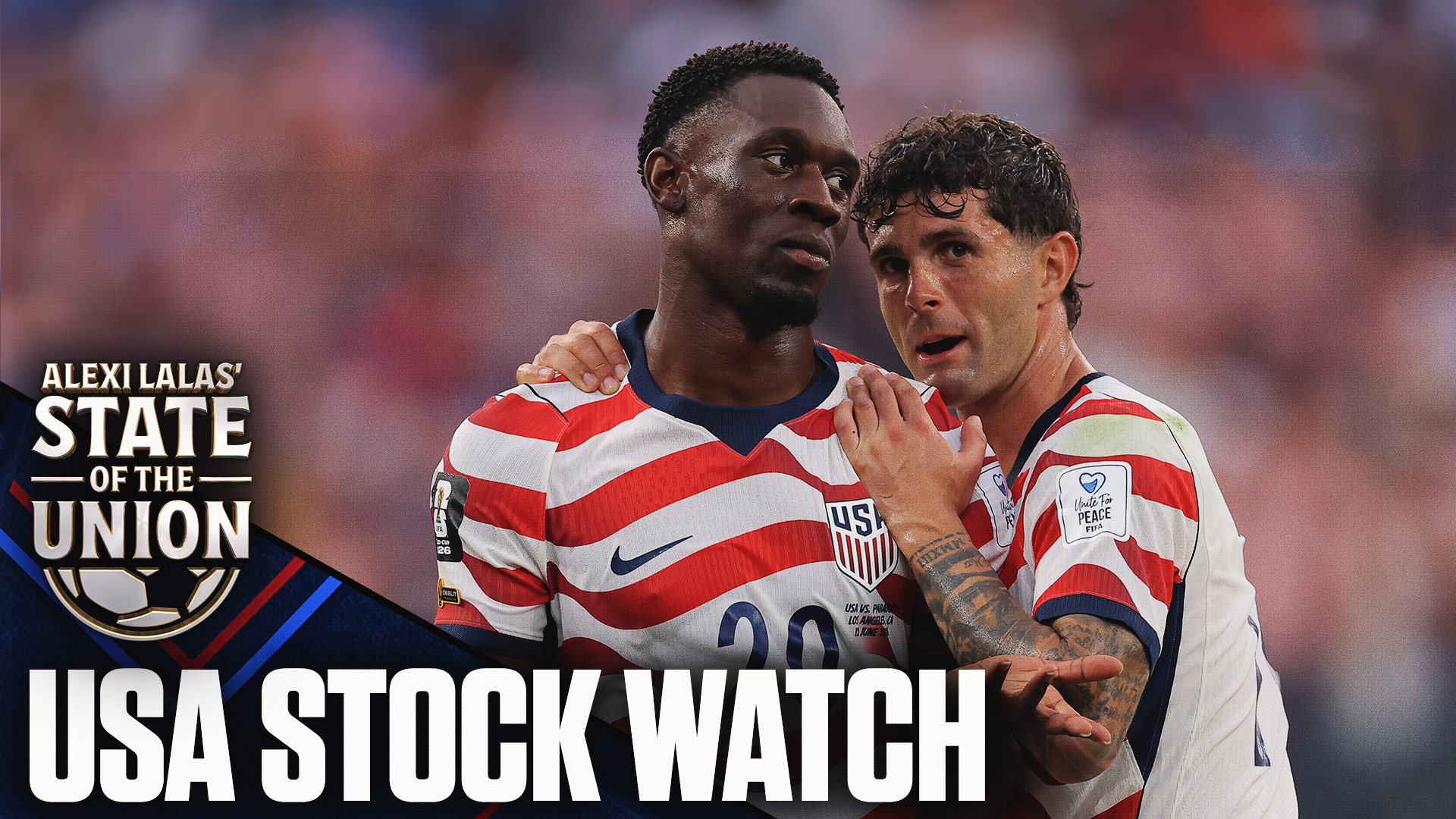
We’re coming off an incredible summer and arguably the best World Cup in history. Never had we had 48 teams spread across three host nations and so many of the star players actually produce some iconic goals. Certainly the U.S. men’s national team could have done better, even though Mauricio Pochettino’s squad did deliver some big moments in its run to the round of 16. And now attention turns back to the European club calendar for key figures such as Folarin Balogun, Christian Pulisic, and Weston McKennie. That gives FOX Sports soccer analyst Alexi Lalas the opportunity to take stock of which of the USA’s European-based stars improved their standing after the World Cup. Who could build on the summer’s momentum, and who needs to get back on track? Club performance last season: 43 appearances, 19 goals, 4 assists If there was a breakout star for the USA this summer, it certainly was Balogun. The 25-year-old striker finished the tournament with three goals (including two in the opening win over Paraguay). His summer was slightly marred by the controversial red-card reversal, but his form bodes well for both the USA and his club. “What a summer. I think he came out probably on top if you’re power ranking who came out in the best possible light,” Lalas said. “Even with the red card controversy, I don’t think it hurt him in the least. … He did what he needed to do in terms of scoring the goals. … “People who didn’t know soccer knew who Balogun was.” The question is: will that club still be Monaco, or could he be set for a reported move to a Premier League side like Tottenham Hotspur? Club performance last season: 34 appearances, 10 goals, 4 assists It’s hard to gauge where Pulisic would have been more impactful this summer had he not suffered an early leg injury that limited him the rest of the tournament. The 27-year-old winger didn’t find the back of the net at the World Cup, and now returns to AC Milan to play under a new manager in Ruben Amorim. “Keep in mind his stock was down even before the World Cup started,” Lalas said. “He didn’t harness the power of being the poster boy of this American team … there was an element of not living up to the hype and, in particular in a home World Cup, where there were so many eyes on him.” Pulisic will hope to rebound in what will be a pivotal season for him at one of Italy’s biggest clubs. He started last Serie A season with a flourish but hasn’t scored for AC Milan since last December. Club performance last season: 48 appearances, 9 goals, 8 assists McKennie’s time at Juventus hasn’t always been the easiest amid always having to prove himself to the club’s rotating cast of managers. But the 27-year-old midfielder always finds a way to show why he remains an essential player for Juventus. “Unlike Pulisic in Italy, he had a banner year. He was able to adjust to whatever the circumstances … and make himself a valuable asset very quickly,” Lalas said. “Did he have the best World Cup? No, but he was fine and did what he needed to do. I think people really enjoyed seeing him as a player; they enjoyed his personality.” Club performance last season: 26 appearances, 2 goals, 2 assists Adams remains a reliable presence in the midfield and looked solid this summer after a season at Bournemouth that was interrupted by injury. At 27, Adams is in his prime years and should factor in the lineup under new manager Marco Rose. “What’s been the big knock been on Tyler Adams? Well, the knocks that he takes and the injuries and the time out,” Lalas said. “Again, I don’t think we have yet to see the best of Tyler Adams as a player, but I don’t think he hurt himself this summer.” Club performance last season: 42 appearances, 8 goals, 1 assist Two goals – including a set-piece game winner against Bosnia & Herzegovina in the round of 16 win – showed why the 24-year-old attacking midfielder is one of the USA’s brightest talents. Tillman will now need to build on that in his second year at his German club, which saw him struggle amid managerial changes. “He had a wonderful World Cup, the way that he showed different facets of the game and the layers that he showed, I’m not sure everybody projected that or saw that coming into the World Cup,” Lalas said. Club performance last season at Borussia Mönchengladbach: 20 appearances, 1 goal, 1 assist Reyna had one of the USA’s best goals at the World Cup with his trivela in the win over Paraguay (even making our Top 50 World Cup goals list), but went quiet the rest of the way. At 23, Reyna is now at another club after a transfer to the French club Strasbourg. A change of scenery (again) could help Reyna reach his potential, but it also feels like a last chance to impress in Europe. “I think this move says how much talent he still has and how much people still believe that they can find something,” Lalas said. “This move to Ligue 1, you can even frame it as a step-down in competition. But sometimes you have to take two steps back to take a step forward.” Club performance last season: 27 appearances, 1 goal, 5 assists Dest has proven his versatility throughout the years in both fullback positions and in a more attacking role. But after an up-and-down World Cup campaign, what’s in store for the 25-year-old defender? “I think he is still a quality player, although there might be a moving on from him when it comes to Pochettino and the national team,” Lalas said. “Which is kind of unthinkable if you look back a couple of years and what Sergiño Dest was.” But Dest is still on the radar for a return to Europe’s biggest leagues after a title-winning season with Dutch club PSV Eindhoven. Could the former Barcelona player leverage that to somewhere like the Bundesliga? “Maybe I should have put a stock up, down, or sideways,” Lalas said. “I could make an argument for stock up and down.”Latest Sports News from FOX Sports
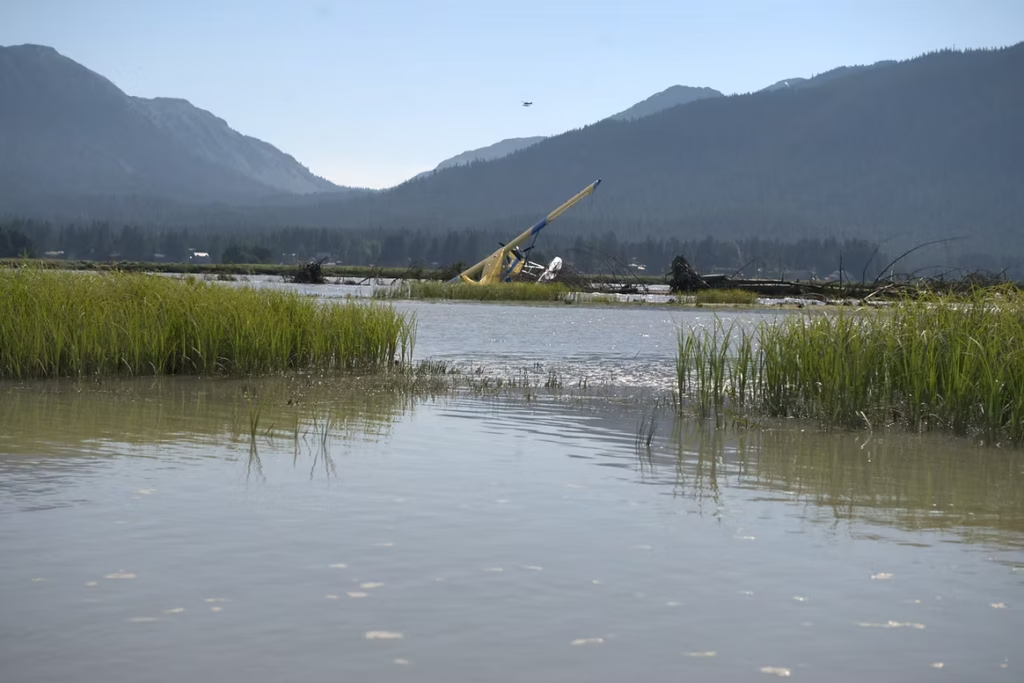
An Alaska Seaplanes floatplane made an emergency landing at the mouth of the flooded Mendenhall River immediately after takeoff from Juneau International Airport on Thursday morning. The uninjured pilot was rescued after the aircraft was carried by the river’s force into trees lodged downstream.
Capital City Fire/Rescue retrieved the uninjured pilot using a rescue boat. Alaska Seaplanes stated he “is with Alaska Seaplanes personnel now, who are actively working to recover the plane from Mendenhall…
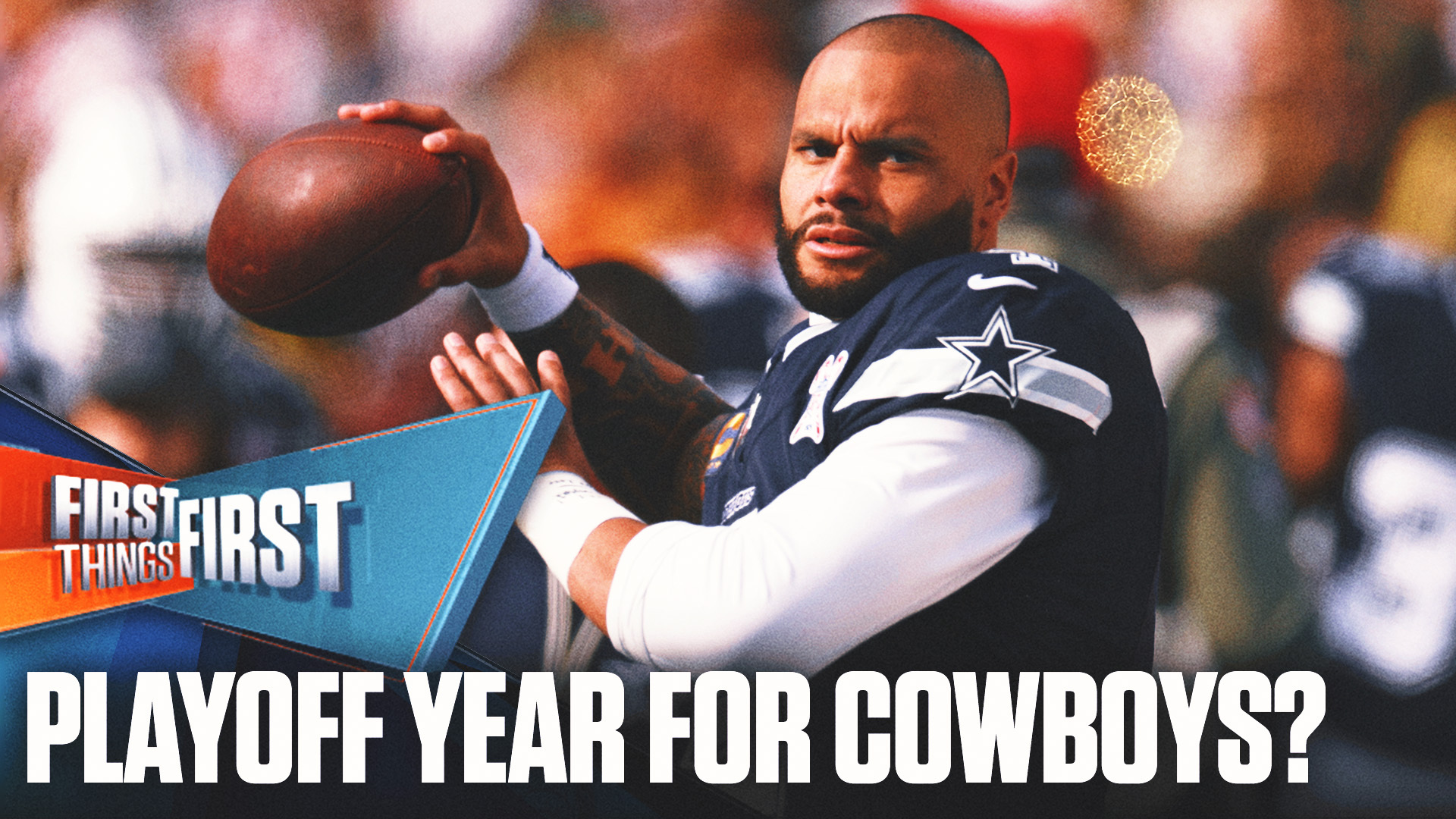
The Dallas Cowboys having high expectations isn’t anything new, but maybe this is the year they can meet those expectations. After predicting every game on the Cowboys’ schedule, “First Things First” co-host Danny Parkins believes that Dallas will finish the season 11-6. Parkins envisions the Cowboys starting the year strong, going 5-1 as he thinks they’ll pick up wins against the New York Giants and Washington Commanders before upsetting the Baltimore Ravens. “I think they are going to continue to have a ton of success against the Giants and Washington,” Parkins said. On Baltimore, he added, “I just don’t know that Baltimore is ready to win a shootout. I am not as optimistic on Baltimore’s offense as I am on their defense, and I think their defense will be better later in the year than early.” As for the games the Cowboys will lose, Parkins sees them falling to the Houston Texans, San Francisco 49ers, Philadelphia Eagles, Indianapolis Colts, Seattle Seahawks and Los Angeles Rams. However, Parkins also believes Dallas will win one of its matchups against Philadelphia and take down the Green Bay Packers (who could have former Cowboys star Micah Parsons healthy for that game) and the Jacksonville Jaguars. “Dak Prescott is a more reliable commodity than Trevor Lawrence,” Parkins said, explaining why he likes the Cowboys to take down the defending AFC South champion Jaguars late in the year. “Overall, an 11-6 season.” Dallas isn’t projected to win 11 games in 2026, so Parkins’ prediction is certainly on the optimistic side for the Cowboys. Most oddsmakers have the Cowboys’ win total at 9.5, with over 9.5 wins sitting at +105 at DraftKings Sportsbook. But the Cowboys were favored in 11 games on the look-ahead lines. While Parkins and some others might be feeling bullish about the Cowboys, our Ben Arthur isn’t. He predicted Dallas to go 6-11 when the schedule was released in May. “It helps that the NFC East isn’t as threatening as it was a year ago at this time. But their non-division schedule is brutal,” Arthur wrote. “Expectations are high in Dallas, but it wouldn’t be surprising to see it take a step back.” However, the start of training camp could help spark some more hope in Dallas. The Cowboys made sweeping changes to their defense this offseason, poaching Christian Parker from the Eagles and making him their defensive coordinator. Dallas also has eight new starters on defense, including safety Caleb Downs, edge rusher Rashan Gary and cornerback Kobie Durant. With those changes in place, our Eric D. Williams believes that the Cowboys might have a defense suited to help their offense after finishing last in points allowed last season. “Every day we come out here, we want to compete at a high level and do your one-eleventh,” Durant told Williams following a recent Cowboys practice. “And it’s on display every day we come out here. High energy, everybody doing their part and bringing what we do in the classroom and make it come to life on the field.” If the Cowboys’ defense is better than it was last year, maybe they’ll make the playoffs for the first time in three seasons. Dallas went 7-9-1 in 2025, with Dak Prescott and the offense doing much of the heavy lifting.Latest Sports News from FOX Sports
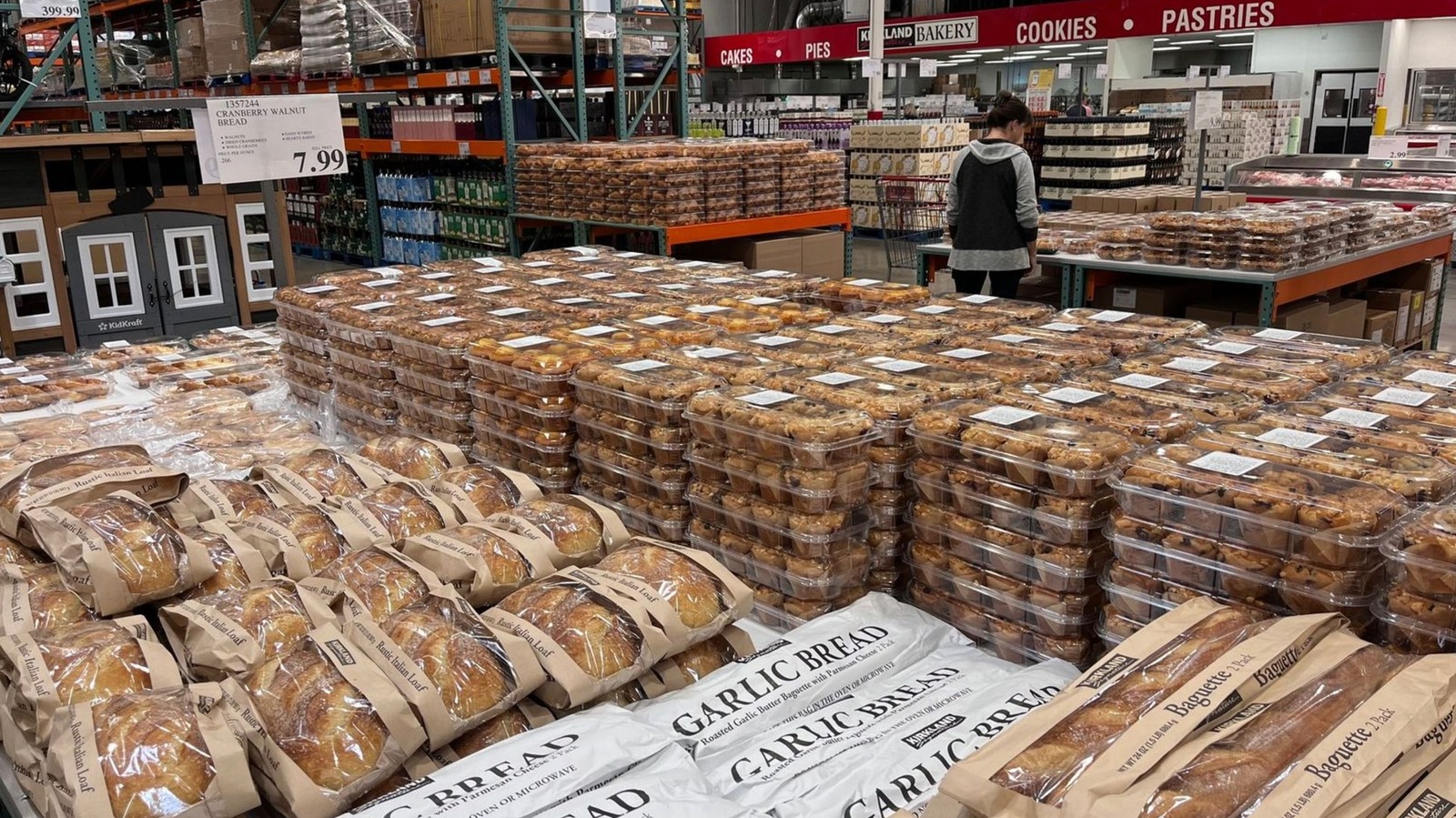
Costco members say these bakery items miss the mark on flavor, shipping care, or ingredient quality, meaning you might want to spend your money elsewhere.
Mashed – Fast Food, Celebrity Chefs, Grocery, Reviews
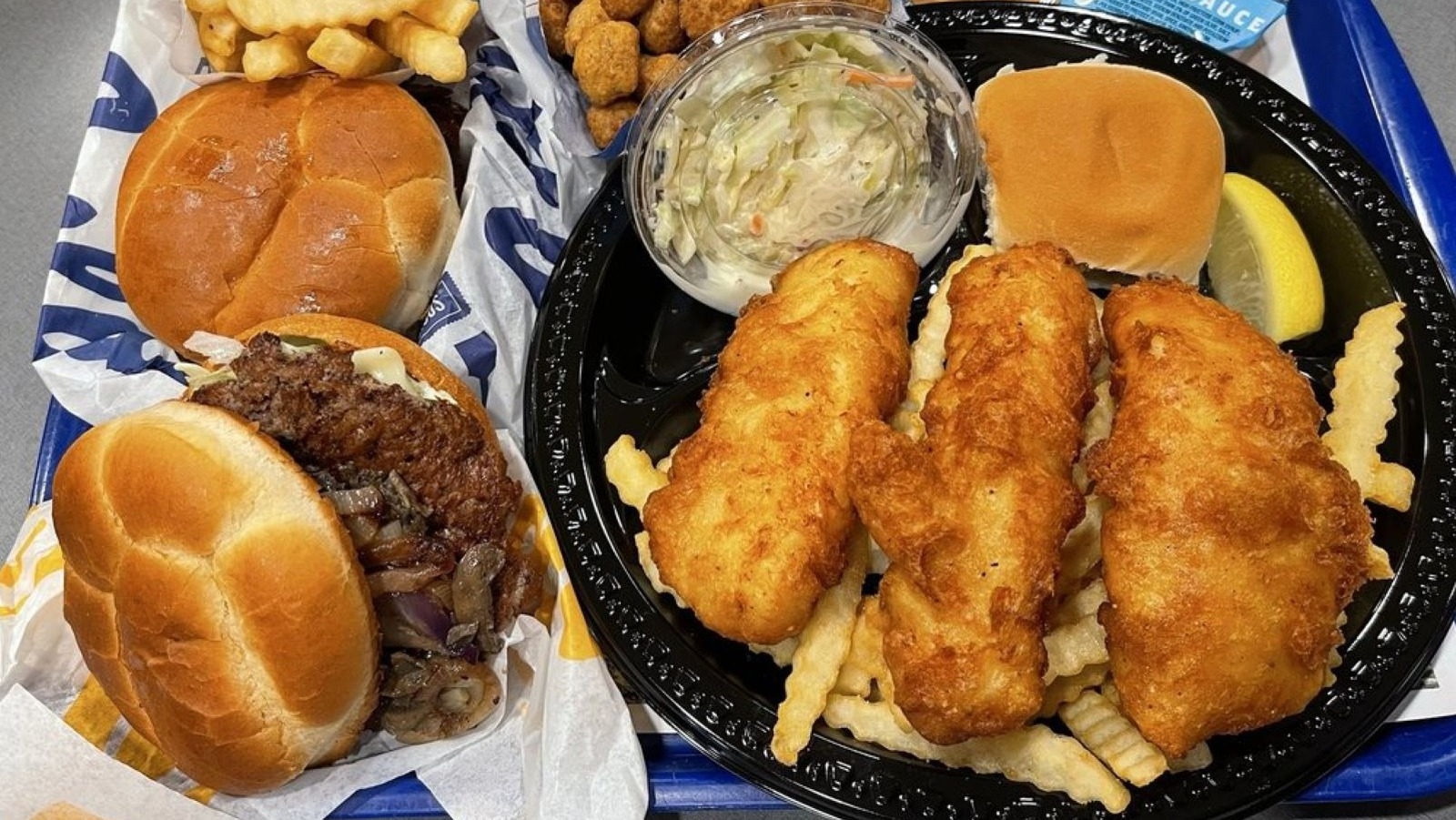
Redditors have spoken. Not only was this Culver’s offering loved by customers, but employees attest that it also disappeared for a specific reason.
Mashed – Fast Food, Celebrity Chefs, Grocery, Reviews

Major cities aren’t the only places with remarkable, innovative coffee. Our writer found plenty of memorable coffee shops to try in the Colorado Rockies.

Mashed – Fast Food, Celebrity Chefs, Grocery, Reviews

Sen. Bernie Sanders says he can’t be everywhere at once — even though some of his allies want him to be.
Democratic socialist Francesca Hong lost by less than 4,000 votes in Wisconsin’s gubernatorial primary, an outcome several high-profile progressives are blaming on Sanders and other top national progressive leaders for staying out of the race. Some said his endorsement alone could have helped bring in badly needed resources for Hong. Others said the Vermont senator has a responsibility to play widely across the battle map.
Sanders, in an interview, touted a series of progressive wins Tuesday night and brushed off the criticism.
“My response is that we have limited resources and capabilities, and there are a lot of really great candidates who have run for office who we have not endorsed,” Sanders told POLITICO on Wednesday.
“We can’t endorse every single candidate,” he added. “So, you know, we have to pick and choose and I think that Hong ran a very, very great, and very strong, grassroots campaign, got a lot of people involved and I applaud her for that.”
Hong ultimately lost to Milwaukee County Executive David Crowley, a major victory for establishment Democrats who worried she wouldn’t be able to win a general election in a top battleground. It was a notable blow for the far left that overshadowed progressive Lt. Gov. Peggy Flanagan’s win in the Minnesota Senate race the same night.
Sanders and other progressive leaders “have a responsibility, whether they like it or they don’t,” to help steer candidates in the movement, said Cenk Uygur, a progressive activist who co-founded the Young Turks and Justice Democrats. “If they endorse people, it makes a difference. If they don’t endorse people these days, sometimes it makes a bigger difference. Because there’s a certain expectation, and when they don’t deliver on that expectation, it gives people pause. So it feels like, to some degree, they’re shirking their responsibility.”
Uygur also criticized Sanders for saying on a podcast ahead of the primary that he was “not that familiar” with the Wisconsin race.
“I love Bernie, but that’s not true. Sorry, brother, but you have a giant team. Of course somebody on your team knows who’s running for governor in Wisconsin,” Uygur told POLITICO on Thursday.
One Democratic operative working on progressive campaigns, granted anonymity to speak candidly about the electoral dynamics, also rejected Sanders’ argument, noting the senator won Wisconsin’s presidential primary in 2016.
“He knows Wisconsin very well,” the operative said, adding: “What resources? You’re not cutting checks. [Sanders] endorsing somebody raises the money.”
Sanders in the interview noted primary wins from Flanagan, Rebecca Cooke in Wisconsin’s 3rd District and Matt Little in the crowded race for Rep. Angie Craig’s Minnesota seat — all Democrats he endorsed.
“Needless to say, I’m feeling really very good,” Sanders said. “The American people are catching on that we have an economy that is rigged, the very rich are getting richer while working families are struggling.”
But the Wisconsin governor primary result Tuesday exposed a critical vulnerability for a movement that has largely relied on Sanders and a handful of other headline-grabbing stars, such as Rep. Alexandria Ocasio-Cortez (D-N.Y.), to help seal the deal in contentious races as progressives look to prove they can play in competitive seats. The underdog wing of the party, some progressives argue, can’t be selective about where it’s playing if they want to take on a vast and well-funded establishment.
The bulk of the blame is being laid at Sanders’ feet in part because the movement he turbocharged in 2016 has struggled to land on a clear successor. Some progressives argue there’s an overreliance on Sanders and leaders such as Ocasio-Cortez.
Our Revolution, a group born from Sanders’ 2016 campaign but that the senator no longer associates with, blasted the broader progressive ecosystem for not doing more for Hong in a post early Wednesday morning, as the returns in Wisconsin showed Crowley was poised to defeat Hong. Several groups that have backed insurgent progressives in other races declined to join Our Revolution in getting involved in the governor’s race.“We cannot build progressive power while gatekeeping our own movement through the eyes of the establishment,” the group posted.
Sanders pushed back: “Our Revolution is an organization I’ve not had any interaction with, any participation with … for I think nine years,” he said in response. “They do what they want and they say what they want. They have nothing to do with me.”
Our Revolution declined comment on Sanders’ remarks and on its post.
Nina Turner, a former Our Revolution leader and Sanders 2020 co-chair who had backed Hong, said support from “more well-known, more popular, actively elected progressive types … probably would have” made a difference in Hong’s race. She declined to call anyone out specifically for not getting involved.
“The progressive movement is going to have to reckon with how we continue to win around certain personalities,” Turner said. “I don’t think the movement should put all our hopes and dreams on certain personalities to come out or to not come out, because it is their choice and they have a right to their choice, even if I don’t agree with it.”
Rep. Ro Khanna (D-Calif.) was one of the few national progressive figures who had endorsed Hong. He has employed a far more aggressive endorsement strategy than Sanders this primary season and said he sees an advantage to backing candidates early, despite the potential headwinds facing long-shot contenders, as long as they align with him on policy.
But he wasn’t willing to play the blame game in the aftermath of Wisconsin’s primary, saying in a text message that: “We have so many candidates running and I believe progressive leaders have been doing an extraordinary job lifting them up.”
A spokesperson for Ocasio-Cortez, who has also faced criticism for not backing for Hong, declined to comment.
Not everyone on the left believes Sanders and other progressive stars could have swung a race in which several other factors were working against Hong. The candidate did very little traditional advertising. She faced a barrage of negative press over controversial past social media comments that put her on defense over everything from public safety to Thanksgiving. Several candidates likely siphoned away votes from both Hong and Crowley — including two who dropped out after voting began: Lt. Gov. Sara Rodriguez and former Lt. Gov. Mandela Barnes.
Dillon Sheehan, the chapter secretary for the Madison Area Democratic Socialists of America, which endorsed Hong, said “it’s entirely possible” big-name progressives like Sanders could have “put her over the edge.”
But “we need candidates who can win without Bernie’s endorsement, he’s not going to be able to endorse forever,” Sheehan said. “I think what this shows is that even without his endorsement, without Alexandria Ocasio-Cortez’s endorsement, [Hong] did fantastic.”
Politics