Categories
Alaska News

Getting ready to vote? Compare candidates with the 2026 Alaska Voter Guide

The Alaska Beacon, Alaska Public Media, KTOO and the Anchorage Daily News worked together this year and have created a voter guide to help Alaskans make informed choices when they vote.

The 2026 Alaska Voter Guide won’t replace debates, forums and public statements. Instead, it’s something extra, aimed at informing voters about what candidates believe and providing a tool to hold them accountable once elected.

We’ve been working for months on this and are pleased to present it to you today, on the opening day of early in-person voting.

[Voter Guide: 2026 Voter Guide Voter Guide: The candidates, the ballot measures, and the tools you need to cast your vote.]

Each news organization asked its readers, viewers and listeners a basic question: What do you want candidates to talk about?

That’s what’s called the “citizens agenda” — where election reporting is less about determining who’s ahead, and more about what a candidate’s positions are and how they would affect things if elected.

We sent emails to every candidate in the first week of July and followed up by phone calls in the second week. We continued reaching out, by email, text message and phone call, throughout July.

In the end, 107 of 132 state legislative candidates responded — 81% of everyone running for the Legislature. That’s a huge improvement over two years ago, when 78 of 115 candidates answered a survey from the Beacon alone, or 67.8%. Four years ago, the Beacon’s rate was below 60%. 

For the governor’s race, 14 of 17 candidates responded. For the U.S. House race, we received responses from 11 of 15 candidates, including Democratic candidate Matt Schultz, who has suspended his campaign but is still on the ballot. In the U.S. Senate race, we have answers from 11 of 16 candidates.

While it isn’t everyone — and we’ll continue pursuing answers — we’re proud to say that this questionnaire is the most complete one that you can find anywhere in Alaska.

When it comes to the Legislative races, the Beacon had the lead role and was in charge of questions. Here’s what we asked candidates and why:

Would you be willing to serve in a coalition majority where members of the other party are in leadership? Why or why not?

Whoever is in the majority controls the agenda and decides which bills advance and which bills fail. Alaska is the only state in the country with coalitions in both the House and Senate. The difference between a Republican-led majority and a coalition one is a big one in terms of what the Legislature does over the next two years. 

What’s the biggest need in your district, and how would you address it?

This is an opportunity for candidates to show how much they know about local needs; it’s also a chance for them to talk about any issues we didn’t bring up.

What do you think should be done to improve public education in the state?

You, our readers, wanted candidates to talk about education more than anything else. This gave candidates a chance to talk about their platform.  

How should the Alaska Legislature handle the Permanent Fund dividend?

This was probably the No. 2 issue that you brought up when we asked you what you wanted candidates to talk about. 

How should lawmakers balance state revenue and expenses in the long term?

This is closely tied to the dividend question and meets your request to ask candidates about a fiscal plan.

When you look at the state budget, what’s the No. 1 thing you’d like to see cut or reduced, and what’s your No. 1 preferred way to raise new state revenue?

Like the previous question, this is a way to test candidates about their knowledge of the state budget and get their thoughts on a fiscal plan. That will be a major topic over the next two years.

What, if any, changes does the state need to make to its elections and voting system?

Voting and elections came up again and again when we asked readers what they wanted candidates to discuss. The Legislature has tried  — and failed — to enact an elections bill over the past six years, so it’s a safe bet that the 35th Legislature will try again.

What threats do you see facing Alaska in the next four years?

This was our way of allowing candidates to show their priorities — what are they most worried about?

What should legislators do to make Alaska a better place for children and families?

This question came in response to your desire to see candidates talk about preschool, daycare, early childhood education and more.

As Alaska’s average age rises, what needs to be done to make the state a better place for older residents?

Alaska is the fastest-aging state in the country, and that trend is expected to continue. It’s something that the next Legislature will have to address. This question allows candidates to speak to older Alaskans directly.

What should Alaska do to keep residents and visitors safe from crime and disaster?

This question gave candidates a chance to talk about crime and climate change, data centers, energy shortages … it was really open-ended.

What, if any, change would you make to state law to support the Alaskans who are dependent on fish harvests and the fishing industry?

Candidates have been talking about fishing quite a bit this year, but it’d be a mistake to ask state-level candidates about trawling, given that most of it takes place in federal waters and there’s little the Legislature can do about it. So this question is more general.

What do people not know about you that you think they should know?

We’re not normally a fan of softball questions in these surveys, but they can be an opportunity to get to know a candidate’s personality, so this was an open-ended opportunity.

What should the Legislature do to help Alaskans with the high cost of living?

Inflation and cost of living came up as issues in a big way later in the spring, and we wanted to make sure we asked candidates about it.

How are the Trump administration’s policies working in Alaska? Where do you see them working well, and where do you see problems?

Our readers wanted very much to hear candidates talk about Donald Trump and whether they’re for or against him and his policies. This is a way to bring that question to a state level and make it applicable to the Legislature.


SUPPORT: YOU MAKE OUR WORK POSSIBLE

Categories
Alaska News

The future of Alaska’s pollinators

A bumblebee visits shooting stars on June 21, 2023. These early bloomers flower along coastal meadows and sea cliffs. Note the pollen sac on the bee’s hind legs. (Photo by Lisa Hupp/USFWS)

On an August evening in Interior Alaska, the sun hangs low over the hills as a bumblebee makes its final foraging trip of the season. The fireweed is fading, the nights are cooling, and the bee will soon retreat underground to overwinter. Moments like this — quiet and easy to overlook — capture the delicate balance that defines life for Alaska’s pollinators.

As the state continues to warm and ecosystems shift, the future of Alaska’s bees will depend on how well they can adapt to rapid environmental change — and how well Alaskans understand and support the landscapes these insects rely on.

A Changing North

Alaska is warming faster than almost anywhere else on Earth. Earlier springs, hotter summers and shifting precipitation patterns are reshaping the timing of plant growth and flowering. These changes affect the seasonal rhythms that bees depend on.

Researchers are watching several key trends:

  • earlier snowmelt that may cause flowers to bloom before bees emerge,
  • longer growing seasons that may favor some species over others,
  • drying soils and shrinking wetlands that alter nesting habitat and
  • shrubs and trees expanding into the tundra, changing plant communities.

Some bee species may adapt or even expand their ranges, while others may struggle to keep pace.

The Challenge of Invasive Plants

Invasive species such as white sweetclover and bird vetch are spreading along roadsides, river corridors, and disturbed soils. These plants can quickly dominate an area, reducing the diversity of native flowers that bees rely on throughout the season. While invasives may offer nectar, they often form dense stands that crowd out the varied plant communities needed to support different bee species.

Managing invasive plants through early detection, removal and responsible gardening choices will remain a key conservation priority.

Why Long‑Term Monitoring Matters

Because Alaska is vast and its ecosystems are changing quickly, long‑term monitoring is essential. The Alaska Bee Atlas, the state’s first coordinated effort to document bee diversity and distribution, is providing the baseline data needed to understand how bees respond to environmental change.

Specimen‑based records collected today will allow future scientists to track shifts in species ranges, changes in abundance, new arrivals from the south and long‑term trends in habitat use.

Without these data, it would be difficult to detect subtle but important changes in Alaska’s pollinator communities.

Opportunities for Conservation

Despite the challenges ahead, there are reasons for optimism. Alaska still has vast, intact landscapes that support healthy pollinator populations. Many native bees are adapted to cold climates and variable weather, giving them resilience that bees in other regions may lack.

Alaskans can support pollinators by:

  • planting flowers that bloom from spring through fall,
  • protecting nesting habitat,
  • reducing pesticide use,
  • managing invasive plants and
  • participating in community science programs.

These actions, taken together across the state, can help maintain the diversity and abundance of Alaska’s native bees.

A Future Shaped by Alaskans

The future of Alaska’s pollinators will be shaped by the combined effects of climate, habitat, and human choices. The research happening today — from the Bee Atlas to long‑term ecological monitoring — is giving Alaskans the tools they need to make informed decisions.

On that August evening, as the bumblebee disappears into the fading fireweed, it carries with it the story of a changing North. The choices Alaskans make in the years ahead will help determine how that story unfolds — and whether future generations will still see bees working the summer flowers of Alaska.

A Future Shaped by Alaskans

The future of Alaska’s pollinators will be shaped by the combined effects of climate, habitat, and human choices. The research happening today — from the Bee Atlas to long‑term ecological monitoring — is giving Alaskans the tools they need to make informed decisions.

On that August evening, as the bumblebee disappears into the fading fireweed, it carries with it the story of a changing North. The choices Alaskans make in the years ahead will help determine how that story unfolds — and whether future generations will still see bees working the summer flowers of Alaska.

I have no affiliation with the Alaska Bee Atlas, the University of Alaska Cooperative Extension Service, the U.S. Geological Survey, or the U.S. Fish & Wildlife Service. This series is based on the public‑domain research, outreach, and scientific work produced by these federal and state organizations. I am deeply grateful for their contributions to pollinator science and public education. The views expressed in this series are my own, based upon review of Federal and State published information. 

SUBSCRIBE: GET THE MORNING HEADLINES DELIVERED TO YOUR INBOX.

Categories
Food

This Small Bird Was Once A Dinner Staple, But Is Now Illegal To Eat In The US

Although federal conservation laws banned eating this small bird more than a century ago, it used to be a pretty popular protein in America.

​Food Republic – Restaurants, Reviews, Recipes, Cooking Tips

Categories
Entertainment

5 Of The Best Target Bakery Items Of 2026, According To Reviews

Even though many Target locations don’t have an in-house bakery, customer feedback suggests that the chain hit a bullseye with these baked goods.

​Mashed – Fast Food, Celebrity Chefs, Grocery, Reviews

Categories
Food

Outback Steakhouse Vs Yard House: The Chain With More Affordable Filet Mignon

Outback and Yard House both serve an 8-ounce filet mignon paired with two sides, which raises the question: Which chain offers the more budget-friendly meal?

​Food Republic – Restaurants, Reviews, Recipes, Cooking Tips

Categories
Alaska News

As Alaska’s U.S. Senate campaign heats up, super PACs boost out-of-state candidates

A super PAC listing this Wasilla office space as its address is boosting a Green Party and fringe Democratic Party candidate in Alaska's U.S. Senate race. (Amy Bushatz/Mat-Su Sentinel)

A super PAC listing this Wasilla office space as its address is boosting a Green Party and fringe Democratic Party candidate in Alaska’s U.S. Senate race. (Amy Bushatz/Mat-Su Sentinel)

 This story was originally published in the Anchorage Press. Subscribe here.

Richard Grayson lives in Arizona and has been a fringe candidate in a number of federal elections. That includes in New York, where records show he’s established campaign committees named “The Leopards Eating People’s Faces Party Supports NY-21 Write-In Candidate Richard Grayson,” and “Write In Richard Grayson New York’s Cutest Communist.”

This year, Grayson is on the ballot in Alaska’s U.S. Senate race, where two heavyweights, Republican incumbent Dan Sullivan and Democrat Mary Peltola, are running in a contest that could help decide control of the chamber.

And now, two weeks before the primary election determines which four candidates advance to  the general, Grayson, who’s running under the Green Party label, is getting an unexpected boost: A new super PAC has spent more than $100,000 on his behalf.

Fair Deal Alaska registered with federal campaign finance regulators a few days ago and lists as an address a suite in a Wasilla office building that offers “virtual office and mail services.”

In multiple filings with the Federal Election Commission, it has since reported spending some $180,000 on mailers, phone calls and other media supporting Grayson — as well as roughly the same amount on behalf of another Democrat in the race, Carol Hafner, who lists a South Dakota campaign address and uses a New York City phone number.

Neither Grayson nor Hafner responded to requests for comment Saturday. (Grayson did write a letter to the Fairbanks Daily News-Miner in June saying that the temperature in August in his Arizona town rises to 114 F, and that “just as our town is filled with seasonal residents from Alaska and other northern climes, I now have a good excuse to visit my snowbird neighbors and mooch off them for a while.”)

The apparent purpose of the spending on the two fringe candidates is boosting Hafner or Grayson onto the general election ballot, where either of them could pull a small number of votes from Peltola and potentially tip the race toward Sullivan. Fair Deal Alaska is also spending more than $65,000 on mailers opposing Peltola, according to its disclosures.

A similar group, Right for Alaska, has taken a similar strategy to boost candidates who could pull votes from Sullivan — supported by a six-figure contribution from a retired surgeon in Massachusetts, William Harris.

The group last week spent more than $250,000 on print ads opposing Sullivan, the incumbent Republican, and the same amount boosting lesser known candidates who, if they advance to the general election, could pull votes from him.

“They’re just trying to get some people in there to dilute either the Democratic vote that Mary’s going to get, or dilute the Republican vote that Daniel S. Sullivan is going to get,” said Jim Lottsfeldt, a longtime Alaska strategist who’s worked with candidates of both parties. “It’s just a tactic.”

The political operative who filed Right for Alaska’s paperwork with the Federal Election Commission, Thomas Datwyler, did not respond to requests for comment. Harris, the surgeon who contributed $100,000 to the group, declined to comment.

Fair Deal Alaska, the group opposing Peltola, did not respond to an email sent to the address it registered with the commission. Its listed address in Wasilla also hosts a gun shop, Arctic Ammo and Reloading Supplies; signs advertising two Republican politicians — incumbent U.S. Rep. Nick Begich III and gubernatorial candidate Bernadette Wilson — stood outside when a reporter visited Friday.

The group has not yet reported any of its fundraising information, though it will have to in a subsequent filing with campaign finance regulators.

A spokesperson for Sullivan’s campaign declined to comment on both Right for Alaska and Fair Deal Alaska. An from Peltola’s campaign said it was not familiar with either group.

There’s a long history of groups boosting third-party and fringe politicians to try to engineer the success of major candidates in Alaska elections. In 2014, incumbent Democratic U.S. Sen. Mark Begich’s campaign promoted libertarian Mark Fish in an effort to pull votes away from Sullivan, who nonetheless won the election.

In 2024, a group run by Lottsfeldt and aligned with Peltola, who was then running for re-election to the U.S. House of Representatives, spent significant sums running adswith the apparent aim of boosting less-competitive Republicans onto the general election ballot to pull votes from Nick Begich III, the leading GOP candidate.

In theory, Alaska’s ranked choice voting system should minimize the risk that the third- or fourth-placed candidates in the general election will pull significant numbers of votes from the top two — because their supporters’ votes are supposed to be redistributed to the candidates ranked next on each voter’s ballot.

But not everyone ranks all four candidates. In the 2024 U.S. House race, more than 7,000 voters only ranked the third- and fourth-placed candidates, John Wayne Howe of the Alaska Independence Party and Democrat Eric Hafner — and ultimately didn’t express a preference between Begich and Peltola, the top two finishers.

Begich ultimately won by some 8,000 votes.

“People on the far left and the far right don’t rank,” Lottsfeldt said. “They just vote for their favorite, and then they quit.”

Similar types of spending are happening elsewhere around the country, according to Lottsfeldt.

In Wisconsin, a Republican group is spending millions to boost a democratic socialist gubernatorial hopeful, Francesca Hong, who’s viewed as a more vulnerable candidate in the general election.

Amy Bushatz with Mat-Su Sentinel contributed reporting.

Northern Journal is merging with the Anchorage Press! Read our announcement and other information here, and support us with a subscription here.

Categories
Food

Instantly Improve Boring Gravies With This Store-Bought Sauce

When you’ve thrown everything you’ve got at your gravy and realize it still needs an extra kick of seasoning, think about adding a few dashes of this sauce.

​Food Republic – Restaurants, Reviews, Recipes, Cooking Tips

Categories
Entertainment

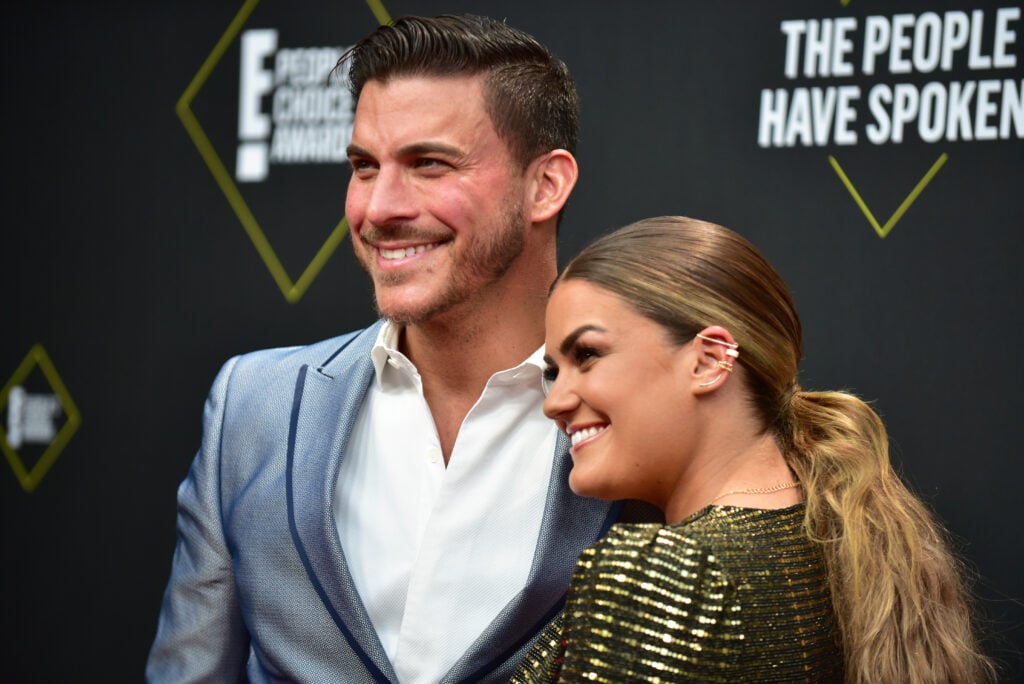
Jax Taylor Says Brittany Cartwright Is Sabotaging His Career

Reading Time: 2 minutes

Jax Taylor is speaking out about his latest battle with Brittany Cartwright.

And this time, it seems that the former couple’s divorce drama has spilled directly into his professional life.

The Vanderpump Rules alum claims Brittany has been attempting to undermine his career after a recent controversy involving what he says was a mistaken brand partnership.

Jax Taylor and  Brittany Cartwright attend the 2019 E! People's Choice Awards at Barker Hangar on November 10, 2019 in Santa Monica, California.
Jax Taylor and Brittany Cartwright attend the 2019 E! People’s Choice Awards at Barker Hangar on November 10, 2019 in Santa Monica, California. (Photo by Rodin Eckenroth/WireImage)

According to Jax, his estranged wife turned an unfortunate situation into an opportunity to publicly embarrass him.

“Yesterday was just another example of Brittany going out of her way to publicly embarrass and humiliate me,” Jax told Us Weekly, claiming that the issue could have been handled privately.

He alleged that Brittany contacted the brand, discussed the matter on her podcast, and shared what he described as false accusations online.

“Instead of reaching out privately to address the situation, she chose to contact the brand, laugh about it on her podcast, and post false accusations on social media,” Jax claimed.

Jax said he believes the incident is part of a larger pattern, alleging that Brittany’s actions have hurt his reputation and made it more difficult for him to rebuild his career following their highly publicized split.

Jax says he thought he had been offered a partnership deal with Smart Water through a third-party facilitator.

He later said he discovered the partnership was not authorized and removed the content once he learned there was a problem.

In a statement shared with followers, Jax explained that he had received emails, campaign details, and instructions that made the opportunity appear legitimate. He insisted he never intended to misrepresent a business relationship.

The latest accusations add another chapter to the ongoing tension between Jax and Brittany, who separated in 2024 after many years in the reality TV spotlight.

The pair, who married in 2019 and share son Cruz, have continued navigating their divorce and co-parenting relationship in the public eye.

Their breakup has already produced plenty of drama, including disagreements over their divorce proceedings and renewed headlines surrounding Jax’s personal life.

For now, Jax and Brittany appear to have very different views on what has happened, and fans of the Bravo stars are once again watching their relationship drama unfold away from the cameras.

Jax Taylor Says Brittany Cartwright Is Sabotaging His Career was originally published on The Hollywood Gossip.

​The Hollywood Gossip

Categories
Entertainment

Cowboy Cornbread Casserole Recipe

This cowboy cornbread casserole is one rib-sticking weeknight dinner, with hearty chili-spiced ground beef and a thick, sweet, and buttery cornbread topping.

​Mashed – Fast Food, Celebrity Chefs, Grocery, Reviews

Categories
Music

Morgan Wallen Wraps Record-Breaking Still The Problem Tour, Donates More Than $1 Million in Instruments to Schools

Morgan Wallen’s Still The Problem Tour has officially come to an end. Throughout the 23-stop trek, Wallen delivered a series of historic shows while also making an impact beyond the stage. Through a portion of every ticket sold benefiting the Morgan Wallen Foundation (MWF), the tour helped provide more than $1 million worth of instruments to 26 schools across the U.S.

The country hitmaker kicked off the 2026 tour in April with a two-night run at U.S. Bank Stadium in Minneapolis, Minnesota. From there, he made his way to 12 North American Stadiums, including Bryant-Denny Stadium, Soldier Field, U.S. Bank Stadium, Allegiant Stadium, Michigan Stadium, and University of Clemson’s Memorial Stadium. He wrapped it up with two sold-out shows at Philadelphia’s Lincoln Financial Field on Friday, July 31, 2026, and Saturday, August 1.

Morgan Wallen; Photo by Matt Paskert

Each show brought packed out venues full of fans together to sing their hearts out to the East Tennessee native’s catalog of hits. However, each attendee also had a hand in giving back to the MWF through their purchase of a ticket.

The foundation aims to support youth music and athletic programs as well as while help communities access essential resources during times of crisis. For this run, the donations directly impacted more than two dozen schools in need across the cities he toured in.

One of the schools to benefit from the initiative was Sto-Rox Junior/Senior High School in Pittsburgh, Pennsylvania, which received $40,000 worth of instruments.

Superintendent Sonya Coleman shared how meaningful the generous gift will be for students, when he stated, “We are truly honored and excited to receive this generous donation of musical instruments from the Morgan Wallen Foundation. This gift will have a lasting impact on our students and our music program by providing access to high-quality instruments that will inspire creativity, enhance learning opportunities, and help our young musicians continue to grow both artistically and personally…Partnerships like this demonstrate the power of giving back to communities and creating opportunities that will positively influence students for years to come.”

Each night, fans eagerly anticipated Wallen’s signature walkout, wondering whether he would make his way to the stage alone or be joined by a surprise guest. While a few shows featured a solo entrance, many became unforgettable moments as Wallen welcomed hometown athletes, local legends, and other important figures to represent each city.

Throughout the tour, his walkout guests included Nick Saban, Caitlin Clark, Tim Tebow, John Elway, Ray Lewis, Aidan Hutchinson, Cooper Dejean, The Hughes Brothers, as well as members of the U.S. Navy and U.S. Marine Corps.

Additionally, he was joined by a star-studded lineup of opening acts and special guests, such as Brooks & Dunn, HARDY, Thomas Rhett, Ella Langley, Gavin Adcock, Vincent Mason, Zach John King, Jason Scott & The High Heat, Blake Whiten, HudsonWestbrook and Flatland Cavalry.

There were also plenty of notable historic moments that took place throughout the run. The “I Got Better” singer became the first artist ever to perform two consecutive nights at both Michigan Stadium and Clemson University’s Memorial Stadium, and he played the first concert at Alabama’s Bryant-Denny Stadium in 43 years, marking the venue’s first major concert since Hank Williams Jr.’s show in 1983.

On top of that, the success of the tour has fueled Wallen’s ongoing rise up the charts. His latest album that inspired the name of the tour, I’m The Problem, returned to the No. 1 spot on the Billboard 200, earning its 14th non-consecutive week atop the chart after spending more than a year in the Top 10.

Plus, he debuted his first new song since the 2025 album and first solo release of the year, “Been By Now,” at his sold-out show at M&T Bank Stadium in Baltimore. The track reached No. 2 on the Billboard Hot 100 upon its release, becoming his 20th career Top 10 hit, while also topping both the Streaming Songs and Digital Song Sales charts. He currently has two songs in the Hot 100’s Top 5, including his duet with Ella Langley, “I Can’t Love You Anymore.”

Morgan Wallen; Photo by Matt Paskert

Adding to the milestone-filled year, Wallen’s “You Proof” has officially been certified Diamond by the RIAA, giving him six Diamond-certified singles, which is also the most of any country artist.

Between all the historic stadium shows, the chart-topping success and the impact of the Morgan Wallen Foundation, the Still The Problem Tour proved to be one of the biggest and most impactful runs of Morgan Wallen’s career so far.

The post Morgan Wallen Wraps Record-Breaking Still The Problem Tour, Donates More Than $1 Million in Instruments to Schools appeared first on Country Now.

​Country Now