Categories
Sports Fox

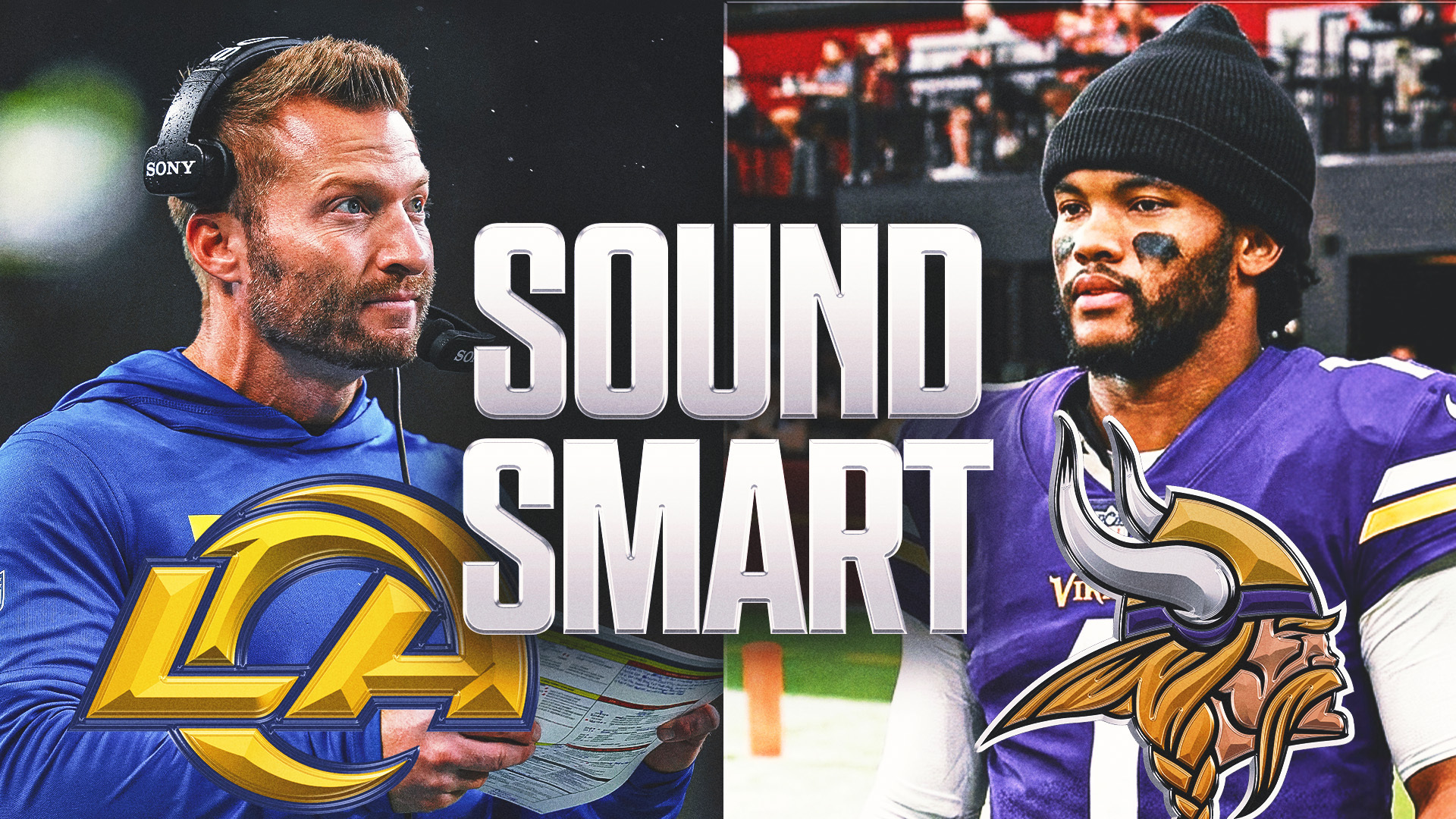
Sound Smart: 7 QBs Already On The Hot Seat, Plus Other Key Insights As NFL Camps Open

Yeeeeeehaw. Football is here. The offseason didn’t feel quite as long as normal, with the 2026 FIFA World Cup filling my schedule with outstanding sporting experiences. But, man, I’m excited for the NFL season to get underway. And even if we’re still a long way away from the regular season, there might not be any better time of year than training camp. If you’ve never attended a practice, I’d strongly recommend dropping into your favorite team’s camp. It’s a whole different side to the sport. Speaking of which — I want to dig into that a little bit, especially because every camp will be underway by the end of the week. But first, give me the chance to welcome you back. If you’re returning, I appreciate you for checking back in. If you’re new, thanks for coming to the party. This is my weekly column that runs every Monday. Yup, this is Sound Smart, where I try to spin forward, dive deeper, think outside the box and read between the lines. Training camp is the beginning. It’s the time of year when players begin to earn — or begin to lose — their jobs. It’s the time of year when coaches earn — or don’t earn — their salaries. It’s the time of year when champions decide that this is their year. This is really their year. There are times when training camp is just another football practice, a distant relative of what you’d see at your local high school. But most practices are not like that, because no one has lost a game yet. Everyone’s job is on the line. And there’s a sense of optimism — both for the downtrodden franchises and the ones that will actually compete for a title. Training camp is the beginning — a beginning full of hope for every team. The season is about building game plans and devising specific paths to victory. But training camp is about building out the playbook, building out the fundamentals and developing identity. And coincidentally, Los Angeles Rams coach Sean McVay took folks behind the scenes — albeit unintentionally — of what training camp will be like for the Super Bowl favorites. Ahead of camp, there were two examples of McVay’s coaching style that went viral on social media. Both informed what it will be like for Rams players when they begin training camp on Monday. The first was an interview with the “Bussin’ With The Boys” podcast when McVay spoke about the type of players he wants on his 90-man camp roster. He said there are “non-negotiables” when he searches for players. Obviously, they have to have NFL-level talent. But beyond that, McVay looks for guys who have a history of overcoming adversity. “If [adversity] shapes you and callouses you the right way, growth demands that discomfort,” McVay said. He added: “I think that more than anything, especially because of some of the things I’ve gone through where I look back and say, ‘Man, I did not like the kind of leader or the caliber of person I was.’ I was fragile. I wasn’t resilient. … The game honors toughness, but I think life and the game honor toughness, both mentally and physically. How many different ways can we measure that mental resilience? What have they been through, and how did that shape who they’ve become in the midst of the journey?” So there’s a shared identity from one Rams player to the next. And that helps them bring that identity to the field and to the meeting room. You can see the work they put together on the field. That’s the beauty of training camp: It allows fans and media to watch the team practice openly. What we seldom see is what the teams look like in meetings — and certainly not when the coach is actively teaching his players about a play. So that brings us to the next piece of social media that circulated, which was a video of McVay running through a simple but impressive run play. He broke it down to the fine details to help people understand why the play succeeded. The video appears to be a public event from the 2024 offseason, with McVay breaking down a 28-yard touchdown run by Kyren Williams in L.A.’s 26-25 win over the New York Giants in 2023. He called it “one of my favorite plays of the year.” “When you see players do little stuff like this, man, it just makes you feel appreciated. It makes them feel appreciated, which they deserve. And I appreciate a lot of the little things right here,” he said. “[Receiver Cooper] Kupp usually comes back [to the left of the formation] on this play, but he’s going to check the slot pressure before he does that. … He’s able to recognize that they’re blitzing off the slot, so he’s able to secure this off the edge. Now, awesome job by a wideout to be able to do that.” McVay then went on to break down the footwork of right tackle Rob Havenstein and then the downfield blocking by guard Kevin Dotson and center Coleman Shelton. “That gets the play started. But then what does it look like to see receivers compete without the football?” McVay asks. He went on to note receivers Tutu Atwell and Puka Nacua charging downfield into the second level to get their hands on defenders. “That is a great run [by Williams], but that is some great s— by the players to understand the intent of the play,” McVay said. So if you wonder what players mean when they talk about the “fine details,” well, that’s probably only just the beginning. Entering camp, there are a handful of starting NFL quarterbacks who, frankly, will not have their jobs in 2027. You probably know who I’m thinking of. Las Vegas Raiders import Kirk Cousins serves as a clear example, just filling the gap until No. 1 overall pick Fernando Mendoza is ready to take the reins. That’s its own kind of pressure, but it’s not exactly a hot seat. Then there are guys who face pressure to perform, but it would be a long shot to think they’re going anywhere. Think: Lamar Jackson and Jayden Daniels. Then there’s the group of starters whose status is yet to be determined for 2027. These seven QBs are effectively playing their way into a long-term job — or out of it. The Panthers announced they were picking up Young’s fifth-year option, but that’s not exactly a commitment that he’ll be their QB next year. There has been an enormous amount of conversation about next year’s crop of QB draft prospects, and so it’s easy to imagine the Panthers looking to upgrade if Young can’t continue to ascend. This isn’t to say he won’t ascend. Third-year coach Dave Canales has been patient and dedicated — two rare traits in the QB development process. Young has trended upward in a linear-enough fashion in his first three NFL seasons. But if his 2026 season doesn’t look better than last year, he might be searching for a new team next year. I hesitate to put Stroud on this list, because it would be hard for the Texans to pass on him in many of the ways that it was hard for the Miami Dolphins to pass on Tua Tagovailoa in 2024, when the timing demanded that he get a huge deal. There’s a 90 percent chance that Stroud gets re-upped. But given what we saw in the postseason, particularly against the New England Patriots, Stroud is not a lock to stay in Houston. He has not built off his rookie season. There are ways, in fact, where he’s gotten worse. And there’s a non-zero chance that things fall apart for Stroud and the Texans. It’s a contract year, and the Buccaneers are making Mayfield play for an extension. He’s a fierce competitor — one who probably takes it personally that the team hasn’t committed to him yet. As consistent and steady as he is, Mayfield still needs weapons to be a high-level operator from the pocket. And he just lost Mike Evans, the best wide receiver in franchise history, in free agency. It will be fascinating to see what the Bucs can do with their weapons, because I don’t know how much gas nine-year veteran Chris Godwin has left. Nor do I think Emeka Egbuka is the surefire WR1 that he looked to become at the beginning of his rookie season. I highly doubt that either of these quarterbacks will be Cleveland’s QB1 in 2027. I honestly doubt that new head coach Todd Monken will have his job in 2027. But if the Browns do the unthinkable and make the playoffs, then maybe Cleveland’s QB — whoever it is — could make the case to stick around. It’s a matter of when (not if) he wins the QB1 job in his supposed competition with J.J. McCarthy. But then the hard part begins. Coach Kevin O’Connell has earned the reputation as a QB whisperer. But now that comes with an asterisk, after a failed experiment developing McCarthy. O’Connell, however, retains his reputation for taking mid-tier veteran QBs and turning them into game-changers (Sam Darnold, Kirk Cousins). It could be magic if O’Connell can do it with Murray. But the McCarthy experiment proved that it’s not a foregone conclusion. Let the record state that I’m one of Hurts’ biggest supporters. But even I can recognize his shortcomings as a quarterback, namely that he has been less willing recently to run the ball and throw over the middle. That’ll need to change in 2026. And while the departure of WR1 A.J. Brown hurts, the arrival of USC All-American Makai Lemon should help Hurts attack the middle of the field. If Hurts gets back to efficient running, then the Eagles’ offense should hum. But it wasn’t exactly a success story last year. And with all that talent this year, we might see big changes if the offense flops for a second year in a row. Let’s lump three teams into the same bucket as they prepare for the 2026 NFL season: the Chicago Bears, New England Patriots and Denver Broncos. Here’s why. All three teams made the playoffs last year. All three had a knack for pulling out wins in close games. All three had second-year quarterbacks (and former first-round draft choices) who took enormous leaps forward. All three of those quarterbacks had unstable success — meaning that it remains to be seen whether they can sustain that success. And finally, all three teams benefited from a weak schedule. They won’t have that same luxury in 2026. In the case of the Patriots, they’re hoping to fight off regression by improving their passing attack, bringing in receivers A.J. Brown and Romeo Doubs and left guard Alijah Vera-Tucker. The Broncos snagged receiver Jaylen Waddle in a trade, and I have no doubt they’ll plug and play the speedster to perfection into Sean Payton’s offense. The Bears, meanwhile, seem to trust youngsters like tight end Colston Loveland and receiver Luther Burden III to take bigger roles — while investing in their defensive identity under DC Dennis Allen. That meant signing safety Coby Bryant and linebacker Devin Bush while drafting safety Dillon Thieneman and cornerback Malik Muhammad. I think all three teams will make the playoffs again — despite history indicating that they’re due for some bad bounces (and some tough losses). In all three instances, I like the coach, I like the quarterback and I like the thought process that went into bolstering the roster. Lost It: Cardinals GM Monti Ossenfort The plan is murky in Arizona. The Cardinals don’t have a starting quarterback. The current QB1, veteran backup Jacoby Brissett, is still negotiating a deal for 2026, and it’s not like he’s a long-term solution. Nor, in my opinion, is Carson Beck, whom the team drafted in Round 3 this year. I don’t mind that the Cardinals threw a dart in this year’s QB class, but Beck was among my least favorite quarterbacks in this class. The QB Arizona is paying a boatload of money, Kyler Murray, was released and is likely to spend the 2026 season starting for the Vikings. And then the Cardinals drafted Jeremiyah Love with the third-overall pick. I don’t fall in the camp of “running backs don’t matter.” But I do think that the Cardinals had way too many other problems for a running back to make the impact they hope he’ll make in the next four years. Running backs matter when you’re a playoff team. The Cardinals aren’t. And without a plan at QB, they won’t be for a few years. I’m just not sure what the Cardinals are trying to be other than … really bad. That’s tolerable for one year. But that’s what they were last year. And this year, they only look worse. Earned It: Eagles GM Howie Roseman The Eagles watched receiver A.J. Brown become less effective every season, with his counting stats and averages largely trending downward since his first year with the team in 2022. And to make matters worse, Brown was outspoken about his dissatisfaction with “the passing game,” which felt like either a shot at Jalen Hurts or head coach Nick Sirianni or offensive coordinator Kevin Patullo — or all three. That’s why I think there was a collective sigh of relief in Philly when the Eagles traded Brown to New England. The return was fine, a 2028 first-round pick that is, admittedly, a long time away. But it’s a first-round pick nonetheless. That move was admirable by Roseman — cutting ties with a superstar when the cutting was good. But I also loved the way Roseman handled the draft, moving up to steal USC receiver Makai Lemon, a guy who should help Hurts attack the middle of the field, a place where the QB was hesitant last year. Lemon isn’t a one-for-one replacement for Brown, but the rookie should eventually fill a much-needed role — and one that should help the shifting offensive identity around Hurts and running back Saquon Barkley. Oh yeah, and remember when Roseman traded for Jaelen Phillips a few days before the trade deadline last year? Well, Phillips made the most among all edge rushers in free agency because of how well he played in Philly. And Roseman let the guy walk, in part because he traded for Vikings All-Pro edge Jonathan Greenard. It’s fascinating how resourceful Roseman can be. He buys and sells on players at values that Wall Street traders would envy.​Latest Sports News from FOX Sports

Categories
Alaska News

A federal advisory panel voted to increase access to a popular peptide. Here’s what that means.

Ivím Health reports a federal panel has recommended BPC-157, a popular peptide, be available through licensed compounding pharmacies with a prescription.

Categories
Alaska News

A federal advisory panel voted to increase access to a popular peptide. Here’s what that means.

Single-use syringes and a medicine vial

Categories
Alaska News

World Cup fever has changed American attitudes toward soccer

247Bet reports that a survey indicates the 2026 World Cup significantly boosted American interest in soccer, with over 25% watching for the first time.

Categories
Alaska News

World Cup fever has changed American attitudes toward soccer

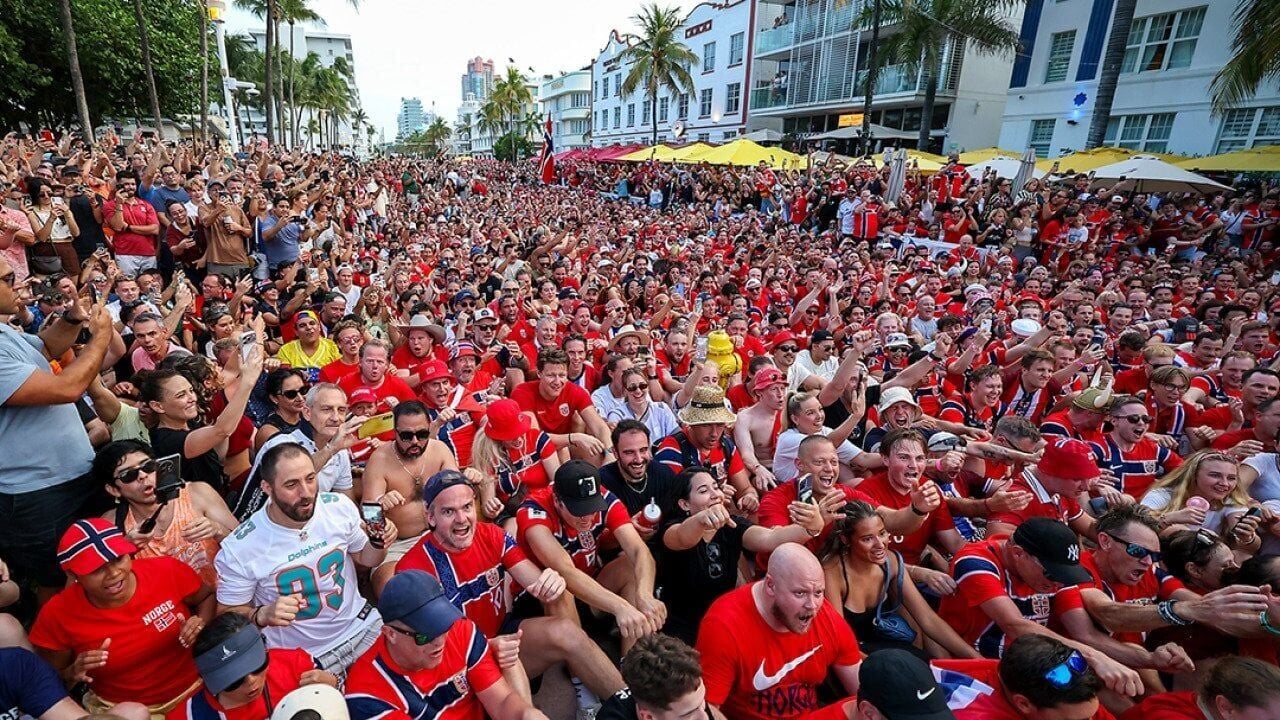
Fans of Norway take part in the “Viking Row,” a cheer created by Norwegian soccer fans which gained popularity during the 2026 FIFA World Cup, on July 10, 2026, in Miami Beach, Florida.

Categories
Entertainment

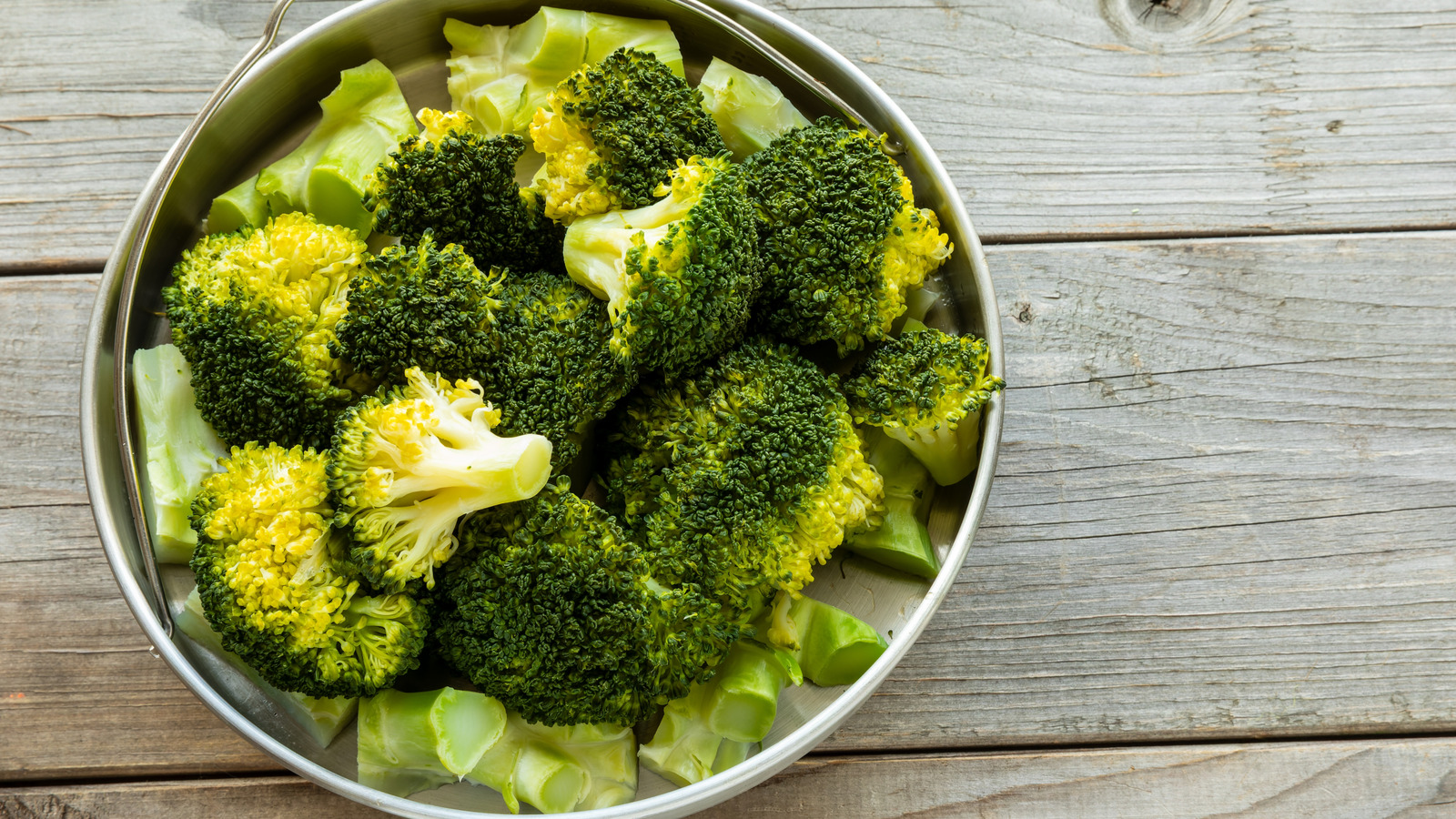
Turn Broccoli Into A Flavor-Packed Side, Texas Roadhouse Style

If done right, a proper side can steal the spotlight at dinnertime. It doesn’t take too much effort to make this broccoli dish shine brightly.

​Mashed – Fast Food, Celebrity Chefs, Grocery, Reviews

Categories
Entertainment

Love Island USA’s Nic Vansteenberghe Addresses Olandria Carthen Split

Olandria Carthen, Nicolas "Nic" Vansteenberghe, Nic Vansteenberghe, LOVE ISLAND USANic Vansteenberghe isn’t hiding away from updating fans on his love life.
Days after his breakup from costar Olandria Carthen was confirmed, the Love Island USA season seven star has publicly…
​E! Online (US) – Top Stories

Categories
Sports Fox

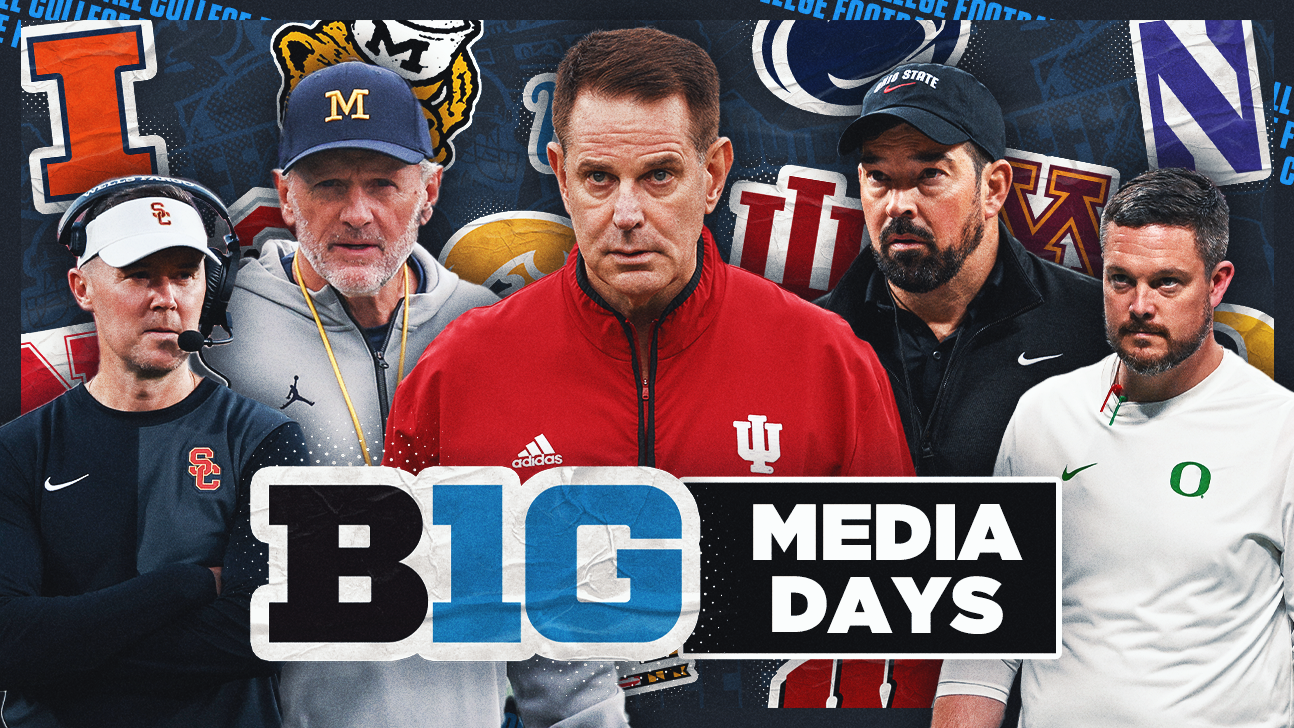
1 Big Ten Football Storyline To Watch For Each Team Ahead Of Media Days

Another summer, another iteration of talking season in college football as conferences across the country hold their media day events this month in anticipation of the 2026 season. The Big 12, ACC and SEC have all enjoyed their turns in the spotlight in recent weeks, and now it’s time for the Big Ten — which has won three straight national titles — to do the same. Beginning on Tuesday at the Hilton Chicago, not far from the league office in Rosemont, Illinois, the Big Ten will kick off its annual three-day spectacle that serves as an unofficial start to football season. Once again, each day will feature representatives from six programs in the 18-team league: Day 1: Illinois, Iowa, Penn State, Rutgers, USC, Wisconsin Day 2: Michigan State, Minnesota, Ohio State, Oregon, Purdue, UCLA Day 3: Indiana, Maryland, Michigan, Nebraska, Northwestern, Washington To prepare for the event and look ahead to the upcoming season, I’ve explored a key storyline for each of the conference’s teams. Here are some of the biggest talking points to follow in Chicago. * Recruiting and transfer portal rankings courtesy of 247Sports. Last year: 9-4 overall, 5-4 Big Ten Postseason: 30-28 win over Tennessee in the Music City Bowl Head coach: Bret Bielema, sixth season, 37-26 at Illinois Coordinators: Barry Lunney Jr. (offense); Bobby Hauck (defense) Recruiting: No. 24 nationally, No. 6 in the Big Ten Transfer portal: No. 43 nationally, No. 11 in the Big Ten Key storyline: New defensive scheme Bielema opted to change the defensive system once coordinator Aaron Henry Jr. left to become the co-defensive coordinator/defensive backs coach at Notre Dame. He convinced Hauck, the former Montana head coach, to spurn a brief retirement and install the same 3-3-5 scheme that produced top-20 defenses three times in the last five years for the Grizzlies. How that system will fare against some of the run-heavy offenses in the Big Ten remains to be seen. The strength of Hauck’s unit in Year 1 is expected to be a secondary that returns three starters, including All-Big Ten performer Xavier Scott at nickel. He and safety Matthew Bailey bypassed the NFL Draft for another season with the Illini. Last year: 16-0 overall, 9-0 Big Ten Postseason: 27-21 win over Miami in the National Championship game Head coach: Curt Cignetti, third season, 27-2 at Indiana Coordinators: Mike Shanahan (offense); Bryant Haines (defense) Recruiting: No. 29 nationally, No. 9 in the Big Ten Transfer portal: No. 8 nationally, No. 3 in the Big Ten Key storyline: Replacing QB Fernando Mendoza When Mendoza joined the Hoosiers following two impressive seasons at Cal, where he blossomed from a low-level recruit into a transfer portal darling, there were already big shoes to be filled at the quarterback position. Kurtis Rourke, who served as Cignetti’s original signal-caller at Indiana, had guided the program to new heights by reaching the College Football Playoff in 2024. All Mendoza did was raise that bar to include a Big Ten championship, a national championship and the Heisman Trophy. Next in line for Cignetti is TCU transfer Josh Hoover, a three-year starter who enters the upcoming season having thrown for 9,629 career yards and 71 touchdowns. Will the magic continue? Last year: 9-4 overall, 6-3 Big Ten Postseason: 34-27 win over Vanderbilt in the ReliaQuest Bowl Head coach: Kirk Ferentz, 28th season, 209-128 at Iowa Coordinators: Tim Lester (offense); Phil Parker (defense) Recruiting: No. 26 nationally, No. 7 in the Big Ten Transfer portal: No. 77 nationally, No. 17 in the Big Ten Key storyline: An ongoing QB competition Ferentz’s search to replace dual-threat quarterback Mark Gronowski, who led the Hawkeyes with 16 rushing touchdowns last season, will continue into fall camp after an even battle between Hank Brown and Jeremy Hecklinski — both of whom were with the program in 2025. Brown is a 6-foot-4, 215-pound junior who originally transferred from Auburn two years ago. He served as Gronowski’s primary backup and completed 11 of 21 passes for 107 yards with one touchdown and one interception. Hecklinski is a 5-foot-11, 188-pound sophomore who enters the 2026 campaign having only attempted two career passes. Whichever player wins the job will need to enliven a passing attack that ranked 129th nationally and 17th in the Big Ten last year. Last year: 4-8 overall, 1-8 Big Ten Postseason: None Head coach: Mike Locksley, ninth season, 37-49 at Maryland Coordinators: Clint Trickett (offense); Ted Monachino (defense) Recruiting: No. 42 nationally, No. 11 in the Big Ten Transfer portal: No. 62 nationally, No. 16 in the Big Ten Key storyline: The head coach’s job security Questions regarding how, when and if the Terrapins should move on from Locksley dominated the second half of Maryland’s season. After a 1-8 Big Ten record in 2025, Locksley has now finished below .500 in Big Ten play for seven consecutive years. What felt like a legitimate surge in momentum from 2021-23 — a promising stretch in which Locksley won 23 games and tallied three straight bowl victories — fizzled out rather swiftly amid back-to-back disastrous campaigns. Now, Locksley enters the 2026 season as one of the leading figures in any discussion about coaches with tenuous job security. He’ll need sophomore quarterback Malik Washington, who opened some eyes as a true freshman last fall, to take a noticeable step forward if the Terrapins want to sniff the postseason. Last year: 9-4 overall, 7-2 Big Ten Postseason: 41-27 loss to Texas in the Citrus Bowl Head coach: Kyle Whittingham, first season, 177-88 overall Coordinators: Jason Beck (offense); Jay Hill (defense) Recruiting: No. 12 nationally, No. 4 in the Big Ten Transfer portal: No. 24 nationally, No. 5 in the Big Ten Key storyline: QB Bryce Underwood’s development Few quarterbacks in college football, if any, will face more scrutiny than Underwood this fall. The former No. 1 overall recruit in the 2025 cycle, Underwood navigated an uneven freshman season as the Wolverines’ starter — albeit for a program that would eventually fire head coach Sherrone Moore last December. He ranked ninth in the Big Ten in passing yards, 13th in passing touchdowns and 14th in completion percentage amid issues with his footwork and touch. An excellent rushing attack and retooled wide receiver room, which includes high-level transfer JJ Buchanan from Utah, should offer Underwood more ballast than he enjoyed last season. But more is expected from a player with such lofty expectations and significant compensation. Last year: 4-8 overall, 1-8 Big Ten Postseason: None Head coach: Pat Fitzgerald, first season, 110-101 overall Coordinators: Nick Sheridan (offense); Joe Rossi (defense) Recruiting: No. 45 nationally, No. 12 in the Big Ten Transfer portal: No. 55 nationally, No. 14 in the Big Ten Key storyline: How will Fitzgerald adapt? Think about how different the sport looked when Fitzgerald last coached a game for Northwestern in 2022. The College Football Playoff was still a four-team affair, and the batch of conference realignment that sent Texas and Oklahoma to the SEC and added a West Coast contingent to the Big Ten was still more than a year away from going into effect. The one-time transfer rule that has revolutionized roster building was still in its infancy, and revenue sharing remained a far-flung concept reserved for news conference soapboxes. So, while there’s no question about the successful program Fitzgerald built from 2006-2022 — a run that included six eight-win seasons and two trips to the Big Ten title game — he still has plenty to prove in the modern era. Last year: 8-5 overall, 5-4 Big Ten Postseason: 20-17 win over New Mexico in the Rate Bowl Head coach: P.J. Fleck, 10th season, 66-44 at Minnesota Coordinators: Greg Harbaugh Jr. (offense); Danny Collins (defense) Recruiting: No. 28 nationally, No. 8 in the Big Ten Transfer portal: No. 51 nationally, No. 13 in the Big Ten Key storyline: Fixing the running game When Fleck and the Gophers outperformed expectations by stringing together consecutive nine-win seasons in 2021 and 2022, they did so with one of the nation’s best rushing attacks that allowed Minnesota to control games. The Gophers ranked 27th nationally in rushing (198 yards per game) during the ’21 campaign and 16th nationally (207.5 yards per game) in ’22, firmly in keeping with the league’s rugged reputation. Since then, however, Minnesota’s potency on the ground has waned rather precipitously: a 66th-place finish in 2023, a 109th-place finish in 2024 and a 128th-place finish last season. Any uptick in balance the Gophers can find will benefit promising sophomore quarterback Drake Lindsey and the passing game. Last year: 7-6 overall, 4-5 Big Ten Postseason: 44-22 loss to Utah in the Las Vegas Bowl Head coach: Matt Rhule, fourth season, 19-19 at Nebraska Coordinators: Dana Holgorsen (offense); Rob Aurich (defense) Recruiting: No. 88 nationally, No. 18 in the Big Ten Transfer portal: No. 31 nationally, No. 8 in the Big Ten Key storyline: Rhule vs. ranked opponents On one hand, Nebraska will enter the 2026 season having compiled back-to-back winning records for the first time since 2013-14 under former coach Bo Pelini. On the other hand, the Cornhuskers’ current leader — Rhule — remains winless against ranked opponents (0-9) since taking over the program four years ago and hasn’t notched eight victories in a single season, college or otherwise, since before the COVID-19 pandemic. This year’s schedule could include as many as six games against ranked opponents, headlined by dates with arguably the conference’s three best teams: Indiana (home), Oregon (away) and Ohio State (home). It’s time for Rhule to prove he can elevate Nebraska beyond its current middling status. Last year: 7-6 overall, 4-5 Big Ten Postseason: 34-7 win over Central Michigan in the GameAbove Sports Bowl Head coach: David Braun, fourth season, 19-19 at Northwestern Coordinators: Chip Kelly (offense); Tim McGarigle (defense) Recruiting: No. 52 nationally, No. 13 in the Big Ten Transfer portal: No. 42 nationally, No. 10 in the Big Ten Key storyline: A new offensive brain trust There probably weren’t many offseason college football bingo cards that had Northwestern as the program most likely to make a splashy offensive coordinator hire. However, the Wildcats swung big and landed Kelly, the former head coach at Oregon and UCLA and a national championship-winning offensive coordinator for Ohio State in 2024. It now falls on Kelly and freshly hired quarterbacks coach Jerry Neuheisel, formerly of UCLA, to finally maximize the many talents of transfer Aidan Chiles, the No. 153 overall player in the 2023 recruiting class. Chiles comes to Northwestern following two up-and-down seasons at Michigan State and a promising freshman year at Oregon State. The program should receive a nice boost from the opening of its new stadium (Ryan Field) in October. Last year: 12-2 overall, 9-0 Big Ten Postseason: 24-14 loss to Miami in the CFP quarterfinals Head coach: Ryan Day, eighth season, 82-12 at Ohio State Coordinators: Arthur Smith (offense); Matt Patricia (defense) Recruiting: No. 4 nationally, No. 3 in the Big Ten Transfer portal: No. 7 nationally, No. 2 in the Big Ten Key storyline: Another former NFL head coach There were plenty of questions surrounding Day’s decision to hire former Detroit Lions head coach Matt Patricia as his defensive coordinator ahead of the 2025 season. Patricia, a longtime disciple of former New England Patriots head coach Bill Belichick, hadn’t worked in college football since 2003. His tenure with the Lions was rocky to say the least. But when push came to shove, Patricia established himself as one of the best coordinators in the country for a unit that finished first in scoring defense (9.3 points per game) and first in total defense (219.1 yards per game). Smith, meanwhile, hasn’t coached in college since he was a defensive intern at Ole Miss in 2010. He served most recently as offensive coordinator of the Pittsburgh Steelers (2024-25) and head coach of the Atlanta Falcons (2021-23). Can Day strike gold for the second straight year? Last year: 13-2 overall, 8-1 Big Ten Postseason: 56-22 loss to Indiana in the CFP semifinals Head coach: Dan Lanning, fifth season, 48-8 at Oregon Coordinators: Drew Mehringer (offense); Chris Hampton (defense) Recruiting: No. 3 nationally, No. 2 in the Big Ten Transfer portal: No. 21 nationally, No. 4 in the Big Ten Key storyline: QB Dante Moore vs. elite defenses For as good as Moore was during his first season as the Ducks’ starter — he threw for 3,565 yards with 30 touchdowns and only 10 interceptions — it was difficult to shake the feeling that he underperformed against high-level opposition. He threw more interceptions (five) than touchdown passes (three) in games against Indiana (twice), Iowa and Texas Tech. His first pass in the national semifinals during a rematch with the Hoosiers, who had previously upended Oregon at Autzen Stadium earlier in the season, resulted in a pick-six for cornerback D’Angelo Ponds. Eleven of the 17 total sacks he absorbed last season came in the aforementioned four games. The arm talent that made Moore a five-star recruit is undeniable; the toughness and poise to become a legitimate Heisman Trophy candidate are still developing. Last year: 7-6 overall, 3-6 Big Ten Postseason: 22-10 win over Clemson in the Pinstripe Bowl Head coach: Matt Campbell, first season, 107-70 overall Coordinators: Taylor Mouser (offense); D’Anton Lynn (defense) Recruiting: No. 65 nationally, No. 16 in the Big Ten Transfer portal: No. 4 nationally, No. 1 in the Big Ten Key storyline: Life after James Franklin A long and winding coaching search to replace Franklin, who won at least 10 games in six of his 12 seasons with the Nittany Lions, ended with a figure most analysts agreed was an excellent choice for Penn State. Campbell, 46, has long been regarded as a rising star in coaching thanks to his yeoman’s work at Iowa State, a school largely bereft of top-end resources. His name is linked with high-profile jobs on what feels like an annual basis, both at the collegiate and NFL levels alike. Now, after tallying five eight-win seasons with the Cyclones and two finishes among the top 15 in the AP Poll, he assumes control at a program that has never quite claimed its place in the upper echelon of the modern game. The ongoing national title drought for Penn State stretches to 1986. Last year: 2-10 overall, 0-9 Big Ten Postseason: None Head coach: Barry Odom, second season, 2-10 at Purdue Coordinators: Josh Henson (offense); Kevin Kane (defense) Recruiting: No. 55 nationally, No. 14 in the Big Ten Transfer portal: No. 48 nationally, No. 12 in the Big Ten Key storyline: Churn, baby, churn When Odom took over the Boilermakers following a successful two-year run at UNLV, where he averaged 9.5 wins per season, one of his first orders of business was flipping the roster — a task made easier by the transfer portal. He added 86 new players, including 20 new starters, ahead of the 2025 campaign and promptly finished with an unsightly 0-9 record in conference play, the same as his predecessor Ryan Walters. So what did Odom do ahead of the 2026 season? He flipped his roster again. Fifty-four new Boilermakers joined the program since the end of last year, including 15 players who project as starters. There are also changes at defensive coordinator, running backs coach, offensive line coach and wide receivers coach. It’s anyone’s guess how well things mesh this fall. Last year: 5-7 overall, 2-7 Big Ten Postseason: None Head coach: Greg Schiano, 18th season (two stints), 99-108 at Rutgers Coordinators: Kirk Ciarrocca (offense); Travis Johansen (defense) Recruiting: No. 36 nationally, No. 10 in the Big Ten Transfer portal: No. 81 nationally, No. 18 in the Big Ten Key storyline: Fixing the cratering defense In 2022 and 2023, under the direction of defensive coordinator Joe Harasymiak, now the head coach at UMass, the Scarlet Knights ranked 38th nationally and 16th nationally, respectively, in total defense. And then Rutgers went off a cliff. Schiano’s team plummeted to No. 95 nationally in 2024, which proved to be Harasymiak’s final season, and No. 127 last fall — worst in the Big Ten. In an effort to stop the bleeding, Schiano plucked Johansen from a sitting head-coaching job at South Dakota, a team that reached the national quarterfinals at the FCS level. Johansen, who had been at South Dakota in various roles since 2019, is now working in the power conferences for the first time. His first real challenge will come against high-flying USC on Sept. 19. Last year: 9-4 overall, 7-2 Big Ten Postseason: 30-27 loss to TCU in the Alamo Bowl Head coach: Lincoln Riley, fifth season, 35-18 at USC Coordinators: Luke Huard (offense); Gary Patterson (defense) Recruiting: No. 1 nationally, No. 1 in the Big Ten Transfer portal: No. 29 nationally, No. 7 in the Big Ten Key storyline: Welcome back, Coach Patterson Beginning in 2000, when TCU elevated him from defensive coordinator to head coach, Patterson oversaw one of the most successful runs the sport had ever seen from a program outside the power conferences. He tallied an incredible seven 11-win seasons with the Horned Frogs while playing in either Conference USA or the Mountain West from 2003-11, including an undefeated campaign in 2010. His success largely continued after TCU joined the Big 12 as Patterson racked up three more 11-win seasons from 2014-17, though momentum eventually fizzled toward the latter stages of his Hall-of-Fame tenure. Now, the 66-year-old Patterson has come out of retirement in hopes of finally fixing a leaky Trojans’ defense that ranked 51st nationally in scoring last season. It might be playoff or bust for USC this fall. Last year: 3-9 overall, 3-6 Big Ten Postseason: None Head coach: Bob Chesney, first season, 132-52 overall Coordinators: Dean Kennedy (offense); Colin Hitschler (defense) Recruiting: No. 62 nationally, No. 15 in the Big Ten Transfer portal: No. 25 nationally, No. 6 in the Big Ten Key storyline: Can Chesney match the hype? Regardless of what happens this fall and beyond, Chesney has earned this opportunity in the power conferences. As a small-school lifer, he’s worked his way from defensive coordinator roles at Delaware Valley and Johns Hopkins to head-coaching opportunities at Salve Regina, Assumption, Holy Cross, James Madison and, finally, UCLA. The through line across his various stops? Winning. Chesney has endured just one losing season in 16 years as a head coach and guided JMU to the College Football Playoff last fall. All of that made Chesney, 48, one of the most coveted names on the coaching carousel and an excellent hire — on paper, anyway — for a program in desperate need of stability. Last year: 9-4 overall, 5-4 Big Ten Postseason: 38-10 win over Boise State in the LA Bowl Head coach: Jedd Fisch, third season, 15-11 overall Coordinators: Jedd Fisch (offense); Ryan Walters (defense) Recruiting: No. 13 nationally, No. 5 in the Big Ten Transfer portal: No. 59 nationally, No. 15 in the Big Ten Key storyline: Finding new skill players Washington dodged a potentially Heisman Trophy-sized bullet when quarterback Demond Williams Jr., who announced his intention to transfer after signing a $4 million NIL deal this offseason, reversed course and vowed to return. For as great as that news was, it still only solved one of the Huskies’ problems on offense. Gone are top two running backs, Jonah Coleman and Adam Mohammed, a duo that combined for more than 1,300 yards and 21 touchdowns last season. Gone, too, are wide receivers Denzel Boston (62 catches, 881 yards, 11 touchdowns) and Raiden Vines-Bright (24 catches, 238 yards, 1 touchdown), the latter a very promising freshman. Finding the right players to replace those proven commodities is one of the biggest challenges facing Fisch and the coaching staff this fall, especially for a team that believes it should contend for a spot in the College Football Playoff. Last year: 4-8 overall, 2-7 Big Ten Postseason: None Head coach: Luke Fickell, fourth season, 17-21 at Wisconsin Coordinators: Jeff Grimes (offense); Mike Tressel (defense) Recruiting: No. 78 nationally, No. 17 in the Big Ten Transfer portal: No. 38 nationally, No. 9 in the Big Ten Key storyline: Fickell’s last stand This certainly feels like the last chance for Fickell, who once guided Cincinnati to the College Football Playoff, to right the ship at Wisconsin. Win totals have decreased in each of his three seasons with the Badgers — from seven in 2023, to five in 2024, to four in 2025 — and the athletic director who hired him, Chris McIntosh, recently left for a job in the Big Ten office. The lifelines are evaporating. But Fickell is hellbent on going down swinging, evidenced by a massive 33-player transfer haul that finished as the Big Ten’s largest class among programs without a new head coach. A difficult first half of the season should give way to a friendly November against Rutgers, Maryland, Purdue and Minnesota that might allow Fickell to build some momentum.​Latest Sports News from FOX Sports

Categories
Food

How To Find Dollar Tree Penny Deals

Big news, Dollar Tree fans: The chain has updated its policy, and now you won’t be denied a penny purchase. Here’s how to find the elusive deals.

​Food Republic – Restaurants, Reviews, Recipes, Cooking Tips

Categories
Entertainment

What’s Coming in WordPress 7.1? (Features & Screenshots)

WordPress 7.1 beta is now available for testing, and we have been running it on our test sites for the past week.

The official release is scheduled for August 19, 2026, timed with WordCamp US.

While WordPress 7.0 rebuilt the admin and introduced the AI Client, 7.1 turns to the editor. For the first time, you can design for tablets and phones, and style hover and focus states, without writing a line of CSS.

Let’s take a look at what’s coming in WordPress 7.1, with screenshots and examples of how each feature works.

Overview of upcoming WordPress 7.1

TL;DR: What’s coming in WordPress 7.1

  • Notes get a major upgrade with @mentions, the ability to add notes to specific text, support for multiple discussion threads, and rich formatting.
  • Responsive styling lets you control how blocks look on tablets and phones, directly in the editor, without custom CSS.
  • A new image editor and smarter media handling, including HEIC support and uploads pause if your connection drops, then continue when you are back online.
  • New Tabs and Playlist blocks, plus the admin toolbar now stays visible while you work in the editor.

Note: This beta release is for testing and development only. So, please do not install, run, or test this version of WordPress on your live website.

Instead, we recommend using a staging site or a local site. You can test WordPress 7.1 Beta by installing and activating the WordPress Beta Tester plugin.

When Is WordPress 7.1 Coming Out?

WordPress 7.1 will be released on August 19, 2026, which is the final day of WordCamp US 2026. The date is still marked tentative on the official WordPress release schedule, so it could shift if testing uncovers a serious bug.

Before then, WordPress 7.1 will go through two release candidates, on August 5 and August 12. Those are near-final builds, so you will know exactly what is in the release by early August.

Collaborate Better With the Upgraded Notes

The Notes feature arrived in WordPress 6.9 as a simple way to leave comments on blocks. WordPress 7.1 will turn it into a proper feedback system.

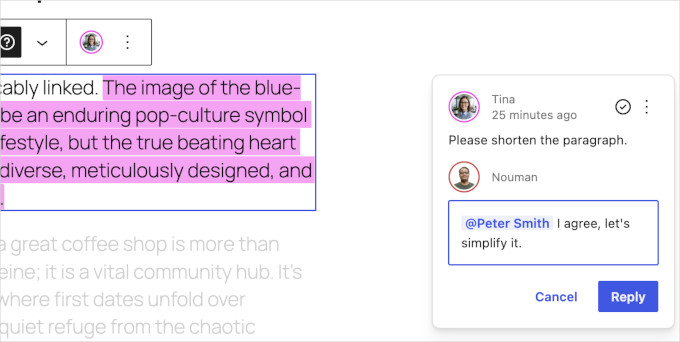
The most useful addition is @mentions. Typing ‘@’ inside a note brings up a searchable list of collaborators to tag directly. This makes it much easier to direct feedback to the right person on your team.

Tag team members with @mentions

Inline notes are new too. Instead of attaching a comment to an entire block, you can select a specific sentence or phrase and leave a note on just that text. The selection stays highlighted, so everyone can see exactly what the note refers to.

This removes a lot of guesswork. Previously, a note saying “please rephrase this” could apply to anything in a long paragraph. Now, it points at the exact words.

Other Notes improvements include:

  • Multiple threads: More than one conversation can run on the same block, instead of folding every comment into a single thread.
  • Text formatting: Notes now support bold, italic, code, links, and emoji.
  • Show more / show less: Long notes collapse by default to keep the sidebar tidy.

These changes make Notes genuinely useful for teams, agencies, and multi-author blogs.

Responsive Styling Without Writing CSS

You can now define how a block looks at different screen sizes directly in the editor.

For example, a smaller font size for headings on mobile, or different spacing for tablets, without writing a single line of CSS.

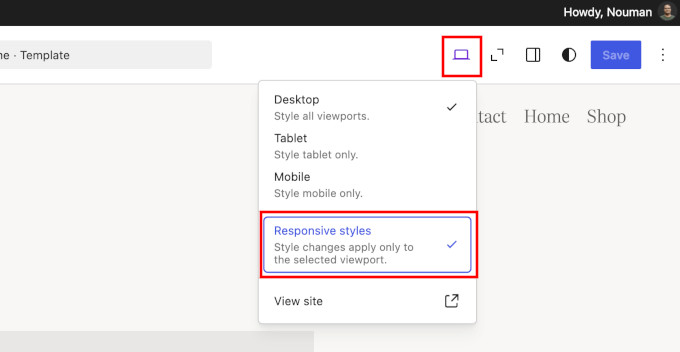
Responsive styles in WordPress 7.1

When you switch the editor preview to Tablet or Mobile, any style change you make applies only to that screen size.

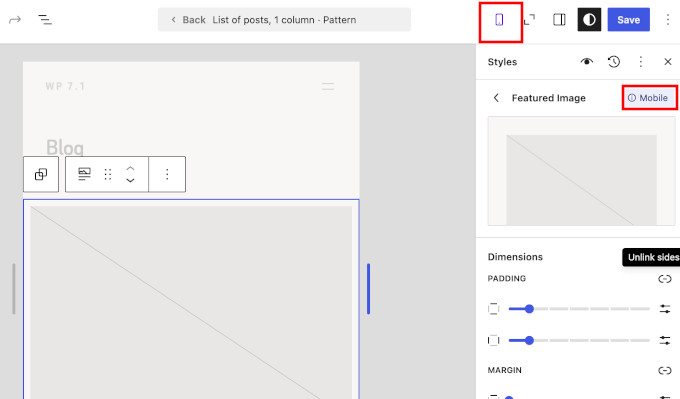
WordPress also shows a small badge in the block settings panel, so you always know which screen size you are styling.

Responsive design and device indicators in site editor

It works on two levels. Responsive styles set in Global Styles apply to every instance of a block across your site. Styles set on a single block apply only to that page.

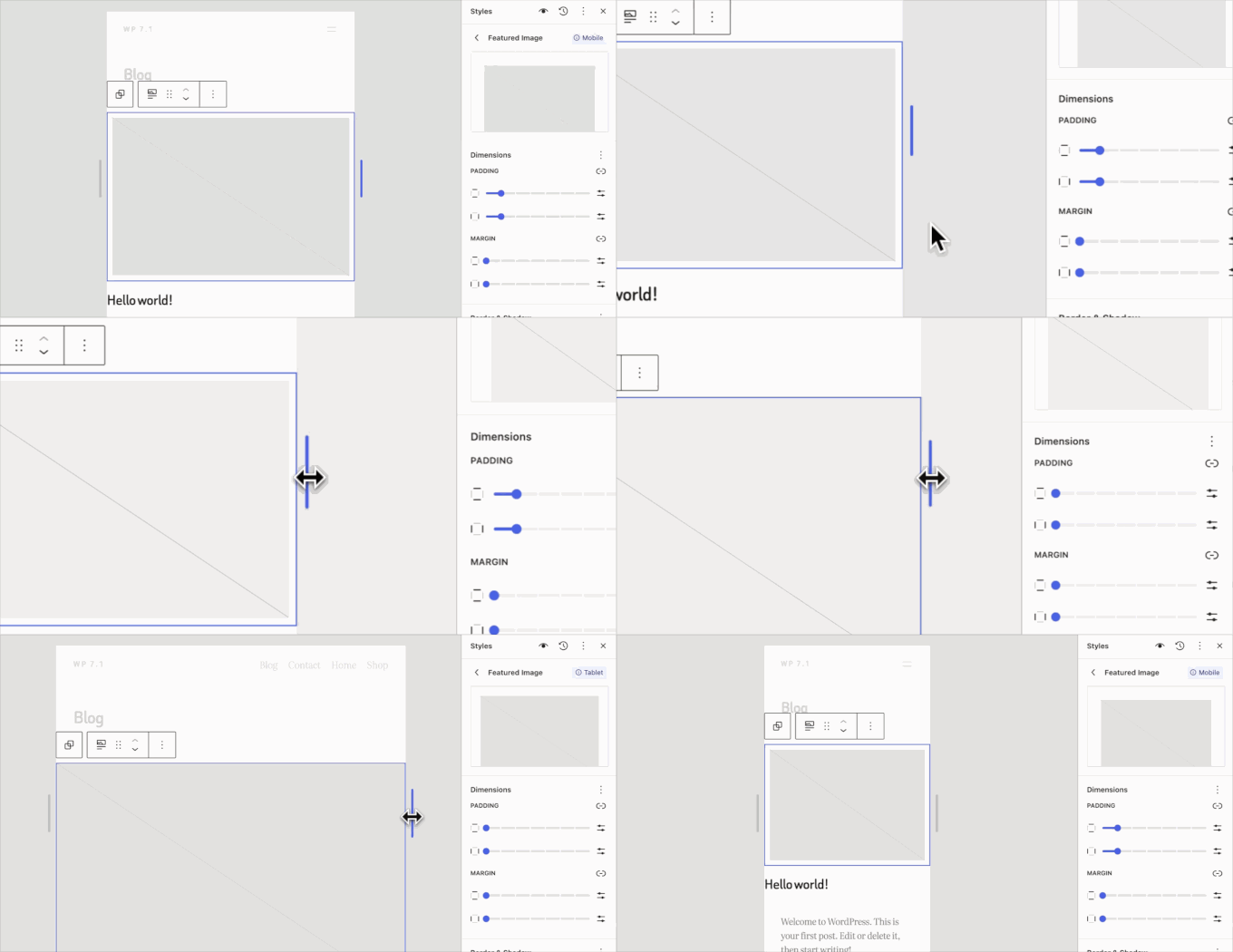
The editor canvas is also more flexible. Instead of being limited to the Desktop, Tablet, and Mobile preview presets, you can drag the canvas to any width and watch your blocks respond in real time.

Drag to adjust device breakpoints

In our testing, this felt natural very quickly. Theme developers can even define their own breakpoints in theme.json, so the preview widths can match the theme you’re actually using.

If you style one block and then decide you want that look everywhere, applying the change to Global Styles brings up a quick review step. You can choose exactly which modified styles to apply globally and keep the rest as local overrides.

Style Hover and Focus States for Buttons

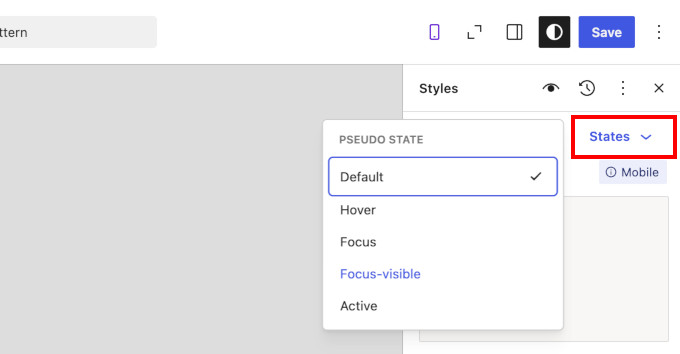
Alongside responsive styling, WordPress 7.1 will introduce interactive state styling. A new ‘States’ dropdown lets you visually style how blocks respond to interaction.

The most common use case is buttons: you can now set a different background color for hover, focus, or active states and preview the change live in the editor.

Interaction styles in WordPress 7.1

Until now, changing a button’s hover color meant writing custom CSS, even though it’s a tiny change. Now, it’s a built-in design option.

New Tabs Block

WordPress 7.1 will add a Tabs block that many users have been asking for.

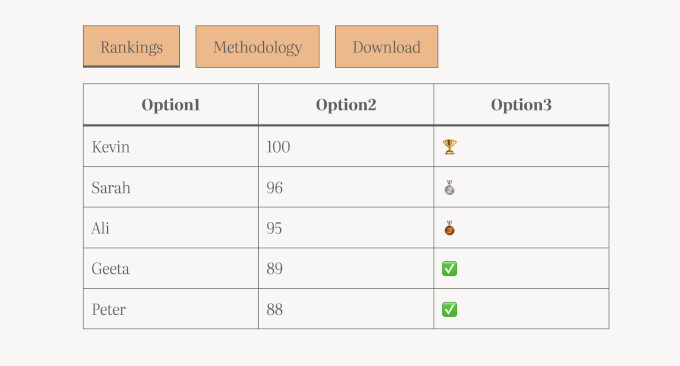
Tabs let you organize content into clickable panels instead of showing everything at once. They are great for product specifications, FAQs, or comparing options without making a page feel long.

The new Tabs block in WordPress 7.1

Previously, you had to add tabbed content using a plugin. Just keep in mind that tabs you already built with a plugin will not convert to this core block automatically.

New Playlist Block

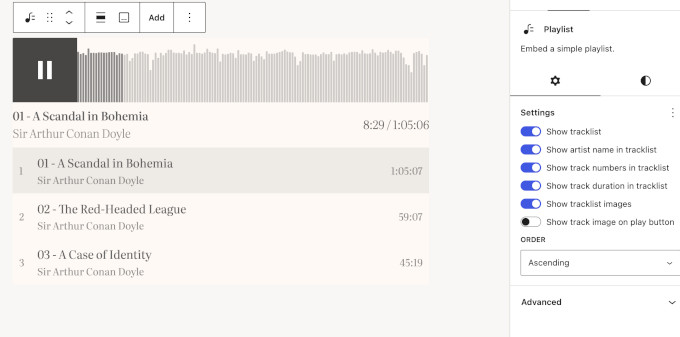
The second new block in WordPress 7.1 will be the Playlist block. It lets you add a collection of audio files to any post or page. You can also show your track’s title, artist, and cover art, plus a waveform graphic of the audio.

New playlist block in WordPress 7.1

This is most useful for musicians, churches, educators, and anyone else who publishes audio. If you run a podcast with WordPress, then you can add a set of episodes to one player on a page.

Block Improvements in WordPress 7.1

Several existing blocks will get meaningful upgrades in this release:

  • Background gradients and images work together: You can now layer a gradient over a background image in the Group block (and several other blocks) without the two conflicting. This is handy for keeping text readable over hero images.
  • Text shadows: Themes can now set a text shadow through theme.json, either globally, on specific blocks, or on elements like links. For now it only works in theme.json, so there is no setting in the editor yet.
  • Editable content inside the HTML block: The HTML block now supports editable nested blocks. This is especially useful when working with AI-generated layouts, which often arrive as custom HTML.
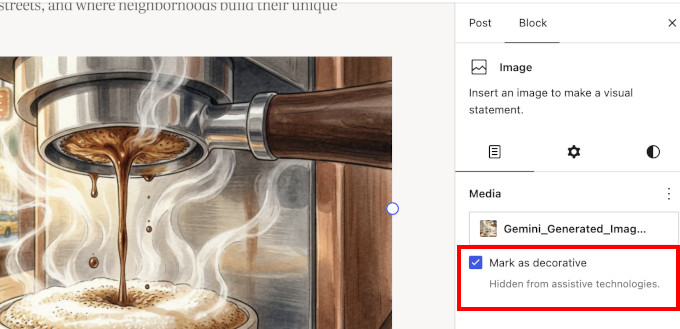
  • Mark images as decorative: A new toggle on the Image block lets you mark purely decorative images so that screen readers skip them. This is an easy accessibility win, because decorative images with meaningless alt text are one of the most common accessibility mistakes.
Mark image decorative
  • Smarter shortcode handling: Pasting or converting an embed shortcode now creates a proper Embed block instead of leaving raw shortcode text behind.
  • Grid transforms: Columns and Gallery blocks can now transform into Grid layouts while preserving their content.
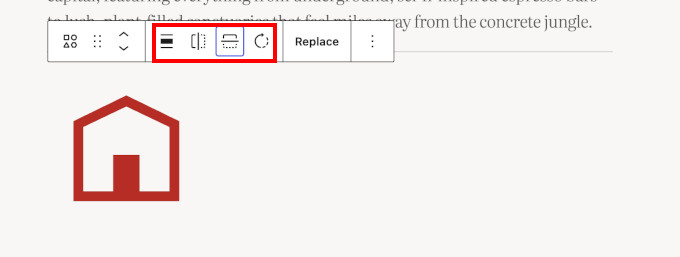
  • Icon block upgrades: The Icon block, added in WordPress 7.0, now lets you flip and rotate icons. It also starts with a default icon instead of an empty placeholder, and the picker groups icons into collections so you can browse them more easily. Plugins and themes can now register their own icon sets, so expect branded icon libraries from your favorite plugins.
Icon block options

A New Image Editor in WordPress 7.1

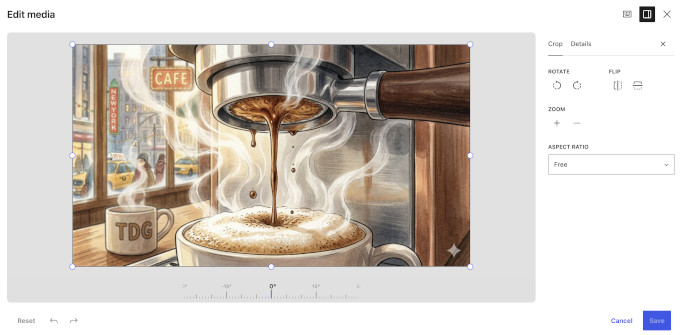
WordPress 7.1 will replace the old inline cropping tool with a dedicated Media Editor modal.

The entry point stays familiar. You still click the Crop button on an Image block.

But instead of the cramped inline controls, a full editing modal opens with freeform cropping, aspect-ratio presets, flip and rotate controls, and metadata editing in one place.

New image editor in WordPress 7.1

The new editor also works with the Cover block, so you can crop a background image right where you use it.

This won’t replace a full photo editor. However, for the basic image editing most site owners actually do, it is a big usability win.

Smoother and Smarter Media Handling

 In WordPress 7.1, your web browser does most of the work of processing images before they are uploaded to your server. It resizes, compresses, and converts them, and creates the smaller thumbnail sizes that WordPress needs.

There are two benefits. Your server does much less work, which means fewer failed uploads on limited hosting plans. And WordPress can now handle more image formats, including HEIC, which is the default format on iPhones, plus UltraHDR, AVIF, and WebP. It can also convert animated GIFs into more efficient videos.

HEIC is the biggest change here. Until now, HEIC photos have been converted on the server, but only if your web host runs a recent enough version of ImageMagick, the software WordPress uses to process images. Some iPhone users had to convert HEIC to JPG before uploading.

With 7.1, your browser does the converting instead. This works fully in Chrome and Edge. Safari can convert iPhone photos, but the resizing and thumbnail creation still happen on your server. In Firefox, WordPress passes the whole job back to your server.

Uploads are also more reliable. If your internet connection drops mid-upload, the queue pauses and resumes automatically when you are back online. A progress indicator keeps you informed for batch uploads.

There are smaller everyday improvements too:

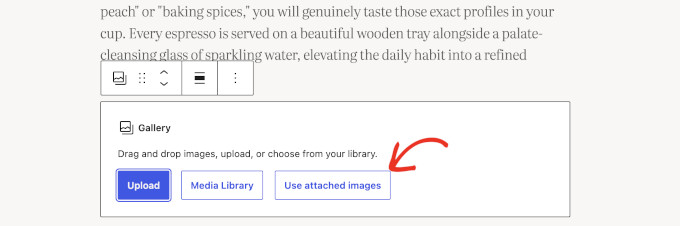
  • Smarter galleries: A new dynamic Gallery mode can automatically pull in and sort media already attached to the current post.
  • Attached images in the inserter: After you upload images to a post, they appear in a new ‘Attached images’ section, so you don’t have to dig through the whole Media Library.
  • Infinite scrolling: The Media Library grid now loads more items automatically as you scroll. You can turn this off in your user profile.
Use attached images in Gallery block

Together, these changes mean fewer upload errors and less load on your server. That’s especially good news if you’re on a budget WordPress hosting plan.

The Admin Toolbar Now Stays Visible When Editing

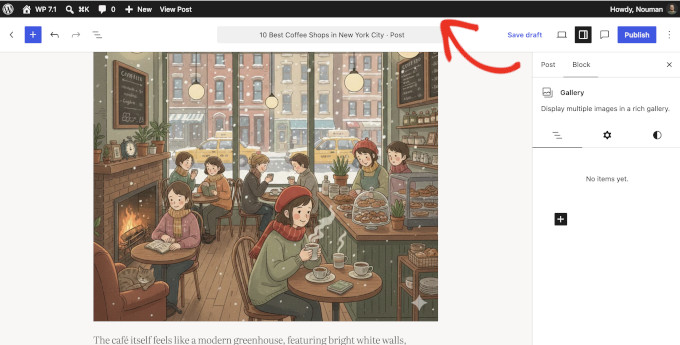
WordPress 7.1 will make the admin toolbar stay visible in the Site Editor and the Block Editor, instead of disappearing when you start editing.

Consistent admin bar in WordPress 7.1

The toolbar itself is also getting a design cleanup as part of this change:

  • A clear back button (chevron) replaces the confusing W logo that used to double as a back button.
  • Your site icon now appears in the toolbar, and your profile avatar is a circle instead of a square.
  • The old Dashicons icons are replaced with modern SVG icons.

The toolbar stays hidden in Distraction Free mode, so you still get a clean writing canvas.

A More Personal, More Navigable Admin

Beyond the toolbar, WordPress 7.1 will include a set of smaller admin improvements that add up.

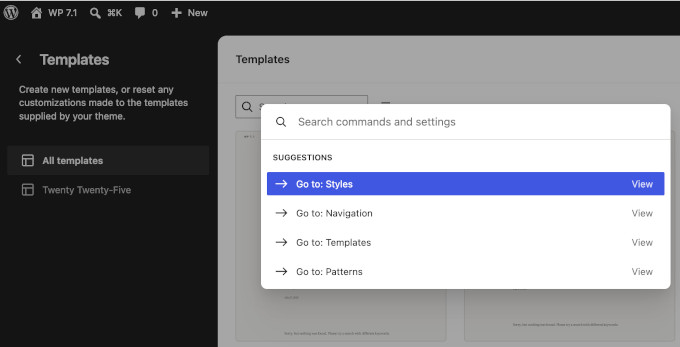
Command Palette improvements: The Command Palette (Ctrl+K on Windows, Command+K on Mac) now groups results into Recent, matching, and Suggestions sections. Your recently used commands are saved to your preferences, so they persist across sessions.

Command palette contextual suggestions

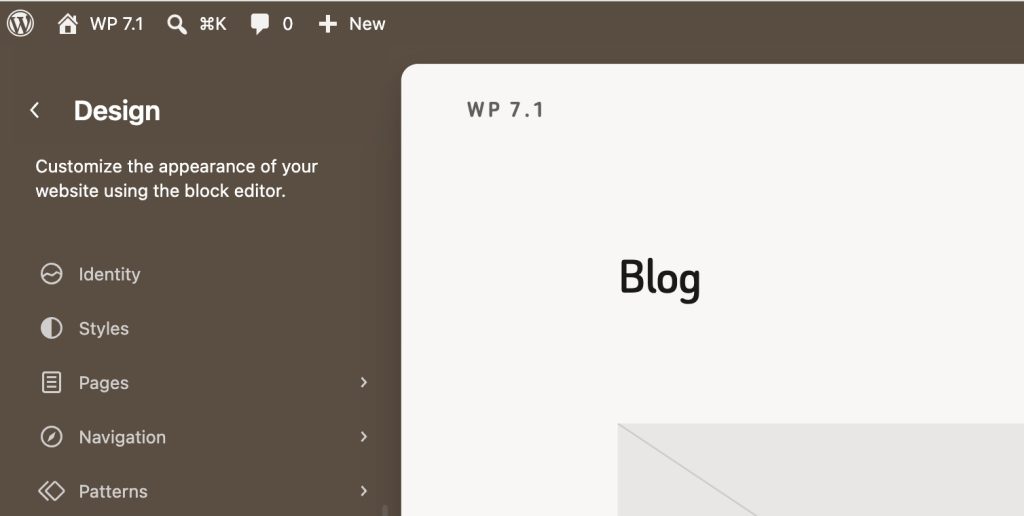
Your admin color scheme in the Site Editor: The Site Editor now reflects your chosen admin color scheme instead of always using a fixed dark sidebar. This is a small thing, but it makes the whole admin area feel consistent.

Site Editor matches the admin color scheme

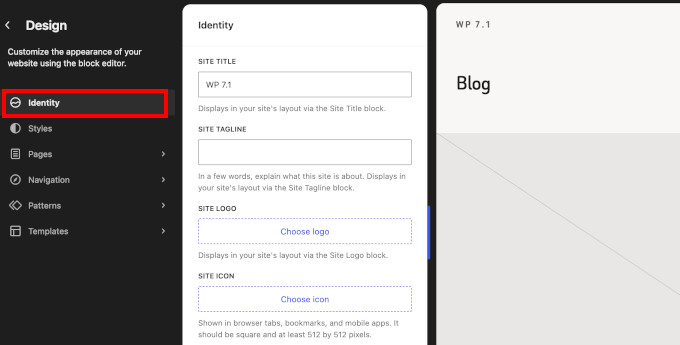
A dedicated Identity section: Site identity settings like your title, tagline, logo, and site icon now live in their own clearly labeled Design » Identity section in the Site Editor. You no longer need to hunt through Settings and templates to update these basics.

New 'Identity' tab in site editor

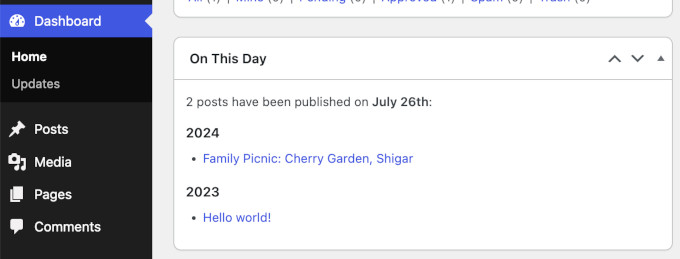
On This Day widget: A new dashboard widget resurfaces what you published on this date in past years. It’s a fun nudge for long-running blogs, and useful for finding old content worth updating.

New 'On This Day' widget

Change a comment’s parent: The Edit Comment screen will add an editable ‘In reply to’ control, so you can finally re-thread a comment that ended up under the wrong reply. It works within a single post, not across posts.

What Didn’t Make It Into WordPress 7.1?

We want to be upfront: real-time collaboration will not ship in WordPress 7.1. If you followed our WordPress 7.0 coverage, then you may remember that Google Docs-style real-time collaboration has been in development for a while.

The feature is enabled in the Gutenberg plugin, where multiple people can already edit the same post together.

However, the core team is still working through big decisions, including how collaboration data should be stored and whether to ship the full feature or just the underlying architecture first.

There is a dedicated community testing effort that will continue beyond the 7.1 cycle to get collaborative editing ready. Until it lands in core, you can add collaboration to the block editor with a plugin.

We think that caution is the right call. A collaboration feature that loses someone’s work would be far worse than a delayed one.

Similarly, support for Unicode (non-Latin) email addresses was originally planned for 7.1 but was pulled during beta testing. That work will continue in a community plugin for broader compatibility and security testing before it lands in core.

Under the Hood (Developer & Performance Updates)

WordPress 7.1 will also ship several technical improvements for developers and site performance:

  • The post editor is always iframed: In WordPress 7.1, the editing area always runs inside an iframe. Until now, WordPress turned this off if the page contained a block built on an older version of the Block API This means the editing canvas is isolated from admin styles in every case. Blocks using Block API v2 or lower should be updated to v3 for compatibility, and until a third-party block’s developer does that, it may not look or behave the same inside the editor. (Details)
  • Icons API goes public: New functions like wp_register_icon_collection(), wp_register_icon(), and wp_get_icon() let plugins and themes register custom icon sets with server-side rendering and REST API endpoints. SVGs are sanitized against a strict allowlist. (Dev note)
  • Design system maturity: The wordpress/theme package introduces design tokens and a stable React ThemeProvider for consistent UI theming. (Details)
  • Connectors authentication: The Connectors framework will support username and application-password login in addition to API keys. (Details)

We are looking forward to the release of WordPress 7.1. It may not have a single blockbuster feature, but it fixes a long list of everyday annoyances, and that matters more for most website owners.

Our favorite additions are the upgraded Notes and responsive styling. The ability to tag a teammate on an exact sentence brings WordPress much closer to a modern editorial tool.

If you liked this article, then please subscribe to our YouTube Channel for WordPress video tutorials. You can also find us on Twitter and Facebook.

The post What’s Coming in WordPress 7.1? (Features & Screenshots) first appeared on WPBeginner.

​WPBeginner