The latest news and information from your Alaska news station.









The latest news and information from your Alaska news station.

The latest news and information from your Alaska news station.

 No doubt Taylor Swift sees sparks fly whenever fiancé Travis Kelce smiles.
So perhaps she will drop everything now and meet the NFL tight end in the pouring rain, sorry, Madison Square Garden to…
E! Online (US) – Top Stories
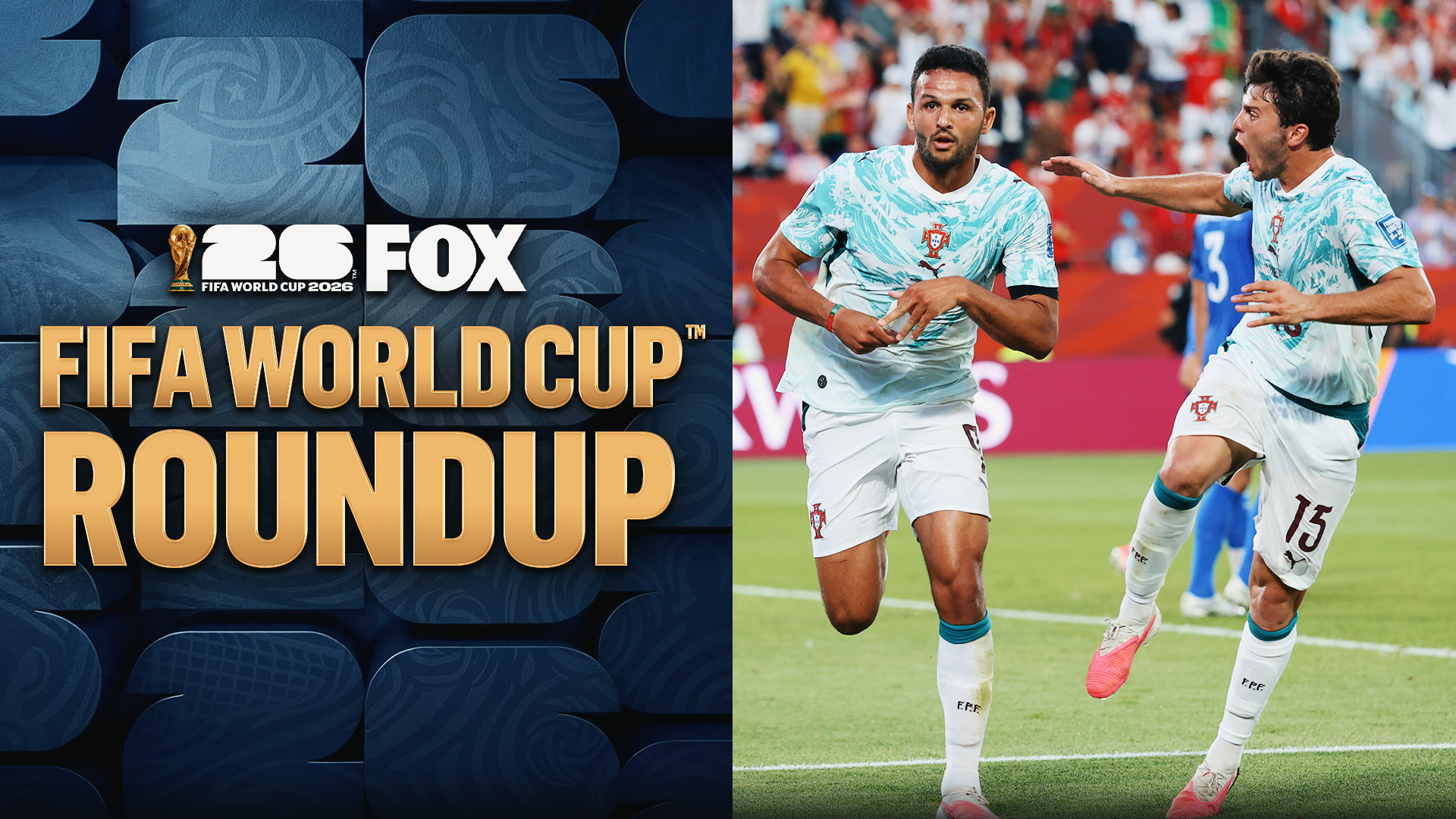
As if the round of 16 couldn’t get any further stacked. With Thursday’s results, we are set for yet another supercharged contest between two of Europe’s elite sides. After Spain took care of business to start the day, Cristiano Ronaldo and Portugal got the job done against Croatia. It wasn’t without drama, though, and it ended with the 41-year-old superstar on the bench. Here’s the best of Match Day 22 at the 2026 FIFA World Cup. BEST OF THE DAY Moment Of The Day Ronaldo had played eight knockout-stage games at the World Cup entering Thursday night’s round of 32 test against Croatia. He did not score in any of those games. Ninth time was the charm. Portugal was given a penalty in the 66th minute when center back Renato Veiga was pulled down by Croatia midfielder Nikola Vlasic on a corner kick. Two minutes later, Ronaldo calmly put a penalty kick right down the middle to get his goal. An honorable mention to Ronaldo’s longtime Real Madrid teammate Luka Modrić, who likely played his last game for Croatia and maybe his last game ever. The midfield maestro has dazzled for Croatia since making his international debut in 2006, leading his squad to a runner-up World Cup finish in 2018 (winning the Balon d’Or that year) and a semifinal appearance in 2022. He has made more than 200 appearances for the national team. Goal Of The Day The big question about Portugal before the World Cup: Should Gonçalo Ramos start as Portugal’s striker ahead of Cristiano Ronaldo? Ramos started in the round of 16 at the 2022 World Cup and scored a hat trick against Switzerland, and the 25-year-old is more than capable of a starting spot. He showed why on Thursday night in Toronto. Ramos came on as a substitute in the 62nd minute. Ronaldo scored a penalty kick in the 68th minute but was taken off in the 81st, giving Ramos the reins as the lead striker for Portugal. In the 94th minute, Rafael Leão played a cross toward Ramos and three Croatian defenders. Despite being potentially held as he jumped toward the ball, Ramos beat everyone to the ball and headed home. Assist Of The Day Spain’s dominance over Austria on Thursday was capped by a well-worked third goal from the duo that combined to score the winner of the Euro 2024 final against England. Cucurella fed Mikel Oyarzabal for the first goal, and then the same exchange netted Spain its third goal. The Spanish left back played a low cross that curled around the Austrian defense right onto Oyarzabal’s right foot. He slotted home calmly to put the cherry on top of another Spain win. It’s also the type of linkup play that’s put Oyarzabal (4 goals so far) firmly in the mix for the Golden Boot chase. Save Of The Day Costa was one of the best players on the field for Portugal on Thursday night in Toronto. He made several notable saves, including two on Croatia midfielder Mateo Kovačić. Costa’s most impressive save of the night came in the 75th minute, when Kovačić unleashed a shot that looked like it was going into the bottom corner. Costa dove to his left and got a hand on the shot, which went onto the post and stayed out. Spain vs. Austria Portugal vs. Croatia Switzerland vs. AlgeriaLatest Sports News from FOX Sports
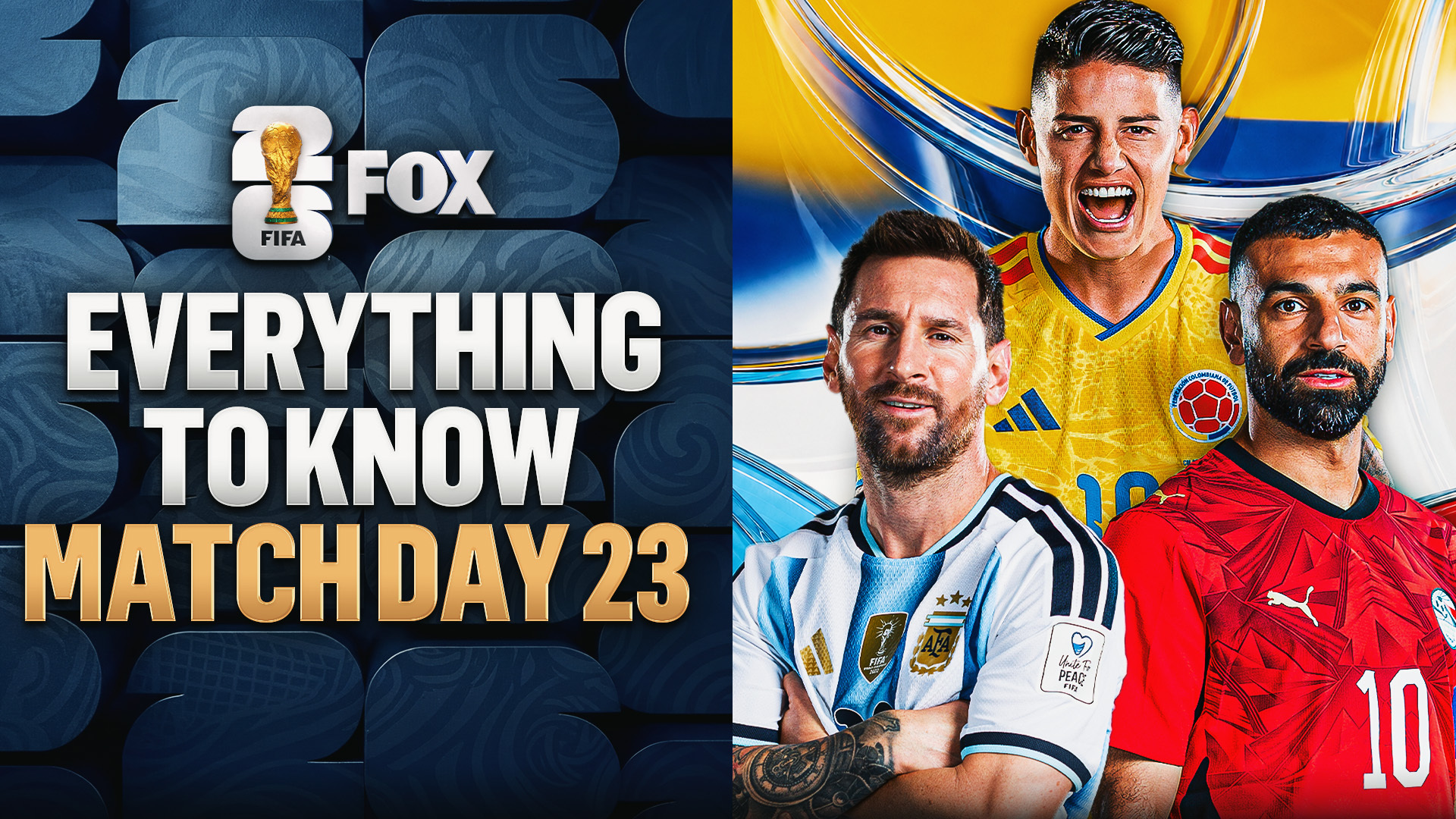
The round of 32 wraps up on Friday at the 2026 FIFA Men’s World Cup and the day begins in Dallas where Australia and Egypt meet in a game where a win would be historically important for either team. Then in Miami, one of the tournament’s most heavily favored contenders in Argentina will face a true Cinderella team in Cape Verde that will try to pull off what would widely be considered as the greatest World Cup knockout upset of all time. The day and the round then ends in Kansas City, where emerging dark horse contender Colombia will face a Ghana team that plays with a defensive approach and a desire to slow the game down to frustrate opponents. Here is all you need to know for Friday at the World Cup. When: Friday, July 3, 2 p.m. ET Where: Dallas TV: FOX Stream: Watch three days free on FOX One Australia takes on Egypt at Dallas Stadium to kick off the day. Neither nation has ever won a World Cup knockout match in their respective histories. The Socceroos have played two knockout games in their history, losing both in very close and hard-fought games against the eventual champions. In 2006, it was a 1-0 loss to Italy when the game’s only goal came deep into stoppage time. In 2022, it was a 2-1 loss to Argentina. For Egypt, this is the country’s first time past the group stage. Its only other knockout appearance at the World Cup came in 1934 when the tournament that year did not have group stages and was instead single elimination (and Egypt lost to Hungary 4-2 in the first round). The big storyline in this game is the injury issues for Egypt, which begins with the team’s captain and all-time greatest player, Mohamed Salah. In the team’s group stage finale against Iran, the former Liverpool forward was forced off with a hamstring strain in the 57th minute. Head coach Hossam Hassan is optimistic that Salah will play, but Egypt’s offense will struggle to compete if Salah is not fit. It is not just the Salah injury for Egypt, left-back Ahmed Fatouh and central defender Mohamed Abdelmonem are doubtful. This makes Egypt’s backline also vulnerable. Australia enters this contest having only scored in one of the team’s group stage games, the opening 2-0 win over Türkiye. The Socceroos followed that win with a 2-0 loss to the United States and a 0-0 draw with Paraguay. The win over Türkiye showed that Australia is very comfortable sitting deep and looking to hit on counter-attacks. Tony Popovic’s team likely won’t be quite that defensive, but it will be conservative in its approach. Neither team likes to play an up-tempo, fast-paced game. This game will likely be slow in the early goings, with teams looking for individual quality in the final third or set pieces to make the difference. An early goal could change that and force the opponent out of its shell. Player to Watch It was a shocking decision shortly before the first game when Popovic benched veteran starter and now former captain Matthew Ryan in favor of the inexperienced Beach, who plays domestically for Melbourne City. Beach has only five caps with Australia but put in a stunning performance in the win over Türkiye and then earned a second clean sheet against Paraguay. Beach is likely going to need to be at his best again if Australia is to advance. When: Friday, July 3, 6 p.m. ET Where: Miami TV: FOX Stream: Watch three days free on FOX One Friday’s second game takes us to Miami, where an Argentina team steeped in history plays a Cape Verde team that had no meaningful accomplishments prior to this tournament. Cape Verde has been one of the best Cinderella stories of any recent World Cup and the Blue Sharks surprisingly advanced to the round of 32 with a 0-0 draw against Saudi Arabia to finish second in its group with three points from three draws. The reward is a game against reigning champion Argentina, who has won all three of its group stage games by multi-goal margins and boasts arguably the greatest player to have ever played. What has made Cape Verde’s story so endearing to fans is that the team was drawn into a difficult group with former champions Spain and Uruguay along with Saudi Arabia. The archipelago nation of just 525,000 opened the tournament with a stunning 0-0 draw with Spain and then fought Uruguay to a 2-2 draw. When the group stage ended, Cape Verde was undefeated. Under coach Pedro Leitão Brito (commonly known as Bubista), Capo Verde sits very deep in a 4-5-1 formation and offers opponents very little space. In back of that formation is 40-year-old goalkeeper Vozinha, who has been one of the tournament standouts, especially for his effort against Spain. But not everything is positive with this Cape Verde team ahead of this game. This week it was revealed that captain Ryan Mendes is under a criminal investigation in New Zealand over allegations that he raped a woman in March. How the team and its federation handle this matter and respond is unknown. As for Argentina, it will be on the front foot from the opening whistle and looking to break down a very compact defense. But with individual talent such as Lionel Messi and Lautaro Martínez leading the attack, Cape Verde is likely to be overwhelmed. The Blue Sharks held Spain to a 0-0 draw, but it is impossible to see them also keeping Argentina at bay. La Albiceleste has won its last 10 games and are playing like the team to beat. It is an obvious pick to say Messi is the player to watch, but there is no other realistic pick. Messi now has 19 World Cup goals and at age 39, he is the tournament’s co-leading scorer and arguably the best player yet again. It is hard to see the Blue Sharks keeping him off the scoreboard when no one else can. When: Friday, July 3, 9:30 p.m. ET Where: Kansas City TV: FOX Stream: Watch three days free on FOX One The final game of the round of 32 takes us to Kansas City Stadium where heavily favored Colombia takes on Ghana in Friday’s nightcap. Colombia has lived up to its reputation as one of the potential dark horses of the tournament after winning Group K with wins over Uzbekistan and DR Congo while playing Portugal to a 0-0 draw where it had the better of play. Néstor Lorenzo’s team plays with a very fluid and very attack-oriented style. Led by top attacker Luis Diaz, captain James Rodriguez, midfielder Gustavo Puerta, and attacking fullback Daniel Muñoz, Colombia will be a very difficult team to eliminate at this World Cup. On top of that, Colombia is one of the most well-supported teams in the tournament and Kansas City Stadium is expected to be packed with very loud La Tricolor supporters. Ghana advanced as one of the third-place teams, behind England and Croatia in Group L. Recently hired head coach Carlos Queiroz has done a great job repairing the team’s previously broken defense in quick order. But part of his successful turnaround has been bringing about a very physical style of play, led by defensive midfielder Thomas Partey, that often turns games into a grind for opponents. Ghana also does not attack very often as it only had 15 total shots in the three group stage games. The test for this game is whether Ghana can take Colombia out of its free-flowing and open style. Ghana’s only chance is to turn this game into an ugly and physical contest. Colombia will be hoping to avoid that. Colombia is heavily favored in this game, but the drastic difference in styles should be a concern. Player to Watch Colombia’s captain has not had much club success in recent years, but he continues to be an excellent player for his national team. For Rodriguez, the test is for him not just to play well, but to also be a leader on the field for his team against an opponent that will aim to frustrate with a much slower and more physical approach.Latest Sports News from FOX Sports
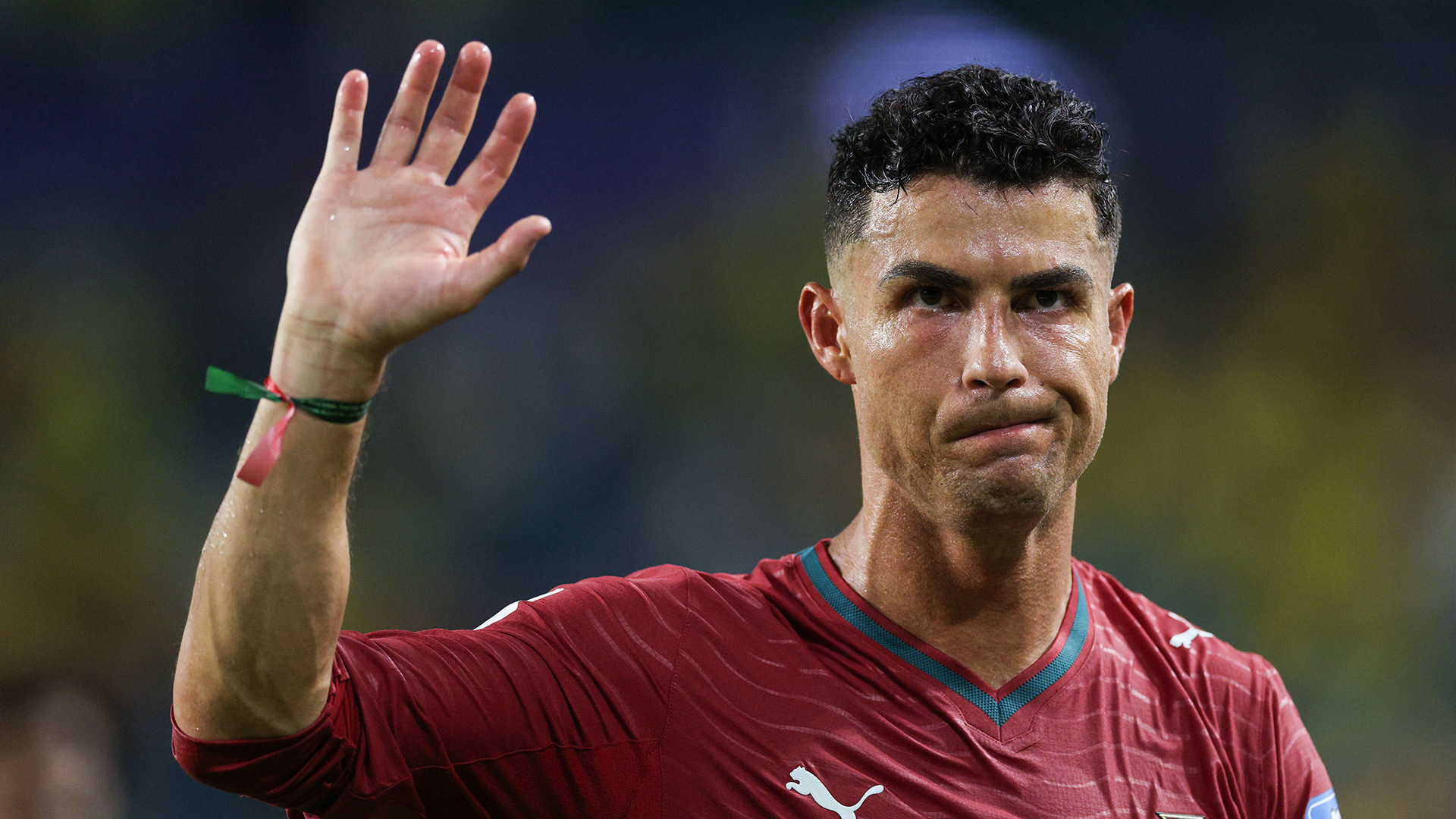
Has Cristiano Ronaldo played in his final FIFA World Cup? Portugal advanced to the World Cup Round of 16 on Thursday with a 2-1 victory over Croatia at Toronto Stadium. But while the team moves on to face Spain, questions loom over the international future of Cristiano Ronaldo. Here is everything we know about Ronaldo’s retirement plans: Is Cristiano Ronaldo Retiring? Cristiano Ronaldo has not made any decisions about the future of his international career following Portugal’s win over Croatia on Thursday. “I don’t make reckless decisions,” Ronaldo said after Portugal’s win over Croatia on Thursday. “I will decide after the tournament, not now.” At the club level, Ronaldo is under contract with Saudi Pro League side Al Nassr through June 2027. Will Ronaldo Play At The 2030 World Cup? Ronaldo told Fabrizio Romano in June that he has “not ruled out” playing in the 2030 World Cup, which will be co-hosted by Spain, Morocco and his native Portugal. Portugal coach Roberto Martinez has also tipped his star striker to play in a record-extending seventh World Cup. “No one should doubt that,” Martinez told Cadena Ser radio. “He’s earned it.” How Old Will Ronaldo Be At The 2030 World Cup? Ronaldo has yet to confirm if he’ll be competing in the 2030 FIFA World Cup. If Ronaldo decides to be a part of it, he will be 45 years old, which will be co-hosted by Portugal, Spain, and Morocco. Given that Portugal is co-hosting the tournament, it’s hard to imagine Cristiano Ronaldo won’t at least consider playing. If he does, Ronaldo would be chasing history. Egyptian goalkeeper Essam El Hadary currently holds the record as the oldest player to ever feature in a FIFA World Cup, having played at 45 years old. The exact same age Ronaldo would be. Where Is The 2030 World Cup? The 2030 FIFA World Cup marks the 100-year anniversary of the very first World Cup that was held in Uruguay in 1930. FIFA announced that the event will span across three continents and be hosted by Morocco, Portugal and Spain.Latest Sports News from FOX Sports

 Spotted: Blake Lively more than 200 miles away from Taylor Swift and Travis Kelce’s wedding festivities.
As Swift and Kelce’s friends and family descended upon Madison Square Garden July 2 for an…
E! Online (US) – Top Stories
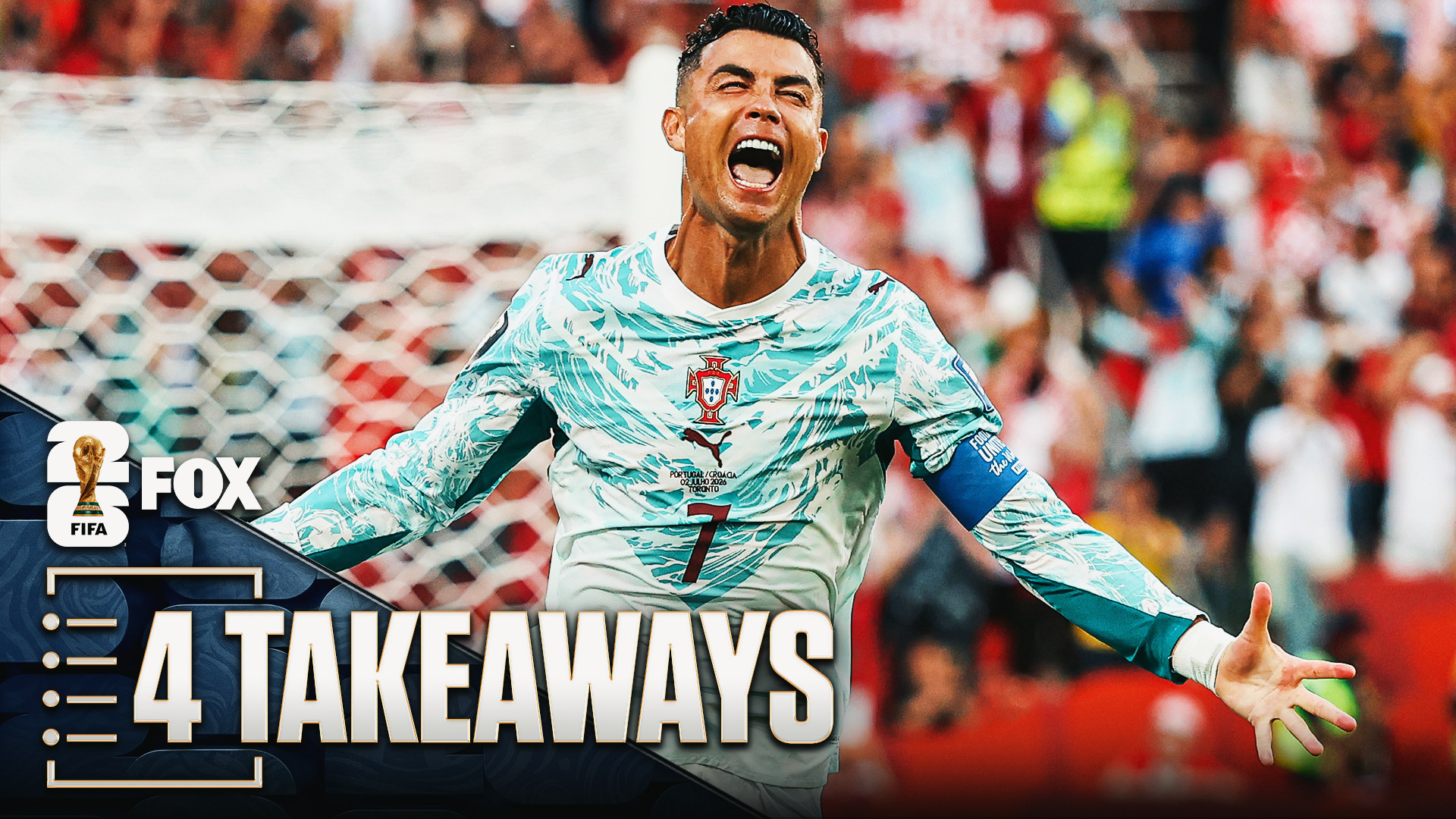
On an uncharacteristically balmy night in Toronto that included the city’s very own Drake in attendance, Cristiano Ronaldo and Portugal withstood the heat and showed resilience to beat Luka Modrić and Croatia to secure a place in the Round of 16. It was a night full of drama and a second half of pure entertainment where the Portuguese escaped with a win that saw Croatia’s last-minute equalizing attempt ruled off by VAR. Ronaldo’s quest for that elusive World Cup continues. As for Croatia’s legendary captain Modric? It is the presumed curtain call of one of the greatest midfielders the world has ever seen. It was yet another night at this tournament full of drama that lasted until the very last seconds. Here are my takeaways: 1. A Magnificent Second Half Of Football The first half ended in a stalemate, but it was very much a fixture of opposing strategies as Portugal pushed hard in the final third whilst Croatia protected its defensive line. It was all Portugal in the first 45 minutes, and honestly, Roberto Martínez probably wondered how it remained scoreless. But the second half showed a more resilient Croatia as Zlatko Dalić’s side slowly pushed into rhythm and, as a result, scored first thanks to 37-year-old Ivan Perišić. From that moment, it was just scintillating, back-and-forth action where Ronaldo equalized with a penalty – his first ever goal in a World Cup knockout game. The pace of the match severely heightened, which required some stubborn defending and fantastic saves from Portugal’s Diogo Costa. The Porto stopper made some fantastic, acrobatic saves to deny several attempts. After Gonçalo Ramos scored, the Croatians pushed for the equalizer and thought they had it, but Joško Gvardiol’s goal was ruled out as Igor Matanović’s faint flick-on in the box that caught Mario Pašalić offside. In the end, Portugal won in a fantastic display of entertainment. 2. Portugal’s Lineup Change Provided A Spark As soon as I saw Rafael Leão in the starting lineup, I knew Roberto Martínez was going to push the envelope. It was different from previous matches where Portugal, for the most part, focused more on conventional build-up that was slightly predictable. That led to two draws during the group stage against Colombia and DR Congo – teams that also reached the knockout stage. That changed against Croatia as Portugal kicked off with aggression and a gambling sense of commitment to score first. The aforementioned Leão was part of a four-man line that pushed for goals from the first minute. Croatia held strong from the start as Portugal led in every statistic. I give a lot of credit to Martínez, whose decision to take off Ronaldo in the 80th minute paid off. The changes stabilized the midfield further as the substitutes pushed hard for the goal, with Ramos scoring the winner off a pinpoint cross from Leão. 3. A Moment For Modrić In Last Reunion With Ronaldo Ronaldo and Modric are very good friends who have shared some wonderful moments together for Real Madrid. They’re also 41 and 40, respectively, so the end of their World Cup stories is nigh. Despite Portugal’s win, this result is about the Croatian midfielder as we (likely) say goodbye to one of the finest players of his generation and the most capped and decorated player of his national team. A Ballon d’Or winner in 2018, who took his nation to the World Cup final in the same year. And he continued to play at an elite level and led Croatia to third place in 2022. But to me, Modric is more than just statistics and accolades. He is the perfect definition of a midfielder, someone who maintains the ball as eloquently as any player I have ever seen, He is the pumping heart of every team because without him, there is no life. Here’s to you, Luka. 4. A Win In The Memory Of Diogo Jota On the one-year anniversary of his tragic passing with his brother Andre Silva, Diogo Jota’s presence was truly felt tonight. It was clearly an emotional moment for the staff and players as they remembered his friend and teammate. Prior to the match, there was a touching tribute on the screen as Portugal sang the national anthem. After the game, Ronaldo wore Jota’s No. 21 shirt as he and his teammates took in the ovations and applause from the capacity crowd in Toronto. This victory was for him.Latest Sports News from FOX Sports

 Cristiano Ronaldo may not be suiting up for Portugal after the 2026 World Cup.
Ahead of the nation’s 2-1 win over Croatia in their round of 32 match in Toronto July 2, the soccer star’s sister…
E! Online (US) – Top Stories
Many of the countries that failed to advance in the World Cup are seeing the normal cycle of accountability: angry fans, finger-pointing media, fired coaches. Uruguay’s sports officials have gone further, reportedly cancelling a team charter plane and making players take commercial flights home as a form of punishment. In Turkey, where a stunning crash-out was greeted with rage from many fans, the nation’s football boss has asked the justice minister to imprison citizens who criticize the team.
Yet nowhere have the political recriminations gone further than in South Korea, where the president has called on the Ministry of Culture, Sports and Tourism to investigate the country’s failure to advance to the round of 32, one of South Korea’s most disappointing World Cup campaigns in decades.
“I feel not just confusion but utter bewilderment at this unexpected outcome,” President Lee Jae Myung wrote on X on Sunday. “I am deeply sorry for causing such profound disappointment to the public over this absurd affair. We will swiftly push forward with reforms to sports administration to ensure such a thing never happens again.”
The issue at hand is clear, according to Lee’s post: “When favoritism and cronyism take precedence over competence in selecting a commander, the result is as predictable as fire burning paper,” he wrote — pointing back to head coach Hong Myung-bo’s controversial appointment in July 2024.
The selection of Hong sparked speculation about favoritism because the Korea Football Association abruptly selected him after months of pursuing foreign candidates. Critics questioned the transparency of the hiring process, and a government audit later found that the KFA had violated several of its own hiring procedures, fueling allegations of preferential treatment. The audit, however, did not conclude that Hong himself had acted improperly, and Hong himself denied receiving special treatment.
Ultimately, Hong remained as head coach because the authorities concluded that while the appointment process was procedurally flawed, there was no legal basis to cancel his contract. But it explains why the public’s criticism against their national soccer team has been so concentrated on the coach, whom many view as an illegitimate appointment. Hong has already announced his resignation, but that hasn’t soothed the ire of Korean fans. Many believe that the results would have been different if a coach had been selected through a proper hiring process — and it seems the president may believe so as well.
While the political repercussions of South Korea’s team losing may seem shocking, it isn’t an unreasonable overstep: Public funds account for about 30 percent of KFA’s budget. In addition, one of the defining goals of Lee’s presidency has been to strengthen transparency and accountability in both private and public sectors, which is why the opaque procedures of KFA were more likely to catch the administration’s eye. Despite Korea’s political divisions, lawmakers from across the political spectrum have voiced their common desire to reform KFA.
While South Korea is the most far-reaching example of political fallout from a World Cup exit, it is not the only country where politicians have become involved in the messy aftermath. In Turkey, football federation president İbrahim Hacıosmanoğlu reportedly called on Justice Minister Yılmaz Tunç to prosecute fans who insulted the national team following its elimination.
The incident also came after the national team’s official account shared a promotional video from President Recep Tayyip Erdoğan’s ruling Justice and Development Party, prompting accusations that the federation had blurred the line between sport and politics. The team’s elimination only deepened that political entanglement.
The two cases reflect different understandings of accountability, but with one common denominator: the belief that the World Cup is more than just a run-of-the-mill sporting event.
Politics