Include four overlooked ballads that deserve more respect. Continue reading…Country Music News – Taste of Country








Include four overlooked ballads that deserve more respect. Continue reading…Country Music News – Taste of Country
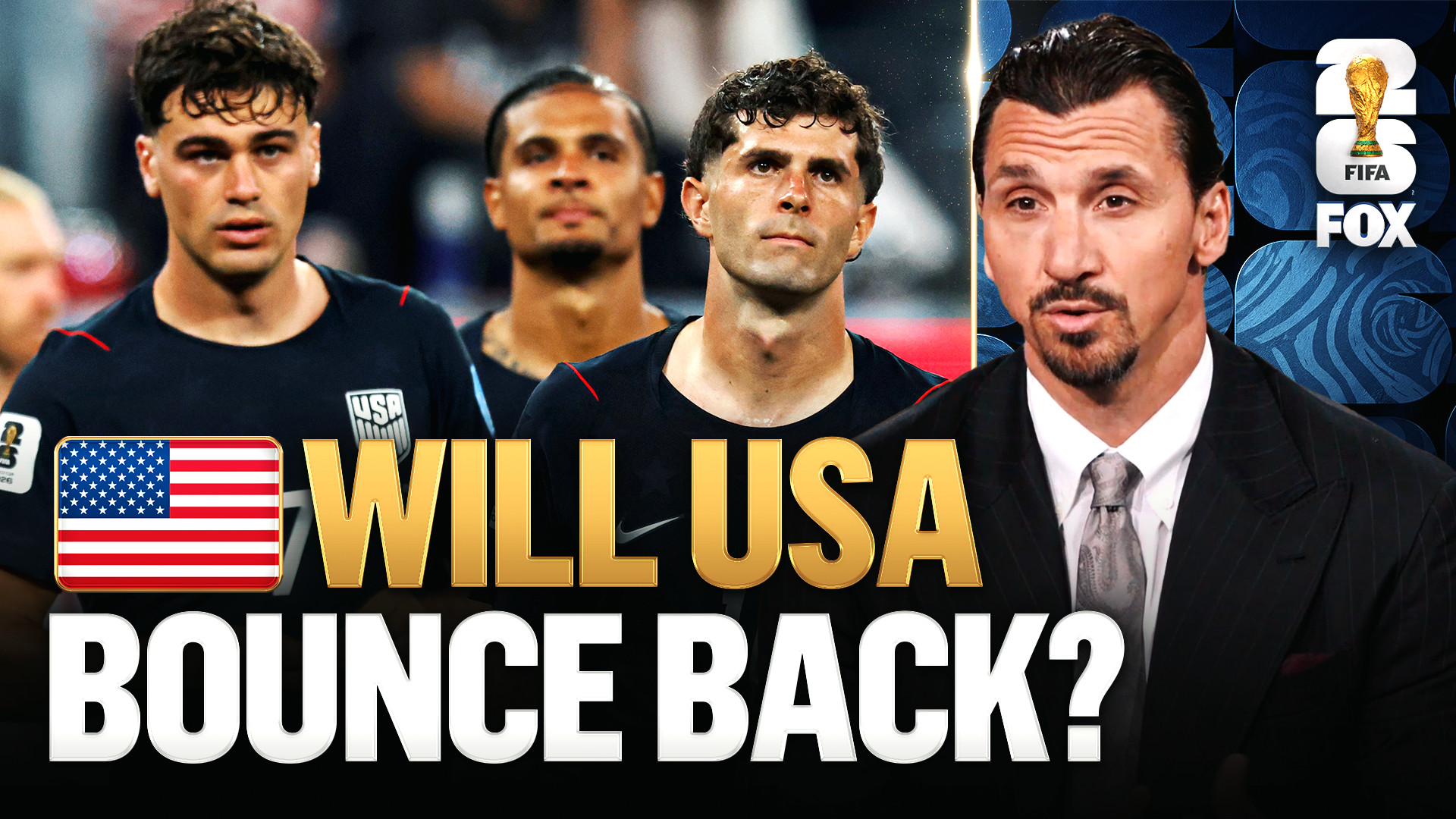
The United States men’s national team walked off the field at Los Angeles Stadium Thursday night with its first blemish of the 2026 FIFA World Cup, but not much else changed. A dramatic 3-2 loss to Türkiye denied the Americans a perfect group-stage record when Kaan Ayhan scored on the final kick of the match in the eighth minute of stoppage time. But for a U.S. team that had already secured first place in Group D and a spot in the Round of 32, the objectives entering the night went beyond simply collecting three more points. Avoid injuries and red cards. If Mauricio Pochettino’s squad was able to accomplish that, they could officially turn their attention toward the knockout round. Mission accomplished. The ongoing debate before Thursday night’s final group-stage match centered on how important momentum would be for the USA. A third consecutive win would have sent the USA into the knockout stage unbeaten, but the team’s starting lineup made it clear that preserving a healthy, available roster was the priority. Pochettino ran out nine new starters in the match, including eight players making their first World Cup starts. The new-look lineup nearly delivered a victory if it weren’t for Türkiye’s late goal, which literally came on the last kick of the ball. According to FOX Sports soccer analyst Zlatan Ibrahimović, the outcome should not alter the way the World Cup is viewed by the USA. “It doesn’t matter because now starts the real deal against Bosnia and Herzegovina,” Ibrahimović said. “This game was more about putting those legs that haven’t played so far and getting them some minutes. The result will not change anything.” Perhaps the most encouraging development came in the second half when captain Christian Pulisic entered in the 58th minute. The American star had not played since suffering a calf injury during the first half of the tournament opener against Paraguay, but he looked sharp and healthy in his return. “When he’s on the field, anything can happen for the U.S. team,” FOX Sports’ lead soccer analyst Thierry Henry said. Henry viewed Thursday’s result as a win in just about every way outside the final score itself. “Nobody got injured. Carry on the momentum. That’s the only thing they didn’t do because they didn’t win,” he said. Now the focus shifts entirely to Bosnia and Herzegovina, which finished third in Group B after drawing against Canada, losing heavily to Switzerland and closing group play with a 3-1 victory over Qatar. For the USA, the mission was always survive and advance. Pochettino’s team did exactly that, winning Group D and reaching the knockout round with its most important player healthy and available. “You’re going through. You won the group. That was the aim. That was the goal,” Henry said. “Now perform against Bosnia, and we’ll see what can happen.”Latest Sports News from FOX Sports
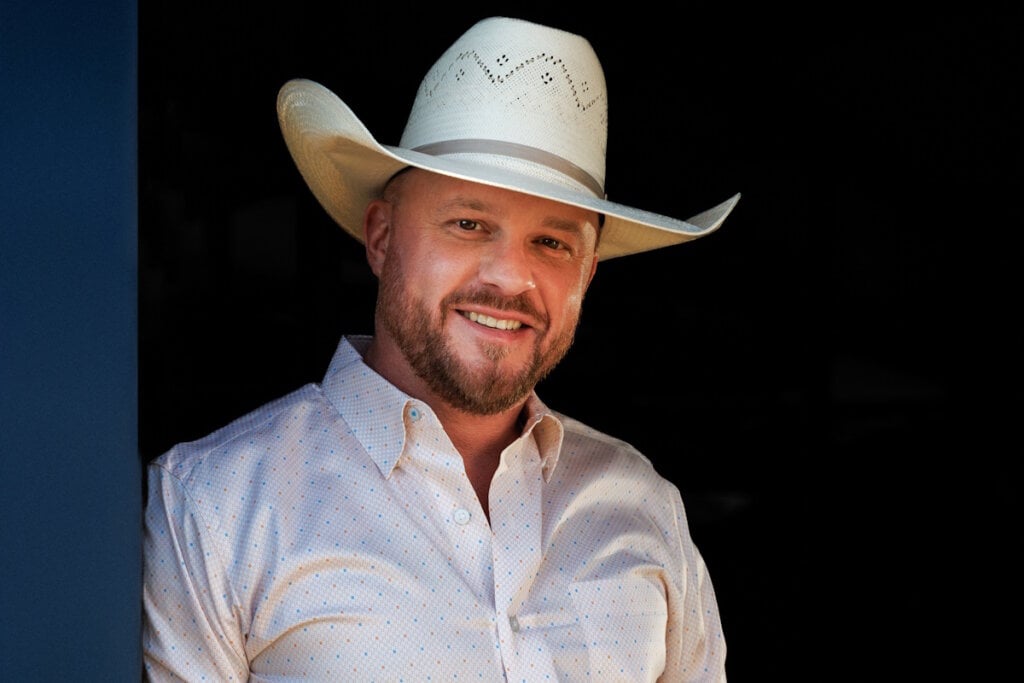
After being forced to take nearly three months off to recover from surgery to repair a burst eardrum at the end of 2025, Cody Johnson discovered that the unexpected break ended up shaping his brand-new album, Banks of the Trinity, in ways he never could have planned.
Looking back, the Texas native admits the project wouldn’t be the same if he hadn’t been forced off the road. In fact, at least a quarter of the album came from songs that landed in his Dropbox during those three months, tracks he likely wouldn’t have had the time to fully consider if it weren’t for the unexpected pause.
“I mean, it would’ve been a completely different album,” he admitted to Country Now and other outlets.
Johnson compared that chapter to 2020 when the world shut down. Just like back then, he initially was faced with a wave of depression, fearing that his career would take a hit, but after some time he leaned into his faith and realized that it was actually the best thing that could have happened to him.
“Banks of the Trinity wouldn’t be Banks of the Trinity without those three months. And I thank God for his crazy weird way of giving me three months off,” Johnson continued. “I thought it was going to be detrimental to my career. This has been one of the greatest years out here on the road of my career. I mean, everything happens for a reason. So I would just say that whenever the bad things happen to you, lean on him and see what he’s up to.”
The final result is a 16-song collection that isn’t a concept album but has one theme running through its core: Cody Johnson. He may not have written every track, but elements of his life, upbringing and musical inspirations are woven throughout, starting with the cover art. Normally, Johnson says he doesn’t usually put as much attention on the artwork for a project, but this one hits extra close to him.
The cover features Lawrence’s Grocery Store, a small country store in his hometown that played a meaningful role in his childhood, giving fans a visual representation of the place that he describes in the title track. He says that store was owned by a man named Harold Lawrence, but everybody called him Hootie, and his wife, Lela.
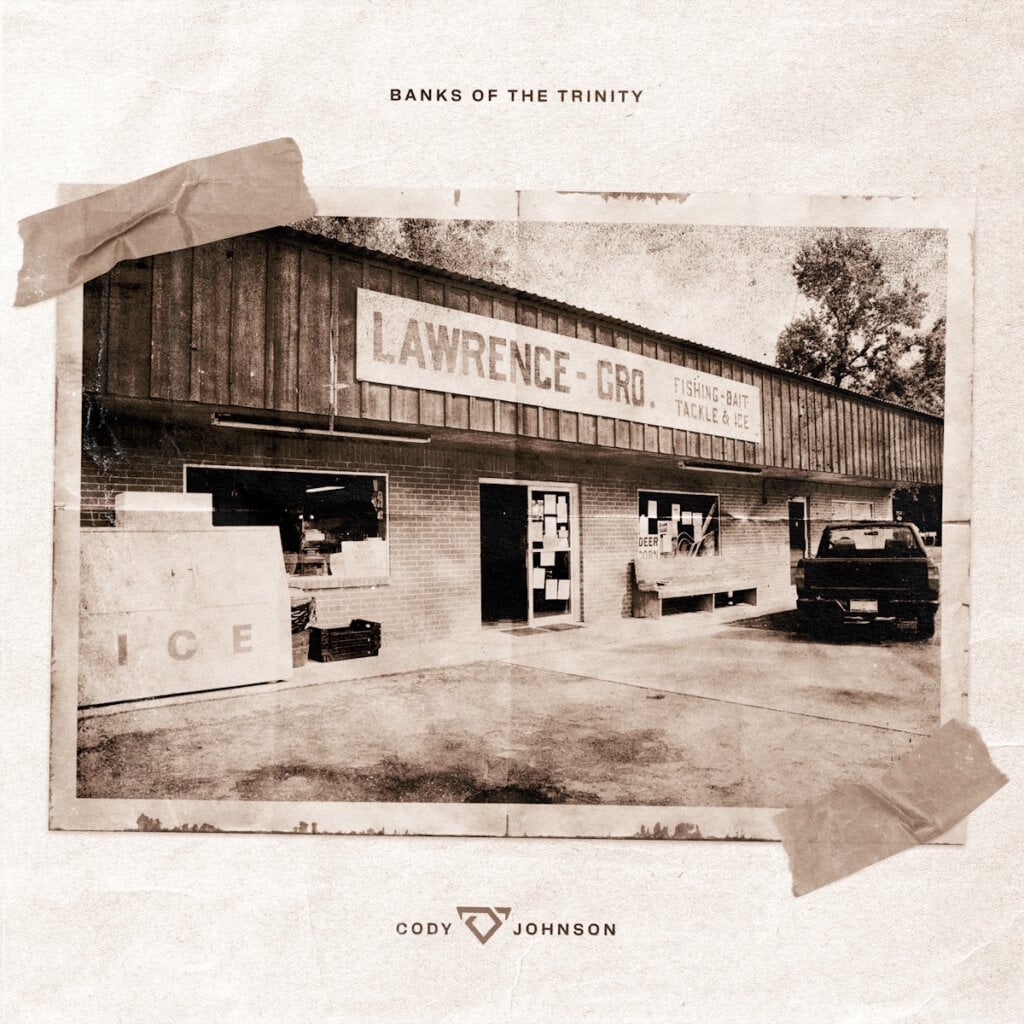
This was one of just a few local places in town, along with a church and an old bar. Johnson remembers riding his bike two miles down a dirt road to go pick up groceries from Lawrence’s and later in life he ended up carrying on his dad’s job of bailing hay and working cows for “Mr. Hootie.”
“It was just that little place in nowhere, Texas that while Ms. Lela was bagging up the groceries, I’d sit and listen to old men bi**h about the weather and talk about whether the fish were biting or the cattle market. And she always gave me a free Bluebell ice cream bar and a cream soda. And it was just one of those things that when they tore it down, that was a sad day. So it was one of those if you know, you know. And I love talking about how I was raised because everybody thinks that I grew up on some big cattle ranch. We grew up fishing and hunting for food,” he admits.
A few other songs also draw inspiration from the way he grew up, including “Cricket On A Hook,” which reflects on carefree summers spent at the lake, and the closing track, “Yippy Ty Oh Hey Hey,” a cowboy story set along the Trinity River.
“I wanted the album, whether you’re holding a vinyl or you’re holding a CD or you’re looking at the clips of it online, you kind of see a little bit more of where I’m from visually. And then when you listen to that song, ‘Banks of the Trinity,’ it kind of paints that image of what it was like growing up in a little rural town right there on the Trinity River.”
He added, “I think it kind of opens up this conversation that we’re having where I can have the opportunity to tell you more about how I was raised.”
From top to bottom, fans will find a large variation of tracks, from the humorous edge of “Horseback,” the project’s debut radio single, to honky tonk ready collaborations like “Fool Proof” with Brothers Osborne and “Shoot The Bull” with Luke Combs, tongue-in-cheek love-filled tunes such as “Kissing A Married Woman,” powerful reflections on “Bible For A Boy (For Jaycee)” and “Every Man” and more.
When putting Banks of the Trinity together, Johnson made a conscious effort to include a wide range of sounds. He said listening to a few recent albums by artists, whom he chose not to name, left him feeling like the songs all began to blend together. That became his motivation to create a project where each track offered listeners something fresh.
“When I was a kid growing up, I would listen to all kinds of music. If you went through my music on my phone, I think you would be extremely surprised at some of the stuff that gets played the most. I mean, there’s Tejano bands on there that I can’t understand. I just love the way it makes me feel. Go from there to old classical stuff to…I mean, I’m all over the place. And so the difference between myself and a lot of other artists in this genre is I’ve been doing this for 20 plus years. I know who I am. I don’t have a producer or a label head saying, ‘This is who you are.’ I’m me. And that’s a really fun place to be in a creative space…”
He continued, “…My goal is for you to not get bored listening to this album. I’m not going to name the artists. I’m not going to name the albums, but there’s about two or three albums that I’ve listened to in the last year or two that although I love that artist, I love their voice, I love their writing, just got bored and it was kind of an eye-opening thing of, man, I need to make this like a, you don’t want to look at a menu and every section of the menu be some form of a cheeseburger. It needs to have some variety to it. You need a little spice to it.”
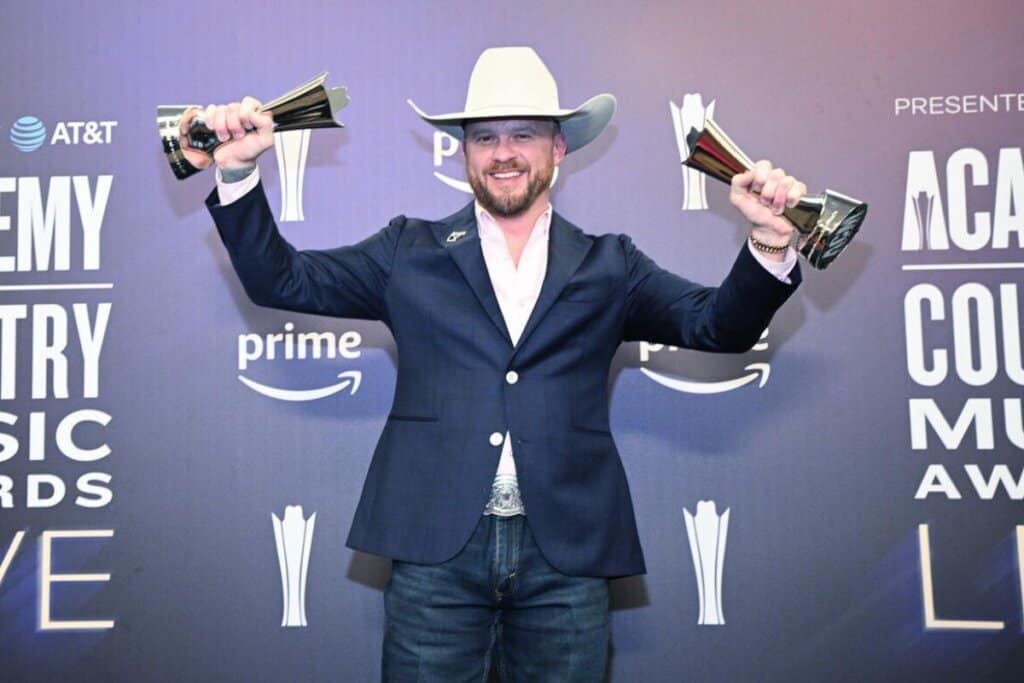
There’s no denying the ACM Entertainer of the Year is in one of the best seasons of his career. As he nears 39 years old, Johnson says he’s in the best physical and mental shape of his life, his marriage and family are thriving, and he’s reached a level of financial and career success he once only dreamed about. Looking back, he credits it all to the way he was raised and the challenges he had to overcome along the way before making it to the top.
Because of all that, if Johnson could go back and tell the young boy growing up along the banks of the Trinity River where he’d end up, he says he wouldn’t. In his eyes, the struggles, the uncertainty, the unexpected milestones, are all were what made him the man he is today.
“If I had the opportunity to tell that kid where I am now, I wouldn’t because it might change everything. Hard times make tough men…I wouldn’t have want that kid to know where I am now because he might think he has a silver spoon and he turned out soft.”
Produced by longtime collaborator Trent Willmon, Banks of the Trinity marks Cody Johnson’s sixth studio album. It arrives in the midst of his 2026 tour which continues tonight in Milwaukee, WI before he heads to Nashville to perform at Nashville’s Nissan Stadium on June 27 as part of Alan Jackson’s final concert of his career.
The post Cody Johnson on the Setback That Altered His ‘Banks of the Trinity’ Album and the Texas Roots That Inspired It appeared first on Country Now.
Country Now
The federal government wants credit for mounting the World Cup’s best defense.
The Transportation Security Administration this week said its federal air marshals have seized more than 300 drones that broke through Federal Aviation Administration airspace restrictions imposed over World Cup stadiums or at nearby fan events in what the Department of Homeland Security called “the most comprehensive airspace security and drone mitigation effort in U.S. history.”
As part of that effort, local Federal Bureau of Investigation offices across Atlanta, Miami, New York, Dallas and elsewhere have released rolling social-media updates on their counter-drone enforcement activities, including the interception of dozens of unauthorized drones, along with warnings to recreational drone operators to keep their aircraft grounded.
“These incidents reflect the reality that drones are becoming part of the security environment surrounding major public events,” Michael Robbins, president of the Association for Uncrewed Vehicle Systems International, told POLITICO.
“The encouraging news is that authorities successfully detected and mitigated these incursions, demonstrating both the professionalism of the teams on the ground and the value of investing in effective counter-unmanned aircraft systems capabilities,” said Robbins, whose group represents drone manufacturers and suppliers.
Beyond countermeasures kits that include portable or wearable detection or jamming tools, law enforcement officials and security personnel are also utilizing enhanced training measures at the FBI’s drone training center in Alabama, which opened last year. FBI director Kash Patel boasted to Congress that “every single agency across the country wants their police officers there.”
As enforcement ramps up, a more fundamental question persists: whether many of the operators behind these incursions are knowingly breaking the rules or simply unaware they are flying where they shouldn’t be.
A former drone industry executive, granted anonymity to candidly discuss how drone policy has evolved in the last few years, said some drone manufacturers have simply put more responsibility on operators to figure out restrictions instead of baking it into the technology.
“Stepped up enforcement has some deterrent effect, but ultimately technology solutions will be most effective at preventing or mitigating incursions,” the executive said.
For now, as large-scale events continue across the U.S. — including the upcoming Olympic games — the next phase of thwarting drones must include “continuing to modernize our counter-UAS framework, expanding the deployment of proven detection and mitigation capabilities, and ensuring federal, state, and local partners have the clear authorities and tools they need to protect the public while preserving the tremendous economic and public safety benefits that drones provide every day,” added Robbins.
Politics

Vic Fischer, the last surviving author of Alaska’s constitution, sits with wife Jane Angvik and listens to U.S. Senate candidates speak at the Oct. 22, 2022, forum at the Alaska Federation of Natives convention. (Photo by Yereth Rosen/Alaska Beacon)
Alaska Gov. Mike Dunleavy has vetoed a bill naming a state park and a University of Alaska research group after one of the signers of the Alaska Constitution, Vic Fischer.
Fischer, who died in 2023, was the last living signer of the constitution at the time of his death and was the first director of the Institute for Social and Economic Research, which would have been named in his honor.
In transmission letters to the Senate President and House Speaker, Dunleavy acknowledged Fischer’s contributions to the state, but said he took issue with lawmakers’ failure to consult with the University.
“The University has an established process for naming its institutes, programs, facilities, and other assets,” he wrote in the messages dated June 24. “This bill bypasses that process and would set a concerning precedent by allowing future Legislatures to rename University institutions without consultation, agreement, or action by the University and its Board of Regents.”
The veto of House Bill 79 came at the request of the University of Alaska, said Jonathon Taylor, director of public affairs for the University of Alaska.
Taylor said Scott Jepsen, chair of the university’s Board of Regents, made the request of the governor. Taylor said he was unsure how Jepsen made the request, but he believes it was by phone or in person.
Taylor said Jepsen was unavailable on Wednesday for an interview about the veto request.
The University has a policy stating that major revisions to academic departments must be approved by the university system’s Board of Regents. Renaming ISER would be a major revision, Taylor said, and would require discussion.
“The university’s objections are procedural. We want to maintain the process that we have that allows for that vetting and engagement before naming,” he said.
The University’s objections were not raised during legislative debates. As originally written by Rep. Zack Fields, D-Anchorage, HB 79 would have renamed Shoup Bay State Marine Park after Fischer.
Late in the legislative process, the bill was amended by Sen. Forrest Dunbar, D-Anchorage, to also rename the university’s Institute for Social and Economic Research in honor of Fischer.
The university did not immediately raise any objections and interim University of Alaska President Michelle Rizk, then serving as vice president, approved a fiscal note saying that the renaming could be done at no cost by the university system.

“I’ll note that the Legislature sets the statutes from which the University and the Board of Regents derive their authority,” Dunbar said by email when asked about the veto. “There is no question that the Legislature has the legal ability to rename a program, and I hope that the Board of Regents and the president take it up at their next meeting, now that they have seen the will of the Legislature as expressed in the bill that passed.”
Dunbar and Fields each said they believe the veto was politically motivated.
Dunleavy appointed Jepsen to the Board of Regents in 2021. At the time of that appointment, Dunleavy was the subject of a campaign seeking to recall him from office. Fischer was one of the leaders of that campaign, which ended unsuccessfully in August 2021.
Dunleavy was re-elected in 2022 and is term-limited and unable to run for another term in this year’s elections.
“That’s all political, you know. That’s Mike Dunleavy,” Fields said of the veto. “There’s a 99% chance the governor vetoes good legislation, so I’m not really surprised. Obviously, we’re very close to having a new governor, so the future is bright.”
Asked whether Jepsen asked for the veto to show support for the governor, Taylor said no.
“This was, like I said before, procedural and about maintaining that process,” he said.
“This doesn’t have anything to do with a person or an issue or political opinions by any stretch of the imagination. I know that is something people might gravitate to, but this is about the board’s process for engaging with our stakeholders and engaging in naming that is consistent with that process.”

These pastries may get their start in your freezer, but after proofing and baking, what emerges from the oven is flaky, golden goodness that tastes homemade.

Mashed – Fast Food, Celebrity Chefs, Grocery, Reviews
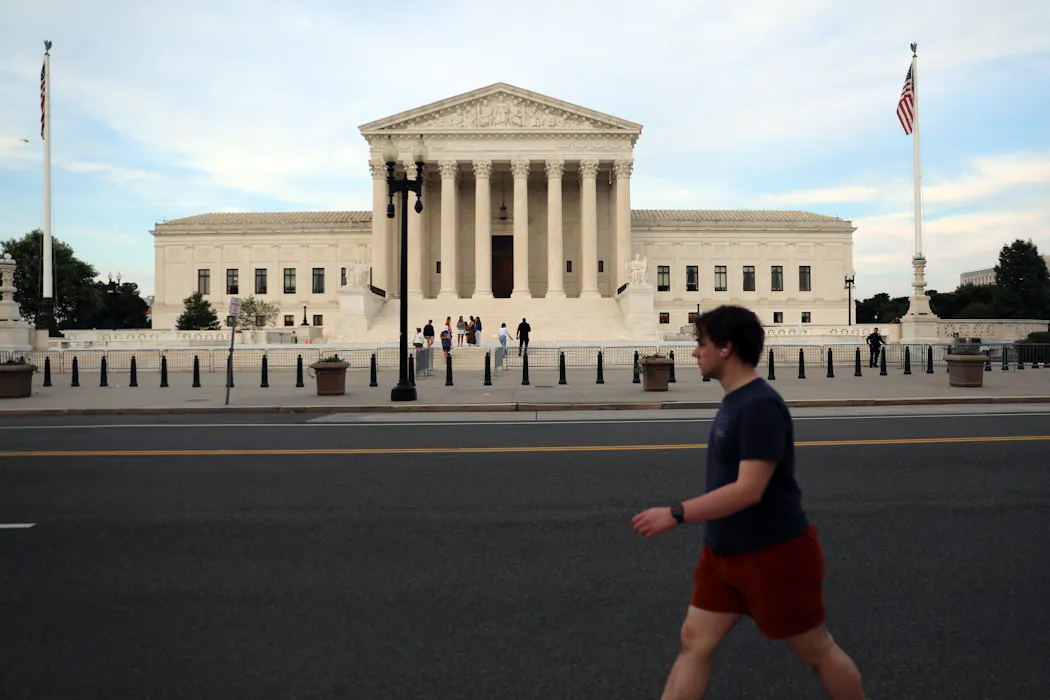
Two Supreme Court rulings in June 2026 reinforced the trend toward broad gun rights under the Second Amendment, overriding attempts to limit concealed carry and to punish the ownership of guns by drug users.
The ruling in the concealed carry case, Wolford v. Lopez, was no surprise. It followed the expected 6-3 division of the conservative and liberal wings of the court to block the state of Hawaii from making concealed carry a practical impossibility.
As a longtime observer of the Supreme Court, I believe the unanimous ruling in the second case, U.S. v. Hemani, is more surprising from the conservative court. That’s because it strikes down the long-standing federal law restricting gun ownership by consumers of controlled substances. The ruling suggests the current court is so pro-gun it has decided it must also be pro-drugs.
In Wolford v. Lopez, the gist of the ruling comes in the first sentence: “For years, the State of Hawaii made it almost impossible to obtain a license to carry a firearm.”
After the Supreme Court’s 2022 Bruen ruling recognized the right to carry a concealed handgun in public for personal defense, Hawaii continued to attempt to restrict the right. The state’s recent gun law flipped the script on allowable concealed carry regulations: Rather than the normal limitation that a property owner can ban concealed carry by posting a sign, all concealed carry was assumed to be banned unless the owner posted a sign allowing it.
As Justice Samuel Alito, the author of the decision, summarized the effect of the law, citizens would “be barred from entering many places that people routinely visit in the course of their daily routines, such as gas stations, convenience stores, restaurants, coffee shops, drug stores, grocery stores, ‘big box’ stores, home improvement stores, barber shops or hair salons, dry cleaners, and laundromats.”
If those restrictions make concealed carry impractical for ordinary citizens, then “this regime hobbles what the Second Amendment protects: the right of Americans to carry arms for self-defense as they go about their daily lives,” Alito wrote.
Justices Ketanji Brown Jackson and Sonia Sotomayor see the regulation as nothing remarkable or unconstitutional, but just property owners exercising their rights to ban guns. The majority sees this as subterfuge.
Under the current court, a core individual right – free speech, free exercise of religion, or personal defense with firearms – can be regulated but not eradicated, limited but not eliminated. For the court majority, the Hawaii regulation was a transparent attempt to stamp out concealed carry in the state.
The 1968 Gun Control Act initiated the federal restriction on the combination of guns and drugs, specifically targeting marijuana users.
The amendments in 1993, the Brady Law, and in 1994 the Violence Against Women Act expanded the restriction to apply to “any person who is an unlawful user of or addicted to any controlled substance.”
From 1968 to 2026 it seemed reasonable to believe that drug use and gun use were incompatible because each can kill you. In combination, they seem even more likely to have that result. As Justice Neil Gorsuch noted in the Hemani ruling, “We appreciate that drugs and guns can sometimes make for a dangerous mix.”
Nonetheless, the court ruled unanimously that the federal law overreaches for two interrelated reasons, one about constitutional law and the other about the facts surrounding marijuana use.
In 2021, the New York Rifle & Pistol v. Bruen ruling set the constitutional standard for firearms regulations that do not violate the Second Amendment: They must fit within the nation’s historical tradition. This places the burden on the government to identify examples of similar regulations with a long-standing pedigree. They do not have to be “a historical twin,” but they do have to be grounded in the same “how and why” of the current law.
In its 2024 U.S. v. Rahimi ruling, the court employed the new historical standard to uphold the federal law denying gun rights to people who are under a domestic violence protective order.
At the time of the founding there were no specific laws addressing guns and spousal abusers, but there were laws that disarmed those who went “armed offensively” or “to the fear and terror of any person.” The court considered those comparisons to be close enough.

Regarding drugs, advocates of the federal law outlawing gun ownership for users and addicts argue that historical examples of laws restraining “habitual drunkards” provide the necessary analog.
The court disagreed because those laws focused only on those whose habits rendered them “practically incapacitated.”
In 2022, Ali Hemani, a Texas marijuana user who owned a gun for self-defense, was indicted under a federal statute that makes it a felony for anyone who “is an unlawful user of or addicted to any controlled substance” to possess a firearm.
In the court’s view, Hemani’s kind of moderate marijuana use simply does not qualify given that “he admits to using marijuana about every other day. But how much marijuana does Mr. Hemani use, in what potency, and to what effect? Is he routinely unable to manage his affairs, a risk to himself or his family? Or does he use a mild gummy as a sleep aid a few times a week?”
The court insists that habitual drunkard laws at the time of the nation’s founding applied only to those who could not manage their own affairs, but did not apply to social or even heavy drinkers.
There is copious evidence that the founders themselves – not just Sam Adams, but also John Adams and James Madison – were serious drinkers. Even George Washington “often drank three glasses of madeira in the evening – ‘not enough to be considered a heavy drinker in his day,’” according to the historical research cited in the Hemani ruling.
The implication seems to be that alcohol was normal then, while marijuana has become normal now.
The ruling hinges on evolving perceptions of recreational drugs, especially marijuana. Does pot make users irrational? Does a marijuana habit indicate that someone is irresponsible?
If drug users are more likely to leave a gun unattended, more likely to mistakenly perceive a person as threatening, maybe because they have become paranoid, or more likely to react irrationally when someone steals their Cheetos, then the law may have a rational foundation. But the court’s view is that the government must demonstrate danger connected with drug use, not merely infer it.
The background of the ruling is the increasing acceptance of marijuana use. Even Alito, a conservative, penned a concurrence joined by liberal justice Elena Kagan noting that “marijuana consumption is increasingly common in this country … And from a practical standpoint, law enforcement widely tolerates the use of marijuana.”
The unanimous ruling notes that the federal government recently moved marijuana from Schedule 1, with no accepted medical use and high potential for abuse, to Schedule 3, which includes drugs such as anabolic steroids or Tylenol with codeine. Gorsuch points out that “surveys suggest there now may be more adults in this country who regularly use marijuana than consume alcohol.”
The court seems to have concluded that they can’t fight the new logic: Americans have a constitutional right to guns; Americans smoke weed; so weed can’t justify a denial of constitutional rights.
To meet the new standards, future gun regulations that come to the court will need to have a clear historical pedigree as well as target a group for whom Americans have less sympathy, such as spousal abusers, rather than increasing affinity – pot users.

Morgan Marietta does not work for, consult, own shares in or receive funding from any company or organization that would benefit from this article, and has disclosed no relevant affiliations beyond their academic appointment.
Politics + Society – The Conversation
Reading Time: 2 minutes
We have tragic news to report from the world of sports today:
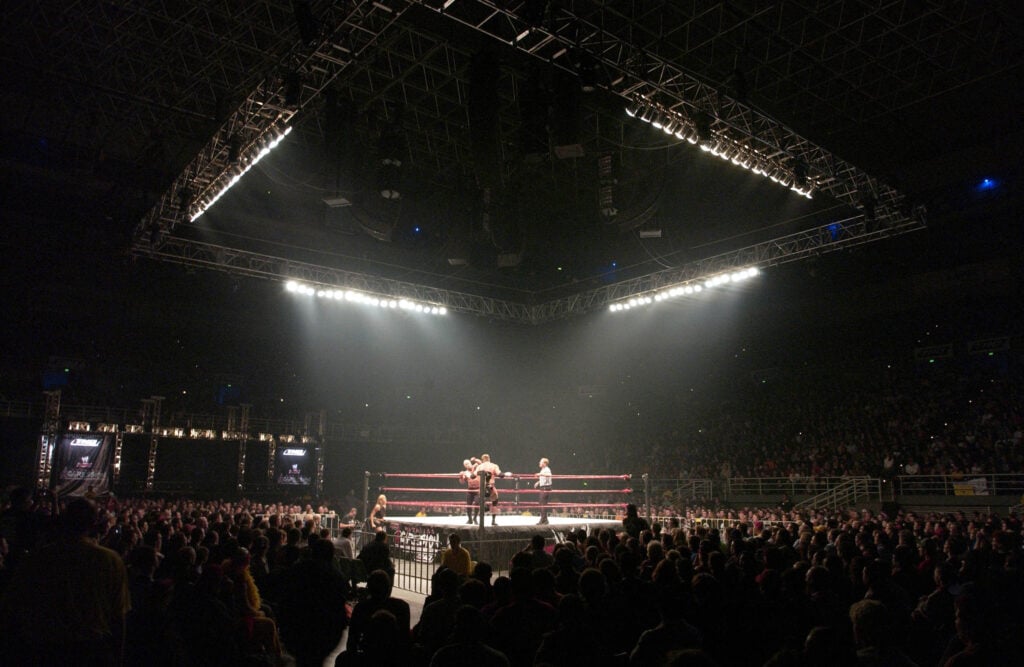
TNA Wrestling and All Japan Pro Wrestling icon Joe Doering has passed away at the age of 44 after a lengthy battle with brain cancer.
News of his death comes courtesy of a statement from Maple Leaf Pro Wrestling:
“At 9:13 AM today, June 26, our brother Joe Doering passed away peacefully, surrounded by his family,” the organization wrote in a statement (via TMZ).
“Though his time on this earth lasted only 44 years, Joe packed a thousand years’ worth of living into every one of them.”
The statement concluded by honoring the wrestler’s legacy.
“Joe is survived by his beloved wife, Lindsay, his family, and leaves behind countless friends and devoted fans around the world who will forever remember his strength, courage, and spirit.”
Doering was first diagnosed with a brain tumor in 2016 and underwent surgery to remove the mass.
Despite the diagnosis, he continued wrestling at a high level, becoming one of the most respected big men in the business during his time with All Japan Pro Wrestling.
In 2022, however, the cancer returned, forcing Doering to step away from the ring for another surgery.
Late last year, his family revealed he had been diagnosed with a third brain tumor. Earlier this week, loved ones shared the heartbreaking news that he had entered hospice care as his condition worsened.
Standing 6-foot-8, Doering built an impressive career after making his professional debut in 2004.
He briefly competed in WWE’s developmental system under the ring name Drake Brewer before finding his greatest success in Japan, where he became a two-time Triple Crown Heavyweight Champion in All Japan Pro Wrestling.
American fans also remember his run in TNA Wrestling as a member of the Violent By Design faction alongside Eric Young, Deaner and Rhino. During his time with the promotion, Doering captured the Impact World Tag Team Championship and established himself as one of the company’s most intimidating competitors.
News of Doering’s death quickly prompted an outpouring of tributes from fans and members of the wrestling community, many of whom praised both his toughness inside the ring and the courage he displayed throughout his years-long fight against cancer.
His determination to continue competing while undergoing treatment inspired countless colleagues and fans alike.
Joe Doering is survived by his wife, Lindsay, along with other family members and countless friends.
Our thoughts are with his loved ones during this incredibly difficult time.
Joe Doering Cause of Death: Wrestling Legend Was 44 was originally published on The Hollywood Gossip.
The Hollywood Gossip
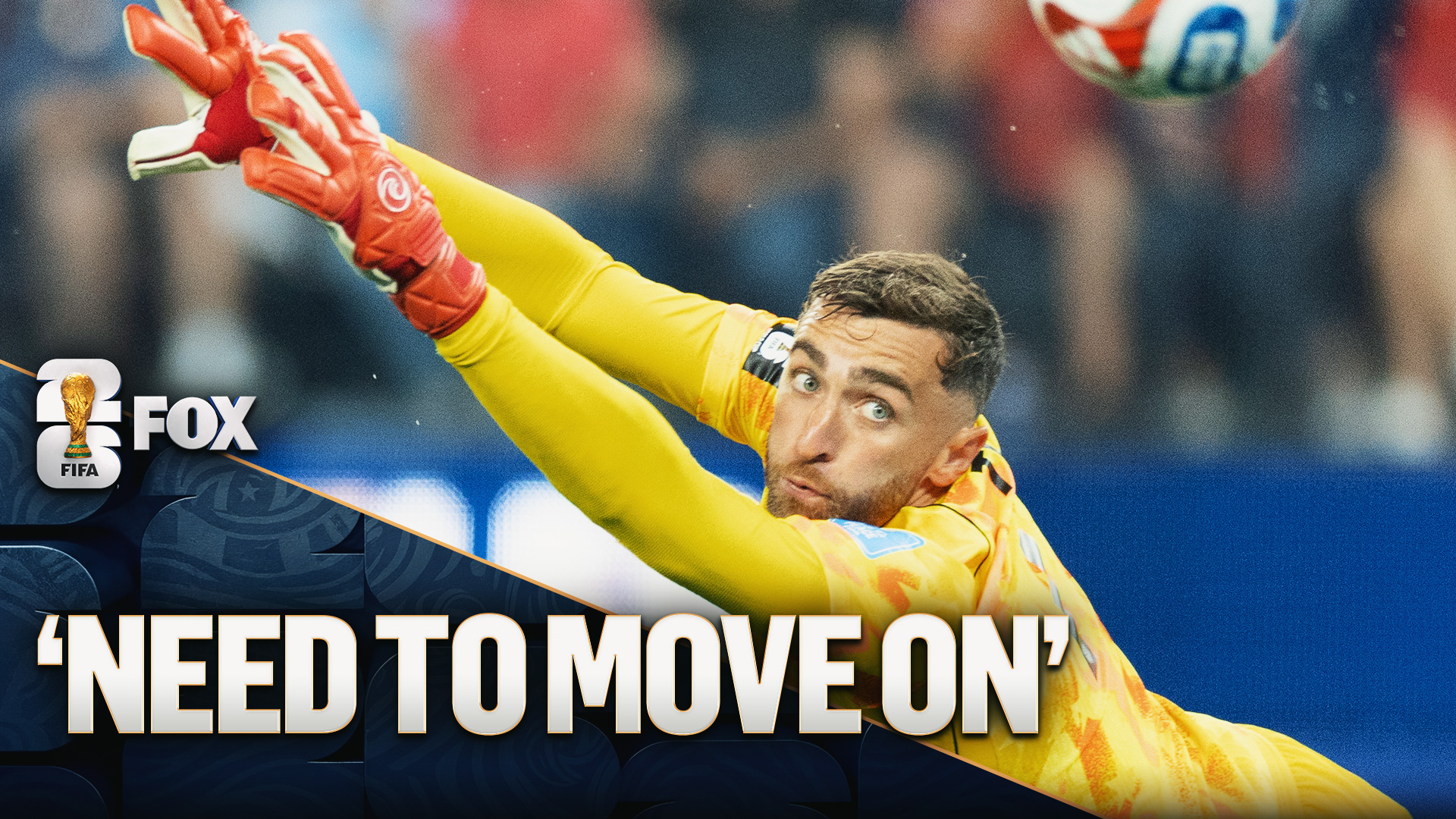
LOS ANGELES STADIUM – Was this a lesson or a letdown? That is a question this U.S. men’s national team must answer after its stunning 3-2 loss to Türkiye in the waning seconds of stoppage time on Thursday night. Because no matter what’s happened up to this point, the Americans’ body of work will be judged by what comes next. The USA faces Bosnia and Herzegovina in the Round of 32 on July 1 at San Francisco Bay Area Stadium. Will it look like the squad that has captivated the nation over the first few weeks of the World Cup, or the one that appeared disjointed at times against Türkiye? The knockout stage resets everything, and the slate is cleared. “We want to keep going in this tournament,” said Chris Richards, who did not play as a precaution after previously picking up a yellow card. “We have a really strong team, a really hungry team. A lot of us guys who started the last few games, we were hurting that we couldn’t be out there tonight, so ultimately, I think it’s gonna light a fire under us and want to get the job done early next game.” The U.S. entered the group finale in an unusual position. It had already secured first place in Group D and a berth in the knockout round, while Türkiye had already been eliminated after dropping its first two matches. On paper, there was little at stake. What seemed most important to the players was momentum – they talked about it all week. With the elimination round looming — where every match is win or go home — they viewed Thursday as an opportunity to continue building up confidence. U.S. manager Mauricio Pochettino made nine changes to his starting lineup from the previous match, including a surprising move by putting Matt Turner in goal in place of Matt Freese. He also rested four key starters — Richards, Tyler Adams, Antonee Robinson and Folarin Balogun — to avoid risking a second yellow card that would have led to a suspension for the next game. This gave several players who had seen little to no minutes an opportunity to make an impact, and the Americans got off to another hot start when Auston Trusty scored his first international goal just three minutes in. The U.S. surrendered the lead before halftime, but Sebastian Berhalter equalized with a rocket in the 49th minute. Despite creating several promising chances in the second half – especially once Christian Pulisic was subbed into the game – the U.S. couldn’t finish, and as the match went on, there was a sense inside the stadium it would end in a draw. That would have been good enough, but with seconds left in stoppage time, Kaan Ayhan slipped a right-footed shot past Turner for the lead, silencing the stadium. Afterward, the Americans were glum. They tried to talk about positive takeaways from the night – like moving onto the next round and how many players made their World Cup debuts. But their body language told a different story. Ricardo Pepi, who made his second consecutive start but couldn’t get anything going, walked quickly past reporters with the hood of his sweatshirt covering most of his face. Pulisic, who came on in the second half after missing the last match due to a calf injury, was whisked through the mixed zone interview area by a U.S. Soccer official and did not take questions. Tim Weah, who said he was disappointed in his performance, took the blame for one of Türkiye’s goals. Berhalter didn’t even want to talk about his stellar goal – he also recorded an assist, becoming the first American player to record both a goal and an assist in a World Cup match since 1966. “Take Me Home, Country Roads” blared throughout the stadium again as the players took a lap around the field after the final whistle, but this time it didn’t carry the same celebratory feel. “It’s a gut punch for a lot of guys,” Turner said, taking a deep breath. “I mean, this was a lot of our chance to step out there and show that we deserved and that we earned [to play], so you want it to go perfectly. But this sport can be so cruel and, as good as you play, it doesn’t always equal the final results. So it’s disappointing.” Players said the result won’t affect momentum or mindset moving forward. They were pleased that as of now, every healthy player on the roster has seen the field in this tournament. Cristian Roldan, who is dealing with a quadricep issue, is the only one who has not. They were also happy that Pulisic, who had not played since the first half of the Paraguay game, was back on the pitch. Weird things happen in World Cups. Germany, who also already booked its place in the knockout stage, lost its final group game on Thursday, too. Now the Americans need to find a way to use this bit of adversity as fuel. “We need to move on, but we’re full of confidence,” Brendon Aaronson told reporters after the game. “I’m not worried about it. I’m not worried at all. I think the team is in a great spot.”Latest Sports News from FOX Sports

There are good reasons for him to pull the plug. Continue reading…The Boot – Country Music News, Music Videos and Songs