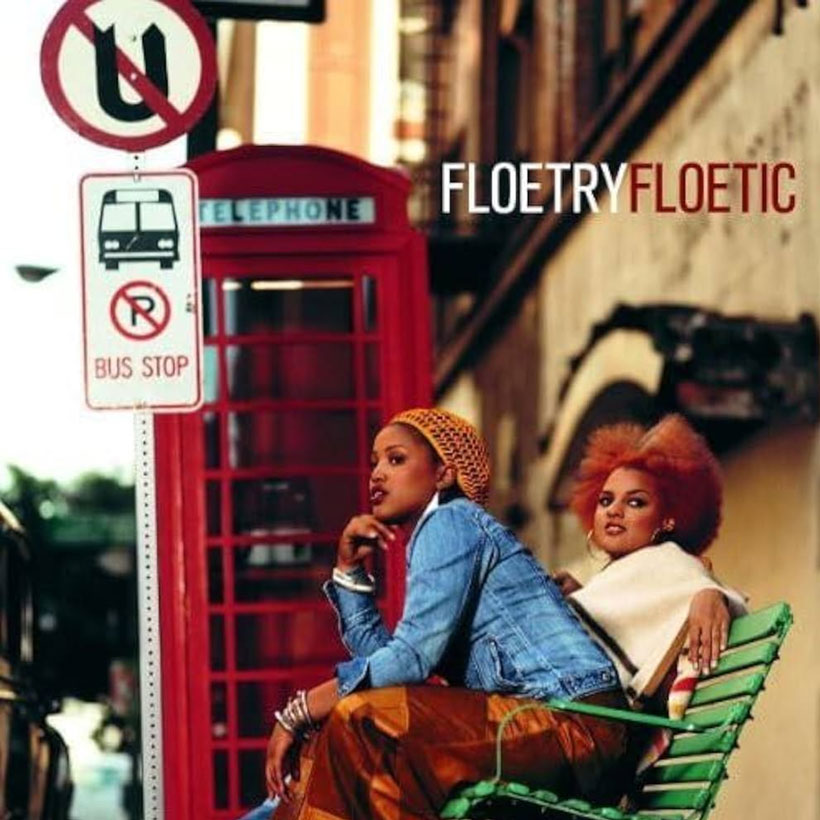
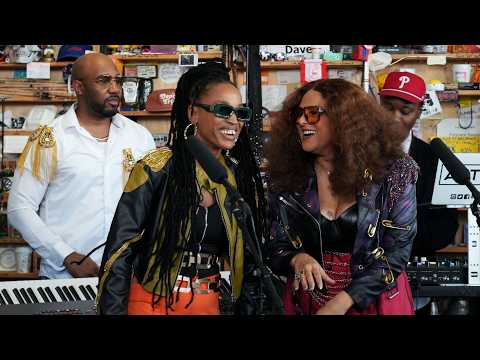
Floetry, the neo-soul duo of Marsha Ambrosius (“the Songstress”) and Natalie Stewart (“the Floacist”), stopped by NPR’s famed Tiny Desk to perform hits from throughout their discography.
The band performed as part of NPR’s celebration of Black Music Month and BET, stopping by the set shortly after wrapping their first tour in a decade. Ambrosius and Stewart ran through six songs, including “Big Ben” from the duo’s 2002 LP Floetic; the Common-assisted “SupaStar” from 2005’s Flo’Ology; “Butterflies,” made famous by Michael Jackson; “Say Yes” from Floetic; “Getting Late,” also from Floetic; and the title track from that LP.
After spending a few years performing in the U.K., Floetry’s career hit new levels when they relocated to Philadelphia in the early 2000s and performed with the Black Lily women’s collective. The duo followed up Floetry with their only other album, Flo’ology, in 2005, and eventually disbanded in 2006. However, the Songstress and the Floacist have reunited a number of times, including this current iteration of the “Say Yes” tour, which wrapped on May 17 in Oakland, California. The run kicked off April 8 in Newark, New Jersey and featured support from Raheem DeVaughn and Tedra Moses.
Click to load video
The tour continued an era of resurgence for Floetry. Last year, Floetic was reissued on vinyl, marking its first ever availability in the format.
Floetic was nominated for four Grammy Awards, including Best Contemporary R&B Album, and individual nominations for the songs “Floetic” and “Say Yes.” Upon their emergence, Floetry dubbed their music as a whole new sound under the neo-soul umbrella. “We were also saying Floetry is more than a name, it’s a genre, it’s a style, it won’t die as long as we remember, it will be kept alive,” Stewart reflected in an interview with You Know I Got Soul marking Floetic’s tenth anniversary.
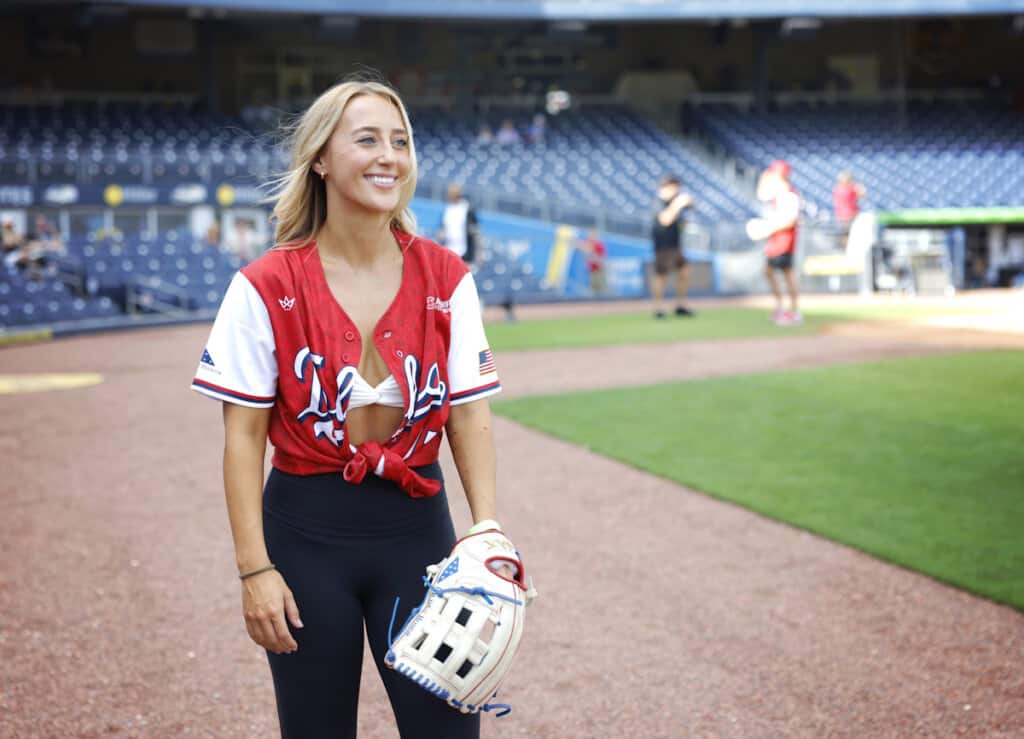
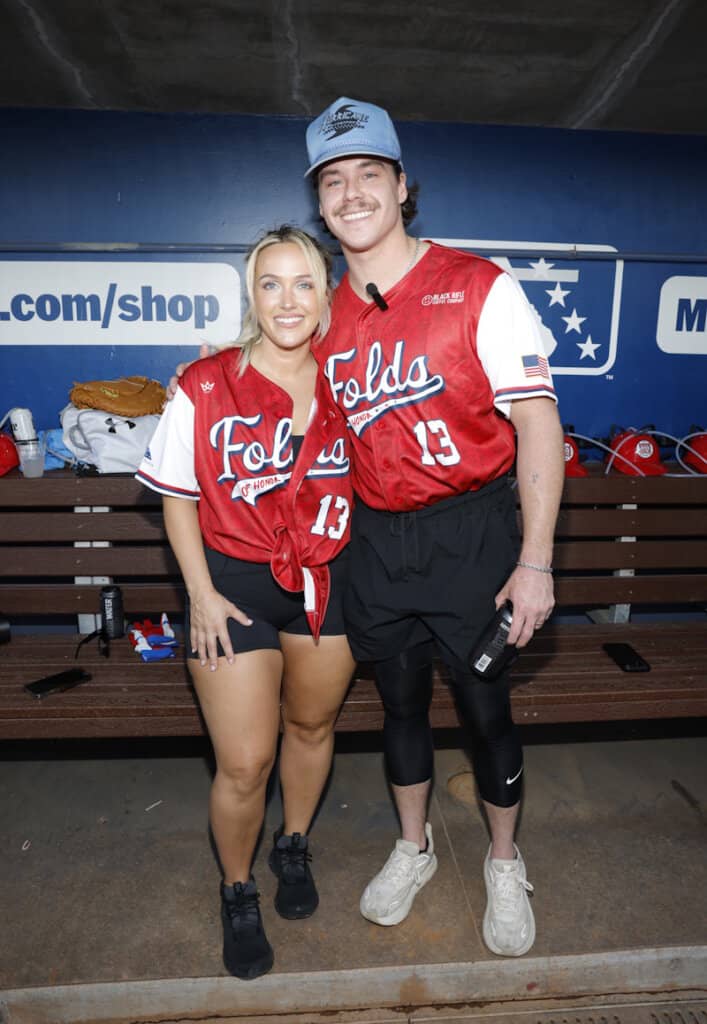
Riley Green, Zach Top, Priscilla Block, Jordan Davis, Zach John King, and more stepped up to the plate at Nashville’s First Horizon Park on Monday, June 1 for Folds of Honor Tennessee’s sixth annual Rock ’N Jock* Celebrity Softball game, sponsored by Black Rifle Coffee Company. More than 9,000 fans gathered at Nashville’s First Horizon Park for this year’s event, which generated an all-time high of $701,460 to support educational scholarships for the spouses and children of fallen or disabled military personnel and first responders.
Riley Green; Photo by Jason Kempin/Getty Images for Folds of Honor Tennessee Inc.
Country artists joined forces with other celebrities, athletes, first responders and veterans for the friendly competition, which found Team Military facing off against Team First Responders all in support of Folds of Honor’s mission.
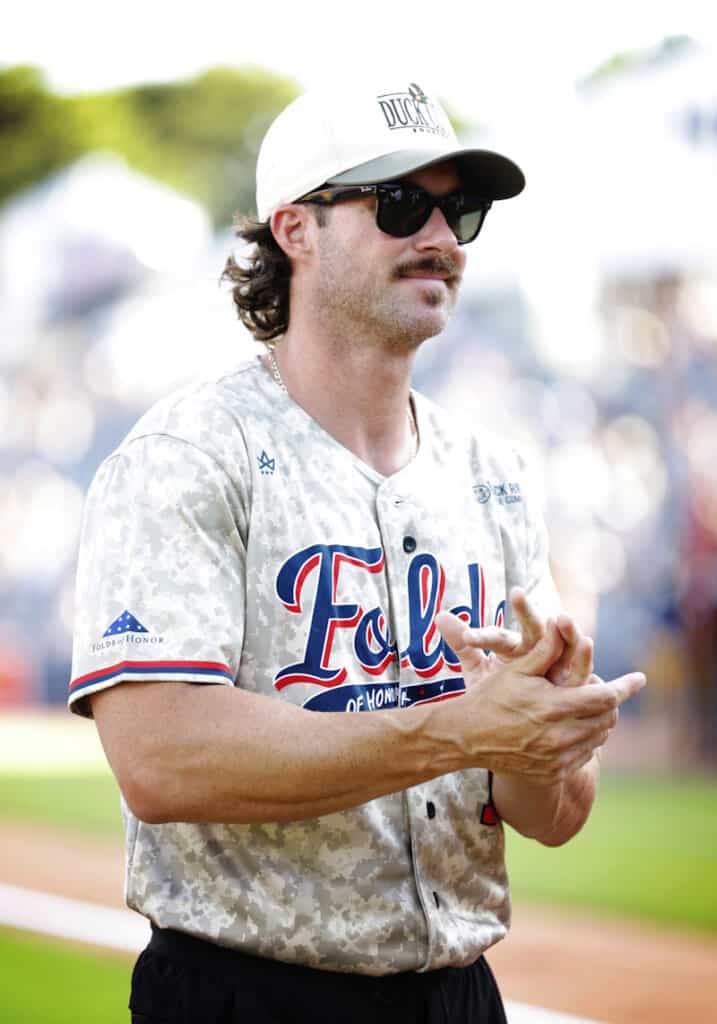
Parker McCollum, Jermaine Johnson and Hardy attend the Folds of Honor Tennessee’s Rock ‘N Jock Celebrity Softball game at First Horizon Park on June 01, 2026 in Nashville, Tennessee; Photo by Jason Kempin/Getty Images for Folds of Honor Tennessee Inc.
Team Military featured Team Captain Riley Green, Mat Best, Gavin Adcock, Ryan Ellis, Danae Hays, RaeLynn, Jordan Davis, McCoy Moore, Warren Zeiders, JC Latham, Jessie James Decker, Eric Decker, Cooper Alan, honorary military members Sergeant First Class Joseph C. Ervin and Army Officer Lauren Warner, and honorary base coach Special Forces Assistant Detachment Commander Dean Goble.
Team First Responders featured Team Captain Zach Top, Roger “The Rocket” Clemens, Jay Cutler, HARDY, Ashley Cooke, Priscilla Block, Zach John King, Parker McCollum, Chris Lane, Travis Pastrana, Waka Flocka Flame, Jermaine Johnson, Robert Rausch, honorary first responders Firefighter Travis Merryman and Officer Alicean Stottlemyer, and coach Ross Chastain.
Ashley Cooke, who has taken part in the event for several years now told us it’s her “favorite way” to kick off CMA Fest week.
“Every CMA Fest week is always chaos, but something about…playing a sport with people in country music. It’s fun. It’s very camaraderie based and also it’s just doing something to give back at the beginning of the week for CMA Fest. It’s a lot of shows and chaos and promotion and all this stuff, but it just feels like a cool way to give back and do something that feels good for the soul at the beginning of the week,” she shared prior to the game.
Ashley Cooke; Photo by Jason Kempin/Getty Images for Folds of Honor Tennessee Inc.
Priscilla Block echoed her sentiments, telling us, “This is my second year back doing this so I’m pumped that they invited me again. It’s awesome to come back here. I love that everything that they do to give back and being a part of tonight is awesome and we’re excited for CMA Fest.”
Priscilla Block and Zach John King; Photo by Jason Kempin/Getty Images for Folds of Honor Tennessee Inc.
For Zach John King, the cause behind the game made it especially meaningful.
“I have a family full of military and first responders, so it’s super close to home for me. And any way, shape, or form I can help, in my opinion, the greatest Americans in the country, is what I’m going to do. So it happened to be that we get to play a little softball today, but I’m honored to do it. The organization is insane,” he shared.
Jordan Davis has participated in the game a handful of times and tells us he views it as a way to say “thank you” to those who give so much.
“I say it every year, but it’s like we get a chance to say thank you to the people and the families that are … I’m not brave enough to do what they do. And so this is my chance to come out and say thank you. Have fun and bring some lightness into what I know is a very, very heavy time for them.”
Team Military edged out Team First Responders in a nail-biting 9-8 victory, with Danae Hays crossing home plate for the game-winning run. Eric Decker earned Defensive Player of the Game honors, while Golden Tate was recognized as Offensive Player of the Game. Fans were treated to several long balls throughout the evening, with home runs coming from Gavin Adcock, Eric Decker, Golden Tate, and Jay Cutler.
Off the field, Riley Green and Black Rifle Coffee Company co-founder Mat Best each pledged $50,000 to Folds of Honor, contributing a combined $100,000 to support the organization’s mission.
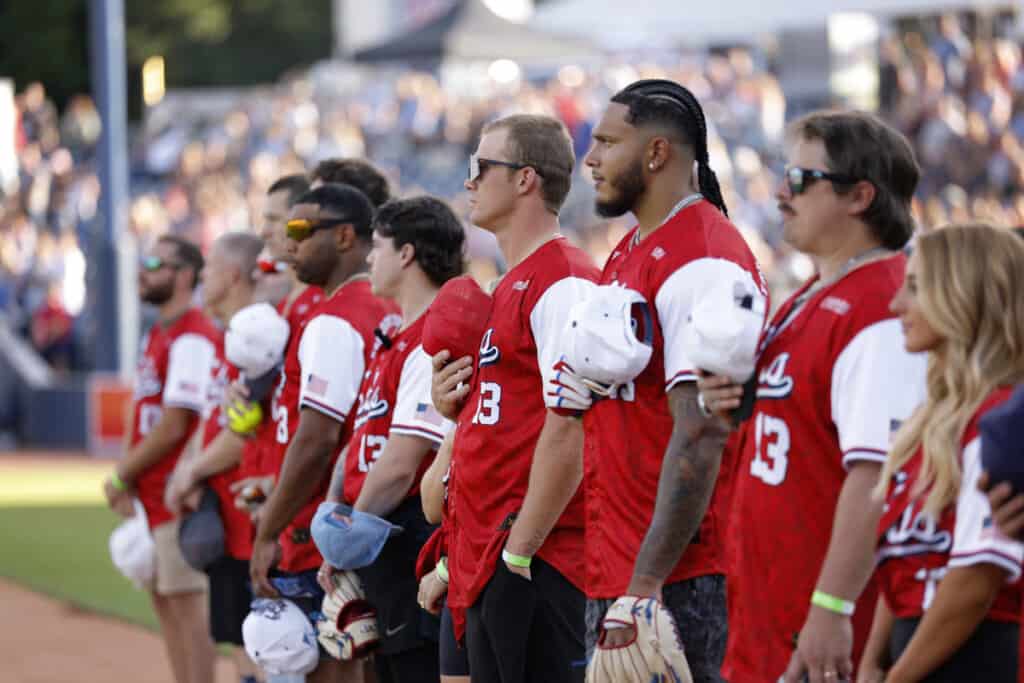
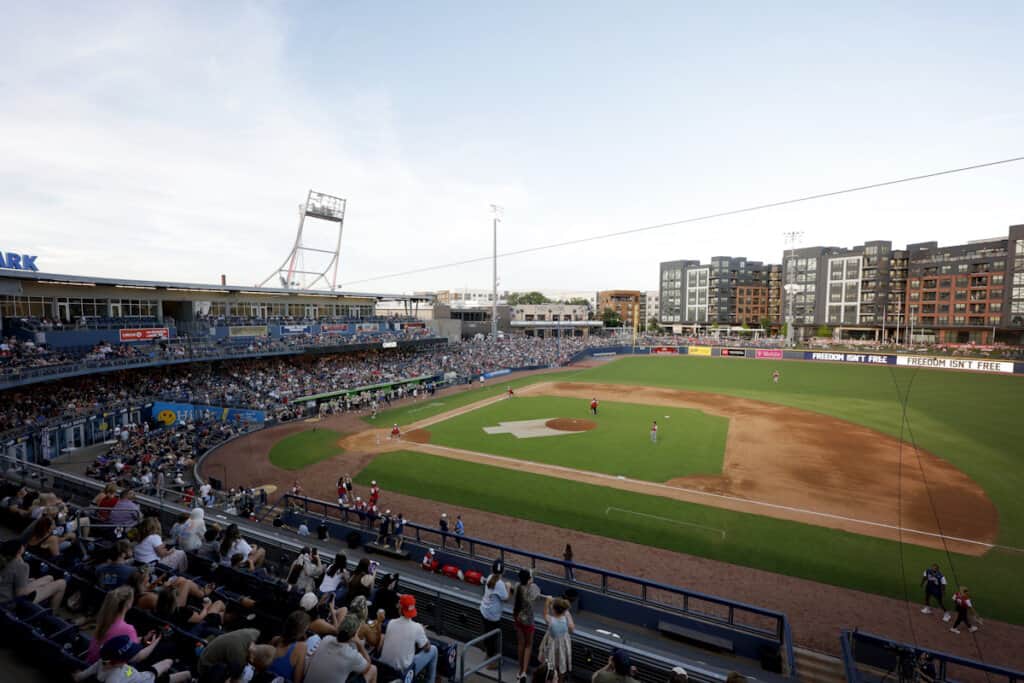
General view of atmosphere at the Folds of Honor Tennessee’s Rock ‘N Jock Celebrity Softball game at First Horizon Park on June 01, 2026 in Nashville, Tennessee; Photo by Jason Kempin/Getty Images for Folds of Honor Tennessee Inc.
The event also featured several patriotic moments, including a performance of the National Anthem by Captain Jackson Perkins and a ceremonial first pitch thrown by Marine Corps veteran Rocky Sickmann, who survived 444 days in captivity during the Iranian Hostage Crisis.
Through a partnership with Jockey International, Inc., 200 military and first responder families were able to attend the game free of charge, further cementing this year’s Rock ’N Jock as one of the event’s biggest and most meaningful editions to date.
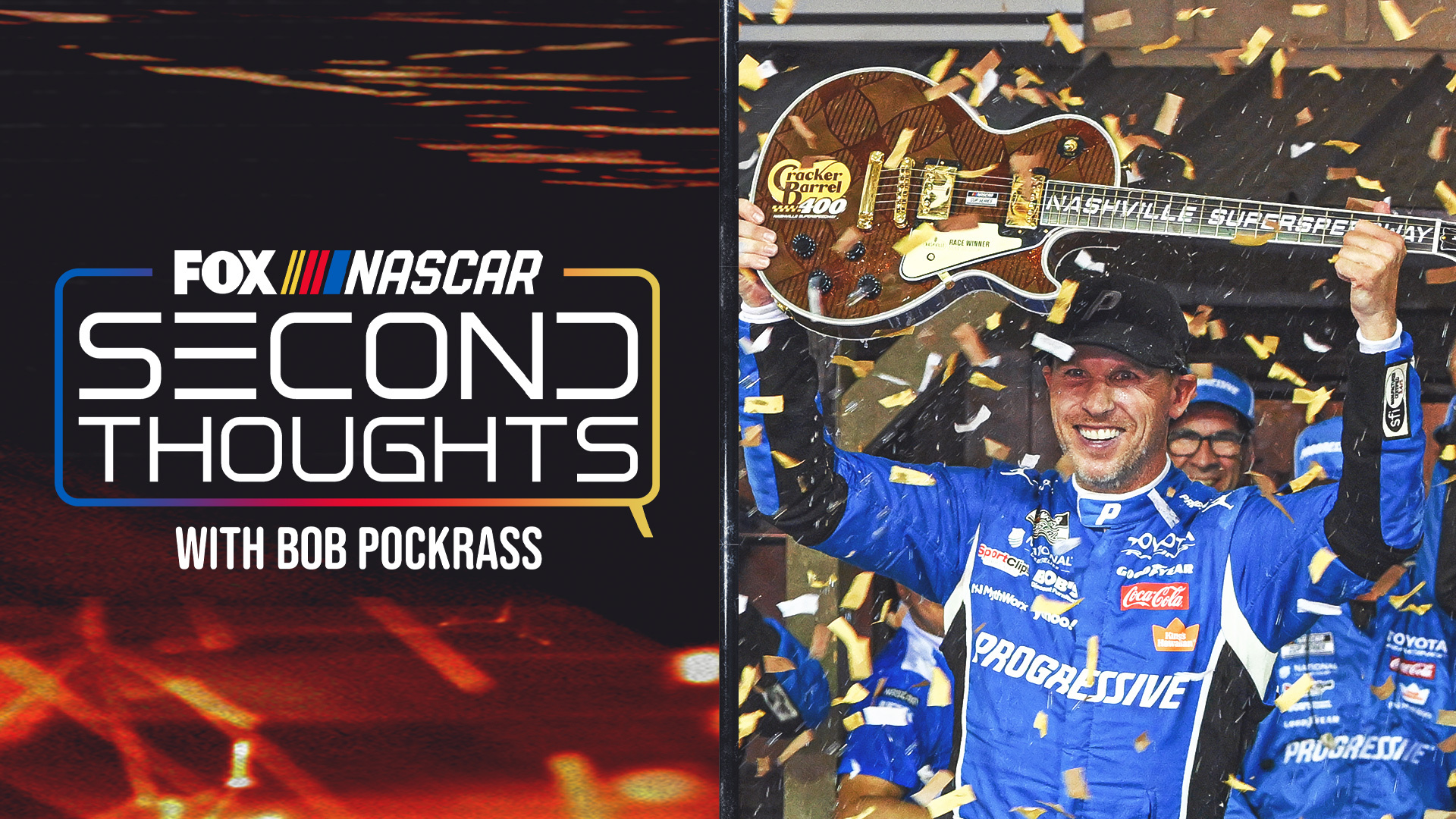
Thanks to a rain delay and an already late start, the NASCAR Cup Series race at Nashville Superspeedway didn’t end until well past midnight on the East Coast. Is that a problem? A little bit on a Sunday night. Night races can be electric, and sometimes for programming and scheduling purposes, the best time for a race. In Nashville, the later the start meant a better chance to beat the heat and allow for a typical afternoon summer storm to pass through. But the biggest question at Nashville — the race ended when Denny Hamlin took the checkered flag at 12:25 a.m. ET — and the lateness of the race goes beyond the 80-minute rain delay: Is the Nashville race too long? It is a 300-lap, 400-mile race, relatively normal, but with the Next Gen car it seems to be a long event. Without red flags, the Nashville race this year was 3 hours, 44 minutes; while it was 3:05 in 2025, 4:03 in 2024 (five overtimes!), 3:00 in 2023 and 3:35 in 2022. NASCAR has done a good job in making some of its races shorter. NASCAR cut the length of races at Dover from 500 miles to 400 in 1997 and at Pocono from 500 miles to 400 in 2012 (and they were 325 and 350 in the 2020 and 2021 doubleheader weekends). Martinsville had one of its races cut from 500 laps to 400 laps in 2022. The fall Charlotte race that is back on the oval will be 400 miles, not 500 miles — it was 500 miles before the track went to its road course for the fall race in 2018. [NASCAR POWER RANKINGS: New No. 1 Tops List After Nashville] The key time for a race, with a few exceptions (Daytona 500 and Coke 600 most notably) should be 2 hours, 45 minutes to 3 hours, 15 minutes. Nashville has shown that it can have 400-mile races in that time frame, but also three in the last five that have exceeded it, all by at least 20 minutes. Certainly fans travel long distances and want a race that delivers enough action for that travel commitment. NASCAR will always balance the will of ticket buyers versus those who are watching at home. NASCAR even added laps to a race this year, making Watkins Glen a 100-lap race instead of 90, as the drivers seem to have fewer wrecks and those races were ending closer to the 2-hour mark than NASCAR wanted. But there are races that could be shorter, and Nashville appears to be one of them. Could it hurt to try a 350-mile race next year and see if it changes anything? And while NASCAR is at it, here are a couple more that could use changing: –Change one of the Talladega races to a 400-mile event instead of both being 500 miles. Daytona has a 500-mile and 400-mile event. Why not Talladega? Maybe cut the race on the date has less sunlight in order to get in the full race. –Cut one of the Bristol races from 500 laps to 400 or 450. Martinsville already had one of its races cut and that doesn’t seem to impact the quality of the event. Why not do that with the spring race to give it a little bit of a different vibe than the fall? Part of NASCAR’s roots is that Cup races often were marathons, ultimate tests of man and machine. But to get some of the “hell yeah” moments with cars that rarely fail (granted, the Nashville issues were because of brake rotor issues), urgency is needed. Nashville was saved by a late caution; without it, that spectacular finish doesn’t happen. A few more “sprint” races wouldn’t be a bad thing. As NASCAR continues to look to liven up its schedule, race lengths belong in the conversation. In Second Thoughts, Bob Pockrass offers his opinion on a burning motorsports topic.Latest Sports News from FOX Sports
If you’re a member of the warehouse retailer, you should check out the best frozen food drops so far in 2026. Our list has something to nosh on any time of day.
Mashed – Fast Food, Celebrity Chefs, Grocery, Reviews
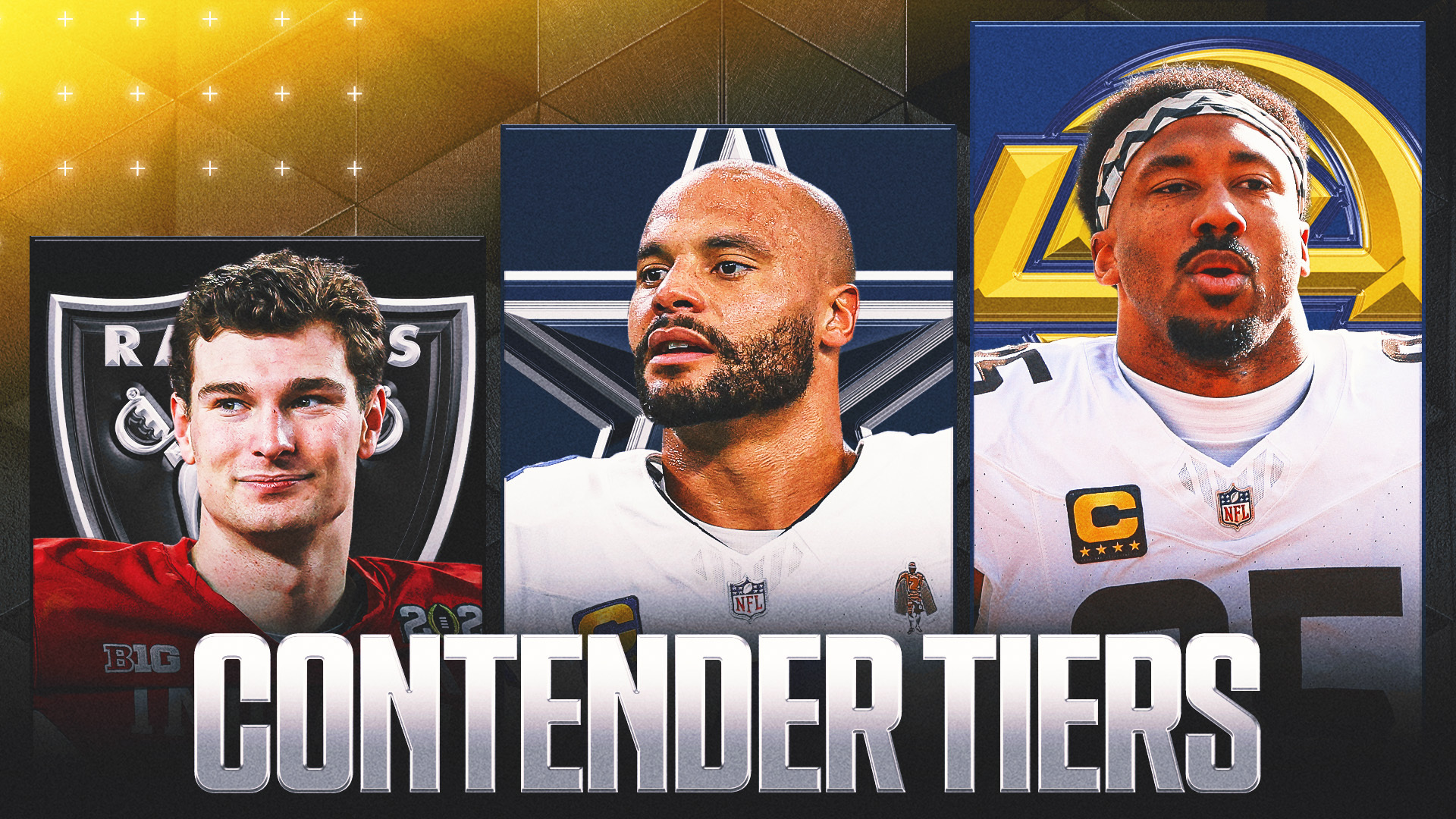
A flurry of deals happened Monday, though they didn’t really do much to shake up the NFL landscape. The Rams were on a Super Bowl track long before they got Myles Garrett. The Browns were plummeting with or without him. The A.J. Brown trade had been baked in for some time. And Odell Beckham’s return to New York didn’t move the needle at all. By now it’s clear who the real contenders are, which teams are on the cusp, and which ones are just fooling themselves and their fans. But in case it’s not, here’s a look at the real and fake contenders, broken down by tiers. *Super Bowl odds according to DraftKings (listed in parentheses) Tier 8: The race to the top of the 2027 Draft Las Vegas Raiders (+15000)New York Jets (+15000)Miami Dolphins (+30000)Cleveland Browns (+15000)Arizona Cardinals (+40000) It is a good bet that these five teams will own the first five picks in the 2027 NFL Draft. That’s great news for them because four of them desperately need a franchise quarterback, and next year’s draft should be full of them. The Raiders are the ones that don’t need a franchise QB anymore after drafting Fernando Mendoza No. 1 in April. They even improved their team around him — at least a little. In fact, if they weren’t in the AFC, and in particular the AFC West, they might have a shot at being in the playoff race most of the season. But the road is too tough. And at some point they’ll hand Mendoza the keys, which almost always means an initial step backward. But the other four teams really do need a franchise quarterback and the race for the No. 1 pick — maybe Texas QB Arch Manning — could be fascinating (or disgraceful, depending on how obvious the tanking becomes). None of these teams have a realistic shot at the playoffs, and that should be obvious to even the most optimistic of them by no later than Halloween. The Jets might actually be the best team in this sad bunch. They have a good offensive line, a couple of good skill players and an adequately rebuilt defense. And Geno Smith might actually improve their QB play, too. But given his penchant for throwing interceptions the past two years, that might not be saying much. The Dolphins don’t seem to think they’re in the tank yet. Why else would they sign the top free agent QB (Malik Willis) and keep RB De’Von Achane? But look at the rest of their team. They’ll see it eventually, too. It stinks. And yet they still might be better than both the Browns and the Cardinals, who are both redefining Quarterback Hell. The Cards have some impressive skill players (WR Marvin Harrison Jr., TE Trey McBride, RB Jeremiyah Love), but their quarterback will either be an unhappy Jacoby Brissett or Gardner Minshew, or maybe third-round rookie Carson Beck. With a still-terrible defense, that won’t lead to a lot of wins, especially against a brutal schedule that could easily lead them to an 0-13 start. As for the Browns, their decision to trade Myles Garrett to the Rams tells you all you need to know about what they’re thinking this season. And the fact that they’re trying to squeeze whatever’s left out of QB Deshaun Watson says everything about what new coach Todd Monken thinks of the other young quarterbacks on his team. They are all-out on 2026, whether they admit it or not. They just need to hope that whatever QB they fall in love with in next year’s draft doesn’t choose to go back to school just to avoid playing in Cleveland. Tier 7: The playoff fringe New Orleans Saints (+8000)Tennessee Titans (+12000) This is a special category for two improving teams that will be average, at best, but could have a shot at making the playoffs if everything goes right. The best chance belongs to the Saints, who played really well behind rookie QB Tyler Shough down the stretch last season and then got him a couple of big weapons in RB Travis Etienne and rookie WR Jordyn Tyson this offseason. The biggest factor for them, though, is that the NFC South still stinks. The Saints were 6-11 last season and missed the division title by two games. It’s a short walk to .500 and playoff contention. Life won’t be nearly as easy for the Titans, who almost certainly will miss the playoffs in the stacked AFC and top-heavy AFC South. But they are improving, with a better coaching staff and better cast around young QB Cam Ward. They might double their win total from three to six and could still be in the playoff chase in December. But real contention is more likely a year away. Tier 6: Need some help (and some health) Pittsburgh Steelers (+5000)Indianapolis Colts (+6500)New York Giants (+7000)Washington Commanders (+6500) I know, I know. The Steelers are the defending AFC North champions and probably deserve a better tier than this. That’s a reasonable argument, except that they had one of the NFL’s worst offenses (25th) and one of the NFL’s worst defenses (26th) last season, despite going 10-7. They also lost their longtime head coach (though Mike McCarthy is a pretty good replacement for Mike Tomlin), didn’t add a lot to their defense and are still relying on a 42-year-old quarterback. RB Rico Dowdle and WR Michael Pittman make them better. But the revived Ravens and Bengals make the division better, too. Still, the Steelers aren’t quite the same as the other teams in this group, who really need some breaks and health to rise a tier. The Colts are a strong team, for example, but only if QB Daniel Jones is healthy enough to start. And even then, he has to prove he can still play at his 2025 level. After he suffered a serious injury with the Giants, he wasn’t the same the following season. And speaking of the Giants, they are overflowing with optimism after landing head coach John Harbaugh. But there are questions about when their top WR (Malik Nabers) and RB (Cam Skattebo) will be healthy. Their defensive front was thinned out, too, by the Dexter Lawrence trade and several injuries. They are an improved team, but thin in a lot of areas. The thinnest team in this group, though, might be the Commanders, who seem to be betting everything on the healthy return of QB Jayden Daniels and a first-year coordinator (David Blough) — so much so that they didn’t bring in much offensive help. They did rebuild their defense with mostly solid but unspectacular players, and a stronger defense will help. But they really need Daniels to be the star he was as a rookie two years ago. Otherwise, they’ve got no shot. Tier 5: Playoff contenders, but nothing more Los Angeles Chargers (+1700)Dallas Cowboys (+2500)Tampa Bay Buccaneers (+5000)Atlanta Falcons (+12000)Carolina Panthers (+8000)Minnesota Vikings (+5000) This group comprises the teams on the playoff bubble who’ll need some help along the way to get in. Also, if they do get in, don’t expect them to win more than one game, if that. These are not Super Bowl contenders. The best team in this tier is the Chargers, who are also in a category that could be titled “Fool me once …” (you know the rest). It’s easy to want to trust a team coached by Jim Harbaugh and quarterbacked by Justin Herbert, but at this point we all know better. Their offensive line is still a liability, and with this franchise, something always goes wrong in the end. The same could be said of the Cowboys, who still have what might be the NFL’s best offense, but are still lacking on defense. The latter unit has improved, but enough to make them a Super Bowl contender? That would be a surprise. Those two at least have a slim chance of rising up a tier. The same can’t be said of the three teams in the NFC South: the Buccaneers, the Falcons, and the Panthers, who won the worst division in football last season via a tie-breaker after all three of these teams finished 8-9. They all have more questions than answers at the moment. The Bucs can be prolific, but they lost their best receiver to free agency. The Falcons seem loaded at every offensive position except quarterback. And the Panthers probably have the most promise, but are still waiting for QB Bryce Young to play like the No. 1 pick he once was. And speaking of first-round quarterbacks, that’s why the Vikings are in this group, too. They have an elite defense and plenty of offensive weapons. But the QB will either be J.J. McCarthy or a revived Kyler Murray, and neither inspire much confidence right now. Tier 4: Dangerous teams Kansas City Chiefs (+1500)Green Bay Packers (+1700)Detroit Lions (+1900)San Francisco 49ers (+1800) All four of these teams fall into an interesting gray area. None of them jump off the page as an immediate and obvious Super Bowl contender. But they all could be. And it would be foolish to rule any of them out. Take the Chiefs. Everyone’s down on them for the way they played last season, even before QB Patrick Mahomes got hurt. And no one is sure when he’ll be back. But if he’s back to form, do you really believe their dynasty is dead? The Chiefs also added RB Kenneth Walker III and they still have Andy Reid. If they can get into the playoffs, no one will want to play them. The same is true of the Packers and the Lions. Both teams can be dangerous and have good, experienced quarterbacks. The Lions are loaded on offense, assuming they’ve fixed their offensive line. They just need their defense to play better. And the Packers are strong on both sides of the ball, assuming they’re not hurt by the loss of defensive coordinator Jeff Hafley. If QB Jordan Love and linebacker Micah Parsons stay healthy all season, Green Bay will be a tough out, too. The most interesting team in this category is the 49ers. I love what they’ve done this offseason on both offense and defense, and the additions and some better health will make them a really dangerous team. The one thing to worry about, though, is their ridiculous travel schedule — 38,000 miles across 58 time zones, which are both NFL records. For a team that’s getting older and deals with a lot of injuries, that might be too tough to survive. But if they do survive the torturous regular season, move them up at least one tier, maybe two, when the postseason starts. Tier 3: Playoffs locks Cincinnati Bengals (+2000)Houston Texans (+1800)Chicago Bears (+2500)Jacksonville Jaguars (+3000) The biggest wild-card team in the NFL is probably the Bengals. Obviously, the healthy return of QB Joe Burrow makes them dangerous. They are loaded on offense and can outscore anyone. But did they do enough to fix an atrocious defense? Maybe, if DT Dexter Lawrence is a lot better than he was last year. Imagine if they had a defense like the Texans do, though. Or imagine if the Texans had the Bengals’ offense. That’s Houston’s problem. They might have the best defense in football. It’s championship-worthy. But they’re carrying an erratic offense, unless QB C.J. Stroud magically rediscovers his rookie form. The other two teams in this category are here because of their offense, too. The Bears have run Ben Johnson’s scheme to perfection, and if WR Rome Odunze can become elite, they might be unstoppable. Their defense, though, was ranked 29th last season. It remains to be seen if they did enough to fix it. As for the Jaguars, they went on an epic offensive run at the end of last season, and coach Liam Coen seems to be an offensive genius. But letting lead rusher RB Travis Etienne go was certainly a choice. It’ll take a committee to replace him, if they even can. Tier 2: Title contenders New England Patriots (+1600)Buffalo Bills (+1000)Baltimore Ravens (+1000)Philadelphia Eagles (+1600) All four of the teams in this category are good enough to make a Super Bowl run, though they’ll head into the season with enough unanswered questions to prompt at least a little pause. For example, there’s no reason to think the Patriots won’t be as good as they were last year, especially now that QB Drake Maye has his No. 1 WR in A.J. Brown. But they were the beneficiaries of a remarkably soft schedule last season that propelled them through the playoffs. The slate won’t be as easy this time around. There’s also a lot of competition in the still-stacked AFC. The Bills will be serious contenders as long as QB Josh Allen is healthy. But can D.J. Moore find his old form and be the No. 1 WR Allen so desperately needs? And the Ravens are dangerous again, as long as QB Lamar Jackson and RB Derrick Henry are healthy. But belief in them requires a lot of faith in a first-year head coach (Jesse Minter). Over in the NFC, the Eagles are still as loaded as ever, though they did just trade their best WR (Brown). The real question, though, is whether first-year offensive coordinator Sean Mannion can fix what has sometimes been a dysfunctional offense — especially in the passing game — with QB Jalen Hurts. Tier 1: The front-runners Los Angeles Rams (+600)Seattle Seahawks (+1100)Denver Broncos (+2000) If you weren’t sure before, now you know: The Rams are going for it all, future be damned. That was clear by their offseason deals to fortify their secondary (with CBs Jaylen Watson and Trent McDuffie), and now it’s painfully obvious after their “F— them picks” deal for Myles Garrett, the reigning defensive player of the year. The one caveat to their chances is that their biggest threat comes from inside the division, with the reigning Super Bowl champion Seahawks. Seattle should be just as dangerous, even after losing RB Kenneth Walker III in free agency. Meanwhile, in the AFC, the Broncos would have made the Super Bowl last season if they hadn’t been playing with a backup quarterback in the AFC Championship Game. A healthy Bo Nix, plus the addition of WR Jaylen Waddle, makes them the team to beat, especially if they can navigate a difficult schedule and emerge with home-field advantage.Latest Sports News from FOX Sports
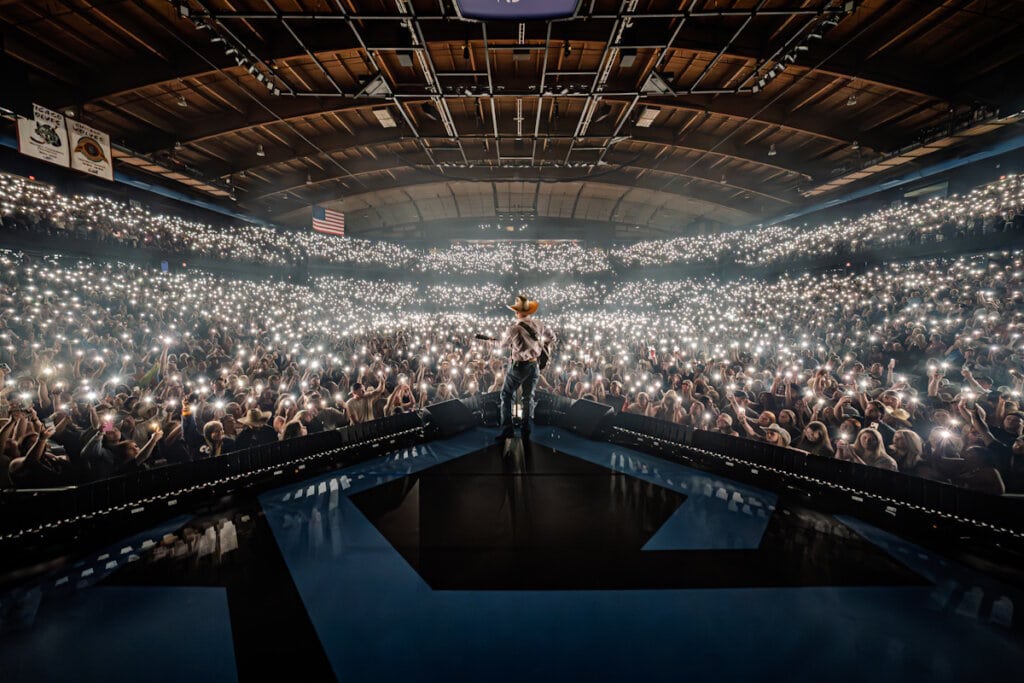
If there was any question about whether Cody Johnson deserved his recent ACM Entertainer of the Year title, it was answered the moment he stepped onstage at Allstate Arena on Saturday, May 30.
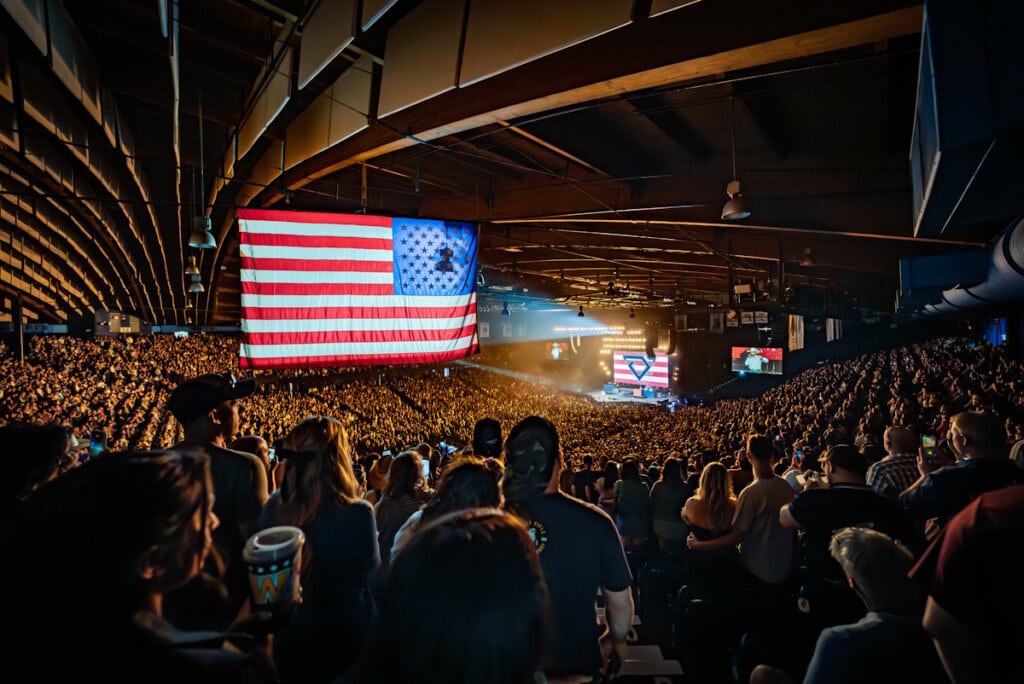
The country hitmaker brought his 2026 headlining tour to the home of the Chicago Wolves just two weeks after taking home one of the biggest honors at the 61st Academy of Country Music Awards. The night turned the venue into a true country gathering spot, with cowboys and cowgirls, families, veterans, active-duty service members, first responders, and longtime fans all packed in together celebrating a shared love for true country music.
The night began with strong opening sets from Emily Ann Roberts and Clint Black, both setting the tone for what would become an unforgettable show. By the time Cody Johnson took the stage, the anticipation inside the arena was already at an all-time high.
Cody Johnson; Photo by Jay Trevino
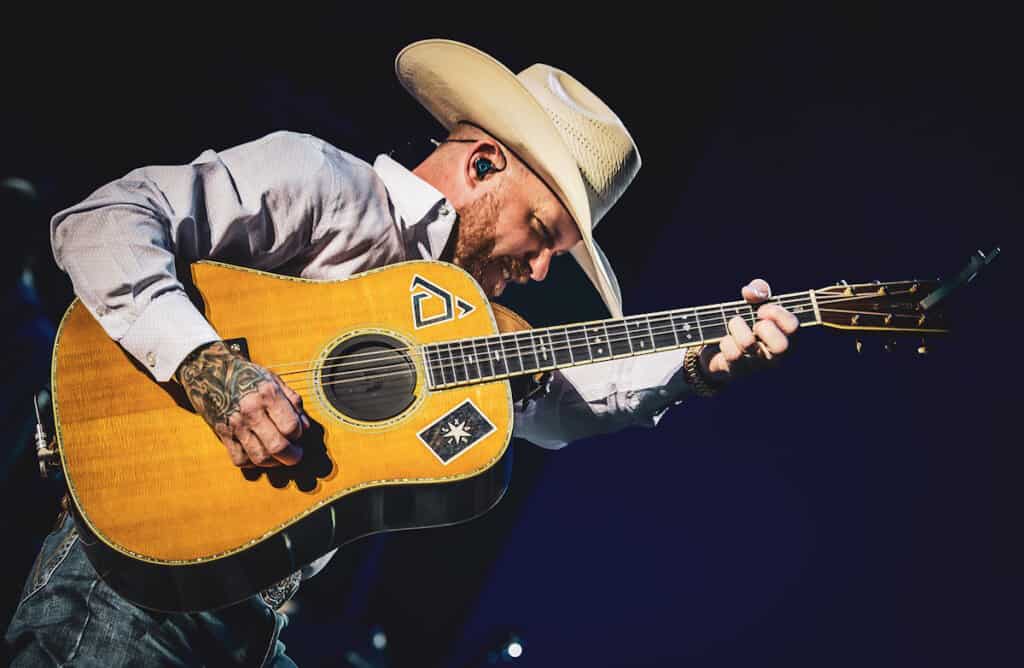
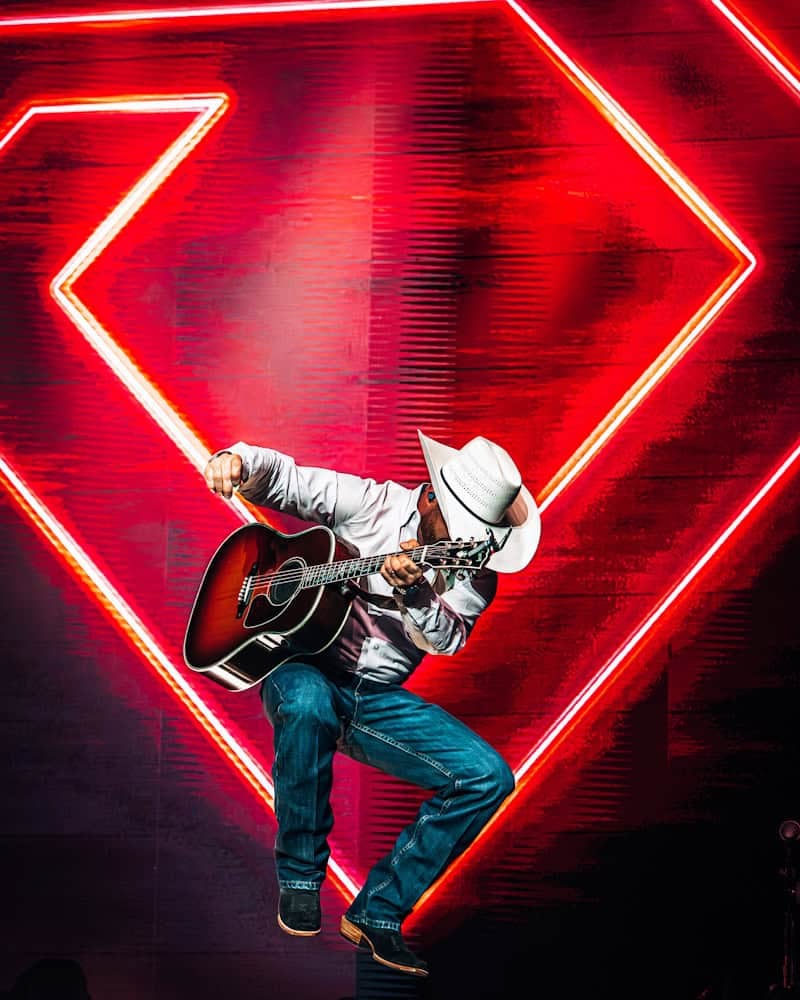
Backed by his powerhouse band, The Rockin’ CJB, Johnson launched into a set that stretched from 9:30 p.m. until just after 11. From the moment he stepped on stage, he made it clear the night wasn’t just about the music: it was about connecting with the fans who have supported him every step of the way, from his early days selling self-burned CDs for $5 to becoming one of country music’s biggest stars.
He came out swinging with “That’s Texas,” “Me and My Kind,” and “Dance Her Home,” setting the stage for an unforgettable night before addressing the audience for the first time.
Cody Johnson; Photo by Jay Trevino
After thanking every single person in the room for showing up that night, Johnson took a moment to reflect on just how far his career has come. Fresh off his ACM Entertainer of the Year win, he acknowledged he was still riding that momentum, admitting he felt “on fire” coming off the award show and that energy definitely shined through every part of his performance.
“I walked up on that stage to accept that Entertainer of the Year award and I’ll be honest with you, it was tough for me to hold it together because all I could think about was all those years of grinding it out for $500 bucks a night for 400 shows and nobody in the bar really cared that you were there,” he admitted. “I’m so thankful that you chose to be a country music fan and I’m so grateful to God that I get to play country music for a living…I’m coming off a pretty big high from all of that.”
The excitement from fans was already palpable, but it was further elevated when Johnson noted that his mission for the night was to have a good time and if that meant playing a bit longer than usual, he was more than willing to make that happen.
“I need you to give me all the energy you have for the next 90 minutes,” he told the screaming crowd. “If you do that for me, I give you my word I’m going to leave every ounce of energy and sweat right here on this stage for you tonight.”
With that, the Texas native broke out into a powerful rendition of “Dear Rodeo.” For his next performance of “Nothin’ on You”, the lights in the building went dark with just the flashlights from everyone’s phones illuminating the room. While this is the kind of moment that you could find at most country concerts, it felt like something more on this night. Maybe it was the power behind the song, or maybe it was a testament to Cody Johnson’s ability to captivate a crowd with nothing more than his steady vocals and undeniable authenticity.
Midway through the set, Johnson paused and asked the crowd, “Y’all wanna hear a new song?” The arena answered with a roar as he introduced “Take Me Back (Leave Me There), from his upcoming Banks Of The Trinity album dropping June 26.
Cody Johnson; Photo by Jay Trevino
The night continued with another run of fan-favorites including “Human,” “The Fall” “People In The Back” and “I’m Gonna Love You” featuring a pre-recording of Carrie Underwood singing her part in the No. 1 hit duet.
Then it was time for Johnson to continue what has become a tradition in his show. He stops the music and asks all first responders, active-duty military members, and veterans in the crowd to raise their hands, prompting a loud wave of applause across the arena. “From the bottom of my heart, thank you for giving us a job tonight,” he told them amid a heartwarming and moving speech that prompted a sing-along of “God Bless America.”
Cody Johnson; Photo by Jay Trevino
He then moved into the final stretch with some of the hits that fans had waited all night for: “Dirt Cheap,” “The Painter,” and “’Til You Can’t,” each met with loud cheers and the packed arena singing back every word. But the night wasn’t over yet.
After tossing out a few merchandise items, handing out a drumstick, and signing a few items from the crowd, Johnson made his way offstage, only to return moments later to a crowd that hadn’t budged. The anticipation paid off with an encore featuring his rendition of “Travelin’ Soldier” and “Diamond in My Pocket,” sending fans out on a high after nearly two hours of a performance that was equal parts electrifying, emotional, and unapologetically country.
Cody Johnson will continue his 2026 run this week when he makes his way to Nashville to perform at Nissan Stadium on Friday, June 5 as part of CMA Fest. His schedule of headlining shows and festival appearances are set to run through November.
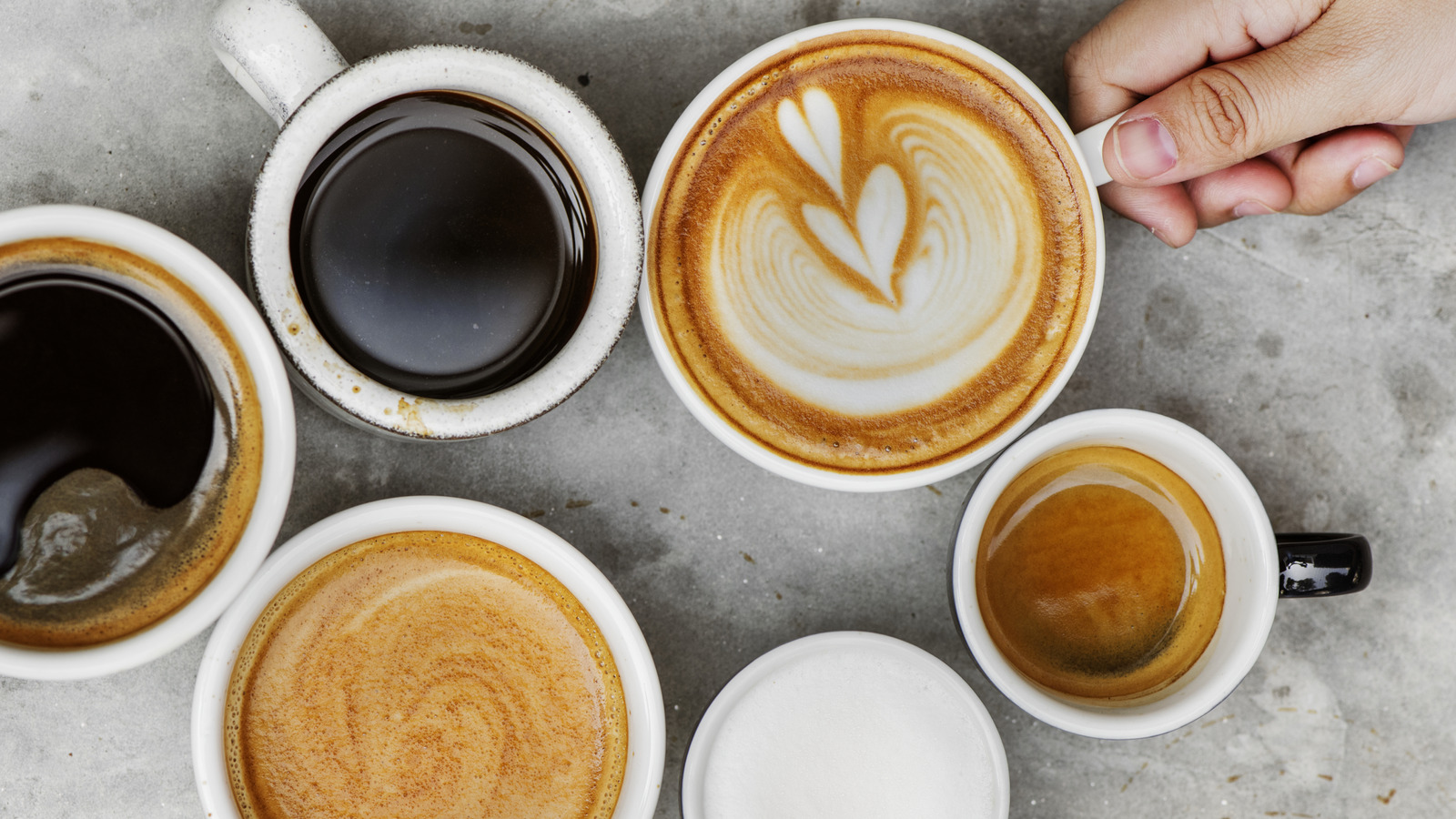
Espresso and coffee both provide a caffeine kick, but they differ in a few key ways, such as serving size. Espresso is more concentrated, but by how much?
Mashed – Fast Food, Celebrity Chefs, Grocery, Reviews
Several fans of Cody Johnson’s were upset after he shared photos from a grizzly bear hunt in Alaska. Continue reading…The Boot – Country Music News, Music Videos and Songs
Several fans of Cody Johnson’s were upset after he shared photos from a grizzly bear hunt in Alaska. Continue reading…Country Music News – Taste of Country