Categories
Hip Hop

Hanif Abdurraqib On Marvin Gaye’s ‘What’s Going On’

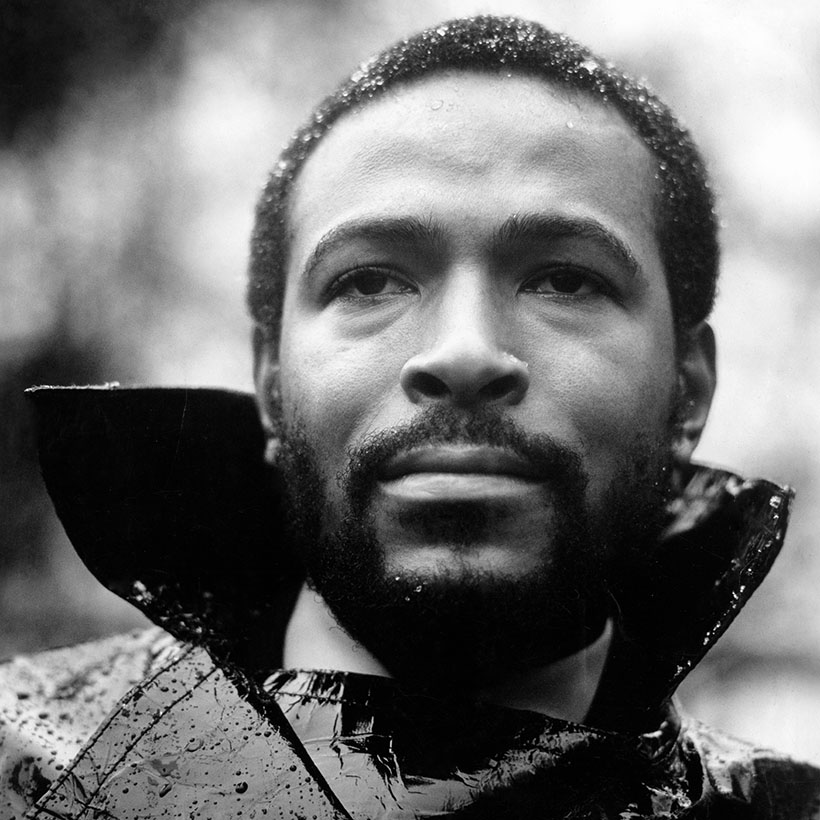
Marvin Gaye from the What's Going On Portrait Session

It is notable, to me, that when Berry Gordy first heard “What’s Going On” back in the late summer of 1970, he suggested that Marvin Gaye was going to ruin his career. That the artist was going down a path from which he wouldn’t be able to recover. Some of this was simply care. Gaye was Gordy’s brother-in-law, and Gaye’s career seemed to be on shaky ground. Another big, failed album release could do irreversible damage. The music business is a business, after all. There are interests that must be served outside of whatever personal investments an artist might have in the complicated nature of the world they’re in.

But there were young people, dying in a war. There were Black soldiers coming home wounded, and still being treated like second-class citizens. The time demanded some attempt at rich, historical archival, lest it be lost, or told from the mouths of people who were not touched by the weight of it in the same way.

Marvin’s defiance of a Black boss running a Black label is important, to me. It is what makes this a singular album of seeking. Seeking answers, not for the public, but for the self. The title track and its endless questioning feels rhetorical, but this is an album loaded with questions to which there can be no satisfying answers. At the end of “Mercy Mercy Me (The Ecology)” when Marvin brings a listener to the edge of the cliff, shows them the land and asks how much more abuse from man can she stand?, he sounds as lost as a listener might be. As lost as I am now, anxiously basking in the 50-degree days of my deep winter. I don’t know, and even in my not knowing, the questions refuse to vanish. Even as I throw my hands up and shout the same questions out into the air, they are blown back to me, with a responsibility to keep asking. I love this album for how Marvin’s many voices ask and ask but don’t resolve.

YouTube Video
Click to load video

The way What’s Going On tugs at the hems of gospel while not losing any of its grief, its rage, its longing – the album feels to me now like it did when I first heard it. Like a small corner of a city. A corner that might feel like a corner I have known and loved. With towering churches, and concerned grandparents, and children playing with a balance of worry and carefree exuberance. Conversations held in the heat of a night around a card table after those kids go to bed. Where the talk gets a little realer, the songs get a little heavier. The album’s concept – a soldier, based on Marvin’s brother Frankie to be exact, returning home from war and sinking into a country’s many oppressions – makes for a tightly woven sequence, but the album’s atmosphere and geography has always far outpaced its concepts. It is an album that I knew I understood even before I understood what its central concerns were. I understood it by the way older people I love hummed along to it, or turned it up, or shook their heads solemnly when certain lines hung in the air.

I hear Black artists get asked, often, the question of who they make their art for. It’s a question I’ve always found boring, and it is certainly a question I don’t hear white artists get asked nearly as much. Some of this, I suspect, is because of the American obsession with Black people creating and existing as a type of duty to serve the machinery of the country. Or, of course, to act as the country’s moral compass. If you are here, and an ancestor of someone who endured capture and forced labor in the name of America’s evolution, America might still turn to you for answers. To make sense of its many ever-evolving messes. And even in an artist’s rejection of that, there is that question: if you are not making art for us to make sense of the world, then who is it for?

There has never been a concrete answer to that, for me. It’s something that changes from project to project, which is the case for every other artist I know. I cannot speak for Marvin Gaye, and he is not here to speak for himself. But when I listen to this album now, or when I listen to it any time, I am confronted with the reality of what Marvin was carrying within when he made it. The concurrent losses, and traumas, and confusions. He was holding all of that, on top of holding the instability of a country that didn’t make the same sense to him as it used to. If there’s anything to learn from this album all of these years later, it’s that Black artists are sometimes simply trying to save themselves, as best as they can, for a little while longer. People can take what they can from that process but, at the core, they are required to be grateful witnesses.

I am grateful to be a witness to Marvin, again and again. Each time, I unlock a new idea, a new mode. A new way of running into a constantly unchanging world, and still asking if it’s up for doing better.

Written in January 2021, a longer version of this essay can be found in the 50th-anniversary edition of Marvin Gaye’s What’s Going On. Hanif Abdurraqib is the author of They Can’t Kill Us Until They Kill Us and Go Ahead in the Rain: Notes on A Tribe Called Quest, among other works. Buy or stream Marvin Gaye’s digital deluxe edition of What’s Going On here.

​Discover more about the world’s greatest R&B artists | uDiscover Music

Categories
Alaska News

Airport security fast-lane system known as CLEAR could be coming to Alaska

Sen. Scott Kawasaki, D-Fairbanks, speaks Friday, Feb. 7, 2025, on the floor of the Alaska Senate. (Photo by James Brooks/Alaska Beacon)

Sen. Scott Kawasaki, D-Fairbanks, speaks Friday, Feb. 7, 2025, on the floor of the Alaska Senate. (Photo by James Brooks/Alaska Beacon)

The Alaska Legislature has approved a state driver’s license data-sharing bill that would allow some travelers to speed through security at airports in Alaska.

On Wednesday, the Alaska Senate voted unanimously to approve Senate Bill 237, from Sen. Scott Kawasaki, D-Fairbanks. Because the House voted to pass the bill 40-0 on Tuesday, the Senate’s vote sends the bill to Gov. Mike Dunleavy for final approval or veto.

As originally drafted by Kawasaki, SB 237 would have only allowed the state Division of Motor Vehicles to share driver’s license information with “a nonprofit organization, governmental, or tribal entity.”

That would allow Alaskans to apply for a replacement Social Security card over the internet. Currently, someone who needs a replacement must visit an office in Juneau, Anchorage or Fairbanks in person. 

Alaska is the only state that does not allow residents to get a replacement card online.

In the House, Rep. Steve St. Clair, R-Wasilla, proposed an amendment that would allow the state to share driver’s license data with “an entity participating in the Transportation Security Administration’s Registered Traveler Programs.”

That includes CLEAR, a for-profit company that offers fast-lane service at airport security checkpoints across the country.

“There’s actually a contract between CLEAR and the (Anchorage) airport right now, they just can’t do anything or share data until we pass legislation saying that they can,” St. Clair said. 

House lawmakers approved that amendment unanimously.

At the urging of Rep. Andrew Gray, D-Anchorage, lawmakers also amended the bill with a section that will allow Alaskans to store digital copies of their driver’s licenses on their smartphones. 

If a police officer performs a traffic stop, that digital copy would be valid ID.

That amendment was originally a separate bill, House Bill 180, from the Office of the Governor. 

“For anyone who lives their life on their phone, this would be a wonderful convenience that the administration would like to offer,” Gray said.

That amendment passed the House by a 38-2 vote, and SB 237 proceeded toward a final vote in the Legislature without opposition.

Categories
Alaska News

Alaska lawmakers approve ban on polystyrene foam food containers

A discarded polystyrene foam food container lies along the sidewalk on April 26, 2026, near the intersection of Northern Lights Boulevard and the Seward Highway in Anchorage. (Photo by Yereth Rosen/Alaska Beacon)

A discarded polystyrene foam food container lies along the sidewalk on April 26, 2026, near the intersection of Northern Lights Boulevard and the Seward Highway in Midtown Anchorage. A bill passed by state lawmakers aims to cut down on plastics pollution by barring restaurant use of polystrene food containers starting Jan. 1. (Photo by Yereth Rosen/Alaska Beacon)

Restaurants in Alaska will have to stop serving food in disposable polystyrene foam containers, under a bill passed by the Legislature and awaiting Gov. Mike Dunleavy’s signature.

The measure, House Bill 25, prohibits food establishments from using containers made of Styrofoam and similar plastic foam materials starting on Jan. 1. The bill applies to restaurants and to state agencies’ food operations, but it does not apply to containers sold in stores.

The prime sponsor, Rep. Andy Josephson, D-Anchorage, said he was inspired to introduce the bill after attending meetings of the National Caucus of Environmental Legislators and learning how other states are trying to curb plastic pollution.

There are several reasons to ban containers made from Styrofoam and other polystyrene, Josephson said at a May 11 hearing of the Senate Labor and Commerce Committee. The materials are linked to cancers such as leukemia and lymphoma and other health problems, like endocrine disruption. They cannot be recycled. And they crumble into tiny pieces that spread into the environment, including Alaska’s marine environment, he said.

The bill’s ban would be “historic,” Josephson said. “It would send a strong message that Alaska, with its massive coastlines, greater than the rest of the country, intends to clean up,” he said at the hearing.

Sen. Scott Kawasaki, D-Fairbanks, summarized the environmental concerns when he spoke in favor of the bill on the Senate floor on Monday. “Styrofoam never breaks down. It always floats away. And it can float through air and water,” he said.

Some Alaska municipalities already have such bans, Josephson and Kawasaki said, naming Bethel, Cordova and Seward as examples.

The bill went through several refinements after it was first introduced before the start of the 2025 session.

Lawmakers made some changes to ease the transition to non-polystyrene materials. The final bill allows restaurants to continue using polystyrene containers that had been stockpiled prior to the effective date of Jan. 1, 2027. Another change grants municipalities the option of allowing the containers.

The local-option change was important to Sen. Rob Yundt, R-Wasilla, and helped him overcome his earlier reluctance to support the bill. He and his wife own a restaurant and the ban “very well might cost us a little bit of money,” Yundt said in floor comments on Monday, when the bill won final passage in the Senate. “But I can tell you it’s common sense. It’s long overdue.”

Environmental groups praised the bill. Among the risks of polystyrene pollution cited by those groups is the damage to fish and wildlife, which mistake tiny bits of plastic for food.

“Alaska is on the frontlines of the global plastics crisis, and lawmakers are stepping up with meaningful solutions,” Christy Leavitt, senior campaign director at Oceana, said in a statement released Wednesday. “We are grateful to Rep. Andy Josephson as the bill’s sponsor and the support from legislators across party lines. By passing HB 25, Alaska is taking an important step to reduce harmful plastic pollution, protect ocean wildlife, and safeguard the health of Alaska’s communities.”

Other organizations that were prominent supporters were Alaska Community Action on Toxics and the Alaska Environment and Research Policy Center; the latter group conducted a study that found microplastics such in all 39 Southcentral Alaska water bodies it tested.

A national trade organization representing manufacturers of polystyrene materials opposed the bill.

Lindsay Stovall, director of state and regulatory affairs for the American Chemistry Council, described her organization’s objections in written comments and in committee testimony. She said the bill would impose costs on consumers, businesses and state agencies.

“While we support efforts to reduce plastic waste, we believe the legislation would increase costs, create implementation challenges, and fail to achieve its intended environmental objectives,” she said in testimony to the Senate Labor and Commerce Committee on May 15.

An analysis commissioned by her organization found that the Alaska Department of Corrections, for example, would have to spend an extra $1.8 million to switch to paper alternatives or $2.6 million to switch to degradable options, Stovall said.

However, the analysis of the bill conducted by the state Department of Revenue found that it would impose no additional costs on any state agency.

The Alaska Department of Environmental Conservation, which would oversee the ban, “can integrate compliance into existing processes without the need for regulatory development or significant additional staff workload,” and would be able to use previously allocated resources, according to the Department of Revenue’s fiscal analysis.

The bill does not apply to food-service items purchased in stores for home use or to storage containers such as those used to ship fish. The bill also contains an exemption for disaster emergencies.

SUBSCRIBE: GET THE MORNING HEADLINES DELIVERED TO YOUR INBOX.

Categories
Music

Post Title

Continue reading…​The Boot – Country Music News, Music Videos and Songs

Categories
Entertainment

Jessica Simpson Shares Reason Nick Lachey Saw Her Flying Without Kids

Jessica Simpson, Nick LacheyJessica Simpson finds setting the record straight irresistible.
The “Take My Breath Away” singer addressed recent claims made by her ex-husband Nick Lachey, who detailed their unexpected run-in on…
​E! Online (US) – Top Stories

Categories
Entertainment

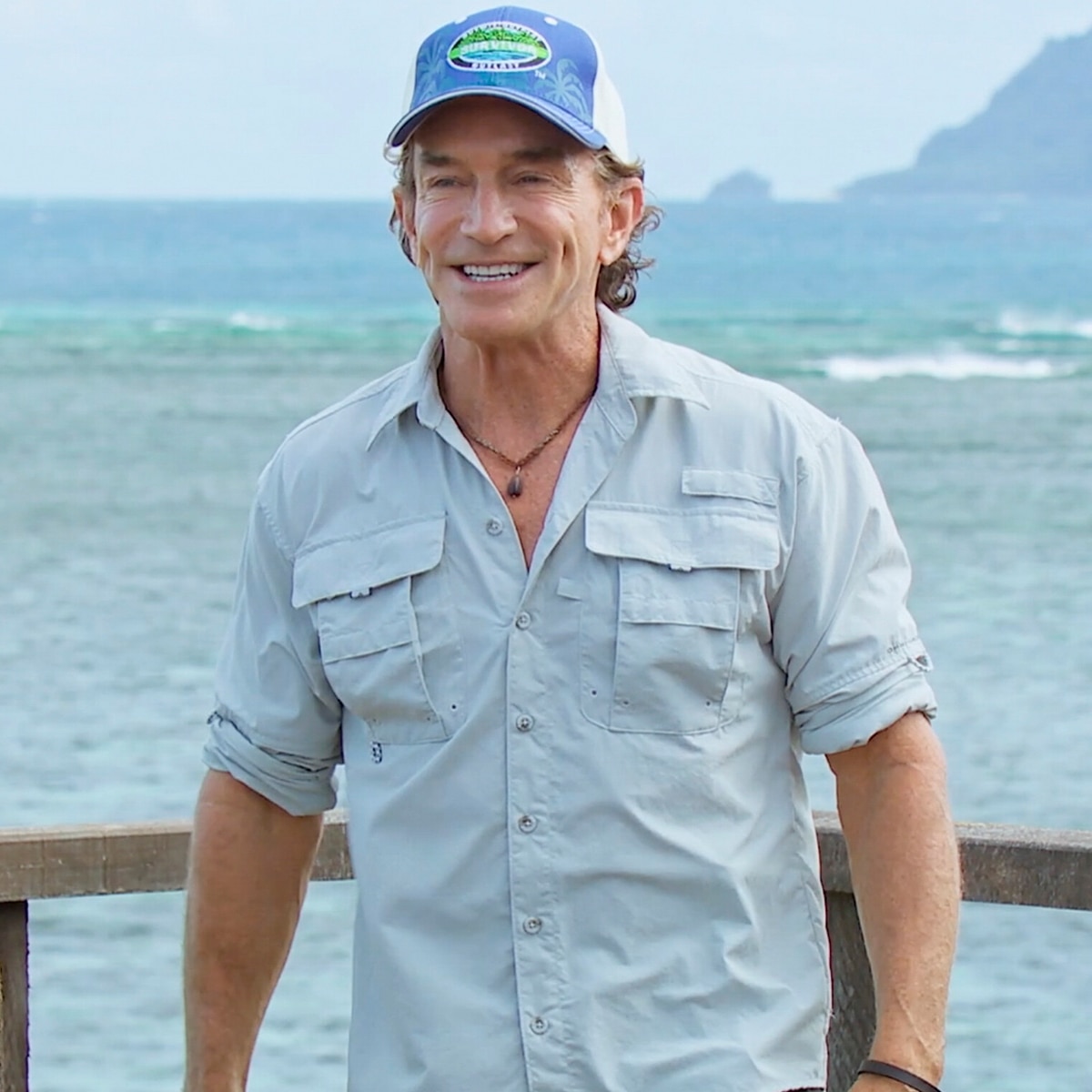
Survivor Host Jeff Probst Accidentally Spoils Season 50 Finale

Jeff Probst, SurvivorJeff Probst has spoken too soon.
The longtime Survivor accidentally dropped a huge spoiler during the season 50 finale on May 20, mistakenly bringing out contestant Rizo Velovic to join the voting…
​E! Online (US) – Top Stories

Categories
Entertainment

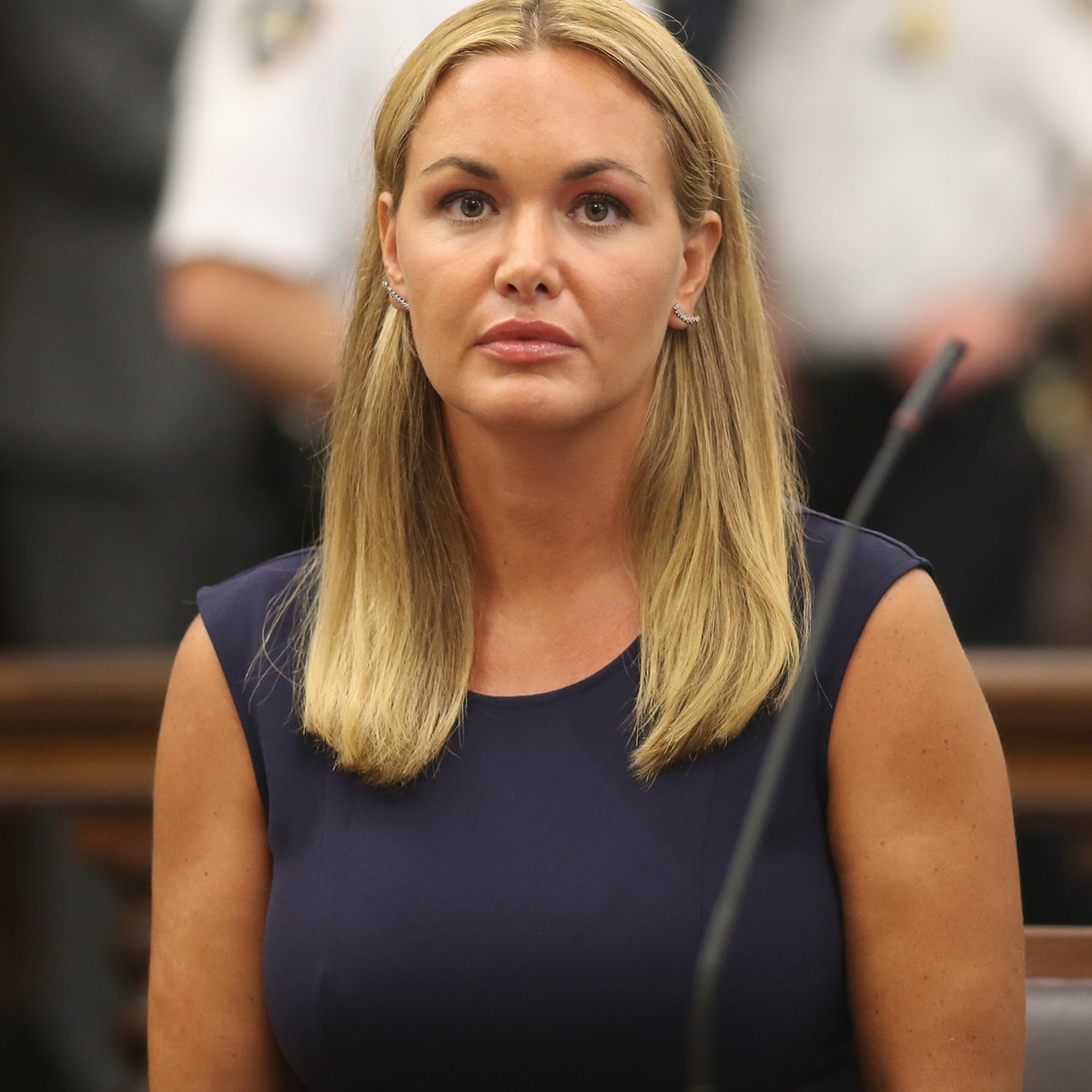
Vanessa Trump Shares Breast Cancer Diagnosis

Vanessa Trump, 2018Vanessa Trump is detailing a recent health battle.
The model and ex-wife of Donald Trump Jr. shared that she had been diagnosed with breast cancer in “a personal health update.”
“While this isn’t…
​E! Online (US) – Top Stories

Categories
Alaska News

Alaska LNG: A personal archive

For a large portion of its route, the proposed in-state pipeline would largely parallel the path of the existing trans-Alaska oil pipeline, pictured here. (Bureau of Land Management photo)

For a large portion of its route, the proposed in-state pipeline would largely parallel the path of the existing trans-Alaska oil pipeline, pictured here. (Bureau of Land Management photo)

Maybe it’s because of the winter we had, with its lingering cold and back-to-back storms, but I’ve been deep in spring cleaning this season. I’ve always hoarded papers — old handouts, notes and fliers — but I’m not organized enough to know what’s where, so it’s always a bit of a surprise where information shows up, and this year, I want to change that.

In March, around the time Gov. Mike Dunleavy introduced his bill asking the legislature to approve tax breaks for the proposed Alaska LNG pipeline, I uncovered a forgotten notebook from 2018. One page contains a statement from an Alaska Gas Development Corporation public meeting assuring attendees that long-term contracts with international buyers would be finalized by 2025. Another page, from another meeting later that year, outlines a timeline promising “first cargo” in late 2024. 

These contradictory notes motivated me to dig through my personal archives, the unlabeled folders in beer boxes and stacks of undated notebooks, for more records of public meetings about this speculative pipeline. Concerned about the impacts the project would have on my neighborhood, Alaska more generally, and the planet, I attended Federal Energy Regulatory Commission meetings and AGDC public relations presentations in the Denali Borough throughout the regulatory process, and I was curious about what I wrote down.

What I found is often frustrating. 

“That’s a good question, next time we’ll bring a geologist,” a FERC official said, in response to concerns about building a pipeline across the Denali Fault. 

“That’s a good point, we should start thinking about Western Alaska energy costs,” AGDC said to people who had been thinking about it for decades. 

Once, someone suggested a bike path could be built on top of the pipeline if its route paralleled the Parks Highway through the Denali Borough. But the bike path or the woman who proposed it were never mentioned again. 

At another meeting, someone who had just arrived in Alaska from a pipeline project in Papua New Guinea told us, in response to questions about safety, that “you can pour [LNG] in a glass, boil it, and drink the water,” as if the question was about drinkability of gas that no one was able to ascertain we’d have access to for utilities, let alone consumption. He said we could learn more on YouTube, which is how I learned about local conflicts and displacements surrounding the Papua New Guinea gasline. In the margins, I wrote a note: “YouTube. No wonder he needed a new job.” They tossed around dates and dollar amounts like confetti. I wrote them down, often accompanied by question marks. 

If this sounds disjointed, it’s because it has been.

Sometimes, presentations would focus on air quality in Asia, and frame Alaska gas, transported hundreds of miles before being shipped across the ocean, as the only viable solution to improving it. The next year, the emphasis would be on endangered polar bears, floating helplessly on diminishing sea ice, whose only hope was that Alaska could contribute methane rather than CO2 to the rapidly warming climate. But by 2022, all pretense of environmental concern had been abandoned, and the AGDC representative who visited Healy told us that investments in sustainability, or the Environmental, Social and Government framework “is killing everybody.” (“Where’s the bears lol” I wrote in my notes. But I think we all know it was never about the bears.)

But the image that has remained most consistent over the decade plus that I’ve been following this process is one I found on a printout of AK LNG-branded slides from 2015. It’s a 3×4 grid, each gray rectangle containing a dollar sign, and a yellow diagonal line representing a general upward trend. It’s accompanied by a second graph, again without numbers, whose bars get taller across an unmarked axis — showing supposed investment in local economies, though that investment was not promised, just vibes, and when asked for specifics, AK LNG representatives answered with vague statements about boroughs or regional corporations maybe stepping in.

According to this decade-old slide, the estimated cost of the project was $45-65 billion, which is quite a range, and interesting given that the number $44 billion keeps getting tossed around now, as if pipeline construction is the one thing that has miraculously gotten cheaper since 2015. 

Following recent legislative hearings, and watching Glenfarne executives attempt to justify their asks for free gravel and tax-exempt passage across state, borough and private lands, it seems that the laughably vague dollar sign graphs are still the best available data. Glenfarne is simply the latest character in a saga that has outlived its welcome.

They haven’t sent out any brochures or hosted any meetings, but I’m trying to write down what they say anyway, so that a few years from now, I can flip though my now organized and labeled folders and highlight the dates that came and went, the promises made and abandoned, just the latest in an archive of corporate lies.

SUBSCRIBE: GET THE MORNING HEADLINES DELIVERED TO YOUR INBOX.

Categories
Entertainment

Mandy Moore’s Rare Comment About Being “Betrothed” to Ex Ryan Adams

Mandy Moore, Ryan AdamsThis is Mandy Moore looking back at her marriage to Ryan Adams.


Indeed, the This Is Us alum made a rare comment about the “Come Pick Me Up” singer while recalling how her now-husband Taylor…
​E! Online (US) – Top Stories

Categories
Entertainment

7 Restaurant Gift Cards Dads Will Love For Father’s Day

Many chain restaurants are offering extra incentives for those buying gift cards for Father’s Day. We’ve rounded up the seven best offers we could find.

​Mashed – Fast Food, Celebrity Chefs, Grocery, Reviews