Gas station food isn’t necessarily known for being high quality, but Reddit says this Hawaiian chain’s fried chicken is some of the best in the U.S.
Mashed – Fast Food, Celebrity Chefs, Grocery, Reviews









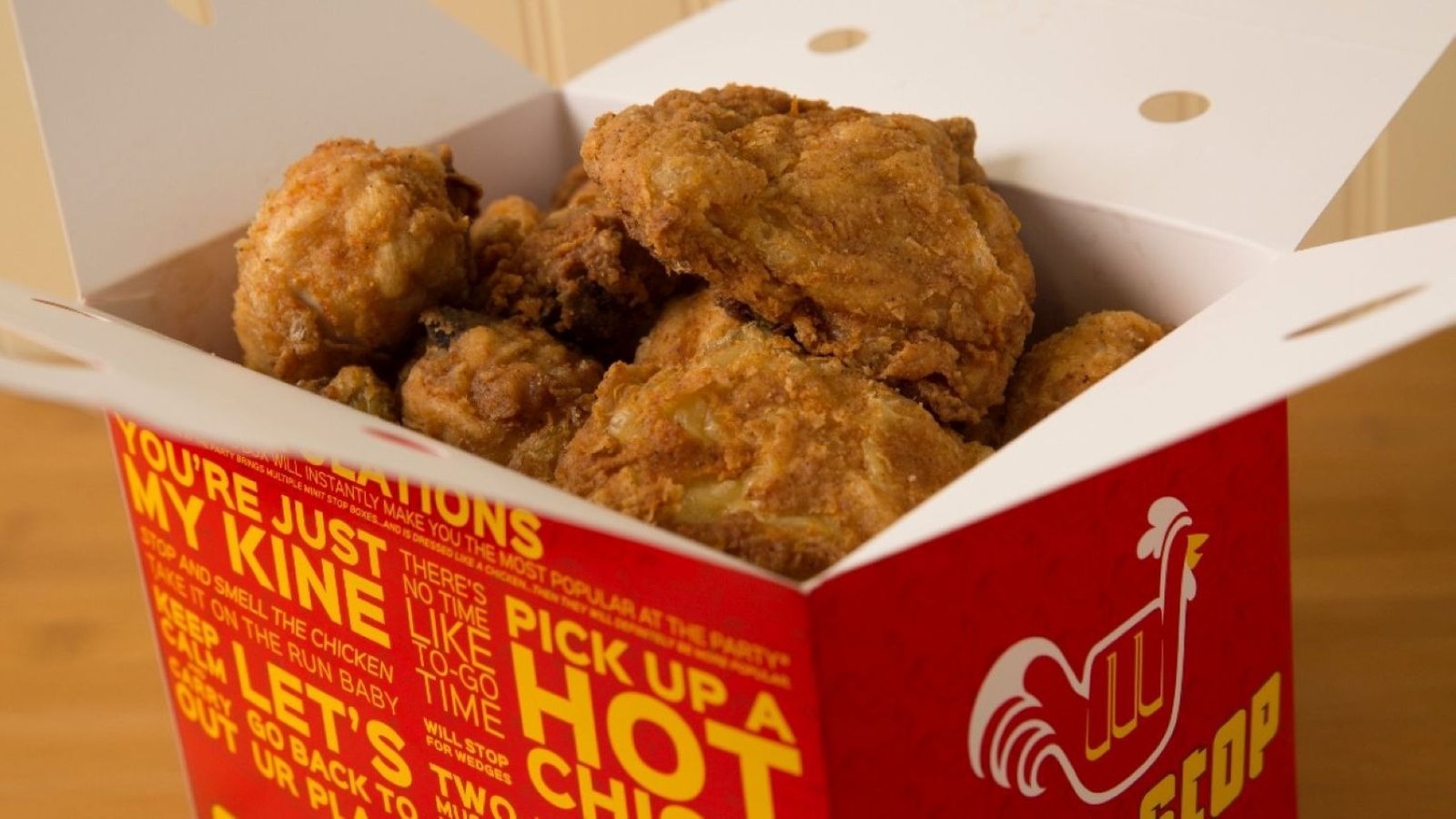
Gas station food isn’t necessarily known for being high quality, but Reddit says this Hawaiian chain’s fried chicken is some of the best in the U.S.
Mashed – Fast Food, Celebrity Chefs, Grocery, Reviews
One way that major fast food chains compete with one another is by introducing new or limited-time menu items. Here are some of the best of 2026 so far.
Mashed – Fast Food, Celebrity Chefs, Grocery, Reviews
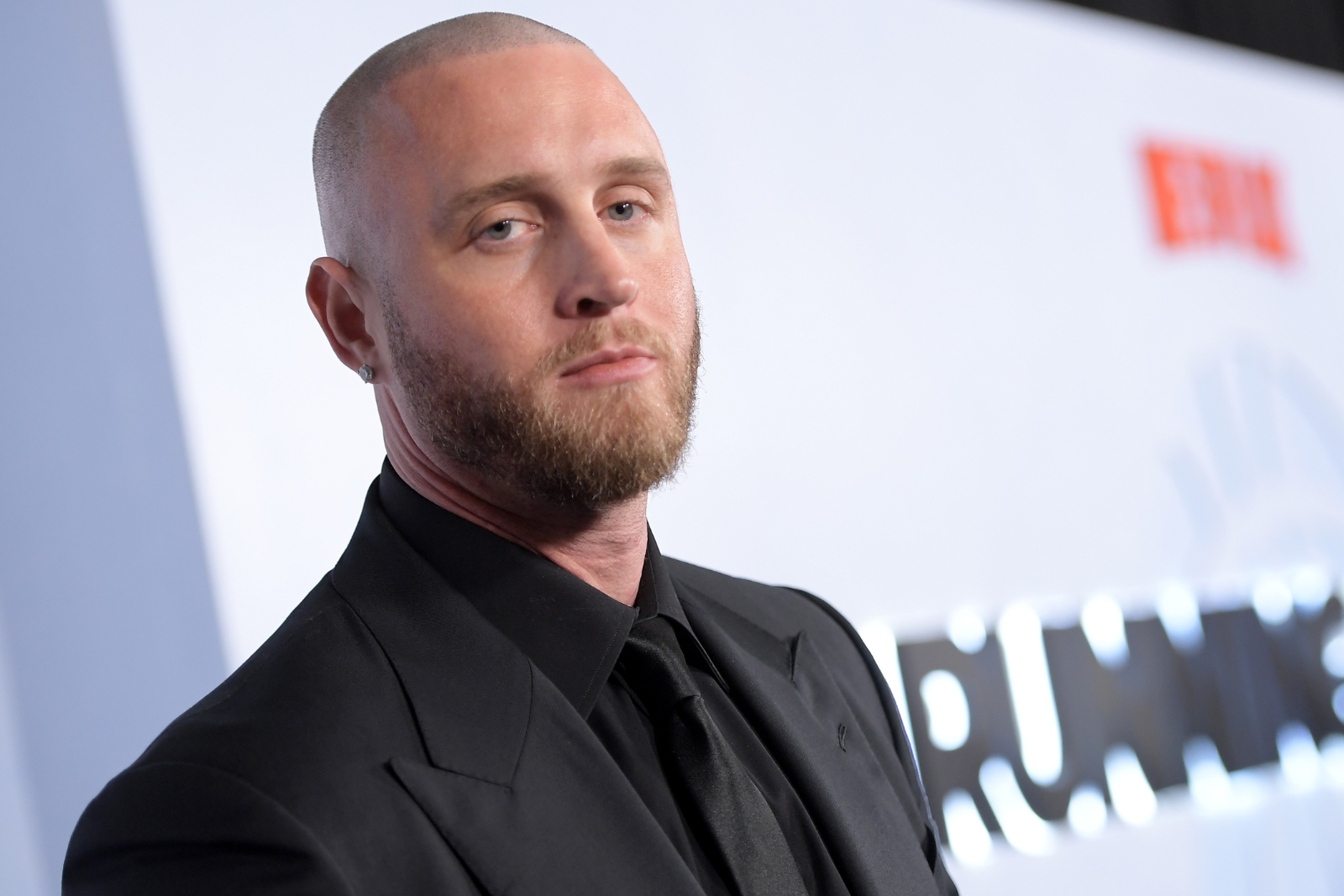
Chet Hanks, son of Hollywood royalty Tom Hanks and Rita Wilson, is embracing life in Nashville as he takes a serious shot at building a career in country music. Continue reading…Country Music News – Taste of Country
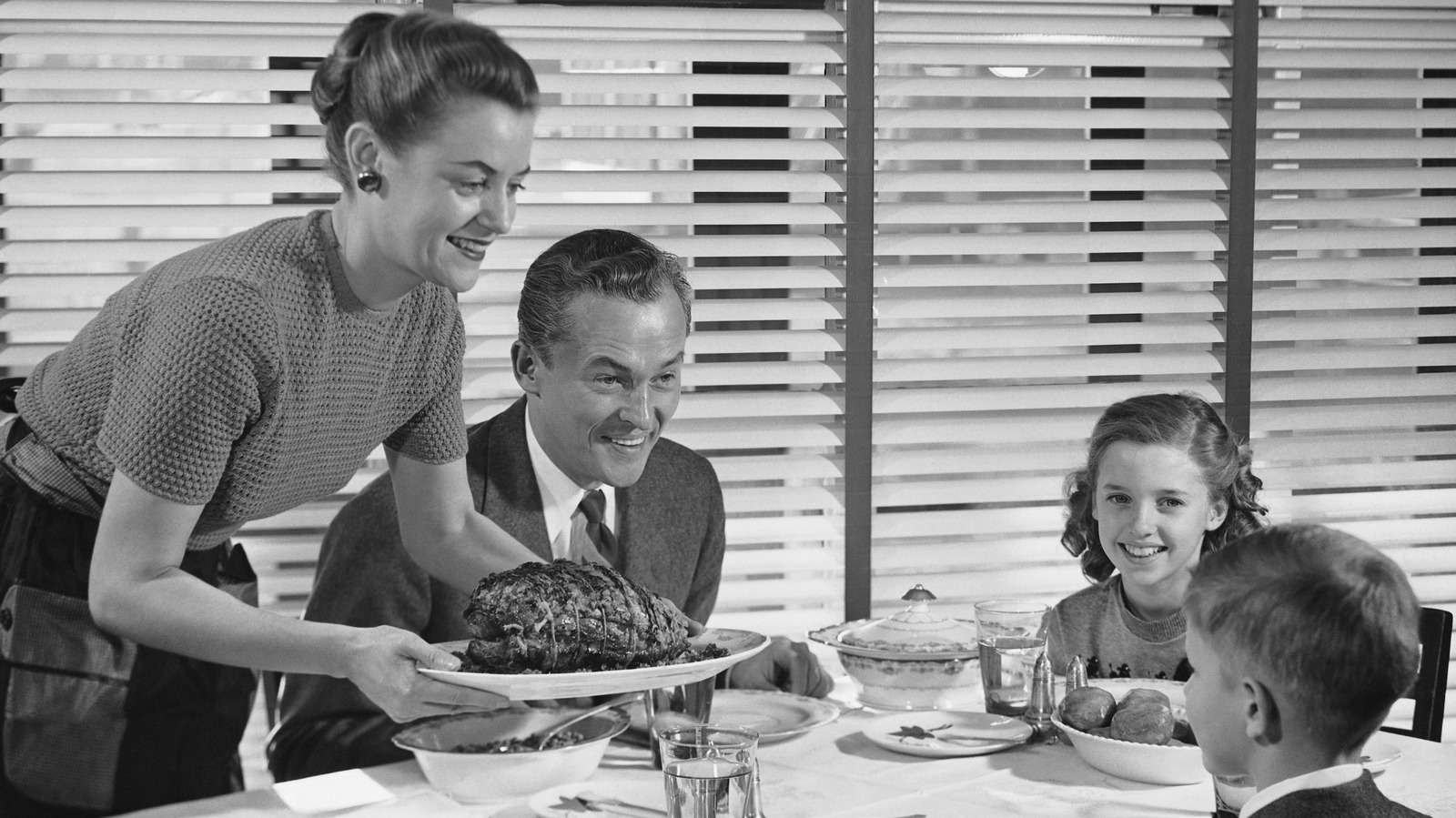
Even accounting for inflation, the cost of a prime rib dinner at a restaurant has risen substantially over the years. Here’s what they cost in the ’60s.
Food Republic – Restaurants, Reviews, Recipes, Cooking Tips
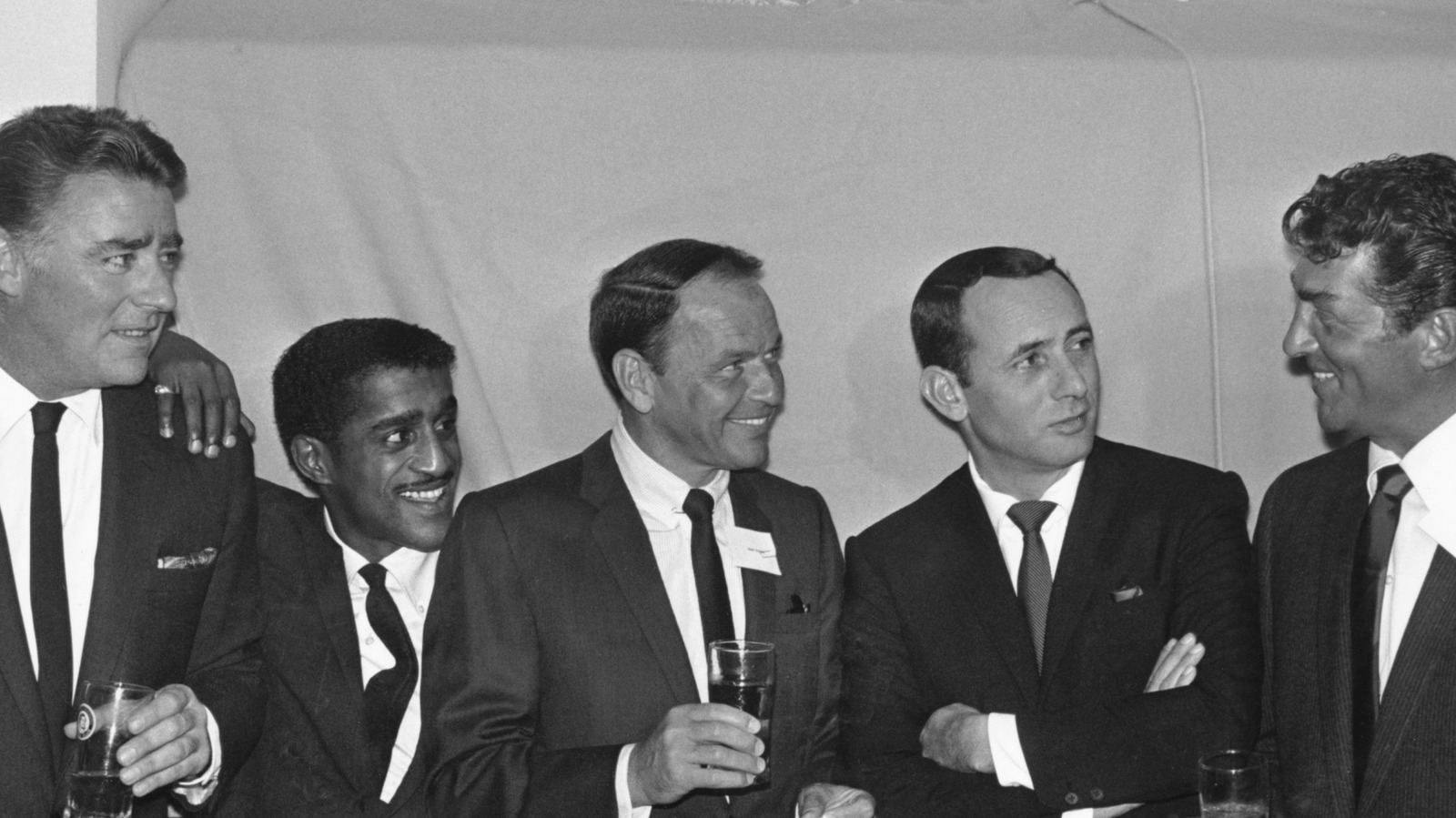
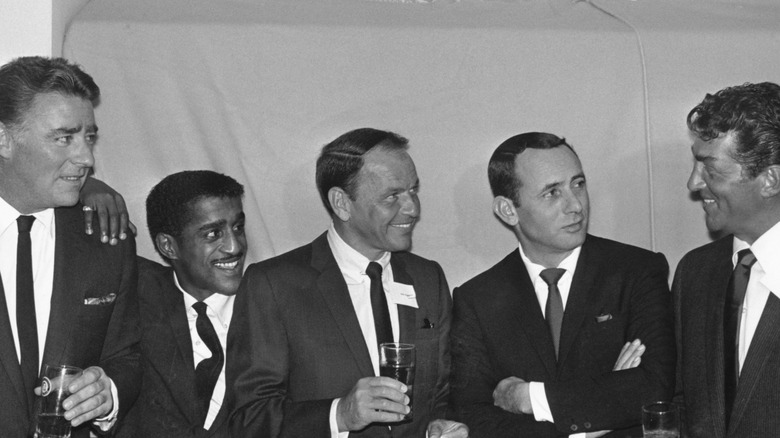
The Rat Pack crafted a brand of mischievous cool that proved to be influential. To drink like Sinatra and friends, you’ll need to get cozy with these beverages.
Mashed – Fast Food, Celebrity Chefs, Grocery, Reviews
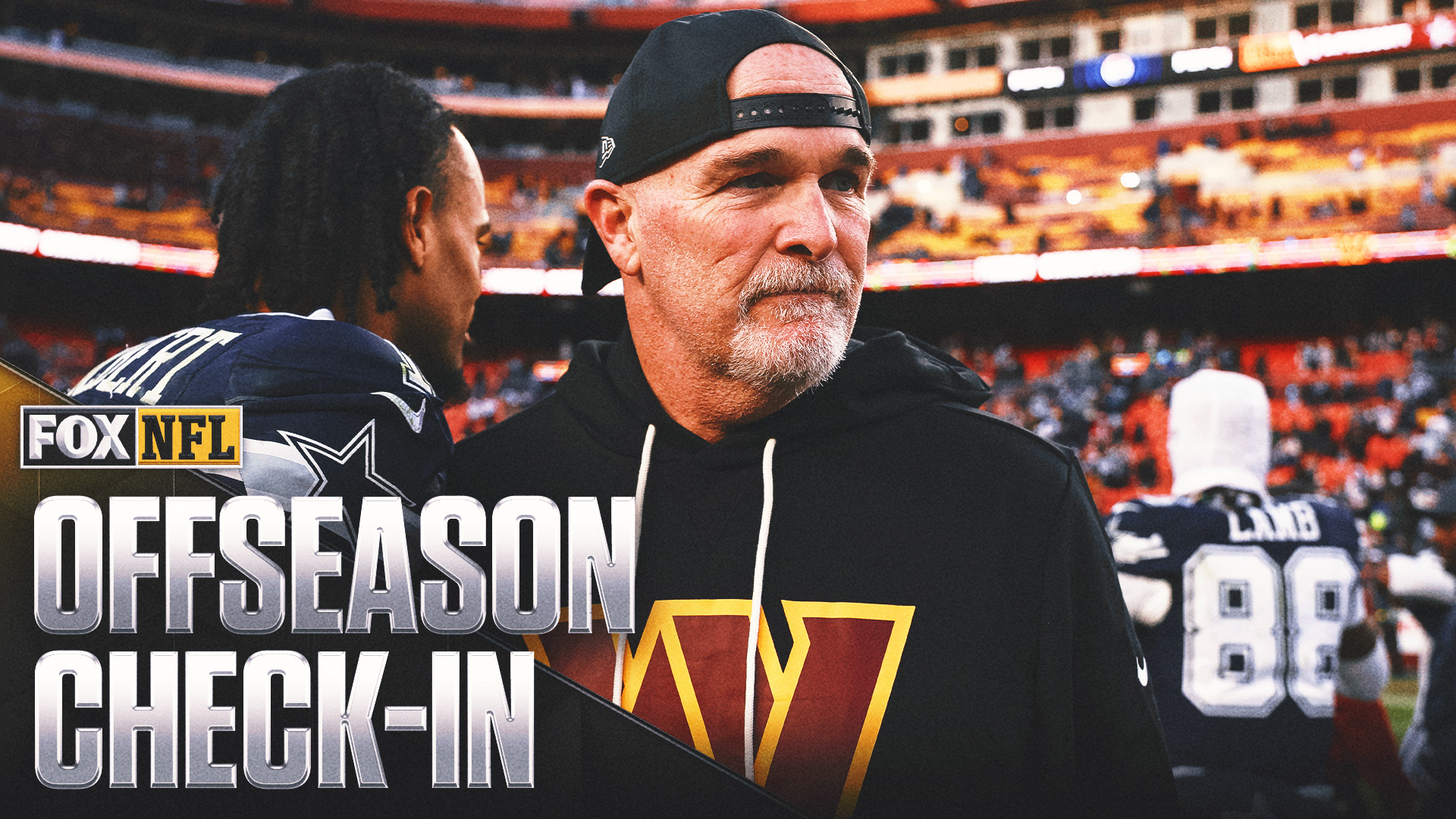
Following a disappointing 5-12 campaign in 2025, Washington Commanders head coach Dan Quinn admitted that it took some time to remove the stench from a season where it felt like nothing could go right for his upstart group. But Quinn’s positive outlook has returned as he prepares for his third season as the Commanders’ head coach. After a busy offseason full of changes in Washington, Quinn opened up to me on why the Commanders opted not to act complacent despite reaching the NFC Championship Game just a year prior. “The easy narrative is to say, ‘Hey man, the injuries – that’s all it was,’” Quinn told me. “But I want to go deeper than that, making sure what we can do better offensively and defensively, and then how do we develop more as an entire team. “It takes a good, strong offseason to dig into areas that you want to improve on. So, we’re putting in two new systems offensively and defensively, much like we did in 2024. I’m excited about that.” Quinn made wholesale changes on offense and defense. That included parting ways with respected offensive coordinator Kliff Kingsbury and promoting quarterbacks coach David Blough to offensive coordinator. The team also hired Minnesota Vikings defensive passing game coordinator Daronte Jones to be their new defensive coordinator, replacing Joe Whitt Jr. after two seasons. With those hirings come the implementation of new schemes. Quinn said learning new schemes has created a sense of urgency for his players as they embark on offseason work. And at the heart of that new learning will be the evolution of Washington’s offense under the leadership of third-year pro quarterback Jayden Daniels, who finished the 2025 season on injured reserve with a dislocated elbow. Daniels told me back in February at the Fanatics Flag Football Classic that he’s fully healthy, and his offseason work began well before the start of organized team activities (OTAs). A Southern California native, Daniels’ regimen back home has included throwing with teammates Terry McLaurin, Dyami Brown and Rachaad White at UCLA. As Quinn is tasked with keeping Daniels healthy, the Commanders’ head coach said that Washington’s new offense under Blough will include more plays under center and a renewed focus on the play-action game. That’ll include heavier formations to better keep the 2024 NFL Offensive Rookie of the Year out of harm’s way. But that will be a major change from what the Commanders did last season. They ran a league-low 112 snaps under center in 2025, and Daniels completed 22-of-41 (53.7%) passes for 305 yards, two touchdowns and zero interceptions with a 94.1 passer rating on play-action passes last season, per Next Gen Stats. “When you’re under center, it does add value for the play-action game — some of the deep shots that can go down the field,” Quinn told me. “And primarily, some of that is just based on protections with the tight ends and backs being involved for some of the deeper developing routes. “When you can add that to your game, that’s a big deal. So, that was one that we felt was worth going through. How much under center? That will be determined as we get through spring and training camp. But it will definitely be a bigger part of the offense for sure.” While Quinn worked to make Daniels’ life easier with a new scheme, Commanders general manager Adam Peters is attempting to do that by adding more playmakers to Washington’s offense. The Commanders signed versatile running backs Jerome Ford and White in free agency, along with playmaking tight end Chig Okonkwo and receivers Van Jefferson and Brown. Peters also shuffled the Commanders’ offensive line this offseason. They released starting center Tyler Biadasz as part of a cap-clearing move in order to sign those aforementioned playmakers. But Nick Allegretti will shift from guard to center, giving Washington some continuity up front. And Washington continued to add to its depth chart of playmakers in the draft. Peters grabbed slot receiver Antonio Williams out of Clemson in the third round and Penn State product Kaytron Allen in the sixth round. Williams ran a 4.41-second, 40-yard time at the NFL Scouting Combine after posting over 1,500 receiving yards and 15 touchdowns in his final two seasons at Clemson. He’s got an athletic build similar to another effective slot receiver Quinn is familiar with from his time with the Seahawks in Seattle Pro Bowler Doug Baldwin. The hope is that Williams can develop into a solid contributor as a complementary receiver opposite McLaurin. “We saw the route running and ability to change direction – to run option routes and break somebody’s leverage,” Quinn told me of Williams. “And we also saw the ability for him to play outside as a Z receiver (flanker), where the deeper developing routes can take place. “We just saw the demonstrated pass catching and route running. He had a very accomplished career there, in terms of what it takes to play in the NFL. We’re excited to add him to our crew.” Seventh-round pick Jacory Croskey-Merritt popped in his rookie season, leading in Washington in rushing yards (805) and rushing touchdowns (8). Joining him in the backfield with Ford and White is Allen, who finished his time in college as Penn State’s all-time leading rusher. “He has good size and likes to get downhill,” Quinn told me about Allen. “Having another back that has size, can put his foot in the ground and be aggressive, those are the styles of running backs that carry. We’re excited to put him in the mix and let the whole thing kind of develop.” The Commanders might not be finished with adding talent around Daniels yet, either. There’s still a chance Washington can add veteran wide receiver Brandon Ayiuk, who was Daniels’ teammate at Arizona State. San Francisco is expected to release him at some point this offseason, and Peters is familiar with Aiyuk from his time working in the 49ers’ front office, being a part of the group that drafted the talented wide receiver in 2020. And if Aiyuk can move past the ugliness that occurred in San Francisco and is healthy, he would provide a boost to Washington, which did not bring back Deebo Samuel in free agency. While the Commanders made several moves on offense this offseason, the splashiest moves they made were on the defensive side of the ball. They signed edge rushers Odafe Oweh and K’Lavon Chaisson, along with versatile Kansas City Chiefs linebacker Leo Chenal, in free agency, as Quinn told me the goal is for Washington to get back to having the opportunistic defenses he created during his time with the Dallas Cowboys and Seahawks. That means bringing in more speed, pass-rush ability and versatility up front. The centerpiece of that goal and Quinn’s revamped defense was the selection of athletic dynamo linebacker Sony Styles with the seventh overall pick in the 2026 NFL Draft. At 6-foot-5 and 248 pounds, Styles can take over as the green dot, defensive play caller of Washington’s defense. Peters saw up close the impact a do-it-all inside linebacker can have on a defense in San Francisco in Fred Warner. Quinn had the same experience as defensive coordinator for the Seahawks when Bobby Wagner, who played the last two years as the man in the middle of Washington’s defense, served in that role as a rookie, second-round draft pick for a Seattle defense that went to back-to-back Super Bowls. “What I like about Sonny is he has the traits — the work, the love of it and the discipline to go and do extra,” Quinn told me. “That carries from college into pro ball. And he’s hungry. Those are just a few things that he can bring to us. “I have a sense that he’s going to be excellent at a lot of spots, but one of the things he didn’t do a lot of at Ohio State was blitzing. But I think with his speed and his length, I’m excited to develop that part of his game, too.” The big investments the Commanders made on defense come after they had a rough performance on that side of the ball in 2025. They ranked last in yards allowed and their 10 takeaways were second from the bottom, with the New York Jets’ historically poor season producing fewer takeaways. The Commanders totaled 42 sacks last season, tied for 12th in the league, but their pass rush win rate (36%) was 18th in the league. Quinn believes adding more juice up front will improve those numbers, creating a more dangerous defense that can consistently get the ball back to Daniels and the offense. “We want to put physical pressure, mental pressure and some frustration and doubt into the offense,” Quinn told me. “Fear in some ways. And some of the best ways to do that is to deploy people at different spots, different locations. When they make a check, you make one as well. “Knowing there is uncertainty and decision-making that has to take place post-snap, that’s when you can really play good defense. Because if you’re giving some of these QBs too much information too early, they are so elite that the completions are high and they can control the game that way. You want to have enough in your toolbox to disrupt that, frustrate that and not allow that to be that way. It takes some risk to have this disguise or this location with a player, but at the end of it, it’s worth it because you’re not the one getting worked for the information. It’s like, you better figure this out after the snap.”Latest Sports News from FOX Sports
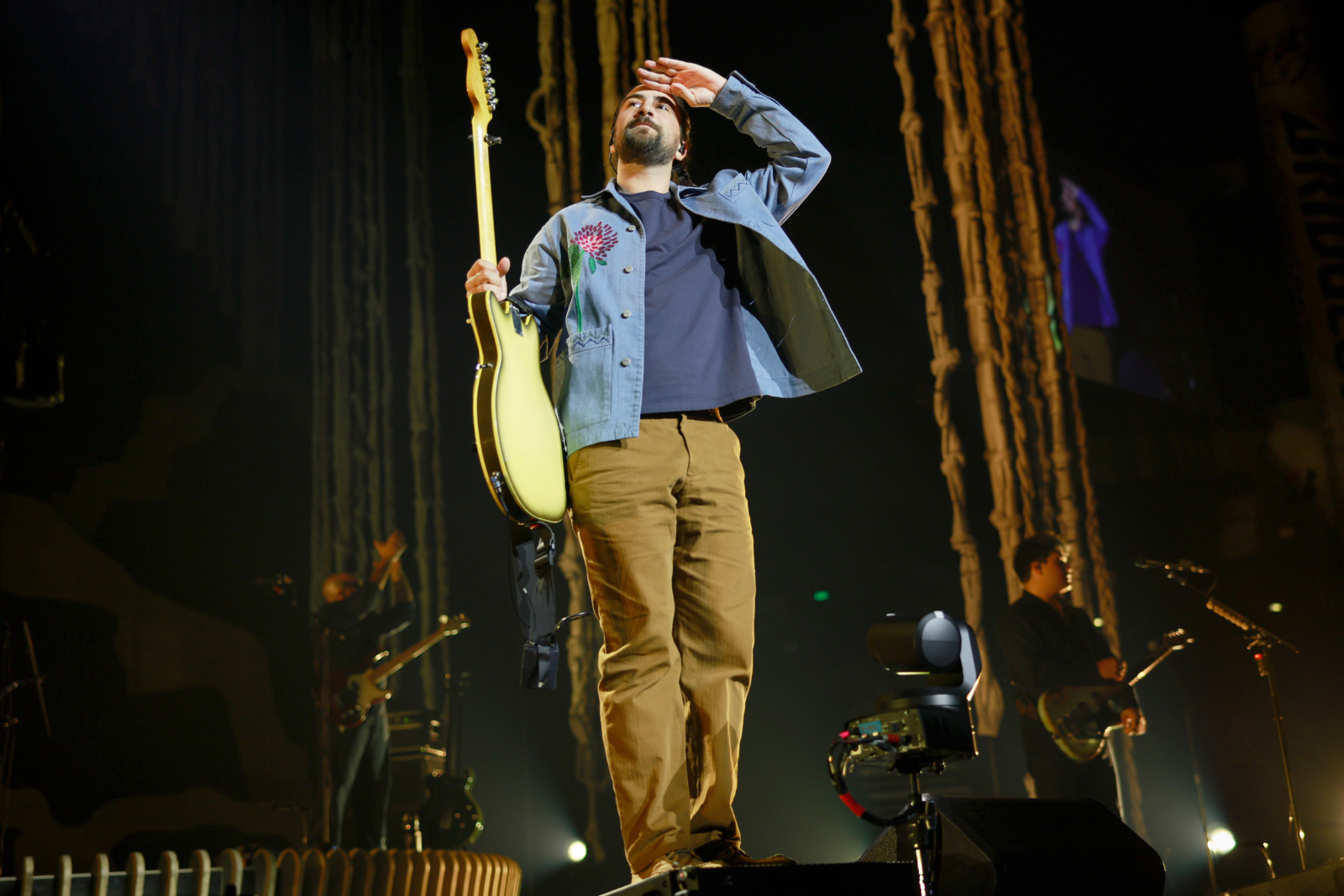
Noah Kahan is reflecting on the death of his friend Carlo and the lesson that stayed with him long after the loss. Continue reading…The Boot – Country Music News, Music Videos and Songs
Noah Kahan is reflecting on the death of his friend Carlo and the lesson that stayed with him long after the loss. Continue reading…Country Music News – Taste of Country
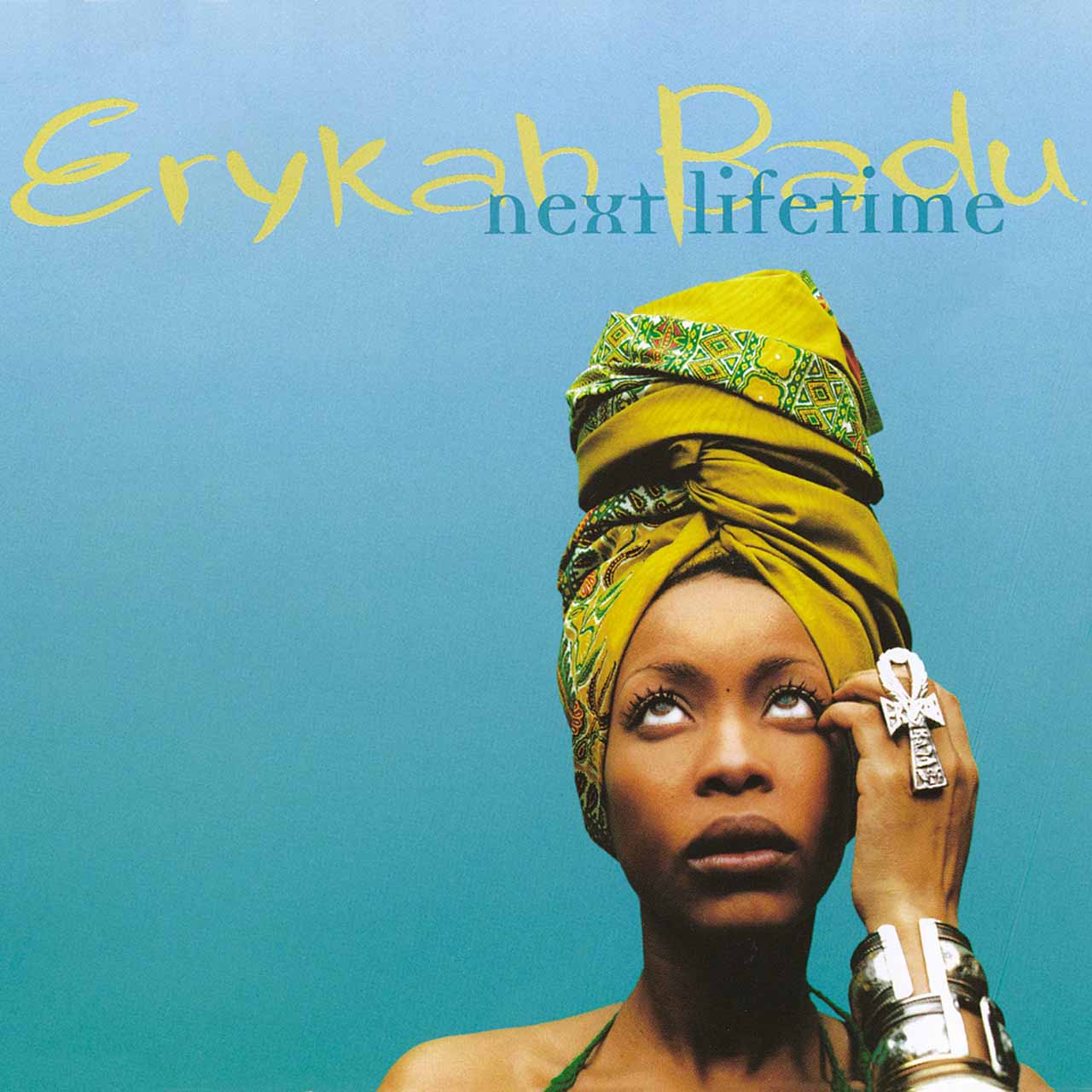
“Next Lifetime,” the second single from Erykah Badu’s debut album Baduizm, is a sweeping love story where the stakes of losing the “one that got away” hinges on transmigration. Why get caught up in the missed opportunities of this plane when there are infinite lifetimes to explore a connection? The song’s cinematic music video takes this prompt and expands it even further. Starting in what looks like an African village, we find Badu greeting elders, carrying baskets, and finding love while fetching water. She locks eyes with another villager (played by Pete Rock), but the timing is bad, her husband (played by then-boyfriend Andre 3000) appears with a baby on his back as she looks wistfully across the pond at what could have been.
A kiss on her ankh tattoo transports us to another century, or another lifetime, in 1968, where in the heat of Black Power she encounters the second coming of her missed connection from the rural village – except this time he’s a spirited activist. They fall into a relationship only for fate to play another trick. In this century, though she’s found her lost love, a character played by Method Man catches her eye, sending her back down the spiral of longing.
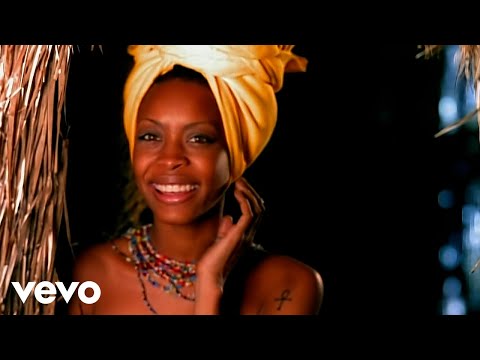
A near-death encounter where Method Man’s character seems to save her life sends us barrelling into another century, another lifetime, where her previous life’s savior is her new lover in a place called Motherland 3037. In this futuristic landscape which is highlighted by neon colors and references to African tribal ceremonies, Badu is the queen to Method Man’s king but of course, as fate would have it, there’s another love to be had in the ensuing lifetime. This time, in a full circle moment, it is again with Andre 3000.
Ever the teacher, Badu uses a love story to situate herself in the past, present, and ever-expanding future of Black folk. From the motherland of the past to the motherland of the future, the video transcends mere romance between two people and instead spells out a love for the people. It is a love that is buoyed by a deep, rich history and anchored in the belief of the cyclical nature of the world, of reincarnation, and of community. The song reached number one on the R&B and hip-hop airplay chart in May of 1997, but it remains a fan favorite today and will likely remain so for lifetimes to come.
Listen to Erykah Badu’s “Next Lifetime” from Baduizm on Apple Music and Spotify.
Discover more about the world’s greatest R&B artists | uDiscover Music
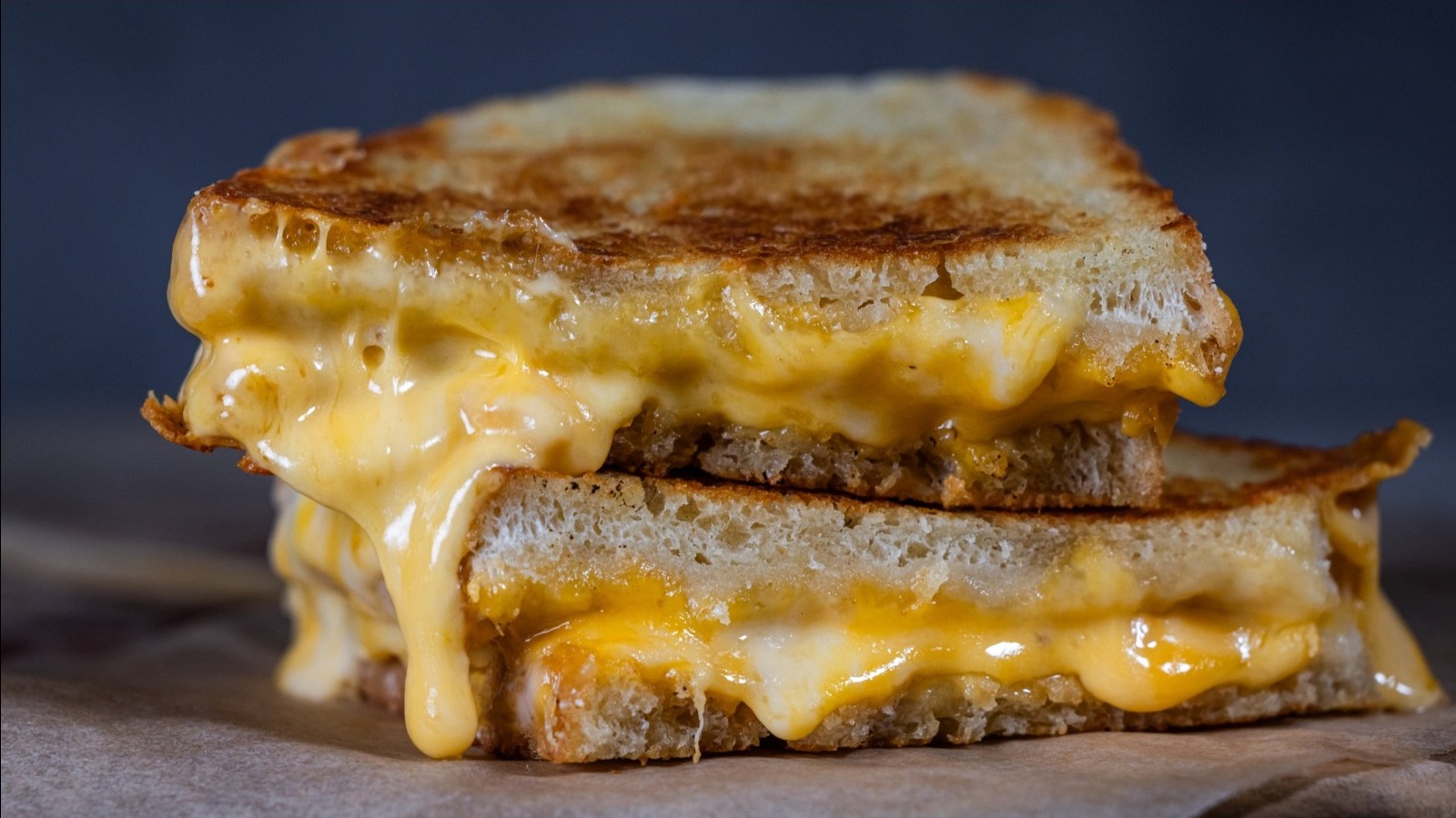
A grilled cheese sandwich can sound basic to the point of being boring. However, the right variety of ingredients makes it tasty and exciting.
Mashed – Fast Food, Celebrity Chefs, Grocery, Reviews