Imagine stepping into the shoes of a classic film character while launching a new album. That’s Riley Green for you! Continue reading…Country Music News – Taste of Country









Imagine stepping into the shoes of a classic film character while launching a new album. That’s Riley Green for you! Continue reading…Country Music News – Taste of Country
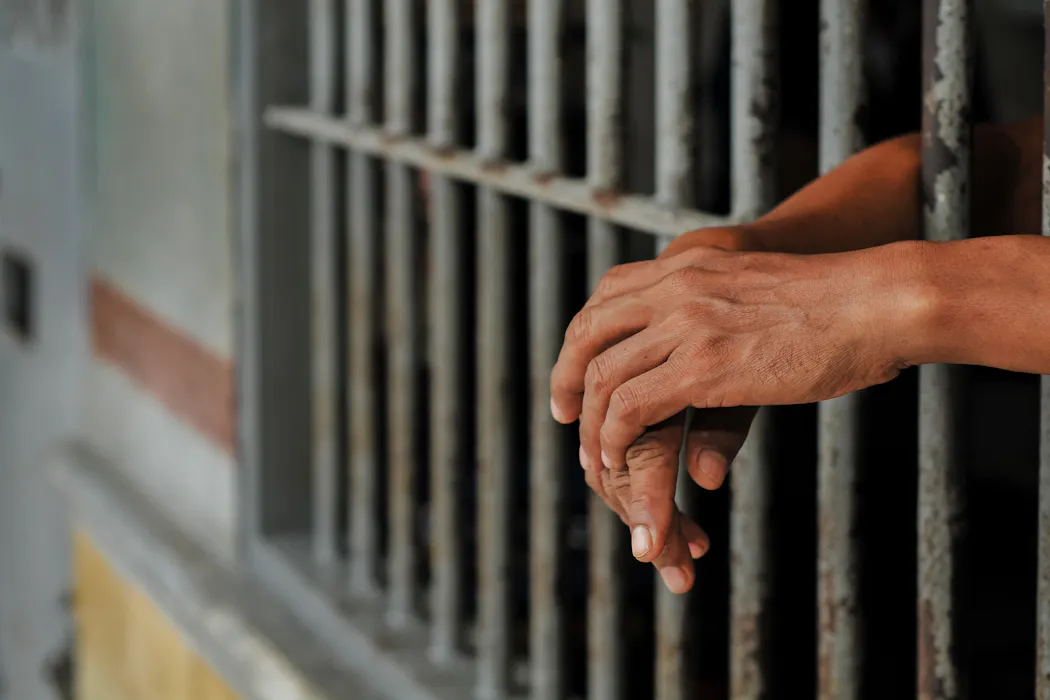
Colorado voters passed Amendment A, a ballot measure touted as an end to slavery in state prisons in 2018. The amendment eliminated the penal exception clause, which allowed the state to use forced labor in addition to incarceration as a punishment for crime.
Colorado was the first of eight states to repeal its penal exception clause. Advocates for the policy change hoped it would prevent forced labor for little pay. Colorado pays incarcerated workers between US$0.33 and $1.61 per hour for maintenance jobs such as cooking, cleaning and groundskeeping.
Nationally, the elimination of state penal exception clauses has had little impact on incarcerated workers. Lawsuits in Colorado and Alabama have alleged that forced labor continues despite the policy change.
My research examines prison conditions and programming, including work programs. I wrote my doctoral dissertation on state and federal prison industries, which sell goods produced by incarcerated workers to government agencies.
In 2022, the plaintiffs who brought a class action lawsuit, Mortis v. Polis, alleged that the Colorado Department of Corrections violated the amended state constitution by punishing incarcerated people who refused mandatory work programs. The punishments included solitary confinement and use of force.
Incarcerated people also reported the loss of good time and earned time credit, which are two sentence reduction incentives based on participating in work programs. Additionally, they reported loss of privileges like phone calls and family visits.
During the trial, David Lisac, deputy director of the Colorado Department of Corrections prison operations, testified. He said the department had neither changed its policies in response to the amendment nor attempted to ascertain whether the department was in compliance with the amendment.
In February 2026, the court ruled that the department and Gov. Jared Polis violated the state constitution by forcing people to work. The ruling specified that use of force and isolation for failure to work were unconstitutional. On the other hand, the court dismissed the plaintiffs’ claims that withholding privileges or credits constituted involuntary servitude.
Whether the decision will have an impact on work conditions in Colorado prisons remains to be seen.
When the 13th Amendment to the U.S. Constitution abolishing slavery passed in 1865, the penal exception clause allowed for slavery only as punishment for a crime. Along with Jim Crow laws that criminalized Blackness, the loophole allowed for the legal re-enslavement of Black Americans to financially benefit the state. The penal exception clause also allowed prisons to continue to operate as they had prior to the 13th Amendment. Historically, prisons in Colorado and across the U.S. used the labor of incarcerated workers and paid them little to nothing.
This included the establishment of state penal farms on former slave plantations and widespread convict leasing of incarcerated workers’ labor to private companies. Chain gangs to build railroads were also established during this time.

The Colorado Constitution, drafted and approved a decade later in 1876, included a provision that mirrored the 13th Amendment. Article II, Section 26, Colorado’s penal exception clause, stated: “Slavery prohibited. There shall never be in this state either slavery or involuntary servitude, except as a punishment for crime, whereof the party shall have been duly convicted.”
Opposition to forced labor in prison took many forms. Those include the Attica uprising in 1971, attempts to unionize incarcerated workers and prison labor strikes.
Colorado’s penal exception clause was eliminated in 2018. Following Colorado, legislation and ballot measures were introduced in many states and at the federal level.
Colorado and states across the country use incarcerated workers to do almost all the jobs of running the prison. Paying prevailing wages would significantly increase operating expenses. A cost-benefit analysis of paying incarcerated workers full wages for their work, by Edgeworth Economics, an economic consultancy firm, estimated the increase of expenses to fall between $8.5 billion to $14.5 billion nationwide.
Incarcerated people use earnings from their work to purchase food and hygiene products from the commissary. In addition, many derive meaning and purpose from work, which is important for mental health.
Refusing to work can also lead to harsh consequences. The Colorado lawsuit plaintiffs alleged that they experienced solitary confinement, isolation in their cells, loss of phone calls and visits, and loss of good time and earned time credits for failure to work. Solitary confinement harms mental health, and phone calls and visits are essential for family connectedness. Good time and earned time credits accrued through work can speed up release and are an important motivator to work, regardless of working conditions.
Simultaneously, incarcerated people risk retaliation for speaking out about prison conditions. For example, the incarcerated men who started the Free Alabama Movement to end forced labor in 2013, and featured in the popular 2025 documentary film “The Alabama Solution,” were later transferred to solitary confinement.
Some prison labor is recognized as employment and paid the minimum wage – in theory. Nationally, private-sector Prison Industry Enhancement Certification Program and work release employers are required to pay the prevailing minimum wage to their incarcerated employees. However, states always take deductions for room and board, transportation, victims services, court fees and the like. In some cases, up to 80% of an incarcerated person’s wages are deducted. That means take-home pay often remains low.
But 97.4% of incarcerated workers labor for government entities directly and are paid less than a dollar an hour.
They also lack protections. They are not covered by the Fair Labor Standards Act, which provides minimum wage rights and provisions for overtime pay. Nor are they covered by the Occupational Safety and Health Administration, which enforces worker’s compensation and rights to safe working conditions. If an incarcerated worker is injured on the job, they are entitled to medical care, like anyone else in prison, but they have no right to financial compensation or sick days.
Adapting the private-sector pay structure for all work in prison could result in fair wages – that’s if deductions are revised to be fair as well. Researchers estimate that paying fair wages to incarcerated workers could produce up to $20.3 billion annually in income to them directly, and benefits to families, crime victims and the economy through child support payments, restitution payments and taxes. Furthermore, fair wages would allow people to support themselves during incarceration and save for when they are released, which could have a meaningful impact on well-being during and after incarceration.
Reforms, such as adjusting pay structures or removing the penal exception clause, may improve working conditions for incarcerated people. But researchers have asserted that prison labor will always be inherently coercive. Incarcerated workers have limited options to earn money and work toward an earlier release date, which undoubtedly influences their choice to work.
Read more of our stories about Colorado.

Julia Bowling does not work for, consult, own shares in or receive funding from any company or organization that would benefit from this article, and has disclosed no relevant affiliations beyond their academic appointment.
Politics + Society – The Conversation

Contrary to the “Thanks a lot, boomers” phrase often uttered by younger generations, we think these boomer exercise trends deserve to make a comeback.

Health Digest – Health News, Wellness, Expert Insights
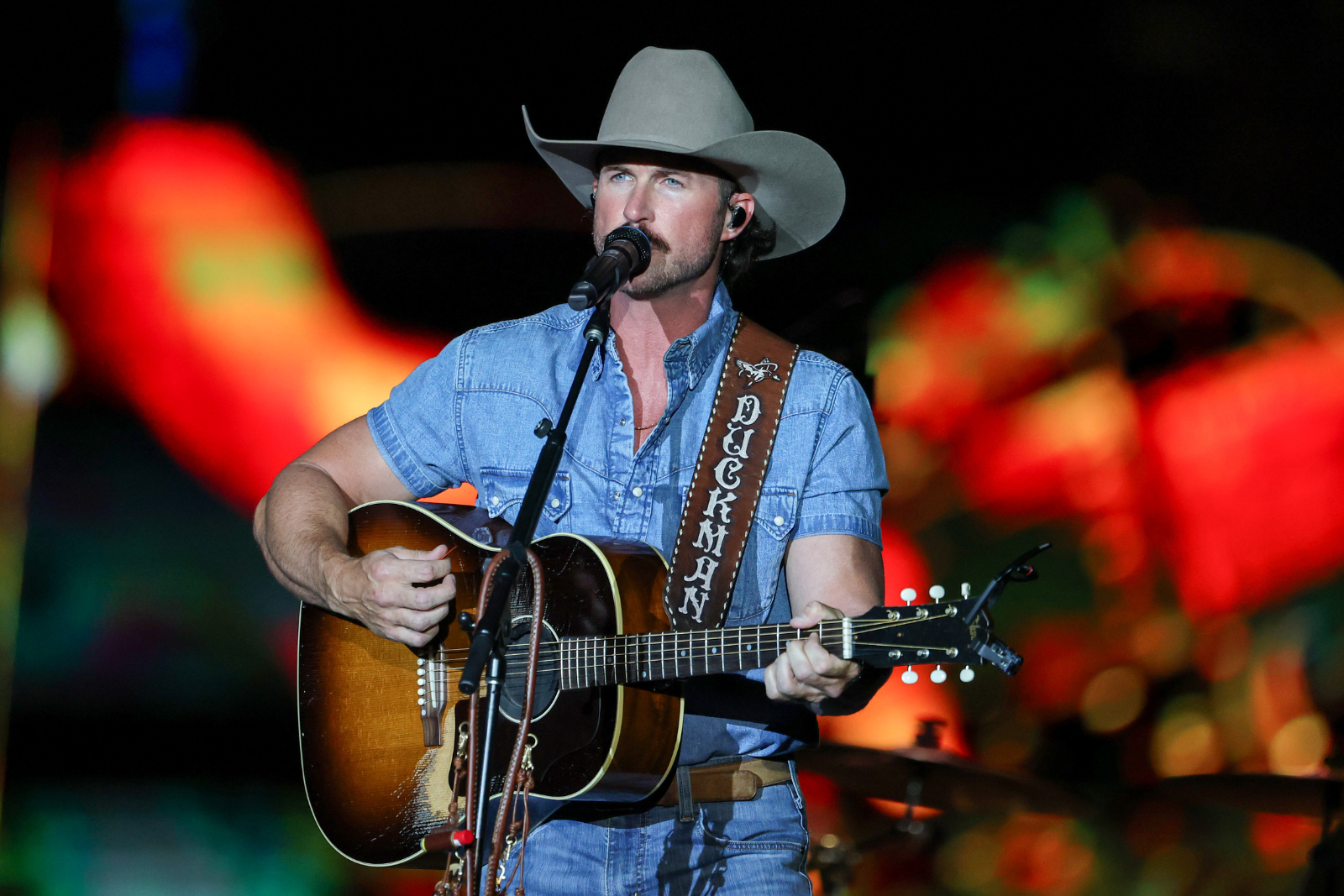
Riley Green is juggling touring, acting and TV coaching — but says the toughest part of his career right now is something surprisingly simple. Continue reading…The Boot – Country Music News, Music Videos and Songs
Riley Green is juggling touring, acting and TV coaching — but says the toughest part of his career right now is something surprisingly simple. Continue reading…Country Music News – Taste of Country
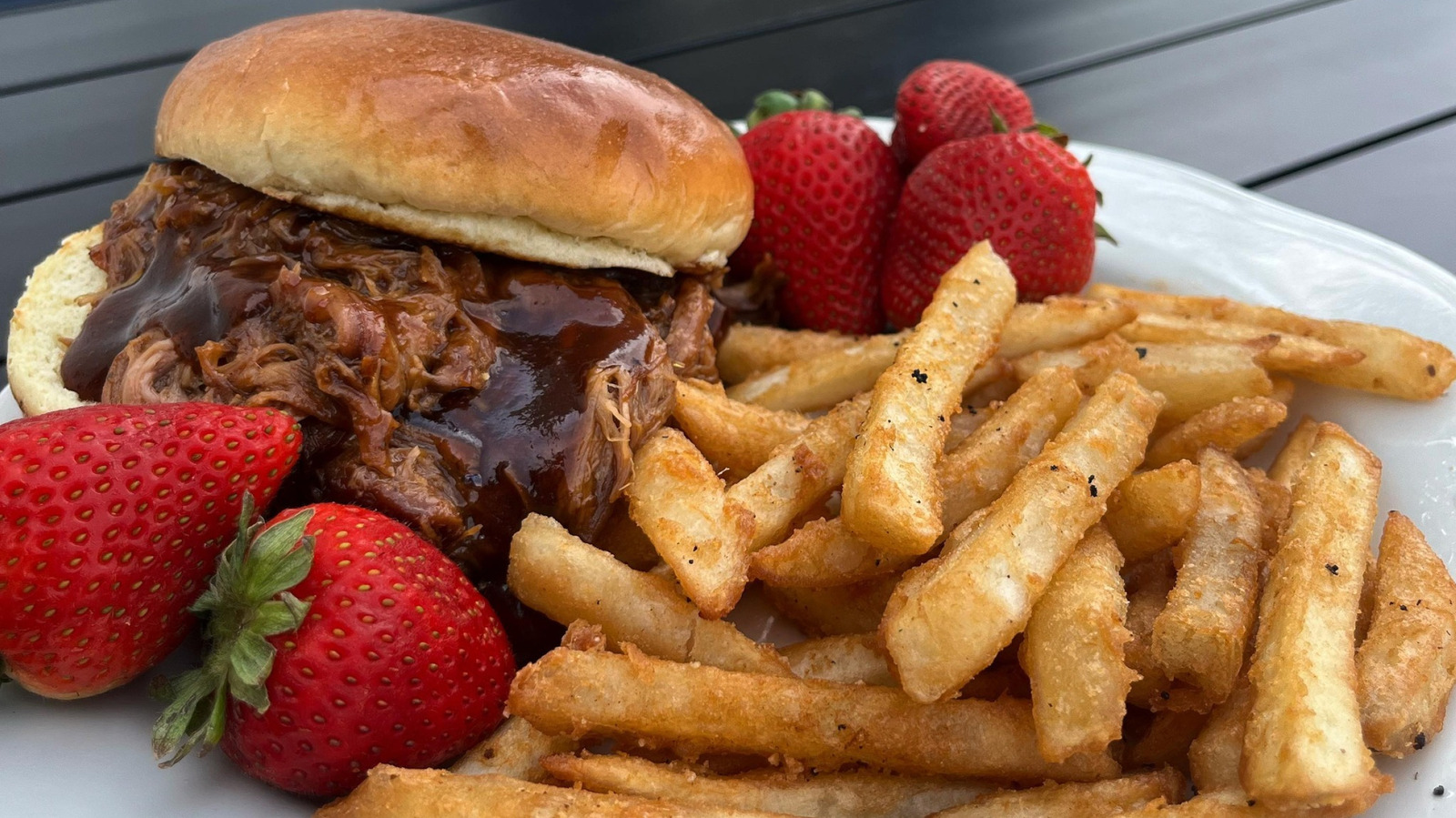
You might think that the oldest restaurant is in Chicago, and while it’s closeby, it’s in another little town, serving guests continuously since 1847.
Food Republic – Restaurants, Reviews, Recipes, Cooking Tips

Tim McGraw returns with deeply personal and patriotic new songs, including “Pawn Shop Guitar,” which looks back at his early days chasing music. Continue reading…The Boot – Country Music News, Music Videos and Songs
Tim McGraw returns with deeply personal and patriotic new songs, including “Pawn Shop Guitar,” which looks back at his early days chasing music. Continue reading…Country Music News – Taste of Country

Americans still aren’t sold on President Donald Trump’s economy — and many say the Iran war is making their financial situation worse.
Six months after The POLITICO Poll first found deep concern among voters, new results show Trump has been unable to improve their perception of the high cost of living and who is to blame.
In November, nearly half of Americans said the cost of living is the worst they can remember — as of May, 53 percent still say the same. In November, 46 percent of Americans said Trump holds full or most of the responsibility for the state of the economy — as of May, that number is virtually unchanged.
Now, a plurality say their finances have only worsened since Trump took office, including 18 percent of the president’s 2024 voters, according to the May survey conducted by Public First.
The findings underscore how Trump has struggled to find a winning midterm message on affordability, even as the economy remains healthy by many indicators. The president’s tendency to go off script, despite his allies’ urging, has further muddied GOP efforts. And the unpopular Iran war has Republicans barrelling toward November with voters’ financial fears remaining a stubborn, lingering political liability.
A majority of Americans say Trump has not done enough to protect them from the economic fallout from the war, which has caused gas, food and flight prices to spike. More than 60 percent — including majorities of both Trump voters and people who backed former Vice President Kamala Harris in 2024 — say the war has made things more expensive for them overall.
“A major challenge for [Joe] Biden was that, as prices rose and worries about inflation took hold, the response from the Biden administration was that inflation was ‘transitory,’” said Kevin Madden, a longtime GOP communications strategist.
“Trump faces a similar predicament. As prices rise due to tariff and trade policies and global conflict, the response that it’s a hoax or not true is just a very discordant message given that so many voters are feeling a budget pinch right now,” he added.
The Iran war is increasingly overshadowing the Trump administration’s domestic economic messaging, as officials often get peppered with questions about oil and gas prices and battleground Republicans grow anxious that the extended conflict could hurt their chances in key Senate and House races this November.
The survey shows that Republicans’ attempts to place the economic blame on Biden aren’t resonating: Just 28 percent of Americans say the former president holds full or most of the responsibility for the current U.S. economy, compared with nearly half who lay much of the blame at Trump’s feet.
“The sooner the war winds down, the better for Trump when it comes to prospects in the midterms because the price of gas is so intricate in the notion of affordability,” said one Florida-based Republican strategist granted anonymity to speak candidly.
White House spokesperson Kush Desai said the president “has been clear about short-term disruptions” and is focused on implementing his economic agenda.
“As traffic in the Strait of Hormuz normalizes again, Americans will again see gas prices plummet, real wages grow, inflation cool, and trillions in investments continue pouring in,” Desai said in a statement.
Trump voters are far more likely than Harris voters to say that the president has taken sufficient action to curb costs from the Iran conflict, but even his own supporters are split: 43 percent say he has done enough, while 43 percent say he has not.
It’s a stark sign that mirrors broader divides within the GOP over the war, as some conservatives, such as media personality Tucker Carlson and former Rep. Marjorie Taylor Greene, have been vocal in their opposition to the conflict.
Still, Trump voters are much more willing than Harris voters — and Americans broadly — to say the U.S. should continue its involvement in Iran even if it increases costs, highlighting the trust they maintain in the president. A 42 percent plurality of Trump voters chose this option, compared with 11 percent of Harris voters and 22 percent of all respondents.
But Thursday brought more disappointing news for the administration: Inflation has climbed to its highest level since Trump returned to office, and the economy grew at a slower pace in the first quarter of the year than previously estimated, the government reported.
Nearly half of Americans still blame inflation for the overall affordability challenges they are facing, the survey finds, even as roughly one-quarter say conflicts overseas are the main reason for their challenges.
Strong majorities of respondents say the prices of everyday items — such as gas, food and medicine — have somewhat or greatly increased in their area since Trump took office, including most of the people who voted for him.
Republican strategists argue that a resolution to the war could improve Americans’ perceptions of the economy, but the longer the conflict drags on, the more difficult it may become for the party to reverse voters’ views. Economic experts have already warned that gas prices will remain elevated for at least several more months as the global economy reels from the conflict.
“If you can get the gas prices back to pre-conflict levels, and the people in those 16 to 18 House districts that are going to decide this race, are feeling good in three or four states, then you’re in a much better shape than a lot of people think,” the GOP strategist said.
Politics
Every week political cartoonists throughout the country and across the political spectrum apply their ink-stained skills to capture the foibles, memes, hypocrisies and other head-slapping events in the world of politics. The fruits of these labors are hundreds of cartoons that entertain and enrage readers of all political stripes. Here’s an offering of the best of this week’s crop, picked fresh off the Toonosphere. Edited by Matt Wuerker.Politics