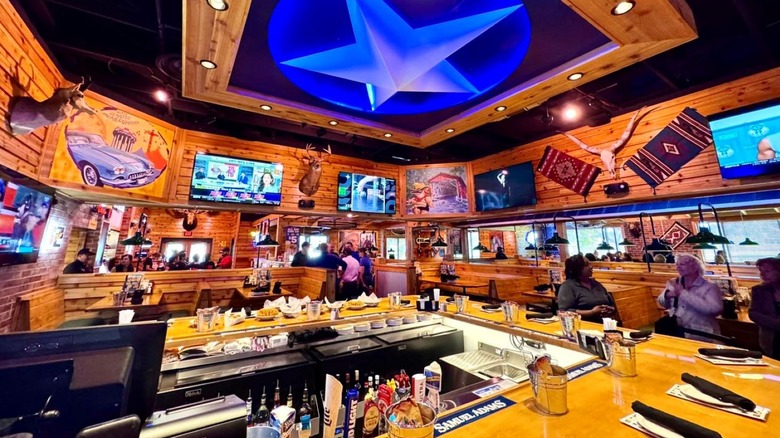
Texas Roadhouse has a more boisterous atmosphere than other chains, and had things gone according to the original plan, the restaurant would be even livelier.
Mashed – Fast Food, Celebrity Chefs, Grocery, Reviews









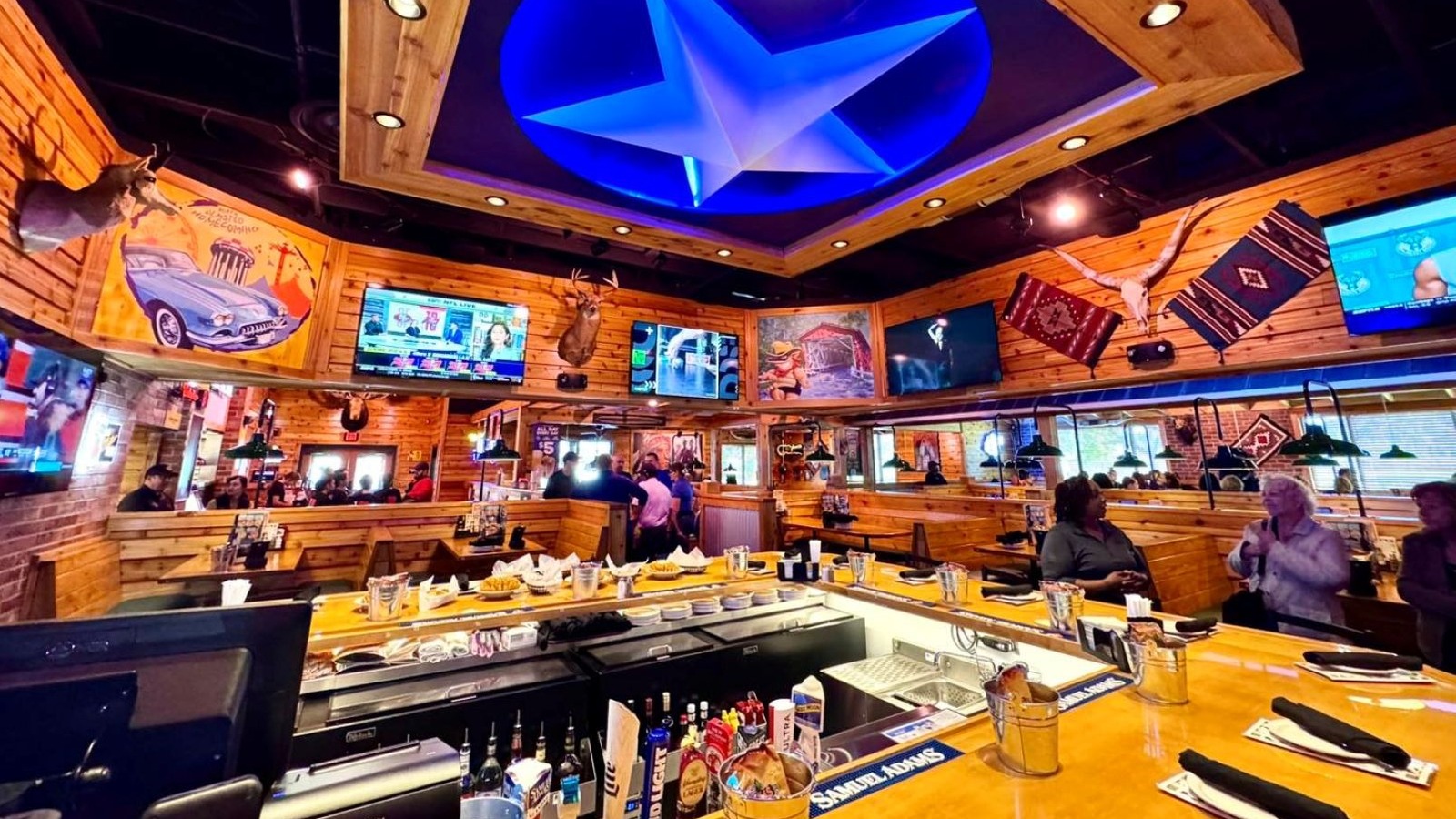
Texas Roadhouse has a more boisterous atmosphere than other chains, and had things gone according to the original plan, the restaurant would be even livelier.
Mashed – Fast Food, Celebrity Chefs, Grocery, Reviews
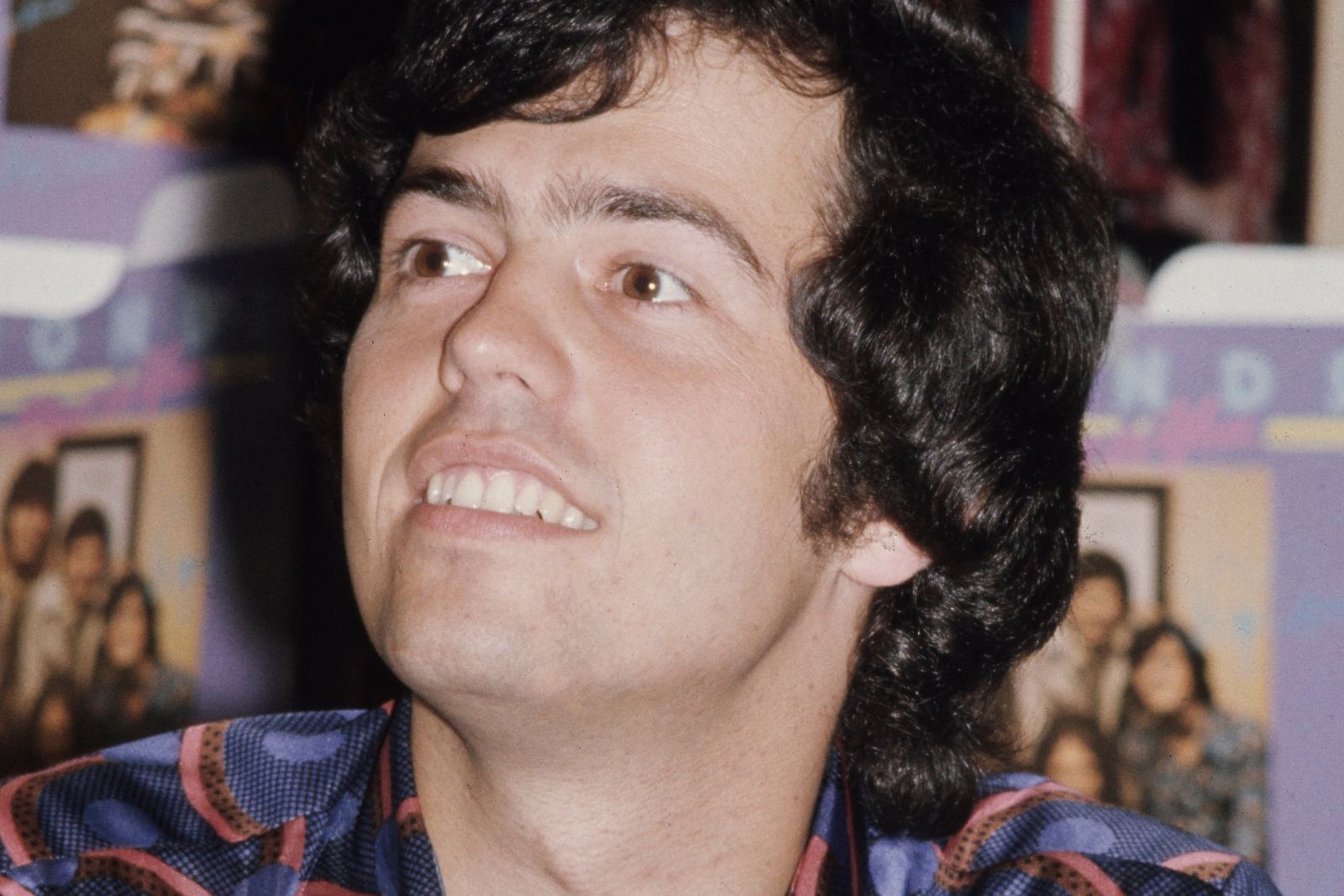
In a touching tribute post, Donny described his late brother Alan as “our leader in every sense of the word.” Continue reading…The Boot – Country Music News, Music Videos and Songs
In a touching tribute post, Donny described his late brother Alan as “our leader in every sense of the word.” Continue reading…Country Music News – Taste of Country

The Alaska Industrial Development and Export Authority, whose headquarters are pictured here, is leading state efforts to develop oil leases in the Arctic National Wildlife Refuge and to build roads to mining deposit in the Mat-Su and Northwest Alaska. (Photo by Nathaniel Herz/Northern Journal)
The state agency leading some of Alaska’s most polarizing development projects has approved a new communications budget, saying it needs to do a better job telling its own story amid attacks from critics.
The state-owned Alaska Industrial Development and Export Authority is run by a former chief of staff to Gov. Mike Dunleavy and is charged with promoting economic growth and expanding natural resource extraction and exports.

It is leading work to develop state-owned oil leases in the Arctic National Wildlife Refuge and also hopes to build two controversial new roads to access mining prospects in Northwest Alaska and outside of Anchorage.
Those projects have drawn sharp opposition from conservation organizations and other critics, including lawsuits, critical op-eds and campaigns that have labeled the agency “Bad AIDEA” and caricatured its leaders.
At a meeting in Ketchikan this month, board members, with no public discussion, authorized AIDEA’s staff to spend up to $700,000 a year on a new communications budget — formalizing a plan that the agency says was previously budgeted inconsistently through spending on individual projects.
The new communications plan, the agency said in its formal resolution authorizing the spending, will “ensure proper public engagement, transparency, and stewardship of the authority’s mission.” The money could go toward trade shows and conferences, responding to media inquiries and “other communications-related needs,” according to the resolution.
The agency’s executive director, Randy Ruaro, referred questions about the plan to Dave Stieren, an AIDEA employee who ran an advertising agency and hosted a conservative talk radio show before joining the Dunleavy administration.
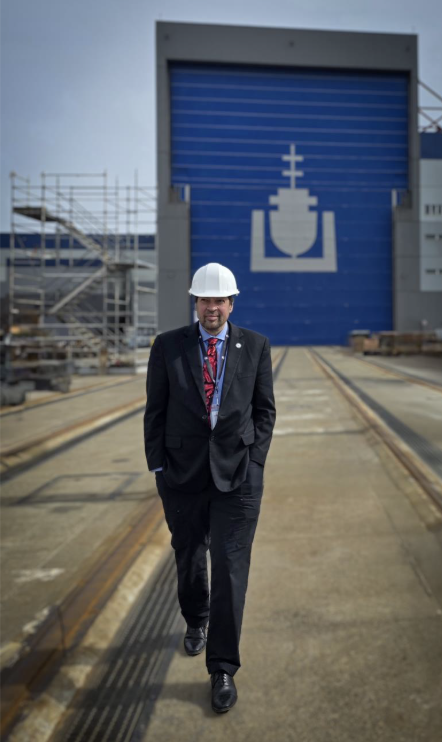
Stieren said he could not provide exact figures on AIDEA’s past communications spending, but he acknowledged that the new plan should allow the agency to meaningfully boost its public profile.
The $700,000 a year, he added, is a limit, and the agency will set a final budget through a request for proposals process.
“Mothership AIDEA has done, frankly, little to nothing on a consistent basis to tell our story,” Stieren said in an email — particularly when it comes to its loan programs that have helped finance tourism and hospitality businesses, like the Alaska Club fitness chain and Anchorage’s Bear Tooth pizza restaurant and theater.
“We’re far more than roads,” Stieren said. “But since we’ve really not promoted or showcased our efforts in traditional finance areas, I understand the narrative or lack thereof that folks may have.”
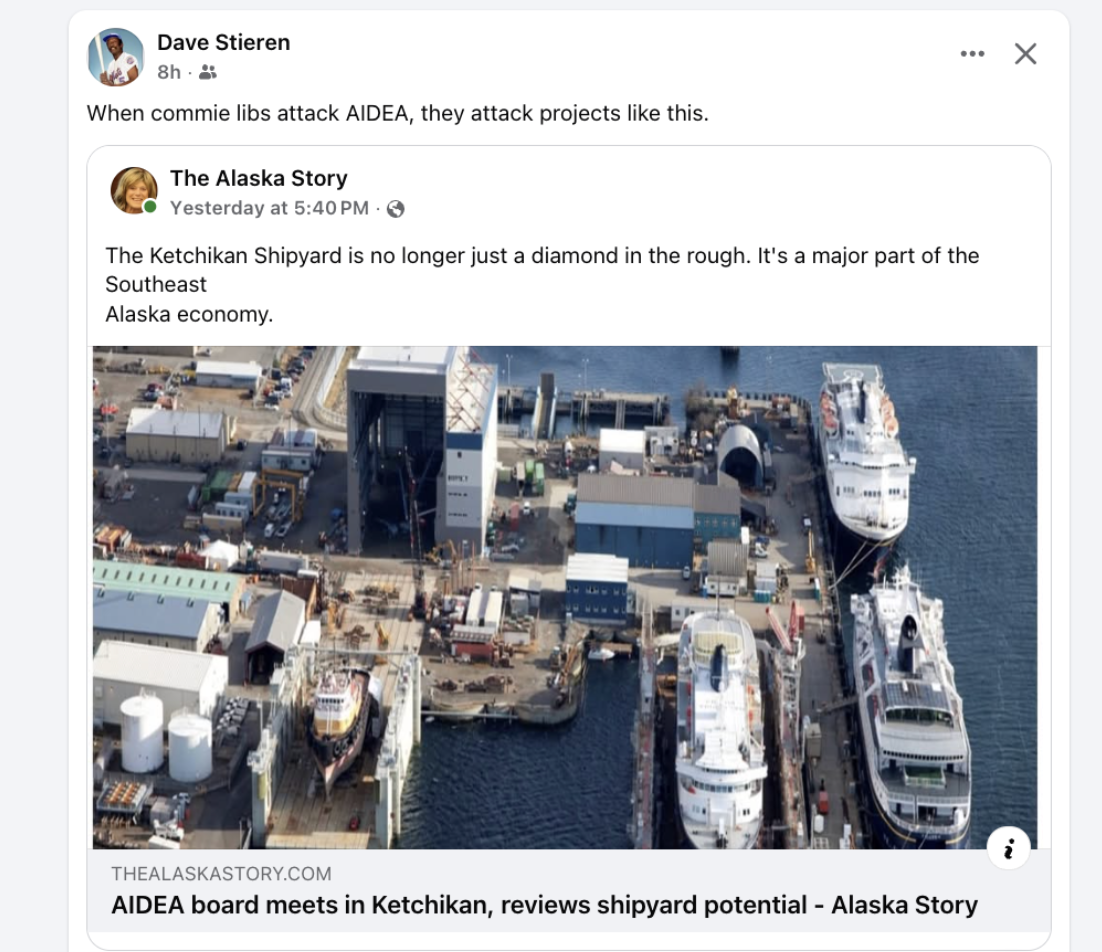
Stieren has also personally defended AIDEA on social media, including over the weekend — when he posted a conservative news website’s positive story about an agency-owned shipyard and said that “when commie libs attack AIDEA, they attack projects like this.”
AIDEA’s board chair, Bill Kendig, declined to answer questions about approval of the new communications budget when reached by phone.
At the Ketchikan meeting, one AIDEA critic, Melis Coady, credited the agency with formalizing communications spending as a “step toward accountability.” But she said that the plan doesn’t “deliver the transparency it describes” because it gives Ruaro, the executive director, authority to approve communications spending, and only requires that he report it to the board if asked.
“The authorization is broad, the dollar amount is undefined, and expenditures are approved solely by the executive director,” said Coady, who leads a conservation group called the Susitna River Coalition.
Ruaro, in an email, said AIDEA will issue reports on communications to board members “whether requested or not.”
SUBSCRIBE: GET THE MORNING HEADLINES DELIVERED TO YOUR INBOX

When you buy uncooked bratwurst, you only have a narrow window of time to use the sausage safely unless you plan on storing it in the freezer.

Mashed – Fast Food, Celebrity Chefs, Grocery, Reviews
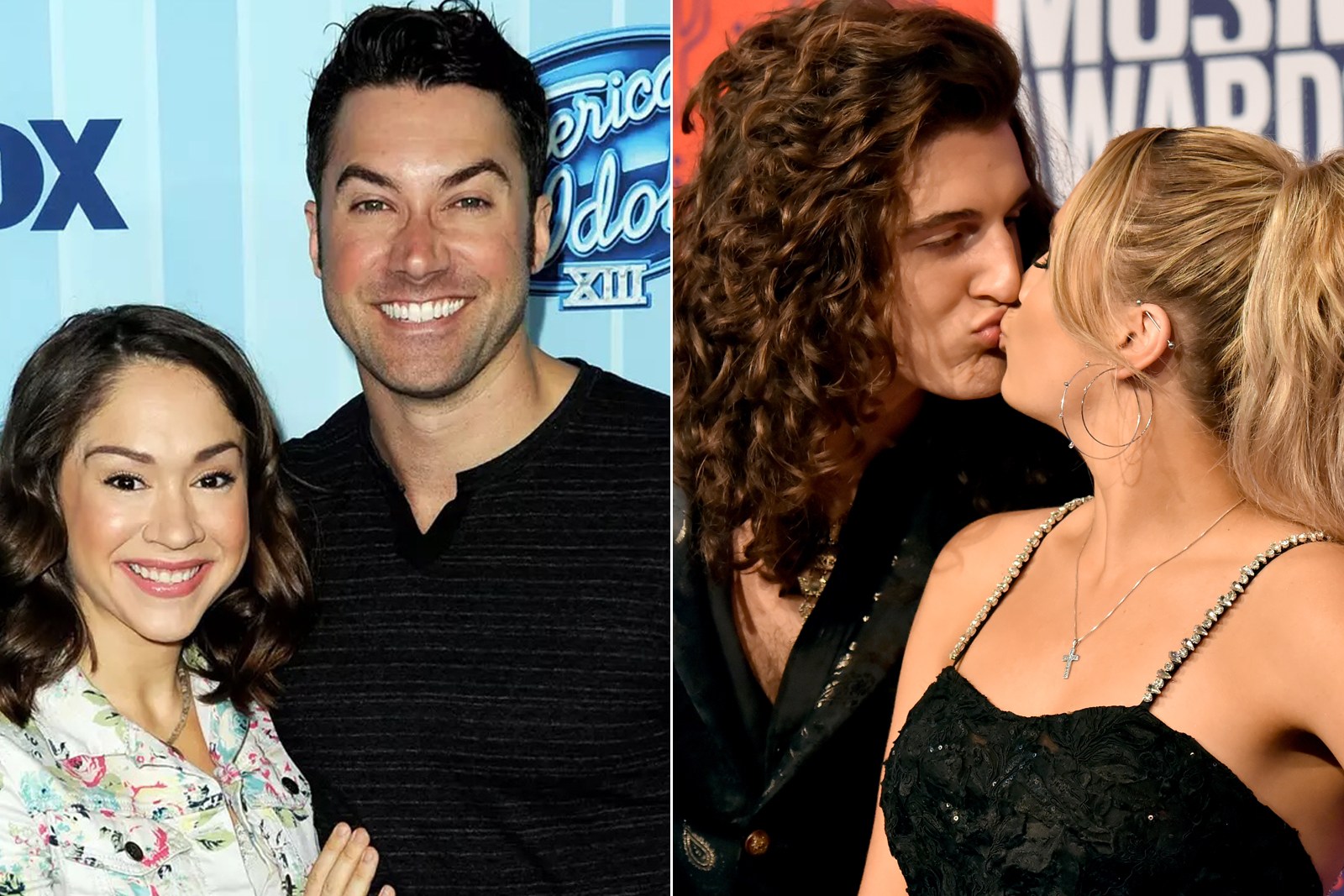
Half the ‘American Idol’ couples listed here are still together. In fact, three are married! Continue reading…The Boot – Country Music News, Music Videos and Songs
Half the ‘American Idol’ couples listed here are still together. In fact, three are married! Continue reading…Country Music News – Taste of Country

With the 2026 NFL Draft now just hours away, it’s time to get down to the nitty-gritty. After weeks of testing, film-watching and interviews, the scouts are making their final evaluations. So it’s time for me to do the same. The New York Giants’ recent acquisition of the No. 10 pick shifts the landscape. Ohio State’s quartet of top prospects remains in the top 10, as predicted in my most recent mock. Only now, they’re going to different teams. Let’s take a look at where everyone lands, from Fernando Mendoza to the choice of the Super Bowl champs at No. 32. 1. Las Vegas Raiders: Fernando Mendoza, QB, Indiana The Heisman Trophy winner steps into the perfect system for his talents as a high-IQ playmaker. Mendoza’s pinpoint passing skills and underrated mobility mesh well with the play-action-heavy scheme new Raiders head coach Klint Kubiak prefers to run. 2. New York Jets: David Bailey, EDGE, Texas Tech Defensive-minded head coach Aaron Glenn could build his scheme around Bailey’s destructive talents as a pass rusher. As a speed rusher with an explosive first step and a challenging signature move (dip-and-rip), the Texas Tech standout could create more turnover chances with his consistent harassment off the edge. 3. Arizona Cardinals: Arvell Reese, EDGE, Ohio State The versatile defender would add some sizzle to the Cardinals’ defense as a hybrid playmaker with disruptive potential. 4. Tennessee Titans: Jeremiyah Love, RB, Notre Dame Putting an All-Pro-caliber running back behind Cam Ward will not only help the franchise quarterback take his game to another level, but it will also allow the Titans to control the game with a diversified offensive approach. Love is a special playmaker with the potential to have a Christian McCaffrey-like impact on the offense. 5. New York Giants: Jordyn Tyson, WR, Arizona State The oft-injured playmaker is a worthwhile gamble due to his spectacular receiving skills and route-running ability. If healthy, Tyson is an unstoppable force on the perimeter who will force defensive coordinators to change how they defend the Giants’ passing game. 6. Cleveland Browns: Carnell Tate, WR, Ohio State The acrobatic pass-catcher is a dynamic route-runner and playmaker who flashes “take over the game” potential as a WR1. 7. Washington Commanders: Sonny Styles, LB, Ohio State Adding a sideline-to-sideline playmaker would help the Commanders eliminate some of the explosive plays generated by their opponents. Styles’ speed, quickness and burst not only show up on running plays, but it makes him a disruptive force on blitzes and in coverage. 8. New Orleans Saints: Rueben Bain, EDGE, Miami The high-motor defender is the perfect replacement for Cam Jordan on the edge. Bain’s heavy hands and violent approach would complement the rugged approach utilized by Chase Young on the opposite side. 9. Kansas City Chiefs: Kenyon Sadiq, TE, Oregon The ultra-athletic pass-catcher would upgrade the Chiefs’ passing game as a mismatch creator. Sadiq’s speed, quickness and athleticism would force opponents to direct double coverage his way, leading to more one-on-one matchups for Travis Kelce and others on the perimeter. 10. New York Giants: Caleb Downs, S, Ohio State The high-IQ safety is the traffic cop every elite defense needs in the middle of the field. Downs’ instincts, awareness and diagnostic skills led to countless big plays by him and his teammates at Ohio State. 11. Miami Dolphins: Mansoor Delane, CB, LSU The talented cover corner gives new head coach Jeff Hafley a versatile technician to feature in his “vision-and-break” scheme. Delane’s instincts, awareness and diagnostic skills make him an ideal fit for a defense that wants to utilize more zone-based concepts. 12. Dallas Cowboys: Dillon Thieneman, S, Oregon The ball-hawking center fielder will eliminate some of the big plays that tormented the Dallas secondary a season ago. Moreover, Thieneman’s range and ball skills will help the Cowboys produce more takeaways in 2026. 13. Los Angeles Rams: Spencer Fano, OT, Utah Adding a versatile frontline blocker will give Sean McVay the flexibility to reshuffle his offensive line to feature the best front five on game day. Fano’s physicality and toughness will add a dimension to the Rams’ offensive line. 14. Baltimore Ravens: Vega Ioane, OG, Penn State Adding a big-bodied bully to the frontline should help the Ravens get back to the rugged offensive approach that has helped them crush opponents for years. Ioane plays with the violence, physicality and nastiness that the Ravens demand from their offensive line. 15. Tampa Bay Buccaneers: Akheem Mesidor, EDGE, Miami Todd Bowles needs a disruptive edge defender to elevate the Buccaneers’ defense in 2026. Mesidor is a plug-and-play prospect with the talent, tools and potential to become a double-digit sack producer in an aggressive scheme. 16. New York Jets: Makai Lemon, WR, USC Adding a dynamic slot receiver to the lineup should alleviate some of the pressure on WR1 Garrett Wilson to carry the passing game. Lemon is a spectacular route-runner with outstanding hands and ball skills. 17. Detroit Lions: Monroe Freeling, OT, Georgia After moving on from left tackle Taylor Decker, the Lions take a talented developmental prospect to feature at the marquee position of the frontline. Although Freeling will need some time to grow into his role as a blind side protector, the Georgia standout has all the tools to play at an elite level early in his career. 18. Minnesota Vikings: Jermod McCoy, CB, Tennessee If healthy, McCoy is an elite cover corner with the tools to develop into a Pro Bowl-caliber defender on the island. As a featured playmaker in defensive coordinator Brian Flores’ aggressive scheme, the ball-hawking cover corner will force quarterbacks into more tight-window throws. 19. Carolina Panthers: Emmanuel McNeil-Warren, S, Toledo As a rangy center fielder with outstanding ball skills and awareness, EMW will add some much-needed playmaking ability to a unit that needs to generate more turnovers in 2026. 20. Dallas Cowboys: Avieon Terrell, CB, Clemson The versatile cover corner is a pro-ready defender with the tools to flourish in a “see ball, get ball” system that prioritizes tackling and takeaways. 21. Pittsburgh Steelers: Chase Bisontis, OG, Texas A&M Adding a sturdy interior blocker will not endear general manager Omar Khan to the fan base, but the move could stabilize the Steelers’ offensive line for the next five years. The talented technician plays well within the phone booth, exhibiting the nastiness and toughness the Steelers covet in their offensive linemen. 22. Los Angeles Chargers: T.J. Parker, EDGE, Clemson With Khalil Mack’s time nearing an end, the Chargers need a power rusher to fill the role. Parker’s strength, power and burst should make him an effective complementary pass rusher opposite an emerging star. 23. Philadelphia Eagles: Kadyn Proctor, OT, Alabama The super-sized edge blocker could crack the lineup immediately as a guard before bouncing out to right tackle when Lane Johnson retires. 24. Cleveland Browns: Caleb Lomu, OT, Utah As a natural left tackle with flawless footwork in pass protection, the Utah standout gives the Browns a blind side protector for the next decade. Lomu must improve as a run blocker, but his outstanding agility, balance and body control should enable him to effectively shadowbox elite pass rushers on the edge. 25. Chicago Bears: Keldric Faulk, EDGE, Auburn The ultra-aggressive edge defender specializes in stopping the run, but possesses the tools to develop into an effective pass rusher off the edge. 26. Buffalo Bills: Cashius Howell, EDGE, Texas A&M The dynamic pass rusher brings the juice off the edge, providing new defensive coordinator Jim Leonhard a high-energy pass rusher to build around. 27. San Francisco 49ers: Denzel Boston, WR, Washington Adding the big-bodied pass-catcher to the room provides the 49ers with a succession plan after Mike Evans’ eventual departure. With Boston serving as an apprentice to a perennial Pro Bowler, the 49ers’ passing game should be in good hands with their future WR1. 28. Houston Texans: Kayden McDonald, DT, Ohio State The run-stuffing defensive tackle will occupy multiple blockers at the point of attack to create more big-play opportunities for Danielle Hunter and Will Anderson Jr. 29. Kansas City Chiefs: Colton Hood, CB, Tennessee The loss of Trent McDuffie and Jaylen Watkins forces the Chiefs to address the cornerback position with a top pick. Hood is the instinctive cover corner who typically thrives in Kansas City’s ultra-aggressive scheme. 30. Miami Dolphins: KC Concepcion, WR, Texas A&M The pass-catching phenom is the dynamic playmaker new QB1 Malik Willis needs on the perimeter. Despite his struggles with drops, Concepcion terrorizes opponents between the hashes as a catch-and-run specialist who routinely registers his touches on crossers and square-in routes. 31. New England Patriots: Max Iheanachor, OT, Arizona State The big-bodied edge blocker is a work in progress, but the Patriots can redshirt him for a season behind Morgan Moses before he takes over for the veteran at right tackle. 32. Seattle Seahawks: Malachi Lawrence, EDGE, UCF The defending champs add a high-motor pass rusher to a rotation of edge defenders with complementary skills. Lawrence’s fanatical effort and relentless approach fit the Seahawks’ throwback culture.Latest Sports News from FOX Sports
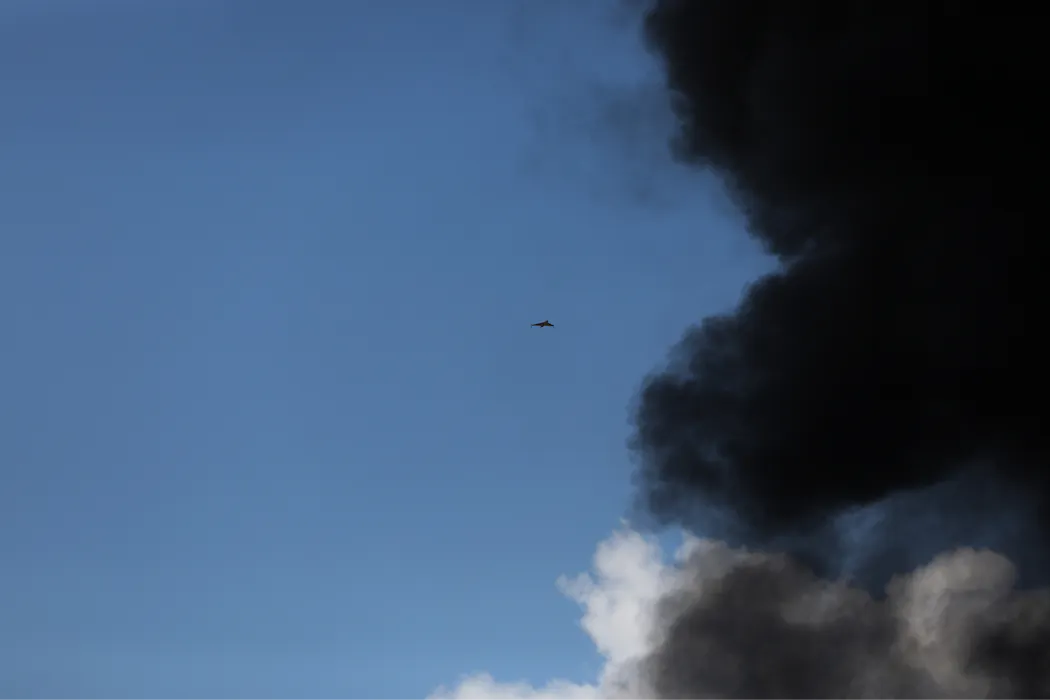
It may sound hard to believe, but the almost trillion-dollar U.S. military is struggling to fight cheap drones in its war with Iran.
Iran has built a simple drone, the Shahed, with a motorcycle-type engine, loaded it with explosives and successfully targeted its neighbors’ cities and power plants.
Iran has also hit U.S. military bases with these drones, including an early April 2026 attack on the U.S. Victory Base Complex in Baghdad.
The drones cost between US$20,000 and $50,000 to build. In response, the U.S. military sometimes fires missiles worth more than $1 million to shoot one down.
As a former U.S. Air Force officer and now national security scholar, I believe that math is a problem: The U.S. military for now has a $1 million answer to a $20,000 question. This math tells you almost everything you need to know about one of America’s biggest national security headaches.
And the frustrating part is that the U.S. military watched this happen in Ukraine for years. It knew the threat was coming.
The Shahed isn’t impressive because it’s high-tech. It’s impressive because it isn’t.
Inspection of captured Shahed drones has found that many of their parts are made by ordinary commercial companies. That includes processors from a U.S. manufacturer, fuel pumps from a U.K. company and converters from China.
These military components aren’t hard to get. You could find similar parts in factories or farm machinery. That’s exactly what makes the Shahed so tough to deal with.
Russia, which also produces the drone, tolerates losing more than 75% of its Shahed stock because even at those loss rates, it’s winning the math battle against Ukraine. Russia or Iran don’t need every drone to hit its target. They just need to keep sending waves of them until their opponent runs out of expensive missiles to shoot back.
Ukraine, which had no choice but to learn fast, eventually figured out a better answer. Ukraine developed cheap interceptor drones that could slam into Shahed drones before they reached their targets. Each interceptor costs about $1,000 to $2,000, and Ukrainian manufacturers are producing thousands of them per month. That’s better math: a $2,000 interceptor against a $20,000 attacker.

Ukraine’s battlefield experience, as a result, has become one of the most valuable resources in the world, with American and allied forces asking Ukrainian drone experts to share their knowledge.
Why can’t the U.S. churn out a solution of its own? Because the U.S. military doesn’t have a technology problem but a bureaucracy problem.
The U.S. Department of Defense typically can’t just buy things. It follows a long, complicated process that can take a decade or more to go from “we need something” to “here it is.” That process runs through three separate bureaucratic systems, each of which can cause years of delay.
First, someone must write a formal document, known as a requirement, that explains exactly what they need and why. A military service, such as the Air Force, for example, drafts up a requirement and routes it through an internal service review within only their branch.
Until recently, this service-vetted requirement went through a Pentagon review process, the Joint Capabilities Integration and Development System, where all joint services took a look. This process, which the Department of Defense ended in 2025, required approval from military officials.
Even though the joint requirements process was ended, implementation of a new system is far from complete, and the existing culture potentially remains. Under the old requirements process, it took over 800 days to get a requirement approved.
Second, any new program then needs money. This is handled through the planning, programming, budgeting and execution process, a budget cycle designed in 1961. Getting a new program into the budget typically takes more than two years after the requirement is approved, because the military must submit its budget request years in advance. By then, the threat has potentially already moved on.
Third, once a requirement is approved and money allocated, the program then must be developed and built. The average major defense acquisition program now takes almost 12 years from program start just to deliver an initial capability to troops in the field, according to a 2025 Government Accountability Office report.
Add it up and you get a system where the military sees a threat, begs for a solution, argues for money and waits a decade.
The Shahed drone exposed a gap that defense experts have been warning about for years: The U.S. military is very good at building the most advanced, most expensive weapons in the world, but it struggles to build cheap, simple things fast. That is the opposite of what this new kind of warfare demands.
It would be easy, but inaccurate, to blame the military for the decade-long contract process. The real answer is more complicated.

The Pentagon’s lengthy process was designed by the Department of Defense and Congress for a reason. Policymakers created the current system during the Cold War to combat excessive and redundant spending by the separate service branches. The system is built with checkpoints, reviews and approvals to make sure taxpayer money isn’t wasted.
Legacy military contractors also benefit from this dysfunctional process and resist change. They have the capital and know-how to wait out the predictable and stable existing contracts, while vying for new ones. These military contractors rarely need to worry about upstart contractors because they know small companies cannot survive waiting for a decade to secure funding for their prototypes.
The problem is that those rules were built for a world where the biggest threat was another superpower’s expensive jets and missiles. It wasn’t built to fight a flying bomb made from tractor parts. This type of threat requires fast innovation from lean companies, the exact companies that struggle in the current budget process.
There are signs of movement. In August 2025, the Pentagon killed its old requirements process entirely and replaced it with a faster, more flexible system.
However, killing the requirements process dealt with only one leg of the three-legged monster. The 1960s-era budget process that determines how money flows remains largely intact.
The most important reforms still need Congress to act, and Congress moves slowly, too. Congress has launched studies into reforming this system numerous times, with the answers being too politically difficult to implement.
Officials are expanding the use of flexible contracting tools, such as Other Transaction Authority, that let the military skip some traditional rules to get anti-drone technology faster. Yet these flexible contracting tools still represent a small slice of the Defense budget, and their effectiveness is unclear.
Ultimately, instead of using flexible contracting tools to quickly buy new prototypes, the bureaucratically easier solution could be to buy more of the expensive, already approved missiles.
This quick fix would reload the military’s stock of interceptors with existing weapons systems, which is the source of the bad math. The math would get worse and at the same time the operational imperative to find cheaper and better solutions might disappear.
So, as the Shahed keeps flying, the most powerful military in the world is still figuring out the paperwork and looking to other countries for help.

Aaron Brynildson served in the U.S. Air Force from 2016-2025.
Politics + Society – The Conversation
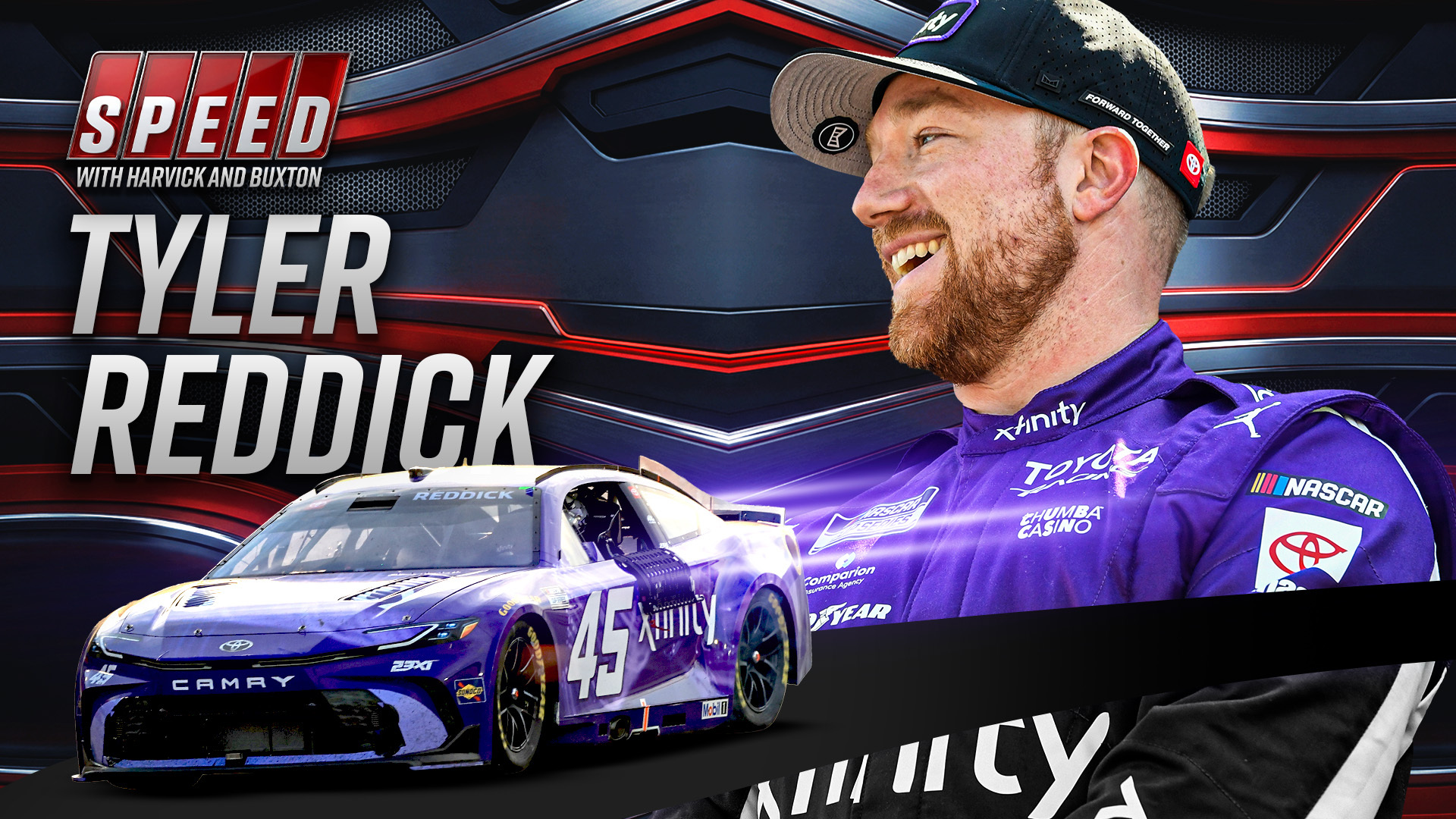
We’re seeing a new and improved Tyler Reddick during the 2026 NASCAR Cup Series season. Entering the season, he had a total of eight Cup race wins — three with Richard Childress Racing in 2022 and five with 23XI Racing across 2023 and 2024. But in 2026 alone, he might match that total as he currently owns five wins through nine races. FOX Sports NASCAR analyst Kevin Harvick certainly thinks the mark is possible. “He’s going to break the record for most wins in a Gen-7 car,” Harvick said on the latest edition of “SPEED With Harvick and Buxton”. “The record is six right now… He’s going to break that record.” Reddick, Harvick believes, will join the likes of Kyle Larson, William Byron and Denny Hamlin in terms of most victories achieved in a single season in the newest generation car, introduced in 2022. It’s a mountaintop he can soon reach because of the changes he, individually, has made, and the upgrades 23XI Racing have put in place this season. “When you get the momentum, and the car’s right, and the pit crew, and everything’s lined up right, and you have an elite driver — like you do with Tyler Reddick — you can get on a roll,” Harvick said. “I think the biggest difference for Tyler Reddick and 23XI this year… they’re able to really focus on who they are as a race team.” Harvick first noticed that before the Daytona 500. When he was preparing for the broadcast, a crew member told him that Reddick was already out and ready for his interview. That stood out to Harvick as he had never seen that punctuality from Reddick. “That was the first time that I had really heard, ‘Wow, Tyler Reddick’s going next level Cup racing this year with himself, mentally,” Harvick said. [NASCAR POWER RANKINGS: Tyler Reddick Too Hot & Can’t Be Stopped] Harvick expressed to Reddick that he was impressed with him showing up early and prepared to do the Daytona 500 interview, and Reddick replied: “Had to change. Had to get my stuff together. I needed to be on time.” That commitment to preparedness was the final step in Reddick’s rise to being elite. He, Harvick explained, was “handpicked by Hamlin and Michael Jordan” to race for 23XI because “his ability within the race car is elite.” Now that he’s honed in on the mental side and increased his focus, there’s nothing stopping him from fulfilling Harvick’s prediction and breaking the record for wins in a Cup series season during the current generation. CHECK OUT THE FULL EPISODE OF “SPEED”:Latest Sports News from FOX Sports